
African fermented foods, drinks and preservation
From sour breads and milk to savoury seeds, cassava staples and living beers, African fermentation follows the crop, the community and the work of transformation.
 FermenteaWhere food goes to change
Traditional method
Togwa
A Tanzanian cereal drink of cooked maize and sorghum flour thinned by sorghum-malt enzymes, soured by lactic acid bacteria and often started with a little of the previous batch.

Togwa is a traditional Tanzanian fermented cereal drink produced from a cooked grain slurry and malt.
It is consumed as an everyday food and beverage, with a characteristic combination of cereal flavour, acidity and a substantial body.
The drink can be made from maize, sorghum, millet or mixtures of these grains.
Its exact production method varies between households and producers.
This page covers a maize-and-sorghum formulation documented through research on togwa produced in Morogoro, Tanzania.
The method uses equal weights of maize and sorghum flour, followed by cooking, the addition of sorghum malt and fermentation.
A portion of previously fermented togwa may be incorporated as a starter.
The result is a mixed lactic-acid and yeast fermentation rather than a conventional beer made exclusively with brewing yeast.
The term togwa identifies a beverage family rather than one universal cereal ratio.
The Morogoro study investigated several variants, including maize-only, sorghum-only, millet and mixed-cereal preparations.
Swahili — Togwa
English — Tanzanian fermented cereal drink
Maize — Zea mays
Sorghum — Sorghum bicolor
Sorghum malt — Germinated and processed sorghum grain
Backslopping — Inoculation with previously fermented product
Fermented cereal drinks form an important part of East African food traditions.
They use locally available grains and relatively simple processing equipment.
Togwa is generally consumed fresh.
It can provide energy through its cereal solids and is often treated as a substantial refreshment.
The beverage is also part of a wider African tradition of using malting and spontaneous fermentation to transform cereal foods.
The exact date when togwa originated is not established by the available sources.
A major microbiological investigation was published in 2003 by researchers working with samples from Morogoro municipality.
The study examined the organisms and chemical changes during fermentation.
It provides one of the strongest technical descriptions of this particular mixed-grain beverage.
Maize provides a starch-rich cereal base with a generally mild flavour.
Sorghum contributes its own starch, proteins and other compounds.
Depending on the variety, sorghum may also contribute tannins and phenolic substances that affect flavour.
The mixture allows a producer to use the characteristics of both grains.
The 2003 study included a variant using maize and sorghum in a 1:1 weight ratio.
That ratio is the basis of this page.
It should not be imposed on all Tanzanian togwa.
Malted sorghum supplies enzymes generated or activated during germination.
These enzymes help convert accessible starch into smaller carbohydrates.
The process is particularly important because ordinary yeasts cannot directly consume intact starch.
Cooking gelatinizes the cereal starch, making some of it more susceptible to enzymatic attack.
Malt addition after cooling therefore has a functional role.
It helps generate sugars that can support subsequent fermentation.
The exact activity depends on malt preparation, temperature and the grain's enzymatic properties.
Research ratios · Finished yield not specified
The combined cereal flour concentration is approximately 10% w/v.
The flour portions are equal by weight.
The malt percentage refers to the prepared slurry, so it is not identical to adding 5 g malt per 100 ml original water under every circumstance.
Volume changes during cooking.
No final filtered or drinkable yield is specified.
Maize flour — 5 g per 100 ml initial water
Sorghum flour — 5 g per 100 ml initial water
Sorghum malt flour — 5% weight/volume of slurry
Previous fermented togwa, optional — Up to 10% volume/volume
Water — As required by the stated 10% cereal-flour ratio
A cooking pot, stirring implement, suitable thermometer, clean fermentation vessel and measuring equipment are required.
A scale is preferable because the method is defined by flour and malt concentrations.
Temperature control is more important here than in many loosely documented household drinks because the research specifies 30°C.
Combine maize and sorghum flour in equal proportions.
The total cereal-flour loading is approximately 10% w/v relative to the initial water.
For every 100 ml starting water, the formulation represents 5 g maize flour and 5 g sorghum flour.
This is an expression of the study's ratio, not a separate independently tested batch size.
Mix the flour with water until evenly dispersed.
Avoid dry lumps.
A uniform slurry helps the starch cook more consistently.
Bring the slurry to a boil and stir for 10–20 minutes.
Stirring prevents lumps and reduces the risk of scorching.
The process gelatinizes cereal starch and produces the cooked base for fermentation.
Allow the cooked slurry to cool to approximately 30°C.
This is important because excessive heat can damage malt enzymes and microorganisms introduced during inoculation.
Incorporate sorghum malt flour at 5% w/v.
Mix thoroughly to distribute the malt.
Add up to 10% v/v previously fermented togwa.
This introduces a microbial population from an earlier batch.
Backslopping is an inoculation method, but it is not equivalent to using a fully characterized commercial starter.
It can also transfer contaminants if the previous batch is unsuitable.
Maintain the mixture at 30°C for up to 24 hours.
The research monitored the process at 0, 4, 8, 12 and 24 hours.
These were sampling times, not separate required stages in household preparation.
The finished drink should develop acidity and recognizable fermented cereal character.
The study does not provide a validated household storage period or universal final pH requirement for every batch.
Raw cereal flour contains starch granules that are not necessarily readily accessible to all enzymes.
Heating in water causes the granules to swell.
Starch gelatinization changes the viscosity of the mixture.
The cooked slurry becomes thicker because the hydrated starch interacts with the surrounding water.
That thickened base is then cooled and mixed with malt.
The malt's enzymes can act on accessible starch.
This process releases smaller carbohydrates, including sugars available to fermenting organisms.
The exact rate depends on enzyme activity, temperature and pH.
The research does not establish a separate precisely controlled saccharification rest.
Togwa fermentation involves lactic acid bacteria.
These organisms metabolize available carbohydrates and produce organic acids.
Lactic acid is particularly important.
The accumulation of acids lowers pH and creates the characteristic sour taste.
The 2003 research identified a strong increase in lactic-acid bacteria during fermentation.
Its detected organisms included bacteria historically named Lactobacillus plantarum, L. brevis, L. fermentum, Pediococcus pentosaceus and Weissella confusa.
Some of these organisms have since undergone taxonomic reclassification.
The older names remain useful when accurately reporting the organisms identified by the original study.
Yeasts were also important.
The study identified organisms including Saccharomyces cerevisiae, Issatchenkia orientalis and other yeasts.
Yeasts consume sugars and can produce ethanol, carbon dioxide and aroma compounds.
The combination of lactic-acid bacteria and yeasts creates a more complex fermentation than either group acting alone.
The microbial balance affects sweetness, acidity and aroma.
A batch dominated by a different microbial community may behave differently.
The Morogoro study reported that pH decreased from an initial range of 5.24–5.52 to 3.10–3.34 during the studied fermentation.
These are important experimental observations.
They demonstrate substantial acidification in the analyzed samples.
They do not establish that every home-produced batch will reach the same final pH.
The figures should therefore be included as research results rather than mandated safety endpoints.
The study observed that maltose increased initially and then decreased.
Fructose decreased.
Glucose levels rose during the first twelve hours.
These findings are consistent with continuing starch degradation and microbial sugar metabolism.
Enzymes can release sugars while microorganisms simultaneously consume them.
The concentration of any one sugar reflects the balance between production and consumption.
This explains why a cereal drink can change in perceived sweetness during fermentation.
The research detected lactic, succinic, formic, pyruvic, citric, pyroglutamic and uric acids.
Lactate was the dominant acid.
Volatile compounds included acetaldehyde, several higher alcohols, diacetyl, acetoin and ethanol.
Diacetyl can contribute buttery aroma.
Acetaldehyde can contribute sharper fermented notes.
Ethanol is both an alcoholic fermentation product and a volatile component of the finished beverage.
These compounds help explain why fermented togwa tastes different from a boiled cereal slurry.
No universal alcohol-free claim is justified.
The study detected ethanol, and its concentration increased during fermentation.
The precise concentration depends upon the particular batch and processing conditions.
A short fermentation does not automatically eliminate alcohol production.
A label claiming zero alcohol would require suitable analytical verification.
Uses maize as the dominant cereal.
Uses sorghum and may differ in colour, flavour and phenolic composition.
Uses millet, producing a different grain base.
Combines equal weights of maize and sorghum in the documented Morogoro variant.
Uses a portion of previous beverage to introduce microorganisms.
The presence or absence of backslopping can change fermentation speed and microbial composition.
Togwa is consumed as a fresh cereal beverage.
It may accompany meals or function as a filling drink.
Its viscosity varies.
Some preparations are easier to pour than others.
Because the beverage retains cereal-derived solids, settling can occur.
Gentle mixing before serving may restore a more uniform consistency.
Successful fermentation should produce a recognizable sweet-sour flavour.
The drink should retain cereal body.
The acidity should become noticeable.
Some gas formation may occur.
The colour depends on the grains.
The measured laboratory pH results are useful comparisons, but taste and appearance alone cannot confirm safety.
Excessively thick texture: Too much starch relative to water or inadequate control during cooking.
Lumps: Insufficient stirring during flour hydration or boiling.
Scorching: High heat without adequate stirring.
Weak fermentation: Poor malt activity or insufficient viable microorganisms.
Excessive acidity: Prolonged or unusually active fermentation.
Unexpected alcohol: Yeast metabolism may have continued.
Visible mould or putrefaction: Discard the material.
The original research identified hygiene and short shelf life as significant issues.
The study observed Enterobacteriaceae declining to undetectable levels within 24 hours in its sampled fermentations.
That finding is not proof that all pathogens are eliminated in every household batch.
Use potable water, sound cereals and properly cleaned equipment.
Backslopping should not be treated as safe when the previous batch's condition is uncertain.
No validated household storage period is given for the recipe.
Do not assume a 24-hour fermentation at 30°C produces a shelf-stable beverage.
A study of producer samples from Morogoro, Tanzania documents maize, sorghum, millet and mixed-cereal togwa. This record uses the study's 1:1 maize-sorghum variant, not a universal household method.
Scaling: ratio based
The study identifies poor shelf life and hygiene as concerns in traditional togwa; its microbial observations do not validate a household process.
Hazard sourceClean and sanitize food-contact equipment; the study supplies no validated storage limit or pathogen-control endpoint.
Control sourceThe study detected ethanol among togwa volatiles, increasing over fermentation; this drink is not guaranteed alcohol-free.
No validated household endpoint or storage duration is specified.
The study sampled producer togwa from Morogoro municipality; this is the tested mixed-grain method.
From sour breads and milk to savoury seeds, cassava staples and living beers, African fermentation follows the crop, the community and the work of transformation.
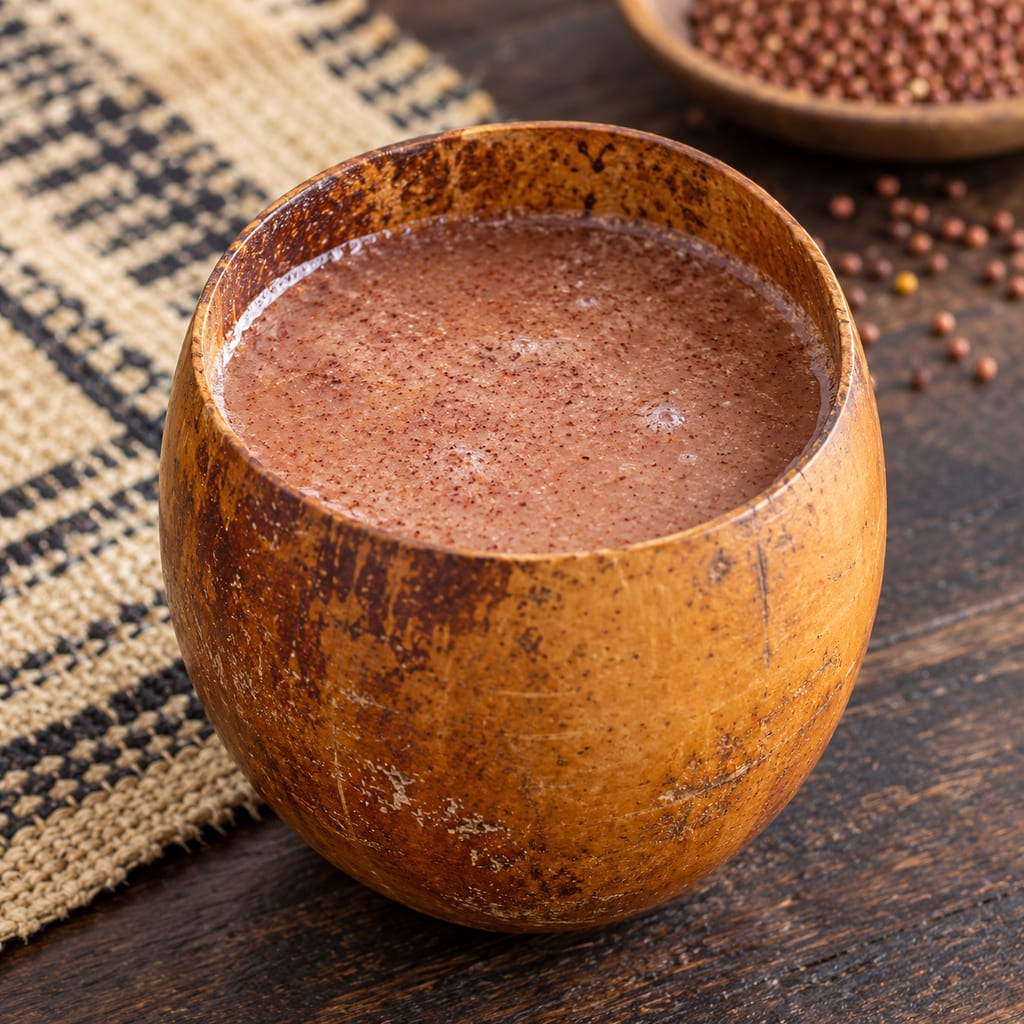
Chagga beer from the slopes of Kilimanjaro in Tanzania, made by combining a fermented banana porridge with a sweet porridge of germinated finger millet and drunk fresh within a day or two.

Salted mushrooms are a traditional wild-mushroom preserve, especially of Finnish and Russian milk caps, made by layering boiled mushrooms with coarse salt or keeping them under brine, and kept cold.
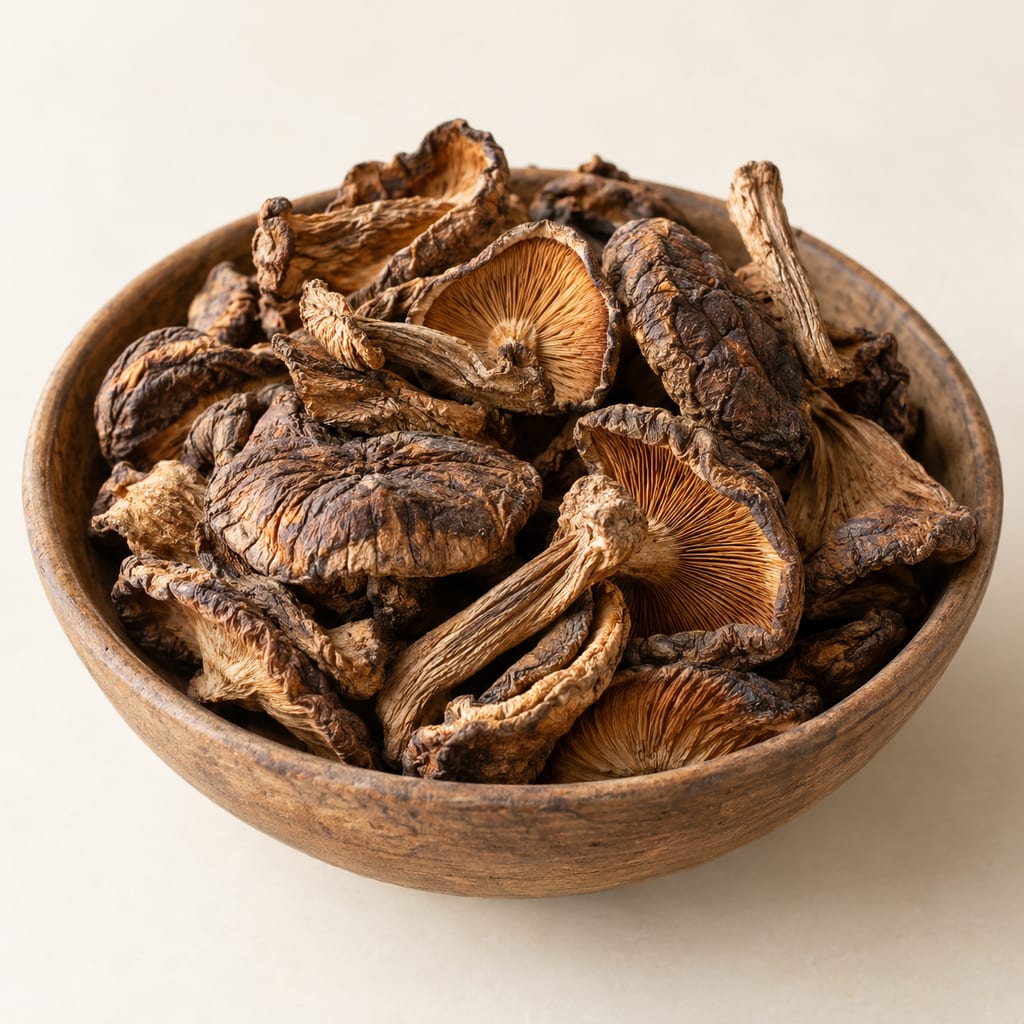
Hearth-dried mushrooms are dried on shelves above a cooking fire, so heat and smoke reach them. Tanzanian records describe the method; a Vietnamese study tested smoke-dried shiitake for fuel-dependent contaminants.
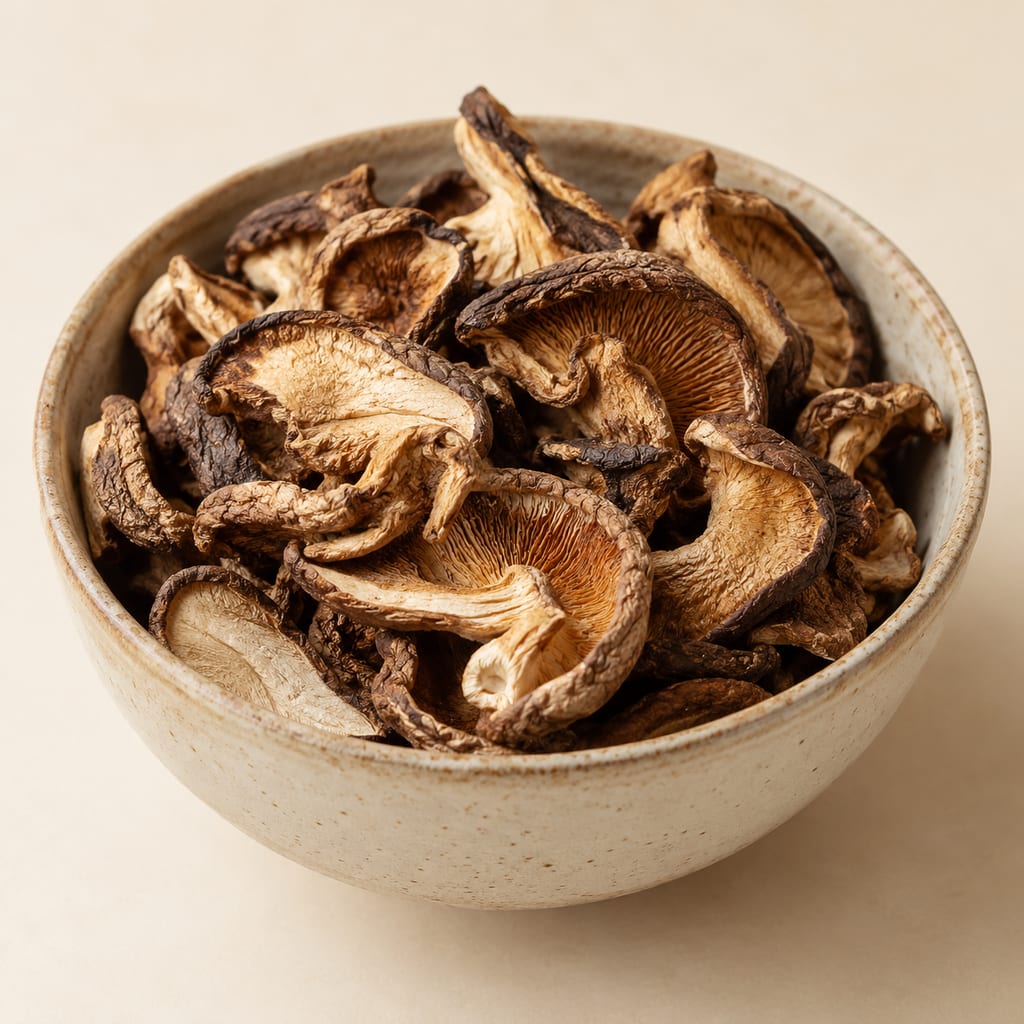
Sun-dried mushrooms are mushrooms spread in open sunlight and left to lose their water to solar heat and moving air, a method recorded in Nigeria, Tanzania, Mexico and among Algerian desert truffle gatherers.
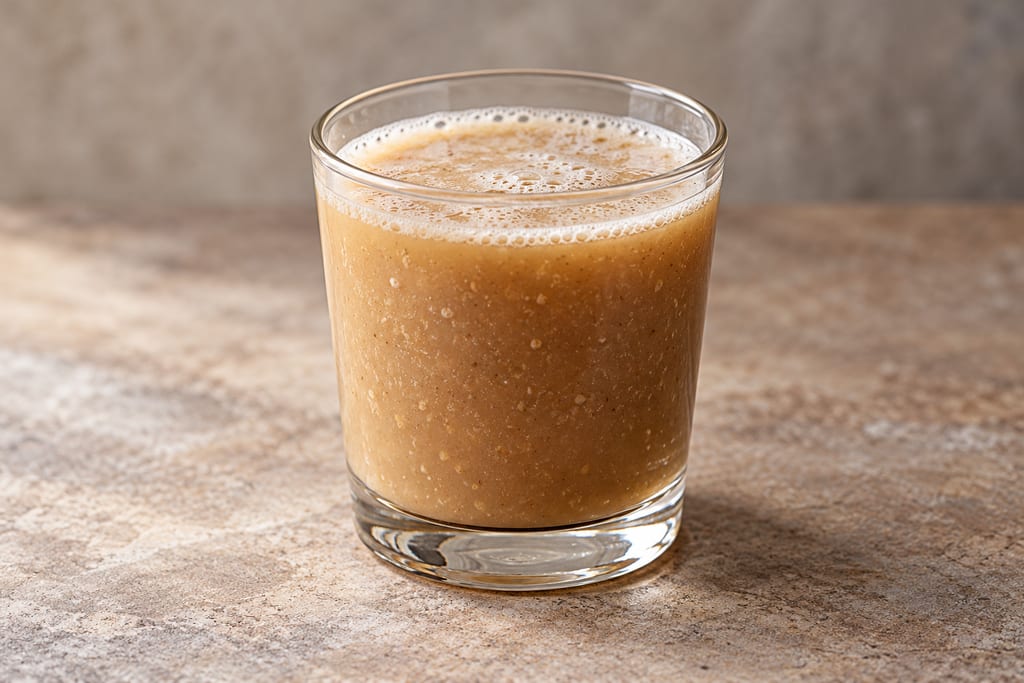
A thick, faintly fizzy Ethiopian cereal drink in which a wheat dough is fermented, roasted dark, then fermented a second time with barley malt into a drinkable slurry.

Hi-ire is the Japanese heat treatment of finished sake, about 65 °C, used to stop re-fermentation and souring. Brewers applied it from the Muromachi era.
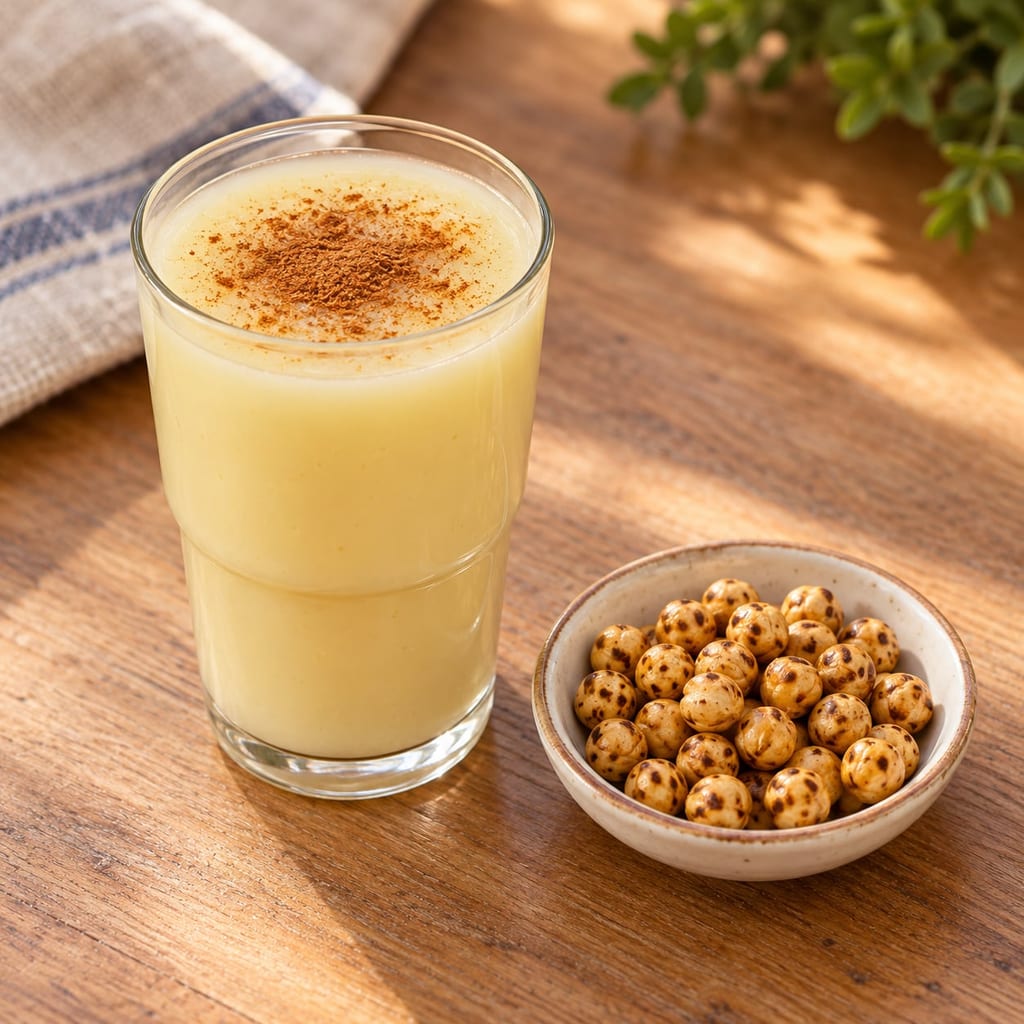
A thick, pale Turkish winter drink of bulgur and rice cooked to a soft cereal base, sweetened with grape molasses and fermented for two days.
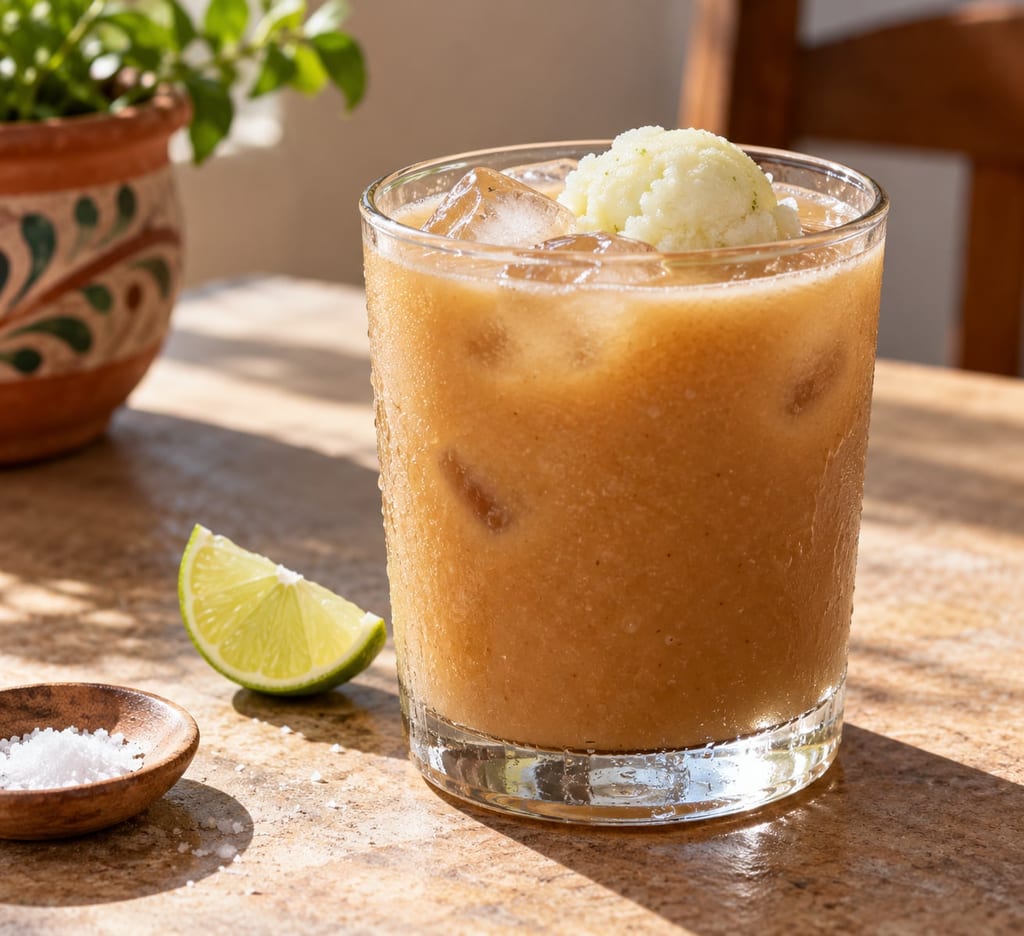
A tart, lightly fermented drink of Jalisco: nixtamalized maize masa cooked with piloncillo and limed, then diluted over ice and salted at serving.
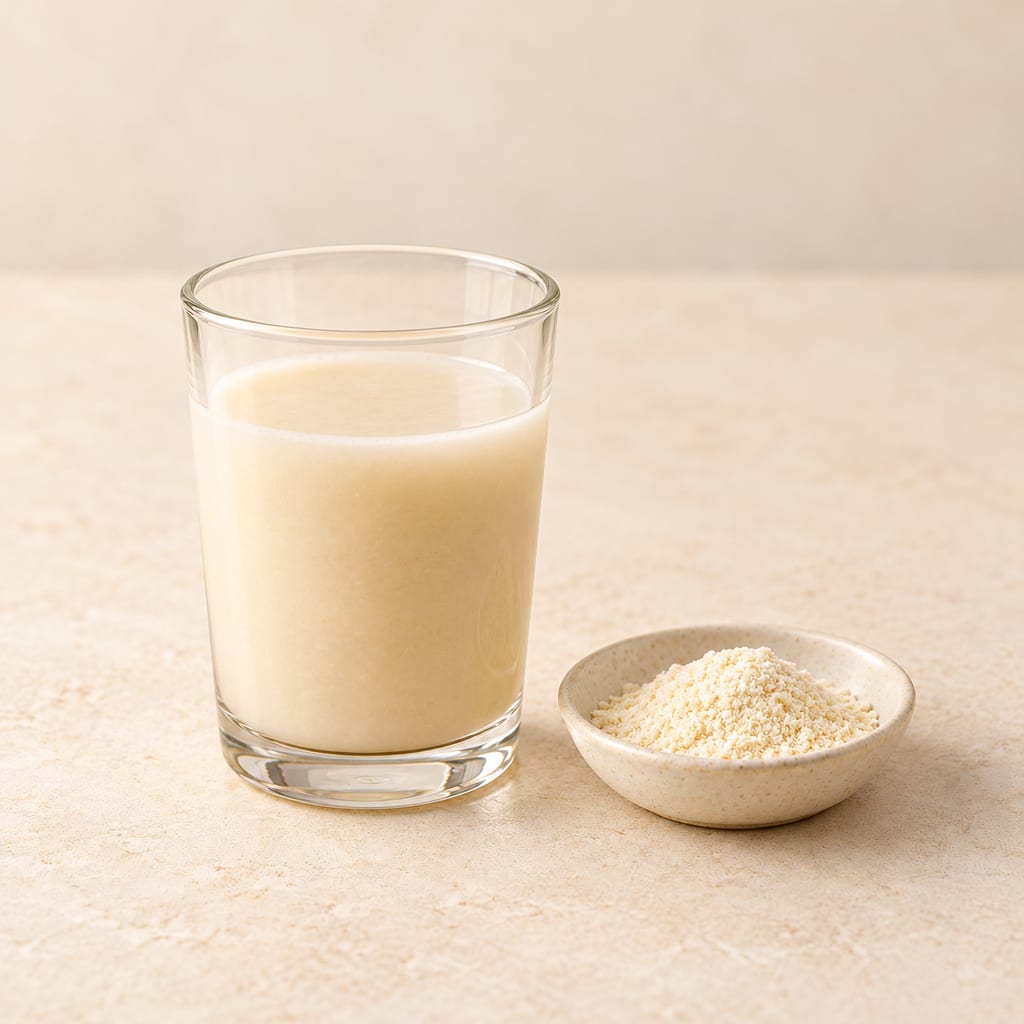
A Ugandan maize drink remade with a defined two-strain starter: roasted maize dough boiled to porridge, cooled and fermented under controlled conditions.
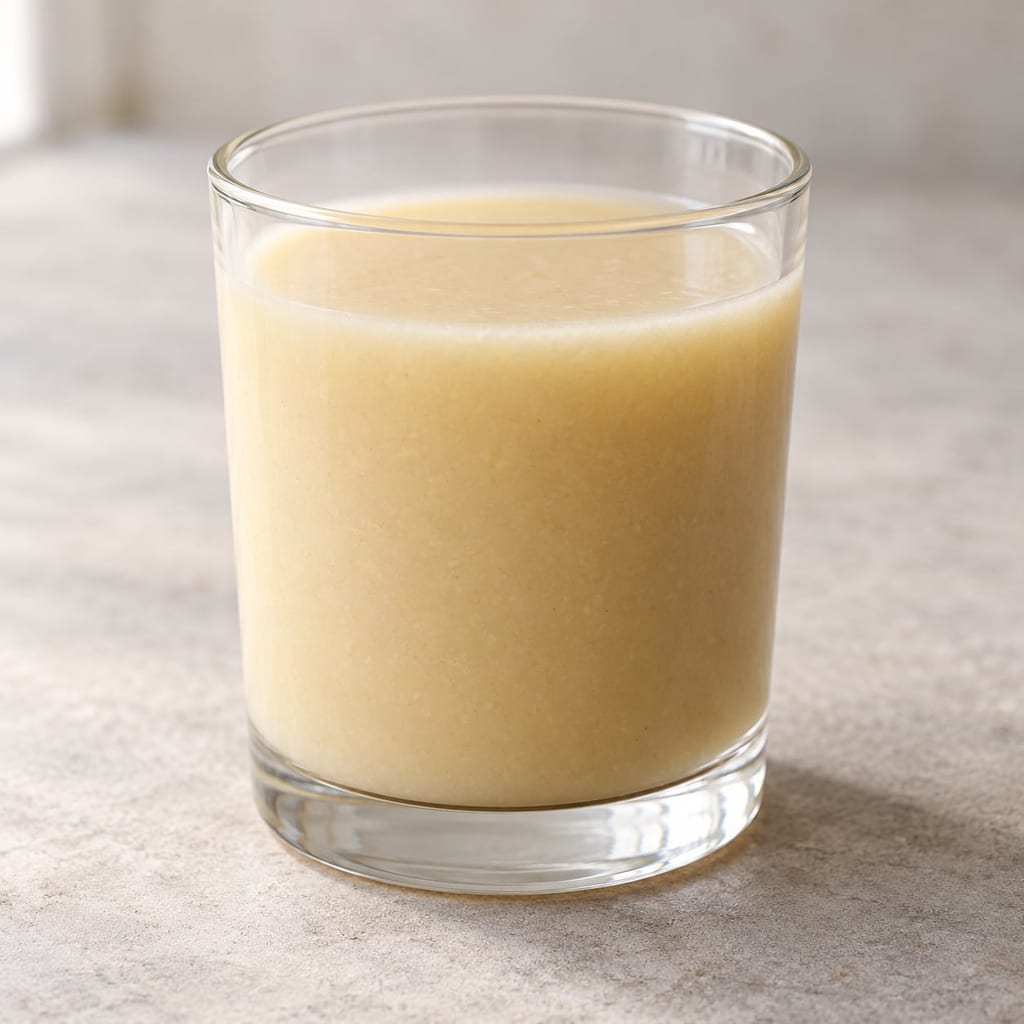
Kyrgyz Bozo is a mixed-fermented cereal drink made with ground grits, sprouted-wheat ugut and carried-over starter. This registry preparation leaves cereal selection, water and starter allocation unresolved.
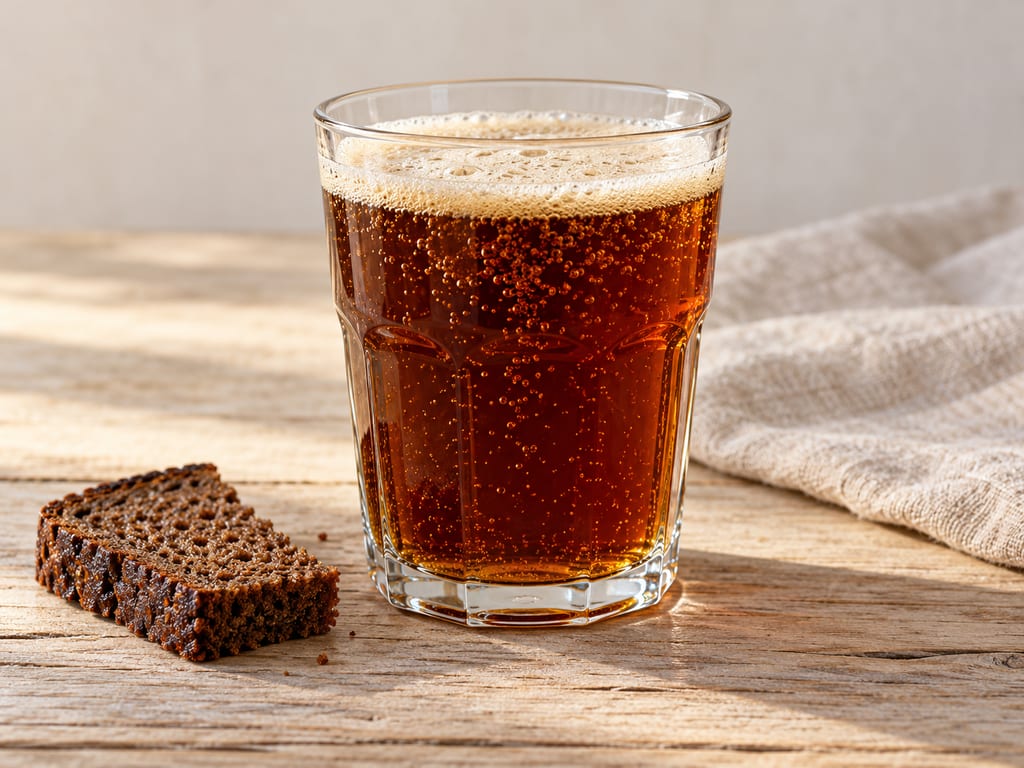
A documentary entry on Latvian rye-bread kvass, preserved from a modern Latvian rye collection. It records a food tradition, not a home-fermentation method.
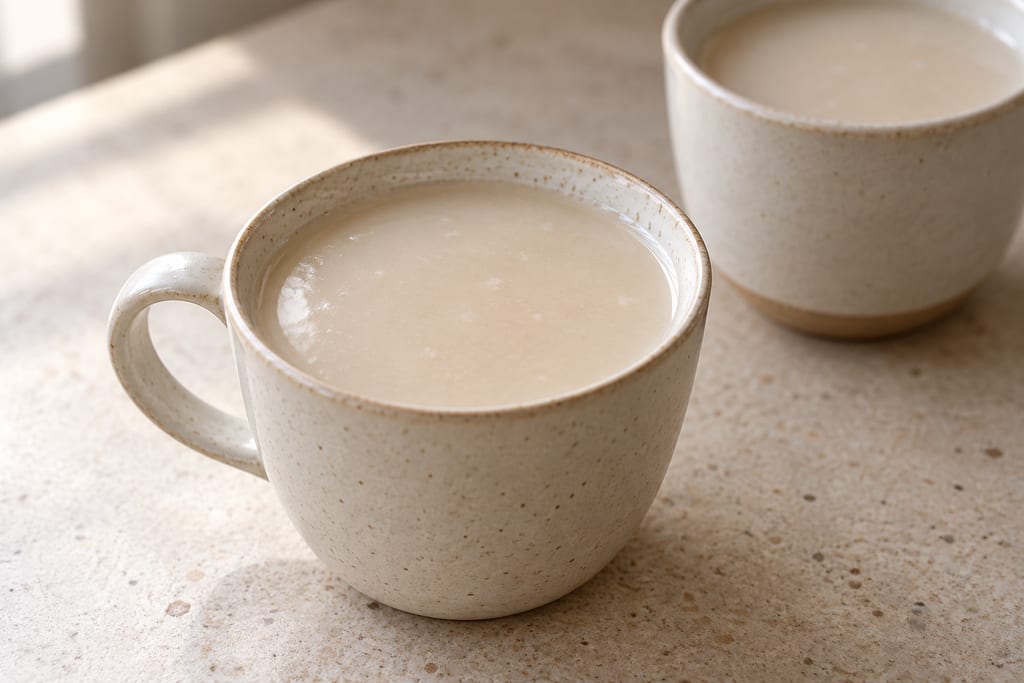
A documentary account of Zimbabwean mahewu and one producer's formula. Its quantities exceed the stated vessels, and research does not validate it as a safe home method.
No community contributions have been published for this entry yet.
Sign in to contribute. Published comments and photos are free to read.
International Journal of Food Microbiology / Elsevier author manuscriptInspiration · Process · History · Location · Safety
Microbiological and Fermentation Characteristics of Togwa, a Tanzanian Fermented FoodMorogoro producer samples include maize, sorghum, millet and 1:1 w/w maize-sorghum togwa.
Method: flour about 10% w/v, boil 10–20 min, cool around 30°C, add 5% w/v sorghum malt and up to 10% v/v backslop, ferment at 30°C up to 24 h.
Study detects ethanol and notes poor shelf life and hygiene concerns.
Cited in: What is togwa?; Names and ingredients; Cultural setting; Why maize and sorghum are combined; The role of sorghum malt; Ingredients; Equipment; Stage 1 — Prepare the flour blend; Stage 2 — Hydrate; Stage 3 — Cook; Stage 4 — Cool; Stage 5 — Add sorghum malt; Stage 6 — Optional backslopping; Stage 7 — Ferment; Stage 8 — Assess; The chemistry of cereal cooking; Lactic-acid fermentation; Yeast fermentation; Measured pH changes; Changes in sugar composition; Organic acids and aromas; Is togwa alcohol-free?; Maize togwa; Sorghum togwa; Millet togwa; Maize-sorghum togwa; Backslopped togwa; How togwa is consumed; Quality checks; Common problems; Safety and short shelf life
Clemson Cooperative ExtensionSafety
Cleaning and Sanitation for the HomebrewerCleaning and sanitation reduce contamination risk; they do not validate this recipe.
Cited in: What is togwa?; Names and ingredients; Why maize and sorghum are combined; The role of sorghum malt; Ingredients; Equipment; Stage 1 — Prepare the flour blend; Stage 2 — Hydrate; Stage 3 — Cook; Stage 4 — Cool; Stage 5 — Add sorghum malt; Stage 6 — Optional backslopping; Stage 7 — Ferment; Stage 8 — Assess; Lactic-acid fermentation; Measured pH changes; Changes in sugar composition; Organic acids and aromas; Is togwa alcohol-free?; Maize togwa; Sorghum togwa; Millet togwa; Maize-sorghum togwa; Backslopped togwa; How togwa is consumed; Quality checks; Common problems; Safety and short shelf life
Mugula et al., 2003Microbiology
Mugula et al., 2003 — Microbiological and fermentation characteristics of togwaMicrobiological and fermentation characteristics of togwa
Cited in: The chemistry of cereal cooking; Yeast fermentation
International Journal of Food MicrobiologyHistory · Microbiology
International Journal of Food Microbiology — Original research articleOriginal research article
Cited in: Cultural setting; The chemistry of cereal cooking; Yeast fermentation