Rice flour
Rice flour is ground, non-waxy rice used in breads, batters and noodles. Its particle size, milling and rice variety shape how it absorbs water and sets when cooked.
 FermenteaWhere food goes to change
Traditional method
Cochette · mourou cochette (cooked rice preparation) · gouille (filtered wort)
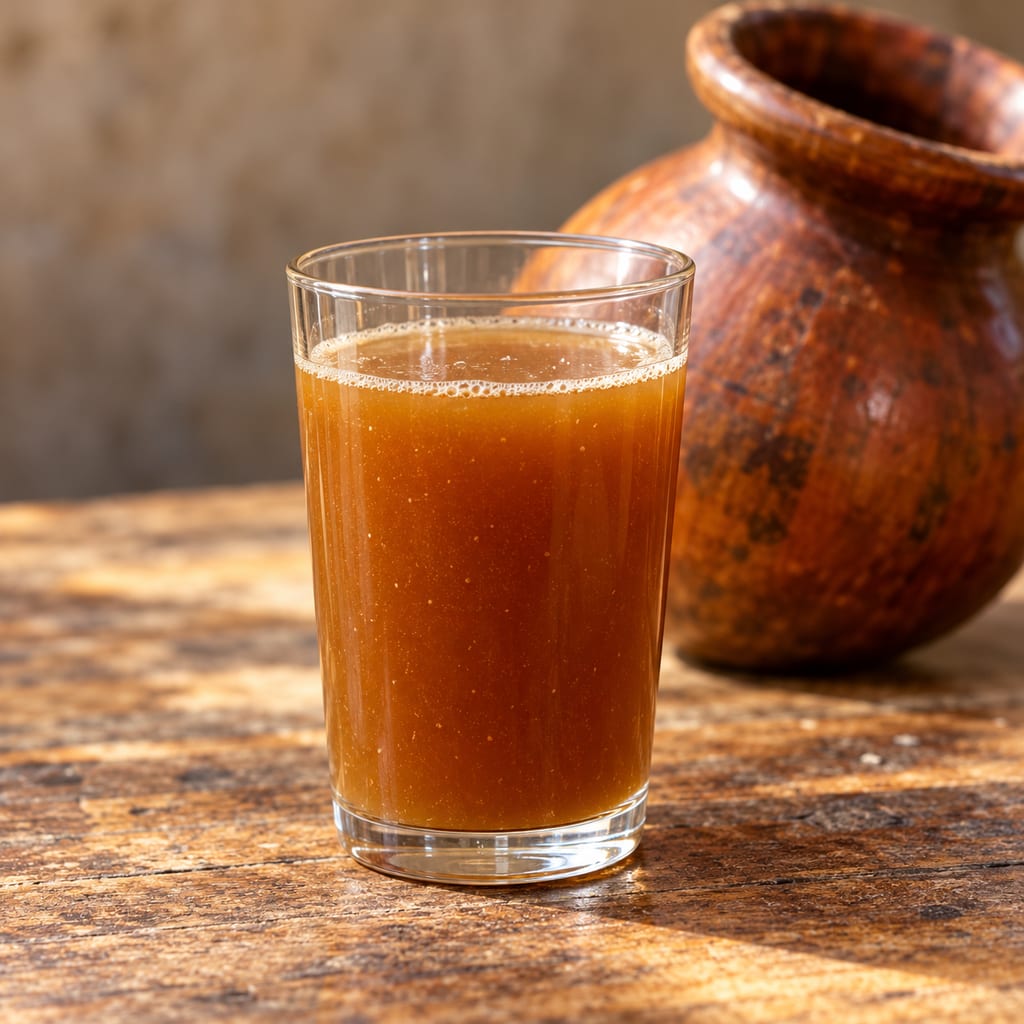
An alcoholic rice beer from Maroua, Cameroon, brewed from boiled rice flour with some malt and started with chai or bili-bili.
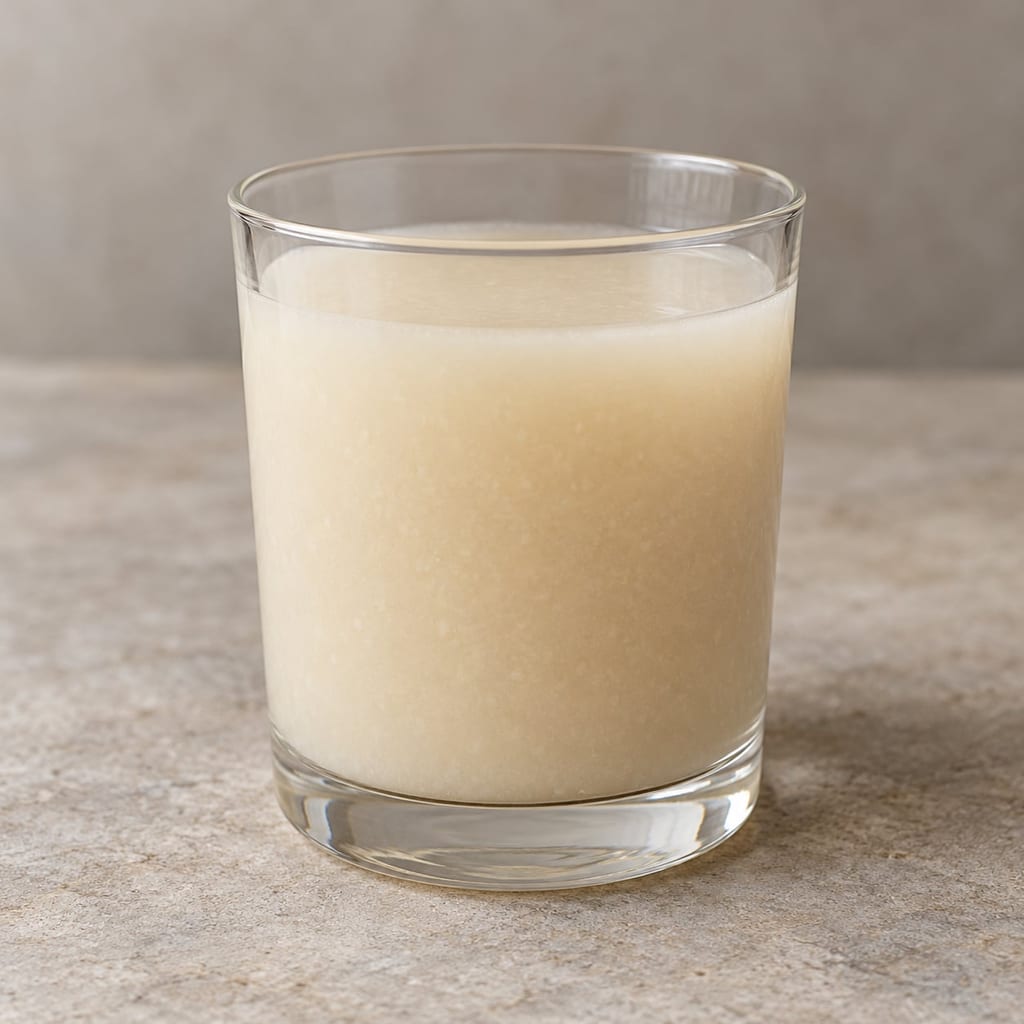
Cochette is a traditional rice-based beer produced in Maroua, northern Cameroon.
It is closely related to the region's broader cereal-brewing traditions, but its use of rice makes it different from sorghum-based bili-bili.
The documented Maroua method combines cooked rice material with malted rice or sorghum, then inoculates the mixture using a local starter called chai or previously fermented bitter bili-bili.
The resulting drink is fermented, filtered and diluted.
Cochette is especially associated in the survey with women producers from Chadian communities living and working in Maroua.
This should be understood as an observed cultural association, not an exclusive origin claim.
Term — Meaning
Cochette — Traditional fermented rice beer
Mourou cochette — Cooked rice preparation used in brewing
Gouille — Filtered beer liquid, a Sara-language term
Chai — Local fermentation starter
Rice — Oryza sativa
Sorghum malt, alternative — Sorghum bicolor
The source uses French-language and local-language terminology in its description.
The spellings are retained as documented.
Cochette belongs to the wider cereal fermentation culture of northern Cameroon and Chad.
The use of rice introduces a different agricultural raw material from traditional sorghum beer.
The 2023 producer survey documents both the local method and its economic role.
Women producers brew and sell the drink as part of local informal food commerce.
The paper identifies production in Maroua neighbourhoods including Palar and Pitoaré.
It does not establish a specific historical invention date.
The recipe can therefore be presented as a documented contemporary traditional method, but not as an unchanged ancient formula.
Ingredient — Documented quantity
Rice flour — 3 kg
Boiled water — 5 L
Malted rice or sorghum flour — Fraction described, exact usable quantity unresolved
Chai or bitter bili-bili starter — Quantity not specified
Water after filtration — Approximately 2 L
The method describes a portion of the total rice grain being malted and states that the cooked rice preparation is mixed with the remaining one-sixth.
However, it is not fully clear whether the documented 3 kg rice-flour quantity represents the complete grain input or only the cooked-rice fraction.
This ambiguity affects the malt quantity and prevents a fully reliable scaled recipe.
Rice contains starch.
The cooked rice is primarily a source of gelatinized starch and cereal solids.
Malted grain supplies enzymes able to release smaller sugars from accessible starch.
Malted rice can be used, while malted sorghum provides an alternative.
These alternatives may differ in enzyme activity and flavour.
They should not be treated as identical ingredients merely because both are malted.
The surveyed producers commonly soaked, dried and milled rice grain.
The full soaking and drying parameters are not quantified.
Mix 3 kg rice flour with 5 L boiled water.
Cook until a substantial cooked preparation, mourou cochette, is obtained.
The source does not specify an exact cooking temperature or duration for this stage.
Allow the cooked rice mixture to cool for approximately eight hours.
No numerical cooling temperature is specified.
Add the malted grain fraction.
This may be malted rice or malted sorghum.
The paper refers to a one-sixth fraction of the rice grain, but does not provide enough information to reconstruct an unambiguous total batch quantity.
Mix the cooked rice and malt thoroughly by hand until homogeneous.
The purpose is to distribute the malt through the gelatinized rice substrate.
Introduce the traditional chai starter or use bitter bili-bili as the inoculum.
The amount is not specified.
Leave the mixture for eight to nine hours.
No numerical temperature is documented.
Separate the liquid from the solids.
The filtered liquid is called gouille in the local Sara terminology recorded by the survey.
Mix the filtered liquid with approximately 2 L water.
The final yield is not specified.
The resulting cochette is an opaque, alcoholic cereal beverage.
It is consumed fresh.
Cooking changes rice starch from its raw granular form into a hydrated, gelatinized structure.
Malt enzymes act on accessible starch.
The resulting smaller carbohydrates can be metabolized by microorganisms introduced through chai or previous beer.
Yeasts produce ethanol and carbon dioxide.
Lactic acid bacteria can produce acidity.
The final flavour depends on the balance between these organisms and the remaining cereal material.
The short final fermentation stage does not mean alcohol formation is absent.
The 2023 Maroua survey reported these mean values for sampled cochette:
Measurement — Mean
pH — 3.58
Titratable acidity — 0.9%
Alcohol — 2.5%
Soluble solids — 6.18 °Brix
Dry matter — 11.1%
These values describe the sampled commercial or artisanal beers, not mandatory parameters of the recipe.
They cannot replace missing starter quantities or fermentation controls.
Bili-bili uses malted sorghum as its principal grain.
Cochette uses rice, with a separate malt fraction.
The rice preparation is cooked and kneaded before inoculation.
Cochette's reported alcohol level in the survey was lower on average than that of bili-bili.
This does not establish that every cochette is weaker than every bili-bili.
Cochette is consumed as a local beer and sold by artisanal producers.
Its filtered form may still contain suspended cereal material.
It is usually a fresh beverage rather than a clear matured beer.
The precise serving vessels and meal pairings are not described in sufficient detail to establish a canonical practice.
Cooked rice is particularly important from a food-safety perspective because of the potential for Bacillus cereus contamination.
Spores can survive ordinary cooking, and inappropriate holding may allow growth and toxin production.
The long cooling stage in the traditional recipe is not accompanied by a validated pathogen-control schedule.
The Maroua field study also found microbiological quality concerns in sampled cochette.
A sour taste does not prove safety.
Use properly cleaned and sanitized equipment, but recognize that sanitation alone does not validate this multistage fermentation.
No finished-product storage limit or safe room-temperature shelf life is established.
This record is therefore a documented production method rather than a fully validated home-brewing recipe.
A 2023 study describes cochette as a rice beer prepared in Maroua, commonly by Chadian women. It records rice-only and malted-rice or malted-sorghum variants. This describes surveyed practice rather than claiming an origin.
Scaling: source batch only
A Maroua study found microbial counts above its study thresholds in sampled cochette; that does not show every batch is contaminated or establish controls for this method.
Hazard sourceClean and sanitize brewing-contact equipment; the research method has no validated acidity, time-temperature or pathogen-reduction endpoint.
Control sourceCochette is fermented and alcoholic; this method does not guarantee a particular alcohol level.
The Maroua survey found microbiological concerns in sampled cochette. It does not supply a validated home process or storage duration.
Protect cooked rice during cooling and use clean food-contact equipment; foam or sourness cannot establish safety.
The study identifies production in Maroua neighborhoods including Palar and Pitoaré; this is a production association, not birthplace.
The study identifies Chadian women as the main producers it surveyed; this is a community association within Cameroon.
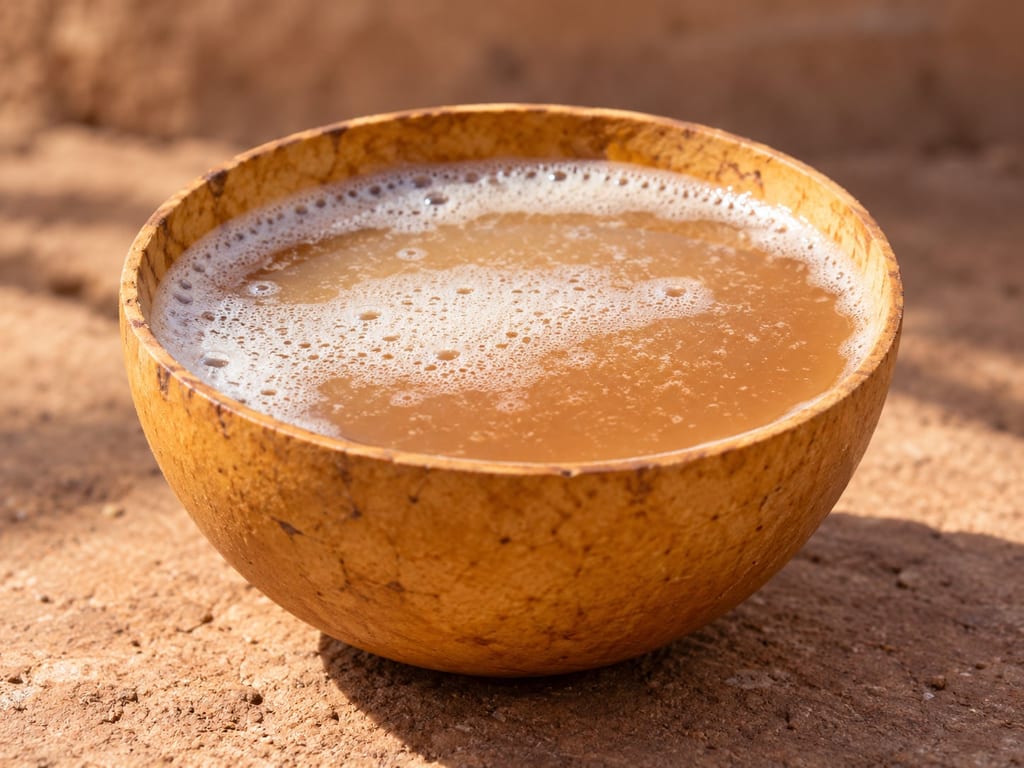
An alcoholic, opaque and bitter sorghum beer from Maroua, northern Cameroon, made from malted sorghum and fermented with a chai starter.
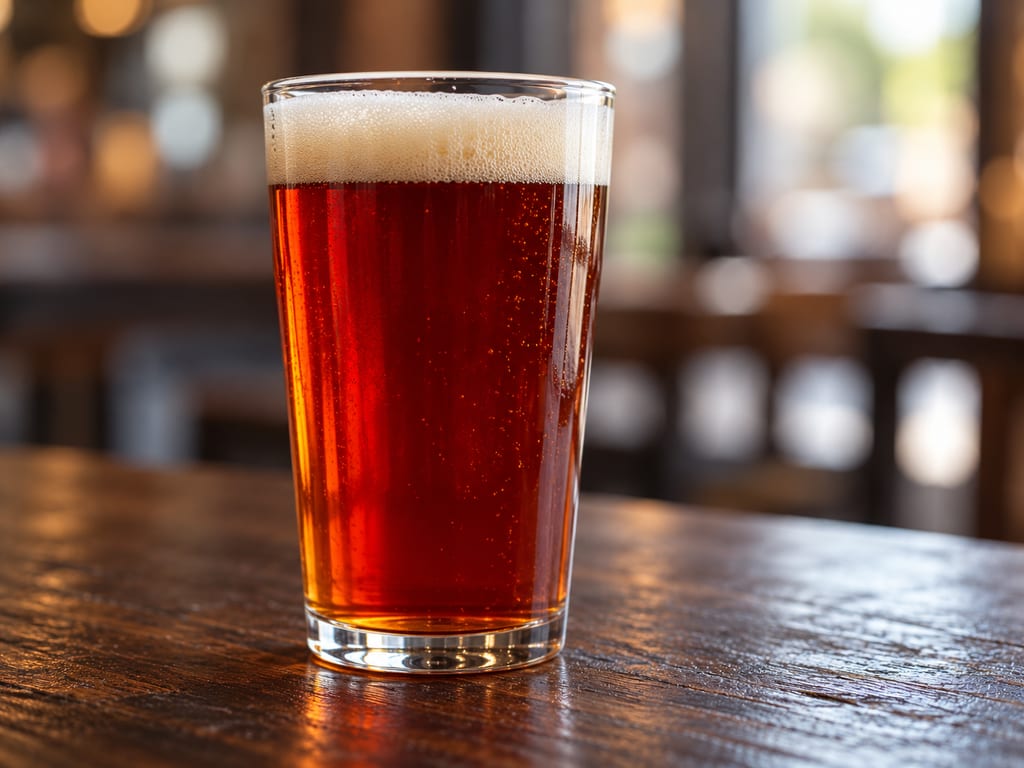
A deep amber-red American ale brewed from pale, Munich, CaraVienne and chocolate malts, bittered with Columbus hops and finished with Amarillo.

A source-specific modern extract adaptation of Düsseldorf Altbier, with specialty malts, two hop additions and an ale yeast. It is distinct from a brewery's commercial Altbier process and from Kölsch.
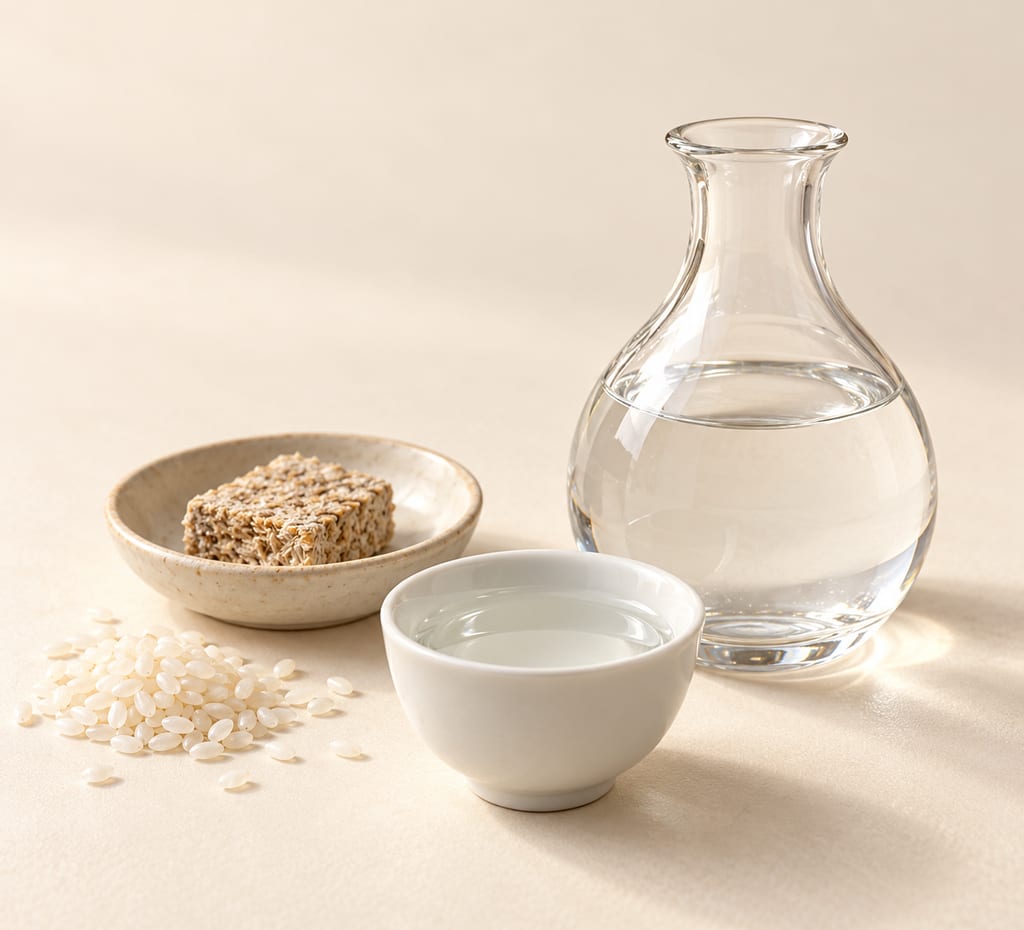
Andong soju is a rice spirit from North Gyeongsang, distilled from steamed rice and wheat nuruk. This method makes the starter before fermenting the rice mash in a jar.
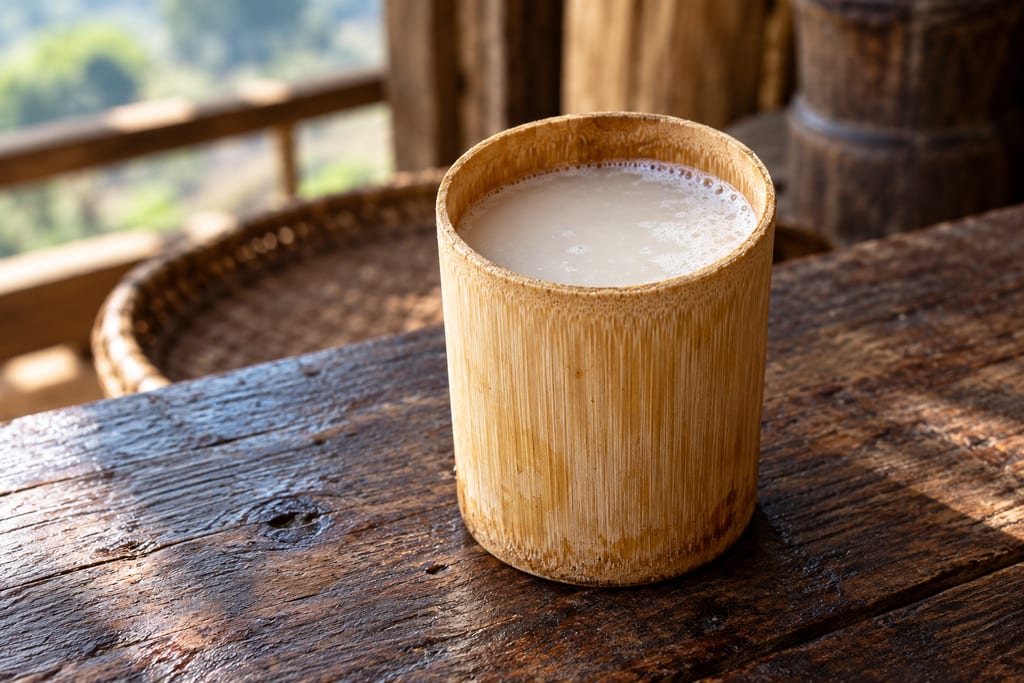
Angami rice beer from Nagaland. A surveyed method mixed cooked rice with piazu, fermented it for about four days in summer or a week in winter, then added water and filtered it. The starter ratio leaves the rice-weight basis unclear.
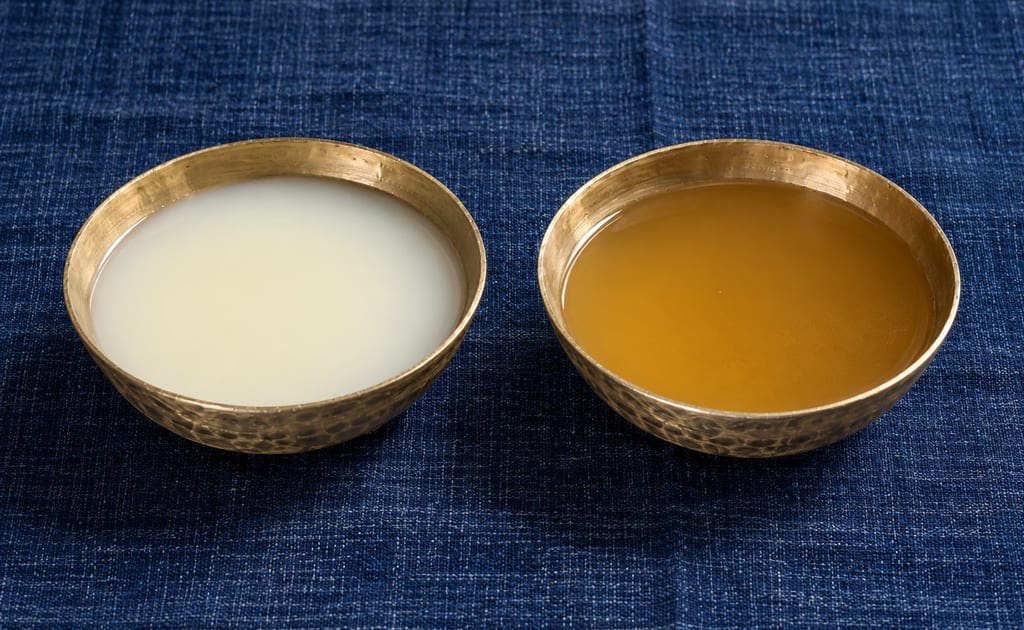
Apong names Mising rice beverages in Assam, including pale Nogin and ash-associated Po:ro. Sources describe distinct preparations and do not establish one unified household recipe or validated safety endpoint.
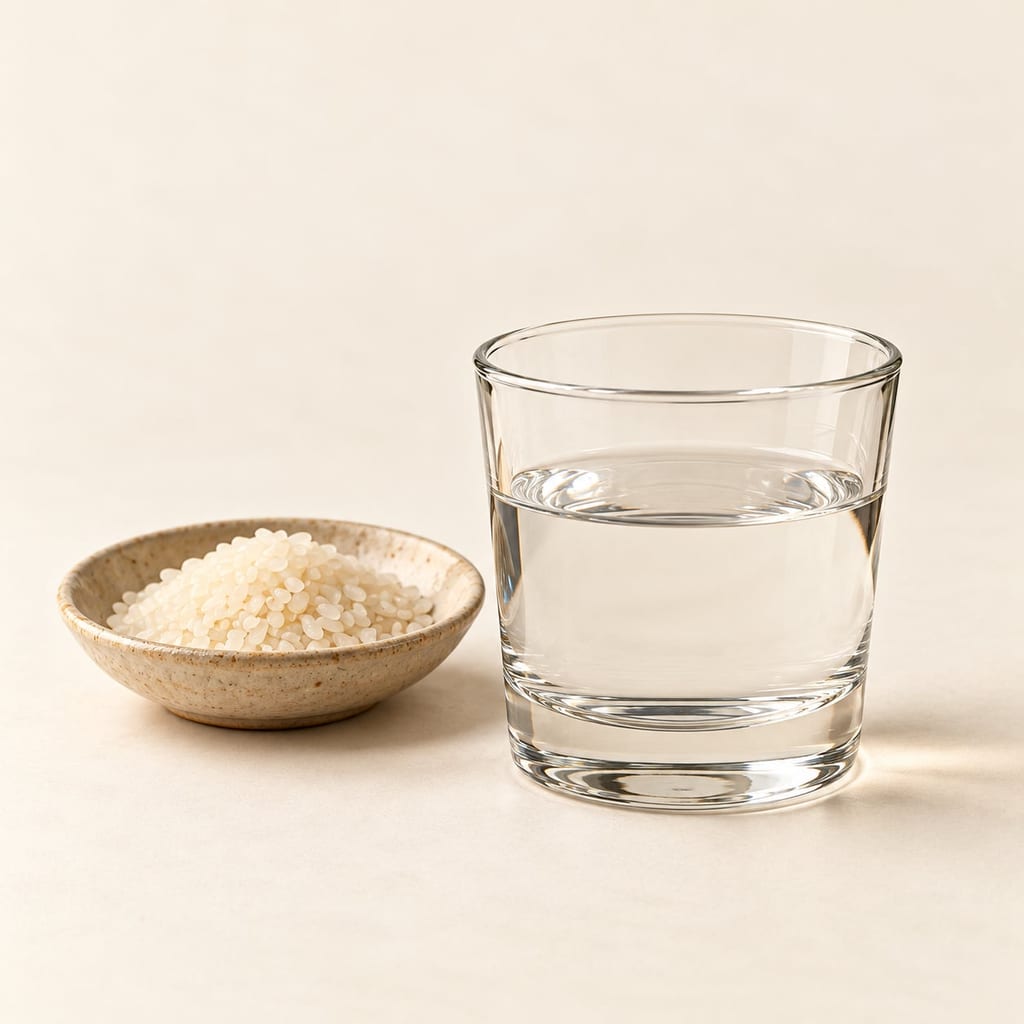
An Okinawan rice spirit made by turning all the rice into black koji, fermenting it with water and yeast, then pot-distilling and maturing the spirit.
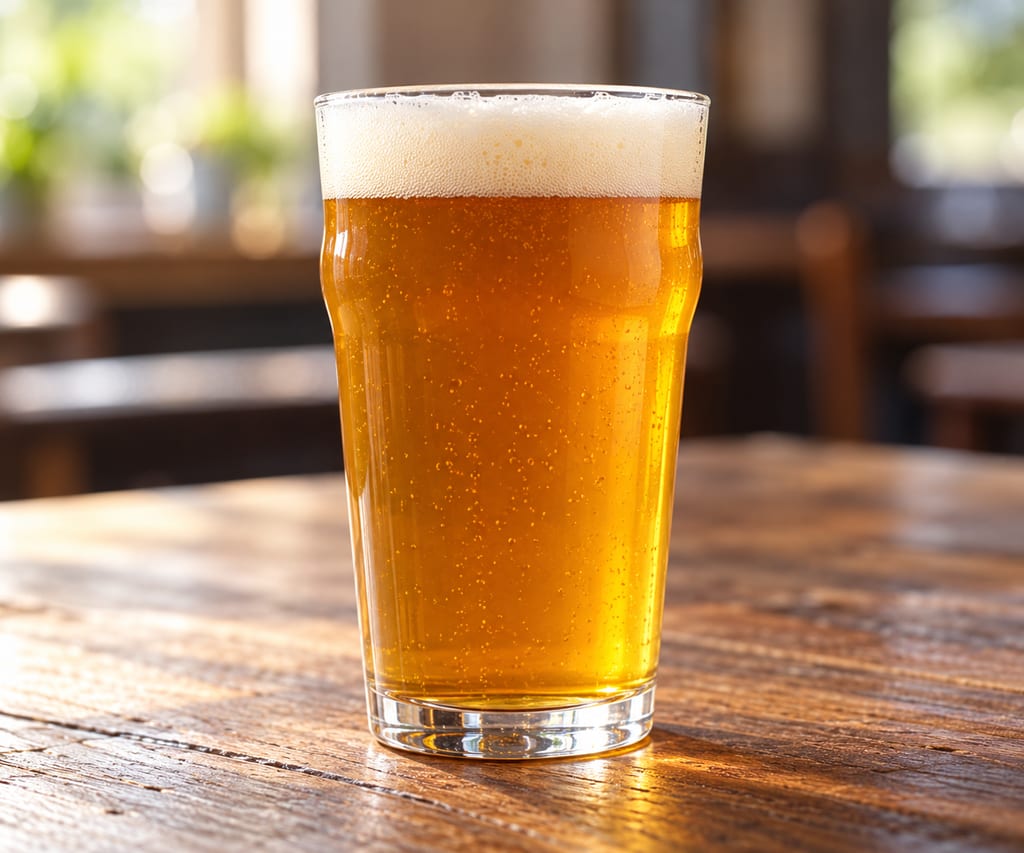
This is a process overview, not a complete batch recipe: key quantities, yield and packaging directions are absent. The AHA tutorial uses Hop Hammer Imperial IPA as an example; this page is not that full formulation.
A darker Ethiopian maize tella, brewed from maize baked into a hot, dry kita pancake and then fermented in three stages with barley malt, gesho and water.
No community contributions have been published for this entry yet.
Sign in to contribute. Published comments and photos are free to read.
Journal of Food Quality / WileyInspiration · Process · History · Location · Safety
Production and Biochemical, Phytochemical, Sensory, and Microbiological Characterization of “Bili-Bili” and “Cochette,” Two Traditional Beers Produced from Sorghum and RiceMaroua survey documents cochette as a rice beer associated with Chadian women producers.
The study gives 3 kg rice flour to 5 L boiled water, an unquantified one-sixth malt fraction, 8 h cooling, chai or bitter bili-bili inoculum, 8–9 h fermentation, filtration and about 2 L dilution water.
Surveyed samples raised microbial concerns; these results are not specific validation of this formula.
Cited in: A rice beer alongside sorghum bili-bili; Names and terminology; History and production culture; Ingredients; Why rice needs malt; Stage 1 — Prepare rice grain; Stage 2 — Prepare the cooked rice base; Stage 3 — Cool; Stage 4 — Incorporate malt; Stage 5 — Knead; Stage 6 — Add starter; Stage 7 — Ferment; Stage 8 — Filter; Stage 9 — Dilute; Stage 10 — Serve; How the process works; Measured characteristics; Differences from bili-bili; Serving traditions; Problems and safety
Clemson Cooperative ExtensionSafety
Cleaning and Sanitation for the HomebrewerSanitation of brewing-contact equipment helps reduce contamination but does not validate an untested fermentation process.
Cited in: Problems and safety
History · Method
FAO AGRIS — Cochette and Bili-Bili research recordCited in: Names and terminology; History and production culture