





Elevated risk
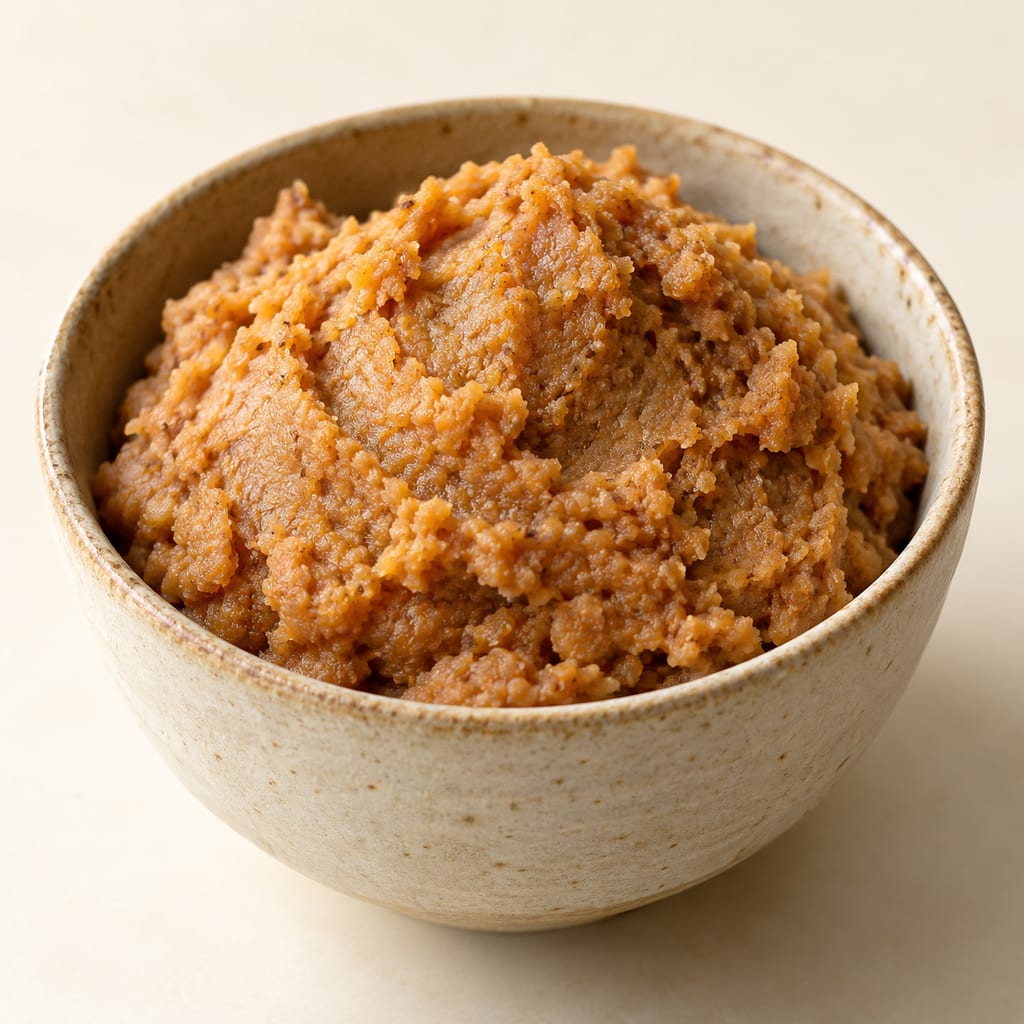
Three-bean miso
A home miso made from equal parts soybeans, chickpeas and Great Northern beans, cooked and mixed with rice koji and salt, then aged in a crock.
 FermenteaWhere food goes to change
1504 records with their sources, across 11 categories.
 Koji, mold starters and mold-ripened ferments6
 Legume, seed and plant-protein ferments2
A home miso made from equal parts soybeans, chickpeas and Great Northern beans, cooked and mixed with rice koji and salt, then aged in a crock.
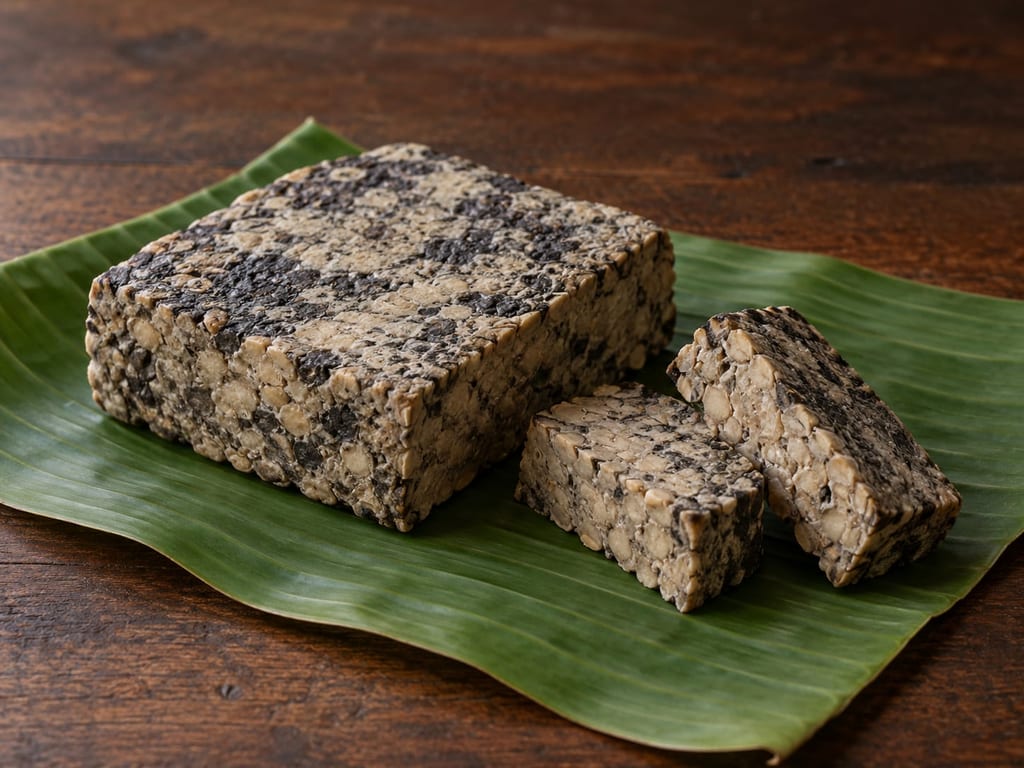
Black oncom is a mould-fermented cake made from defatted peanut cake, pressed to about 2 cm, steamed and then incubated for a day at ambient temperature.
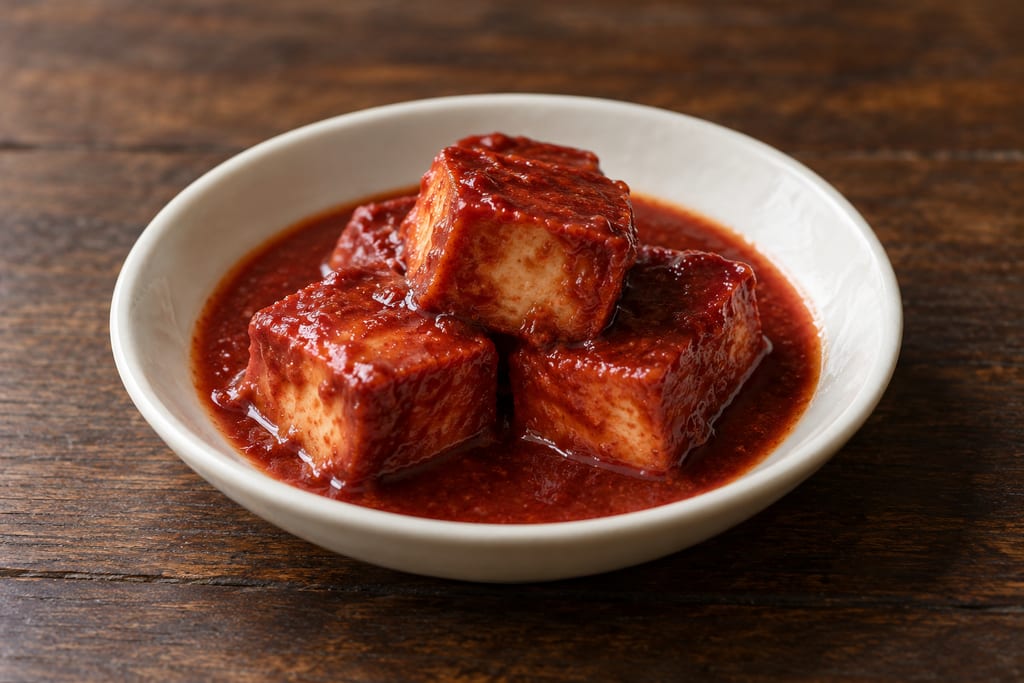
Red sufu is tofu grown with an identified Mucor racemosus mould, salted, seasoned with red pepper and zanthoxylum, then matured under brine for 180 days.
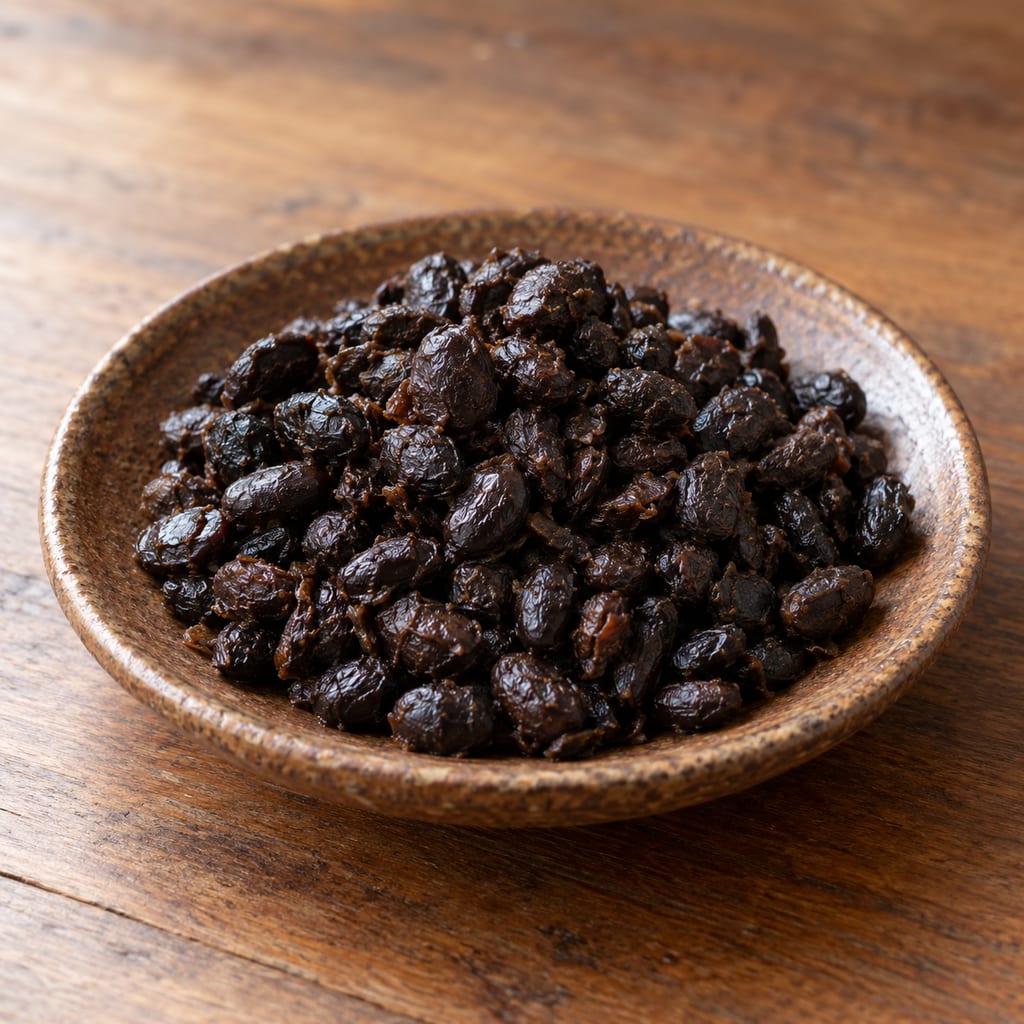
A Chinese fermented soybean condiment from Chongqing and Sichuan, made by growing Mucor-type mould on cooked beans, then salting and maturing them into dark, savoury, soft beans with a concentrated aroma.
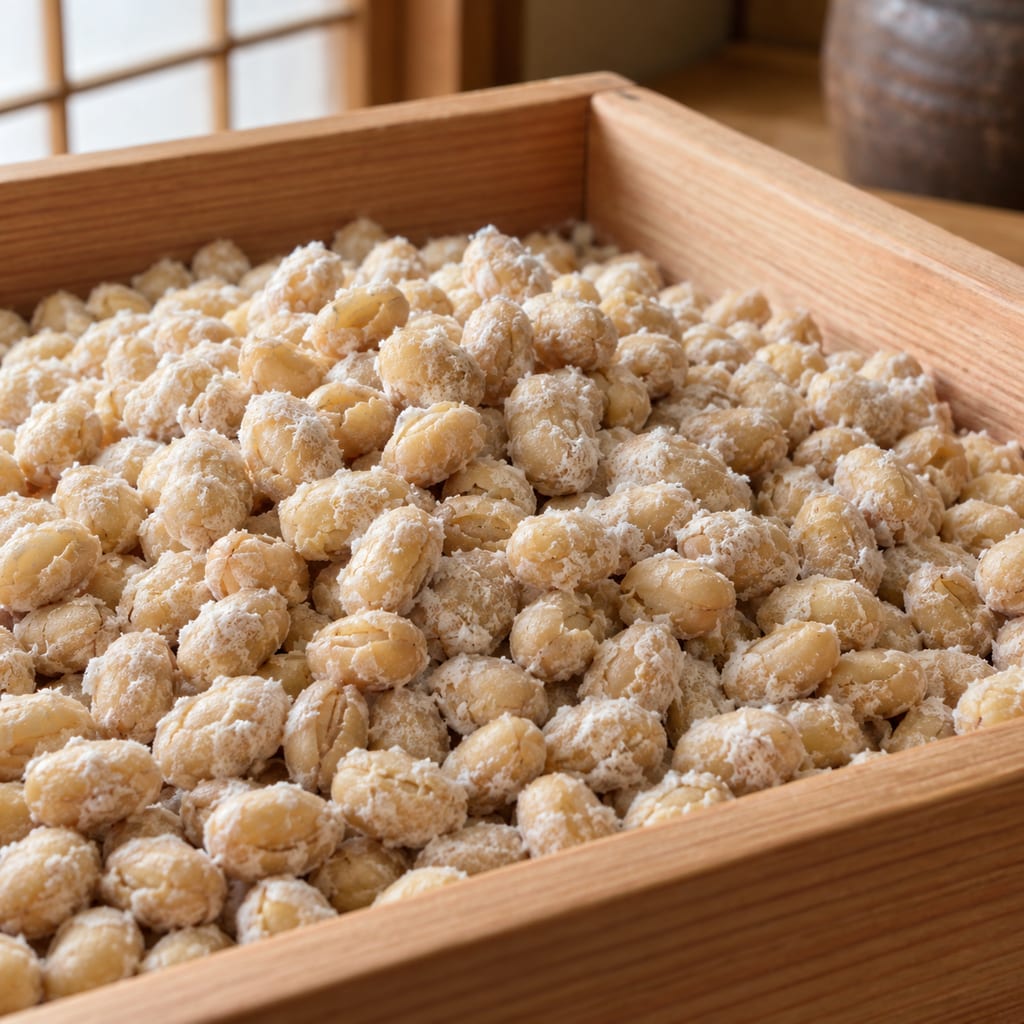
Japanese soybean koji: steamed soybeans, loose or formed into balls, grown over with Aspergillus mould to make the enzymes for mame-miso, tamari and regional soybean condiments.
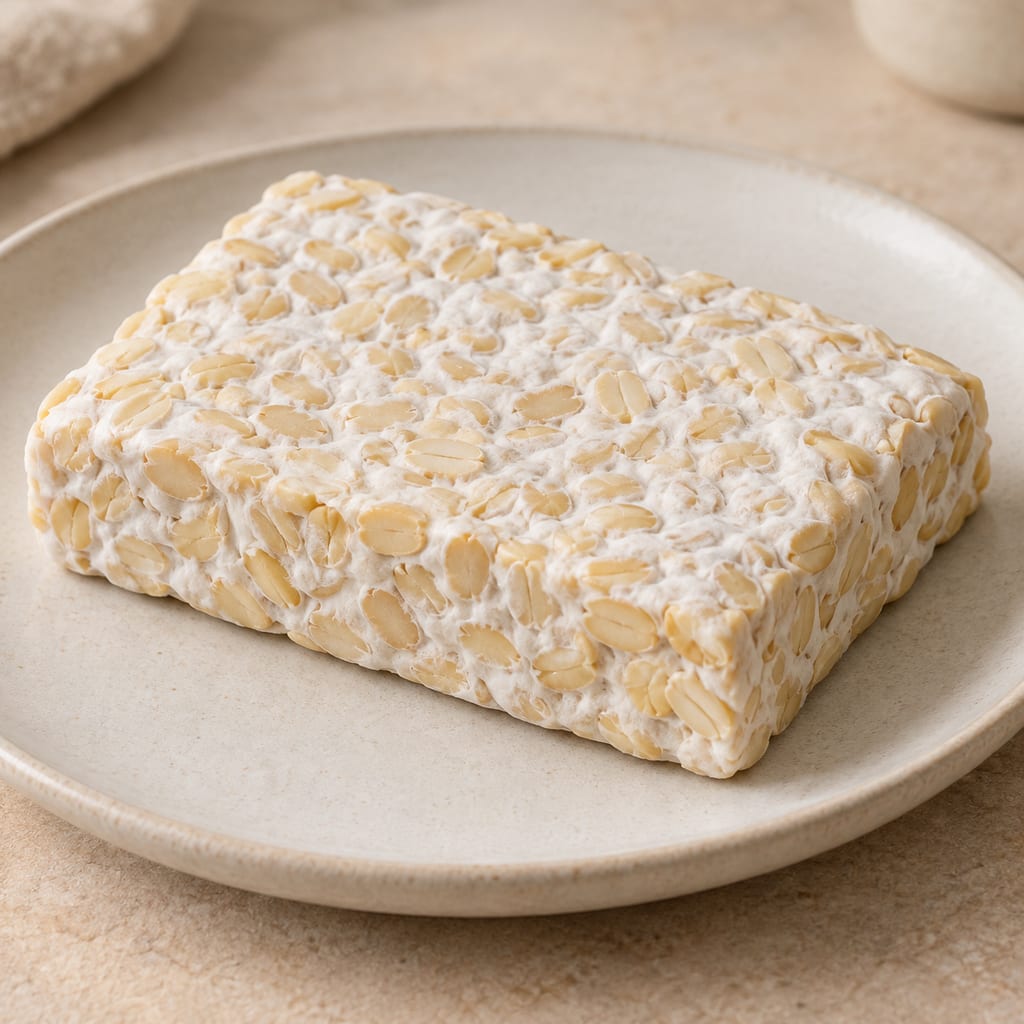
A two-cup soybean batch uses one Cultures for Health tempeh starter packet and vinegar. The supplier describes dehulling, a thin vented layer, controlled early incubation and attention to self-heating; it is not a validated home process.
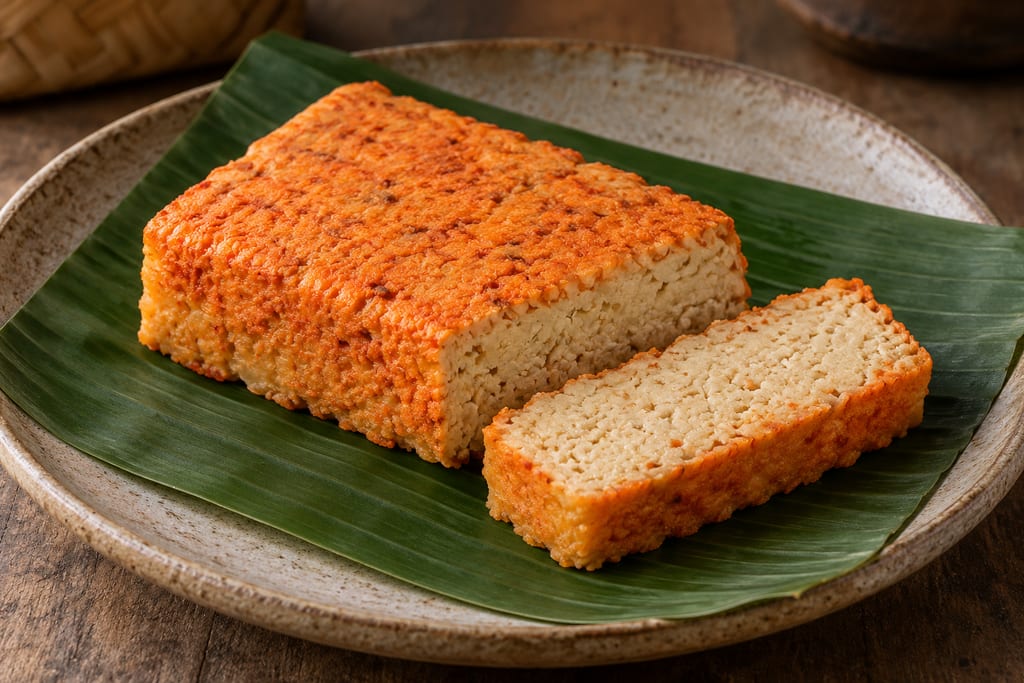
Red oncom is a West Javanese cake fermented from pressed soy pulp with a Neurospora starter, a little tapioca starch and vinegar. It is a different food from black oncom, made on another substrate with another mould.
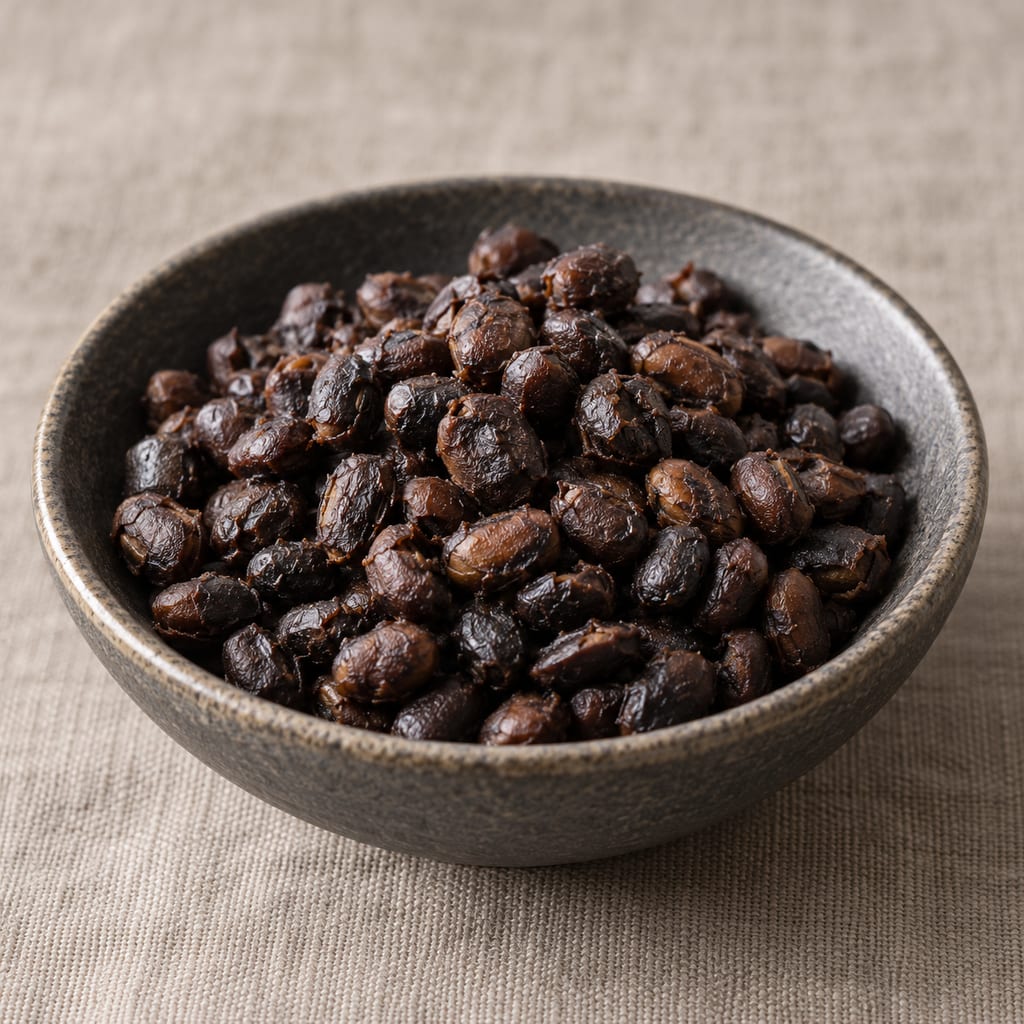
This controlled study protocol makes Aspergillus koji from soybeans and then ferments it with 4% salt. It uses a 150 g jar batch and a defined moisture target; the research method is not a validated home process.