






Elevated risk
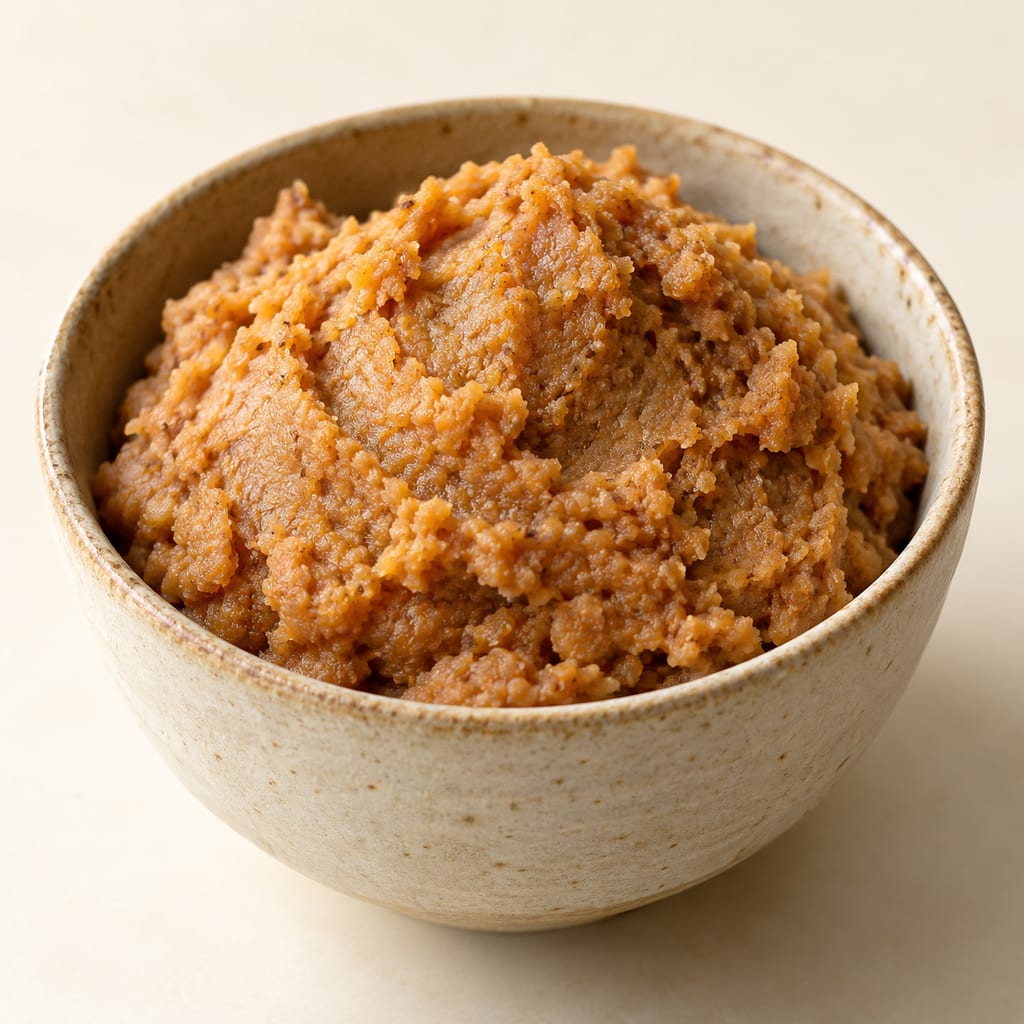
Three-bean miso
A home miso made from equal parts soybeans, chickpeas and Great Northern beans, cooked and mixed with rice koji and salt, then aged in a crock.
 FermenteaWhere food goes to change
1504 records with their sources, across 11 categories.
A home miso made from equal parts soybeans, chickpeas and Great Northern beans, cooked and mixed with rice koji and salt, then aged in a crock.
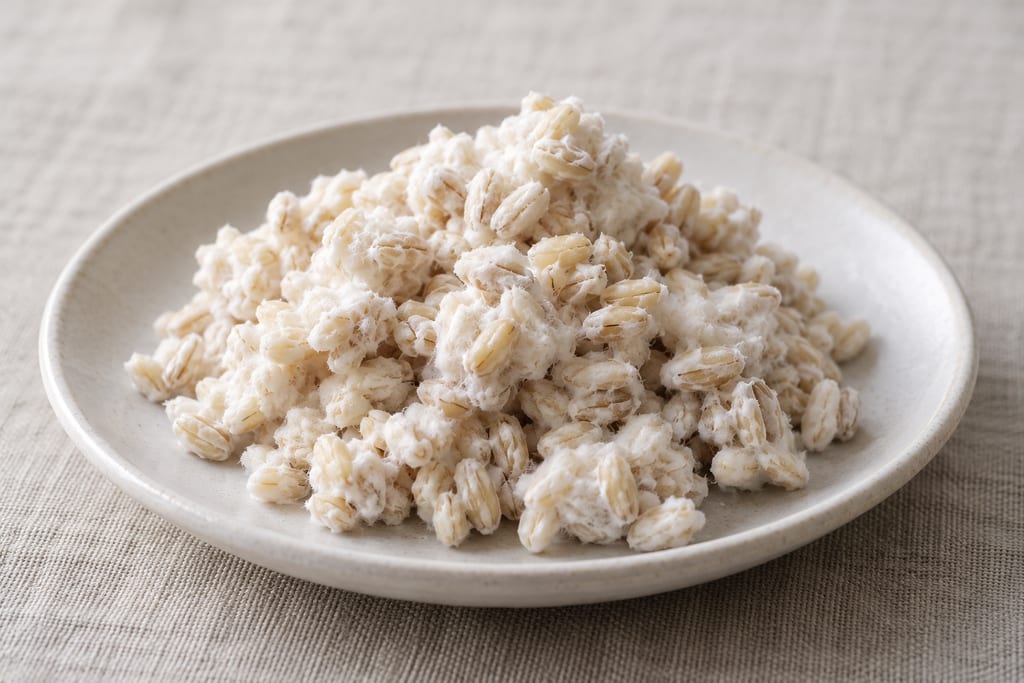
Steamed pearled barley grown into a white koji cake with Aspergillus oryzae over about 36 hours in a 30 °C chamber, turned three times under a damp cloth.

Rice koji is steamed white rice through which koji mold has grown. It carries the enzymes that turn rice starch into sugar, and it is the starting point of sake, sweet miso, amazake and shio koji.
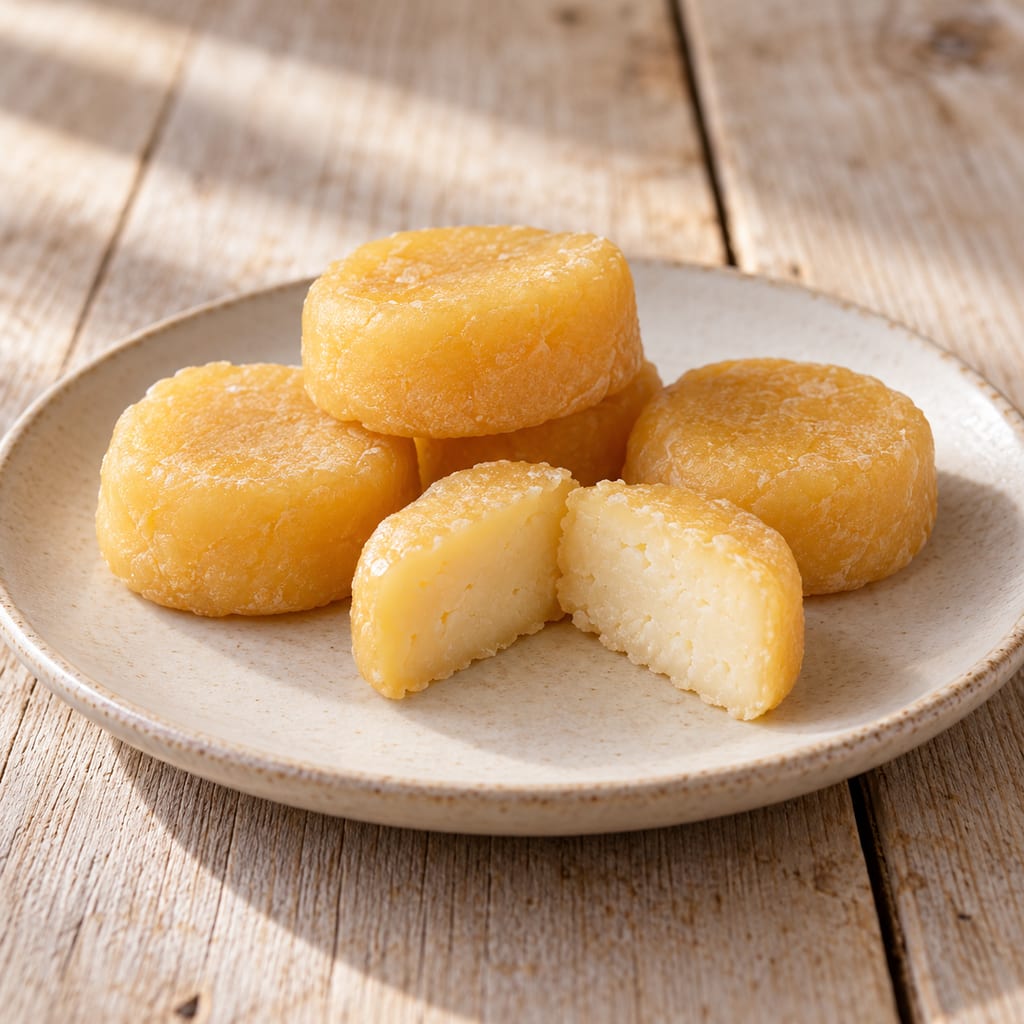
A ripened Czech table cheese made from skimmed acid-set curd, salted, cultured and ripened from the surface inward, with a golden smear and a paler centre.
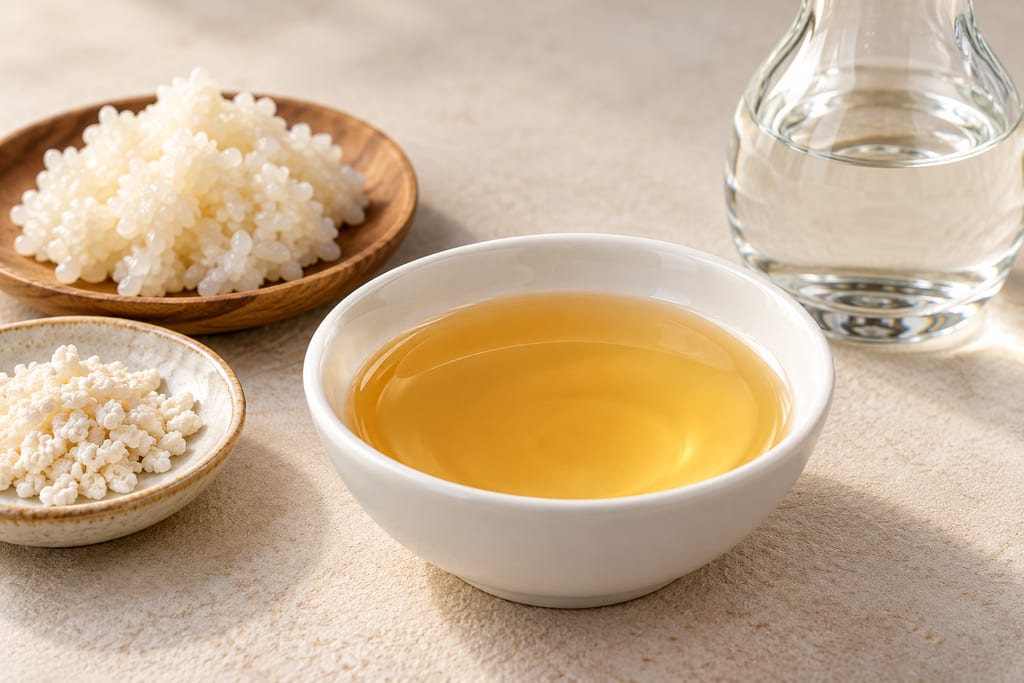
Hon-mirin is a Japanese rice seasoning made by saccharifying glutinous rice with rice koji in shochu, then pressing and usually heating the mash.
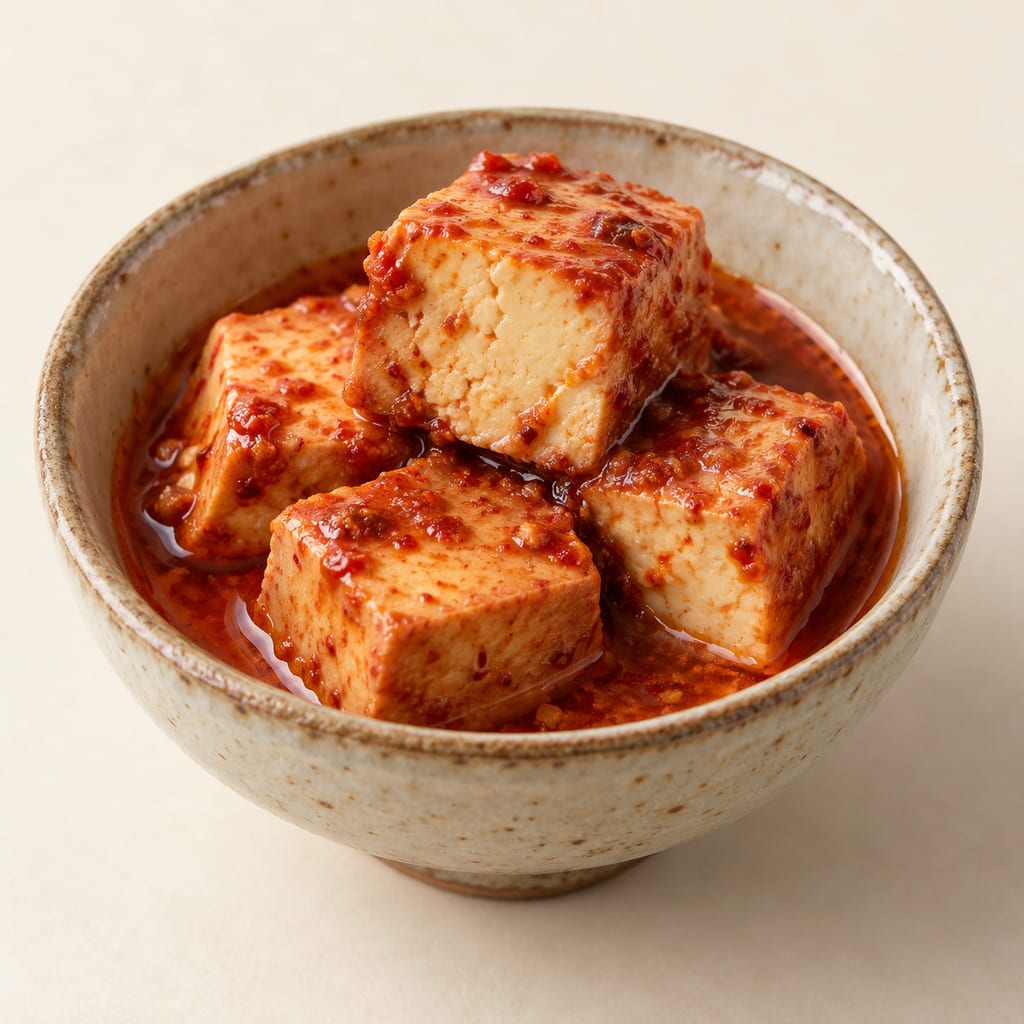
Sufu, or furu, is Chinese fermented tofu: bean curd is salted and ripened, often after a mould stage, into a soft, creamy, intensely savoury condiment.
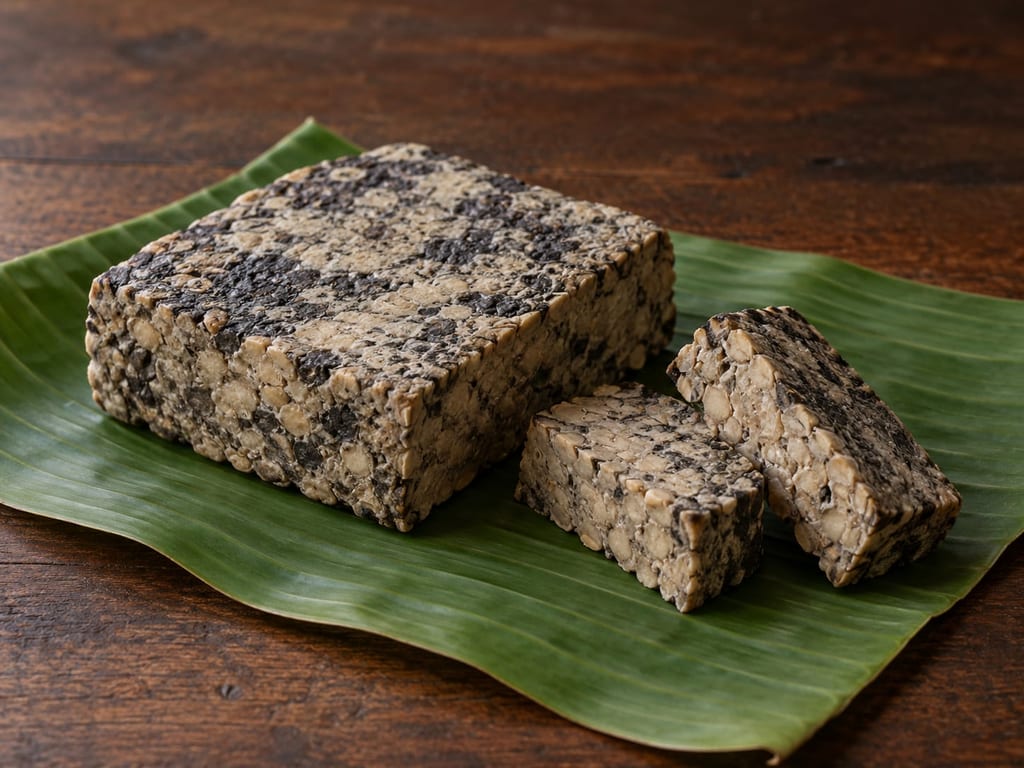
Black oncom is a mould-fermented cake made from defatted peanut cake, pressed to about 2 cm, steamed and then incubated for a day at ambient temperature.
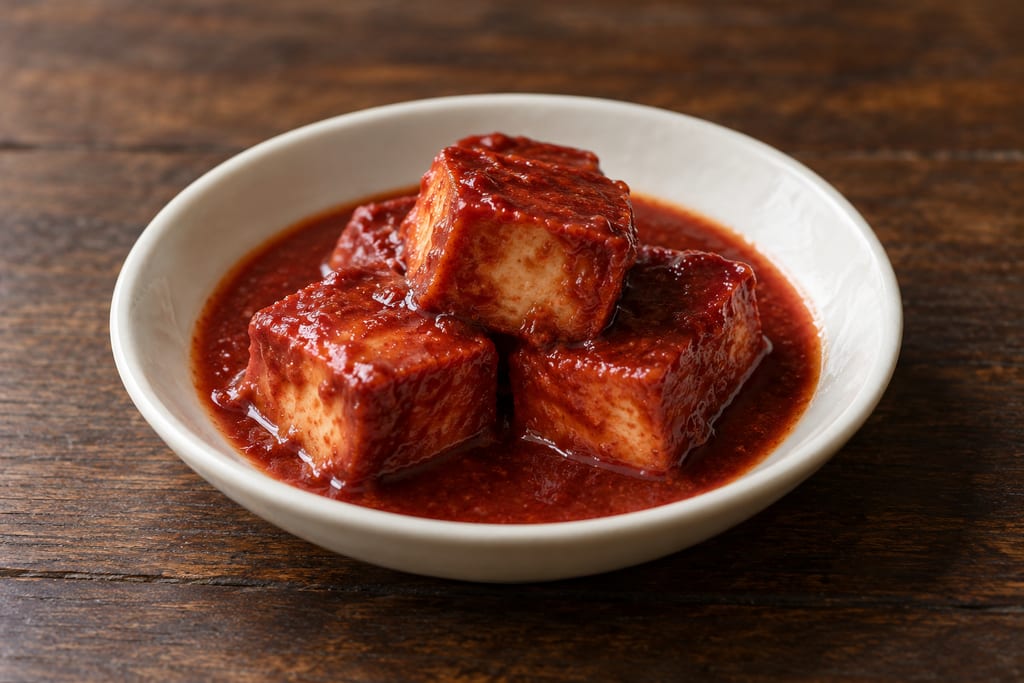
Red sufu is tofu grown with an identified Mucor racemosus mould, salted, seasoned with red pepper and zanthoxylum, then matured under brine for 180 days.
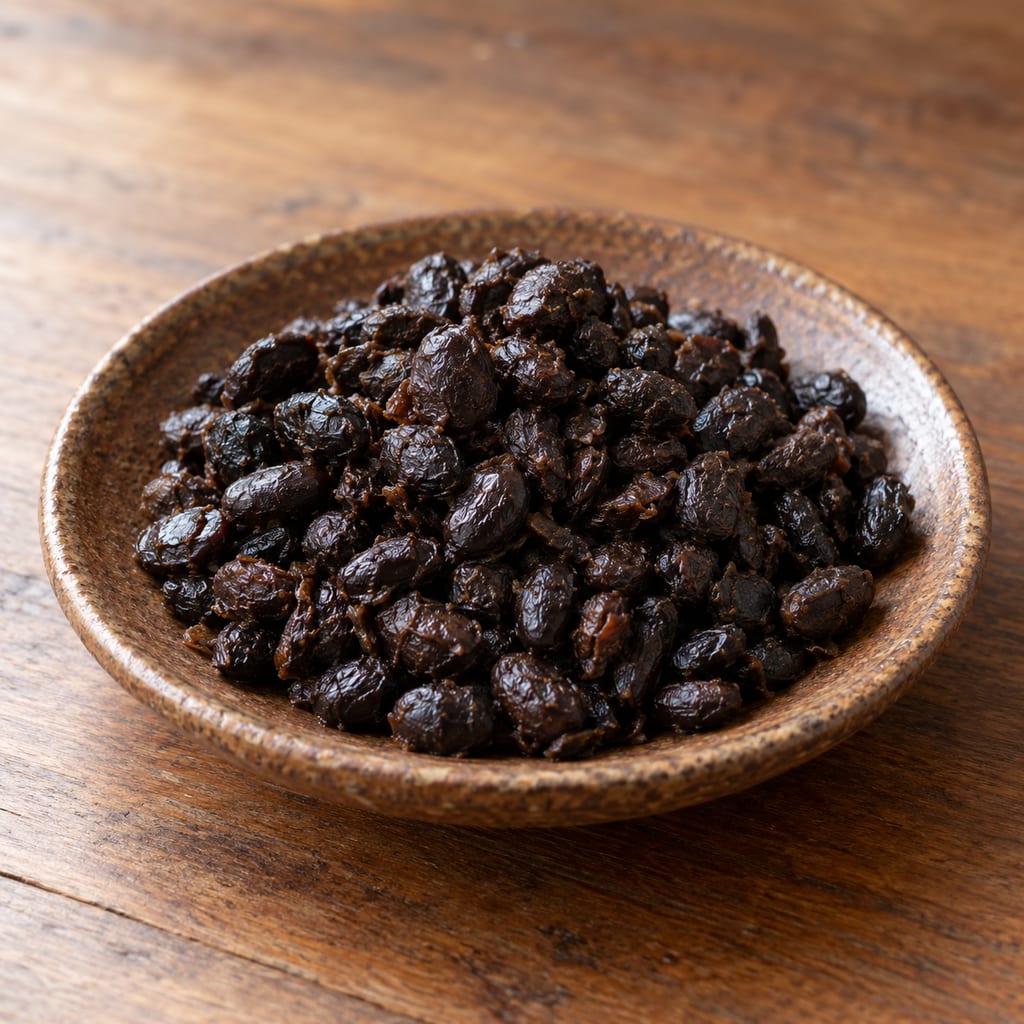
A Chinese fermented soybean condiment from Chongqing and Sichuan, made by growing Mucor-type mould on cooked beans, then salting and maturing them into dark, savoury, soft beans with a concentrated aroma.
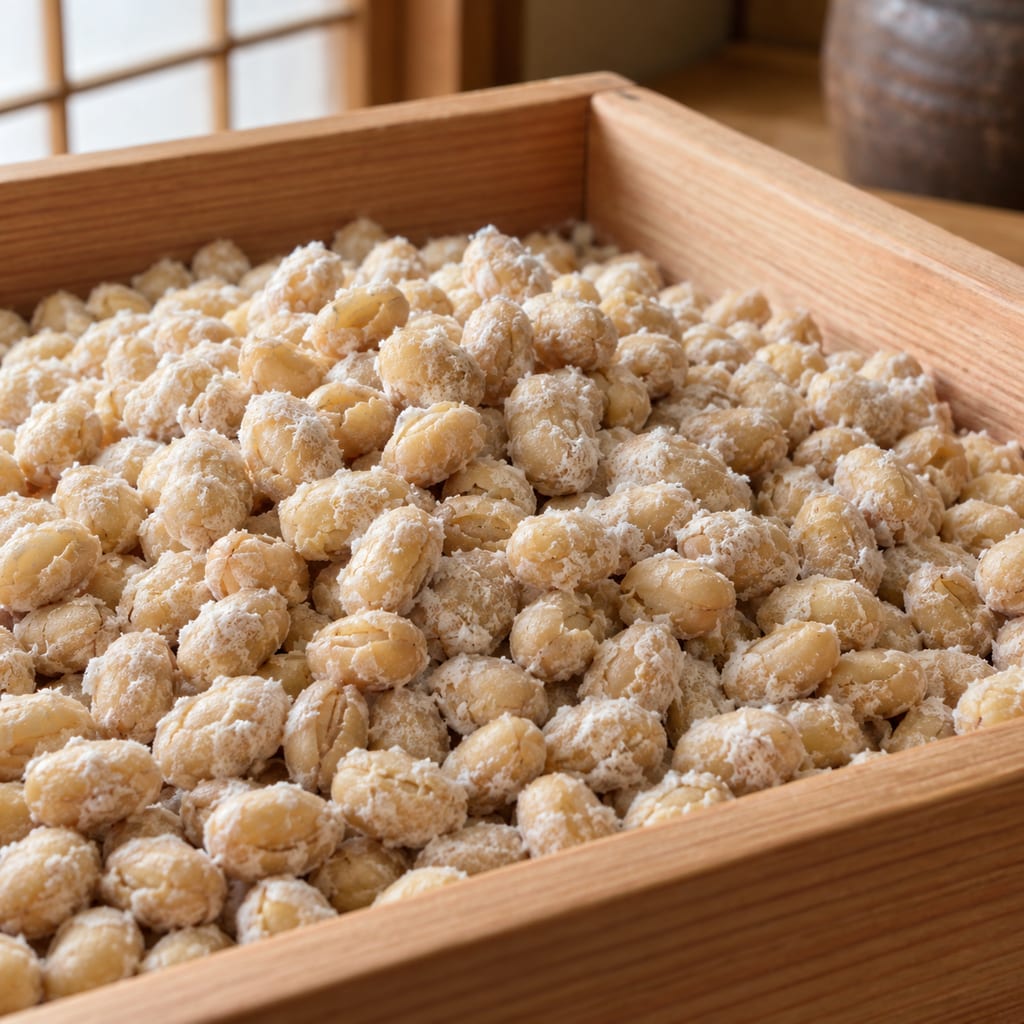
Japanese soybean koji: steamed soybeans, loose or formed into balls, grown over with Aspergillus mould to make the enzymes for mame-miso, tamari and regional soybean condiments.
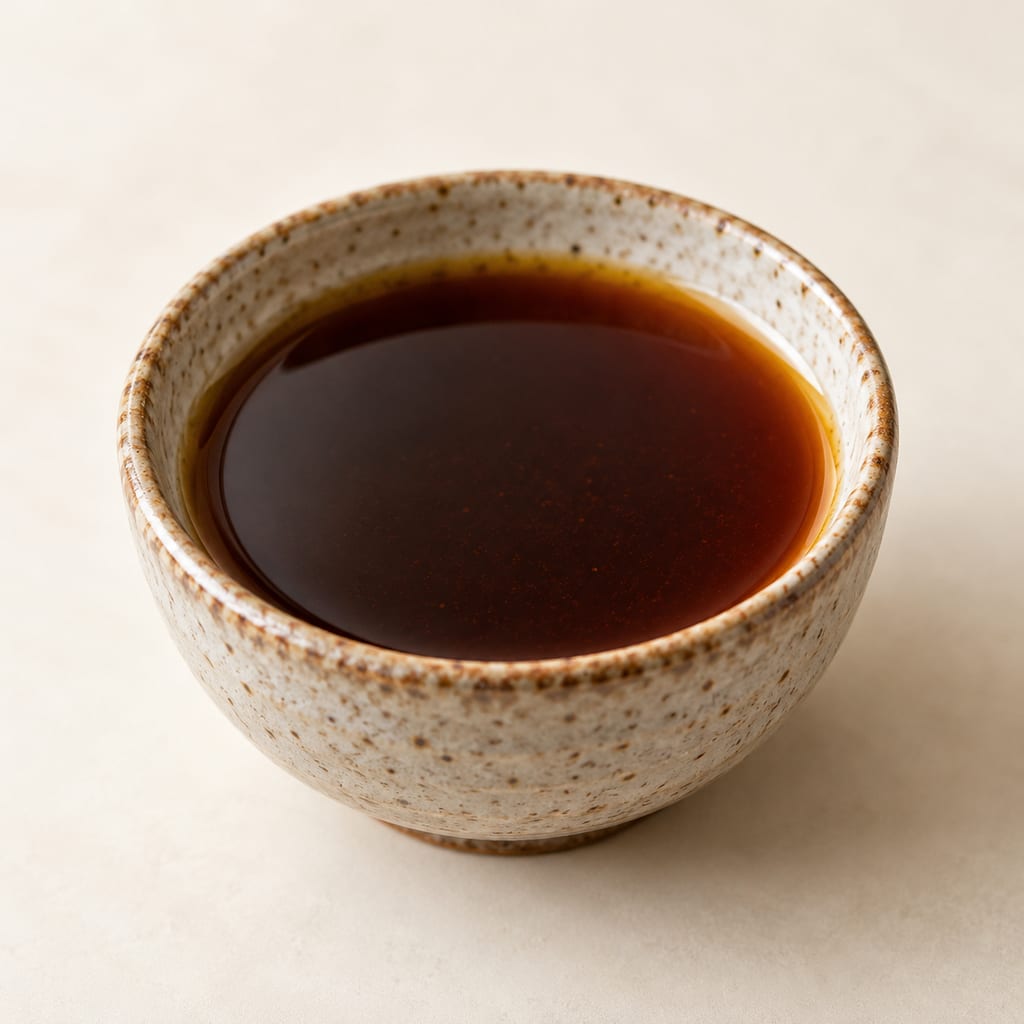
Mushroom garum is a savoury, smoked sauce made by crushing mushrooms with salt and rice koji and letting the mixture brew for months, a modern use of the garum method without fish.
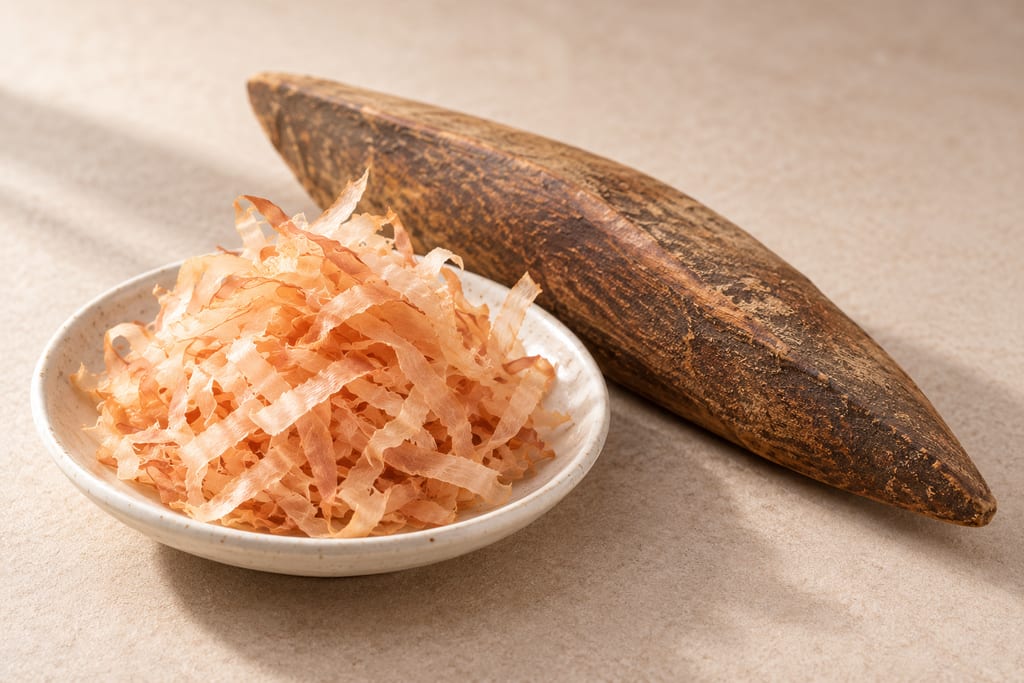
Katsuobushi is skipjack tuna cooked, smoked and dried into a hard block that is shaved into flakes for dashi and toppings. Some styles stop at the smoke-dried stage; others receive carefully managed mold maturation.
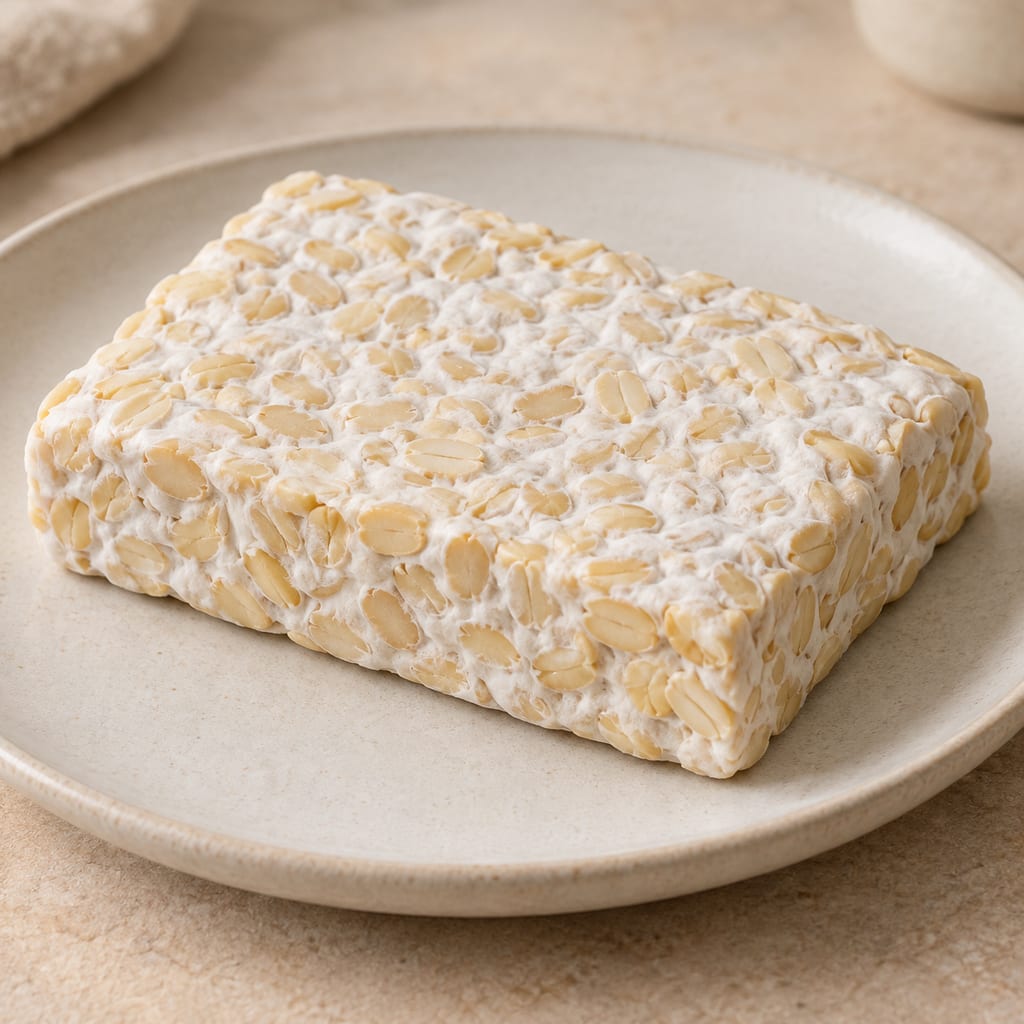
A two-cup soybean batch uses one Cultures for Health tempeh starter packet and vinegar. The supplier describes dehulling, a thin vented layer, controlled early incubation and attention to self-heating; it is not a validated home process.
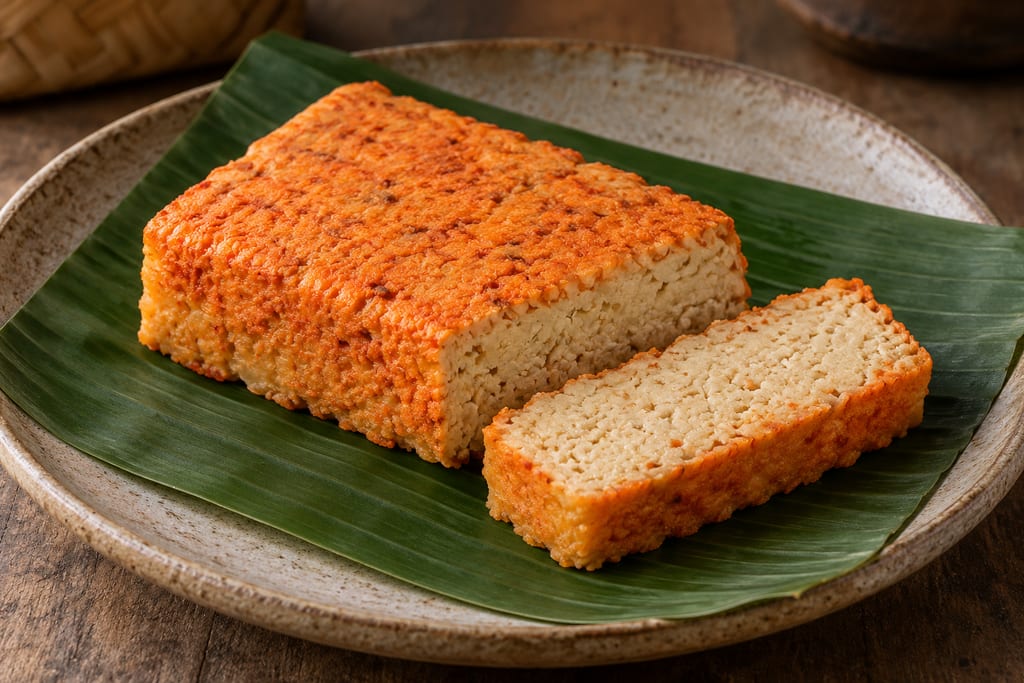
Red oncom is a West Javanese cake fermented from pressed soy pulp with a Neurospora starter, a little tapioca starch and vinegar. It is a different food from black oncom, made on another substrate with another mould.
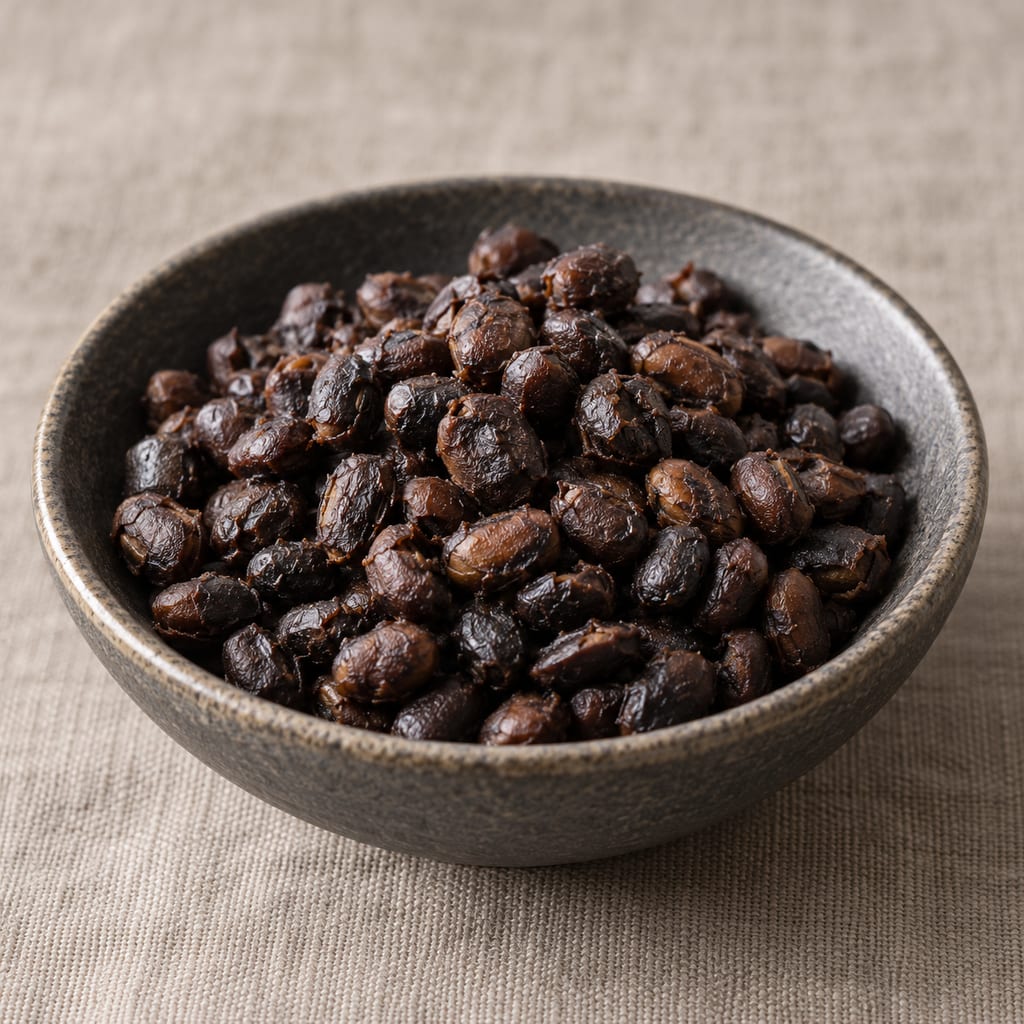
This controlled study protocol makes Aspergillus koji from soybeans and then ferments it with 4% salt. It uses a 150 g jar batch and a defined moisture target; the research method is not a validated home process.