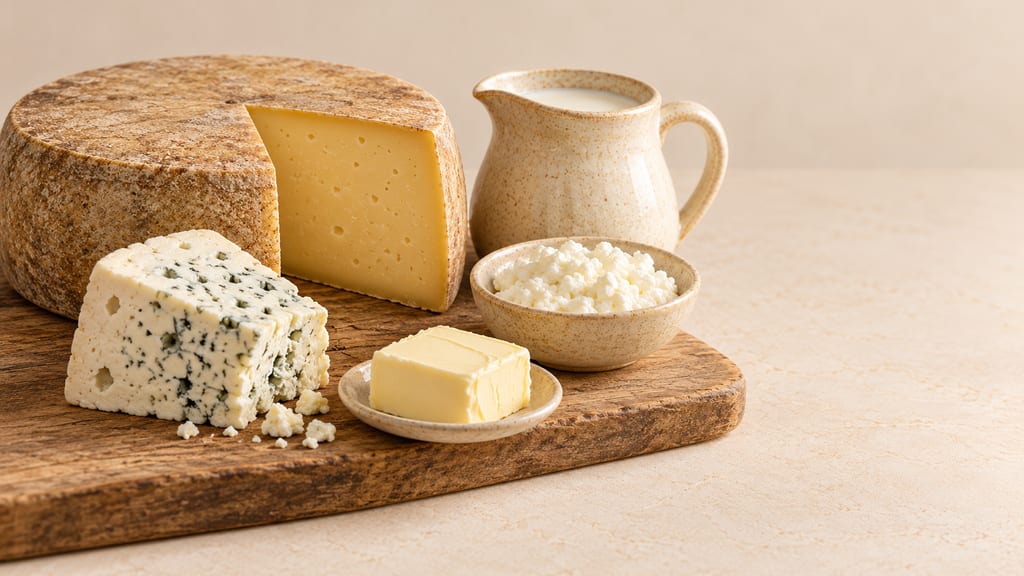
Milk, curd and the world's dairy stores
Follow milk into cheese, cultured drinks, butter, dried curds and sweets: a journey through the animals, seasons and household decisions behind the world's dairy foods.
 FermenteaWhere food goes to change
Tvarůžky · Olomoucké tvarůžky cheese
A ripened Czech table cheese made from skimmed acid-set curd, salted, cultured and ripened from the surface inward, with a golden smear and a paler centre.
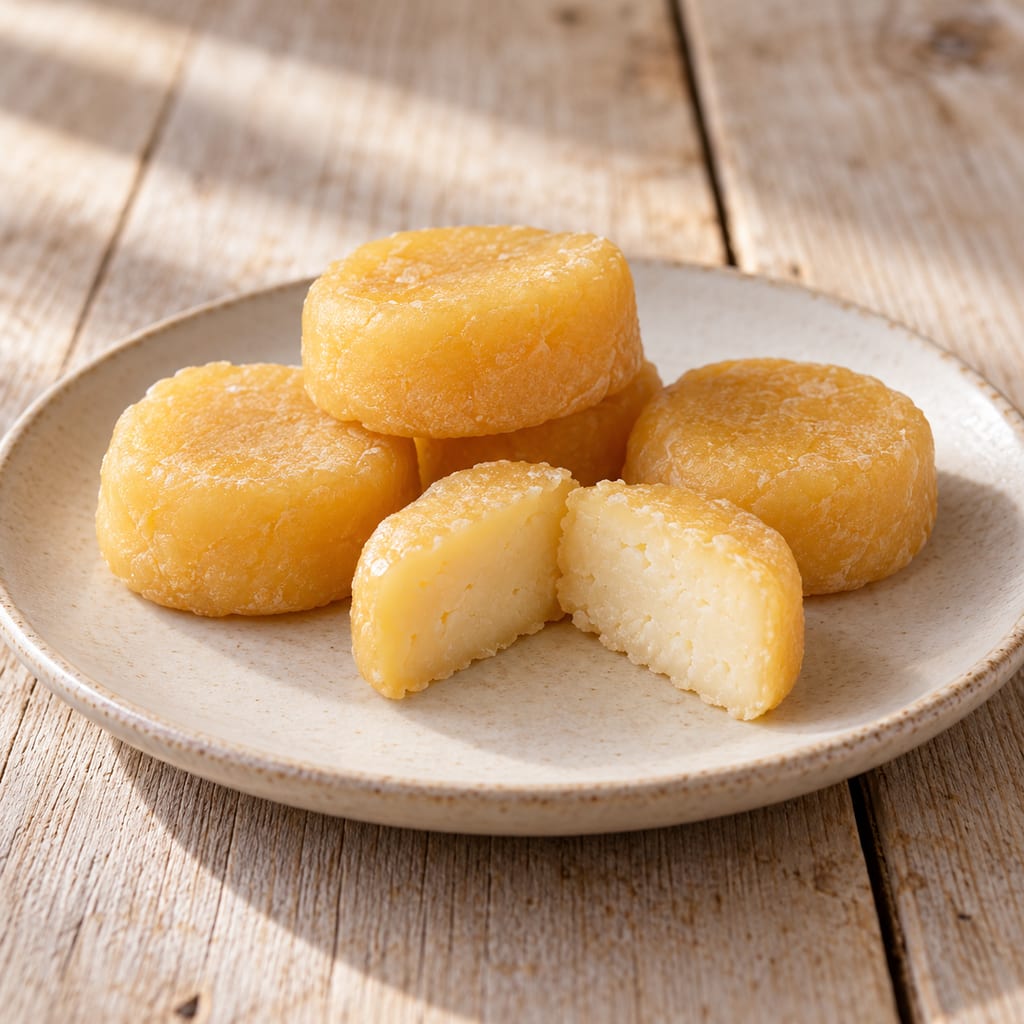
Olomoucké tvarůžky is a ripened table cheese from the Olomouc region of the Czech Republic. It is made from skimmed sour curd and has a golden smear on the surface and a paler, softer centre. The producer lists salt, dairy cultures and two acidity regulators among its ingredients.
The protected name is defined by a European specification. That specification describes the product and its characteristics. It is a separate standard and does not turn a factory video into a household method.
The producer begins with purchased acid-set curd from pasteurised cow's milk. The company checks the incoming curd in its laboratory, mixes approved curd with salt, and stores it in tanks for conditioning. Staff choose the curd mix according to acidity and dry matter, but the video gives no target values. Cultures are added as the curd moves to the forming room.
The cheeses are ripened from the surface inward. After the first three days the workers spray them with water to remove excess yeast culture and let them dry. The chilled box is set between 6 and 15°C according to the ambient conditions and the state of ripening. The pieces are hand-packed in breathable film and ripen further in the warehouse.
The producer reports a mention of the cheese in 1452 and a 1583 record in which the name tvarůžky appears. It says sales at Olomouc markets helped establish the name, and that Josef Wessels began production in Loštice in 1876. The underlying records were not inspected for this page.
The video omits curd and salt quantities, the culture identity and dose, the acidity and dry-matter targets, the room conditions, the total ripening time, a release endpoint and the storage of the finished cheese. The company's own serving suggestions are bread, spreads, salads, and baked, fried or grilled cheese.
No home method is given here, because the sources do not support one.
The company says sales at Olomouc markets helped establish the name, and that Josef Wessels began production in Loštice in 1876. These are company-reported claims.
Yield 15 t · Scaling: source batch only
A surface-ripened cheese is a product of cultures and moisture. The reviewed sources set no release endpoint for the factory batch, and EU protection describes the product, not a home method.
Hazard sourceFactory chilled-box temperature control during ripening
Control sourceThe factory video is industrial reportage. Its process is not a household recipe.
No home batch is validated by these sources.
The company's own history page places production in Loštice. The company's historical claims were not independently inspected.
Follow milk into cheese, cultured drinks, butter, dried curds and sweets: a journey through the animals, seasons and household decisions behind the world's dairy foods.
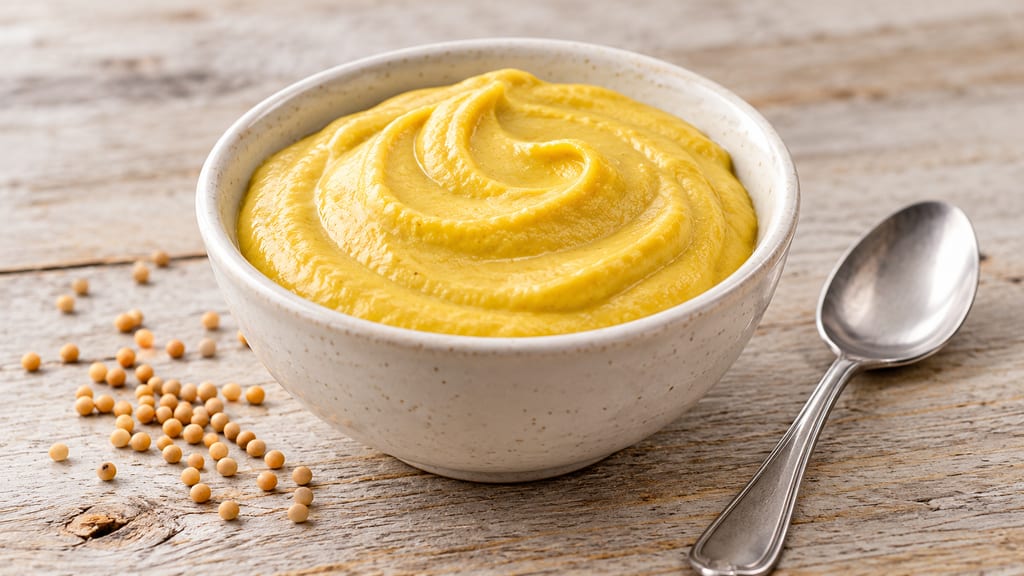
A mild, creamy Czech-style table mustard made from ground seed, vinegar, water, salt and a little sweetness. This home version follows a Czech Television formula and is not a copy of SPAK’s proprietary product.
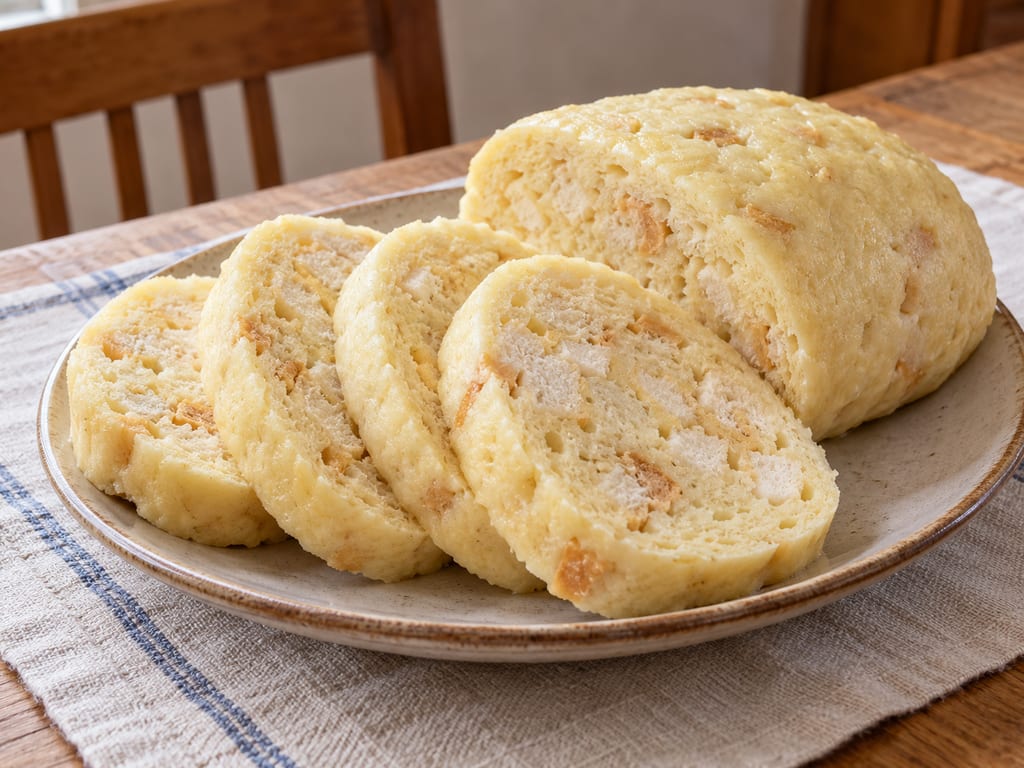
Czech houskové knedlíky are yeast-raised flour dumplings studded with stale white roll cubes, shaped as logs and steamed until tender for serving with sauce.
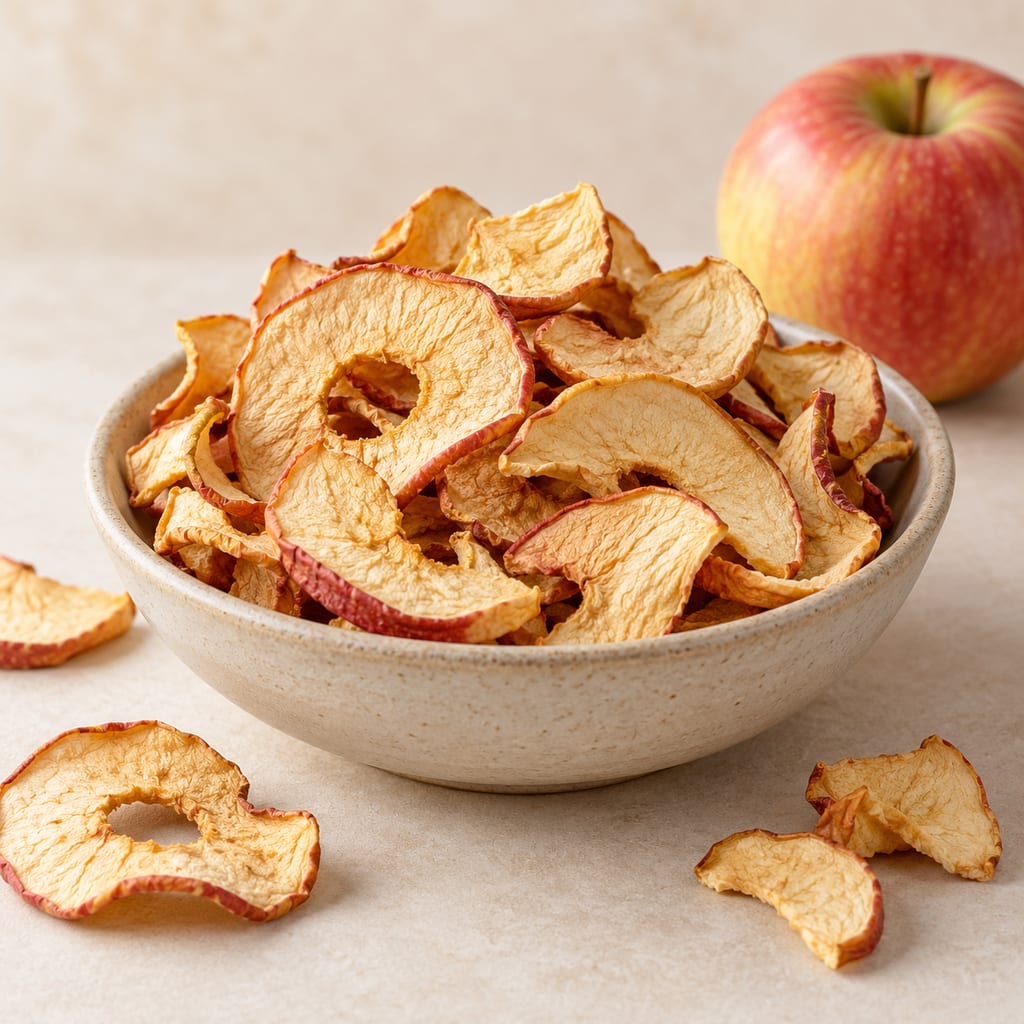
Křížaly are Czech dried apple or pear pieces. The name has regional meanings beyond apple slices, and drying practice varies by place and dryer.
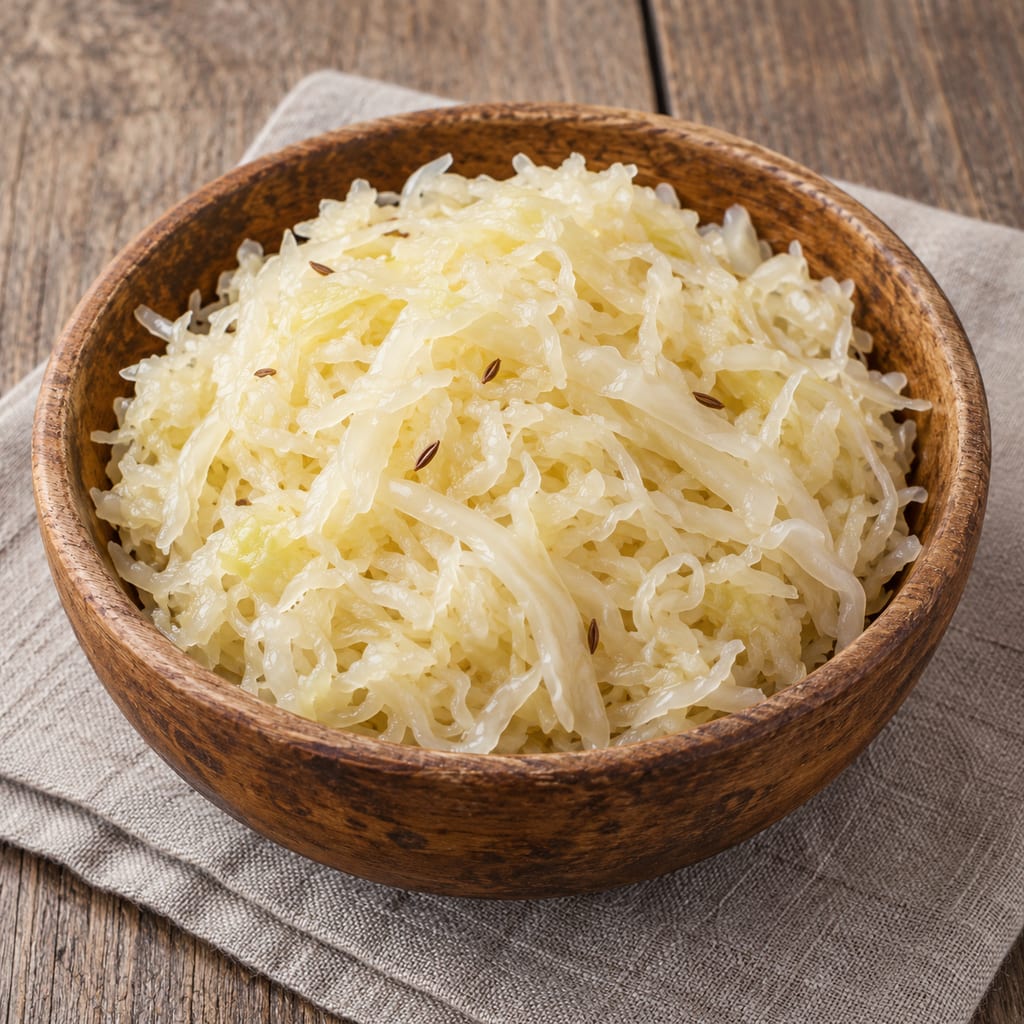
Kysané zeľí is Czech sour cabbage: shredded cabbage layered with salt and caraway and pressed in a wooden barrel. The regional account is descriptive and gives no validated salt ratio or endpoint.

Meat-trim koji garum is a savoury liquid seasoning made by holding meat scraps with rice koji, salt and water at steady warmth before straining the mash.

Pracharanda is finely reduced dried pear used as a topping on porridge, dumplings and cakes in Czech sources. Accounts of its preparation differ.
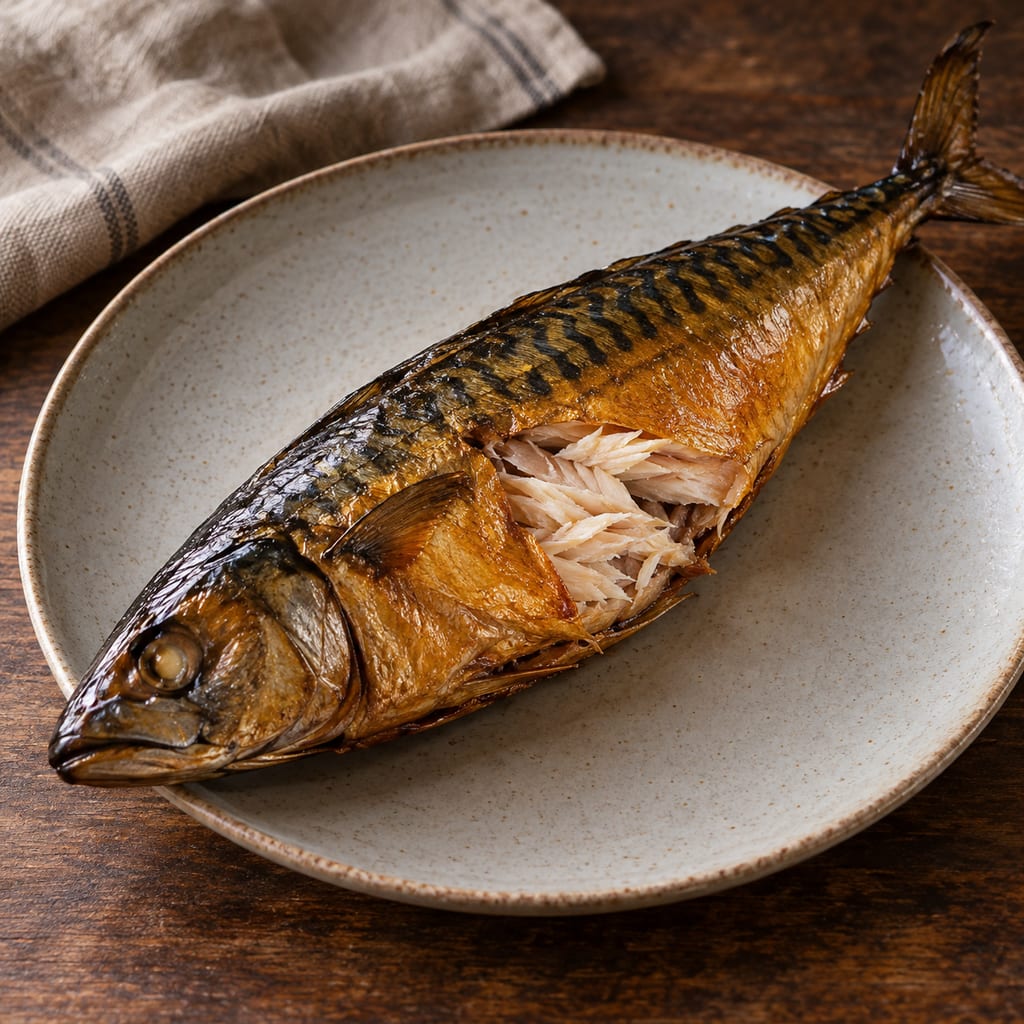
Whole mackerel brined for up to a day, then hot-smoked over beech and alder until the oily flesh takes colour and smoke, in a Czech smokehouse recipe.
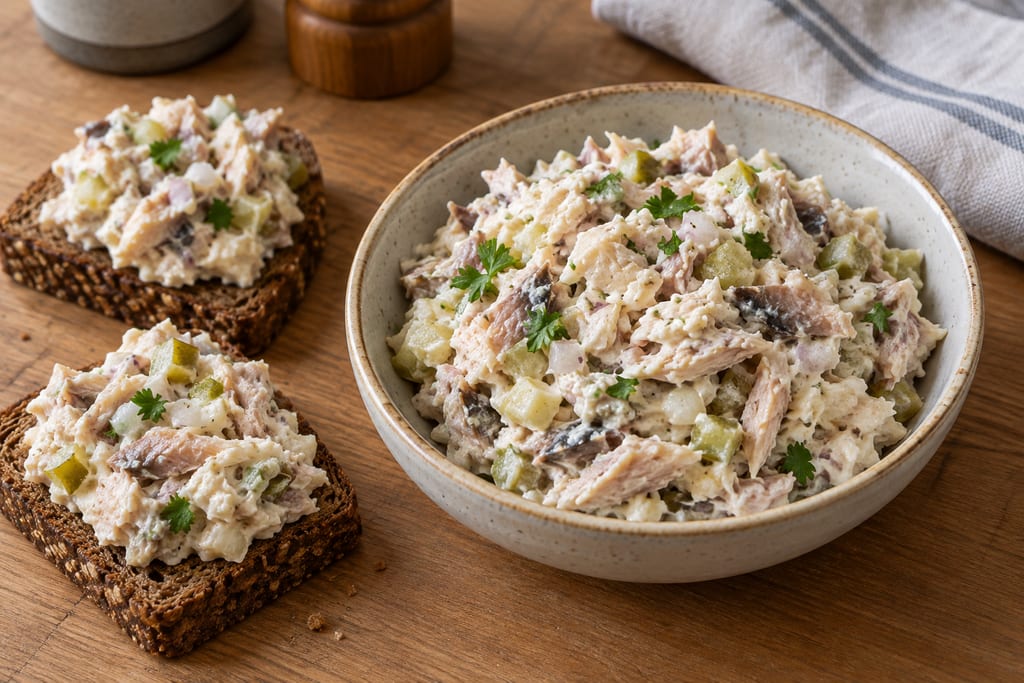
A quick Czech spread folds ready-smoked mackerel into quark, pickles, onion, mustard and lemon for serving with bread.
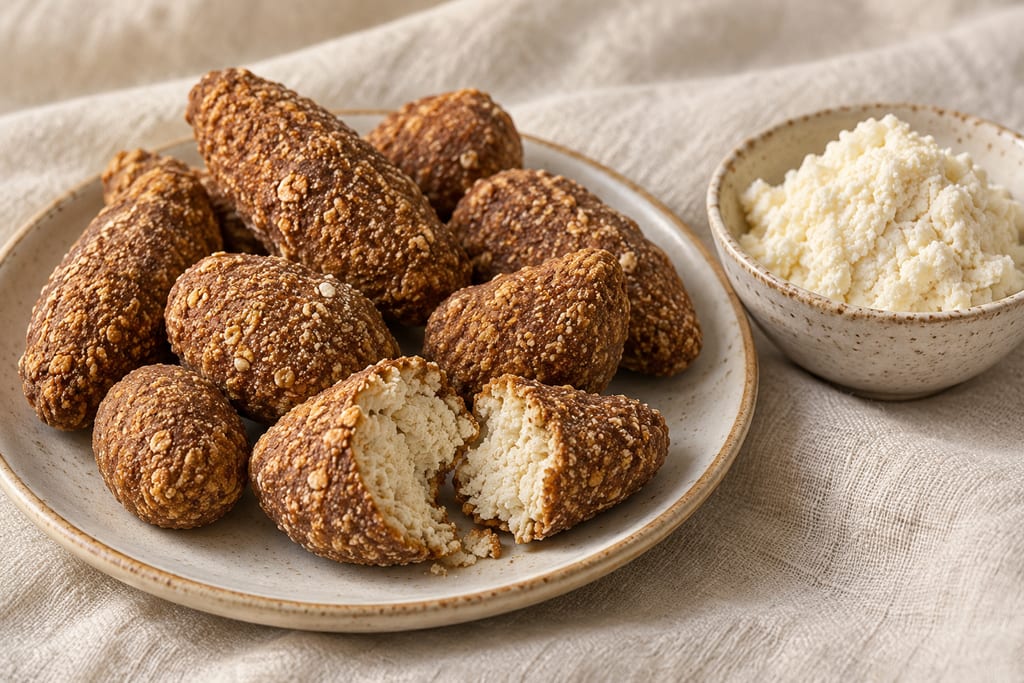
A two-stage Altai dairy preparation: sour chegen is heated into soft aarchi, then portions are drained, pressed and traditionally smoked into firm kurut.
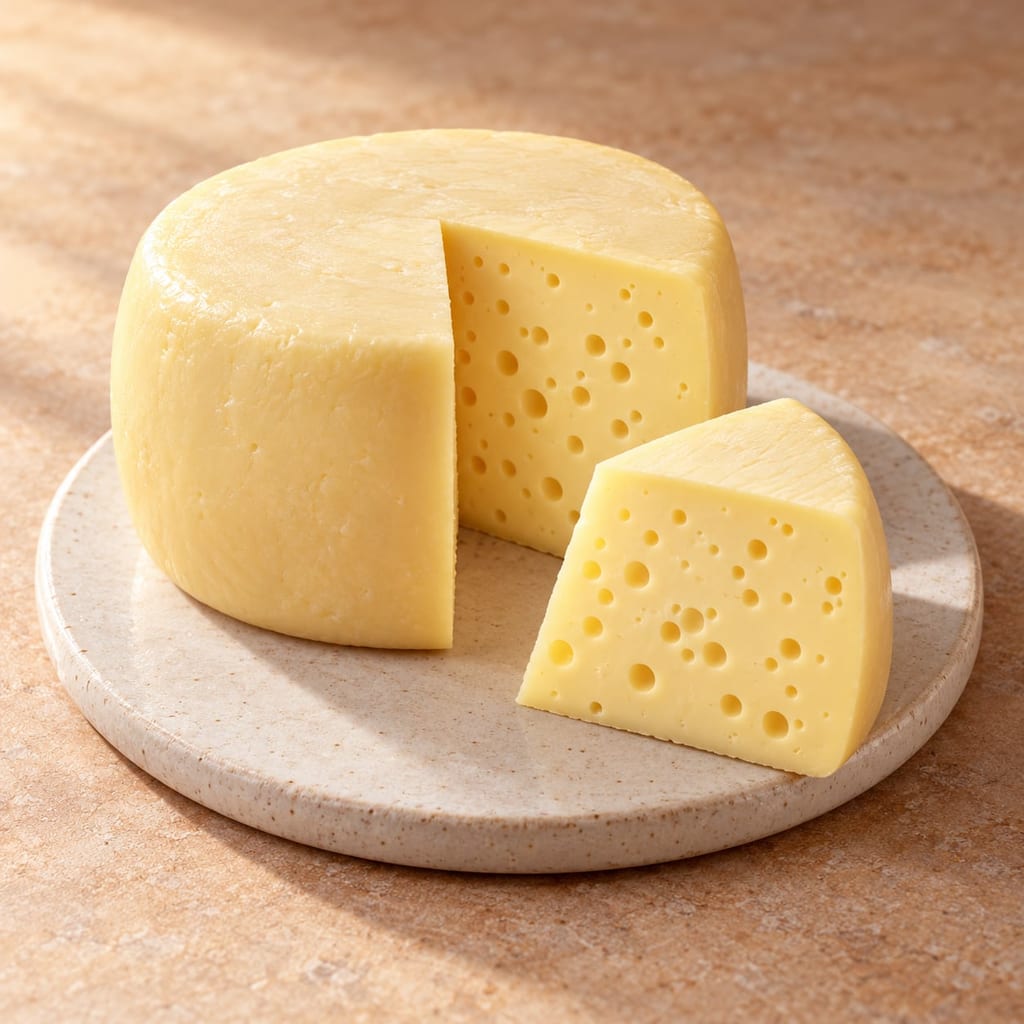
A washed-curd cheese with propionic bacteria, warmed by hot water in two steps and then held in a warm room for weeks so the bacteria can form its holes.

Beyaz peynir is a Turkish white cheese matured in brine. Sheep milk, alone or mixed with other milks, gives a close-textured cheese cut into blocks and packed in cans.
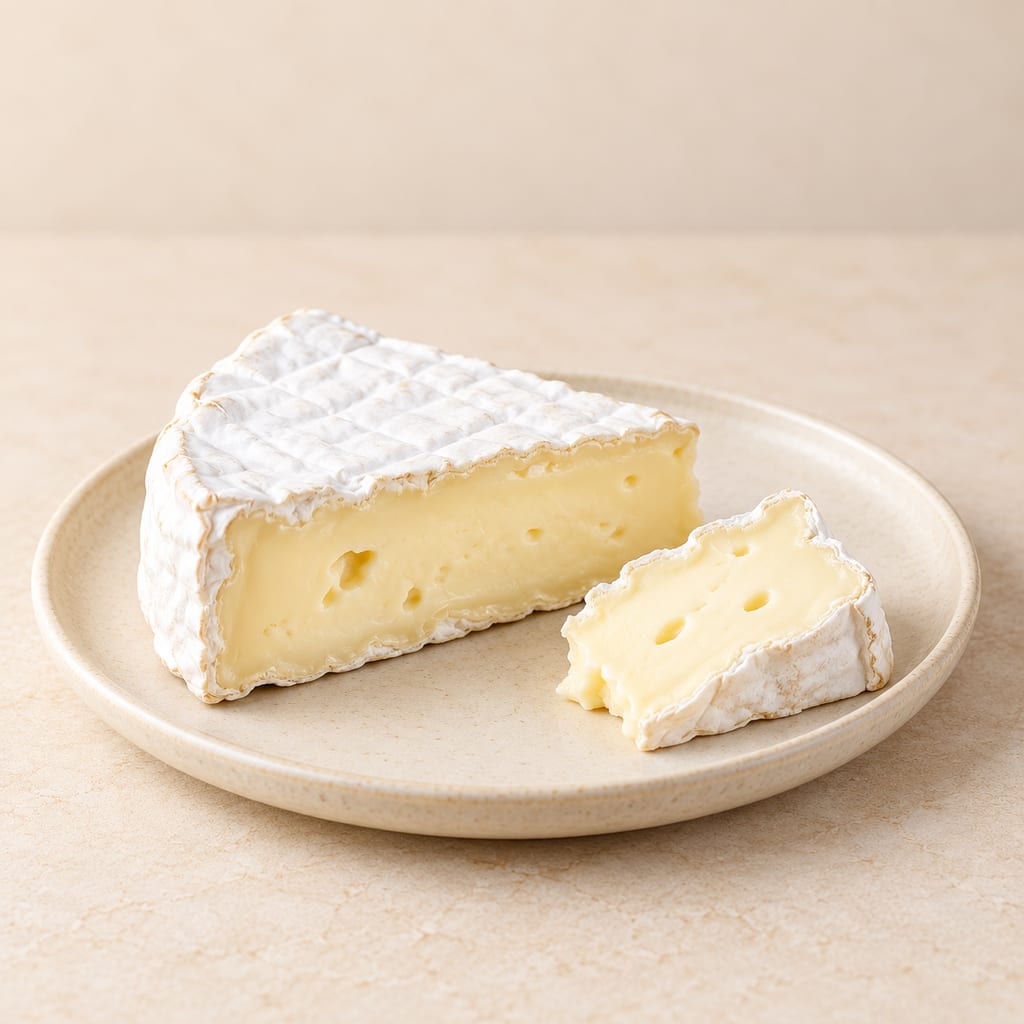
A cream-enriched Brie with a white bloomy rind and a softening center, made from pasteurized milk with lactic and surface cultures.
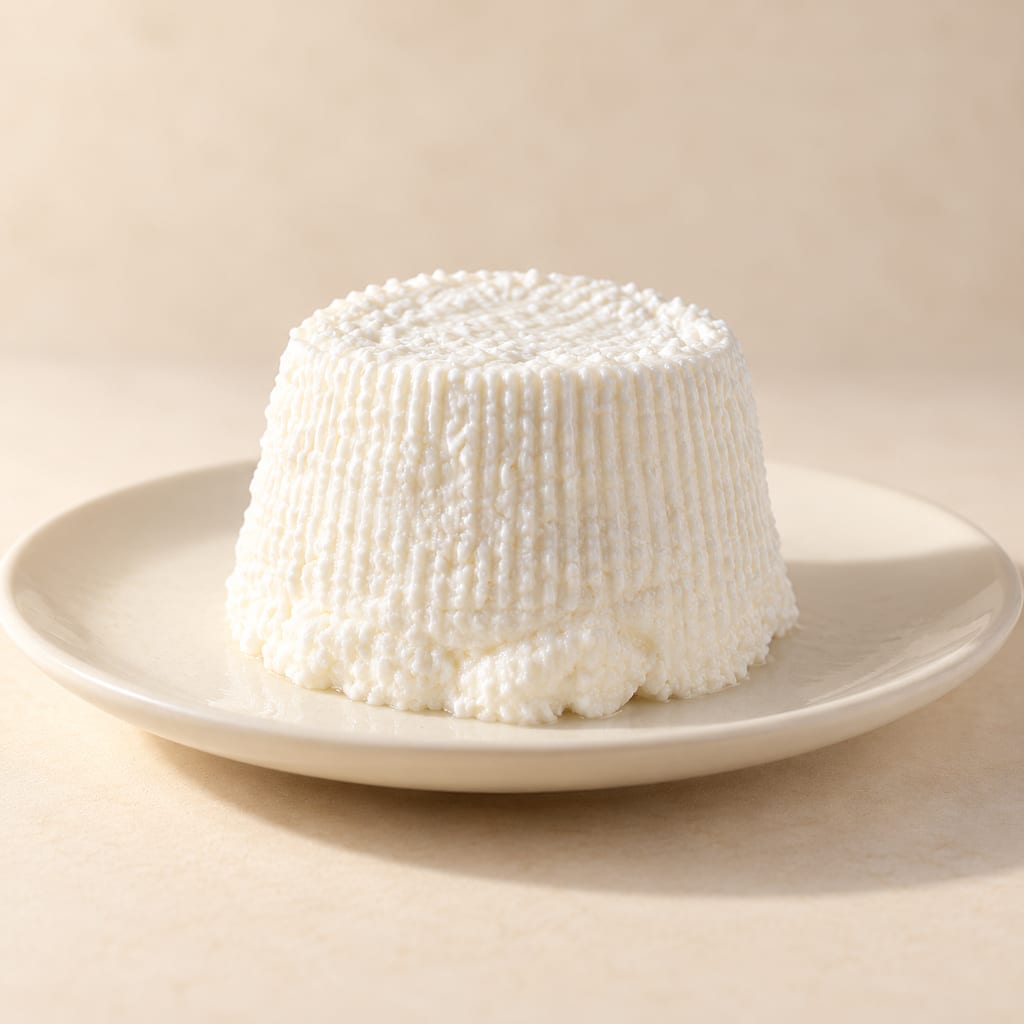
Corsican Brocciu is a whey cheese made by heating sheep's or goat's whey with whole milk and salt, then gently draining the flocculated curds. It is eaten fresh or salted and ripened as Brocciu passu.
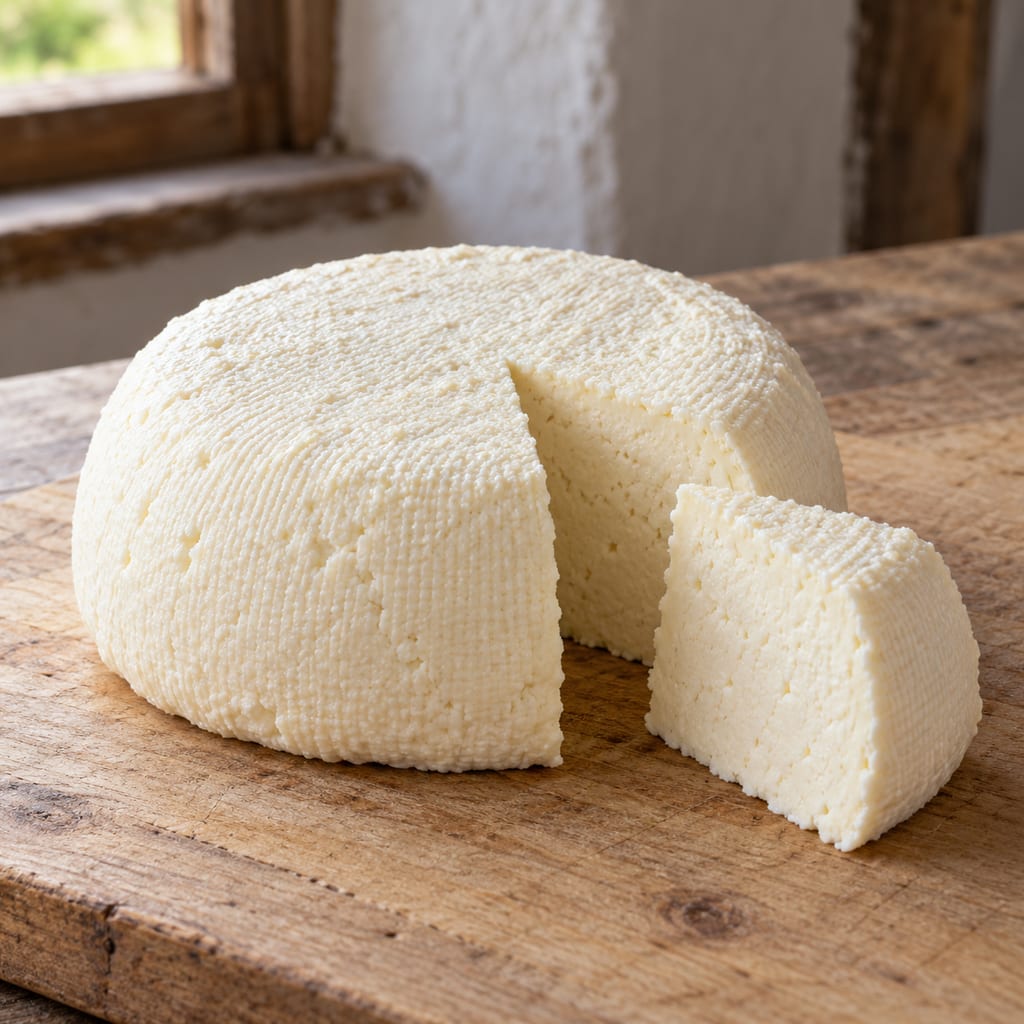
Budz is a traditional Hutsul rennet-set cheese made from sheep, cow or goat milk in the Ukrainian Carpathians, forming a fresh curd that can be eaten, smoked or processed into salted bryndza.
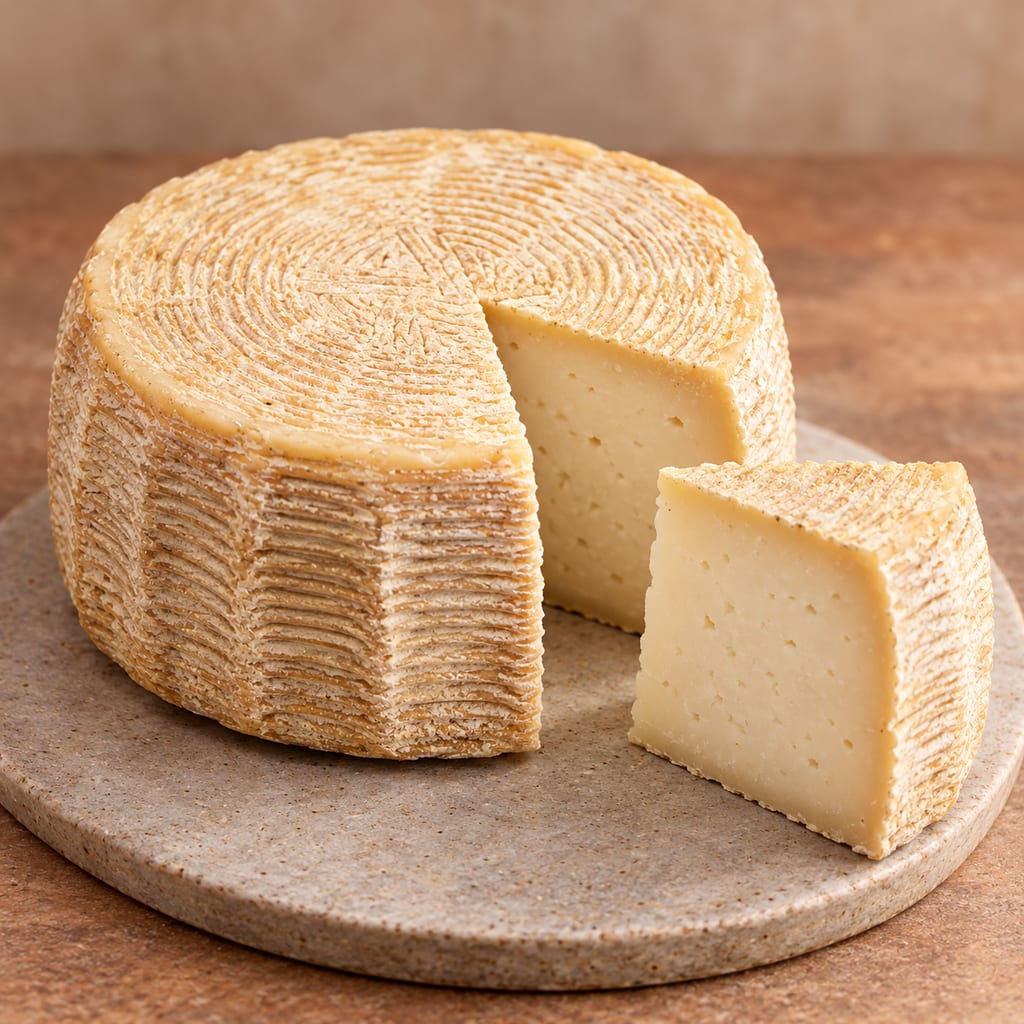
A scalded cheese moulded in baskets and re-cooked in its forms in hot whey, made alongside a ricotta from the same milk, then acidified, brined and aged for months.
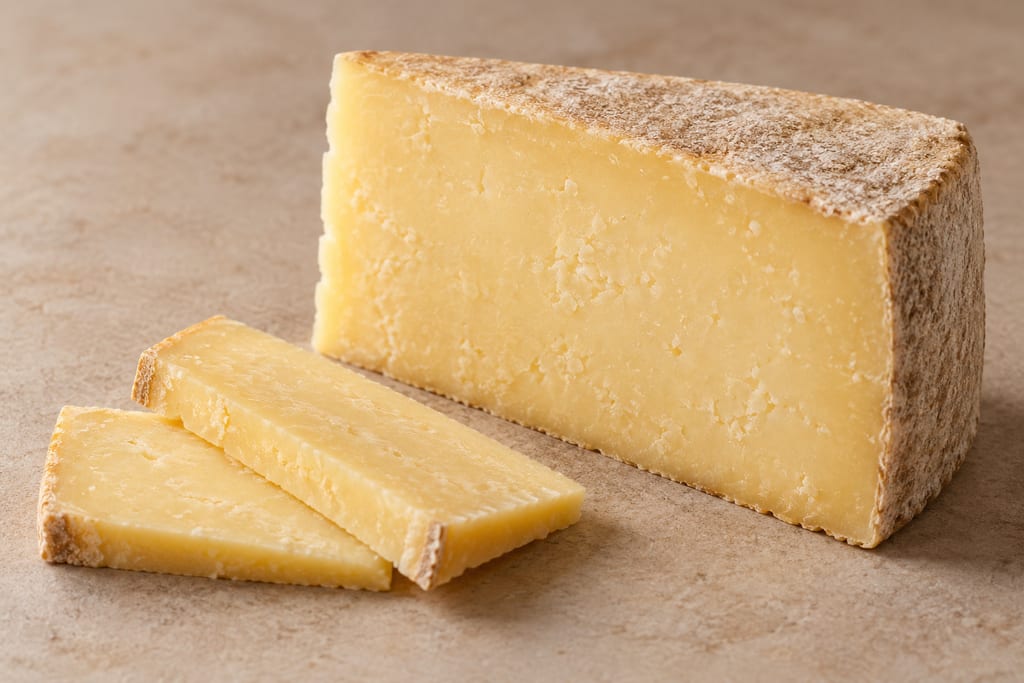
A pressed cheese whose curd is cooked slowly, then cheddared: kept warm in slabs that are turned and stacked for hours before milling, salting and pressing.
No community contributions have been published for this entry yet.
Sign in to contribute. Published comments and photos are free to read.
A.W. spol. s r. o.Method
Olomoucké tvarůžky - Nová výroba v LošticíchPurchased acid-set curd, laboratory check, salt mixing and tank conditioning
Cultures added on the way to the forming room
Surface ripening; three-day water spray; chilled-box temperature 6 to 15°C; hand packing in breathable film
15 tonnes over two shifts across four product types
A.W. spol. s r. o.History
O tvarůžkáchProduct description; recommended serving with bread, spreads, salads or baked, fried or grilled
A.W. spol. s r. o.History
Střípky z historieMention from 1452; 1583 record of the name; Josef Wessels production in Loštice from 1876
European Commission, EUR-LexHistory
Publication of an approved standard amendment to the product specification for Olomoucké tvarůžkyProtected product specification; a separate standard from the factory video