













High risk
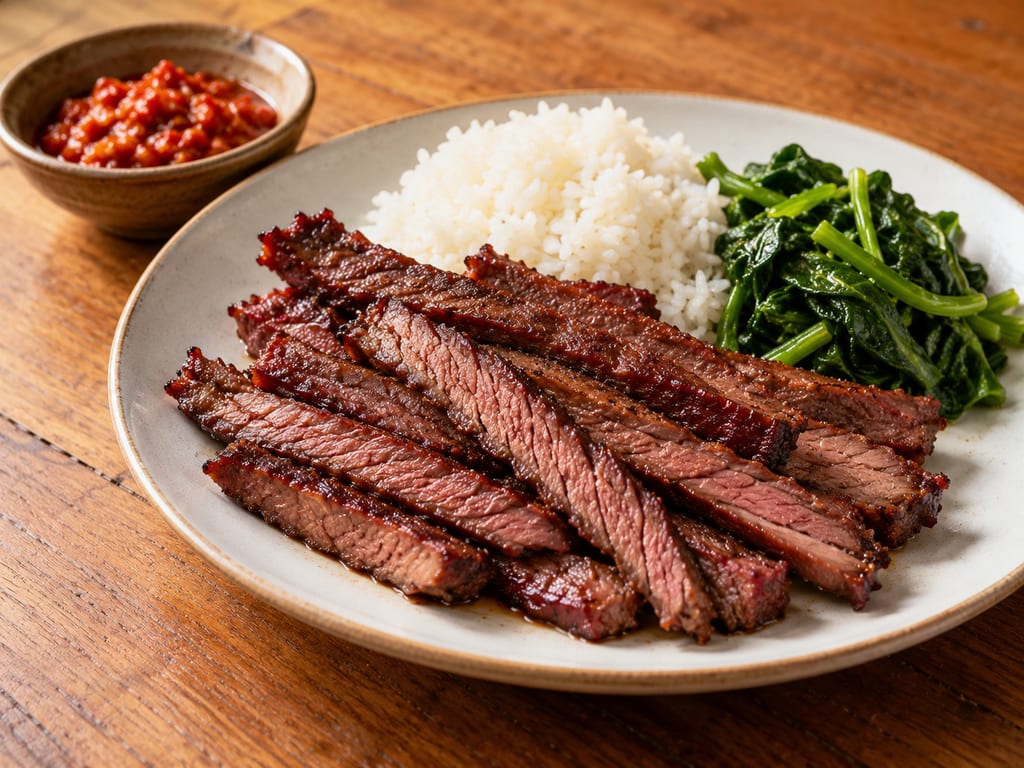
Se'i (Timorese smoked meat)
Smoked meat of Timor and Rote in eastern Indonesia: salted strips of beef or pork cooked over kosambi-wood embers under fresh kosambi leaves, served warm with rice, sambal lu'at and greens.
 FermenteaWhere food goes to change
1504 records with their sources, across 11 categories.
Smoked meat of Timor and Rote in eastern Indonesia: salted strips of beef or pork cooked over kosambi-wood embers under fresh kosambi leaves, served warm with rice, sambal lu'at and greens.
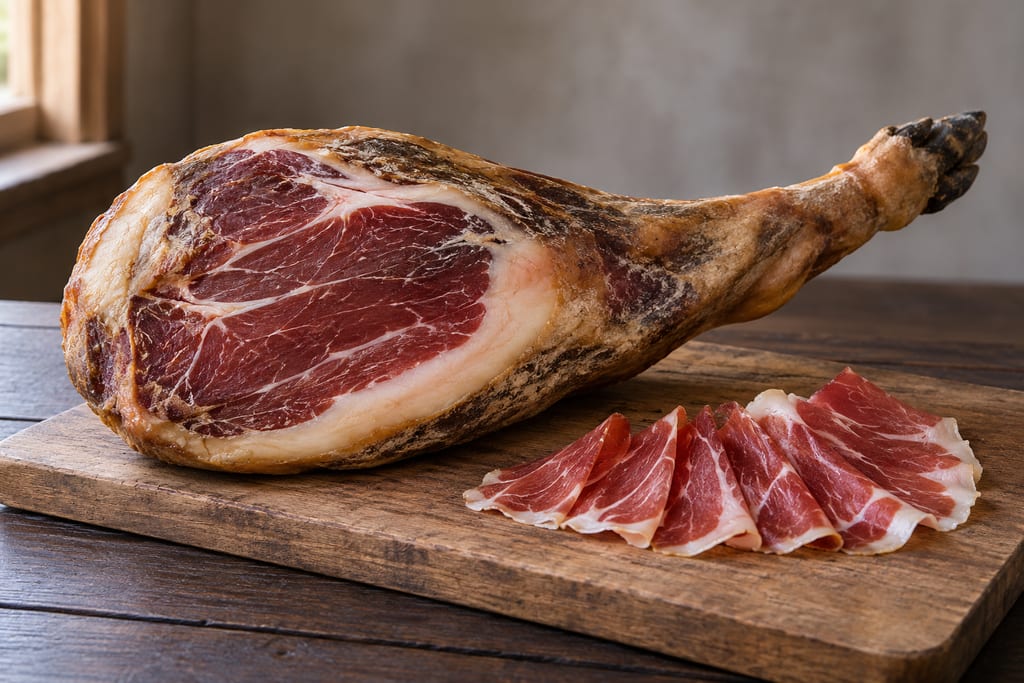
Smoked dry-cured pork ham of the Barroso highlands of northern Portugal: hand-salted, sometimes coated with olive oil and paprika, then smoked slowly over oak or broom in the cold mountain air.
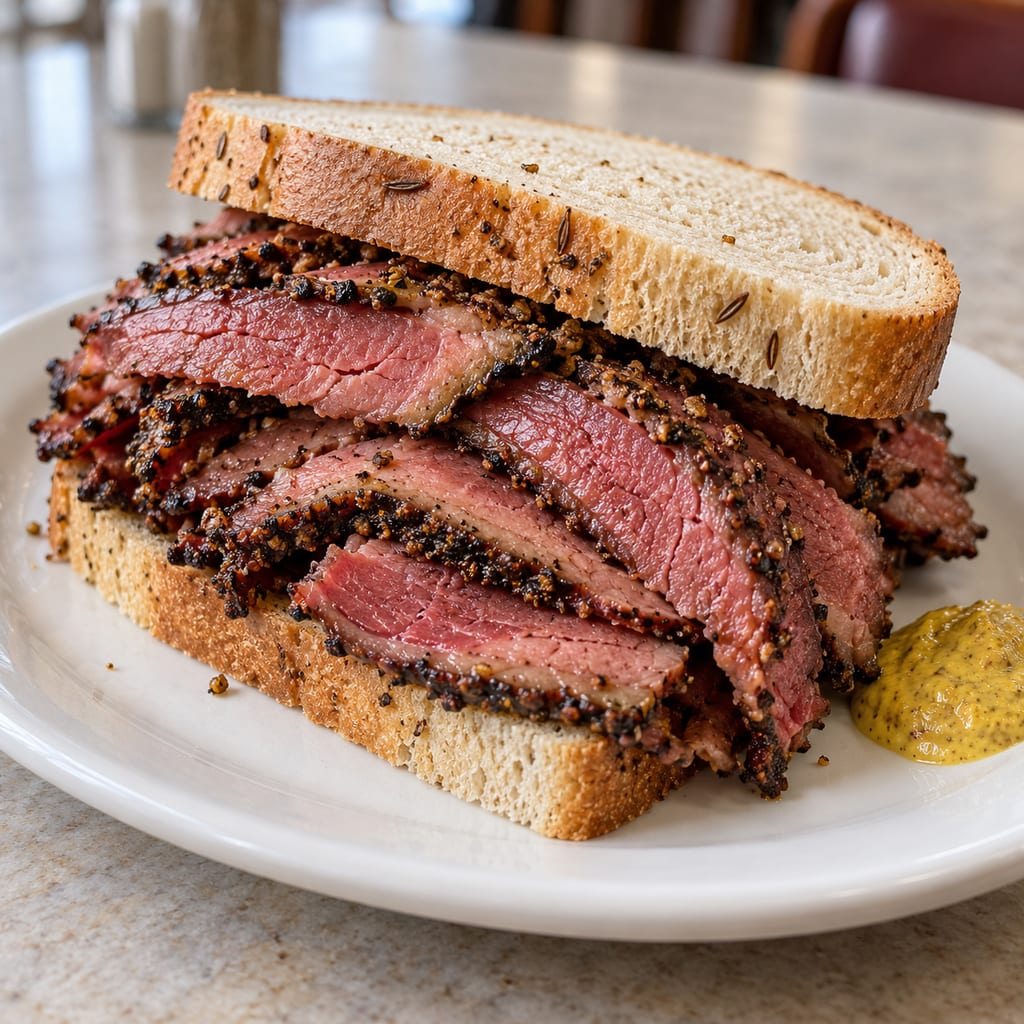
Pastrami is beef brined, rubbed with spices, smoked and steamed, the New York Jewish deli meat served hot and hand-carved on rye. Its origin is argued between competing accounts.
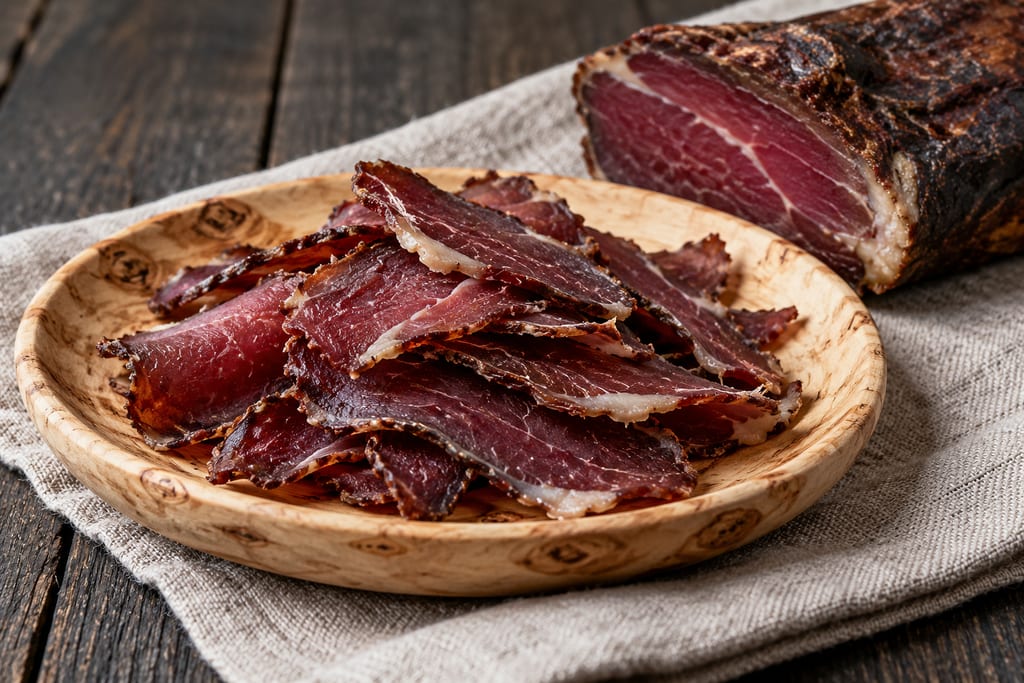
Salted reindeer meat hung in the smoke of a lávvu fire over willow, birch or juniper, then cooled and in some Sámi communities dried outdoors into travelling provisions.
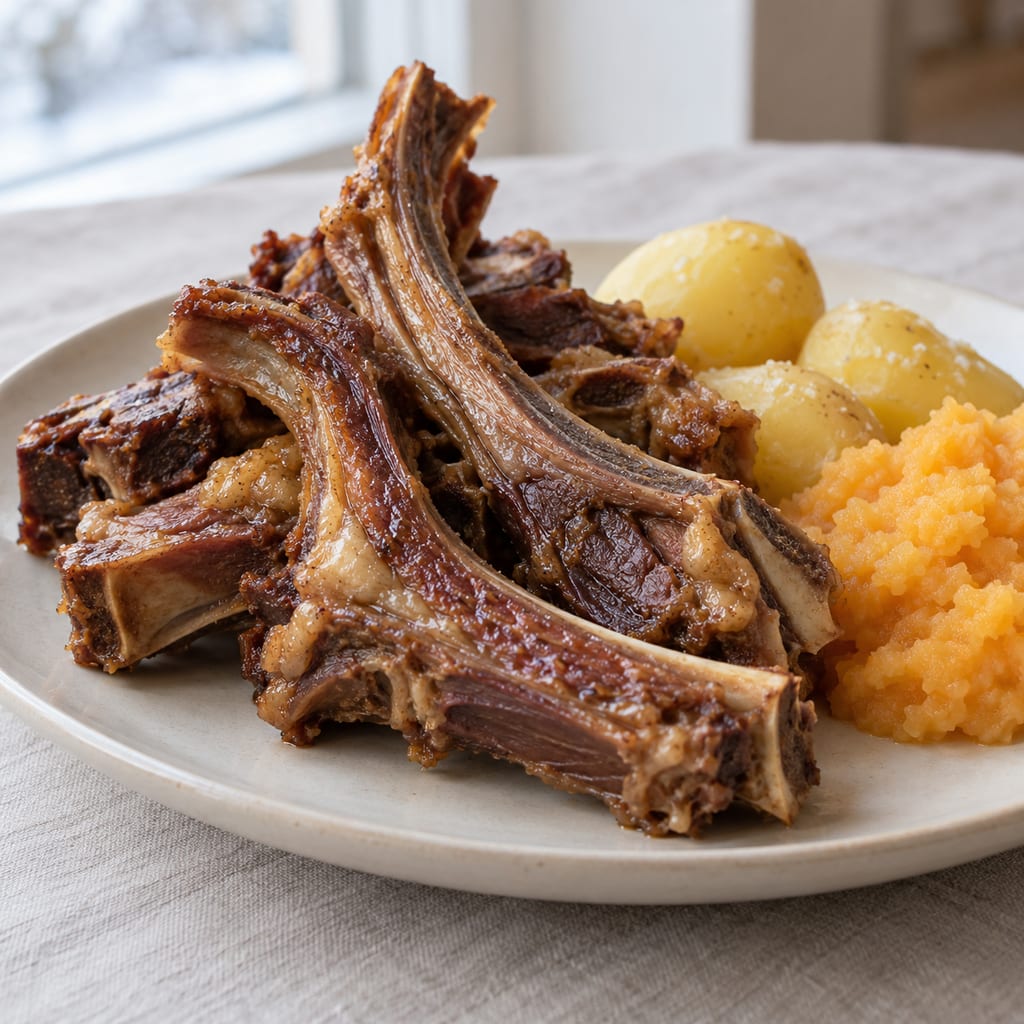
Norwegian Christmas lamb ribs, salted, matured and dried, then soaked and steamed over birch twigs. Smoked and unsmoked versions are both made.
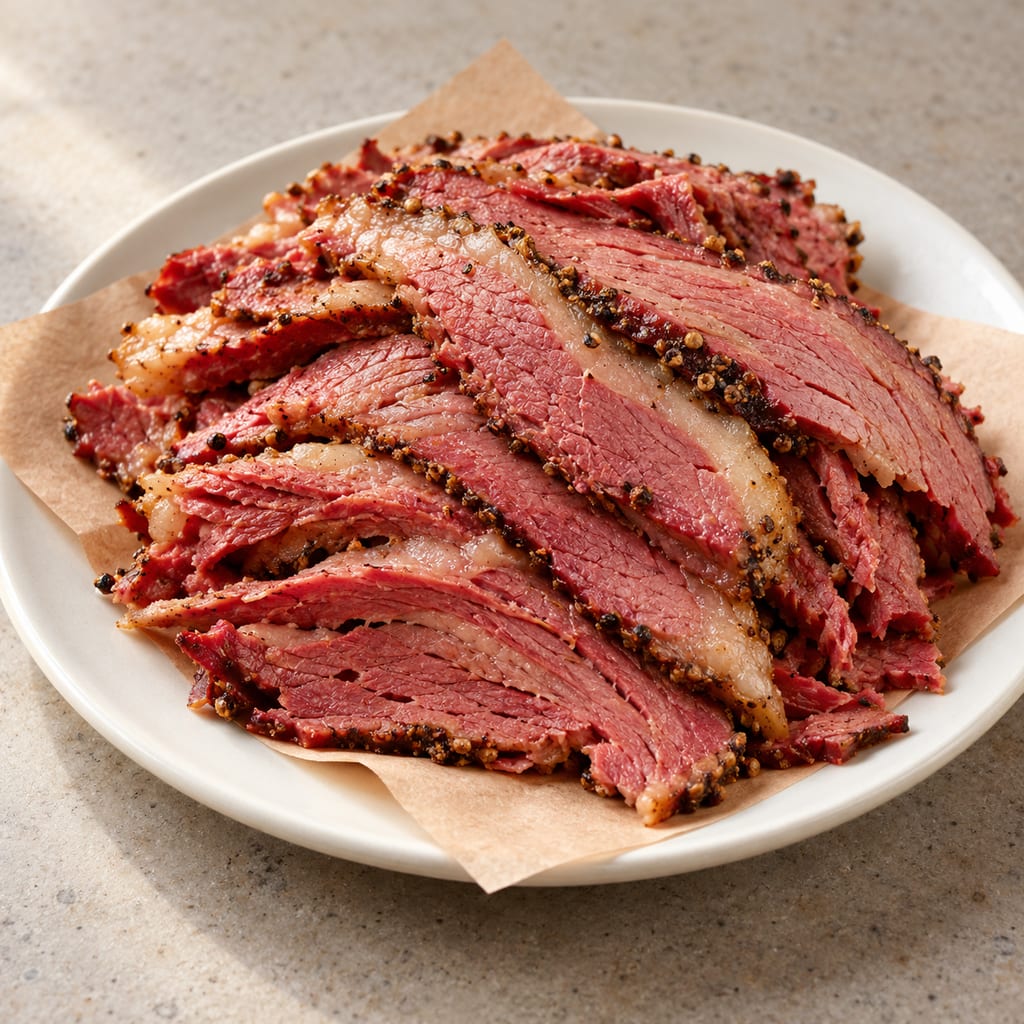
Montréal smoked meat is a brisket-centred Jewish deli specialty shaped by migration and Montréal's restaurant culture. This entry documents reported commercial traditions and one deli's account; it is not a home-curing method.
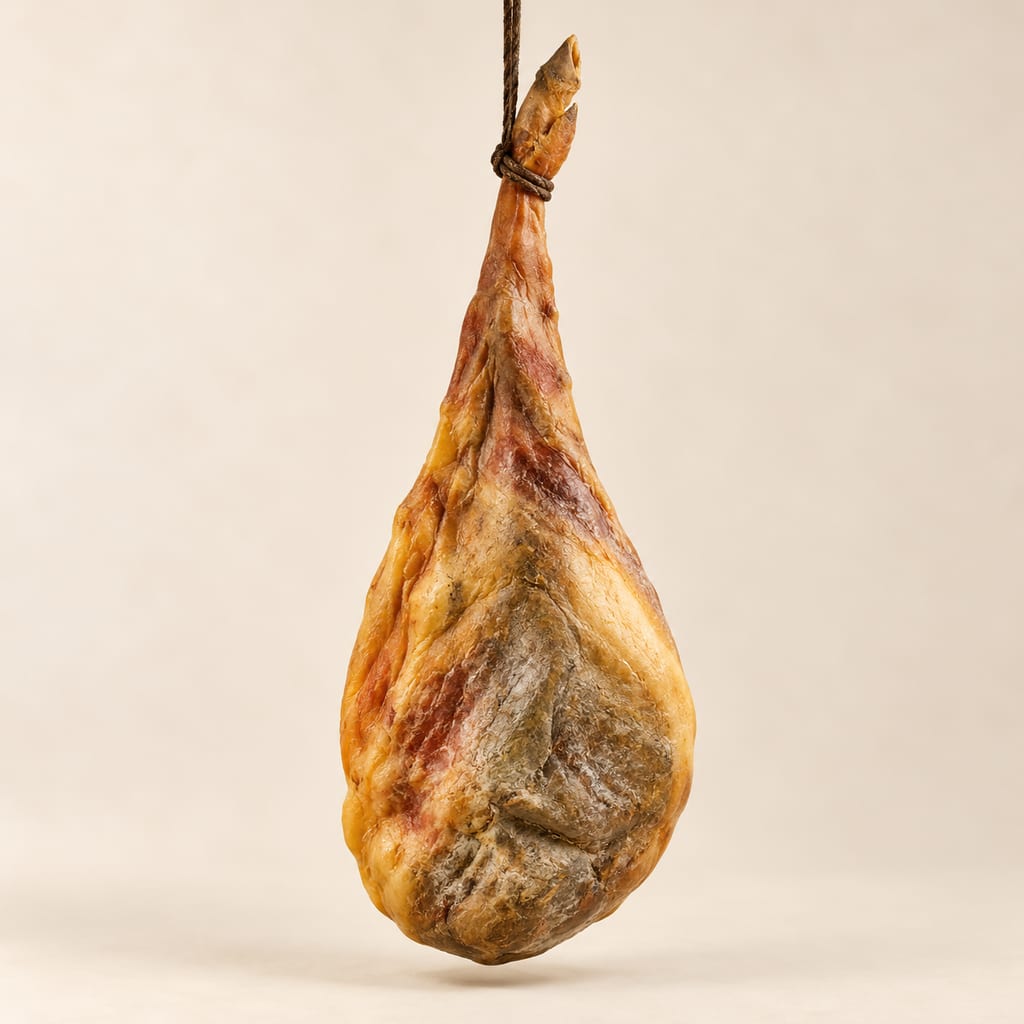
Cato the Elder records a second-century BCE sequence for salting, air-drying, and smoking ham. This historical account is not a validated modern curing protocol.
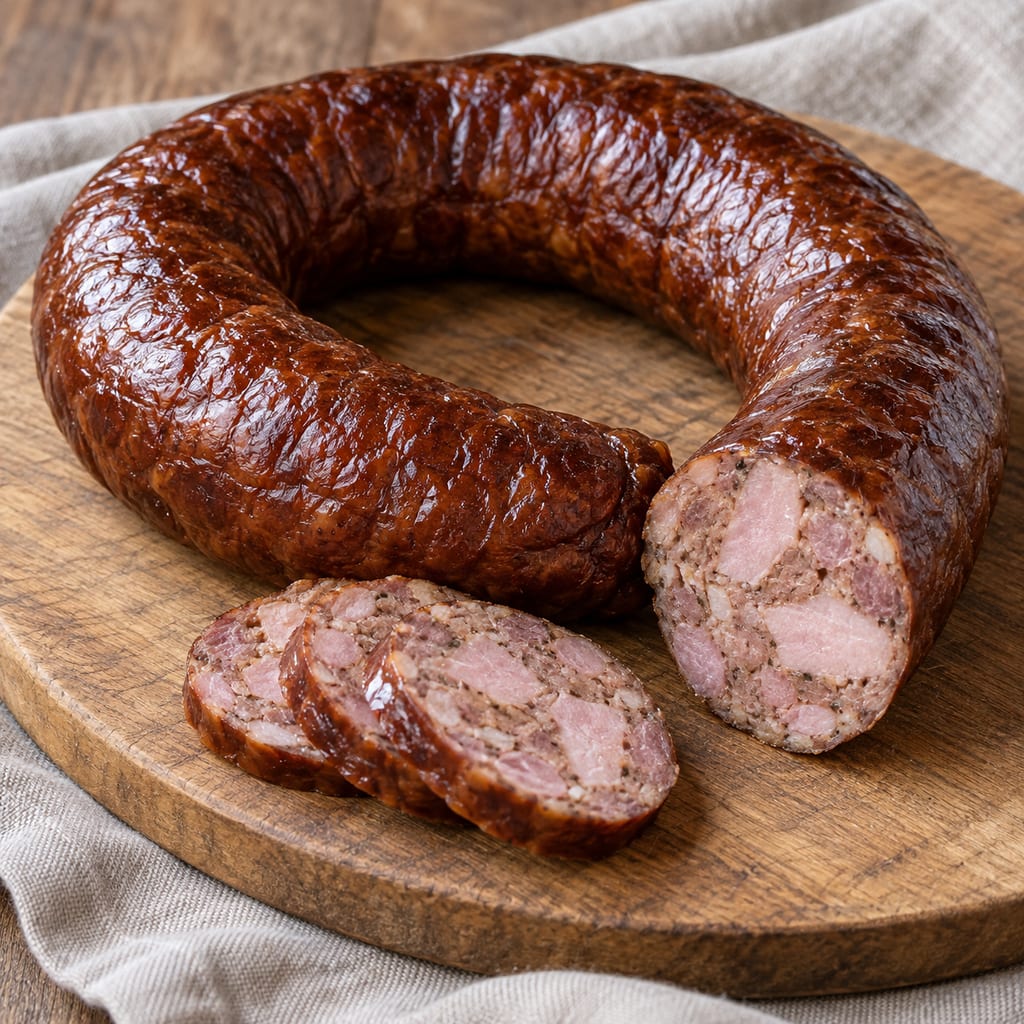
A protected pork sausage associated with Liszki and Czernichów; its application describes commercial curing and smoking, not a home batch.