Dushan chousuan
A pungent fermented vegetable condiment from Dushan, Guizhou, made in a documented traditional pattern with impatiens and other plants.
 FermenteaWhere food goes to change
臭酸肥肠
A Dushan restaurant dish of pork large intestine cooked with the fermented condiment chousuan.
Chousuan, or stinky sour, is a strongly aromatic fermented condiment presented in a Dushan workshop and then served at a nearby restaurant. One restaurant dish pairs it with pork large intestine. The diners describe the latter dish as cooked and stir-fried, and taste it at the table.
The film shows the finished dish being eaten rather than a complete preparation. It does not explain how the intestine was cleaned or cooked, whether it was cooked before stir-frying, or the proportions and other ingredients. Those missing steps cannot be reconstructed from the tasting.
The chousuan base has its own preparation before it meets the pork. Dushan research describes a green, sauce-like condiment made with impatiens, mustard greens, bamboo shoots, fried wheat and aromatic litse fruit. That documented plant mixture provides context for the sour, without establishing the restaurant’s particular formula.
Making the condiment and cooking this dish are separate operations. The pork intestine is not described as fermented in the finished dish. It is cooked with an already prepared sour. Keeping those stages distinct lets the reader follow the base to its own account rather than treating every ingredient in a sour dish as a new fermentation.
The film also presents a dip made with the sour and other ingredients. That serving and the cooked intestine dish are separate preparations. Ingredients named for the dip, including tomato, chilli and an uncertain peanut or toasted-soybean component, cannot be inserted into the cooked dish’s recipe on that evidence.
The workshop sour is described in the film as made from garden balsam. At the restaurant the group first tastes a separate uncooked condiment with chilli, tomato and either peanut or toasted soybean; the speaker is uncertain which. Those additions cannot automatically be assigned to the cooked intestine dish.
The contrast between tasting the sour by itself and eating it with pork illustrates how a concentrated fermented ingredient can be used as a seasoning in a meal. Neither tasting supplies a method for fermenting the condiment or establishing its safety.
Raw pork intestine requires careful handling because raw pork can carry harmful bacteria. CDC advises keeping raw meat separate from other foods, cleaning boards and utensils, and washing hands and fingernails thoroughly after handling raw chitlins. Its guidance for named pork cuts does not establish an intestine-specific cooking temperature.
A source describing the actual offal preparation and a reliable cooking endpoint is needed before this account can become a reproducible recipe. No date of invention or exclusive origin is established by the restaurant visit.
The source documents a contemporary Guizhou meal; an earliest attestation has not been established.
No reproducible ingredient list is recorded.
Handling raw pork intestine can spread harmful bacteria.
Hazard sourceWash hands and fingernails thoroughly after handling raw intestines; clean boards, utensils and surfaces and keep raw meat separate from other foods.
Control sourceThe sources do not give enough detail for preparation directions.
A documented example; not a claim of origin.
Beef and fresh mustard greens in a sour broth made with an already fermented chilli base.
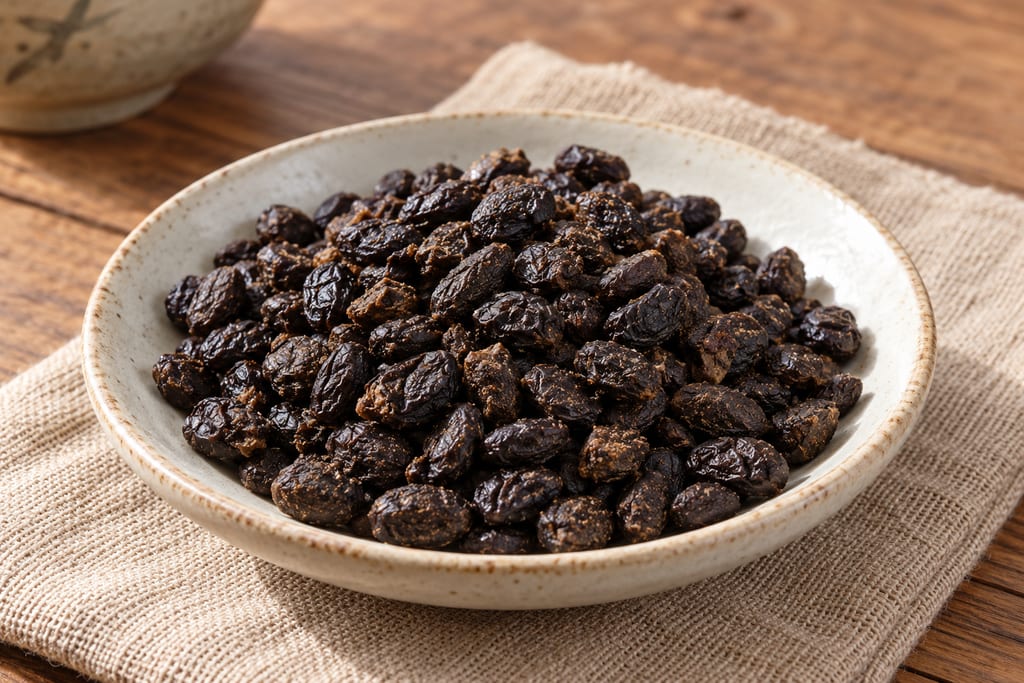
A Chinese fermented soybean condiment in which Bacillus-led bacteria, not moulds, drive the fermentation. Documented in Zunyi, Guizhou, and kept separate from mould-led douchi.
A fermented freshwater-shrimp condiment from Dushan, Guizhou, matured with salt and liquor and later seasoned with chilli, garlic and sweet rice wine.
A fermented tomato and chilli sour from Guizhou, used as a cooking base for fish, beef, hot pots and other dishes.
A Guizhou fermented sour liquid made in distinct traditions from rice-washing water, rice soup or flour soup.
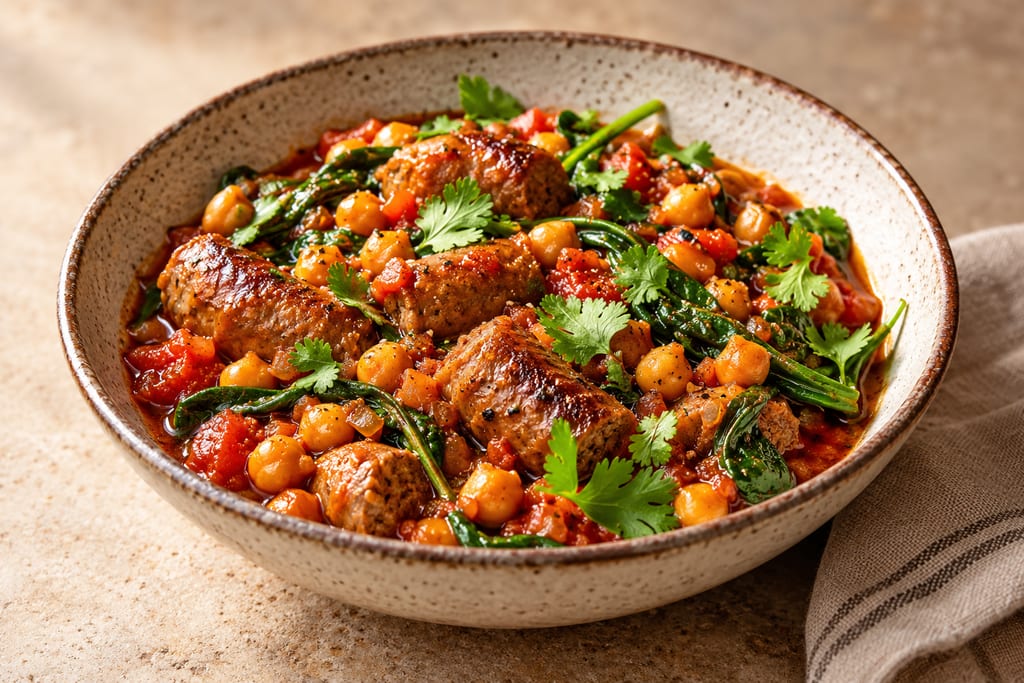
Lesego Semenya’s contemporary South African stew combines browned boerewors, chickpeas, tomato, spinach and warm spices.
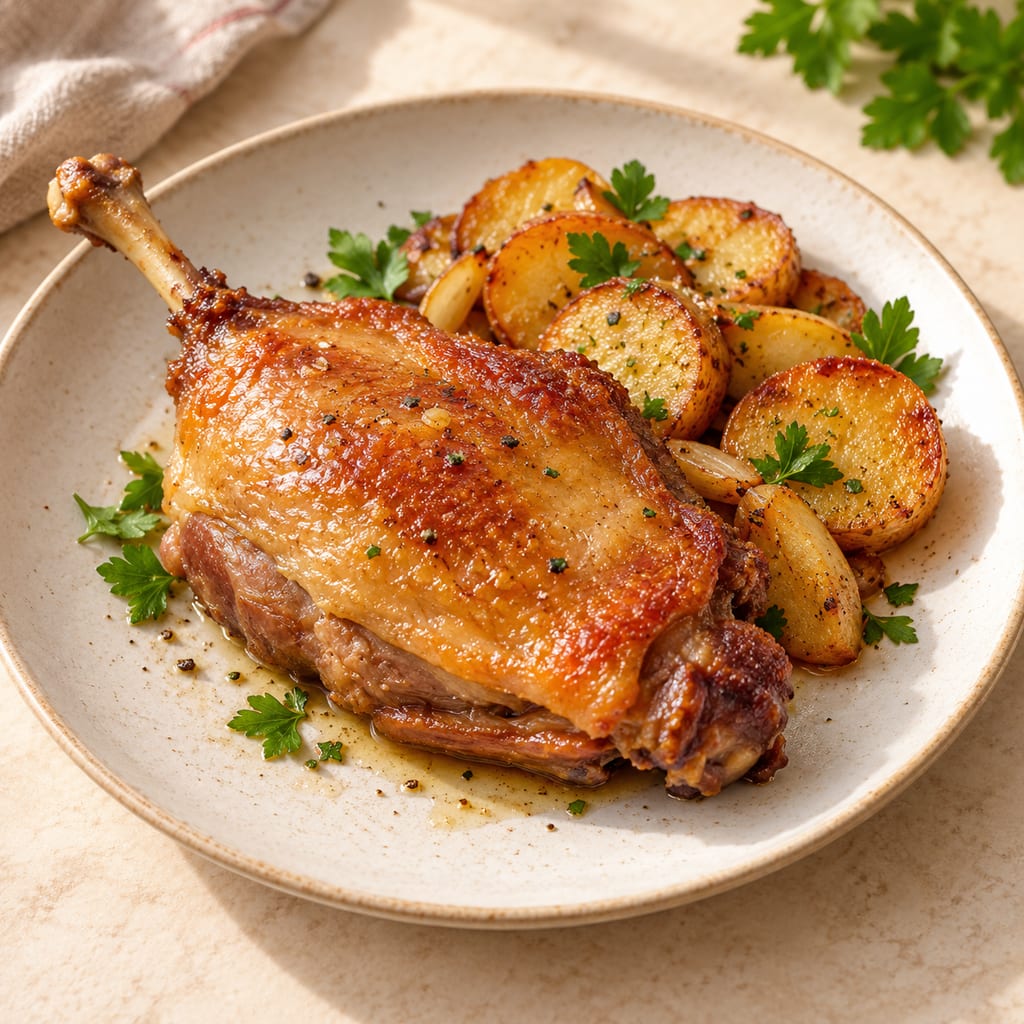
Meat salted, slowly cooked in its own fat and kept under a covering of that fat. The fat cap limits air but does not acidify or sterilise, so home confit needs refrigeration or freezing.
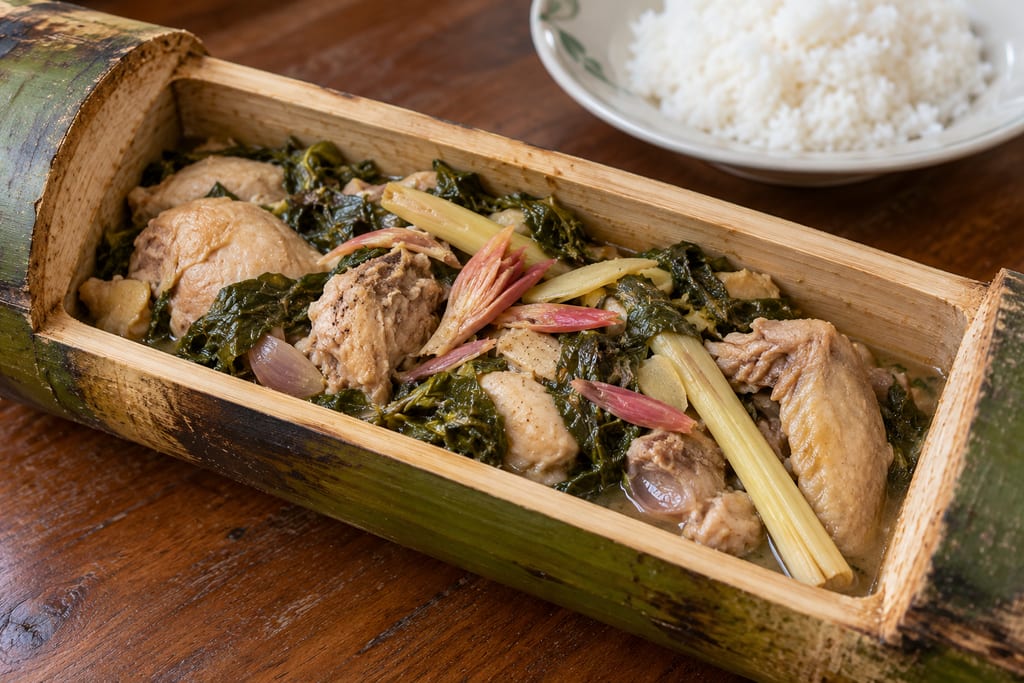
Manuk pansuh is Iban chicken cooked slowly inside a fresh bamboo tube with aromatics and leafy greens. The bamboo holds the food and shapes the steamy, fragrant cooking environment; recipes vary by household and locality.
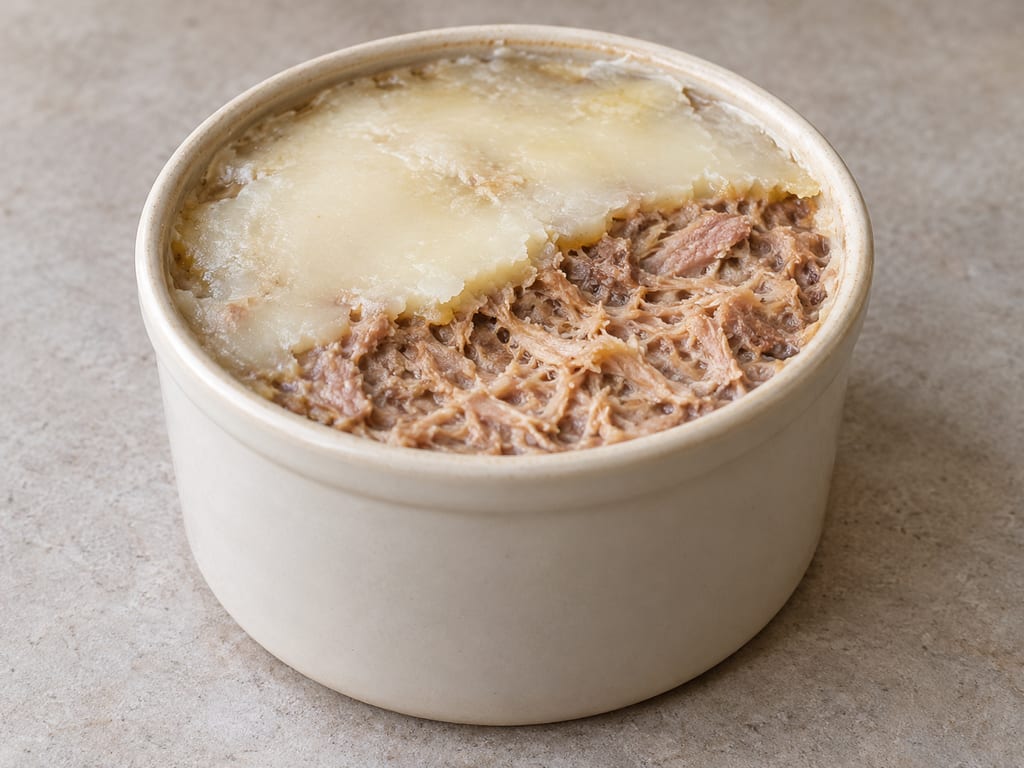
Cooked meat or fish shredded or pounded, packed into pots and covered with fat. Heat, salt, moisture reduction and the fat cover work together, and the texture separates rillettes from whole-piece confit.

Omani celebration dish of spiced meat wrapped in leaves, sewn into palm-fibre bags and cooked in a sealed pit of embers for up to a day.
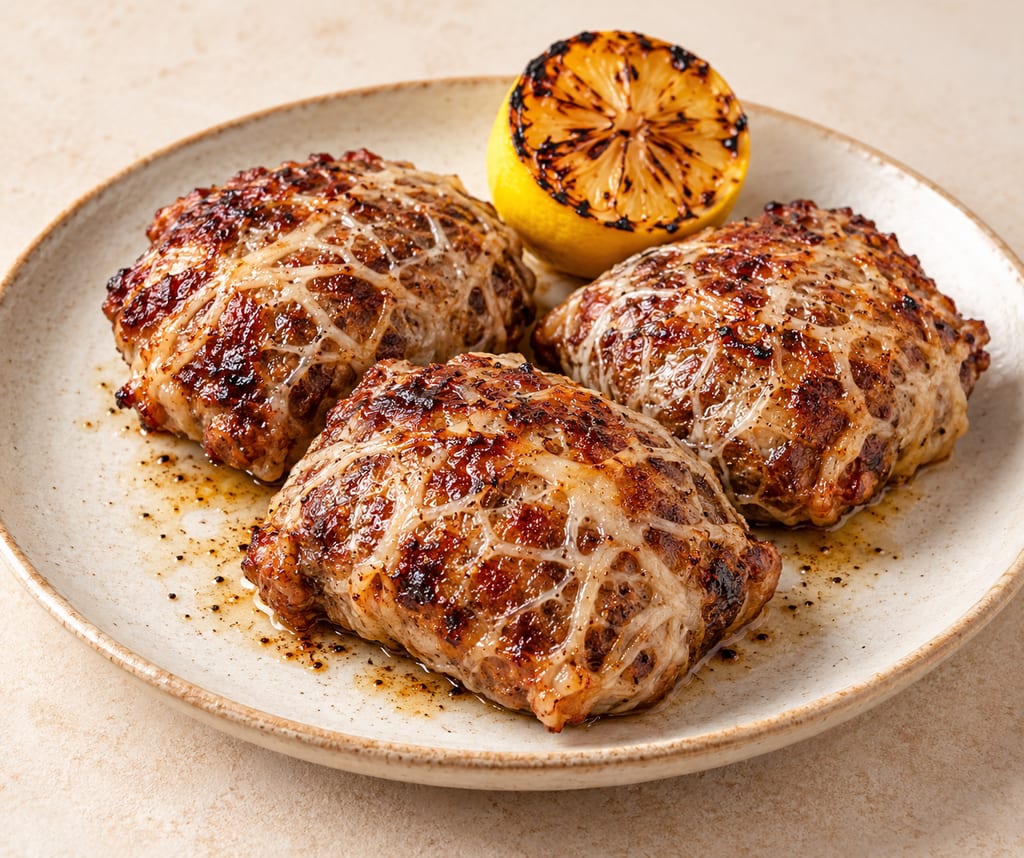
South African braai parcels of seasoned lamb liver wrapped in caul fat (netvet), which crisps and renders as the filling cooks.

Cape skewers of marinated lamb or mutton threaded with onion, fat or dried fruit and grilled, their marinade balancing curry spice against vinegar or tamarind and something sweet.
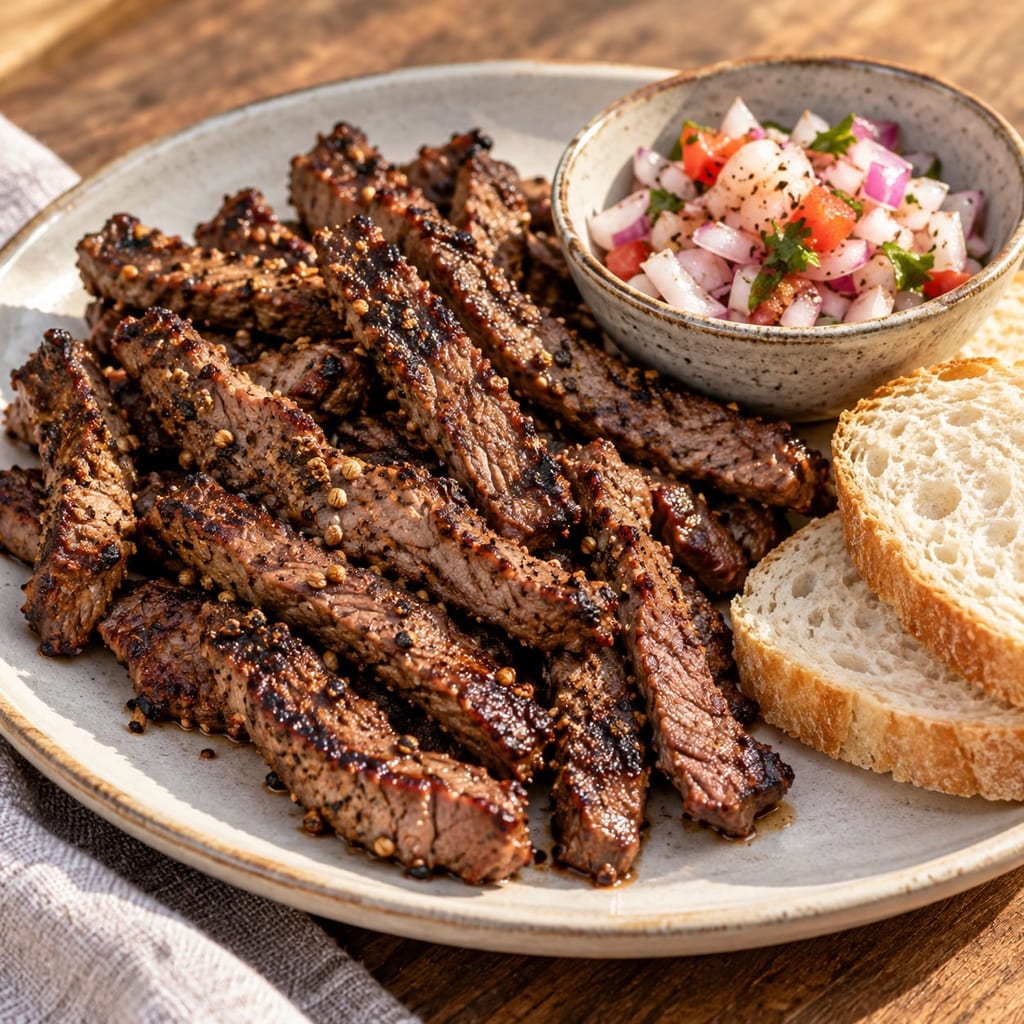
Beef rump takes vinegar, toasted coriander and pepper from the flavour family of tassal, then meets a thermometer-checked braai fire as a fresh-cooked meal.
No community contributions have been published for this entry yet.
Sign in to contribute. Published comments and photos are free to read.
saintcavishResearch
The Fermented World of GuizhouFilmed dishes and spoken account; English automatic captions
Cited in: A Dushan restaurant dish; The prepared sour in the dish; Condiment and cooked dish; Handling and evidence
US Centers for Disease Control and PreventionResearch
How to Prevent Yersinia InfectionRaw pork, handwashing and cross-contamination
Cited in: Handling and evidence
Zhang et al., Food Chemistry: X, 2024Research
Characterization and correlation analysis of microbial flora and flavor profile of stinky acid, a Chinese traditional fermented condimentDushan chousuan identity, plant mixture and cooking uses; not the restaurant dish formula
Cited in: The prepared sour in the dish