Beef
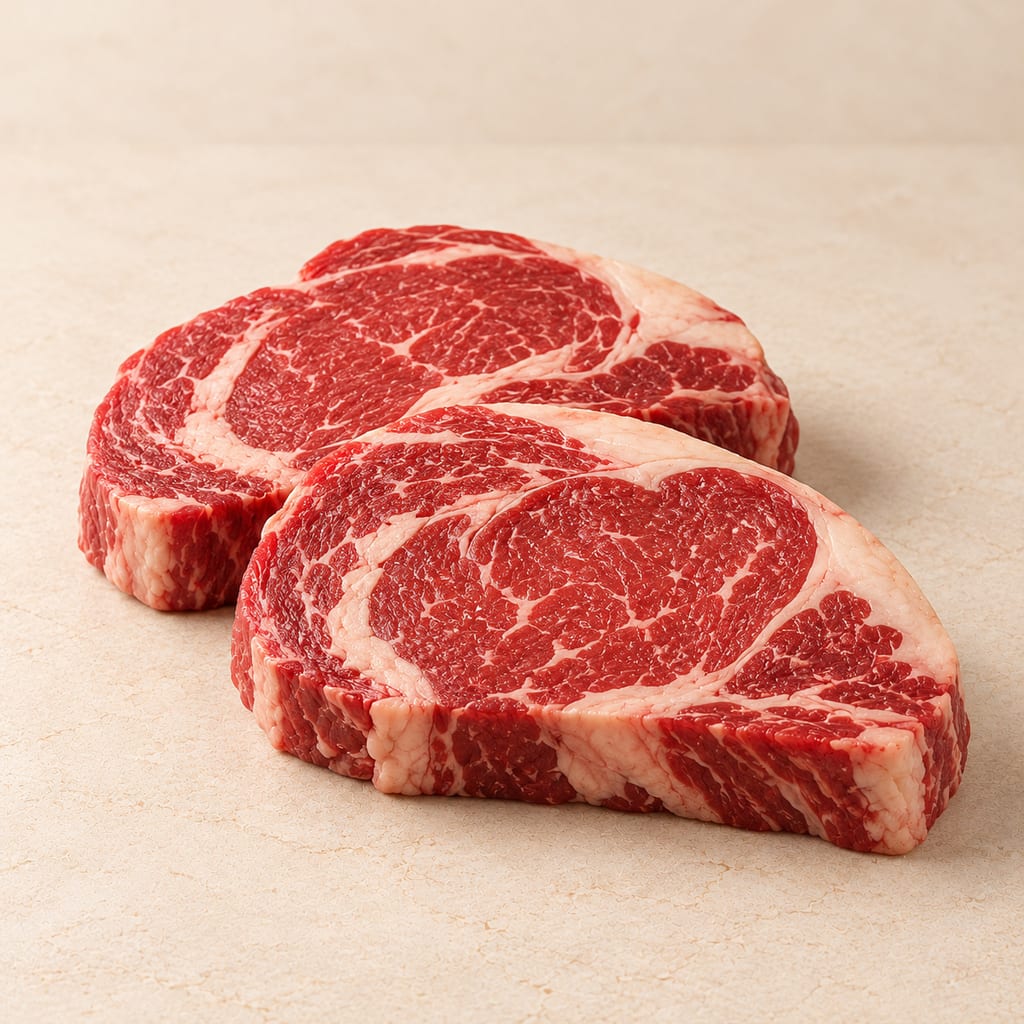
Beef is the meat of domestic cattle, Bos taurus and Bos indicus, sold as steaks, roasts, ground meat and cured products, and used in broths, salami and koji seasonings.
 FermenteaWhere food goes to change
dried meat strips
A documentary account of dried meat strips and their historical uses. It does not provide an operational home method for making shelf-stable jerky at home.

The National Park Service's Knife River Indian Villages teaching article, written by members of the Mandan, Hidatsa and Arikara Nation for educators, describes meat sliced thin, dried on racks or over a fire, carried for hunting and scouting, and pounded with sunflower seeds or berries into portable patties. Those practices belong to the communities named in that source and should not be generalized to every Indigenous American food tradition.
The FAO manual discusses a wider dried-meat tradition and the technical complexity of production. Neither source establishes that the few historical details here amount to a safe home method.
The short historical account does not specify a validated batch, meat thickness, pretreatment, humidity, time-temperature schedule, or storage controls. Do not use ambient air-drying instructions or judge safety from a dry surface.
USDA FSIS recommends heating meat to 160°F (71.1°C), or poultry to 165°F (73.9°C), before dehydration and maintaining a 130–140°F (54.4–60°C) dehydrator. Its linked current guidance supplies the complete home-process advice; this entry remains descriptive and does not promise shelf stability.
Cutting lean meat into thin strips let wind and dry air remove moisture efficiently. The dried strips could be stored directly, pounded into meal or built into composite travel foods.
Scaling: source batch only
Drying may not destroy bacteria when raw meat is not first heated to the recommended temperature. The published entry previously presented ambient air-drying as an instruction without a measurable endpoint.
Hazard sourceDocumentary entry only; not an operational home-preservation procedure.
Do not hang raw meat in ambient air or infer safety from surface dryness.
USDA FSIS recommends heating meat to 160°F (71.1°C) or poultry to 165°F (73.9°C) before dehydration; consult the linked FSIS guidance for its complete process.
Documented across Indigenous American communities; the source gives no single locality.
Beef is the meat of domestic cattle, Bos taurus and Bos indicus, sold as steaks, roasts, ground meat and cured products, and used in broths, salami and koji seasonings.
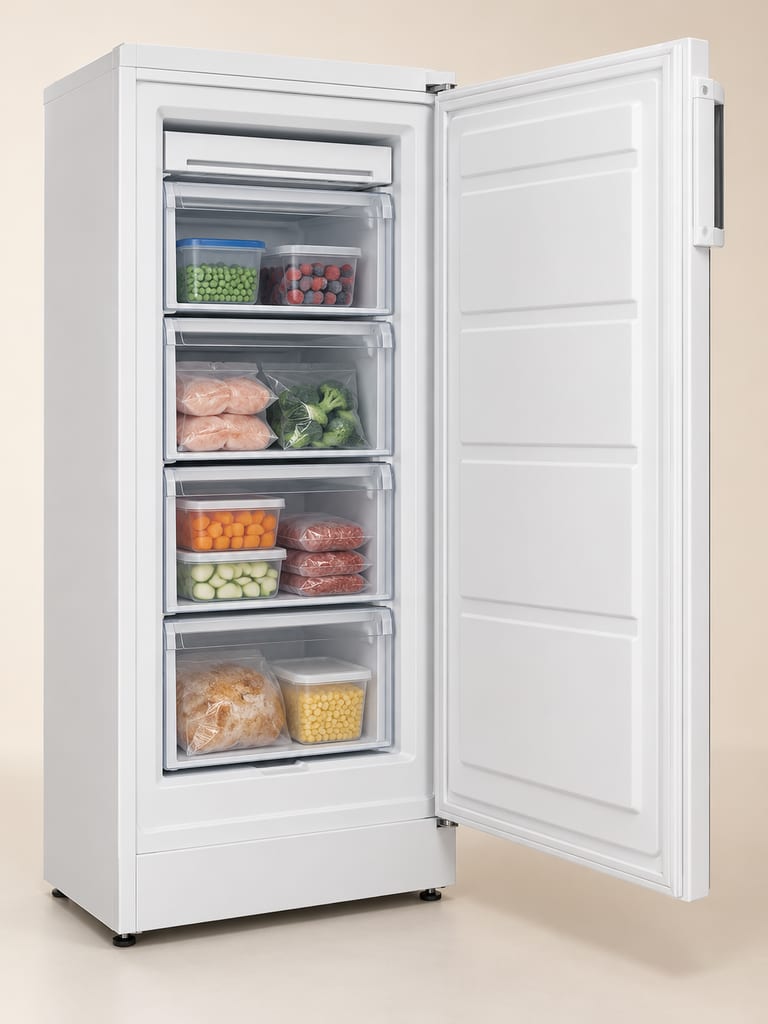
A household freezer holds food in a frozen state for storage and selected texture or separation work; its batch-storage role differs from industrial equipment that freezes individual pieces separately.

A vacuum sealer removes air from a food package and closes it with a heat seal. Stand-alone machines commonly use external suction at the bag edge or evacuate a chamber containing the whole pouch.
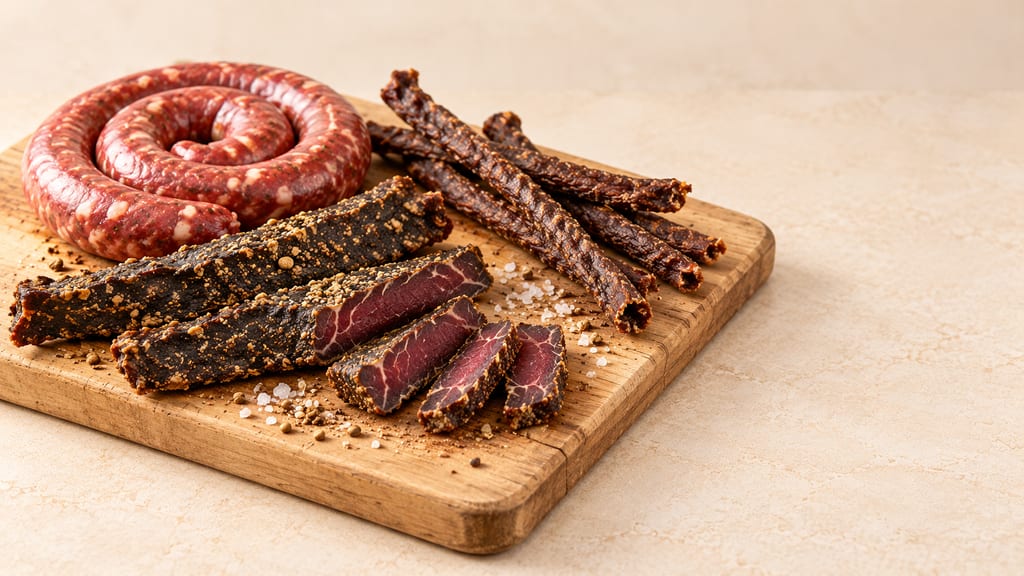
Boerewors, biltong and droëwors share a table but follow different paths from meat to meal. Their histories lead from the braai and butcher's counter to drying lines, household pots and the science of keeping food.
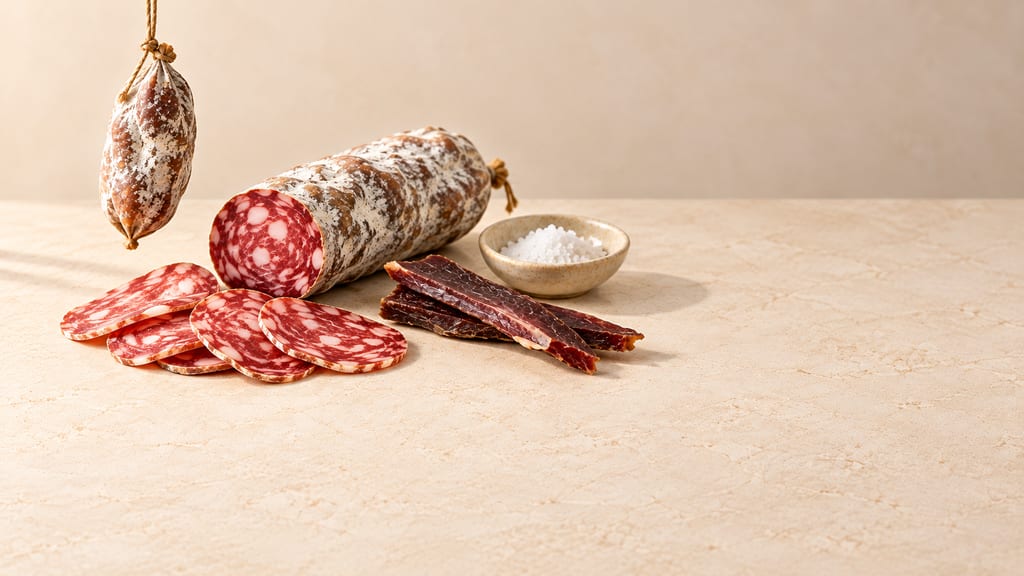
Dry salami, sour pork with rice, matured sheep and aged blubber follow different paths from animal to food. Their stories connect microbes with climate, slaughter, migration and the meals people share.
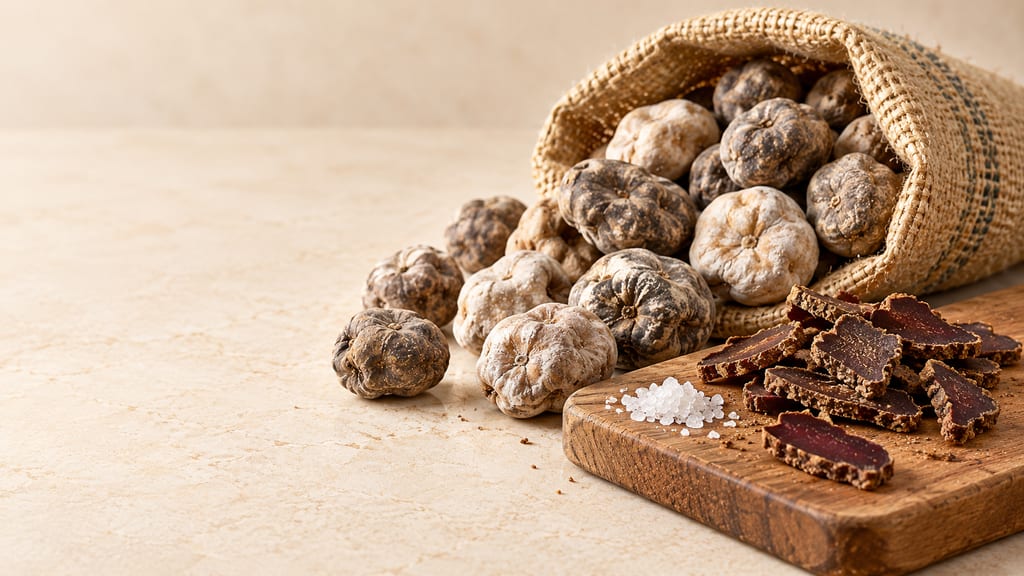
A machine can supply heat, cold, airflow, pressure or a vacuum. Many traditional foods also depend on sunlight, frost and running water, months of microbial work, or a tested kill step, and these are the places where an appliance stops.
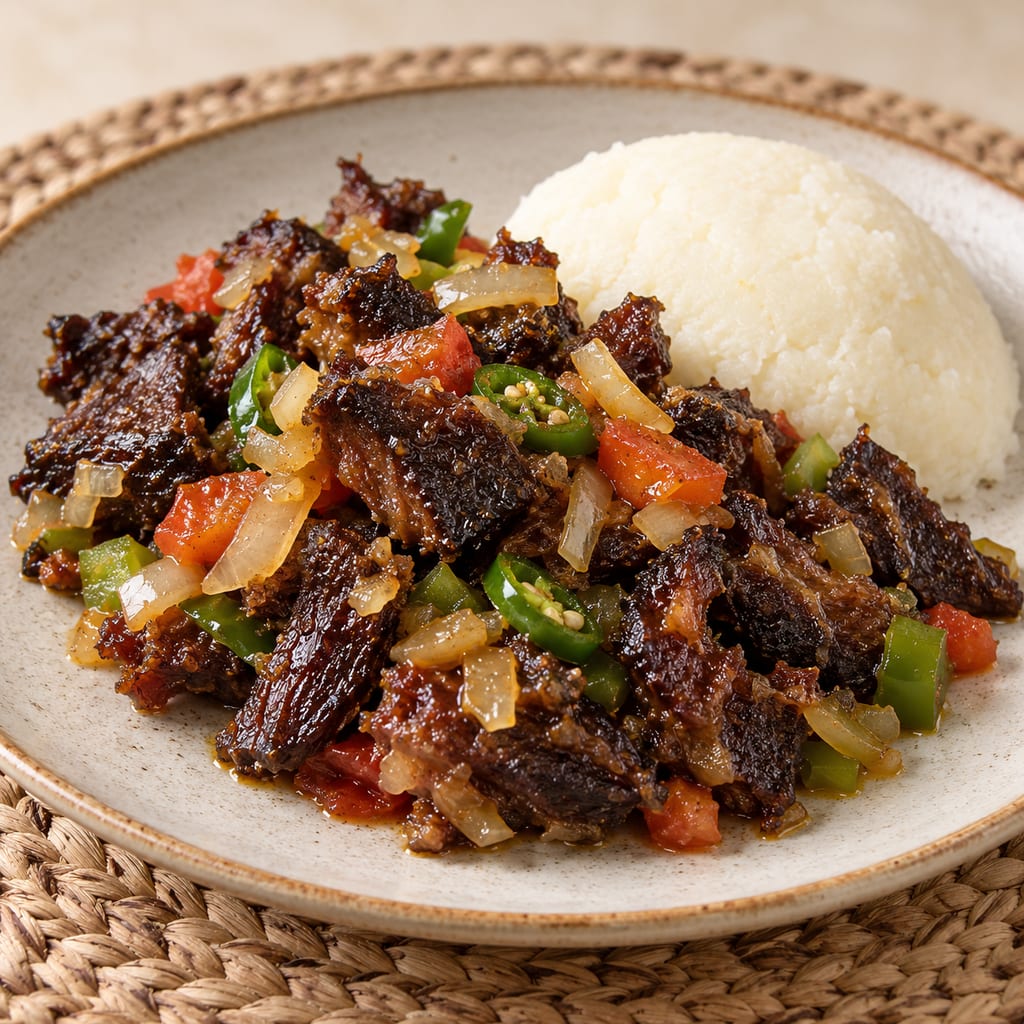
Alina Magano Johannes’s Oondhingu is a family dish from Onyaanya, Oshikoto, in northern Namibia: softened dried beef fried with vegetables and served with pap.
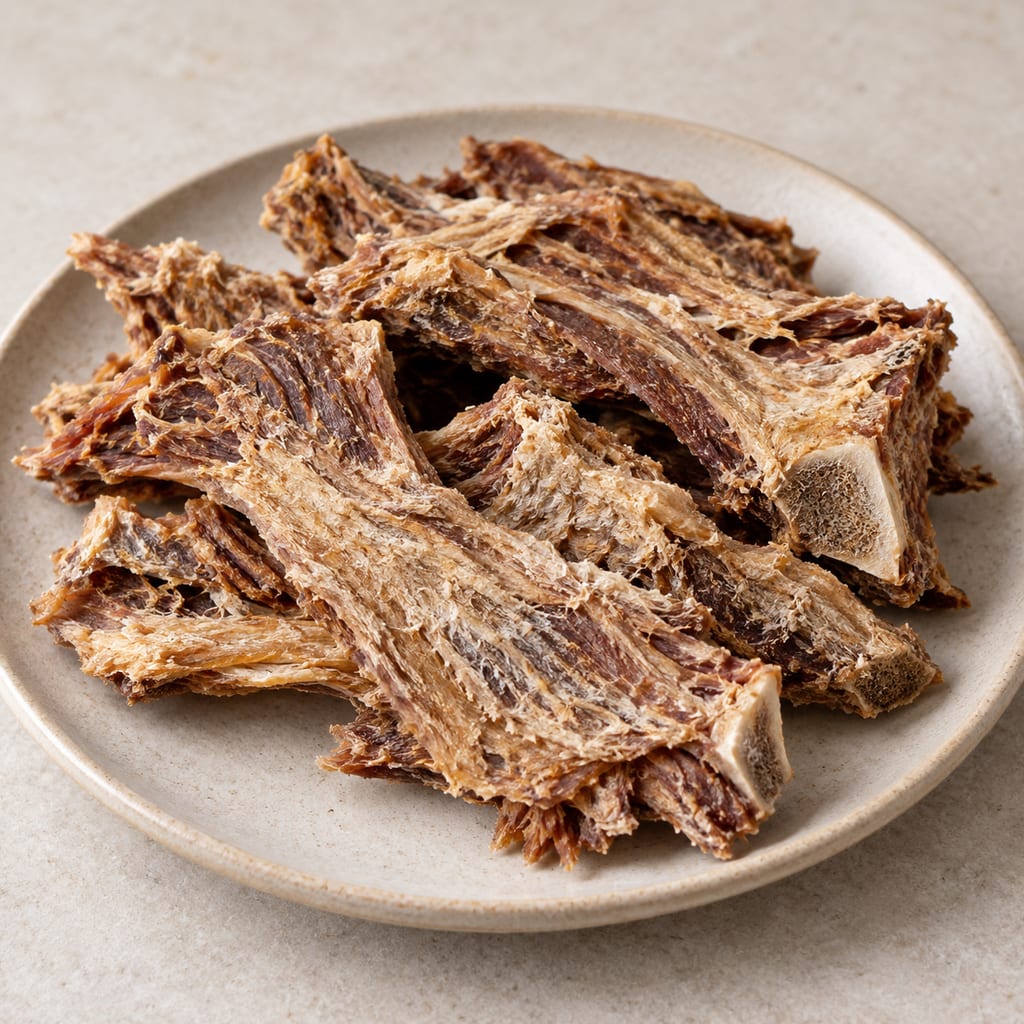
Alpaca charqui is Andean dried meat, made from camelid meat exposed to hot sun by day and frost by night at high altitude, the ancestor of the modern word jerky.
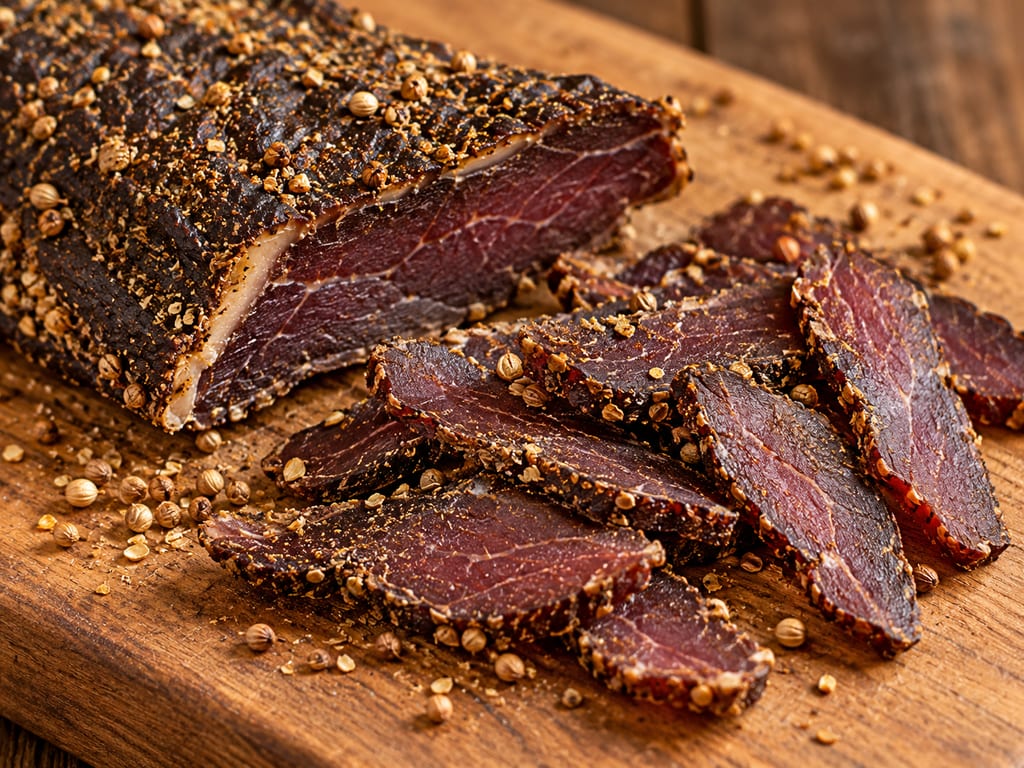
Strips of whole-muscle beef or game seasoned with salt, vinegar, roasted coriander and pepper and air-dried without cooking, sold anywhere from soft and moist to hard and very salty.
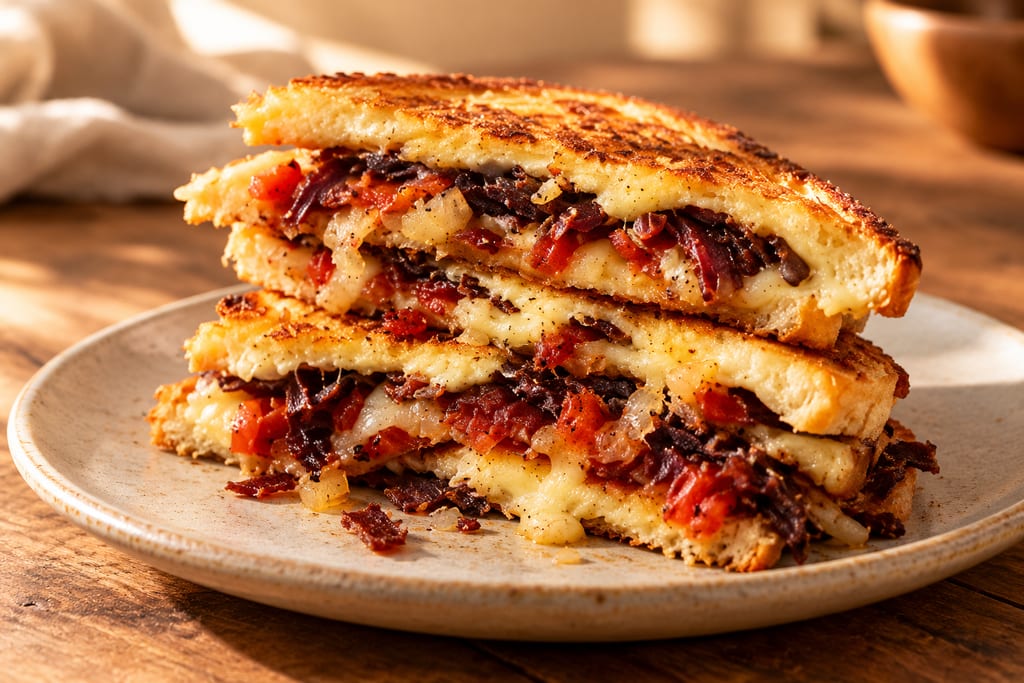
Chopped biltong, sweet onion, cream cheese and Cheddar fill bread toasted in a hinged grid over gentle coals, then finished with biltong dust.
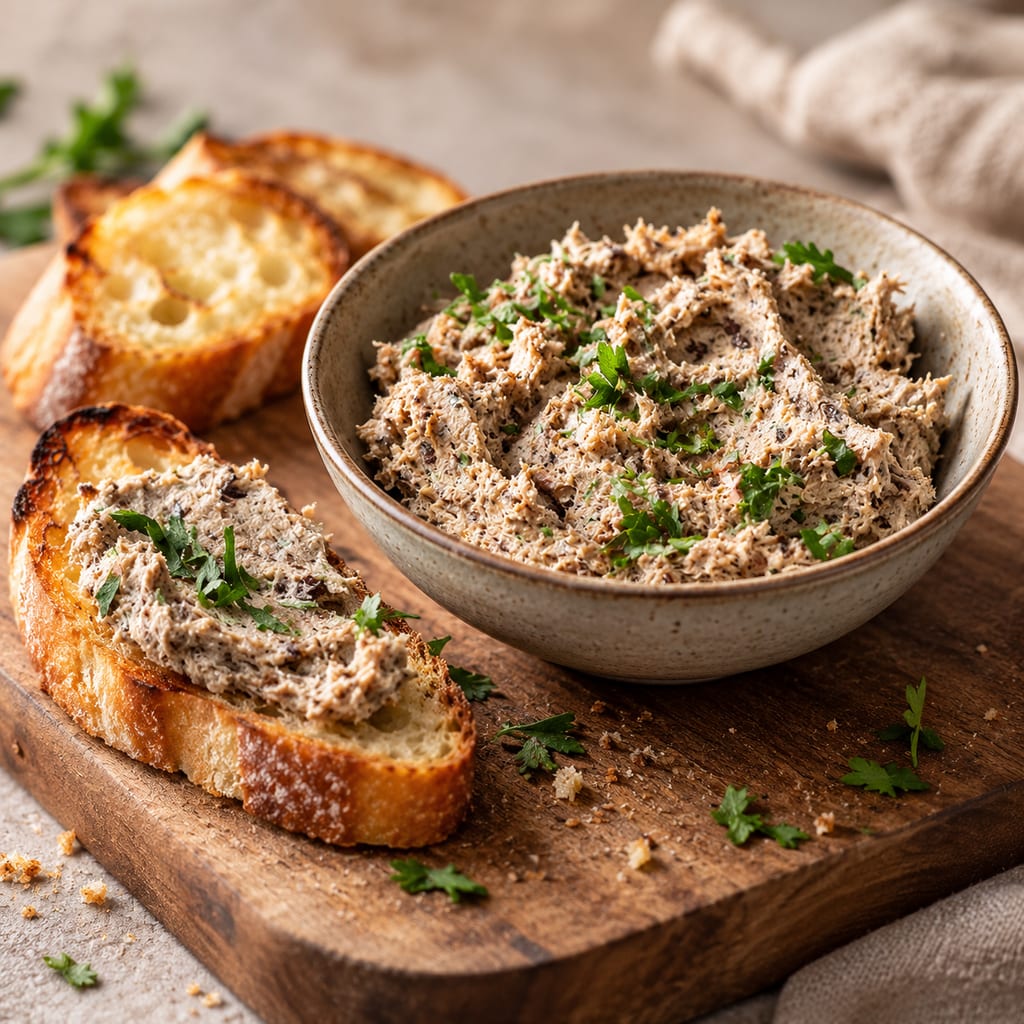
A cold biltong spread with sour cream, mayonnaise, mustard, lemon and herbs; serve it with crackers, crostini or bread.
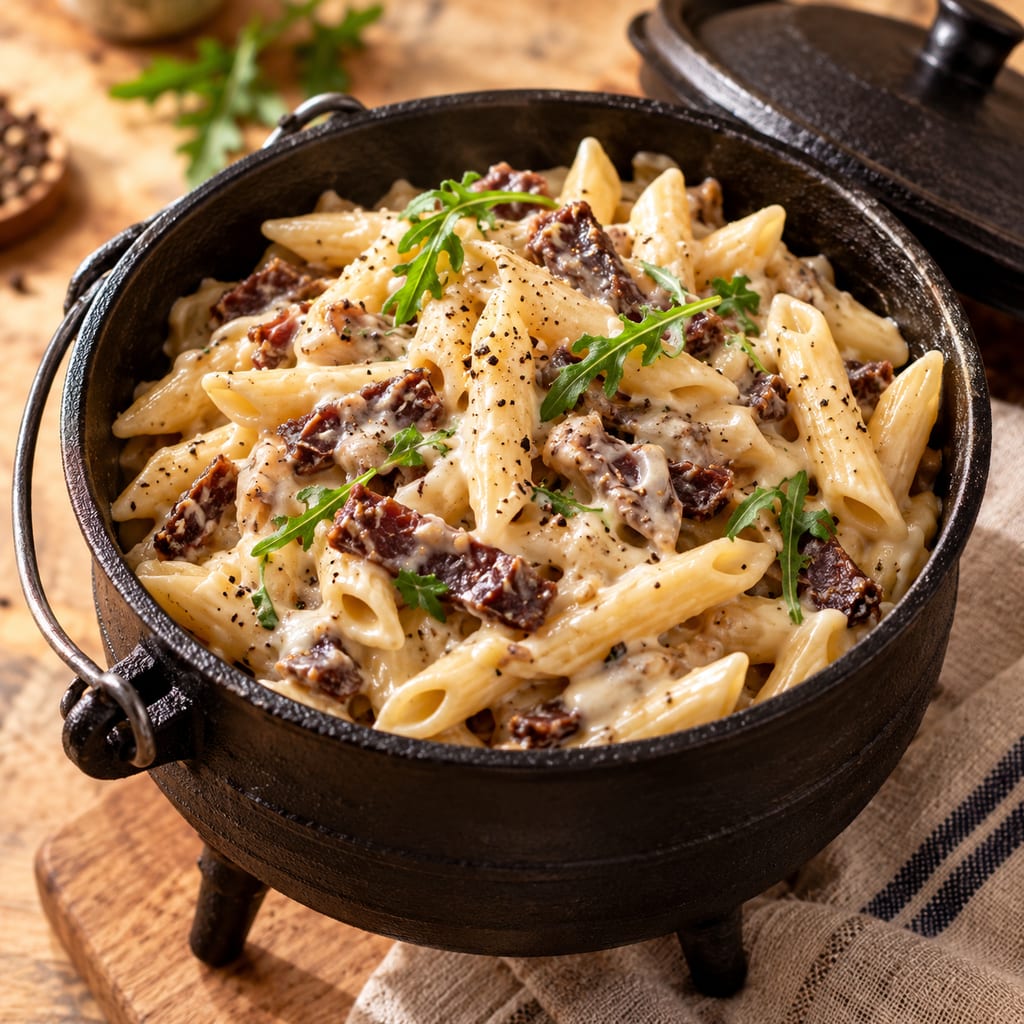
Biltong, bacon and vegetables simmer in tomato-herb stock, then join cooked pasta, milk, cream and Cheddar in this outdoor potjie.
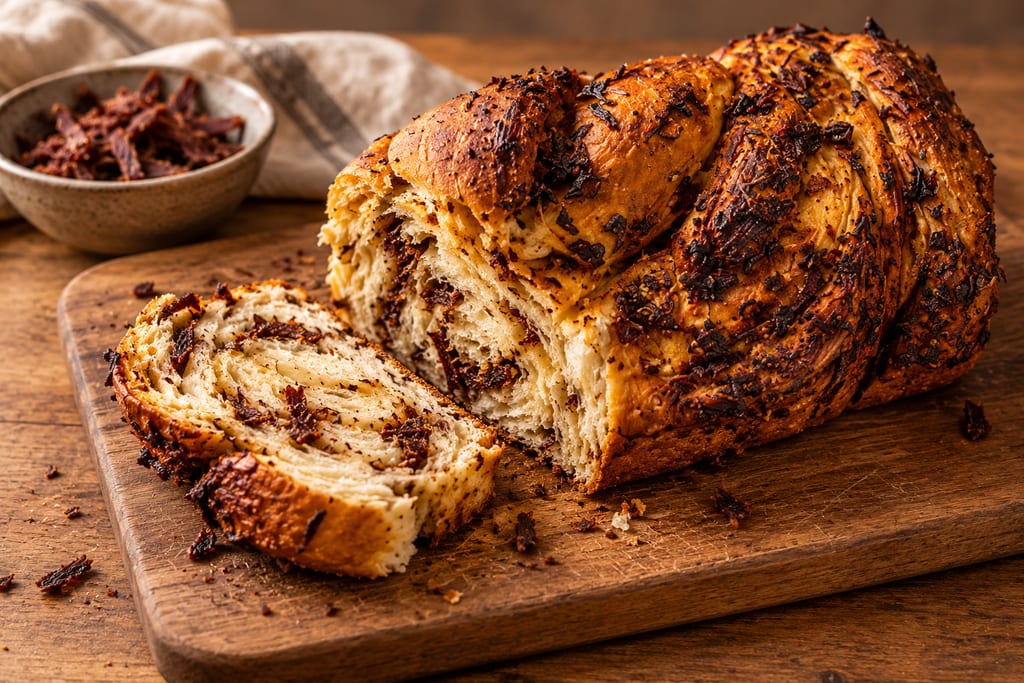
Yeasted bread wrapped around biltong, tomato pesto, Cheddar and feta, split lengthwise into a braid and baked; served with chilli-biltong butter.
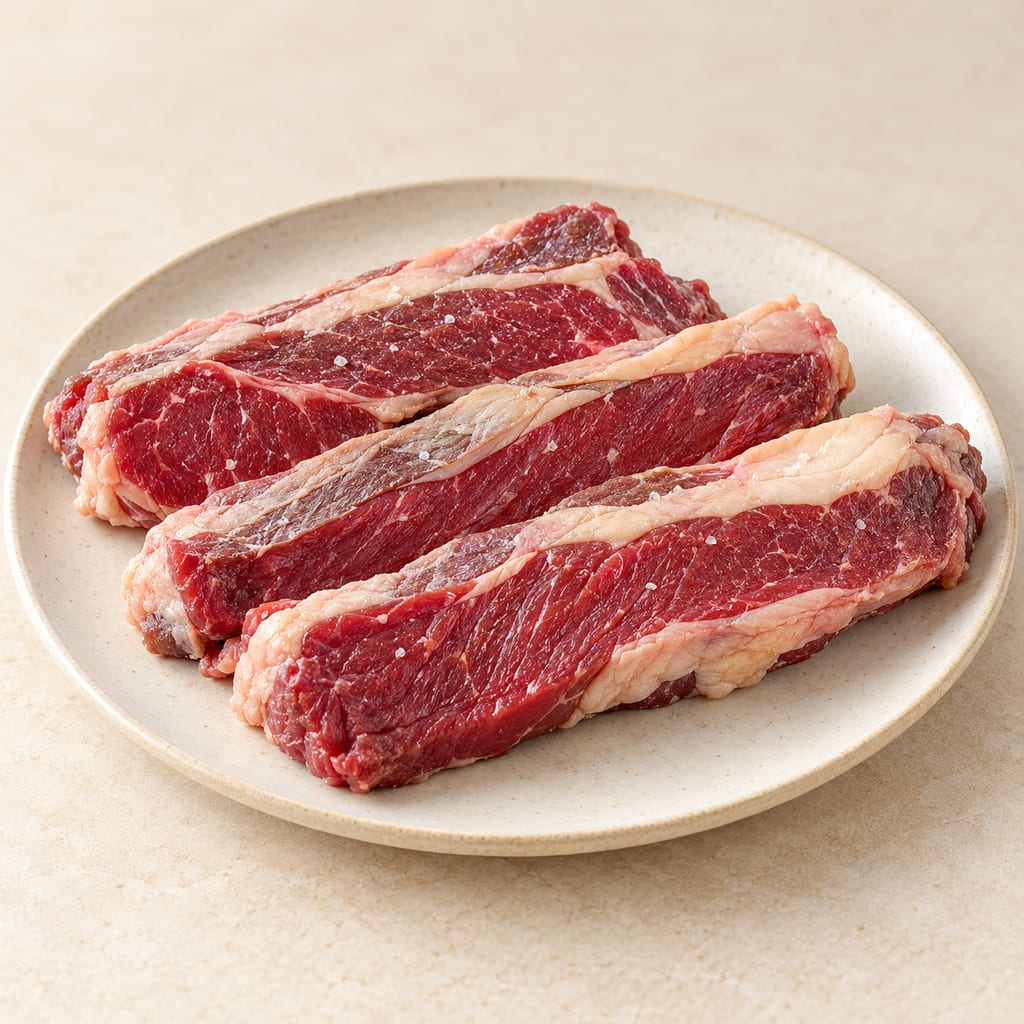
Beef given limited salt and partial surface drying, a short-keeping Brazilian meat that is much less durable than fully dried charque and is treated as a cold-chain product.
No community contributions have been published for this entry yet.
Sign in to contribute. Published comments and photos are free to read.
National Park ServiceHistory · Method
Subsistence (National Park Service)Air-dried strips of meat from Indigenous American communities
Cited in: Source-specific historical accounts
Food and Agriculture Organization of the United NationsMethod
FAO meat drying and meal (x6932e02)Thin strips dried in wind and dry air; pounding into meal; composite travel foods
Cited in: Source-specific historical accounts; Why this is not a home-preservation recipe
USDA Food Safety and Inspection ServiceSafety
How can I make meat or poultry jerky at home?USDA FSIS current home-jerky guidance recommends heating meat to 160°F (71.1°C) and poultry to 165°F (73.9°C) before dehydration, followed by a dehydrator maintained at 130–140°F (54.4–60°C).
Cited in: Why this is not a home-preservation recipe