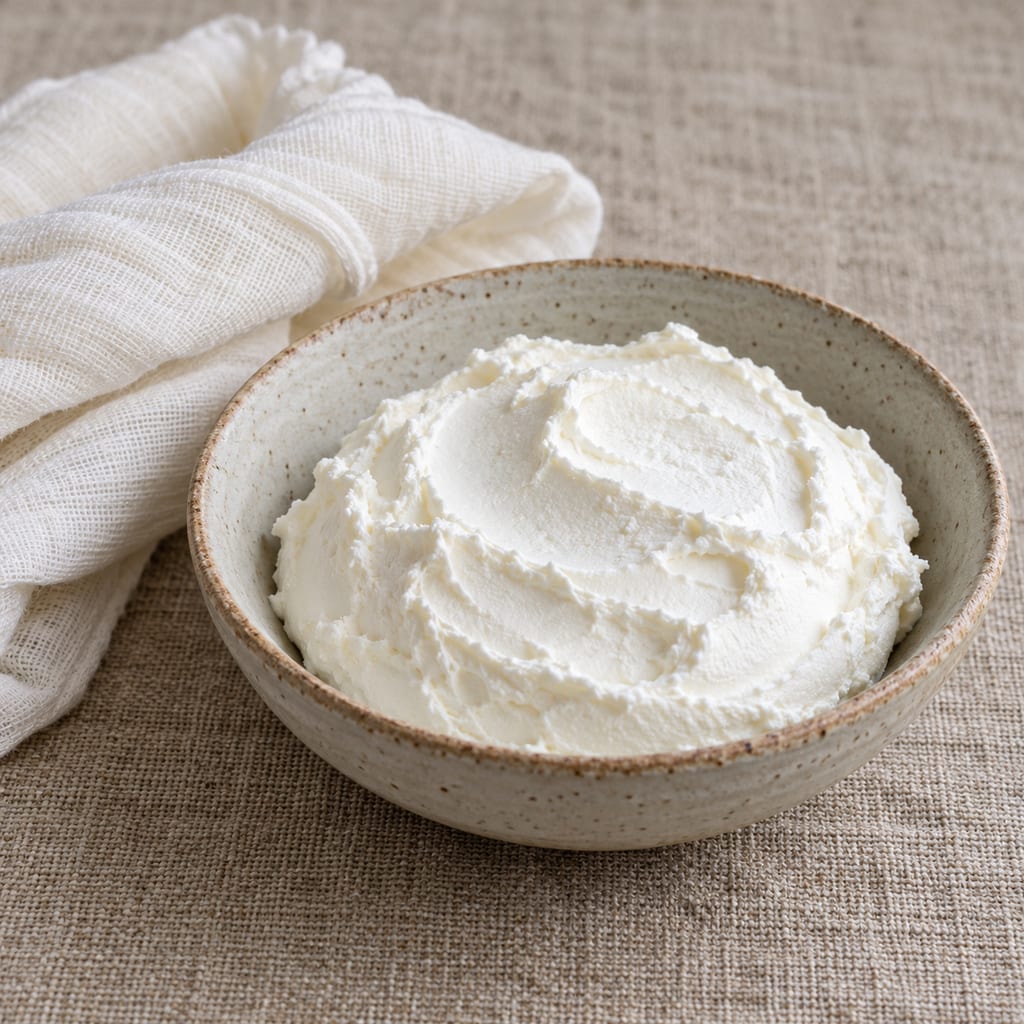
Labneh, Awassi bag-drained method
Labneh made from boiled Awassi sheep's milk, cultured with a little of the previous batch and drained in a bag for about a week, with salt added each day.
 FermenteaWhere food goes to change
Modern adaptation
Labneh · Refrigerated labneh · Soframiz labneh method
A cold-drained labneh method excerpted from the Soframiz cookbook: plain whole-milk Greek yogurt is lightly pressed in cheesecloth and refrigerated overnight, up to two days. This is distinct from Gavin Webber’s 2018 cupboard-drained batch.
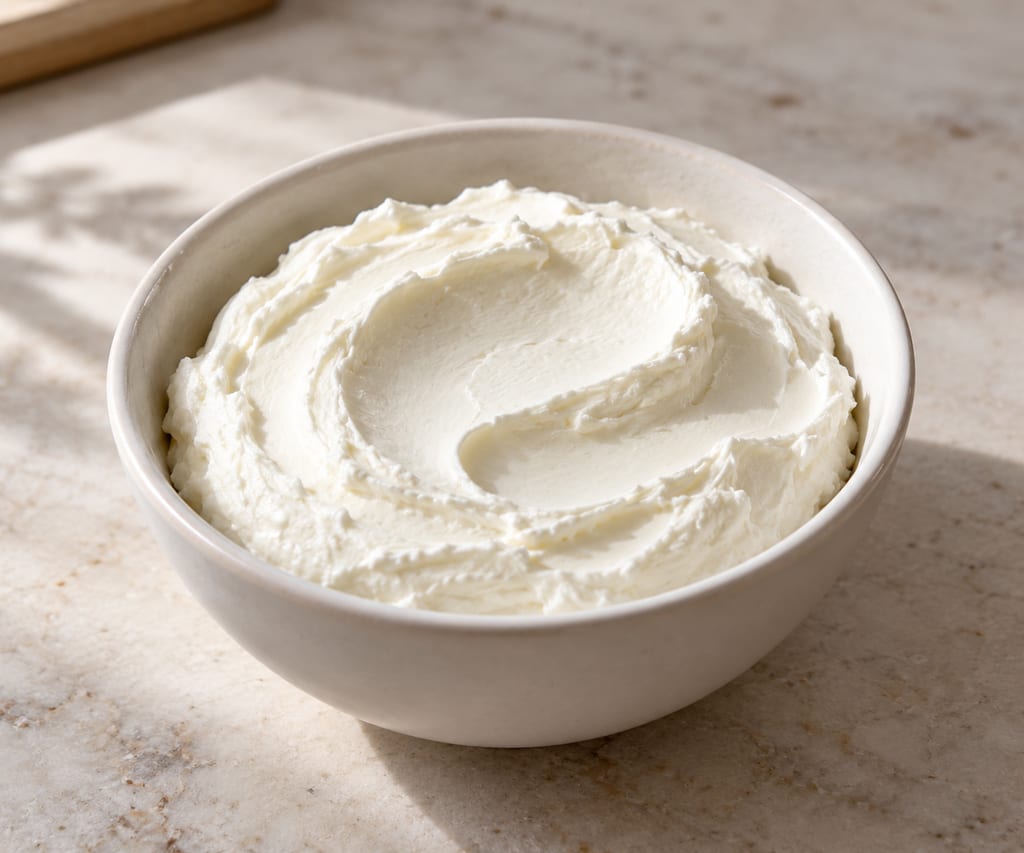
This page now follows the Soframiz cookbook method excerpted by TASTE, not the original Gavin Webber method. It uses 4 cups of plain whole-milk Greek yogurt with only milk and cultures and no thickeners. TASTE directs cooks to place it in a cloth-lined colander, press lightly, refrigerate at least overnight and up to two days, then store covered in the refrigerator for up to 10 days.
Use yogurt made with pasteurized milk and keep the yogurt and finished labneh cold throughout straining. FDA recommends keeping refrigerators at or below 40°F (4°C). This recipe does not claim a shelf-stable product or storage beyond the cited duration.
Gavin Webber’s 2018 video describes a different batch: 1 kg of Greek yogurt, salt, and an approximately 18-hour hanging drain in a cupboard, followed by refrigeration before serving. Its drain temperature is not specified. That formula, timing and reported yield do not apply to the refrigerated Soframiz version on this page.
This page does not reproduce the cupboard-drain procedure. FoodSafety.gov lists yogurt as perishable dairy and advises discarding it after more than two hours above 40°F. Because the video does not establish a safe cupboard temperature, this page instead uses the explicitly refrigerated TASTE/Soframiz method.
Labneh is documented in food traditions across parts of the Near East under related names. FAO sources describe regional methods that differ from this home recipe, including longer draining or different starter and salting practices. They do not establish one universal formula or a precise origin date.
This page documents one modern refrigerated method excerpted from the Soframiz cookbook and a separate 2018 Gavin Webber cupboard-drain method that is not used here. These preparations do not establish labneh's origin or historical age.
Scaling: not established
CDC describes Listeria risk in dairy and soft cheeses; pasteurized dairy reduces risk but does not validate an uncontrolled process.
Hazard sourceUse yogurt made with pasteurized milk.
Control sourceKeep the yogurt, draining setup and finished labneh covered and refrigerated at or below 4°C (40°F) throughout; do not drain at room temperature.
Control sourceKeep the finished labneh refrigerated and use within 10 days, following the cited TASTE/Soframiz recipe.
Control sourceThis is a source-specific refrigerated method, not Gavin Webber’s separate cupboard-drained method.
Do not infer shelf stability or storage beyond the cited 10 days.
This refrigerated source recipe and the historical sources do not establish a precise origin or location of preparation.
Labneh made from boiled Awassi sheep's milk, cultured with a little of the previous batch and drained in a bag for about a week, with salt added each day.

Follow milk into cheese, cultured drinks, butter, dried curds and sweets: a journey through the animals, seasons and household decisions behind the world's dairy foods.
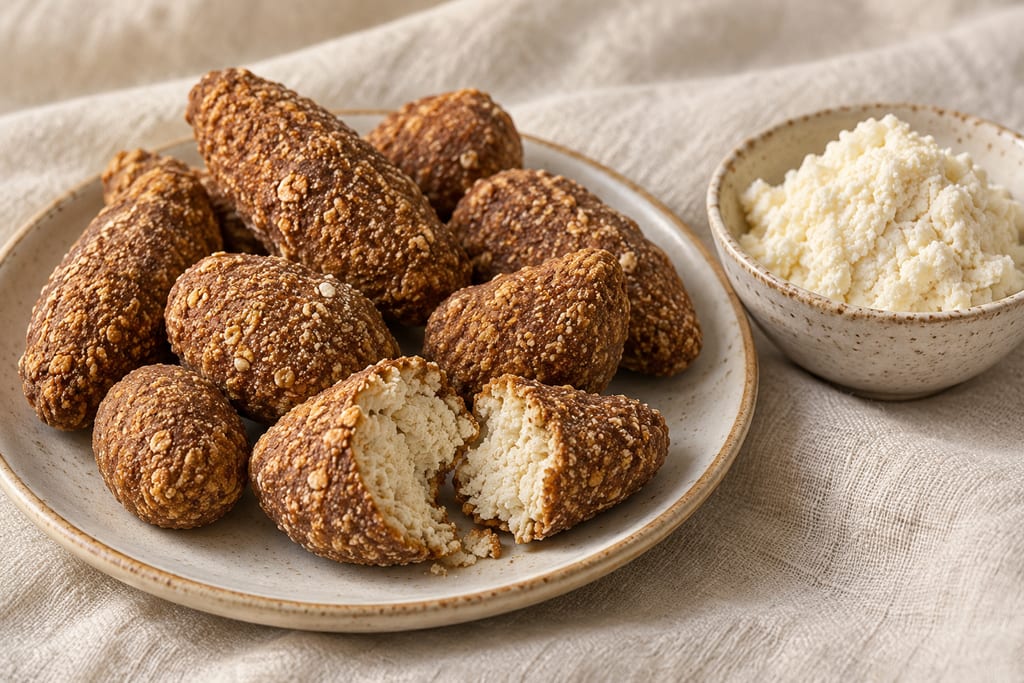
A two-stage Altai dairy preparation: sour chegen is heated into soft aarchi, then portions are drained, pressed and traditionally smoked into firm kurut.

A washed-curd cheese with propionic bacteria, warmed by hot water in two steps and then held in a warm room for weeks so the bacteria can form its holes.
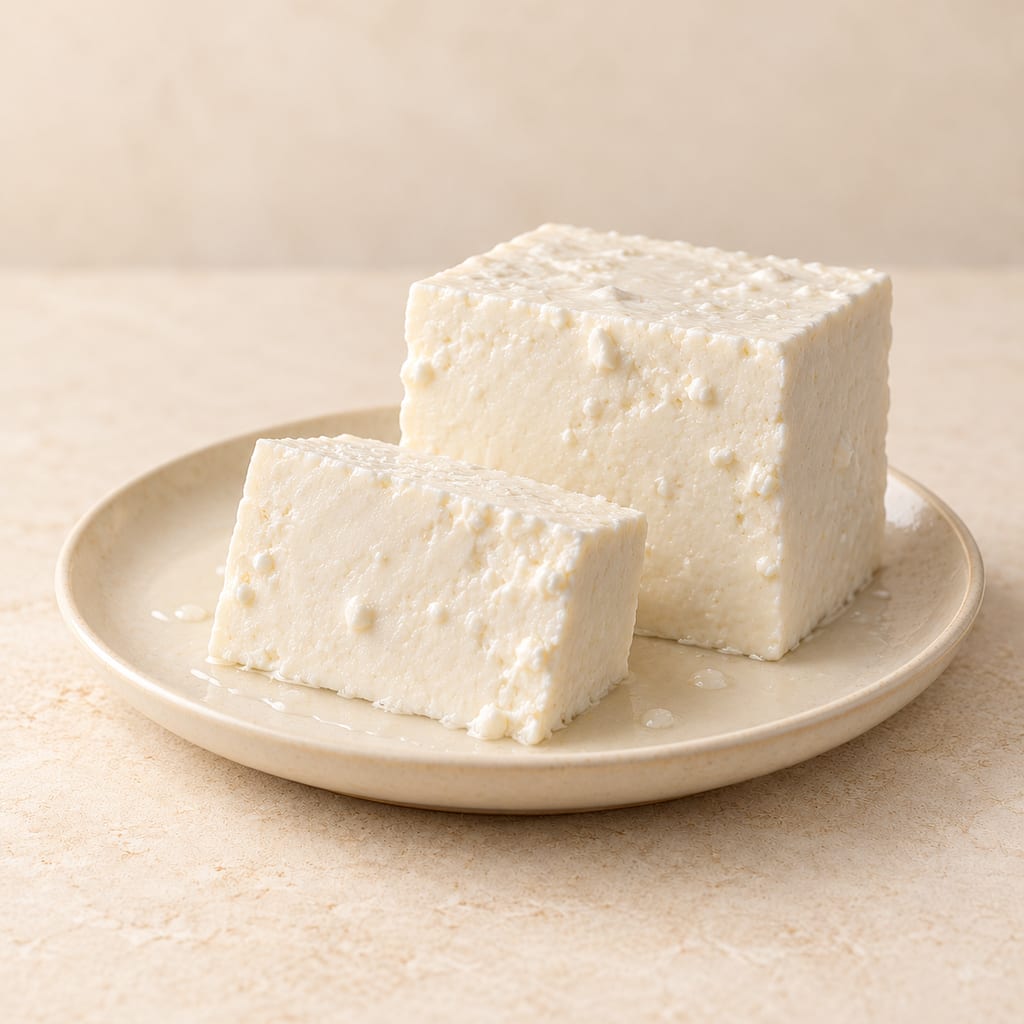
Beyaz peynir is a Turkish white cheese matured in brine. Sheep milk, alone or mixed with other milks, gives a close-textured cheese cut into blocks and packed in cans.
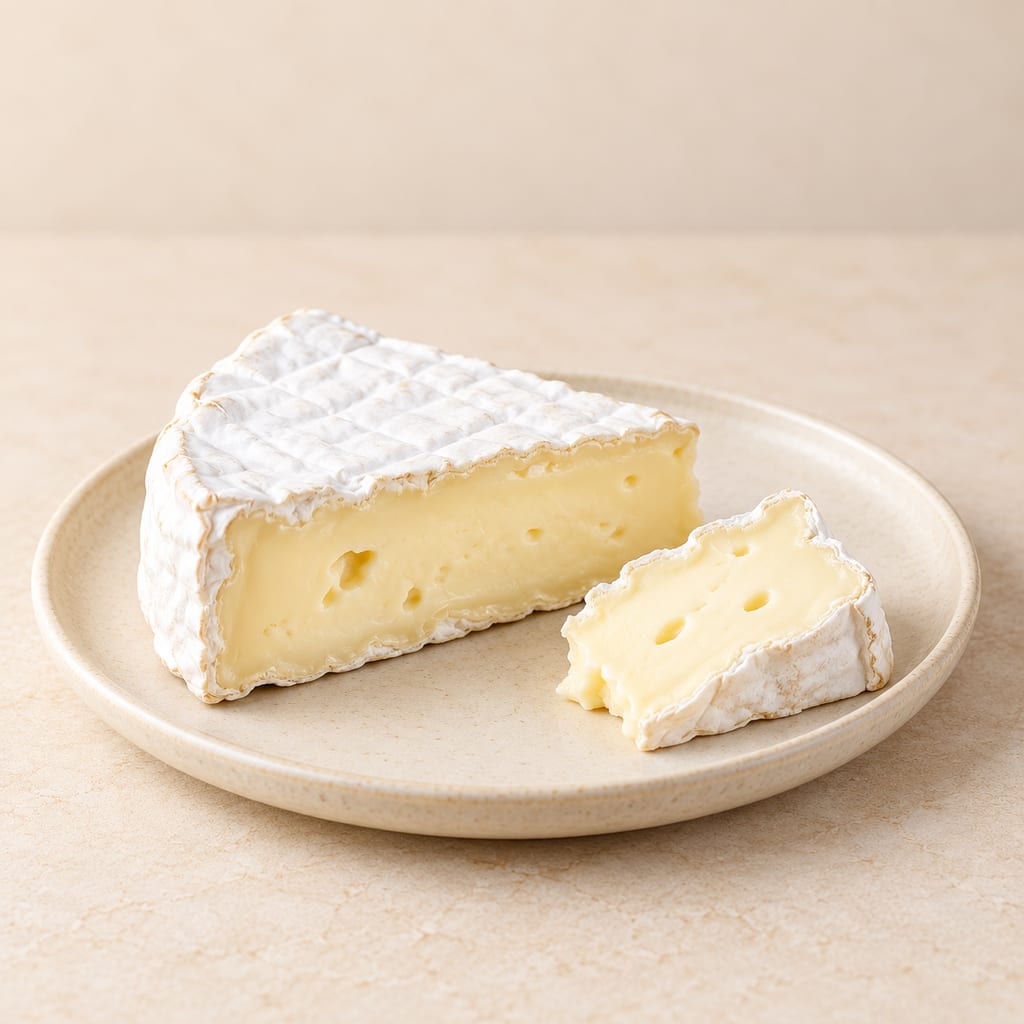
A cream-enriched Brie with a white bloomy rind and a softening center, made from pasteurized milk with lactic and surface cultures.
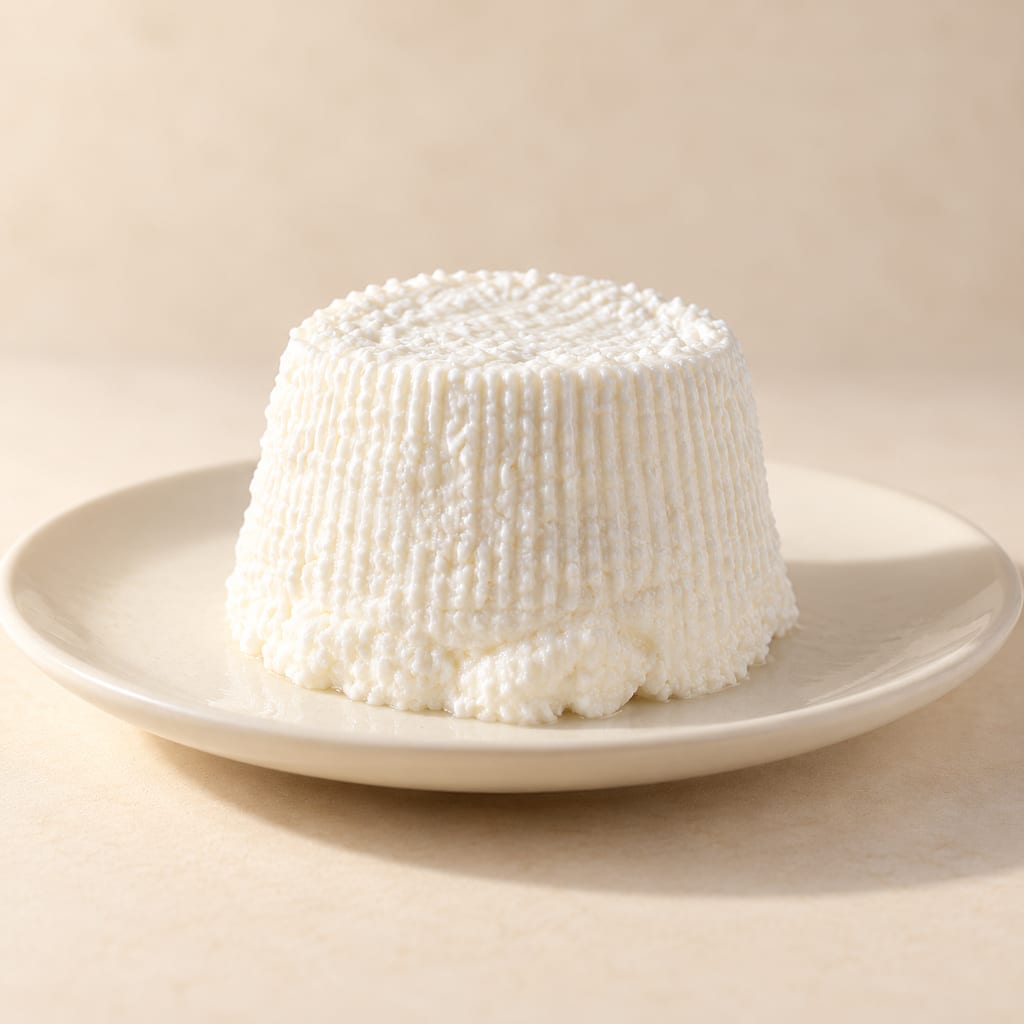
Corsican Brocciu is a whey cheese made by heating sheep's or goat's whey with whole milk and salt, then gently draining the flocculated curds. It is eaten fresh or salted and ripened as Brocciu passu.
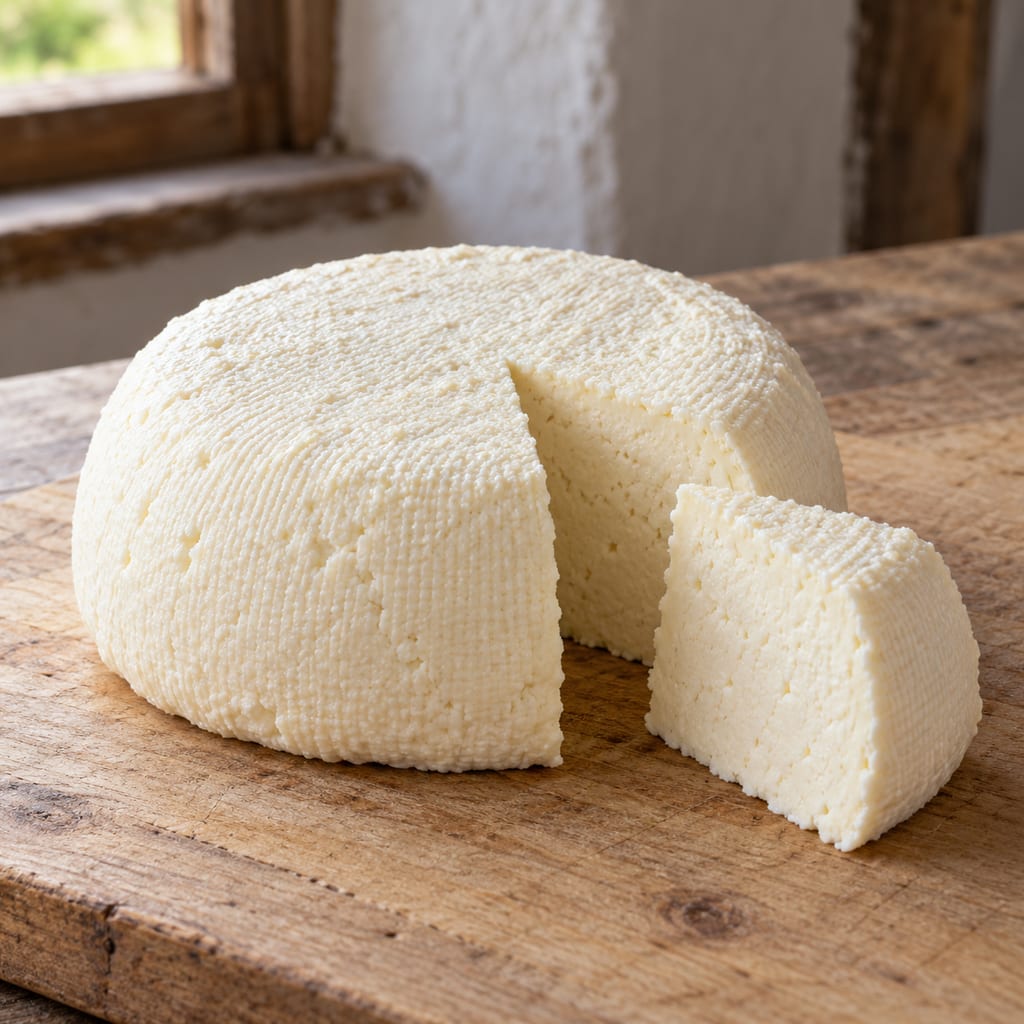
Budz is a traditional Hutsul rennet-set cheese made from sheep, cow or goat milk in the Ukrainian Carpathians, forming a fresh curd that can be eaten, smoked or processed into salted bryndza.
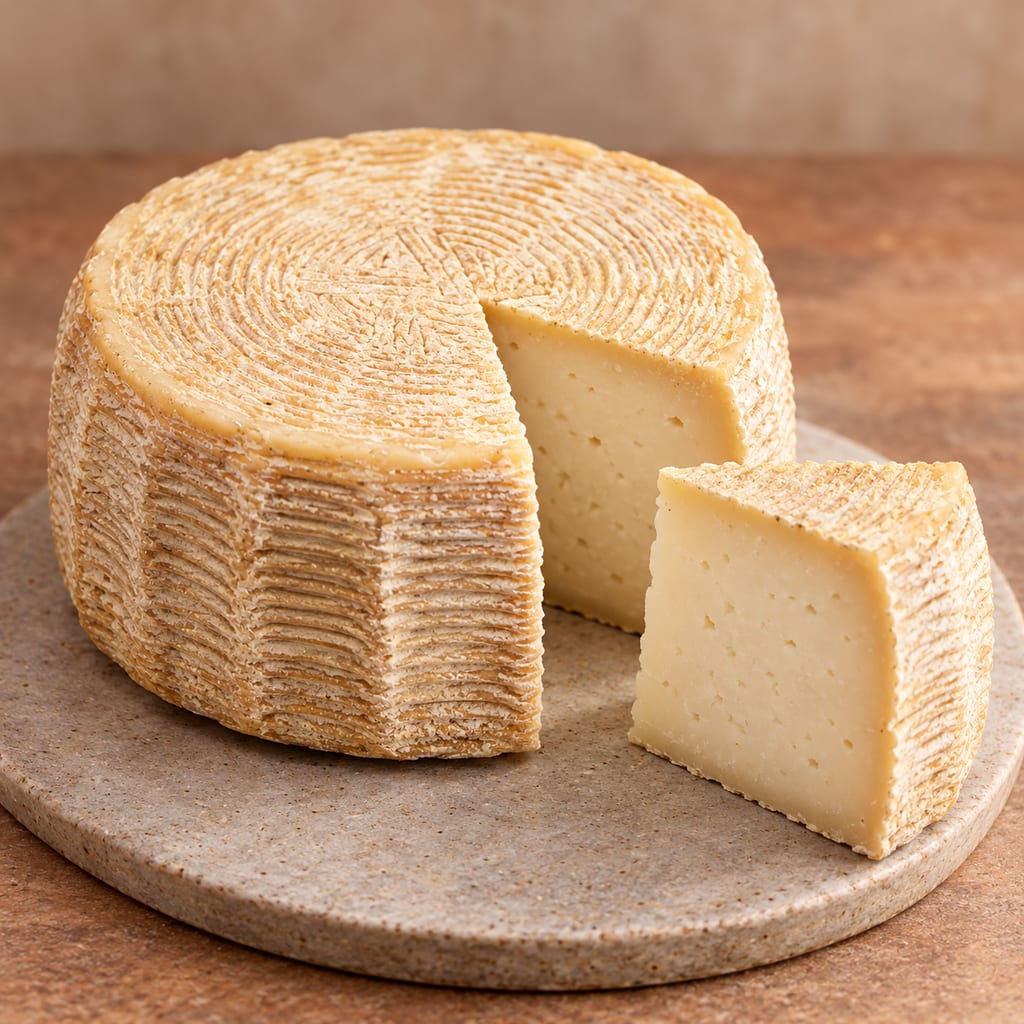
A scalded cheese moulded in baskets and re-cooked in its forms in hot whey, made alongside a ricotta from the same milk, then acidified, brined and aged for months.
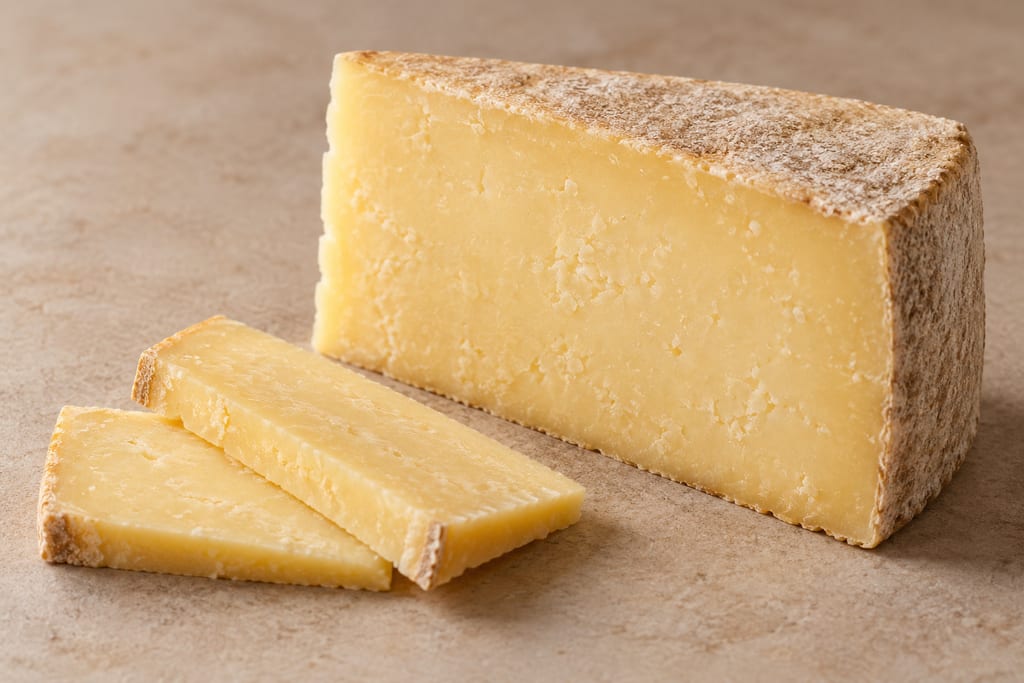
A pressed cheese whose curd is cooked slowly, then cheddared: kept warm in slabs that are turned and stacked for hours before milling, salting and pressing.
No community contributions have been published for this entry yet.
Sign in to contribute. Published comments and photos are free to read.
TASTE; recipe excerpted from Soframiz by Ana Sortun and Maura KilpatrickMethod · Ingredients · Timing · Storage
How Labneh Changes the Way We Eat Yogurt (Hint: It's More Savory)The Soframiz recipe uses 4 cups plain whole-milk Greek yogurt with only milk and cultures and no thickeners.
Strain in a cloth-lined colander, lightly press, refrigerate at least overnight and up to 2 days, transfer to a container, and store covered in the refrigerator up to 10 days.
Cited in: A refrigerated labneh method
U.S. Food and Drug AdministrationSafety
Refrigerator Thermometers - Cold Facts about Food SafetyFDA recommends keeping the refrigerator at 40°F (4°C) or below to slow the growth of bacteria.
Cited in: A refrigerated labneh method
FoodSafety.govSafety
Food Safety During a Power OutageThe chart classifies yogurt as dairy that should be discarded when held above 40°F for more than two hours.
Cited in: A separate cupboard-drained source method
Chobani FoodserviceMethod · Timing · Storage
Chobani LabnehA separate Chobani foodservice recipe strains yogurt in the refrigerator for 24 hours and keeps the finished labneh refrigerated. This is corroborating context, not the formula used on this page.
Gavin Webber, Curd Nerd; 2018-05-31Variation · Context
How to Make Yoghurt Cheese aka Labneh, ingredients and drainingThis is a separate creator batch, not the recipe on this page: 1 kg Greek yogurt, 1 teaspoon salt, cloth-lined colander and about 18-hour hanging drain in a cupboard; the drain temperature is unstated.
Cited in: A separate cupboard-drained source method
FAO, 1990Identity · Names · Geography · History · Uses
The technology of traditional milk products in developing countries, section 4.3Lists labneh and related names and regional forms across parts of the Near East; history and exact origin are not established.
Cited in: Regional and historical context
H. Epstein, FAO Animal Production and Health Paper 57, 1985Traditional method · Regional context
The Awassi sheep with special reference to the improved dairy type, “Lebben and labneh”Describes distinct regional milk and labneh methods; these are not the source formula used on this page.
Cited in: Regional and historical context
Centers for Disease Control and Prevention, 2025-01-16Safety
How Listeria Spread: Soft Cheeses and Raw MilkCDC explains dairy and soft cheeses can carry Listeria risk and recommends pasteurized dairy as risk reduction.
Cited in: A refrigerated labneh method
Centers for Disease Control and Prevention, 2025-01-31Safety
Preventing Listeria InfectionCDC discusses pasteurized dairy as safer for higher-risk consumers; it does not validate a labneh process.