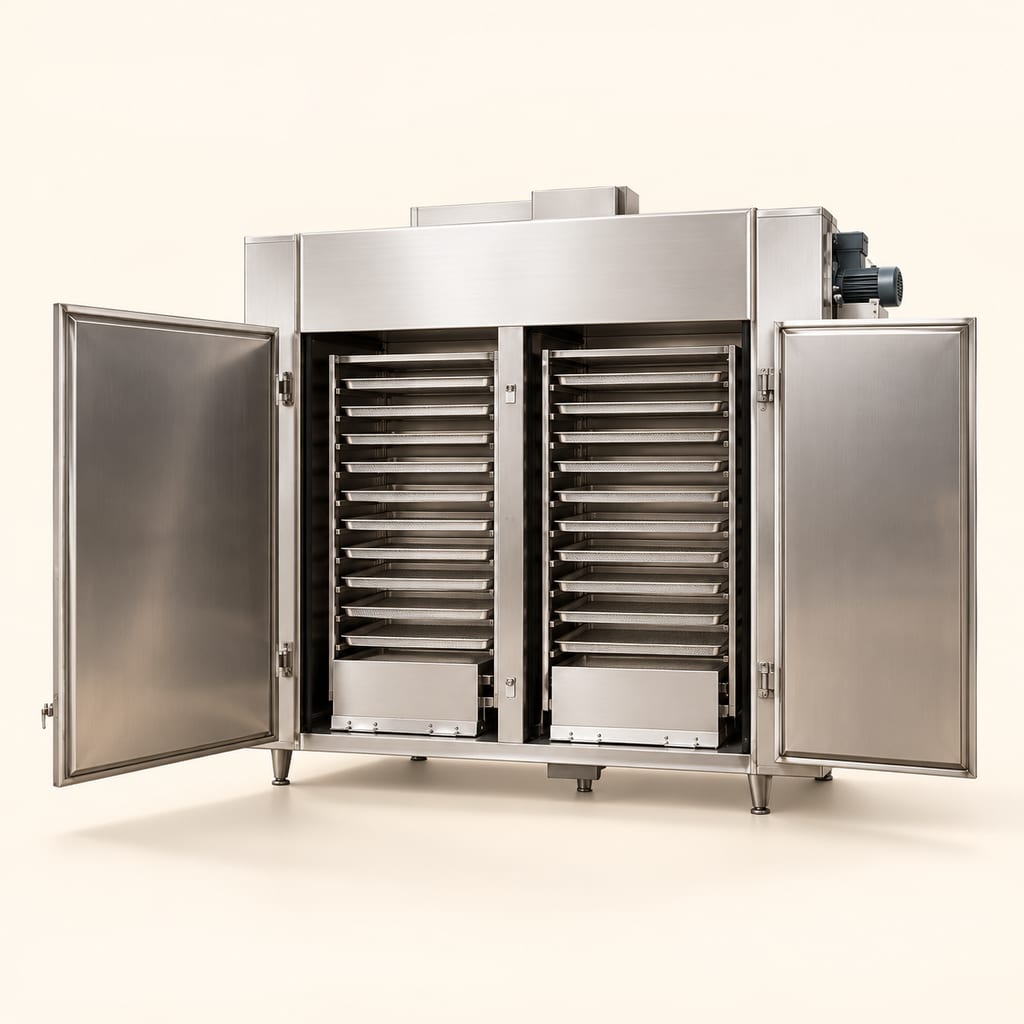
Cabinet and convection dryer
A heated-air cabinet with trays for drying fruit and other crops; PHilMech documents cabinet/convection dryers in Cebu's dried-mango trade and several Philippine equipment variants.
 FermenteaWhere food goes to change
Equipment · Jars, pots and crocks
Vigan jar
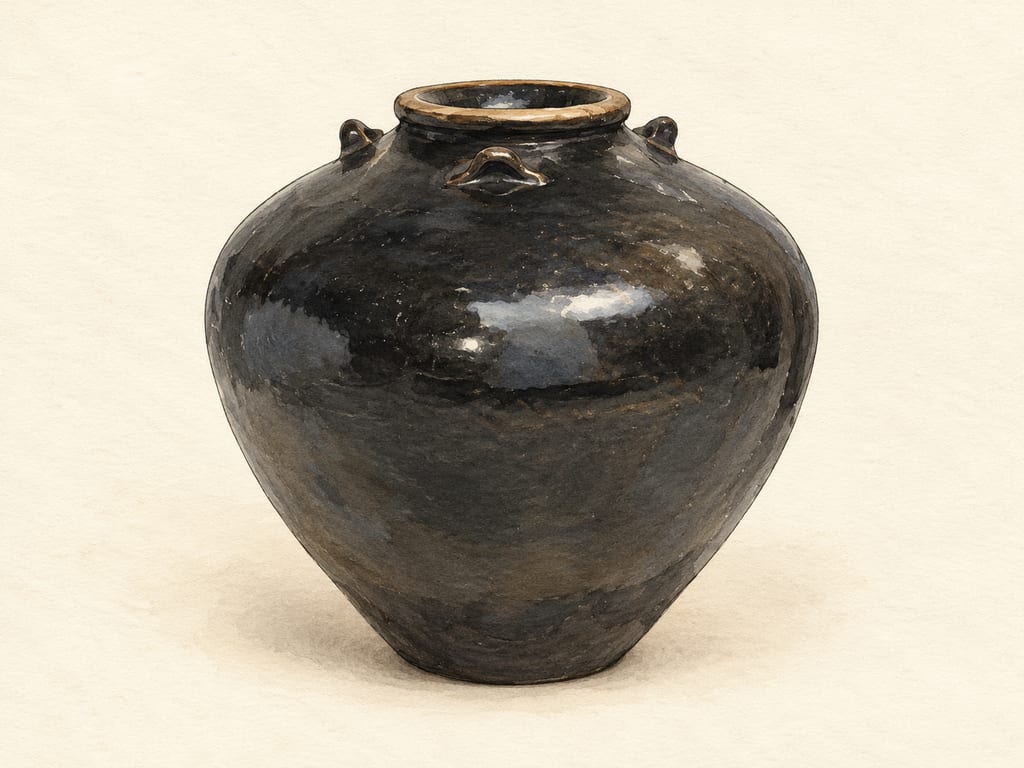
A burnay is a wide-bodied, narrow-mouthed stoneware jar made in Vigan, Ilocos Sur. Ilokano households and producers have used these sturdy vessels for water, food, basi, vinegar and other fermented condiments.
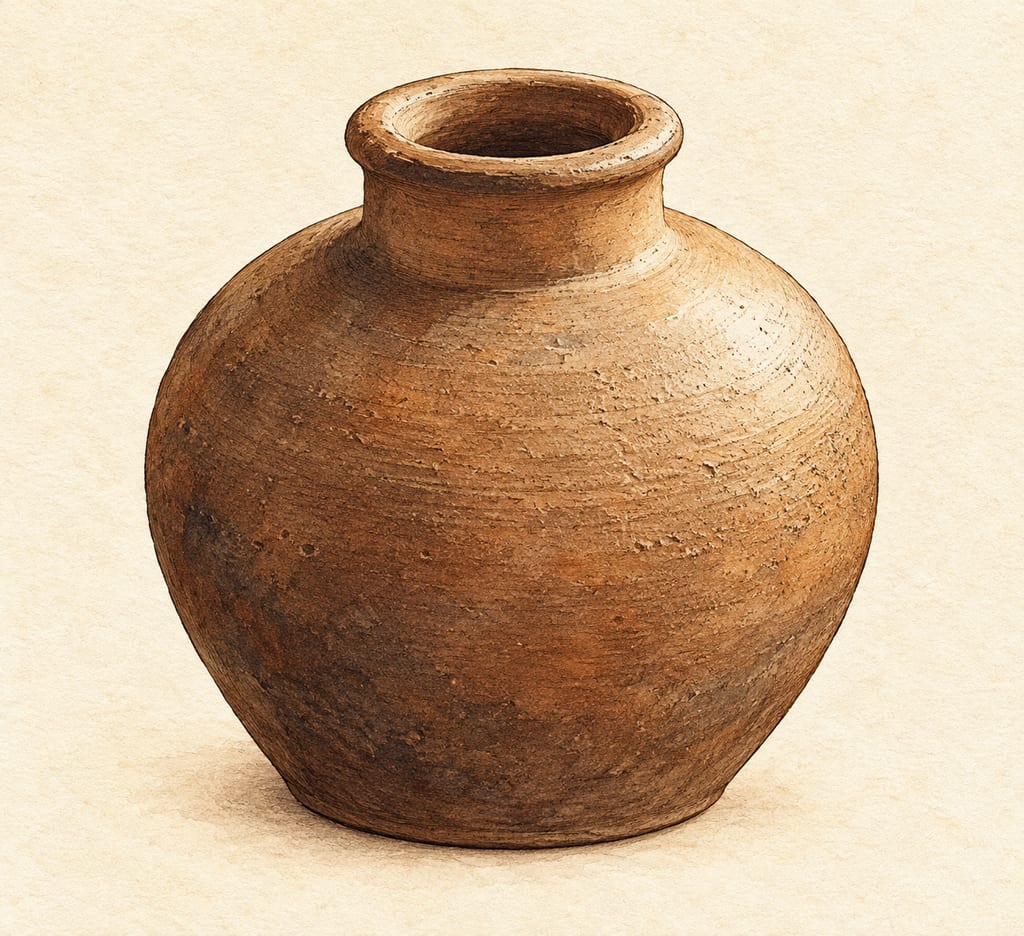
Burnay names a family of locally made jars, not a single standard model. The National Museum describes Ilokano examples as rounded and wide through the body, with a narrow mouth and flat bottom. That profile gives a substantial container a relatively small opening; the sources do not establish a measured capacity or one mandatory shape for every workshop. A particular jar's color, sheen, small shoulder ears or cord-like decoration should be read as features of that object, not requirements for the whole tradition.
The jar's identity is tied to Vigan City in Ilocos Sur, Northern Luzon. The National Museum traces burnay production technology there to Chinese migrants from the late eighteenth through the nineteenth century. It also describes burnay as ordinary water and food containers, not vessels reserved for wine. During the nineteenth century, their broad bodies and narrow mouths made them useful for processing sugarcane wine, vinegar and other fermented condiments. This local history does not make the burnay the origin of all Philippine pottery or a synonym for every large Southeast Asian storage jar.
A burnay is useful to understand as a vessel that can serve different products and different stages. In one documented Ilocos Norte farm project, a producer boiled sugarcane juice, transferred it into burnay and fermented it as basi or vinegar. The project report describes jars sealed first and opened after three days for stirring; it reports a six-month harvest for the enhanced basi process and seven months for the farmer's traditional method. Those details belong to that farmer's process and are not a general burnay schedule or a validated home method.
The same report makes clear that closure was a process choice: the producer used cellophane in the intervention to avoid aeration, in contrast with conventional banana leaves. A burnay's narrow mouth is a physical feature, but the jar alone does not specify how much air the contents receive. The covering, when the vessel is opened, and the liquid's stage all matter. The study does not license treating basi fermentation and vinegar-making as identical; the National Museum likewise lists them as uses of the jar, not as one continuous universal procedure.
One jar in the university report held 19 litres. This is useful evidence that the farm used vessels of that scale, but it is not a standard burnay capacity: the museum gives no general measurement, and the observed report concerns one producer's batch. Height, diameter, wall thickness, clay source, firing conditions and cleaning instructions are not specified in the sources used here, so they should be checked with the maker for an actual vessel rather than inferred from the name.
Burnay is both equipment and a record of a regional craft. The National Museum notes that pottery making was traditionally performed by male artisans, while women sometimes decorated jars with ears and cords in more recent practice. It names Filipino-Chinese potter Fidel Go, who was recognized as a National Folk Artist in 1990 for preserving the Vigan burnay tradition. The article does not establish that every present-day burnay comes from one workshop or that all jars carry the same decoration.
Burnay's association with basi also reaches into Ilocos history. Basi is local sugarcane wine, and the 1807 Basi Revolt opposed the Spanish monopoly imposed in 1786. That political story explains the importance of the drink in the region; it does not prove that a particular burnay appears in the revolt or that the jar itself caused the uprising. For a documented contemporary process example, the Mariano Marcos State University account identifies burnay as the fermentation container used by a Bacsil farmer for basi and vinegar. The dedicated basi preparation is linked from this equipment page.
The sources establish the jar's broad form and several food uses, but do not publish a buying specification, universal glaze, capacity range, cleaning routine or safety certification. A reader sourcing one should ask its maker about the intended contents, inner surface, dimensions, capacity and closure, and should not assume that a decorative or old storage jar is suitable for food. The pottery references show empty burnay; they do not show that any particular vessel is currently used for fermentation.
The National Museum of the Philippines places burnay production in Vigan from the late eighteenth to nineteenth centuries, associating the technology with Chinese migrant potters. It describes the jars as round, wide-bodied stoneware with narrow mouths and flat bottoms. The record does not identify an exact first jar or founding year.
The National Museum locates burnay production here; no individual workshop address is claimed.
The National Museum describes Ilokano use and Vigan production; this is a regional use association, not an exclusive claim throughout the province.
A heated-air cabinet with trays for drying fruit and other crops; PHilMech documents cabinet/convection dryers in Cebu's dried-mango trade and several Philippine equipment variants.
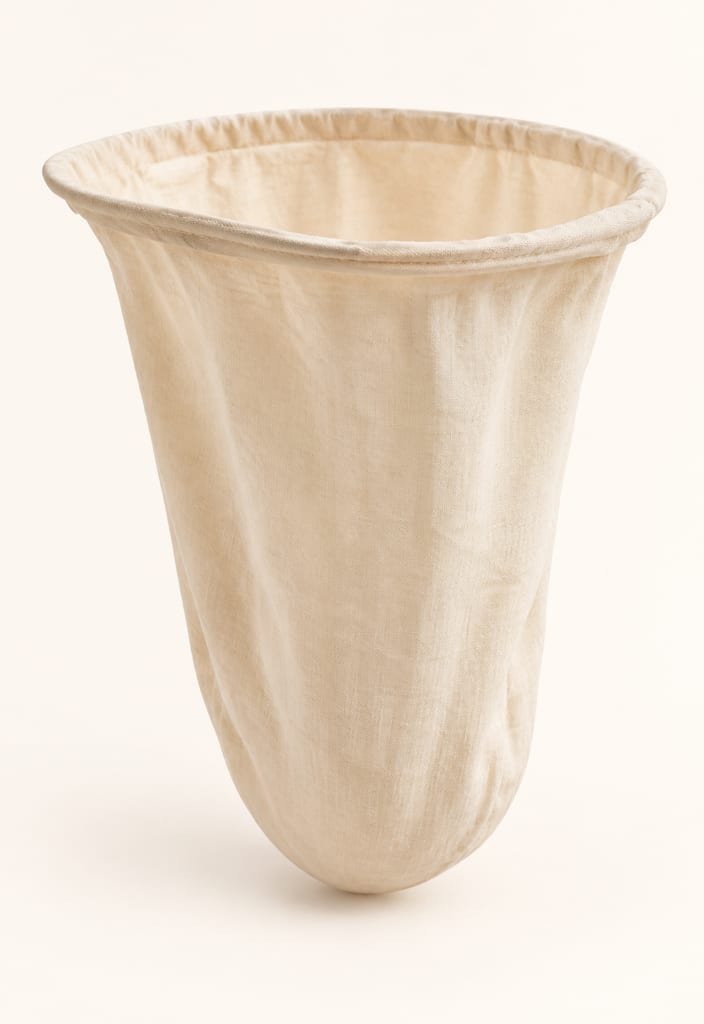
A cloth bag that strains cooked fruit pulp by gravity; jelly-making guidance says not to press it when clear juice is wanted. The sources do not define a standard bag material or size.
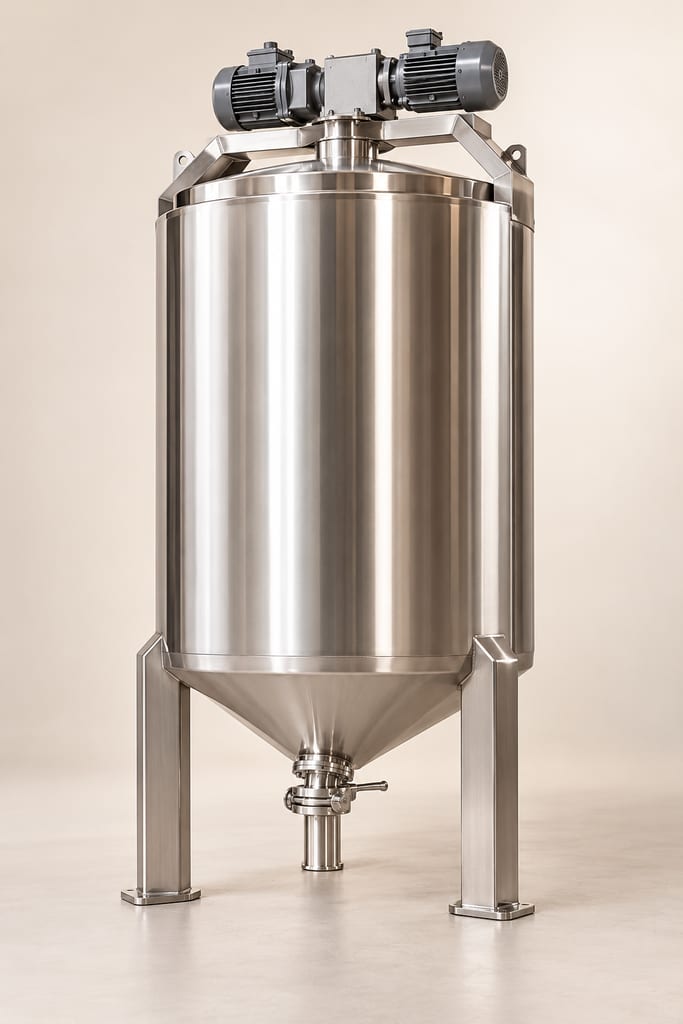
Contemporary vessels used to ferment coffee cherries or pulped coffee with restricted air exchange. Drums, rigid tanks and hermetic bags differ in material and monitoring; “anaerobic” alone does not describe a batch's conditions.
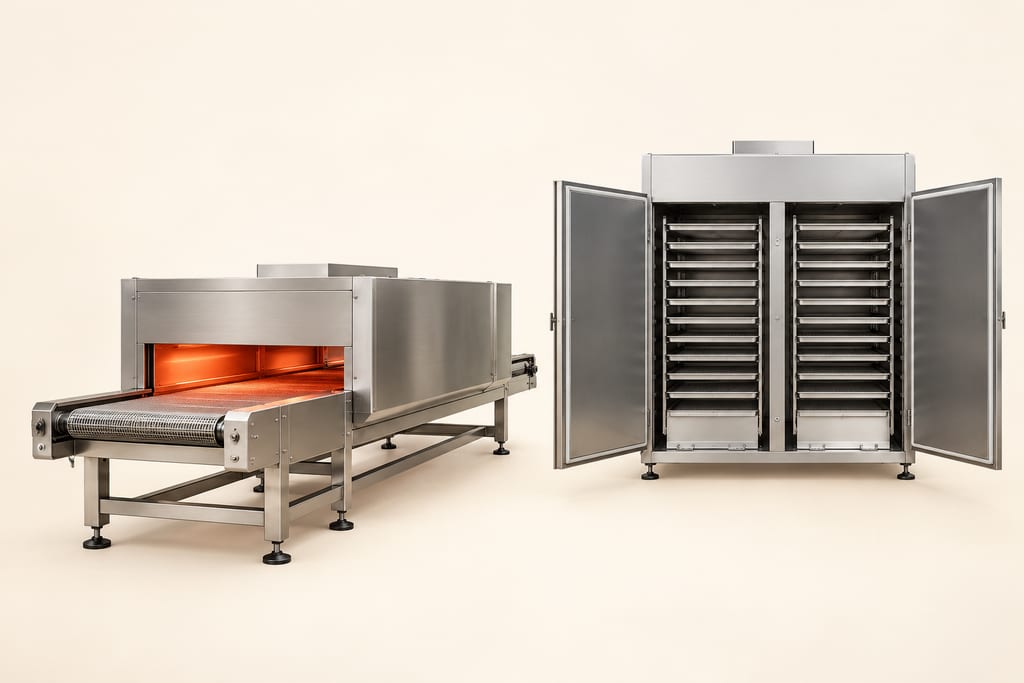
PHilMech's two-stage mango-drying system used intermittent far-infrared conveyor heating before a convection cabinet finish. Its pilot measurements describe one research setup, not a standard specification for every hybrid dryer.
A durable Southeast Asian storage and trade jar, with particular Martaban examples documented in Philippine fish fermentation; the name covers varied objects, not one standard form.

A gelling polysaccharide extracted from red seaweeds, sold as kanten strips or powder; it sets firm at a low concentration and stays solid until about 85 °C.

A Dominican table and seasoning condiment of sour orange juice, mixed with lime and salt and bottled raw; garlic, oregano or a hot pepper may be added for meat or a spicier bottle.

Cicerbita alpina is an alpine perennial whose tender shoots and leaves have been eaten raw or cooked. Sámi milk preparations and modern Carnian dishes are distinct uses, with serious identification and preservation limits.

Japanese skipjack tuna cooked, then repeatedly smoked and dried over a wood fire by the hand-fired tebiyama method into a hard block for shaving into dashi: the first stage of katsuobushi.

A Swedish-style spirit vinegar made by fermenting neutral alcohol with live vinegar bacteria, with a separate guide to commercial ättika strengths.

A yeast-raised wheat ring shaped from a firm dough, briefly boiled and baked. This source-batch formula gives a gently malted crust and a chewy crumb.

A warm dip of garlic, anchovy and olive oil, often enriched with butter, that Piedmont serves over a flame with raw and cooked vegetables and bread.

Bechamel is a white sauce of milk thickened with a butter and flour roux, one of the French mother sauces, and the base from which Mornay and other cheese and cream sauces are made.
No community contributions have been published for this entry yet.
Sign in to contribute. Published comments and photos are free to read.
National Museum of the PhilippinesHistory · Identity · Manufacture · Use
Local and Tradeware JarsBurnay production in Vigan, Ilocos Sur is associated with Chinese migrant potters from the late eighteenth to nineteenth century.
Ilokano burnay are round, wide-bodied stoneware jars with narrow mouths and flat bottoms, used as water and food containers.
The jars were suited to sugarcane wine, vinegar and other fermented condiments in the nineteenth century; the source gives no general capacities or dimensions.
Cited in: A Vigan jar with more than one job; A container shared across fermentation stages; A craft connected to Ilocano food and history; Choosing a vessel
Mariano Marcos State UniversityDocumented use · Process context
MMSU experts help Bacsil farmer produce better basi, vinegarA 2014 account describes one Laoag farmer fermenting boiled sugarcane juice in burnay jars for basi and vinegar.
In this example, the farmer used cellophane in an intervention to avoid aeration, contrasting with conventional banana-leaf closure; this is not a universal closure rule.
The report gives 19 litres for a jar in that producer's batch, not a general burnay capacity.
Cited in: A container shared across fermentation stages; A craft connected to Ilocano food and history
Cultural Center of the Philippines, Encyclopedia of Philippine ArtHistorical context
Basi RevoltThe 1807 Basi Revolt opposed a Spanish monopoly over basi, a local sugarcane wine, instituted in 1786.
This supports the regional cultural context of basi, not burnay use in a specific historical event.
Cited in: A craft connected to Ilocano food and history