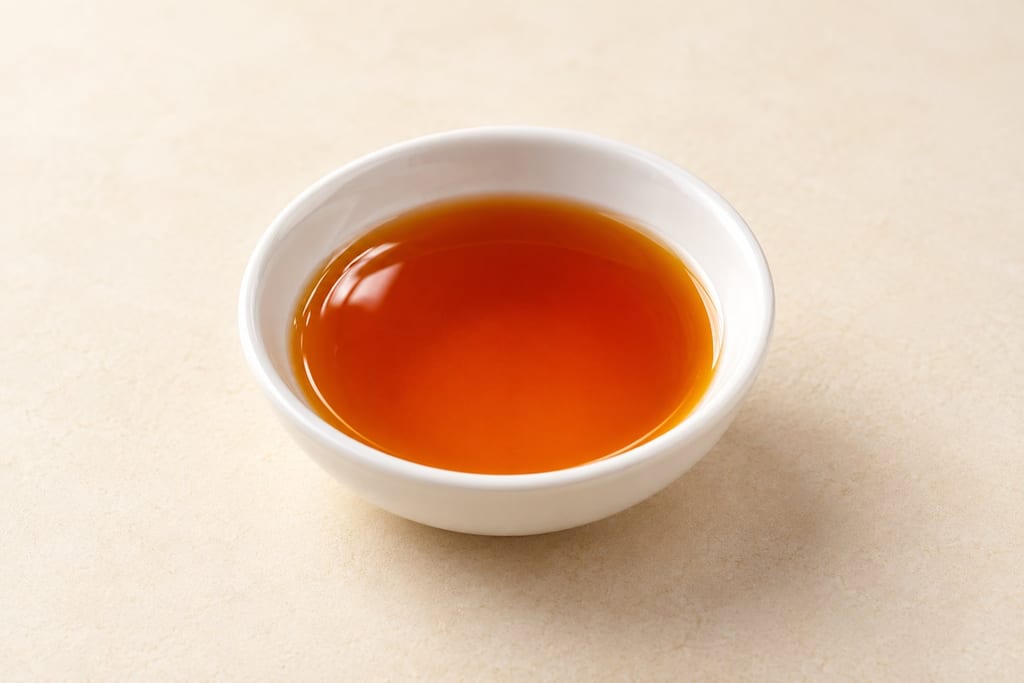
Fish sauce
Fish sauce is a clear, salty seasoning made by maturing fish with salt and drawing off the liquid. The broad family includes distinct regional sauces rather than one interchangeable method.
 FermenteaWhere food goes to change
Equipment · Jars, pots and crocks
A durable Southeast Asian storage and trade jar, with particular Martaban examples documented in Philippine fish fermentation; the name covers varied objects, not one standard form.
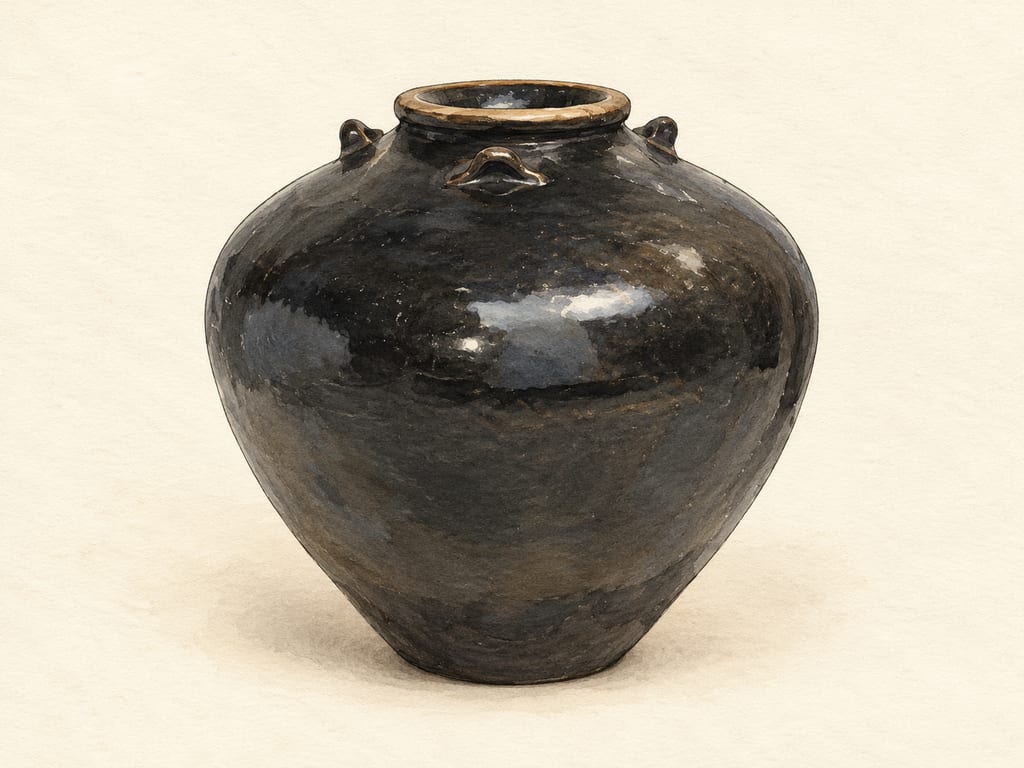
Tapayan is a Philippine name for a large jar; CulturEd distinguishes it from the smaller banga and records its continued use for water, wine and alamang. A VERA Files account of the National Museum of the Philippines collection also reports martaban, gusi and tapayan as overlapping names for treasured Philippine stoneware jars. These terms describe a varied tradition, not a single standardized shape.
Martaban also names jars in the history of maritime trade. The National Museum of the Philippines describes a class produced in Lower Myanmar, while the London Museum's record for one seventeenth-century jar says that jars like it were manufactured in several parts of the East Indies. Those descriptions differ in scope. The trade name is useful for tracing exchange, but does not establish the provenance of every object that carries it.
The sources do not establish one silhouette for every jar called tapayan, tempayan or Martaban. CulturEd gives regional examples of Philippine jars with differing forms and uses; those local examples are not automatically the same as imported trade jars. The London Museum's c.1650 object is a rounded dark-glazed jar with a restricted opening and shoulder lugs. It is one documented object, not a template for every jar in this record.
Surface details vary too. The National Museum of the Philippines notes plain Martaban jars as well as examples with dragon relief and small loop handles near the shoulder or neck. Similar jars recovered from the San Diego shipwreck have uneven black glaze and light-colored clay relief in stripes or rows of raised buttons. These features can help identify a particular object, but should be copied only when its record or photograph supports them. The collection records describe jars used for storage and maritime transport; some also became traded or inherited objects.
The National Museum of the Philippines records similar trade jars recovered from the San Diego shipwreck as locally used for fermenting and storing salted fish that becomes bagoong. CulturEd also records tapayan use for alamang, a fermented shrimp paste. Together these sources show jar use within Philippine fish and shrimp condiment traditions, but the shipwreck evidence remains object-specific: it does not show that every Martaban jar fermented fish or that every tapayan served the same purpose.
This is a vessel account, not a bagoong method. The museum description does not supply a jar-specific ingredient ratio, fermentation duration, temperature or cleaning routine. A jar's context and contents must be established from the particular object and its local use rather than inferred from silhouette alone.
The collection records establish historical trade, storage and particular Philippine condiment-making uses, but not one production center or standard form for everything called Martaban. They also do not provide a standard capacity or size across this group. One London Museum object has its own catalog measurements; those measurements should not be generalized to the broader type.
The sources do not establish a current buying route or care instructions for historical trade jars. They document mobile vessels with changing roles, not a fixed fermentation appliance. A contemporary jar should only be matched to this history when its material, form and documented use support that identification.
The term is tied to the port of Martaban in present-day Myanmar, but museum descriptions differ on production scope. The National Museum of the Philippines treats Martaban jars as a class made in Lower Myanmar; the London Museum says Martabani jars like its c.1650 object were made in various parts of the East Indies. The difference is retained here rather than resolving a broad trade label into a single provenance.
The name Martaban is not enough to assign a workshop or origin: the NMP describes a class made in Lower Myanmar, while the London Museum says jars like its catalogued example were manufactured in various parts of the East Indies.
Source →A trade or storage jar should not be assumed to have fermented food merely because a similar form did so elsewhere. The NMP ties fermented salted fish and bagoong to particular jars recovered from the San Diego shipwreck.
Source →The National Museum of the Philippines describes Martaban as a class of large storage jars produced in Lower Myanmar. The London Museum uses a broader East Indies production description for its individual example.
The London Museum catalogues object 23846 among Southeast Asia, Burma and Indonesia and describes its use in maritime storage and trade; the record does not locate its exact workshop.
The NMP documents similar jars from the San Diego shipwreck in fermenting and storing salted fish that becomes bagoong; this is object-specific evidence, not a use assigned to every Martaban jar.
Fish sauce is a clear, salty seasoning made by maturing fish with salt and drawing off the liquid. The broad family includes distinct regional sauces rather than one interchangeable method.
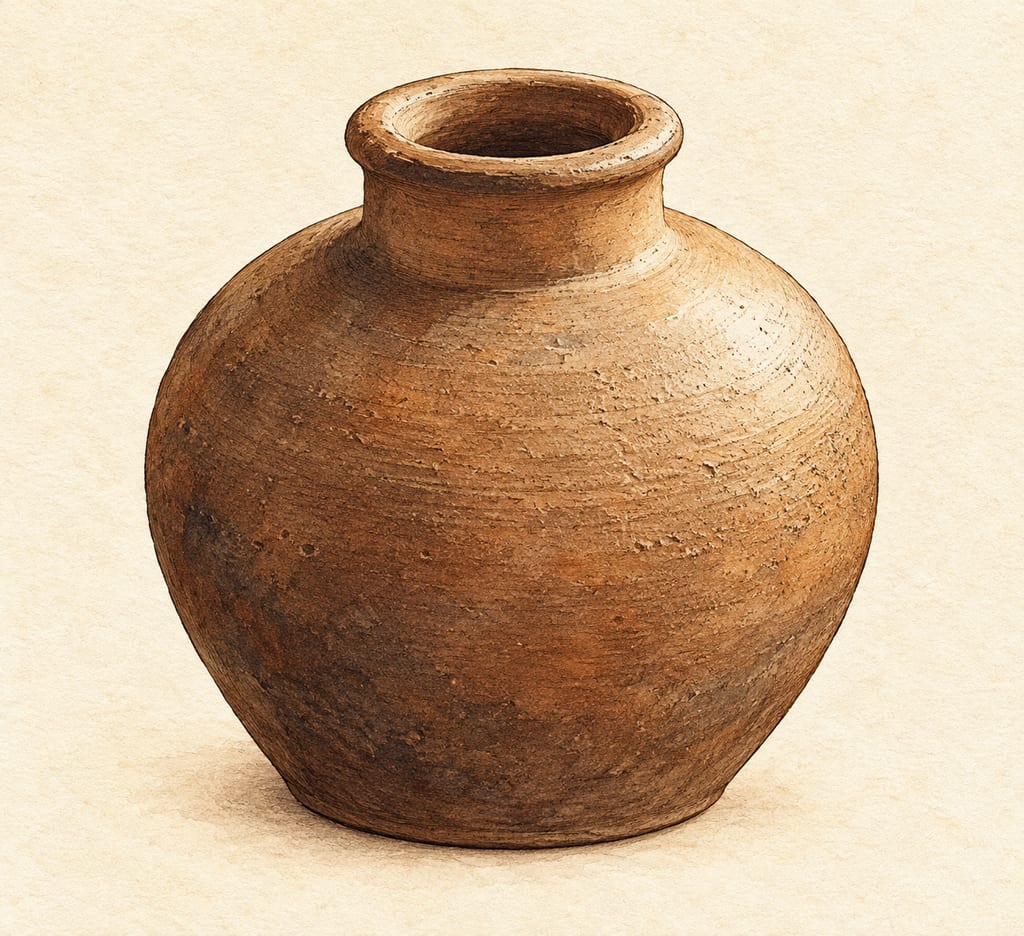
A burnay is a wide-bodied, narrow-mouthed stoneware jar made in Vigan, Ilocos Sur. Ilokano households and producers have used these sturdy vessels for water, food, basi, vinegar and other fermented condiments.
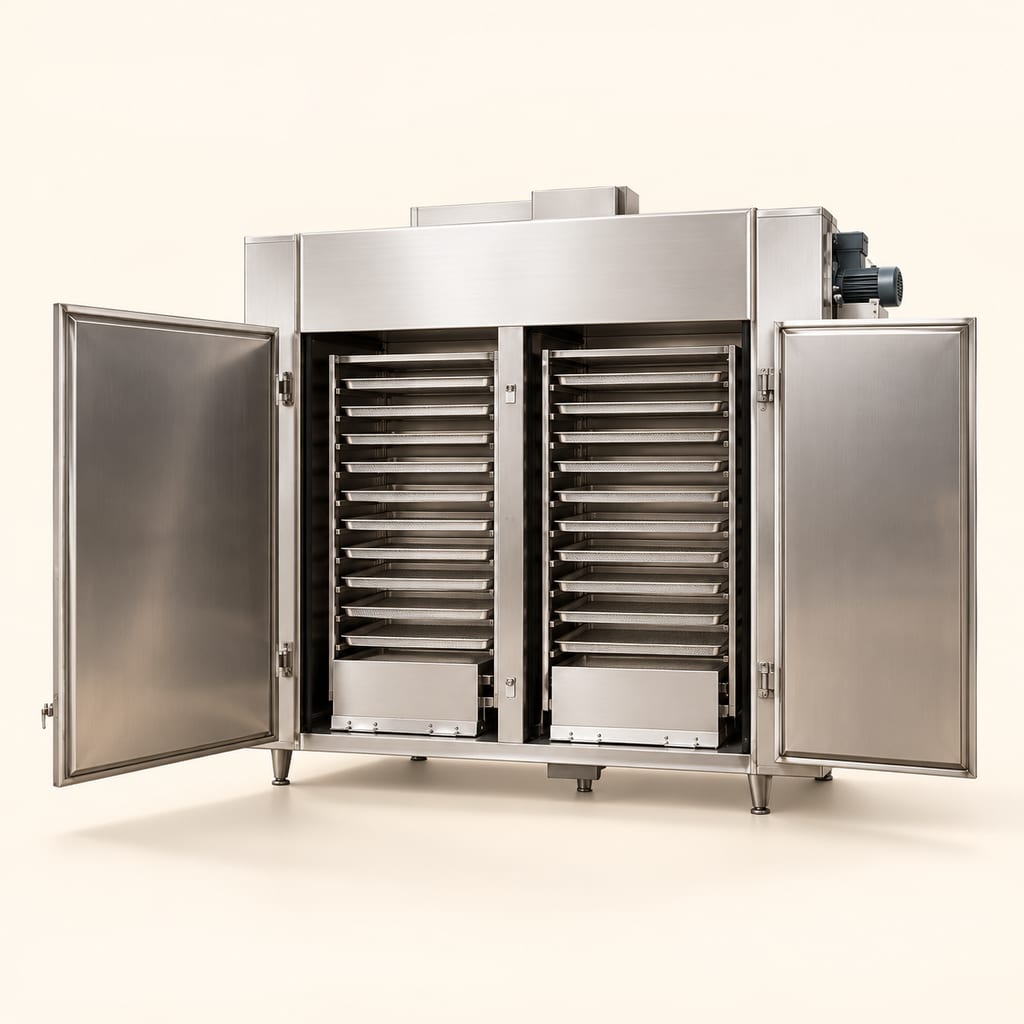
A heated-air cabinet with trays for drying fruit and other crops; PHilMech documents cabinet/convection dryers in Cebu's dried-mango trade and several Philippine equipment variants.
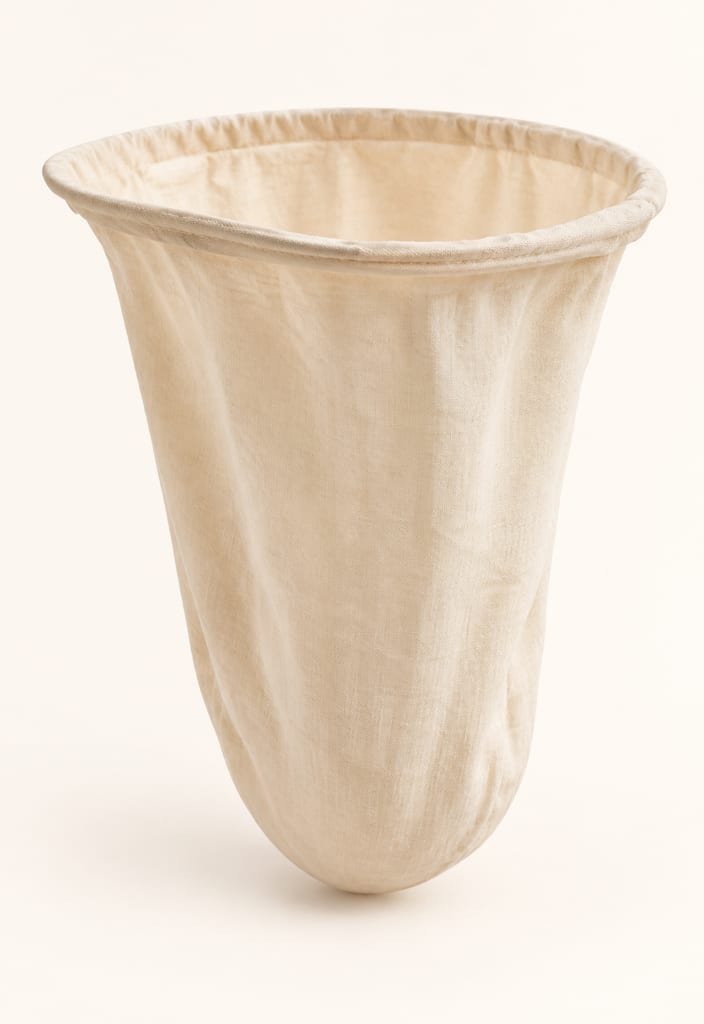
A cloth bag that strains cooked fruit pulp by gravity; jelly-making guidance says not to press it when clear juice is wanted. The sources do not define a standard bag material or size.
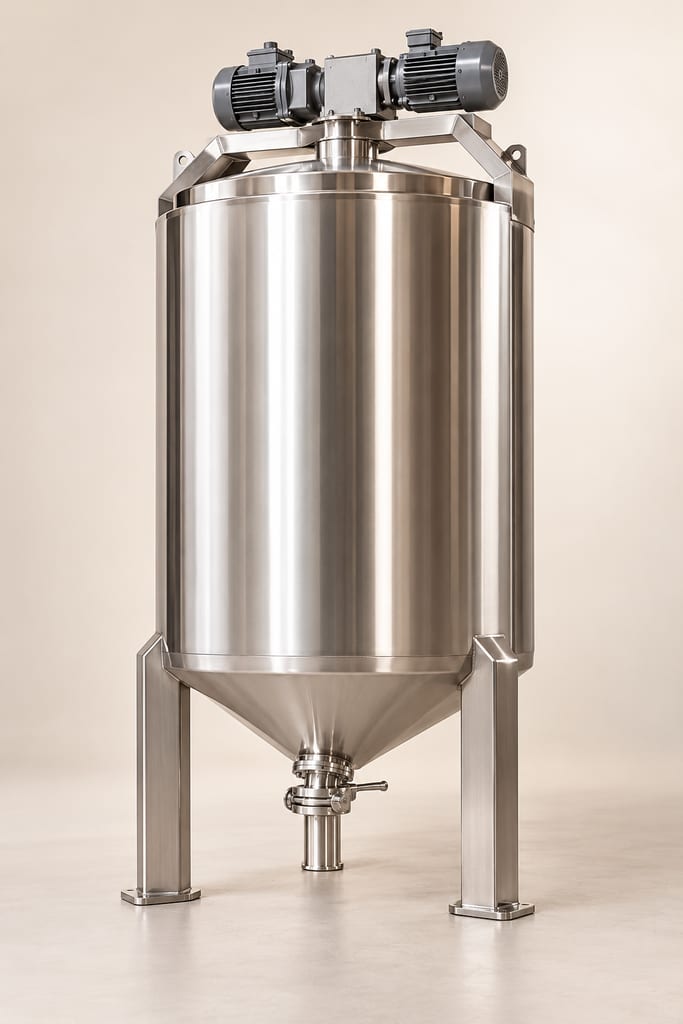
Contemporary vessels used to ferment coffee cherries or pulped coffee with restricted air exchange. Drums, rigid tanks and hermetic bags differ in material and monitoring; “anaerobic” alone does not describe a batch's conditions.
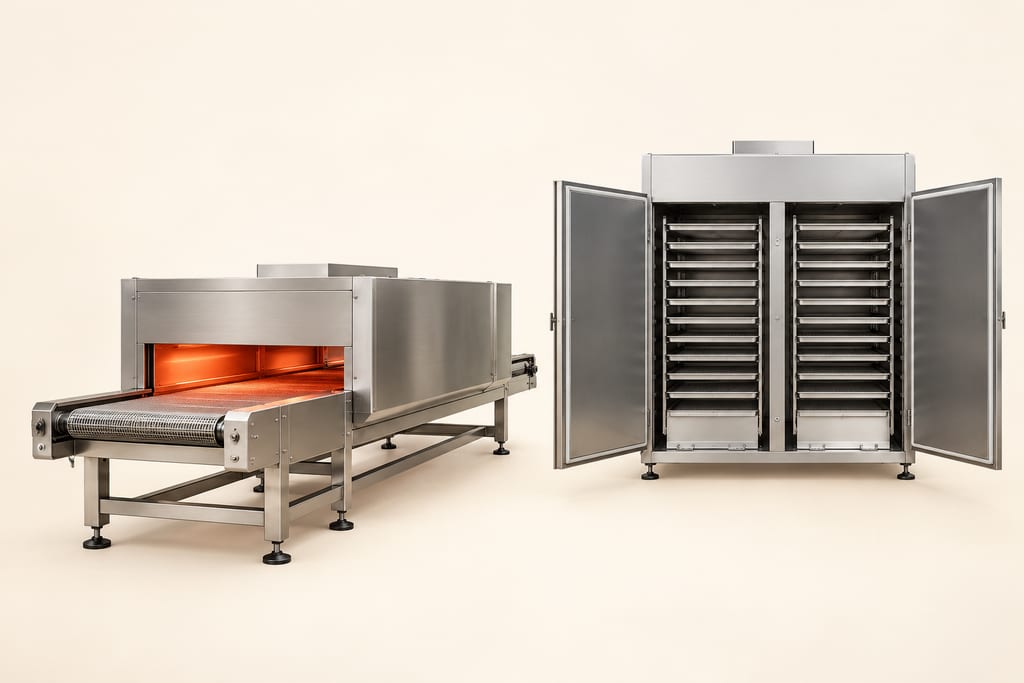
PHilMech's two-stage mango-drying system used intermittent far-infrared conveyor heating before a convection cabinet finish. Its pilot measurements describe one research setup, not a standard specification for every hybrid dryer.

A gelling polysaccharide extracted from red seaweeds, sold as kanten strips or powder; it sets firm at a low concentration and stays solid until about 85 °C.

A Dominican table and seasoning condiment of sour orange juice, mixed with lime and salt and bottled raw; garlic, oregano or a hot pepper may be added for meat or a spicier bottle.

Cicerbita alpina is an alpine perennial whose tender shoots and leaves have been eaten raw or cooked. Sámi milk preparations and modern Carnian dishes are distinct uses, with serious identification and preservation limits.

Japanese skipjack tuna cooked, then repeatedly smoked and dried over a wood fire by the hand-fired tebiyama method into a hard block for shaving into dashi: the first stage of katsuobushi.

A Swedish-style spirit vinegar made by fermenting neutral alcohol with live vinegar bacteria, with a separate guide to commercial ättika strengths.

A yeast-raised wheat ring shaped from a firm dough, briefly boiled and baked. This source-batch formula gives a gently malted crust and a chewy crumb.

A warm dip of garlic, anchovy and olive oil, often enriched with butter, that Piedmont serves over a flame with raw and cooked vegetables and bread.

Bechamel is a white sauce of milk thickened with a butter and flour roux, one of the French mother sauces, and the base from which Mornay and other cheese and cream sauces are made.
No community contributions have been published for this entry yet.
Sign in to contribute. Published comments and photos are free to read.
National Museum of the Philippines, Ethnology DivisionForm · History · Use · Fermentation
Local and Tradeware JarsThe page describes varied rim and body forms, glazes and the general durability of trade ceramics.
It locates a Martaban production class in Lower Myanmar; describes plain and decorated examples; and records San Diego shipwreck jars used locally to ferment and store salted fish for bagoong.
Cited in: One trade label, many jars; A vessel built for storage and movement; A documented Philippine fermentation use; What the records leave open
London MuseumObject record · Form · History · Trade
Martaban jarObject 23846 is dated about 1650 and catalogued as ceramic, earthenware, with Southeast Asia, Burma and Indonesia as related places.
The page says Martabani jars like this one were manufactured in various parts of the East Indies and describes their maritime storage and trade uses; it identifies Martaban as the Burmese port after which the jars are named.
Cited in: One trade label, many jars; A vessel built for storage and movement; What the records leave open
CulturEd: Philippine Cultural Education Online; Sagisag Kultura, National Commission for Culture and the ArtsTerminology · Local use · Regional forms
bangâ at tapáyanThe 2015 entry distinguishes a tapayan as larger than a banga and describes continued use for water, wine or alamang, with regional forms and names.
Cited in: One trade label, many jars; A vessel built for storage and movement; A documented Philippine fermentation use; What the records leave open
VERA FilesTerminology · Trade · Local use
Tapayan, Gusi, or Martaban: Tales of Stoneware Jars in the PhilippinesThe article describes Philippine stoneware jars referred to as martaban, gusi or tapayan and summarizes their trade, household and ritual uses.
Cited in: One trade label, many jars