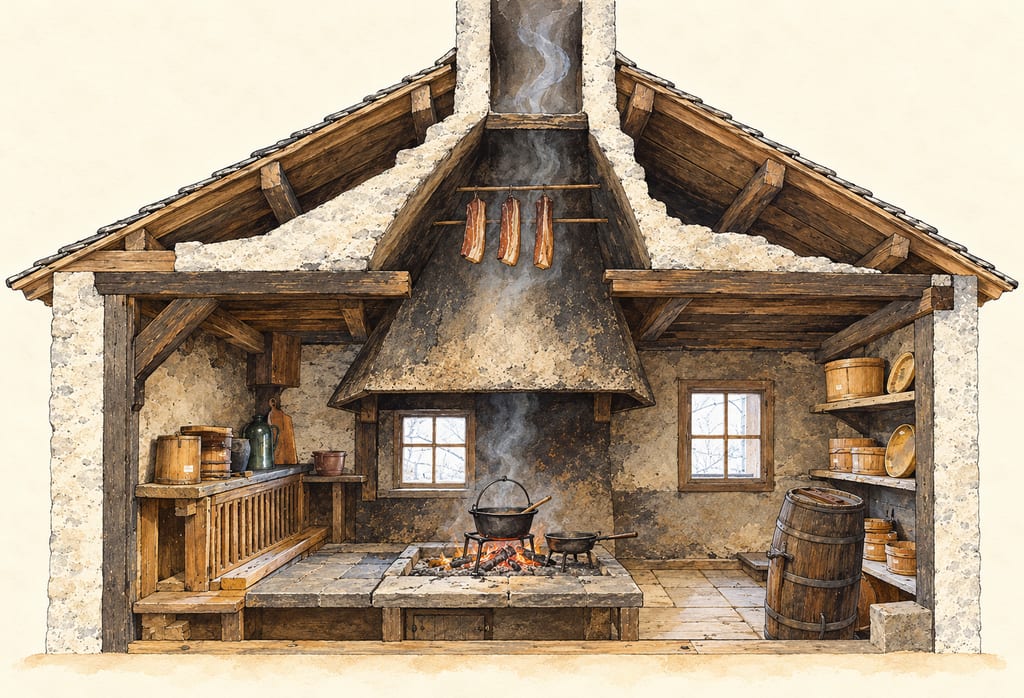
Broad hood or chimney chamber
A family of domestic smoking structures that used smoke rising from a hearth: from the Austrian Rauchkuchl spark hood to the Jougne farmhouse meat hood and the Franche-Comté tuyé.
 FermenteaWhere food goes to change
Place · salt-evaporation-pans-and-salina
Salies-de-Béarn saltworks · Saline de Salies-de-Béarn
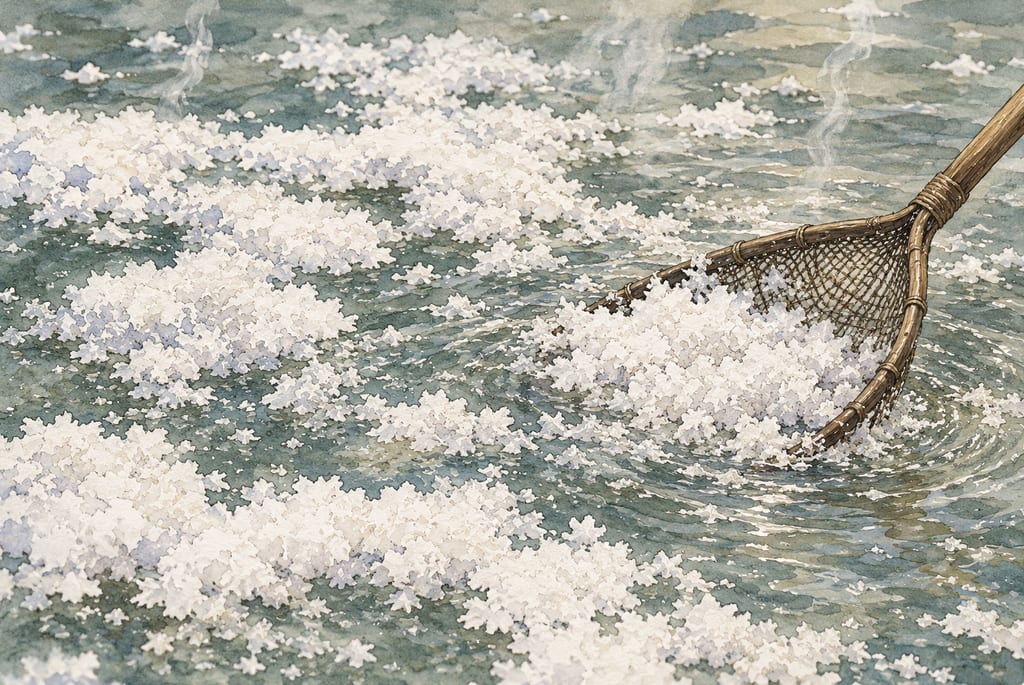
The Salines de Salies-de-Béarn make salt from inland spring brine, carrying water from Oraàs to open-air salt pans where heat concentrates crystals.
The salt organization's historical account dates the single-site Salines to the 1840 salt law. The Ministry of Agriculture describes the source-brine tradition and current open-air salt-pan method. These records do not establish the age of present plant fabric.
This is a heritage and process description, not an operating procedure or permission to enter the saltworks.
The saline lies at Salies-de-Béarn; the brine source at Oraàs is a separate locality.
A family of domestic smoking structures that used smoke rising from a hearth: from the Austrian Rauchkuchl spark hood to the Jougne farmhouse meat hood and the Franche-Comté tuyé.
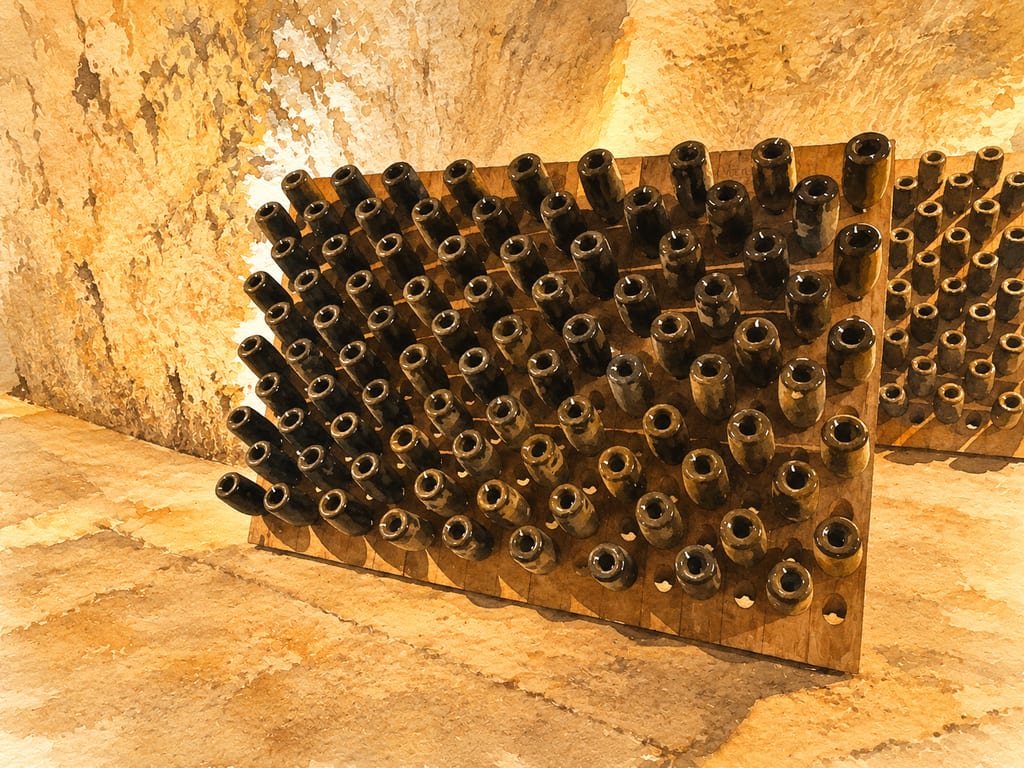
Reims’ Saint-Nicaise Hill crayères are chalk galleries adapted from quarries and used within Champagne’s bottle-fermented wine production. Their documented conditions and form should not be generalized to every cellar in the region.
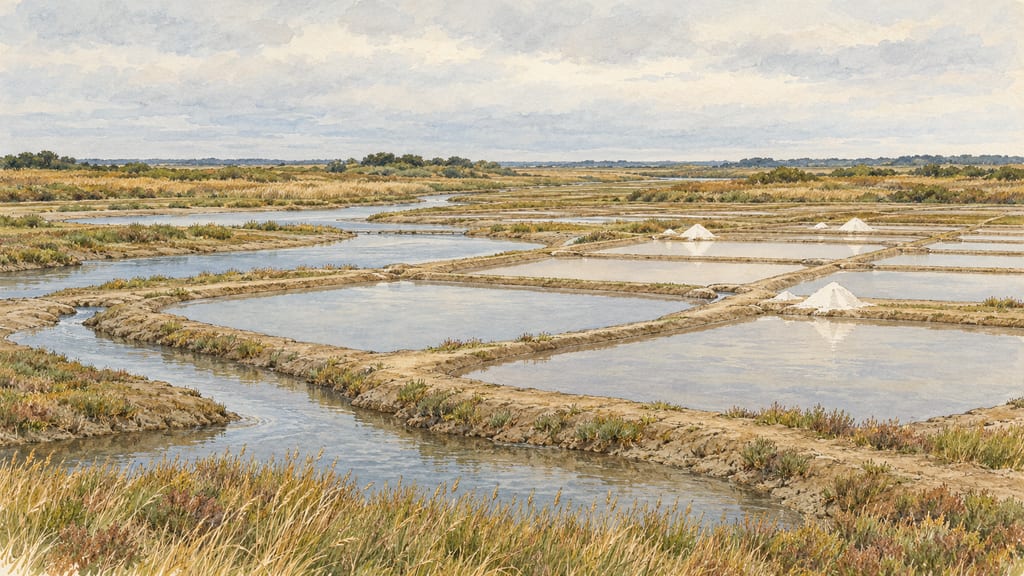
The Guérande salt marshes are a tidal, sun-worked salina landscape in western France, where brine moves through earthen basins toward small crystallising pans.

A Cap-Pelé boucanière is an Acadian herring-smoking building. The documented Willie Niles example is a one-storey wood-frame structure with a ridge smoke vent and interior bays for hanging fish-bearing cannes.

Achcharu is a family of Sri Lankan vinegar pickles made with mixed vegetables or seasonal fruit and a piquant spice dressing. This version is a quick, refrigerated, non-fermented mixed-vegetable pickle.

The acocote is a long, hollowed and dried gourd used to draw aguamiel from a mature maguey. It is a harvesting tool: the sap is transferred to a separate vessel before it ferments into pulque.

Adrak murabba preserves young ginger in sugar syrup, a sweet South Asian preparation recorded in Indian cookery and food-processing sources.

Parkia biglobosa seeds are fermented into regional West African seasonings, including nététou, iru, dawadawa and soumbala. The yellow fruit pulp is a separate food, and names and methods vary by place.

Japanese reddish-brown vinegar from sake lees matured about three years, turned to vinegar by acetic bacteria; the vinegar of Handa and Edomae sushi rice.

A refined common-wheat flour blended for a broad range of baking; its protein and behavior vary with wheat, milling and market.

The almond mushroom, Agaricus subrufescens, was cultivated in eastern North America in the 1800s, lost its market, and returned as a cultivated mushroom from Brazil, where it is grown under several names.
No community contributions have been published for this entry yet.
Sign in to contribute. Published comments and photos are free to read.
Ministère de l’Agriculture, de l’Agro-alimentaire et de la Souveraineté alimentaireSource geography · Process · History · Product context
Le sel de Salies-de-Béarn IGPThe ministry identifies Reine Jeanne d’Oraàs as the source of brine and reports an eight-kilometre conduit to the Saline.
The ministry describes slow heating in an open-air salt pan, evaporation, crystallisation and hand skimming of surface fleur with a net.
The page describes the IGP date and the salt's primary use in salting products.
The page says the salt is used mainly to salt Bayonne ham and that the Bayonne ham consortium has operated the Saline since 2010.
Sel de Salies-de-BéarnHistorical context · Traditional method
Salies-de-Béarn: Citadel of SaltThe organization's historical account describes former town brine transport in sameaux buckets and coulédés troughs.
It dates the centralized Salines to the 1840 salt law and says the site preserves open-air salt pans.