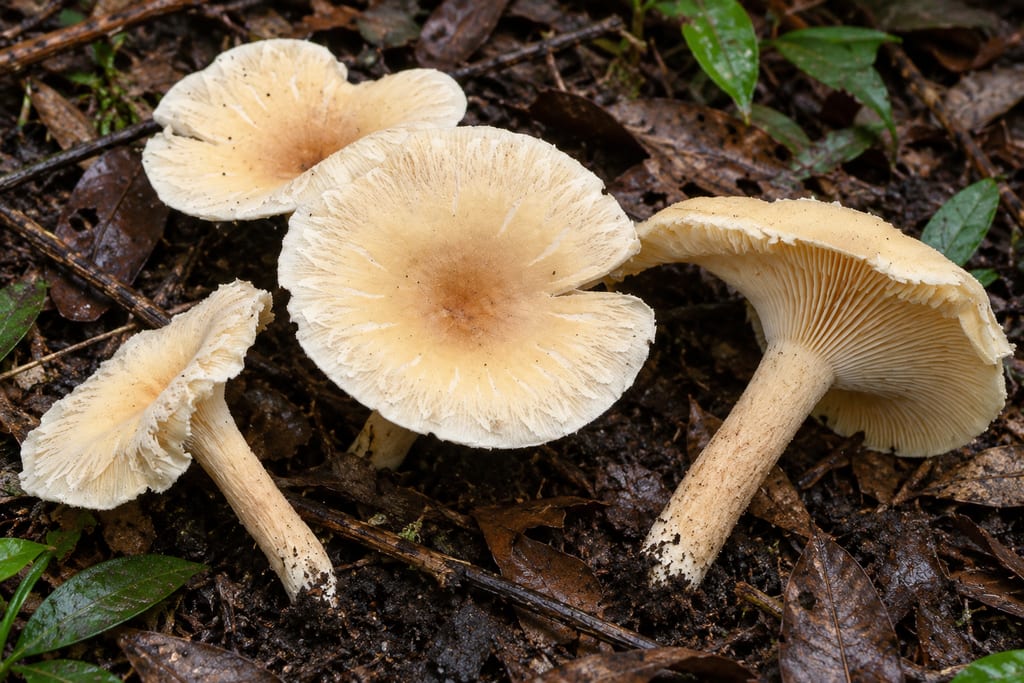
Lactifluus annulatoangustifolius
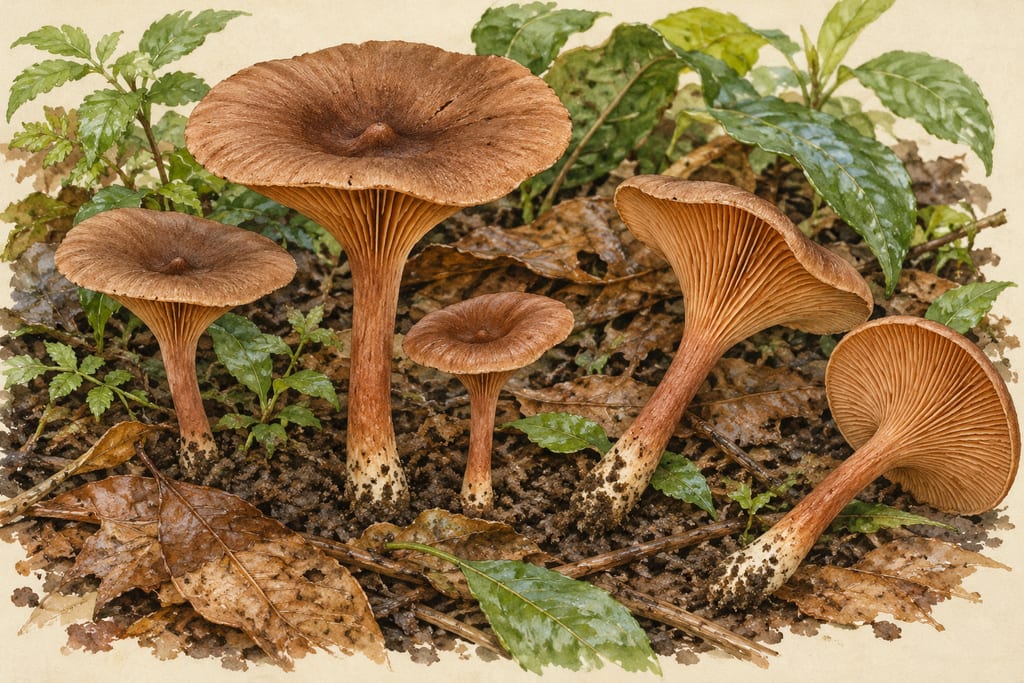
Lactifluus annulatoangustifolius is a wild milkcap mushroom of the rainforests of Tshopo province, DR Congo, recorded as locally eaten. No preparation method for it is documented.
 FermenteaWhere food goes to change
1086 articles on substrates, cultures and additives.
 Edible mushrooms319
 Brittlegills24
 Truffles19
 Milkcaps17
 Termite mushrooms17
 Morels4
 Stinkhorn fungi4
 Fungi3
Lactifluus annulatoangustifolius is a wild milkcap mushroom of the rainforests of Tshopo province, DR Congo, recorded as locally eaten. No preparation method for it is documented.
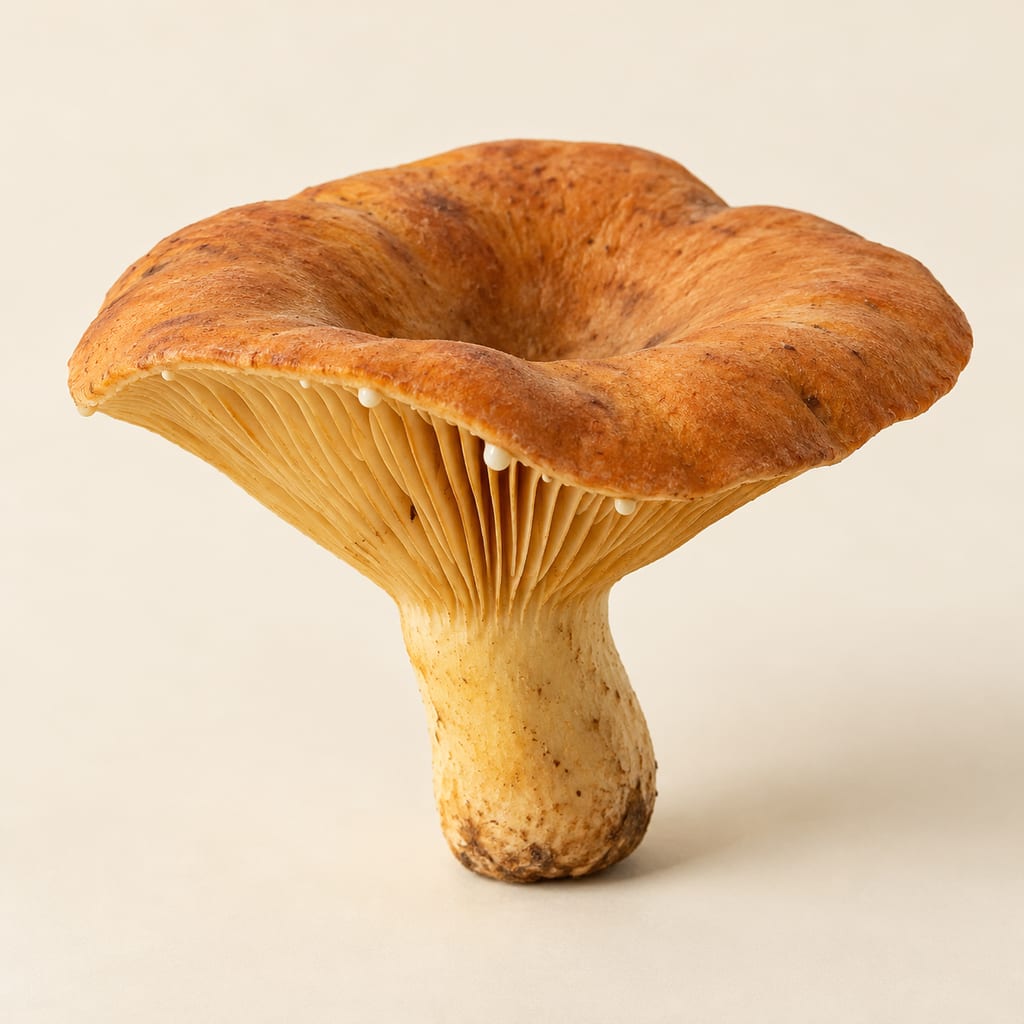
Lactifluus rubiginosus is a wild African milkcap of miombo woodland in Tanzania and Zambia, listed in the EFTA edible-species inventory. Its preparation and edibility are not described by the sources read.
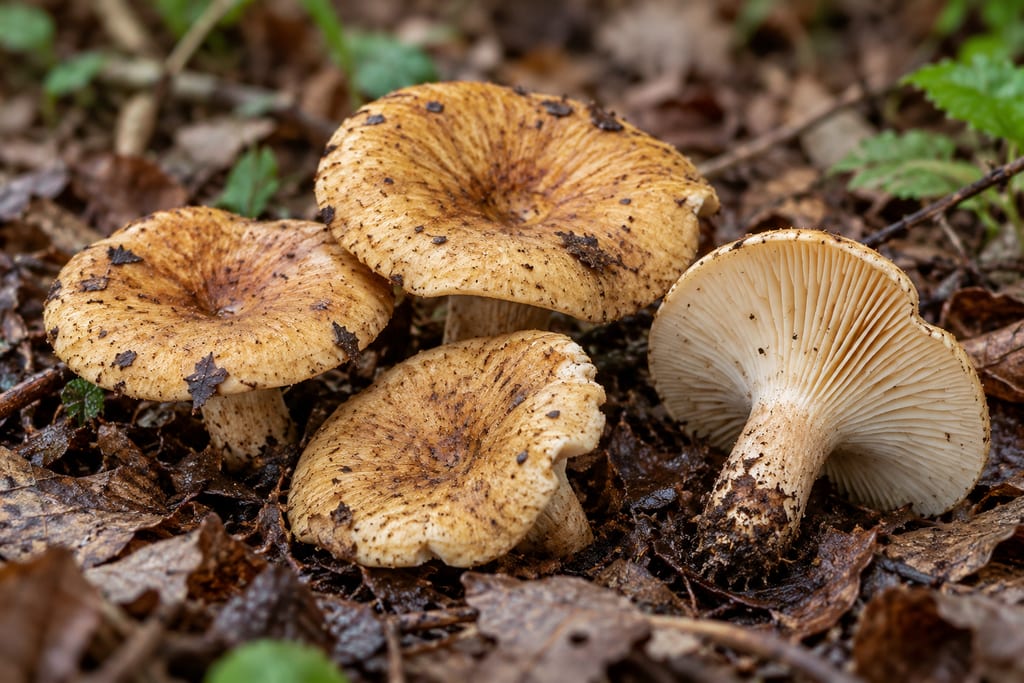
Lactifluus pinguis is a wild milk cap fungus of forests in Yunnan, China, and Laos, where the catalogue records it as marketed. Its identity and local safety still need species-level review.
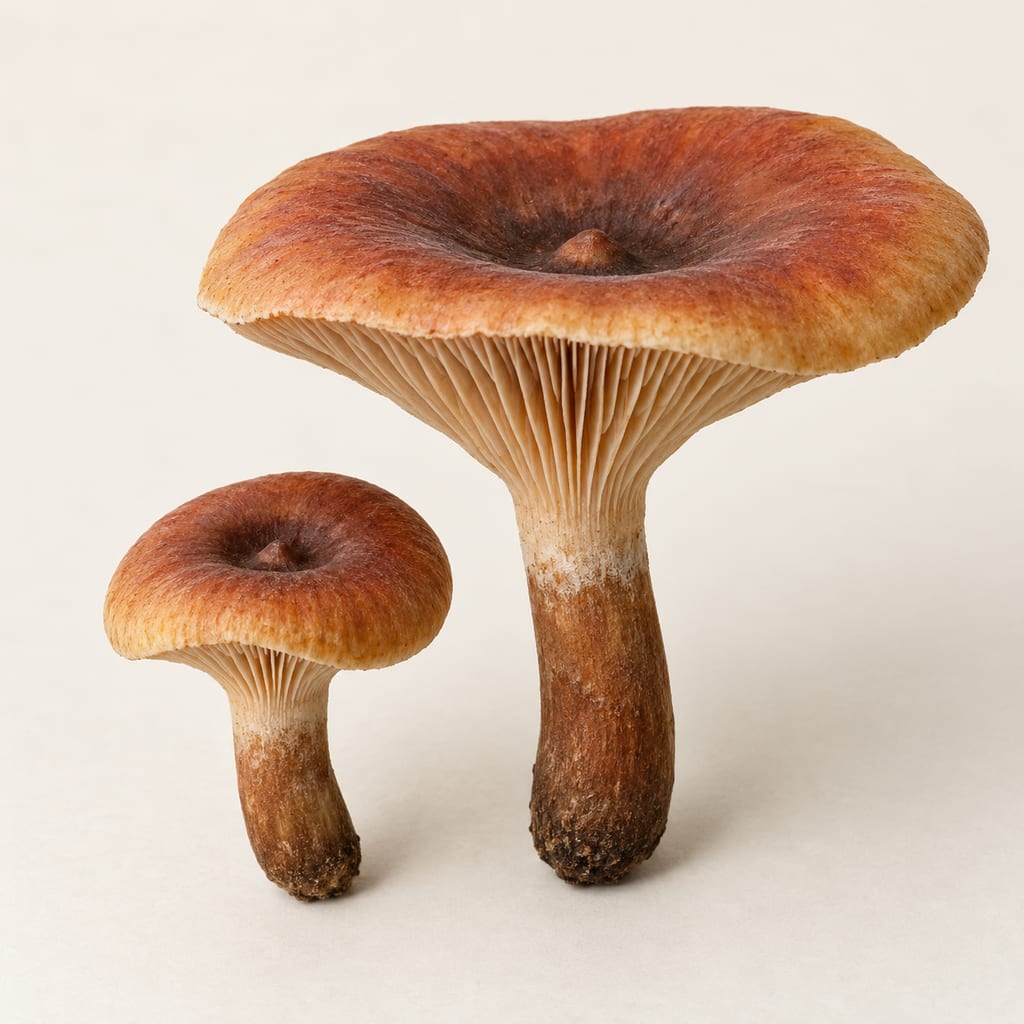
Lactarius rubrobrunneus is a taxonomically described Southeast Asian milk cap; food use is not established by a culinary source in this record.
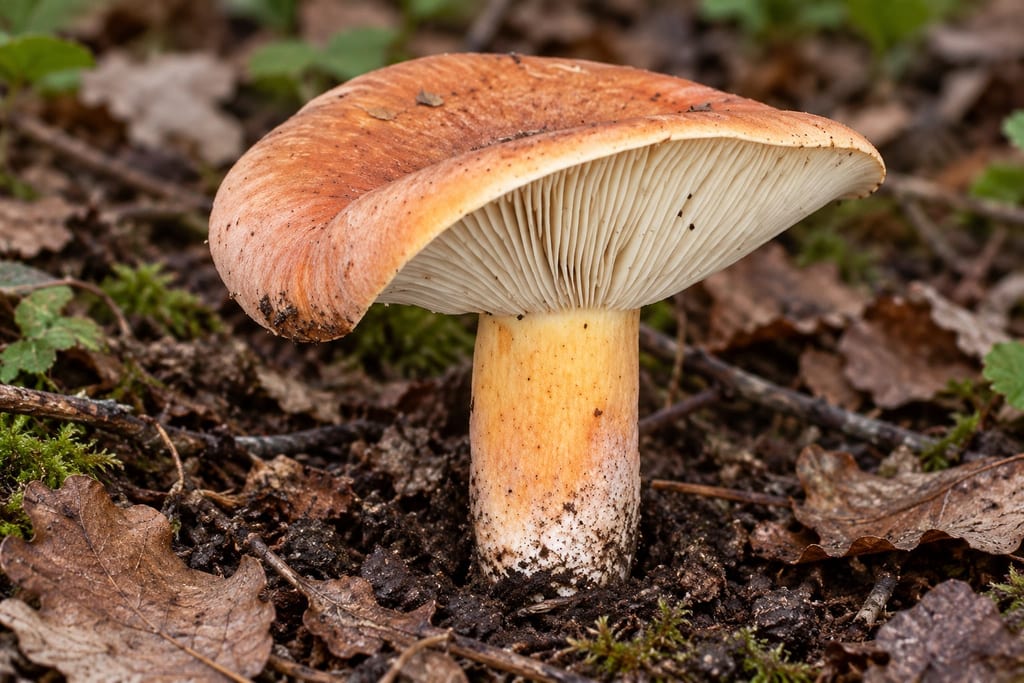
Lactifluus rubroviolascens is an orange-brown African milkcap of miombo and savanna woodland, listed among edible fungi, with its preparation and safety still needing validation.
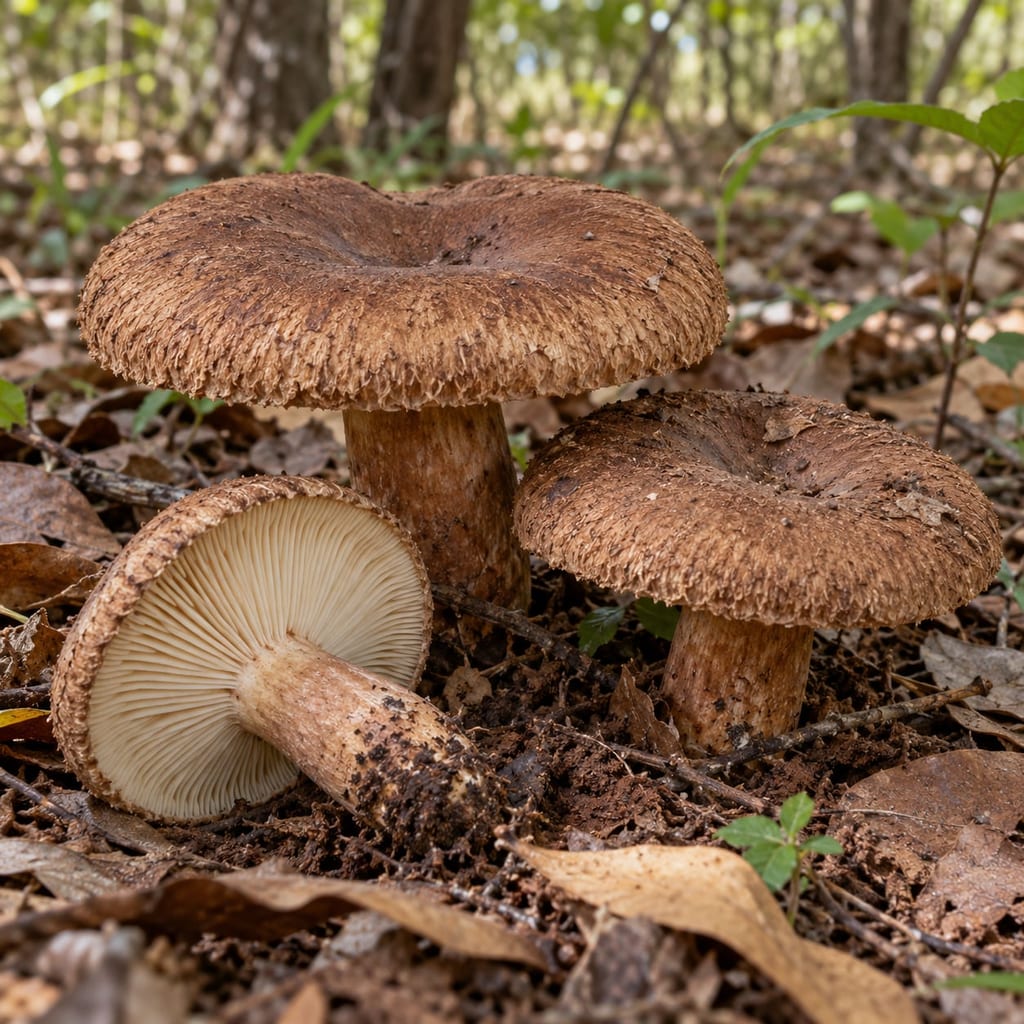
Lactifluus brunnescens, the African milkcap, is a miombo woodland mushroom with abundant latex, recorded in six southern and central African countries. Its food use is not described in the species record read here.
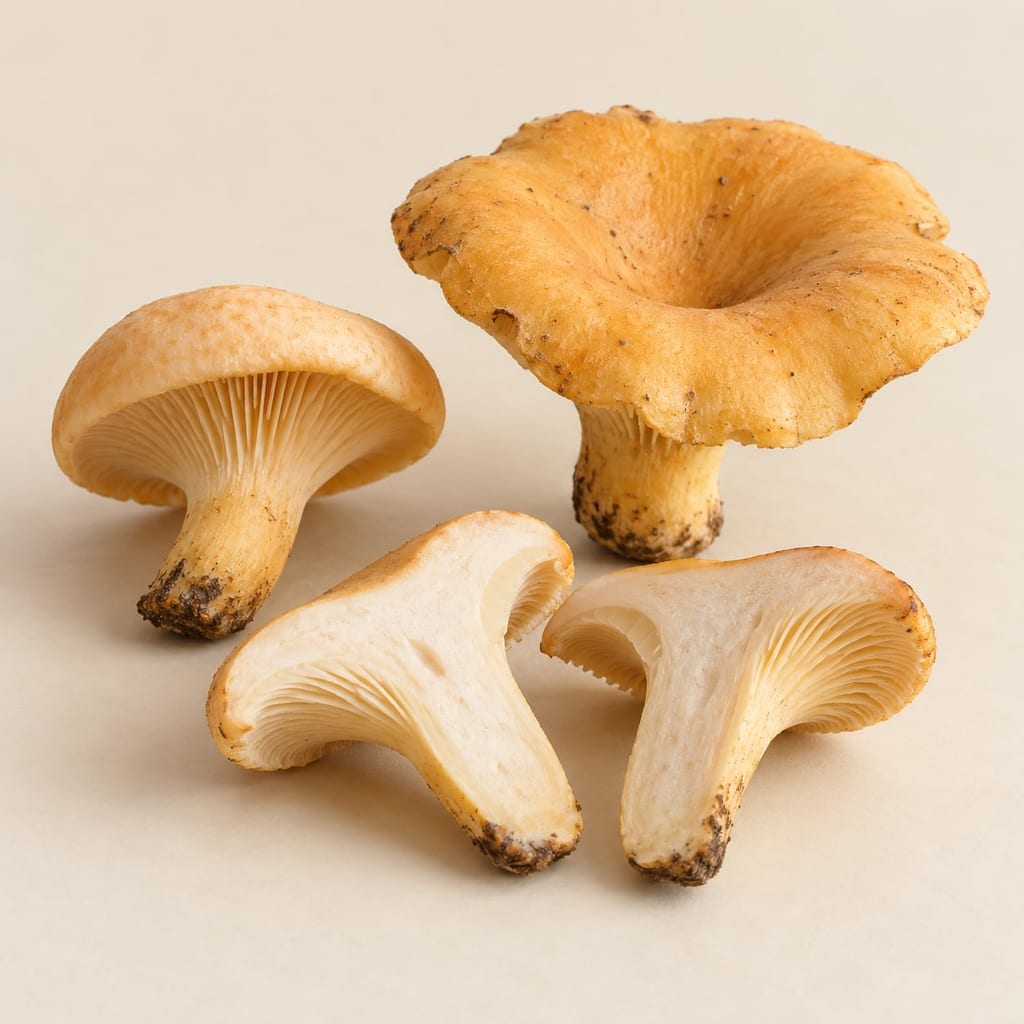
Lactifluus flammans is a milkcap of African miombo and open woodland, recorded in six countries. Its food use and safety are not established by the sources here.
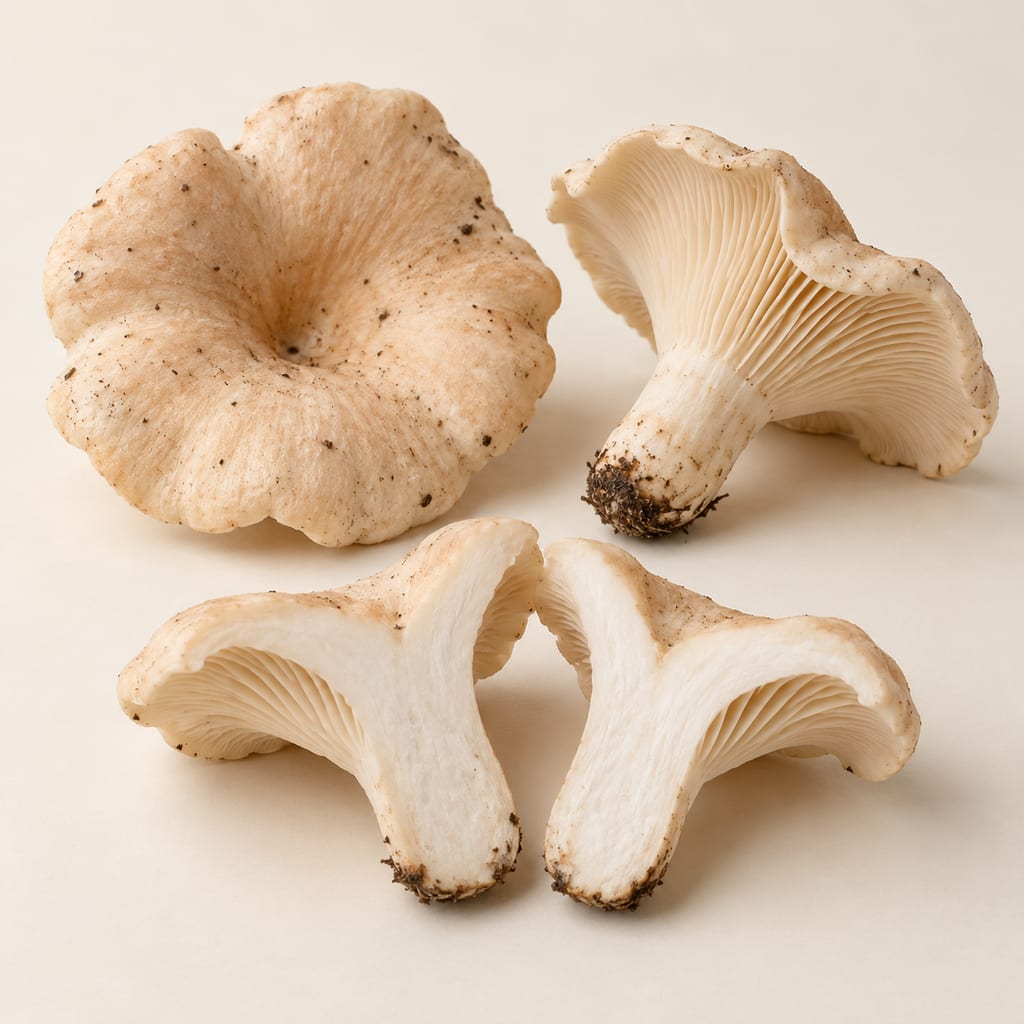
Lactifluus gymnocarpoides is an African milkcap of open Uapaca and miombo woodland. Regional inventories record it as food, but its bitter taste means local cooks remove it before eating, and the sources give no preparation.
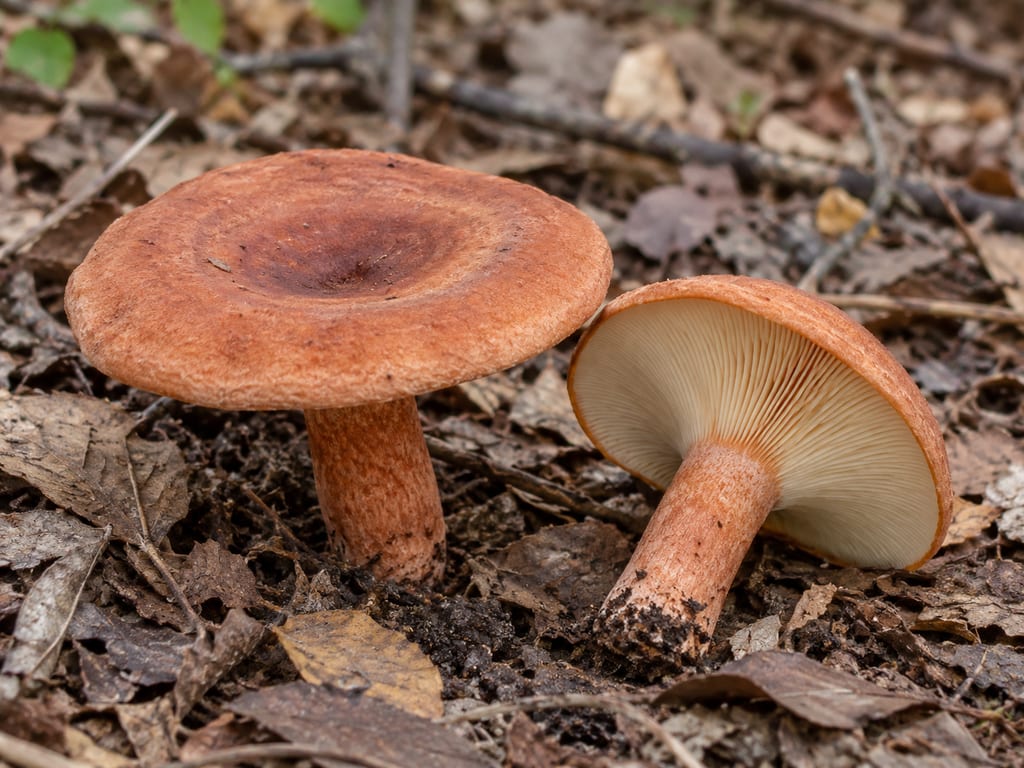
Lactifluus medusae is an African milkcap, a white-latexed ectomycorrhizal mushroom of miombo and wooded savanna. The EFTA edible-species inventory records it as a popular edible species of the Zambezian region.
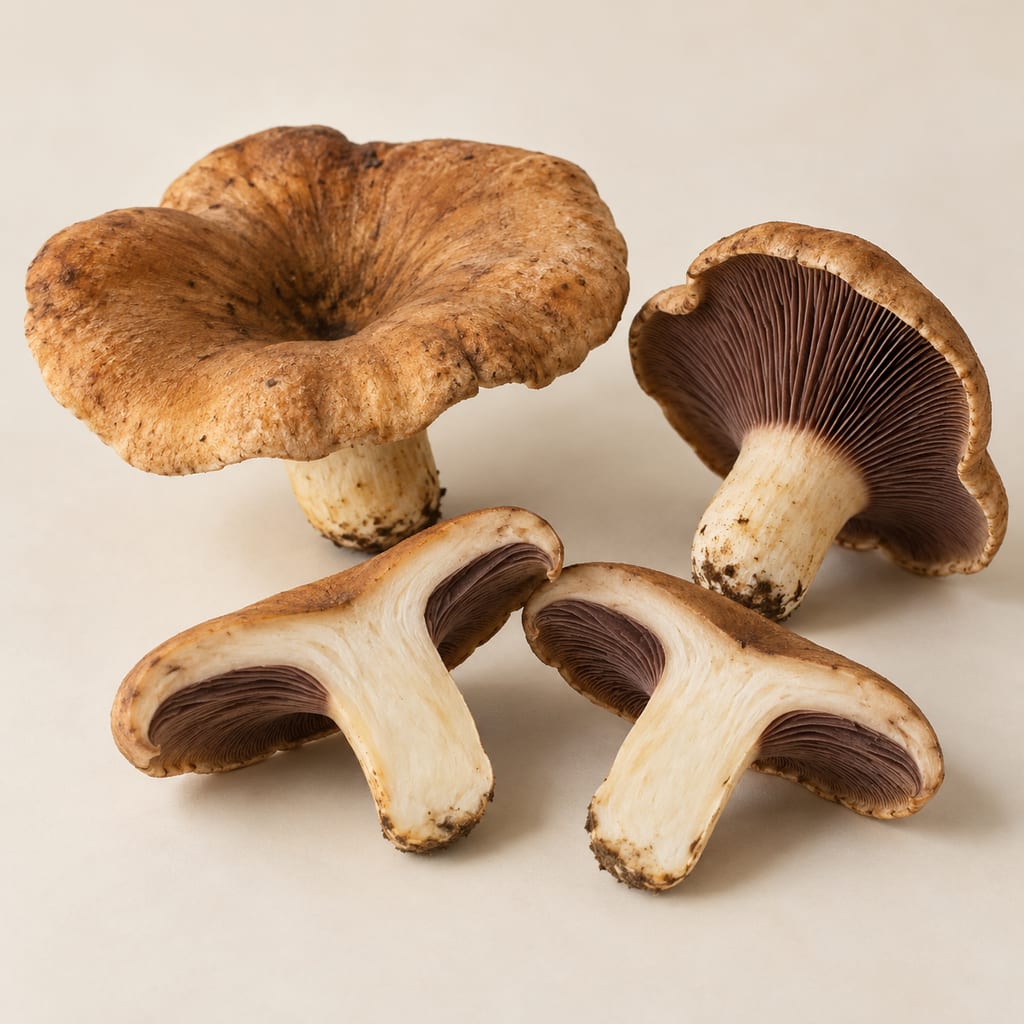
Lactarius chromospermus, a milkcap of African miombo woodland, listed as edible in one regional inventory but described as not edible in other sources. Its food status is contested.
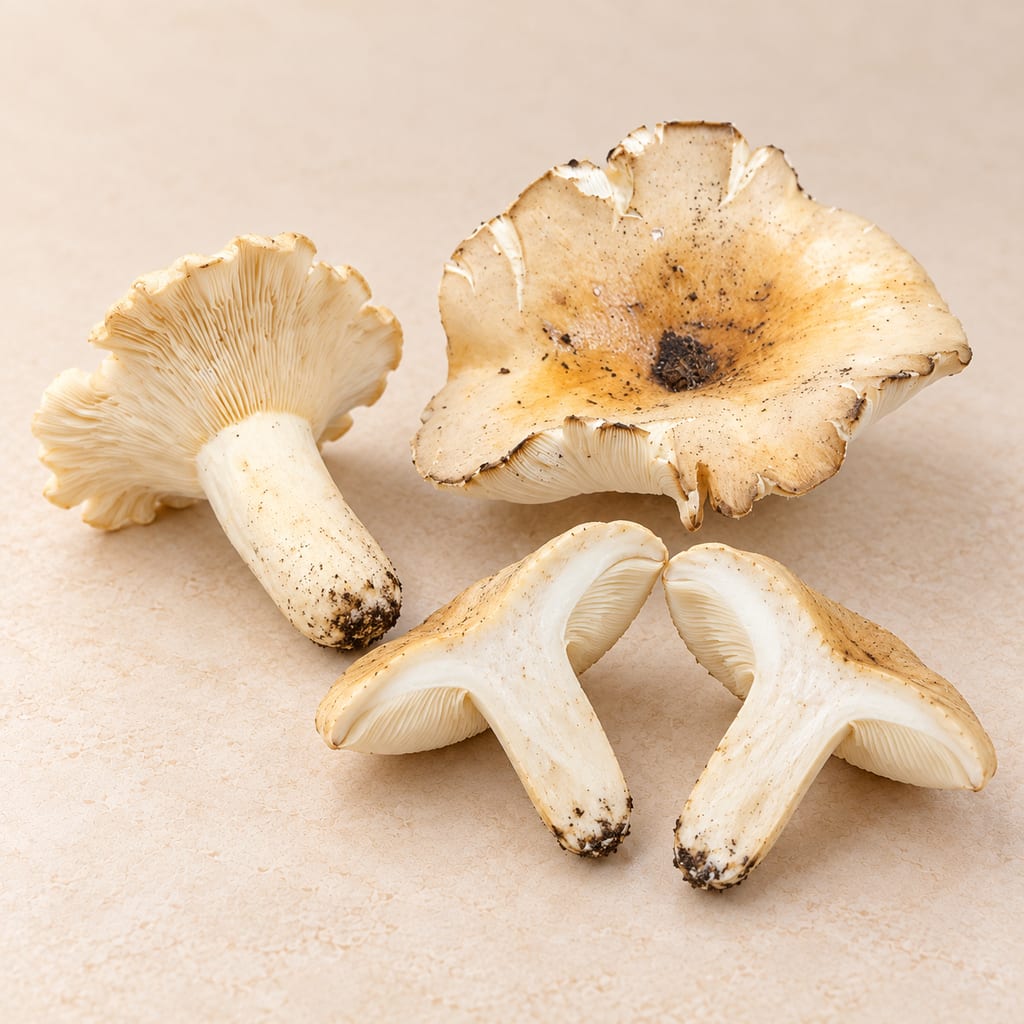
African milkcap, a wild ectomycorrhizal milkcap of woodland in central, eastern and southern Africa, recorded as an edible wild mushroom in regional inventories and food studies.
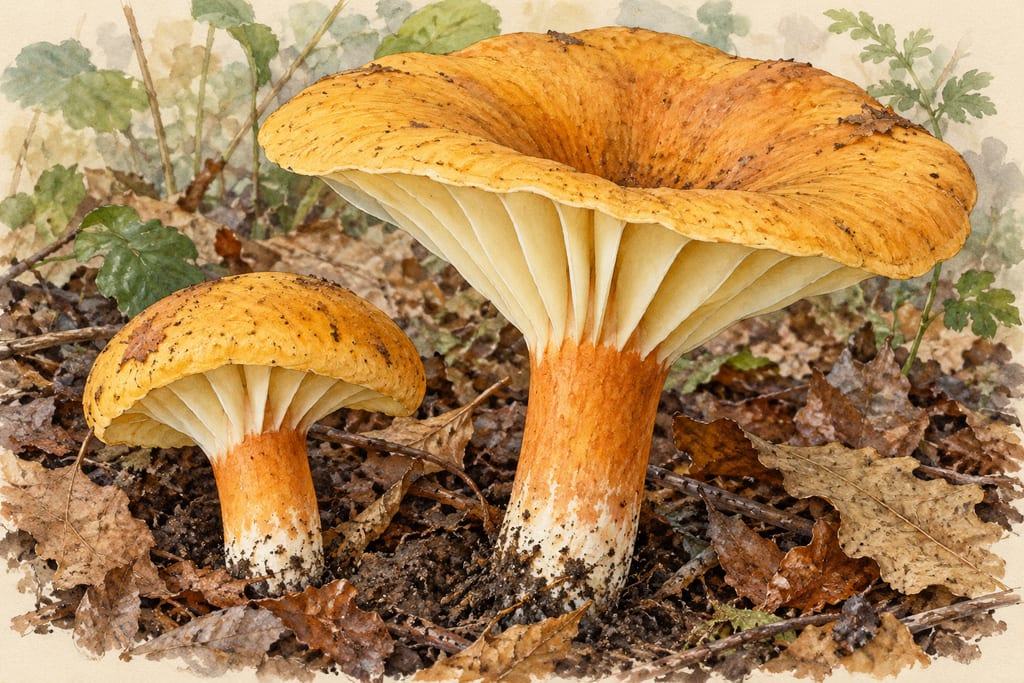
Lactifluus gymnocarpus is an African milkcap, a wild woodland mushroom of the Lactifluus group, recorded as an edible species in West and Central Africa.
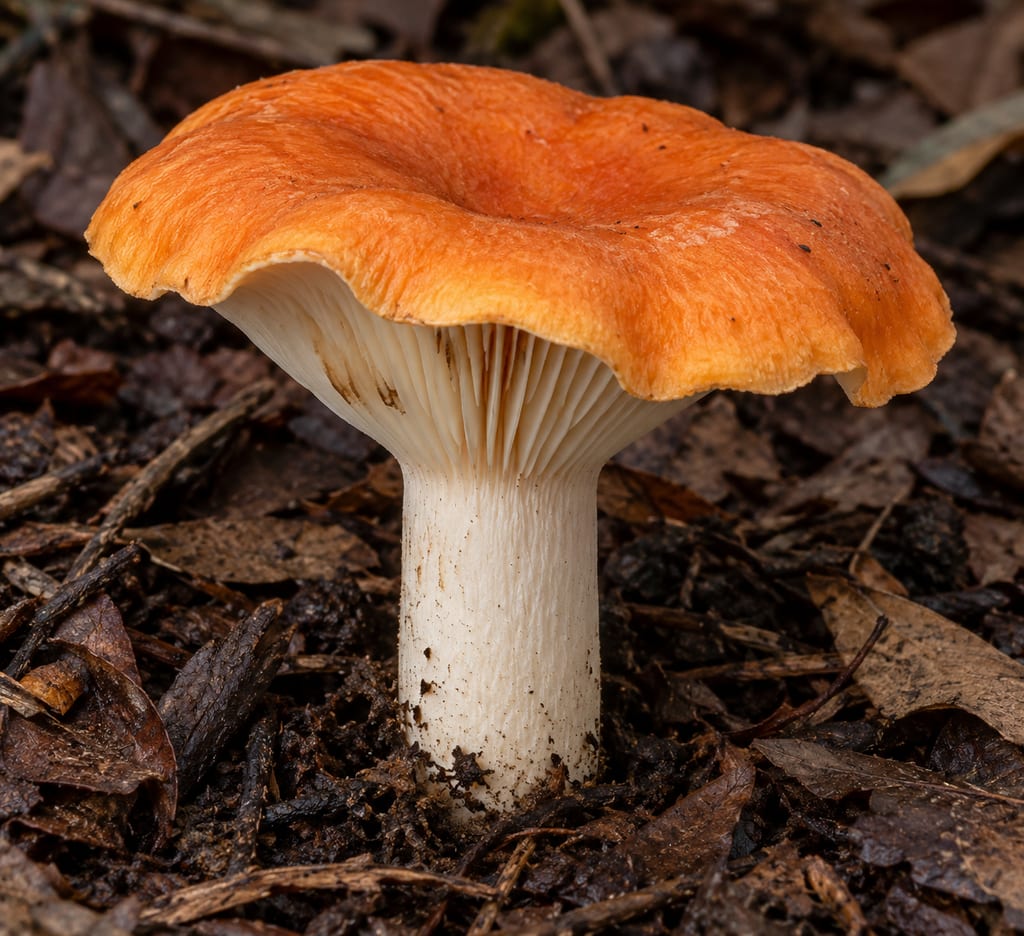
Lactifluus tanzanicus is a Tanzanian miombo milkcap. A 2020 Rungwa Corridor study records local food use and sales; this regional report does not establish identification or safety elsewhere.
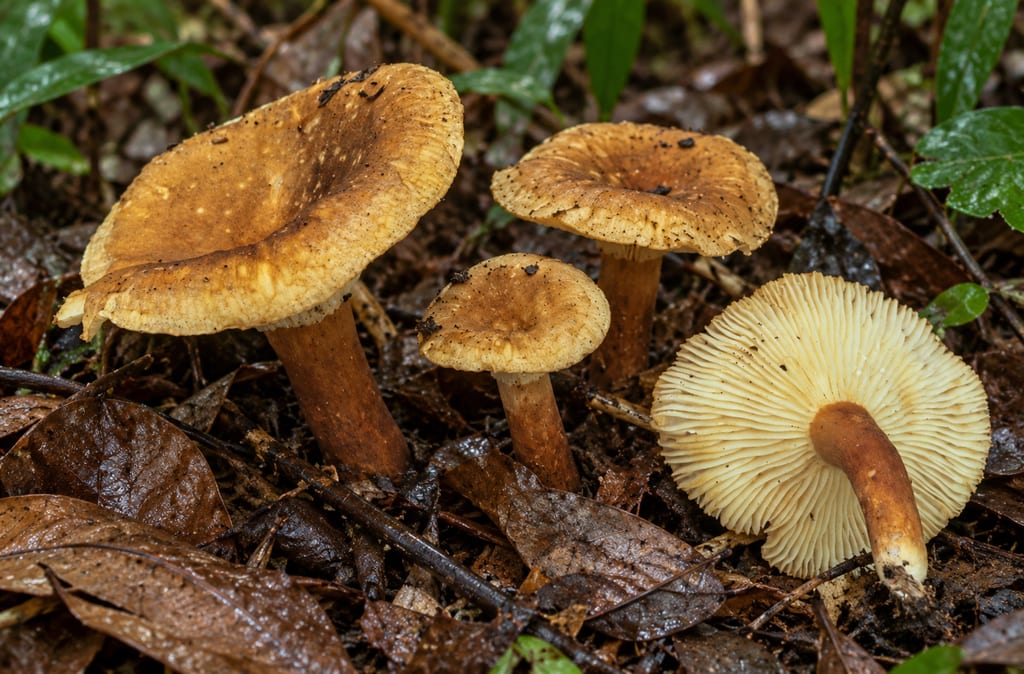
Lactifluus longipes is an African milkcap mushroom recorded in Cameroon, the DR Congo, Gabon and Togo. It is listed in an institutional inventory of edible species. Its identity, preparation and current safety are not settled by the sources.
Lactarius acutus is a wild ectomycorrhizal milkcap of the Tshopo rainforests in the DR Congo, recorded as locally eaten in voucher-backed interviews; its preparation is not recorded.
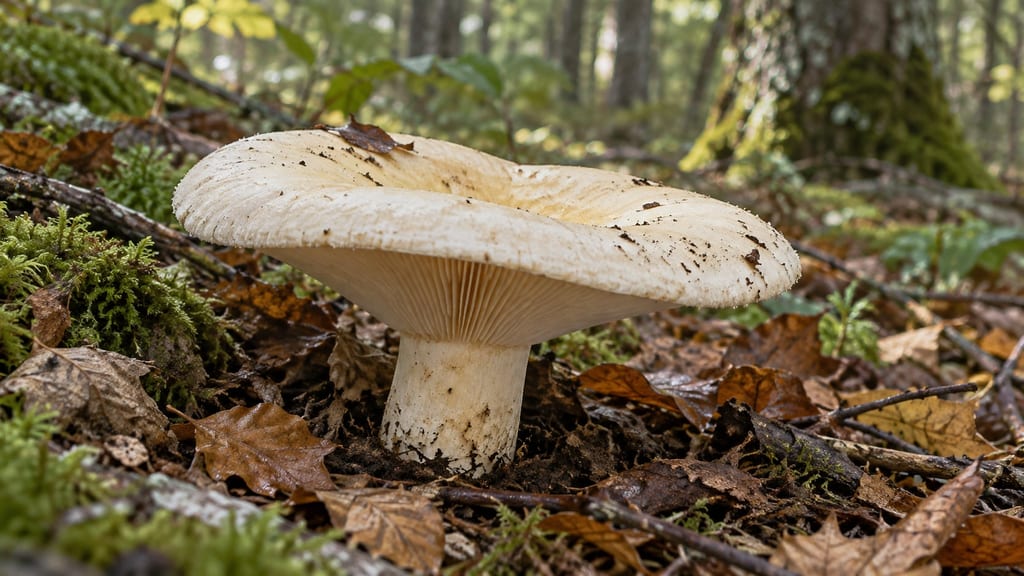
Lactifluus pilosus is a wild ectomycorrhizal milkcap recorded in Yunnan; the catalogue lists it as sold in Pu'er markets, but its species-level food use and safety are not yet confirmed.
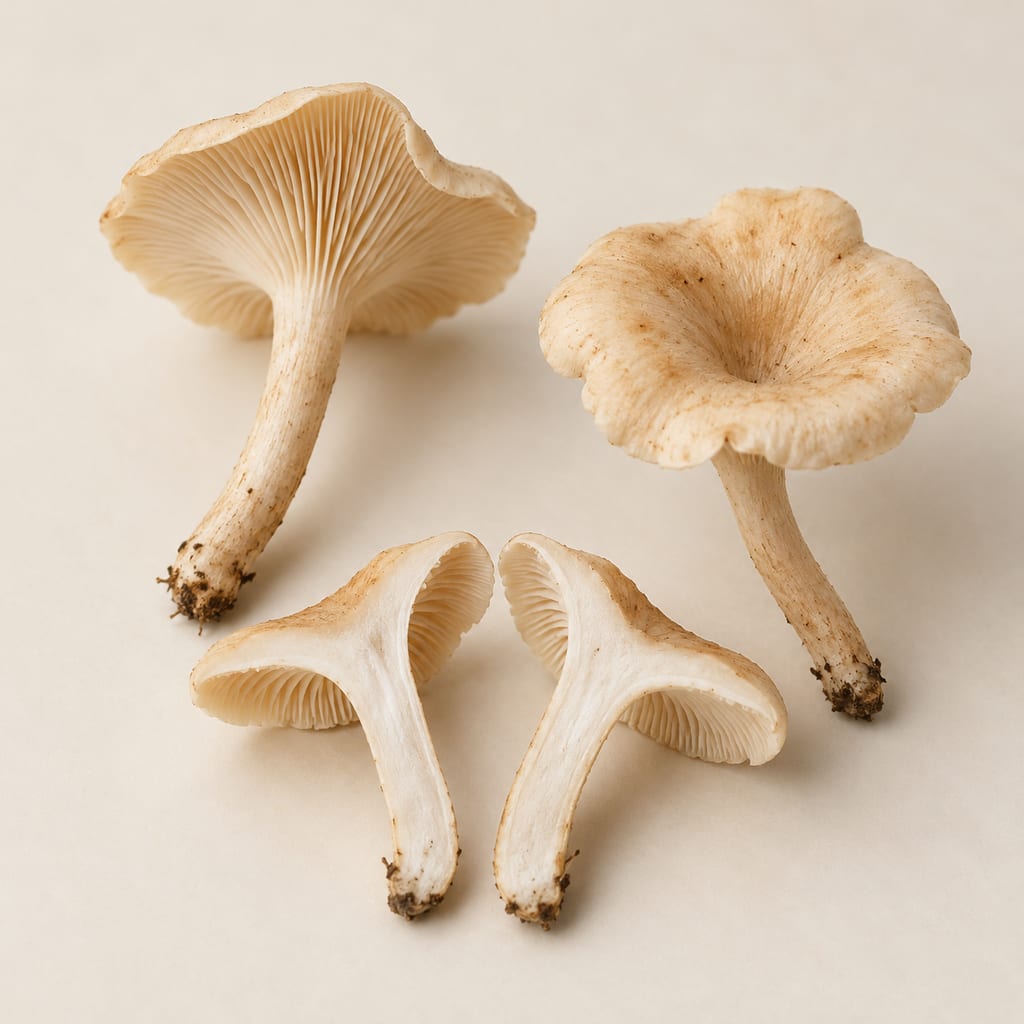
Lactarius tenellus is a small ectomycorrhizal milkcap of the Zambezian miombo woodlands of Africa, recorded in several countries but not established as a food by the sources consulted.