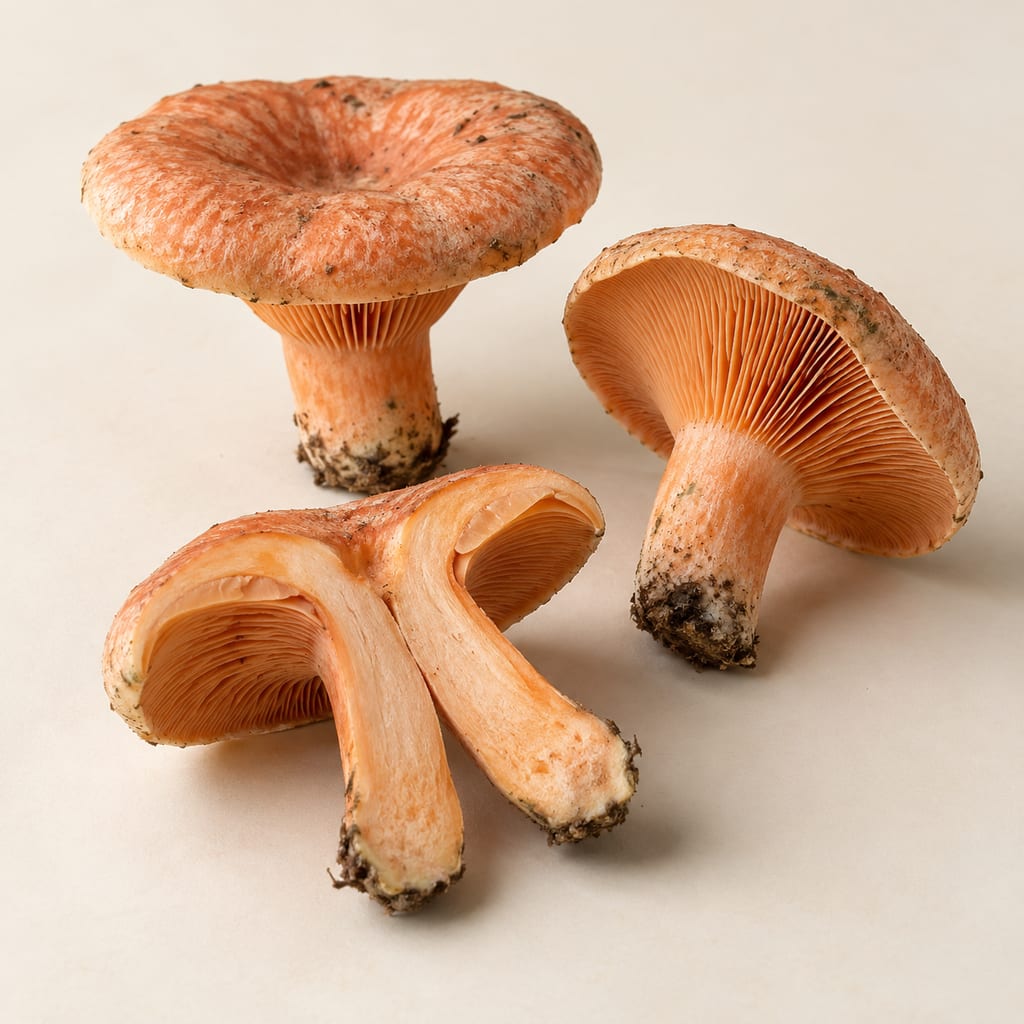
Akahatsu
Akahatsu, Lactarius akahatsu, is a wild milkcap of East Asian pine and mixed forests that is sold in Yunnan markets, with its edibility and identity still needing species-level review.
 FermenteaWhere food goes to change
Mushrooms
Scleroderma yunnanense is an earthball from Yunnan and parts of India that is eaten locally, but the genus contains poisonous species, and look-alike mix-ups have caused poisoning.
Scleroderma is the earthball genus. Its fruiting bodies are round to irregular, with a thick, tough outer skin, and they release their spores from inside as a dark powder when mature. Scleroderma yunnanense takes its name from the Chinese province of Yunnan, where it is recorded.
Earthballs look like puffballs when young and can be confused with them. The genus is the reason many guides warn against eating any round fungus without identification.
A 2023 Diversity paper describes Scleroderma yunnanense as a popular edible fungus. A 2024 study reports that local tribal communities in Meghalaya, India, prize it as food. These sources support a traditional edible reputation in Yunnan and parts of India.
No detailed preparation method is given. The species’ food-use label is still pending specialist review. The edible reputation is reported in the literature but not established by a verified preparation record.
The safety record for this genus is serious. In September 2019 in Chuxiong County, Yunnan, a Scleroderma cepa, which the authors say resembles the edible S. yunnanense, was misidentified as edible and eaten, and it caused poisoning. A case report on S. albidum describes muscarinic effects, including visual disturbance, slow heart rate and shock, and reports that gastric lavage within an hour of ingestion helped. The toxic compound in that case is unidentified.
The genus is mostly recorded as toxic in the literature, though some species have reported medicinal uses. A 2024 French thesis on poisonings from the genus notes that confusion with edible species remains common. Identification mistakes are the main risk, and the sources do not give a reliable field test that separates the edible species from the toxic ones.
The edibility of Scleroderma yunnanense is not settled by the literature. A 2025 taxonomic paper finds that a Yunnan species recorded as edible in a 1984 regional guide has no definitive evidence of edibility, because those records lack sequenced voucher collections. Whether the species named here is the same one used as food has not been confirmed by voucher sequences in the sources reviewed.
This page gives no edibility verdict. Wild earthballs should not be eaten without expert identification, and the poisoning record shows that a mistaken identification can cause serious illness.
The voucher-backed identity of the species used as food, the local names in Yunnan and Meghalaya, and the preparation methods are not established. A sequenced voucher study would resolve the first.
The species takes its name from Yunnan and is described there as a popular edible fungus. Traditional food use in the region is reported, not verified by voucher sequences.
Local tribal communities prize the species as food, according to the 2024 study.
Akahatsu, Lactarius akahatsu, is a wild milkcap of East Asian pine and mixed forests that is sold in Yunnan markets, with its edibility and identity still needing species-level review.
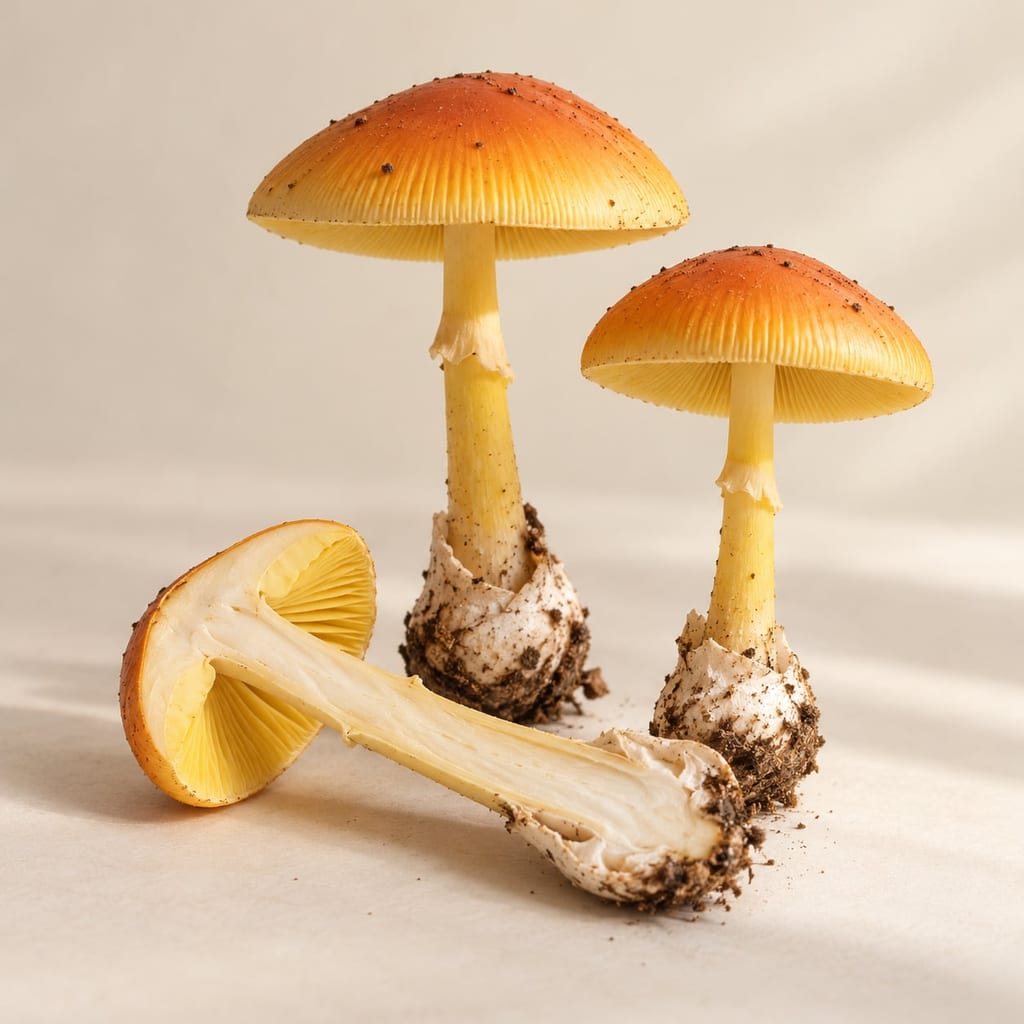
A wild Amanita of China, first reported there and listed as edible in a Yunnan ethnomycology study. The genus contains deadly species, so this page does not support identifying or eating it.
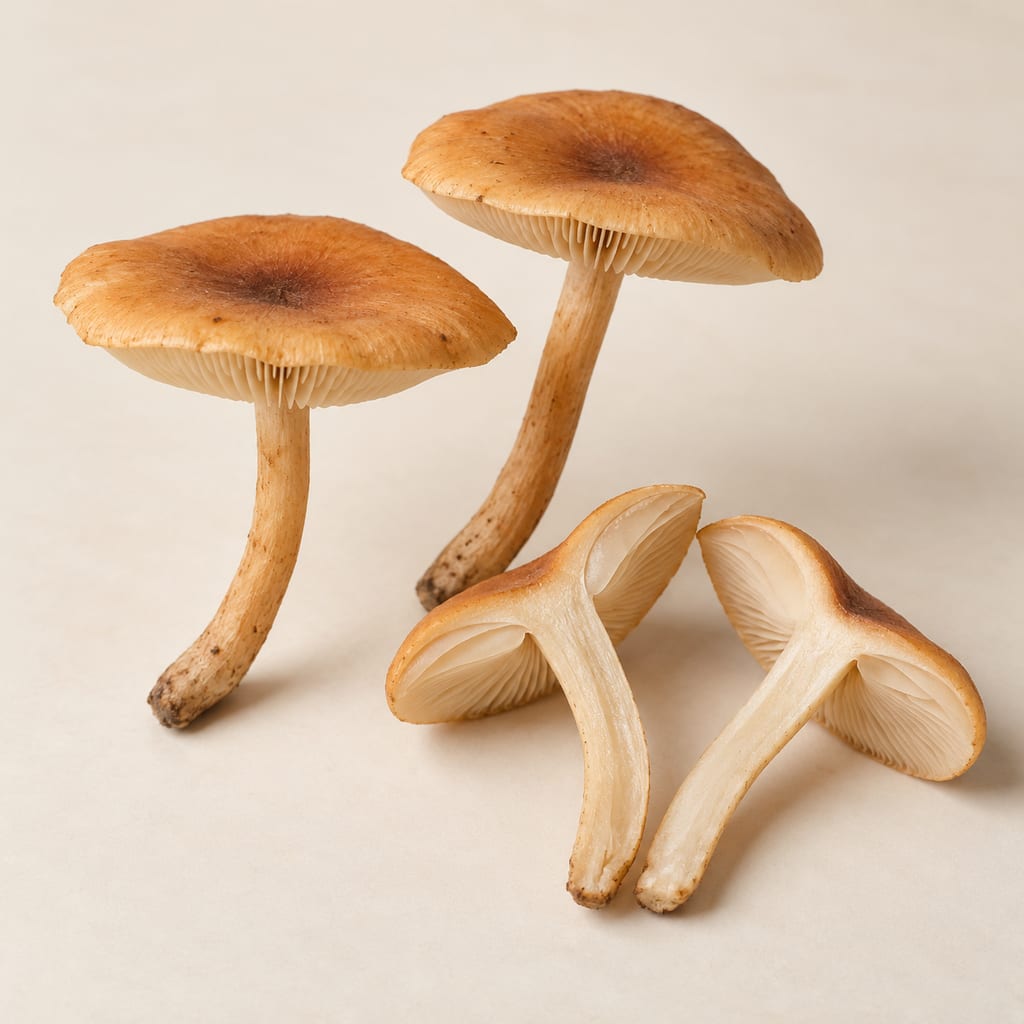
A wood-associated Armillaria recorded in Yunnan and Sichuan, China, and listed as edible in a 2026 Chinese catalogue.
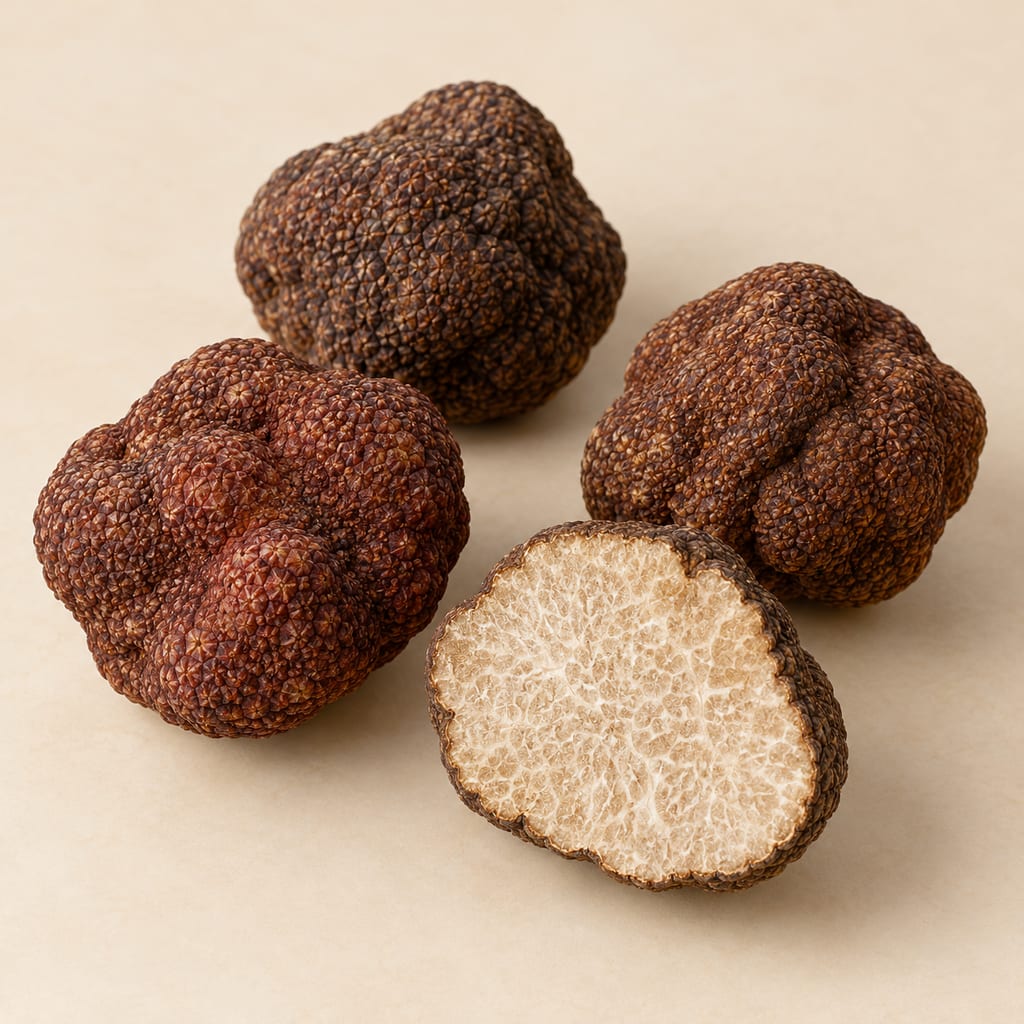
Tuber pseudohimalayense is a wild black truffle from Yunnan, China, listed as edible in a Chinese species catalogue. No independent assessment of its culinary use or safety is available.
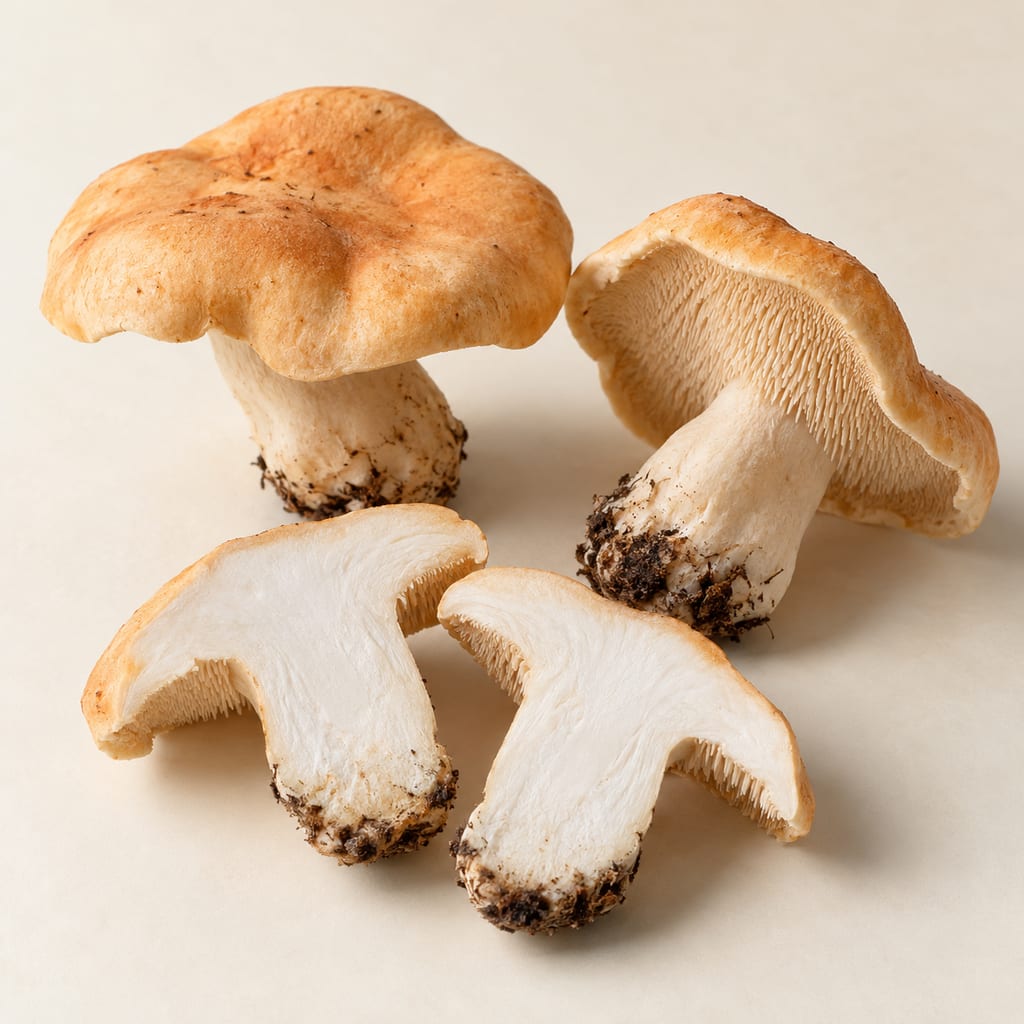
Hydnum berkeleyanum is a toothed, ectomycorrhizal forest fungus sold in food markets in Yunnan, China. Its regional identification is published, but its current name and local safety still need species-level review.
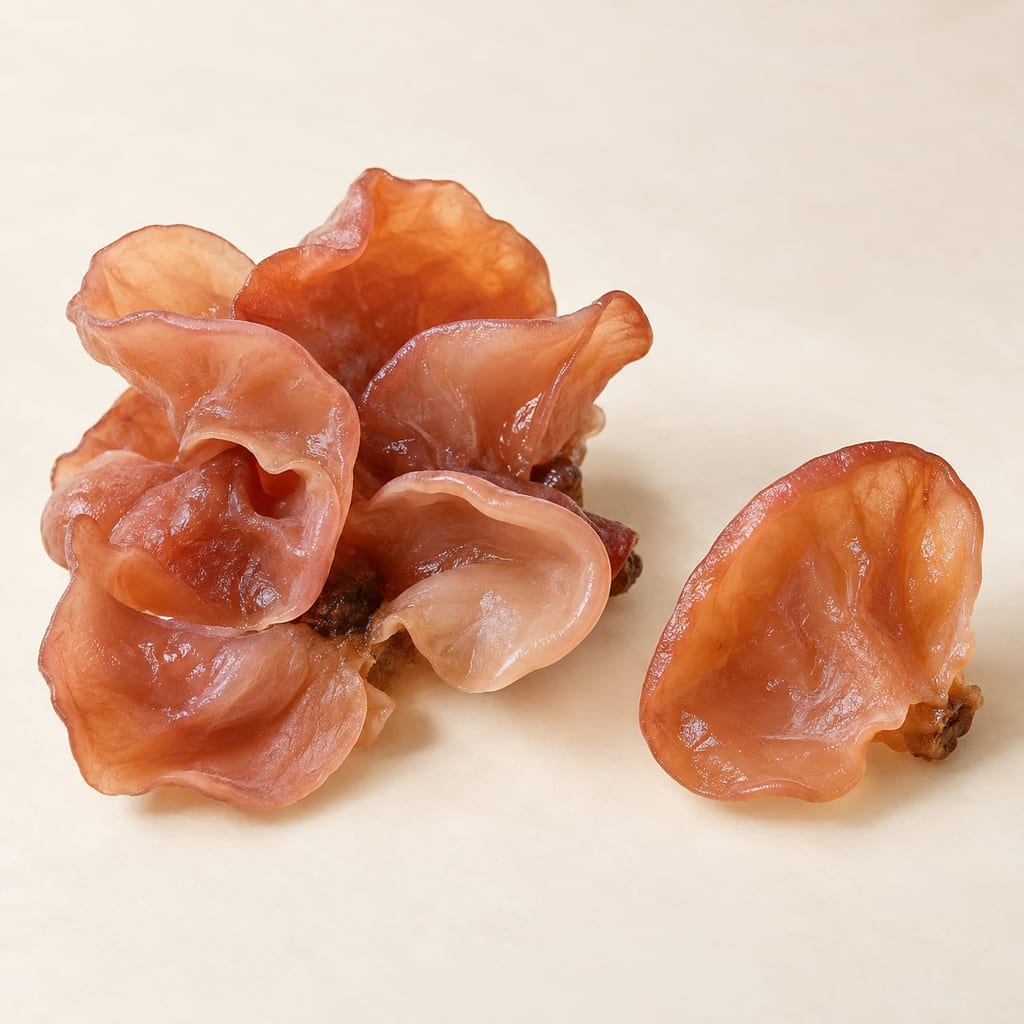
Auricularia thailandica is a thin, gelatinous wood ear described from Southeast Asian collections. Research reports it edible and experimentally cultivable, but species-specific recipes and everyday handling guidance are scarce.
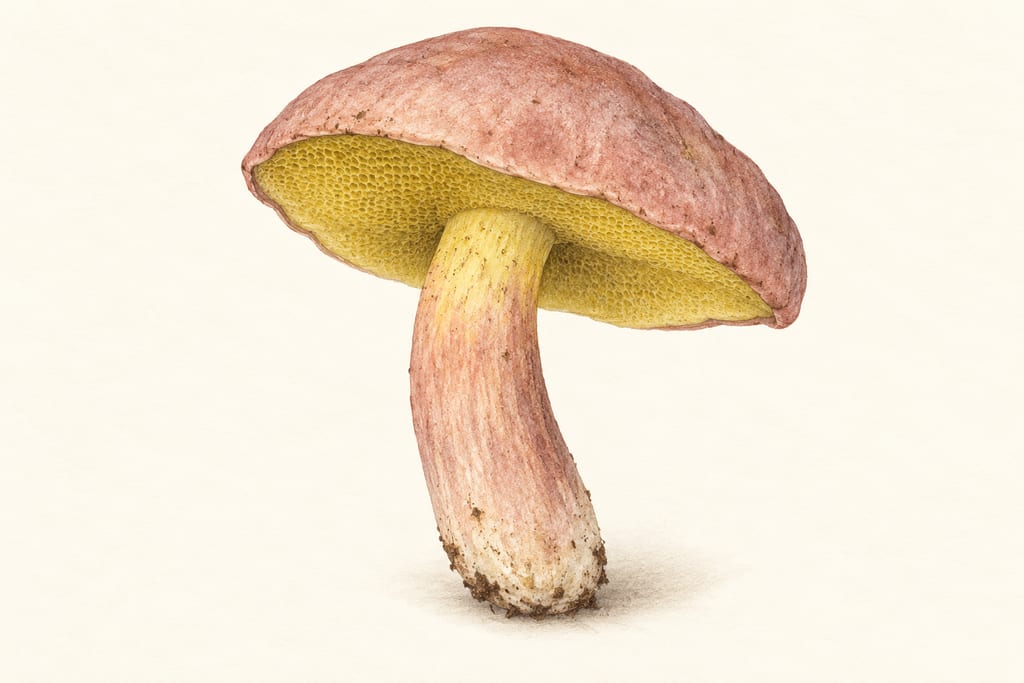
A 2023 Chinese taxonomic treatment accepts Boletellus indistinctus as a species. A separate Yunnan market record uses this name, but its specimen identification and local food safety have not been confirmed here.
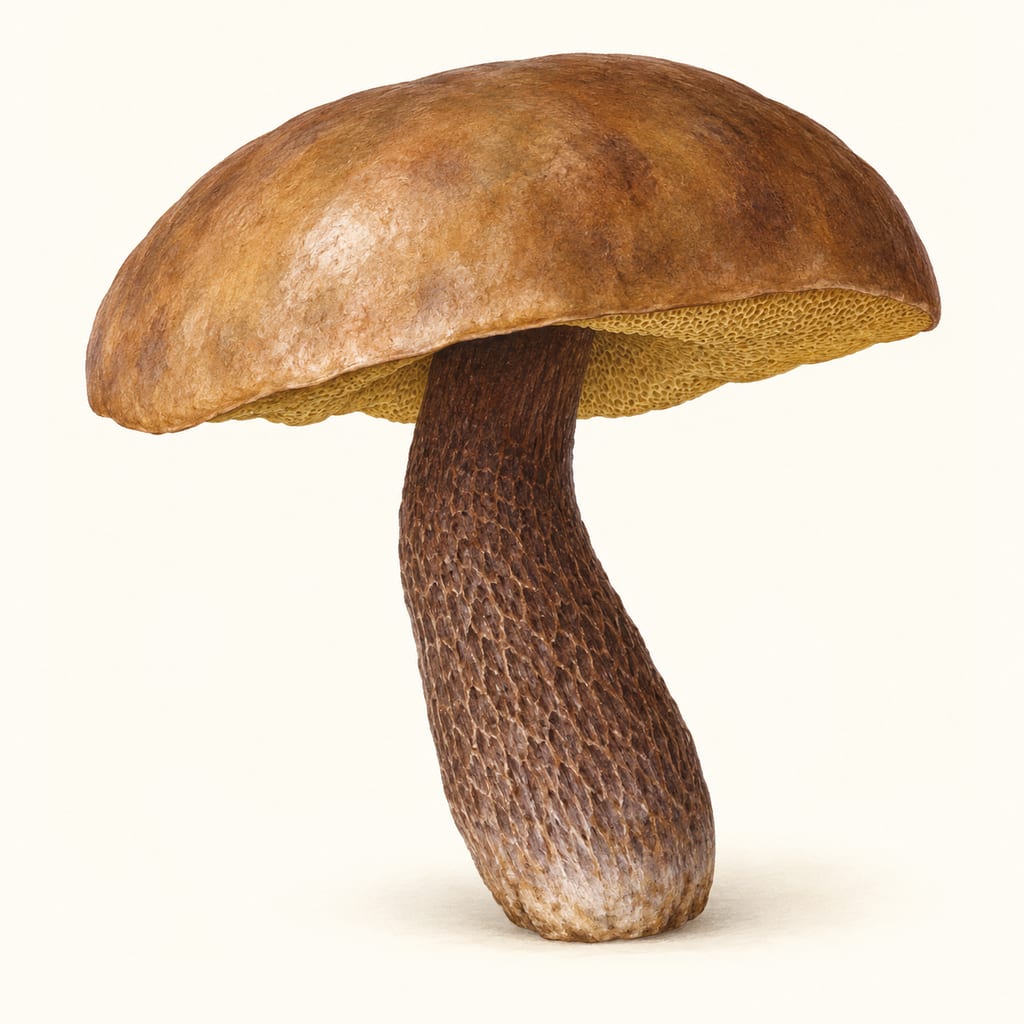
Boletus botryoides, the grape-coloured bolete, is a porcini-like wild bolete of central and south-western China. It is listed as edible in Chinese catalogues, but no dish or preparation is documented for it.

Soft, spreadable Calabrian pork sausage made with a great deal of red chilli and fatty pork, stuffed into natural casings, sometimes smoked and matured while staying soft.

A way to add independent temperature logging to an existing food dehydrator without changing its built-in controls or protections. It is a monitoring method, not a rewiring plan.

Pleurotus cystidiosus is the abalone mushroom, a cultivated oyster-type fungus with dark brown caps that grows more slowly and is more demanding than other Pleurotus species.

A dark, balanced vinegar from Emilia-Romagna made by combining cooked or concentrated grape must with wine vinegar, then acetifying and refining it in wood under a protected specification.

A living dairy inoculum that starts controlled cream fermentation, developing acidity and aroma before sour cream or cultured butter is finished.

A small electric incubator holds jars at a selected temperature for yogurt and other documented warm food preparations. Controls, capacity and vessel arrangement vary by model.

Adygean salt is a seasoned table salt associated with Adygea and the wider North Caucasian culinary tradition. Salt is blended with garlic and a variable selection of herbs and spices; the exact mix depends on the named style and maker.

The African Caesar-group mushroom, Amanita masasiensis, is a wild ectomycorrhizal species of central and southern African woodlands, eaten locally. The genus contains deadly poisonous species, so identification needs care.
No community contributions have been published for this entry yet.
Sign in to contribute. Published comments and photos are free to read.
MDPI DiversityFood use · Identity
2023 Diversity paper on Scleroderma, describing Scleroderma yunnanense as a popular edible fungusScleroderma yunnanense described as a popular edible fungus.
Cited in: What it is; Food use in Yunnan and India
Czech MycologyFood use · Culture
2024 study of wild food fungi used by tribal communities in Meghalaya, India, Czech MycologyLocal tribal communities in Meghalaya, India, prize the species as food.
Cited in: Food use in Yunnan and India
Zhongguo shipin weisheng zazhi (DOAJ record)Safety
Poisoning incident, Chuxiong County, Yunnan, September 2019, Chinese Journal of Food HygieneIn September 2019 a Scleroderma cepa, which the authors say resembles the edible S. yunnanense, was misidentified as edible and eaten, causing poisoning in Chuxiong County, Yunnan.
Cited in: Poisoning and look-alikes; Edibility evidence and limits
PubMed CentralSafety
Case report of Scleroderma albidum poisoning with muscarinic effectsMuscarinic effects including visual disturbance, bradycardia and shock; gastric lavage within an hour helped; the toxic compound is unidentified.
Cited in: Poisoning and look-alikes
Scientia FungorumSafety · Food use
Scleroderma review, Scientia FungorumThe genus is mostly recorded as toxic in the literature, though some species have reported anti-inflammatory or haemostatic uses.
Cited in: Poisoning and look-alikes
ZenodoIdentity · Food use
2025 taxonomic paper on Yunnan Scleroderma recordsA Yunnan species recorded as edible in a 1984 regional guide lacks definitive evidence of edibility, because the records lack sequenced voucher collections.
Cited in: What it is; Edibility evidence and limits; Notes
PubMed Central, as suppliedFood use
Food-use record supplied in the fungi catalogue (entry F-4bad477fb426)Catalogue entry for Scleroderma yunnanense with a supplied food-use label pending specialist review.