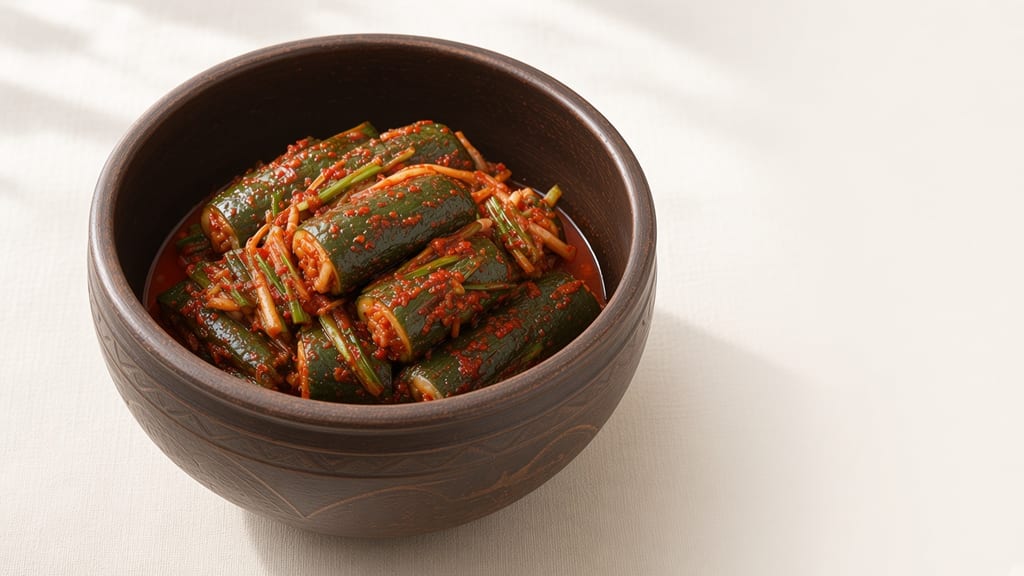
Hwanggwa damjeo (1766 cucumber kimchi with chilli)
Hwanggwa damjeo is a cucumber kimchi from Yu Jung-rim's Jeungbo sallim gyeongje of 1766. Slit cucumbers are packed with chilli powder and garlic, scalded with hot salted water and sealed overnight.
 FermenteaWhere food goes to change
Korean kimchi · Kimchi starter cultures
Kimchi is a Korean preserved vegetable food, most often cabbage, salted and seasoned, then fermented by the lactic acid bacteria that arrive with the vegetables. Some studies test added starter cultures, but a home jar is usually spontaneous.
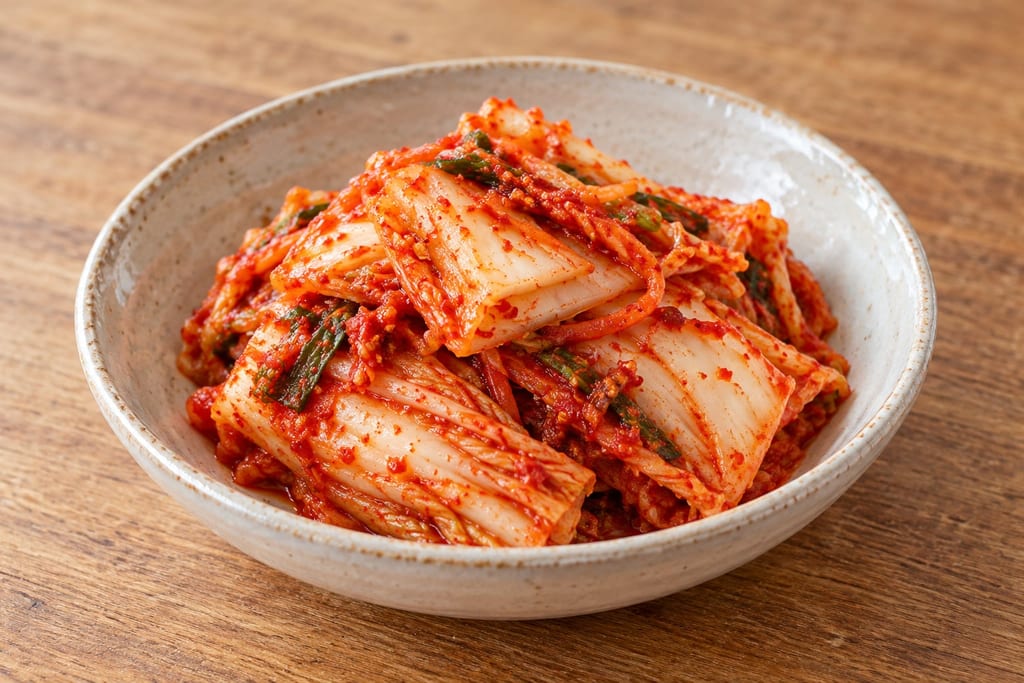
Kimchi is a family of Korean preserved vegetable foods. Cabbage is the best-known base, and the seasoning includes garlic, green onion, chilli pepper and salt, often with other vegetables such as radish. Its character comes from the sour, salty and spicy balance that builds as the vegetables ferment.
Most home kimchi is made without a starter. The vegetables, salt and seasoning carry lactic acid bacteria into the jar, and the community changes as the ferment proceeds. A separate question, which laboratory studies have explored, is whether a selected culture can steer that change. The answer depends on the exact organism, the mixing ratio and the vegetables used, so one starter does not describe all kimchi.
One study tested Leuconostoc mesenteroides B1 in baechu, which is Chinese cabbage kimchi, and in chonggak, which is radish kimchi. It compared preparations with and without the starter and reported changes in the bacterial groups, sugar use and metabolites. The abstract describes this one strain in two preparations, so it is not a formula for kimchi in general.
A second model study mixed Leuconostoc mesenteroides with Lactobacillus sakei, now classified as Latilactobacillus sakei, at different ratios. The model fermentation ran at 15 °C for 72 hours. Its abstract reports ratio-related differences in pH, viable-cell increase and measured metabolites. The full methods were not available in the captured page, and the study is a model system, not guidance for home dosing.
The Oregon State Extension recipe salts and rinses the cabbage, combines it with the other vegetables and seasonings, packs the mixture into a quart jar, and lets it ferment at room temperature before refrigerating. It adds no starter. The directions suit a spontaneous ferment, and the source offers no method for keeping a culture from one batch to the next.
The Extension page gives two timings that do not match. Its recipe directions say one to four days at room temperature. Its general text says one to two days, or more slowly in the refrigerator. Both are preserved here. A reviewer should resolve them before the recipe is treated as final.
The recipe needs a bowl and colander for salting and rinsing, utensils for cutting and mixing, and a quart jar. It does not call for a calibrated pH meter or an airlock. The laboratory instruments used in the starter studies belong to research and are not household requirements.
Smell, bubbles and a single pH reading do not establish that a jar is safe. The source's general advice is about cleanliness and refrigeration. A validated home control plan is not in the sources reviewed for this record.
The UNESCO listing of Kimjang, the Korean practice of making and sharing kimchi, was inscribed in 2013. The listing describes a yearly cycle of collective preparation with late autumn as the Kimjang season. It does not establish an origin date for kimchi or for commercial starter cultures.
Yield 3 cups
No source in this record establishes a place.
Hwanggwa damjeo is a cucumber kimchi from Yu Jung-rim's Jeungbo sallim gyeongje of 1766. Slit cucumbers are packed with chilli powder and garlic, scalded with hot salted water and sealed overnight.
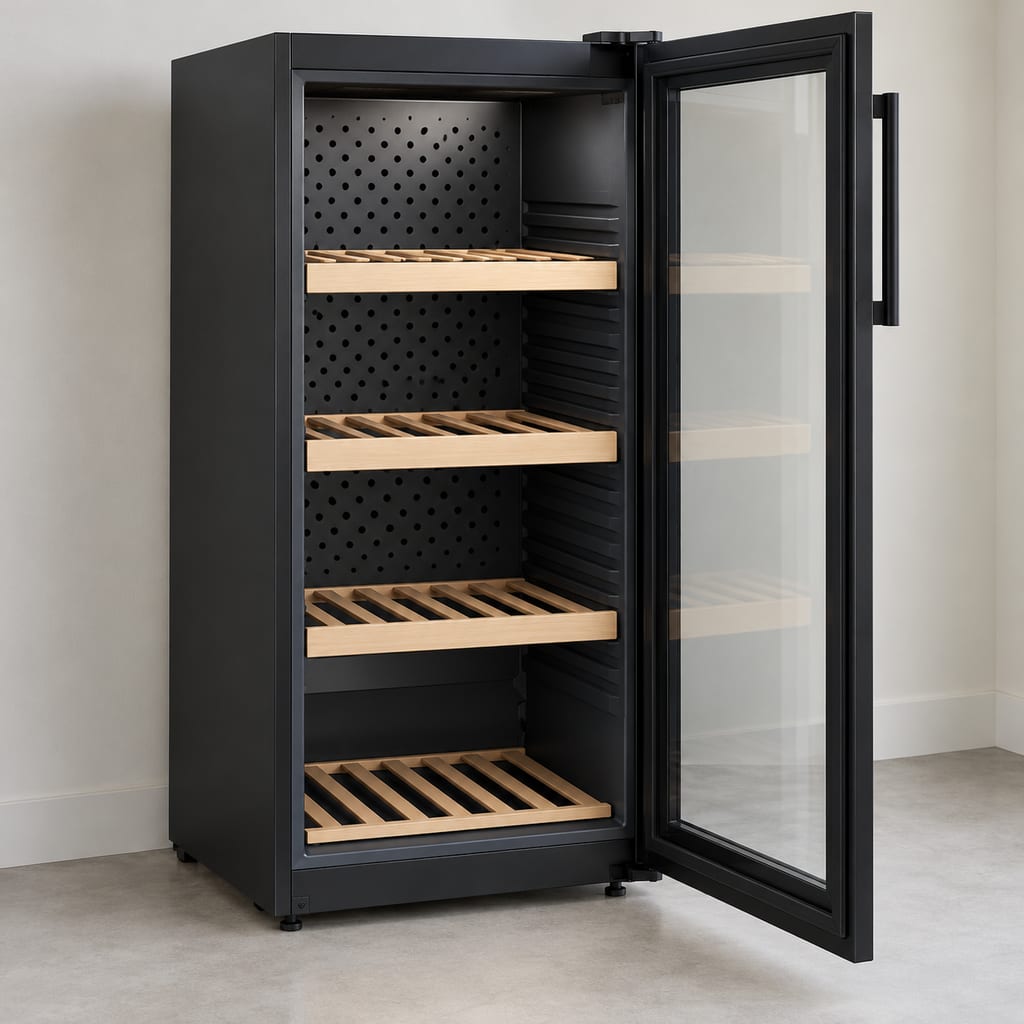
A refrigerator or wine cabinet can provide a cool enclosure for holding or ripening food, but it does not control every condition a ferment or cheese needs. Check temperature, humidity, airflow and cleanable food containers separately.

The INKBIRD ITC-308 is a plug-in, probe-led temperature controller with separate heating and cooling outputs. Its relays switch compatible appliances; they do not heat, cool or validate the food themselves.
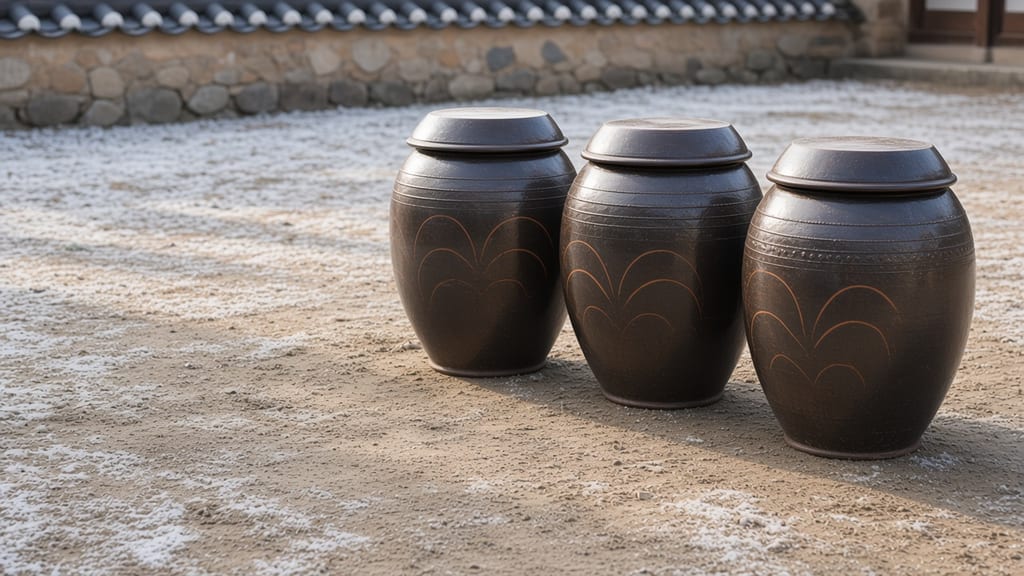
In 1766 chilli entered a Korean kimchi recipe for the first time. Joseon households made winter kimchi in late autumn and kept it in onggi jars buried in straw, at a few degrees above freezing until spring.
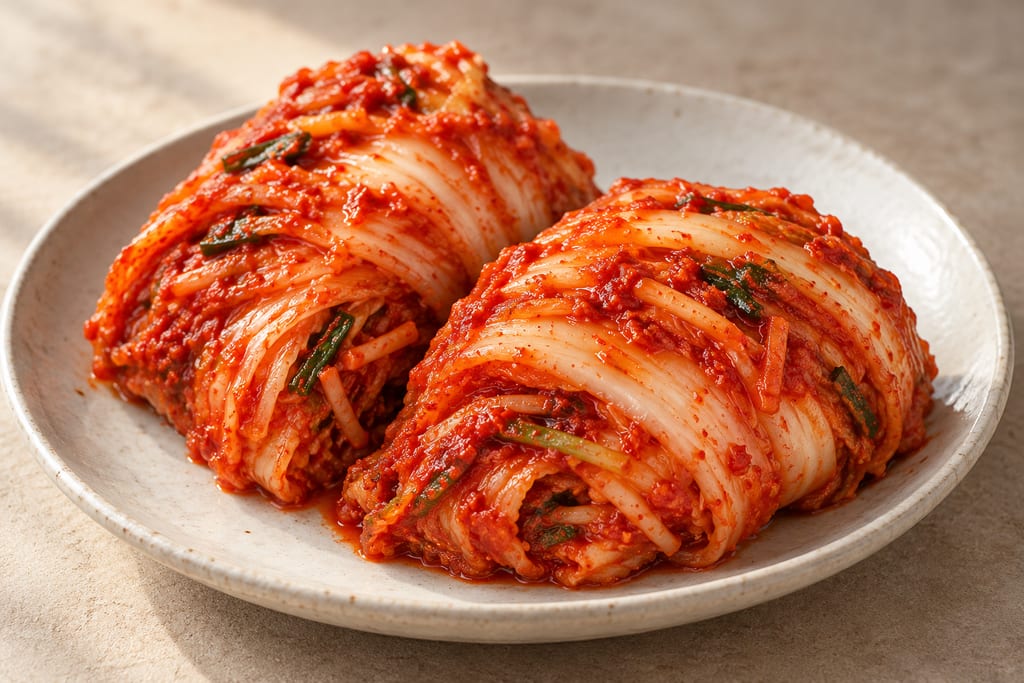
Napa cabbage salted, seasoned with a paste of gochugaru, garlic, ginger and salted seafood, and left to sour through lactic fermentation; Korea's everyday winter preserve.
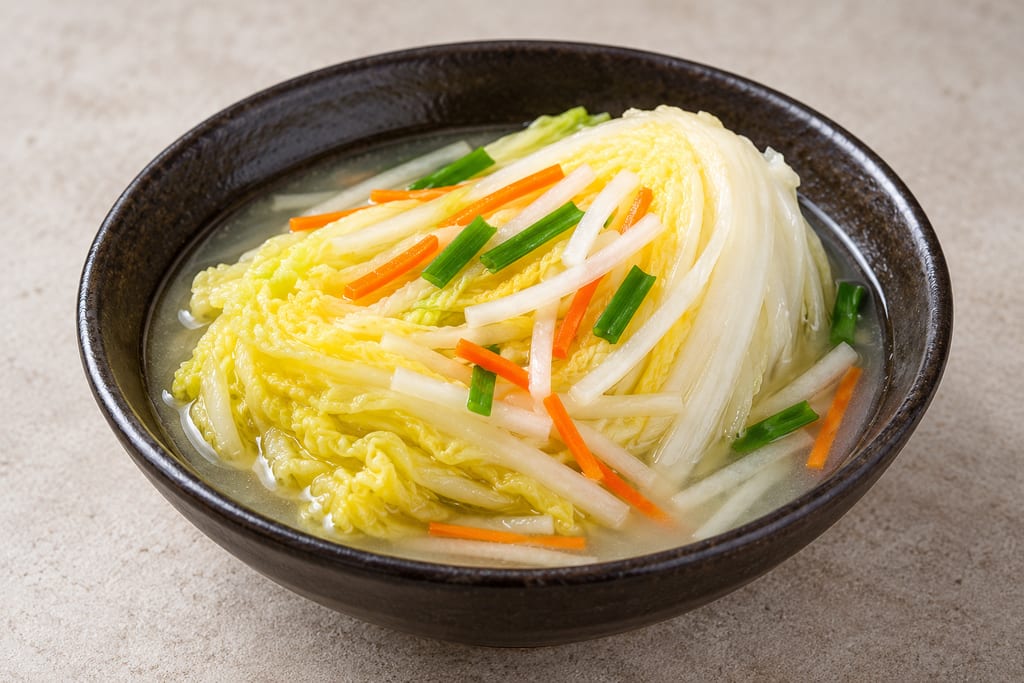
Napa cabbage is brined and filled with pear, radish, alliums, chives and fruit; this Korean kimchi omits red pepper flakes.
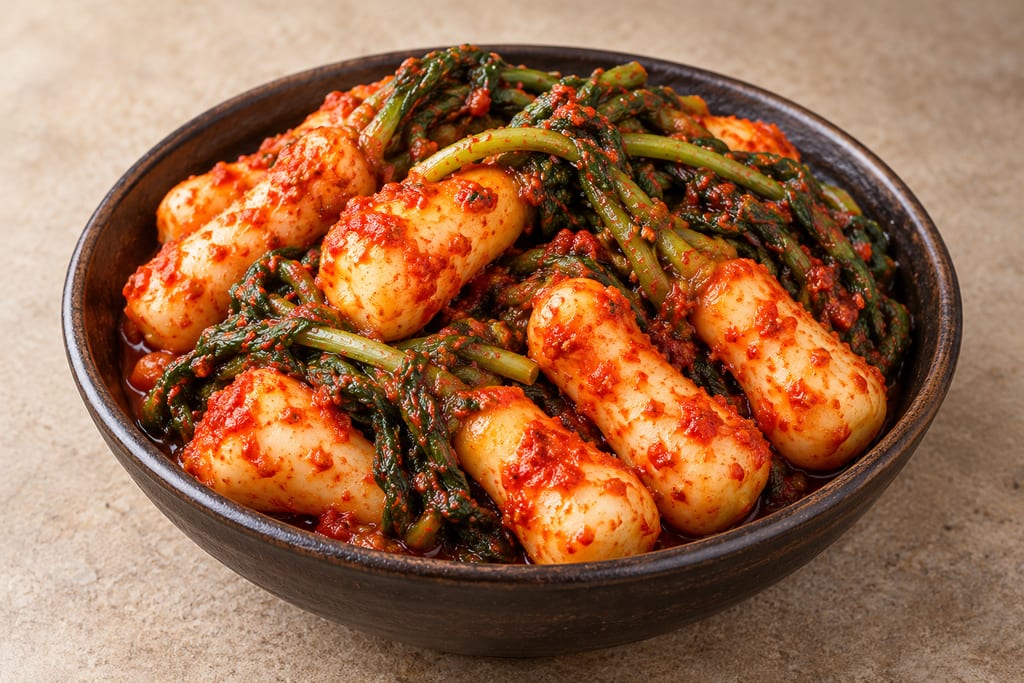
Small ponytail radishes keep their greens attached and ferment in a flour-and-chile seasoning paste.
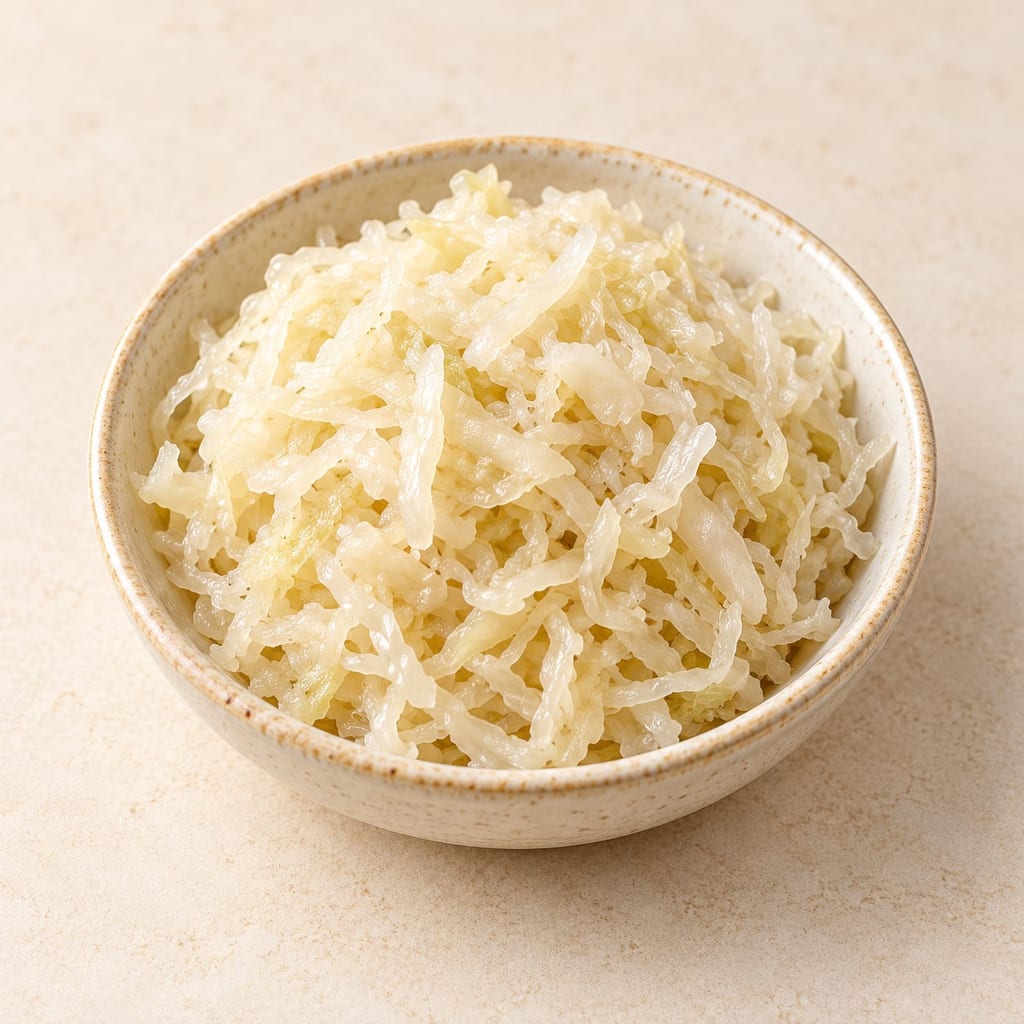
Finely cut cabbage fermented with salt in vats by natural lactic fermentation, a protected Alsatian product sold raw or cooked after fermentation.
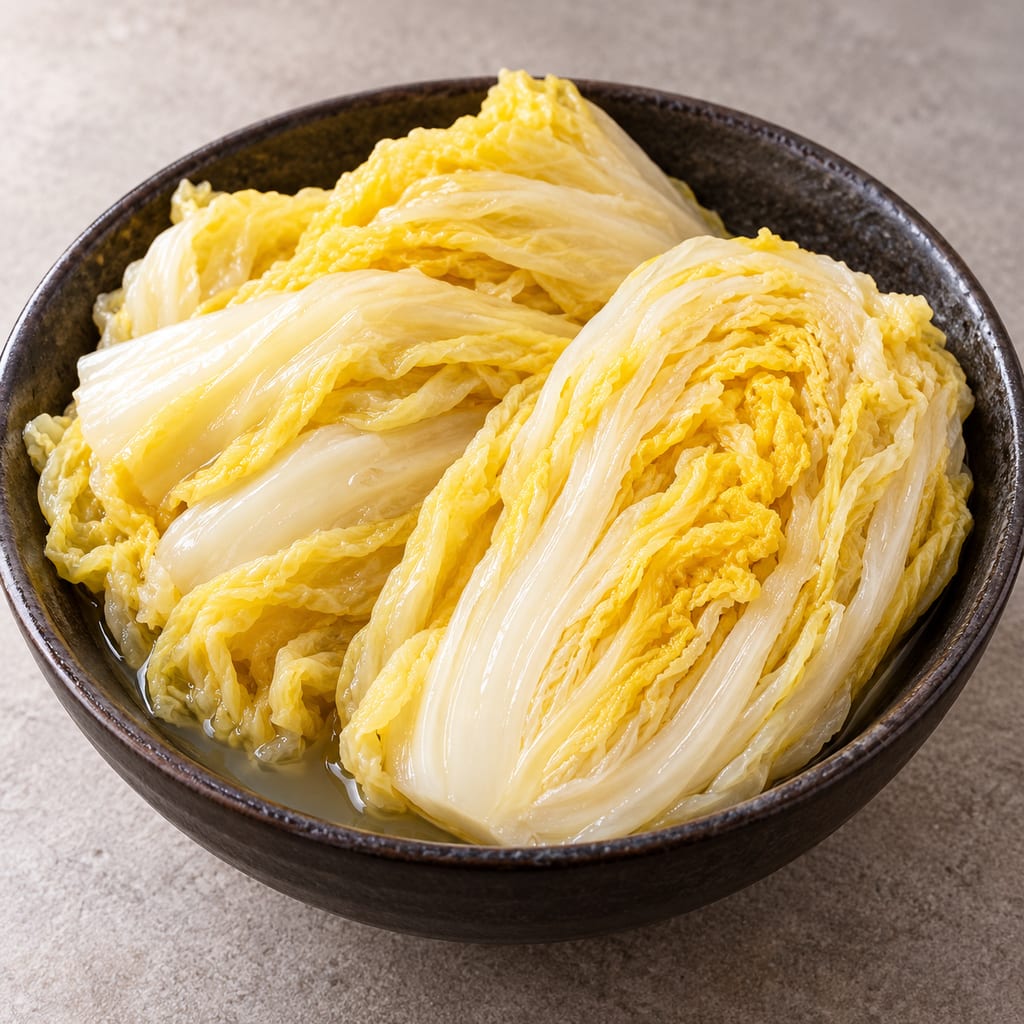
Napa cabbage fermented in a salt brine in Northeast China, traditionally in large ceramic or glass jars, until it turns sour.
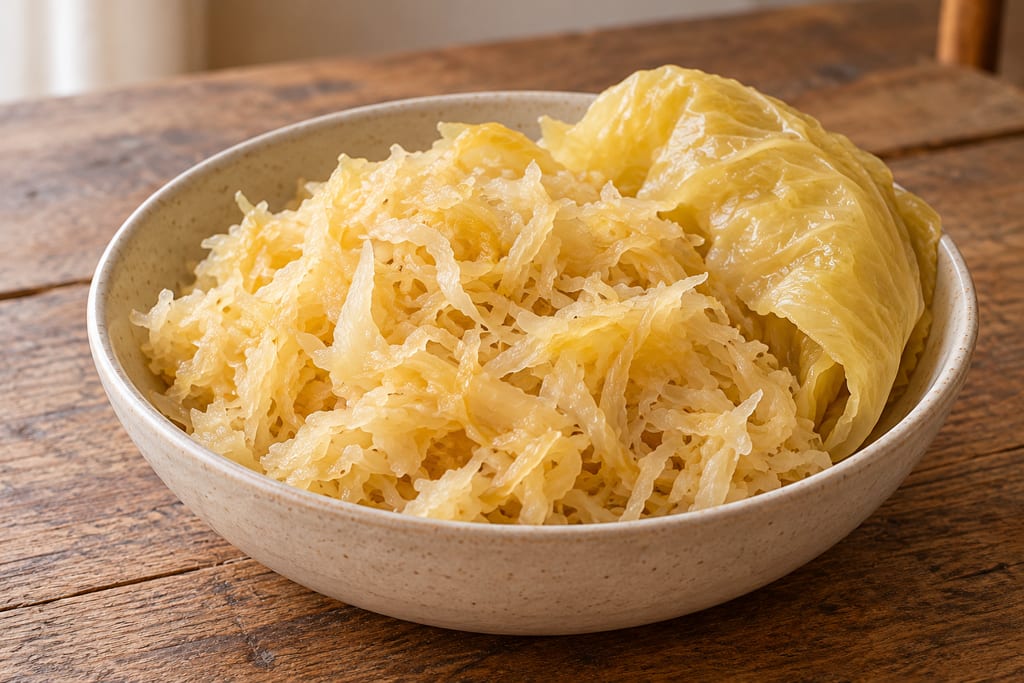
Serbian sour cabbage from the Futog area, made from the autochthonous Futoški cabbage population and registered as a protected product in 2008. It is a subset of general Serbian kiseli kupus.
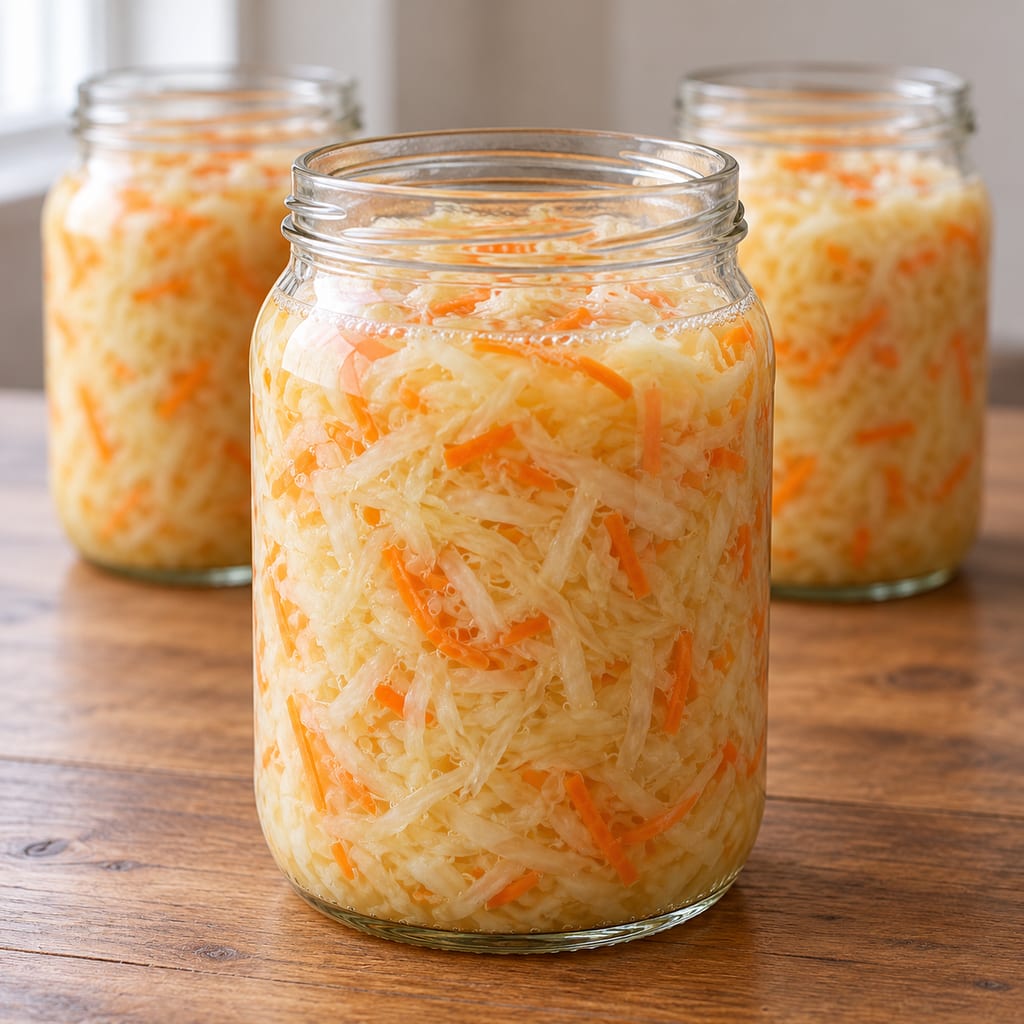
Shredded cabbage and grated carrot are salted to 20 g/kg, rested, packed into three jars and monitored during a creator-reported eight-day fermentation; measured temperature is not given.
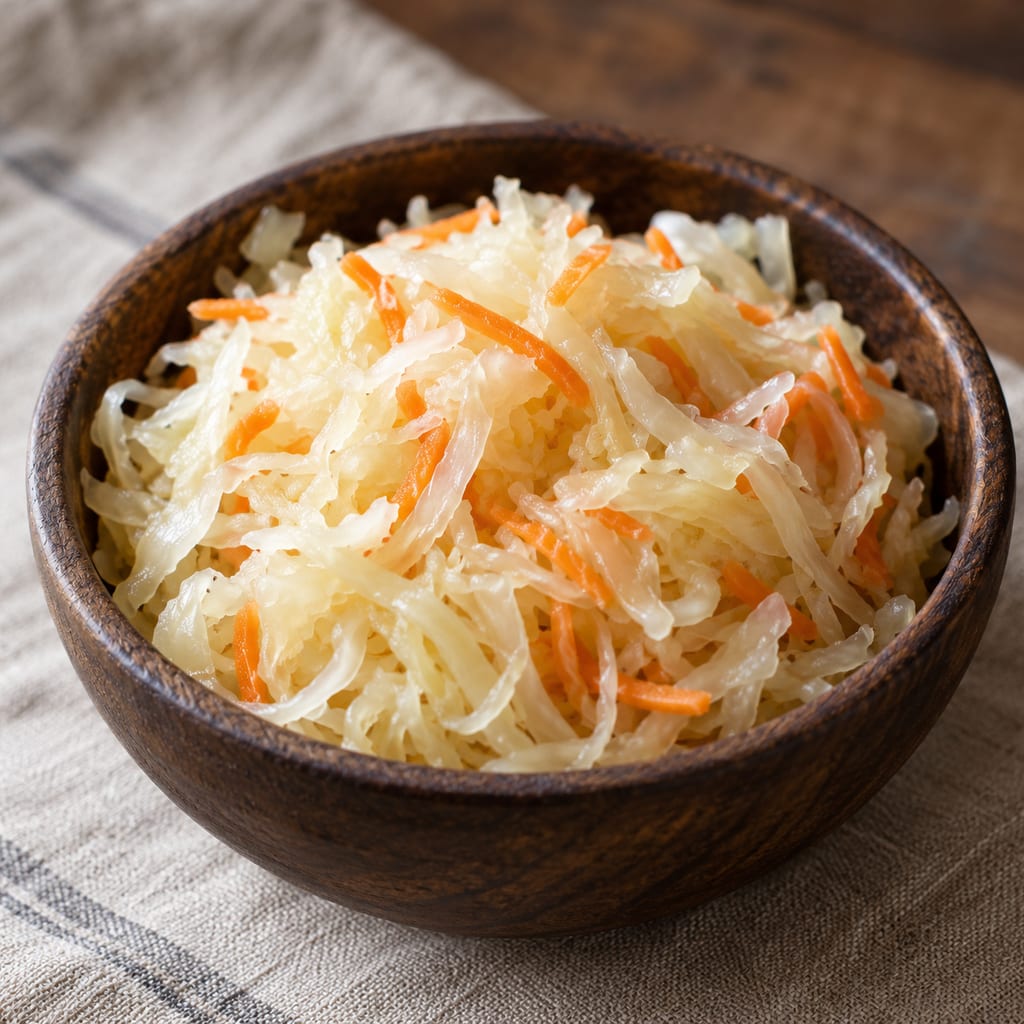
Kapusta kiszona z beczki is barrel-fermented cabbage from the Kołobrzeg area, entered on Poland’s List of Traditional Products in 2008. It is salted and fermented, with raw grated carrot added after souring.
No community contributions have been published for this entry yet.
Sign in to contribute. Published comments and photos are free to read.
Oregon State University ExtensionMethod
Kimchi basicsFormula ingredients, salting and rinsing, jar packing, room-temperature and refrigerator timing, and refrigerated storage quality guidance.
Cited in: A preserved vegetable food with a starter question; Making it at home without a starter; Equipment and what to watch
International Journal of Food Microbiology / ElsevierScience · Starter cultures
Effects of Leuconostoc mesenteroides starter cultures on kimchiTests selected Leuconostoc mesenteroides cultures in baechu and chonggak kimchi and reports community and fermentation changes. Specific strains and product types; not a universal kimchi flora or safety process.
Cited in: What the starter studies test