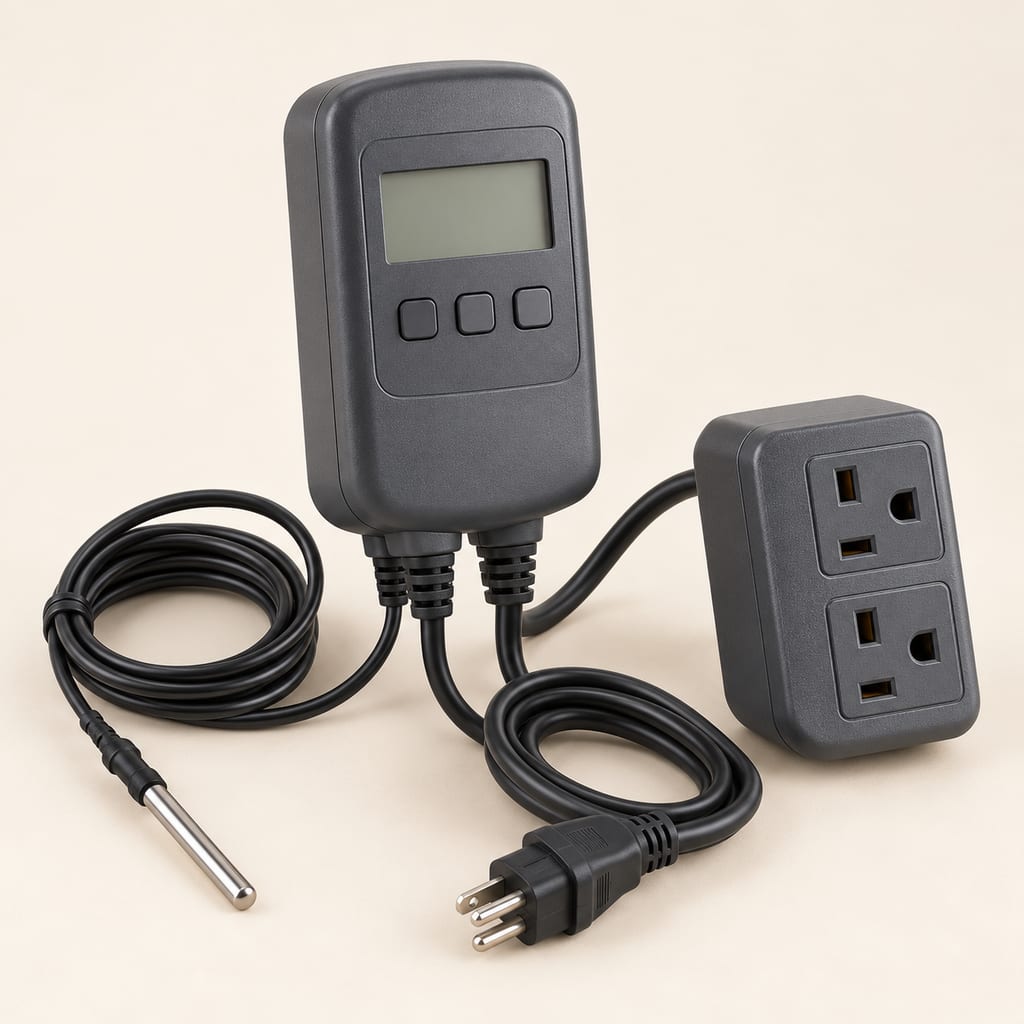
Plug-in temperature controller
A plug-in controller reads a wired probe and switches compatible heating or cooling appliances around a setpoint. It adds feedback; it is not itself a heater, cooler or validated food process.
 FermenteaWhere food goes to change
Equipment · Instruments
The INKBIRD ITC-308 is a plug-in, probe-led temperature controller with separate heating and cooling outputs. Its relays switch compatible appliances; they do not heat, cool or validate the food themselves.
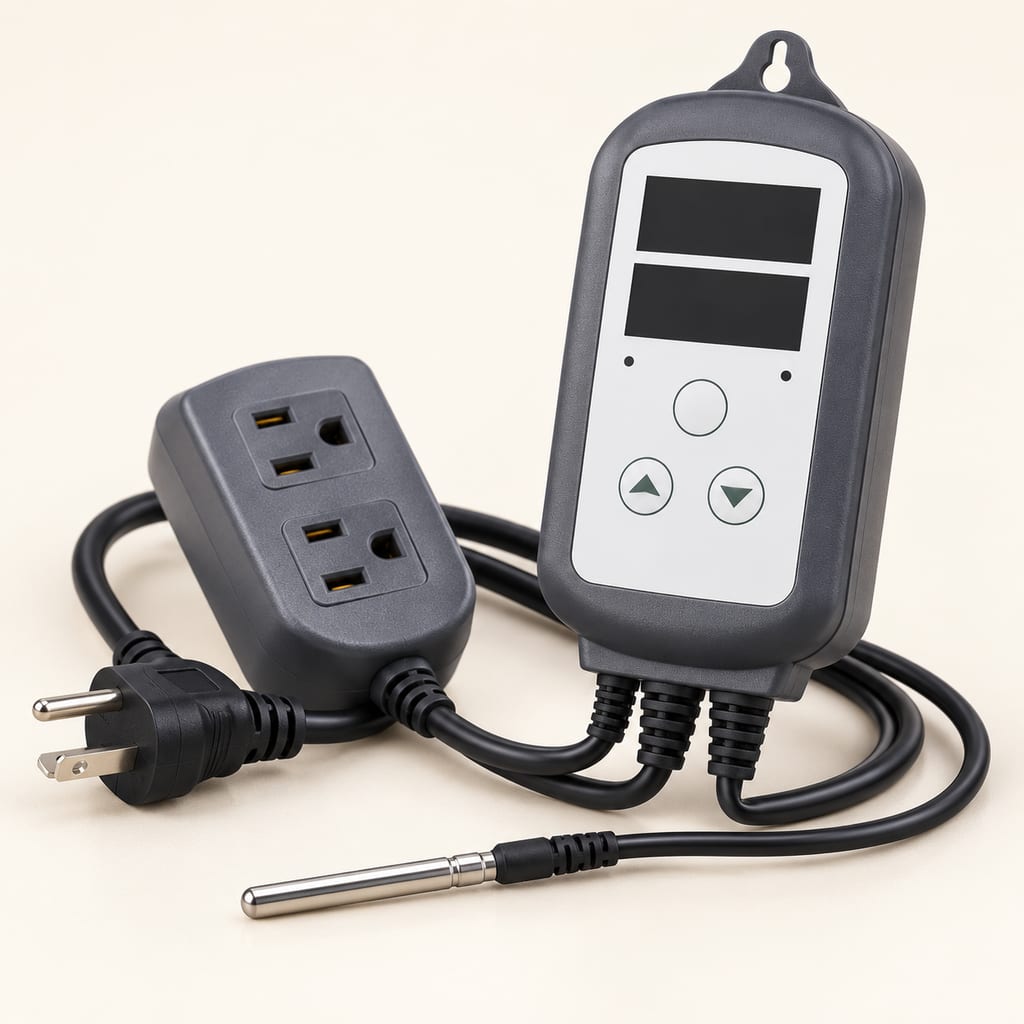
The ITC-308 is a finished mains-powered controller that sits between a wall outlet and compatible appliances. A wired temperature probe supplies the measurement; internal relays switch separate heating and cooling outputs according to the control settings. The controller is the instrument and switching point, while the heater, refrigerator or other load remains separate equipment.
That makes it one specific example of the broader plug-in temperature-controller class, not a synonym for every controller. The ITC-308-WIFI is a separate model variant with app connectivity. This page concerns the regular ITC-308 and keeps its stated specifications distinct from the Wi-Fi model and from the generic class.
INKBIRD describes two independent relay outputs for heating and cooling, a display that shows measured and set temperatures, a calibration adjustment, high- and low-temperature alarms, and protection that delays compressor restart. These controls let the unit react to its probe reading, but they do not provide heat or refrigeration themselves.
The manual's troubleshooting instructions stress appliance compatibility: a connected heater or cooler must come on when it receives power, and its built-in thermostat must not prevent the ITC-308 from controlling it as intended. A digital appliance that requires a separate button press after an outage may not work as a simple switched load. Confirm that behaviour before relying on automatic cycling.
The probe is the feedback point. A reading from room air, a jar surface, circulating bath or food interior describes different conditions. The controller cannot infer the core temperature of a batch from a sensor placed somewhere else. The maker's troubleshooting guidance for an incorrect reading includes checking probe position and condition, then using calibration only when appropriate.
Switching is not the same as continuous modulation. A heater or cooled enclosure can continue changing after a relay changes state; stored heat, cooling capacity and circulation affect how quickly the measured point responds. For food work, the relevant recipe still determines where to measure and which endpoint matters. A display reading or alarm is not evidence that the food itself has met a validated condition.
The manufacturer lists the regular ITC-308 temperature range as −50 to 120 °C, display resolution of 0.1 degree below 100 °C and 1 degree at or above 100 °C, and stated accuracy of ±1 °C. It lists the attached probe as an NTC sensor. These are manufacturer specifications, not a guarantee that every individual probe remains accurate after use.
The published electrical details need care. The product page's regular-model table gives 120 V AC, 60 Hz and a combined maximum of 10 A / 1,200 W for both receptacles. The current manual's troubleshooting text describes compatible heater or cooler loads as 100–240 V and 10 A. Those statements do not read identically; use the rating printed on the exact regional controller and the instructions supplied with it. Do not assume one model's rating applies to every plug format.
The ITC-308 can add feedback to compatible equipment in a fermentation cabinet or other controlled space. A cabinet system still needs an appropriate enclosure, an enclosed heat source if warming is required, suitable refrigeration if cooling is required, and a deliberate probe position. The research dossier describes this kind of two-way cabinet as a proposed configuration rather than a universally tested build.
A second application is switching an external jar warmer or other compatible heater. The device should be kept away from splashes and condensation because its body and socket assembly are not waterproof. Measure the food or a representative load separately when its actual temperature matters, and retain the recipe's own process controls. The controller does not make an arbitrary culture setting safe or suitable.
The user manual identifies Shenzhen Inkbird Technology Co., Ltd. as manufacturer, prints “Made in China,” and gives the company's Shenzhen factory address. The manufacturer's online product listing offers several plug formats and international sales. This identifies a contemporary manufactured product with broad market reach, not a historical place of origin for the plug-in controller design.
The probe's IP68 rating is specific to the sensor; it does not apply to the controller body or outlets. Keep those components dry. The manufacturer recommends checking saved settings after power returns. The available sources do not provide a cleaning method, a fermentation recipe, or a food-safety validation for the model.
INKBIRD's product information and current ITC-308 user manual document the model and its present features, but do not establish its launch date.
The controller switches mains-powered heaters and coolers; published ratings differ by model and source.
Hazard sourceThe manufacturer states that the probe is waterproof but the body and sockets are not.
Hazard sourceVerify the voltage, plug, combined load and appliance restart behaviour against the exact controller model label and supplied manual.
Control sourceKeep the controller body and sockets dry; position the probe according to its intended use and documented rating.
Control sourceUse complete rated appliances and enclosed controls; do not bypass a thermal cut-out or improvise mains wiring.
Control sourceA setpoint and relay controller do not establish that a food has reached a process endpoint or that a fermentation is validated.
The product page lists the base ITC-308 at 120 V AC, 60 Hz, 10 A and 1,200 W total across its two receptacles. The user manual's troubleshooting text describes connected heater/cooler power as 100–240 V, 10 A. Because these published statements differ, use the exact regional model label and its supplied manual to determine the permitted load.
Source →The controller responds to its attached probe. A probe reading at one point does not establish the temperature throughout a chamber, vessel or food.
Source →The probe is listed as IP68 but the controller body and sockets are not waterproof.
Source →The controller only switches a connected appliance. The manual says suitable heaters and coolers must turn on automatically when power is connected; confirm restart and internal-control behaviour for the actual appliance.
Source →The ITC-308 user manual identifies Shenzhen Inkbird Technology Co., Ltd. as the manufacturer and gives a factory address in Luohu District, Shenzhen. This is a manufacturer-stated factory location, not a claim about the origin of the controller class.
A plug-in controller reads a wired probe and switches compatible heating or cooling appliances around a setpoint. It adds feedback; it is not itself a heater, cooler or validated food process.
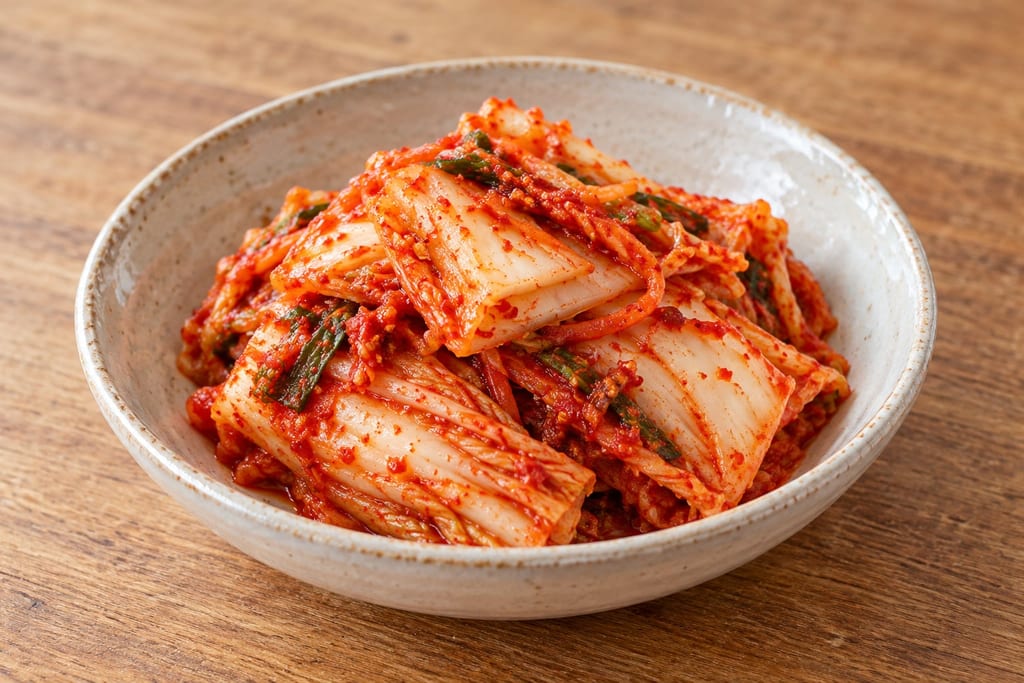
Kimchi is a Korean preserved vegetable food, most often cabbage, salted and seasoned, then fermented by the lactic acid bacteria that arrive with the vegetables. Some studies test added starter cultures, but a home jar is usually spontaneous.
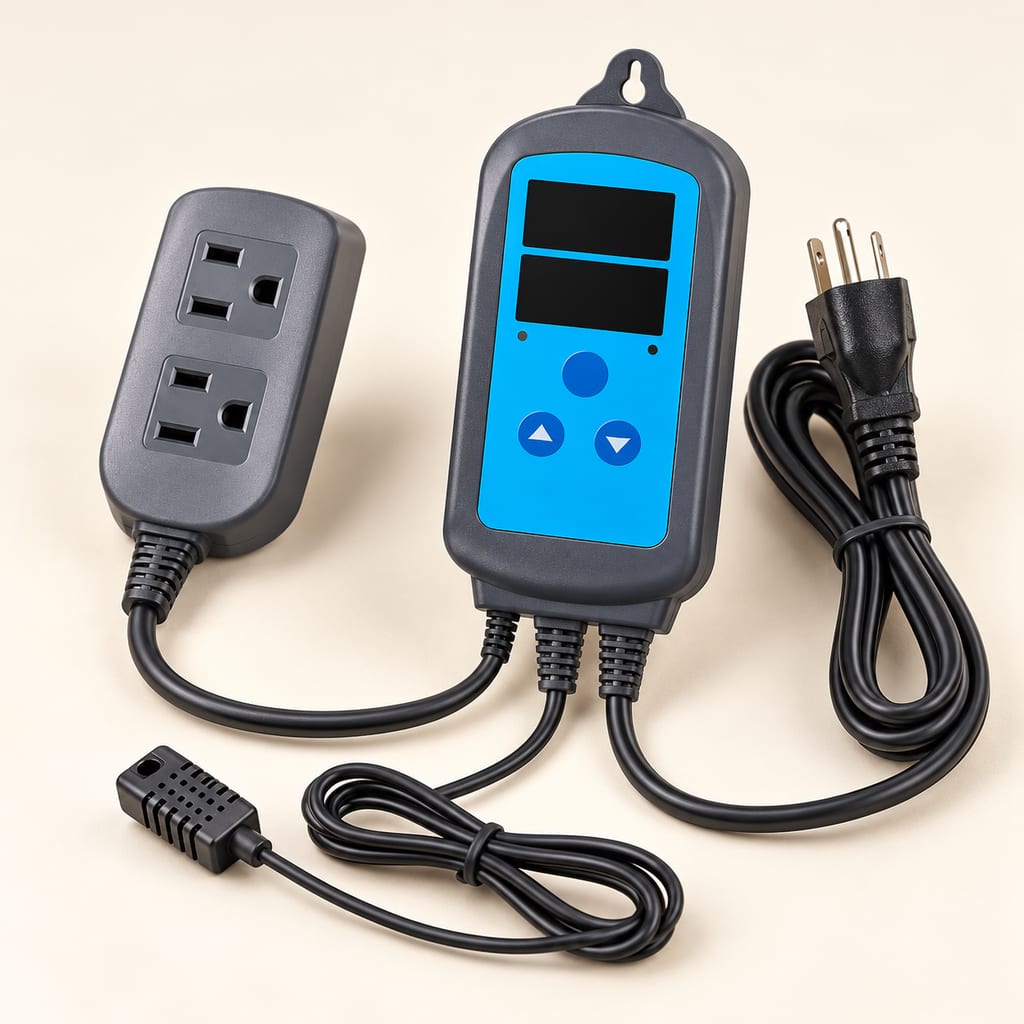
A plug-in humidity controller that reads a cabled sensor and switches separate humidifying and dehumidifying loads. It controls relative humidity, not temperature, and is distinct from the ITC-308 temperature controller.
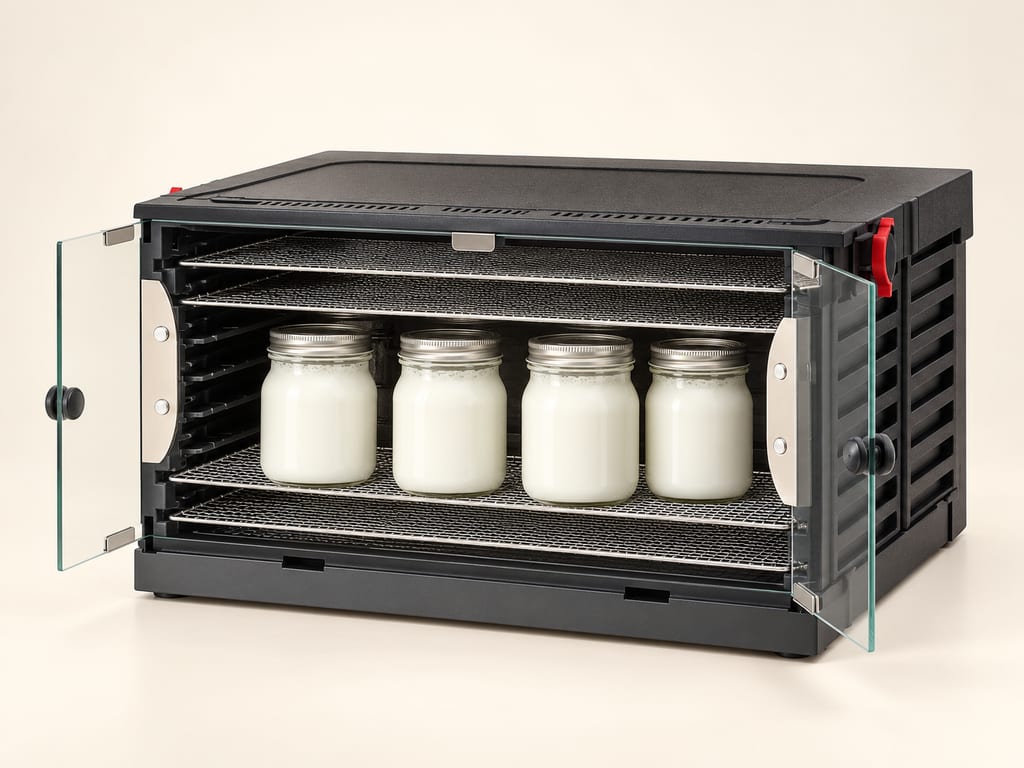
A folding electric food dehydrator with glass front doors, mesh shelves, filtered circulating air and two programmable time-temperature stages. Brød & Taylor also documents its use as a chamber for sealed yogurt jars.
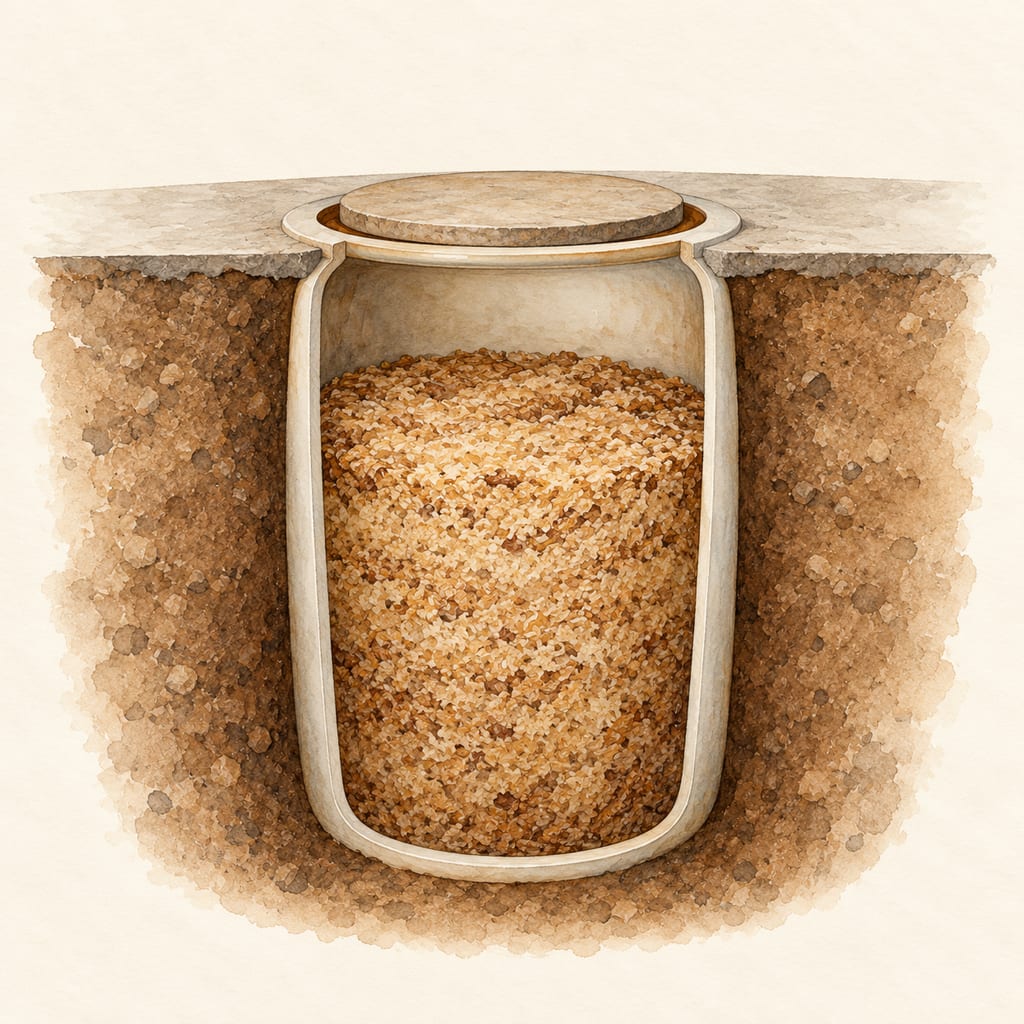
A buried ceramic fermentation jar holds the solid-state grain charge for light-aroma baijiu. Fenjiu reportage describes porcelain vats set into the floor; the cited sources establish no universal historical profile or dimensions.
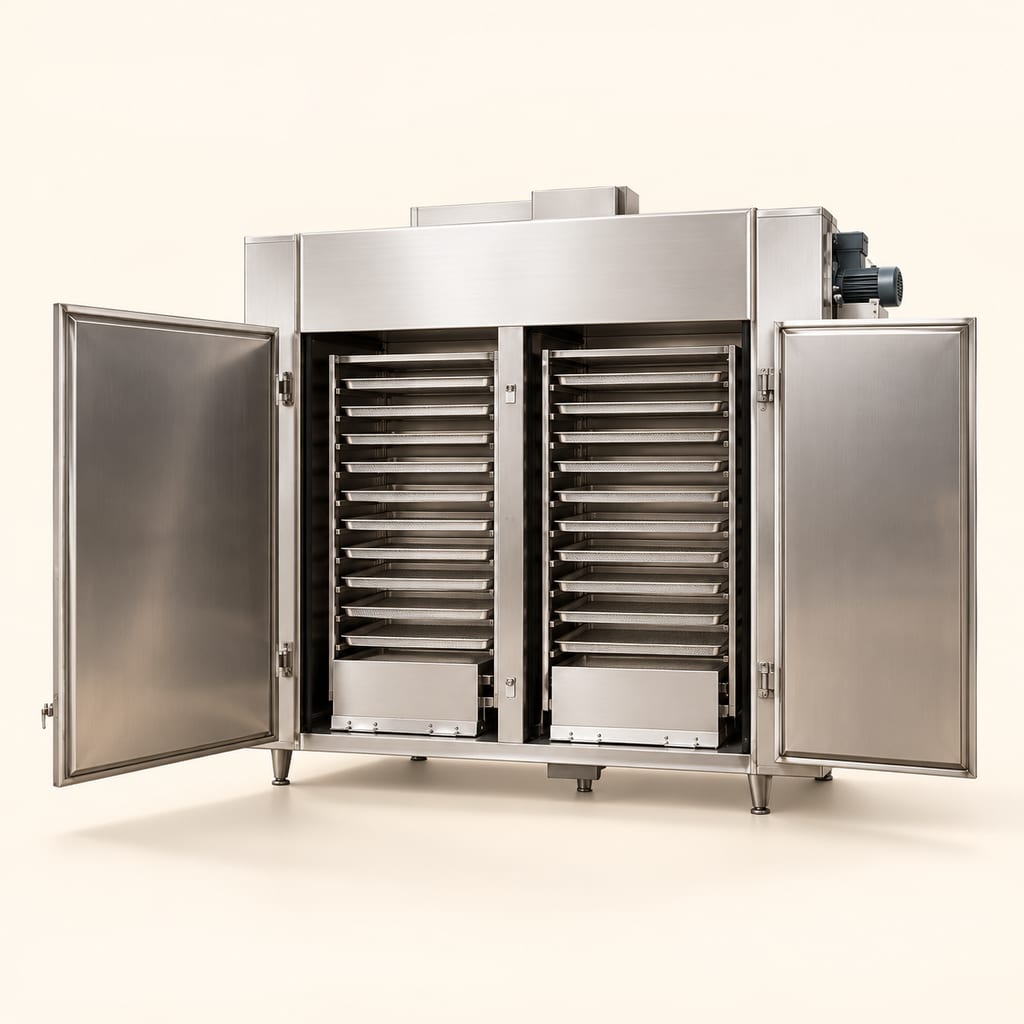
A heated-air cabinet with trays for drying fruit and other crops; PHilMech documents cabinet/convection dryers in Cebu's dried-mango trade and several Philippine equipment variants.
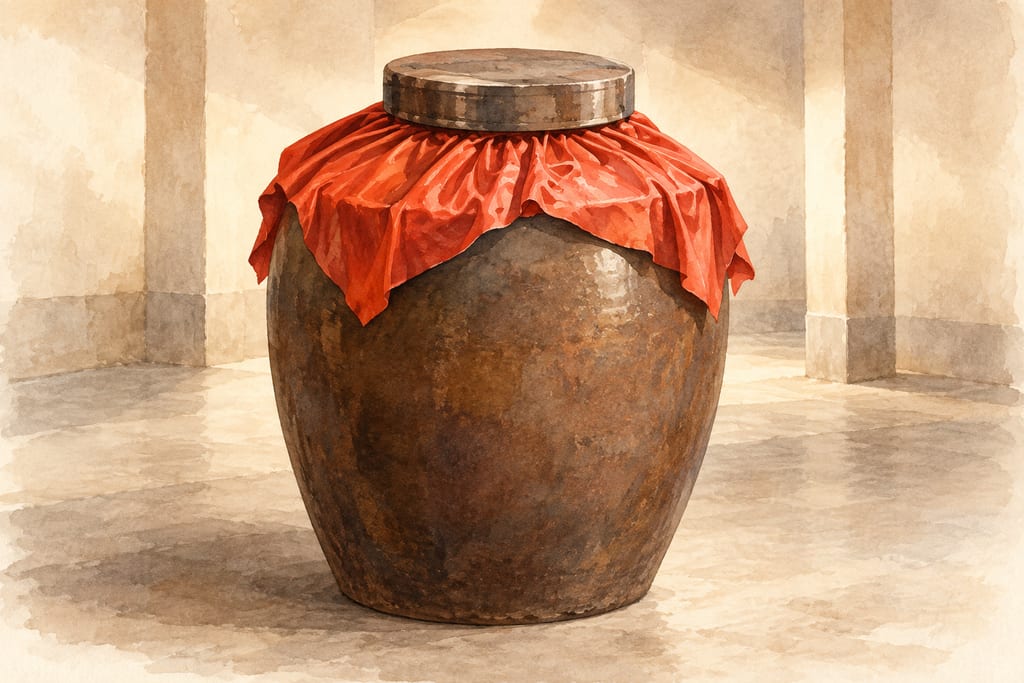
Large ceramic jars hold distilled baijiu during maturation. Fenjiu documents rows of aging jars in Shanxi, including specially specified unglazed earthenware; available sources do not establish one universal shape, volume or closure.
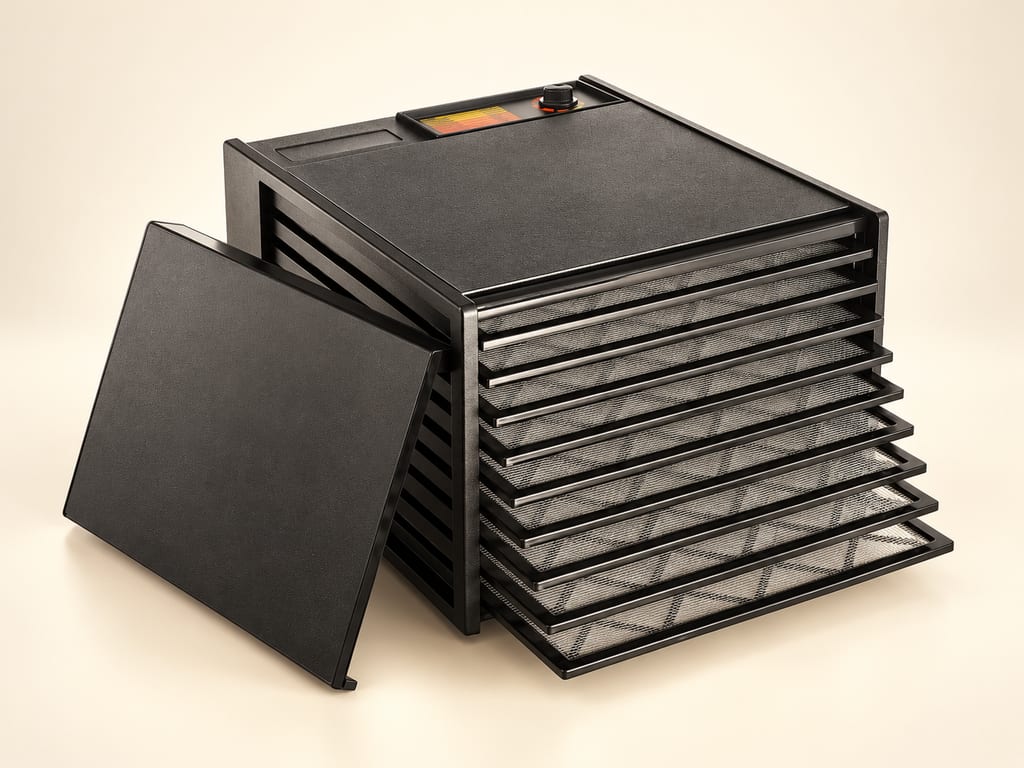
A maker-branded range of electric food dehydrators using forced horizontal airflow. Tray counts, controls and dimensions vary by model; the 3900B is one documented nine-tray example.
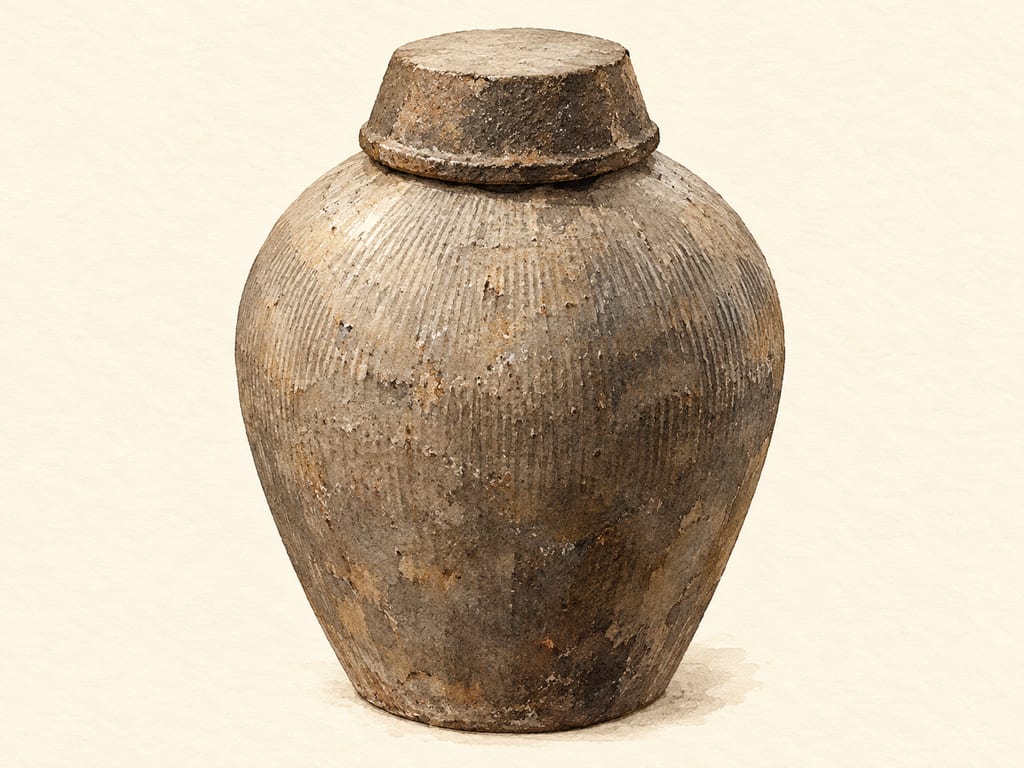
In Shaoxing Huangjiu production, broad-mouthed pottery vats hold the actively worked rice mash, while smaller pottery jars receive it for post-fermentation. Those jars may later serve a separate storage role.
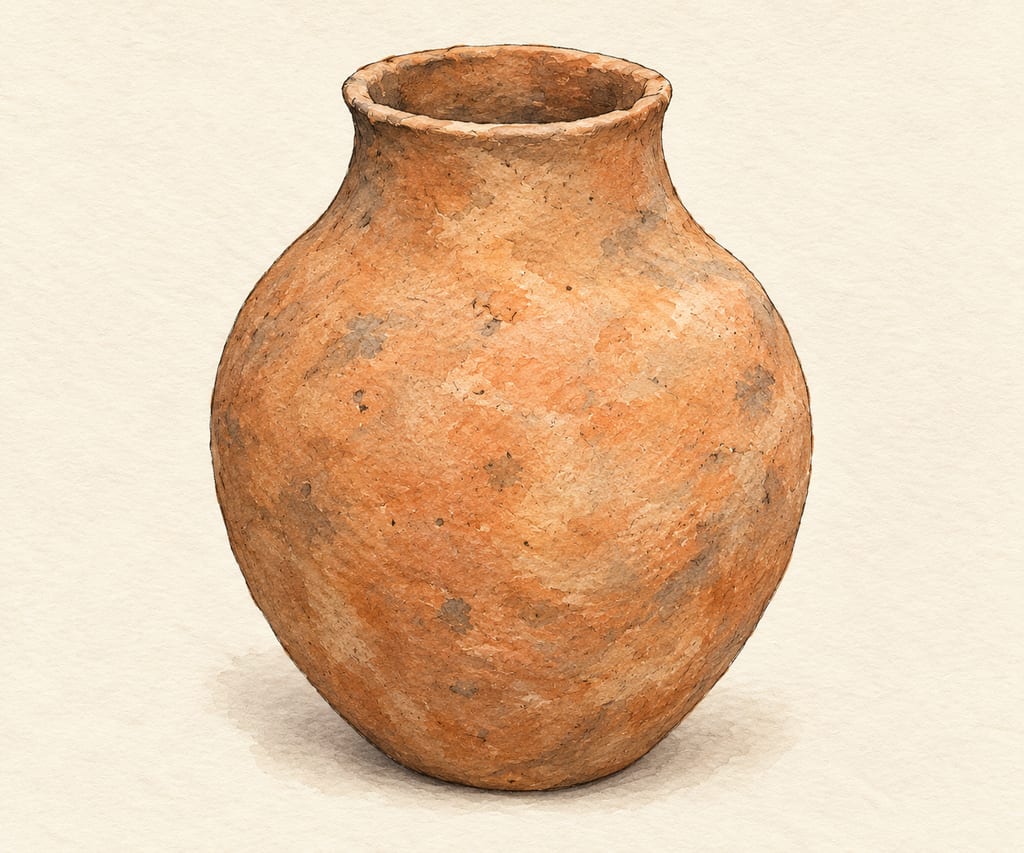
Jiahu pottery preserves chemical evidence of an early mixed fermented drink involving rice, honey and fruit. Its jar forms provide archaeological context, not proof one vessel served every brewing stage.
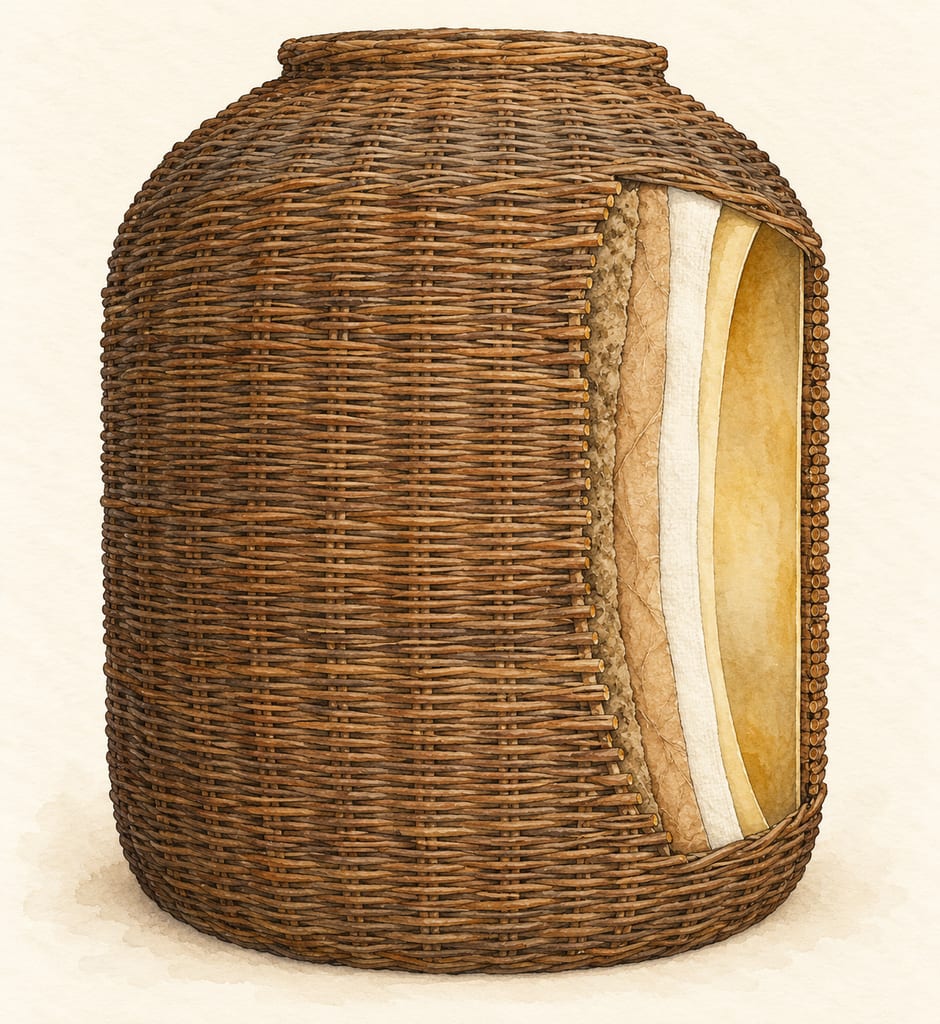
A jiuhai is a large vessel for storing and maturing baijiu. This entry focuses on a documented Xifeng example: a giant basket woven from local twigs and lined with layered paper, cloth and coatings. Other jiuhai use different materials.

Soft, spreadable Calabrian pork sausage made with a great deal of red chilli and fatty pork, stuffed into natural casings, sometimes smoked and matured while staying soft.

A way to add independent temperature logging to an existing food dehydrator without changing its built-in controls or protections. It is a monitoring method, not a rewiring plan.

Pleurotus cystidiosus is the abalone mushroom, a cultivated oyster-type fungus with dark brown caps that grows more slowly and is more demanding than other Pleurotus species.

A dark, balanced vinegar from Emilia-Romagna made by combining cooked or concentrated grape must with wine vinegar, then acetifying and refining it in wood under a protected specification.

A living dairy inoculum that starts controlled cream fermentation, developing acidity and aroma before sour cream or cultured butter is finished.

A small electric incubator holds jars at a selected temperature for yogurt and other documented warm food preparations. Controls, capacity and vessel arrangement vary by model.

Adygean salt is a seasoned table salt associated with Adygea and the wider North Caucasian culinary tradition. Salt is blended with garlic and a variable selection of herbs and spices; the exact mix depends on the named style and maker.

The African Caesar-group mushroom, Amanita masasiensis, is a wild ectomycorrhizal species of central and southern African woodlands, eaten locally. The genus contains deadly poisonous species, so identification needs care.
No community contributions have been published for this entry yet.
Sign in to contribute. Published comments and photos are free to read.
INKBIRDProduct specifications · Operation · Limits · Safety
Temperature Controller ITC-308 SeriesThe product page distinguishes ITC-308 from ITC-308-WIFI and lists regional plug types.
The manufacturer describes separate heating and cooling relay outputs, displays, calibration, alarms and compressor delay.
The regular-model table lists 120 V AC, 60 Hz and a combined 10 A / 1,200 W limit for the two receptacles; it also lists temperature range and accuracy.
The maker identifies the attached NTC probe as IP68 and says the body and sockets are not waterproof.
The manufacturer says settings persist after power loss and recommends checking them after power returns.
Cited in: A specific controller within a wider class; What its controls do; Probe placement and response; Published ratings and regional versions; Use around fermentation; Origin, care and boundaries
Shenzhen Inkbird Technology Co., Ltd.Operation · Manufacture · Compatibility · Safety
ITC-308 User Manual, English, version 7.0Troubleshooting describes the power and automatic-restart behaviour expected from compatible external heaters and coolers.
The troubleshooting text describes connected loads as 100–240 V, 10 A, which differs from the product page's regular-model 120 V / 1,200 W table.
The manual identifies Shenzhen Inkbird Technology Co., Ltd. and gives a factory address in Shenzhen, China; it prints Made in China.
Cited in: A specific controller within a wider class; What its controls do; Probe placement and response; Published ratings and regional versions; Origin, care and boundaries