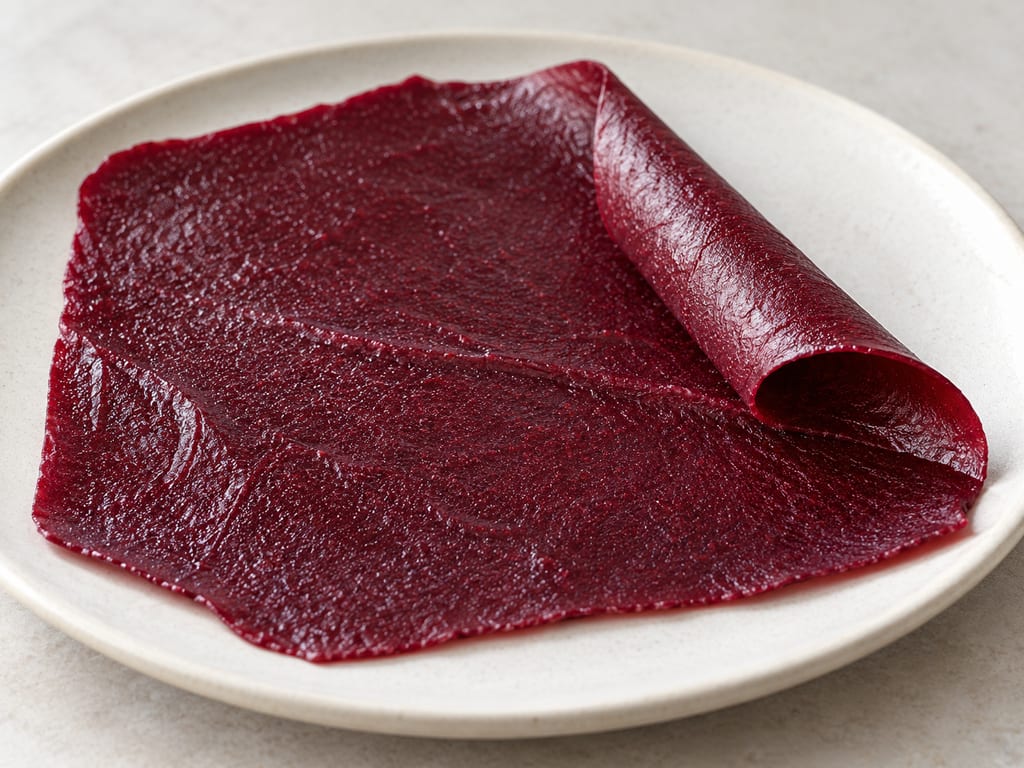
Fruit leather
Fruit pulp spread into thin sheets or shaped into cakes and dried, a compact, portable way of keeping fruit in western and central Asia and among Indigenous North Americans.
 FermenteaWhere food goes to change
Equipment · All-in-one appliances
SAHARA Folding Dehydrator · Sahara Folding Dehydrator · Sahara dehydrator
A folding electric food dehydrator with glass front doors, mesh shelves, filtered circulating air and two programmable time-temperature stages. Brød & Taylor also documents its use as a chamber for sealed yogurt jars.
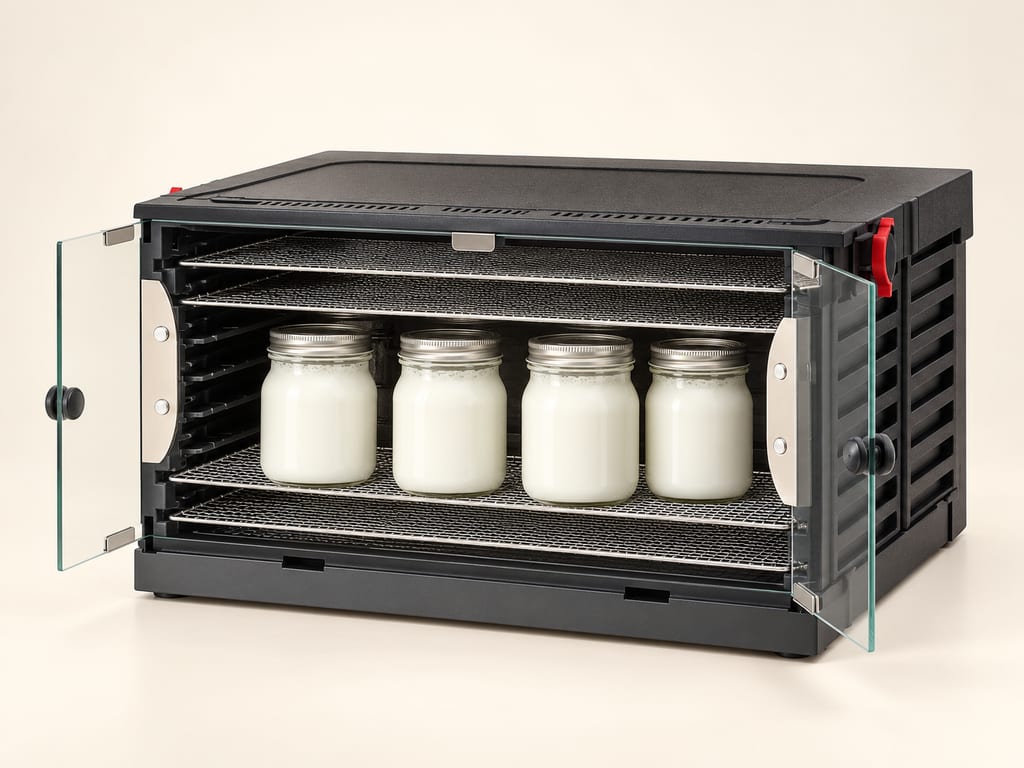
The Sahara is an electric countertop dehydrator built as a long, shallow cabinet that folds down for storage. Its working chamber has two front glass doors and a stack of removable mesh shelves. The manufacturer lists seven shelves and about one square metre of drying area; it says the full-size cabinet folds to roughly one-third of its operating size. This is a manufactured appliance rather than a drying room or a traditional sun-drying rack.
The shelves can be stainless steel or food-safe polypropylene, depending on the version. The housing is BPA-free ABS plastic, and the doors are glass. These materials and dimensions describe the Sahara model line, but not every included shelf option or regional electrical version. Its published EU listing gives 56 × 36.5 × 28 cm when open and 56 × 31 × 9.5 cm when closed; the US support page lists a similar footprint. The maker does not specify an internal volume, so shelf area and model dimensions are more useful than a guessed capacity.
A radial fan moves filtered air through the cabinet while the heater warms the load. The maker describes two heating circuits: they supply stronger heat while food is wet, then switch to lower power as it dries. This arrangement supports the appliance's ordinary task—moving moisture away from sliced food—and its dual timer lets the user program two successive time-and-temperature stages. Each timer can run from 15 minutes to 99 hours. The control also offers fan-only operation.
The published heating range is 30–74 °C (85–165 °F). The US version is listed at 120 V and 750 W; the EU version uses 220–240 V and is listed at 690–820 W. Check the type plate rather than assuming one region's supply figures apply to another version. Drying time also depends on the food, slice thickness, load, room conditions and temperature choice. The maker notes that evaporation can keep wet food cooler than the surrounding air; an appliance setting is not a direct reading of the food's core temperature.
Brød & Taylor also publishes a classic-style yogurt method that uses the Sahara as an alternative warm chamber. The recipe names heat-proof containers no larger than one litre and instructs the user to arrange the shelves to fit the jars. Its Sahara setting sequence is 120 °F (49 °C) for one hour, followed by 100 °F (38 °C) for three hours. The yogurt is checked for setting and chilled when ready; the recipe gives about three to four hours as a usual window, with variation by milk and culture.
This is a manufacturer-documented secondary use for the dehydrator, not a claim that the machine is a purpose-built yogurt maker. The recipe specifies controller settings and jar placement; it does not say that a jar's milk is measured at exactly the displayed temperature. Sealed jars keep the milk from being exposed as an open drying load. The equipment-for link points to the site's set-yogurt preparation page.
The Sahara is a contemporary branded product sold through Brød & Taylor's US and European channels. The US listing gives the DR-710 as a 120 V, 750 W version; the EU listing specifies 220–240 V and a 690–820 W range. The manufacturer also offers different shelf materials. These are documented options rather than a single universal build. A 2023 US Consumer Product Safety Commission notice states that Sahara units covered by its recall were made in China. The notice does not establish the origin of every later run.
That recall is limited to model DR-710 units bearing production code CCAE and serial numbers 12139055 through 12140194. The reported hazard was heater-fan failure that could overheat components. For a matching unit, the CPSC instructs owners to stop using it, remove the polyester air filter and contact Berkshire Innovations for repair. The notice identifies the specific affected range; it should not be generalized to every Sahara.
The manual says to unplug the appliance before cleaning, let hot shelves, doors and housing cool, and keep both air paths open. It also requires clearance around and above the unit and warns against placing objects on its hot top. Follow the instructions and electrical rating for the exact regional model. The earliest sale date established here is the CPSC's record of recalled units sold from July 2022; that is not a verified launch date.
The Sahara is a contemporary named commercial dehydrator sold through Brød & Taylor's US and European channels. The CPSC documents Sahara units on sale from July 2022 to March 2023, but this does not establish the model's first launch or a complete product-history timeline.
The 2023 CPSC recall covers Sahara DR-710 units with production code CCAE and serial numbers 12139055–12140194; their heater fan could fail and cause overheating and fire.
Hazard sourceThe manual warns that shelves, food, glass doors and upper housing become hot and remain hot after switch-off; blocked air inlet or outlet is also prohibited.
Hazard sourceIf the unit's data plate matches the recalled model, production code and serial range, stop using it, remove the polyester air filter and contact the maker for the stated repair.
Control sourceUse a stable countertop, keep the air inlet and outlet unobstructed, and use heat protection when handling shelves or doors after operation.
Control sourceThe manufacturer lists a heating range of 30–74 °C (85–165 °F) plus fan-only operation. The low end cannot maintain a controlled temperature below that range.
Source →Drying time varies with food, slice thickness, load, room temperature and humidity. A dehydrator setting is not a measurement of the food's internal temperature; the maker explains that evaporation can cool wet food below the surrounding air setting.
Source →The yogurt setup is a documented use from the maker's recipe, not evidence that the dehydrator is a universal incubator or that a jar's contents exactly match its programmed setting.
Source →The CPSC states that units covered by its 2023 recall were manufactured in China. This does not establish the manufacturing location of every model or later production run.
Fruit pulp spread into thin sheets or shaped into cakes and dried, a compact, portable way of keeping fruit in western and central Asia and among Indigenous North Americans.

Set yogurt keeps the milk’s cultured gel intact in its final container. This Canadian home method follows the same heating and inoculation as stirred yogurt, without the final stirring.
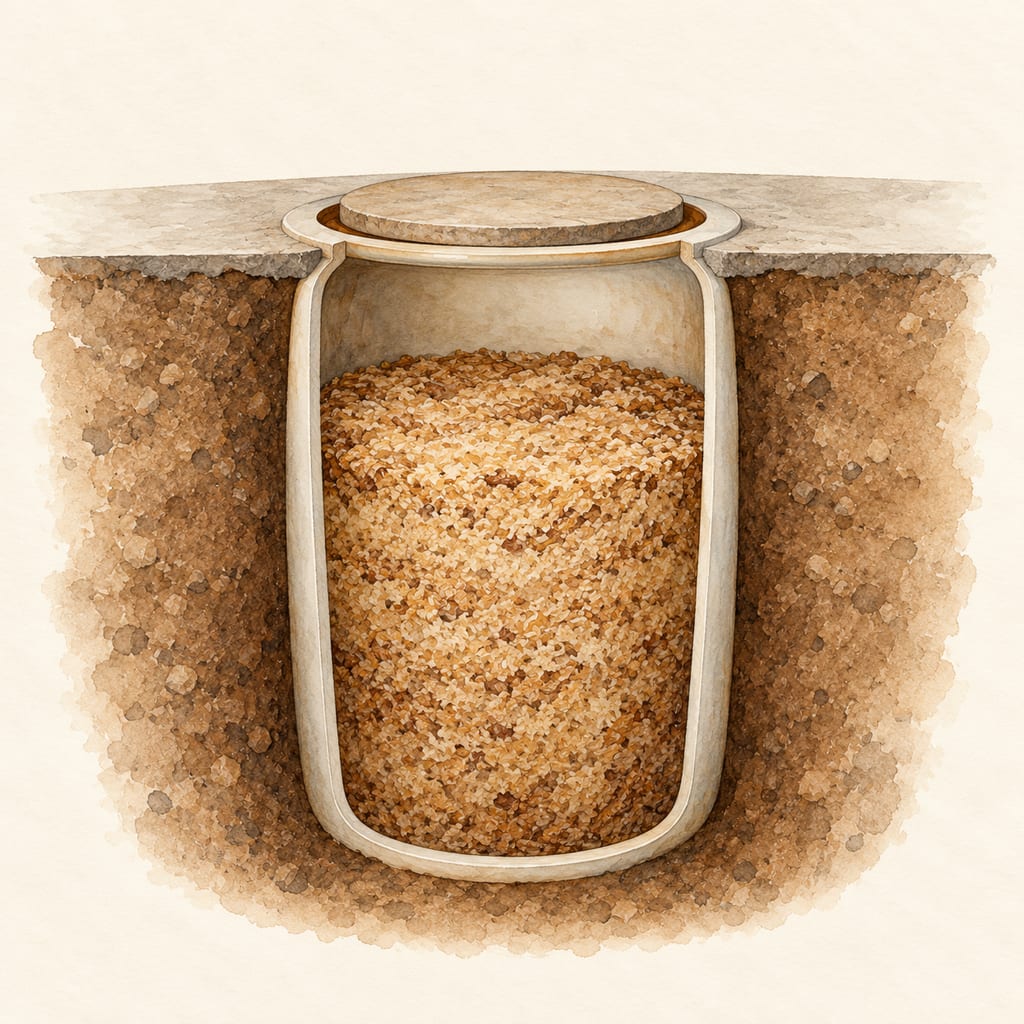
A buried ceramic fermentation jar holds the solid-state grain charge for light-aroma baijiu. Fenjiu reportage describes porcelain vats set into the floor; the cited sources establish no universal historical profile or dimensions.
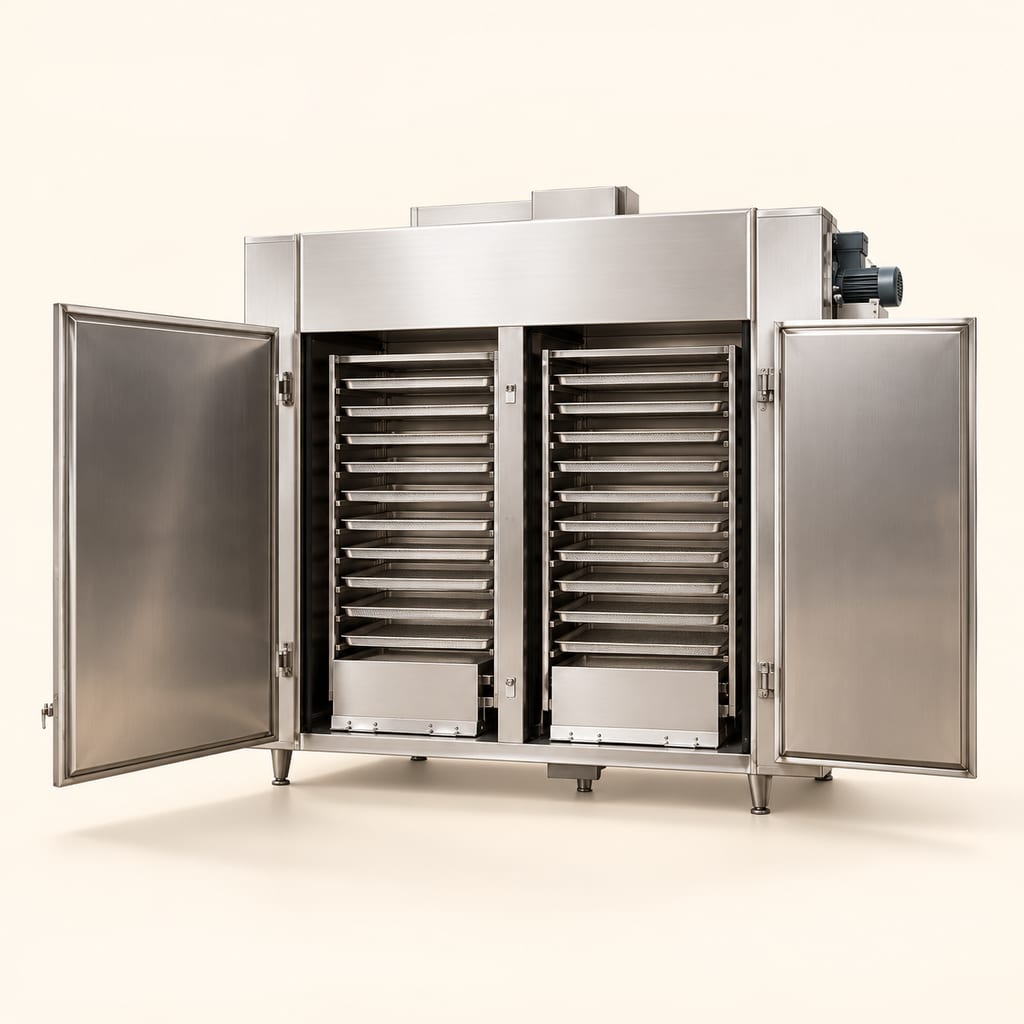
A heated-air cabinet with trays for drying fruit and other crops; PHilMech documents cabinet/convection dryers in Cebu's dried-mango trade and several Philippine equipment variants.
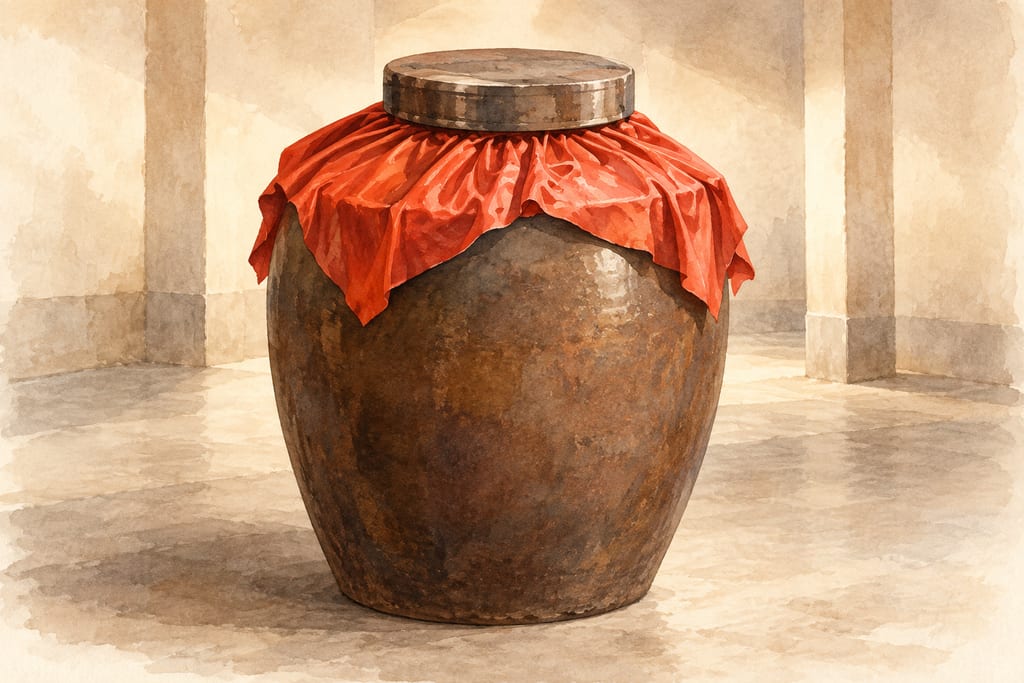
Large ceramic jars hold distilled baijiu during maturation. Fenjiu documents rows of aging jars in Shanxi, including specially specified unglazed earthenware; available sources do not establish one universal shape, volume or closure.
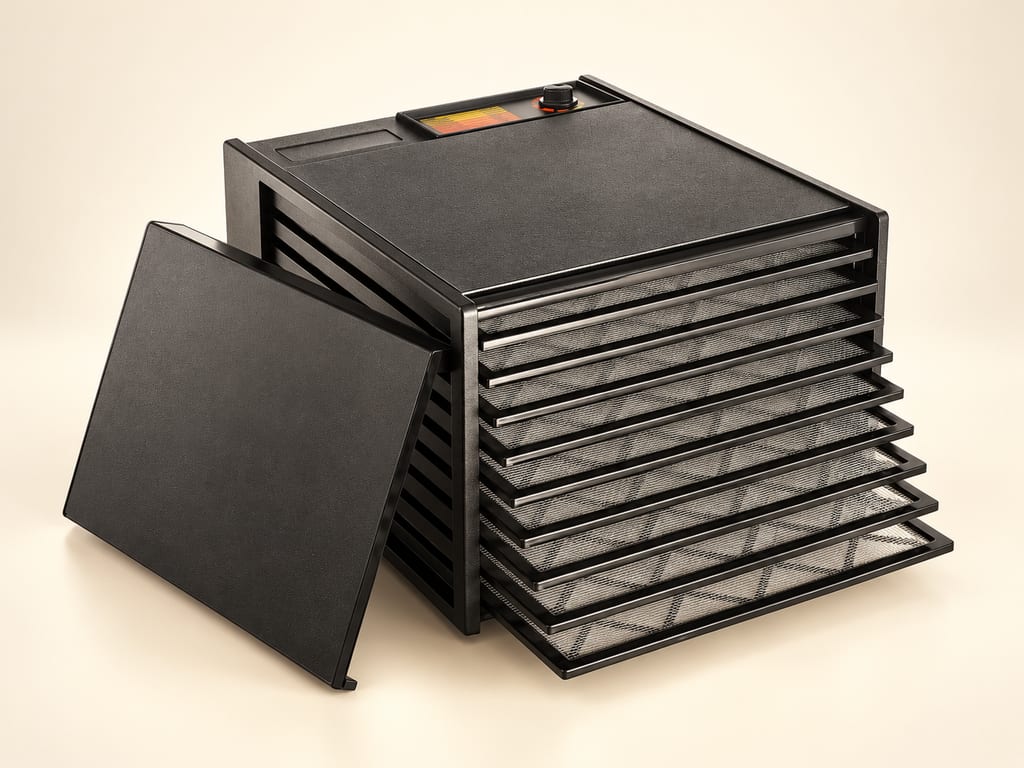
A maker-branded range of electric food dehydrators using forced horizontal airflow. Tray counts, controls and dimensions vary by model; the 3900B is one documented nine-tray example.
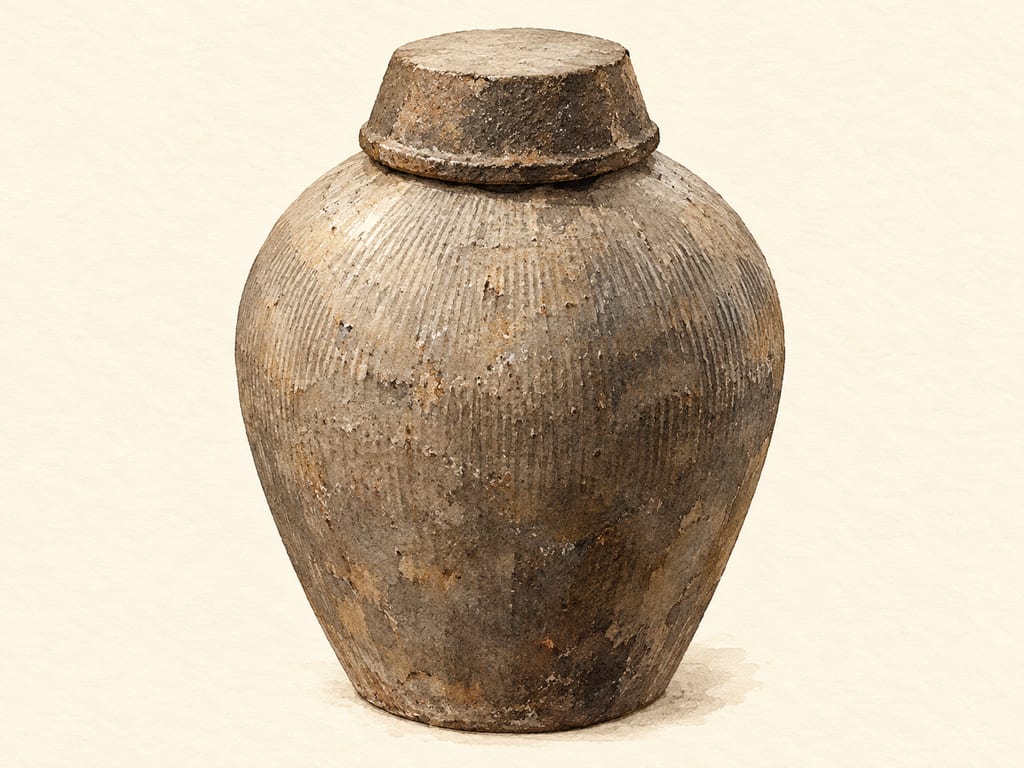
In Shaoxing Huangjiu production, broad-mouthed pottery vats hold the actively worked rice mash, while smaller pottery jars receive it for post-fermentation. Those jars may later serve a separate storage role.

The INKBIRD ITC-308 is a plug-in, probe-led temperature controller with separate heating and cooling outputs. Its relays switch compatible appliances; they do not heat, cool or validate the food themselves.
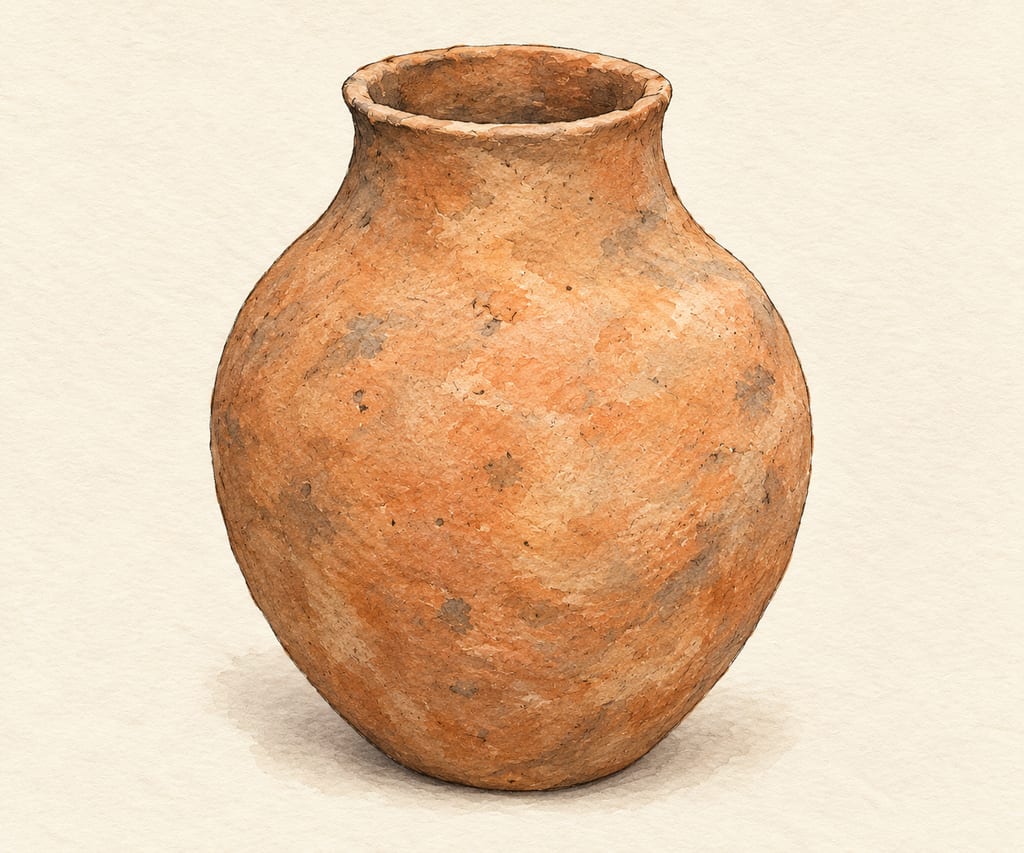
Jiahu pottery preserves chemical evidence of an early mixed fermented drink involving rice, honey and fruit. Its jar forms provide archaeological context, not proof one vessel served every brewing stage.
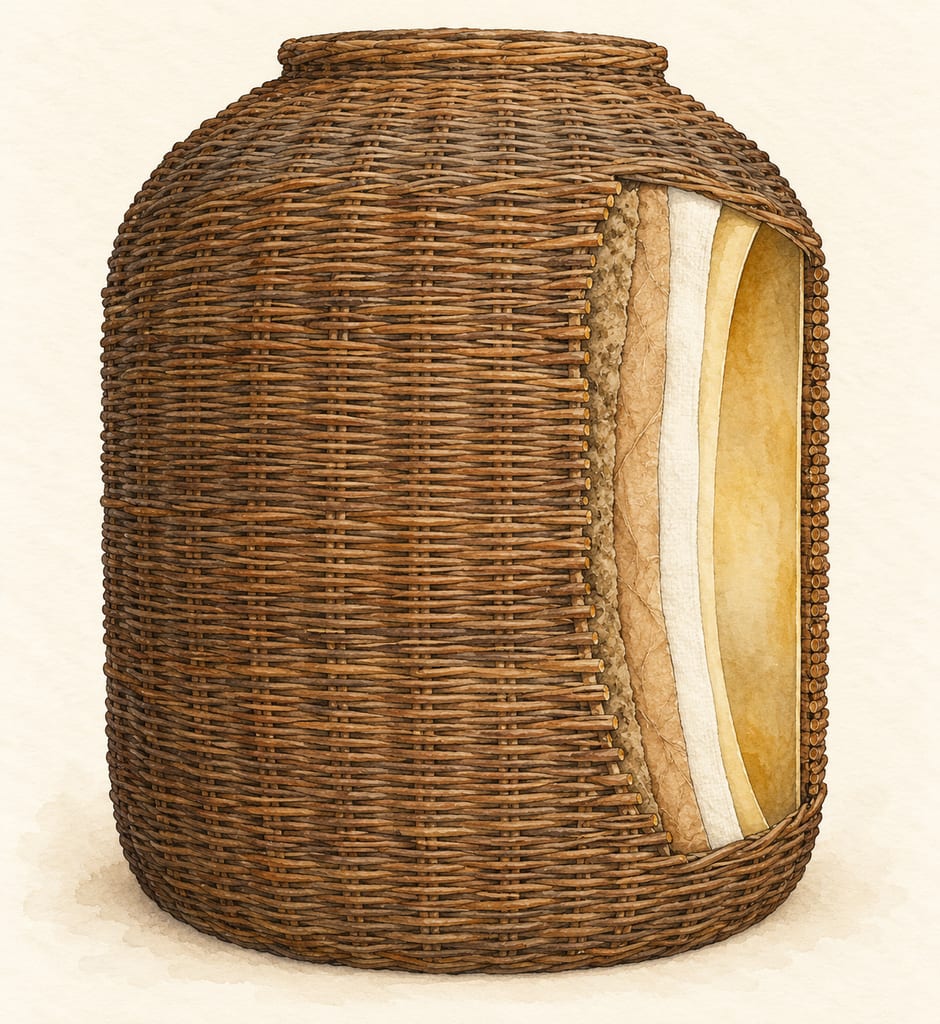
A jiuhai is a large vessel for storing and maturing baijiu. This entry focuses on a documented Xifeng example: a giant basket woven from local twigs and lined with layered paper, cloth and coatings. Other jiuhai use different materials.

Soft, spreadable Calabrian pork sausage made with a great deal of red chilli and fatty pork, stuffed into natural casings, sometimes smoked and matured while staying soft.

A way to add independent temperature logging to an existing food dehydrator without changing its built-in controls or protections. It is a monitoring method, not a rewiring plan.

Pleurotus cystidiosus is the abalone mushroom, a cultivated oyster-type fungus with dark brown caps that grows more slowly and is more demanding than other Pleurotus species.

A dark, balanced vinegar from Emilia-Romagna made by combining cooked or concentrated grape must with wine vinegar, then acetifying and refining it in wood under a protected specification.

A living dairy inoculum that starts controlled cream fermentation, developing acidity and aroma before sour cream or cultured butter is finished.

A small electric incubator holds jars at a selected temperature for yogurt and other documented warm food preparations. Controls, capacity and vessel arrangement vary by model.

Adygean salt is a seasoned table salt associated with Adygea and the wider North Caucasian culinary tradition. Salt is blended with garlic and a variable selection of herbs and spices; the exact mix depends on the named style and maker.

The African Caesar-group mushroom, Amanita masasiensis, is a wild ectomycorrhizal species of central and southern African woodlands, eaten locally. The genus contains deadly poisonous species, so identification needs care.
No community contributions have been published for this entry yet.
Sign in to contribute. Published comments and photos are free to read.
Brød & Taylor EuropeModel form · Materials · Specifications
The Sahara Folding DehydratorThe product is a full-size folding food dehydrator with seven shelves, glass doors, circulating airflow, dual heaters and dual time-temperature settings.
The EU listing gives dimensions open and closed, a heating range of 30–74 °C, fan-only mode, and regional electrical specifications.
Cited in: A folding household dehydrator; Airflow, heat and two-stage control
Brød & TaylorModel specifications · Operation · Care
Support: Sahara Folding Dehydrator specifications and FAQThe US DR-710 is listed at 120 V, 50–60 Hz and 750 W; the Sahara temperature range is 85–165 °F, with fan-only mode and two timers.
The manufacturer states that the air inlet and exhaust must remain clear, and describes filter and operating guidance.
Cited in: A folding household dehydrator; Airflow, heat and two-stage control; Regional versions, recall scope and care
Brød & TaylorDocumented secondary use · Jar arrangement
Classic-Style Yogurt RecipeThe maker lists the Sahara as an alternative device for its classic yogurt method and specifies heat-proof jars up to 1 L.
The Sahara sequence is 120 °F for one hour and 100 °F for three hours; jars are checked for setting and the finished yogurt is chilled.
Cited in: A documented jar-yogurt use
Brød & Taylor EuropeOperation · Drying conditions
Instructions for dehydrating with the SAHARA dehydratorThe maker says drying time depends on food, load, slice thickness, room temperature and humidity.
The maker explains evaporative cooling and describes using two temperature stages to optimize drying.
Cited in: Airflow, heat and two-stage control
U.S. Consumer Product Safety CommissionSafety · Geography · Historical product record
Berkshire Innovations Recalls Sahara Folding Food Dehydrators Due to Fire HazardThe 2023 recall covers model DR-710 with production code CCAE and serial numbers 12139055–12140194; the heater fan could fail and cause overheating/fire.
The CPSC states that affected units were manufactured in China and sold beginning in July 2022; it gives a specific remedy for matching serials.
Cited in: A folding household dehydrator; Regional versions, recall scope and care
Brød & Taylor EuropeCare · Safety · Model features
SAHARA Dehydrator Manual (English)The manual describes filtered circulating air, folding storage, dual heaters and dual time-temperature controls.
It warns that shelves, food, doors and upper housing become hot, and requires clear air paths and ventilation clearance.
Cited in: Regional versions, recall scope and care