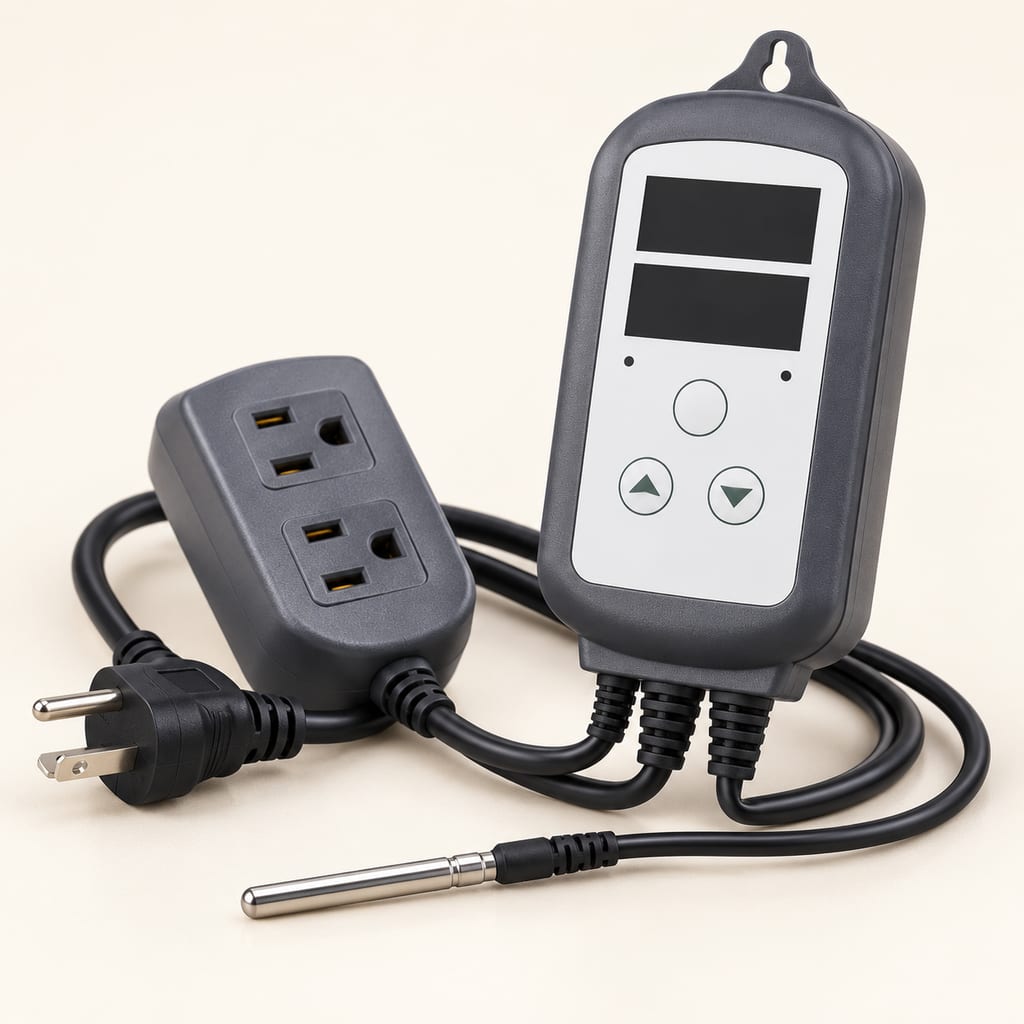
INKBIRD ITC-308
The INKBIRD ITC-308 is a plug-in, probe-led temperature controller with separate heating and cooling outputs. Its relays switch compatible appliances; they do not heat, cool or validate the food themselves.
 FermenteaWhere food goes to change
Equipment · Instruments
A plug-in controller reads a wired probe and switches compatible heating or cooling appliances around a setpoint. It adds feedback; it is not itself a heater, cooler or validated food process.
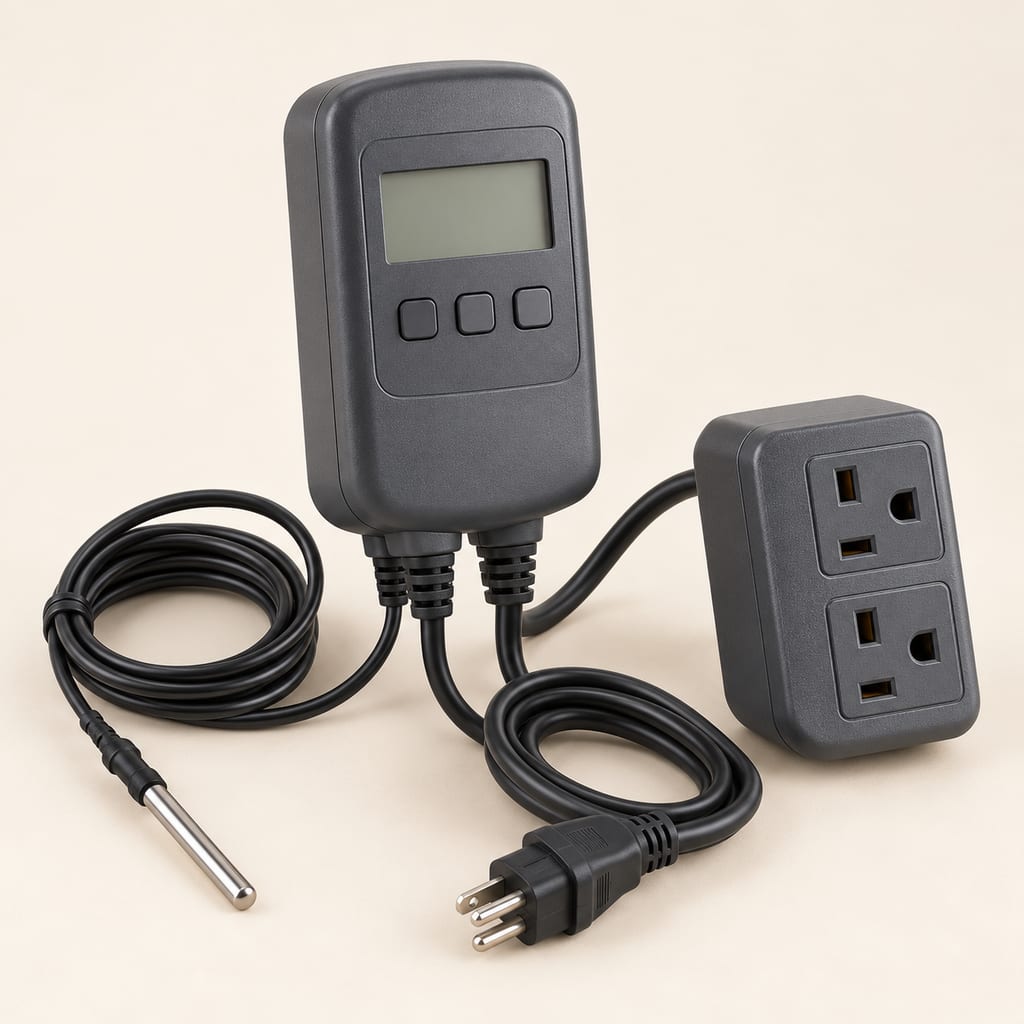
A plug-in temperature controller sits between a power outlet and an appliance. Its wired probe senses temperature; the controller compares that reading with a chosen setpoint and switches an attached heater or cooler. This makes it an add-on control instrument rather than a complete warm cabinet, refrigerator or fermentation vessel.
The ITC-308 series is one documented example. INKBIRD describes separate heating and cooling relay outputs, a display for the measured and set temperatures, calibration adjustment, high- and low-temperature alarms, and a compressor-delay feature. The ITC-308-WIFI adds app monitoring; that feature is specific to the Wi-Fi model, not the whole class.
The probe is the point the controller observes. If it hangs in room air, rests against a jar, sits in a water bath or is placed within the food, it will report different conditions. A controller can only respond to the measurement it receives; it does not average temperatures around a cabinet or infer the food’s core temperature from a distant wall.
The relay switches the connected equipment rather than modulating its output continuously. Thermal mass and lag still shape the result: a heater or cooled object continues changing temperature after power is switched, so a setpoint alone does not establish a stable food temperature. The maker’s specifications should be read as the controller’s operating characteristics, not as a recipe or validation.
A dual-output model can control a heater and a cooler as separate loads. In a cabinet, for example, that arrangement can add both warming and cooling feedback when the connected appliances are compatible. The controller does not provide either heat or refrigeration itself, and it cannot force a connected appliance to behave safely or resume automatically after an interruption.
The manufacturer includes compressor delay protection for cooling equipment. This prevents rapid restart commands from being sent too close together according to the configured delay. The connected refrigerator still has its own operating limits, and the controller’s relay rating, the appliance’s starting load and its power-restoration behaviour must all be checked for the exact model.
The manufacturer lists ITC-308 and ITC-308-WIFI variants and multiple regional plug formats. Their voltage ranges, output ratings, temperature ranges and communications features are not identical. For the regular ITC-308, the product page lists 120 V AC, 60 Hz and a maximum combined 10 A / 1,200 W for its two receptacles. The Wi-Fi version is listed for a wider input range, with wattage dependent on supply voltage. Those numbers belong to those listed variants, not every plug-in controller.
The same page lists ±1 °C / ±2 °F accuracy for the two ITC-308 variants and an attached NTC probe. Calibration is available, but changing an offset does not substitute for checking the probe against a suitable reference when accuracy matters. Confirm the exact label and instructions for the unit in hand before choosing a load or relying on a reading.
For a controlled fermentation cabinet, the controller can be one component in a larger assembly: a suitable enclosure, compatible heater and refrigerator, probe, and enough air movement for the intended setup. The source dossier describes this as a proposed configuration, not as a validated recipe or a tested build. The cabinet and food each need measurements appropriate to the task.
A controller can also switch a compatible jar warmer or other external heater. Keep the controller outside wet areas, place its probe where the process calls for a representative reading, and check actual food temperature separately when the food’s condition matters. Do not bypass an appliance’s thermal cut-out or treat alarms as a substitute for supervision.
The attached probe is described as IP68, but the controller body and socket block are not waterproof. The difference matters in damp fermentation spaces: protect the powered unit from water and condensation, and do not interpret the probe rating as applying to the rest of the assembly. The maker says settings are retained after power loss but recommends checking them after power returns.
There is no universal controller setting for koji, yoghurt, vegetables or any other ferment. Culture, food mass, enclosure, appliance response and probe placement affect the process. Use the relevant recipe’s own controls and endpoints; this device only adds a switching response to one sensor reading.
The ITC-308 series is documented in the manufacturer's contemporary product information. The available source does not establish when plug-in temperature controllers were first invented.
The controller switches mains-powered appliances; model voltage, plug and combined load ratings differ.
Hazard sourceManufacturer specifies the probe is waterproof but the body and sockets are not.
Hazard sourceMatch the exact model, plug type, supply voltage and combined load to the connected appliance; use enclosed, rated equipment and do not improvise mains wiring.
Control sourceKeep the body and outlet section dry, and position only the probe where its documented rating permits.
Control sourceConfirm how the connected heater or cooler behaves after power restoration; use the maker-specified compressor delay when switching refrigeration.
Control sourceA temperature controller does not validate a fermentation or food-safety process. A displayed setpoint is not proof that the food has reached or maintained its own required condition.
The ITC-308 and ITC-308-WIFI have different input and output specifications. The regular model page lists 120 V AC, 60 Hz, 10 A / 1,200 W total across both receptacles; the Wi-Fi model lists 100–230 V AC, 50/60 Hz and version-dependent maximum wattage. Check the exact model and regional rating.
Source →The temperature reading is the probe reading, not necessarily the temperature throughout a cabinet, vessel or food. Probe placement and independent process measurements matter.
Source →The attached probe is listed as IP68, while the controller body and sockets are not waterproof. Do not place the powered controller where it can be immersed or splashed.
Source →Switching a powered appliance off and on only works as intended if that appliance resumes operation after power restoration. Confirm restart behaviour and required compressor delay for the connected appliance.
Source →The cited INKBIRD manufacturer page describes one controller model but does not establish the geographic origin, manufacture or representative regional distribution of the general equipment class.
The INKBIRD ITC-308 is a plug-in, probe-led temperature controller with separate heating and cooling outputs. Its relays switch compatible appliances; they do not heat, cool or validate the food themselves.
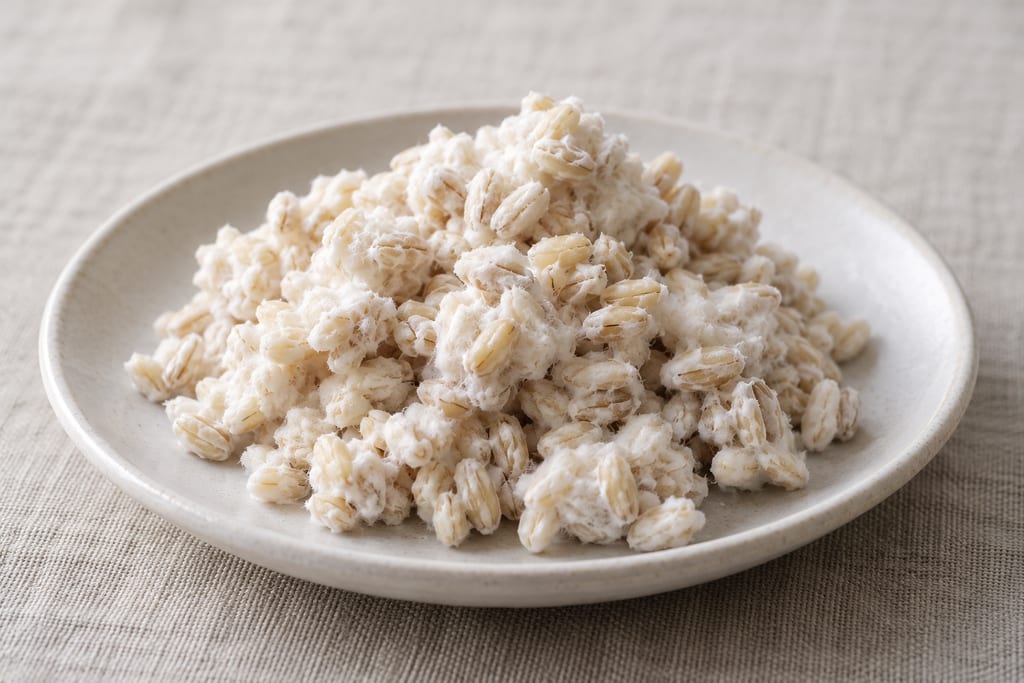
Steamed pearled barley grown into a white koji cake with Aspergillus oryzae over about 36 hours in a 30 °C chamber, turned three times under a damp cloth.
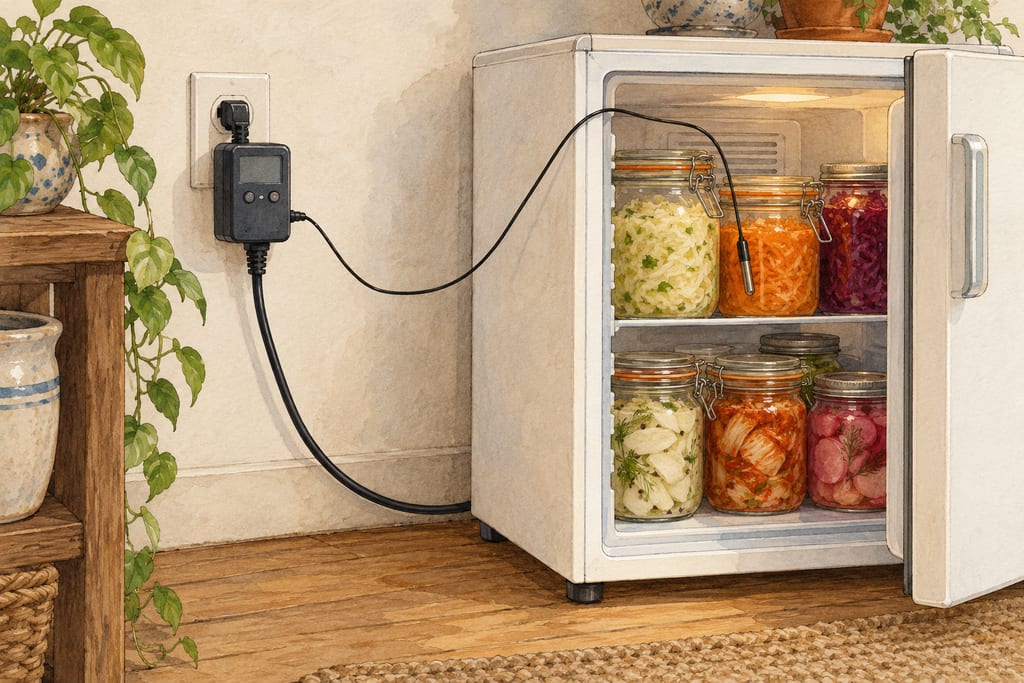
An appliance plugged into an external controller so a probe, rather than the appliance's own dial, decides when it heats or cools.

Rice koji is steamed white rice through which koji mold has grown. It carries the enzymes that turn rice starch into sugar, and it is the starting point of sake, sweet miso, amazake and shio koji.
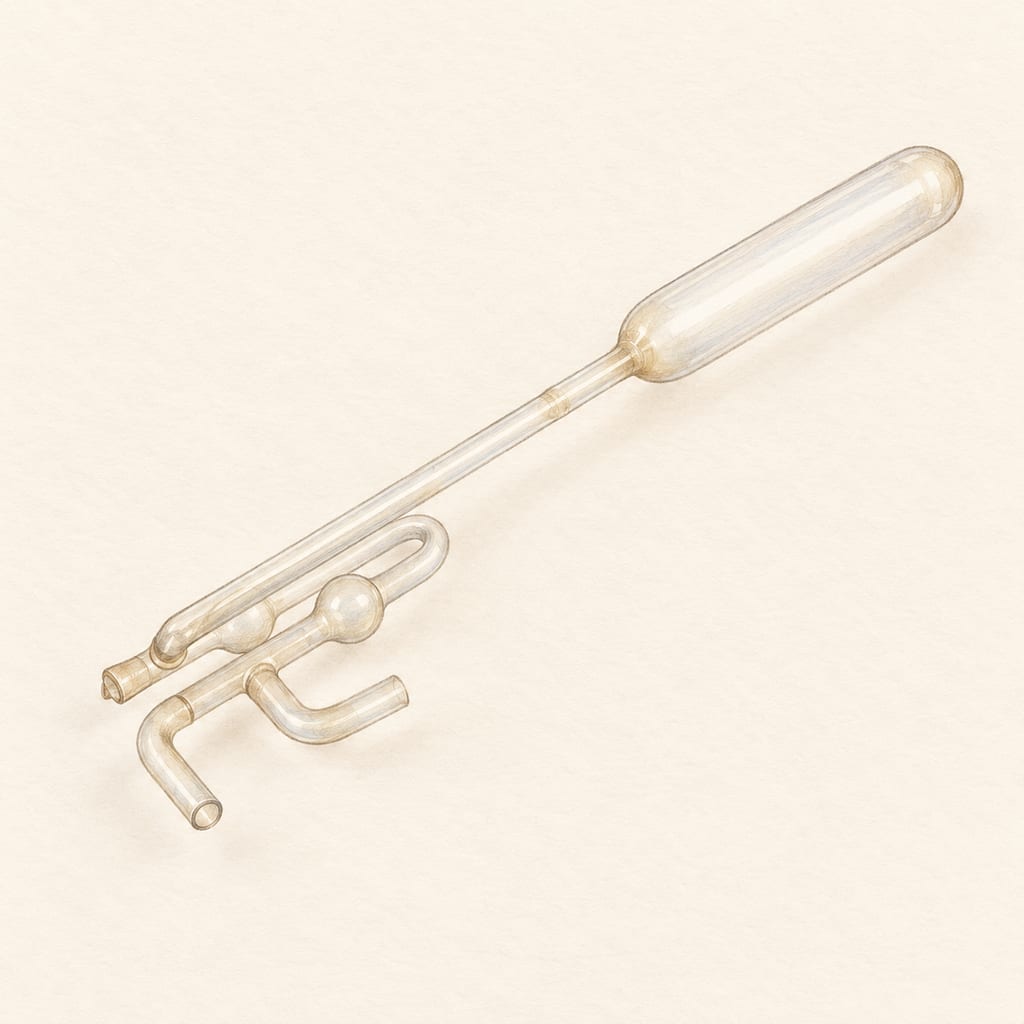
A thermostat senses temperature and regulates heating or cooling to a chosen condition. It may be built into an appliance or supplied as a separate controller; a sensor reading describes its measured point, not every part of a batch.
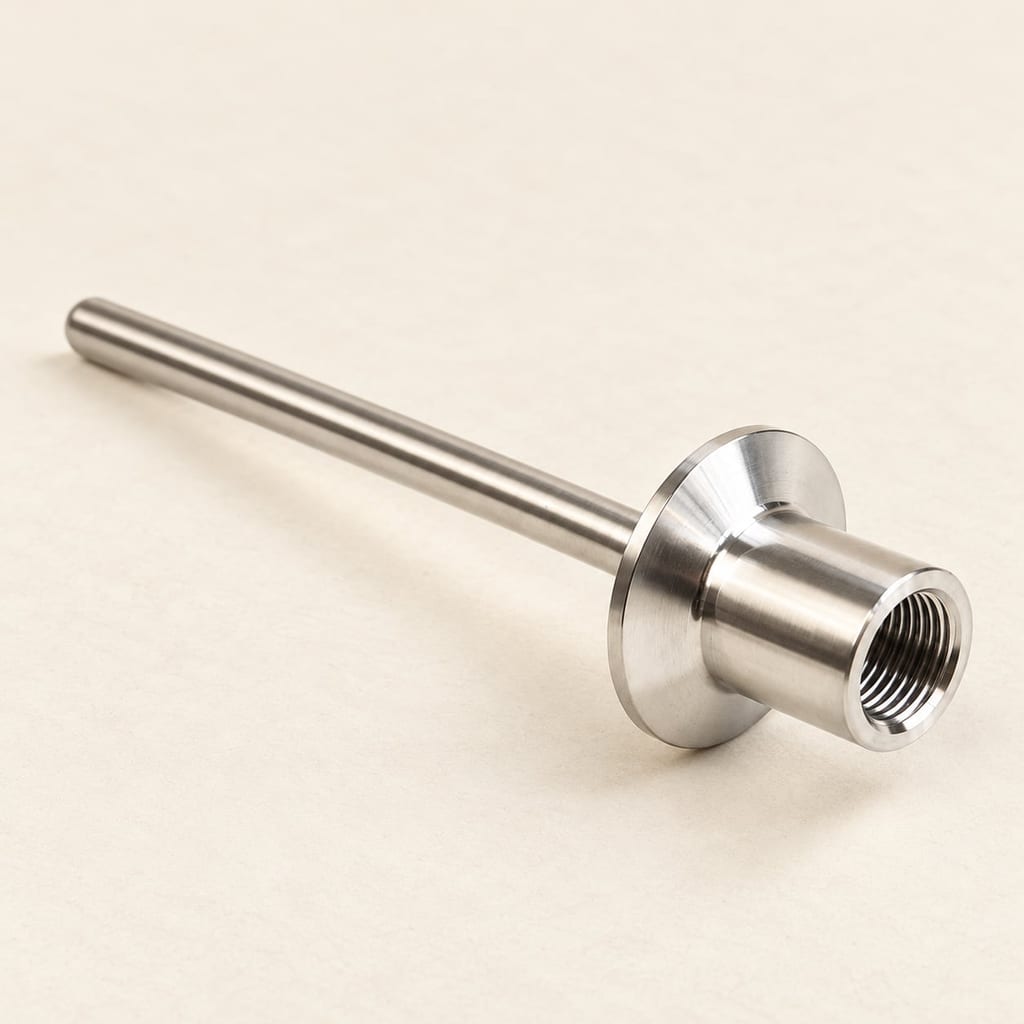
A thermowell is a passive protective sleeve that holds a separate removable temperature sensor in a tank or pipe. It neither senses temperature nor controls a heater.
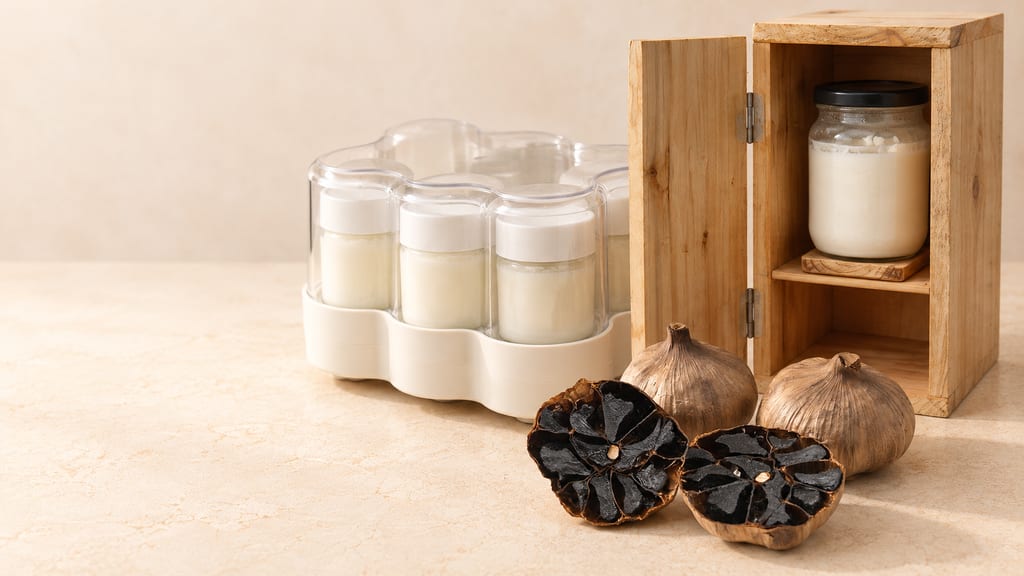
A slow cooker, a brewing kettle or a dehydrator can take over the hard part of many old food crafts, once you see each appliance as a set of physical functions and give it the right container.

Soft, spreadable Calabrian pork sausage made with a great deal of red chilli and fatty pork, stuffed into natural casings, sometimes smoked and matured while staying soft.

A way to add independent temperature logging to an existing food dehydrator without changing its built-in controls or protections. It is a monitoring method, not a rewiring plan.

Pleurotus cystidiosus is the abalone mushroom, a cultivated oyster-type fungus with dark brown caps that grows more slowly and is more demanding than other Pleurotus species.

A dark, balanced vinegar from Emilia-Romagna made by combining cooked or concentrated grape must with wine vinegar, then acetifying and refining it in wood under a protected specification.

A living dairy inoculum that starts controlled cream fermentation, developing acidity and aroma before sour cream or cultured butter is finished.

A small electric incubator holds jars at a selected temperature for yogurt and other documented warm food preparations. Controls, capacity and vessel arrangement vary by model.

Adygean salt is a seasoned table salt associated with Adygea and the wider North Caucasian culinary tradition. Salt is blended with garlic and a variable selection of herbs and spices; the exact mix depends on the named style and maker.

The African Caesar-group mushroom, Amanita masasiensis, is a wild ectomycorrhizal species of central and southern African woodlands, eaten locally. The genus contains deadly poisonous species, so identification needs care.
No community contributions have been published for this entry yet.
Sign in to contribute. Published comments and photos are free to read.
INKBIRDProduct specifications · Operation · Limits · Safety
Temperature Controller ITC-308 SeriesThe series includes ITC-308 and ITC-308-WIFI variants and regional plug versions.
Dual relay outputs independently control heating and cooling; the page lists display, calibration, alarms, and compressor delay.
The stated input and output values differ by model and variant.
The manufacturer lists ±1 °C / ±2 °F accuracy and an attached NTC sensor.
The manufacturer identifies the probe as IP68 and says the body and sockets are not waterproof.
The manufacturer recommends checking settings after power restoration.
Cited in: A switch that adds temperature feedback; How the control loop behaves; Heating, cooling and compressor delay; Models, plugs and measurements; Use in fermentation equipment; Limits and care