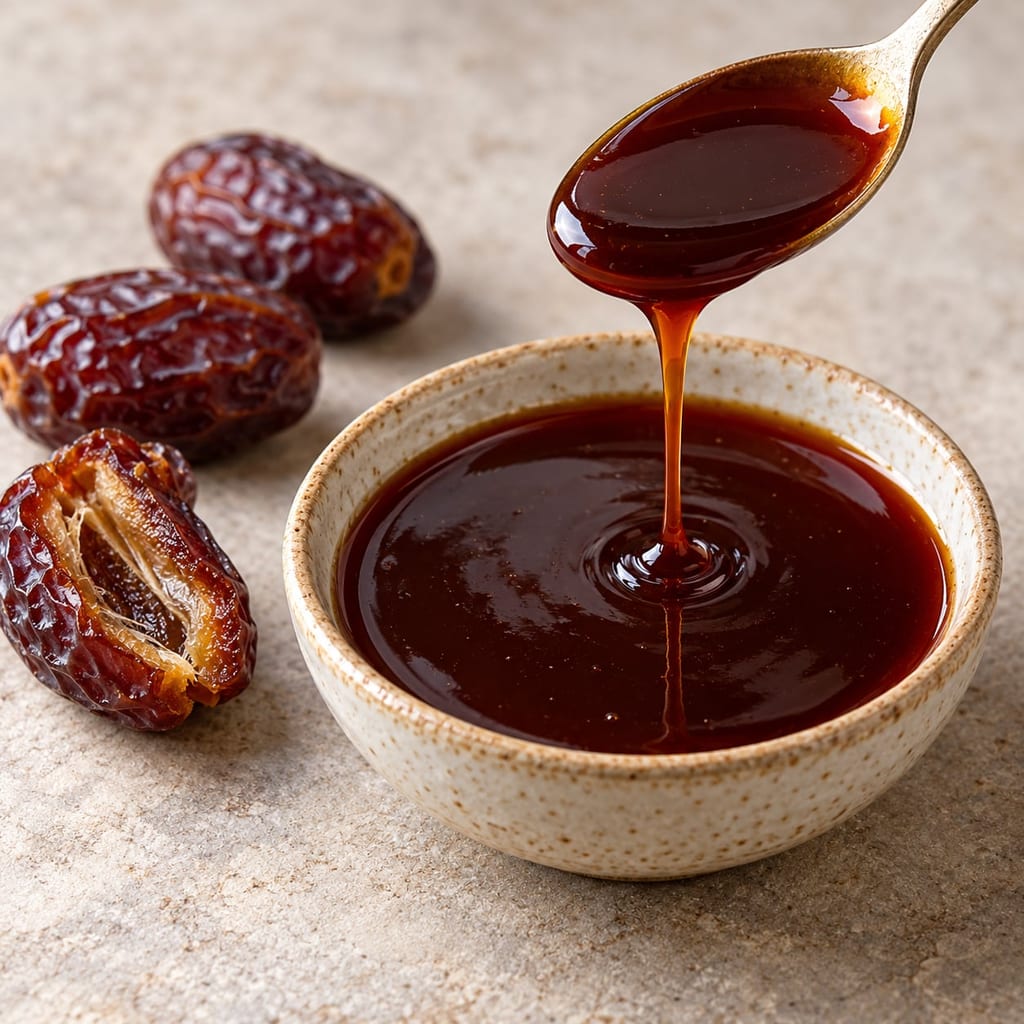
Date syrup and date pulp (dibs, silan family)
A thick, dark, very sweet syrup made from dates, known as dibs, rub, silan or date molasses. It sweetens tahini and desserts and glazes or sauces savoury dishes across the Middle East and North Africa.
 FermenteaWhere food goes to change
Modern adaptation
Mhadjeb · Mhajeb · Mahjouba
An Algerian stuffed flatbread made from wheat flour and fine semolina, filled with spiced tomato, onion and carrot, folded into packets and griddled.
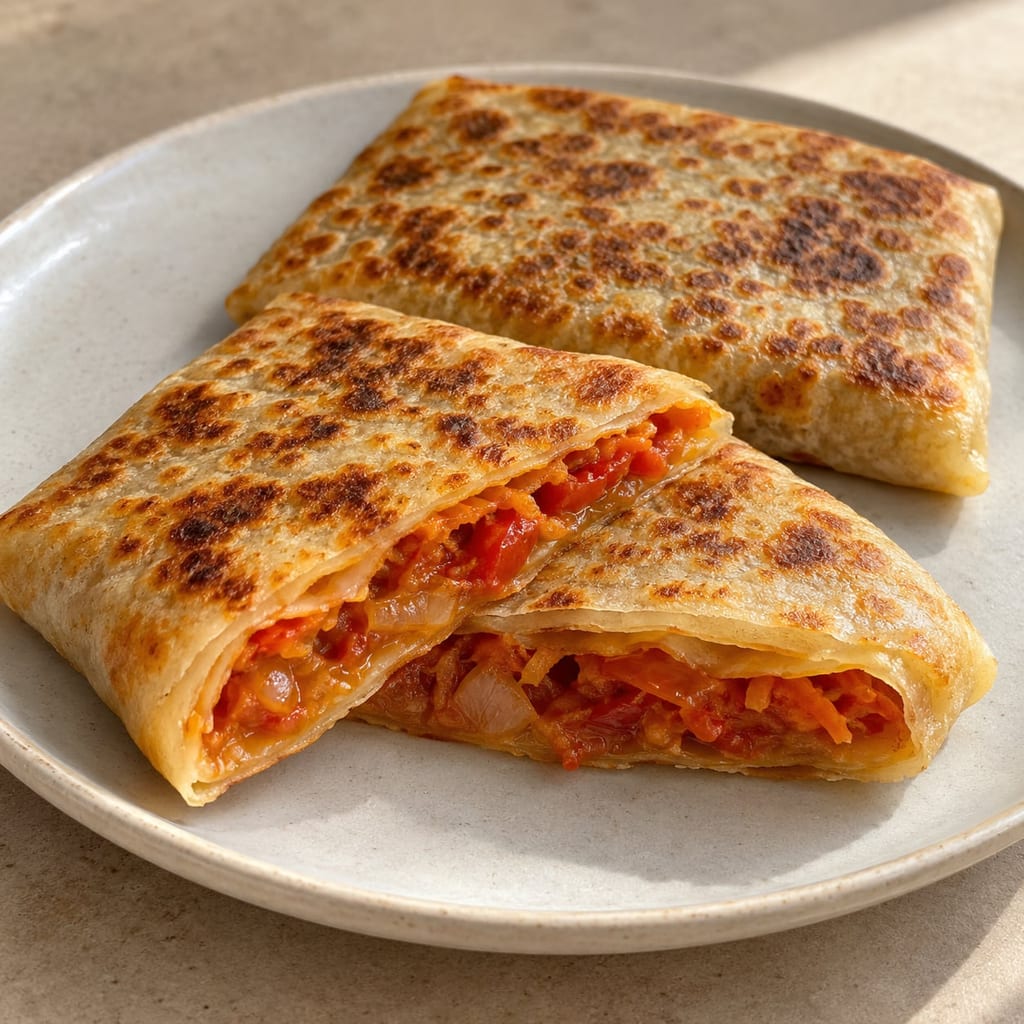
This entry follows Nour El Houda’s recipe in Tasty Dishes for a Thriving Planet, a measured home adaptation with equal parts fine semolina and wheat flour and a vegetable filling of tomato, garlic, onion and carrot. The book describes mhadjeb as popular across Algeria and identifies El Houda with Tebessa. That contributor association is not a claim that the dish began there.
A separate Mahjouba recipe shared by Takia through Grandmas Project records a Biskra family method using medium semolina and a layered dough enclosure. Its raw tomato-onion filling, folding technique and unmeasured water differ from this version. Those differences are retained as evidence of variation rather than blended into one formula.
Grandmas Project presents Takia's mahjouba in a film by Anissa Kaki. Its biographical note records that Takia was born in the Biskra desert in the 1930s, moved to France in 1968 to join her husband, and travelled between France and Algeria for forty years. The recipe thus accompanies a named person's history rather than an anonymous claim of timeless tradition.
Her medium-semolina preparation encloses the filling between stretched sheets and cooks on a tawa. This page keeps Nour El Houda's separate wheat-and-fine-semolina packet method. Neither contributor's place of birth establishes where mhadjeb originated, and the family account does not supply a first-attestation date.
The cookbook calls mhadjeb popular across Algeria and identifies its recipe contributor as Nour El Houda of Tebessa. It does not date the dish's first attestation or establish a single place of origin. A separate family recipe from Takia, who was born in the Biskra desert, uses medium semolina, raw tomato and onion filling, and layered stretched dough; it is a distinct household version.
Scaling: source batch only
Tomatoes, onions, carrots and garlic may be contaminated during growing, handling or storage.
Hazard sourceOil and a heated pan can cause burns or splatter during cooking.
Hazard sourceWash produce under running water before cutting; dry it with a clean towel. Do not wash produce with soap.
Control sourceKeep hands and face clear of hot oil; turn packets with a spatula and avoid crowding the pan.
Control sourceRefrigerate leftovers within 2 hours, or within 1 hour above 90°F (32°C); keep the refrigerator at or below 40°F (4°C).
Control sourceThe filling contains chili flakes; adjust the heat for the people eating it.
Use care around hot oil and the griddle. Wash produce before cutting, and refrigerate leftovers promptly.
A country-level recipe and street-food association; the contributor's Tebessa origin does not establish the dish's birthplace.
A thick, dark, very sweet syrup made from dates, known as dibs, rub, silan or date molasses. It sweetens tahini and desserts and glazes or sauces savoury dishes across the Middle East and North Africa.
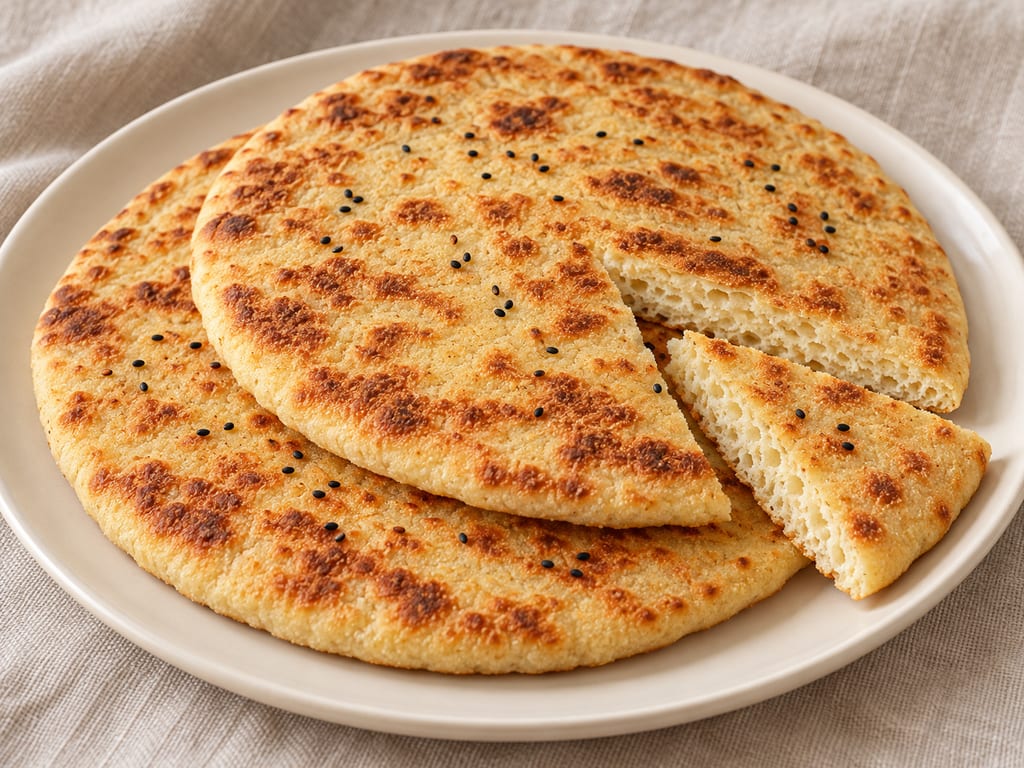
This Algerian semolina and wheat flatbread rises with yeast, browns in an oiled skillet and finishes crisp in the oven. It is the author's leavened adaptation, not the unleavened semolina baseline.
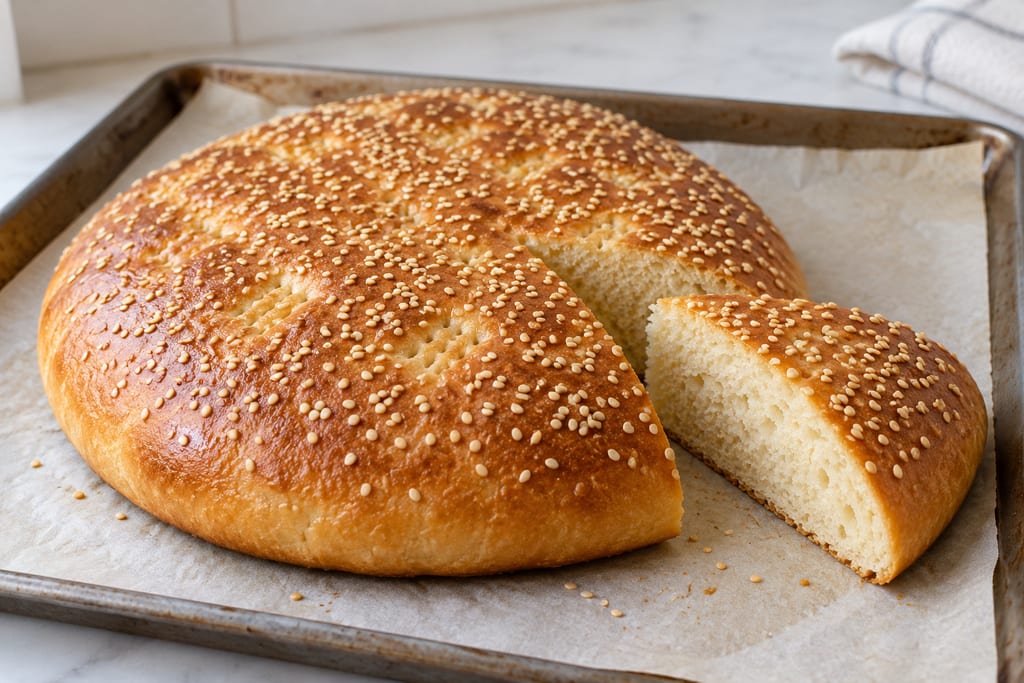
An Algerian round loaf made with semolina, wheat flour, milk, egg and sesame; this source version uses an overnight-free yeast method with three rests and an egg glaze.
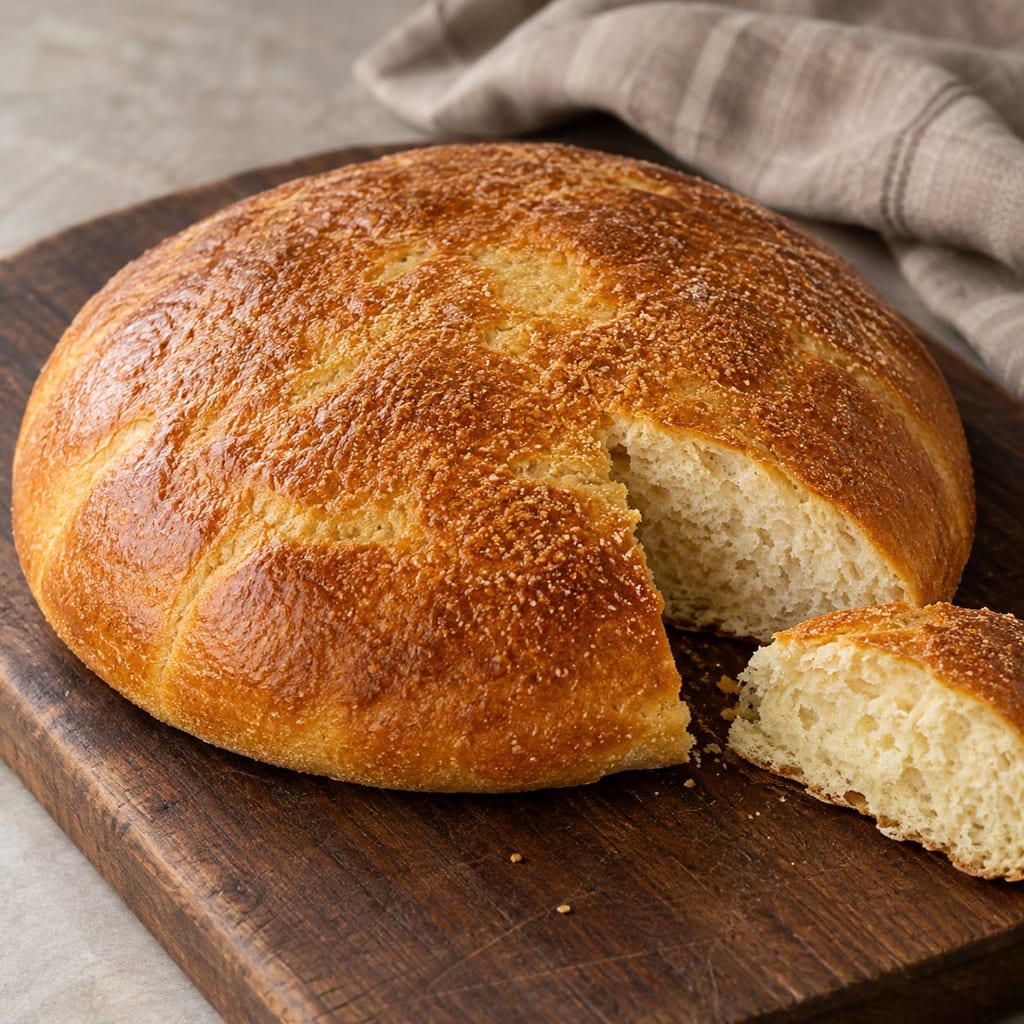
A dairy-free Algerian semolina bread made with yeast, shaped as one round loaf, brushed with egg yolk and baked in a 400°F oven.
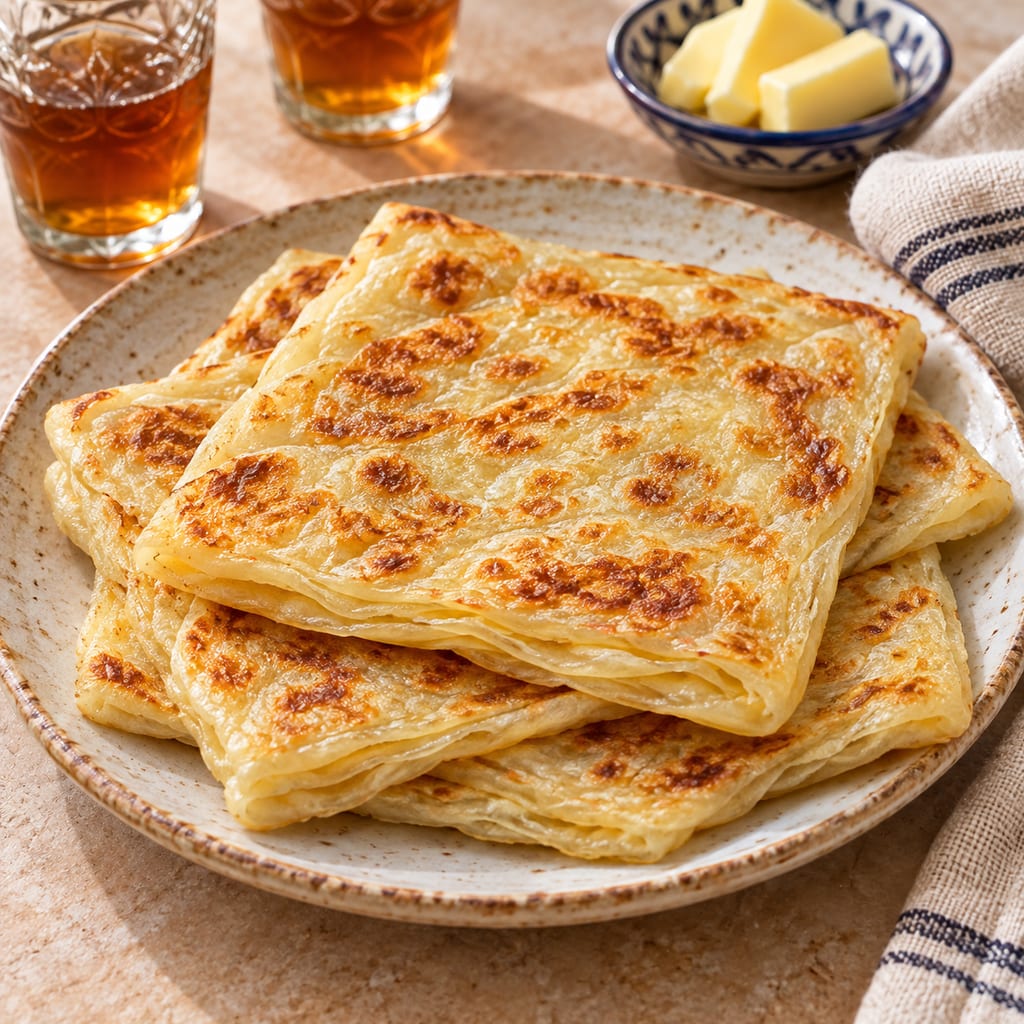
A square Moroccan layered griddle bread made from lightly yeasted wheat dough, stretched thin, folded with semolina and butter, and cooked until crisp and golden.
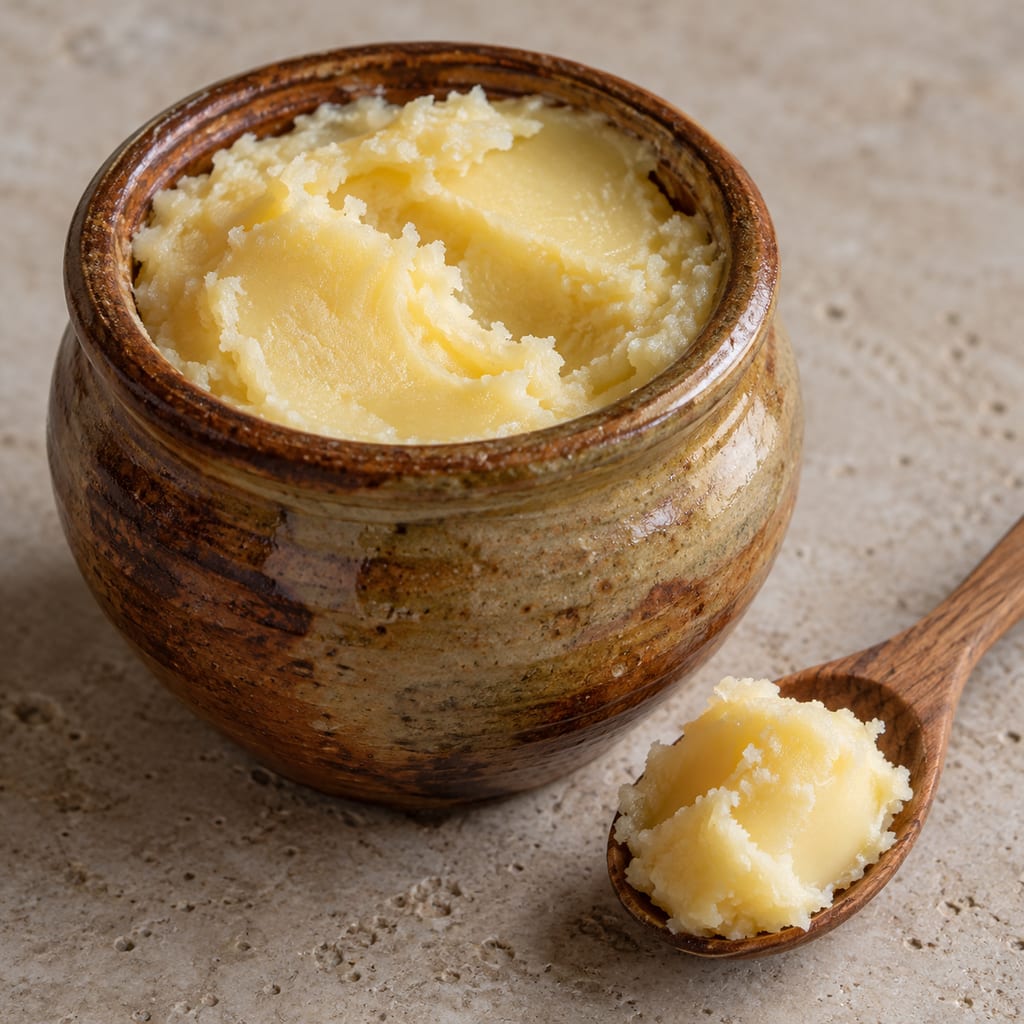
North Africa's matured butter: soured milk churned, the butter washed, heavily salted and left for months until lipolysis turns it into a pungent, cheese-like seasoning used a spoonful at a time.
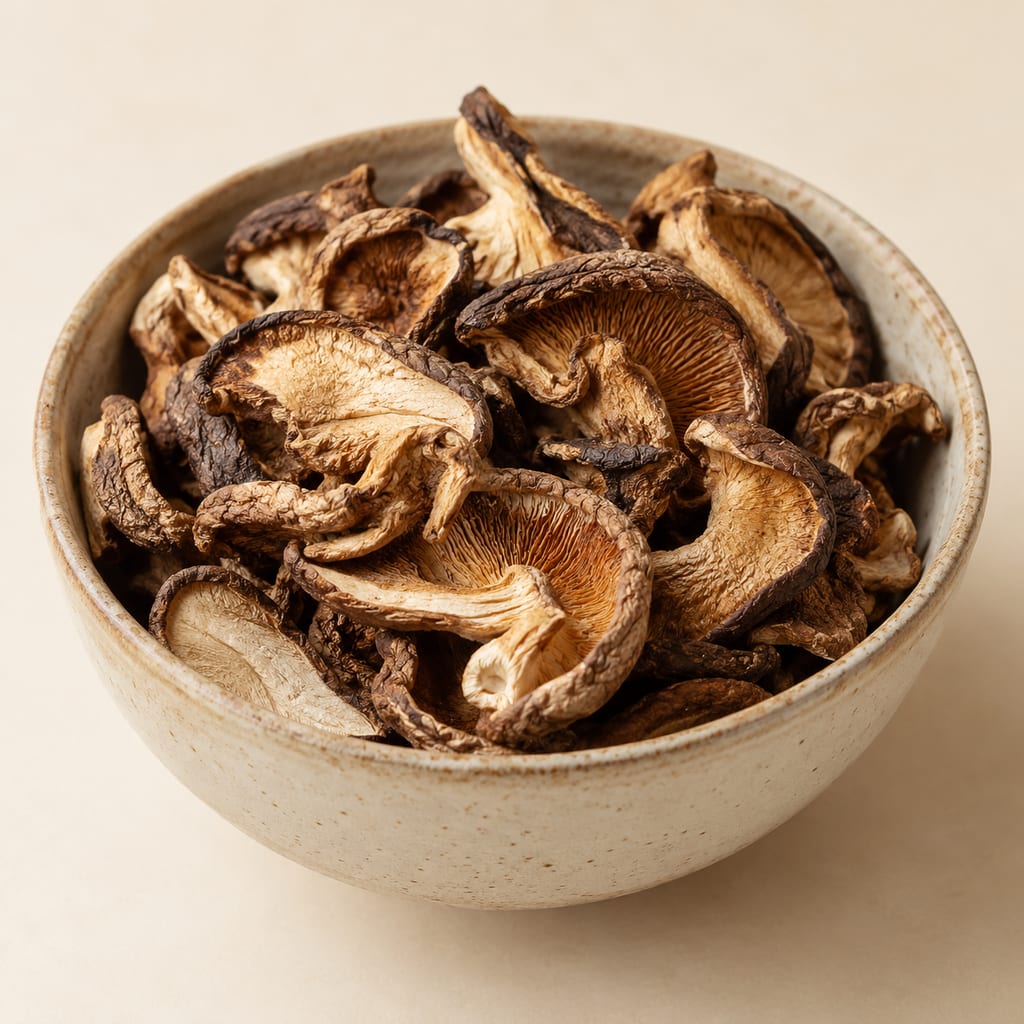
Sun-dried mushrooms are mushrooms spread in open sunlight and left to lose their water to solar heat and moving air, a method recorded in Nigeria, Tanzania, Mexico and among Algerian desert truffle gatherers.
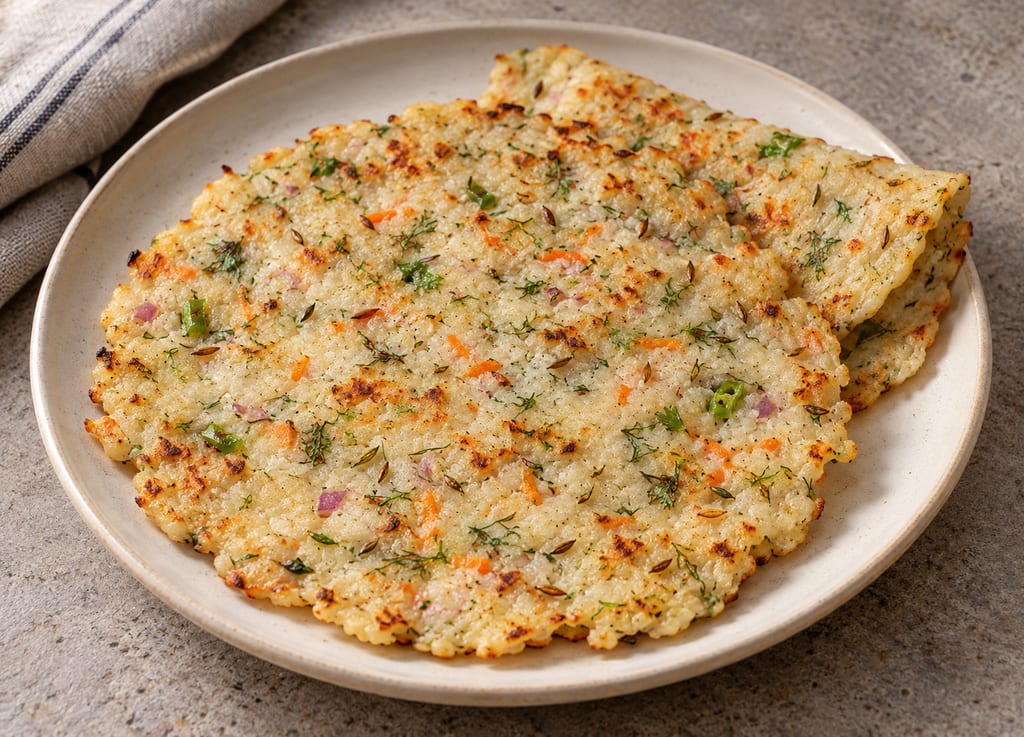
This Karnataka-style akki rotti mixes fine rice flour with vegetables, coconut, herbs and spices, then hand-pats and griddle-cooks the dough.
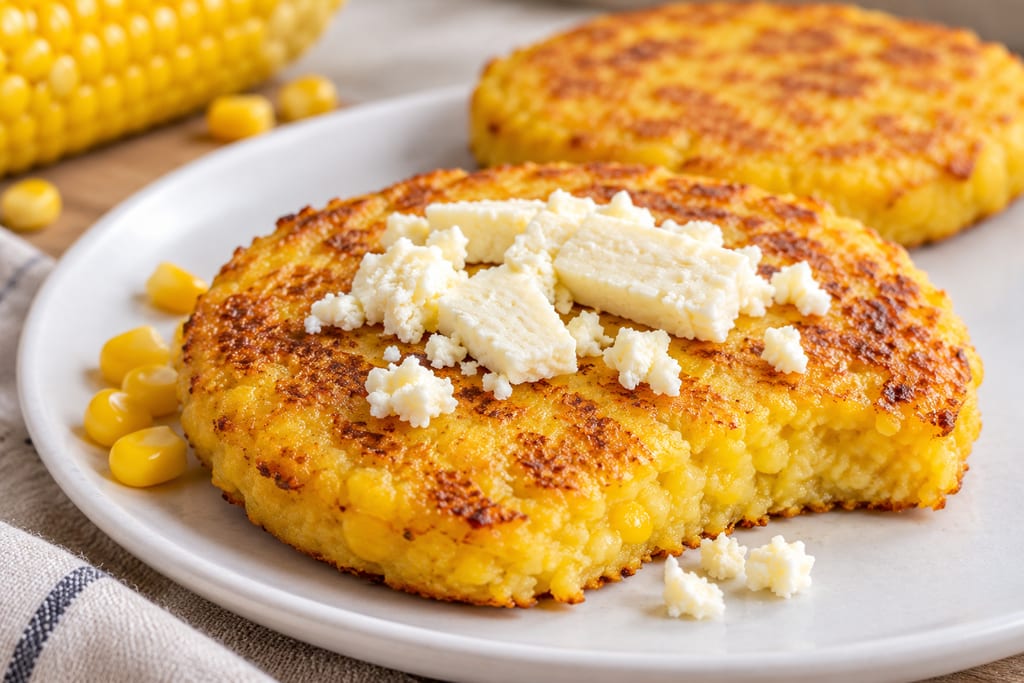
A Colombian Andean griddle cake made from fresh sweet-corn batter, cooked in butter and served with white cheese.
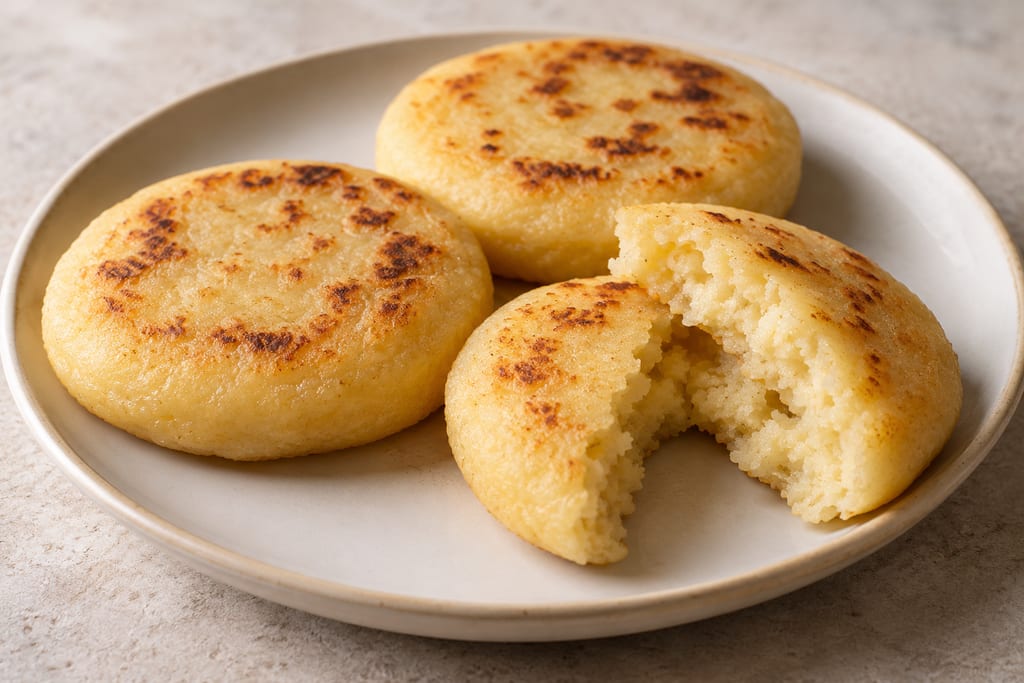
This household version combines precooked corn flour, warm water and salt, then cooks thick rounds on a lightly oiled skillet or griddle. It is one source-specific arepa method, not a universal Colombian or Venezuelan formula.
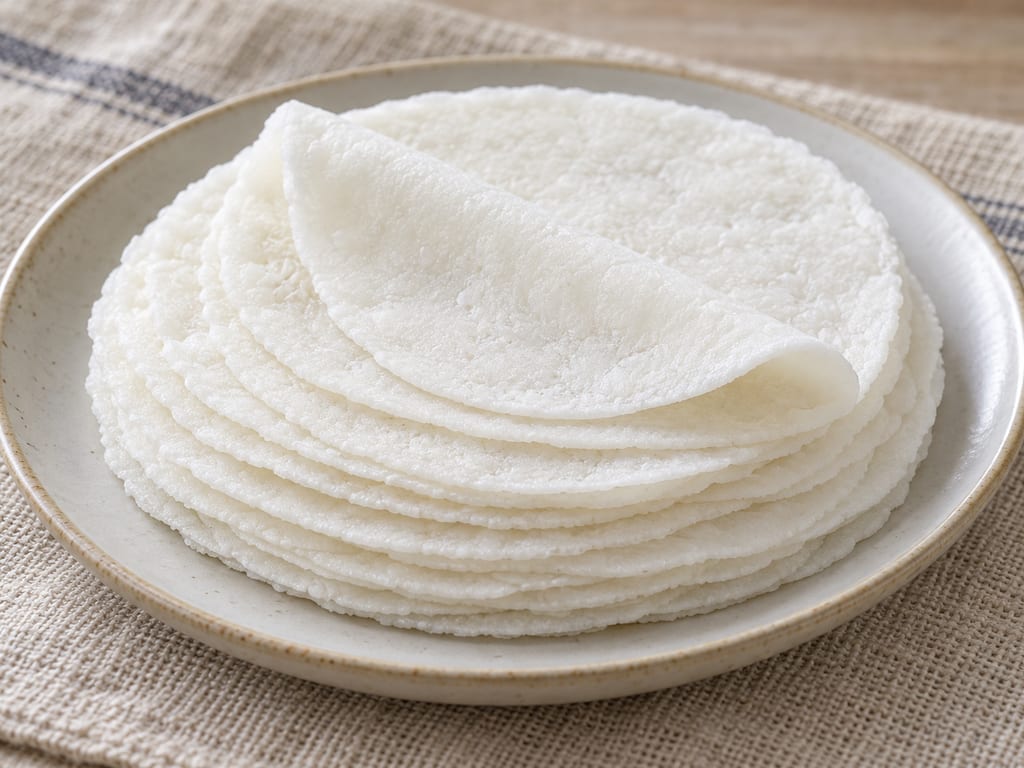
Thin Malabar rice-flour rounds made from roasted rice flour cooked into salted boiling water, kneaded after cooling, and rolled to about 1 mm. They cook on a hot griddle without taking on colour.
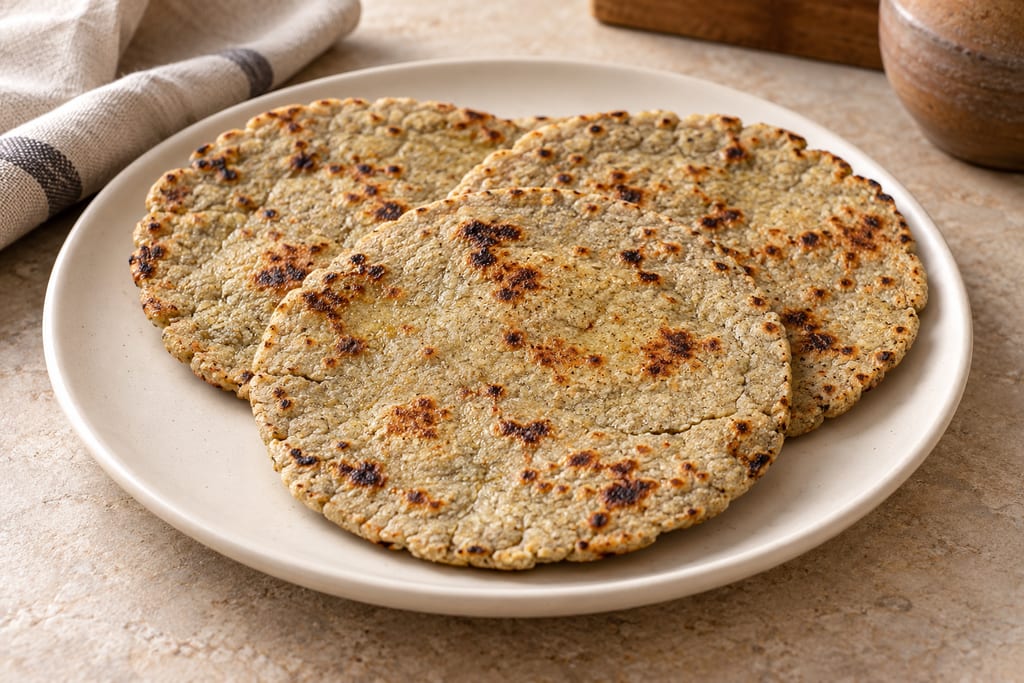
A pearl-millet flatbread shaped between sheets and cooked on a hot tawa. This home batch makes eight.
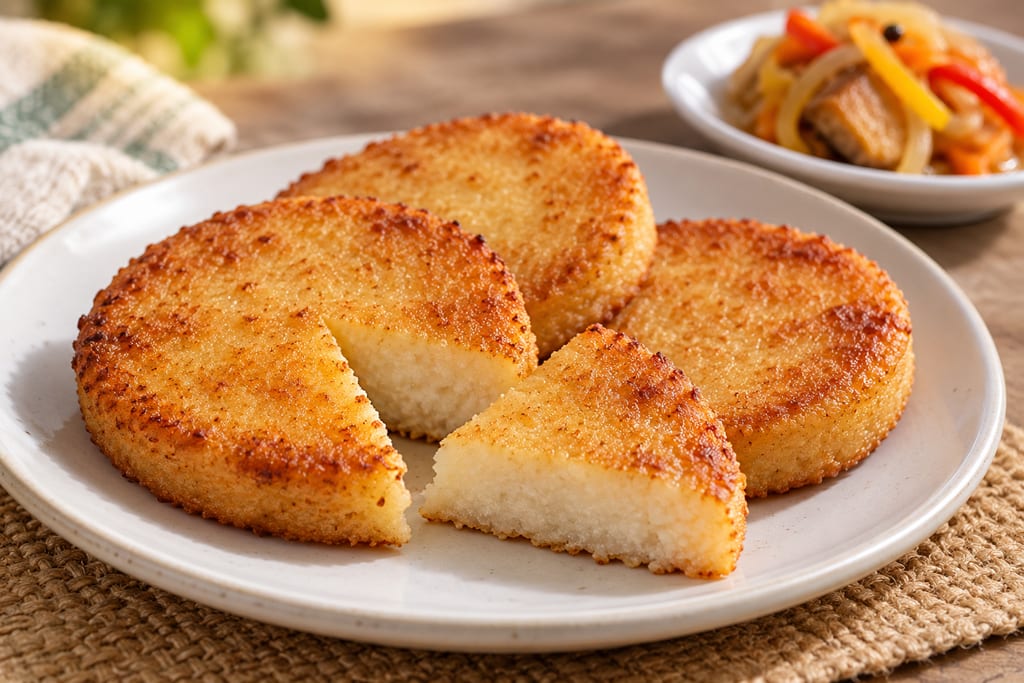
A serving method for approved, prepared bammy rounds: soak them in coconut milk and refry until golden. It does not process raw cassava.
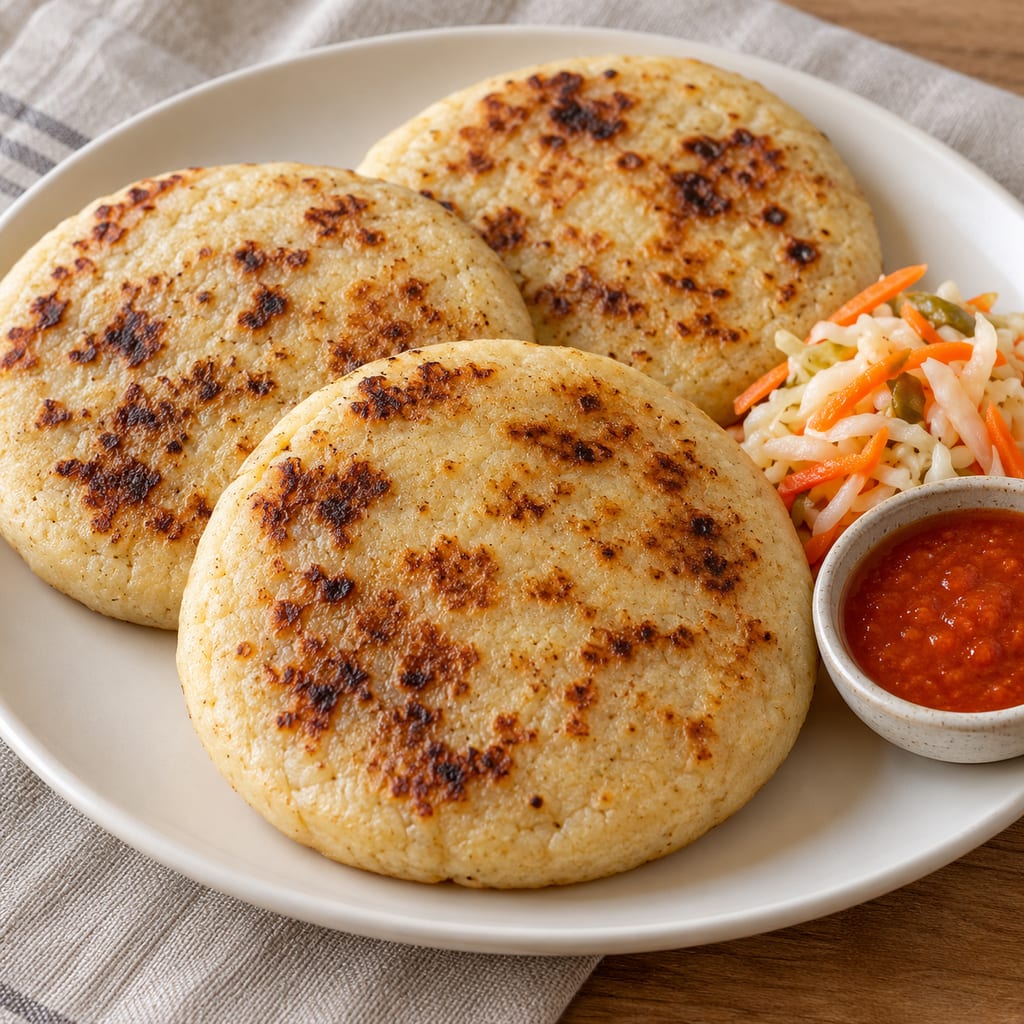
Salvadoran-style masa harina cakes filled with refried beans and cheese, sealed and cooked on an oiled skillet.
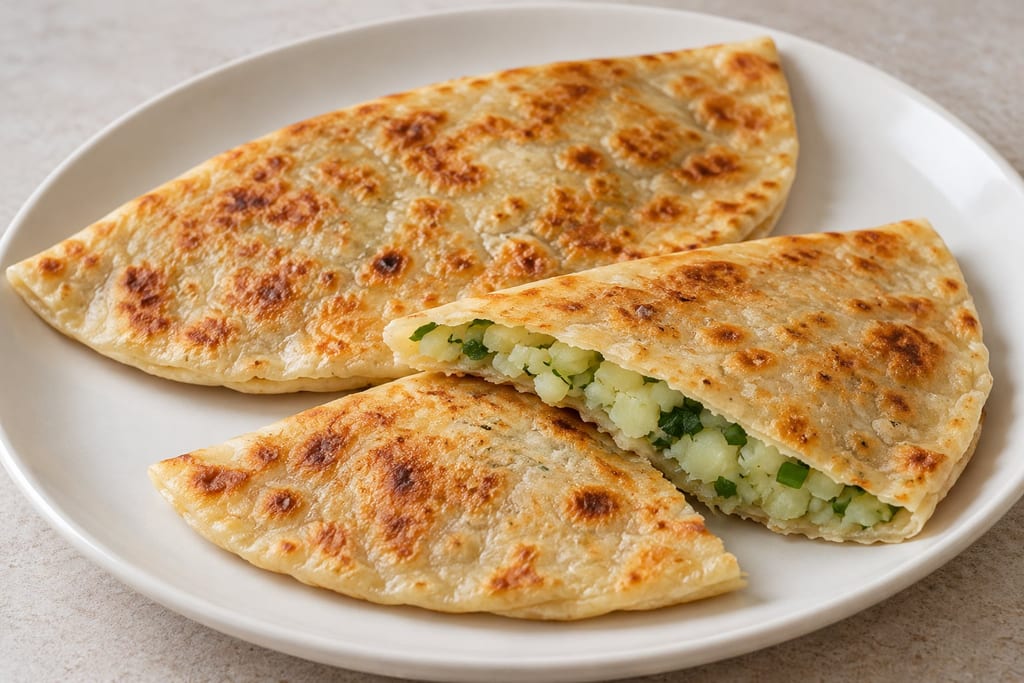
A thin, unleavened Afghan flatbread filled with mashed potato, scallion and cilantro, folded and pan-browned. This version uses a dough made from scratch.
No community contributions have been published for this entry yet.
Sign in to contribute. Published comments and photos are free to read.
Planetary Health Alliance / Sunway Centre for Planetary Health, Sunway UniversityInspiration · Method · Geography
Tasty Dishes for a Thriving PlanetMhadjeb recipe on p.36 by contributor Nour El Houda of Tebessa, Algeria; cookbook says the dish is popular across Algeria.
Measured semolina-wheat dough and vegetable filling; kneading, rest, two-pan filling method, thin stretching, folding and low-heat pan cooking.
Cited in: A source-specific Algerian version
Grandmas ProjectHistory
MahjoubaA separate household method from Takia, who was born in the Biskra desert and lived between France and Algeria; uses 500 g medium semolina, water to a flexible dough, onion-tomato-chili filling and layered stretched sheets cooked on a tawa.
Biographical note: born in Biskra in the 1930s, moved to France in 1968, and travelled between France and Algeria for forty years.
Cited in: A source-specific Algerian version; A family recipe between Algeria and France
U.S. Food and Drug AdministrationSafety
Selecting and Serving Produce SafelyRinse fresh produce under running water and dry it; soap should not be used, and washing does not eliminate all bacteria.
U.S. Food and Drug AdministrationSafety
Safe Food HandlingWash hands and surfaces and use care to avoid burns and cross-contamination when preparing food.
USDA Food Safety and Inspection ServiceSafety
How do I handle leftovers safely?Refrigerate leftovers within two hours, or one hour above 90°F, and keep the refrigerator at or below 40°F.
Wikimedia Commons / SlothtyslothImage reference
Mhajeb1.jpg22 August 2022 own-work Algerian mhadjeb photograph. Individually checked CC BY-SA 4.0; excluded from PD/CC0 reference count.