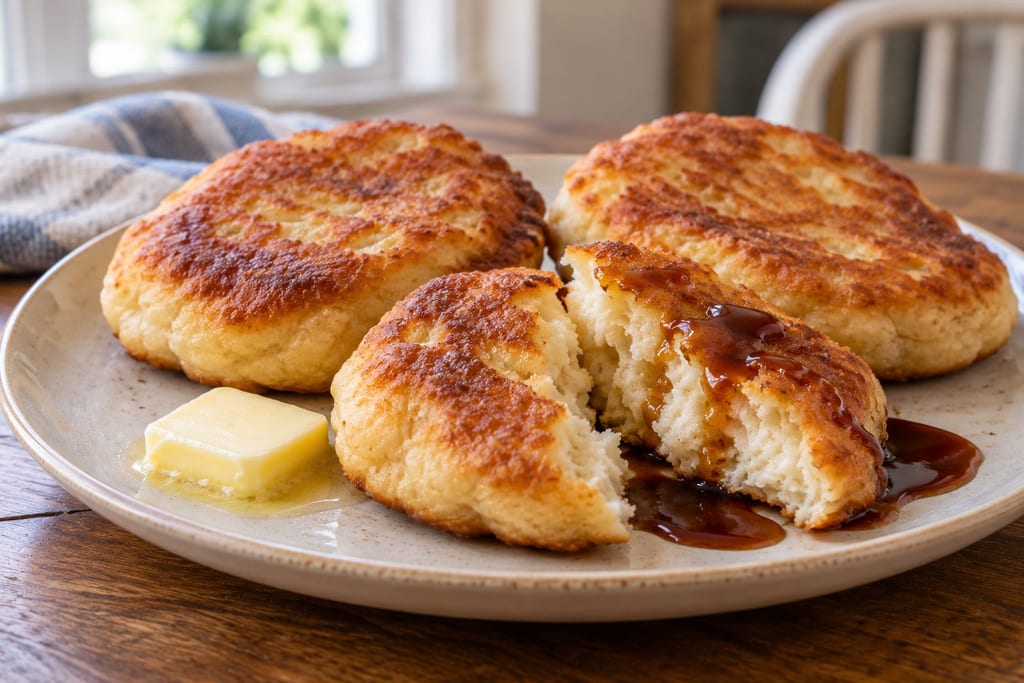
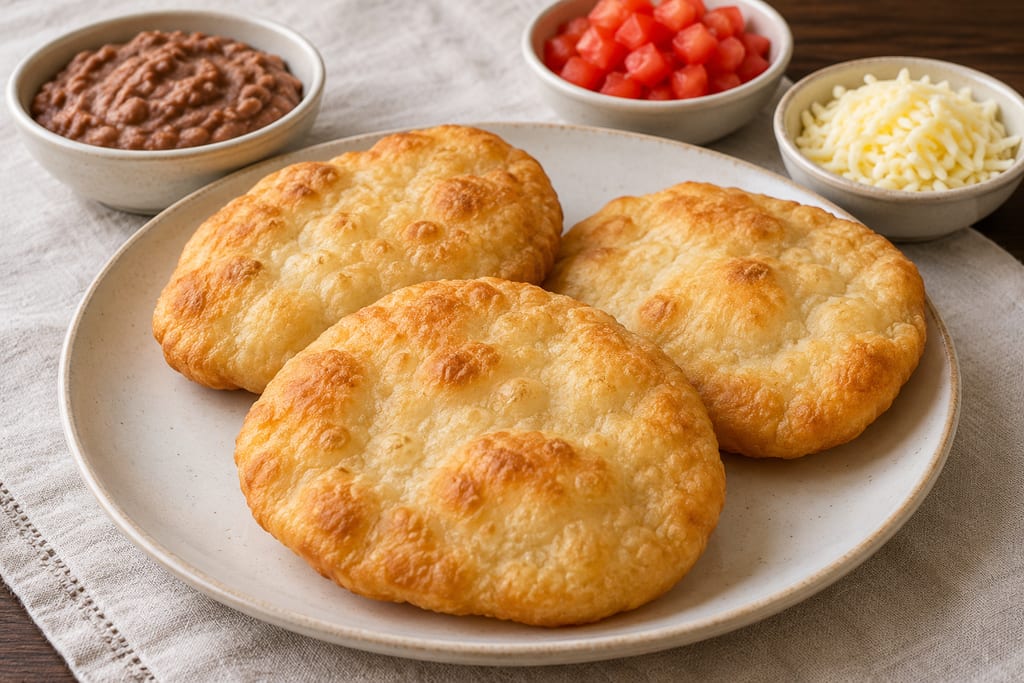
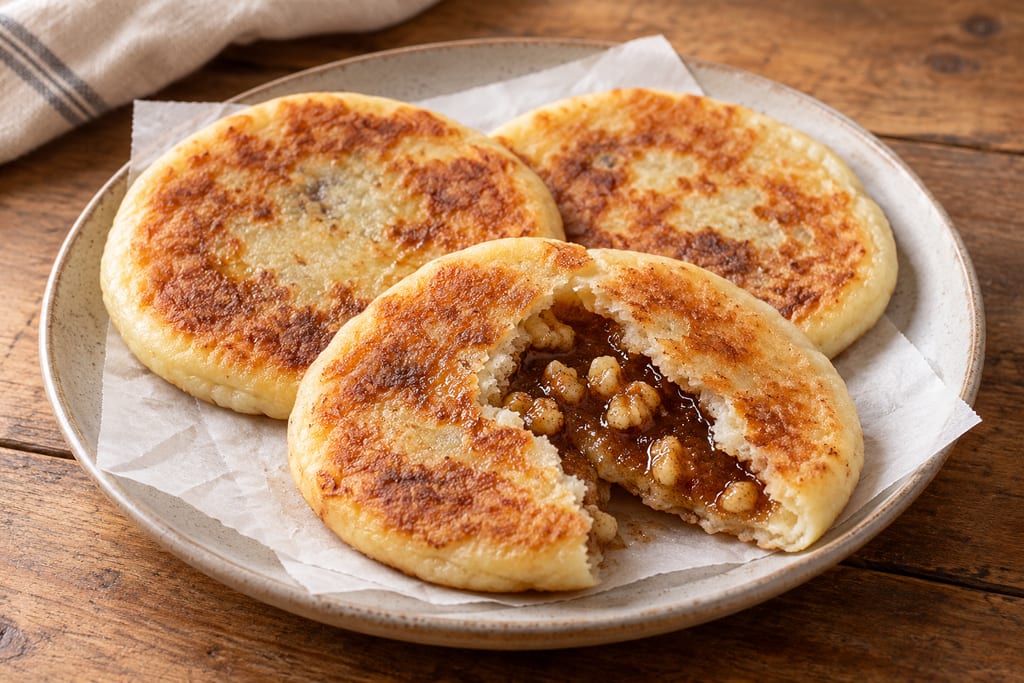
Toutons use raised bread dough to make a hot, pan-fried bread for breakfast. Newfoundland and Labrador Tourism describes them as yeasted dough fried until golden and served with molasses or corn syrup. This version uses a measured method for eight rounds from about one pound of leftover white bread dough.
The dough formula is not included. The author links to a separate white-bread recipe, but this method covers only shaping and frying already raised dough. The suggestion that toutons developed as a way to use leftover dough is not a dated history of the dish.
Shape and fry slowly
Divide the dough into eight pieces of about two ounces each. Flatten them into rounds three to four inches across and about half an inch thick, then rest them for 15–20 minutes so they rise slightly.
Shallow-fry in about half an inch of canola oil. Heat over medium-low to about 275°F (135°C), with the oil bubbling gently at the edges. Turn each touton after about four to five minutes and fry the second side for the same time. Keep the oil near that temperature: hotter oil can brown the outside before the centre cooks. An optional finish is about ten minutes in a 250°F (121°C) oven. The recipe provides no internal temperature.
Dough handling
Use bread dough with a known preparation and storage history; this method does not supply its formula or storage schedule. Raw flour may carry harmful bacteria. Do not taste raw dough, wash hands, utensils and surfaces after handling it, and cook the dough before serving. The listed oil temperature and frying times are recipe instructions, not validated internal-doneness limits.
History
Newfoundland and Labrador Tourism describes toutons as a provincial breakfast food made from yeasted dough. Rock Recipes documents a contemporary method and suggests that toutons likely developed as a way to use leftover dough; that suggestion is not a dated origin account. The recipe does not make a claim about when toutons first appeared.
Ingredients
Yield 8 toutons · Scaling: source batch only
Leftover yeasted white bread doughUse dough already raised for bread; its formula is not included here.
454 g1 lb as recorded
The source says approximately 1 lb and yields eight toutons.
The dough contains flour that has not yet been fully cooked. FDA advises against tasting raw dough and says cooking is needed to make flour foods safe.
Hazard source
Hot frying oil
The method heats a shallow layer of oil in a skillet; spills and splashes can burn.
Hazard source
Do not taste uncooked dough. Wash hands, utensils and surfaces after handling flour dough.
Control source
Use dough that has been handled and stored according to the bread-dough source. This recipe does not set storage limits because it does not give the dough formula or holding history.
Control source
Use a thermometer to follow the source's approximate 275°F oil recommendation, avoid crowding the pan, and keep hands and water away from hot oil.
Control source
Do not eat raw or doughy bread dough. The source warns that oil that is too hot can brown the outside before the centre cooks and suggests an optional 250°F oven finish for about 10 minutes. It does not give an internal temperature or a validated safety limit.
The ingredient is leftover white bread dough; its flour mix, proofing method and storage schedule are outside this recipe. Use dough with a known, safely handled history.
Divide about 1 lb of already risen white bread dough into eight pieces of roughly 2 oz each. Flatten each into a round about 3–4 inches wide and ½ inch thick.
Place the rounds on a well-floured surface and let them rest for 15–20 minutes so they rise slightly.
Pour canola oil into a large skillet to a depth of about ½ inch. Heat over medium-low heat, using a thermometer to bring the oil to about 275°F (135°C). The source warns that hotter oil can brown the outside before the centre cooks.
Fry the rounds in batches without crowding the skillet. Turn each after about 4–5 minutes, when the first side is golden, then fry the second side for the same time. Keep the oil bubbling gently at the edges; hotter oil can brown the outside before the centre cooks.
For an extra finish, place the fried toutons on a parchment-lined sheet in a 250°F (121°C) oven for about 10 minutes. This is a recipe instruction, not a validated internal-temperature limit.
Serve warm with butter and a drizzle of molasses.
Conditions
Yield8 toutons
Active time5 min
Temperature135°C
Places
Newfoundland and Labrador
Traditional preparation · Region evidence
Rock Recipes documents this specific Newfoundland method, and Newfoundland and Labrador Tourism describes toutons as a provincial yeasted-dough breakfast food. No precise birthplace is claimed.
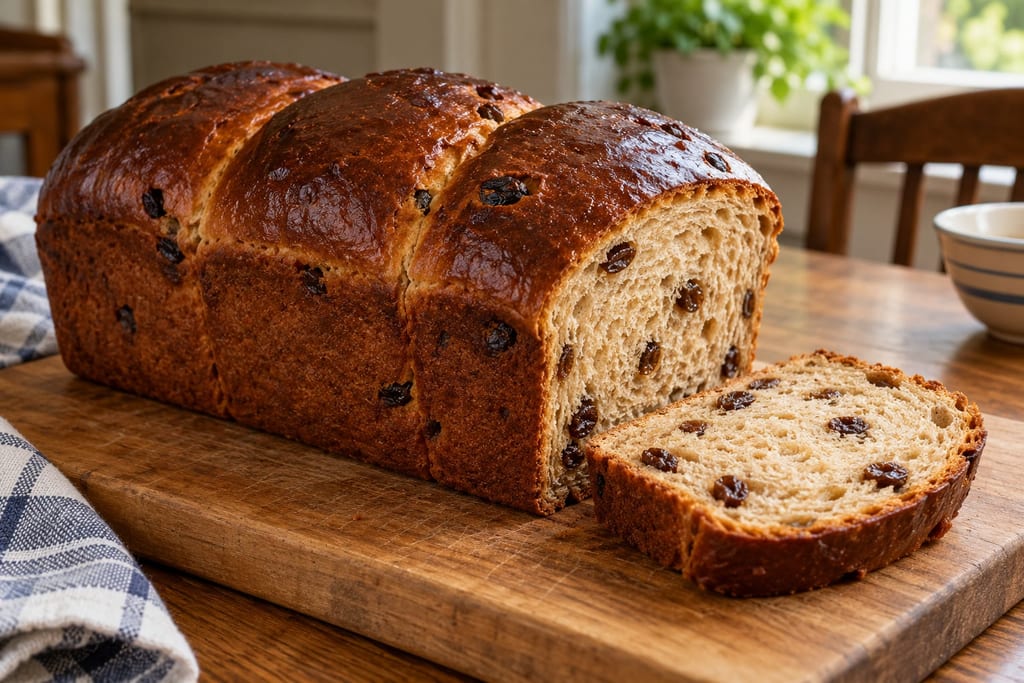
A Newfoundland family-style sweet yeast loaf with molasses, raisins, cinnamon and cloves. This version follows a half-batch adaptation of Nanny Hemeon's family formula; it is not a standard recipe for all Newfoundland households.
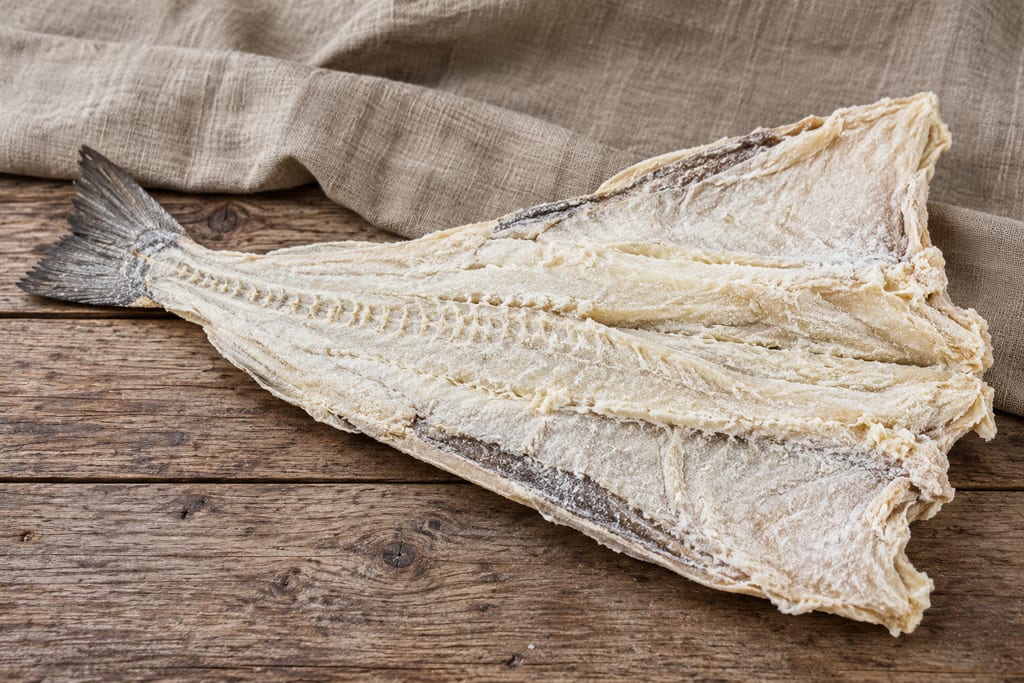
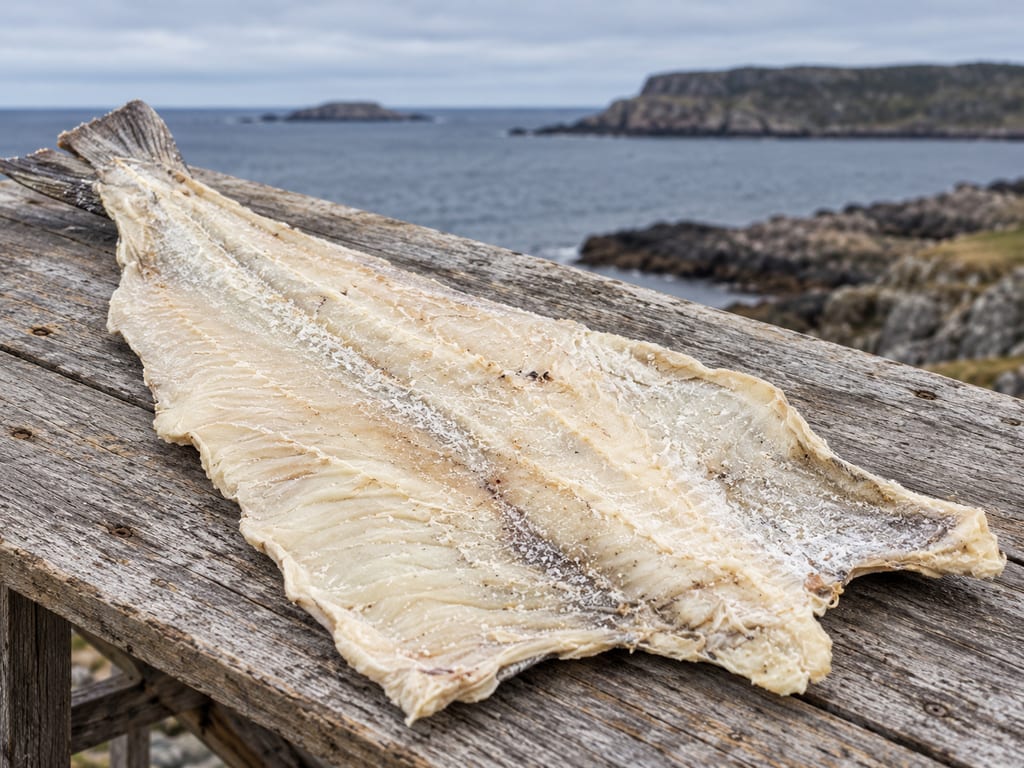
Cod split, salted and dried on flakes until hard, a long-keeping fish that must be desalted and rehydrated before use; the salting and the extensive drying together make it portable where light salting or partial drying does not.
Vietnamese steamed wheat buns wrapped around seasoned pork, mushrooms, Chinese sausage and hard-boiled quail eggs. This from-scratch version uses yeast and self-rising flour.
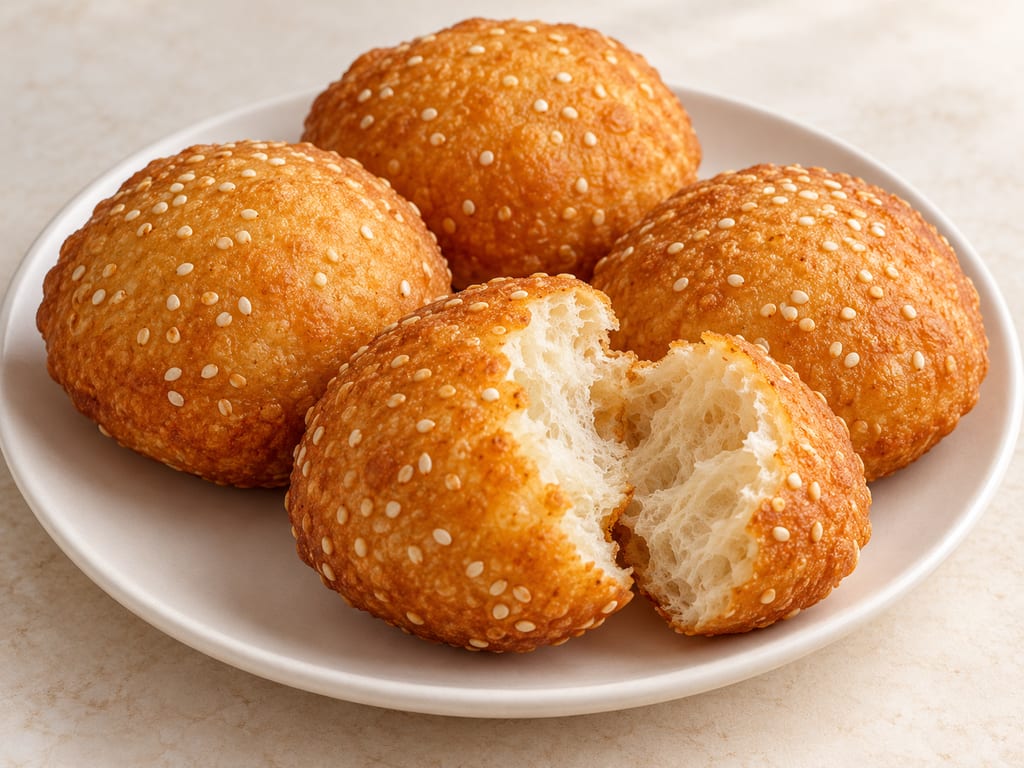
Bánh tiêu is a lightly sweet Vietnamese fried bread coated with sesame. A yeast-raised dough with baking powder is rolled into small rounds and fried until puffed and golden.
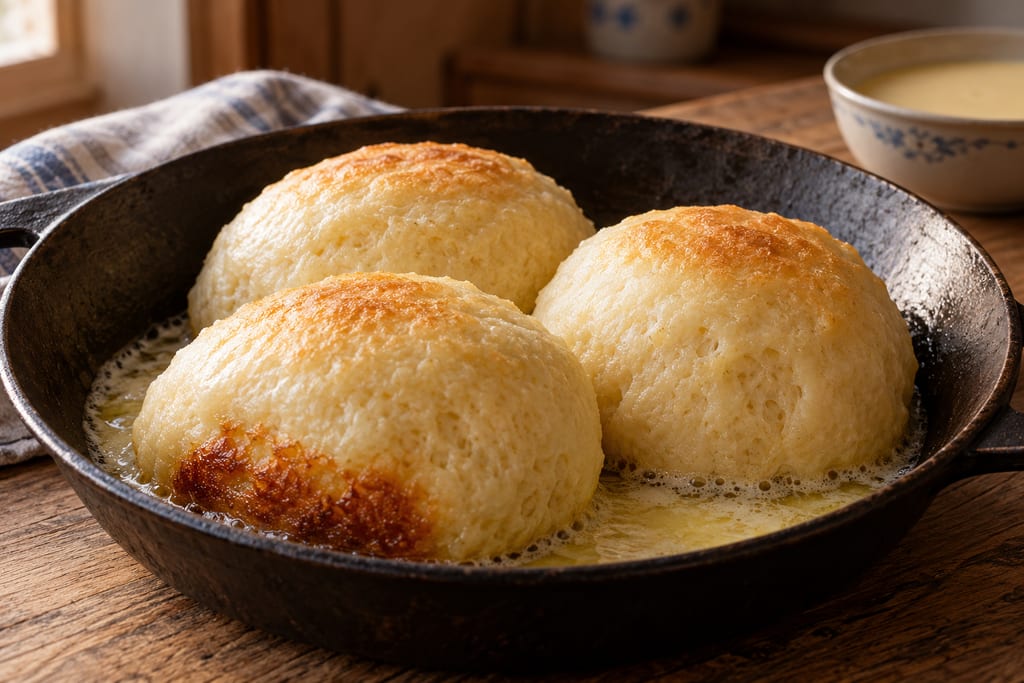
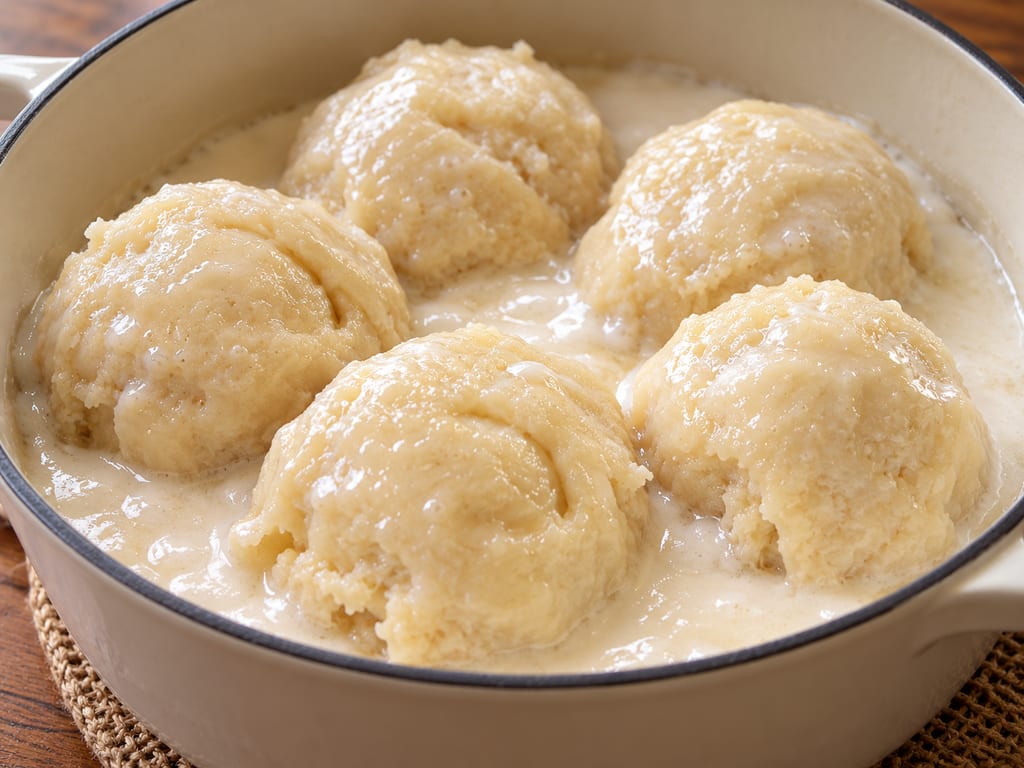
Soft yeast buns shaped by hand and simmered covered in coconut cream diluted with water in a deep pot. This Fijian home version uses a clean knife or fork inserted into the center as its doneness cue.
This Emilia-Romagna home version uses a measured flour-and-milk dough with yeast, shapes it into small diamonds or squares, and fries them in peanut oil.
The source makes eight toutons from about 1 lb leftover white bread dough and canola oil.
It shapes about 2 oz pieces into 3–4 inch rounds about ½ inch thick and rests them 15–20 minutes.
It recommends about ½ inch canola oil heated over medium-low heat to about 275°F, frying about 4–5 minutes per side, and offers an optional 250°F oven finish for about 10 minutes.
The source serves them warm with butter and molasses and suggests, without dating the origin, that they likely used leftover dough from daily bread baking.
Accessed 2026-10-29
Newfoundland and Labrador TourismHistory · Geography