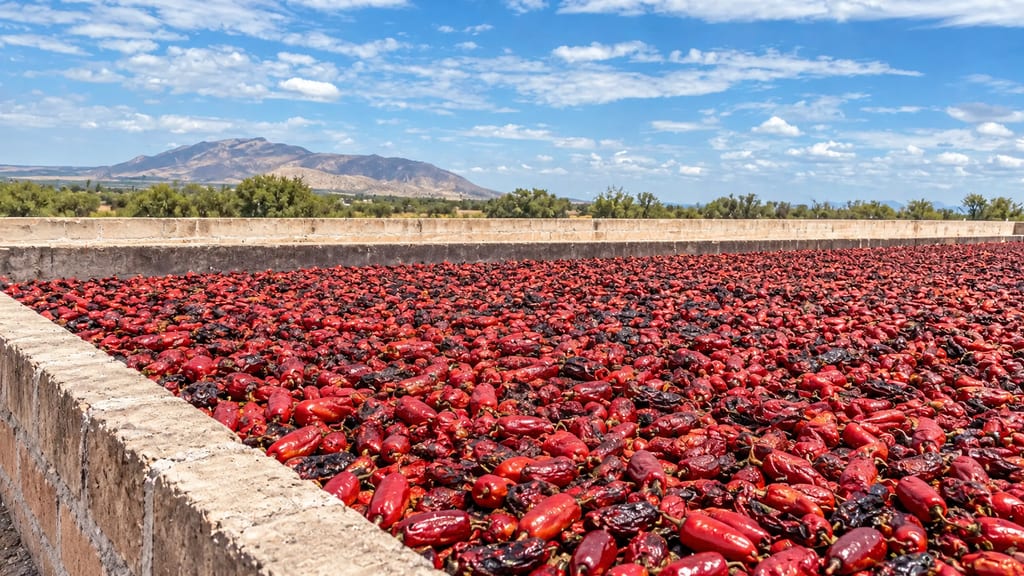
Chipotle cocedor
A fixed masonry-and-wood structure used in Camargo to smoke and dry ripe jalapeños into chipotle. Sources give regional dimensions and one separate experimental oven, not a safe construction plan.
 FermenteaWhere food goes to change
Built structures · Pits and cavities
An in-ground Yucatecan Maya oven that uses fire-heated stones and a covered pit to cook food slowly. Documented pit depth, coverings and loading sequence vary; this page presents sourced examples rather than one standard design.
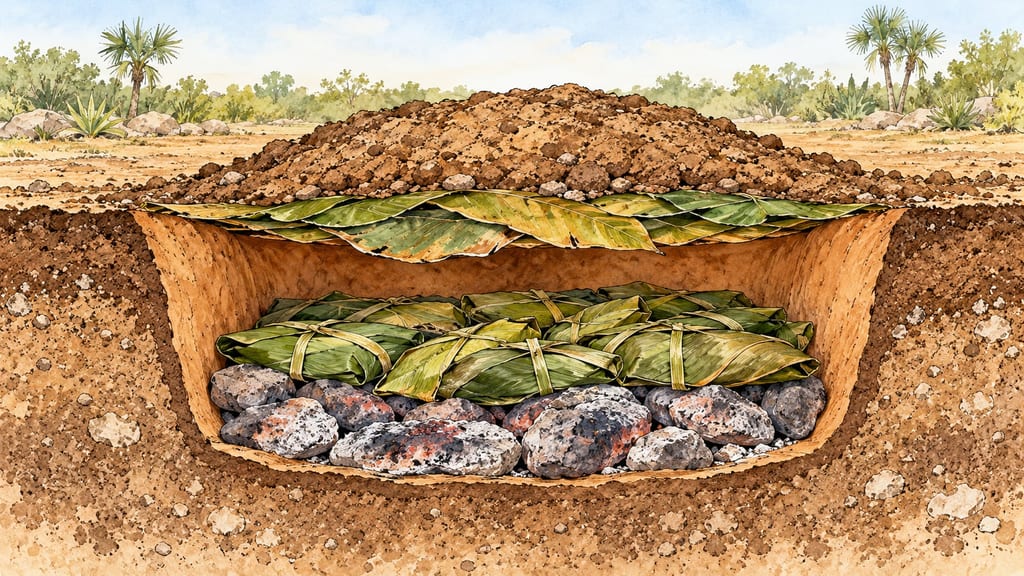
Píib names an in-ground oven and also appears in terms for foods cooked by this method. This record focuses on the oven as a fixed-in-place cooking build. The Instituto Politécnico Nacional’s documentary study describes a Maya earth oven roughly 60 centimetres deep, with walls smoothed in clay. It is one account, not a specification for every Yucatecan household or every food. Contemporary Yucatán descriptions likewise say that pit size depends on the amount being cooked.
In the IPN description, firewood heats stones in the pit until they are red hot; the wood is then removed, and a pot with food wrapped in banana leaves is placed over the stones. The opening is covered for slow cooking with retained heat and moisture. A contemporary account from Yucatán Today describes a different arrangement involving leaves from locally used trees, a metal sheet and earth. These accounts show a shared principle—heating a thermal mass and closing the pit—alongside differences in packing and cover materials. They do not support one universal construction sequence or cooking time.
Yucatán Today describes píib as a present-day Maya cooking practice in household yards, with the pit sized to the amount being prepared. Its account presents this as a living tradition requiring local knowledge; it does not date the oven's origin. The IPN thesis calls the method Maya and records a technical description, but it does not establish when the build originated. An archaeological thesis on domestic activities at Sihó notes that pib cooking is documented ethnographically and ethnoarchaeologically, while reporting that pib features had not been identified in the archaeological record it discusses. The page therefore does not assign this form a Classic-period date or claim uninterrupted archaeological proof.
Pibil can describe preparations cooked in a píib; the oven and the food are related but distinct. The IPN account mentions wrapped meat and a pot, while current Yucatecan descriptions include different foods and packaging. This page does not treat modern cochinita pibil as an unchanged prehistoric recipe, nor does it imply that every pib uses pork or banana leaves. The linked cochinita pibil record names this oven as equipment for one dish. A recipe cooked in an ordinary modern oven is a different setup from the earth-pit build documented here.
An IPN documentary study describes the Maya pib method; a contemporary Yucatán account documents continued use. The sources do not establish a single origin date or an unbroken archaeological sequence.
A build is made where it stands: moving it means building it again.
Sources describe a Maya/Yucatecan earth-oven method and contemporary practice; this does not establish a universal form or date its origin.
A fixed masonry-and-wood structure used in Camargo to smoke and dry ripe jalapeños into chipotle. Sources give regional dimensions and one separate experimental oven, not a safe construction plan.
A CIMAV industrial chipotle oven combines solar-heated water and recirculated air with auxiliary gas heat and a separate wood smoker. It differs from Camargo’s traditional open masonry cocedores; reports describe capacity differently.
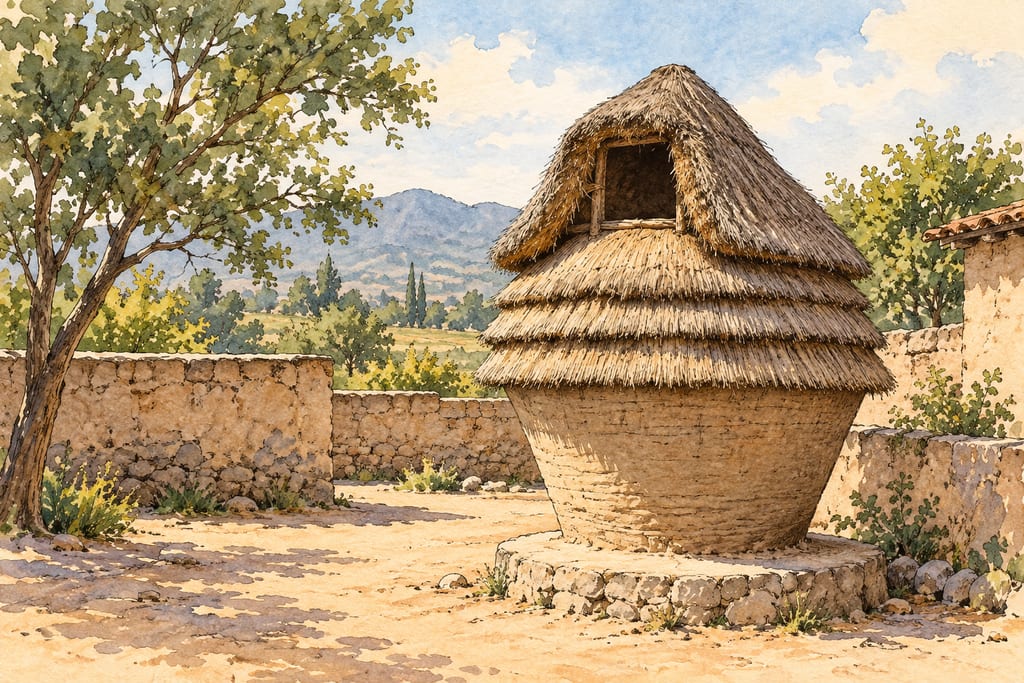
A cuexcomate is a fixed household granary of central Mexico: a hollow earthen body with a dry-grass roof, used chiefly to store maize. Its shape and construction vary by region.
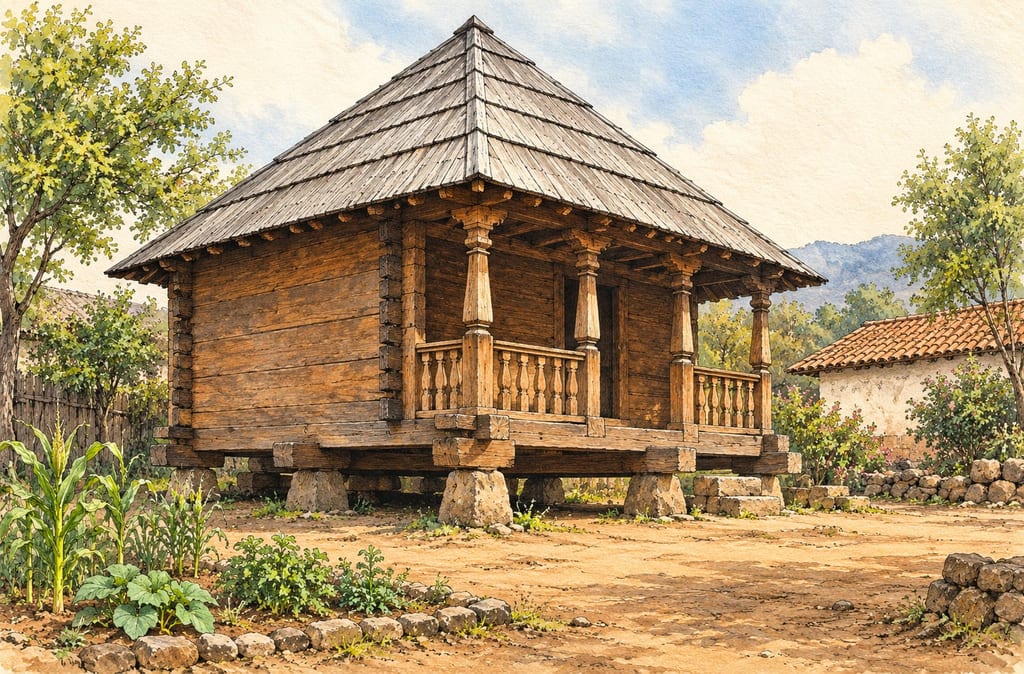
A Purépecha troje is a timber household dwelling with a raised loft for grain and seeds. Its portal, room and tapanco combine family life, food work and storage in a single structure.
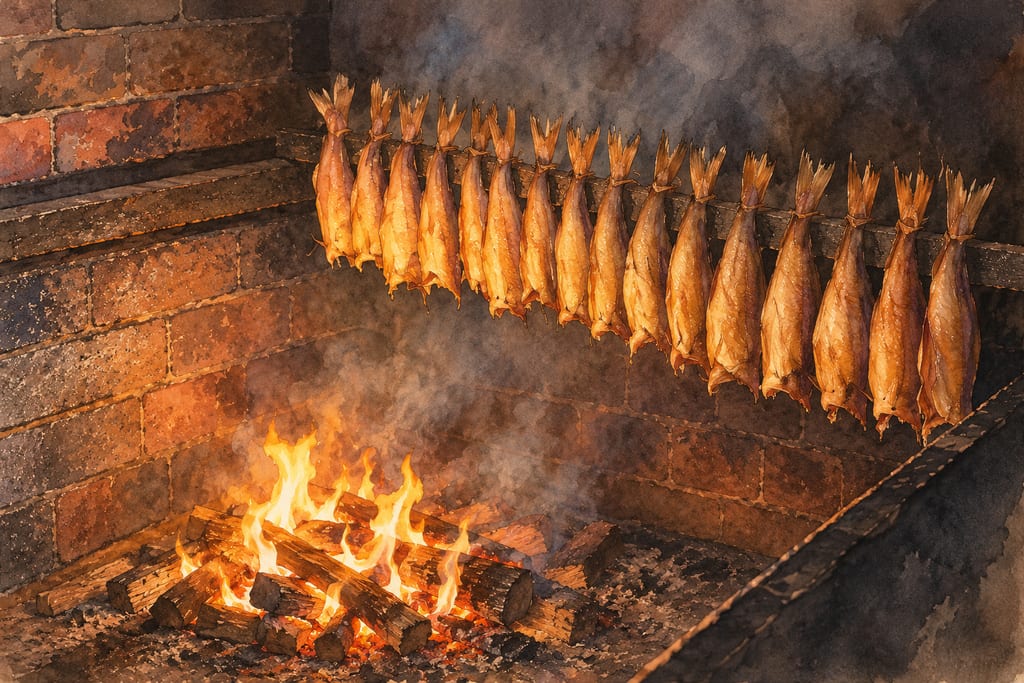
The Arbroath “barrel” is a hardwood-fired smoking pit with triangular rails and a cover. Its documented form belongs to the traditional hot-smoking of haddock around Arbroath and Auchmithie, Scotland.
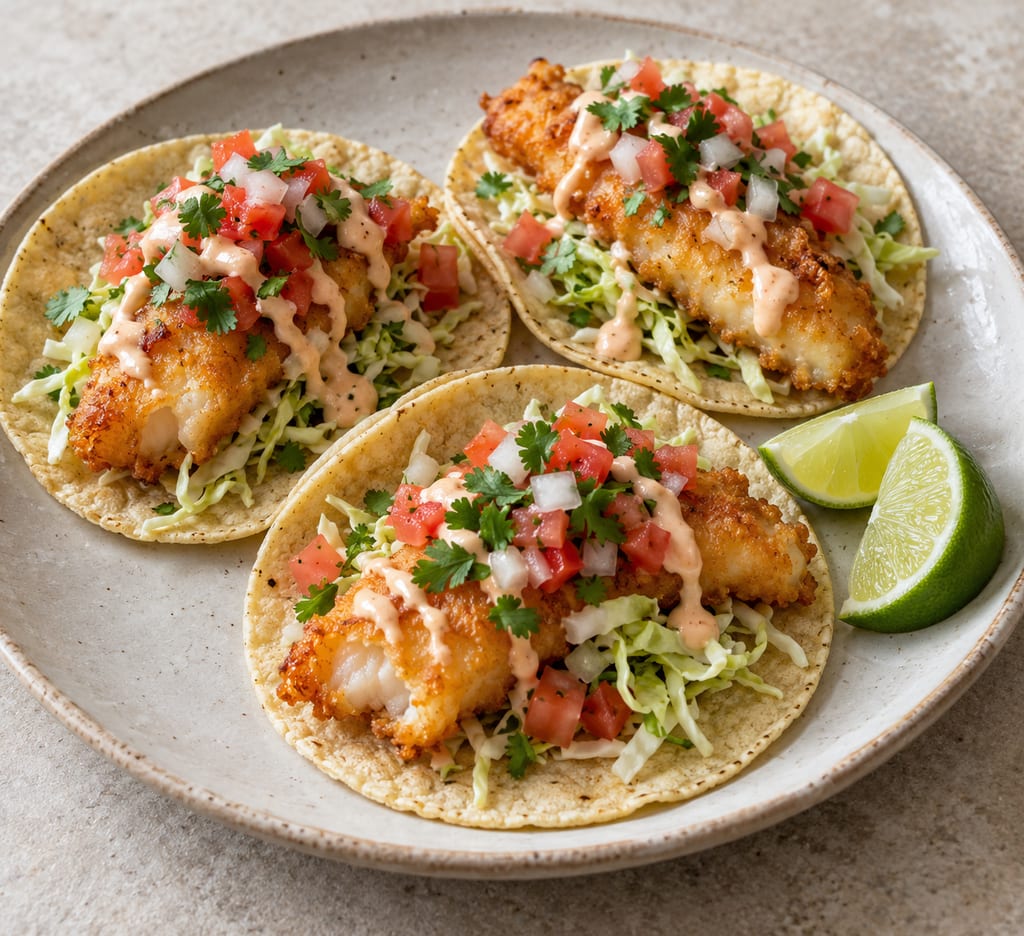
Crisp battered white fish in warm corn tortillas with shredded cabbage, lime and fresh salsa. This home version draws on the Ensenada style without claiming to be a definitive historic formula.
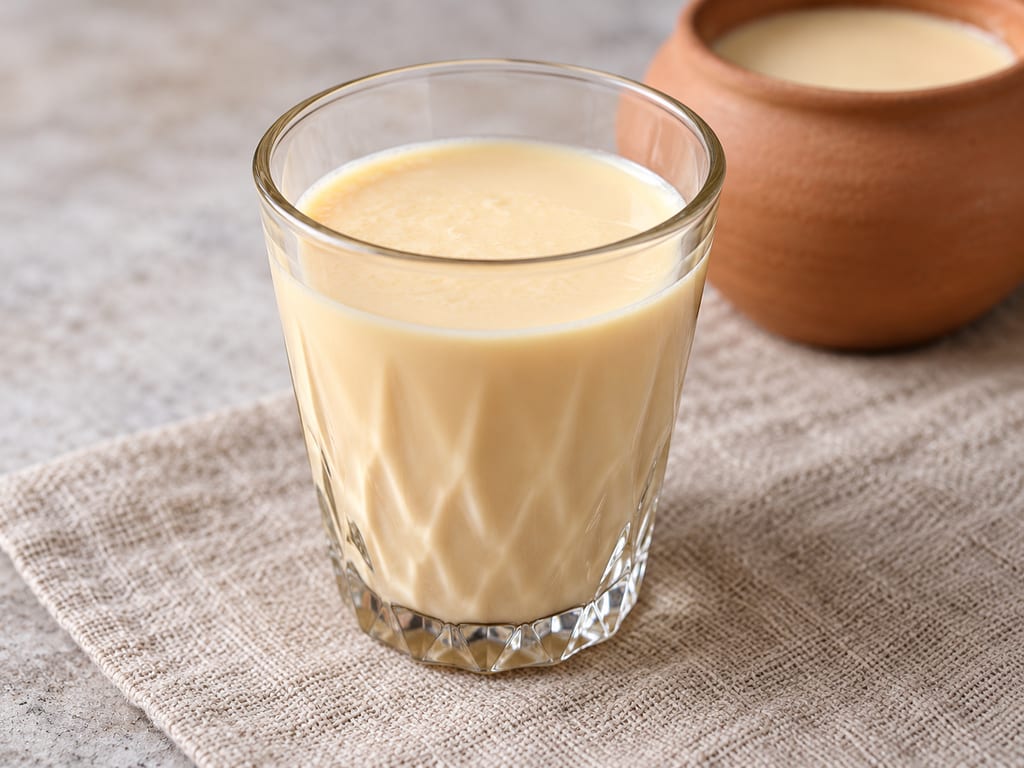
Baked milk is an Eastern European preparation of milk held at high heat for hours until it turns cream-coloured with a cooked, mildly sweet flavour, without any fermentation.
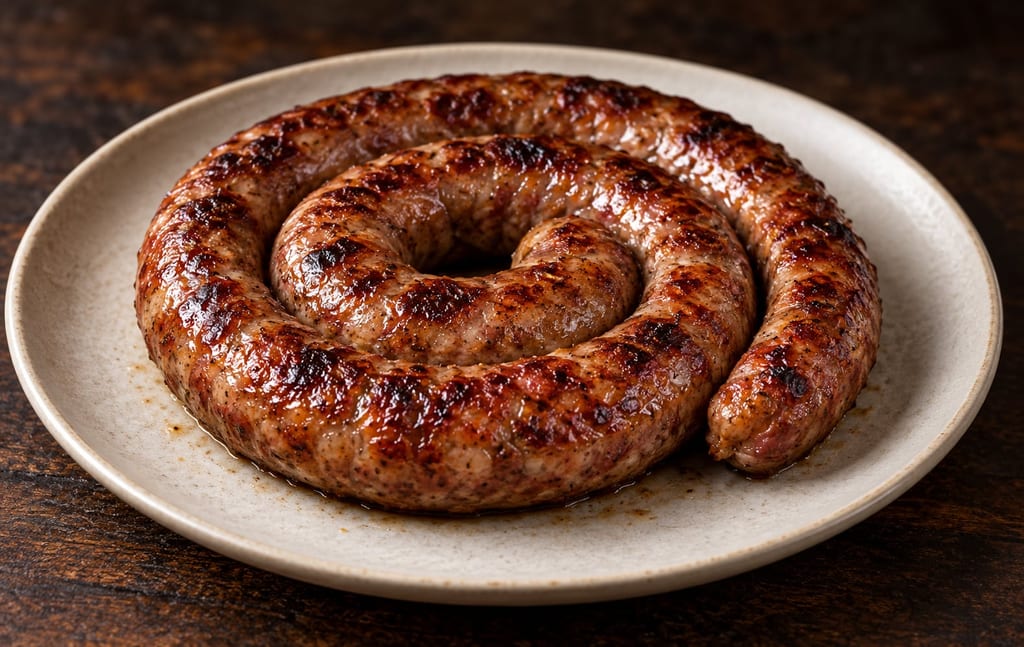
A coarse South African farmhouse sausage of beef with pork or mutton fat, defined by its coriander seasoning and cooked fresh over coals rather than preserved.
A flood-season pit store described for Omagua communities along the Amazon: manioc tubers were buried before inundation and recovered as waters receded. Its shape and lining are not recorded.
A temporary, in-place earthen oven used to cook camas with heat retained by fire-heated stones. The dimensions described here belong to one Kalispel-supervised reconstruction, not a universal form.

Chuño negro is a source-documented Andean potato-preservation practice. This entry records producer tradition; it is not a validated household process for making potentially toxic bitter potatoes safe.
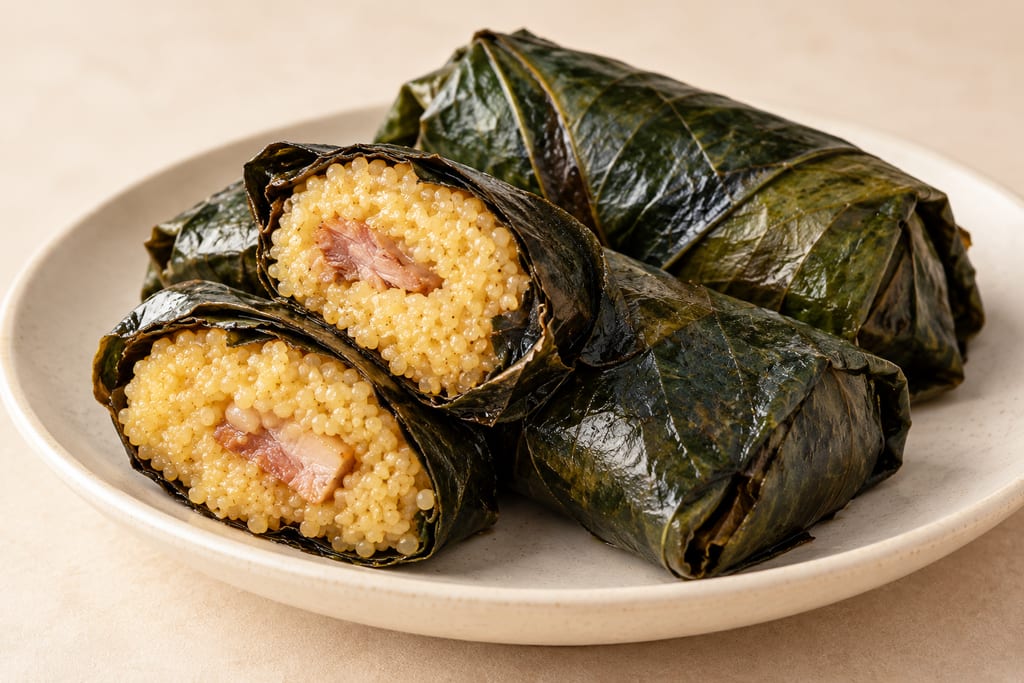
Cinavu is a Paiwan leaf-wrapped parcel built around millet or taro, meat and locally gathered leaves. It belongs to a food culture of harvest, hospitality and shared work, with village recipes differing in both filling and cooking time.
No community contributions have been published for this entry yet.
Sign in to contribute. Published comments and photos are free to read.
Instituto Politécnico Nacional, Escuela Superior de TurismoMethod · History
Gastronomía prehispánica mexicanaThe thesis identifies pib as a Maya earth-oven method and pibil as preparations made in a pib.
Its described pit is roughly 60 cm deep with clay-smoothed walls; wood heats stones, then is removed before loading wrapped food and a pot for a covered slow cook.
The thesis does not establish a standardized design or dated origin.
Cited in: The oven and the word píib; Stored heat in the pit; A living practice, carefully dated; Related foods are not the oven
Yucatán TodayMethod · Geography · Contemporary use
Art of Traditional Yucatecan Cuisine: Techniques & FlavorsThe article describes píib as an underground oven in family yards whose size depends on the amount prepared.
It gives one contemporary sequence using a wood fire, stones, local leaves, a sheet cover and earth, and stresses learned knowledge and variation.
Some contemporary cooks also use a conventional oven, which is not the in-ground build described here.
Cited in: The oven and the word píib; Stored heat in the pit; A living practice, carefully dated; Related foods are not the oven
Universidad Autónoma de Yucatán, Facultad de Ciencias AntropológicasArchaeology · History
Actividades y espacios domésticos no elitarios en Sihó, Yucatán, durante el Clásico Tardío-Terminal: una aproximación multivariable para su identificaciónThe thesis describes pib as recurrent in the Maya area and reviews ethnographic and ethnoarchaeological documentation.
It cautions that pib features had not been identified in the archaeological record it discusses, so a general claim of Classic-period attribution would exceed this evidence.
Cited in: A living practice, carefully dated