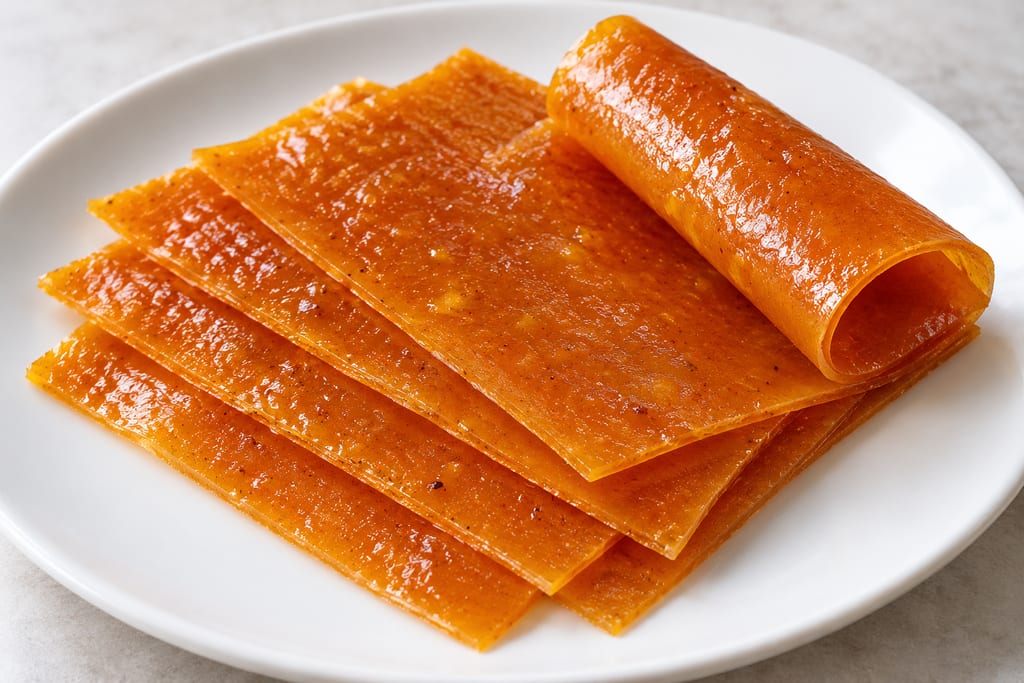
Aam papad
Ripe mango pulp spread thin and dried as a chewy fruit leather. This entry records one controlled unsweetened experiment and distinguishes it from Bengali sun-dried aamshotto and sweetened or spiced variants.
 FermenteaWhere food goes to change
Traditional method
Bakarkhani · bakorkhani
A firm, layered bread from Old Dhaka, made with mawa and ghee and baked until lightly browned.
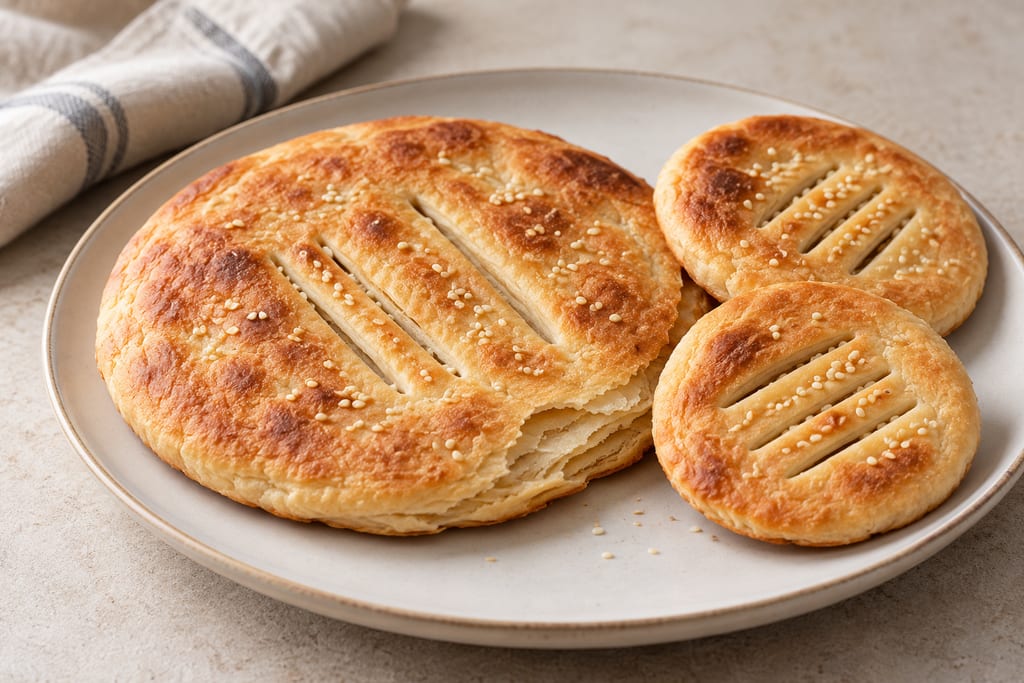
Lail Hossain's recipe names Old Dhaka as its style and describes a firm, layered bread. Its home method uses mawa, ghee, a rolling board and a domestic oven. The specified batch serves 8–10, although the source gives no bread diameter or individual weight.
The recipe does not claim to reproduce bakery production in a clay tandoor. Contemporary accounts describe both traditional tandoor baking and newer ovens in Dhaka. This version follows the measured home oven method.
Here, mawa is a coarse crumb made by stirring powdered milk into melted ghee until slightly golden and aromatic. The source makes more than the ¼ cup used in the dough; measure the amount needed after it cools.
The sheet is rolled very thin. Ghee and flour are applied in pairs before each fold. The source's own note says the dough should be thin enough to see the board through it and warns that overbaking harms the layers and flavor.
The bread's name is used for several regional forms. The atlas distinguishes this Old Dhaka layered bread from other breads called bakarkhani in Kashmir and elsewhere. Banglar Rannaghor gives a separate Dhaka-associated formula based on oil and butter, with no oven temperature in its written instructions; this entry follows Hossain's more fully specified mawa-and-ghee version.
Accounts of the name link it to a story about Aga Baker Khan and Khani Begum, but the sources do not establish a secure origin date. The name story is recorded as an attribution, not settled history.
Lail Hossain presents this as an Old Dhaka recipe. The archive and regional sources associate bakarkhani with Dhaka, while accounts of its name and early history remain traditional attributions rather than a dated first attestation.
Yield 8 –10 breads · Scaling: source batch only
Use care with the hot oven and tray. The source gives no storage duration; this recipe sets none.
Lail Hossain's recipe identifies this as Old Dhaka bakarkhani; this records a documented regional style, not a proven birthplace.
Ripe mango pulp spread thin and dried as a chewy fruit leather. This entry records one controlled unsweetened experiment and distinguishes it from Bengali sun-dried aamshotto and sweetened or spiced variants.
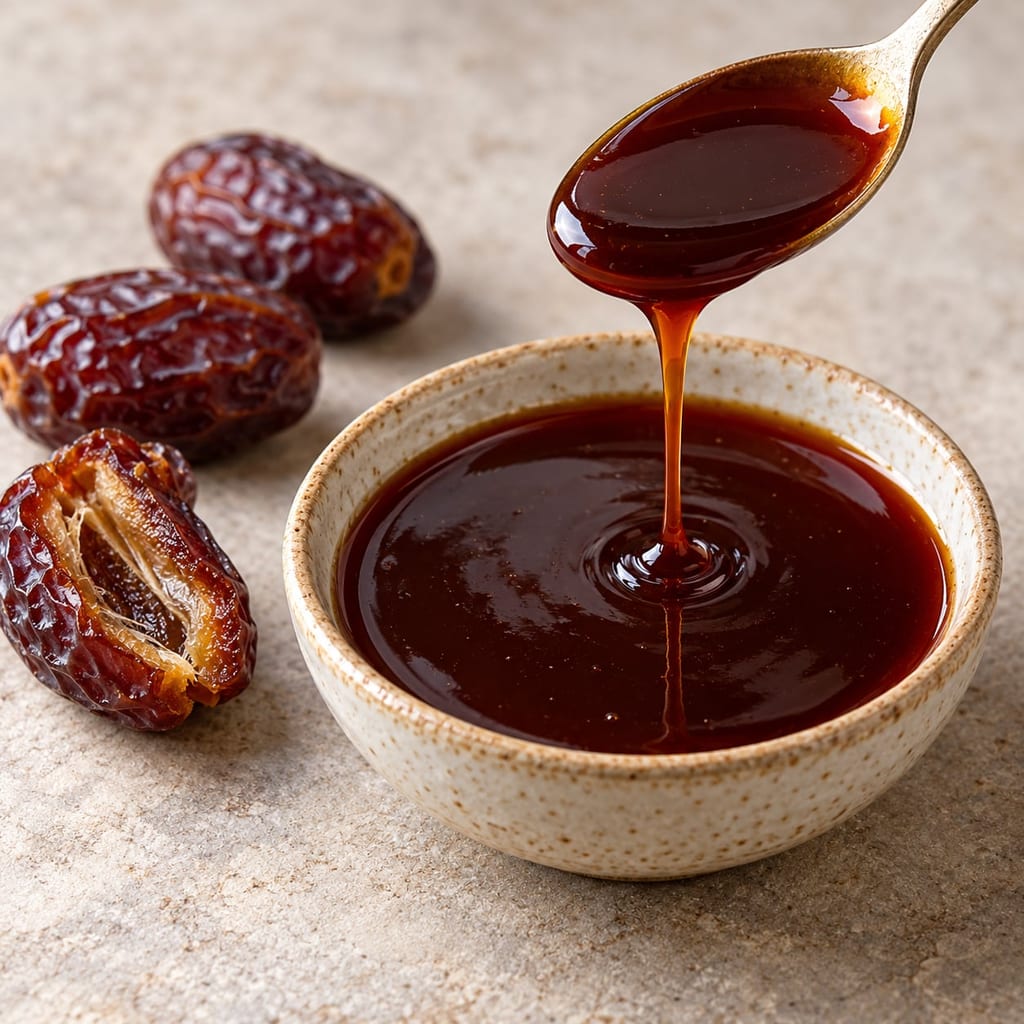
A thick, dark, very sweet syrup made from dates, known as dibs, rub, silan or date molasses. It sweetens tahini and desserts and glazes or sauces savoury dishes across the Middle East and North Africa.
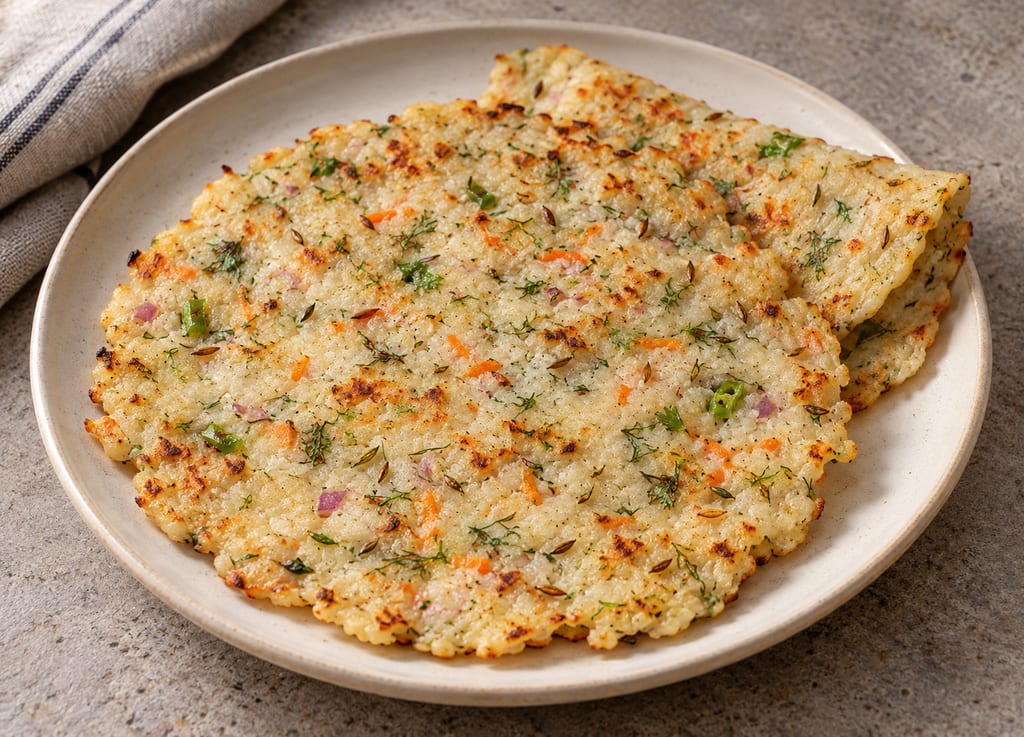
This Karnataka-style akki rotti mixes fine rice flour with vegetables, coconut, herbs and spices, then hand-pats and griddle-cooks the dough.
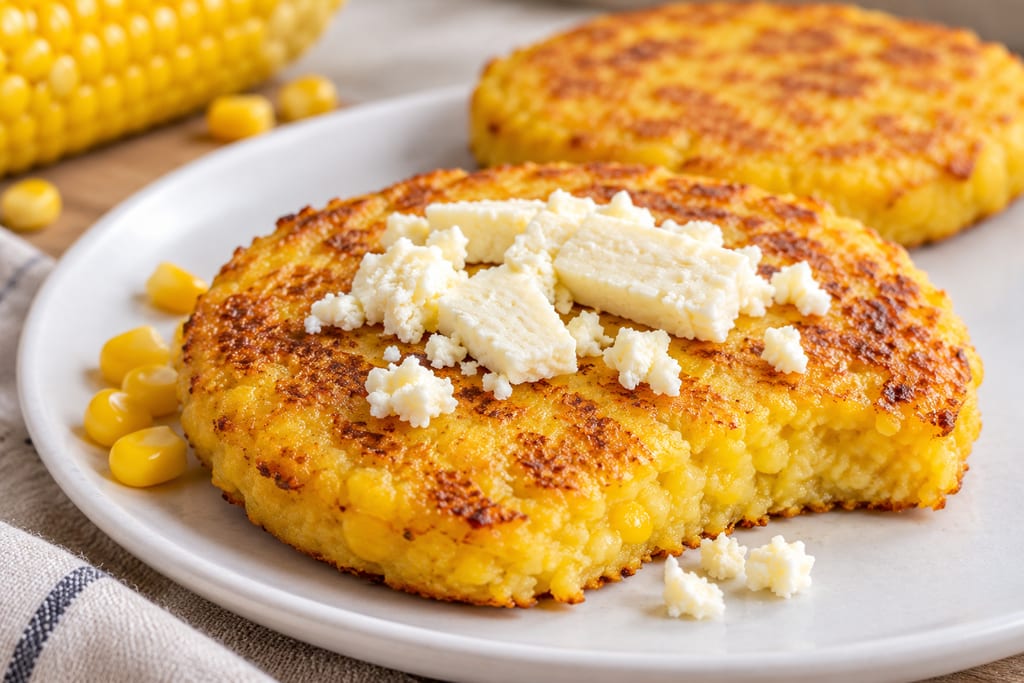
A Colombian Andean griddle cake made from fresh sweet-corn batter, cooked in butter and served with white cheese.
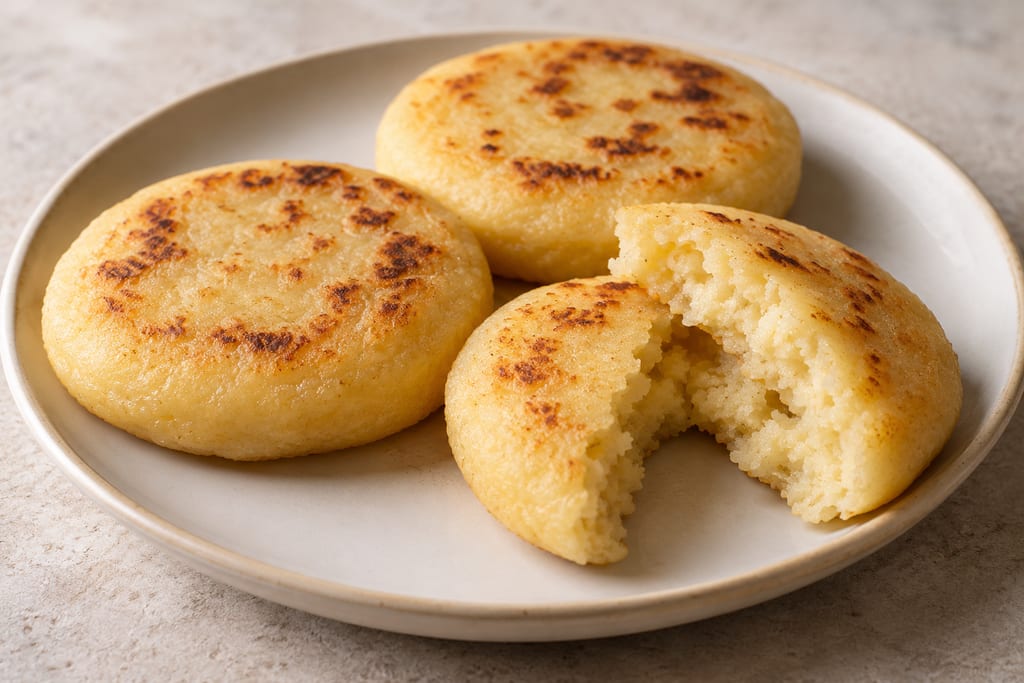
This household version combines precooked corn flour, warm water and salt, then cooks thick rounds on a lightly oiled skillet or griddle. It is one source-specific arepa method, not a universal Colombian or Venezuelan formula.
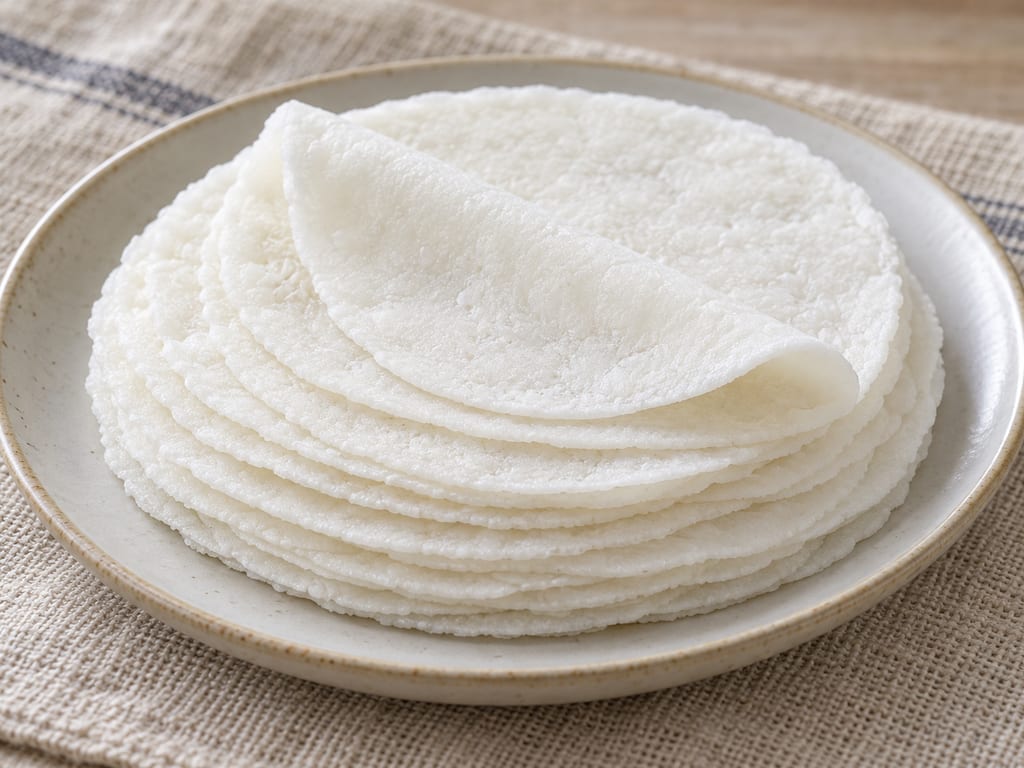
Thin Malabar rice-flour rounds made from roasted rice flour cooked into salted boiling water, kneaded after cooling, and rolled to about 1 mm. They cook on a hot griddle without taking on colour.
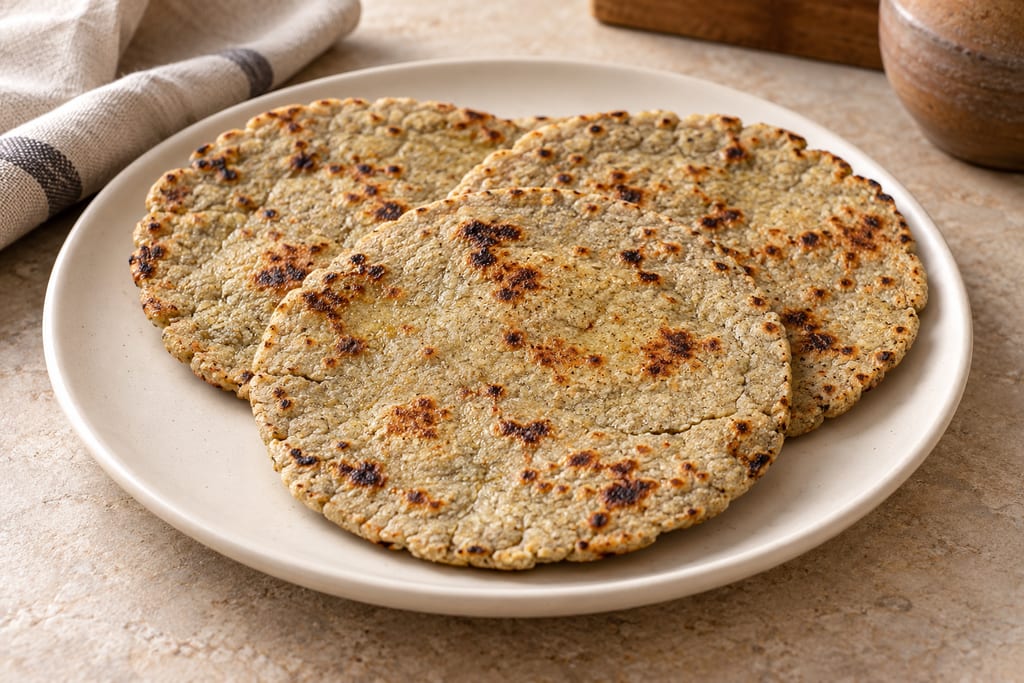
A pearl-millet flatbread shaped between sheets and cooked on a hot tawa. This home batch makes eight.
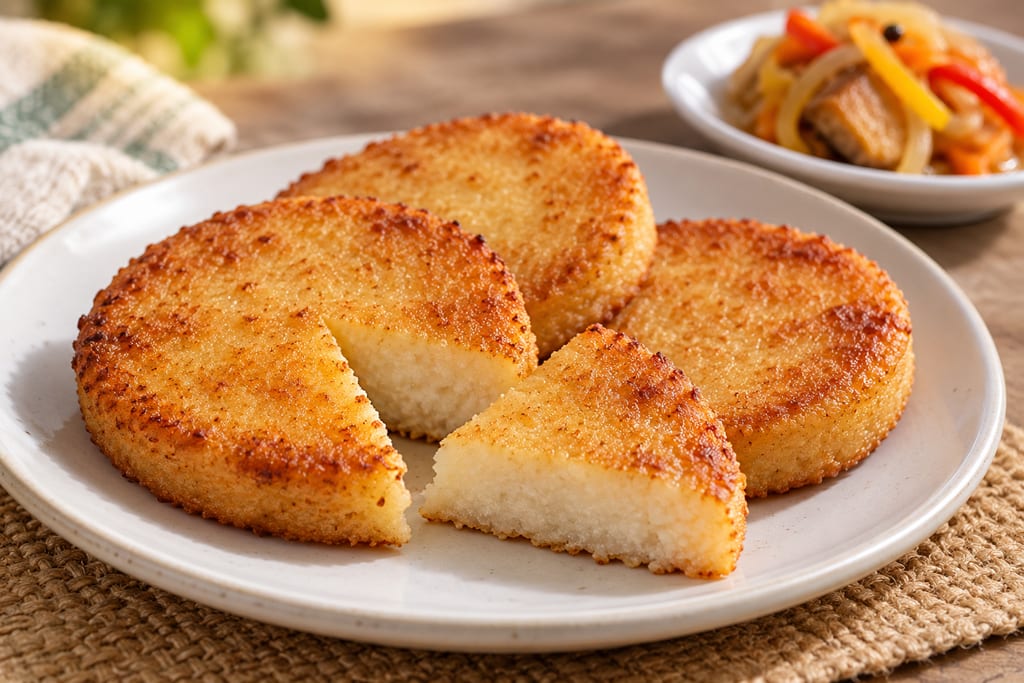
A serving method for approved, prepared bammy rounds: soak them in coconut milk and refry until golden. It does not process raw cassava.
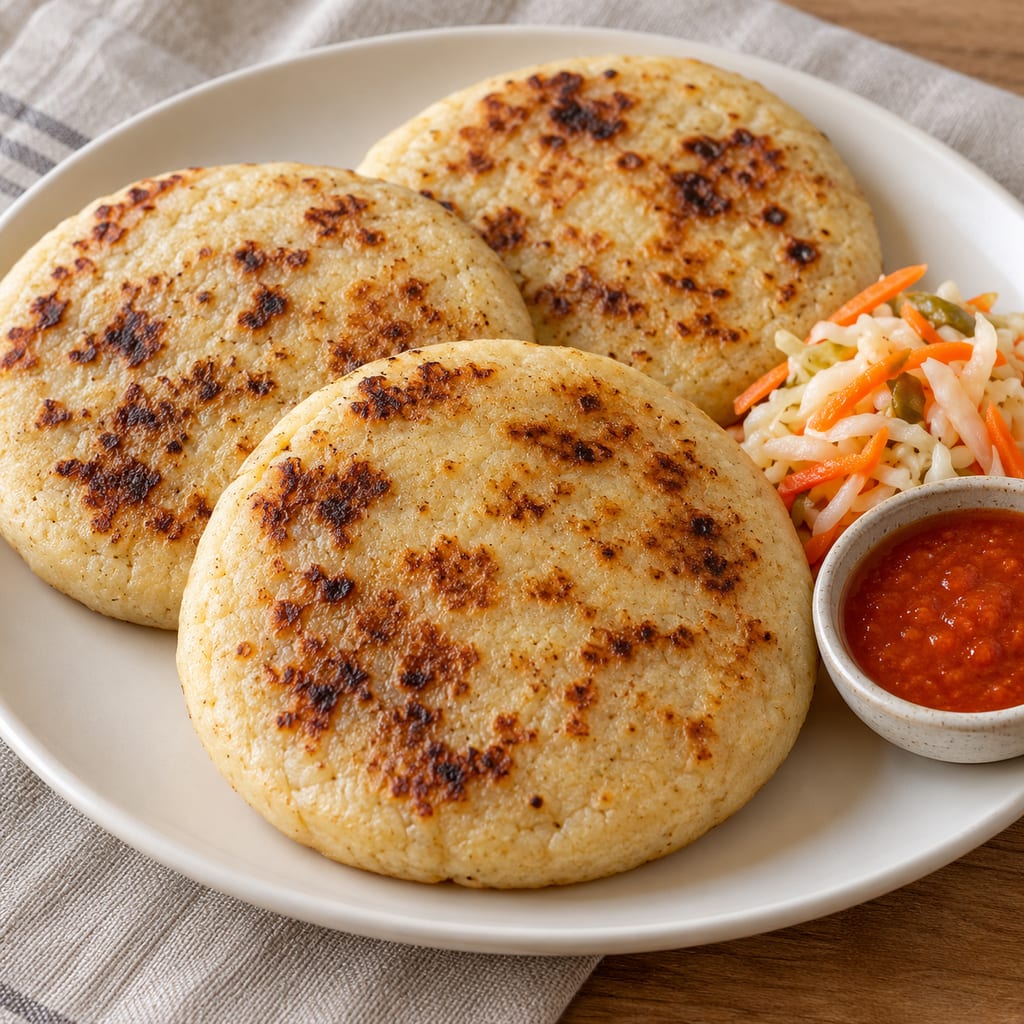
Salvadoran-style masa harina cakes filled with refried beans and cheese, sealed and cooked on an oiled skillet.
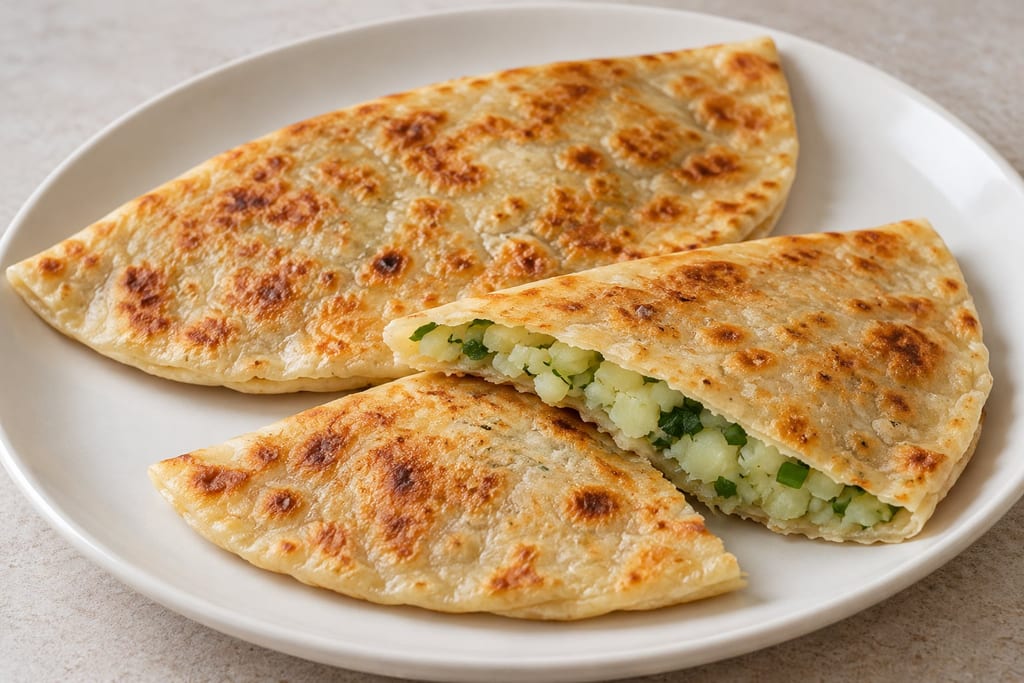
A thin, unleavened Afghan flatbread filled with mashed potato, scallion and cilantro, folded and pan-browned. This version uses a dough made from scratch.
No community contributions have been published for this entry yet.
Sign in to contribute. Published comments and photos are free to read.
WithASpin; Lail HossainInspiration
Old Dhaka Bakarkhani – A Legendary BreadMeasured batch for 8–10; ingredients including mawa; mawa made from powdered milk and ghee; 325°F oven; 30-minute covered rest plus 10–15-minute ghee rest; repeated ghee-and-flour layering; 22–25-minute bake; water-adjustment and overbaking notes.
Cited in: A home version of Old Dhaka bakarkhani; Mawa and repeated folds; Regional names cover different breads
Banglar RannaghorContext
Bakarkhani RecipeA second Dhaka-associated baked recipe uses flour, salt, oil, water and oil-butter layers; it also rests the dough 30 minutes and bakes 22–25 minutes, but omits oven temperature and a fully specified lamination sequence.
Cited in: Regional names cover different breads
Bangladesh Tourism BoardGeography · Context
BakarkhaniOld Dhaka association and crisp bread description; proposed historical origin treated as an attribution.
BanglapediaHistory · Context
BakorkhaniTraditional naming account and Dhaka bakery context.
Cited in: Regional names cover different breads
bdnews24.comGeography · Context
Traditional Bakarkhani of DhakaOld Dhaka bakery practice and salty, sweet and cheese variants.
Bangladesh Sangbad SangsthaGeography · Context
Bakarkhani: From Mughal-era royal bread to a vibrant heritage of DhakaOld Dhaka market varieties and continued use of clay and modern ovens.
Cited in: A home version of Old Dhaka bakarkhani