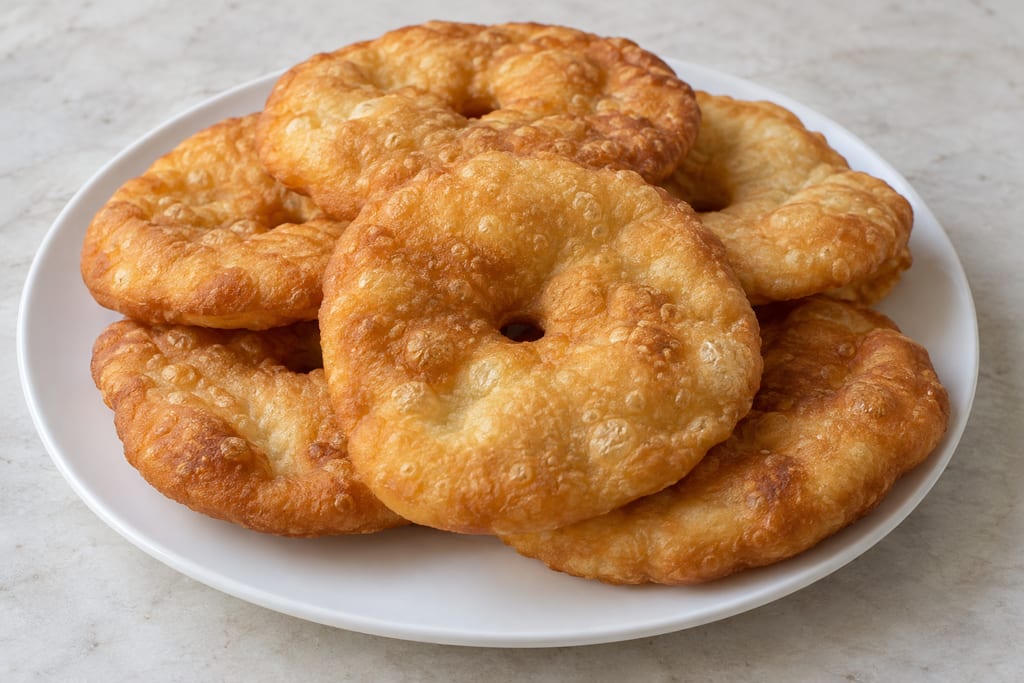
Uruguayan tortas fritas (leavened, fried rounds)
A University of the Republic of Uruguay recipe for ten yeast-raised tortas fritas. The dough rests for an hour, is divided into ten rounds with a hole in each, then fried in fat at 160°C and drained.
 FermenteaWhere food goes to change
Modern adaptation
Galleta de campaña
A Uruguayan wheat dough is laminated with fat, cut into squares, proofed until doubled, and baked at 180°C for a crisp outside and layered crumb.
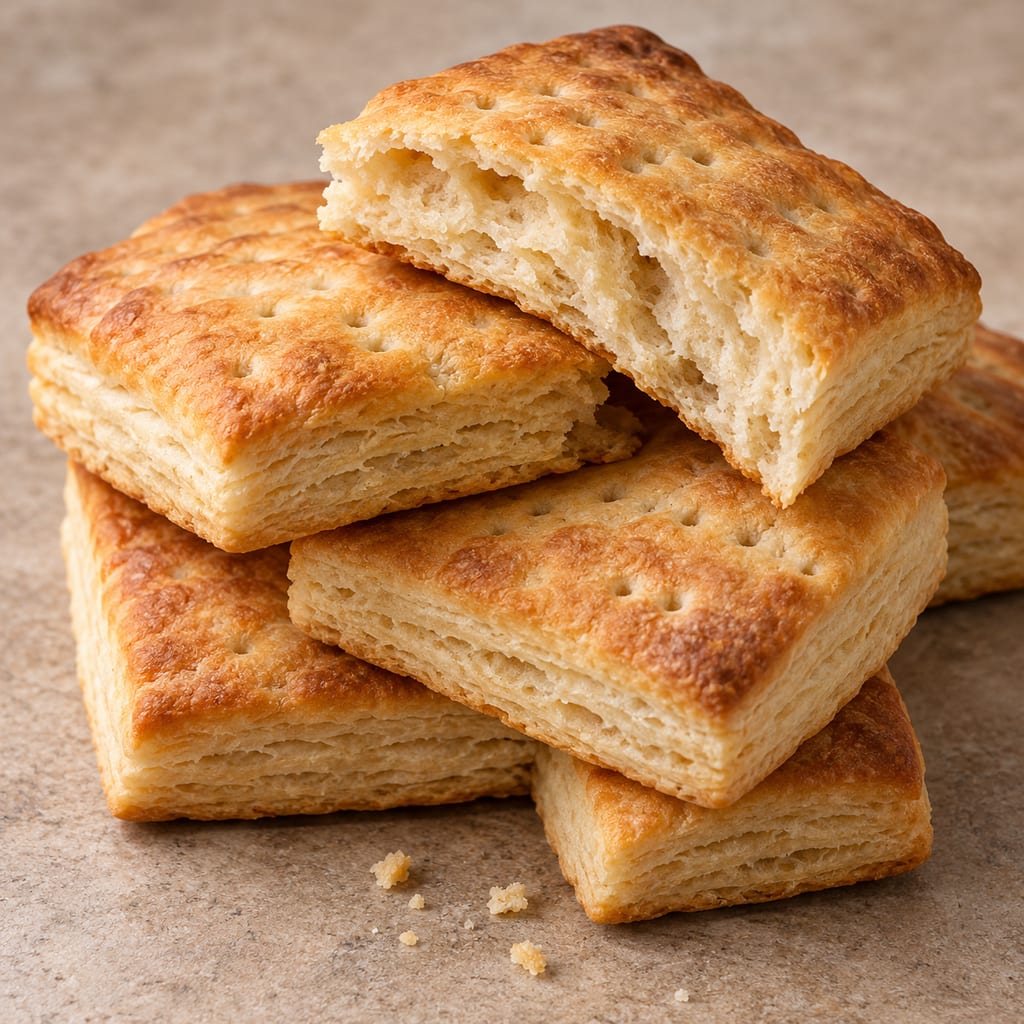
This recipe records a leavened, laminated form of galleta de campaña. El Observador gives a 1 kg flour batch with yeast and describes folding the dough with fat and flour, cutting squares, proofing them until doubled and baking at 180°C. It does not specify the piece size, yield, proof duration or fixed bake time; those values remain open.
Uruguayan sources also describe larger rural galletons and the lighter laminated pieces found in Montevideo. The Uruguayan dictionary records an unleavened cylindrical galleta de campaña associated with long keeping. Those forms are not folded into this yeasted recipe. A CIPU teacher’s separately reported professional formula uses different salt, yeast and fat quantities; it supports the local ingredients and method but is not used to alter the chosen home formula.
El Observador recommends freezing the baked galletas if they will not be eaten soon, then toasting them later. The article gives no freezer duration, packaging or thawing method, so no storage limit is claimed.
Uruguayan sources describe both large rural campaign galletons and a lighter laminated form common in Montevideo. This measured yeasted recipe documents the laminated form. The Uruguayan dictionary also records an unleavened cylindrical form associated with long keeping; that method is not included here, and no first-attestation date is established.
Scaling: source batch only
Flour can carry harmful bacteria and is handled before baking.
Hazard sourceDo not taste raw flour or dough; wash hands, utensils and work surfaces after handling.
Control sourceDo not taste raw flour or dough. The source gives no fixed baking duration; bake until golden and thoroughly cooked through.
The recipe is presented in Uruguayan media as a galleta de campaña. It documents a yeasted laminated version and does not claim a single formula or birthplace.
A University of the Republic of Uruguay recipe for ten yeast-raised tortas fritas. The dough rests for an hour, is divided into ten rounds with a hole in each, then fried in fat at 160°C and drained.
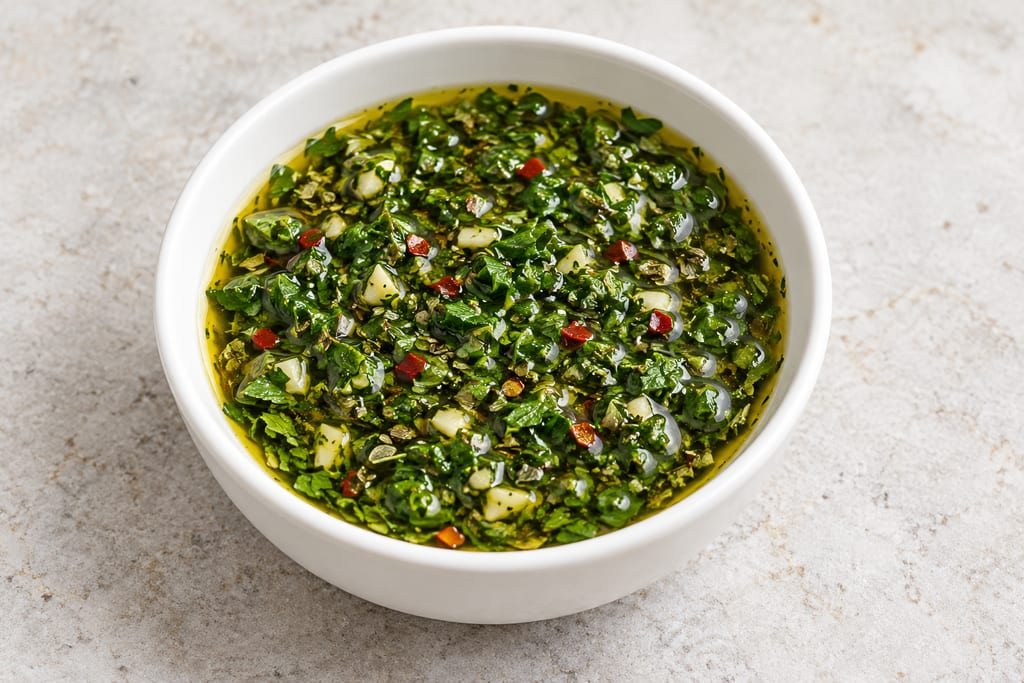
Chimichurri is an uncooked sauce of chopped parsley, garlic, oregano, oil and vinegar from Argentina. It is spooned over grilled meat and has spread across Latin America.
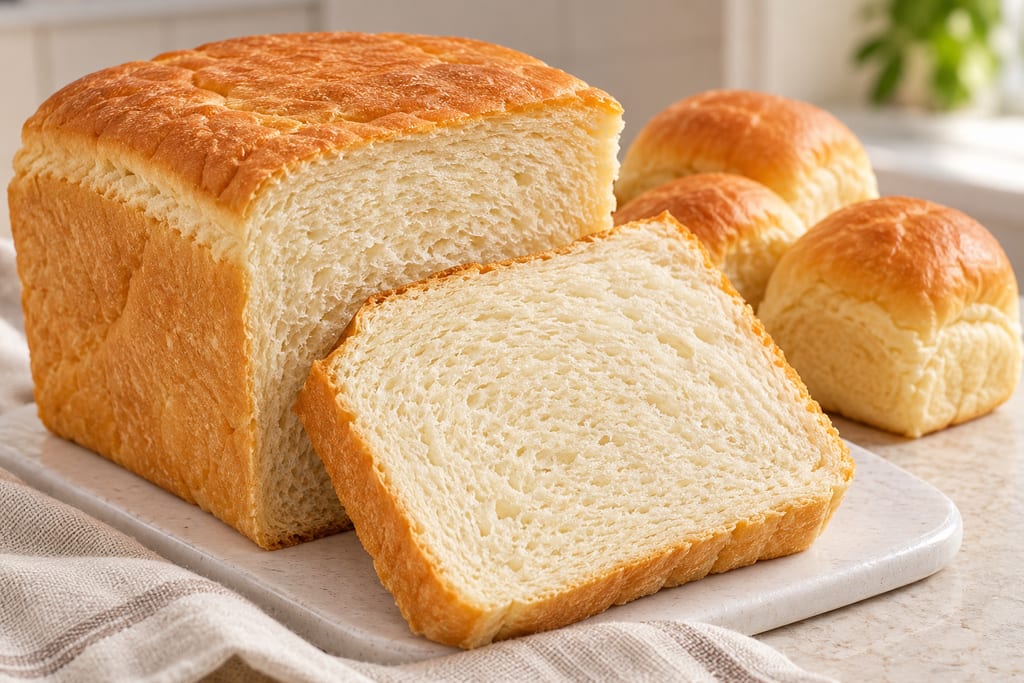
This softer home-style Agege bread uses a scalded flour paste, an enriched yeast dough and a 9×5-inch loaf pan, with rolls from the extra dough.
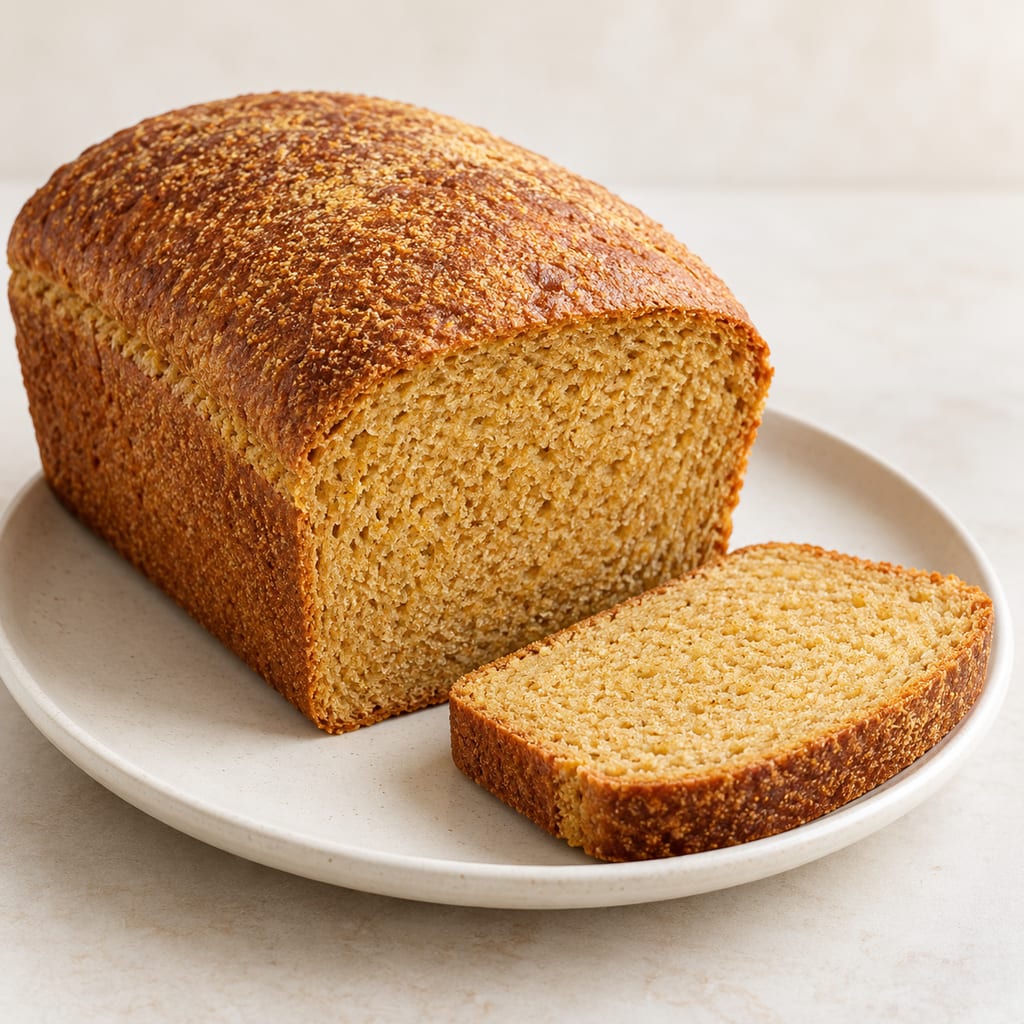
Anadama is a New England yeast loaf made with wheat flour, cornmeal and molasses. Scalded cornmeal enriches the dough, while molasses lends sweetness and a dark crust; it is especially good toasted or beside soup and baked beans.

A yeast-raised wheat ring shaped from a firm dough, briefly boiled and baked. This source-batch formula gives a gently malted crust and a chewy crumb.

Three long, crusty wheat loaves made with an overnight yeast poolish, shaped by hand and baked with steam for a crisp crust.
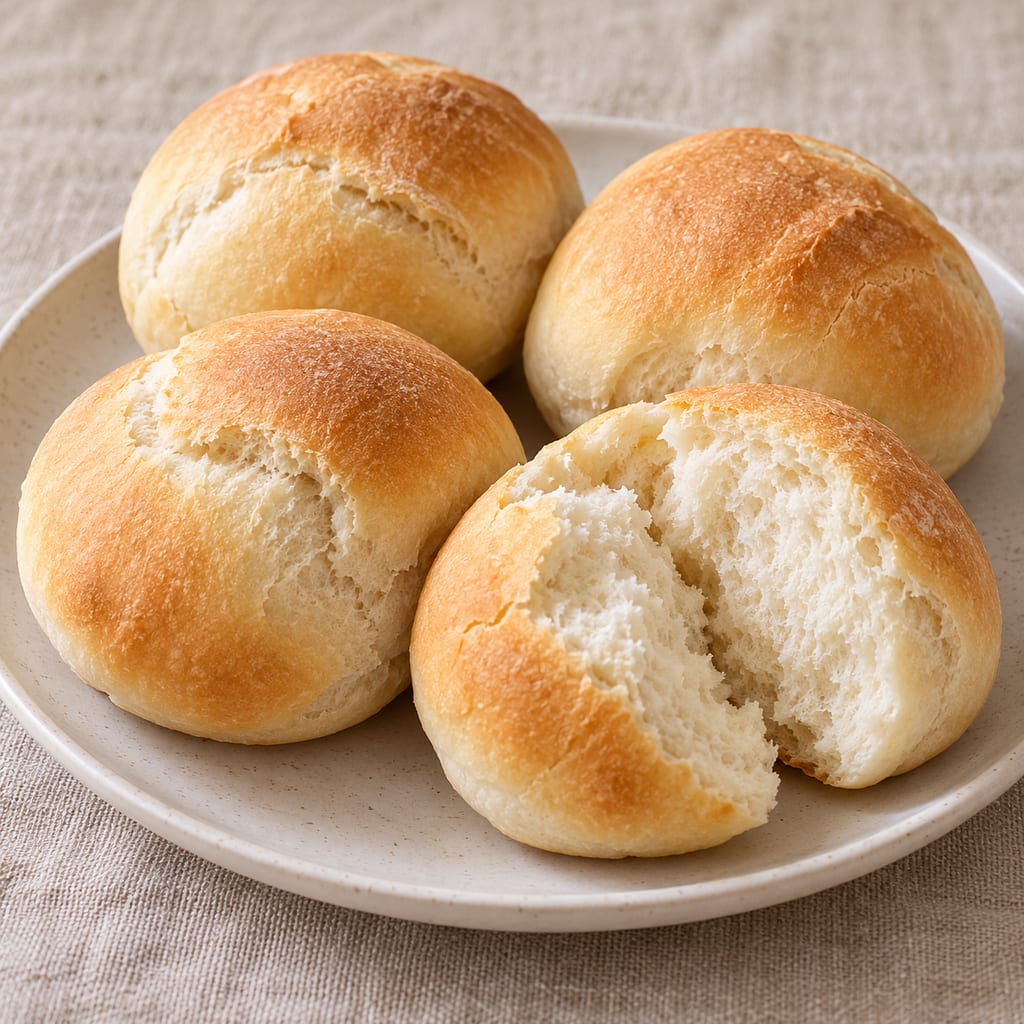
A lightly salted, yeast-raised Barbadian roll, baked in a dozen-roll home batch and often split for cutters.
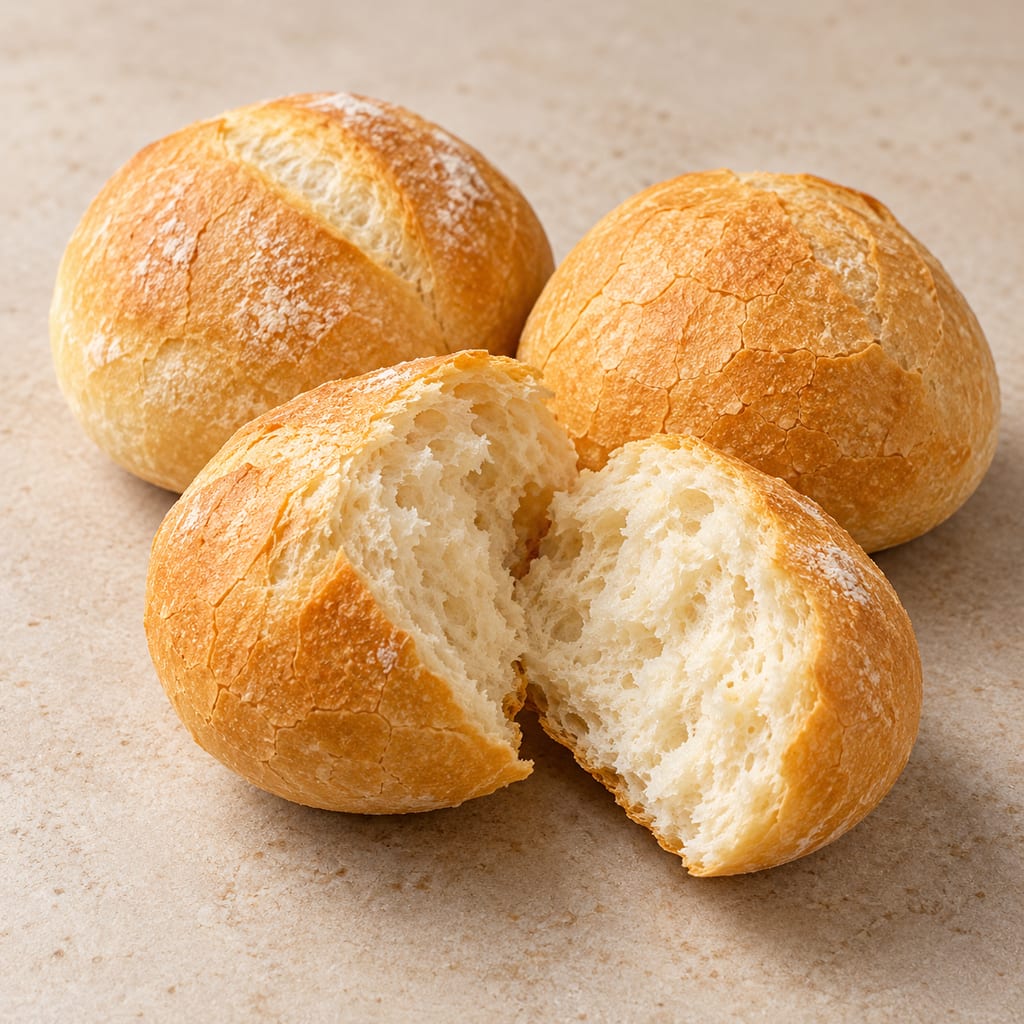
A crisp Belgian roll made from a supplier’s Croc-flour dough, mixed by hand or machine, proofed in rounds and baked with steam.
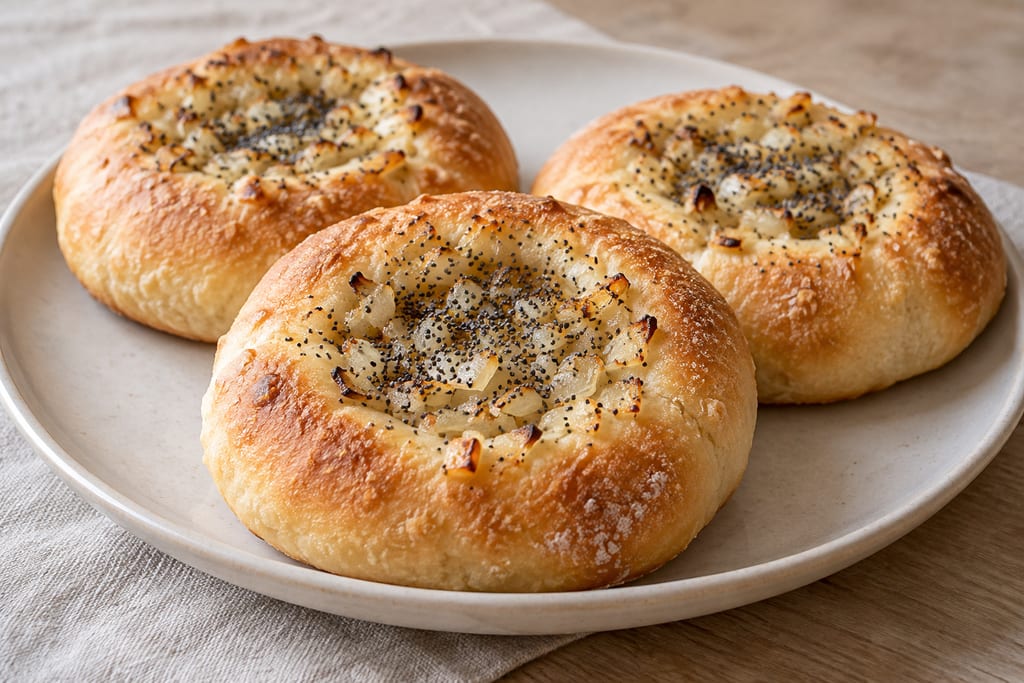
Bialys are soft, yeasted wheat rolls baked without boiling, each shaped with an onion-filled central depression instead of a hole.
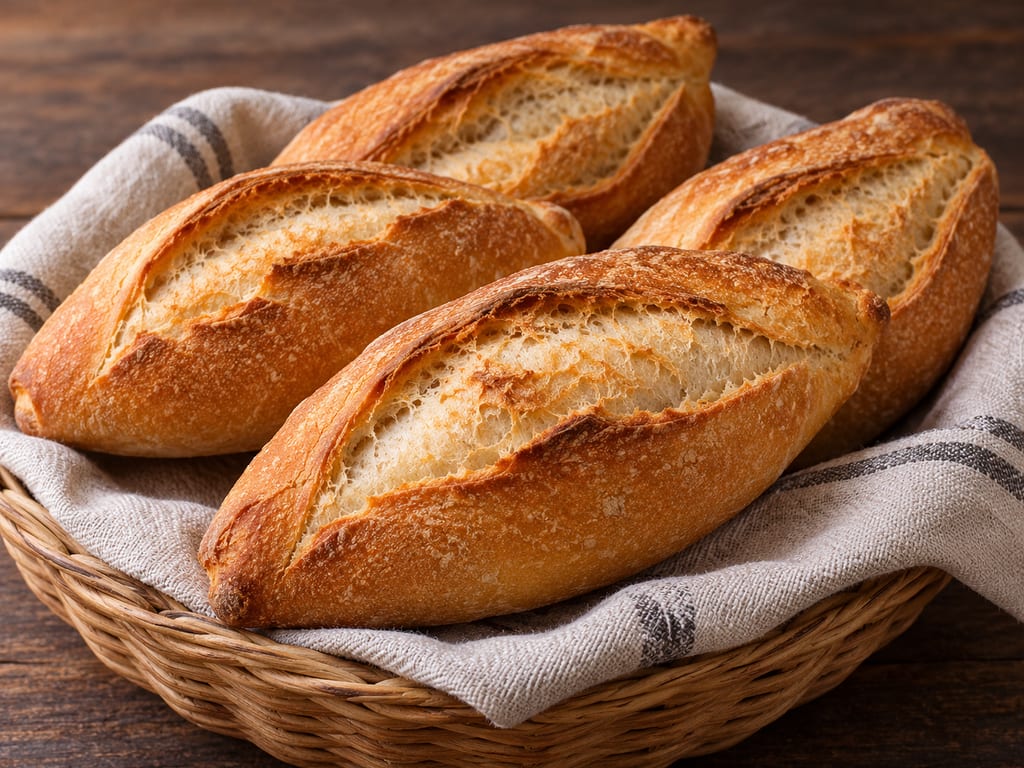
A measured, commercial-yeast home method for Guadalajara-style birote salado, with a six-hour preferment, shaped rolls and a two-temperature steam bake. This formula contains no egg.
No community contributions have been published for this entry yet.
Sign in to contribute. Published comments and photos are free to read.
El ObservadorMethod · Geography
¿Sabés preparar tus propias galletas de campaña? Una receta para lograrlo de forma fácilThe recipe gives 1 kg flour, 15 g salt, 25 g yeast, 400 ml water, and fat and flour as needed for lamination.
Its method forms a firm dough, rolls it to about 0.5 cm, laminates it in 3–5 half-turn folds, docks and cuts the dough, proofs the squares until doubled, then bakes at 180°C until golden.
The author recommends freezing the baked galletas if they will not be eaten soon and toasting them later; no duration, packaging or thawing method is supplied.
Cited in: A laminated Uruguayan version; Storage note
El ObservadorHistory · Method · Geography
En la Rural del Prado, un experto en panificación enseña a hacer galletas de campañaA CIPU baking-school teacher describes galleta de campaña as a Uruguayan bread made with wheat flour, water, salt, yeast and fat, laminated in folds.
The teacher gives a separate 1 kg flour formula with 20 g salt, 20 g yeast, 50 g fat and enough water for 8–10 pieces; this is contextual evidence, not combined with the selected El Observador recipe formula.
The report distinguishes large interior galletones from smaller, more laminated metropolitan pieces.
Cited in: A laminated Uruguayan version
El PaísHistory · Geography
En el Día Mundial del Pan, celebremos un clásico de la panadería uruguaya: la galleta de campañaCIPU context in the report distinguishes a traditional large rural galletón from a lighter, laminated modern Montevideo version.
The article describes galleta de campaña as a Uruguayan bread with a moist crumb and distinguishes it from dry bakery crackers.
Cited in: A laminated Uruguayan version
Academia Nacional de Letras del UruguayHistory
Diccionario del español del UruguayThe dictionary defines one galleta de campaña form as a slightly laminated, cylindrical wheat-flour dough made without yeast for long keeping. This is kept distinct from the yeasted laminated recipe recorded here.
Cited in: A laminated Uruguayan version
U.S. Food and Drug AdministrationSafety
Handling Flour Safely: What You Need to KnowRaw flour can carry harmful bacteria; do not eat or taste raw flour, dough or batter; wash hands, utensils and surfaces after handling.