A Lao fermented fish seasoning
Padaek, also written pa daek or padek, is a salt-fermented freshwater fish paste used in Lao cooking. A JIRCAS household study describes it as both an all-purpose seasoning and a preserved food, while noting that households still make it from locally available fish as well as buying commercial products. A survey in one semi-mountainous village found it used frequently in everyday meals. That finding describes the study community, not a universal pattern for every household in Laos.
The earliest history is not established by the sources used here. An FAO report documents preserved fish practices in Xieng Khouang and Houa Phanh, while JIRCAS work records present-day household production and market circulation. These accounts support a Lao geographic association, but they do not identify a single birthplace or one standard formula. Evidence from Lao communities should remain distinct from related pla ra products studied in Thailand.
Sources for this section
A pungent paste with a savoury role
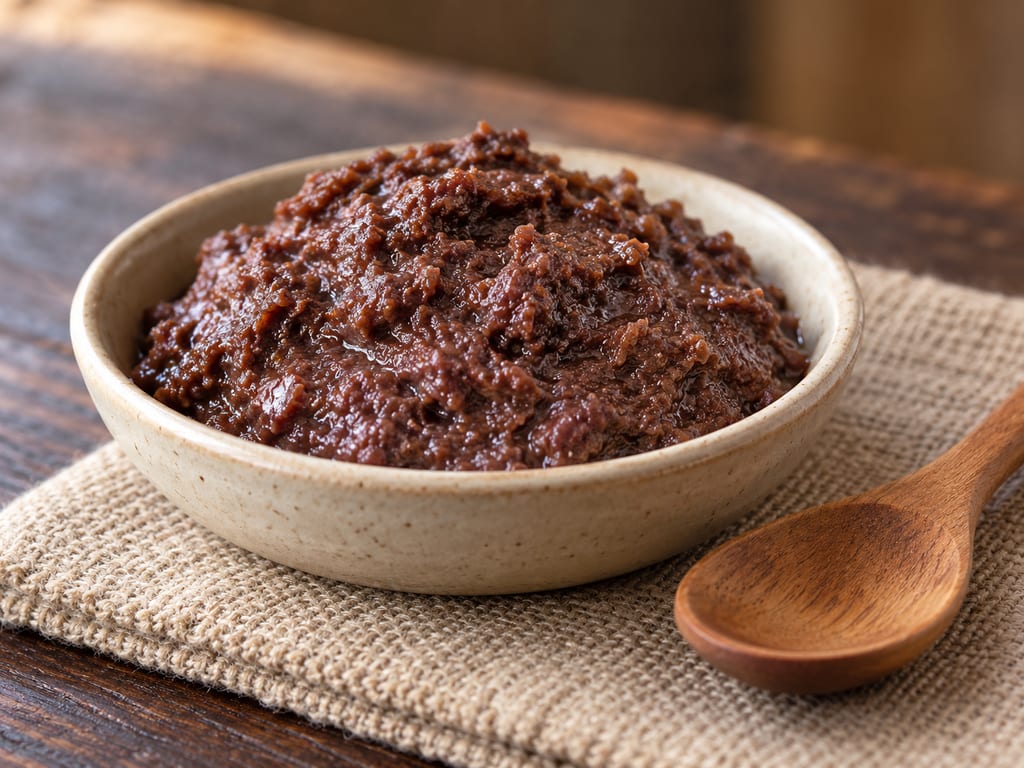
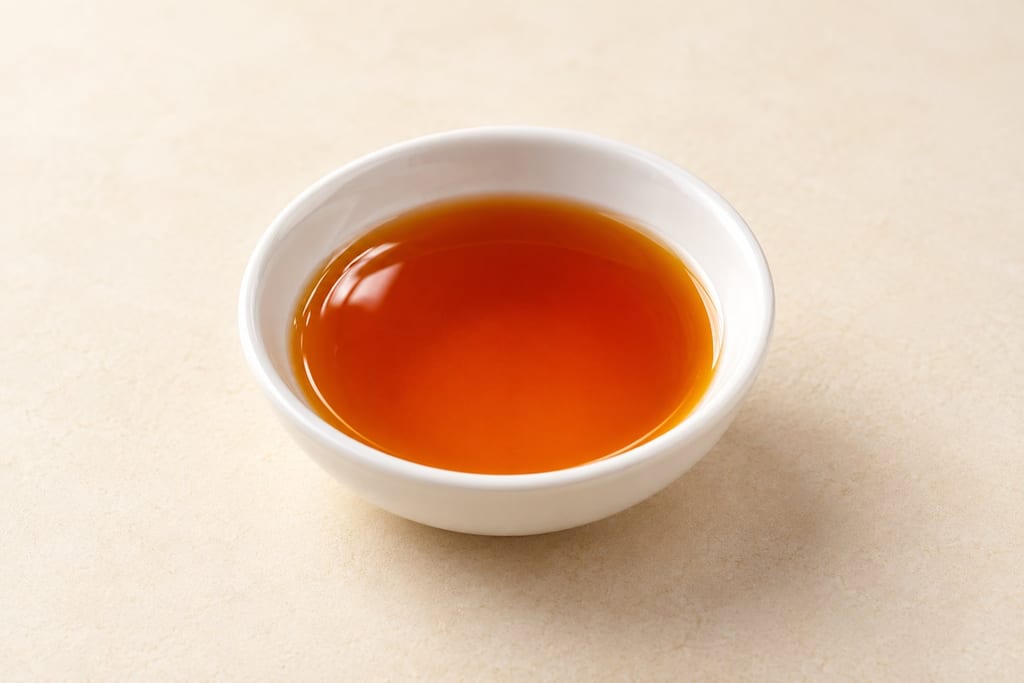
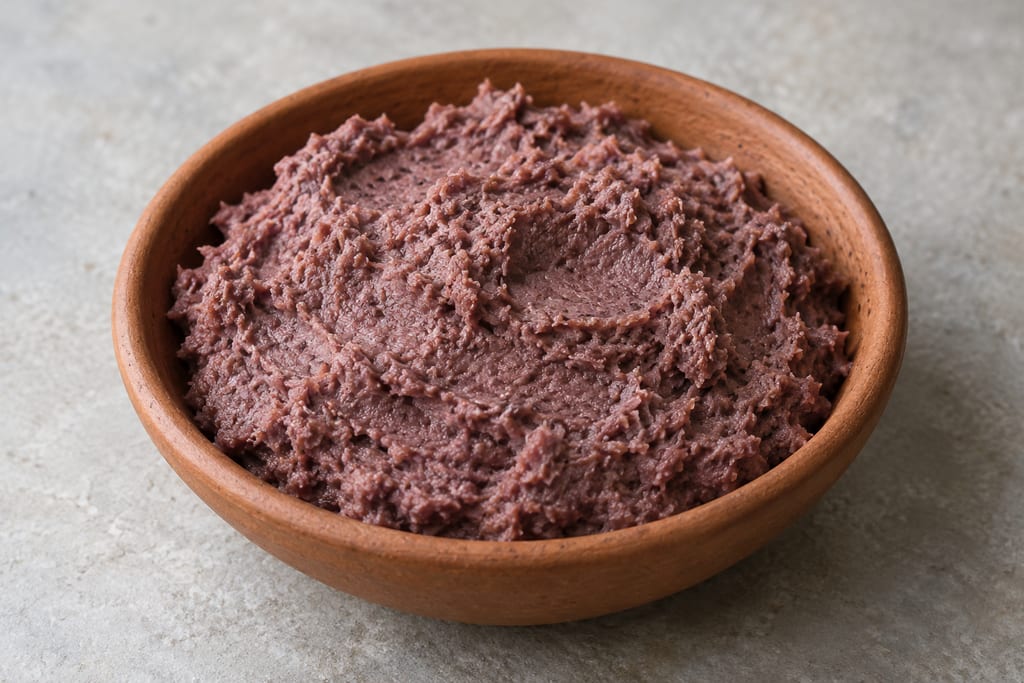
Padaek is not simply a clear fish sauce. Published descriptions distinguish it by its opaque body and fish solids; regional producers use different fish and processing choices. Dorothy Culloty's account in Food from Northern Laos describes its strong aroma and the savoury depth it brings to dishes when used in modest amounts. A JIRCAS quality study measured glutamic acid rising during several months in products made for that experiment, one finding that helps explain the savoury character without defining every batch's flavour.
The available evidence records padaek as an ingredient in Lao meals, including papaya salad, soups and dipping sauces. Taste, smell and appearance describe the food; they do not establish that a ferment is safe. This entry does not choose among documented household variants or turn any one account into a general method.
Sources for this section
Safety evidence and an open method question
Padaek is a fermented freshwater fish food, so its process needs evidence for more than flavour. A Journal of Food Protection study found a relationship between salinity and histamine in household samples and reported histamine accumulation in experimental lower-salinity batches. Those study results describe the conditions researchers examined; they are not a home recipe or a transferable target for this entry.
The World Health Organization identifies raw, undercooked, or fermented freshwater fish containing Opisthorchis larvae as a transmission route for opisthorchiasis and advises thorough cooking as a safer preparation measure. Neither a long fermentation nor a pungent smell proves parasite control. The reviewed sources do not establish a validated household process covering fish selection, salt measurement, fermentation conditions, histamine control, parasite control, or storage. For that reason, this record preserves the research and does not present preparation instructions.
Sources for this section
Household batches differ from jar to jar
A 2020 JIRCAS working report by Marui, Hasada, Phoupasouk and Boulom surveyed 137 households in a semi-mountainous village in Laos. Its interviews found padaek in daily use, and homemade samples differed widely from one another. The lactic acid and glutamic acid concentrations, which bear on how well the paste keeps and how it tastes, varied widely across the homemade products the authors examined.
That spread is the practical point of the study. The same name covers a commercial product sold in markets and a jar made at home from whatever freshwater fish a household catches, so one paste may be salty and sharp while another is mild. The authors call for knowledge of production to be shared among rural households, because long fermentation is hard to manage without it.
Sources for this section
History
The sources establish Lao use and contemporary household production but do not establish an earliest attestation or a single origin.
Method
Risks and precautions · High risk
Fish-borne liver flukesWHO reports infection from raw, undercooked, or fermented freshwater fish carrying Opisthorchis larvae. Fermentation age alone does not establish parasite control.
Hazard source
Histamine accumulationPadaek research reports histamine formation in experimental lower-initial-salinity batches and a relationship between salinity and histamine. This record contains no validated home control process.
Hazard source
No household process or shelf-life guidance is provided here. Do not infer parasite or histamine safety from smell, taste, appearance, or customary fermentation time.
Control source
WHO advises thorough cooking of freshwater fish to reduce opisthorchiasis risk; that advice does not validate a padaek fermentation process or address every hazard.
Control source
No safe, transferable home fermentation method is established in this record.
Contains fish. Raw or fermented freshwater fish may transmit liver flukes; do not presume a product is safe because it is aged.
Histamine control requires validated process evidence; this record supplies none.
- Published accounts describe cleaning or preparing fish, then mixing it with salt. They differ in fish species, size and handling; this record does not select one variant.
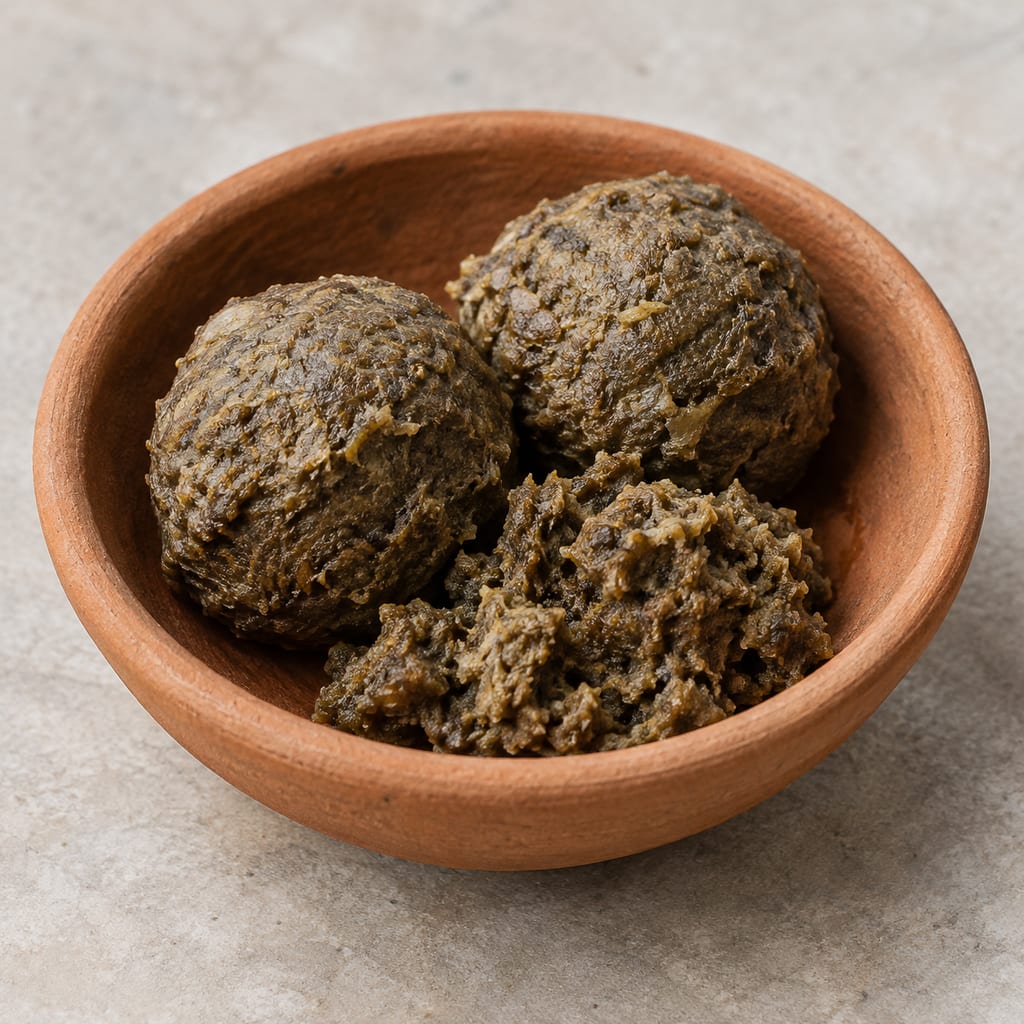
- Some documented preparations add rice bran or rice husks after the fish and salt are combined. Accounts vary in proportions and added ingredients, so they are not merged into a single formula.
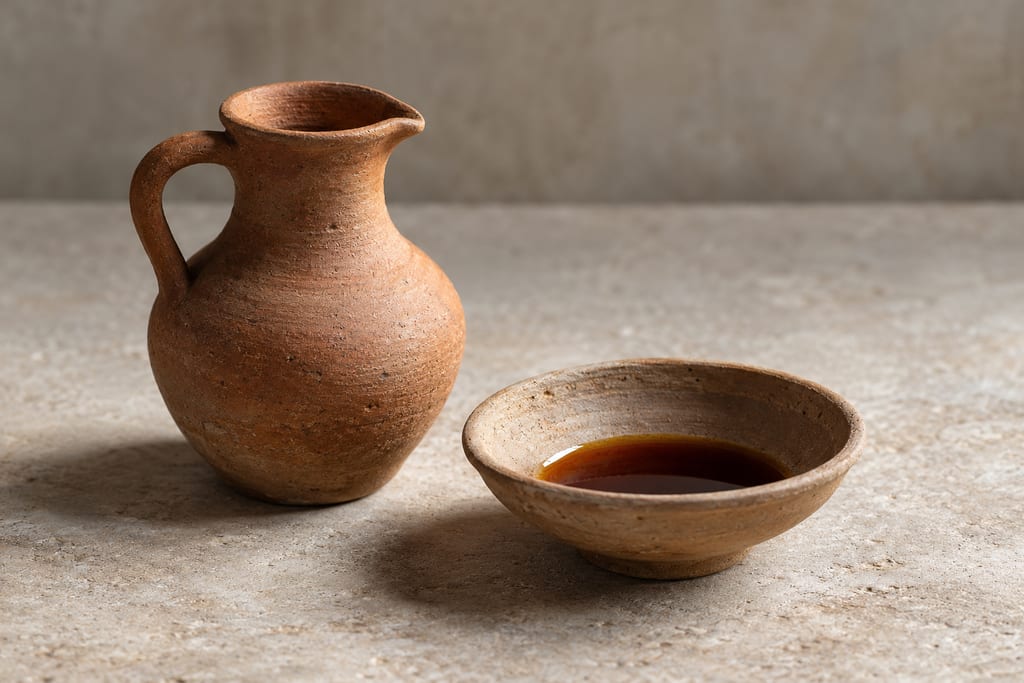
- The FAO account describes packing mixtures into jars and leaving them to ferment for months or longer in its study area. This is a report of local practice, not a validated time, safety endpoint or shelf-life instruction.
Places
Laos
Documented use · Country evidenceCountry-level association supported by Lao household-use research and an FAO report for Xieng Khouang and Houa Phanh; neither source pins a birthplace or a single national method.