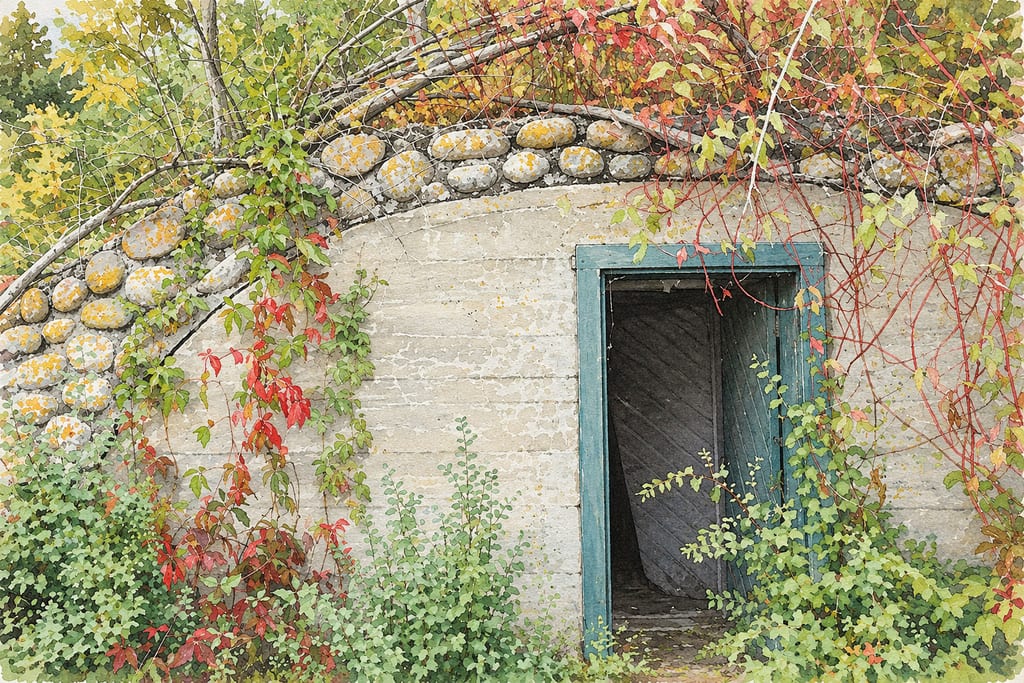
Root cellar
A documented root cellar at Minnesota’s Joyce Estate was built into a hillside near the kitchen to store garden produce. Its exposed east wall is concrete trimmed with fieldstone.
 FermenteaWhere food goes to change
Built structures · Pits and cavities
A sixth-century Chinese agricultural text describes a seasonal earthen pit for keeping fresh vegetables through winter, with vegetable kinds separated by alternating rows of produce and soil under a thick straw cover.
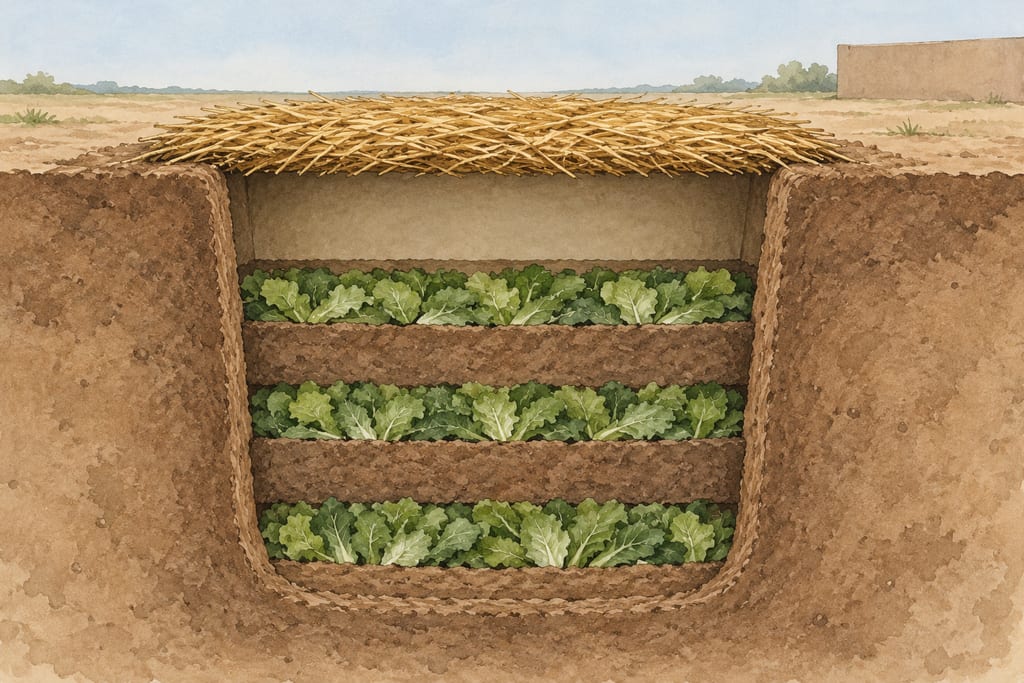
In Juan 9, the Qimin yaoshu places a short instruction for storing fresh vegetables alongside several methods for making pickles. The distinction matters: this pit is not presented as a fermentation vessel or as a recipe for pickling. Its described purpose is seasonal storage of vegetables before later use.
The entry names an autumn window—the ninth or tenth month—and a location on the sunlit south side of a wall. It gives a depth of four or five chi. Because the source uses a historical measure whose value depends on period and context, this page retains chi rather than converting it into a modern length.
The text says to sort assorted vegetables by kind and place them in alternating rows with soil: one row of vegetables, one row of earth. It then says to stop about one chi below the pit edge and cover the contents thickly with straw. The source does not specify a lining, a constructed roof, a drain, or a particular vegetable list, so none is added here.
The account says the contents keep through winter and, when needed, can be taken out crisp and not unlike summer vegetables. That is the text's reported result, not a measured storage trial. It gives no temperature or humidity figures and no advice about spoilage inspection or modern safe storage.
The source identifies the wall's sunny south side and the pit's depth, but it gives no width, plan shape, wall material, soil composition, groundwater conditions or climatic zone. The image is therefore an editorial cutaway of only the relationships the passage describes—ground, alternating rows and straw cover—not an archaeological reconstruction or a measured plan.
The country-level association is China because the cited work is a Chinese agricultural text. That does not locate this specific instruction in a named province, settlement or excavated feature, nor establish how widely the method was practiced.
Cambridge's chapter on agriculture in The Cambridge History of China dates completion of the Qimin yaoshu to between 533 and 544 and identifies Jia Sixie as its author. The primary text is thus a sixth-century written attestation; it does not establish when the practice began or how long it continued.
The same Juan 9 chapter also includes separate instructions for vegetable pickles, including salted preparations and fermentation-related steps. Those neighboring recipes should not be folded into this pit method. This build records the fixed earthen storage structure and its documented fresh-storage arrangement, not the separate pickle processes.
Francesca Bray's Cambridge History of China chapter dates completion of the Qimin yaoshu to sometime between 533 and 544 and identifies Jia Sixie as its author.
A build is made where it stands: moving it means building it again.
The Qimin yaoshu is a Chinese agricultural text. Neither source localizes this instruction to a specific site or region.
A documented root cellar at Minnesota’s Joyce Estate was built into a hillside near the kitchen to store garden produce. Its exposed east wall is concrete trimmed with fieldstone.
A project-supported underground crop cellar built in Sughd Province, Tajikistan, from 2011. Its 4-ton design uses managed ventilation for storing apples and potatoes.
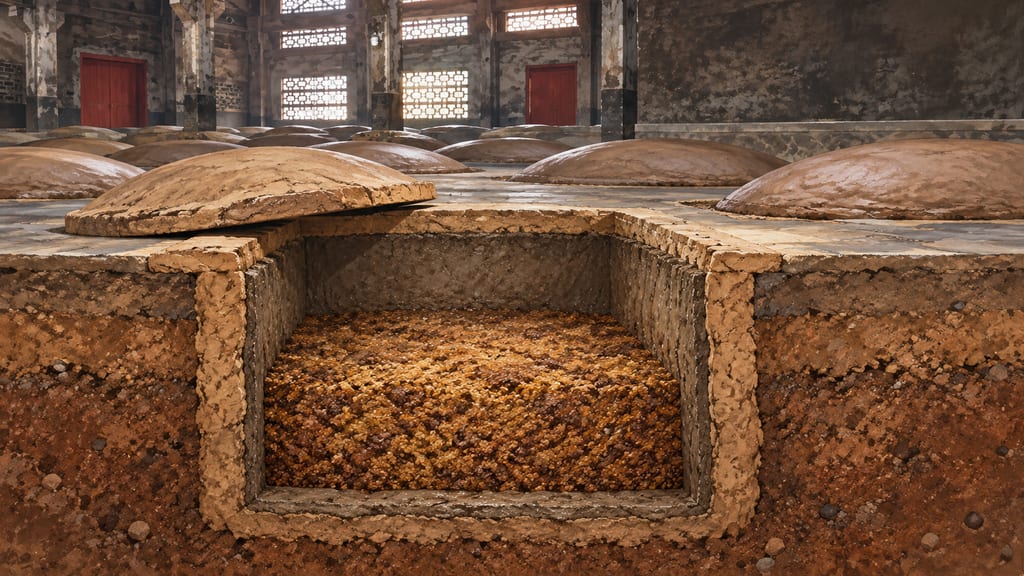
A below-floor, mud-lined fermentation chamber used in Chinese strong-aroma baijiu production. Its grain mash ferments in contact with the chamber’s microbial pit mud; shape and pit ecology vary among cellars.
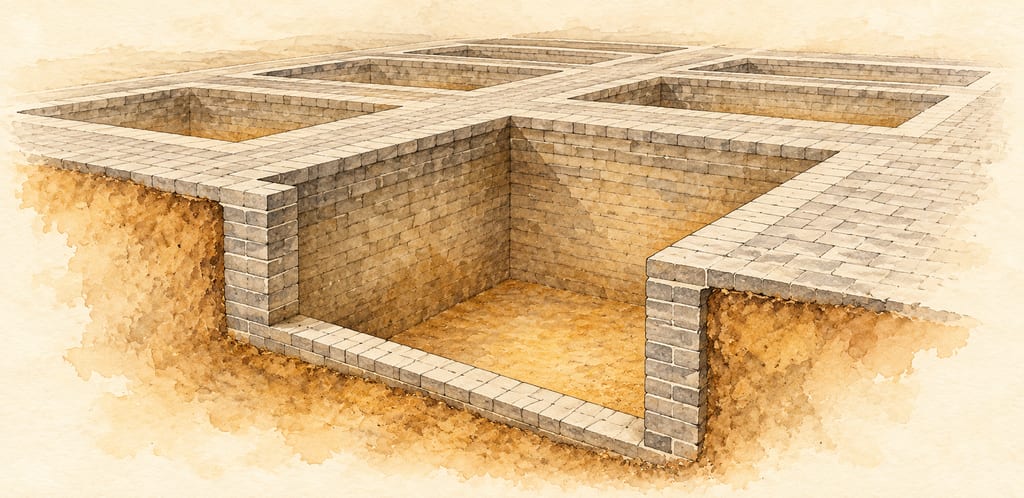
Fixed rectangular brick-lined fermentation pools at the Liu Ling Zui distillery in Xushui, Hebei. Heritage accounts disagree on their date and total number.
At Hemudu in Yuyao, Zhejiang, later Neolithic pits held stored acorns. Archaeologists describe profiles from straight-sided to bell-shaped, while cautioning that excavated outlines may be truncated.

Protected Italian vinegar made only from cooked grape must, fermented and aged in a battery of wooden barrels for at least 12 years: sweet, sharp and syrupy.
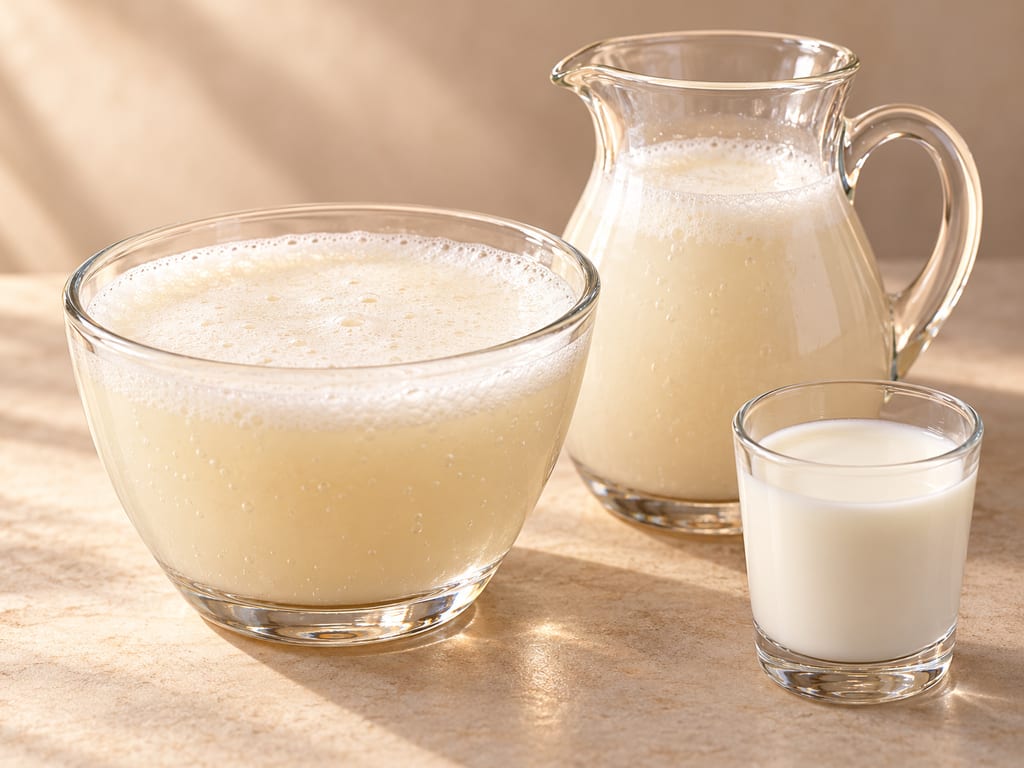
Airag is Mongolia’s fermented mare’s-milk drink, traditionally churned with saved starter in a reusable cowhide khokhuur.

Appam, or hoppers, are South Indian and Sri Lankan rice pancakes made from a fermented coconut-and-rice batter and cooked in a curved pan to a crisp lacy rim and a soft, spongy centre.
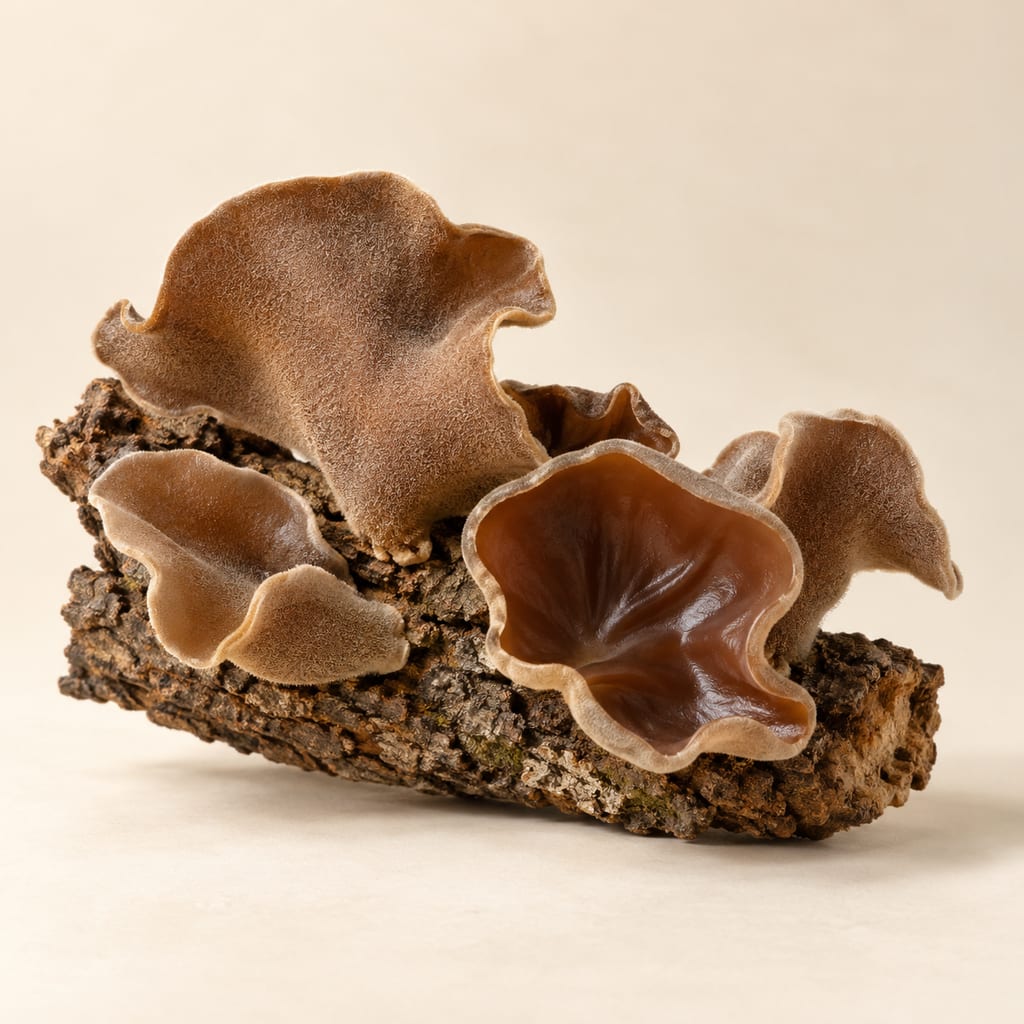
Auricularia tremellosa is a wood ear fungus of the genus that supplies most dried wood ear sold in China; its own food record is thin, and the culinary practice described here comes from the closely related wood ear species.
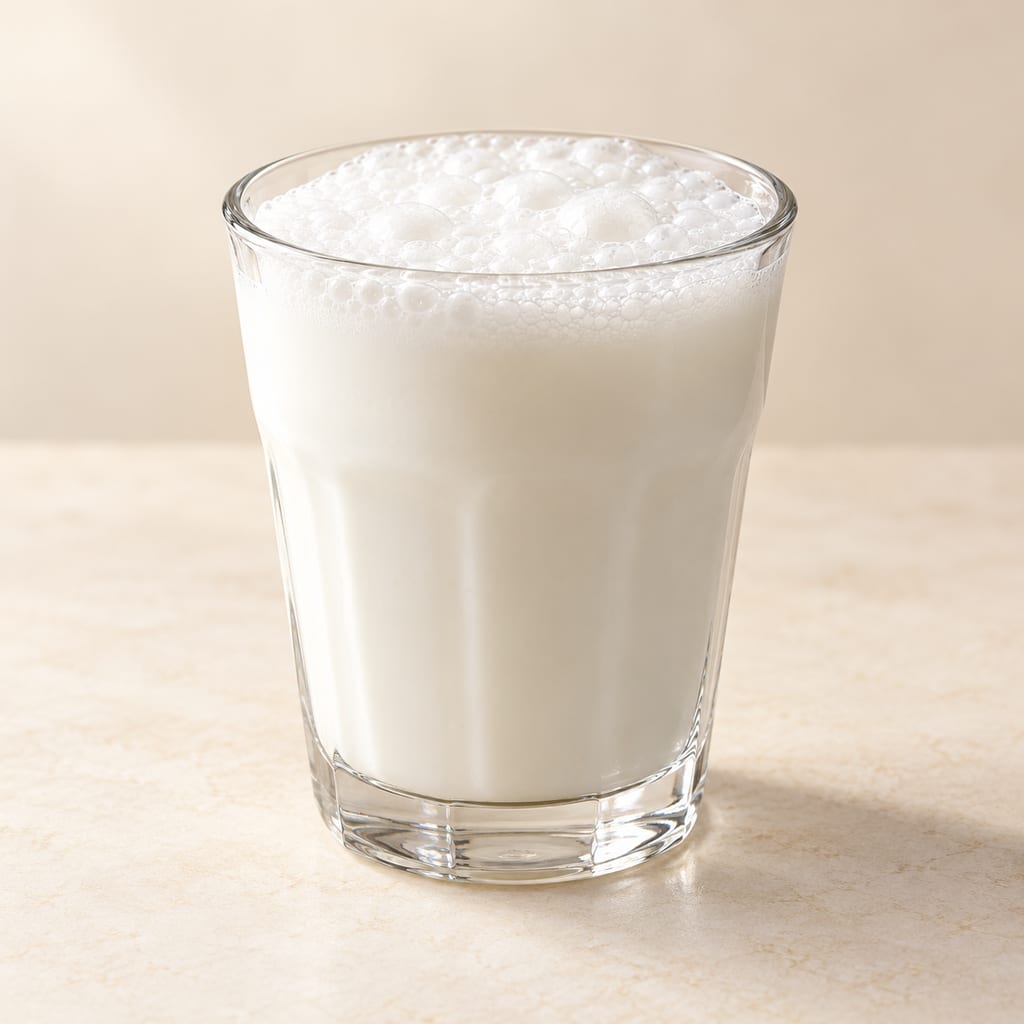
Ayran is Turkey’s cold, savoury yogurt drink: plain yogurt is loosened with water and lightly salted, then whisked smooth or aerated into a soft cap of foam.
A thin stone griddle used over an open hearth. Norwegian archaeology documents the established tradition from the early Middle Ages; a Viking-period origin is only a cautious suggestion linked to Shetland.

Crushed or milled barley cooked in water until the starch softens and the mixture thickens, the plainest way a northern household turned stored grain into a meal, here with apple and hazelnut.

Black carrot is the anthocyanin-pigmented Eastern carrot (Daucus carota var. atrorubens), the purple root that preceded orange types and still colours kanji and şalgam.
No community contributions have been published for this entry yet.
Sign in to contribute. Published comments and photos are free to read.
Guwendao (古文岛), annotated transcriptionMethod · Form
齊民要術·卷九:藏生菜法 (Qimin yaoshu, Juan 9: storing fresh vegetables)The original passage places the pit on the sunny south side of a wall in the ninth or tenth month.
It gives a depth of four or five chi and says to alternate vegetable rows with soil, stopping about one chi below the pit edge.
It specifies a thick straw cover and says the produce keeps through winter; the text's crispness comparison is reported as a historical claim, not a modern test.
Nearby passages describe pickling separately; this storage instruction itself is for fresh vegetables.
Cited in: A pit for fresh produce; Layering and covering; What the site description leaves open; Historical setting and classification
Cambridge University PressHistory
Agriculture (Chapter 16), The Cambridge History of ChinaDates completion of the Qimin yaoshu to sometime between 533 and 544.
Identifies Jia Sixie as author and contextualizes the work within the Six Dynasties.
Cited in: What the site description leaves open; Historical setting and classification