
African fermented foods, drinks and preservation
From sour breads and milk to savoury seeds, cassava staples and living beers, African fermentation follows the crop, the community and the work of transformation.
 FermenteaWhere food goes to change
Modern method
Oshikundu · ontaku · mahangu
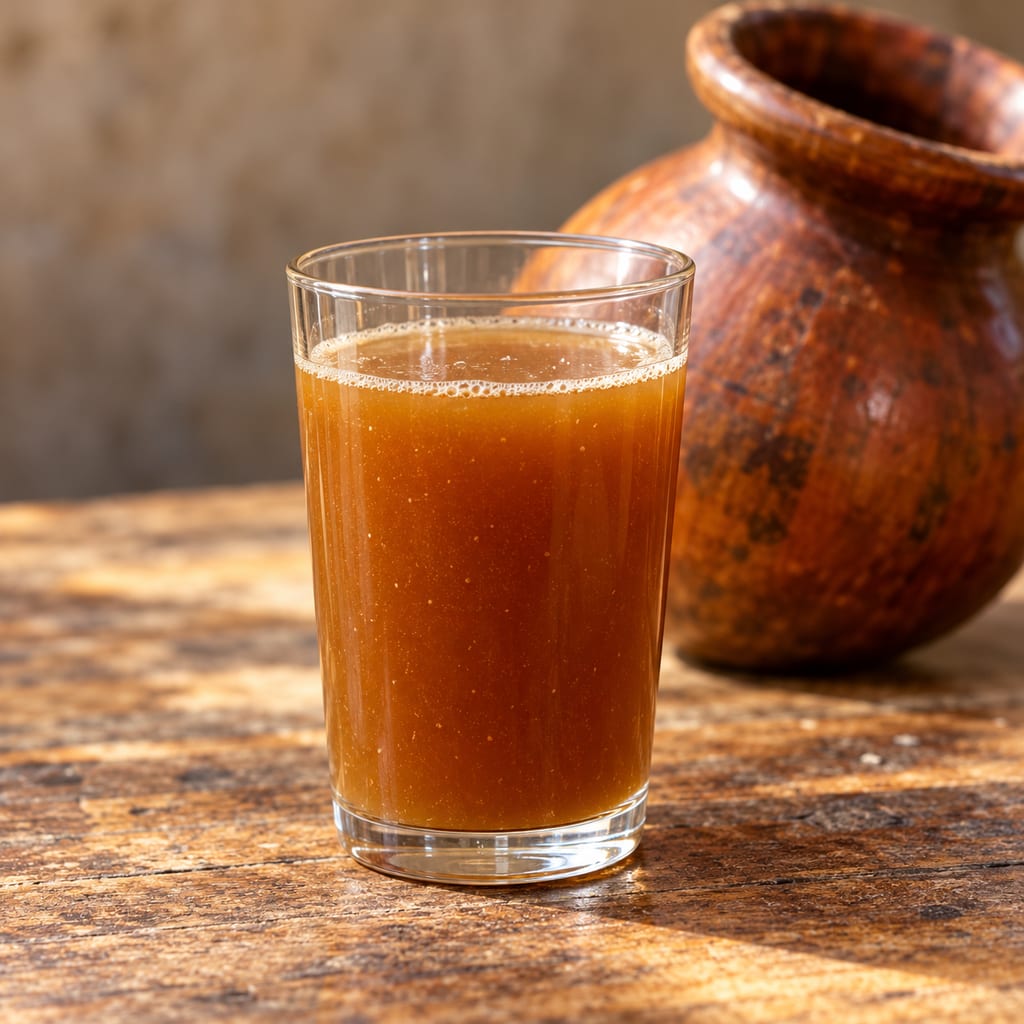
A Namibian everyday drink of pearl-millet flour scalded with hot water, thinned with sorghum malt and bran and soured quickly by a spoonful of the previous batch.
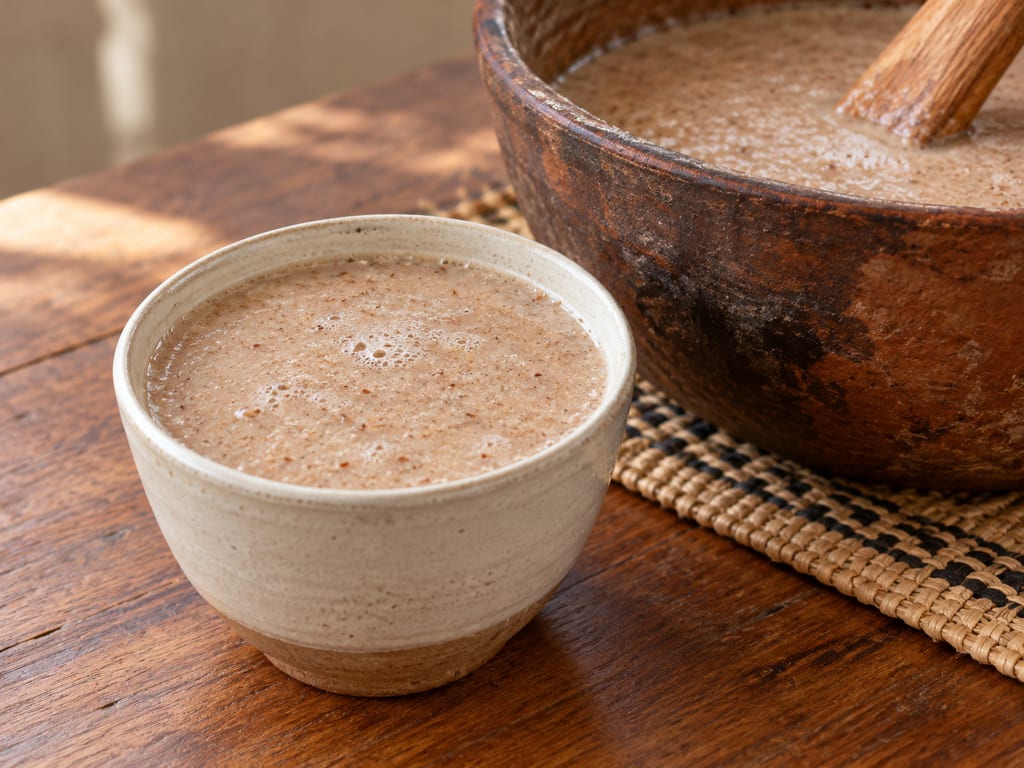
Oshikundu, also known as ontaku, is a traditional Namibian fermented cereal beverage, particularly associated with northern Namibia.
It is usually prepared using pearl millet, locally called mahangu, together with malted sorghum and water.
Some versions also use millet bran.
The drink has a cereal-rich body and a characteristic acidic flavour created by fermentation.
It is commonly consumed fresh.
Unlike conventional bottled beer, oshikundu may have a very short useful life.
Its production relies on the interaction between cooked or hot-water-treated grain material, malt enzymes and microorganisms introduced through ingredients or a previous batch.
The recipe below is a contemporary Namibian household formulation preserving traditional ingredients and process stages.
The names oshikundu and ontaku should be retained as local food terminology.
They are not different biological products.
The original record supplies no verified indigenous-script form, so one should not be invented.
Oshikundu — Traditional Namibian fermented cereal drink
Ontaku — Alternative regional name
Mahangu — Pearl millet
Pearl millet — Cenchrus americanus, synonym Pennisetum glaucum
Sorghum — Sorghum bicolor
Sorghum malt — Germinated sorghum prepared for brewing
Pearl millet is an important grain in northern Namibia.
It is adapted to local agricultural conditions and forms part of everyday cereal-based food traditions.
Oshikundu is particularly associated with households in the north-central and northern regions.
Studies have collected samples from Omusati, Oshana, Ohangwena and Oshikoto.
The drink is often consumed daily rather than being reserved only for festivals.
Its importance is partly practical: grain can be transformed into a refreshing, filling drink using relatively simple equipment.
The exact historical origin of oshikundu is not established.
A contemporary household recipe documents one living method, while Namibian university research provides more detailed information about its chemistry and microorganisms.
Mahangu supplies starch and the main cereal character.
The grain also contributes protein, minerals and fibre.
Its processing determines the texture of the drink.
Fine flour hydrates differently from coarse meal.
The ratio of flour to water affects viscosity.
The recipe uses three cups of mahangu flour.
The cup size is not specified in the original formulation.
It must not be silently converted into an invented gram weight.
Sorghum malt contributes enzymes that can act upon cereal starch.
Malting begins with germination.
During germination, the seed activates biochemical processes that make stored nutrients available to the developing plant.
The dried malt can then be used as a brewing ingredient.
The enzymatic activity depends on grain variety, malting conditions and subsequent handling.
University of Namibia research has found significant differences between malt varieties in reducing sugars, free amino nitrogen and enzyme-related properties.
Therefore, substituting any random sorghum flour for actual malt may change the process substantially.
Pearl-millet bran contributes insoluble grain material and influences the body of the drink.
Its inclusion is traditional in some methods but not universal.
The documented formula combines sorghum malt and mahangu bran in equal parts.
The mixture is measured by tablespoons.
This means the preparation depends on both the malt and the bran, not on sorghum malt alone.
Divine Deli Namibia household formula · Final yield not specified
The malt-bran mixture is 1:1.
The recipe does not define its cup volume.
It also does not state the temperature of the hot water, the precise cooling endpoint or the final beverage yield.
Previous fermented oshikundu — 250 ml
Mahangu flour — 3 cups
Hot water — 5 cups
Sorghum-malt and millet-bran blend — 2 tablespoons
Cold water — 2 L
Sugar — Optional, to taste
A mixing vessel or large jug, stirring implement, measuring cups, measuring spoons and suitable covered fermentation container are required.
The process uses ordinary household equipment.
Temperature measurement would improve reproducibility, but the published household recipe does not specify a numerical fermentation temperature.
Place 3 cups mahangu flour in a clean mixing vessel.
Inspect the flour for signs of spoilage or contamination.
Add 5 cups hot water.
Stir until the mixture is smooth and free from lumps.
The water temperature is not quantified in the source.
Allow the mixture to rest for five minutes.
This gives time for the flour to hydrate.
Add 2 tablespoons of a mixture containing equal parts sorghum malt and mahangu bran.
Stir for 30 seconds.
Leave the mixture for 15 minutes.
Repeat the stirring and resting sequence until it has cooled.
The source does not provide an exact temperature or total cooling time.
Add 2 L cold water.
Mix until the slurry is evenly distributed.
Incorporate 250 ml previously fermented oshikundu.
This is the backslopping stage.
The previous beverage introduces microorganisms that may initiate the next fermentation.
Cover the vessel and leave it for approximately two hours.
Colder conditions may lengthen fermentation.
No exact temperature or extended time is specified.
Add sugar if desired.
The source does not specify a quantity.
The beverage is intended for fresh consumption.
The recipe does not establish a validated storage period.
Hot water hydrates the pearl-millet flour.
Depending on its actual temperature, it can cause partial or substantial starch gelatinization.
Gelatinization increases viscosity and changes the accessibility of starch to enzymes.
The household method does not specify the temperature of the water.
It is therefore not possible to conclude exactly how much gelatinization occurs.
The rest period allows hydration and temperature changes.
The malt and bran are then incorporated before the final cold-water dilution.
Sorghum malt contains enzymes associated with starch breakdown.
These help create smaller sugars from suitable starch substrates.
Microorganisms can then consume available sugars.
The process creates acids and other fermentation metabolites.
Because the recipe includes previous oshikundu, the microbes do not have to come entirely from the grain and surrounding environment.
Backslopping can make fermentation more predictable, but only when the starter itself is suitable.
A contaminated starter can also transfer unwanted organisms.
Namibian research has identified lactic acid bacteria including organisms historically classified as Lactobacillus plantarum, L. fermentum, L. pentosus, L. brevis and related species.
Other genera include Leuconostoc and Pediococcus.
Yeasts have also been identified, including Saccharomyces and Pichia.
These organisms contribute to the drink's fermentation ecology.
Lactic acid bacteria produce organic acids.
Yeasts may contribute carbon dioxide, ethanol and aroma compounds.
The exact combination depends on the batch.
A University of Namibia study of samples from different regions recorded pH values ranging from 3.33 ± 0.127 in Oshana to 3.60 ± 0.014 in Oshikoto.
It also measured titratable acidity, expressed as lactic acid, ranging from 1.20% in Oshikoto to 1.68% in Ohangwena.
These are research observations.
They do not establish a universal pH requirement for the two-hour household formula.
A home producer cannot assume that the same values will be reached merely by following the clock.
Oshikundu is generally described as very low in alcohol.
However, the presence of yeasts means that alcohol formation is possible.
The exact amount depends on sugar availability, microbial populations and fermentation conditions.
The household recipe does not measure alcohol.
It should therefore not carry an absolute zero-alcohol guarantee.
The main variables include grain variety, malt type, bran inclusion, water quantity and fermentation time.
Some households may use more or less malt.
Other formulations may use different starter quantities or rely more heavily on spontaneous fermentation.
The degree of dilution influences thickness.
The flavour also depends on the quality of the mahangu and sorghum.
These are variations within the oshikundu family.
They should not be represented as universally identical recipes.
Oshikundu is commonly consumed fresh as an everyday drink.
Its cereal solids make it relatively substantial.
It can accompany meals or be consumed on its own.
The drink may separate slightly during standing.
Stirring can redistribute the suspended cereal material.
Because fermentation continues after preparation, the flavour may change quickly.
A normal finished drink is opaque and cereal-flavoured.
Sourness should develop.
Its thickness depends on flour and water proportions.
A mild fermented aroma may be present.
The household recipe does not specify a numerical pH or final acidity endpoint.
A pleasant taste alone cannot prove that the drink is safe.
Lumpy texture: The flour was not dispersed evenly in the hot water.
Very thick drink: The grain-water balance may be unsuitable.
Weak sourness: Starter activity or fermentation conditions may differ from expectations.
Unexpectedly strong sourness: Fermentation may have continued longer than intended.
Unpleasant spoilage odours: Do not consume.
Mould: Discard.
Rapid deterioration: Traditional oshikundu is known for very short keeping quality.
A review published in 2024 reports a shelf life of less than six hours for traditional oshikundu in the context it discusses.
That figure is not a validated maximum safe storage period for every recipe.
It illustrates why the beverage is normally prepared and consumed fresh.
The household formula gives no measured shelf-life endpoint.
Any commercial distribution would require suitable food-safety validation, process control and packaging design.
Use sound grain, food-grade malt and clean water.
Sanitize utensils and vessels.
Use only suitable previous oshikundu as starter.
Do not assume that two hours of fermentation is sufficient to eliminate pathogenic organisms.
The prepared beverage should not be regarded as shelf-stable.
It may contain alcohol, even if commonly categorized as very low-alcohol.
Oshikundu is a pearl-millet and malted-sorghum drink consumed in Namibia. The contemporary Namibian recipe page also calls it ontaku; no single canonical formula is claimed.
Scaling: source batch only
A peer-reviewed review reports under six hours for oshikundu; this is not a validated storage limit for this formula.
Hazard sourceUse clean vessels for the active ferment. No validated endpoint or storage duration is given for this household recipe.
Control sourcePublished sources describe oshikundu as very low-alcohol, not alcohol-free; this recipe has no alcohol measurement.
The reported shelf life under six hours is not a validated control for this exact method; no storage time is established here.
Broad national association only; no local origin is inferred.
From sour breads and milk to savoury seeds, cassava staples and living beers, African fermentation follows the crop, the community and the work of transformation.
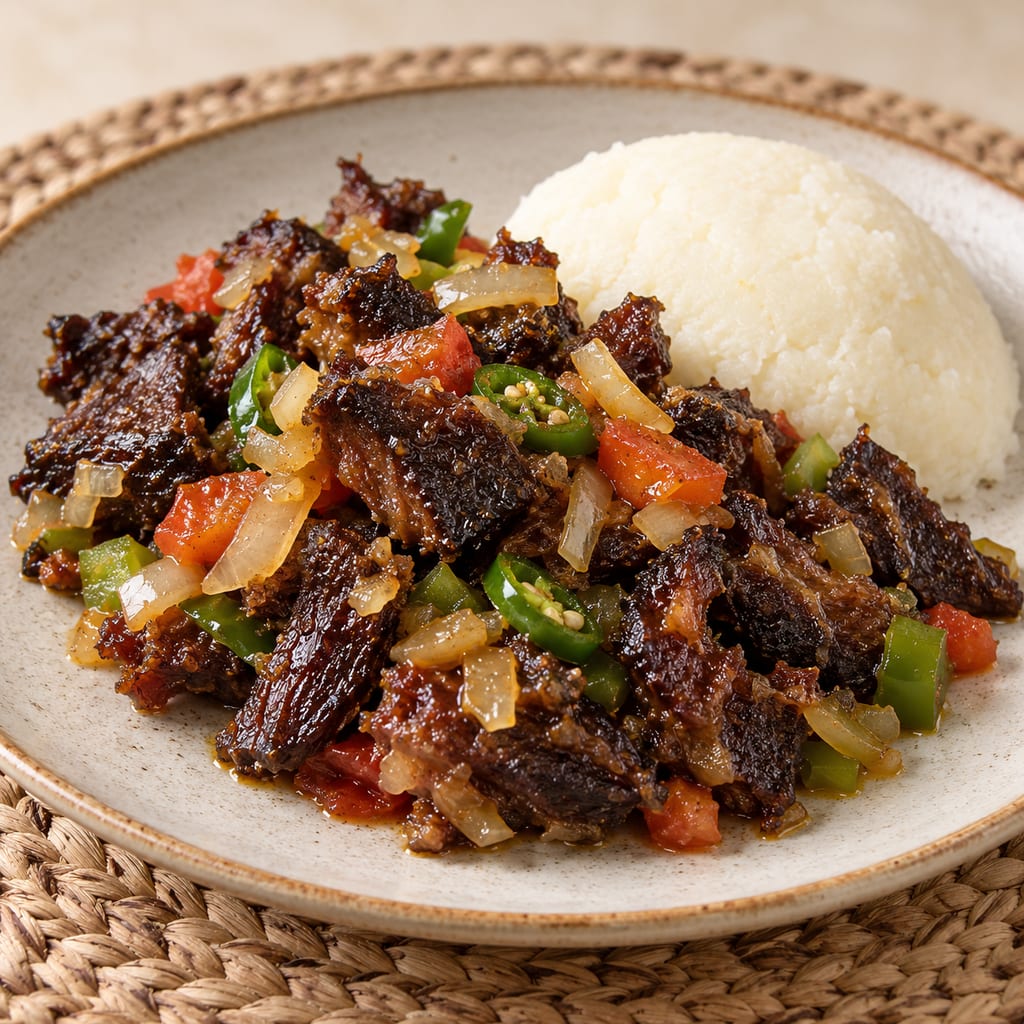
Alina Magano Johannes’s Oondhingu is a family dish from Onyaanya, Oshikoto, in northern Namibia: softened dried beef fried with vegetables and served with pap.
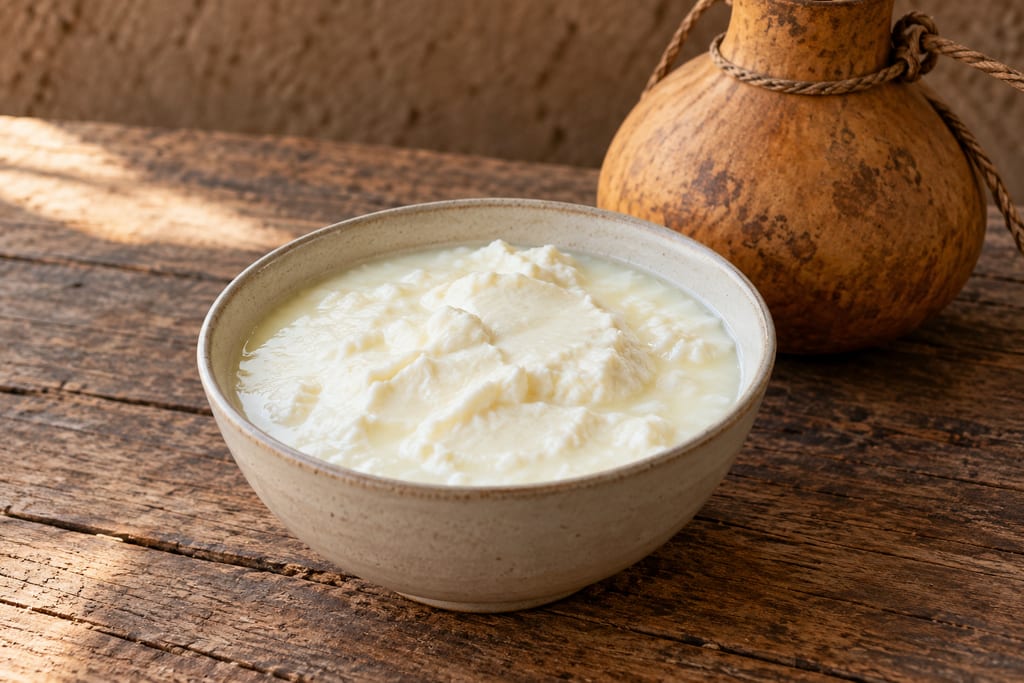
A cultural record of omaere, soured milk associated with Otjiherero-speaking communities in Namibia and Botswana, and documented through household accounts of calabash vessels and fermentation.
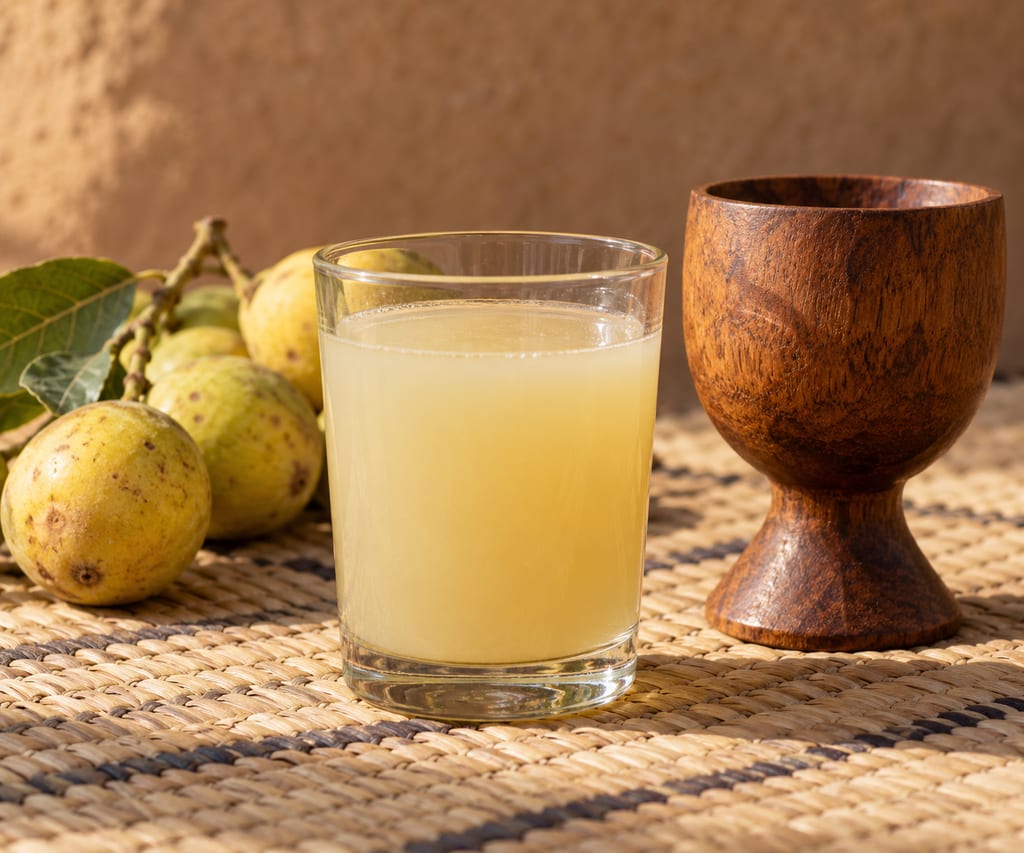
The fermented marula drink of northern Namibia's Aawambo communities, pressed from ripe Sclerocarya birrea fruit and left to the yeasts already on it, and drunk at the Oshituthi shomagongo festival.

A deep amber-red American ale brewed from pale, Munich, CaraVienne and chocolate malts, bittered with Columbus hops and finished with Amarillo.

A source-specific modern extract adaptation of Düsseldorf Altbier, with specialty malts, two hop additions and an ale yeast. It is distinct from a brewery's commercial Altbier process and from Kölsch.
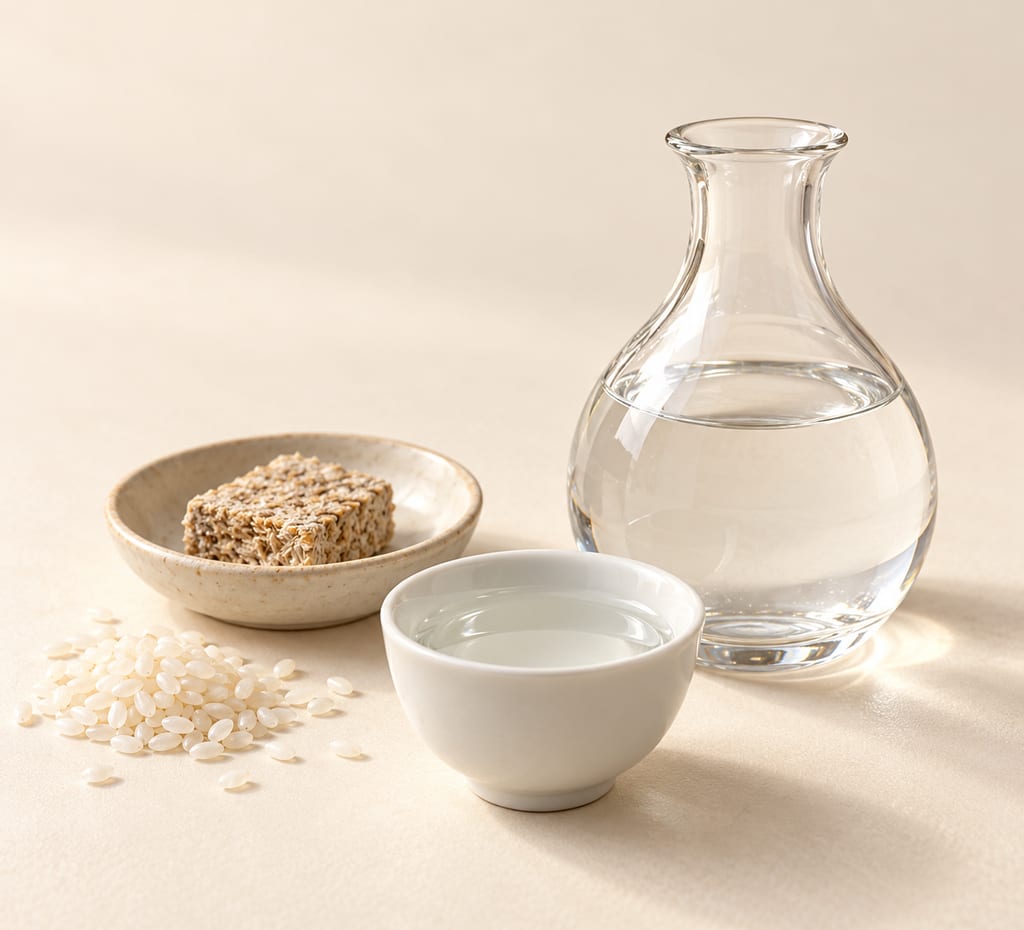
Andong soju is a rice spirit from North Gyeongsang, distilled from steamed rice and wheat nuruk. This method makes the starter before fermenting the rice mash in a jar.
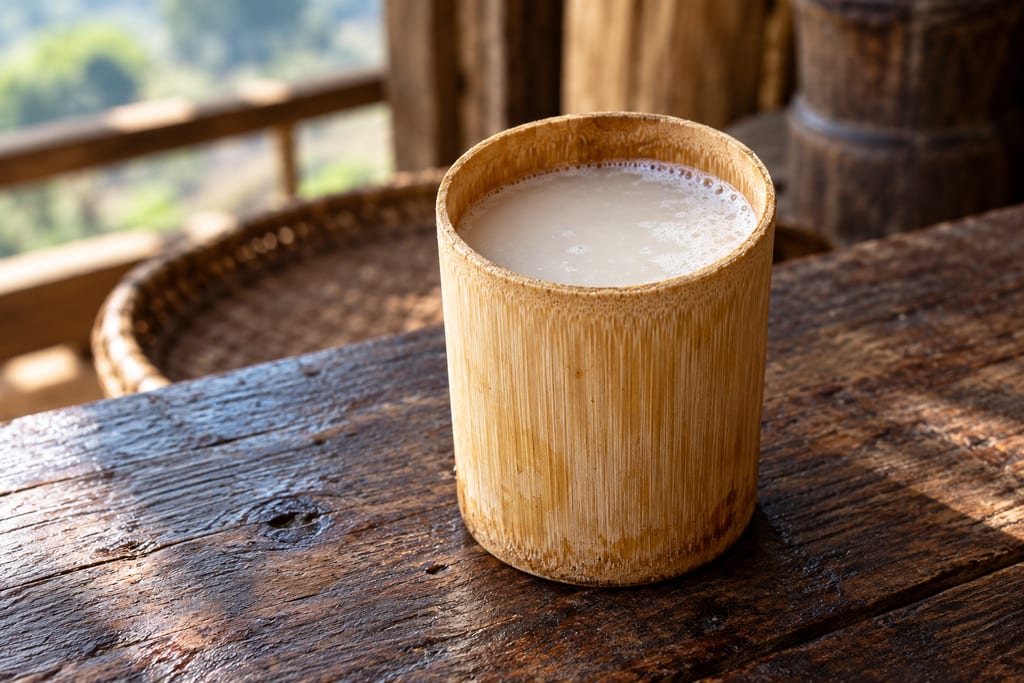
Angami rice beer from Nagaland. A surveyed method mixed cooked rice with piazu, fermented it for about four days in summer or a week in winter, then added water and filtered it. The starter ratio leaves the rice-weight basis unclear.
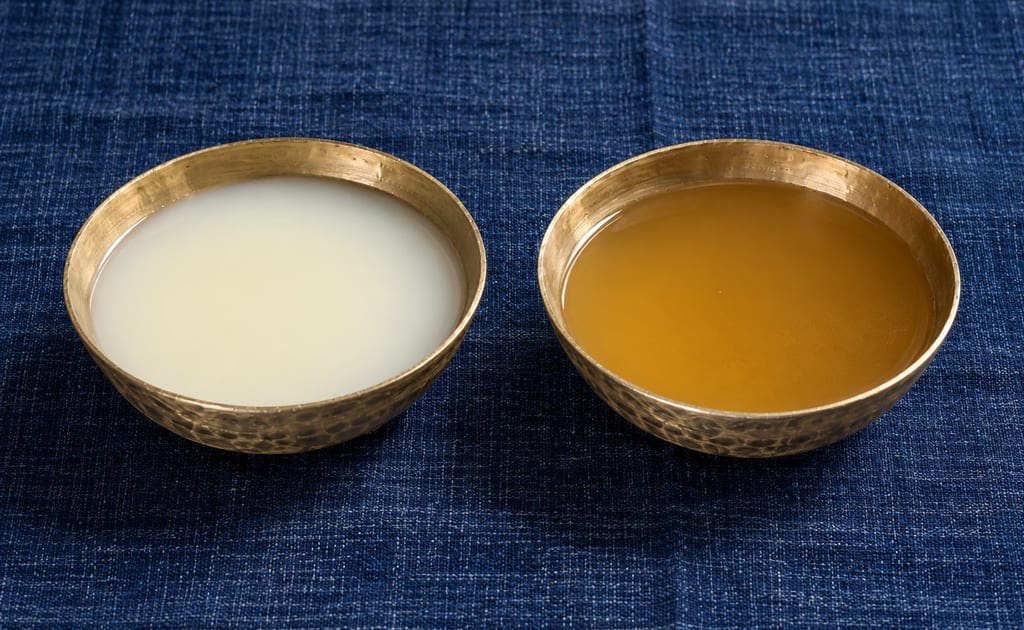
Apong names Mising rice beverages in Assam, including pale Nogin and ash-associated Po:ro. Sources describe distinct preparations and do not establish one unified household recipe or validated safety endpoint.
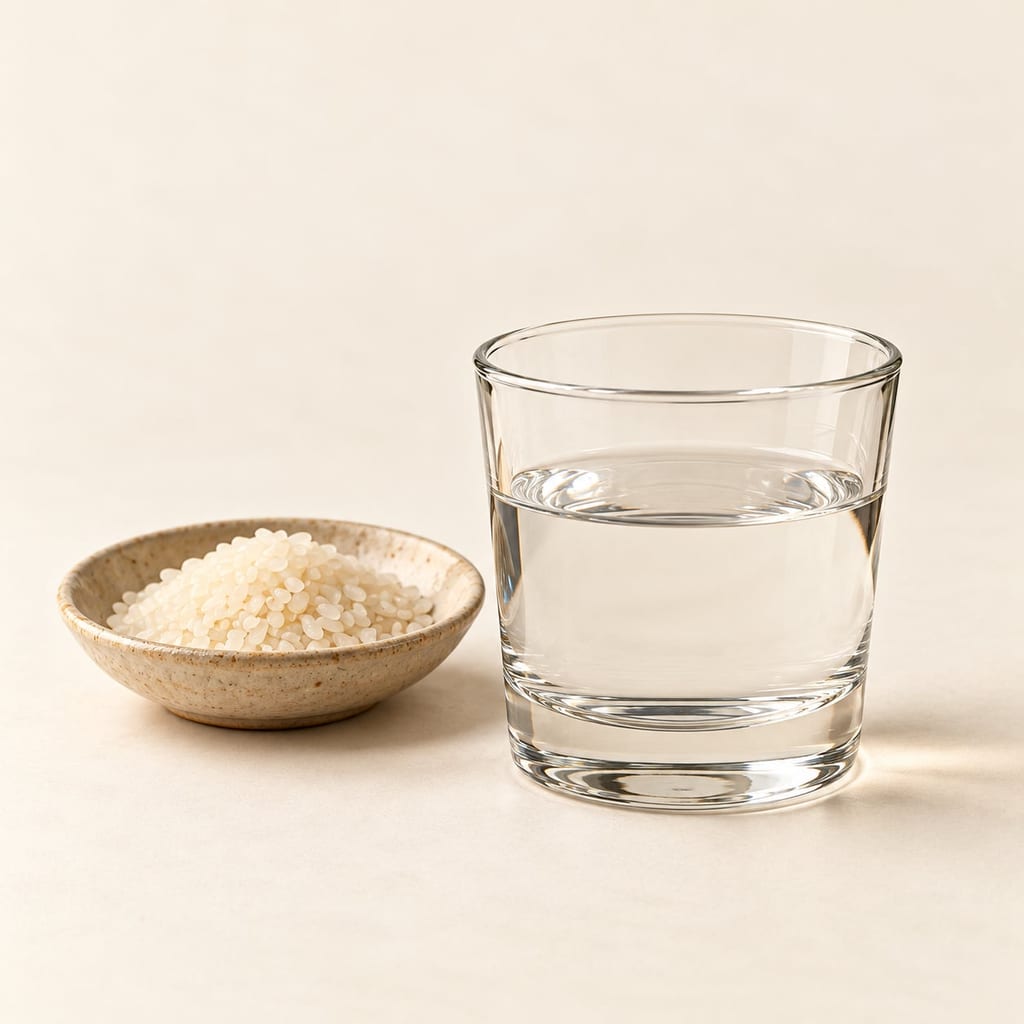
An Okinawan rice spirit made by turning all the rice into black koji, fermenting it with water and yeast, then pot-distilling and maturing the spirit.

This is a process overview, not a complete batch recipe: key quantities, yield and packaging directions are absent. The AHA tutorial uses Hop Hammer Imperial IPA as an example; this page is not that full formulation.
A darker Ethiopian maize tella, brewed from maize baked into a hot, dry kita pancake and then fermented in three stages with barley malt, gesho and water.
No community contributions have been published for this entry yet.
Sign in to contribute. Published comments and photos are free to read.
Divine Deli NamibiaInspiration · Process · Location
Oshikundu / Ontaku Drink3 cups mahangu flour, 5 cups hot water, 2 tbsp 1:1 sorghum malt and pearl-millet bran, 2 L cold water and 250 mL starter.
Five-minute rest, repeated 15-minute cooling rests and about two-hour fermentation; optional sugar.
Cited in: Oshikundu: a daily cereal drink; Why mahangu is used; The importance of sorghum malt; The role of bran; Ingredients; Equipment; Stage 1 — Prepare the flour; Stage 2 — Add hot water; Stage 3 — Rest; Stage 4 — Add malt and bran; Stage 5 — Cool in intervals; Stage 6 — Dilute; Stage 7 — Add starter; Stage 8 — Ferment; Stage 9 — Sweeten; Stage 10 — Serve; How the hot-water stage works; Measured acidity in Namibian samples; Regional variation; How oshikundu is consumed; Recognizing successful fermentation; Problems
Journal of Food Quality / WileyHistory · Safety · Location
Diversity of Production Techniques and Microbiology of African Cereal-Based Traditional Fermented BeveragesNamibian pearl-millet and malted-sorghum oshikundu; spontaneous fermentation and under-six-hour reported shelf life.
Cited in: Oshikundu: a daily cereal drink; Names and identity; Regional cultural context; Why mahangu is used; The importance of sorghum malt; The role of bran; Ingredients; Equipment; Stage 1 — Prepare the flour; Stage 2 — Add hot water; Stage 3 — Rest; Stage 4 — Add malt and bran; Stage 5 — Cool in intervals; Stage 6 — Dilute; Stage 7 — Add starter; Stage 8 — Ferment; Stage 9 — Sweeten; Stage 10 — Serve; How the hot-water stage works; Malt enzymes and fermentation; Microorganisms found in oshikundu; Measured acidity in Namibian samples; Why it is described as low-alcohol; Regional variation; How oshikundu is consumed; Recognizing successful fermentation; Problems; Shelf-life limitations; Food safety
Clemson Cooperative ExtensionSafety
Cleaning and Sanitation for the HomebrewerSanitize beverage-contact equipment; this is general sanitation guidance, not process validation.
Cited in: Oshikundu: a daily cereal drink; Why mahangu is used; The importance of sorghum malt; The role of bran; Ingredients; Equipment; Stage 1 — Prepare the flour; Stage 2 — Add hot water; Stage 3 — Rest; Stage 4 — Add malt and bran; Stage 5 — Cool in intervals; Stage 6 — Dilute; Stage 7 — Add starter; Stage 8 — Ferment; Stage 9 — Sweeten; Stage 10 — Serve; How the hot-water stage works; Measured acidity in Namibian samples; Why it is described as low-alcohol; Regional variation; How oshikundu is consumed; Recognizing successful fermentation; Problems; Shelf-life limitations; Food safety
Embashu, 2014Microbiology
Embashu, 2014 — Physicochemical, nutrient and microbiological analysis of OshikunduPhysicochemical, nutrient and microbiological analysis of Oshikundu
Cited in: Malt enzymes and fermentation; Microorganisms found in oshikundu
Embashu, 2018Microbiology
Embashu, 2018 — Identification of lactic acid bacteria and yeastsIdentification of lactic acid bacteria and yeasts
Cited in: Malt enzymes and fermentation; Microorganisms found in oshikundu
University of NamibiaMethod
University of Namibia — Optimisation of Ontaku/OshikunduOptimisation of Ontaku/Oshikundu