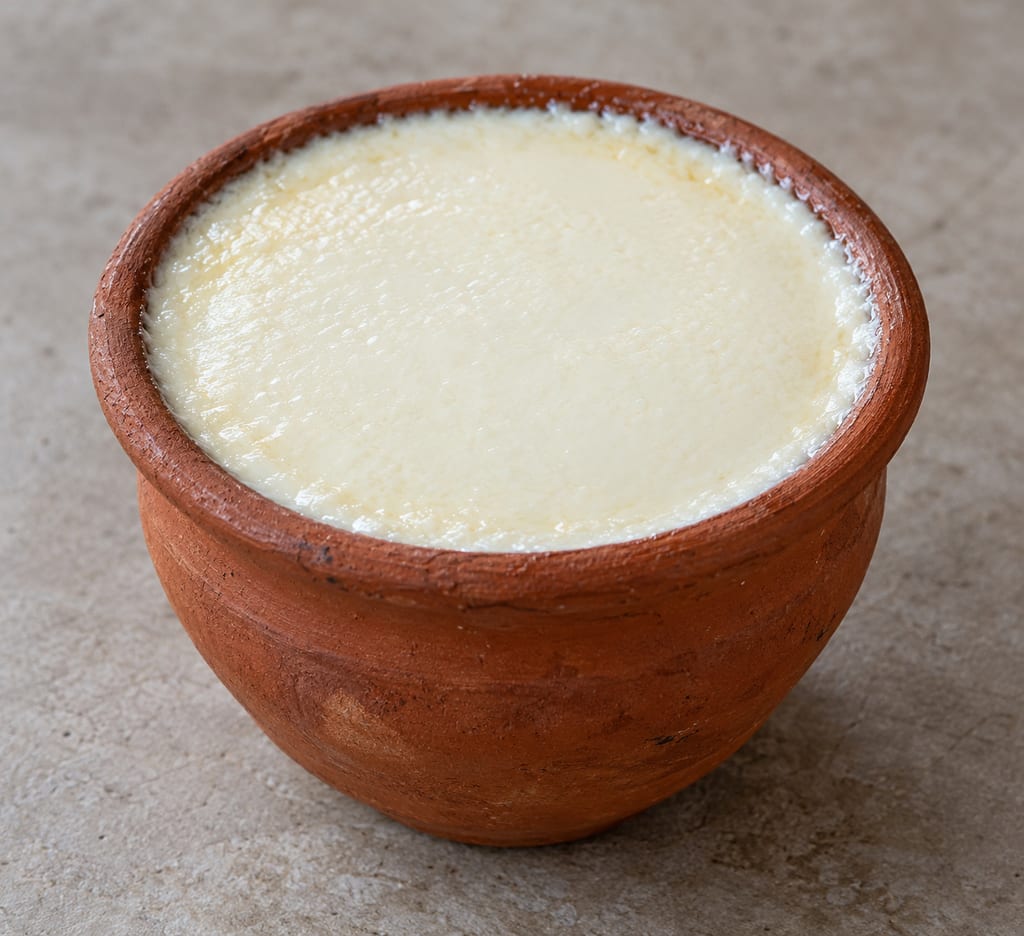
Juju dhau
Juju dhau is a rich Newar cultured milk associated with Bhaktapur, Nepal. A local account describes buffalo milk concentrated by boiling, inoculated with previous-day curd and set in earthen pots.
 FermenteaWhere food goes to change
Modern adaptation
A Newar rice-flour crepe cooked covered on a pan. This Nepal Tourism Board method serves it plain with accompaniments.
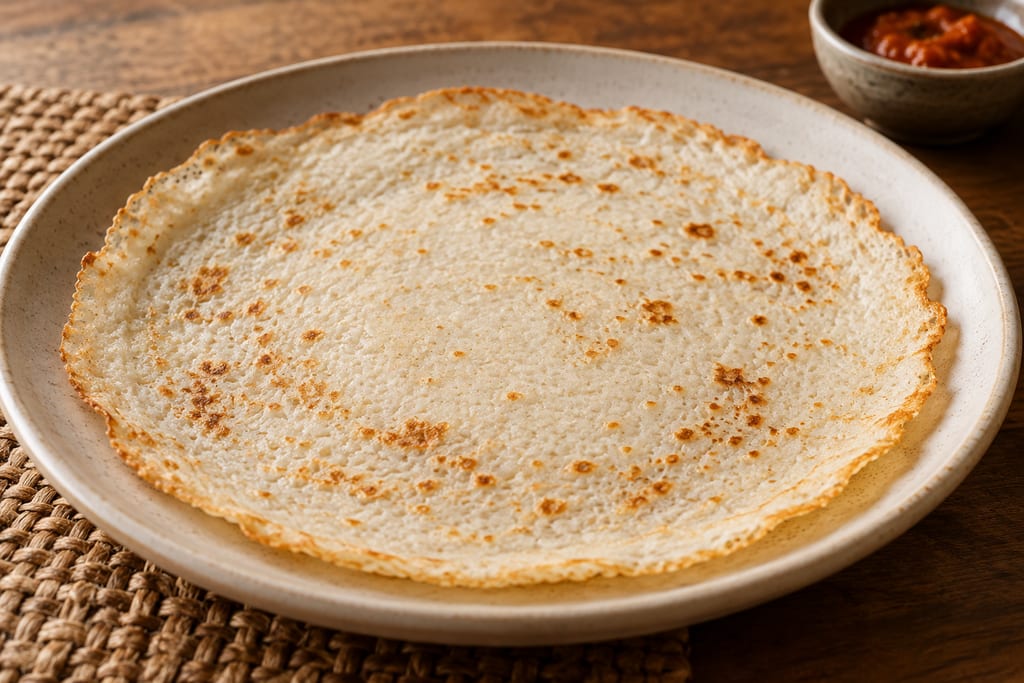
Chatamari is a rice-flour preparation documented in Newar food traditions. This plain version cooks a spread batter under a lid. Other versions add egg, cheese, meat or vegetables; those toppings require their own preparation and cooking.
Chatamari is among the foods eaten during Sithi Nakha in the Kathmandu Valley. Reporting from the celebration on 1 June 2025 places it alongside bara and samaybaji. The day brings neighbours together to clean wells, stone spouts, ponds and springs before the monsoon and rice-planting season. It is also observed as the birthday of Kumar, the son of Shiva and Parvati.
The combination of shared work, worship and food gives this rice-flour preparation a setting beyond a restaurant plate. That report describes a particular public celebration; it does not prescribe one chatamari batter or topping for every Newar household. Nor does a festival association establish the date when the food was first made.
Rice farming helps explain the wider calendar around these meals. Rishikesh Pandey’s 2018 study follows Newar festivals from preparation for paddy seedlings before the monsoon to the harvest afterwards. It examines offerings, family foods and stories about deities as parts of the Valley’s agricultural and religious life.
Pandey also describes pressures on those practices as livelihoods and the Valley’s agricultural landscape change. This is a useful context for understanding a rice-based festival food. It is not evidence that chatamari originated at a particular harvest festival, and it does not make one modern recipe a reconstruction of an ancient ritual meal.
The Nepal Tourism Board’s heritage-cuisine book records an earlier practice of cooking chatamari in earthen pots under matching lids, which it associates with an earthy aroma. Its published recipe uses an iron pan. The note preserves a remembered change in cooking equipment without supplying dates.
The same book allows egg, cheese, meat or vegetable toppings and recommends accompaniments for the plain bread. Here the rice batter remains plain. The covered cooking time belongs to that base method; it is not a tested cooking schedule for raw toppings. A topped chatamari needs its own ingredient preparation and cooking directions.
Chatamari is documented in Newar food traditions in Nepal. Its earliest date and precise origin are not established.
Scaling: source batch only
Cook the rice-flour batter through; do not taste it raw.
The sources document Newar preparation in Nepal; they do not establish a precise birthplace.
Juju dhau is a rich Newar cultured milk associated with Bhaktapur, Nepal. A local account describes buffalo milk concentrated by boiling, inoculated with previous-day curd and set in earthen pots.
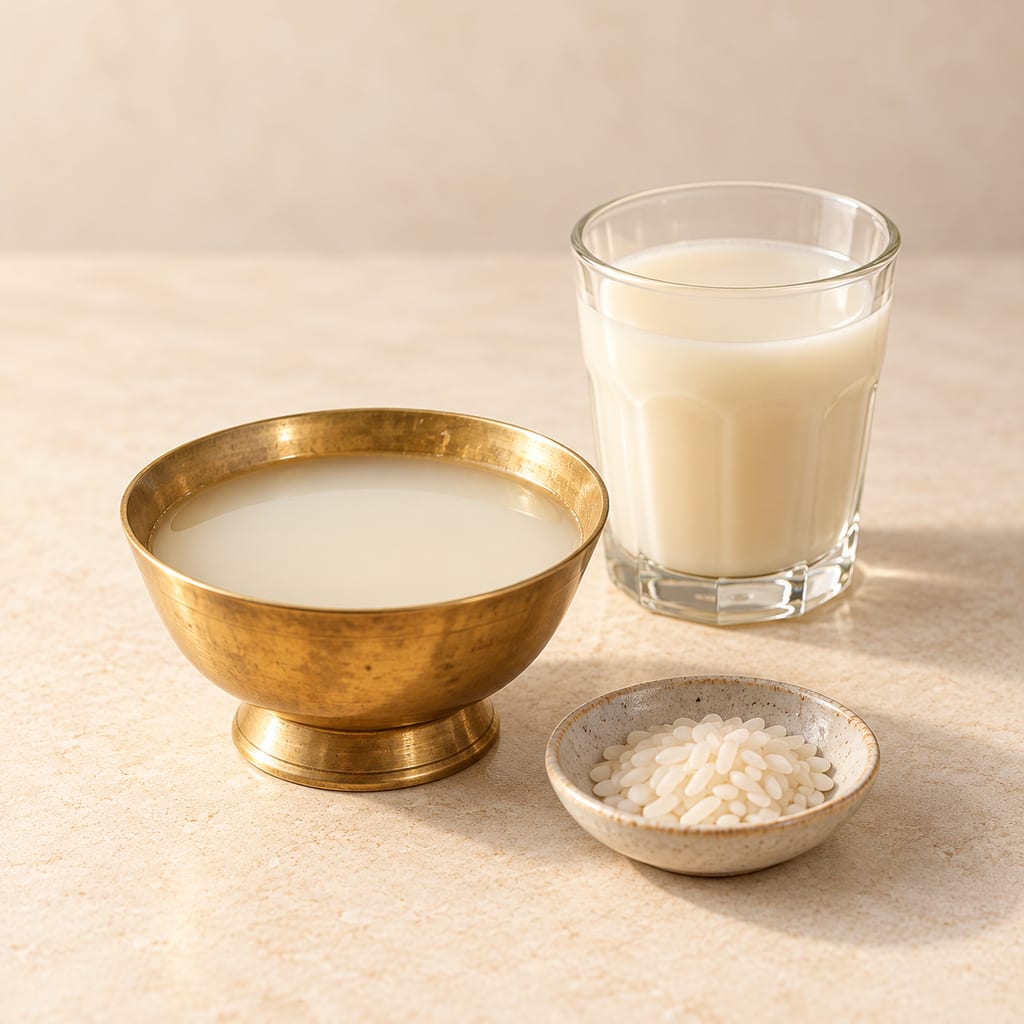
A Kathmandu rice beer in which a marcha starter saccharifies and ferments cooked white rice, the mash later thinned with water for drinking.
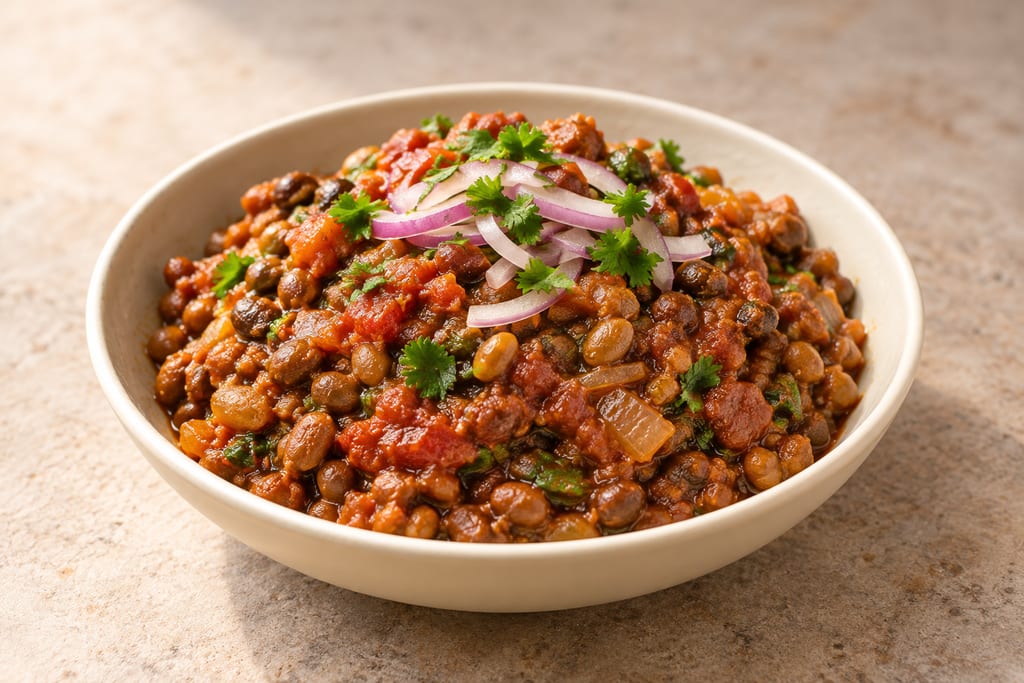
Kinema ra golbheda ko achar combines already-fermented soybean kinema with tomatoes, onion, garlic and spices, finished with sesame powder and fresh garnish, and is eaten with rice or toast.
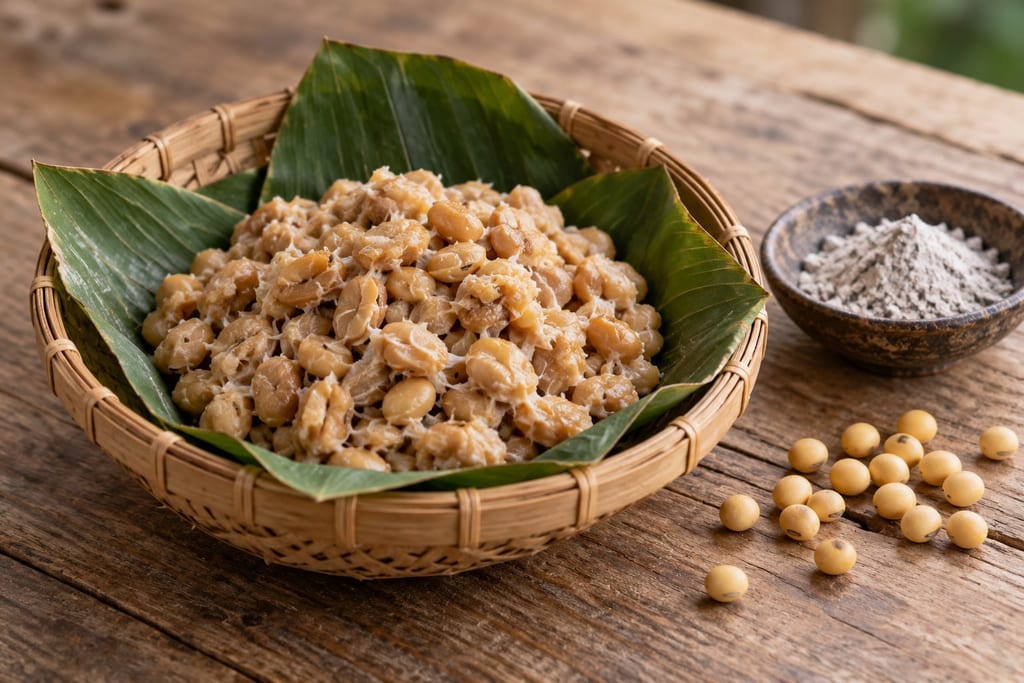
A sticky fermented soybean food of the eastern Himalaya, made here with a measured addition of firewood ash as an alkaline aid to the bacteria that drive it.
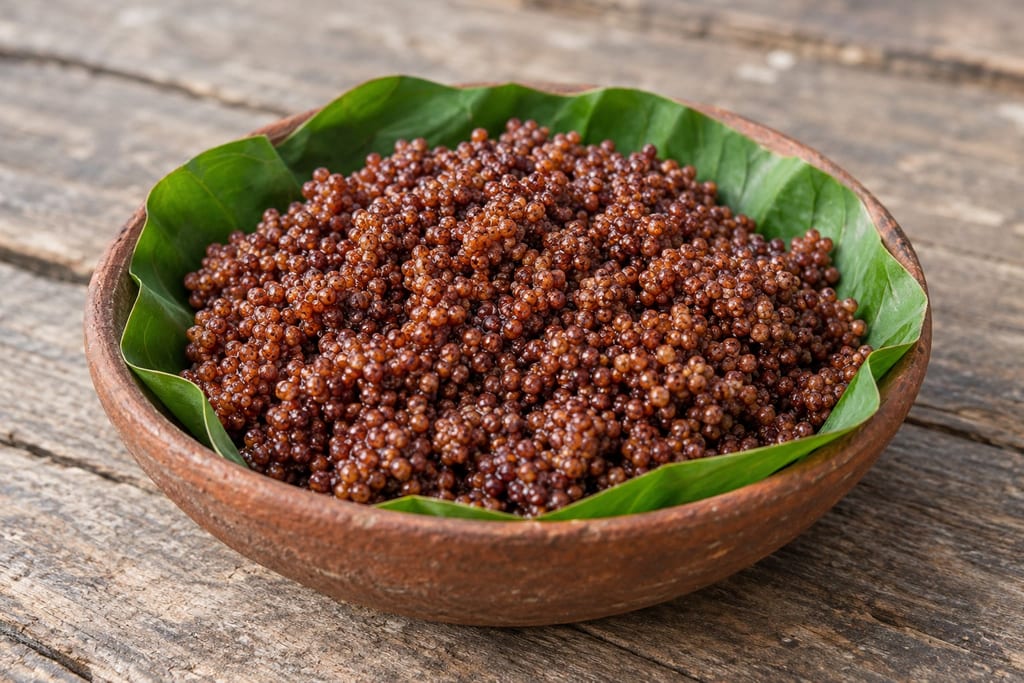
Finger millet fermented with marcha in surveyed Darjeeling and Sikkim communities. Tongba is the later warm-water extraction from the fermented grain. The cited accounts do not establish a complete or validated home batch.
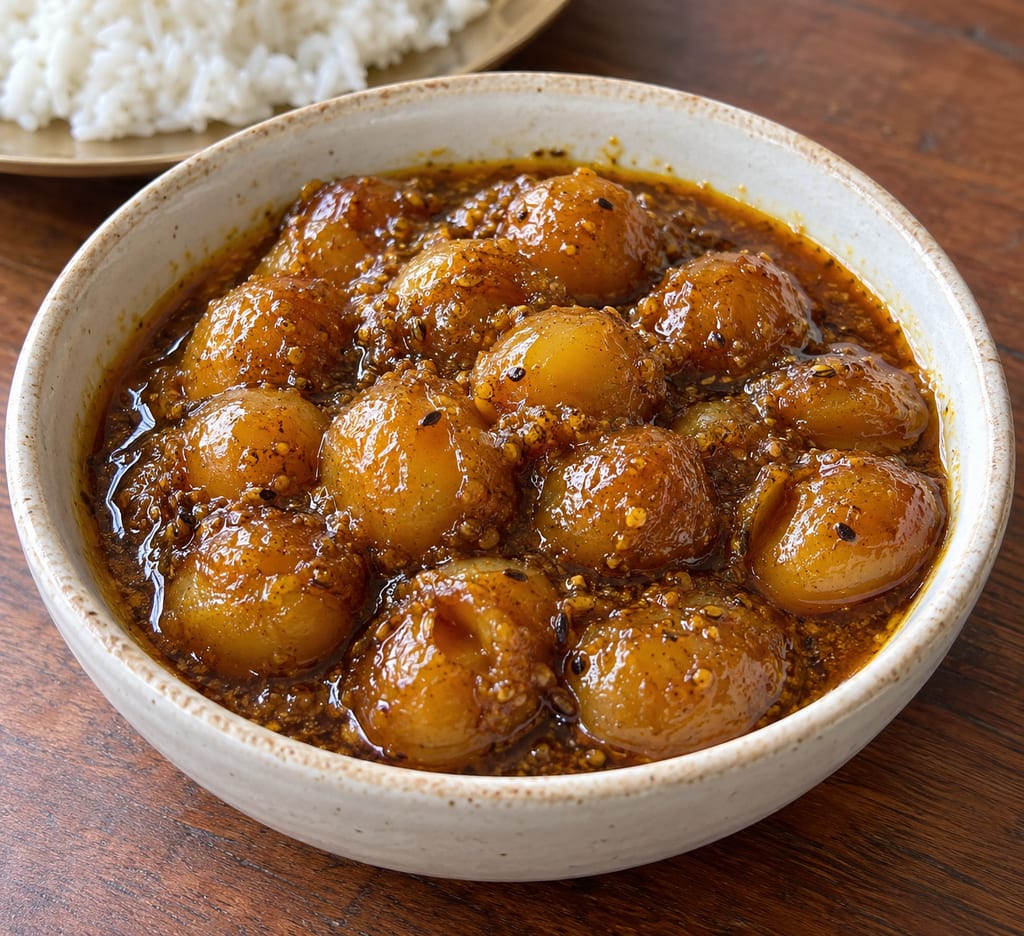
Ripe Nepali lapsi is boiled, peeled and cooked with mustard oil, salt, sugar and roasted spices to make a sweet-sour achar served alongside a meal.
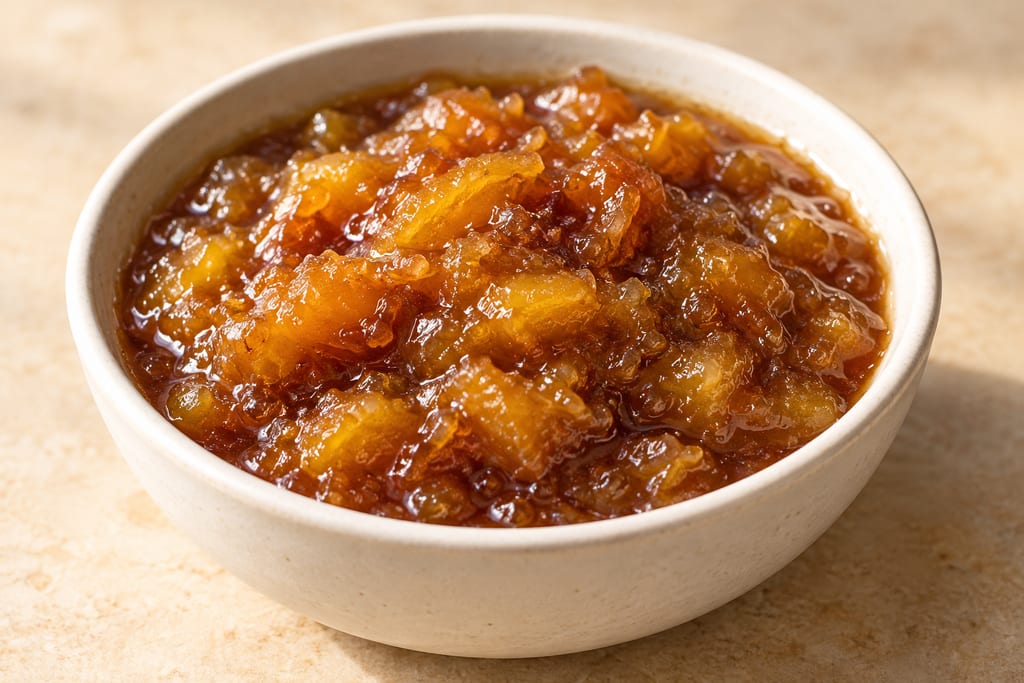
A Suryabinayak municipal recipe cooks ripe lapsi pulp in sugar syrup with cloves, cardamom, cinnamon, sukumel and ginger juice to make a sweet Nepali achar.

An ethnographic record of marcha (murcha), a dry starter cake used in Eastern Himalayan cereal fermentations. This page documents source-specific community knowledge and is not a recipe for making or storing starter.
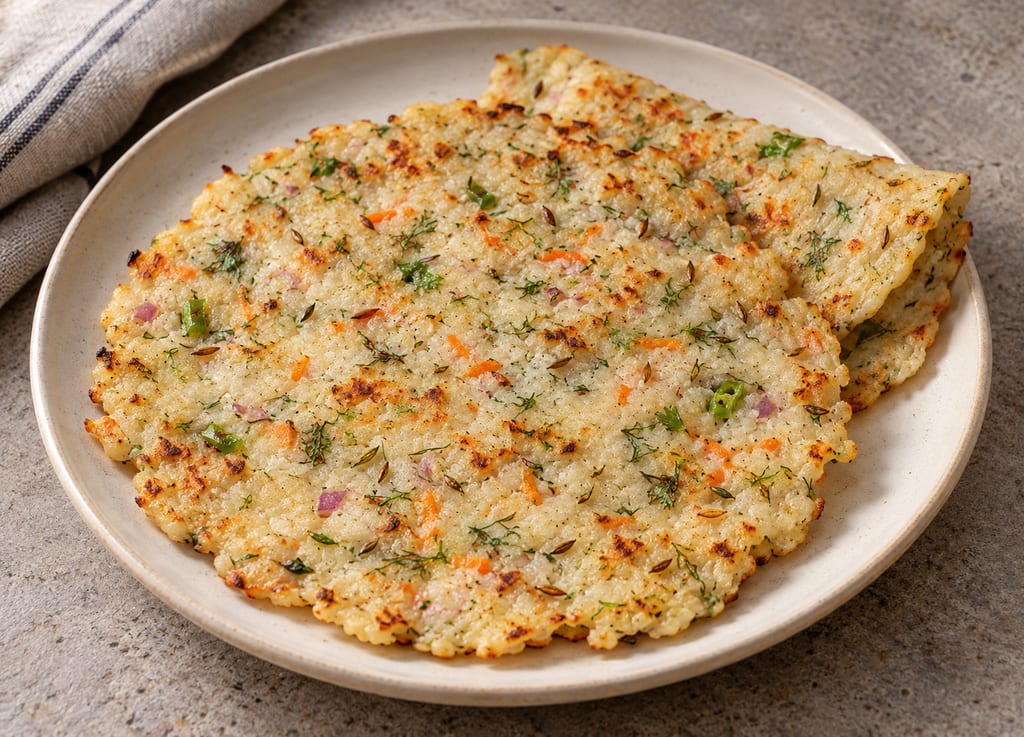
This Karnataka-style akki rotti mixes fine rice flour with vegetables, coconut, herbs and spices, then hand-pats and griddle-cooks the dough.
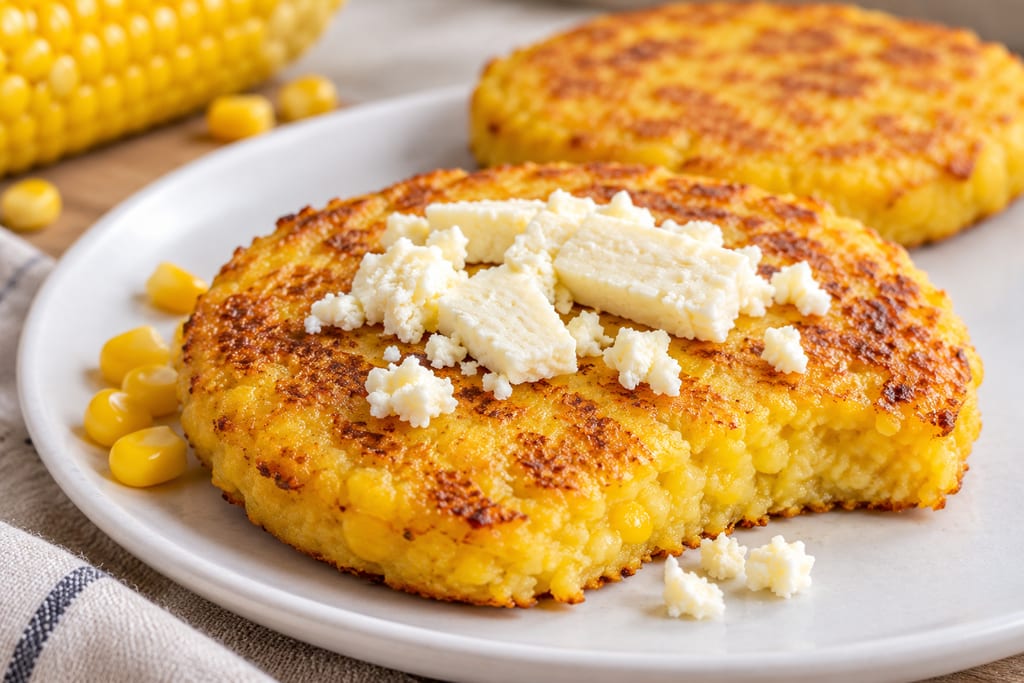
A Colombian Andean griddle cake made from fresh sweet-corn batter, cooked in butter and served with white cheese.
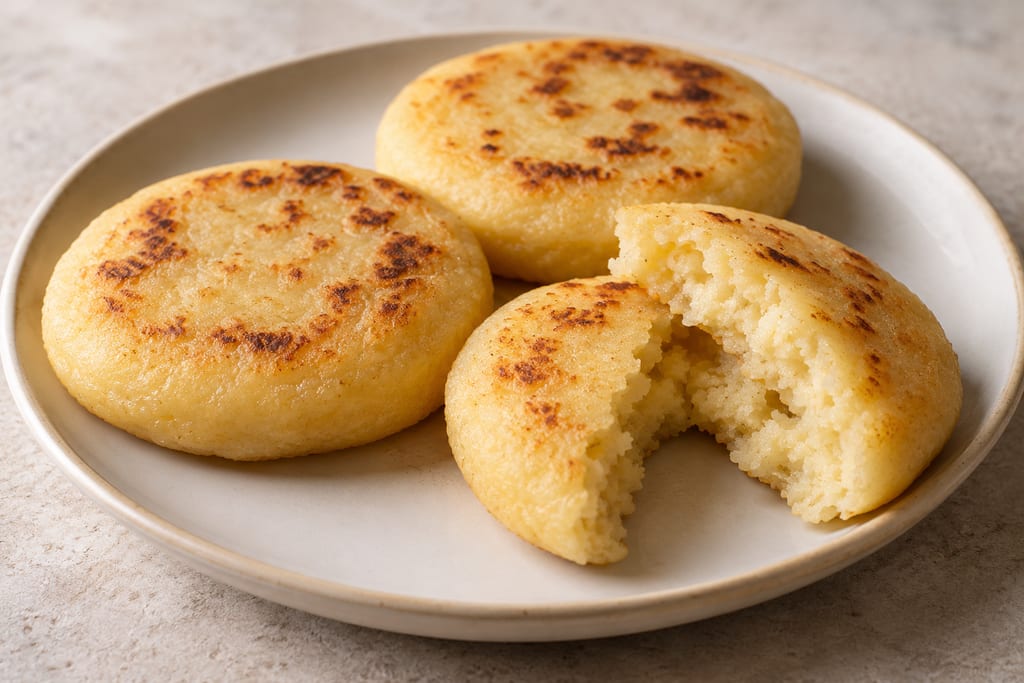
This household version combines precooked corn flour, warm water and salt, then cooks thick rounds on a lightly oiled skillet or griddle. It is one source-specific arepa method, not a universal Colombian or Venezuelan formula.
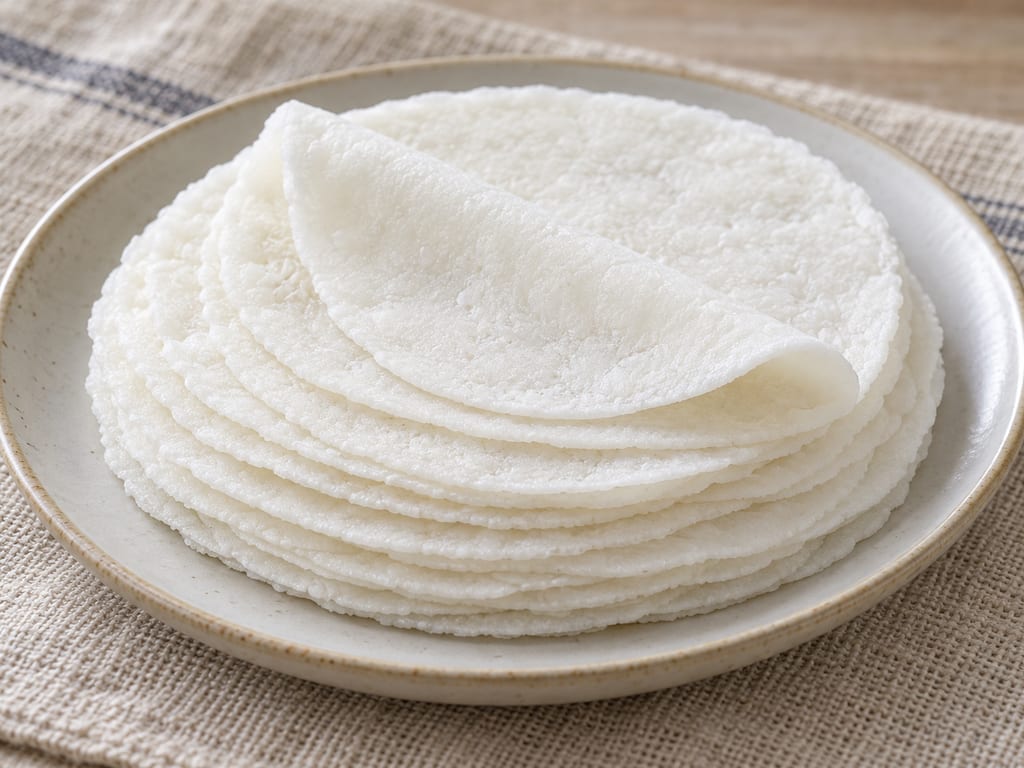
Thin Malabar rice-flour rounds made from roasted rice flour cooked into salted boiling water, kneaded after cooling, and rolled to about 1 mm. They cook on a hot griddle without taking on colour.
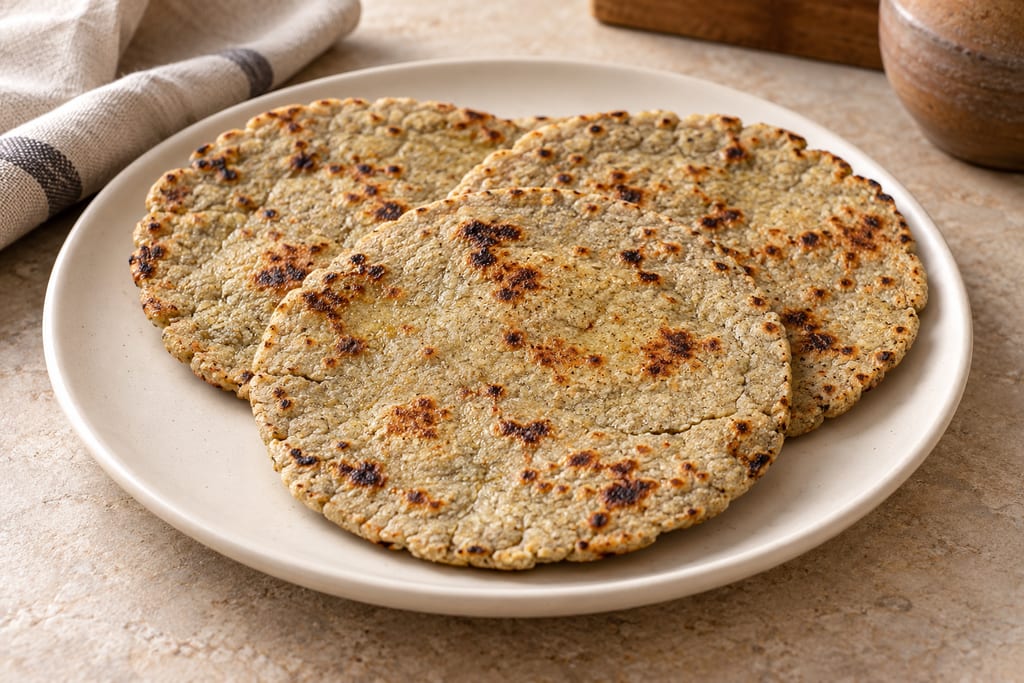
A pearl-millet flatbread shaped between sheets and cooked on a hot tawa. This home batch makes eight.
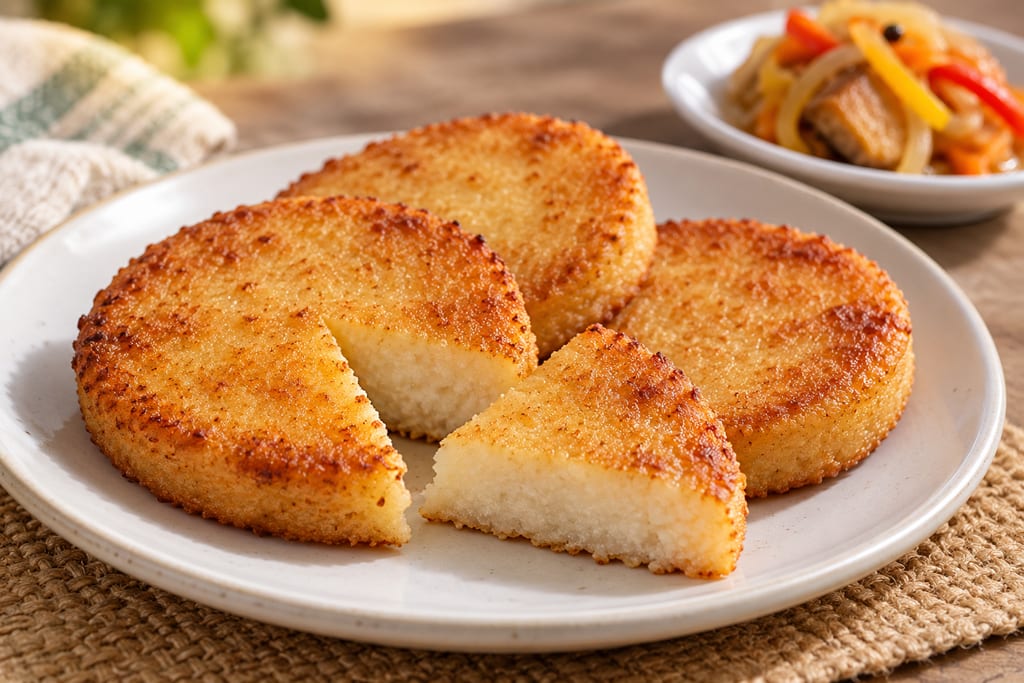
A serving method for approved, prepared bammy rounds: soak them in coconut milk and refry until golden. It does not process raw cassava.
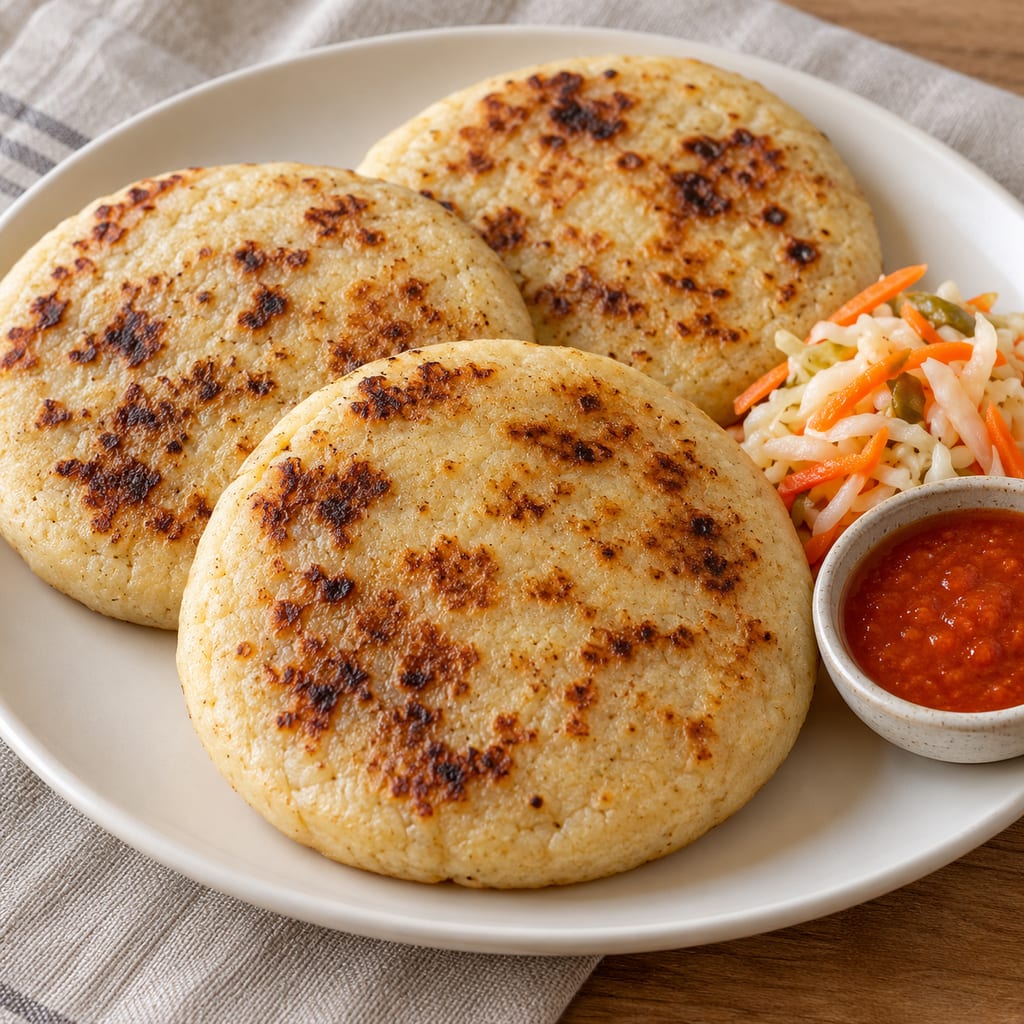
Salvadoran-style masa harina cakes filled with refried beans and cheese, sealed and cooked on an oiled skillet.
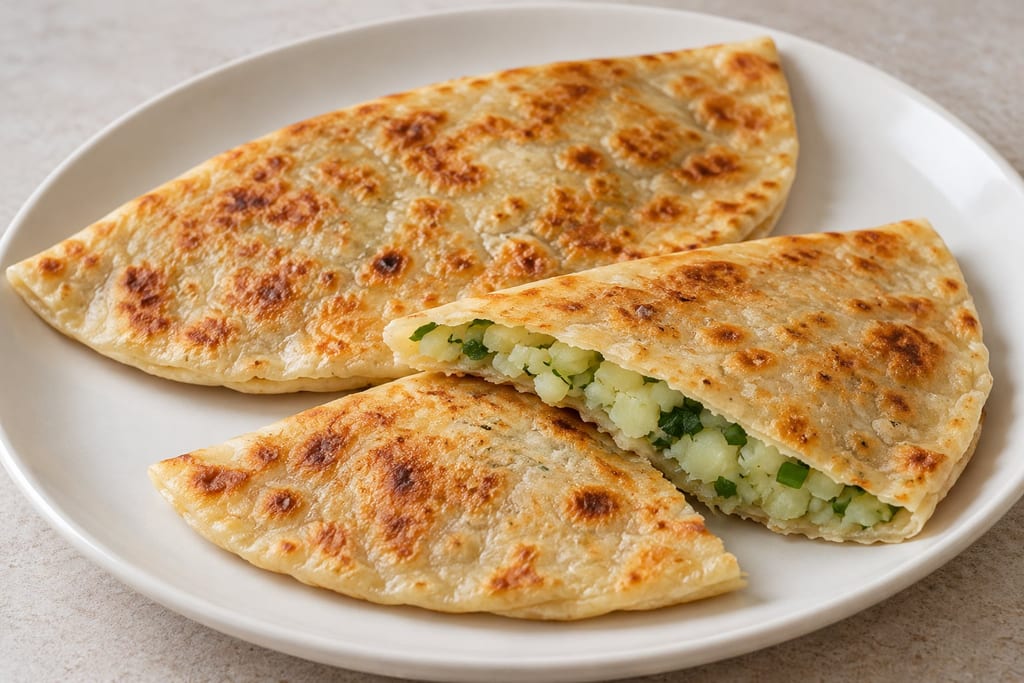
A thin, unleavened Afghan flatbread filled with mashed potato, scallion and cilantro, folded and pan-browned. This version uses a dough made from scratch.
No community contributions have been published for this entry yet.
Sign in to contribute. Published comments and photos are free to read.
Nepal Tourism BoardInspiration · Method · Geography
Experience Nepal: Globalizing Nepalese Heritage CuisinePlain rice-flour method, 60–70 mL batter portions, covered cooking and Newar name.
Remembered earthen-pot cooking, modern iron-pan method and optional toppings.
Cited in: A Newar rice crepe; A covered pan and an older vessel
Journal of Plant ResourcesContext · Geography
Ethnobotanical Study of Traditional FoodsRice-flour chatamari documented in Newar ritual food practices.
Cited in: A Newar rice crepe
The Kathmandu PostContext
Sithi Nakha marked with cleaning water sources in Kathmandu ValleyObserved 2025 Sithi Nakha celebration, communal water-source cleaning and consumption of chatamari.
Cited in: Food before the monsoon
QUEST: Studies on Religion & Culture in AsiaContext
Religion, Rainfall and Rice: Social-ecological Interpretation of Festivals in Kathmandu Valley, NepalNewar festival calendar in relation to rice agriculture; changing livelihoods and agricultural landscape.
Cited in: Rice, festivals and a changing Valley
Journal of Plant Resources 20(2), 200–210Context · Geography
Ethnobotanical Study of Traditional Food in Newar Community of Kathmandu Valley, Central NepalJournal mirror of Nirmala Joshi's 2022 article originally cited through the DPR PDF. Table 2, printed page 206, lists Chatamari as rice-flour paste cooked as bread and associates it with Dewali and Sithinakha. Original DPR URL retained despite 404.
Cited in: A Newar rice crepe