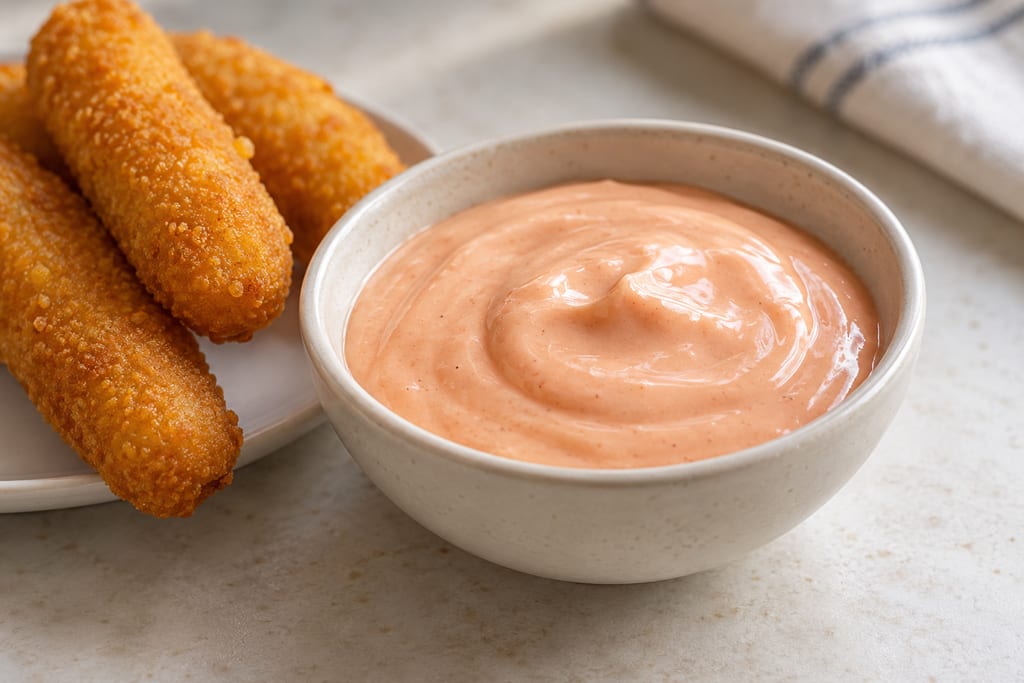
Mayoketchup with garlic and lime
Mayonnaise and ketchup with garlic powder and lime make this proposed dipping sauce for surullitos; its ratio is an original, untested choice, not a Puerto Rican standard.
 FermenteaWhere food goes to change
Recaíto · Sofrito puertorriqueño · Recaito · Puerto Rican sofrito
Puerto Rican sofrito, also called recaíto, is a raw paste of culantro, ají dulce, onion, garlic and peppers that starts many island dishes.
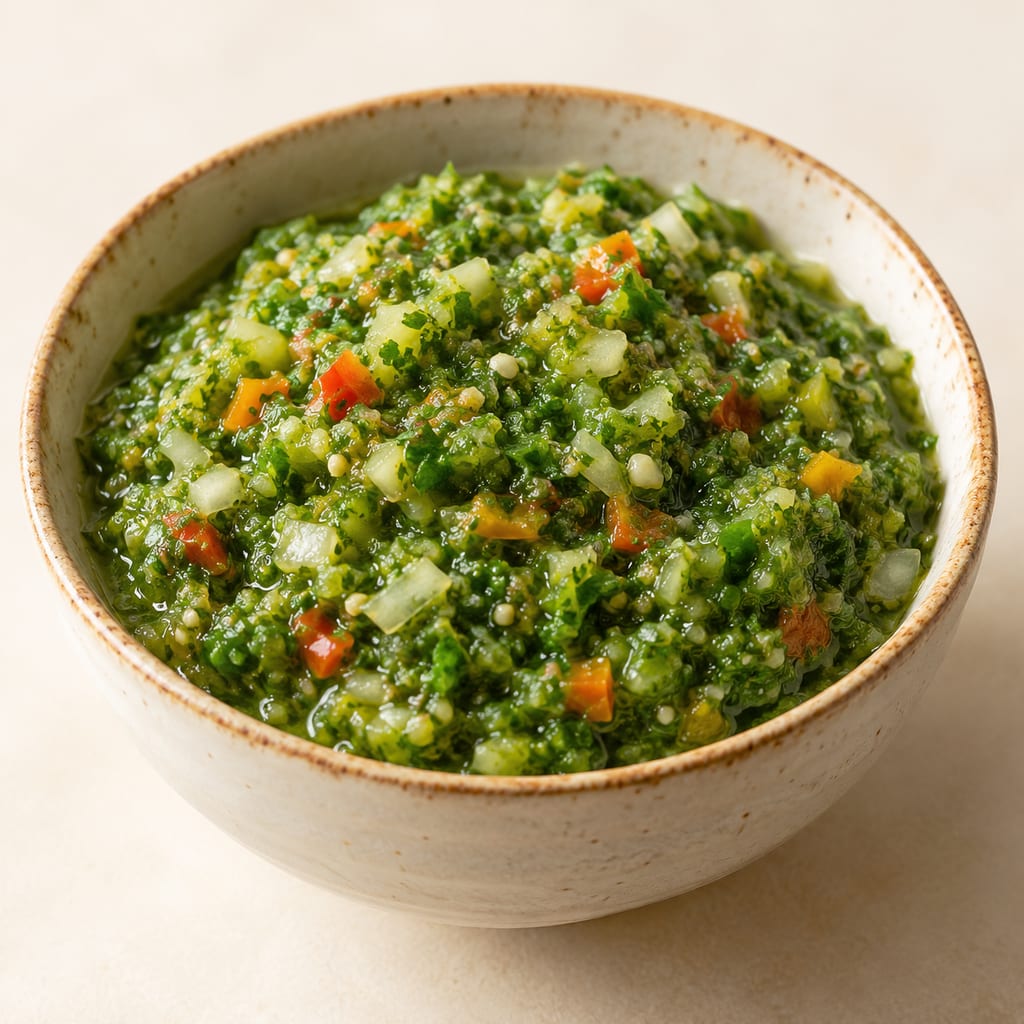
Sofrito is the aromatic base of Spanish-speaking Caribbean cooking: onion, garlic, peppers and herbs chopped or blended together and cooked gently in fat. In Puerto Rico the base is usually called sofrito or recaíto, and the paste is made raw and stored, to be cooked later when a dish needs it. That is the first thing to understand about it: the Puerto Rican paste is a preparation kept in the refrigerator, not a pan step done each time.
Cooks put the paste into beans, rice, stews and fish and meat dishes. It gives the start of a dish its green, herbal, pepper-sweet character.
Wikipedia describes Puerto Rican sofrito as defined by its heavy use of recao, the culantro (Eryngium foetidum), and by ají dulce. Culantro is a long, serrated-leaved herb with a strong, pungent smell that is not the same plant as cilantro, though the two are often used side by side. The paste also carries cilantro, sometimes with its roots.
Ají dulce is a sweet perennial pepper in the species Capsicum chinense, closely related to the habanero but much milder, with a smoky flavour and a heat rating of 0 to 500 Scoville units. It is known as ají cachucha, quechucha, ajicito and ají gustoso, and as seasoning pepper in English-speaking Caribbean islands. Puerto Rico grows it commercially. Where it is hard to find, recipe sites often use cubanelle pepper instead, which the Puerto Rican blend lists anyway.
The names overlap. Some Puerto Rican sources say recaíto takes its name from recao, the culantro, and describe a culantro-based sauce made with onions and garlic. Others treat recaíto and sofrito as the same thing on the island. The article on sofrito does not settle which name belongs to which preparation, so the two should be read as local usage rather than separate dishes.
Tomato is the point most often confused. The Puerto Rican paste does not contain it. Tomato appears only as an optional addition when the paste is cooked in a pan, and the Puerto Rican recipes read for this page rarely use it at all.
The Dominican version, called sazón, has no standard recipe. Its defining elements are false oregano (Lippia micromera), garlic, red onions and cubanelle peppers, with annatto, tomato, celery, vinegar, citrus, culantro, ají dulce or cilantro added by household or region.
The Cuban base is Spanish onion, garlic and green or red bell pepper, with ají cachucha sometimes used in place of or beside the bell pepper. It underlies beans, stews, rice, ropa vieja and picadillo, and tomato sauce, wine, cumin, bay and cilantro are optional. Each island's paste is a regional answer to the same idea, and none of them should be swapped into another's recipe without noting the difference.
Sofrito derives from sofreír, to stir-fry lightly, and the earliest recorded recipe the Wikipedia article gives is a Catalan one from the mid-14th century, of onion cooked in oil. That is a documented starting point for the family of dishes, not a history of the Puerto Rican paste. Claims that the Puerto Rican version came from Spain, or that the Taíno added culantro and sweet peppers, are not documented in the sources read and are not stated here.
The word sofrito comes from the Spanish verb sofreír, to stir-fry lightly. The earliest recorded sofrito recipe cited in the Wikipedia article is a mid-14th-century Catalan one using only onion and oil. The Puerto Rican paste, with its culantro and ají dulce, is not dated in the sources read.
Scaling: source batch only
The paste is a Puerto Rican seasoning base. The sources read do not date it or give a Puerto Rican history for it.
Mayonnaise and ketchup with garlic powder and lime make this proposed dipping sauce for surullitos; its ratio is an original, untested choice, not a Puerto Rican standard.
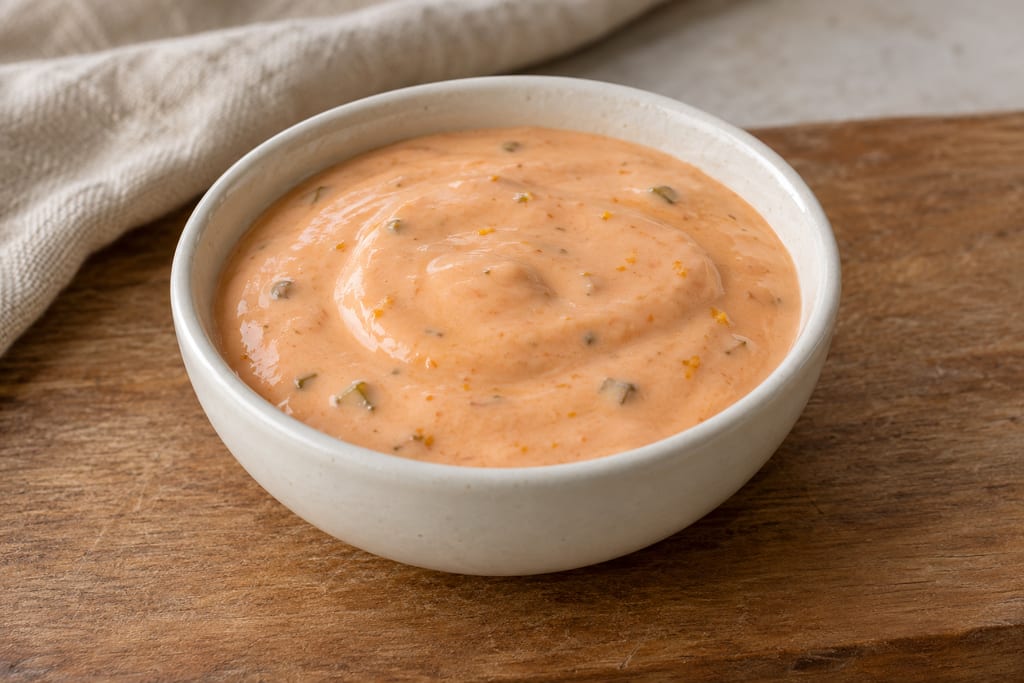
A cold mayonnaise-and-tomato condiment family with distinct documented forms in Argentina, Peru and Puerto Rico; this draft records a Peruvian caper-and-orange version and keeps its regional relatives separate.
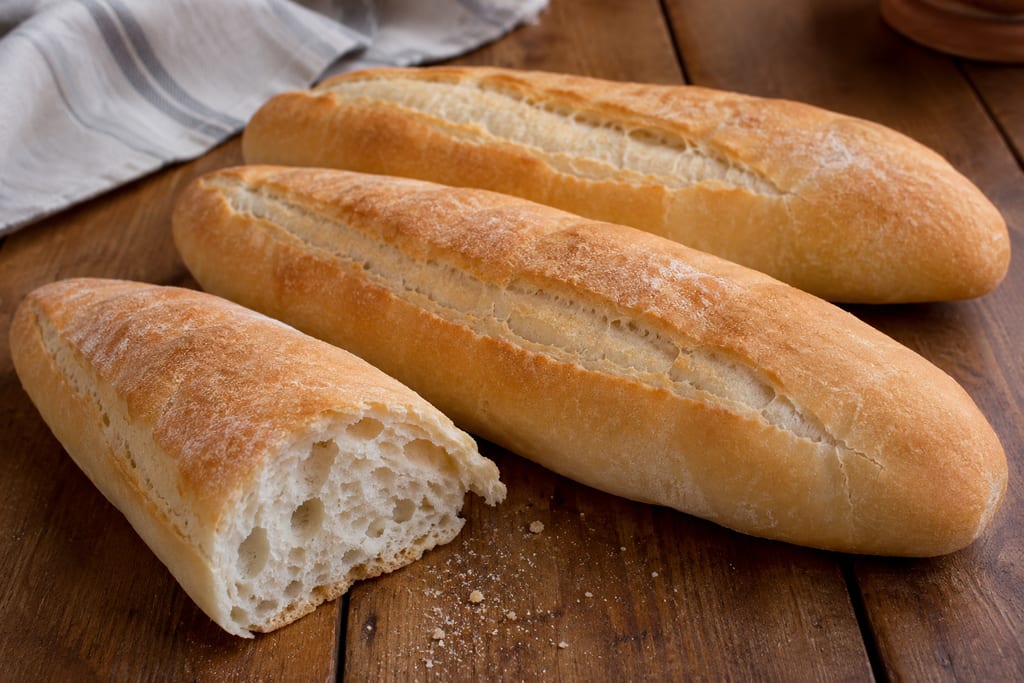
Puerto Rican lean yeast bread shaped as two loaves or eight rolls and baked from a cold oven with a pan of boiling water for steam.
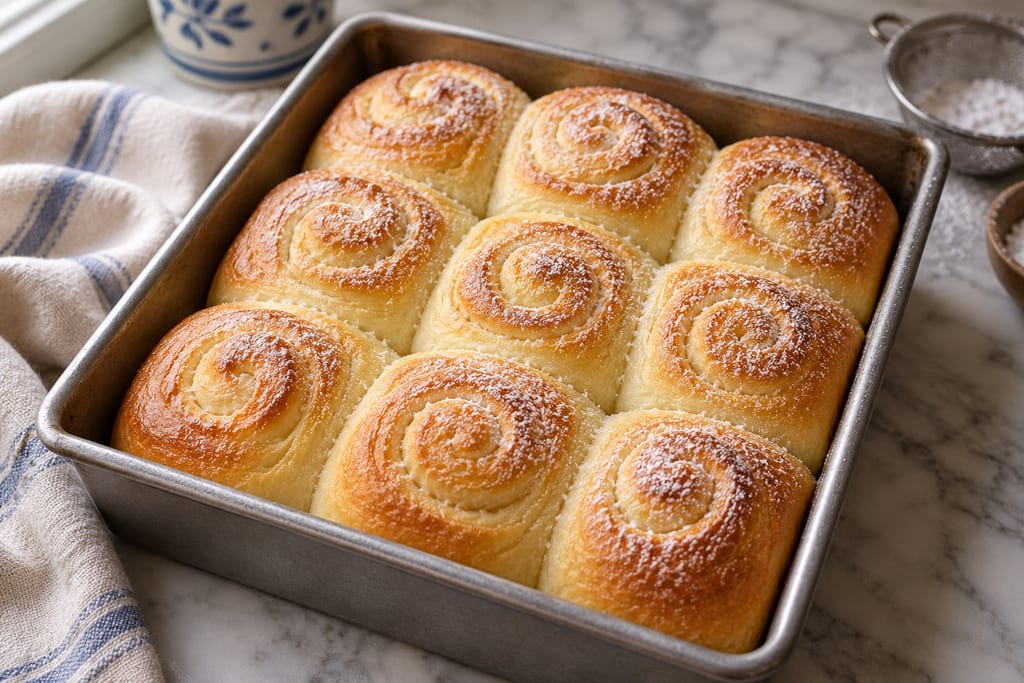
Nine soft Puerto Rican-style sweet rolls, shaped as buttered spirals and dusted with icing sugar.
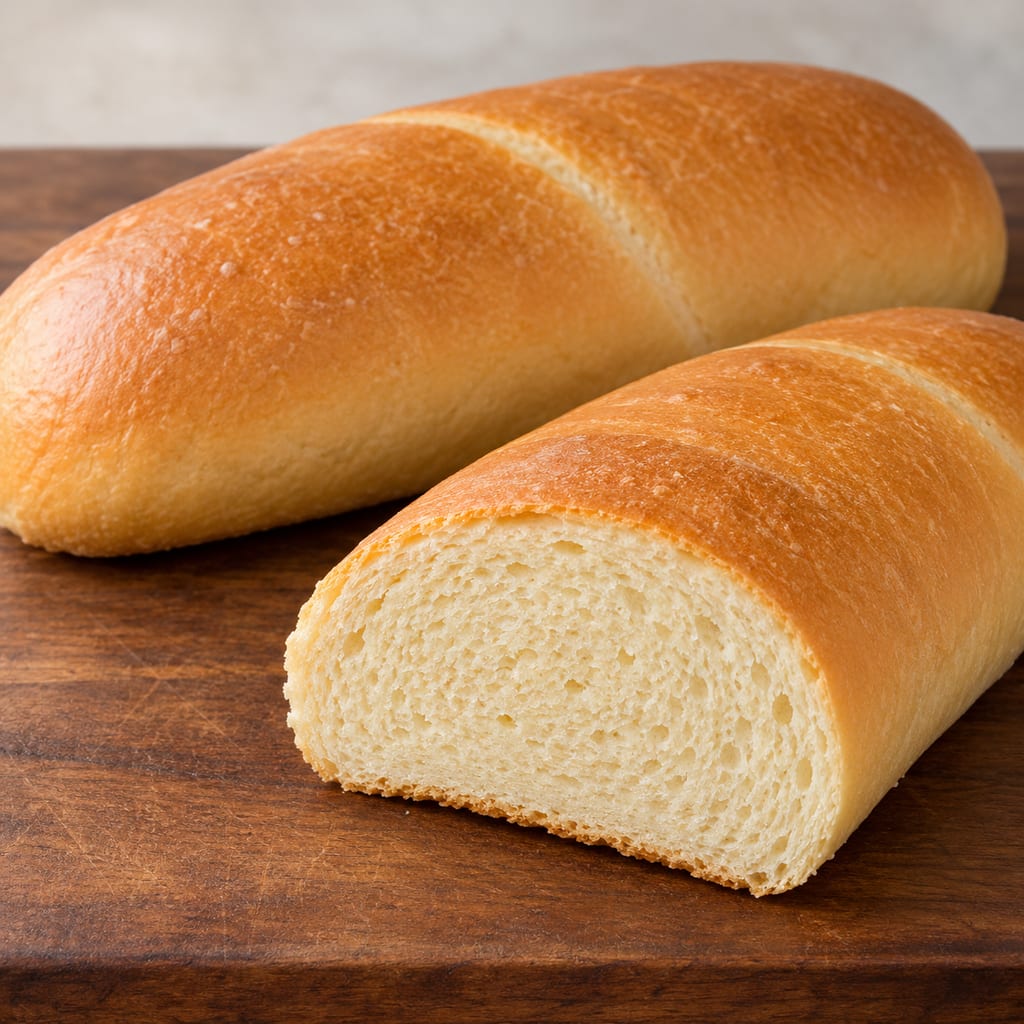
Puerto Rican pan sobao made with a small yeast poolish, lard or shortening, and a steam-baked crust; this batch yields two loaves.
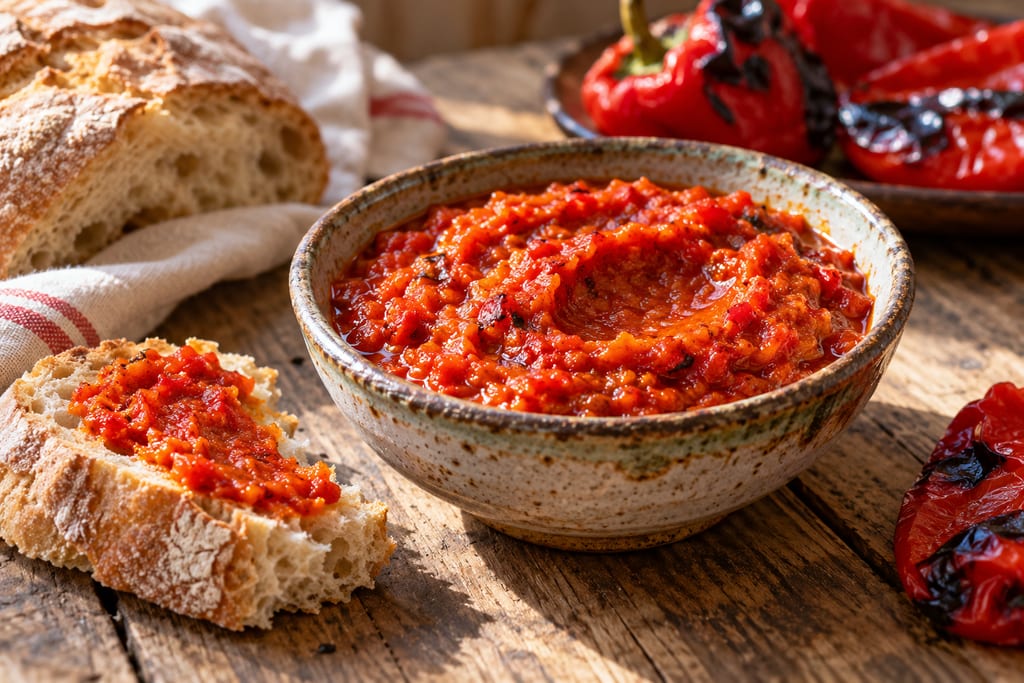
Ajvar is a cooked Balkan pepper preserve built around roasted red peppers, peeled, drained, ground and slowly fried with oil and seasoning. Leskovac’s protected version is a pepper specialty; regional versions vary.
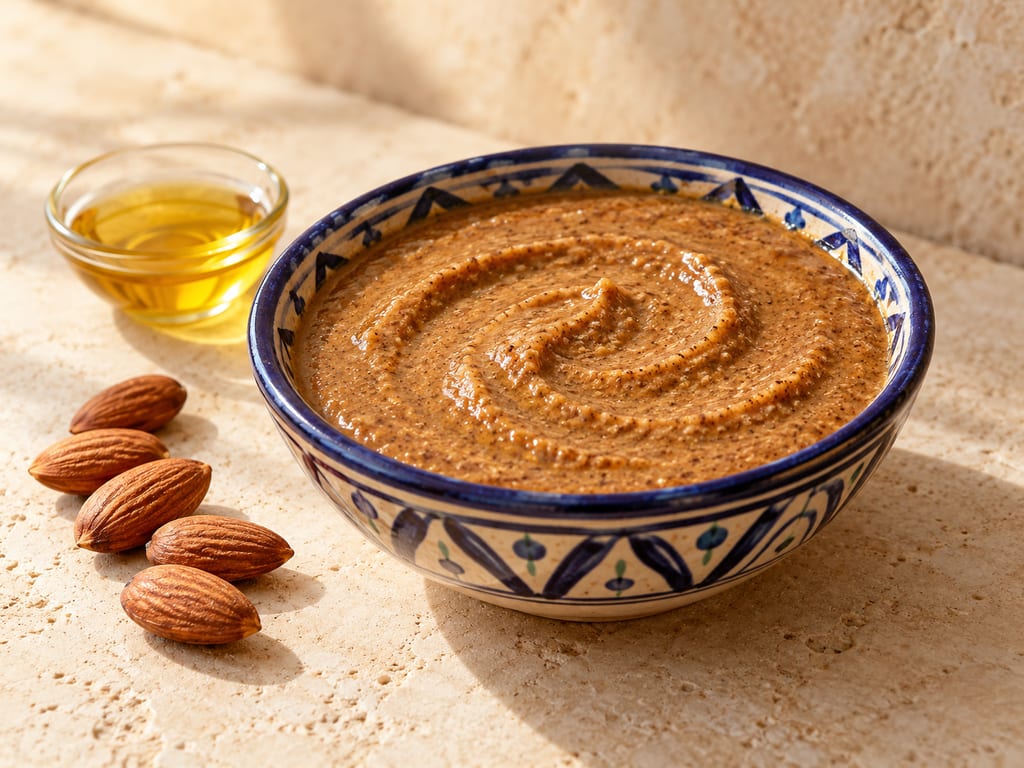
Amlou is a nutty, lightly sweet Moroccan spread of roasted almonds, culinary argan oil and honey. The almonds are ground first, then loosened with oil and sweetened; the balance can range from a thick spread to a dip.
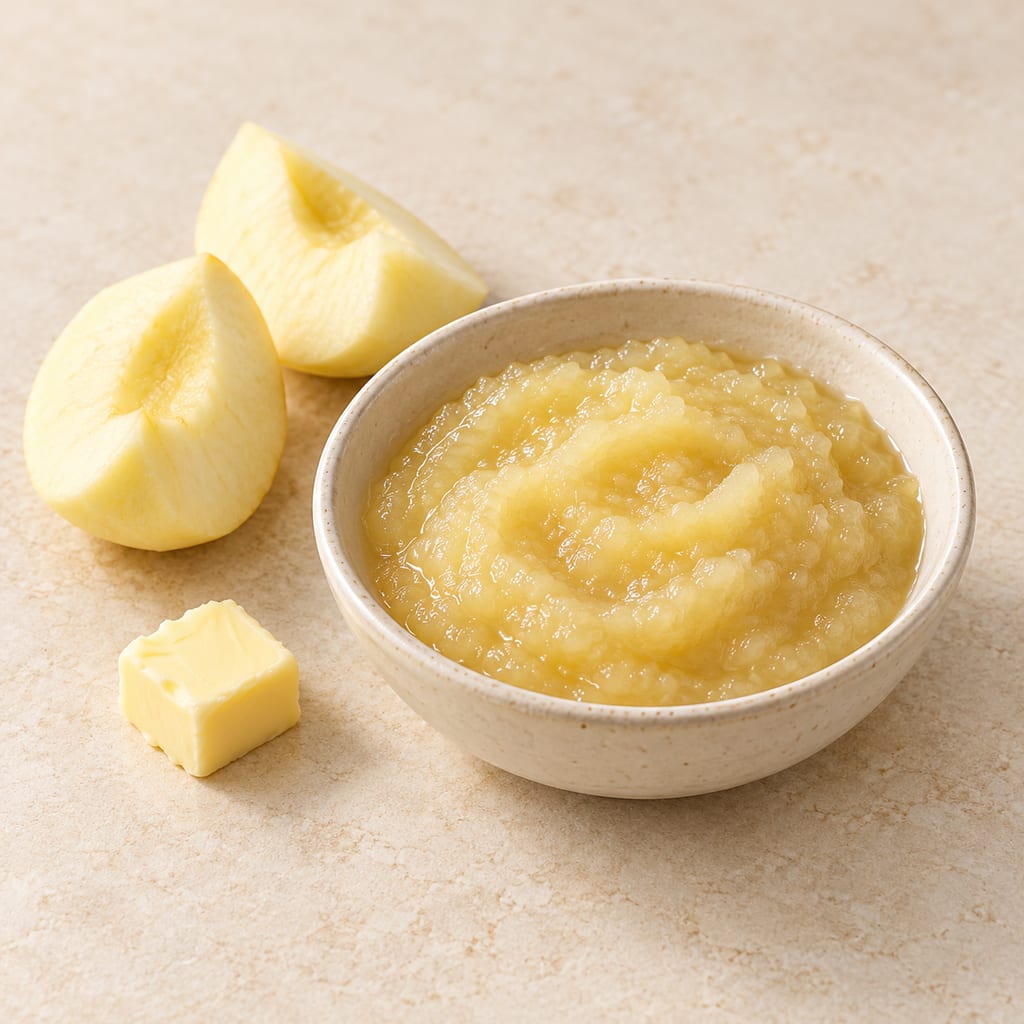
Apple sauce for goose and pork is a plain English accompaniment: cooked apples pulped with water, then sweetened with sugar and finished with a little butter.

A warm dip of garlic, anchovy and olive oil, often enriched with butter, that Piedmont serves over a flame with raw and cooked vegetables and bread.
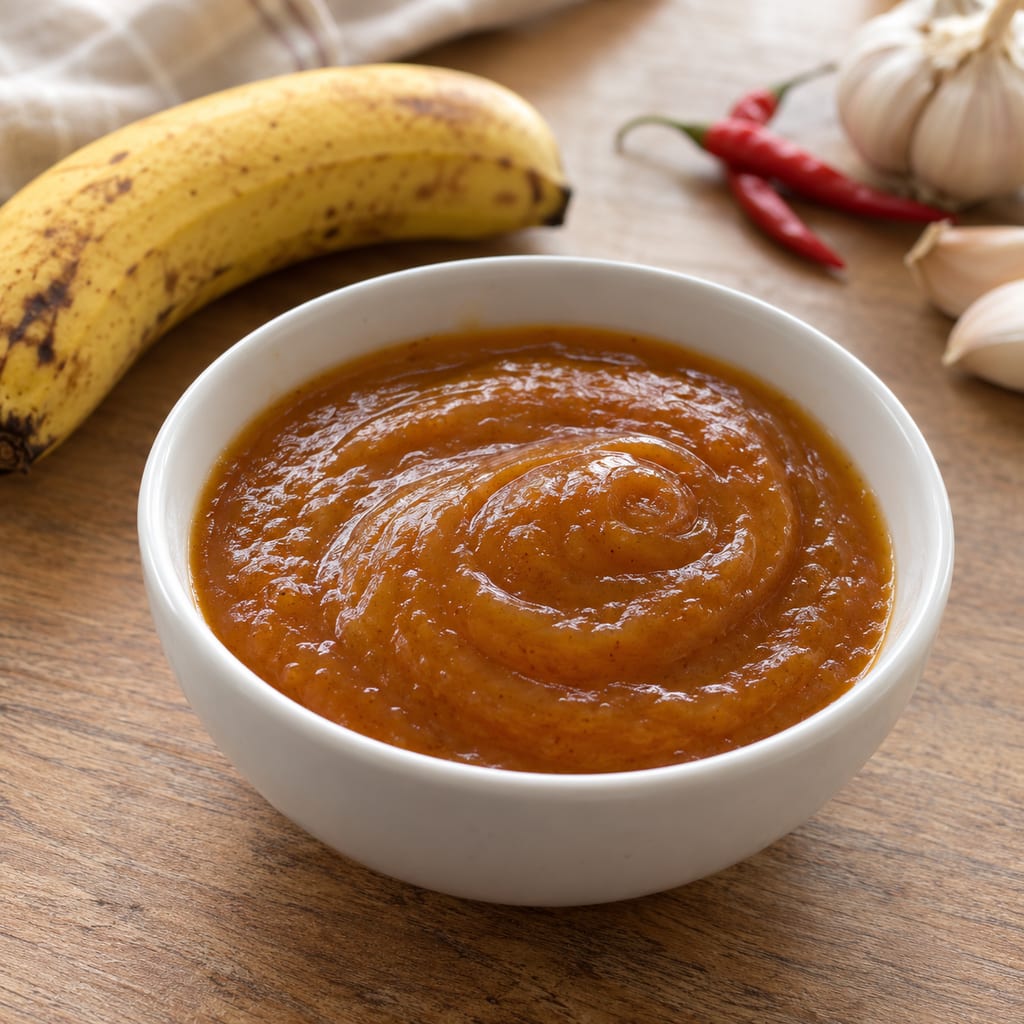
A sweet-hot table sauce of ripe banana simmered with vinegar, sugar, onion, garlic and fresh chilli, in the manner of Philippine banana ketchup. An untested development batch of about 500 g.
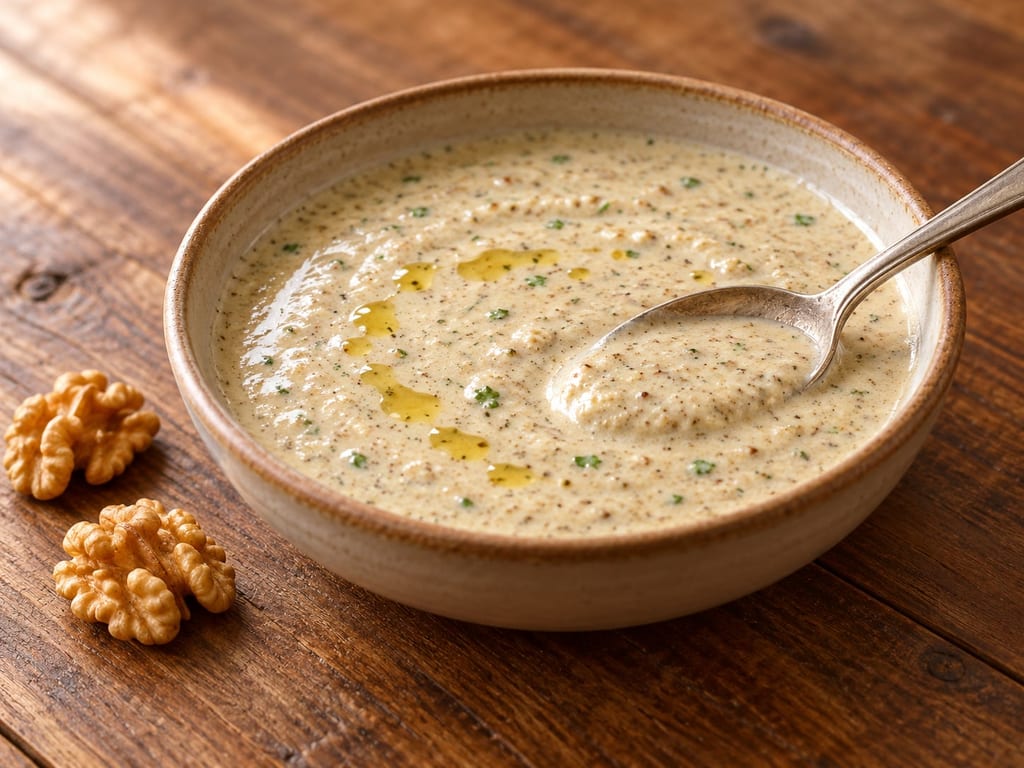
A Georgian walnut sauce of ground walnuts, garlic, vinegar and spices, thinned with water or broth. It is served with poultry, vegetables and bread, and is the sauce of the dish satsivi.
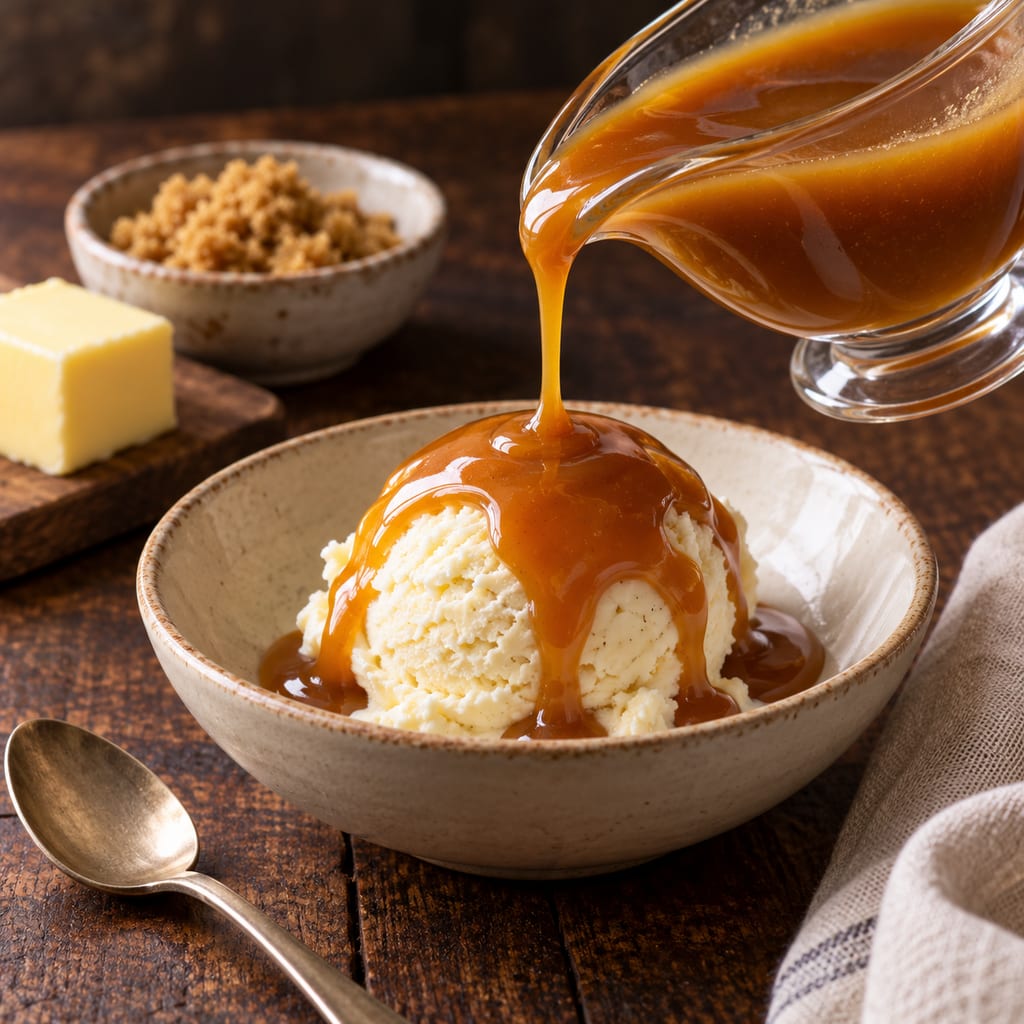
A pourable dessert sauce of brown sugar, butter and cream, with a little corn syrup and salt. It is the sauce form of the butterscotch confection and is made without water, unlike caramel.
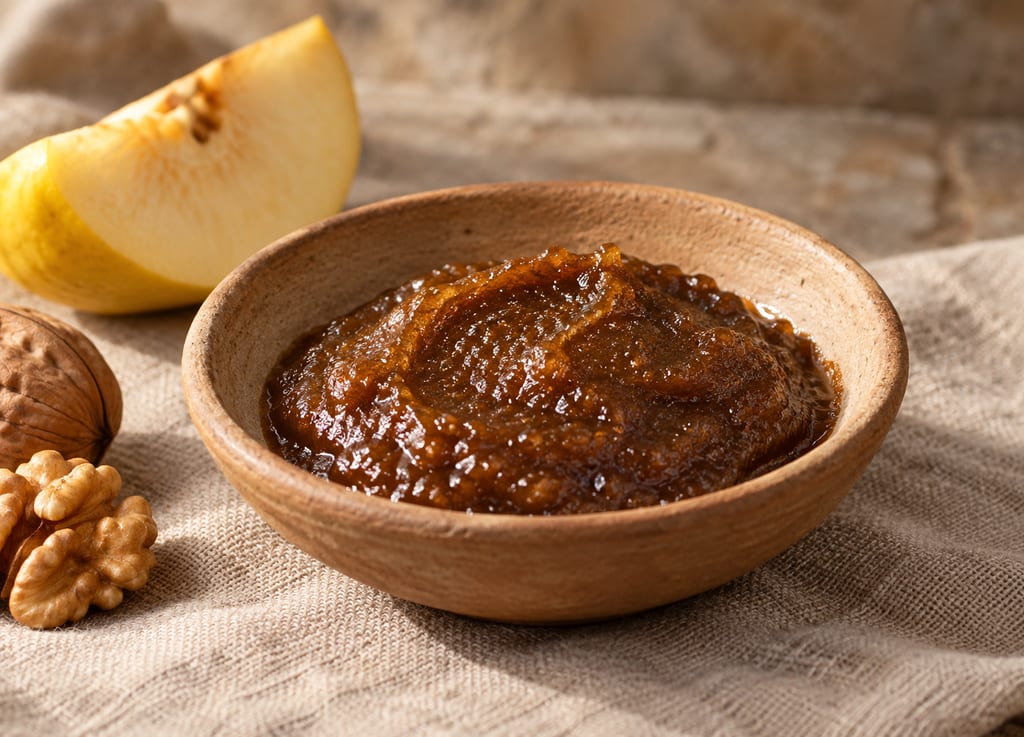
Byzantine murrī is a cooked imitation of murrī from the medieval Arabic repertoire, made from scorched honey, toasted bread, walnuts, quince, carob and spices rather than from a long grain fermentation.
No community contributions have been published for this entry yet.
Sign in to contribute. Published comments and photos are free to read.
WikipediaHistory · Method · Variants
SofritoPuerto Rican sofrito defined by recao (culantro) and ají dulce; yellow onion, garlic, cilantro, cubanelle, red bell pepper, pimientos; sautéed in oil or lard with cured pork, olives, capers, tomatoes
Dominican sazón and Cuban base; earliest recipe mid-14th century Catalan onion and oil; word from sofreír
Cited in: A raw base for the start of a dish; Culantro and ají dulce; Recaíto and sofrito; The same name across the Caribbean; Where the name comes from
WikipediaIngredient · Method
Ají dulceCapsicum chinense, closely related to habanero, much milder; 0 to 500 SHU; names ají cachucha, quechucha, ajicito, ají gustoso, seasoning pepper; grown commercially in Puerto Rico; used in recaíto and sofrito
Cited in: Culantro and ají dulce; The same name across the Caribbean