Pan de agua
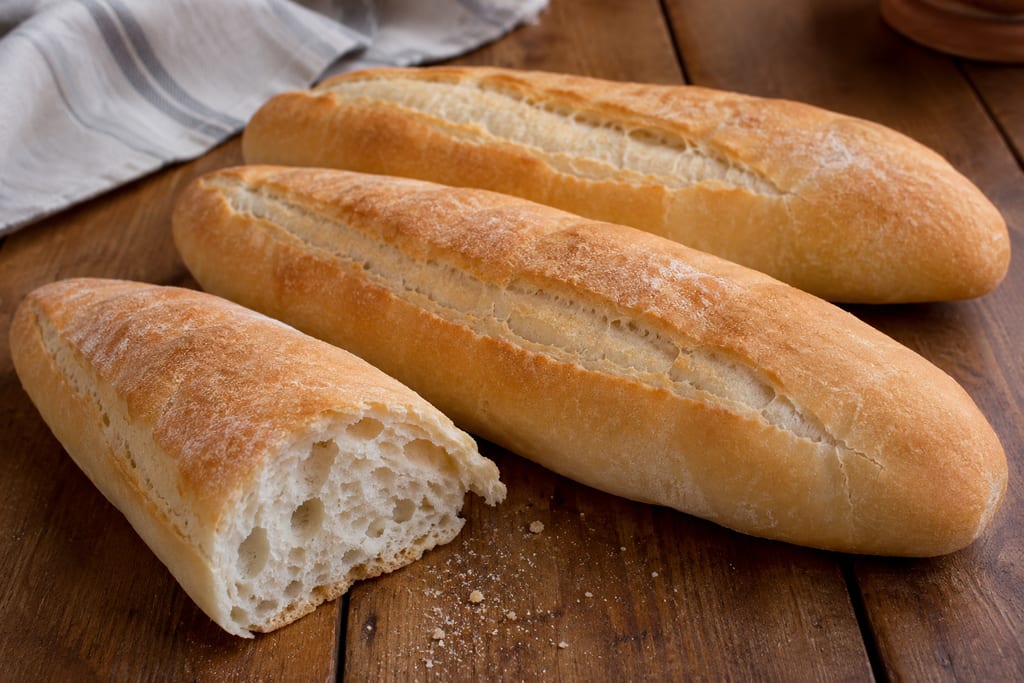
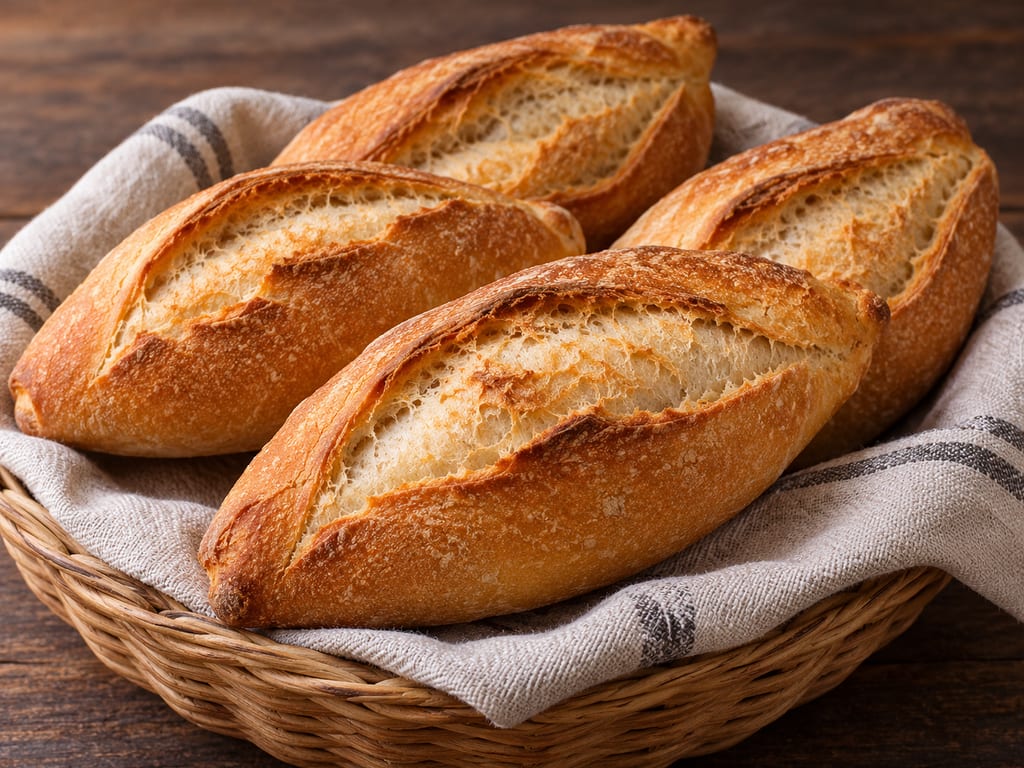
Puerto Rican lean yeast bread shaped as two loaves or eight rolls and baked from a cold oven with a pan of boiling water for steam.
 FermenteaWhere food goes to change
Modern adaptation
Pan de manteca
Puerto Rican pan sobao made with a small yeast poolish, lard or shortening, and a steam-baked crust; this batch yields two loaves.
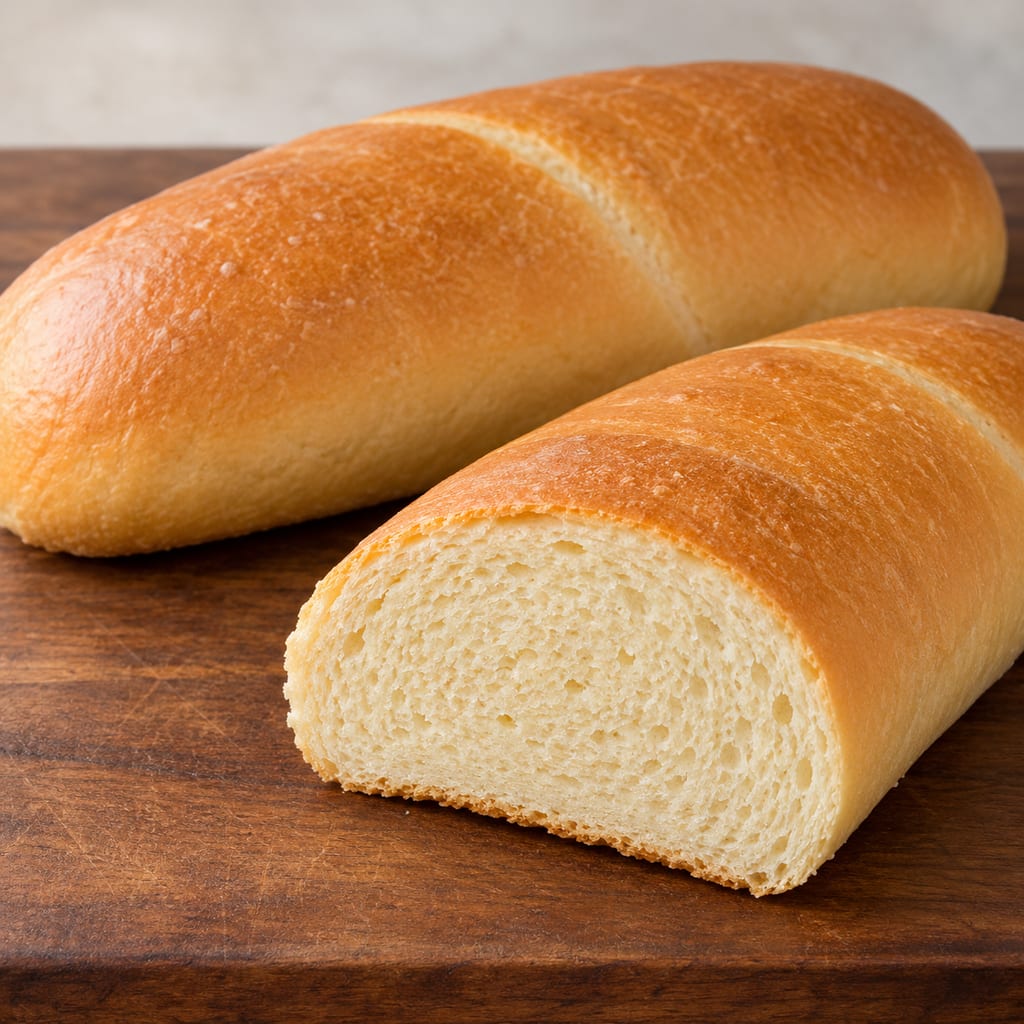
This version is Marta Rivera's Puerto Rican pan sobao: a lightly sweetened wheat dough with a small yeast poolish and lard or vegetable shortening. It makes two loaves. The recipe page says the author first published it in 2017 and explains sobao as related to sobar, or kneading; it also mentions pan de manteca as an alternate name.
Dominican pan sobao is documented separately. The Dominican Cooking recipe by Clara Gonzalez uses a different enriched dough with milk, egg and butter and a repeated roll-and-fold step. This page follows Rivera's Puerto Rican poolish formula and does not combine the two.
Make the poolish the day before: mix the small flour, water and yeast quantities, cover, leave for eight hours at room temperature, then refrigerate for up to 24 hours. Bring it back to room temperature before mixing the dough. Bloom the dough yeast in part of the warm water and sugar, then mix in the fat, poolish and remaining water.
Add three cups of flour gradually, followed by the salt, then switch to the dough hook. Add more flour gradually and knead for about ten minutes until soft, elastic and not sticky. The source gives a flour range because conditions affect absorption. Let the covered dough rise until doubled, about an hour.
Fold the risen dough three or four times, rest it for five minutes, divide it in two and round the pieces. Cover and rest ten minutes, shape into 12-inch loaves and set them on a parchment-lined half-sheet pan. Cover and proof until doubled, usually 30–60 minutes in the source's suggested unheated oven with its light on.
Heat the oven to 400°F with a cast-iron skillet inside. Carefully add two cups of ice to the hot skillet, close the door and let steam build for five minutes. Put the loaves on the empty rack and bake until golden and hollow-sounding. The source gives conflicting bake times: 15–20 minutes on the recipe card and 20–25 in the narrative. Begin checking at 15 minutes. It gives no internal temperature. Cool five minutes on the pan, then finish cooling on a rack.
Do not taste the uncooked dough. The FDA notes that raw flour may carry harmful bacteria and recommends washing hands, utensils and surfaces after handling it. Adding ice to hot cast iron releases steam: keep hands and face away from the skillet and use oven protection.
The source's visual and sound cues are recipe instructions, not validated safety limits. No internal temperature or evidence-based storage limit is supplied.
The source's timed fermentation stages add to at least 9.5 hours: eight hours for the poolish, about one hour for bulk fermentation and 30 minutes for final proof. The poolish then spends up to 24 additional hours refrigerated before mixing; including that source-permitted delay gives an upper elapsed fermentation time of about 34 hours, before the one-hour poolish tempering period. The recipe does not state a refrigerator temperature.
Rivera says the baked loaves begin to stale after a day or two, recommends using them within two or three days, and says they freeze well for two months when wrapped and bagged. These are the author's storage and quality recommendations, not validated safety limits. The formula contains no milk or egg; its poolish is the only planned moist hold before baking.
Marta Rivera's modern recipe page identifies her version as Puerto Rican pan sobao and says she first published it in 2017. This supports the recipe's regional association and date of publication, not a historical origin or earliest attestation.
Yield 2 loaves, about 1 lb each · Scaling: source batch only
Flour is raw and may carry harmful bacteria; do not taste uncooked dough.
Hazard sourceAdding ice to a hot skillet can release a sudden burst of steam and cause burns.
Hazard sourceDo not eat or taste raw dough. Wash hands, bowls, utensils, pans and work surfaces after handling flour and dough.
Control sourceUse oven mitts and long tongs or a heat-safe method to add ice without reaching over the skillet; keep face and hands clear of the steam path and close the oven door promptly.
Control sourceThe source's recipe card gives a 15–20 minute bake, while its narrative gives 20–25 minutes; the recipe instructs checking from 15 minutes and supplies golden color and a hollow sound as cues.
The source gives no internal bread temperature or validated storage limit.
The inspected Sense & Edibility recipe identifies this batch as Puerto Rican pan sobao. Dominican pan sobao is documented separately and is not represented by this formula.
Puerto Rican lean yeast bread shaped as two loaves or eight rolls and baked from a cold oven with a pan of boiling water for steam.
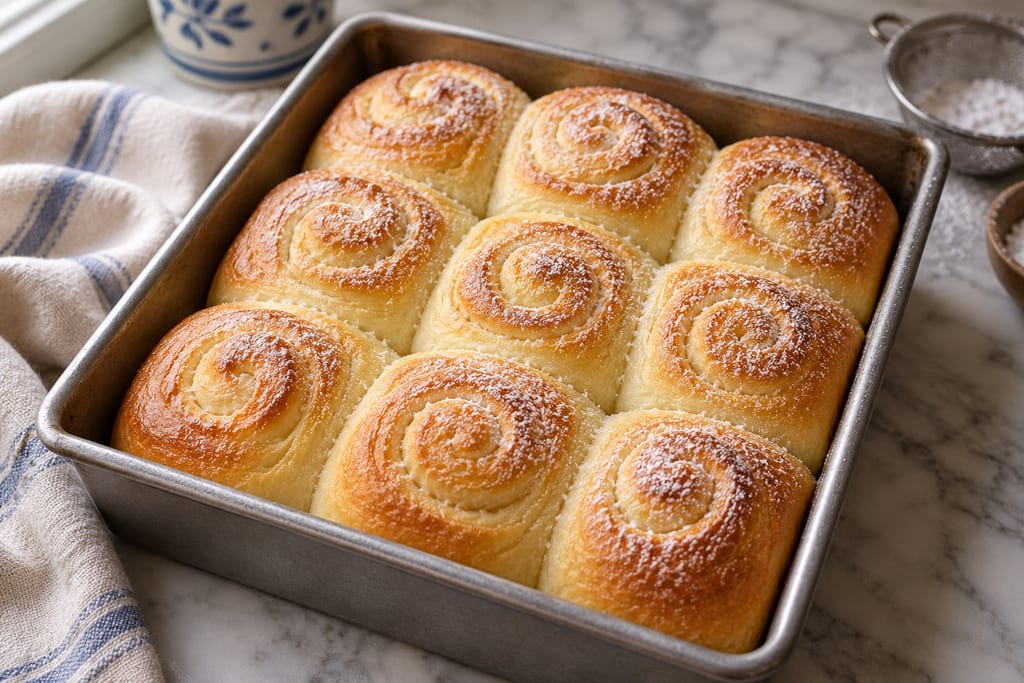
Nine soft Puerto Rican-style sweet rolls, shaped as buttered spirals and dusted with icing sugar.
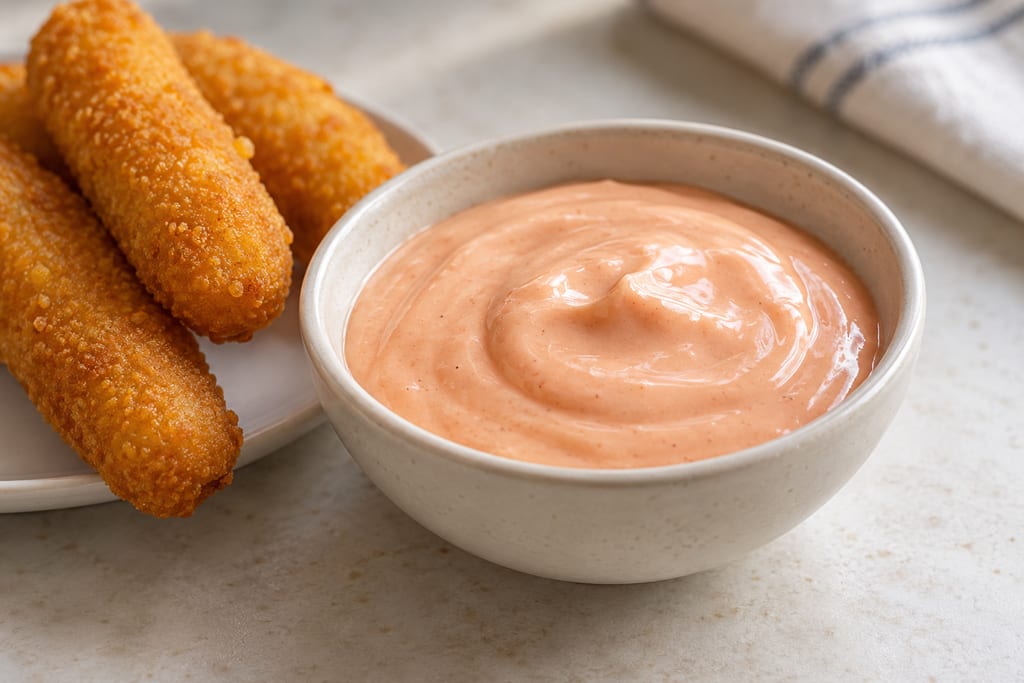
Mayonnaise and ketchup with garlic powder and lime make this proposed dipping sauce for surullitos; its ratio is an original, untested choice, not a Puerto Rican standard.
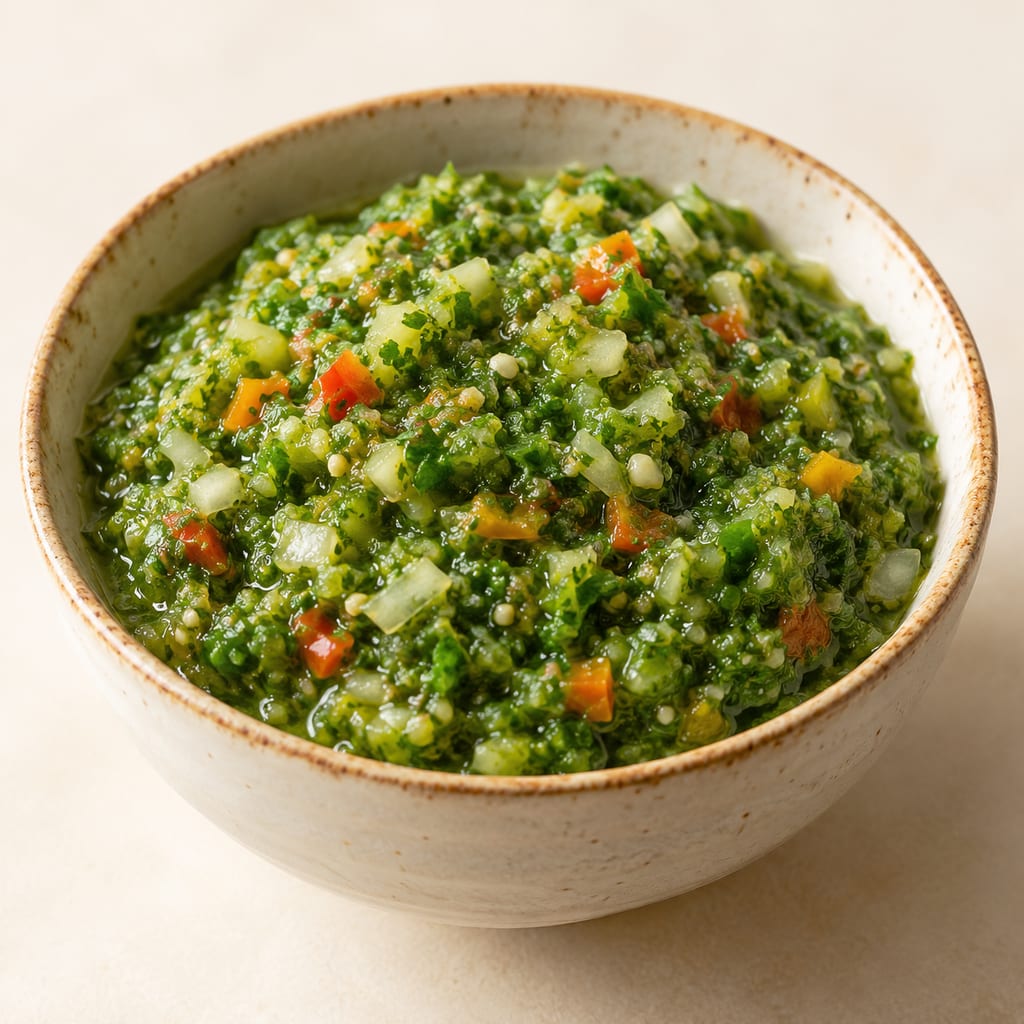
Puerto Rican sofrito, also called recaíto, is a raw paste of culantro, ají dulce, onion, garlic and peppers that starts many island dishes.
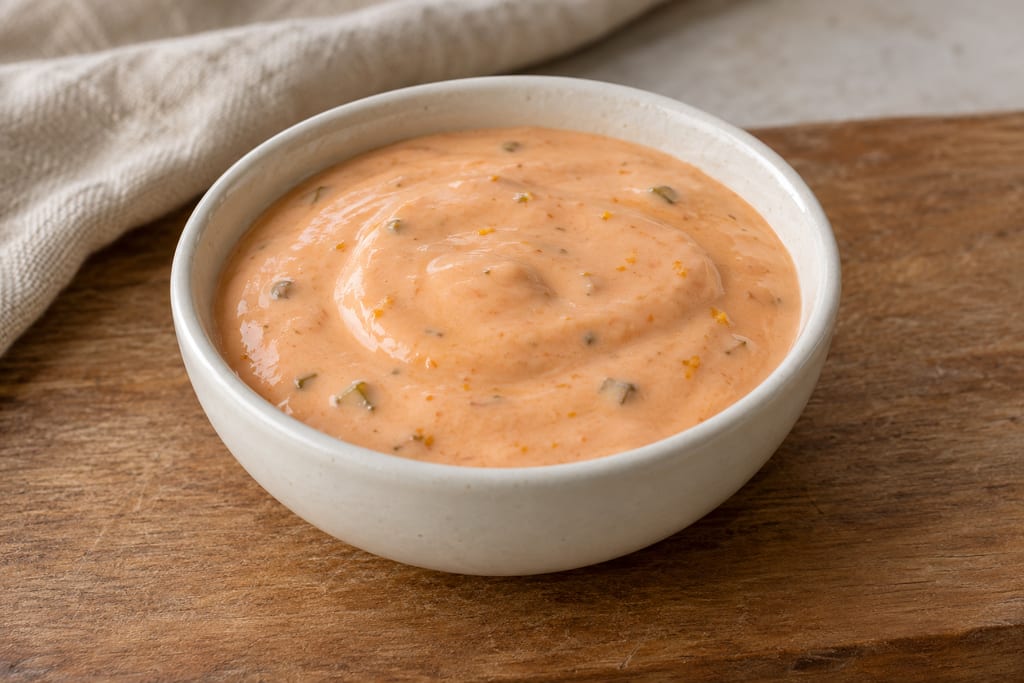
A cold mayonnaise-and-tomato condiment family with distinct documented forms in Argentina, Peru and Puerto Rico; this draft records a Peruvian caper-and-orange version and keeps its regional relatives separate.
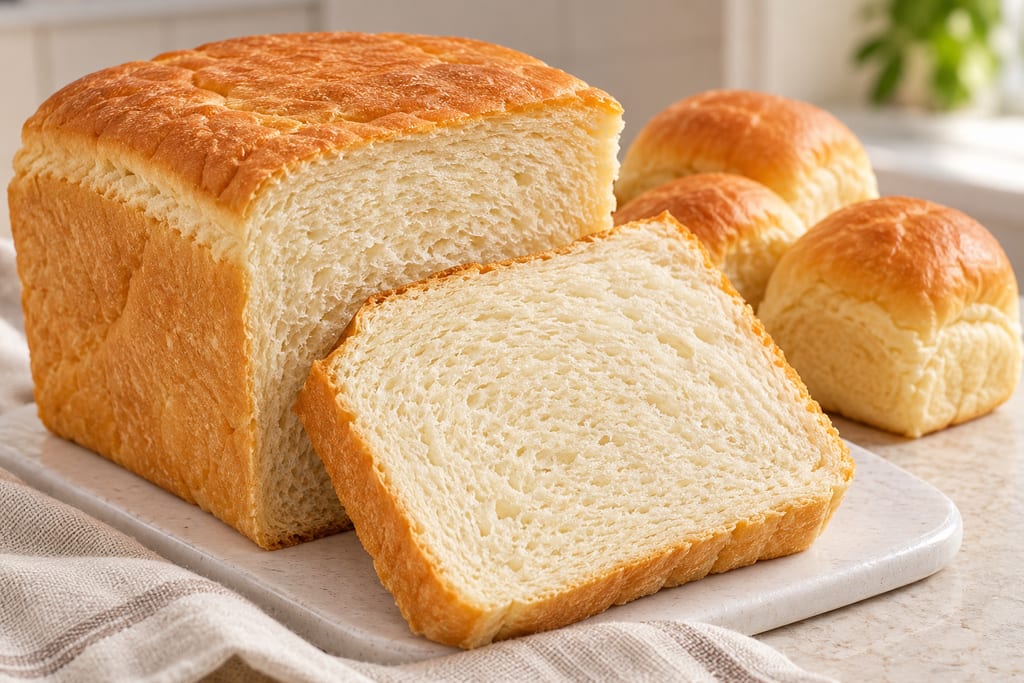
This softer home-style Agege bread uses a scalded flour paste, an enriched yeast dough and a 9×5-inch loaf pan, with rolls from the extra dough.
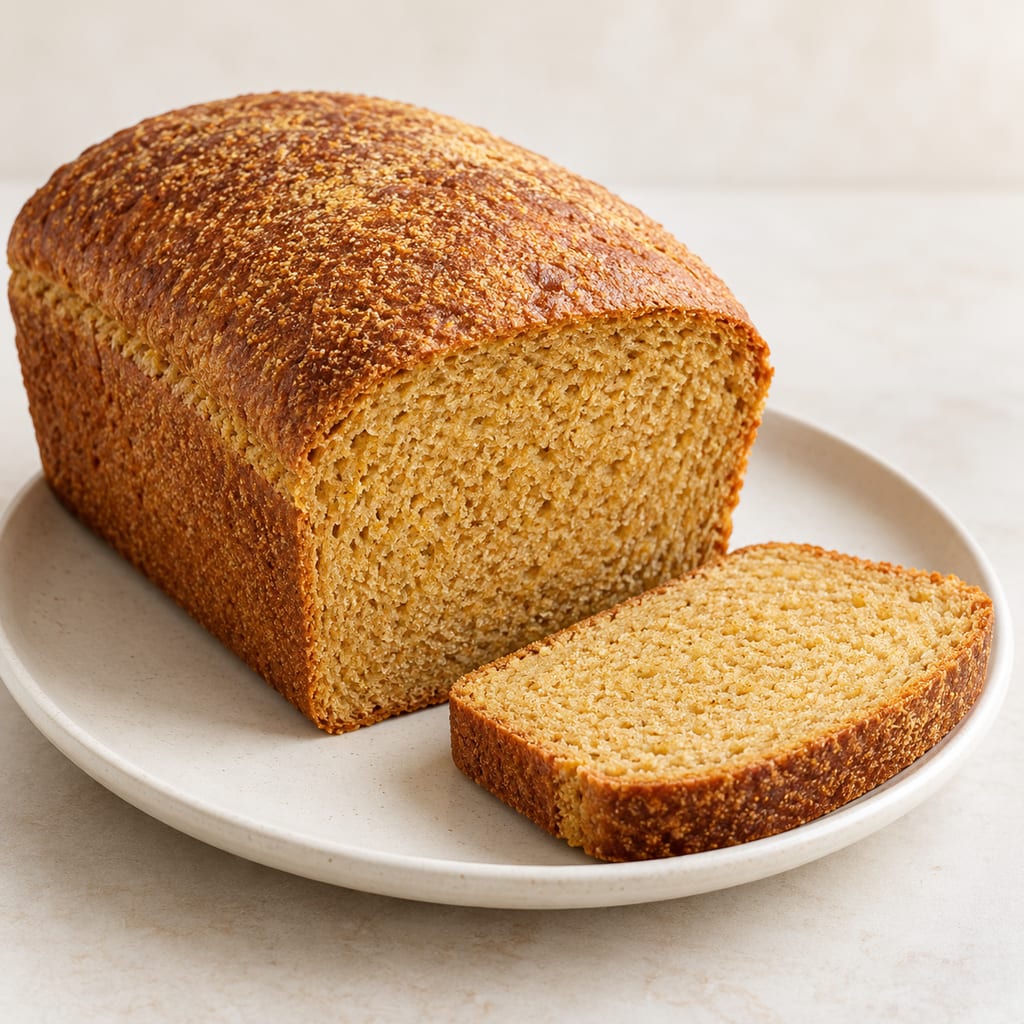
Anadama is a New England yeast loaf made with wheat flour, cornmeal and molasses. Scalded cornmeal enriches the dough, while molasses lends sweetness and a dark crust; it is especially good toasted or beside soup and baked beans.

A yeast-raised wheat ring shaped from a firm dough, briefly boiled and baked. This source-batch formula gives a gently malted crust and a chewy crumb.
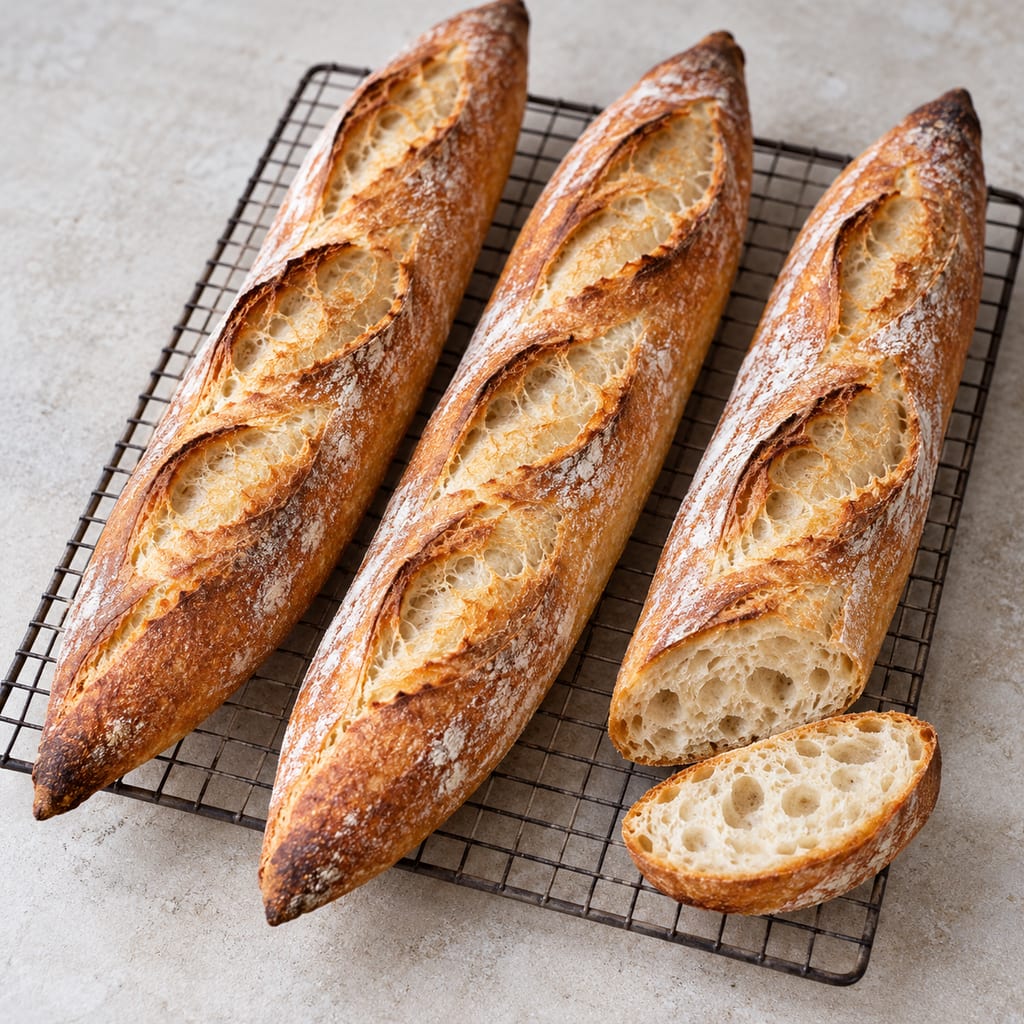
Three long, crusty wheat loaves made with an overnight yeast poolish, shaped by hand and baked with steam for a crisp crust.
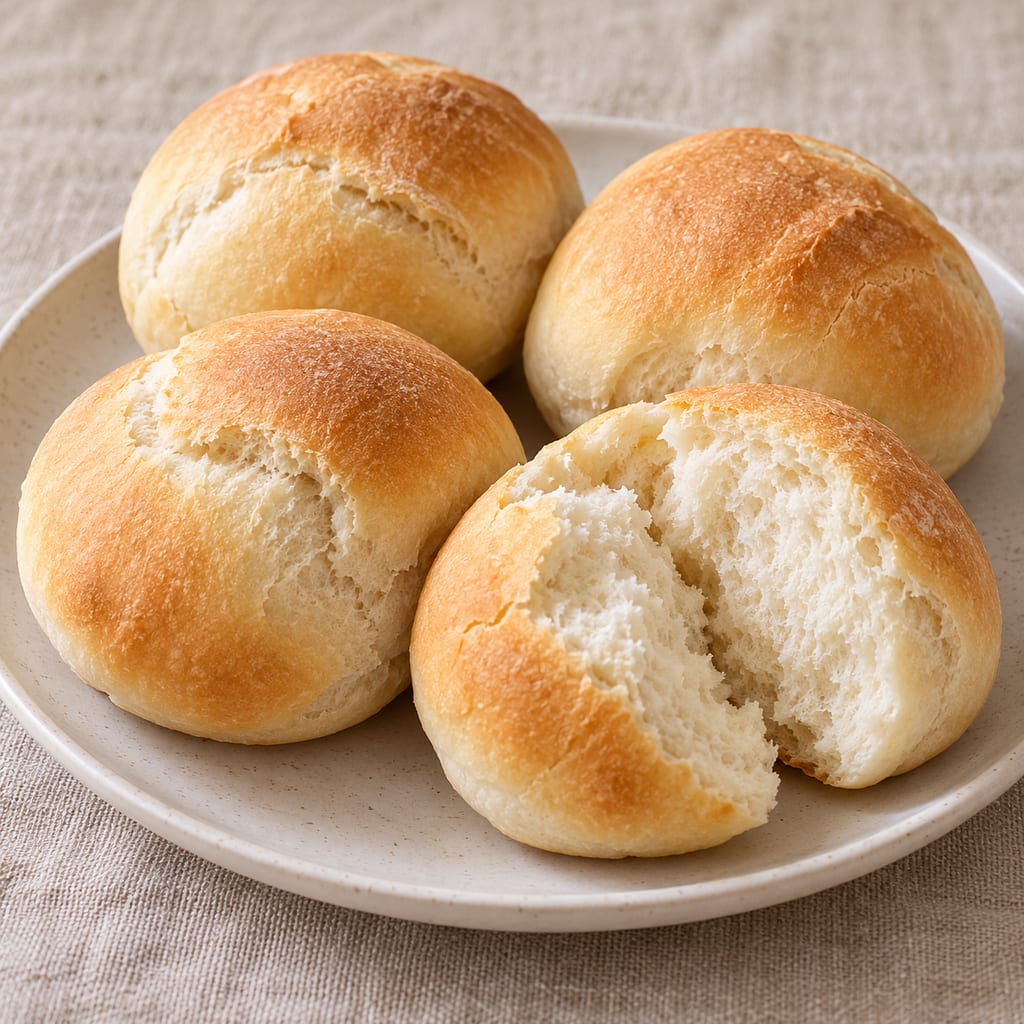
A lightly salted, yeast-raised Barbadian roll, baked in a dozen-roll home batch and often split for cutters.
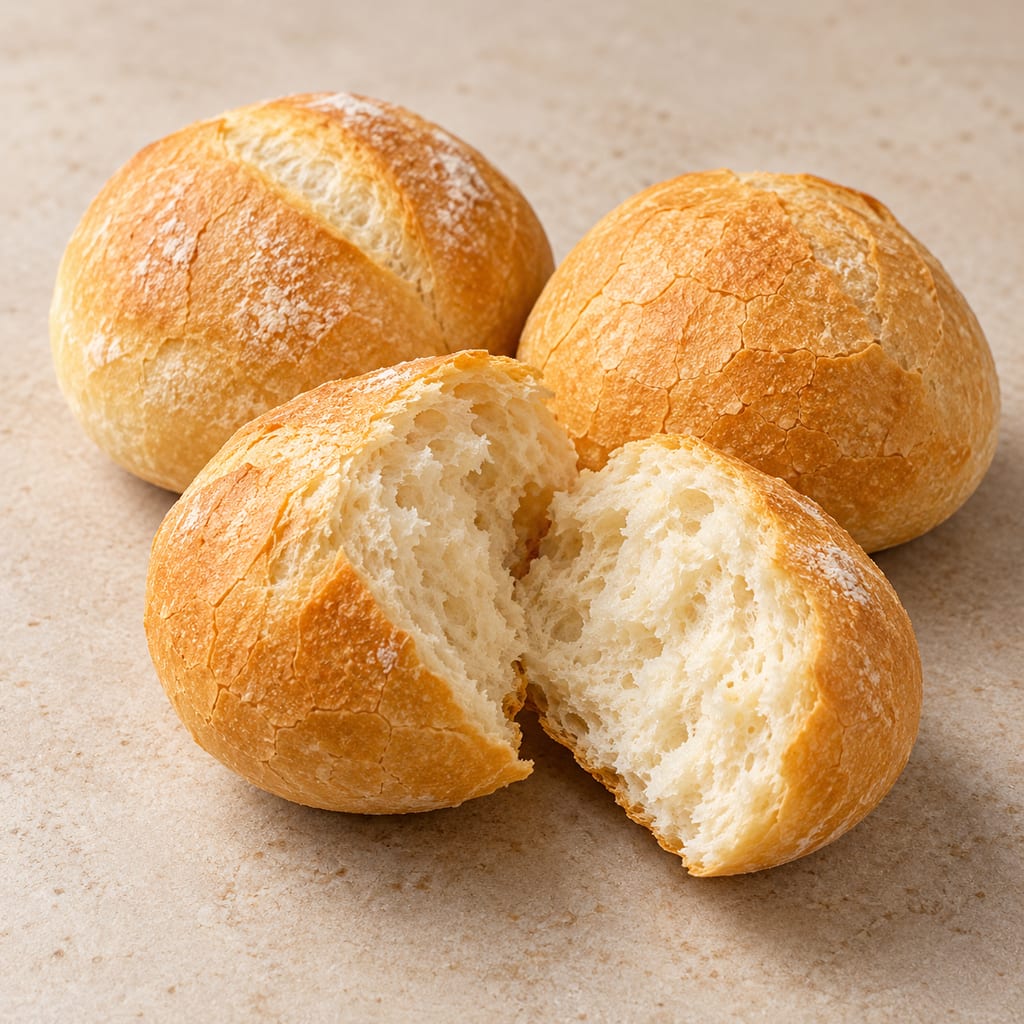
A crisp Belgian roll made from a supplier’s Croc-flour dough, mixed by hand or machine, proofed in rounds and baked with steam.
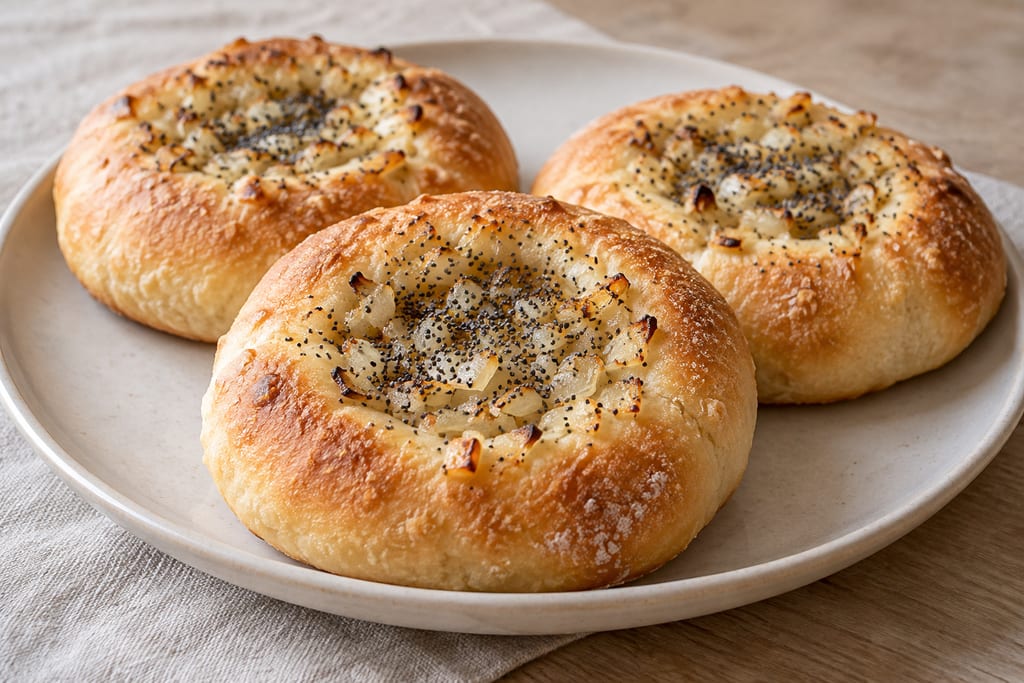
Bialys are soft, yeasted wheat rolls baked without boiling, each shaped with an onion-filled central depression instead of a hole.
A measured, commercial-yeast home method for Guadalajara-style birote salado, with a six-hour preferment, shaped rolls and a two-temperature steam bake. This formula contains no egg.
No community contributions have been published for this entry yet.
Sign in to contribute. Published comments and photos are free to read.
Sense & EdibilityInspiration · Method · History · Geography
Pan Sobao: Soft, Chewy Puerto Rican BreadThe author identifies this recipe as Puerto Rican pan sobao, explains the name sobao/pan de manteca, and says the recipe was first published in 2017.
The recipe makes two loaves from a poolish of bread flour, water and active dry yeast, rested 8 hours at room temperature and refrigerated for up to 24 hours.
The recipe supplies the dough quantities, staged mixing, bulk rise, shaping, second proof, 400°F bake with ice in a preheated cast-iron skillet, and 5-minute pan cooling.
The page's narrative says 20–25 minutes of baking while the recipe card says 15–20; its visual and hollow-sound cues are not internal temperature limits.
The source recommends consuming baked loaves within two or three days, says they begin to stale after a day or two, and says wrapped loaves freeze well for two months; these are source storage/quality suggestions, not validated safety limits.
Cited in: Puerto Rican pan sobao; Poolish and dough; Shape, proof and bake; Handling flour and steam; Timing and storage notes
Dominican CookingHistory · Geography
Pan Sobao / Sobado (Breakfast Bread Roll)This separately identified Dominican recipe describes pan sobao/sobado as Dominican breakfast bread and presents an enriched dough with milk, egg and butter, with a repeated rolling-and-folding method. It is distinct from the Puerto Rican poolish and lard/shortening formula recorded here.
Cited in: Puerto Rican pan sobao
U.S. Food and Drug AdministrationSafety
Handling Flour Safely: What You Need to KnowFDA says raw flour can carry harmful bacteria, advises never tasting raw dough, and recommends washing hands and surfaces after handling flour.
Library of Congress / Boletín Mercantil de Puerto RicoHistorical research lead
Boletín Mercantil de Puerto Rico, 10 July 1913 — La Linda advertisementPublisher-indexed newspaper text dated 10 July 1913 advertises La Linda bakery in San Juan and offers bread named Sobao, Especial and Americano.
Direct PDF access returned 403 on this audit; no visual inspection claimed. This is evidence of a named bread being sold by one bakery, not its invention, formula or proof of equivalence to the current home recipe.