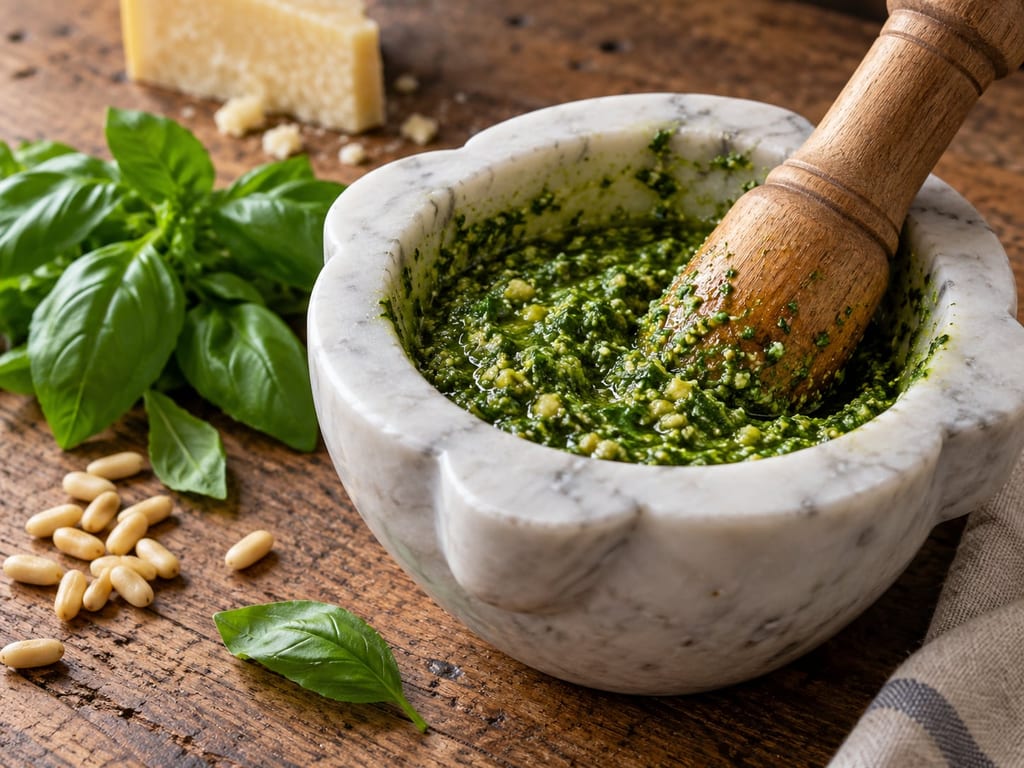
Pesto Genovese
Pesto Genovese is a Ligurian uncooked basil sauce pounded with garlic, pine nuts, salt, hard cheeses and olive oil, traditionally made in a mortar.
 FermenteaWhere food goes to change
Walnut sauce · Ligurian walnut sauce
Salsa di noci is a cold Ligurian sauce of walnut kernels, garlic, marjoram, soaked bread, cheese and olive oil, served with pansoti.
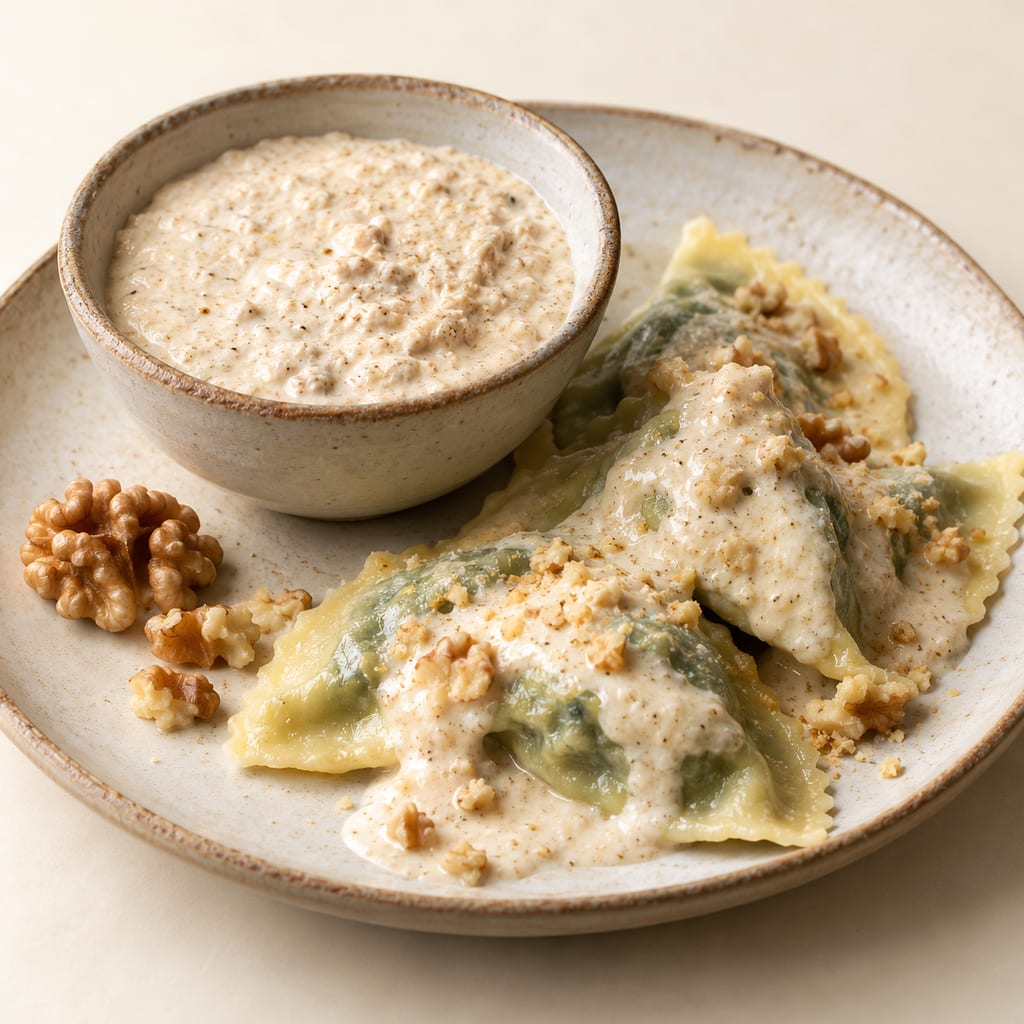
Salsa di noci is a cold Ligurian condiment, most often served over pansoti, the filled pasta of the region. It is thick, pale and creamy, and it is more mellow than pesto: the walnuts give body and a faint bitterness that the sauce's garlic and herbs balance. Corzetti and chestnut pasta are also named as partners.
The sauce is an emulsion built on walnut kernels, garlic, olive oil and a soaked bread that holds the fat. The bread-and-milk paste works as the emulsifier, and the cheese adds acidity. The page for the sauce insists that the local curd cheese and Ligurian oil are the true components, and that seed oils and substitutes change the result.
The traditional method uses a marble mortar and a wooden pestle, with rotary motion that breaks the walnut cells without overheating the fat. Ingredients go in order: garlic with salt, then the walnuts, then the soaked bread, then oil and dairy. The order matters because the bread and oil must be worked into a paste that holds together.
Food processors and blenders are common now, but the source warns that high-speed blades can overheat the fats and cause oxidation, which brings bitterness. Short pulses in a cold bowl are the suggested remedy.
The sauce is linked to the medieval agliata, a garlic sauce that the Genoese trading network carried along its routes. Adding walnuts and milk in place of vinegar is said to have tamed the garlic. These are historians' accounts rather than dated records, and the walnut sauce's exact first date is not established.
Salsa di noci is said to descend from the medieval agliata, a garlic sauce made with breadcrumbs and vinegar, to which walnuts and milk were added in Liguria. The history rests on the Republic of Genoa's trade contacts; the sources offer that as a reasoned account, not as dated documentary proof of the walnut sauce.
Recognised as a traditional Ligurian product on the national list of traditional agri-food products, as the page reports.
Pesto Genovese is a Ligurian uncooked basil sauce pounded with garlic, pine nuts, salt, hard cheeses and olive oil, traditionally made in a mortar.
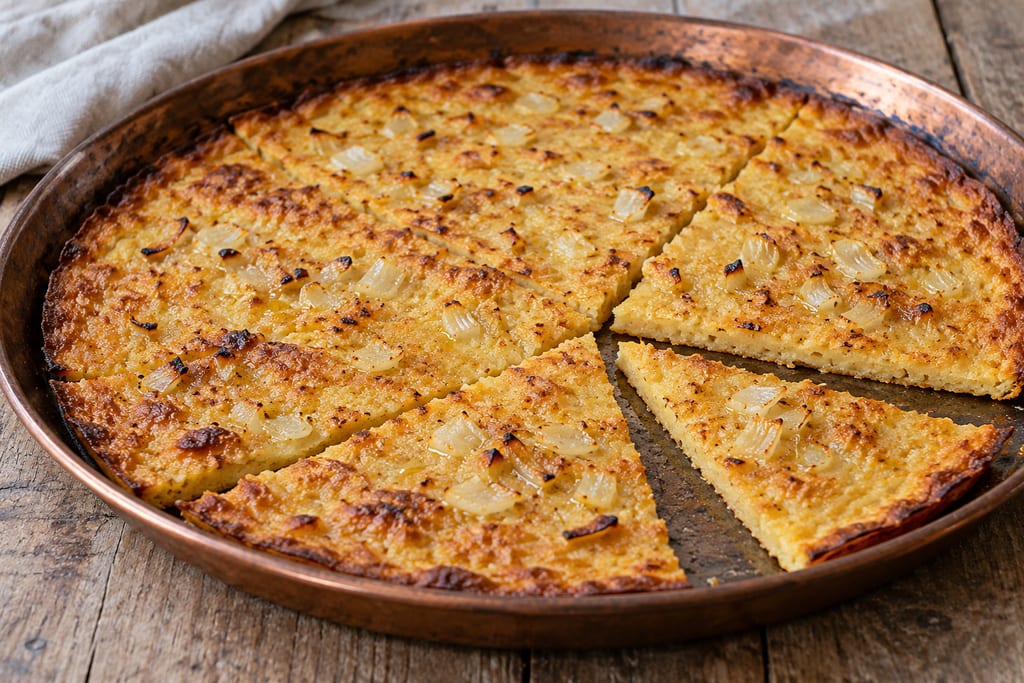
This farinata is a chickpea-flour batter baked with olive oil in a pan. The Riviera dei Fiori version makes six and uses a 200–250°C oven.
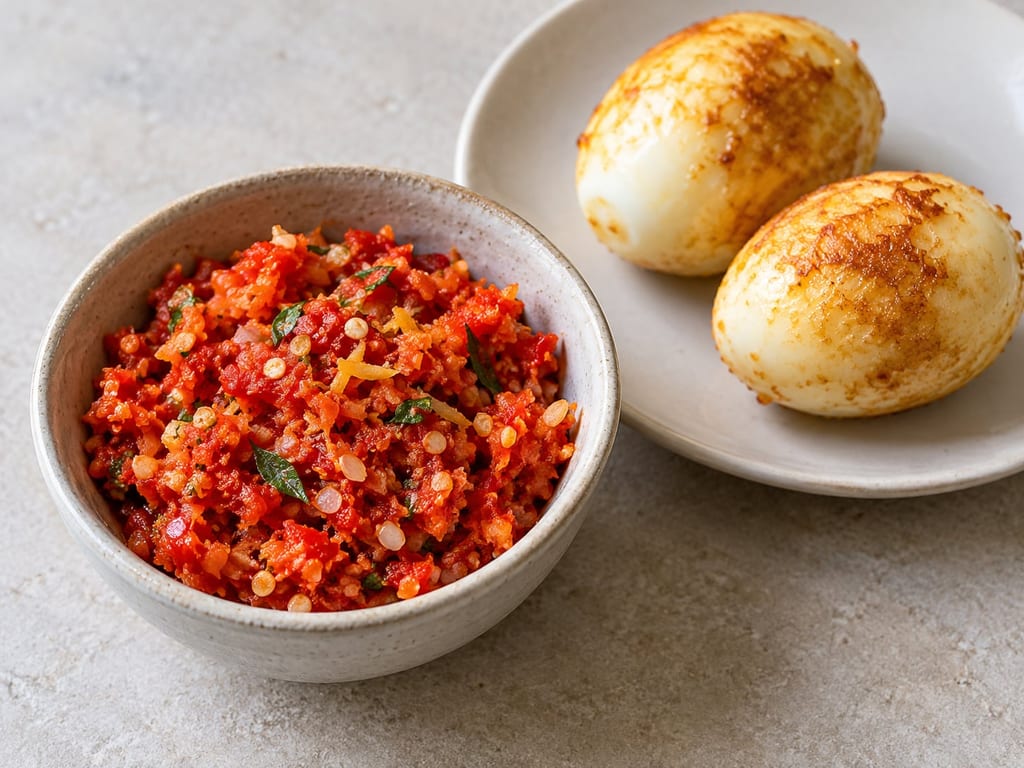
Ai-manas is described as a very hot chilli paste served with Timorese meals. One published version blends fresh chillies, shallots, garlic, Thai basil, ginger, lemon and salt, and serves it with eggs. Sources do not establish a standard formula, precise birthplace or earliest date.
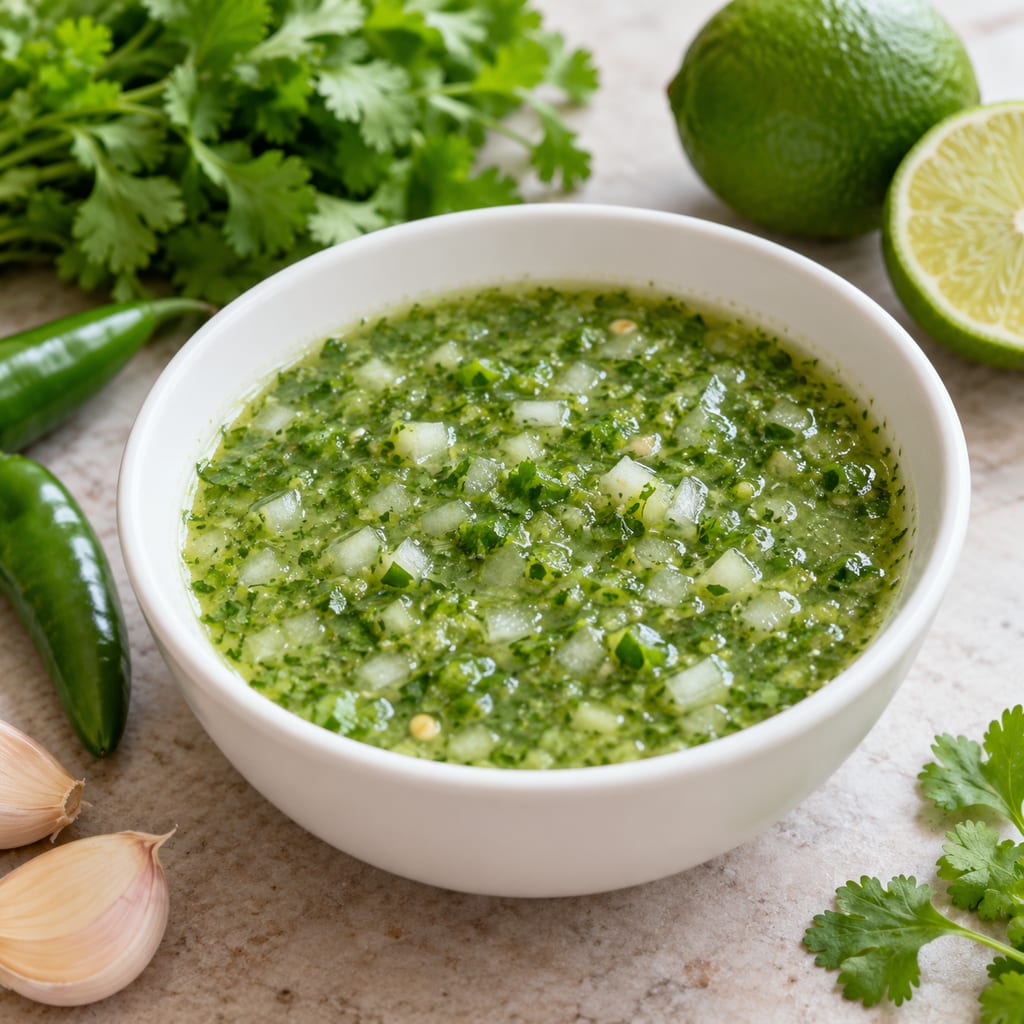
A fresh, uncooked Ecuadorian table sauce of hot pepper, cilantro, garlic and lime, served with most everyday dishes.
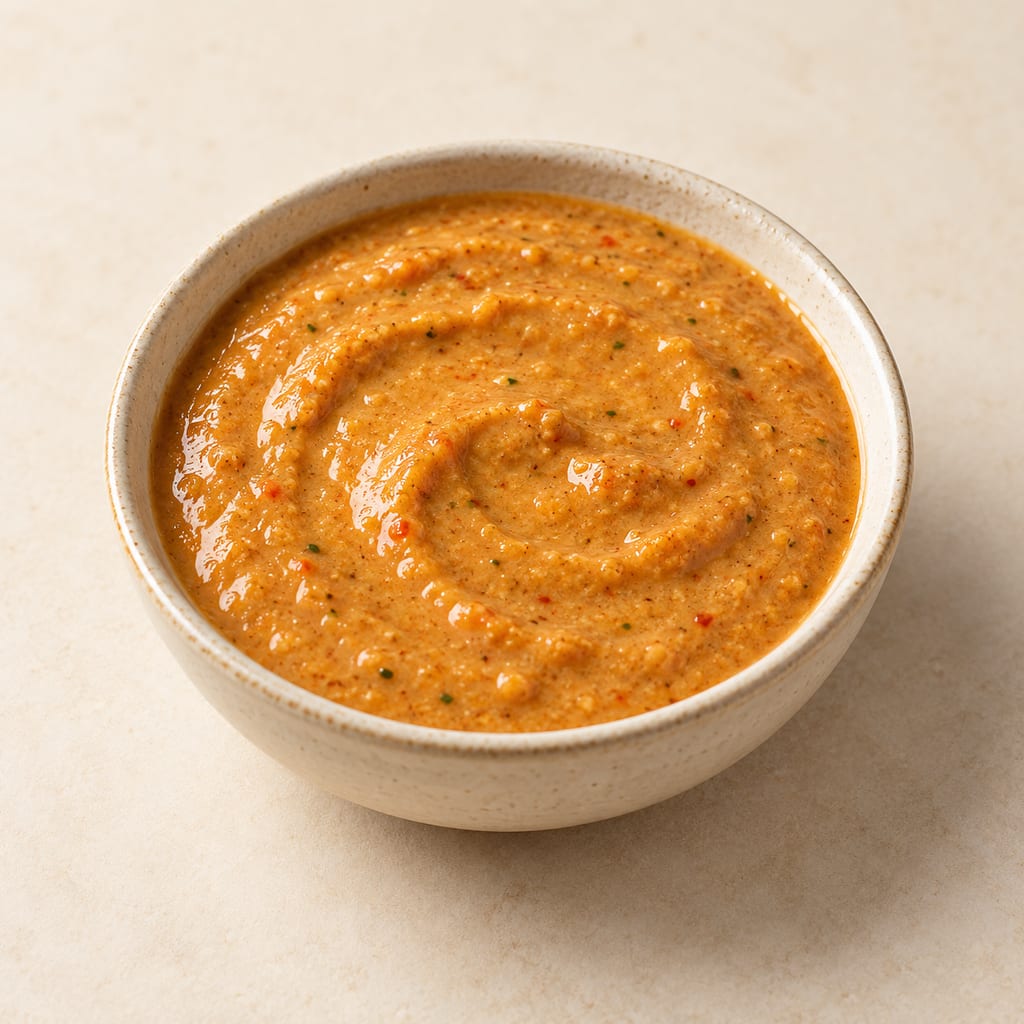
A spicy peanut hot sauce from the Popayán and Cauca region of Colombia, traditionally served with pipián empanadas and tamales.
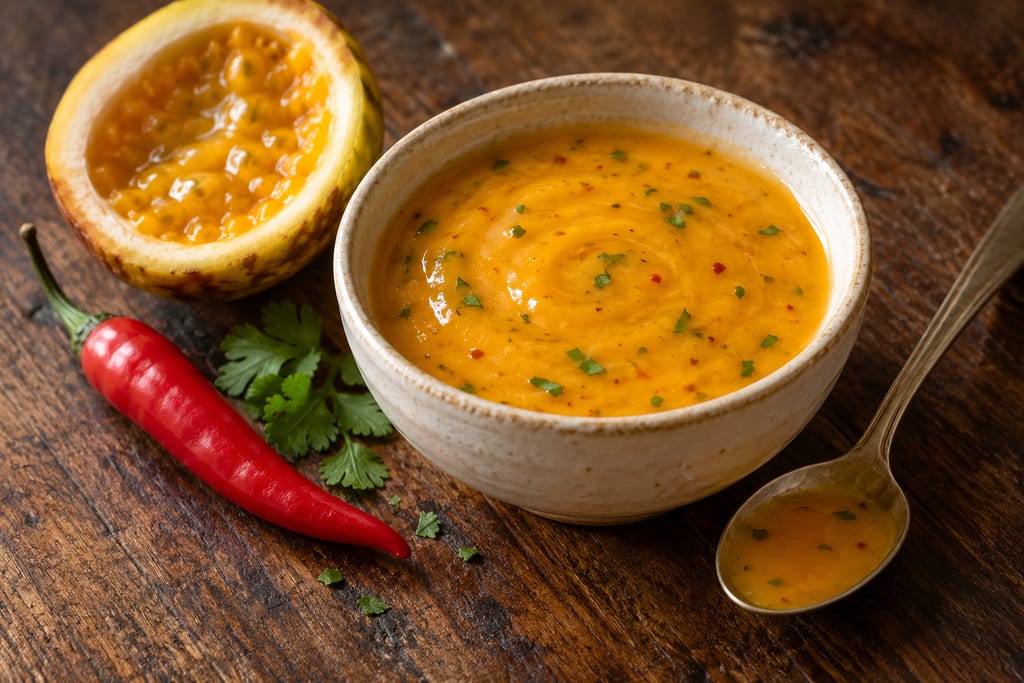
A contemporary Ecuadorian hot sauce that pairs passion fruit juice with boiled chile peppers, oil and lime.
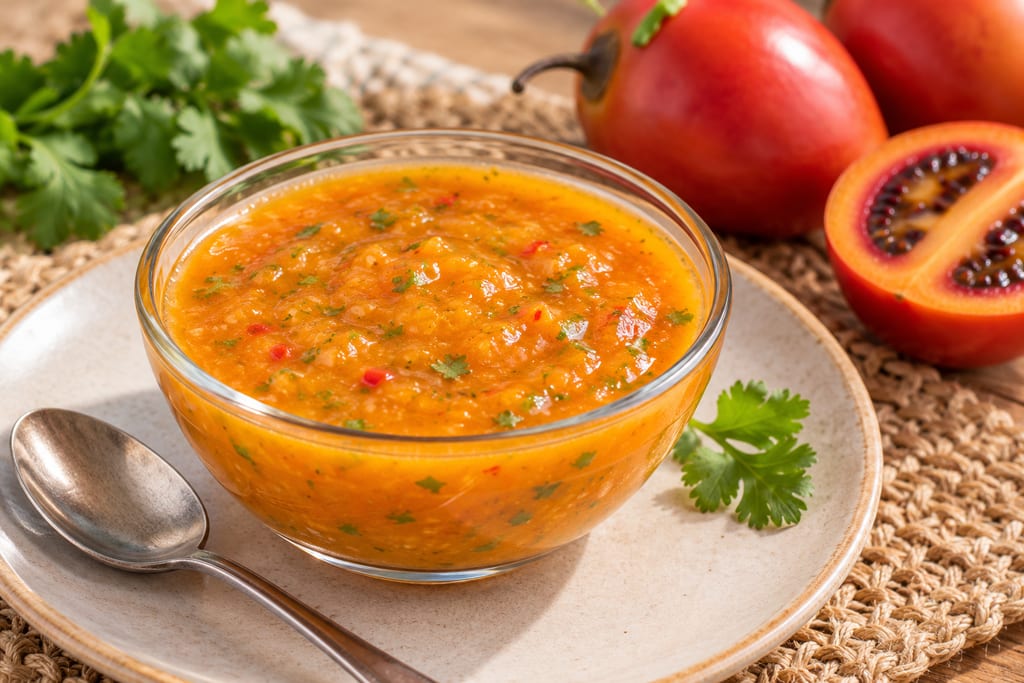
An Ecuadorian hot sauce built on tamarillo, a tart fruit that gives a sharper, fleshier base than ordinary tomato salsa.
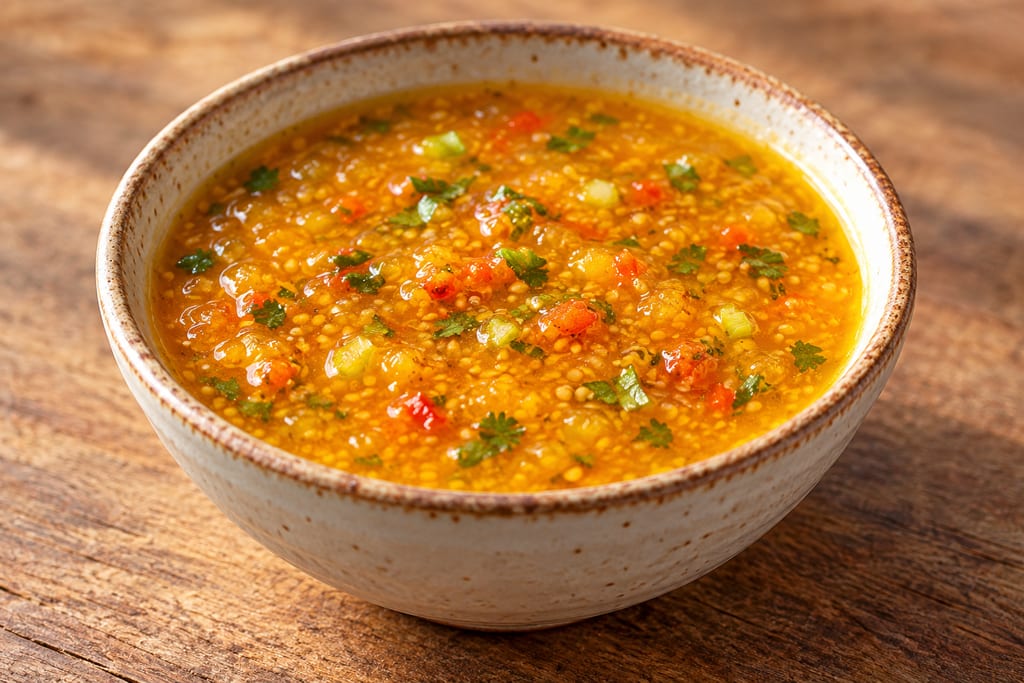
A sweet, tart and spicy Colombian sauce of uchuva, the yellow physalis fruit, with hot pepper, scallion, cilantro and lime.
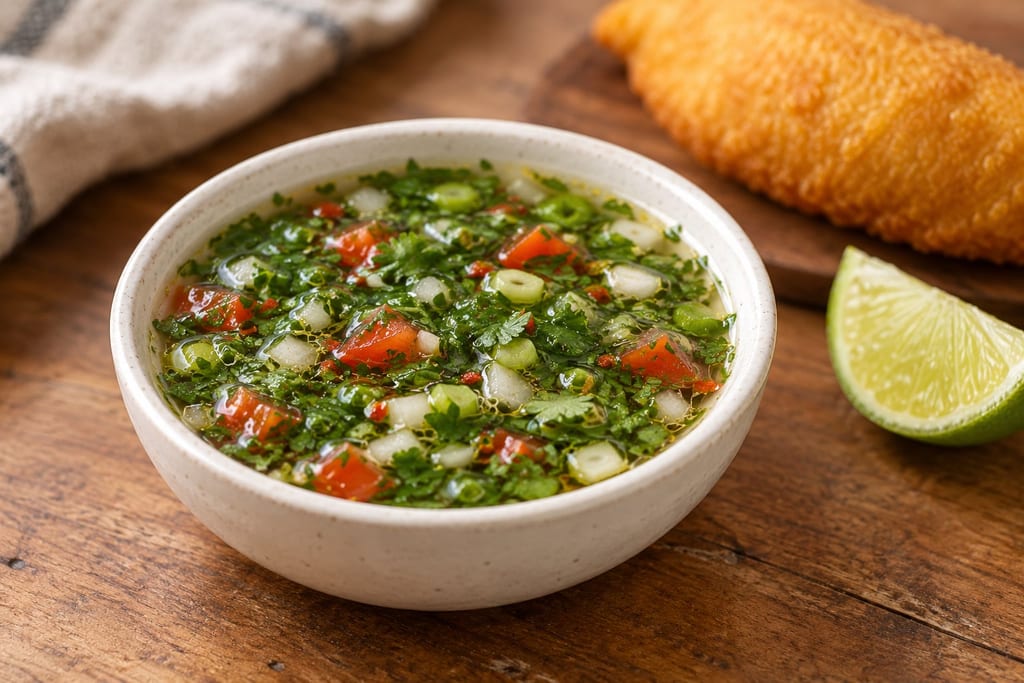
A fresh Colombian table condiment of chopped herbs, scallion and tomato in a vinegar and chile base, served beside fried and filled dishes.
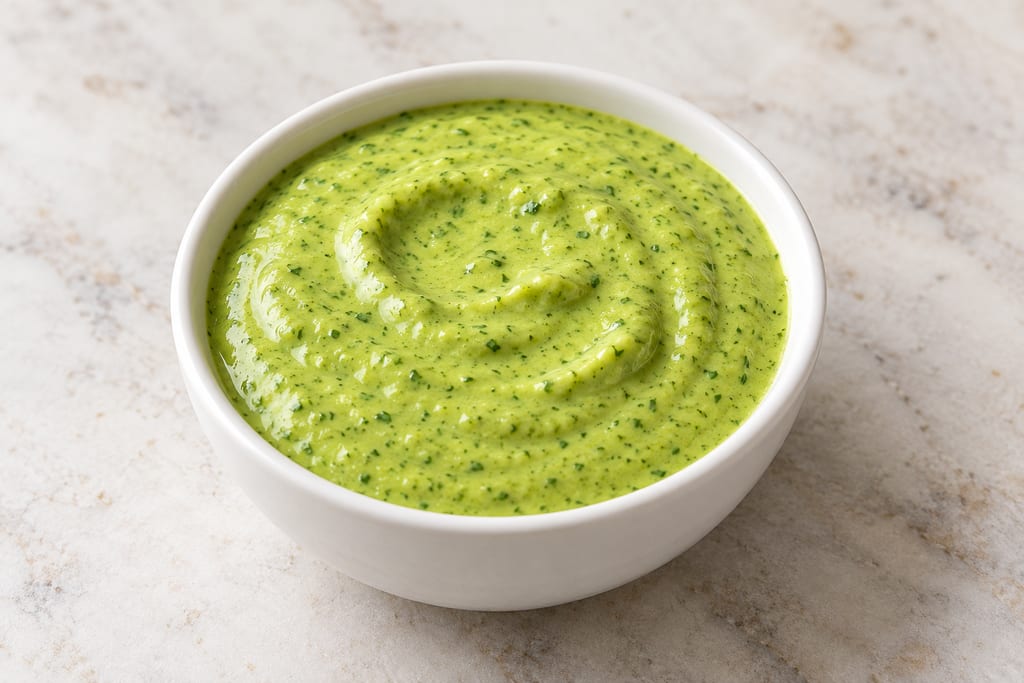
Ají verde is a Peruvian green sauce of coriander, chilli, onion and garlic in a mayonnaise or cheese base. It is best known through Peruvian restaurant cooking abroad.

A gelling polysaccharide extracted from red seaweeds, sold as kanten strips or powder; it sets firm at a low concentration and stays solid until about 85 °C.

A Dominican table and seasoning condiment of sour orange juice, mixed with lime and salt and bottled raw; garlic, oregano or a hot pepper may be added for meat or a spicier bottle.

Cicerbita alpina is an alpine perennial whose tender shoots and leaves have been eaten raw or cooked. Sámi milk preparations and modern Carnian dishes are distinct uses, with serious identification and preservation limits.

Japanese skipjack tuna cooked, then repeatedly smoked and dried over a wood fire by the hand-fired tebiyama method into a hard block for shaving into dashi: the first stage of katsuobushi.

A Swedish-style spirit vinegar made by fermenting neutral alcohol with live vinegar bacteria, with a separate guide to commercial ättika strengths.

A yeast-raised wheat ring shaped from a firm dough, briefly boiled and baked. This source-batch formula gives a gently malted crust and a chewy crumb.

A warm dip of garlic, anchovy and olive oil, often enriched with butter, that Piedmont serves over a flame with raw and cooked vegetables and bread.

Bechamel is a white sauce of milk thickened with a butter and flour roux, one of the French mother sauces, and the base from which Mornay and other cheese and cream sauces are made.
No community contributions have been published for this entry yet.
Sign in to contribute. Published comments and photos are free to read.
WikipediaMethod · History · Ingredients
Salsa di nociIngredients: walnut kernels, Vessalico garlic, marjoram, breadcrumbs soaked in milk, prescinseua, Ligurian extra virgin olive oil.
Traditional method in a marble mortar; modern food processors risk heat and bitterness.
Precursor agliata; walnuts and milk replaced vinegar.
Pansoti pairing; corzetti and chestnut pasta as uses.
Recognised as a traditional product on the national list.