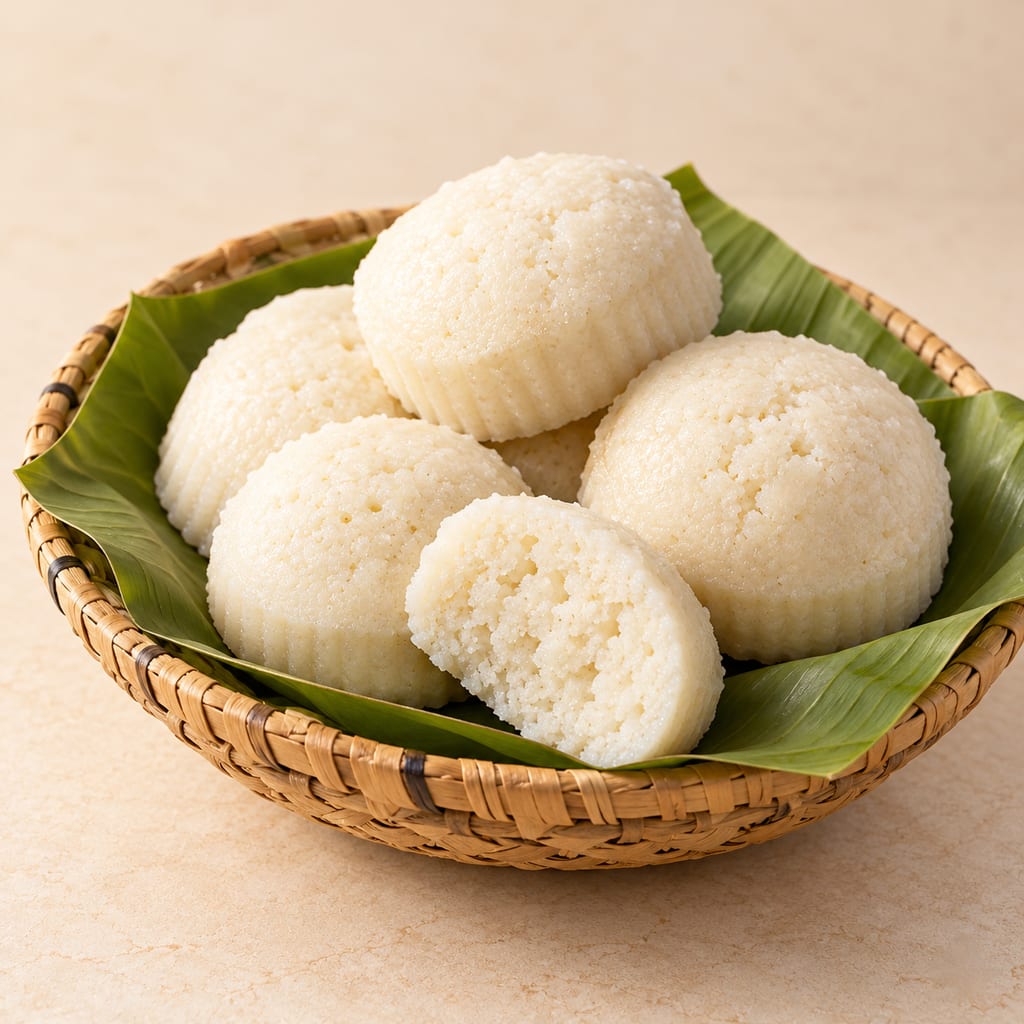
Ablo (rice-based steamed bread)
Soft, lightly tangy steamed cereal bread documented across Benin and Togo. This page gives one measured rice-flour research method; maize-based Ablo and mixed-grain versions remain distinct traditions.
 FermenteaWhere food goes to change
Babka
A yeasted enriched dough is rolled with cocoa, chocolate, nuts and cinnamon, twisted into two loaf pans, topped with streusel and baked.
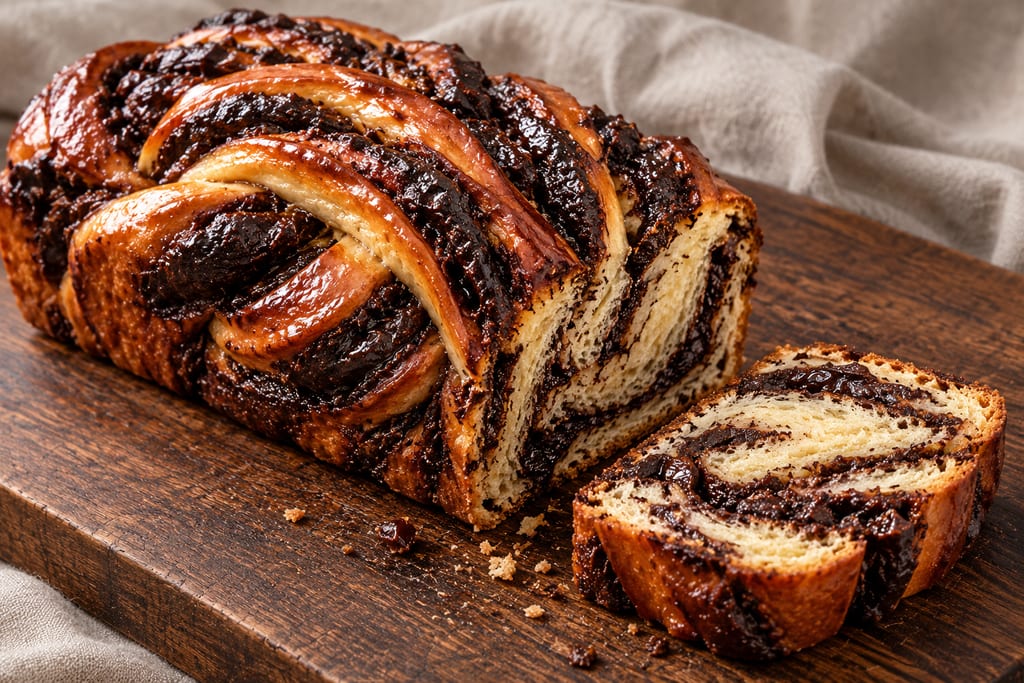
ANU Museum's Foodish account associates babka with Jewish communities in Poland and Ukraine, describes its use of challah dough for Shabbat and holidays, and notes fillings evolving from jam or cinnamon to chocolate. It reports popularity in New York in the middle of the twentieth century. These are the museum's claims about a varied food, not proof of a single origin or universal formula. This recipe is King Arthur Baking's contemporary chocolate version with enriched yeast dough, cocoa, chocolate, nuts, cinnamon and streusel.
Yield 2 loaves · Scaling: source batch only
Raw flour may carry harmful bacteria; do not taste dough and bake before eating.
Hazard sourceThe recipe handles eggs before baking; avoid tasting raw dough and clean surfaces and tools afterward.
Hazard sourceDo not taste raw dough; wash hands and clean bowls, tools, work surfaces and pans after handling flour and eggs.
Control sourceUse the full bake and follow the recipe's center-temperature check. Its 190°F number is recorded as a publisher baking endpoint, not a separately validated safety limit.
Control sourceContains wheat, milk, eggs and tree nuts; check ingredient labels for additional allergens.
The source's advice to wrap leftovers and store them at room temperature for several days is publisher guidance, not an independently validated shelf-life study.
ANU Museum associates babka with Jewish communities in Poland and Ukraine; this broad source attribution does not identify one birthplace or cover every babka.
King Arthur Baking describes babka as a bestseller at Jewish bakeries in many North American cities; this is a documented-use association, not an origin claim.
Soft, lightly tangy steamed cereal bread documented across Benin and Togo. This page gives one measured rice-flour research method; maize-based Ablo and mixed-grain versions remain distinct traditions.
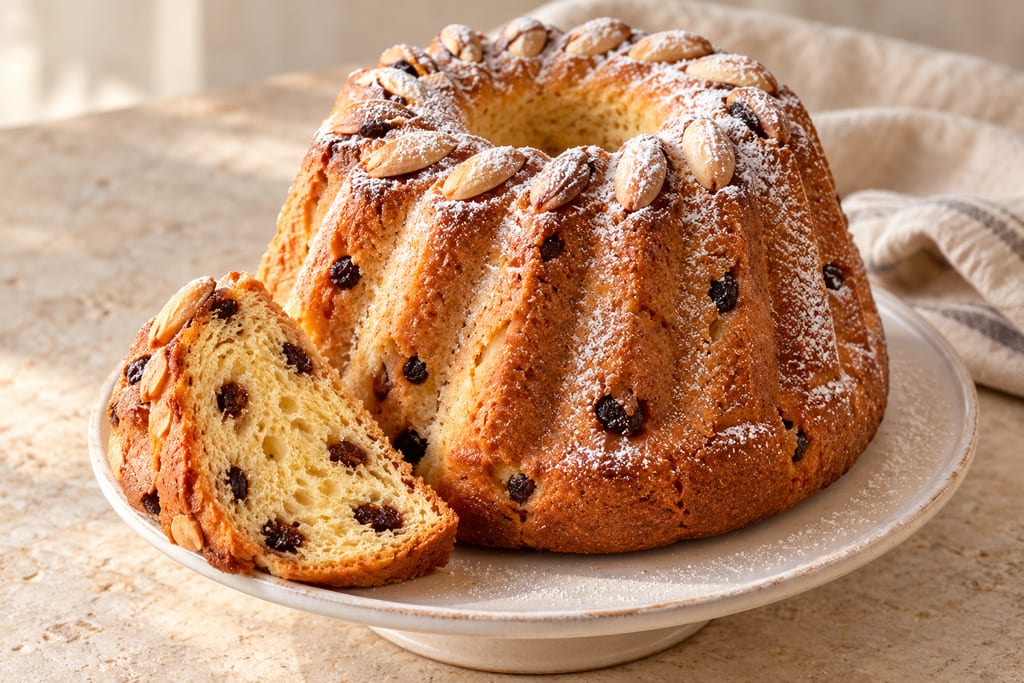
An enriched Alsatian yeast ring with raisins and almonds, kneaded with butter, proofed in a fluted mould and baked until browned.
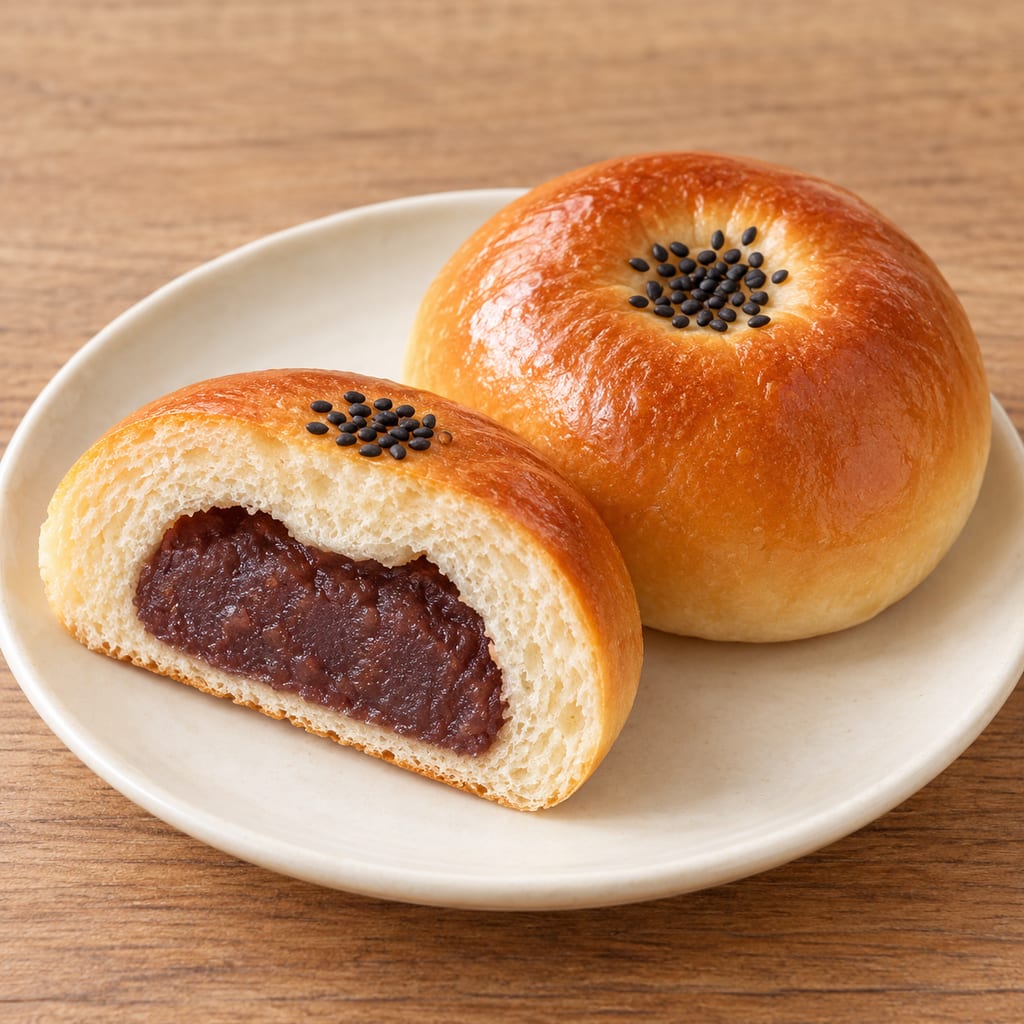
Anpan is a soft wheat bun filled with sweet red-bean paste and finished with egg wash and black sesame. This dough rises with commercial instant yeast.
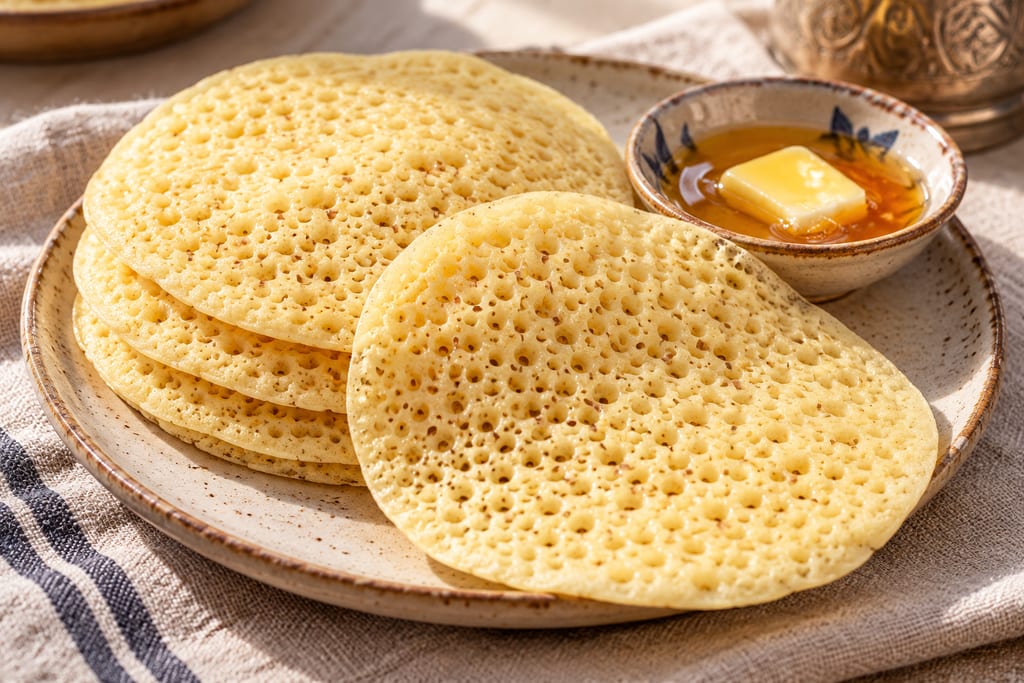
Moroccan semolina pancakes made from a thin yeast batter, rested until foamy and cooked on one side until the surface sets with a honeycomb of holes. This source-specific batch makes sixteen 5-inch pancakes.
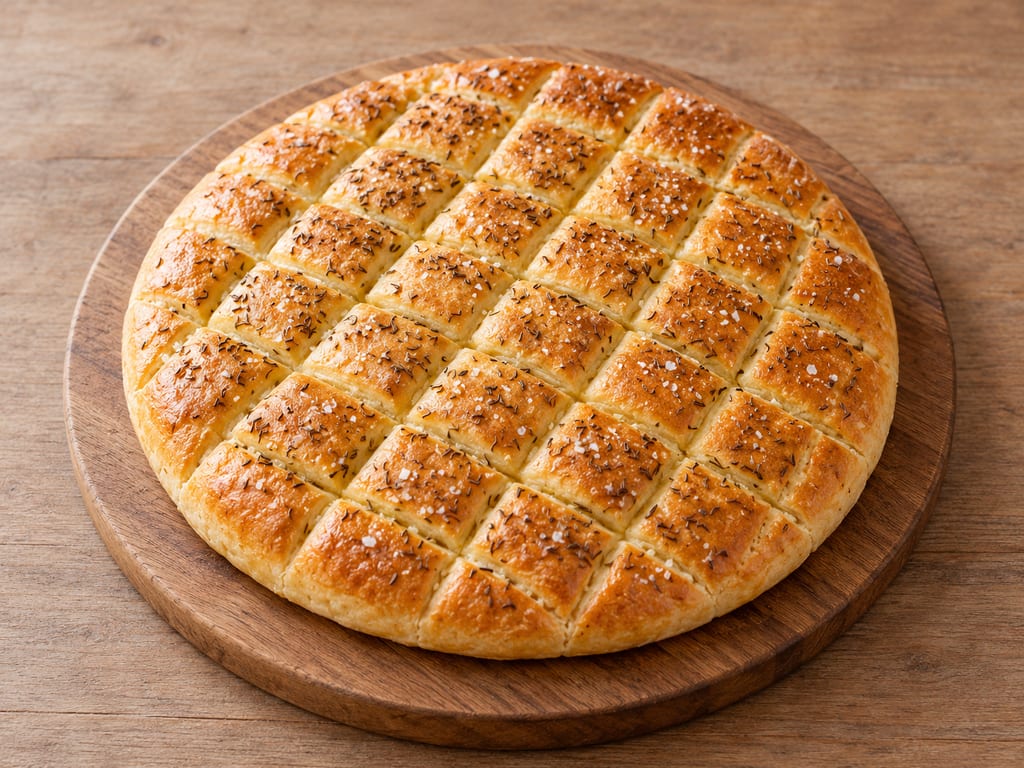
A round Slovenian flatbread scored in a grid and topped with caraway and coarse salt.
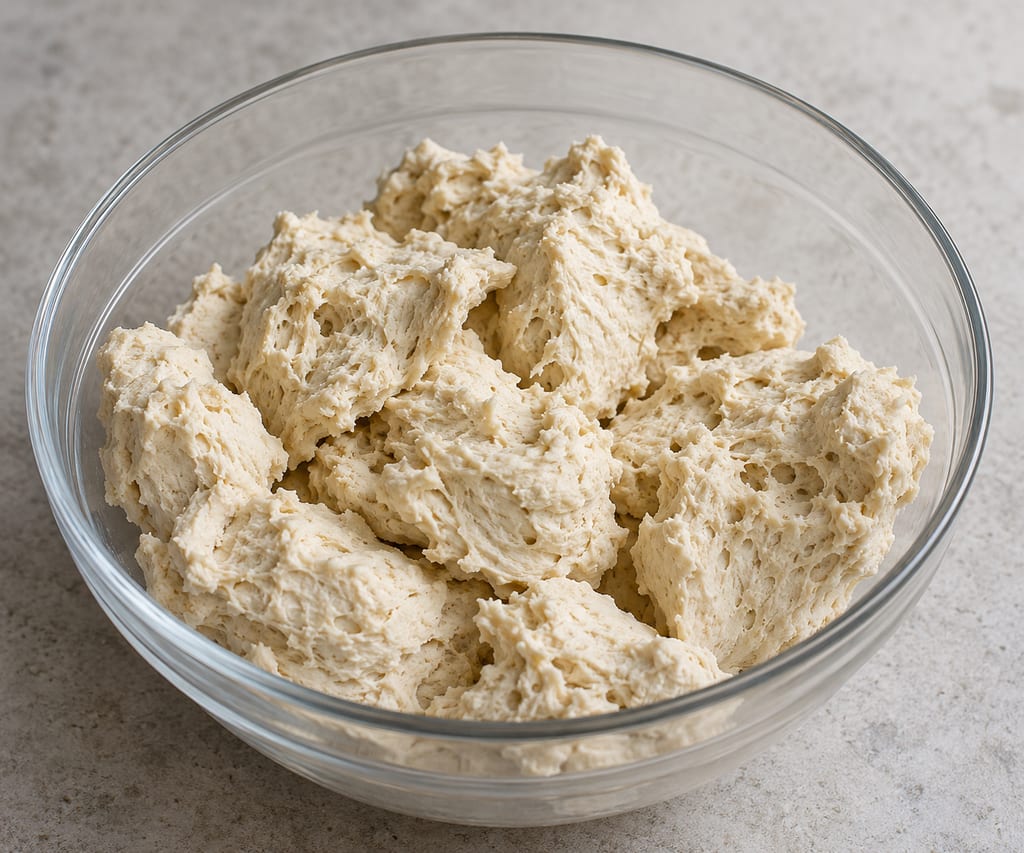
Biga is an Italian bread preferment of flour, water and a little yeast, usually a stiff unsalted mass of about 45 per cent water, fermented ahead and then mixed into the final dough.
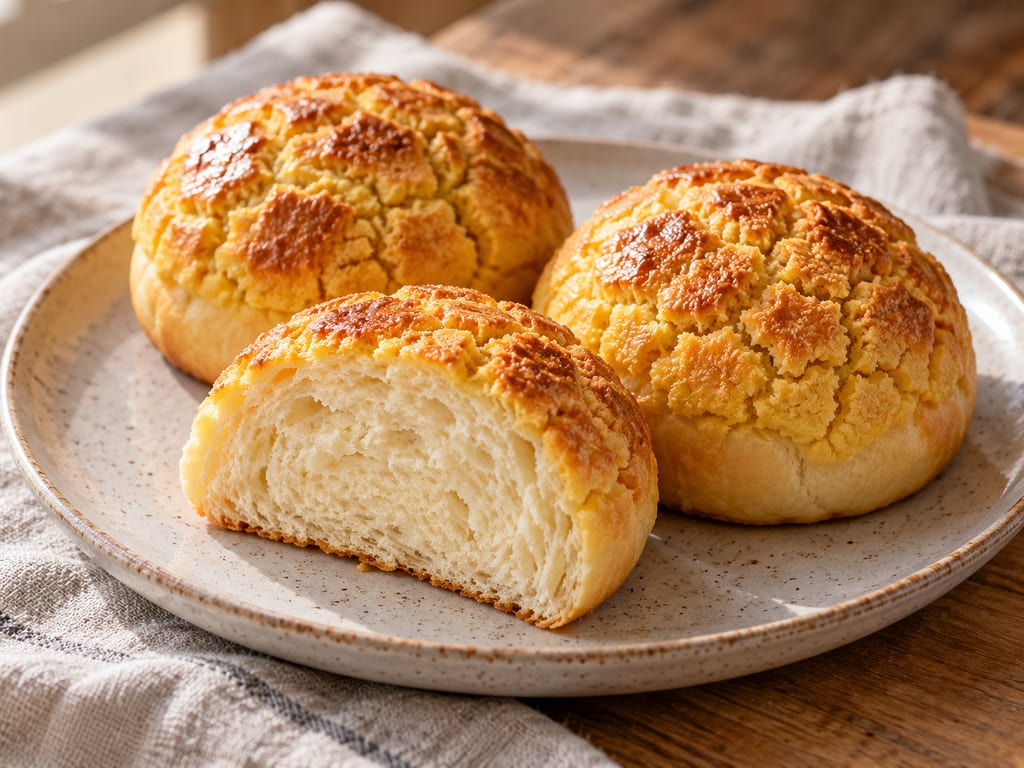
Hong Kong-style pineapple buns have soft yeast dough beneath a crisp, sweet pastry topping.
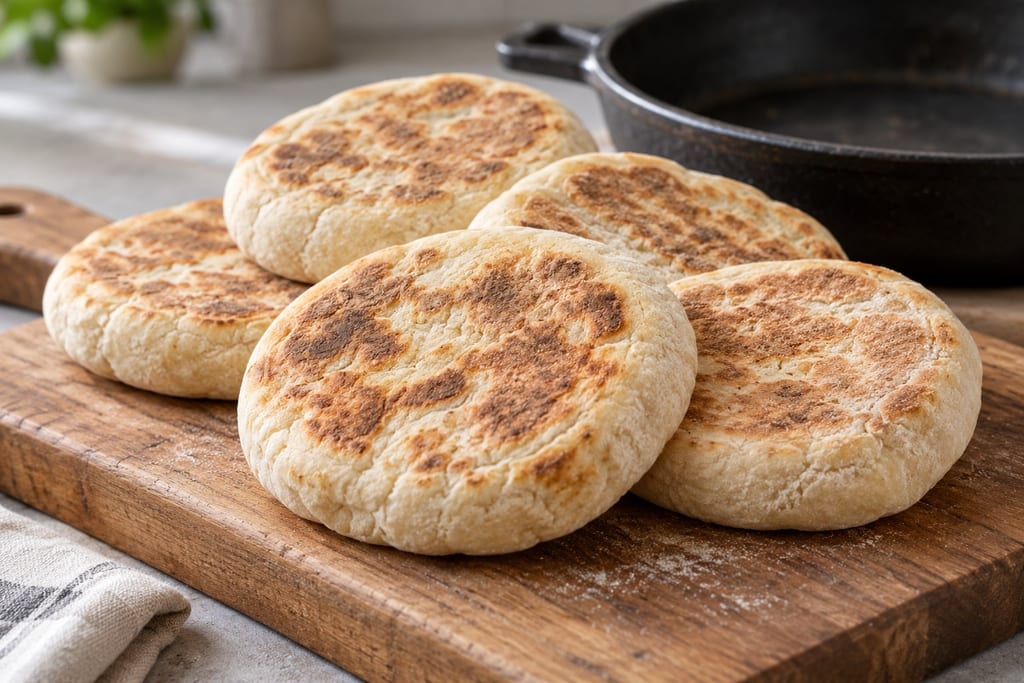
Sweet-potato wheat breads with fresh yeast, browned in a pan and finished in the oven. This is the bread component of Teleculinária's scrambled-egg dish.
No community contributions have been published for this entry yet.
Sign in to contribute. Published comments and photos are free to read.
King Arthur BakingInspiration · Method · History · Safety
Chocolate BabkaThe formula yields two loaves with dough, chocolate-cinnamon filling, egg glaze and streusel topping.
The sequence gives a 20-minute rest, a 1 1/2–2-hour first rise, shaping, a 1 1/2–2 1/2-hour final rise and a 300°F bake of 50–60 minutes.
The source advises checking the loaf center at 190°F and gives storage directions attributed to the publisher.
The page describes a traditional Eastern European influence and babka's popularity at North American Jewish bakeries.
ANU Museum of the Jewish People, FoodishHistory
BabkaThe museum associates babka with Jewish communities of Poland and Ukraine and discusses challah dough, Shabbat and holiday contexts, fillings, forms and popularity in New York.
The article gives differing explanations for the name and shape; this record does not resolve them or assert one birthplace.
U.S. Food and Drug AdministrationSafety
Handling Flour Safely: What You Need to KnowRaw flour may carry harmful bacteria; do not taste raw flour or dough, and clean after handling.
U.S. Food and Drug AdministrationSafety
What You Need to Know About Egg SafetyFresh eggs may contain Salmonella; cook egg-containing foods thoroughly and wash hands, utensils and surfaces after contact with raw eggs.