











































High risk
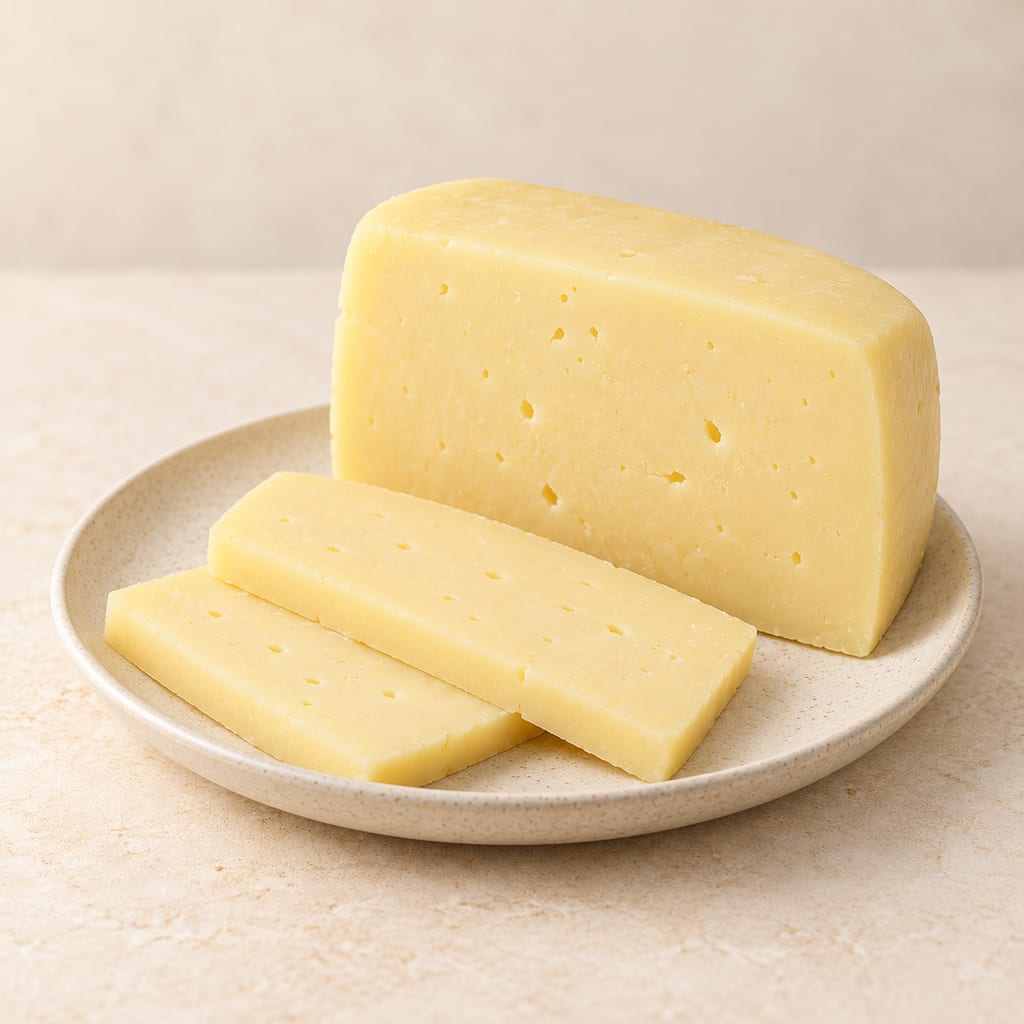
Kaşar peyniri
Kaşar peyniri is a Turkish stretched-curd cheese. This entry documents a traditional raw-milk process described by the FAO and its regional history; it is not a home cheesemaking recipe.
 FermenteaWhere food goes to change
1504 records with their sources, across 11 categories.
Kaşar peyniri is a Turkish stretched-curd cheese. This entry documents a traditional raw-milk process described by the FAO and its regional history; it is not a home cheesemaking recipe.
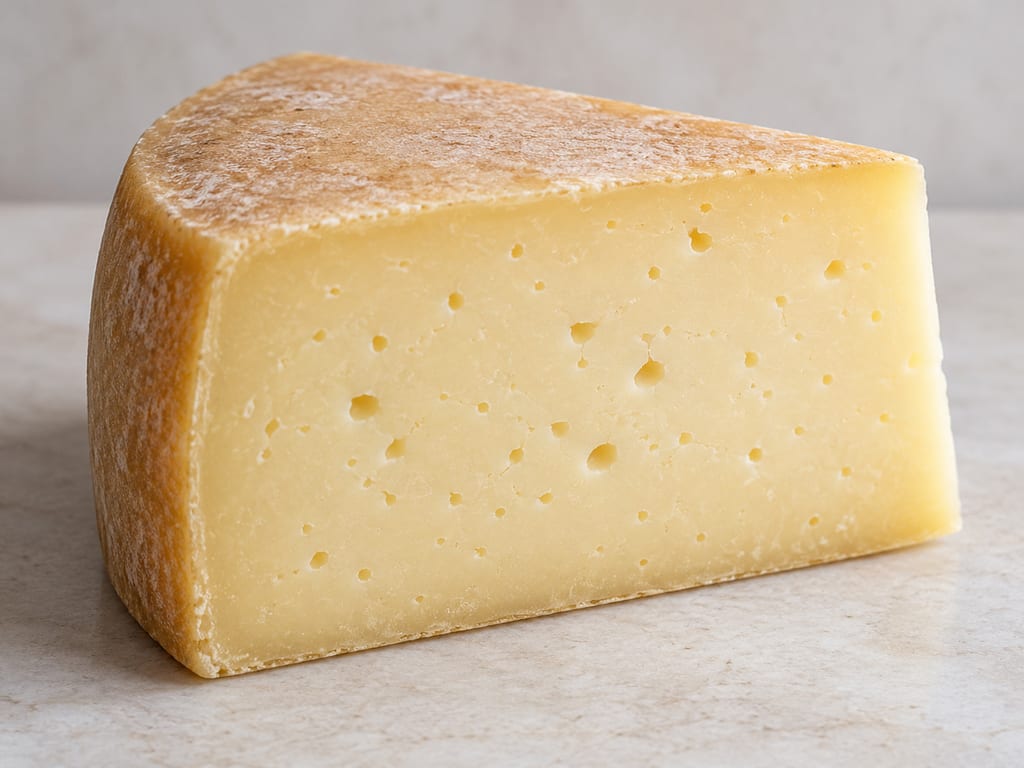
This Cypriot graviera is a hard sheep-milk cheese with a dry rind and round eyes. Its curd is heated, pressed and dry-salted before a long cool ripening.
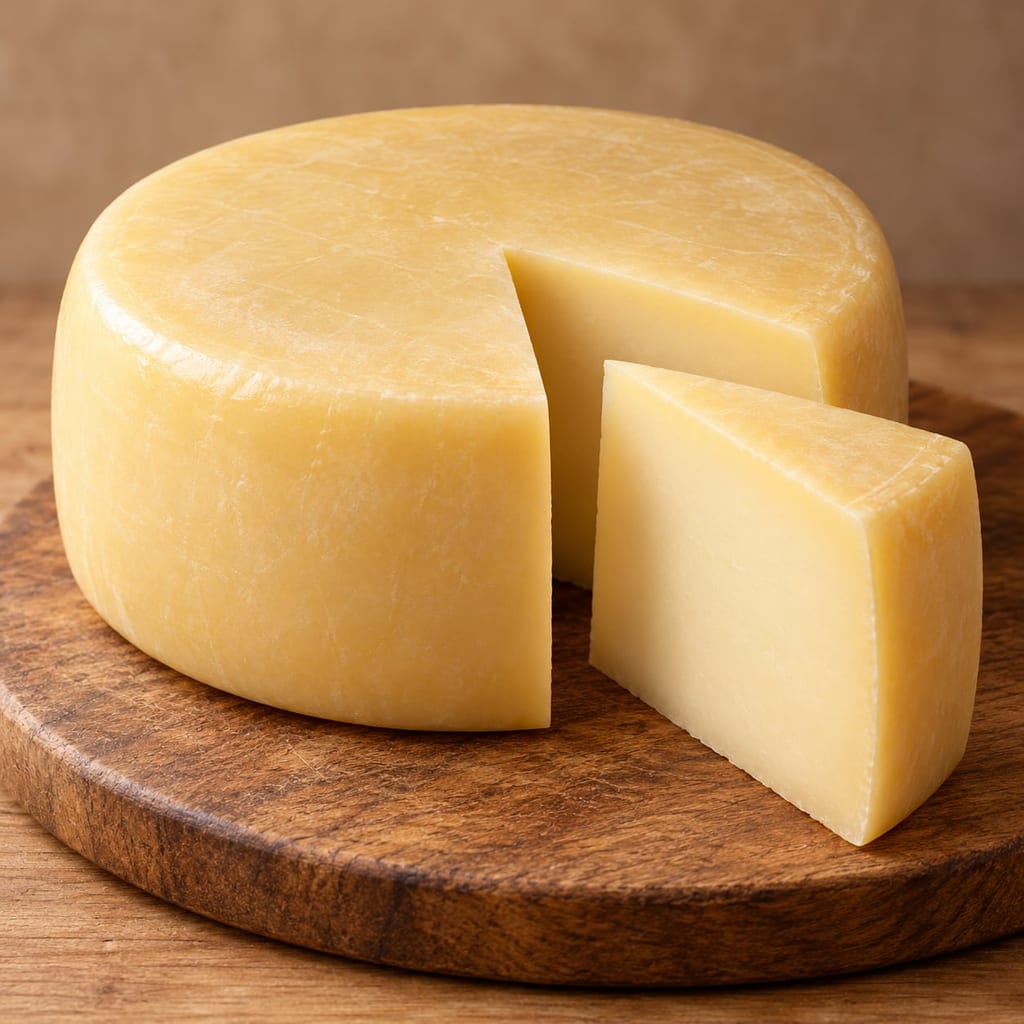
Kashkaval is a firm sheep-milk cheese whose acidified curd is worked in hot brine. This large-batch method finishes with repeated dry salting, wax coating and cool ripening.
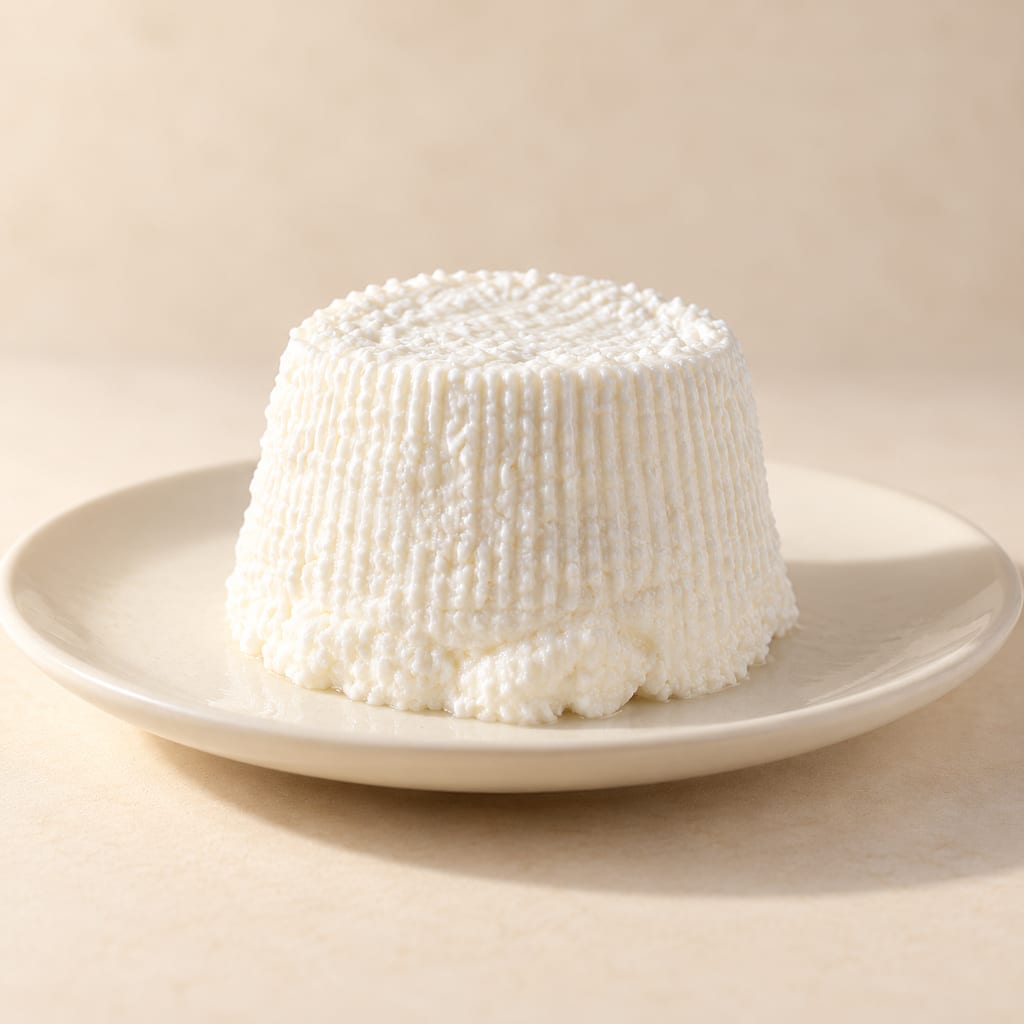
Corsican Brocciu is a whey cheese made by heating sheep's or goat's whey with whole milk and salt, then gently draining the flocculated curds. It is eaten fresh or salted and ripened as Brocciu passu.
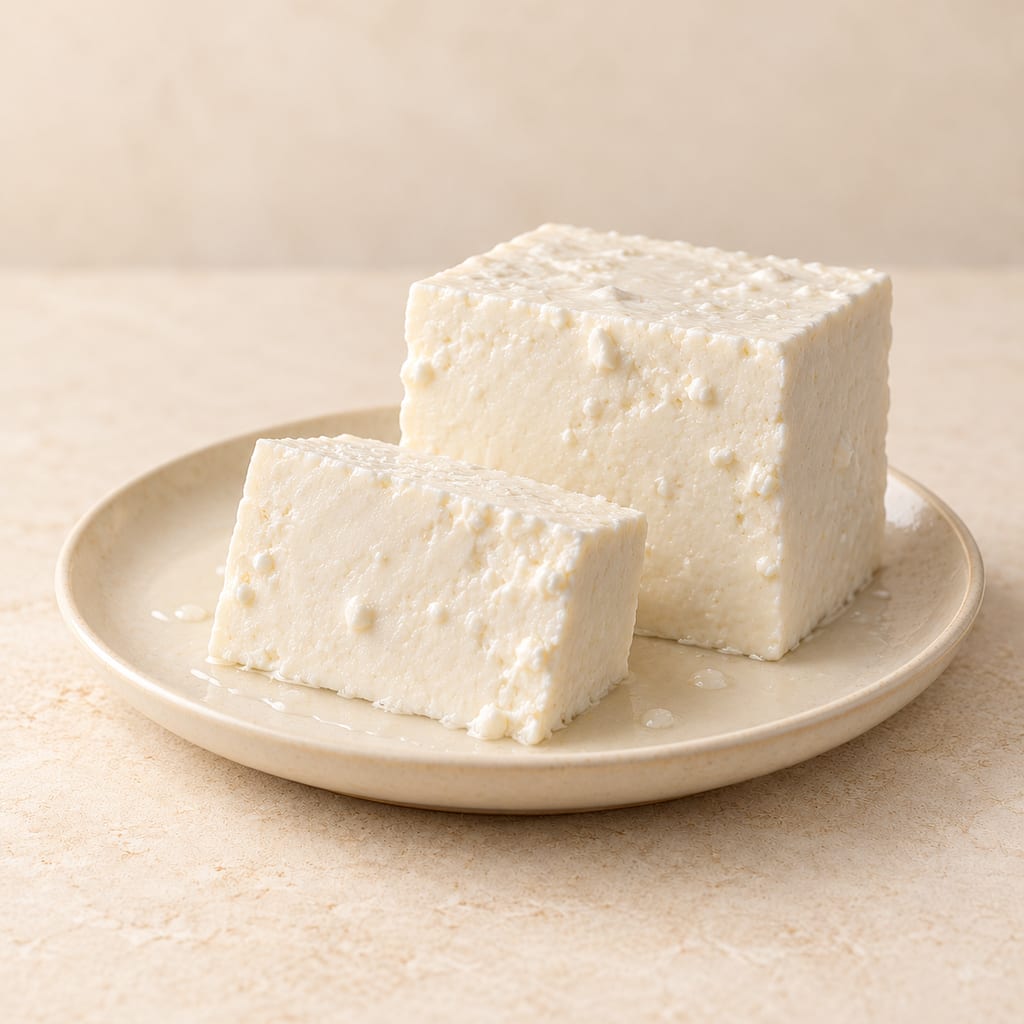
Beyaz peynir is a Turkish white cheese matured in brine. Sheep milk, alone or mixed with other milks, gives a close-textured cheese cut into blocks and packed in cans.
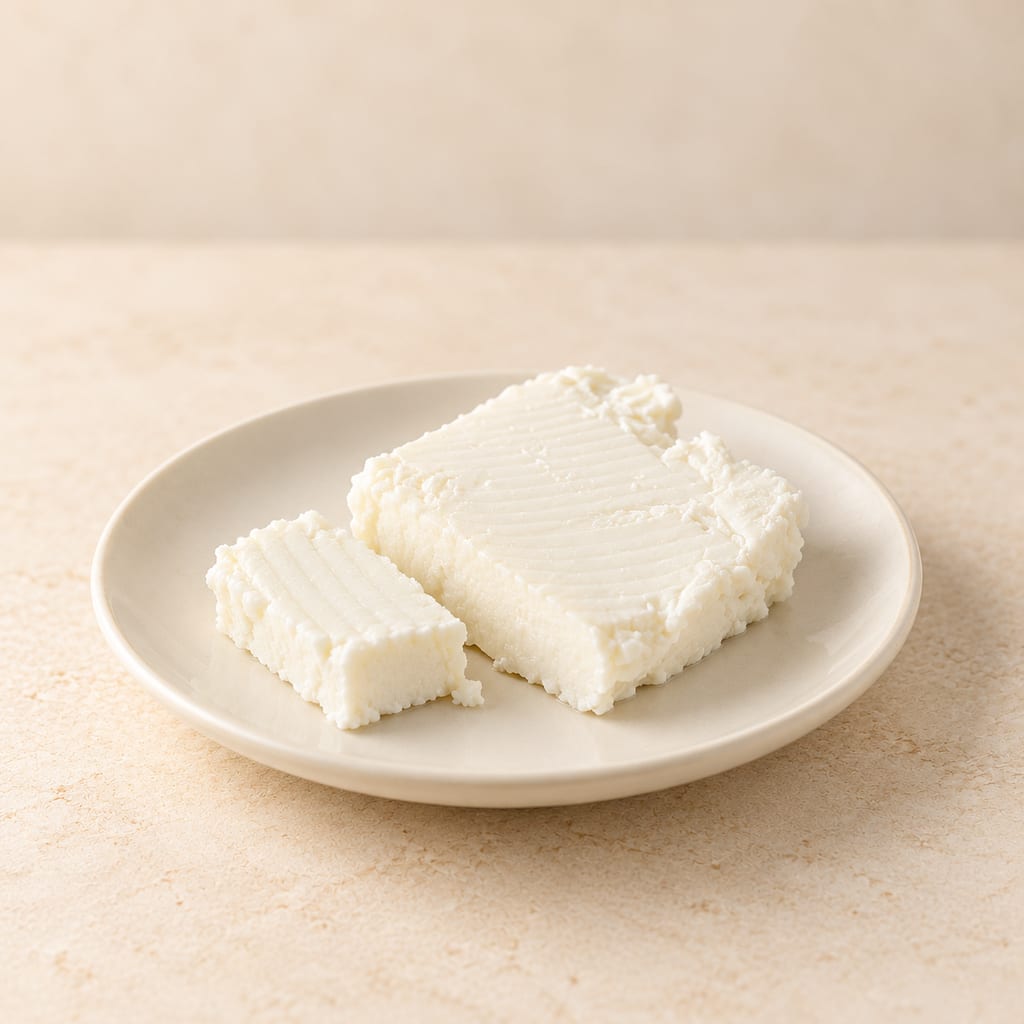
Domiati is a soft Egyptian white cheese made by salting milk before renneting. It is eaten fresh or ripened in brine, with cow and buffalo milk used in varying proportions.
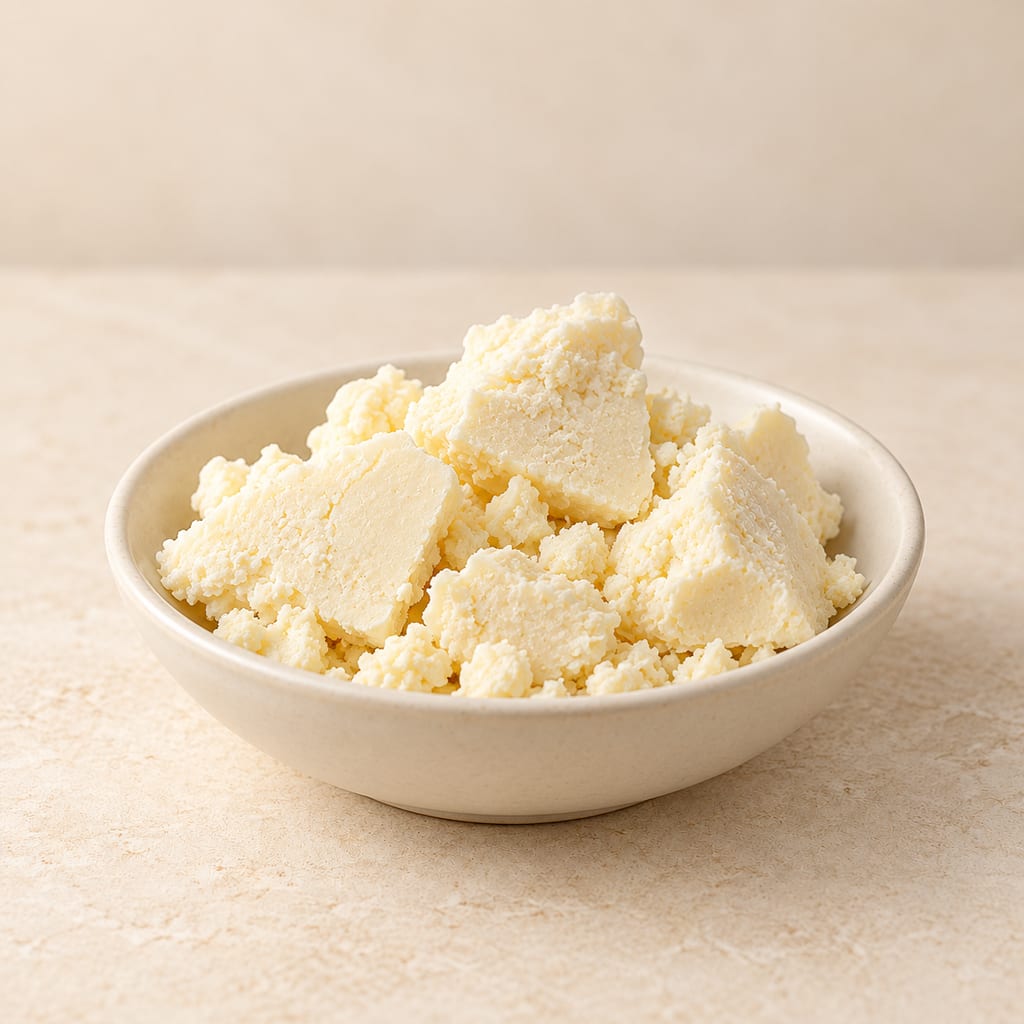
Tulum peyniri is a Turkish cheese traditionally packed into animal-skin bags to mature. This sheep-milk method adds a thermophilic yogurt culture before renneting, draining and dry salting.
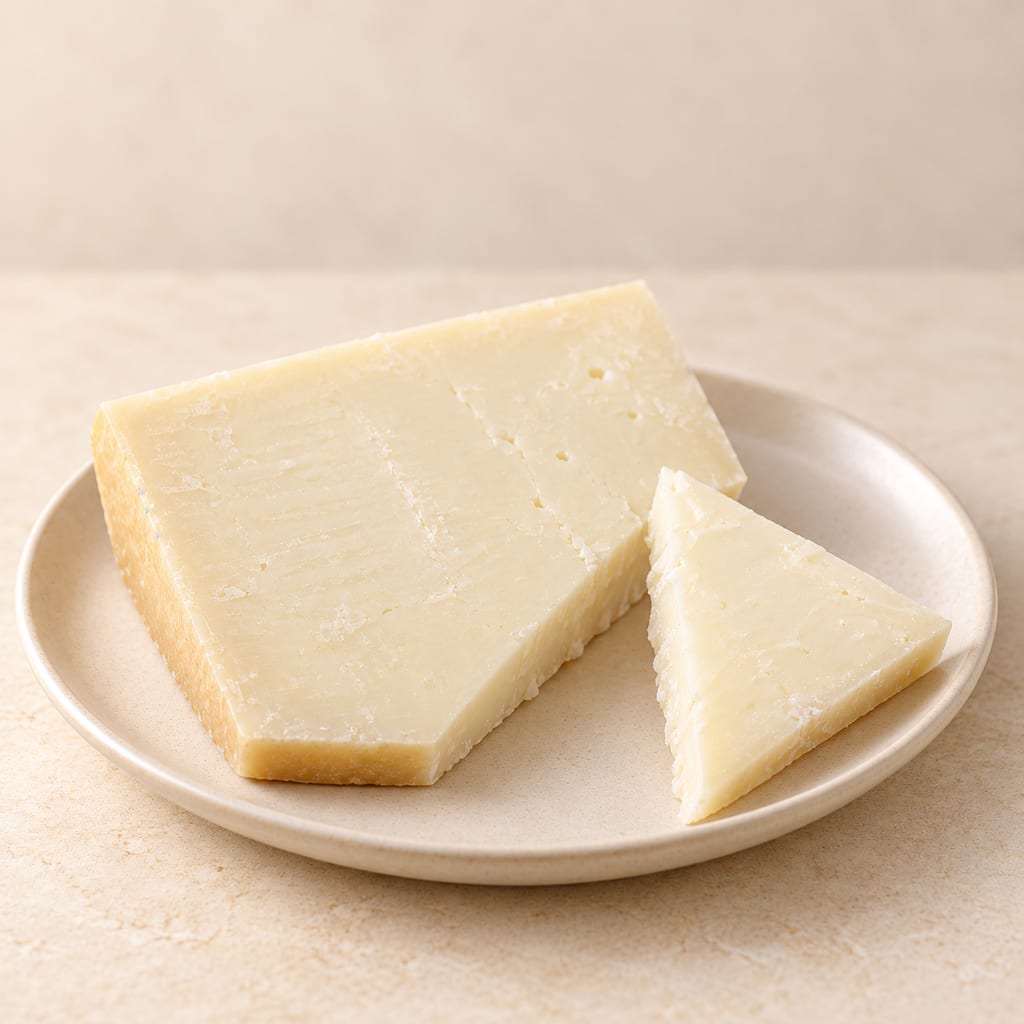
Kefalotyri is a hard sheep-and-goat-milk cheese made in Cyprus as well as Greece. This Cypriot method cooks and presses the curd, then brines, coats and matures the cheese.
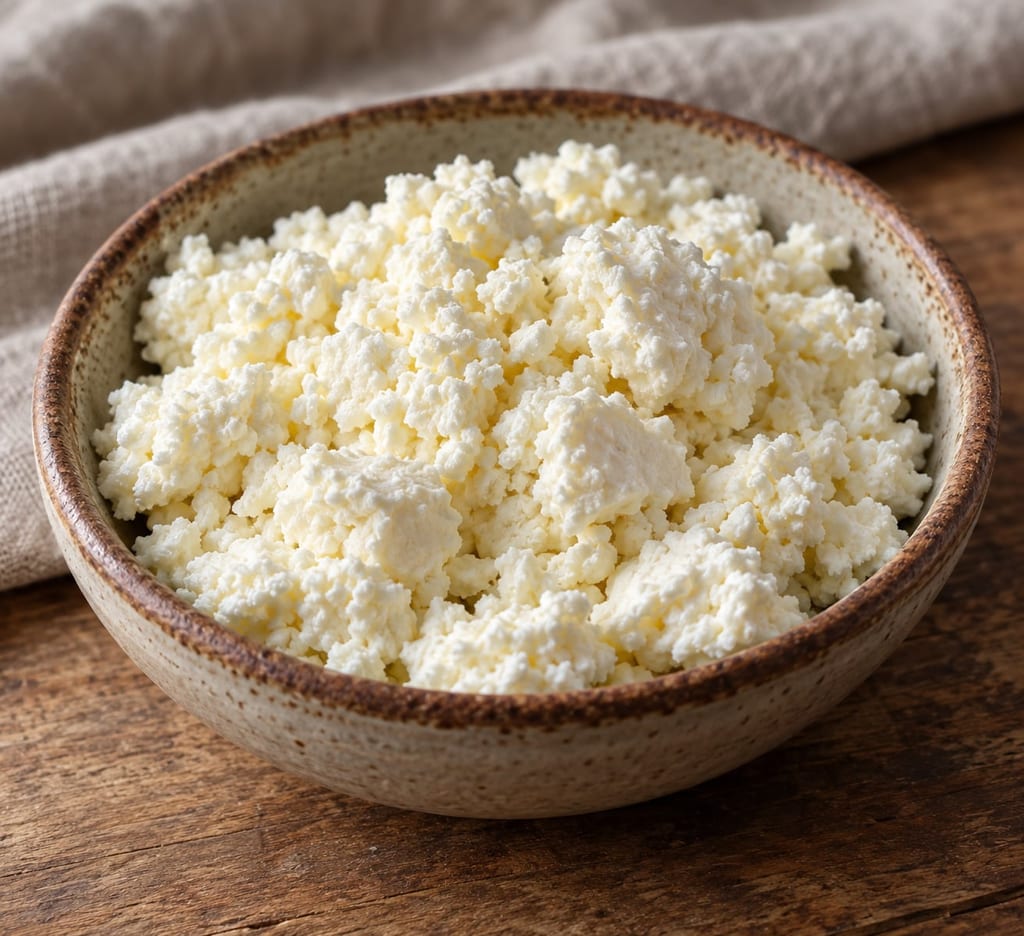
Vurda is a Hutsul whey cheese made by reheating the whey left after budz, often with fresh milk or sour whey, to recover soft pale curds that are lifted out and drained.
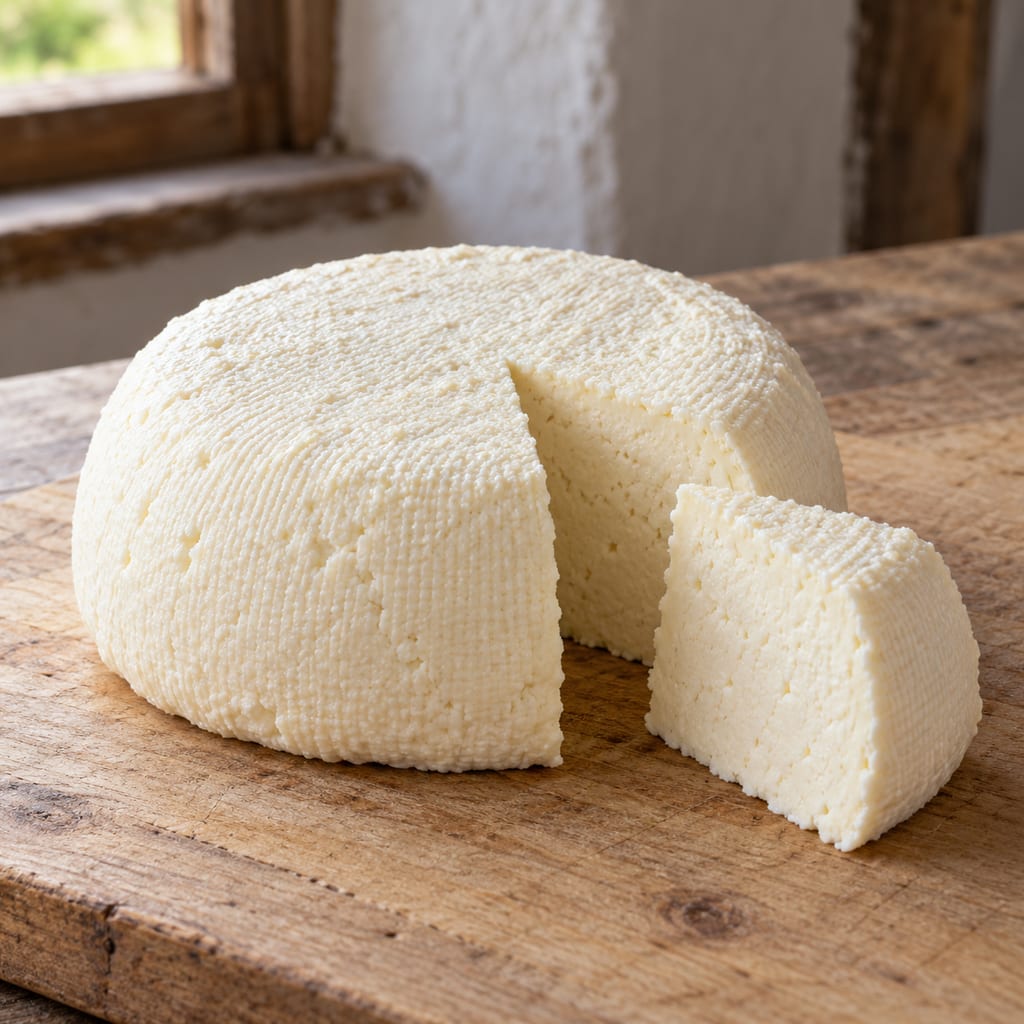
Budz is a traditional Hutsul rennet-set cheese made from sheep, cow or goat milk in the Ukrainian Carpathians, forming a fresh curd that can be eaten, smoked or processed into salted bryndza.