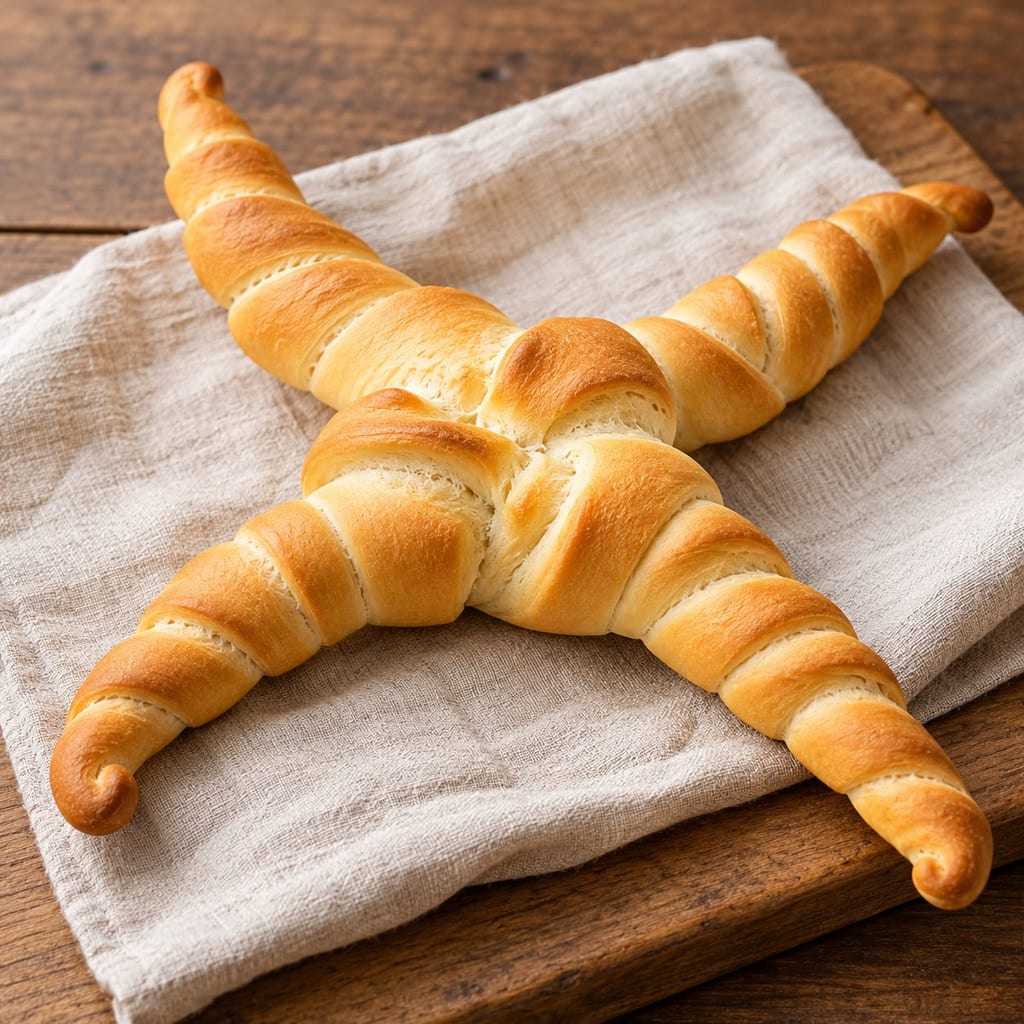
Coppia ferrarese (VisitFerrara home recipe)
Ferrara’s paired bread twists have four pointed horns joined at a soft centre. This VisitFerrara home recipe uses type 0 flour, water, oil, lard, malt and a choice of sourdough or yeast.
 FermenteaWhere food goes to change
Modern adaptation
Small Modenese yeast breads cooked between hot plates and served warm.
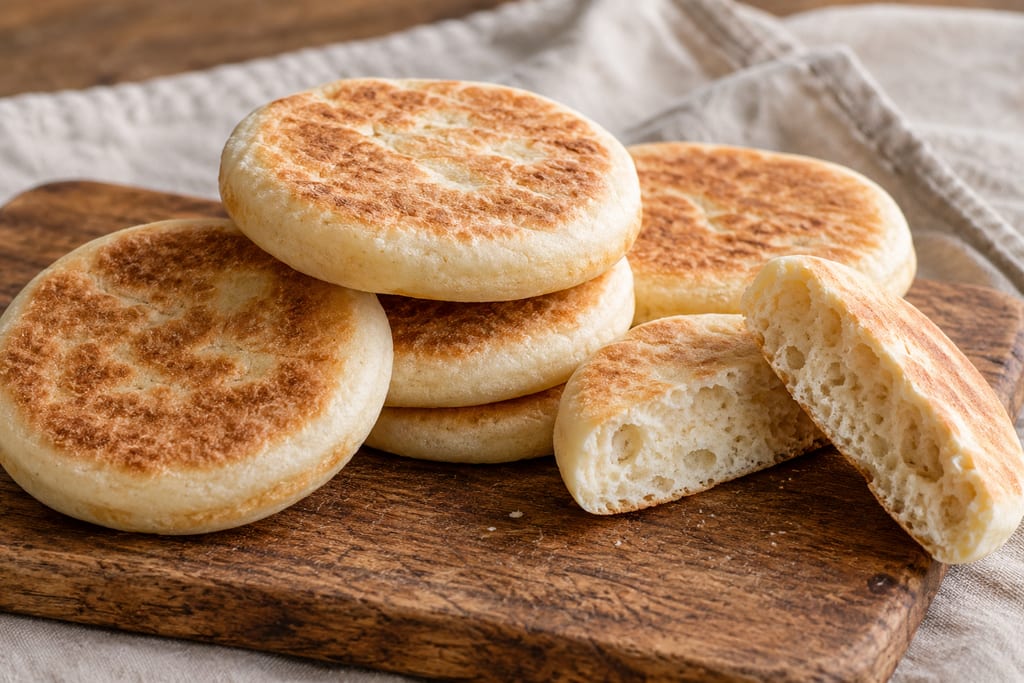
Crescentine are small breads associated with Modena province. They are also called tigelle, a name originally used for the clay discs that cooked them. This recipe uses a modern two-sided iron.
In the strict distinction a regional source draws, crescentine are the breads and tigelle were the clay disks used to cook them. Common speech also calls the breads tigelle, so the two names overlap in use.
Travel Emilia Romagna places them in the Modena Apennines and describes them as field food that spread toward Bologna. Cured meats, cheese and lard pesto with Parmigiano are documented fillings. The Comune di Modena's local guide gives the same name pair and treats the bread as a piece of the city's table.
The regional account gives a sparse older formula separately from the yeast-raised household batch of Luca Pappagallo. The older formula does not specify a raising system or a complete method, so its yeast steps should not be read back into it.
The modern batch uses type 0 flour, milk added as needed, lard, fresh brewer's yeast and salt. It makes 14 to 16 pieces and uses two rises before cooking in a tigelliera or a heavy pan. The milk quantity is left to adjustment, so the batch is one household's method, not evidence for every local crescentina.
Crescentine are documented in Modena province; tigelle originally named the clay cooking discs. The first attestation is not established.
Scaling: source batch only
Contains wheat.
Do not taste raw dough; raw flour can contain harmful germs. Wash hands and surfaces after handling it.
The cooking iron becomes very hot; protect hands and turn it carefully.
Visit Castelvetro documents the bread in Modena province; it does not establish a precise birthplace.
Ferrara’s paired bread twists have four pointed horns joined at a soft centre. This VisitFerrara home recipe uses type 0 flour, water, oil, lard, malt and a choice of sourdough or yeast.
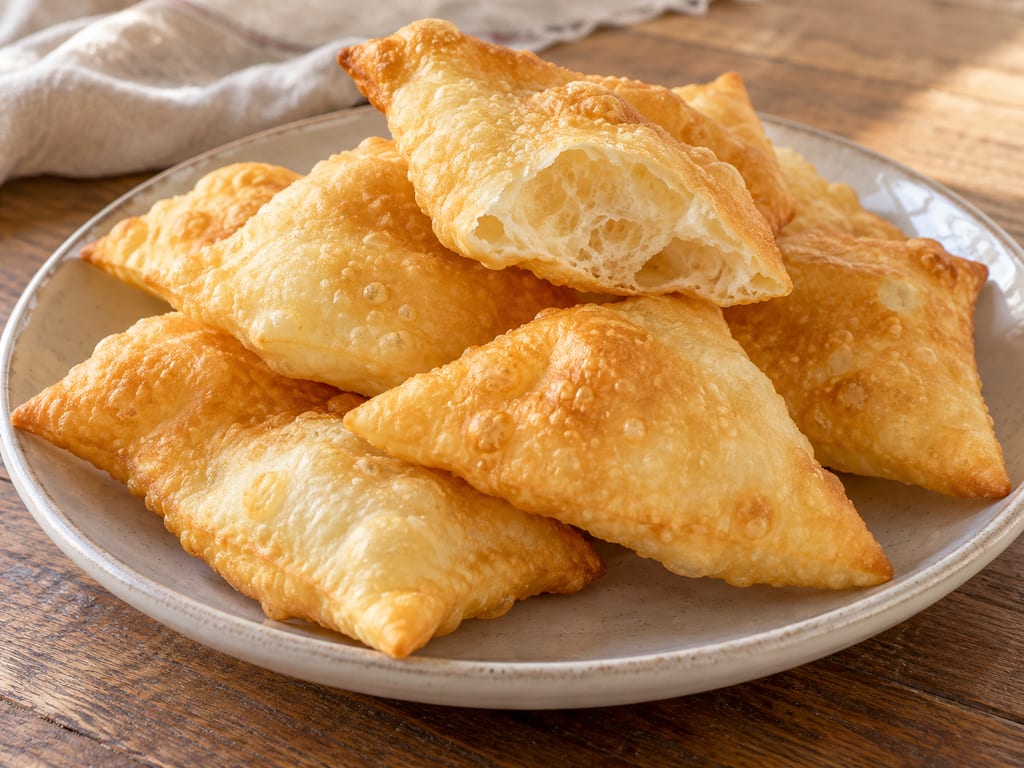
This Emilia-Romagna home version uses a measured flour-and-milk dough with yeast, shapes it into small diamonds or squares, and fries them in peanut oil.
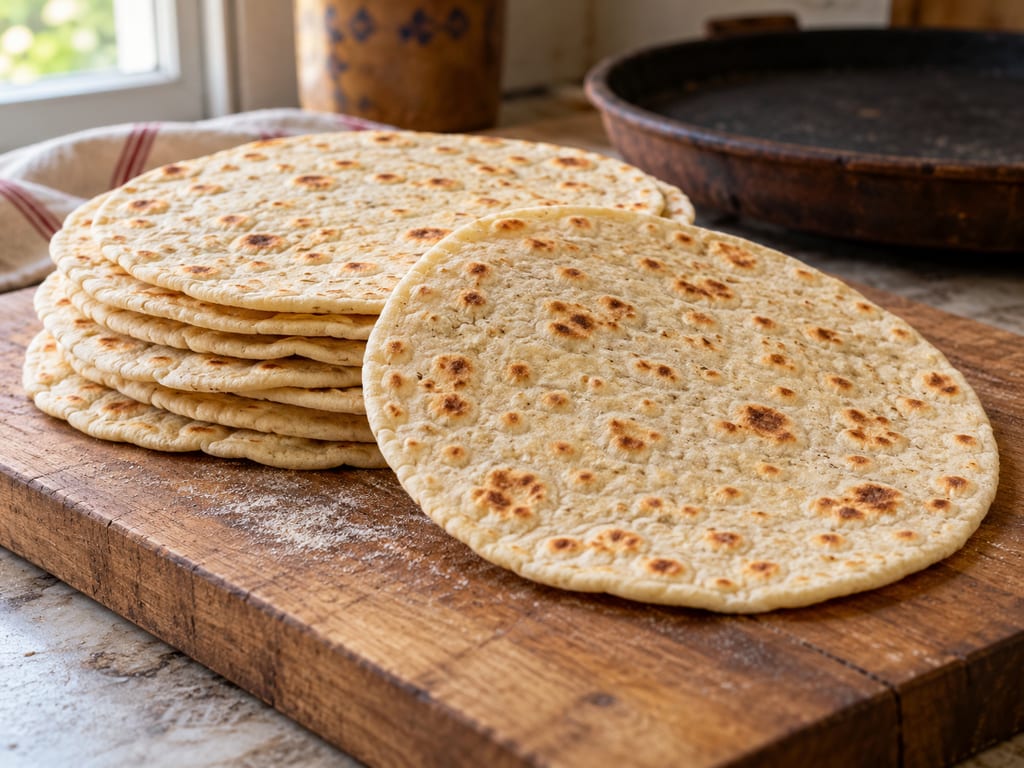
Eight soft Romagna-style flatbreads made from type 00 wheat flour, lard, honey, baker's yeast, milk and salt. Rest the dough for an hour, roll 3–4 mm rounds and cook them quickly on a hot griddle or heavy pan.

A dark, balanced vinegar from Emilia-Romagna made by combining cooked or concentrated grape must with wine vinegar, then acetifying and refining it in wood under a protected specification.

Protected Italian vinegar made only from cooked grape must, fermented and aged in a battery of wooden barrels for at least 12 years: sweet, sharp and syrupy.
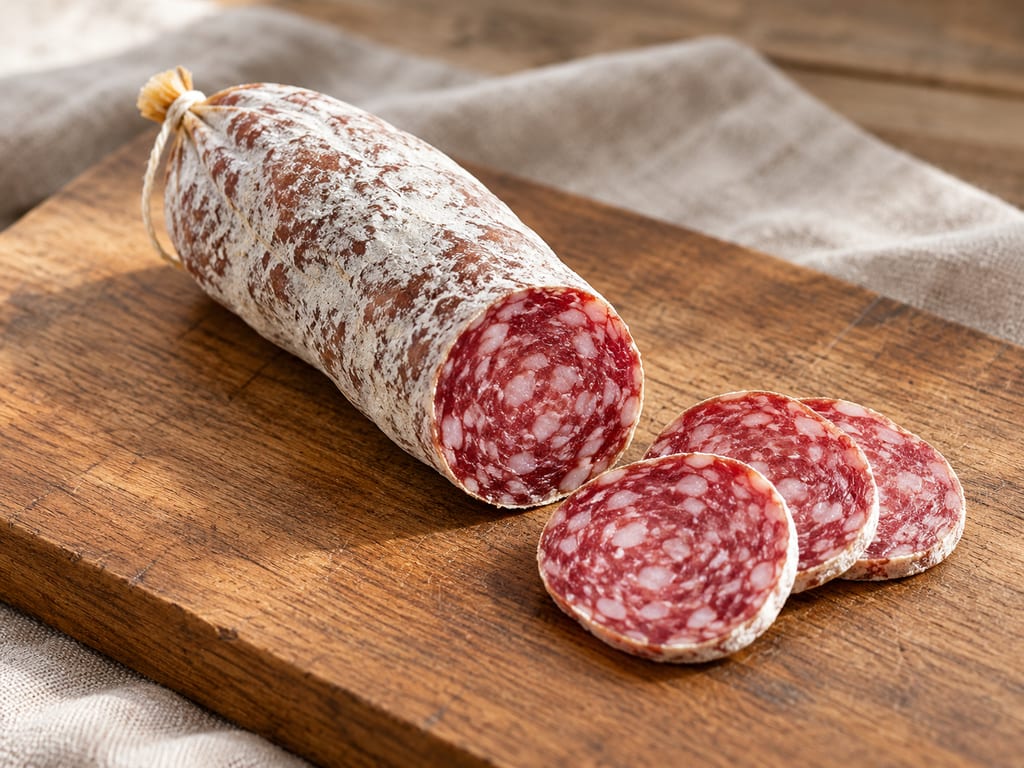
Small Italian hunter-style salami of lean pork, firm fat, salt, pepper and garlic, mildly acidified and dry-matured; protected as Salamini Italiani alla Cacciatora DOP.
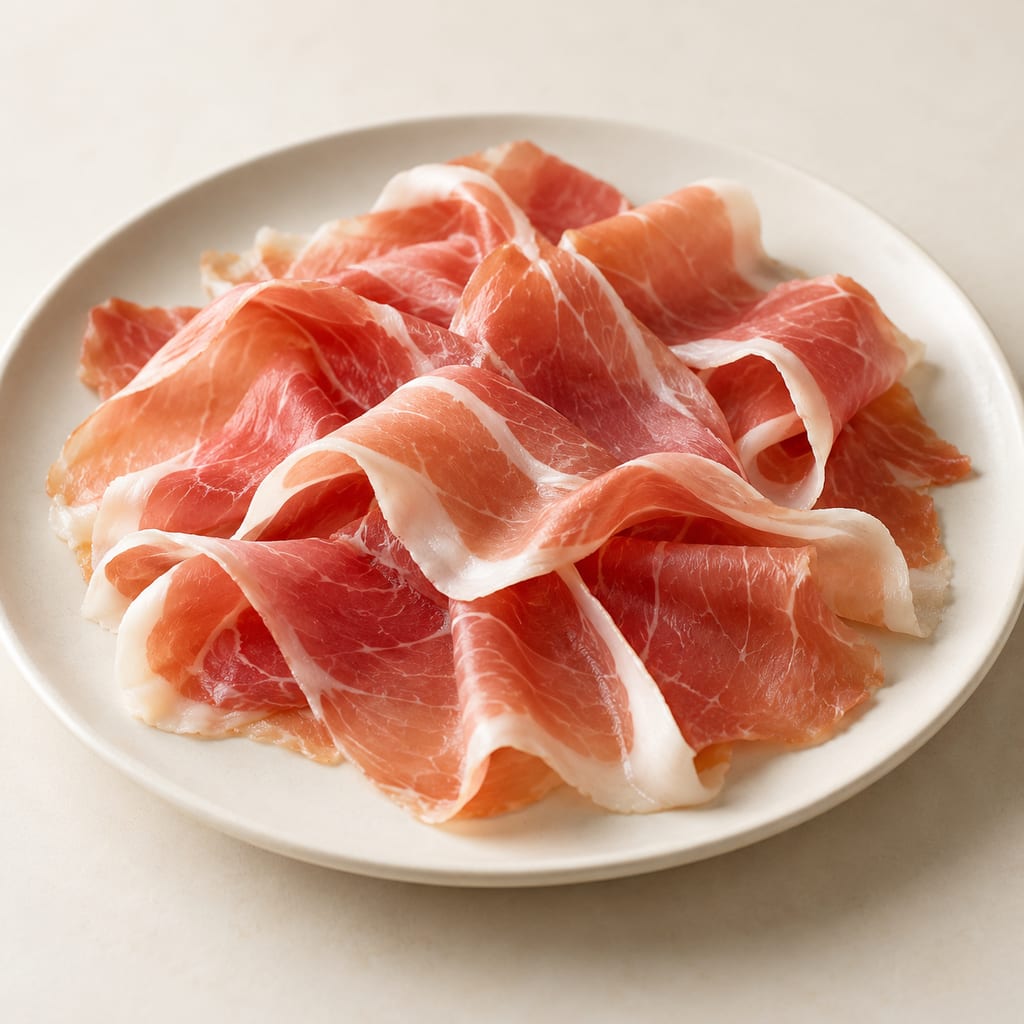
Prosciutto di Parma is a dry-cured, unsmoked ham from the Province of Parma, made from fresh pork legs salted with sea salt and matured for at least 14 months under the protected designation.
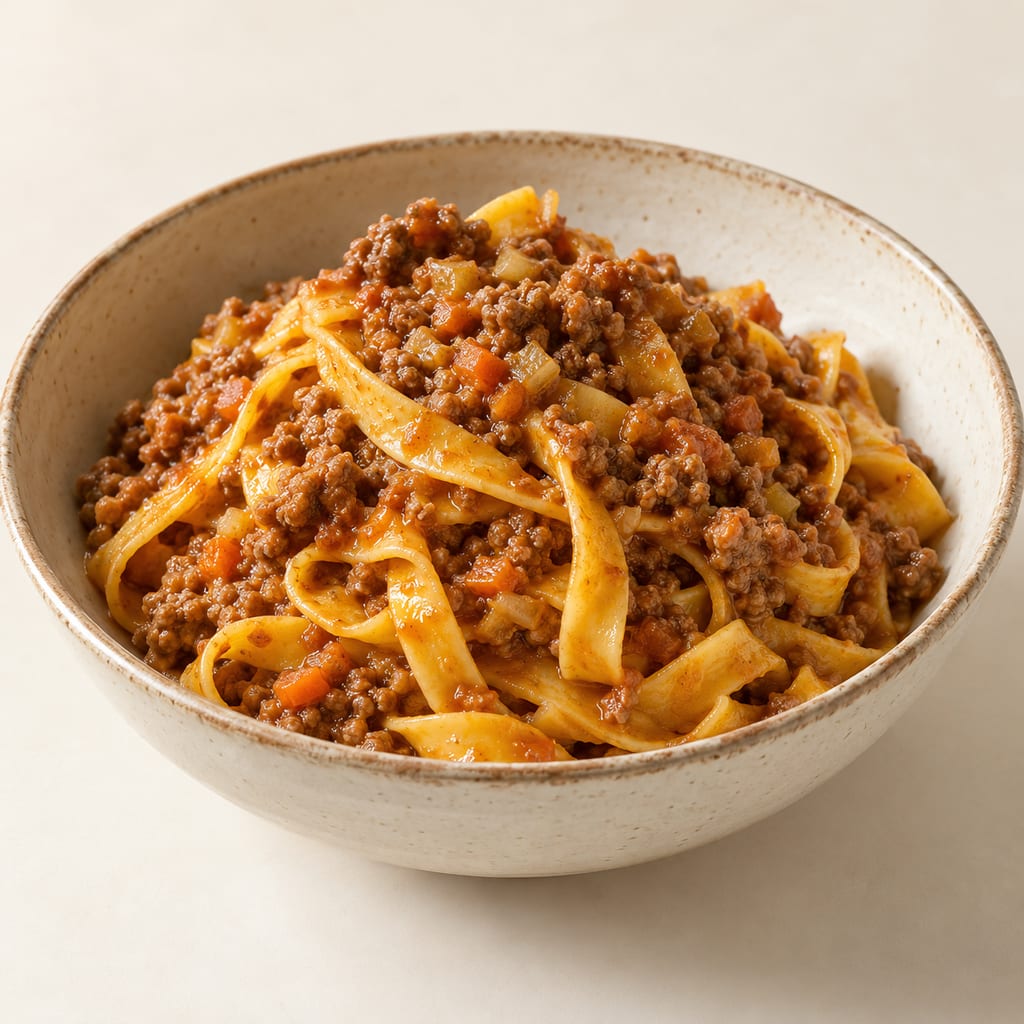
Ragu alla bolognese is a slow-cooked meat sauce of minced beef and a little pork, cooked with soffritto, white wine, milk and a little tomato, served with fresh tagliatelle in Bologna.
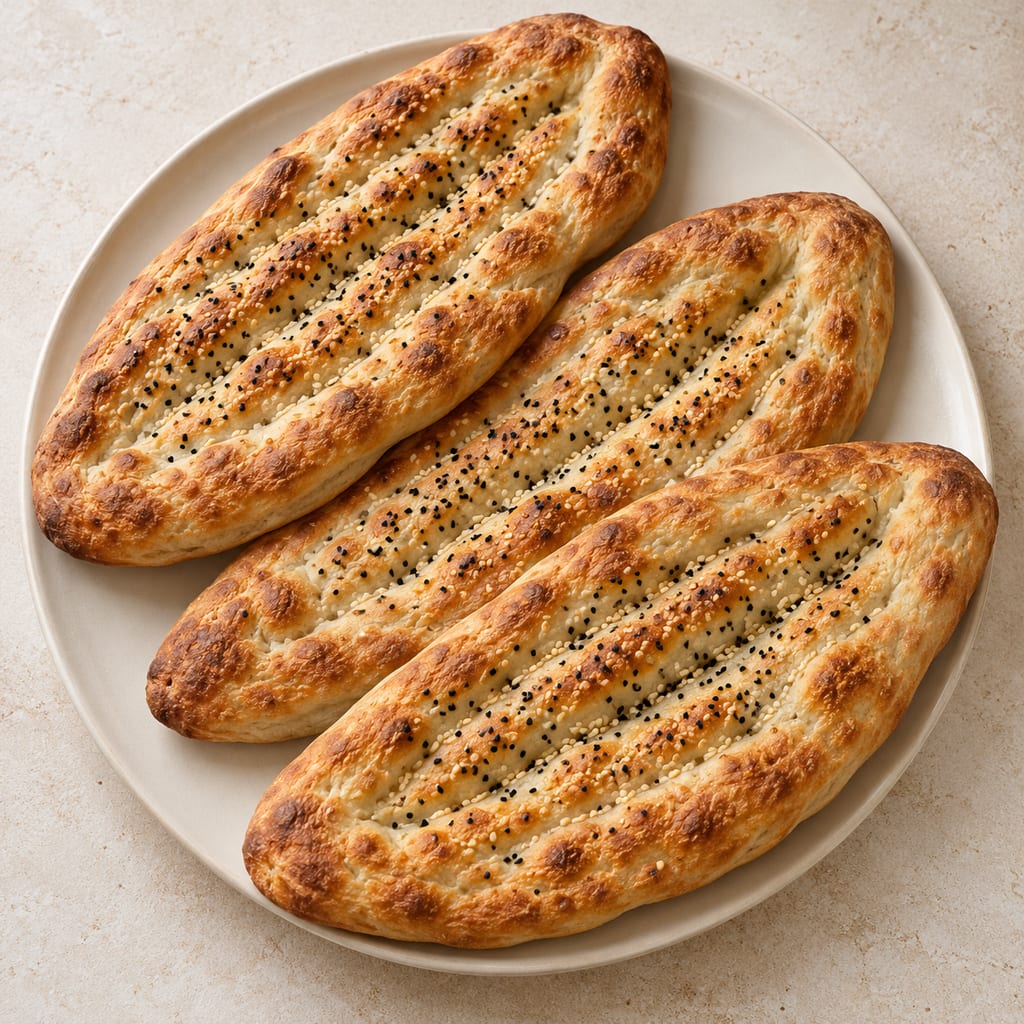
A long oval Afghan wheat bread, leavened with yeast, grooved along its length and baked until crisp outside and chewy within.
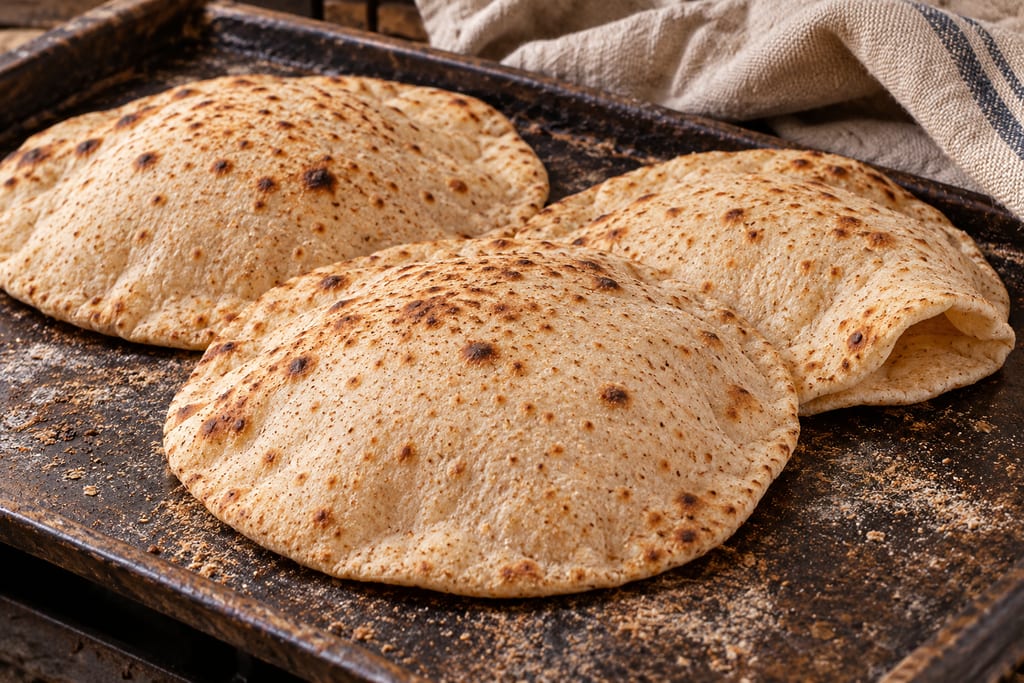
This home adaptation of Egyptian aish baladi uses a refrigerated yeast biga, whole-wheat dough, bran dusting and a very hot baking surface to make 16 pocketed rounds.
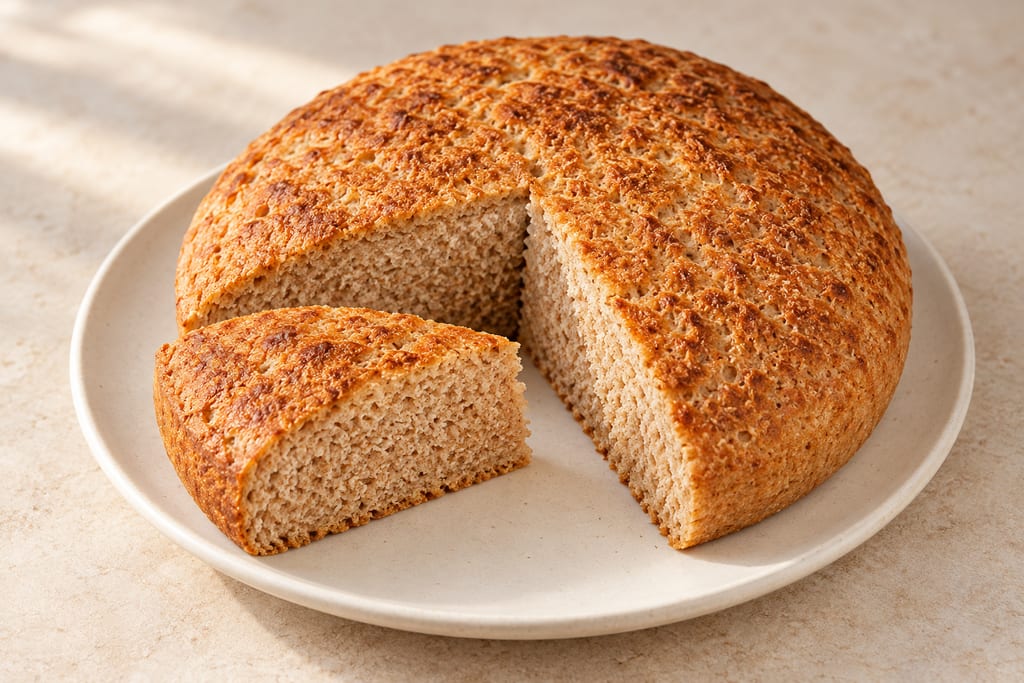
This oven-baked Amdo balep uses yeast, whole-wheat and white flour, a long covered rise and a two-sided bake in a heavy oven-safe pot.
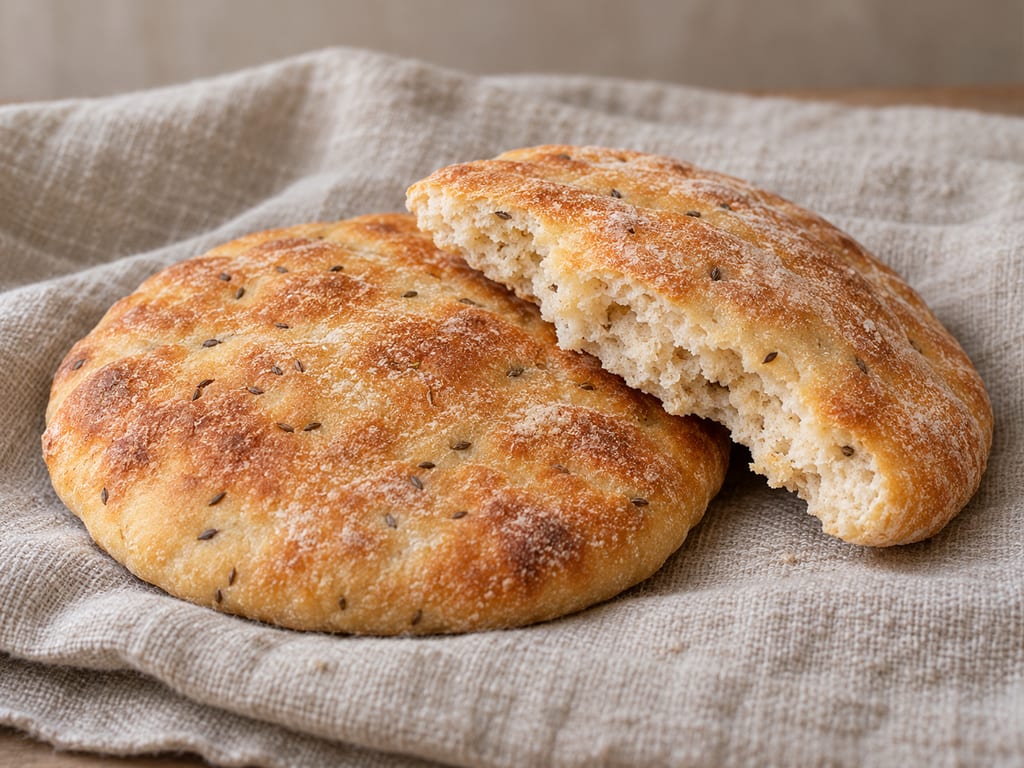
A measured, yeast-raised Ayacucho chapla home method shared by Thermomix Peru presenter Roxanna Salaverry. It makes thin, anise-scented rounds baked at 240°C; the historic qunchu-leavened form is documented separately.
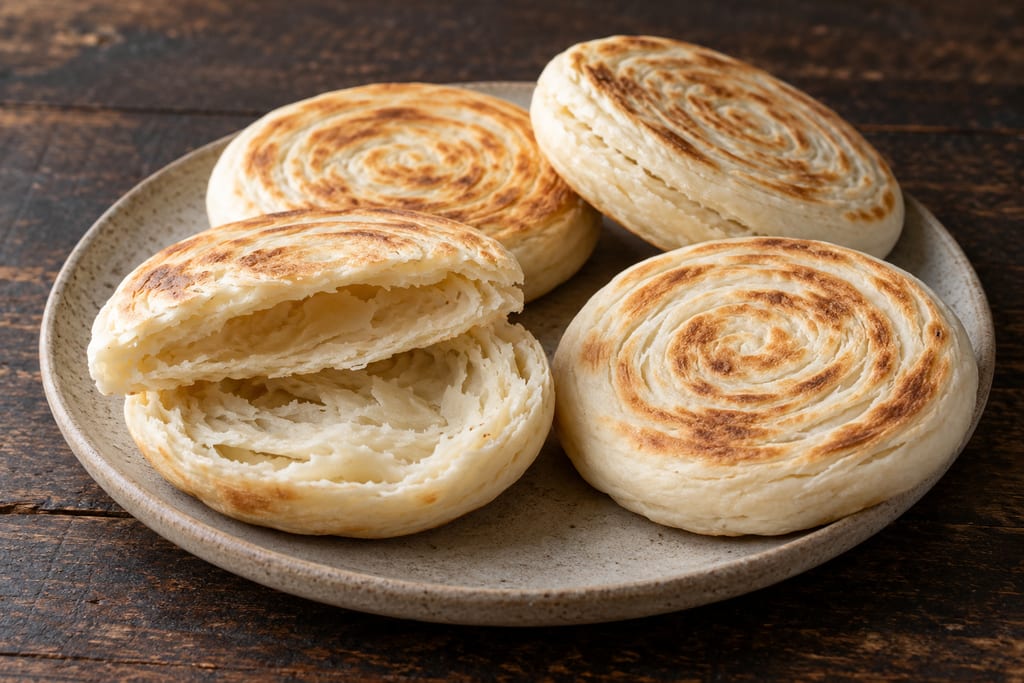
This Shaanxi-associated yeast flatbread uses a simple water dough, coiled shaping and a skillet bake. It is the bread used in roujiamo, not the filled meat dish.
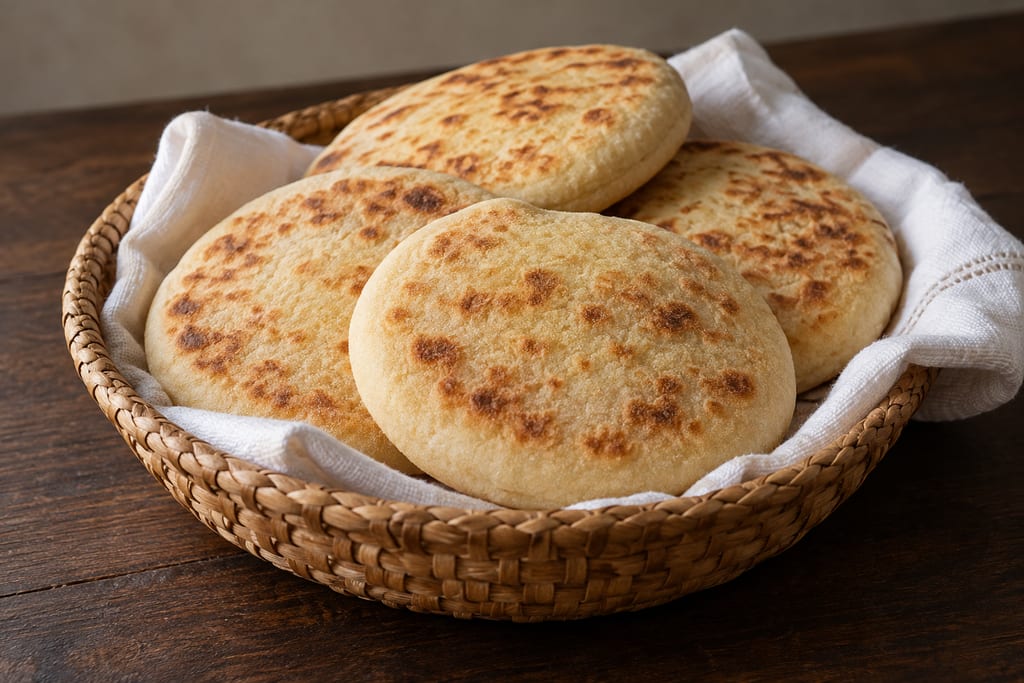
A Moroccan yeast-raised semolina pocket bread cooked on a dry pan or griddle; this measured batch makes about twenty 4-inch rounds.
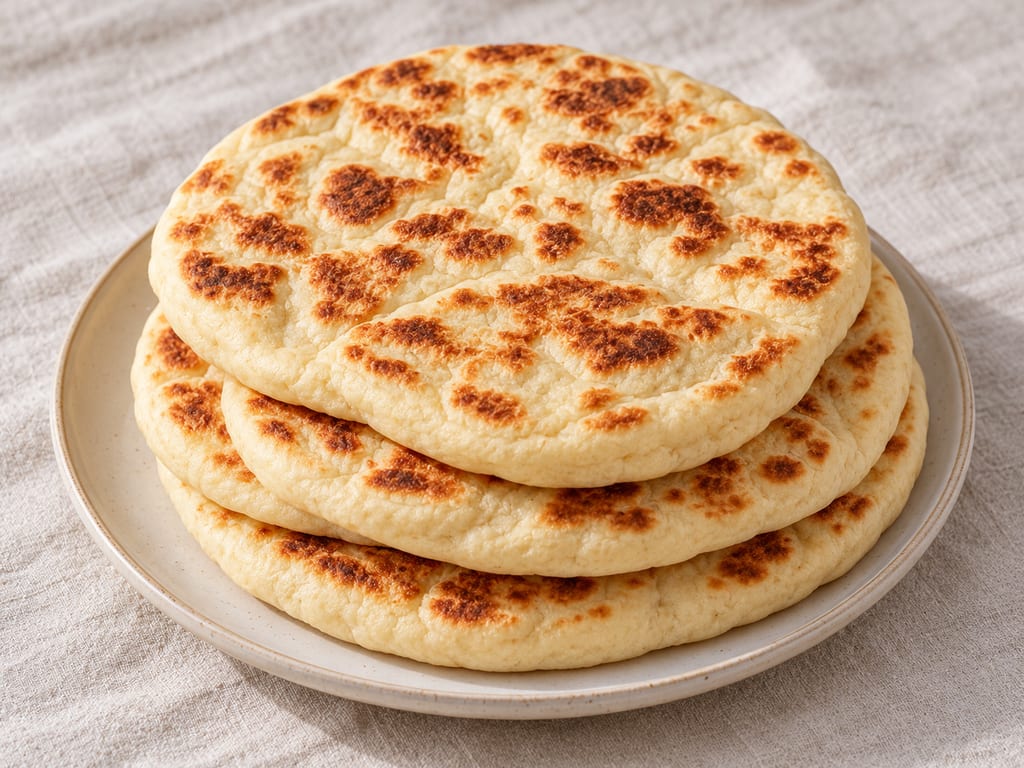
This Turkish bazlama uses yeast, plain yogurt and olive oil for a soft dough cooked in a skillet. Shape it into twelve small or six larger rounds, flip as bubbles appear, and wrap the breads to keep them soft.
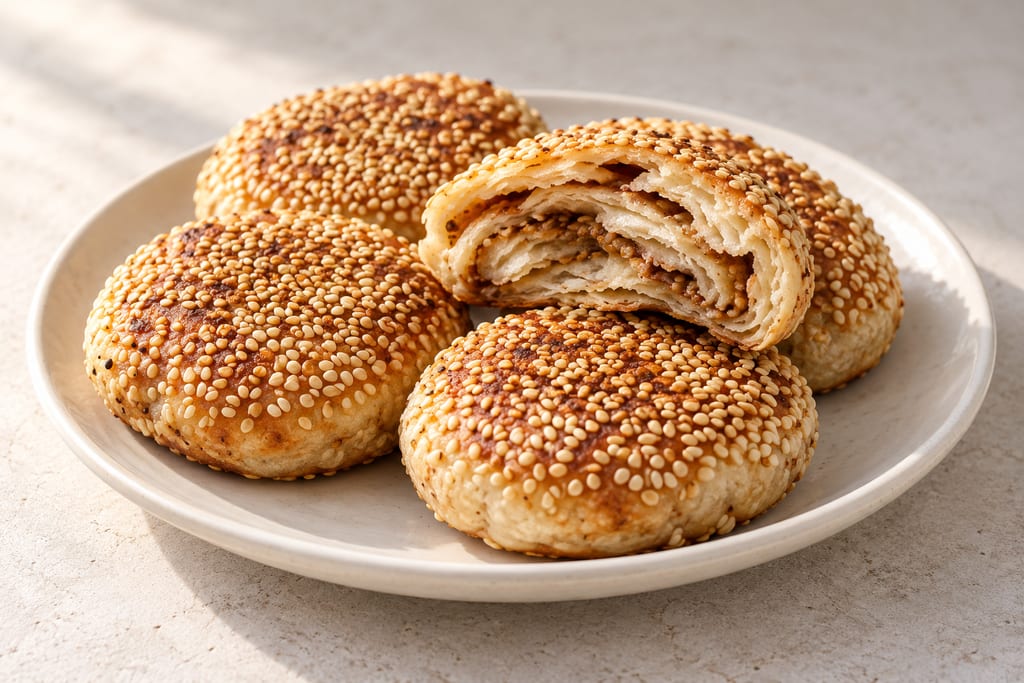
A Beijing-style yeast dough is layered with seasoned sesame paste, sealed into small buns, briefly pan-fried, seeded, and baked.
No community contributions have been published for this entry yet.
Sign in to contribute. Published comments and photos are free to read.
Visit CastelvetroInspiration · Method · Geography
CrescentineModenese formula, dough rise and tigella-iron method; naming context.
Cited in: Bread from the Modenese hills
Travel Emilia Romagna, Emilia-Romagna RegionHistory · Uses
All there is to know about TigelleCrescentine and tigelle distinction; Modena Apennines; field food spreading toward Bologna; documented fillings
Cited in: Crescentine and tigelle in Modena
Comune di ModenaUses
Modena in tavola / Tigelle (o Crescentine)Name pair and local table use
Cited in: Crescentine and tigelle in Modena
Casa Pappagallo; Luca PappagalloMethod
Tigelle modenesiType 0 flour, milk, lard, fresh brewer's yeast, salt; 14 to 16 pieces; two rises; tigliera or heavy pan
Cited in: An older formula and a modern household batch