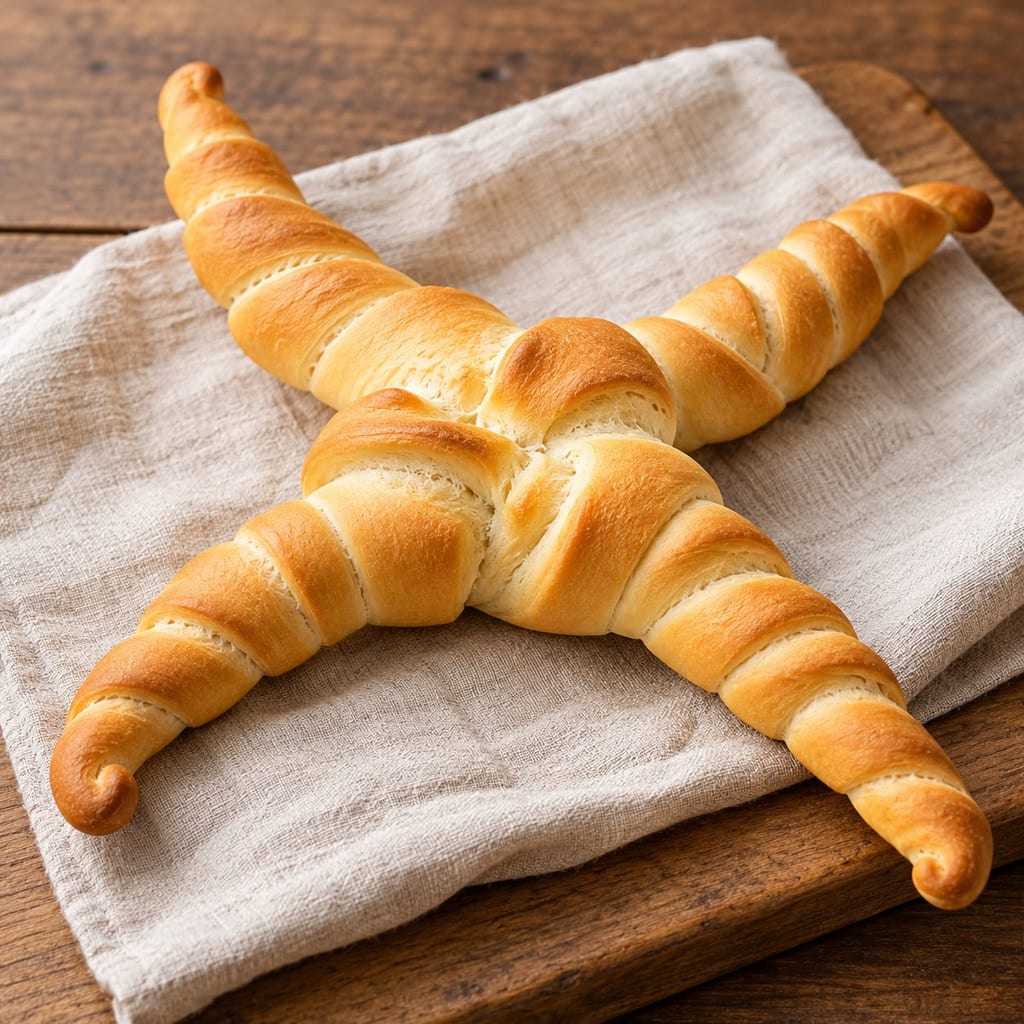
Coppia ferrarese (VisitFerrara home recipe)
Ferrara’s paired bread twists have four pointed horns joined at a soft centre. This VisitFerrara home recipe uses type 0 flour, water, oil, lard, malt and a choice of sourdough or yeast.
 FermenteaWhere food goes to change
Piadina romagnola · piada
Eight soft Romagna-style flatbreads made from type 00 wheat flour, lard, honey, baker's yeast, milk and salt. Rest the dough for an hour, roll 3–4 mm rounds and cook them quickly on a hot griddle or heavy pan.
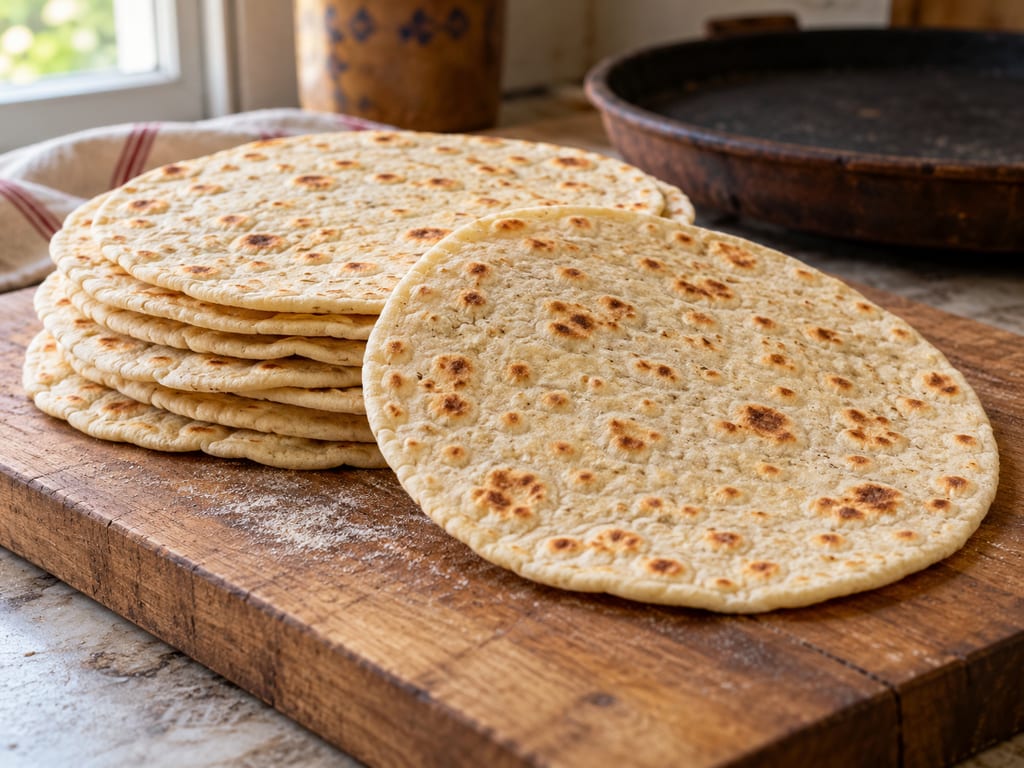
This entry follows Barbara Farinelli's home recipe titled Piadina romagnola. The dough uses 500 g type 00 wheat flour, 10 g fine salt, 50 g lard, 1 teaspoon honey, 12.5 g brewer's yeast and 250 ml cow's milk. The author specifies whole or semi-skimmed milk but does not identify the form of the yeast. The ingredients make about 800 g dough, portioned into eight rounds of roughly 100 g each.
The home recipe offers extra-virgin olive oil instead of lard as a vegetarian alternative. The measured method here follows its lard branch. The page names Romagna but provides no dated history and does not establish that this home formula meets a protected IGP specification.
Mix the salt through the sifted flour, then make a well for the lard and honey. Dissolve the yeast in just-lukewarm milk and add it to the flour. Knead until the dough becomes soft and elastic, shape it into a ball, cover it with a clean cloth and rest it for 1 hour in a sheltered place.
Divide the rested dough into eight equal pieces and roll each to 3–4 mm thickness. Prepare all the rounds before cooking, because Barbara Farinelli notes that each one cooks quickly. Lightly flour the surface and rolling pin to prevent sticking.
Barbara Farinelli recommends a terracotta testo over a lively fire, with a cast-iron testo or thick-bottomed non-stick pan as home alternatives. Her page estimates that terracotta may need up to 20 minutes to heat and cast iron about 5 minutes. It gives no measured surface temperature or per-piadina duration.
Cook one round at a time. Rotate it clockwise with a spatula and turn it often. The recipe's visual finish is well browned; it warns that excessive cooking makes the bread dry or bitter. Serve it immediately with cured meat, cheese or vegetables.
Raw flour may carry harmful bacteria. Do not taste the uncooked dough, and wash hands and utensils after mixing. The recipe provides no validated internal doneness temperature or storage duration; none is added here.
This entry records Barbara Farinelli's present-day recipe titled Piadina romagnola. The inspected page provides no dated history or origin account and does not establish equivalence to a protected Romagna product specification.
Yield 8 piadine · Scaling: source batch only
The dough contains raw wheat flour; flour can carry harmful bacteria and should not be tasted uncooked.
Hazard sourceThe recipe cooks rounds on a well-heated terracotta or cast-iron testo or a heavy pan over a lively fire.
Hazard sourceDo not taste the raw dough; wash hands, bowls and utensils after handling flour.
Control sourceKeep hands clear of the heated testo or pan and use the spatula to turn and remove each piadina.
Control sourceDo not taste the raw flour dough.
The testo or pan becomes hot; use the spatula and keep hands clear of the cooking surface.
This batch contains wheat, milk and pork lard. The source offers olive oil instead of lard as a vegetarian version.
Barbara Farinelli's page is titled Piadina romagnola. This supports a regional style association for the modern home recipe, not a precise birthplace or equivalence to a protected IGP specification.
Ferrara’s paired bread twists have four pointed horns joined at a soft centre. This VisitFerrara home recipe uses type 0 flour, water, oil, lard, malt and a choice of sourdough or yeast.
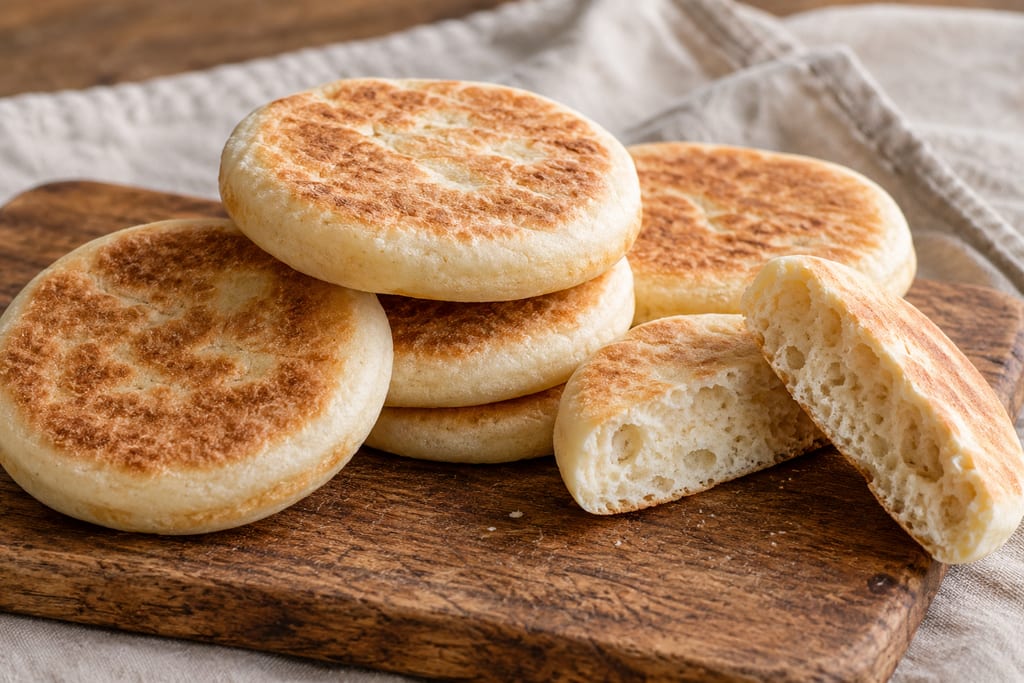
Small Modenese yeast breads cooked between hot plates and served warm.
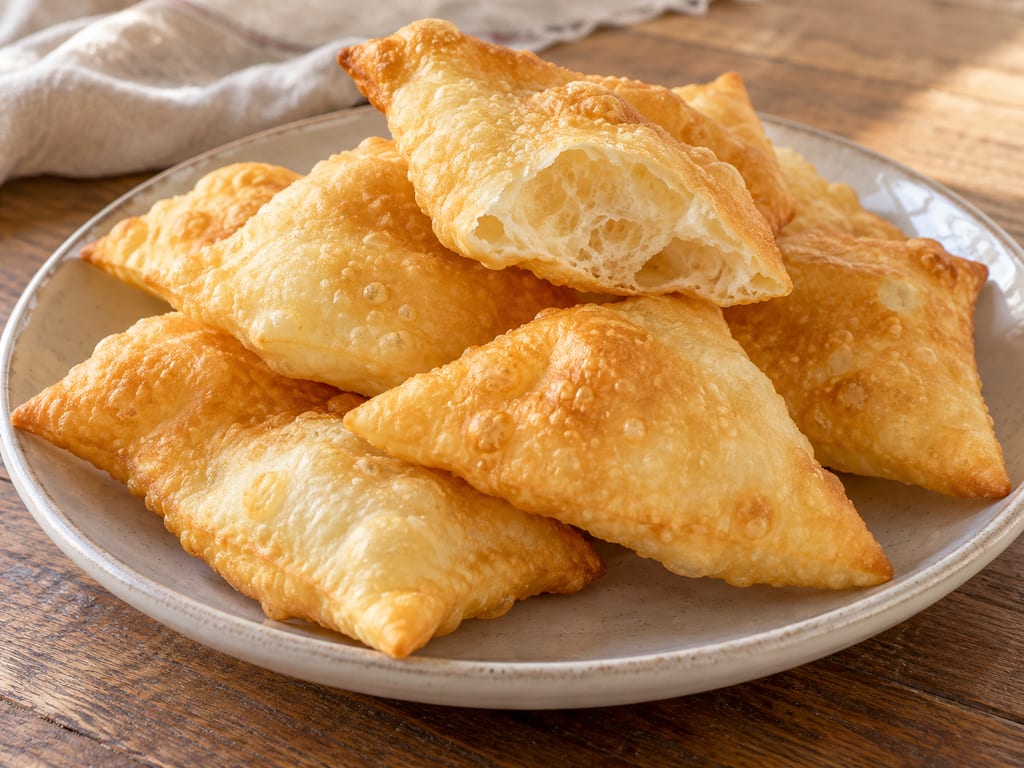
This Emilia-Romagna home version uses a measured flour-and-milk dough with yeast, shapes it into small diamonds or squares, and fries them in peanut oil.

A dark, balanced vinegar from Emilia-Romagna made by combining cooked or concentrated grape must with wine vinegar, then acetifying and refining it in wood under a protected specification.

Protected Italian vinegar made only from cooked grape must, fermented and aged in a battery of wooden barrels for at least 12 years: sweet, sharp and syrupy.
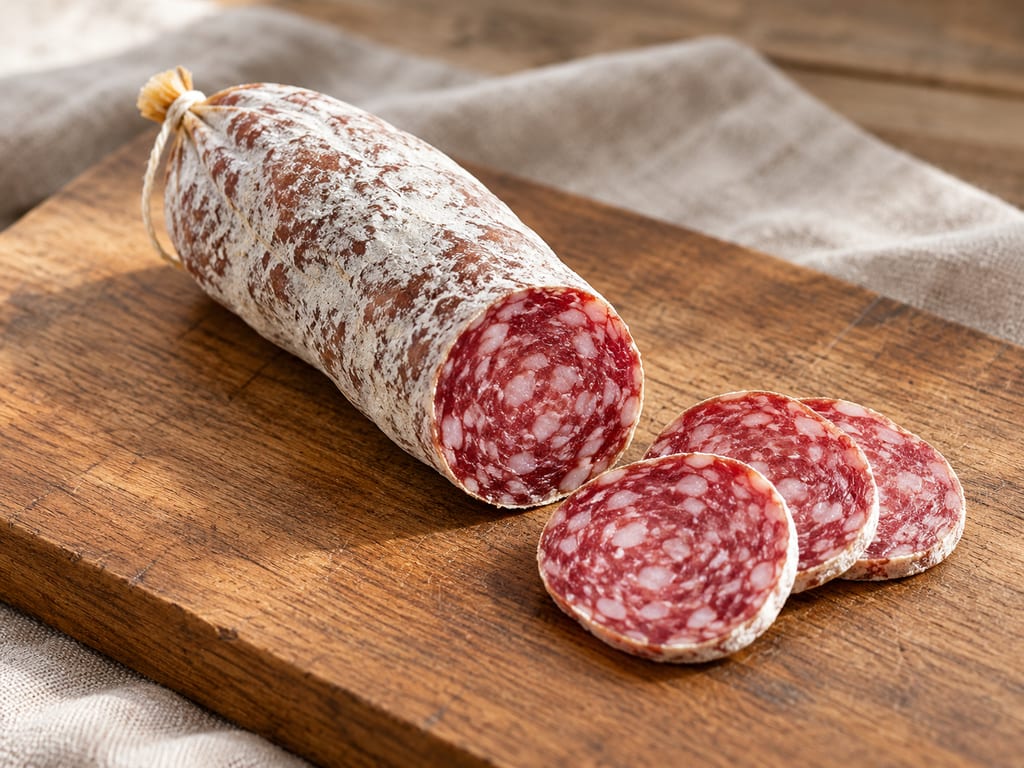
Small Italian hunter-style salami of lean pork, firm fat, salt, pepper and garlic, mildly acidified and dry-matured; protected as Salamini Italiani alla Cacciatora DOP.
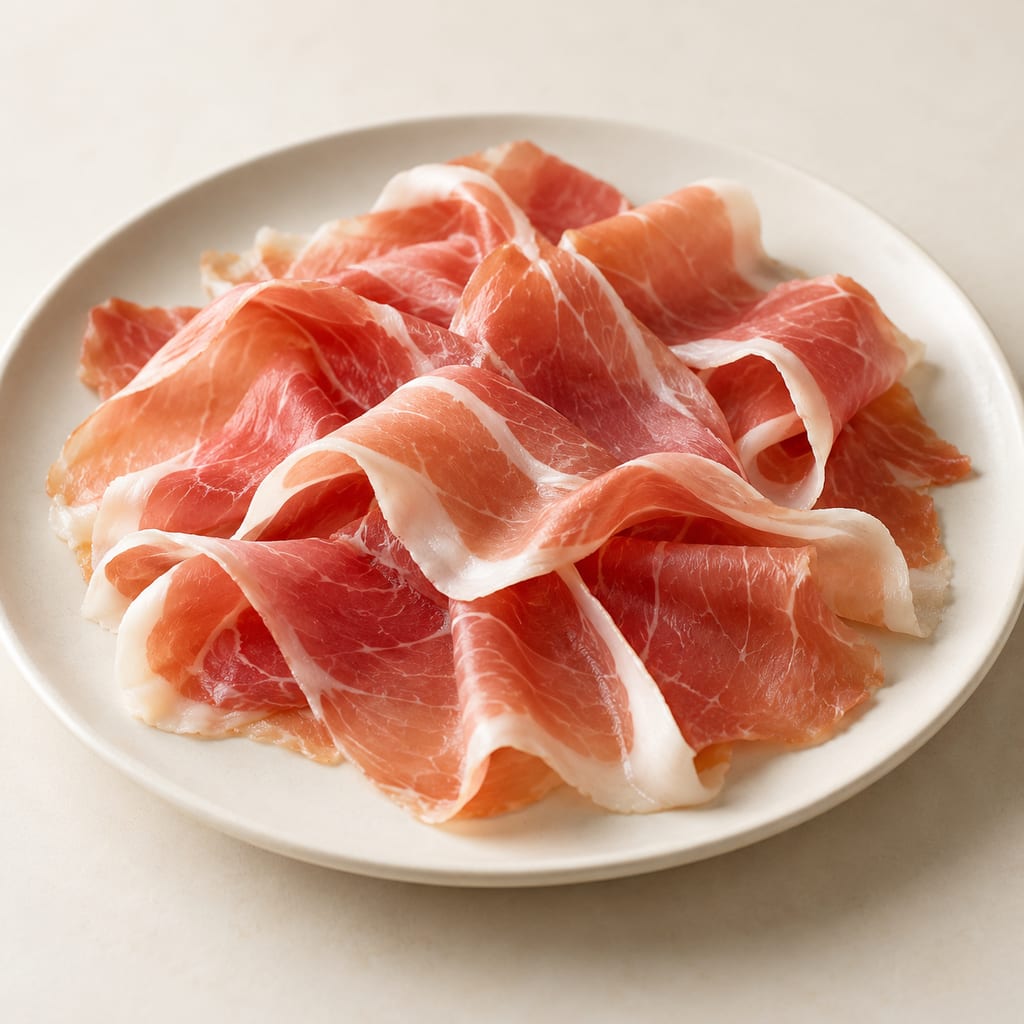
Prosciutto di Parma is a dry-cured, unsmoked ham from the Province of Parma, made from fresh pork legs salted with sea salt and matured for at least 14 months under the protected designation.
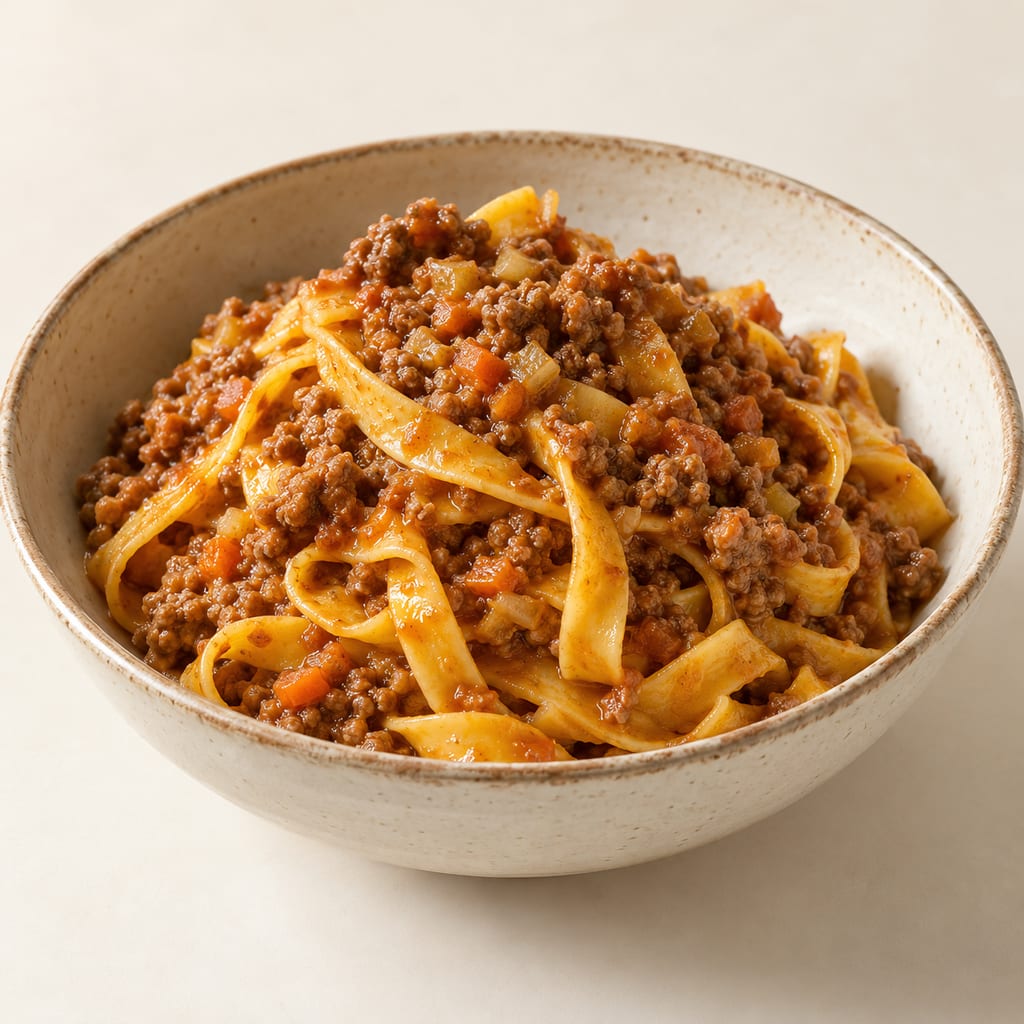
Ragu alla bolognese is a slow-cooked meat sauce of minced beef and a little pork, cooked with soffritto, white wine, milk and a little tomato, served with fresh tagliatelle in Bologna.
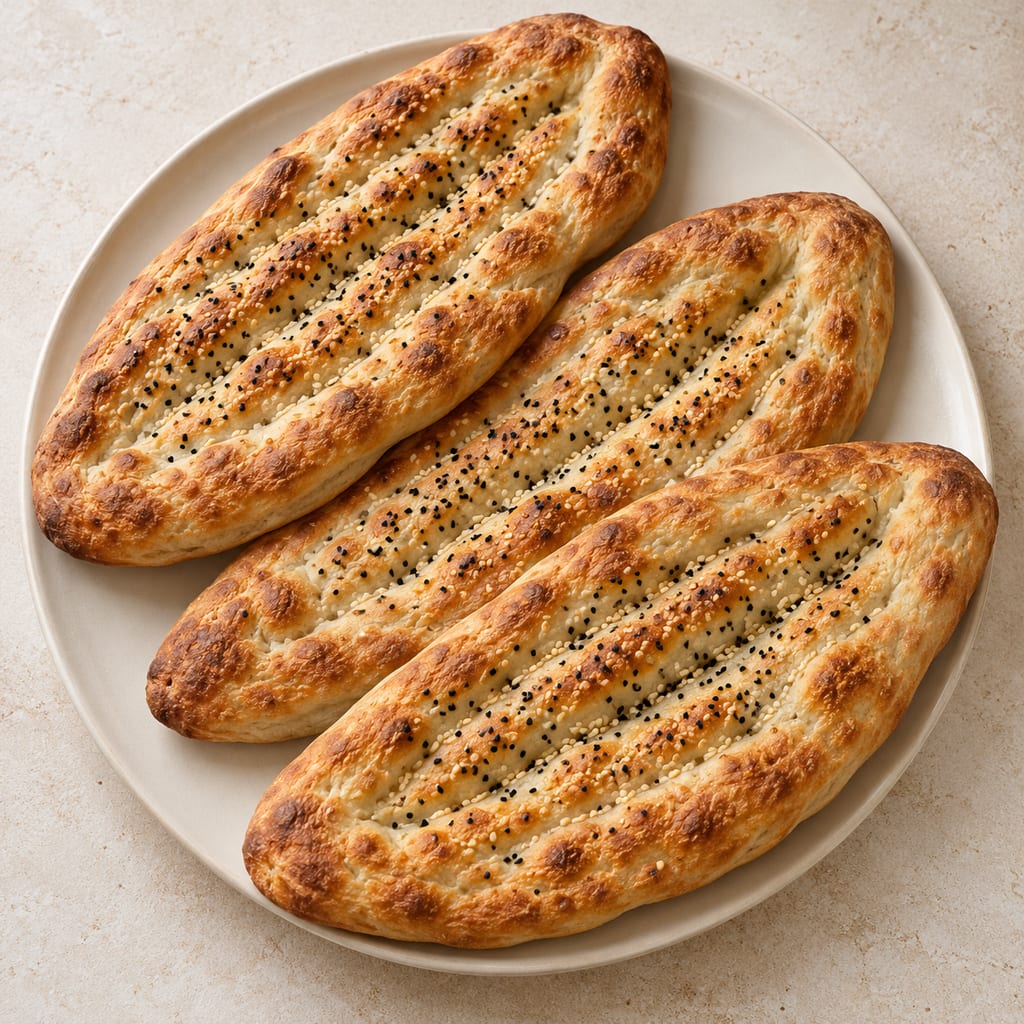
A long oval Afghan wheat bread, leavened with yeast, grooved along its length and baked until crisp outside and chewy within.
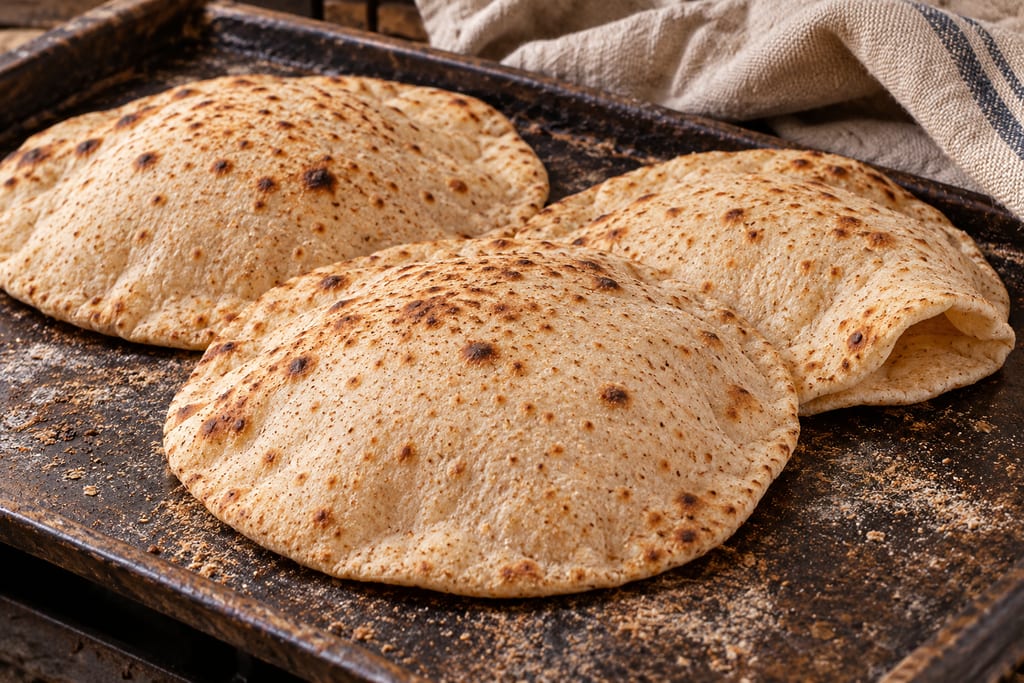
This home adaptation of Egyptian aish baladi uses a refrigerated yeast biga, whole-wheat dough, bran dusting and a very hot baking surface to make 16 pocketed rounds.
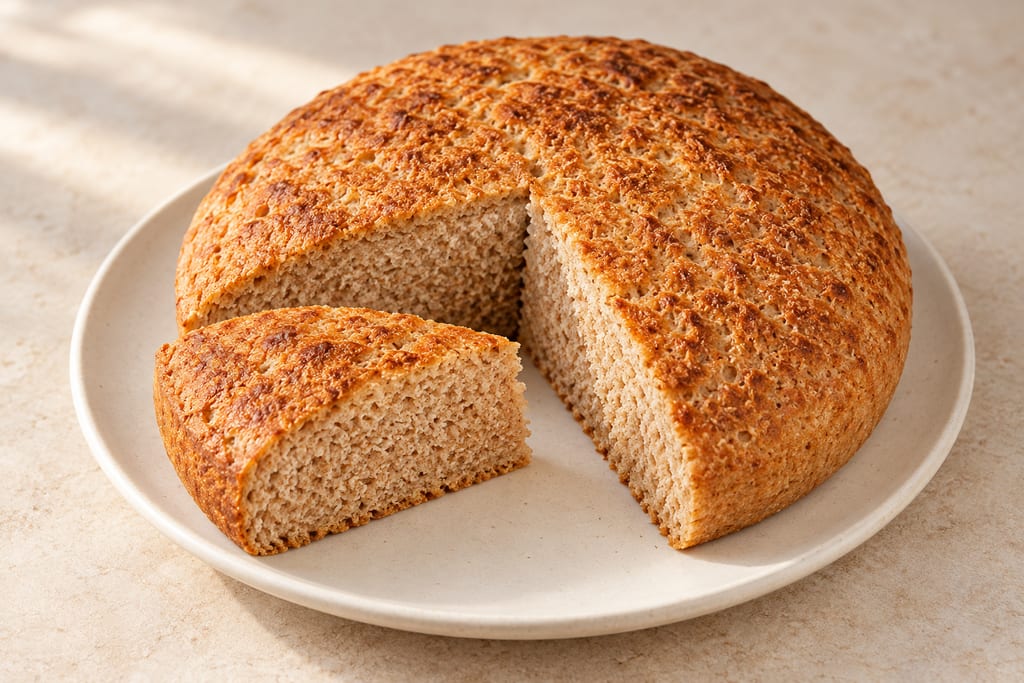
This oven-baked Amdo balep uses yeast, whole-wheat and white flour, a long covered rise and a two-sided bake in a heavy oven-safe pot.
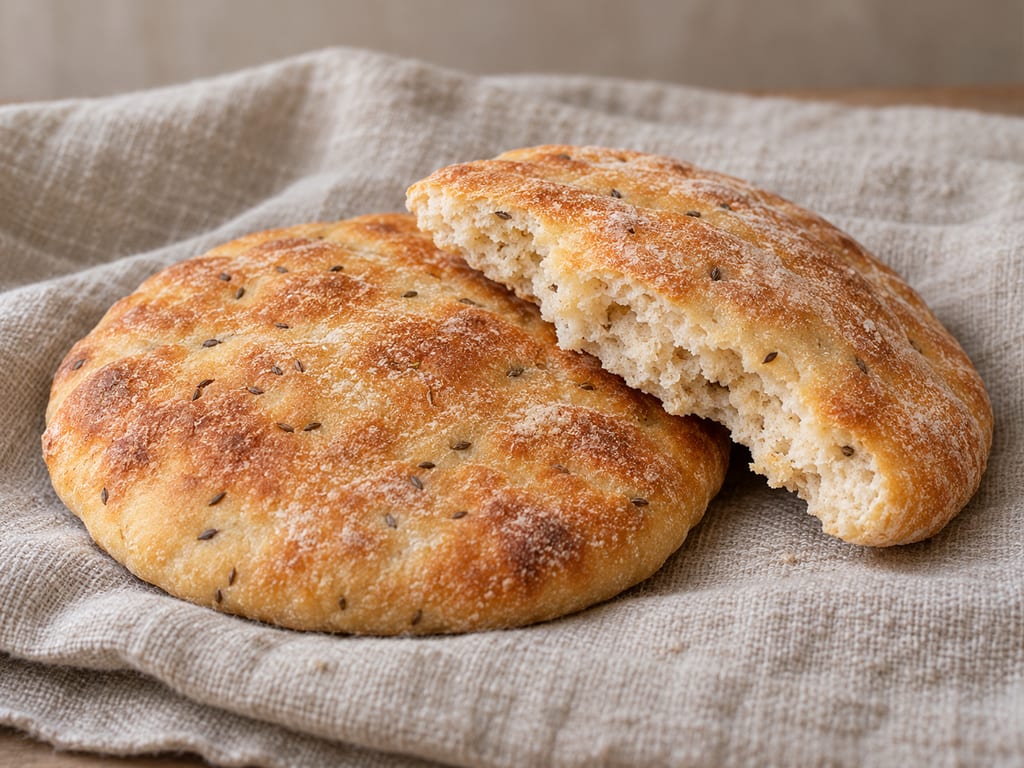
A measured, yeast-raised Ayacucho chapla home method shared by Thermomix Peru presenter Roxanna Salaverry. It makes thin, anise-scented rounds baked at 240°C; the historic qunchu-leavened form is documented separately.
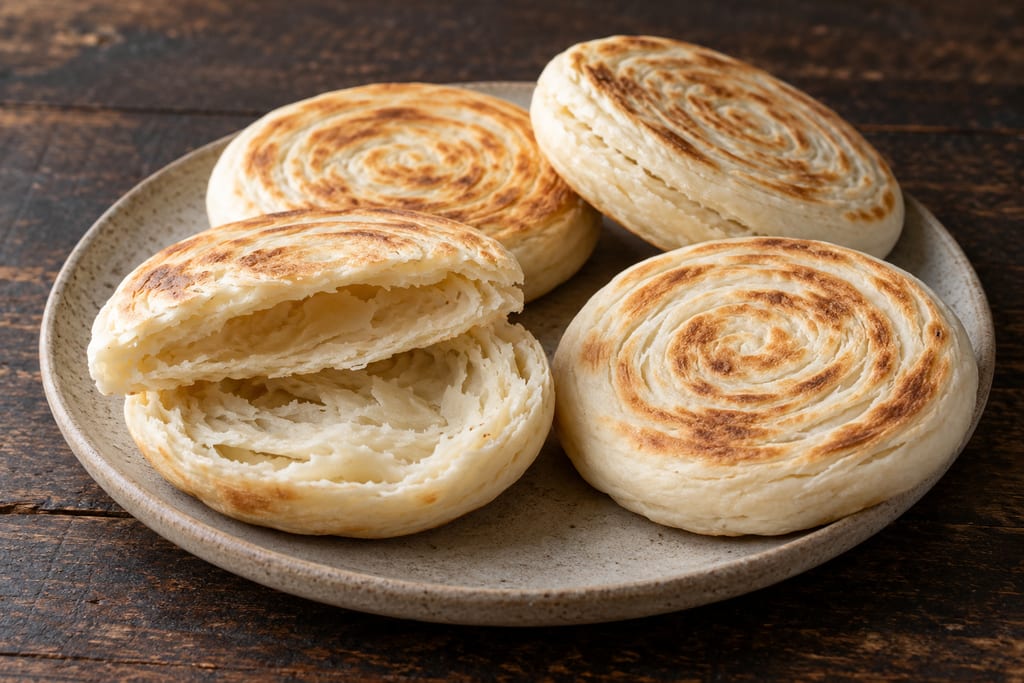
This Shaanxi-associated yeast flatbread uses a simple water dough, coiled shaping and a skillet bake. It is the bread used in roujiamo, not the filled meat dish.
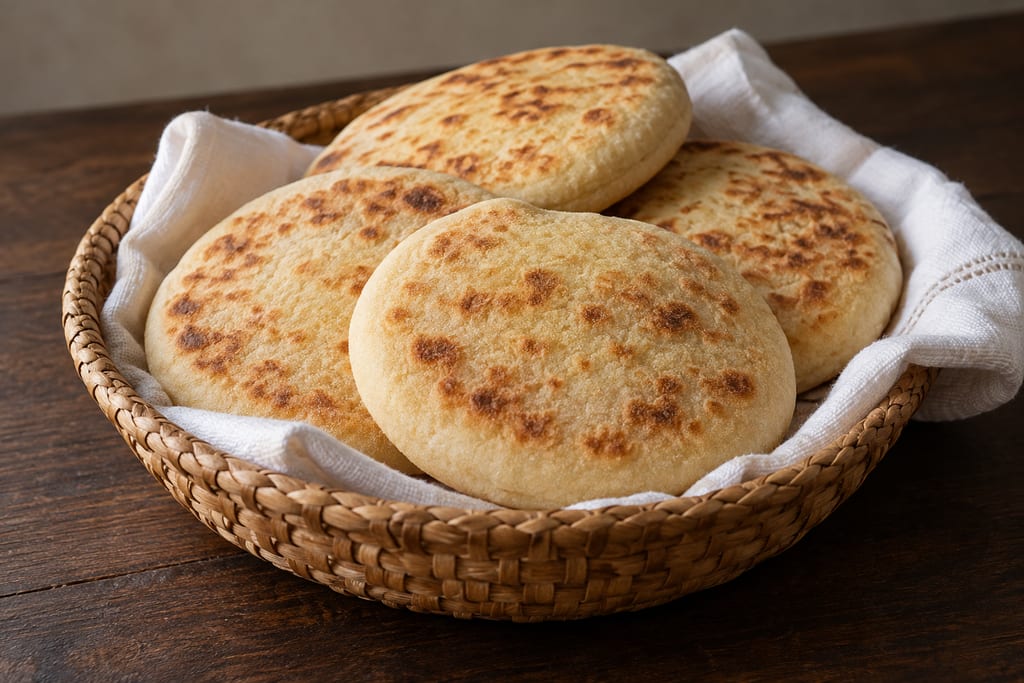
A Moroccan yeast-raised semolina pocket bread cooked on a dry pan or griddle; this measured batch makes about twenty 4-inch rounds.
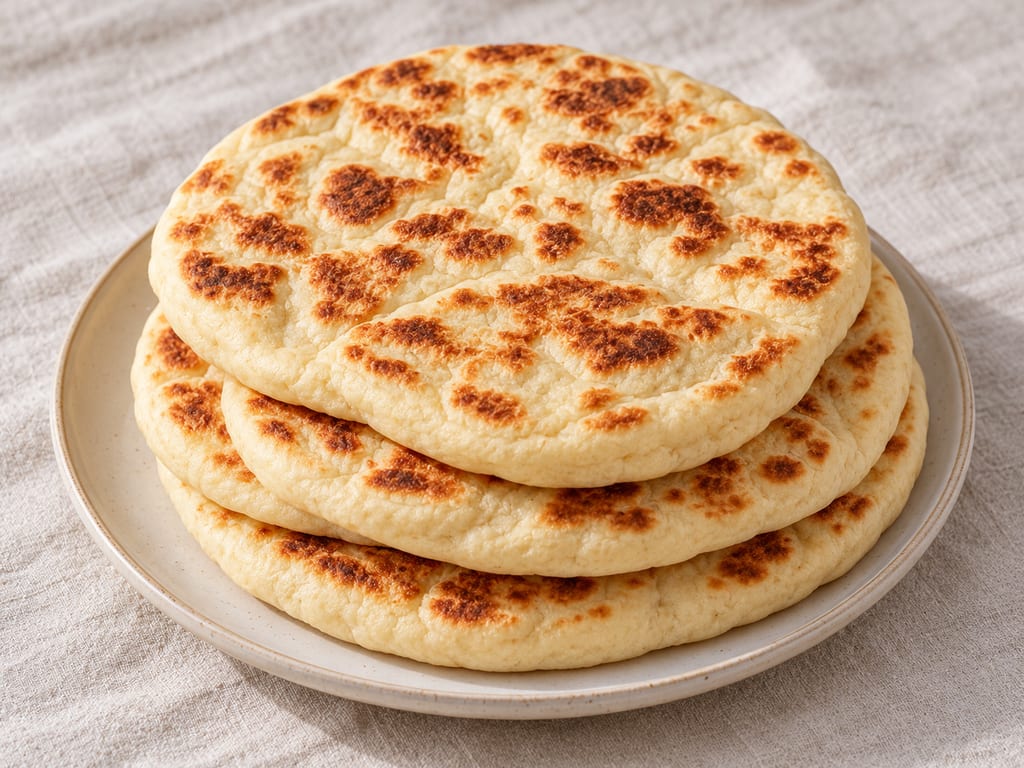
This Turkish bazlama uses yeast, plain yogurt and olive oil for a soft dough cooked in a skillet. Shape it into twelve small or six larger rounds, flip as bubbles appear, and wrap the breads to keep them soft.
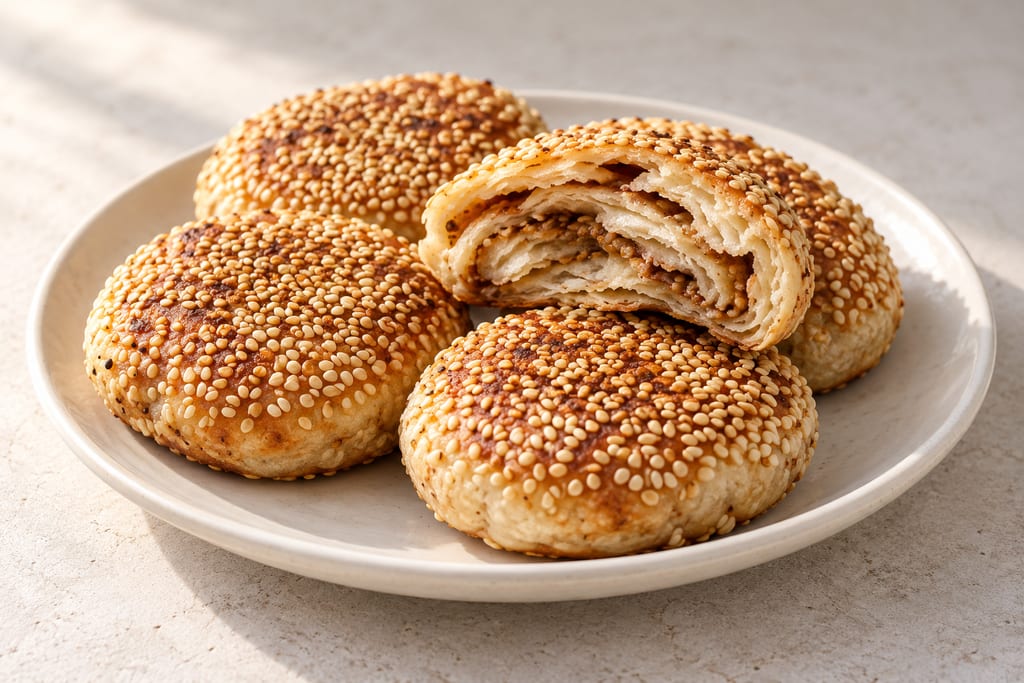
A Beijing-style yeast dough is layered with seasoned sesame paste, sealed into small buns, briefly pan-fried, seeded, and baked.
No community contributions have been published for this entry yet.
Sign in to contribute. Published comments and photos are free to read.
Le ricette dello spicchio d'aglioInspiration · Method · Food use · Geography
Ricetta - Piadina romagnolaThe recipe lists 500 g type 00 wheat flour, 10 g fine salt, 50 g lard, 1 tsp honey, 12.5 g lievito di birra and 250 ml whole or semi-skimmed cow's milk. Its vegetarian version uses 3 tbsp extra-virgin olive oil instead of the lard.
The method dissolves yeast in lukewarm milk, kneads a soft elastic dough, rests it covered for 1 hour, divides it into eight portions of about 100 g and rolls 3–4 mm piadine.
The page recommends a terracotta testo over a lively fire, or cast iron or a thick-bottomed non-stick pan; it estimates preheating at up to 20 minutes for terracotta and about 5 minutes for cast iron, but gives no measured surface temperature or per-round cooking time.
It says to turn often and remove the rounds well browned before they dry out or become bitter; it lists 1 hour 30 minutes total and says to serve immediately with cured meats, cheese or vegetables.
Cited in: Barbara Farinelli's eight-piece batch; Mix, rest and roll; Cook on a testo or heavy pan
U.S. Food and Drug AdministrationSafety
Handling Flour Safely: What You Need to KnowRaw flour can carry harmful bacteria; do not taste raw flour dough and clean hands and utensils after handling it.
Cited in: Flour handling