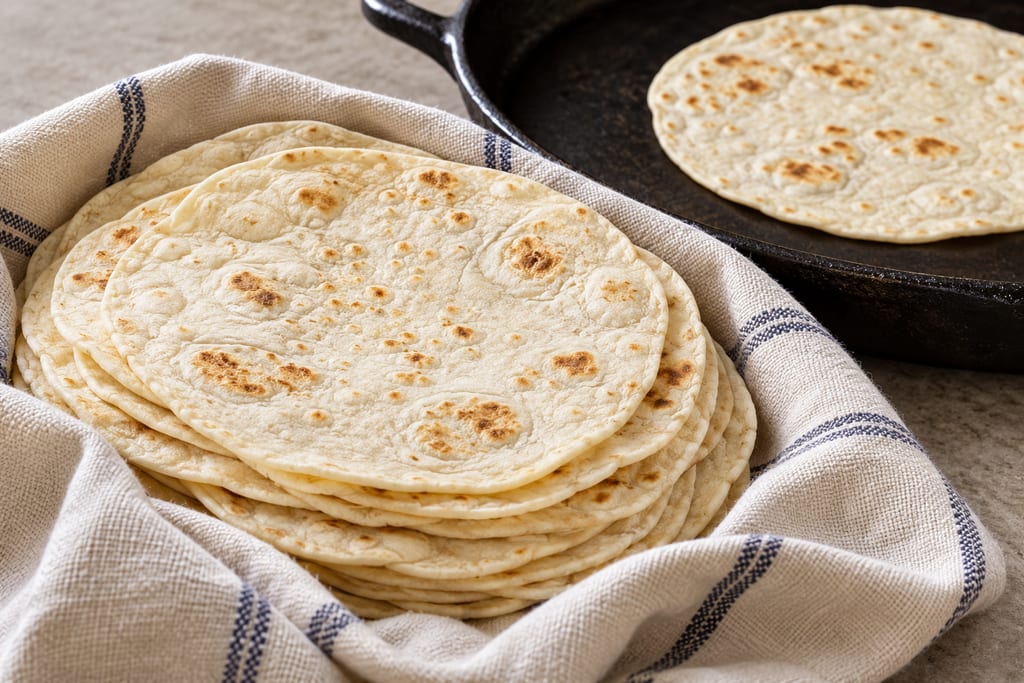
Baleada tortillas
Soft wheat-flour rounds from an INCAP Honduran baleada recipe are rolled thin and cooked on a dry skillet; this record covers tortillas, not the filled dish.
 FermenteaWhere food goes to change
Modern adaptation
Semitas
Honduran sweet yeast breads made from an egg-enriched dough, covered in a separate sugar-and-butter paste and baked in golf-ball-sized portions.
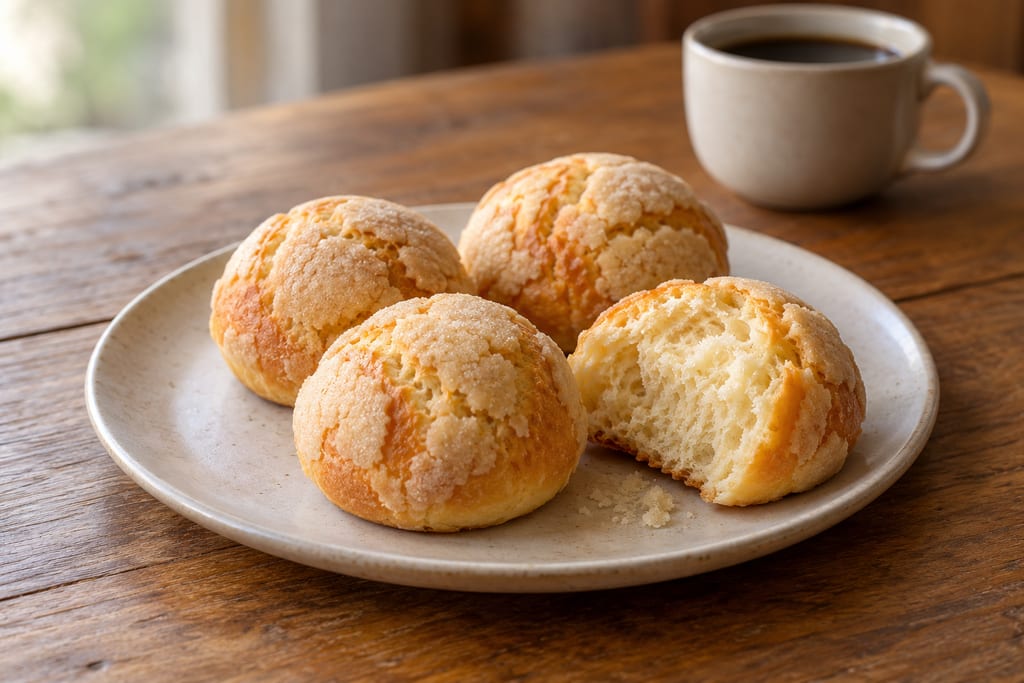
Buen Provecho presents this as a Honduran semita: an enriched dough is divided into small balls and wrapped in a separate sweet paste before baking. The page names the paste ingredients separately and gives 28 golf-ball-sized dough portions. It reports 8–10 servings in the page summary but does not define a serving size, so this recipe states the piece count rather than converting it into people.
The publication describes several distinct Honduran semitas, including yema, rice, pelona and long forms. This recipe follows the measured sweet-paste method from its Semitas page; it does not substitute the separate rice-flour or long-semita methods. A related Buen Provecho article repeats an oral account that semita de yema began in Tegucigalpa in 1910, but gives no contemporaneous source. The date remains an oral tradition for which the article supplies no contemporaneous evidence, not a first-attestation claim.
The recipe page lists five whole eggs in the dough, although its introduction calls the traditional semita yolk-based. The method here follows the ingredient list as printed and adds a sourced egg-temperature check. The listed 350°F bake remains the starting time; the largest roll should reach 71.1°C (160°F) at its centre.
Jacqueline García's 2020 report follows Johanna Reyes and Edwin Amador, who moved from Olancho to California in 2012 and continued making semitas there. They began baking at home and sharing their business through relatives, friends and community networks. This documents one family's food work after migration.
The report also describes the morning pairing of semita and coffee. It does not identify the origin of all semitas or supply the exact formula used here. Laura Morales's whole-egg dough, separate sweet covering and twenty-eight pieces remain intact; the oral 1910 account stays separate from dated historical evidence.
Buen Provecho describes semitas as a Honduran sweet bread and distinguishes semita de yema, semita de arroz, semita pelona and semita larga. Its history article repeats a tradition that semita de yema was first made in Tegucigalpa in 1910 by two Spanish women, but provides no contemporaneous documentation; this recipe does not treat that date as established. The selected recipe page lists five whole eggs despite describing the traditional style as yolk-based, so the written formula is kept as printed.
Yield 28 pieces · Scaling: source batch only
Flour can carry harmful bacteria and is handled before baking.
Hazard sourceThe dough contains five eggs before baking, so the semitas need to cook thoroughly.
Hazard sourceDo not taste raw flour or dough; wash hands, utensils and work surfaces after handling.
Control sourceBake until the centre of the largest semita reaches 71.1°C (160°F), checked with a clean thermometer; continue baking if needed.
Control sourceDo not taste raw flour or dough. The source bake time is 30 minutes; confirm the centre reaches 71.1°C (160°F) because the dough contains eggs.
Buen Provecho presents semitas as Honduran; this country-level association does not establish a specific birthplace.
Soft wheat-flour rounds from an INCAP Honduran baleada recipe are rolled thin and cooked on a dry skillet; this record covers tortillas, not the filled dish.
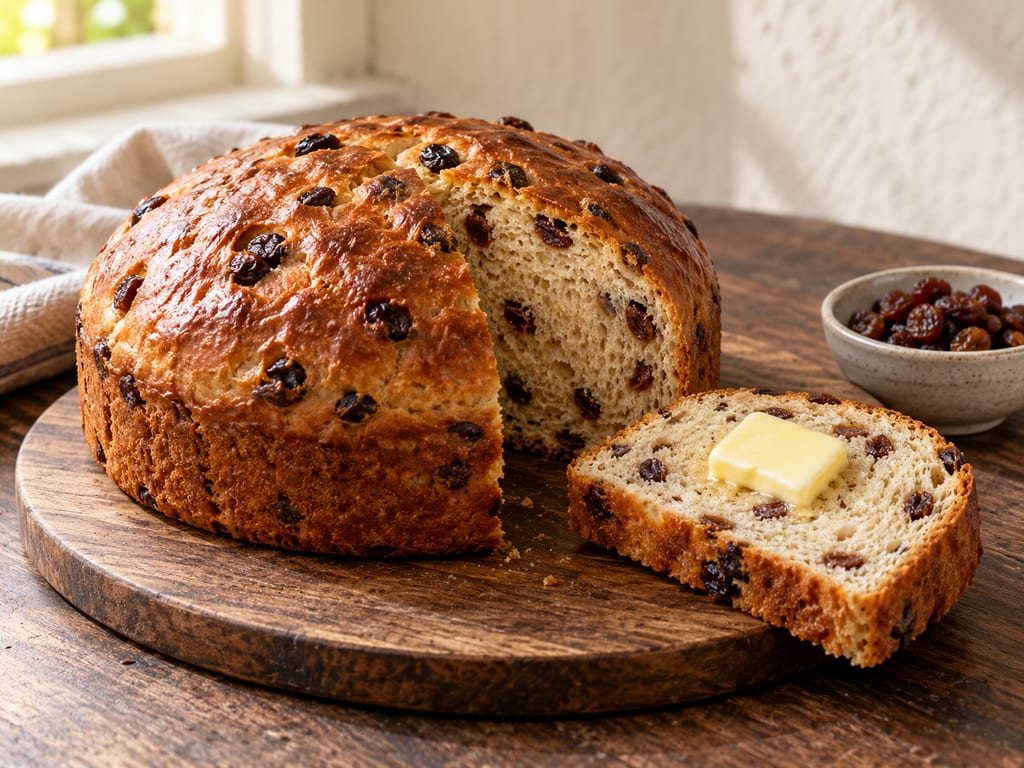
An Irish fruit-studded yeast loaf, associated in a contemporary cultural account with Halloween and often served fresh or toasted with butter.
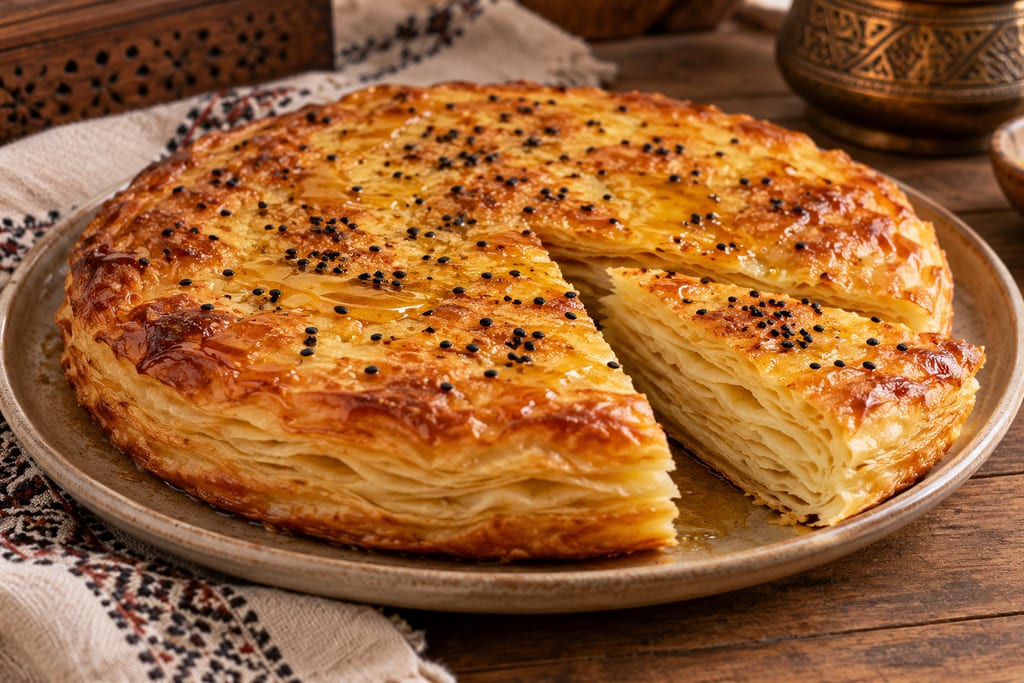
Bint al-sahn is a Yemeni celebration and home bread built from thin, egg-rich yeast dough layers brushed with ghee or butter. This source-specific version makes one round cake, baked until golden and served warm with honey.
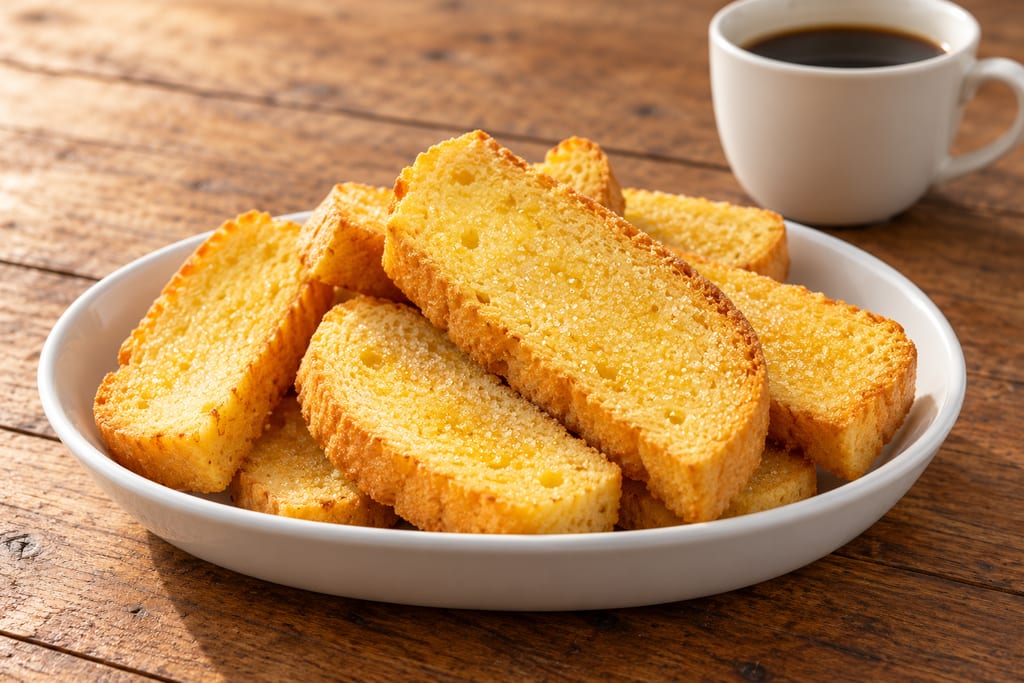
PagkainPinoy’s 24–30 piece version twice-bakes day-old soft bread with a thin butter-and-sugar coating.
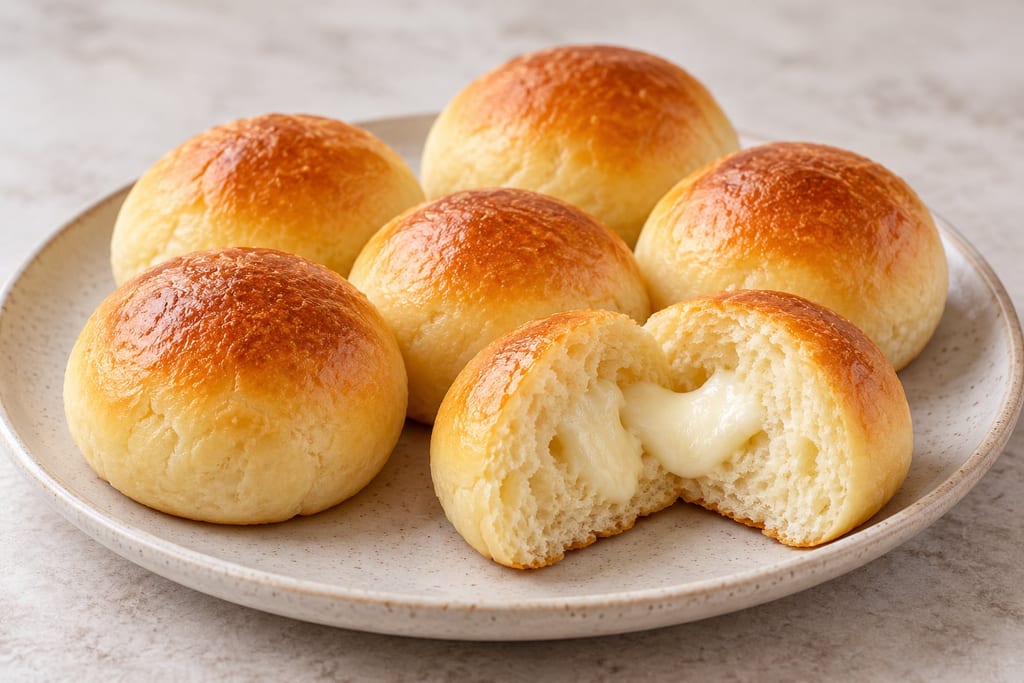
Soft Brazilian yeast rolls use cooked mashed potato in an enriched dough, with mozzarella cubes enclosed before baking.
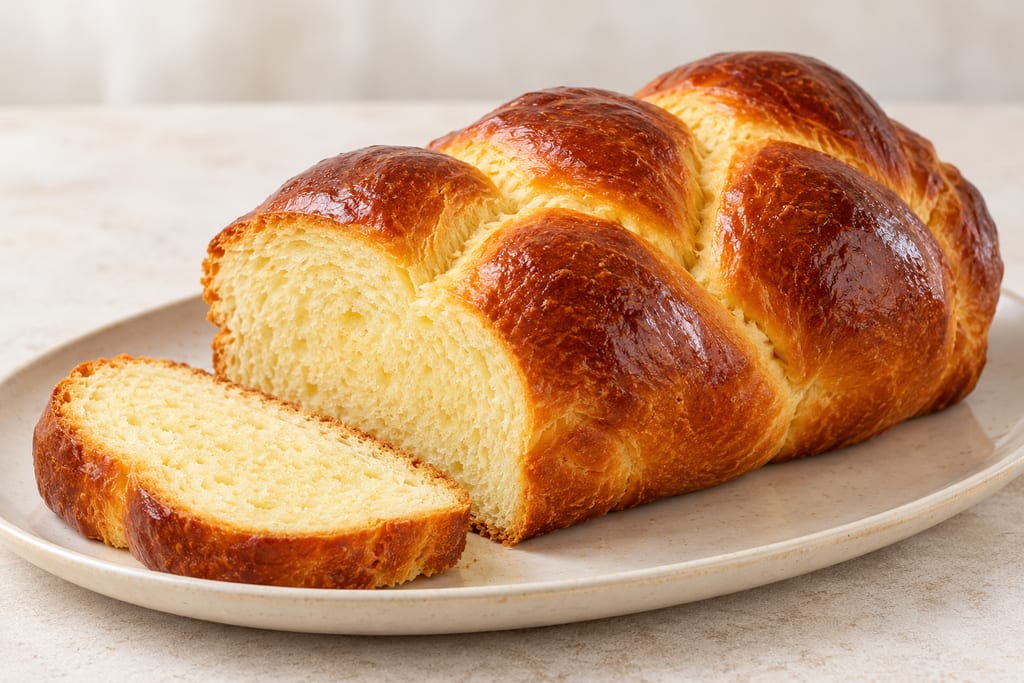
An egg-and-butter-rich yeast dough shaped as one round loaf, two loaves or twelve small brioches, with baking paths that vary by shape.
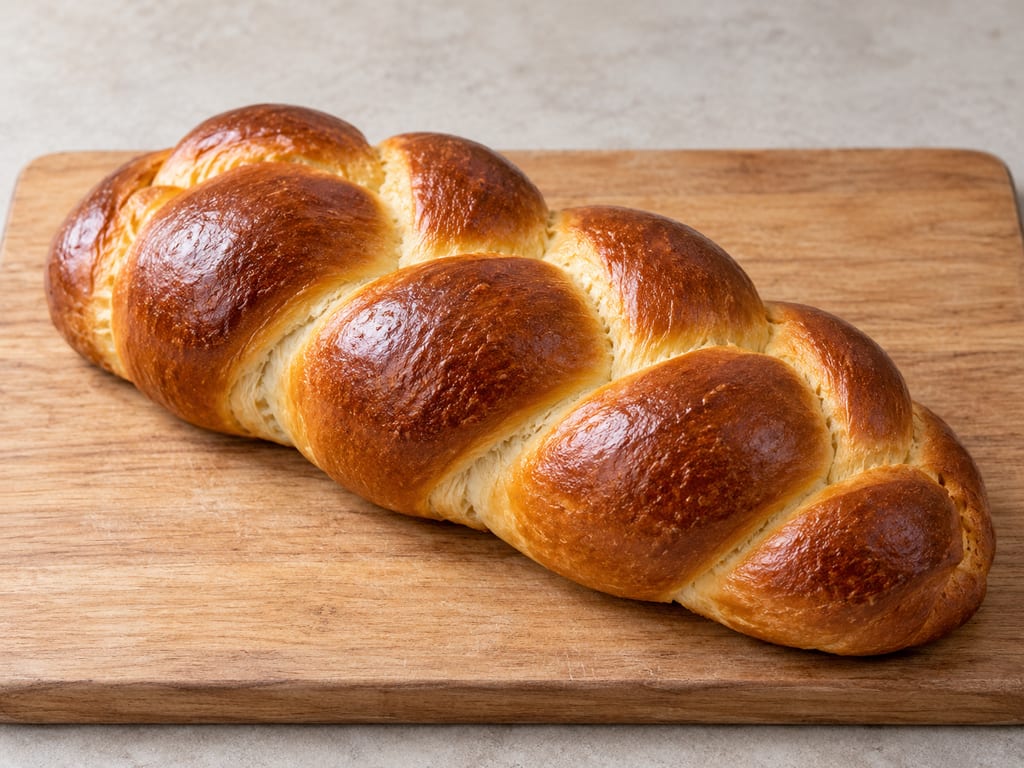
A three-strand yeast-raised challah with flour, salt, yeast, water, neutral oil, honey and egg, based on a Jewish Museum Vienna home recipe.
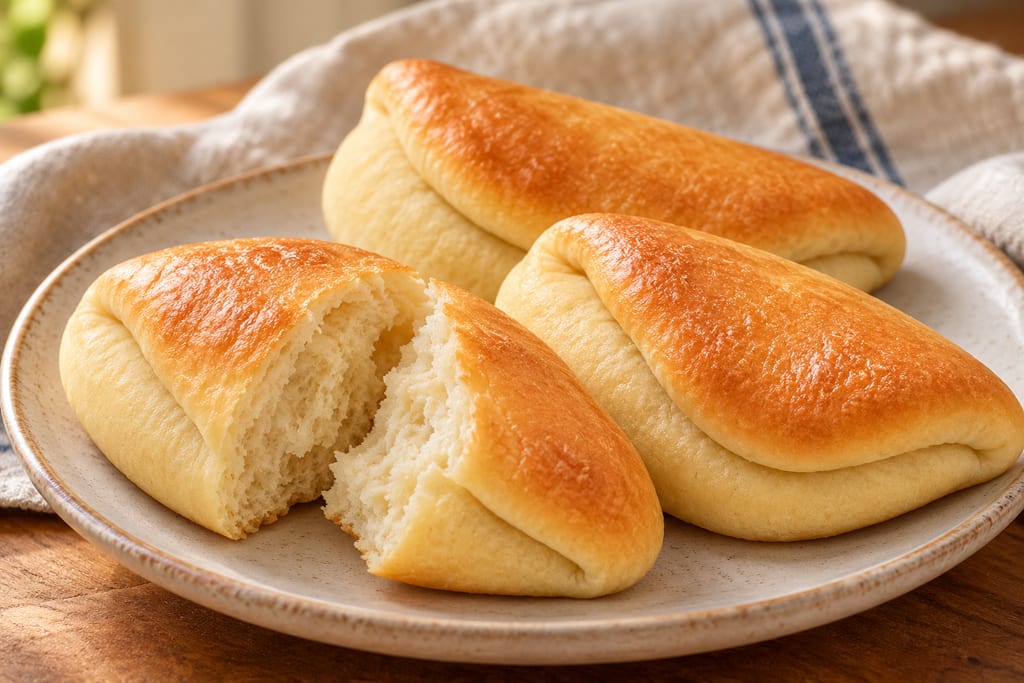
Jamaican-style folded rolls made from sweet coconut-milk yeast dough and brushed with butter.
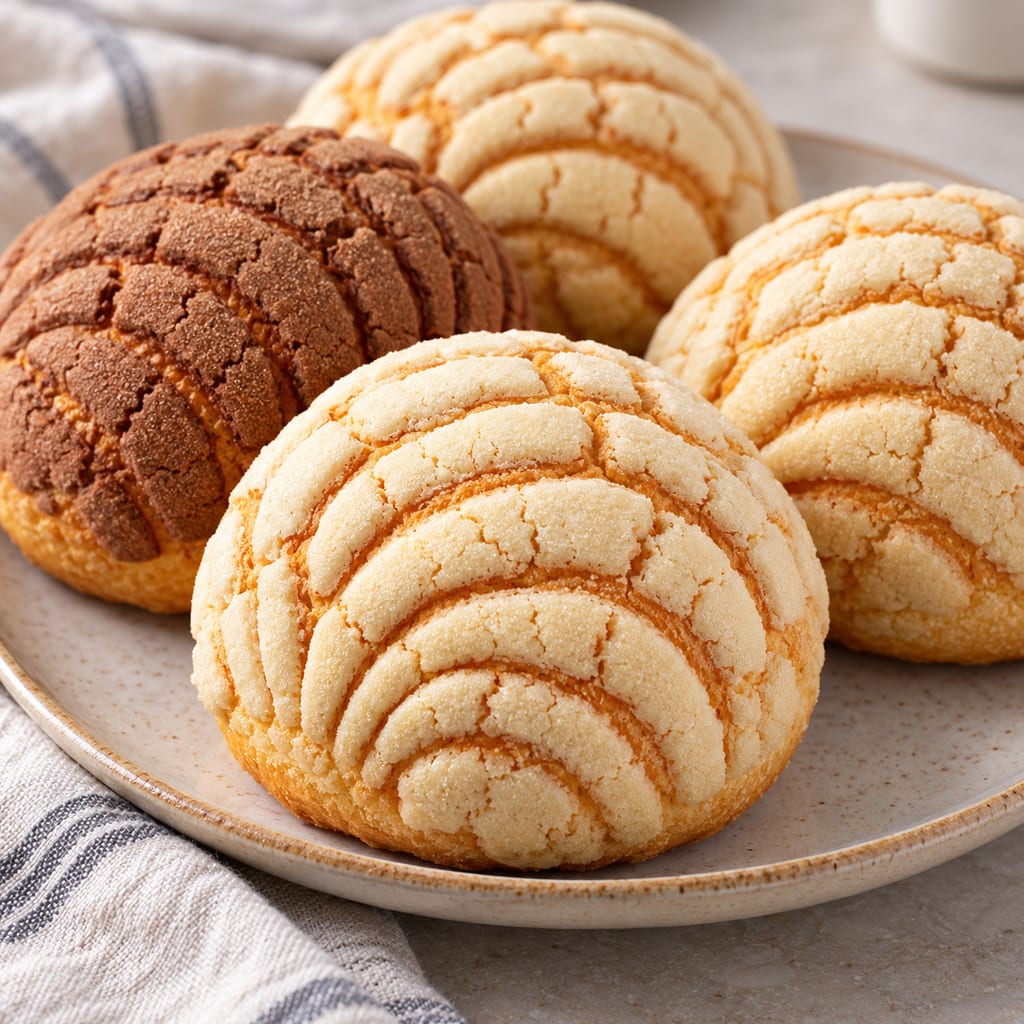
Mexican sweet rolls with a soft enriched yeast dough and a separate scored sugar-flour topping shaped like a shell. This version makes 15 rolls and uses a chilled dough rest before final proofing.
No community contributions have been published for this entry yet.
Sign in to contribute. Published comments and photos are free to read.
Buen ProvechoMethod · Geography
SemitasThe page identifies semitas as a traditional Honduran sweet bread and provides the dough and coating ingredients.
The formula uses 4 cups flour, ½ cup sugar, five eggs, ¾ cup yellow butter, 2 tablespoons yeast, 1 teaspoon salt and ½ cup water for the dough; the coating uses 3 cups flour, 1½ cups sugar, 2 cups yellow butter, 5 tablespoons water and 2 teaspoons vanilla.
The method rests the dough for 1 hour, divides it into 28 golf-ball-sized portions, covers each with the sweet paste and bakes at 350°F for 30 minutes. The page summary says 8–10 servings without defining serving size.
Cited in: A Honduran semita with a sweet covering; A family bakery beyond Honduras
Buen ProvechoHistory · Geography
Historia de la semita, un pan tradicional de la cocina hondureñaThe article describes semitas as Honduran sweet breads commonly eaten with coffee and names yema, rice, pelona and larga varieties.
It repeats an oral-tradition account that semita de yema was first made in Tegucigalpa in 1910 by two Spanish women; it cites no contemporaneous documentation.
Cited in: A Honduran semita with a sweet covering
Buen ProvechoHistory
Conoce los diferentes tipos de semitas hondureñasThe publisher distinguishes Honduran semita de yema, semita de arroz, semita pelona and semita larga as separate forms.
Cited in: A Honduran semita with a sweet covering
U.S. Food and Drug AdministrationSafety
Handling Flour Safely: What You Need to KnowRaw flour can carry harmful bacteria; do not eat or taste raw flour, dough or batter; wash hands, utensils and surfaces after handling.
U.S. Department of Agriculture, Food Safety and Inspection ServiceSafety
By what methods can you cook eggs safely?USDA guidance says egg dishes should reach 160°F (71.1°C), checked with a food thermometer.
Cited in: A Honduran semita with a sweet covering
U.S. Food and Drug AdministrationSafety
What You Need to Know About Egg SafetyFDA advises cooking egg dishes to 160°F and checking with a food thermometer.
Cited in: A Honduran semita with a sweet covering
La OpiniónContext
Semitas Katrachas: un apapacho durante la pandemia2020 reporting describes Johanna Reyes and Edwin Amador, migrants from Olancho in 2012, making semitas in California and promoting them among family and community.
Cited in: A family bakery beyond Honduras
Wikimedia Commons / Cantina FoodieTravellerImage reference
Semitas (estilo hondureño).jpg20 March 2012 own-work Honduran-style semitas photo; individually checked CC BY-SA 4.0, excluded from PD/CC0 references.