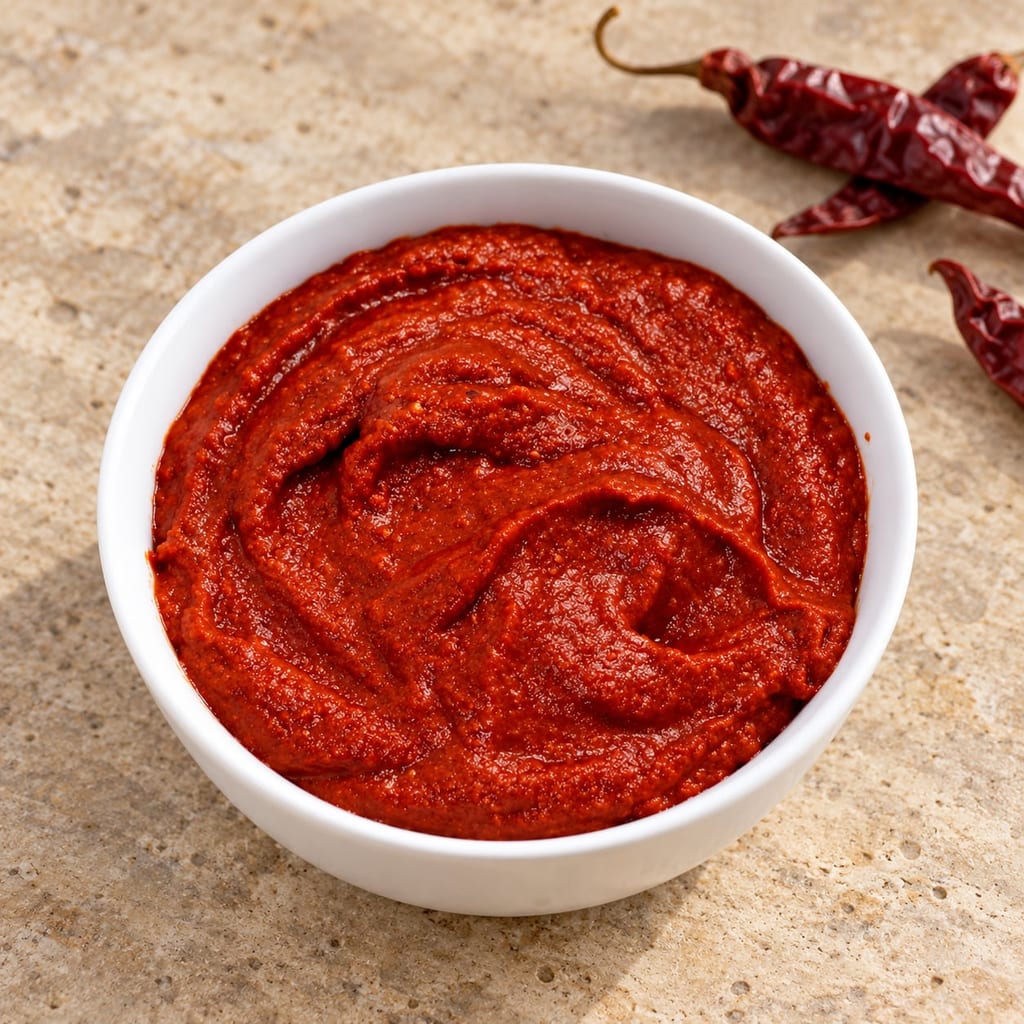
Goan recheado masala
Recheado is a red Goan spice paste of Kashmiri chillies, garlic and spices ground in vinegar, best known as the stuffing for fried fish such as mackerel.
 FermenteaWhere food goes to change
Poee · Poie · Poi
Goan wheat rounds coated in bran and baked hot until they puff. This measured home method uses commercial yeast and makes six poee.
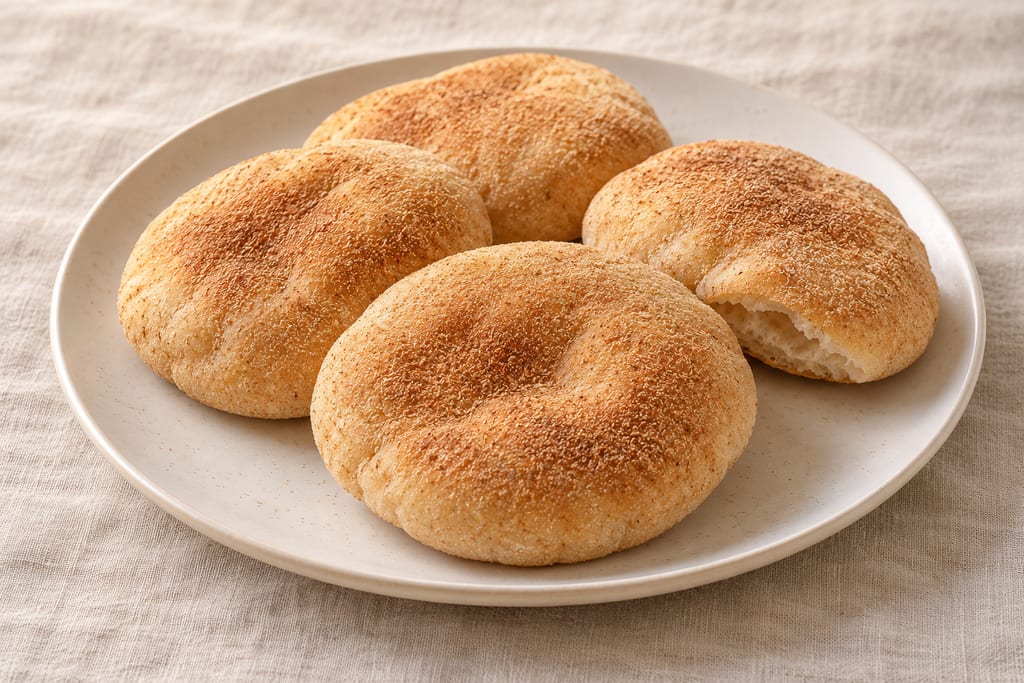
Saee Koranne-Khandekar's published poee recipe gives a home-sized formula for six rolls. It combines maida, wheat bran and commercial yeast. Koranne-Khandekar notes that poee was once leavened with fermented toddy, but says this practice is now almost obsolete because toddy is difficult to obtain and commercial yeast is readily available. Her recipe documents that practical modern route; it does not show that every bakery uses the same dough or fermentation.
The dough uses maida, a refined wheat flour. The 60 g of bran is reserved for coating the portions; the source does not mix it into the dough. Each ball is pressed into a generous layer of bran before being rolled into a flat round.
The source activates yeast with sugar and half the lukewarm water before mixing it into flour and salt. Add the remaining water as needed for a soft dough, then knead for five to eight minutes. The first rise lasts about 20–40 minutes in a warm place, until the dough doubles. After dividing the dough into six balls, rest them covered for 15–20 minutes.
Coat each ball in bran, flatten it, and roll it to about six inches across and a quarter inch thick. Bake on a preheated pizza stone or a lined baking sheet for about five minutes, until puffed and just beginning to brown. A pizza stone is optional in the source's method. It does not provide an oven temperature or a batch throughput for baking all six.
The U.S. Food and Drug Administration treats flour as a raw food that can carry harmful bacteria. Do not taste the dough before baking. Wash hands, bowls, utensils and work surfaces after handling raw flour or dough. The recipe uses a very hot oven and preheated baking equipment; protect hands when loading and removing the stone or tray.
Saee Koranne-Khandekar says the earliest poee were made with fermented toddy and that this practice is now almost obsolete because toddy is difficult to obtain and commercial yeast is easier to find. Her published measured formula uses commercial yeast; it does not establish when poee began or represent every Goan bakery method.
Yield 6 poee · Scaling: source batch only
Flour is raw and may carry harmful bacteria; raw dough must not be tasted.
Hazard sourceThe recipe uses an oven at its highest setting and a preheated stone or tray.
Hazard sourceDo not taste the uncooked dough; wash hands, bowls, utensils and surfaces after handling flour.
Control sourceUse oven protection when handling the hot stone or baking sheet.
Control sourceDo not taste the raw dough. Keep flour and dough away from ready-to-eat food and clean up after handling.
The source calls for the oven's highest setting; use care when loading and removing the hot stone or tray.
Saee Koranne-Khandekar publishes this as a Goan bread; the page does not identify a narrower place.
Recheado is a red Goan spice paste of Kashmiri chillies, garlic and spices ground in vinegar, best known as the stuffing for fried fish such as mackerel.
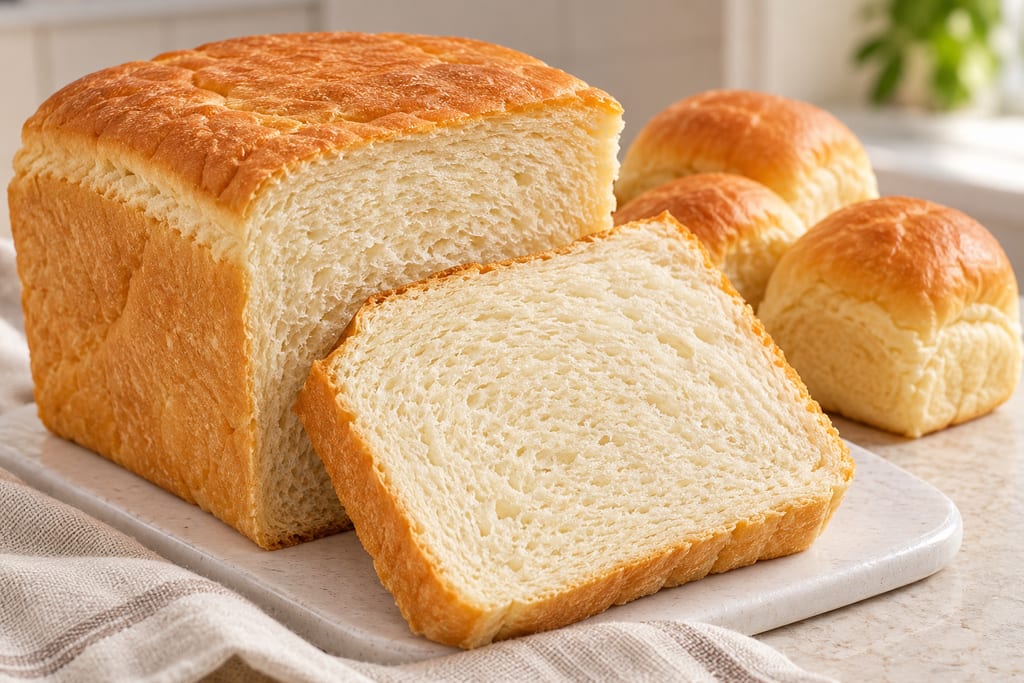
This softer home-style Agege bread uses a scalded flour paste, an enriched yeast dough and a 9×5-inch loaf pan, with rolls from the extra dough.
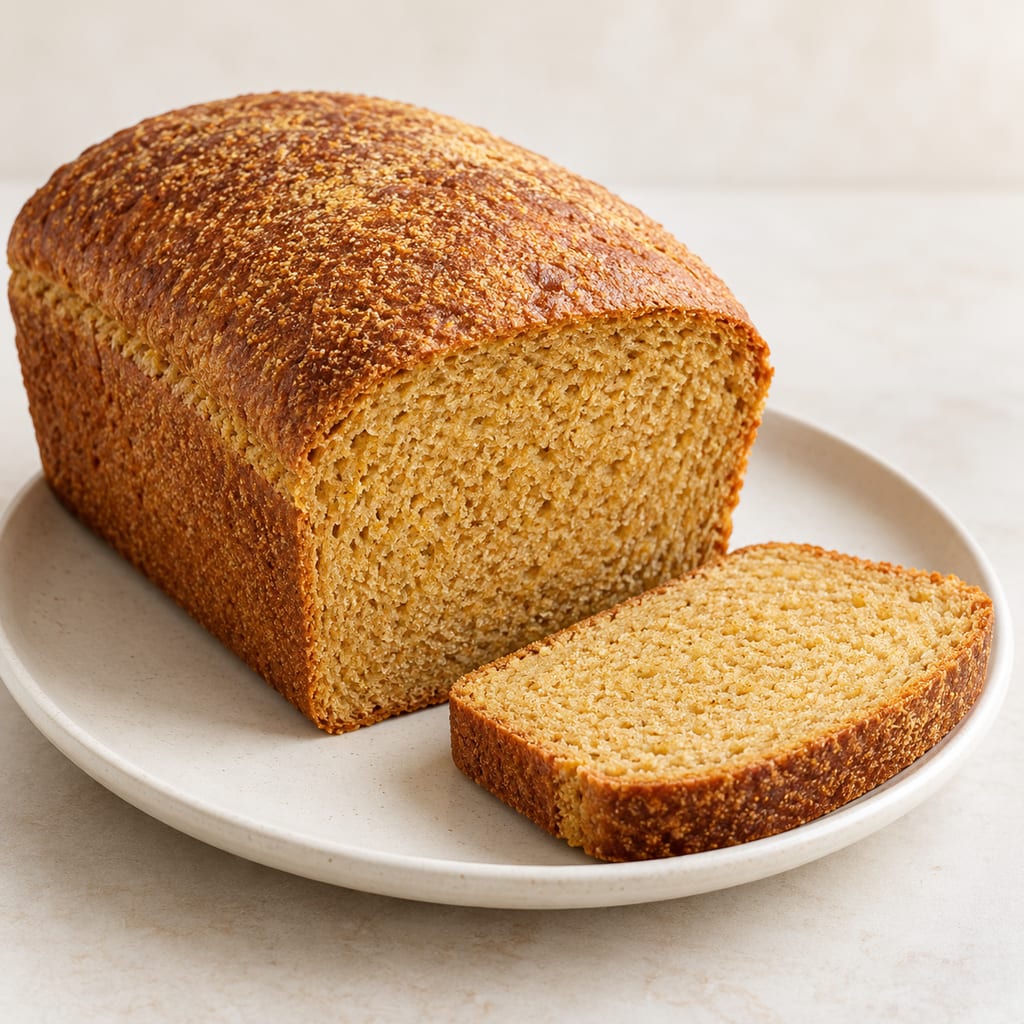
Anadama is a New England yeast loaf made with wheat flour, cornmeal and molasses. Scalded cornmeal enriches the dough, while molasses lends sweetness and a dark crust; it is especially good toasted or beside soup and baked beans.

A yeast-raised wheat ring shaped from a firm dough, briefly boiled and baked. This source-batch formula gives a gently malted crust and a chewy crumb.
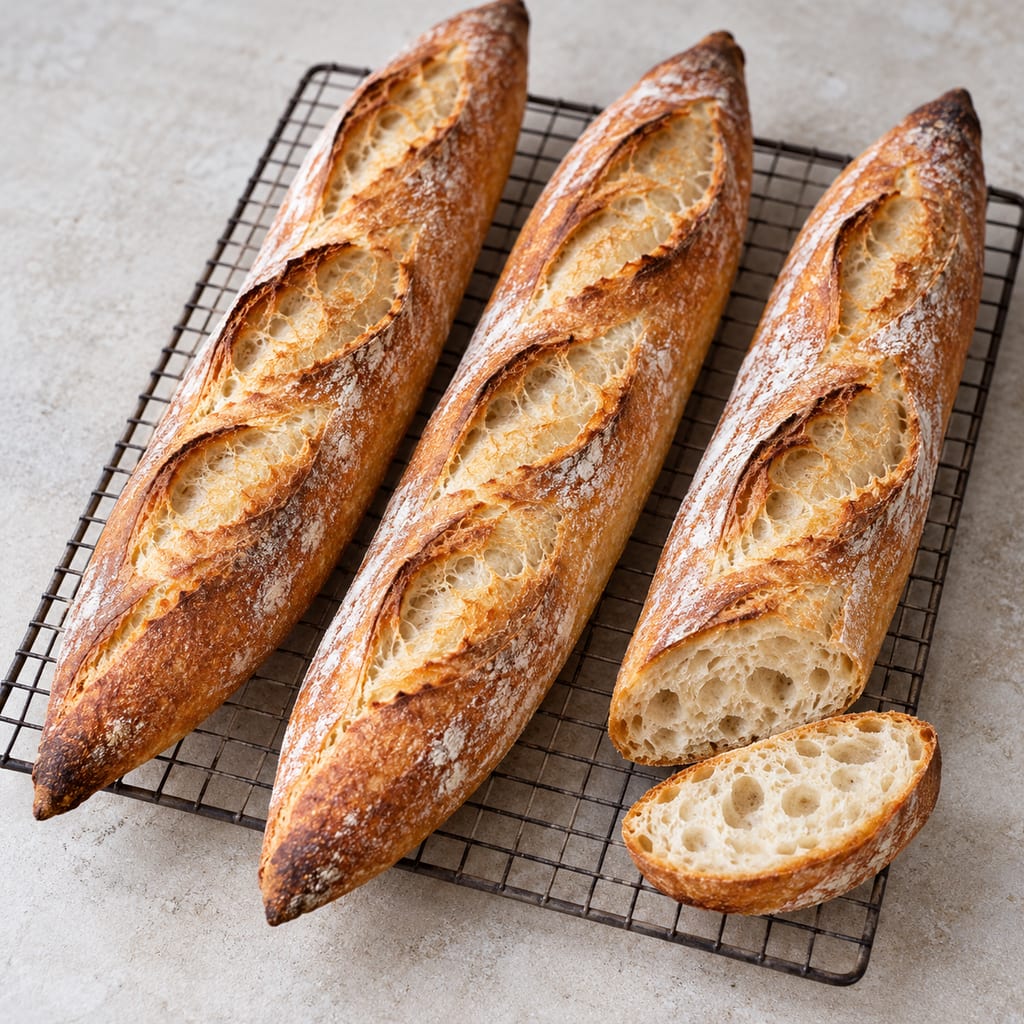
Three long, crusty wheat loaves made with an overnight yeast poolish, shaped by hand and baked with steam for a crisp crust.
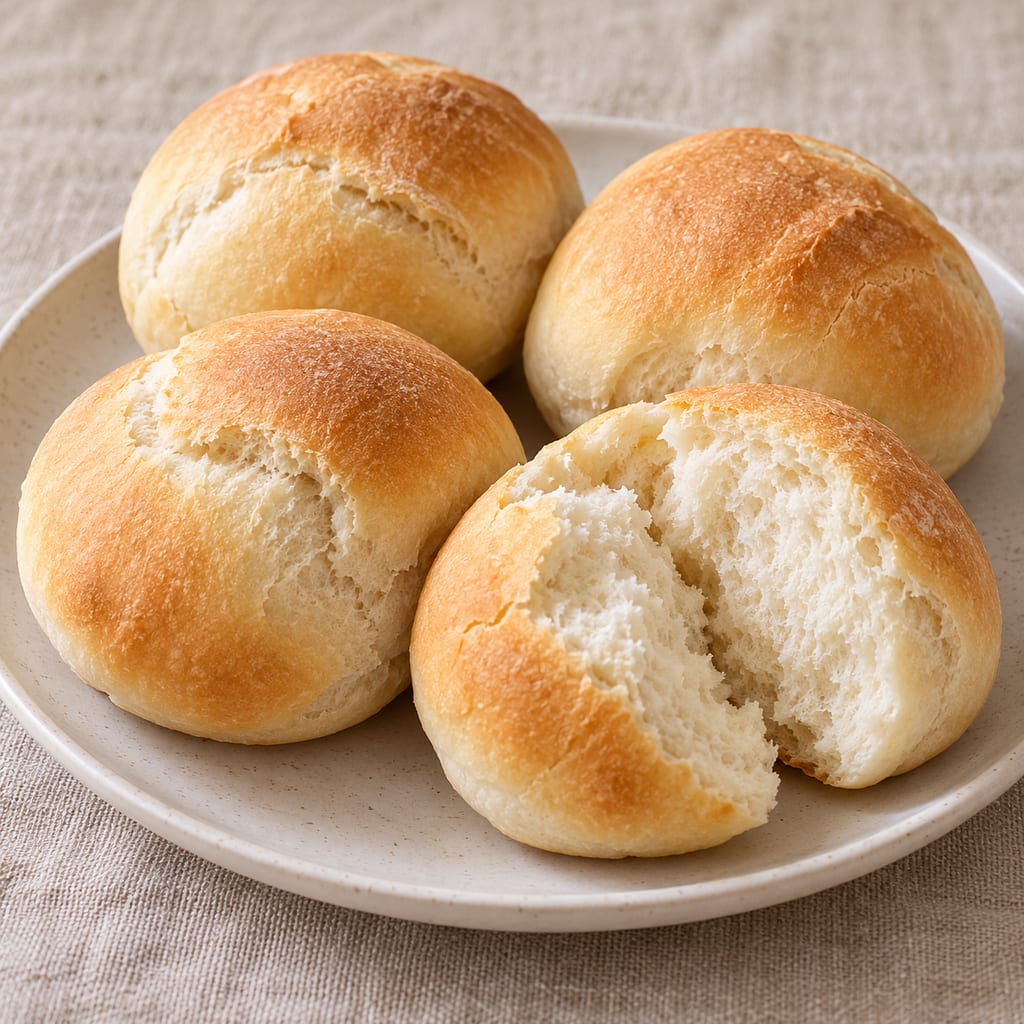
A lightly salted, yeast-raised Barbadian roll, baked in a dozen-roll home batch and often split for cutters.
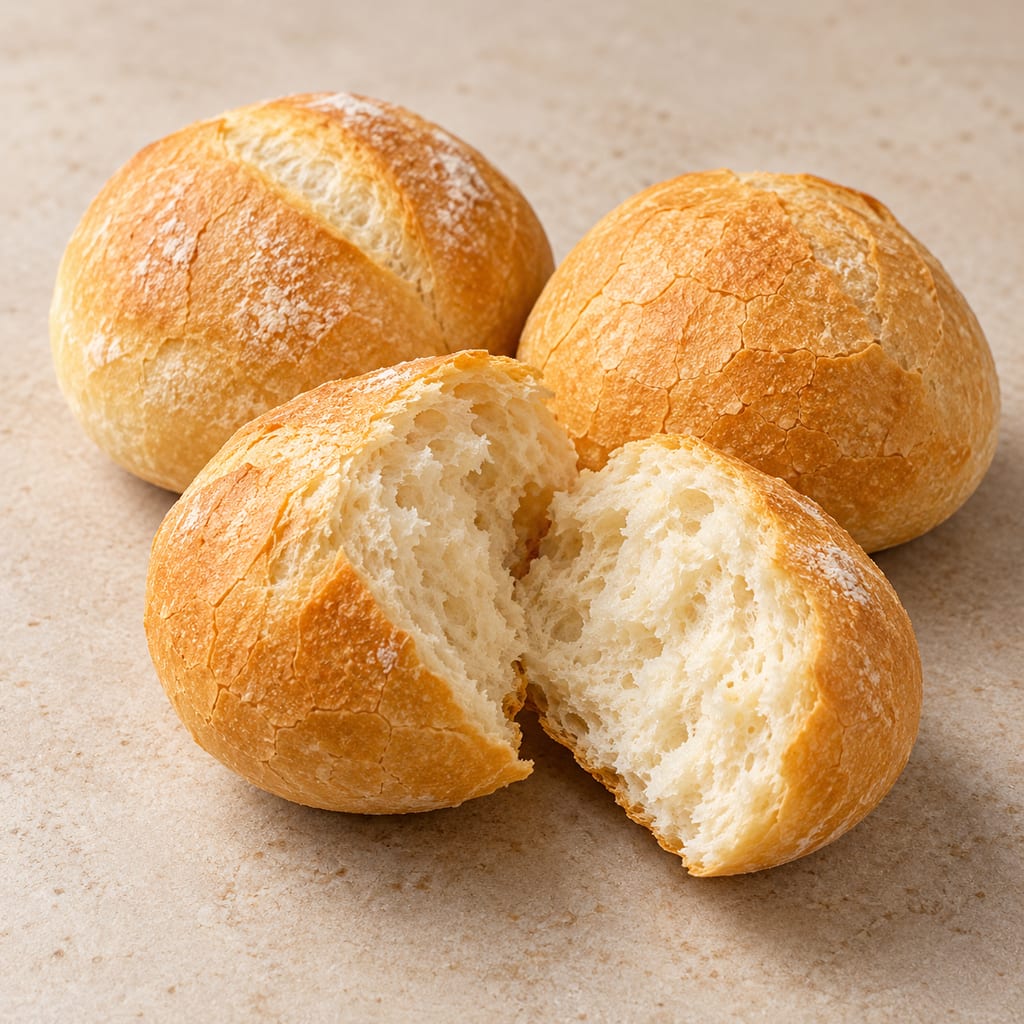
A crisp Belgian roll made from a supplier’s Croc-flour dough, mixed by hand or machine, proofed in rounds and baked with steam.
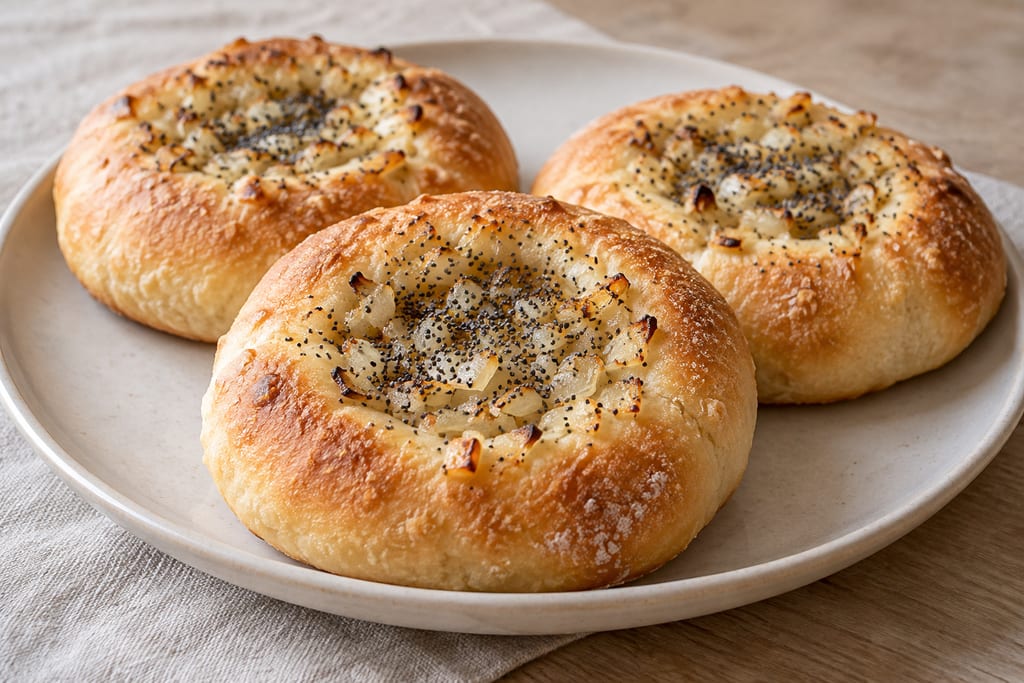
Bialys are soft, yeasted wheat rolls baked without boiling, each shaped with an onion-filled central depression instead of a hole.
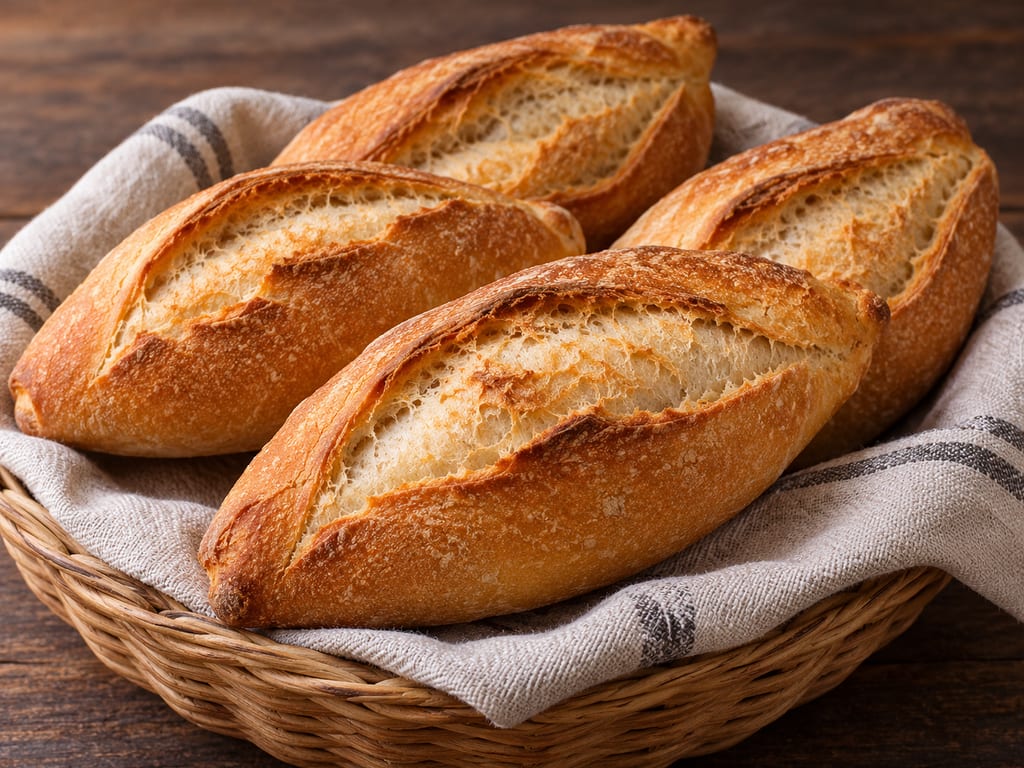
A measured, commercial-yeast home method for Guadalajara-style birote salado, with a six-hour preferment, shaped rolls and a two-temperature steam bake. This formula contains no egg.
No community contributions have been published for this entry yet.
Sign in to contribute. Published comments and photos are free to read.
Scroll.in (excerpt from Crumbs!: Bread Stories and Recipes for the Indian Kitchen)Inspiration · Method · History · Food use
PoeeThe recipe uses 700 g maida, 60 g bran, 10 g fresh or instant yeast, 5 g each salt and sugar, and 300 mL lukewarm water; it makes six.
The method activates yeast, kneads and proofs the dough, coats shaped rounds in bran, then bakes them on a preheated stone or lined sheet at the oven's highest setting.
The author describes older poee as toddy-leavened and says that practice is now almost obsolete; the article does not date the transition.
Cited in: A measured yeast method; Mix, rise and bake
U.S. Food and Drug AdministrationSafety
Handling Flour Safely: What You Need to KnowRaw flour may carry harmful bacteria. The FDA says not to taste raw flour or dough and to wash hands and utensils after handling.
Cited in: Handle flour safely