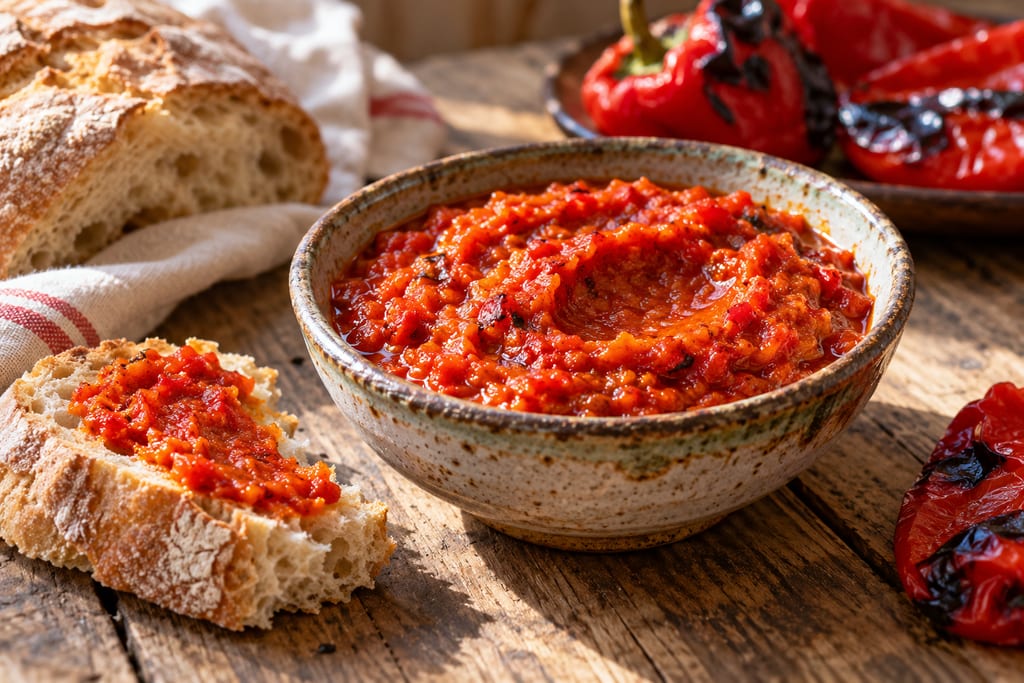
Ajvar
Ajvar is a cooked Balkan pepper preserve built around roasted red peppers, peeled, drained, ground and slowly fried with oil and seasoning. Leskovac’s protected version is a pepper specialty; regional versions vary.
 FermenteaWhere food goes to change
Modern adaptation
Proja · Projin hleb · Seljačka proja
A plain Serbian cornmeal bread made with heated water and salt, shaped into low rounds and baked in a preheated shallow dish. This home method keeps the simple cornmeal form separate from richer dairy-filled projara.
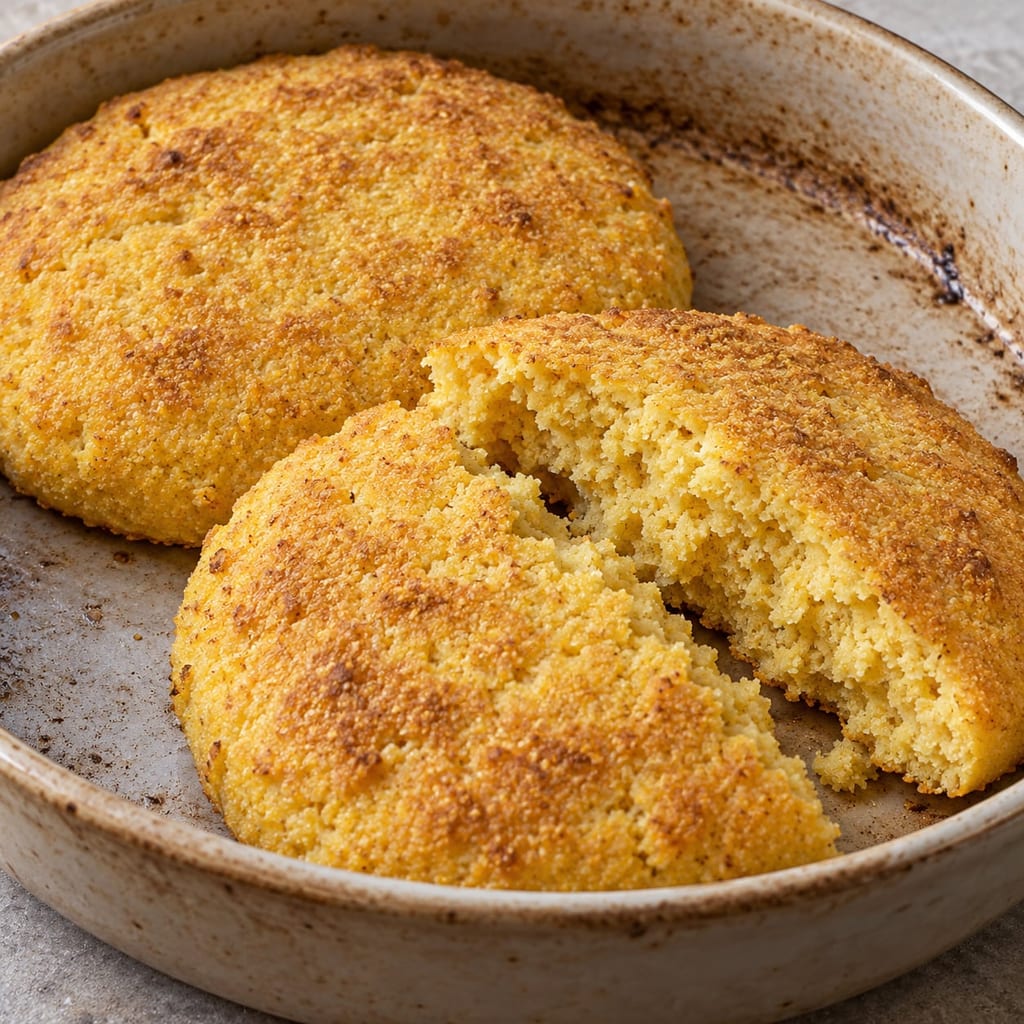
Proja is a Serbian cornmeal bread. A review of traditional maize foods describes the simple form as pure maize flour mixed into warm water with salt and a little fat, then shaped and baked in a brick oven. The same review distinguishes current enriched versions that add wheat flour, yogurt, sour liquid, baking powder, cheese and other ingredients. This recipe follows the simple cornmeal family and contains no dairy, eggs, meat or added wheat flour. [source: revilla-maize-review]
Recepti i Kuvar online gives 600 g whole-grain cornmeal, 600–700 ml heated water and ½–1 teaspoon salt. It says to add the water cautiously so the dough does not become too wet. Its home method heats a shallow ceramic dish in a 200°C oven, shapes the dough into flat rounds 1.5–2 cm thick and bakes them for about 25 minutes until the upper crust turns golden yellow. The site says its account of the older bread uses Jovan Erdeljanović’s 1908 Serbian cookery book as its basis. The hot ceramic dish and ordinary oven adapt the source’s hearth preparation for a home kitchen; the source does not claim they reproduce the hearth method exactly. [source: recepti-kuvar-proja]
Begin with 600 ml water and add it gradually to the cornmeal and salt, stopping when the dough holds together without becoming wet. The source allows up to 700 ml, which leaves room for differences in grind. Pat the dough into low rounds and keep them at the stated 1.5–2 cm thickness. Use baking paper when placing them in the preheated dish. Bake for about 25 minutes, looking for a golden-yellow top crust, then let the bread cool before serving. The source does not give a fixed yield or a measured internal temperature. [source: recepti-kuvar-proja]
Do not taste the uncooked mixture. CDC advises cooking raw dough according to its recipe and washing hands and equipment after handling raw flour or dough. The 200°C setting and roughly 25-minute bake are the home method described by the recipe source; they are not a separate public-health validation. [source: cdc-raw-dough]
A Serbian home-cooking article says its account of old proja is based on Jovan Erdeljanović's Srpska narodna jela i pića (1908). Its traditional account describes cornmeal, heated water and salt, with no yeast; it distinguishes later richer preparations.
Scaling: source batch only
The dough is made from raw meal and must be baked before eating.
Hazard sourceDo not taste the raw dough. Bake the rounds as directed before eating and wash hands and equipment after handling raw meal.
Control sourceHandle the preheated ceramic dish carefully; the source does not specify a vessel weight or grip.
The source identifies proja with central Serbia and a Serbian 1908 cookery book; no more precise birthplace is claimed.
Ajvar is a cooked Balkan pepper preserve built around roasted red peppers, peeled, drained, ground and slowly fried with oil and seasoning. Leskovac’s protected version is a pepper specialty; regional versions vary.
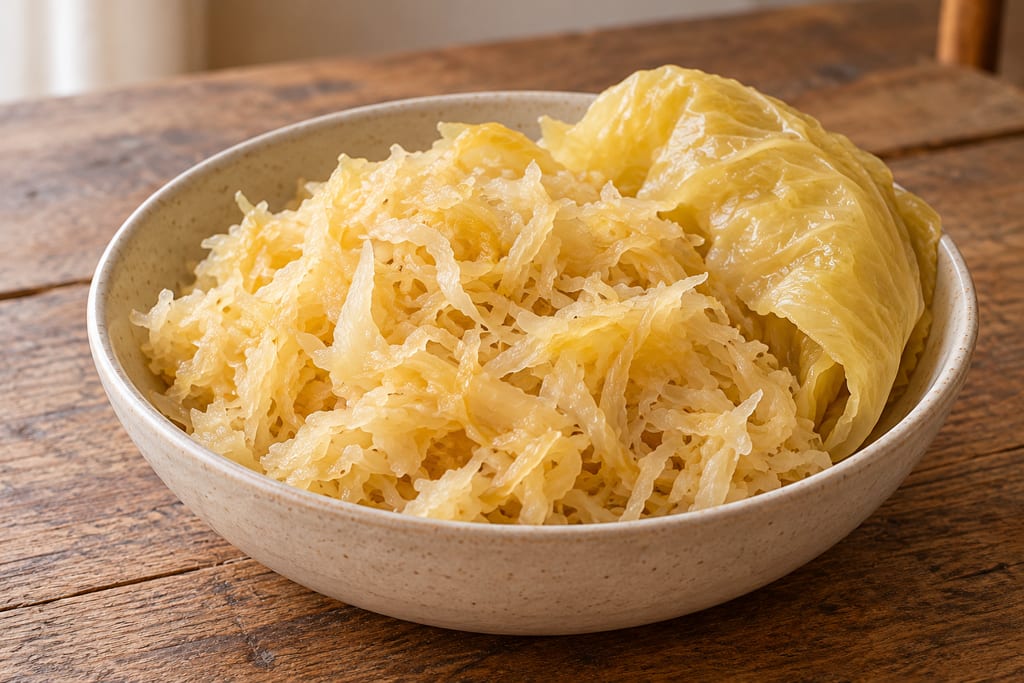
Serbian sour cabbage from the Futog area, made from the autochthonous Futoški cabbage population and registered as a protected product in 2008. It is a subset of general Serbian kiseli kupus.
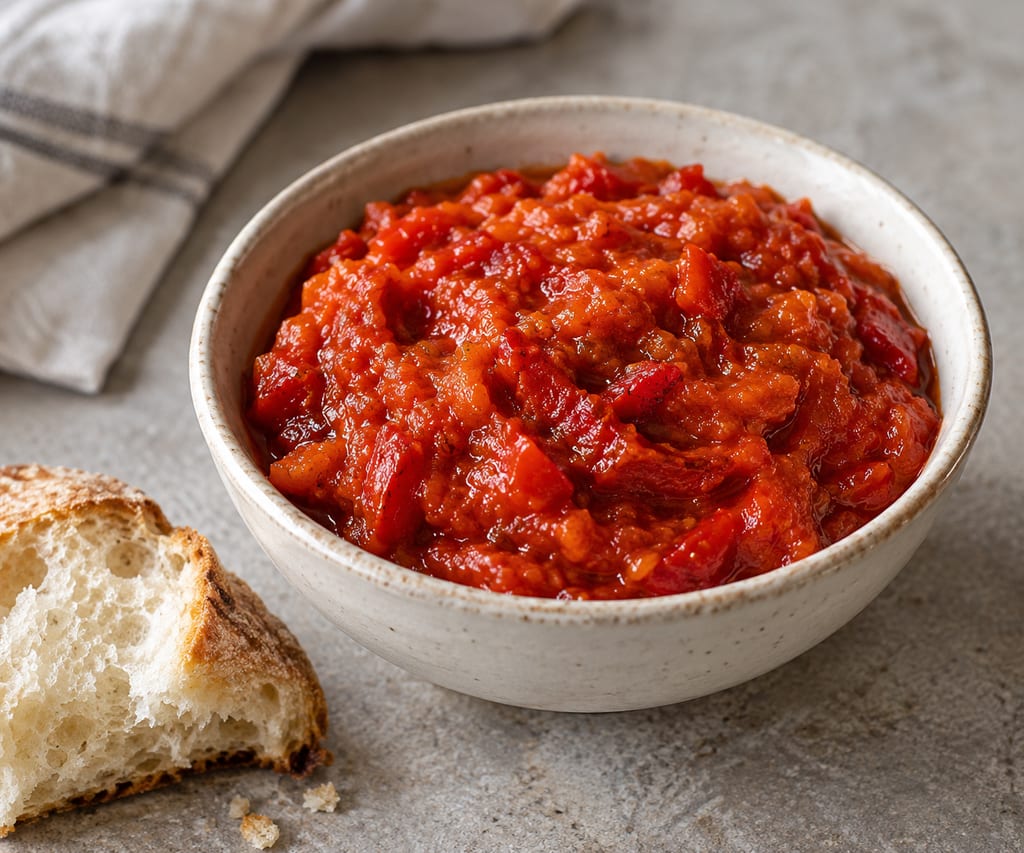
A Balkan relish of cooked peppers, tomatoes, aubergine and garlic in oil, sometimes made hot, served cold and named for its spiciness.
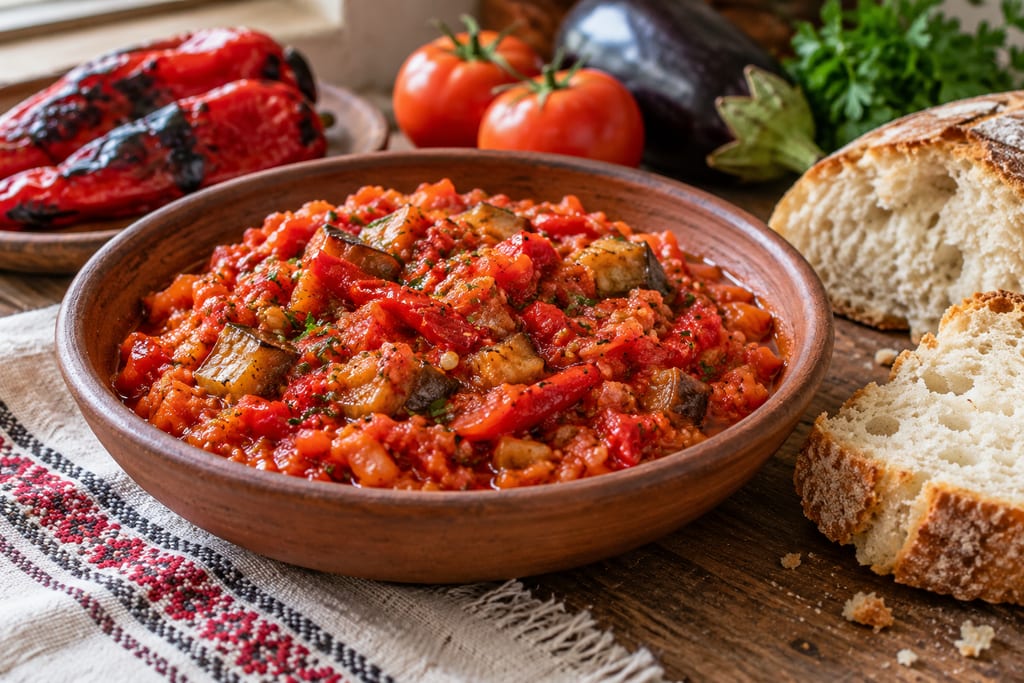
A Balkan relish of roasted red peppers and tomatoes, often with aubergine and garlic, cooked down into a spread for the winter store.
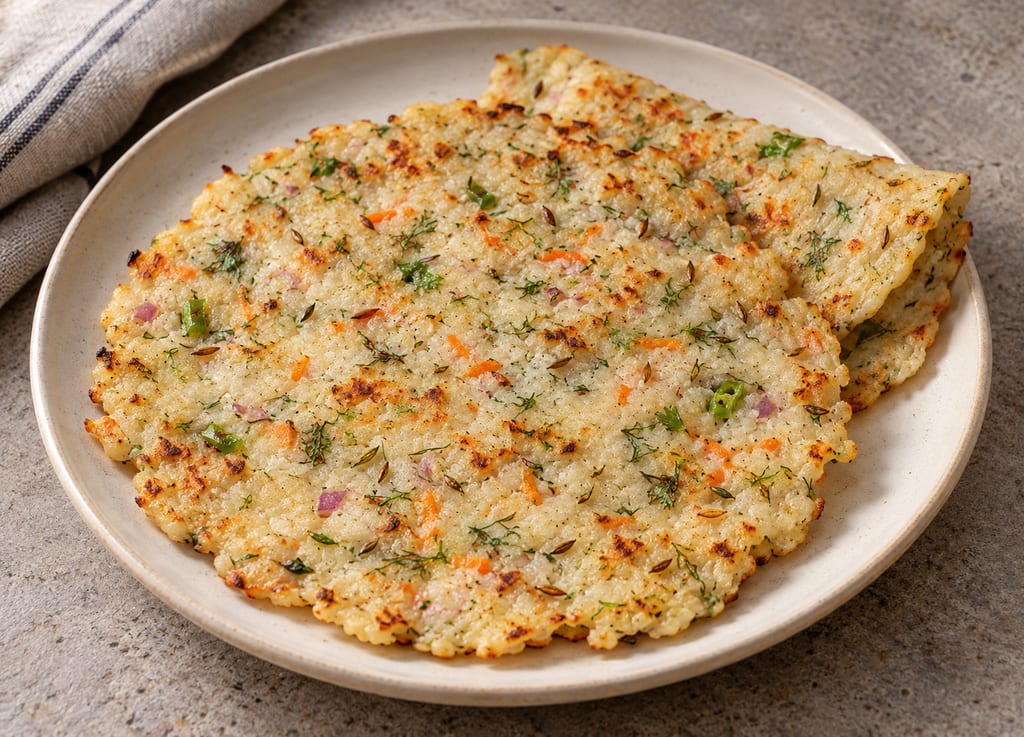
This Karnataka-style akki rotti mixes fine rice flour with vegetables, coconut, herbs and spices, then hand-pats and griddle-cooks the dough.
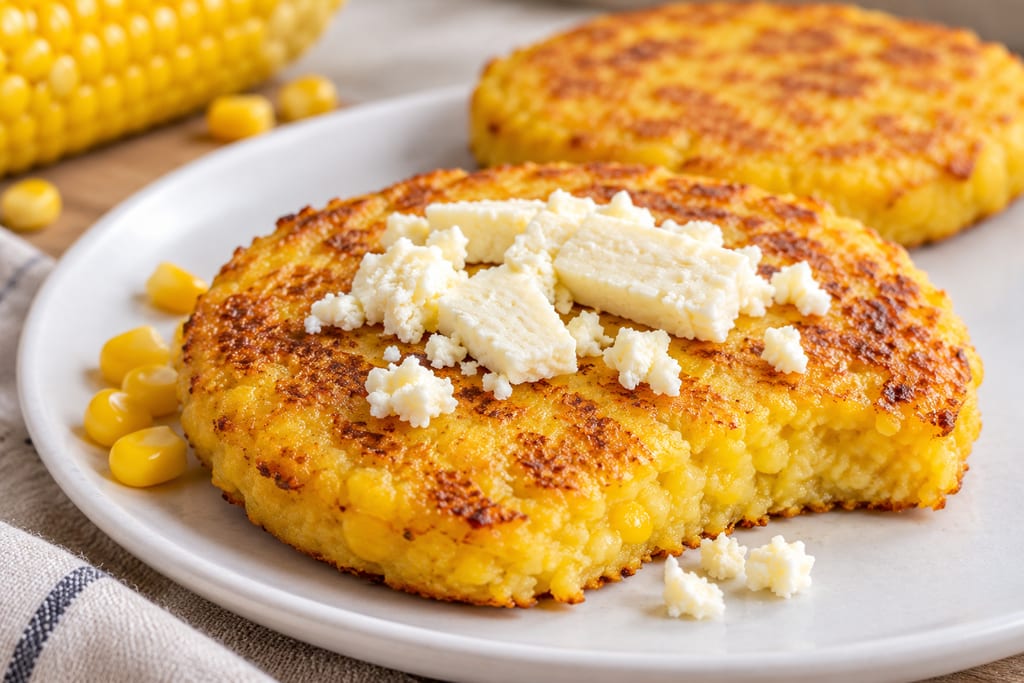
A Colombian Andean griddle cake made from fresh sweet-corn batter, cooked in butter and served with white cheese.
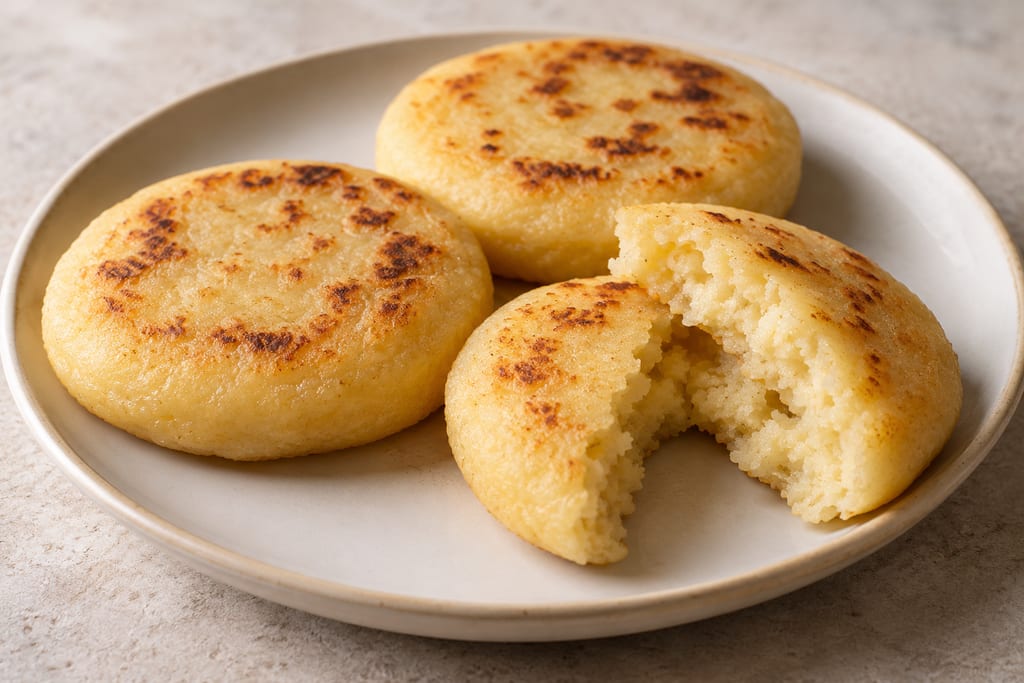
This household version combines precooked corn flour, warm water and salt, then cooks thick rounds on a lightly oiled skillet or griddle. It is one source-specific arepa method, not a universal Colombian or Venezuelan formula.
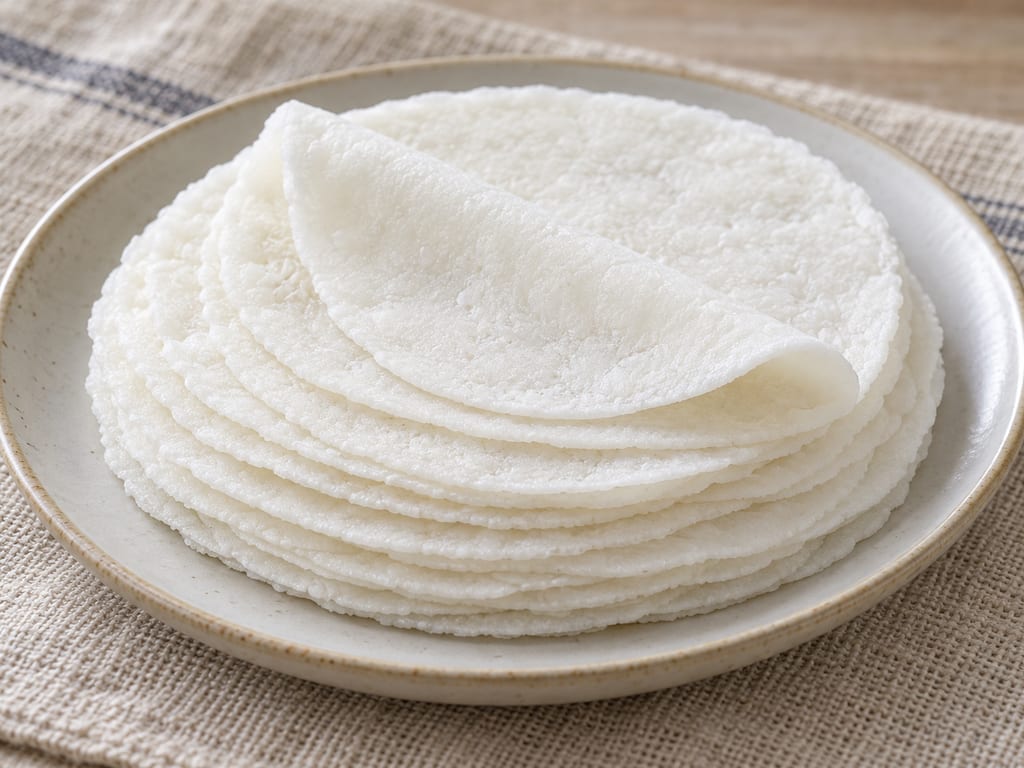
Thin Malabar rice-flour rounds made from roasted rice flour cooked into salted boiling water, kneaded after cooling, and rolled to about 1 mm. They cook on a hot griddle without taking on colour.
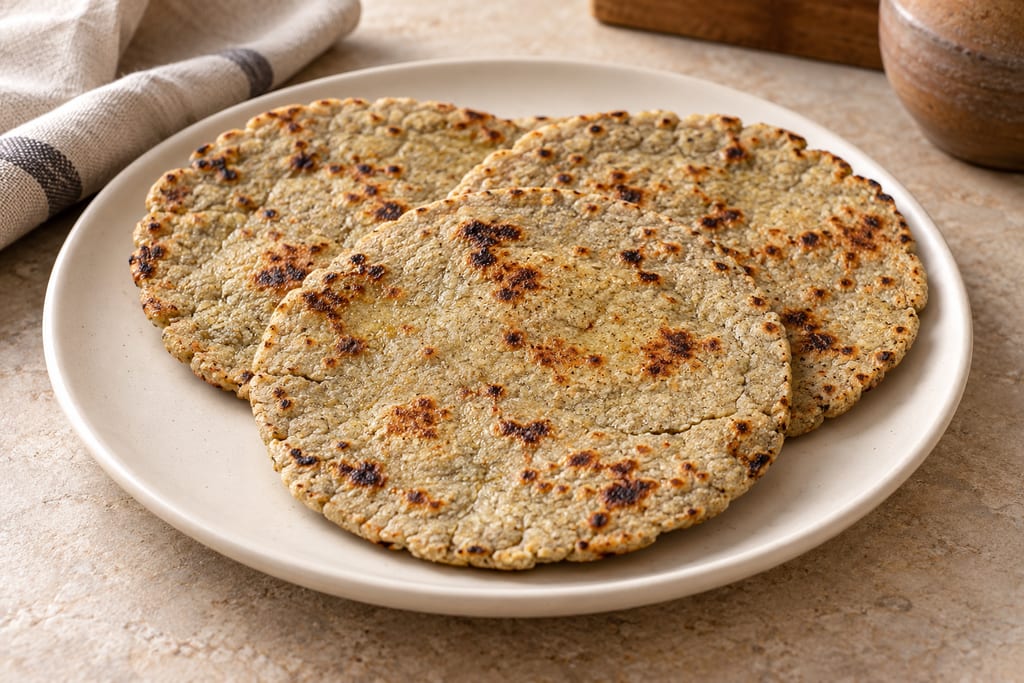
A pearl-millet flatbread shaped between sheets and cooked on a hot tawa. This home batch makes eight.
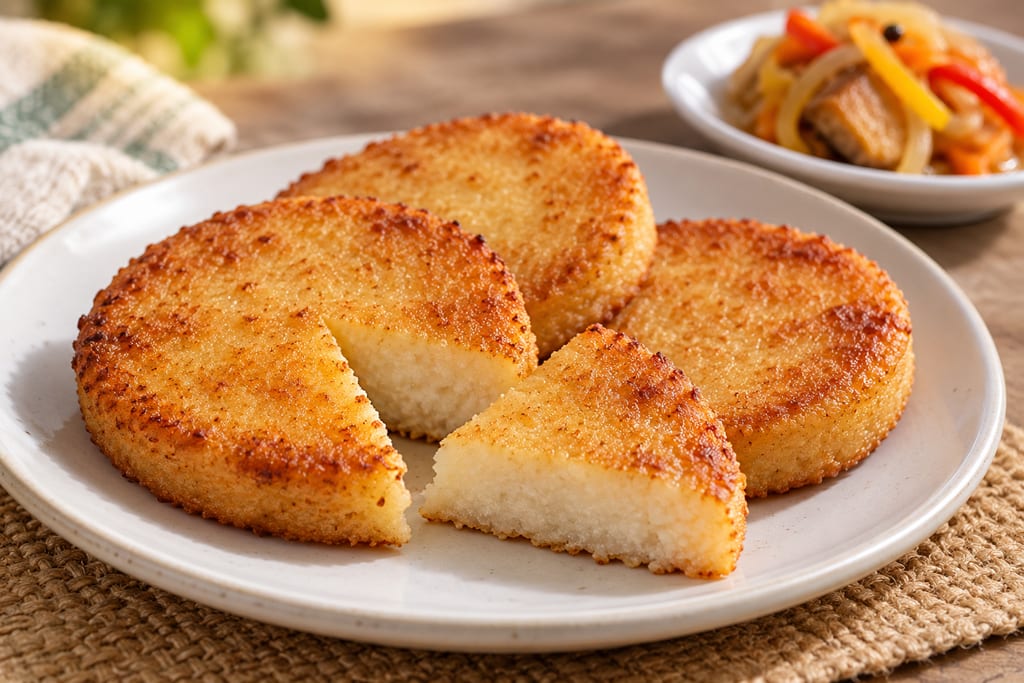
A serving method for approved, prepared bammy rounds: soak them in coconut milk and refry until golden. It does not process raw cassava.
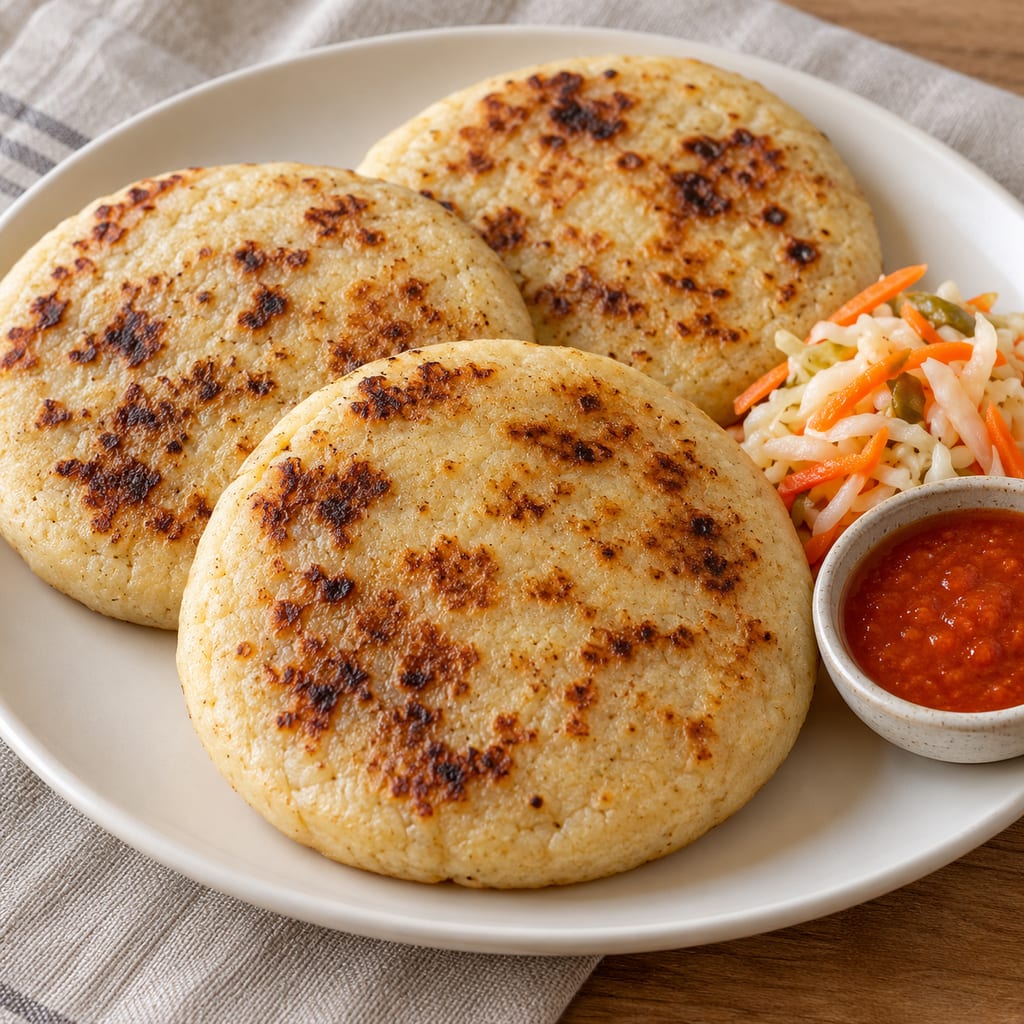
Salvadoran-style masa harina cakes filled with refried beans and cheese, sealed and cooked on an oiled skillet.
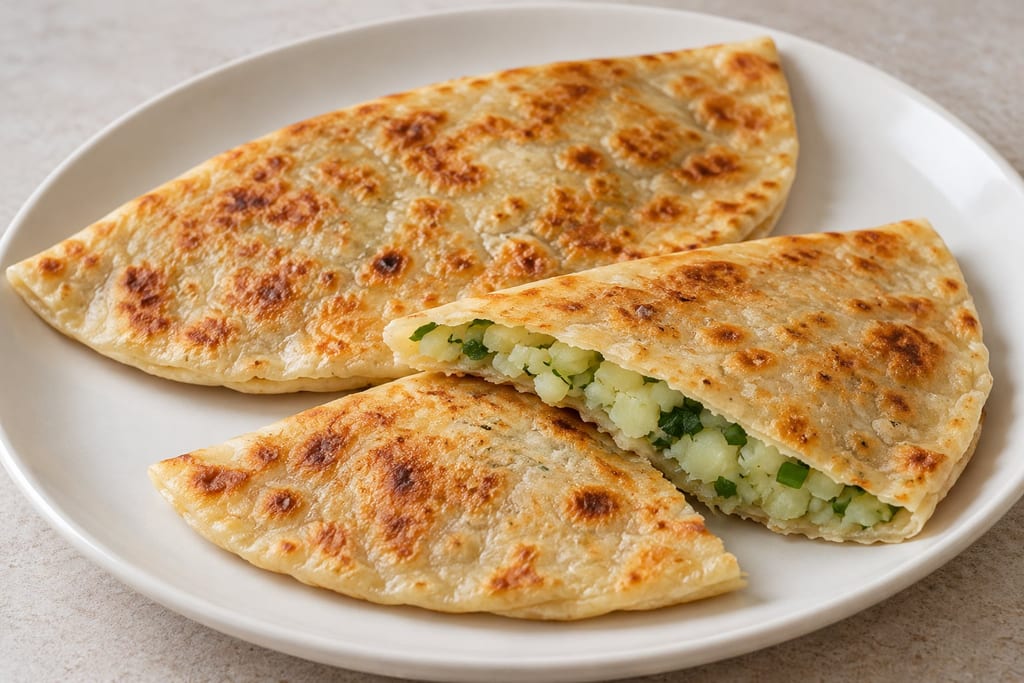
A thin, unleavened Afghan flatbread filled with mashed potato, scallion and cilantro, folded and pan-browned. This version uses a dough made from scratch.

Soft, spreadable Calabrian pork sausage made with a great deal of red chilli and fatty pork, stuffed into natural casings, sometimes smoked and matured while staying soft.

A way to add independent temperature logging to an existing food dehydrator without changing its built-in controls or protections. It is a monitoring method, not a rewiring plan.

Pleurotus cystidiosus is the abalone mushroom, a cultivated oyster-type fungus with dark brown caps that grows more slowly and is more demanding than other Pleurotus species.

A dark, balanced vinegar from Emilia-Romagna made by combining cooked or concentrated grape must with wine vinegar, then acetifying and refining it in wood under a protected specification.

A living dairy inoculum that starts controlled cream fermentation, developing acidity and aroma before sour cream or cultured butter is finished.

A small electric incubator holds jars at a selected temperature for yogurt and other documented warm food preparations. Controls, capacity and vessel arrangement vary by model.

Adygean salt is a seasoned table salt associated with Adygea and the wider North Caucasian culinary tradition. Salt is blended with garlic and a variable selection of herbs and spices; the exact mix depends on the named style and maker.

The African Caesar-group mushroom, Amanita masasiensis, is a wild ectomycorrhizal species of central and southern African woodlands, eaten locally. The genus contains deadly poisonous species, so identification needs care.
No community contributions have been published for this entry yet.
Sign in to contribute. Published comments and photos are free to read.
Recepti i Kuvar onlineMethod · Identity · History
Projin hleb – starinska proja, seljačka projaDescribes plain proja as an everyday bread, distinct from later versions enriched with cheese and greens.
Credits its historical account to Jovan Erdeljanović, Srpska narodna jela i pića (1908).
Gives a home method with 600 g whole-grain cornmeal, 600–700 ml heated water and 0.5–1 tsp salt; make 1.5–2 cm rounds and bake in a preheated shallow ceramic dish at 200°C for about 25 minutes.
The method says to avoid an overly wet dough and bake until the upper crust turns golden yellow.
Cited in: A measured home method; Mix and bake; Raw meal handling
Frontiers in Nutrition via PubMed CentralIdentity · History · Culture
Traditional Foods From Maize (Zea mays L.) in EuropeThe review identifies proja as a Serbian traditional unfermented bread made from pure maize flour, mixed into warm water with a little salt and fat, shaped and baked in a brick oven.
It distinguishes current versions that add wheat flour, yogurt, sour liquids, baking powder, cheeses and other ingredients.
This is a review description, not a measured household formula.
Cited in: The simple cornmeal bread
Centers for Disease Control and PreventionSafety
Raw Flour and DoughDo not eat raw dough; cook it following the recipe and wash hands, bowls, utensils and countertops after handling flour, eggs or dough.
Cited in: Raw meal handling