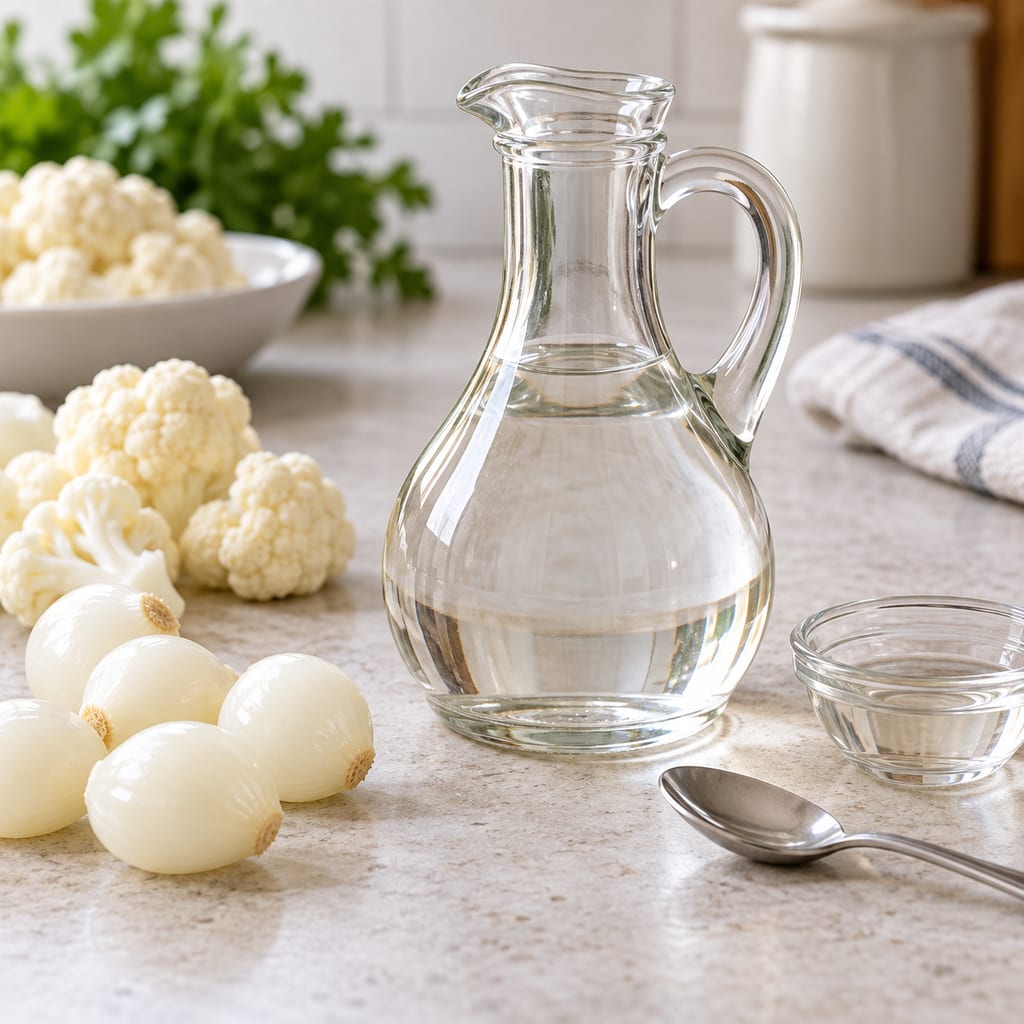
Spirit / distilled white vinegar
A clear, sharp vinegar made by acetifying alcohol. Its restrained color and aroma suit pickles, sauces and dressings where darker or more aromatic vinegars would change the result.
 FermenteaWhere food goes to change
Sauce chien · Sauce créole · Sauce chien antillaise · Sauce chien Guadeloupe · Sauce chien Martinique
Sauce chien is a fresh French Antillean sauce of chopped chives, parsley, garlic, shallot and hot pepper, steeped in hot water with oil and lime.
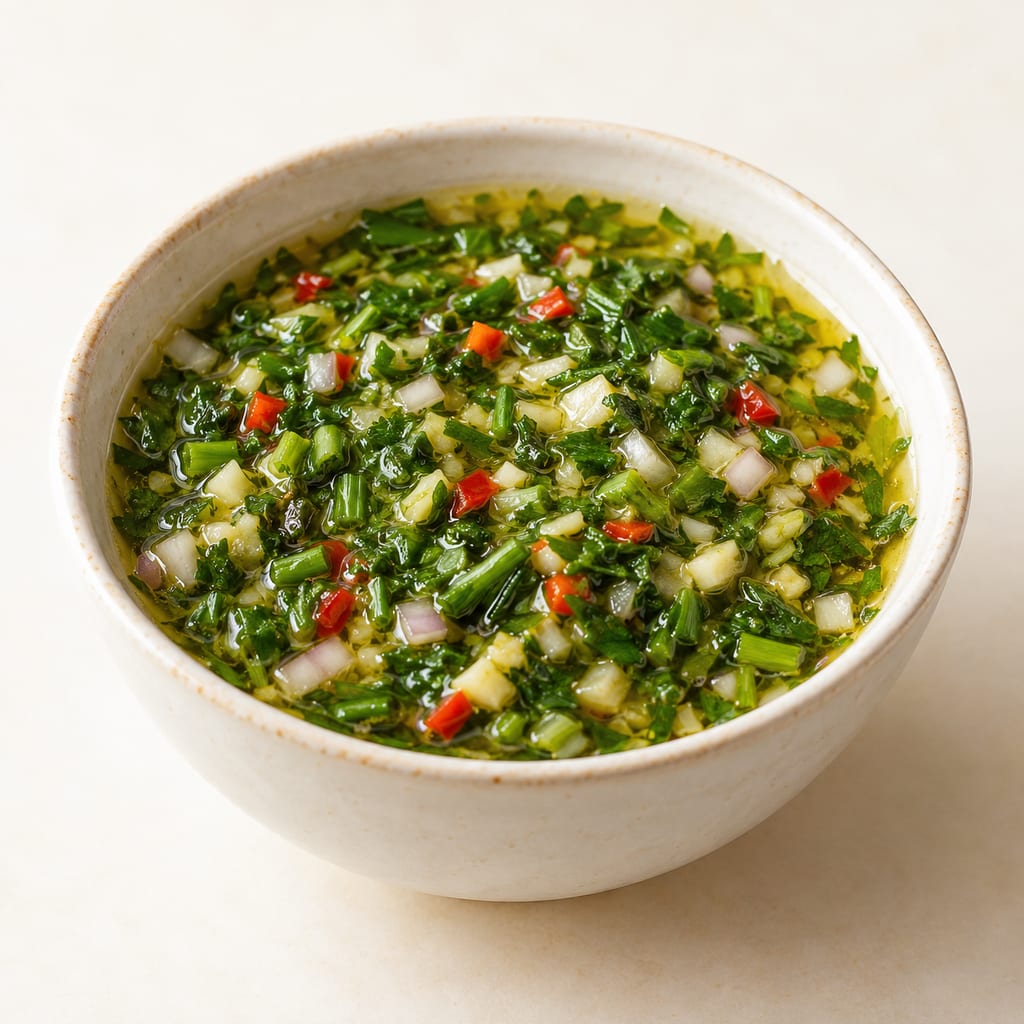
Sauce chien is a chopped, uncooked sauce from the French Antilles. Chives, parsley, garlic, onion, shallot and a hot pepper are cut fine, mixed with oil and lime, and loosened with hot water. It is spooned over grilled chicken, fish and pork, and served with plantain and steamed vegetables. The result is green, sharp and loose, not a paste or a cooked sauce.
Because the water is not boiling and the sauce is not cooked, the herbs keep their fresh flavour. The infusion draws the herb and garlic taste into the liquid over a few minutes.
The source gives one explanation for the name: a brand of kitchen knife once used to chop the herbs, known as a chien knife. It presents this as a popular account rather than a documented fact. No historical source for where or when the sauce began is given, so the name should be read as a family story.
The sauce is presented as typical of the French Caribbean and as an inheritance passed between generations in Guadeloupe and Martinique, not as a dated invention.
The pepper in the traditional sauce is the Antillean pepper, a sweet, fragrant, fruity variety with little heat. Some cooks use a hotter pepper, and the Antillean pepper is hard to find outside the islands.
Chives are the characteristic herb. The source calls them Antillean chives, cive, and sets them with parsley, garlic and onion. Shallot is included in the same chop.
The source names Guadeloupe and Martinique together and does not separate their recipes. It says each family has its own version. Some add tomato, ginger or a little stock, and the source does not tie those additions to one island.
Sauce chien is served warm or lukewarm, just after infusion. Grilled foods, fish, lobster, acras and banana are its usual partners in the sources.
The source presents sauce chien as typical of the French Caribbean islands and passed down through families. Its name is explained by a brand of kitchen knife once used to chop the herbs. The source does not document that explanation, and the origin of the sauce is not dated.
Scaling: source batch only
Named by the source as a Guadeloupean sauce; the source does not give a date or a documented origin.
Named by the source with Guadeloupe. The source does not separate the two islands' recipes.
A clear, sharp vinegar made by acetifying alcohol. Its restrained color and aroma suit pickles, sauces and dressings where darker or more aromatic vinegars would change the result.
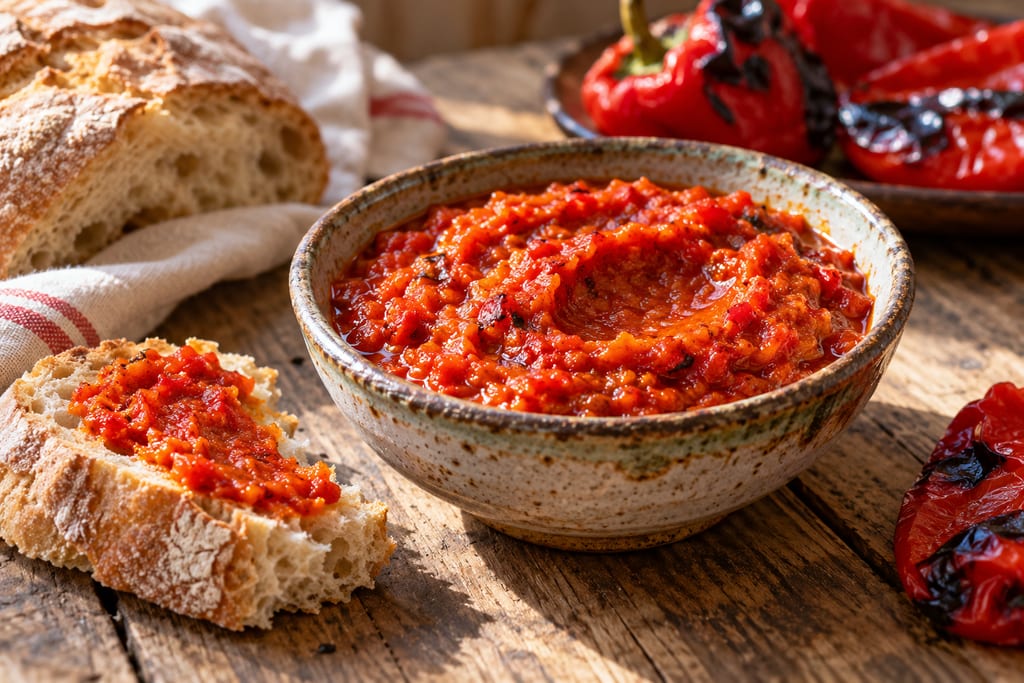
Ajvar is a cooked Balkan pepper preserve built around roasted red peppers, peeled, drained, ground and slowly fried with oil and seasoning. Leskovac’s protected version is a pepper specialty; regional versions vary.
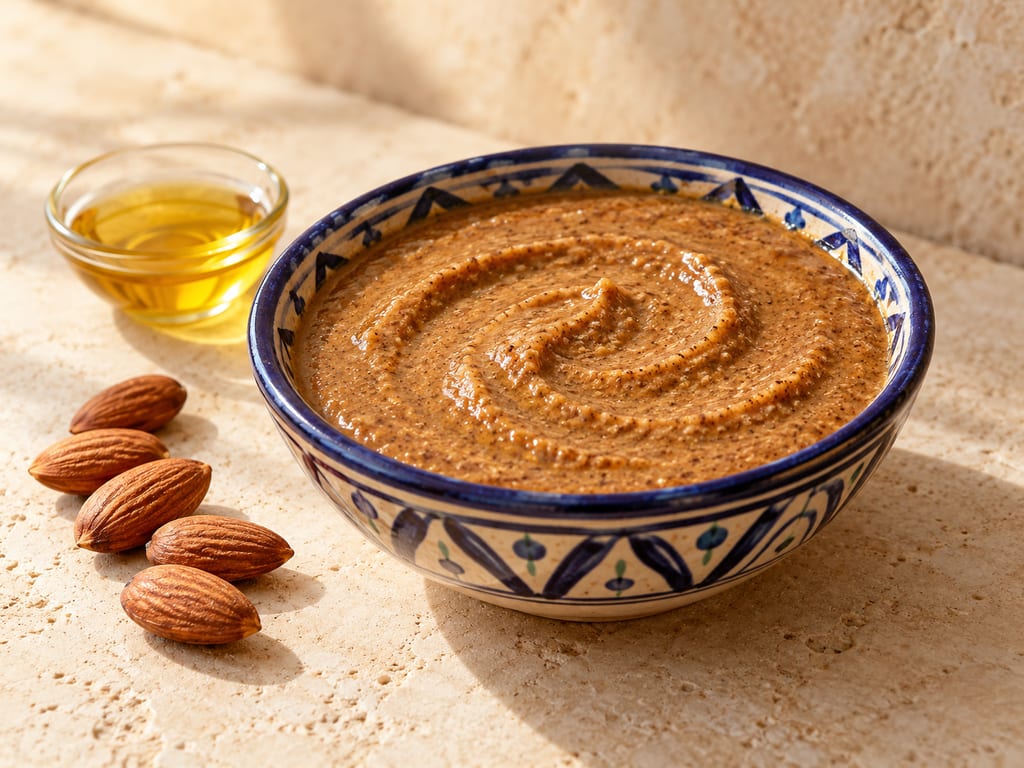
Amlou is a nutty, lightly sweet Moroccan spread of roasted almonds, culinary argan oil and honey. The almonds are ground first, then loosened with oil and sweetened; the balance can range from a thick spread to a dip.
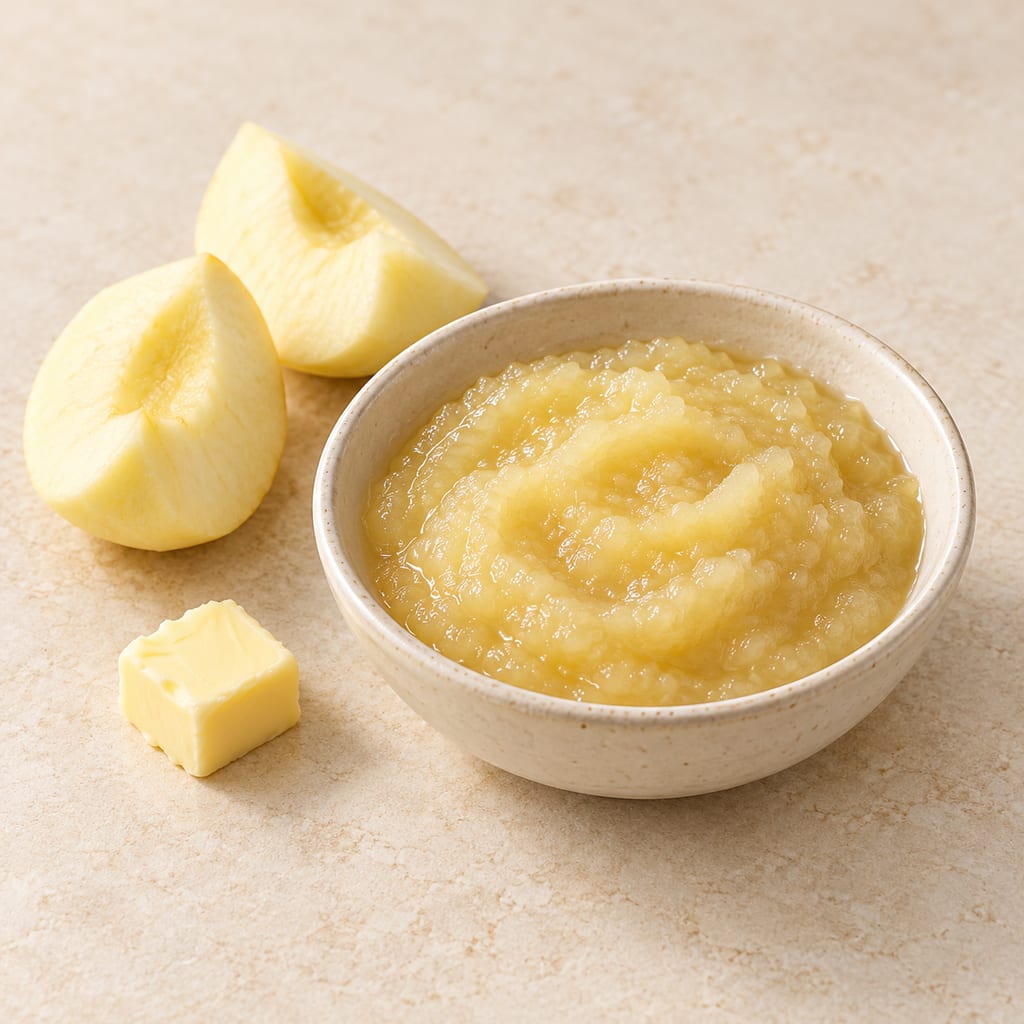
Apple sauce for goose and pork is a plain English accompaniment: cooked apples pulped with water, then sweetened with sugar and finished with a little butter.

A warm dip of garlic, anchovy and olive oil, often enriched with butter, that Piedmont serves over a flame with raw and cooked vegetables and bread.
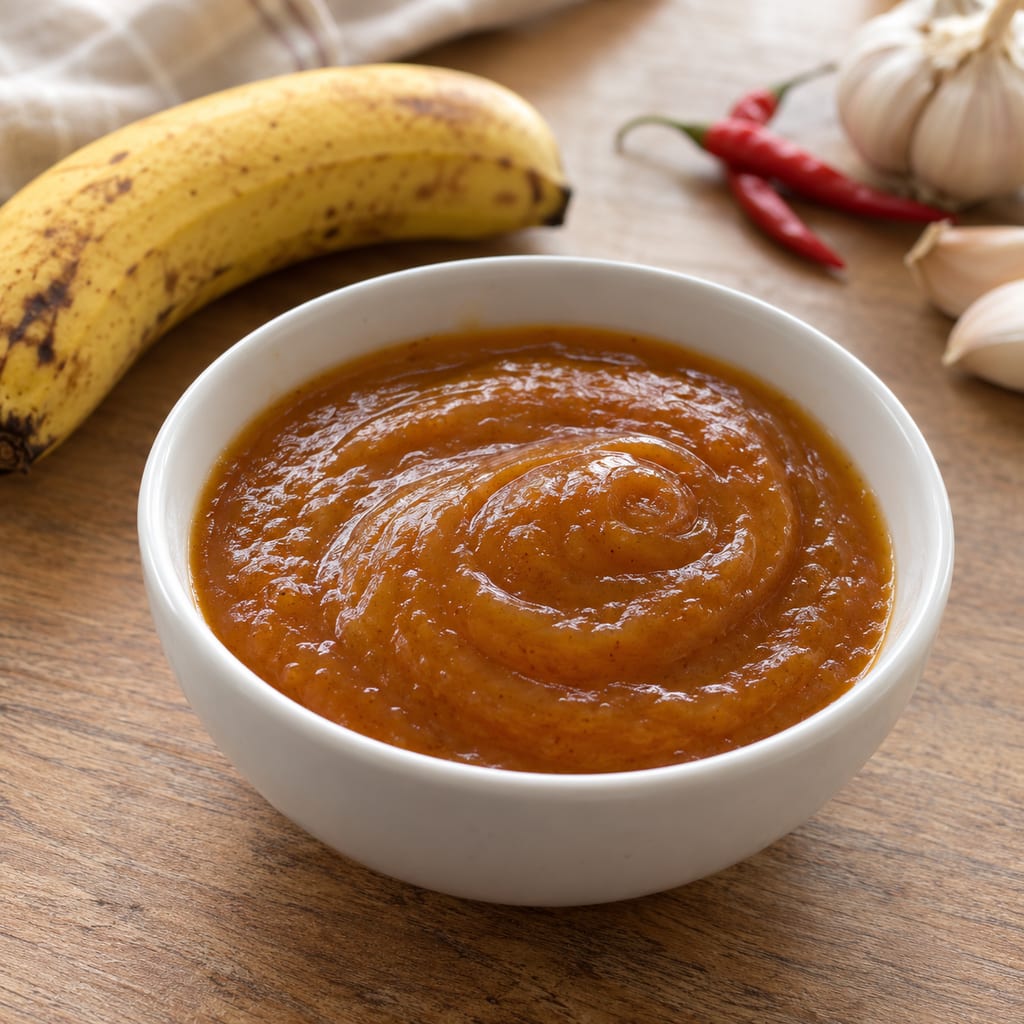
A sweet-hot table sauce of ripe banana simmered with vinegar, sugar, onion, garlic and fresh chilli, in the manner of Philippine banana ketchup. An untested development batch of about 500 g.
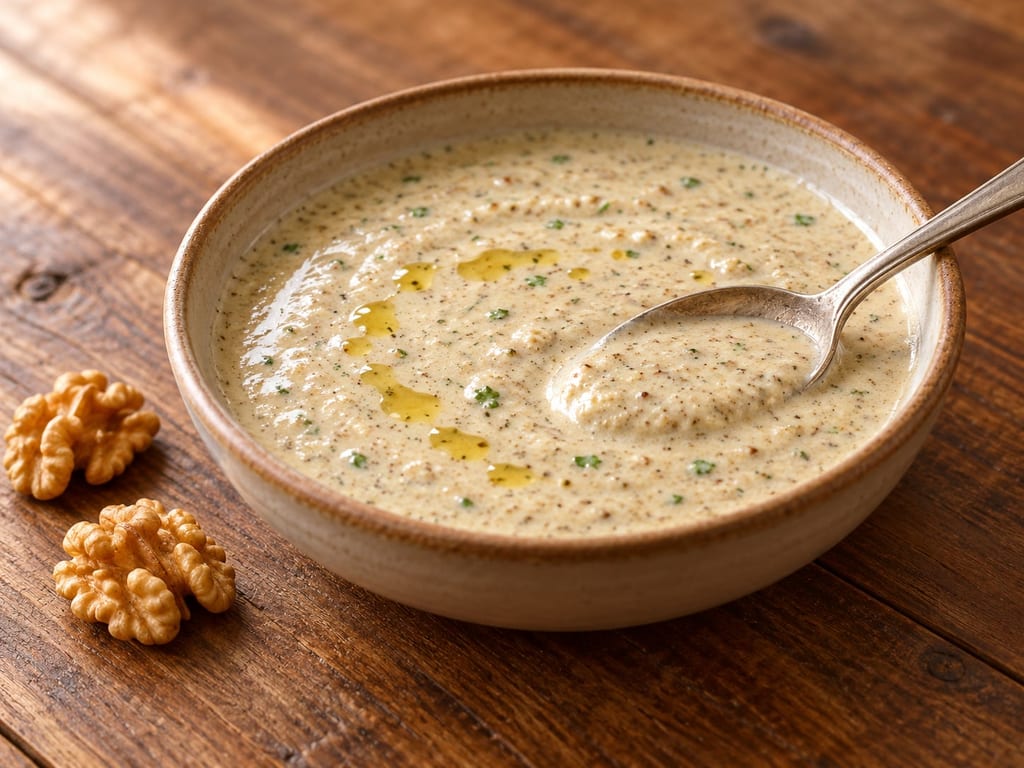
A Georgian walnut sauce of ground walnuts, garlic, vinegar and spices, thinned with water or broth. It is served with poultry, vegetables and bread, and is the sauce of the dish satsivi.
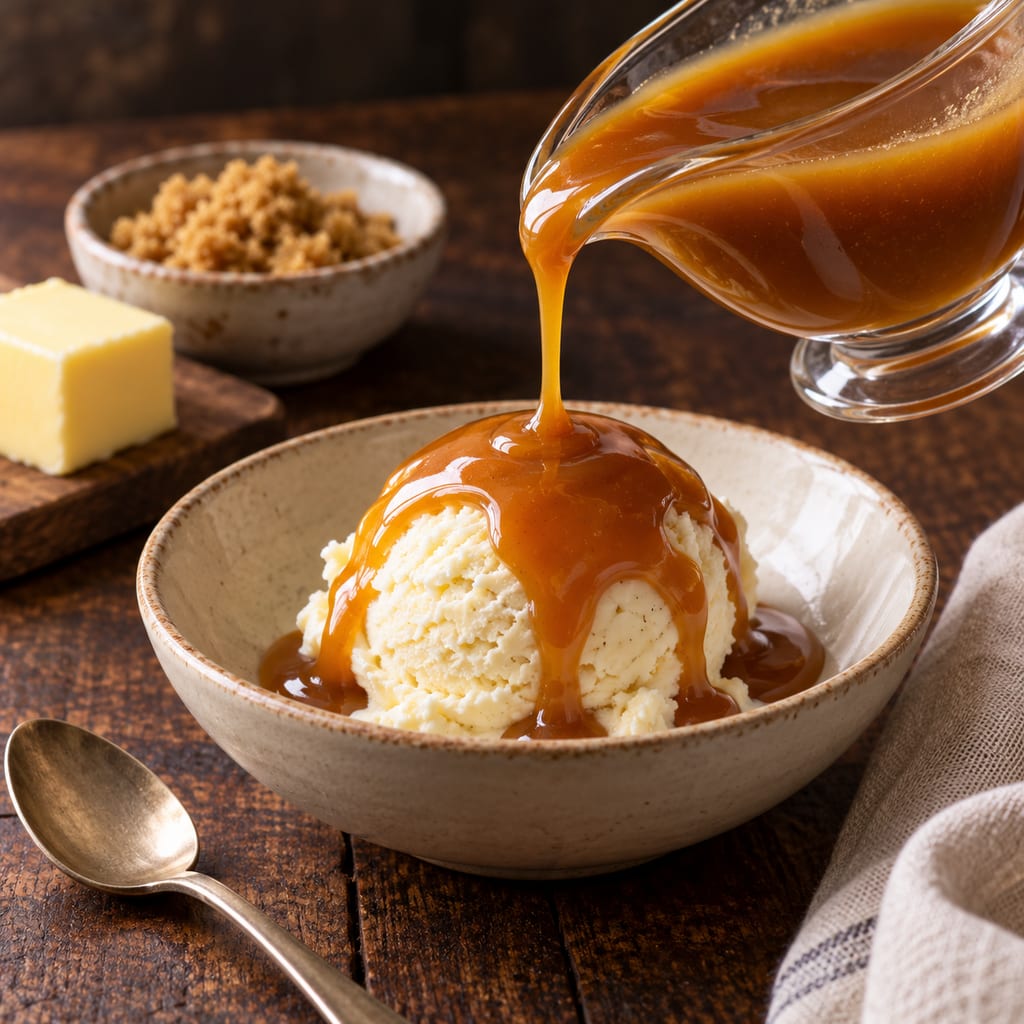
A pourable dessert sauce of brown sugar, butter and cream, with a little corn syrup and salt. It is the sauce form of the butterscotch confection and is made without water, unlike caramel.
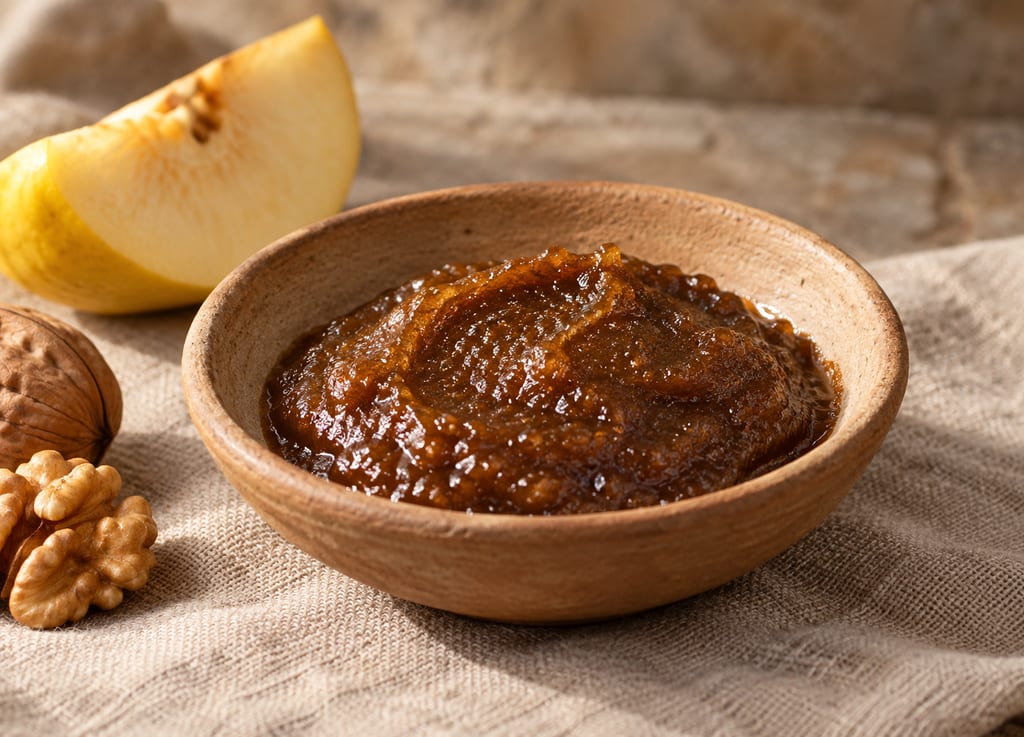
Byzantine murrī is a cooked imitation of murrī from the medieval Arabic repertoire, made from scorched honey, toasted bread, walnuts, quince, carob and spices rather than from a long grain fermentation.
No community contributions have been published for this entry yet.
Sign in to contribute. Published comments and photos are free to read.
Les Récoltes du MondeMethod · History · Culinary use · Variants
Sauce chien : origine, recette et usage de ce classique antillaisIngredients without quantities: chives, parsley, garlic, onion, shallot, Antillean pepper, lime juice, oil, hot water, salt, pepper; method: chop, mix with oil and lime, pour hot water, infuse a few minutes; name explained by a knife brand; family versions; served with grilled meats and fish
Cited in: A fresh herb sauce for the grill; The name and what it does not prove; Antillean pepper and the herbs; Guadeloupe, Martinique and the family version