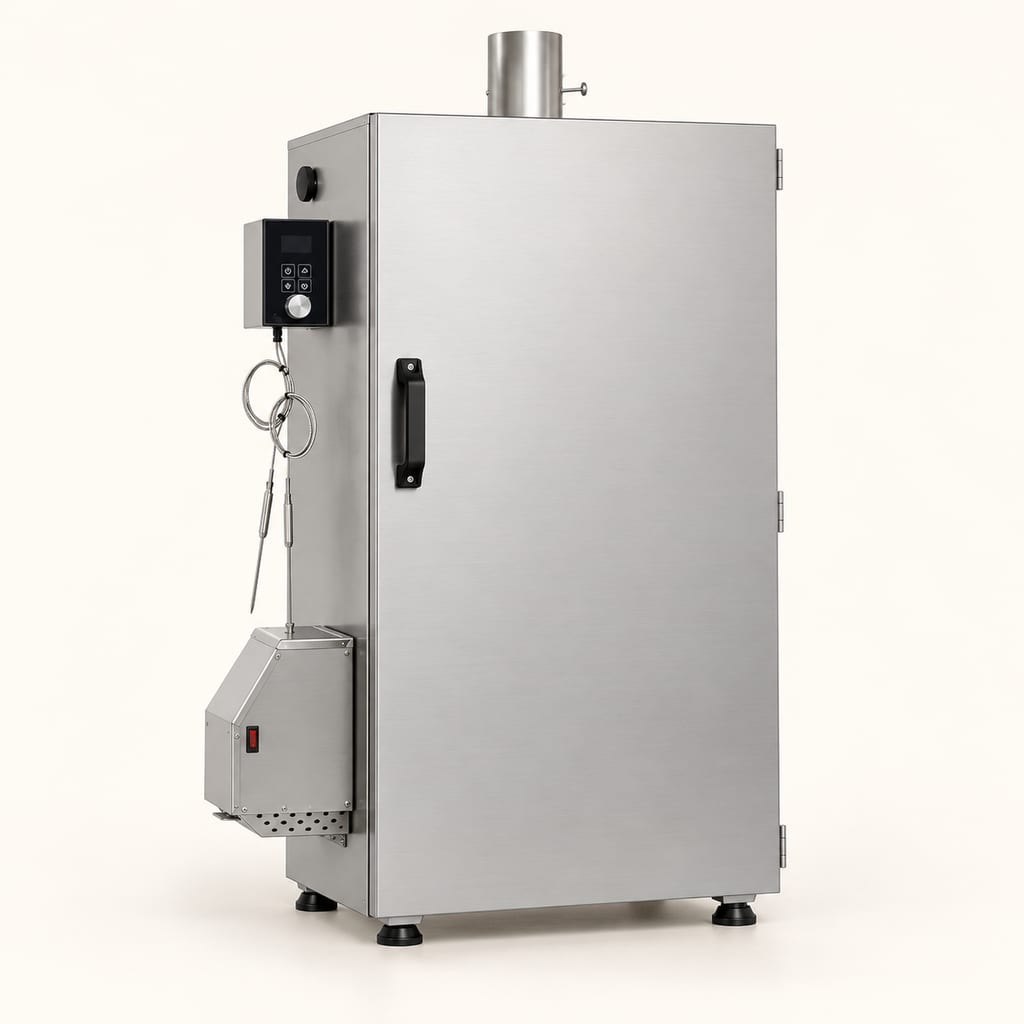
Borniak Smoker 150 BBQ INOX Wi-Fi
A 150-litre Wi-Fi electric smoking cabinet with a brushed stainless-steel exterior, automatic wood-chip smoke generator and 150°C maximum. Exact model BS150IWUK.
 FermenteaWhere food goes to change
Equipment · Smoking ovens, kilns and cabinets
An electric smoker heats an enclosed cabinet while wood chips make smoke. A thermostat controls chamber heat; a separate thermometer checks the fish. Models vary, and smoking does not make lightly salted fish shelf-stable.
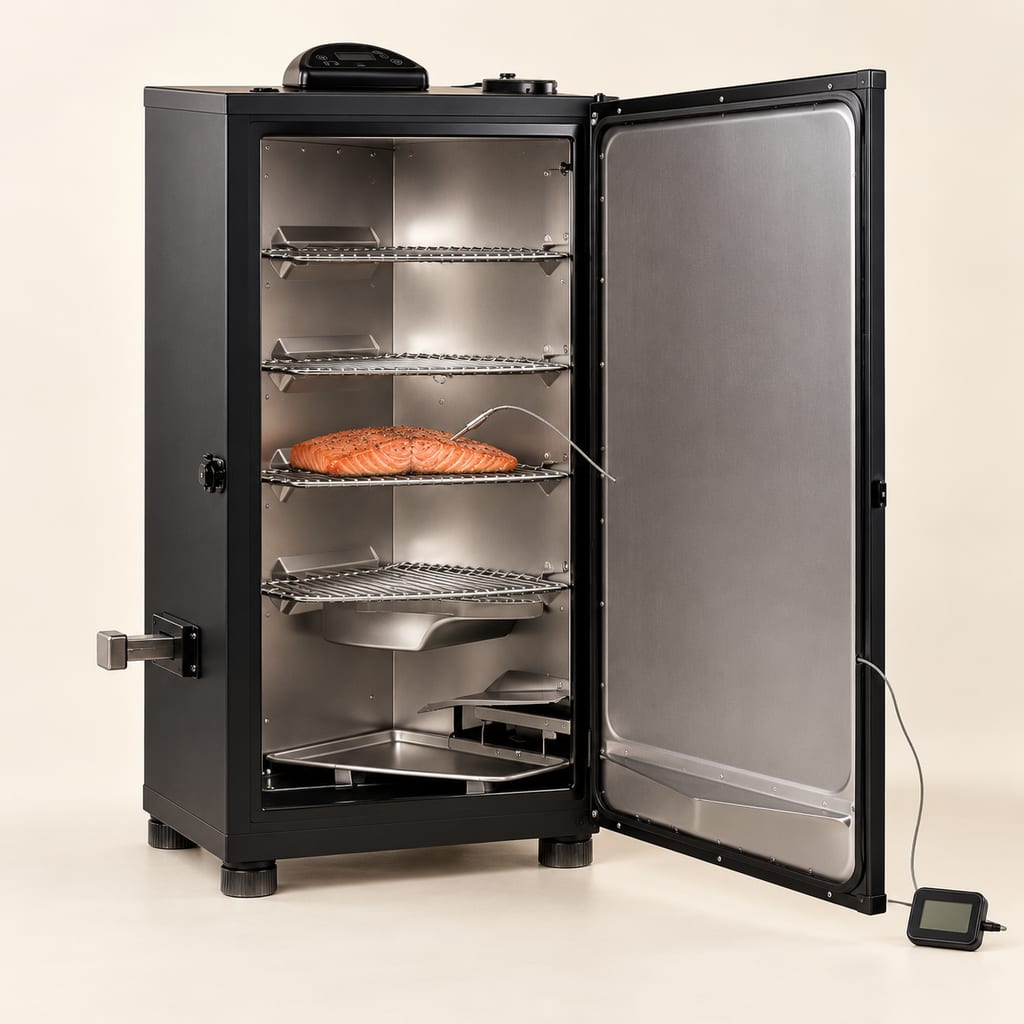
An electric smoker is an enclosed chamber with a powered heating element, food racks and a way to introduce smoke from wood. Thermostatic or digital controls regulate the chamber, while a vent or damper manages its air path. One illustrated home design from 1983 pairs an insulated metal box and liner with an electric oven element, multiple racks and a separate heat source for the wood chips. The drawing describes a general arrangement, not a blueprint. Current manufactured models take different forms; one 30-inch vertical cabinet, for example, has a digital control panel, side chip loader, four chrome-coated racks, water bowl and adjustable damper.
Those details describe one example rather than a standard specification. Electric smokers vary in cabinet size, rack count, fuel arrangement, temperature range and controls. The item has no single capacity or set of dimensions, and a feature visible on one model should not be read as a feature of every electric smoker.
A cabinet thermostat reports the air setting, not the temperature inside a piece of fish. Heat circulates unevenly, so home-smoking guidance calls for a long-stemmed food thermometer placed in the thickest piece; a probe routed through the wall lets the smoker stay closed during the reading. This is a separate measurement from the smoker's own gauge or digital control.
The appliance also does not prepare or chill raw fish, guarantee even salting, or correct poor handling. Some small metal units cannot reach the cooking temperature required by a tested hot-smoking procedure; an oven finish may be needed when the chosen model cannot. Use a current tested fish procedure for its salting, time, temperature and storage directions instead of treating a cabinet setting as a safety check.
A 1983 publication already depicts a thermostat-controlled electric element in a home smokehouse; a current retail listing demonstrates that enclosed digital models remain commercially available. These dated examples place the device in modern home food preparation, but they do not identify its inventor or establish one universal design. The Pacific Northwest publication supplies a regional record for home fish smoking, while Alaska's extension service describes the local importance of smoking fish. Those are places where guidance documents the practice, not exclusive territories for the equipment.
Lightly smoked fish is still perishable. Smoke alone does not preserve it, and consumer guidance calls for refrigeration or freezing according to the tested method. The smoker is one part of a broader process that includes fish handling, salting, measured heat and cold storage; it is not a substitute for those controls.
A dated 1983 home-smoker design shows a thermostat-controlled electric element, while a current retail example has a digital panel, insulated vertical cabinet, side wood-chip loader and multiple racks. Neither establishes a single standard form or the type's invention date.
The cabinet setting is not the fish temperature. Air circulates unevenly, so the thickest piece needs a separate thermometer check.
Source →Some small metal smokers cannot reach the cooking temperature required by a tested fish procedure; capability is model-specific and an oven finish may be needed.
Source →Smoke is not a dependable preservative by itself. Lightly smoked fish remains perishable and must be refrigerated or frozen as directed by a tested procedure.
Source →A multi-state extension publication describes an electric-element smoker and small metal smokers for home fish smoking. This records a documentation region, not an origin or exclusive-use claim.
A 150-litre Wi-Fi electric smoking cabinet with a brushed stainless-steel exterior, automatic wood-chip smoke generator and 150°C maximum. Exact model BS150IWUK.
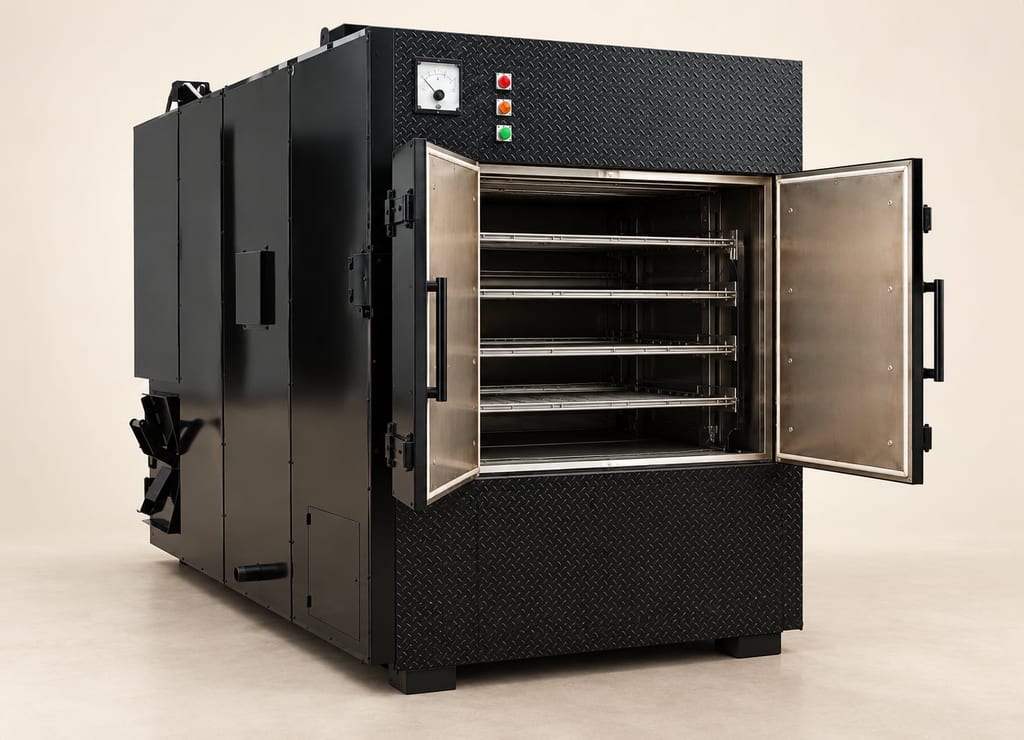
A large, wood-fired commercial smoker with thermostatically controlled rotating racks. J&R lists 18 racks, 1,000 lb maximum meat load, and a 56 × 104 × 79 inch body.
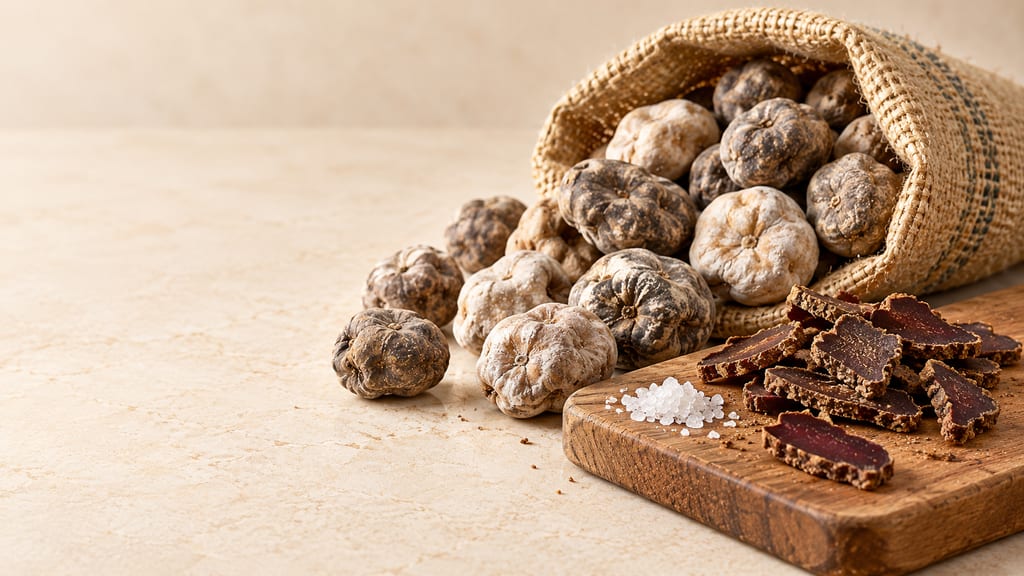
A machine can supply heat, cold, airflow, pressure or a vacuum. Many traditional foods also depend on sunlight, frost and running water, months of microbial work, or a tested kill step, and these are the places where an appliance stops.
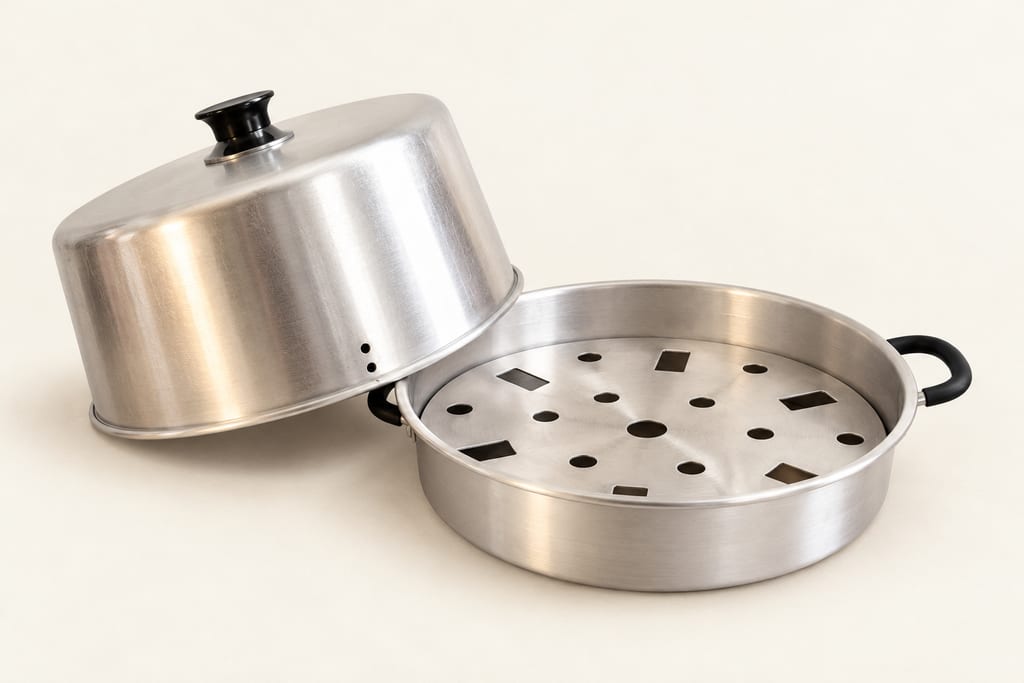
A shallow rack base and tall vented cover process jars in atmospheric steam. NCHFP limits the method to tested high-acid or acidified recipes requiring no more than 45 minutes, including altitude adjustment; this is not pressure canning.
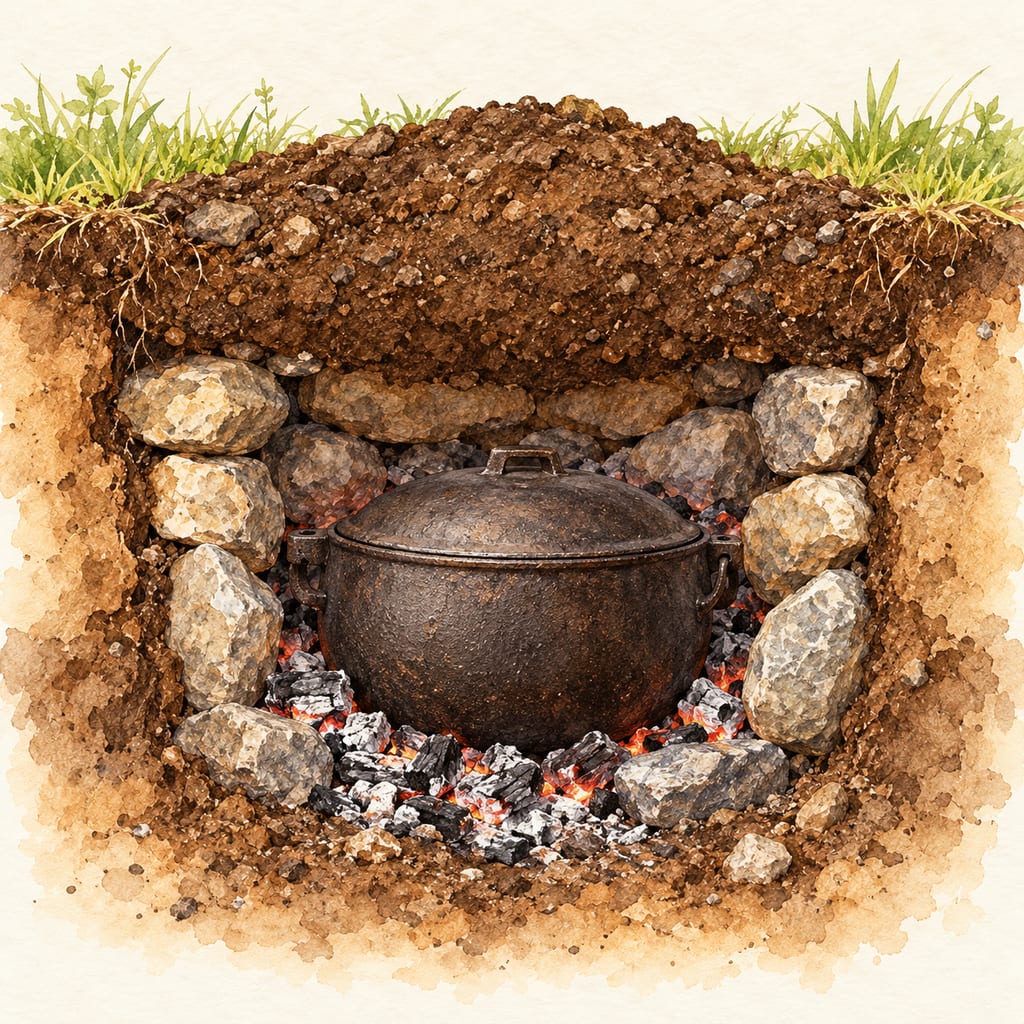
A covered iron vessel used in Maine bean-hole cooking, set into a preheated stone-lined pit and buried for a slow cook.
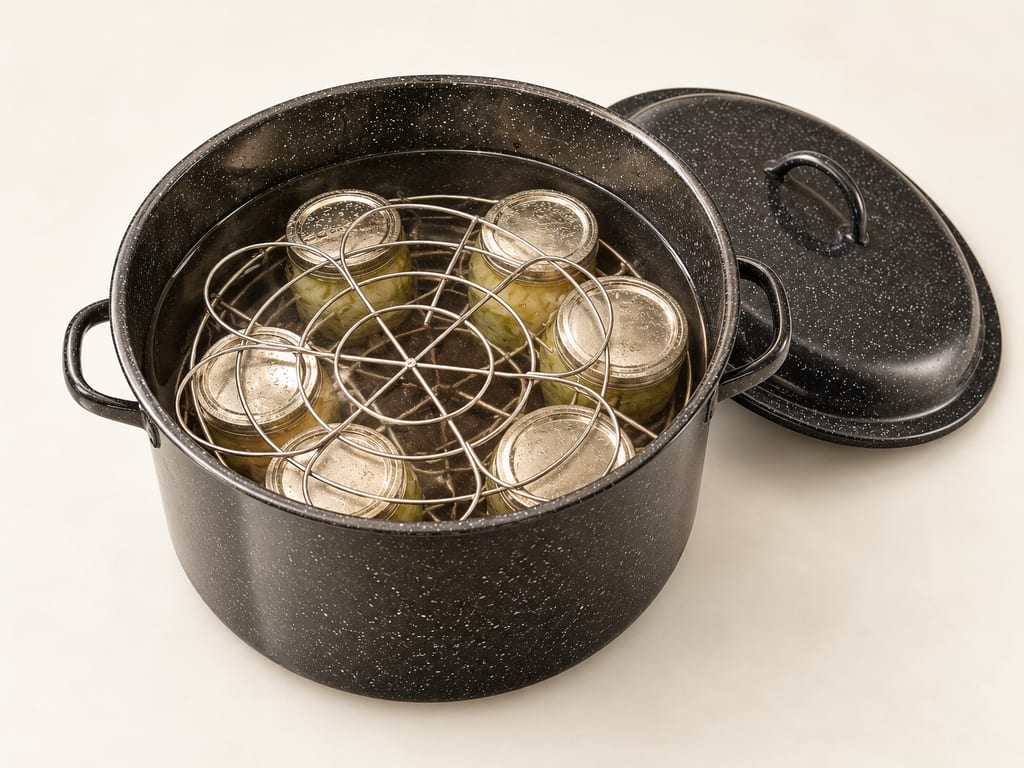
A deep, lidded pot with a removable rack processes jars beneath boiling water. It is intended for foods with tested boiling-water processes; low-acid foods require pressure canning.
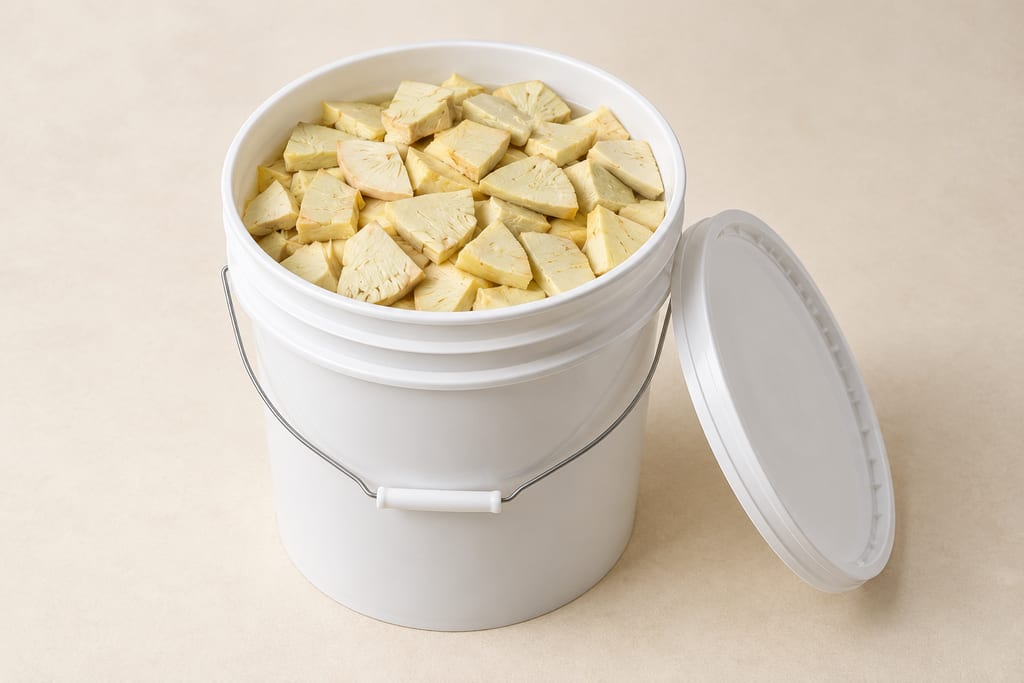
A contemporary household enclosure for preparing mā, fermented breadfruit, documented in Hawai‘i using food-safe buckets, coolers or large sealable bags in place of a pit.
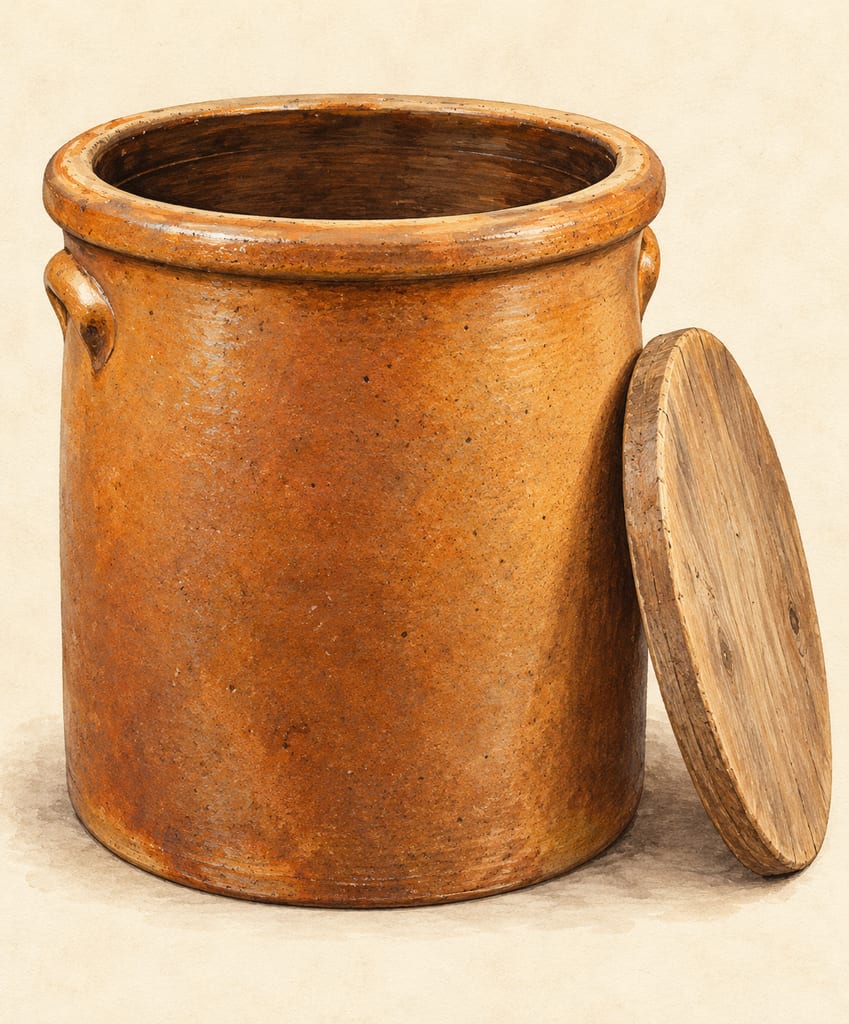
Containers for salt-curing fish and meat range from broad-mouthed stoneware crocks to tubs, cut-down barrels and chests. Their material, depth, cover and ability to retain or drain liquid shape how the food sits in salt or brine.
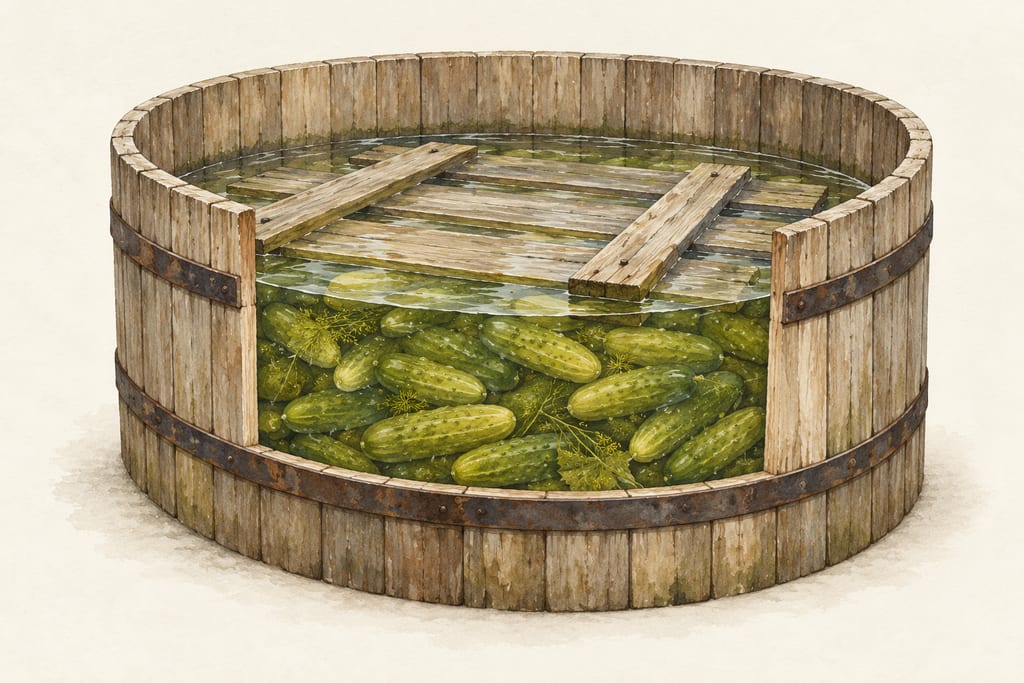
A bulk brining vat holds cucumbers and other vegetables under cover brine for fermentation and storage. North Carolina sources document a mid-century wooden tank yard and later outdoor fiberglass systems.
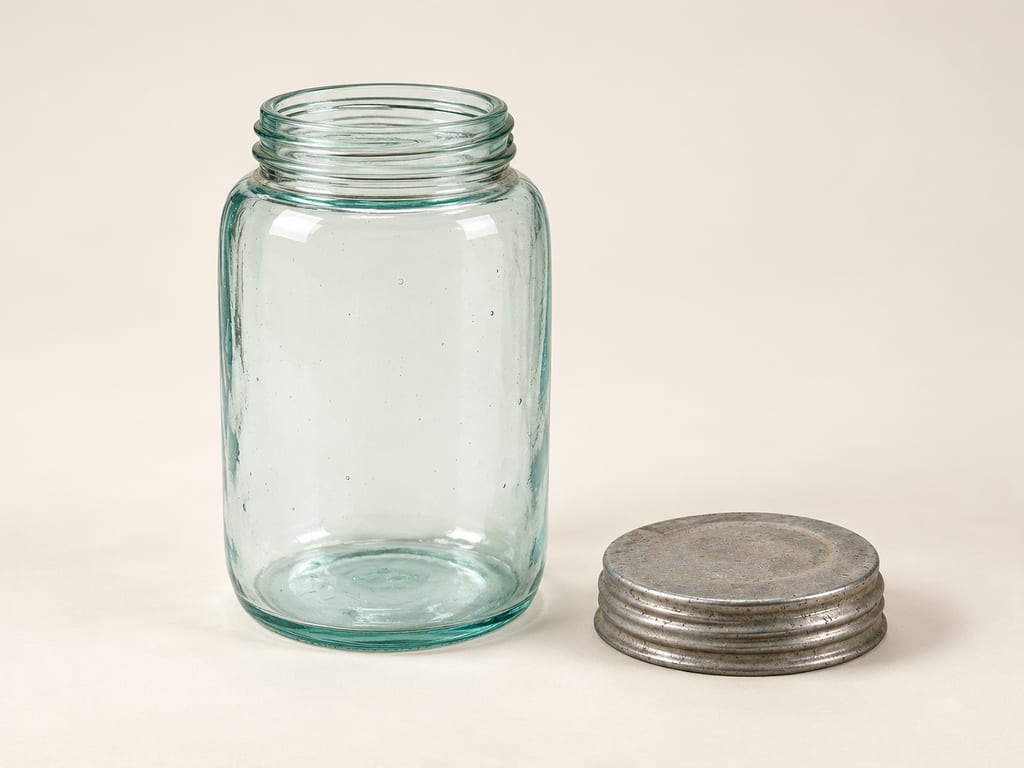
Threaded, heat-processing jars hold food and a fitted lid during a tested canning process; jar size and process belong to the specific recipe.
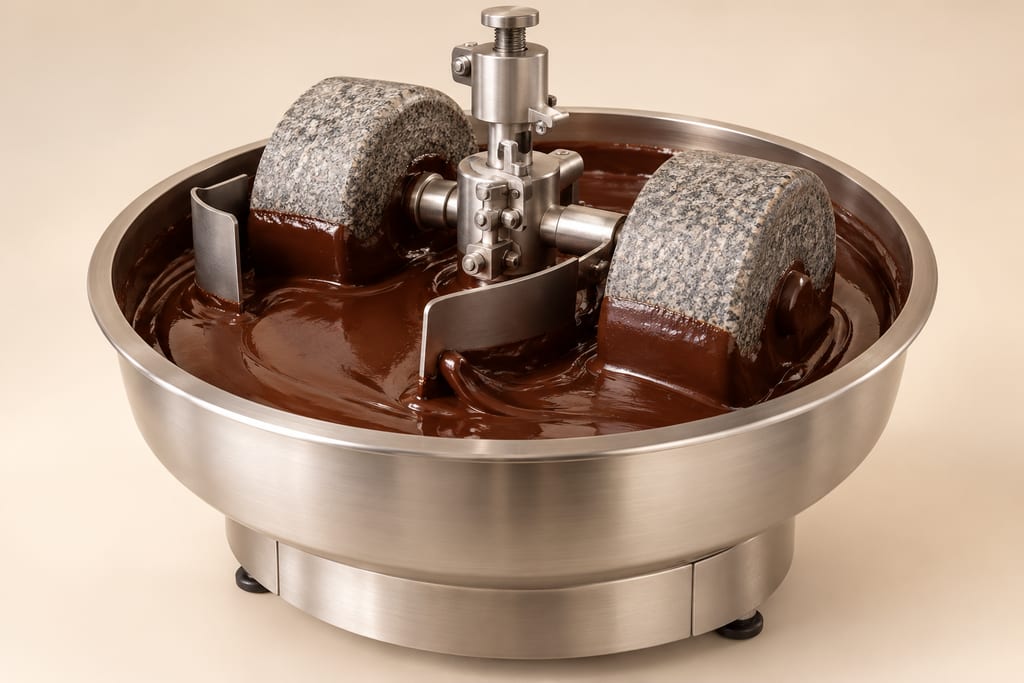
A chocolate refiner or melanger uses powered rotation and stone rollers to refine cocoa mass. Some models also process nut and seed pastes; design, material and operating limits vary.

Soft, spreadable Calabrian pork sausage made with a great deal of red chilli and fatty pork, stuffed into natural casings, sometimes smoked and matured while staying soft.

A way to add independent temperature logging to an existing food dehydrator without changing its built-in controls or protections. It is a monitoring method, not a rewiring plan.

Pleurotus cystidiosus is the abalone mushroom, a cultivated oyster-type fungus with dark brown caps that grows more slowly and is more demanding than other Pleurotus species.

A dark, balanced vinegar from Emilia-Romagna made by combining cooked or concentrated grape must with wine vinegar, then acetifying and refining it in wood under a protected specification.

A living dairy inoculum that starts controlled cream fermentation, developing acidity and aroma before sour cream or cultured butter is finished.

A small electric incubator holds jars at a selected temperature for yogurt and other documented warm food preparations. Controls, capacity and vessel arrangement vary by model.

Adygean salt is a seasoned table salt associated with Adygea and the wider North Caucasian culinary tradition. Salt is blended with garlic and a variable selection of herbs and spices; the exact mix depends on the named style and maker.

The African Caesar-group mushroom, Amanita masasiensis, is a wild ectomycorrhizal species of central and southern African woodlands, eaten locally. The genus contains deadly poisonous species, so identification needs care.
No community contributions have been published for this entry yet.
Sign in to contribute. Published comments and photos are free to read.
Pacific Northwest Extension: Washington State University, Oregon State University and University of IdahoEquipment form · Thermostatic control · Food probe · Smoking limits · Storage
Smoking Fish at Home—Safely (PNW 238)The 1983 edition revised in November 2009 depicts an insulated metal smoker with a metal liner, thermostat-controlled electric element, racks, adjustable draft and a separate wood-chip heat source; the diagram is expressly not a construction blueprint.
It says air circulation varies inside smokers and recommends measuring the thickest fish piece with a long-stemmed thermometer through the smoker wall.
It notes that some small metal smokers struggle to reach the cooking temperature used in its procedure and that smoke itself is not an effective preservative under most conditions.
Cited in: A controlled cabinet for smoke and heat; The food needs its own thermometer; A modern appliance, not a preserving guarantee
University of Alaska Fairbanks Cooperative Extension ServiceAlaska home smoking context · Fish handling · Perishability
Smoking Fish at HomeThe page describes home fish smoking as a popular activity in Alaska and outlines preparation, salting, drying, smoking and storage stages.
It states that modern lightly salted and smoked fish is not a preserved product and requires careful handling and refrigeration or freezing.
Cited in: The food needs its own thermometer; A modern appliance, not a preserving guarantee
MasterbuiltCurrent model example · Visual reference · Modern form
30-Inch Digital Electric Smoker (model MB20071117)The manufacturer describes a vertical insulated electric cabinet with digital time and temperature controls, four chrome-coated racks, a side wood-chip loader, water bowl, adjustable air damper and removable grease tray.
These are model-specific product features and are not asserted as universal to all electric smokers.
Cited in: A controlled cabinet for smoke and heat; A modern appliance, not a preserving guarantee