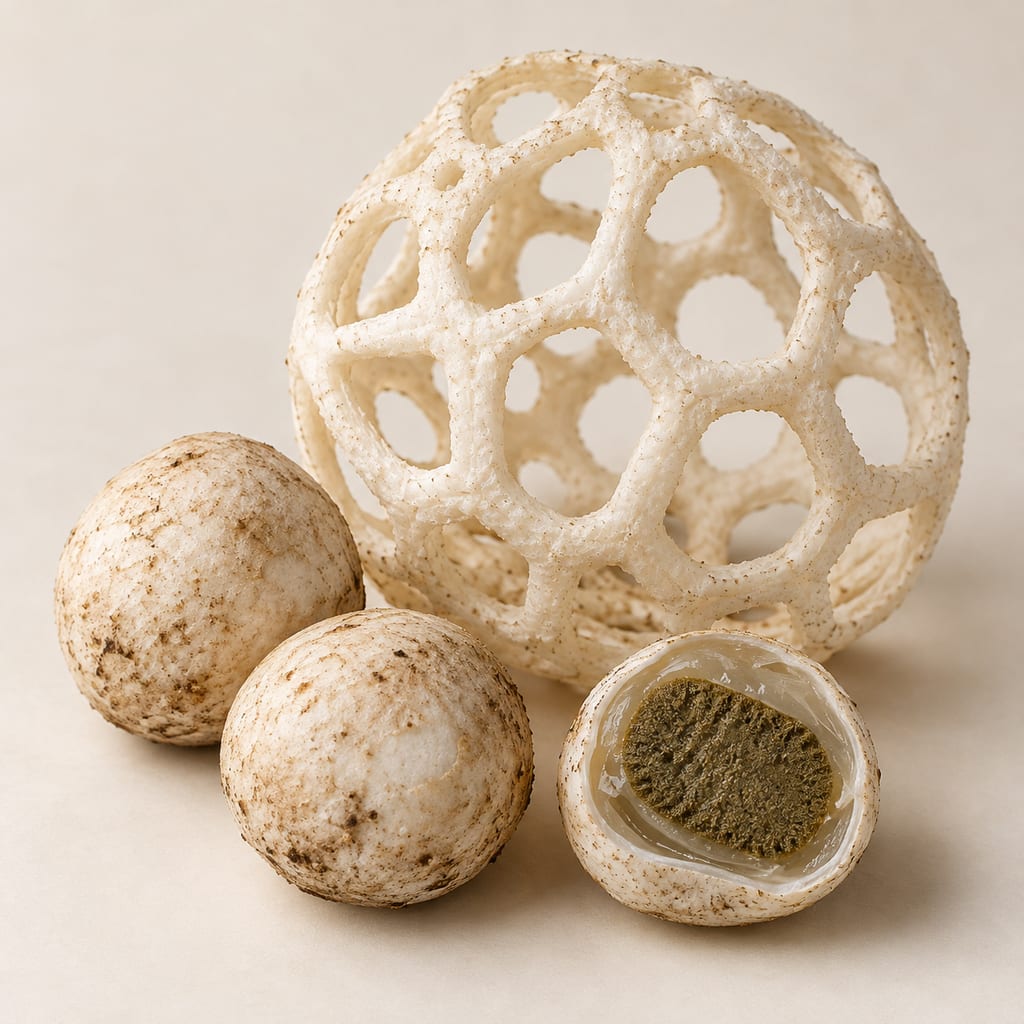
Basket fungus
Ileodictyon cibarium, a New Zealand stinkhorn fungus with a lattice basket. Historical Māori accounts record its unexpanded egg stage as food. Modern edibility has not been verified.
 FermenteaWhere food goes to change
Mushrooms
The phoenix oyster, Pleurotus pulmonarius, is a close relative of the oyster mushroom that prefers warmer weather, appears later in summer and is grown on wood-based and straw substrates.
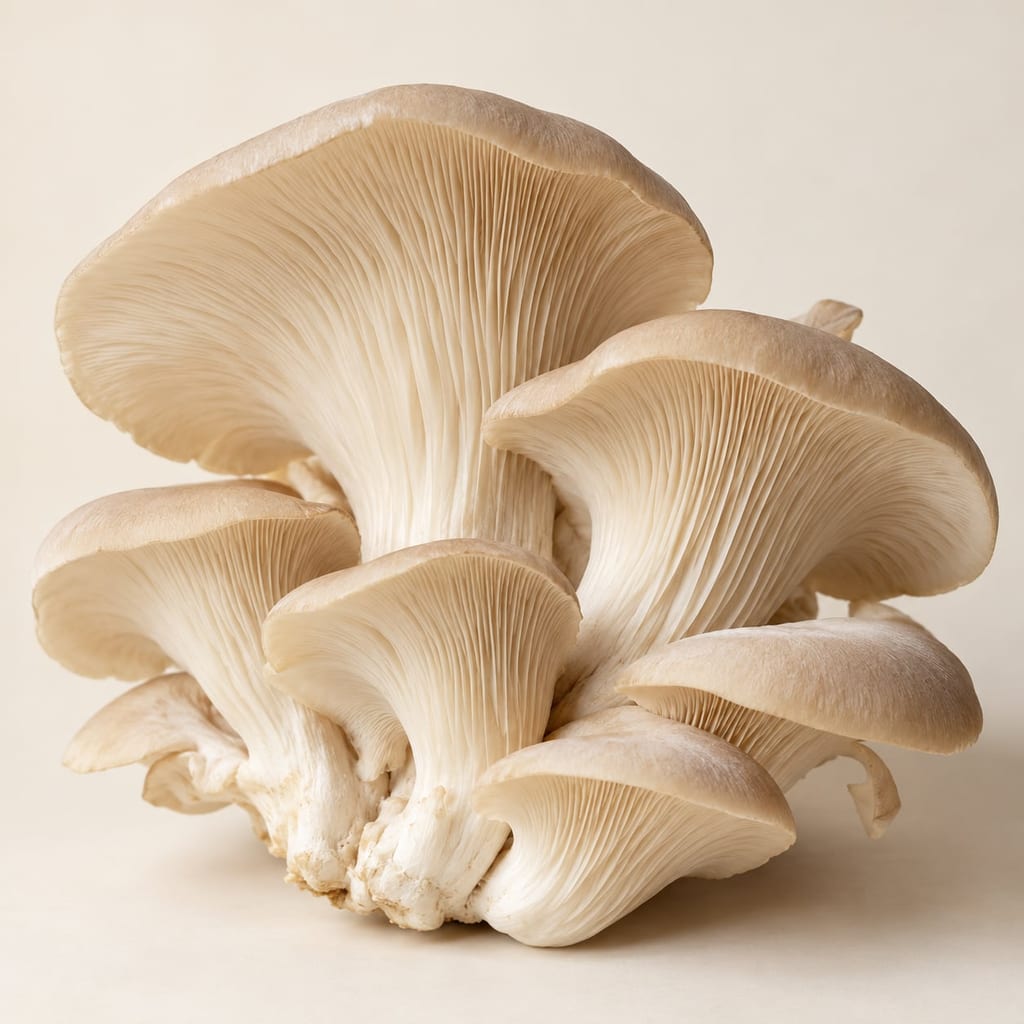
The phoenix oyster is Pleurotus pulmonarius, an edible gilled fungus in the family Pleurotaceae. Fries first described it in 1821 as Agaricus pulmonarius, and Quelet moved it to Pleurotus in 1872. It is closely related to the oyster mushroom, P. ostreatus. Its common names include Indian oyster, Italian oyster, phoenix mushroom and lung oyster.
Its caps are paler and smaller than those of P. ostreatus, and the species tends to develop a more visible stem. The Wikipedia article gives a white spore print, a bare stipe and an anise-like odour as identifying features.
The species is widespread in temperate and subtropical forests worldwide, and it is saprotrophic, growing on wood. In the eastern United States it grows mostly on hardwoods, and in the west it also grows on conifers. It is commonly cultivated in Europe and North America, and it is sold commercially in New Zealand as oyster mushrooms.
Growers usually move the mycelium to grain spawn and then to a substrate such as straw, wood chips, sawdust, cardboard or coffee grounds. The article does not give a temperature range, so this page does not give one. The species prefers warmer weather than P. ostreatus and appears later in summer, and cultivation and taste are described as largely the same as its relative.
The Wikipedia article gives little detail on preparation or flavour beyond the comparison with P. ostreatus. The source does not describe a separate culinary use, so this page does not list one.
Because it grows on wood, it can resemble Clitocybe species, some of which are poisonous, so the article stresses proper identification. Commercial strains are often sold as Pleurotus sajor-caju, a synonym of Lentinus sajor-caju, which has a ring on the stipe that P. pulmonarius lacks. A cultivated sample from a shop should therefore be checked against the species, not assumed to be this one.
The article reports that medical claims for the species come mostly from animal and in vitro studies, and that its medical section needs more reliable sources. This page does not repeat those claims as established.
Commonly cultivated in Europe and North America; the article gives no single locality.
Sold commercially as oyster mushrooms.
Ileodictyon cibarium, a New Zealand stinkhorn fungus with a lattice basket. Historical Māori accounts record its unexpanded egg stage as food. Modern edibility has not been verified.
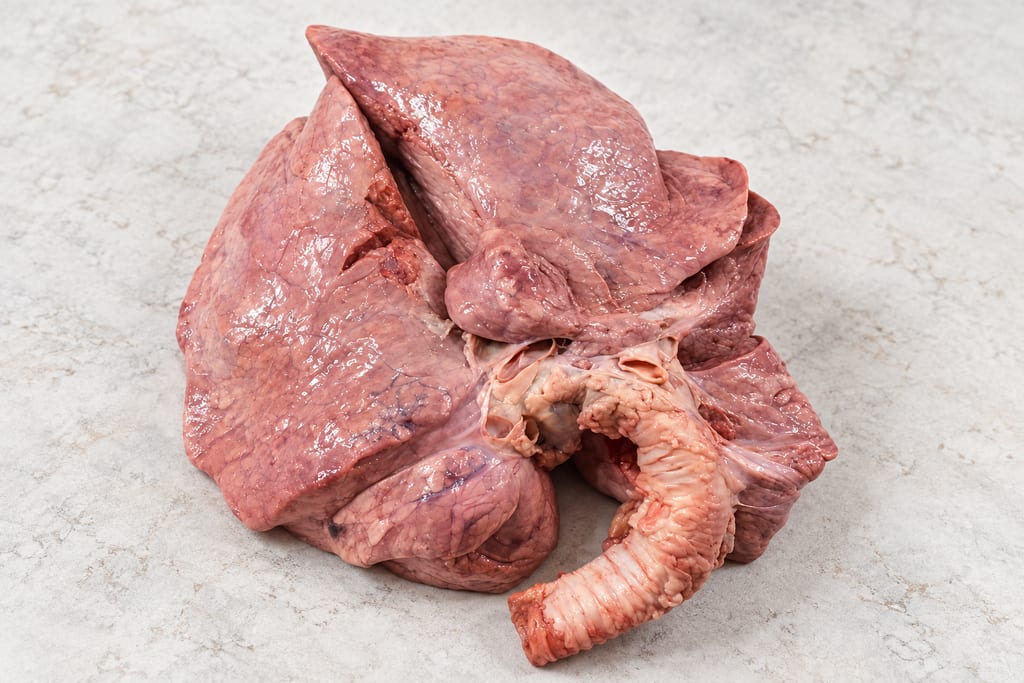
Beef lung is cattle offal used in regional Indonesian dishes and studied as a substrate for a modern fermented-sauce proof of concept. Culinary, regulatory and experimental uses vary; the sources support no universal process.
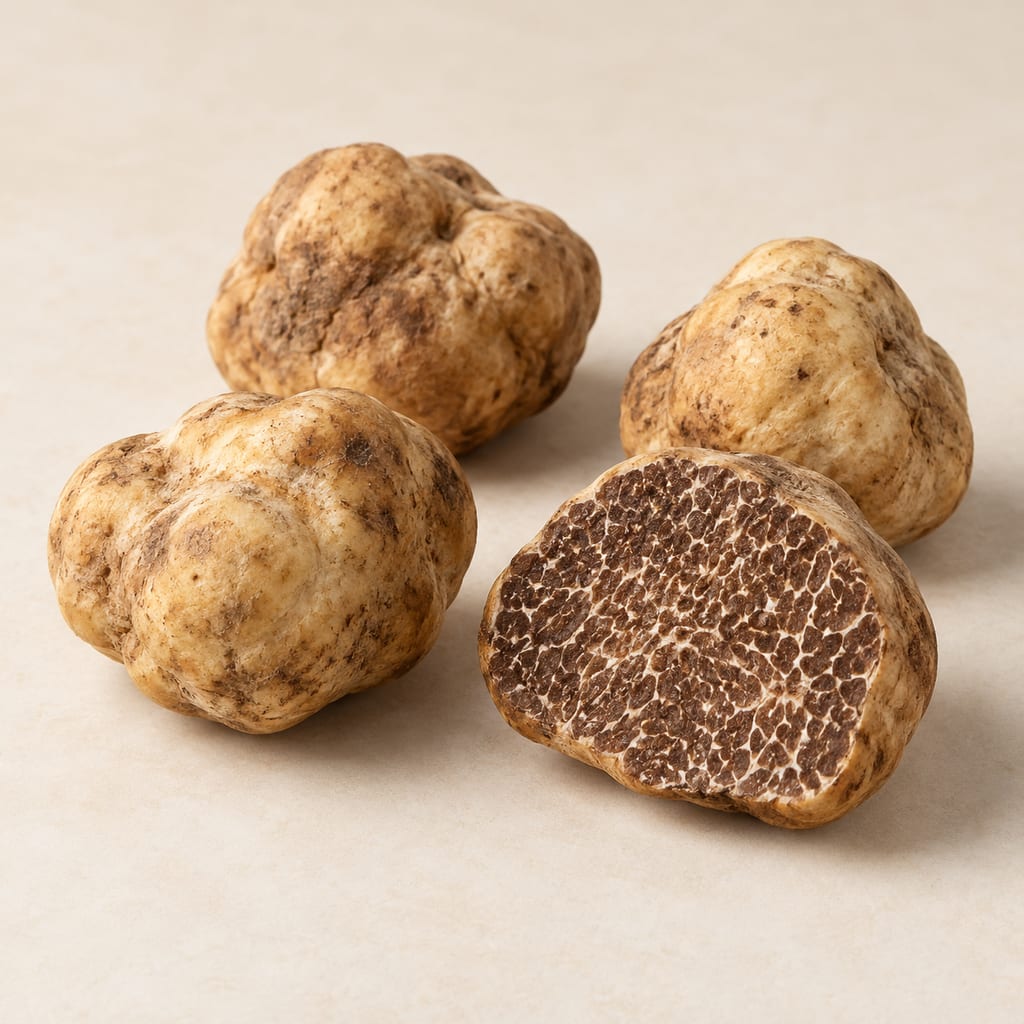
Tuber borchii, the bianchetto truffle, is a pale, pungent truffle that grows with trees and is now cultivated in Italy. It is used as a seasoning and is distinct from the costly white truffle, Tuber magnatum.
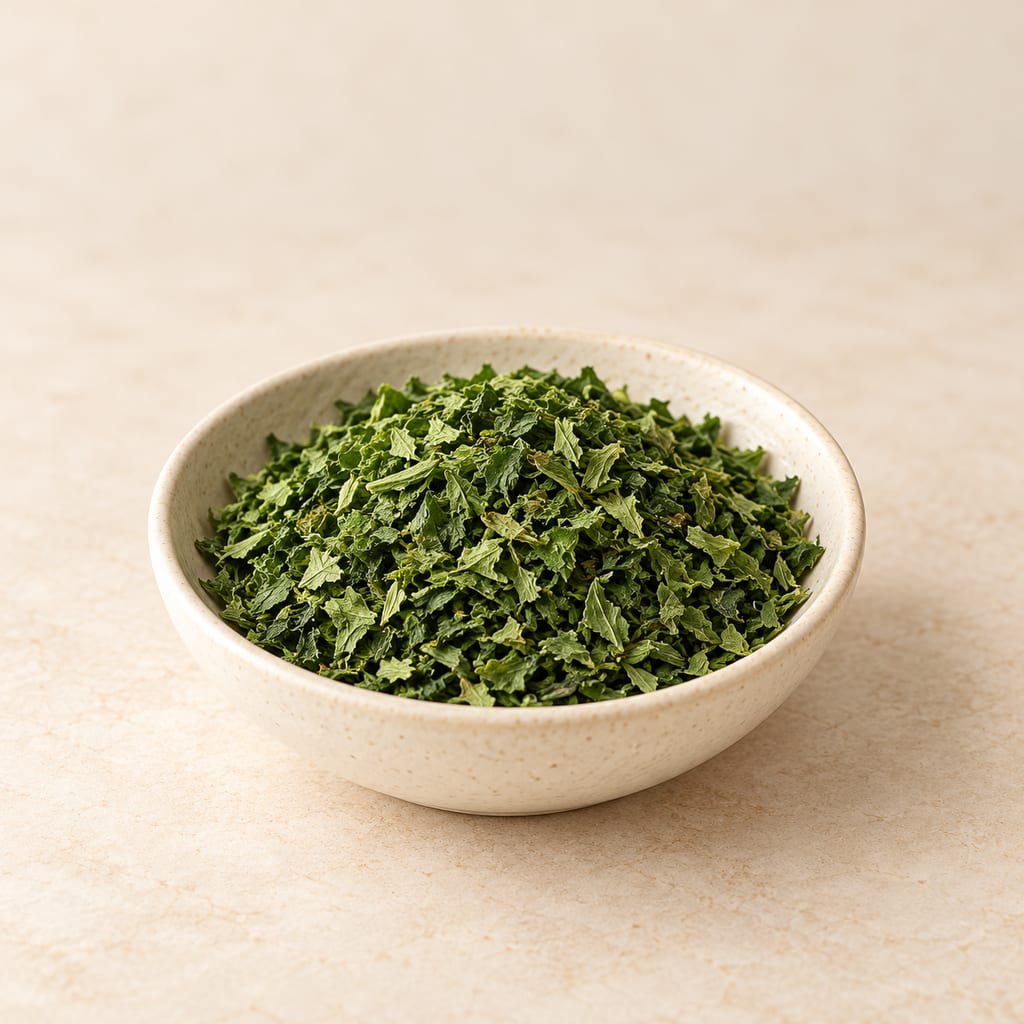
Dried parsley is the dehydrated leaf of Petroselinum crispum, sold as flakes, granules or powder for its herbal aroma and green flecks.
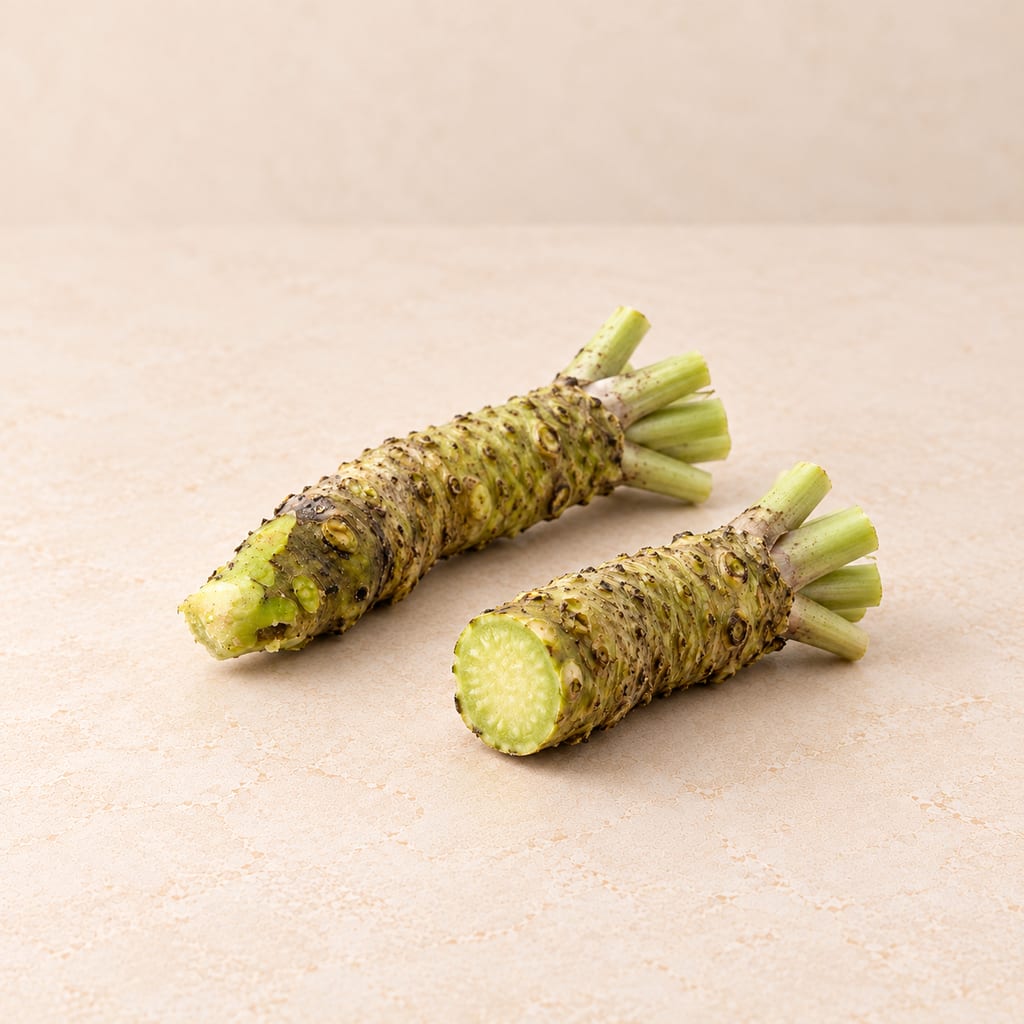
Wasabi is the enlarged stem of Eutrema japonicum, a pungent perennial in the mustard family. Fresh rhizome is grated as a Japanese condiment; powder and prepared paste are separate products.
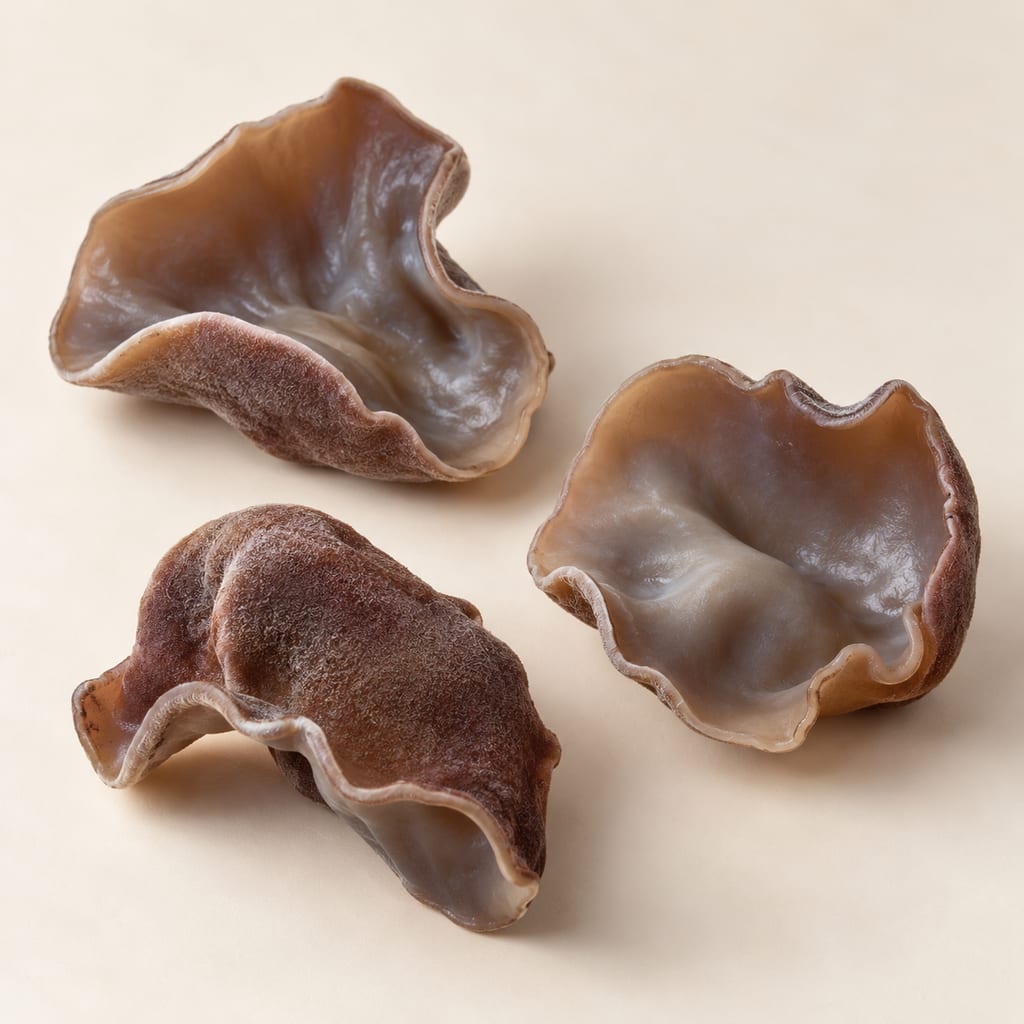
Auricularia cornea, a gelatinous wood-decay fungus recorded as food in the Congo and Asia, and cultivated and sold dried in China. It is mild in taste, and its name has been confused with Auricularia polytricha.
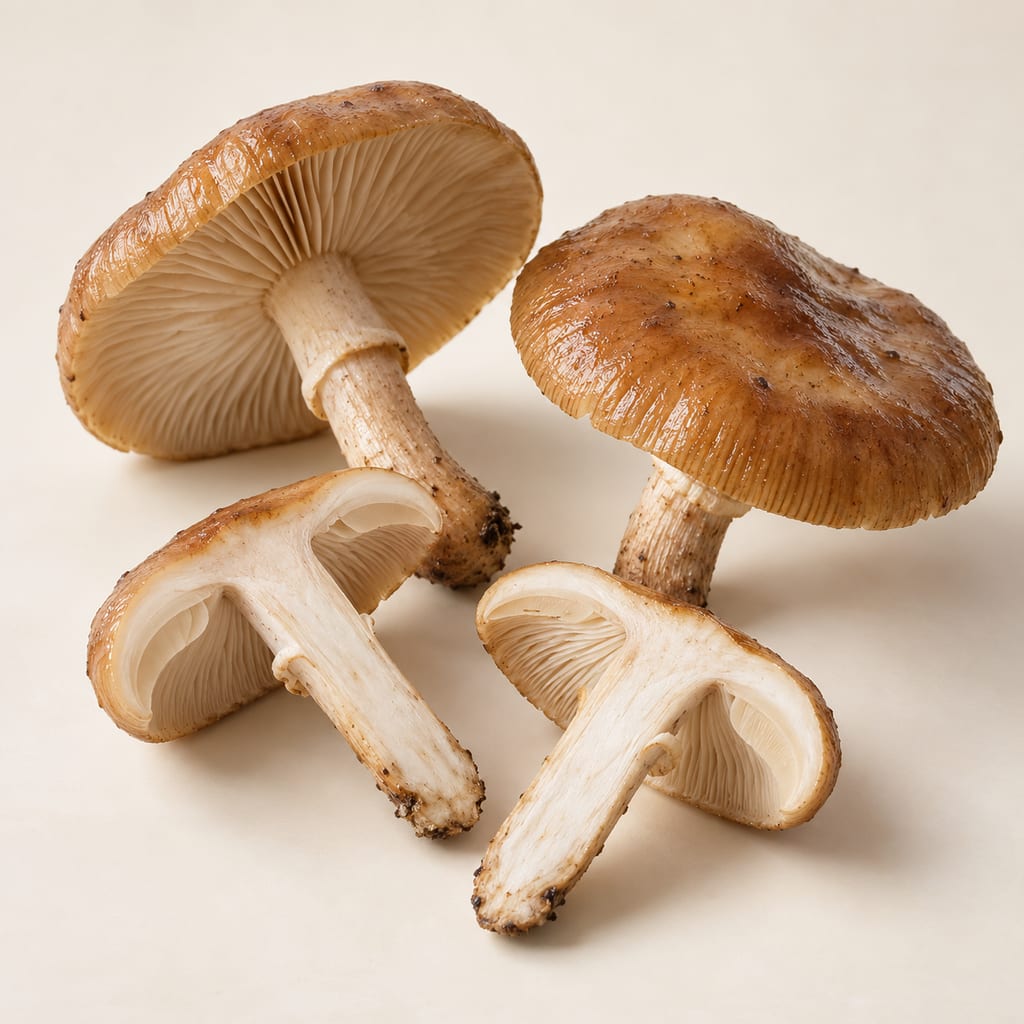
Harore, Armillaria novae-zelandiae, is a New Zealand honey fungus that grows in clusters on wood and is gathered as a traditional food by Tuhoe, with a cooking rule and close look-alikes to know.
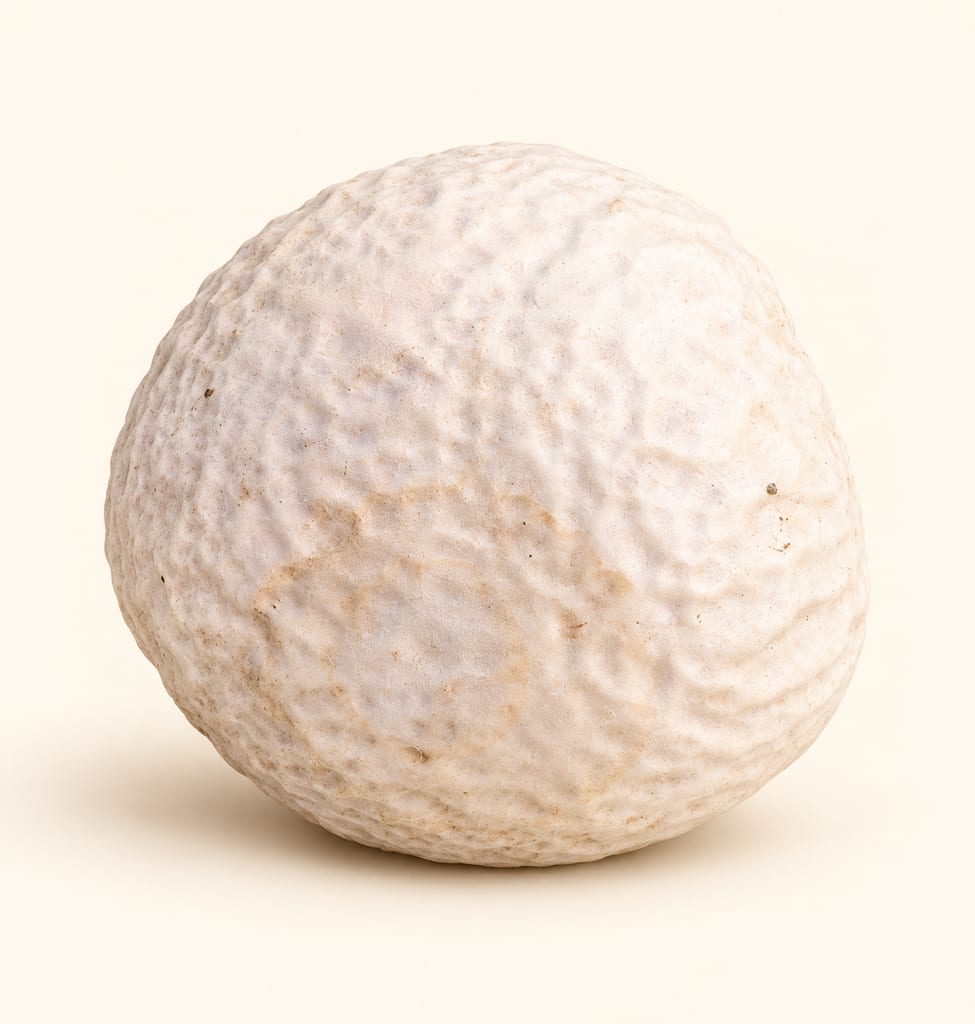
Calvatia lilacina is a lilac-tinted puffball with regional natural-history records and historical edible listings whose taxonomic and safety limits remain important.

Soft, spreadable Calabrian pork sausage made with a great deal of red chilli and fatty pork, stuffed into natural casings, sometimes smoked and matured while staying soft.

A way to add independent temperature logging to an existing food dehydrator without changing its built-in controls or protections. It is a monitoring method, not a rewiring plan.

Pleurotus cystidiosus is the abalone mushroom, a cultivated oyster-type fungus with dark brown caps that grows more slowly and is more demanding than other Pleurotus species.

A dark, balanced vinegar from Emilia-Romagna made by combining cooked or concentrated grape must with wine vinegar, then acetifying and refining it in wood under a protected specification.

A living dairy inoculum that starts controlled cream fermentation, developing acidity and aroma before sour cream or cultured butter is finished.

A small electric incubator holds jars at a selected temperature for yogurt and other documented warm food preparations. Controls, capacity and vessel arrangement vary by model.

Adygean salt is a seasoned table salt associated with Adygea and the wider North Caucasian culinary tradition. Salt is blended with garlic and a variable selection of herbs and spices; the exact mix depends on the named style and maker.

The African Caesar-group mushroom, Amanita masasiensis, is a wild ectomycorrhizal species of central and southern African woodlands, eaten locally. The genus contains deadly poisonous species, so identification needs care.
No community contributions have been published for this entry yet.
Sign in to contribute. Published comments and photos are free to read.
WikipediaLead · Identity · Cultivation · Identification
Pleurotus pulmonariusAgaricus pulmonarius Fries 1821; Pleurotus Quelet 1872; close to P. ostreatus
Common names: Indian oyster, Italian oyster, phoenix mushroom, lung oyster
Warmer-weather habit and later summer fruiting; cultivation largely the same as P. ostreatus
Cultivation on grain spawn and straw, wood chips, sawdust, cardboard, coffee grounds
Clitocybe resemblance; Pleurotus sajor-caju trade name caution
Cited in: What it is; Where it grows and how it is grown; Cooking and identification; Medical claims