





























Elevated risk
Spanish-style blue cheese
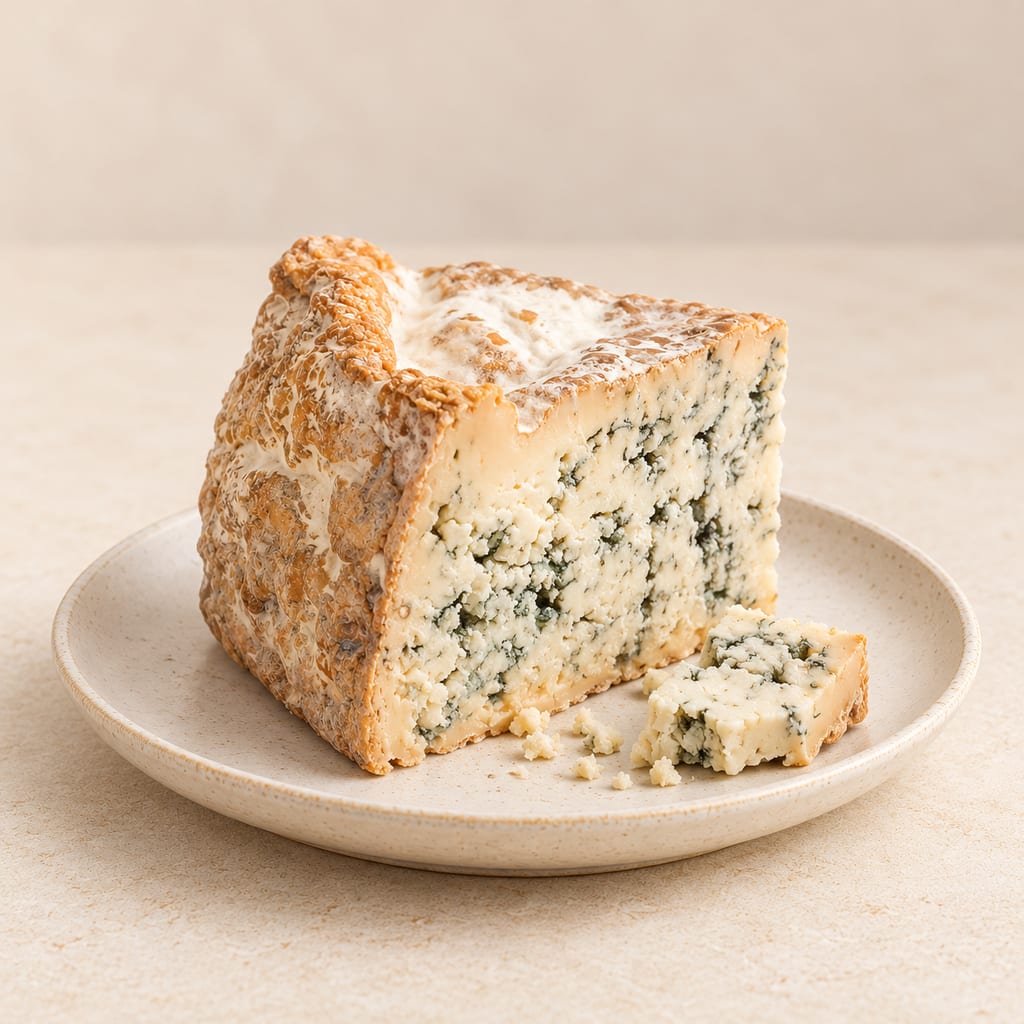
A moist blue cheese inspired by Cantabrian styles, made with pasteurized milk, a lactic starter and Penicillium roqueforti, then ripened in two stages.
 FermenteaWhere food goes to change
1504 records with their sources, across 11 categories.
A moist blue cheese inspired by Cantabrian styles, made with pasteurized milk, a lactic starter and Penicillium roqueforti, then ripened in two stages.
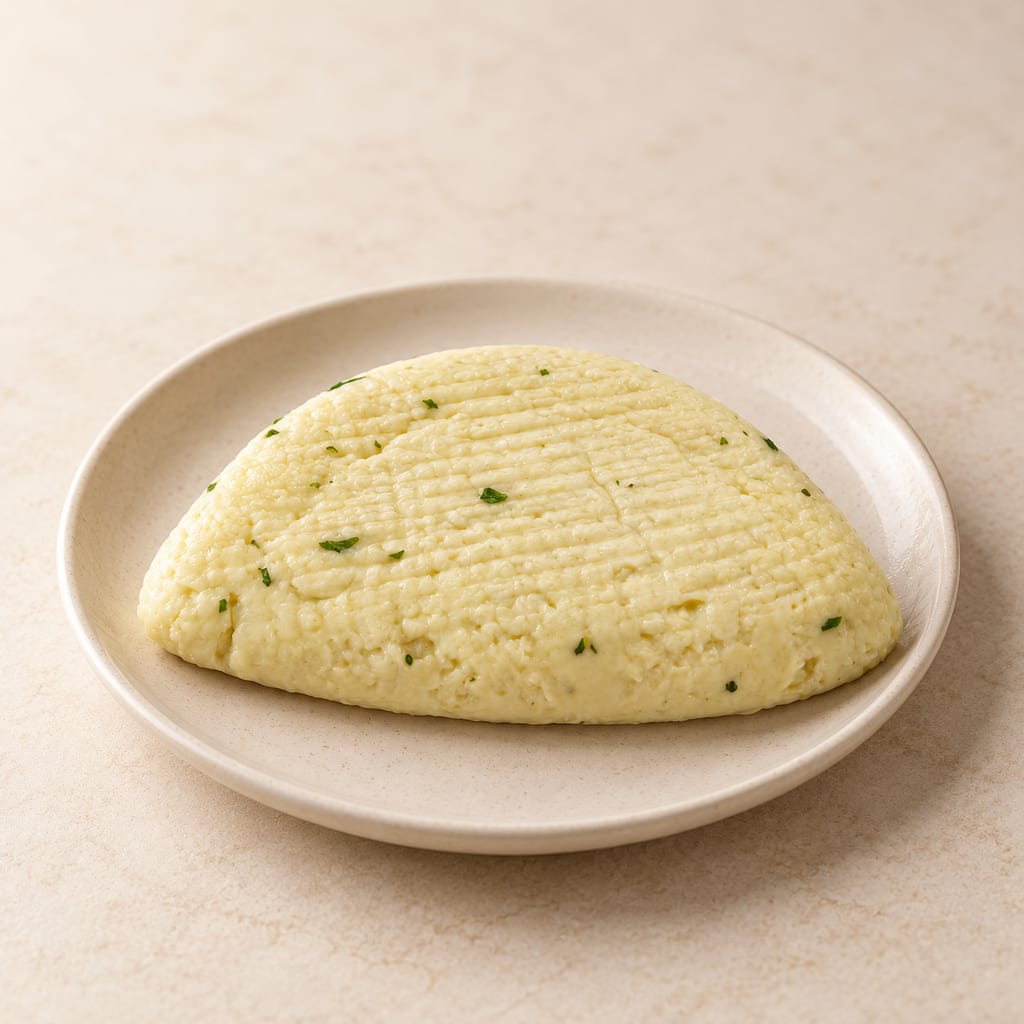
A firm cow-milk cheese cooked in hot whey, salted and folded with optional mint. This fresh halloumi keeps its shape when grilled or pan-fried.
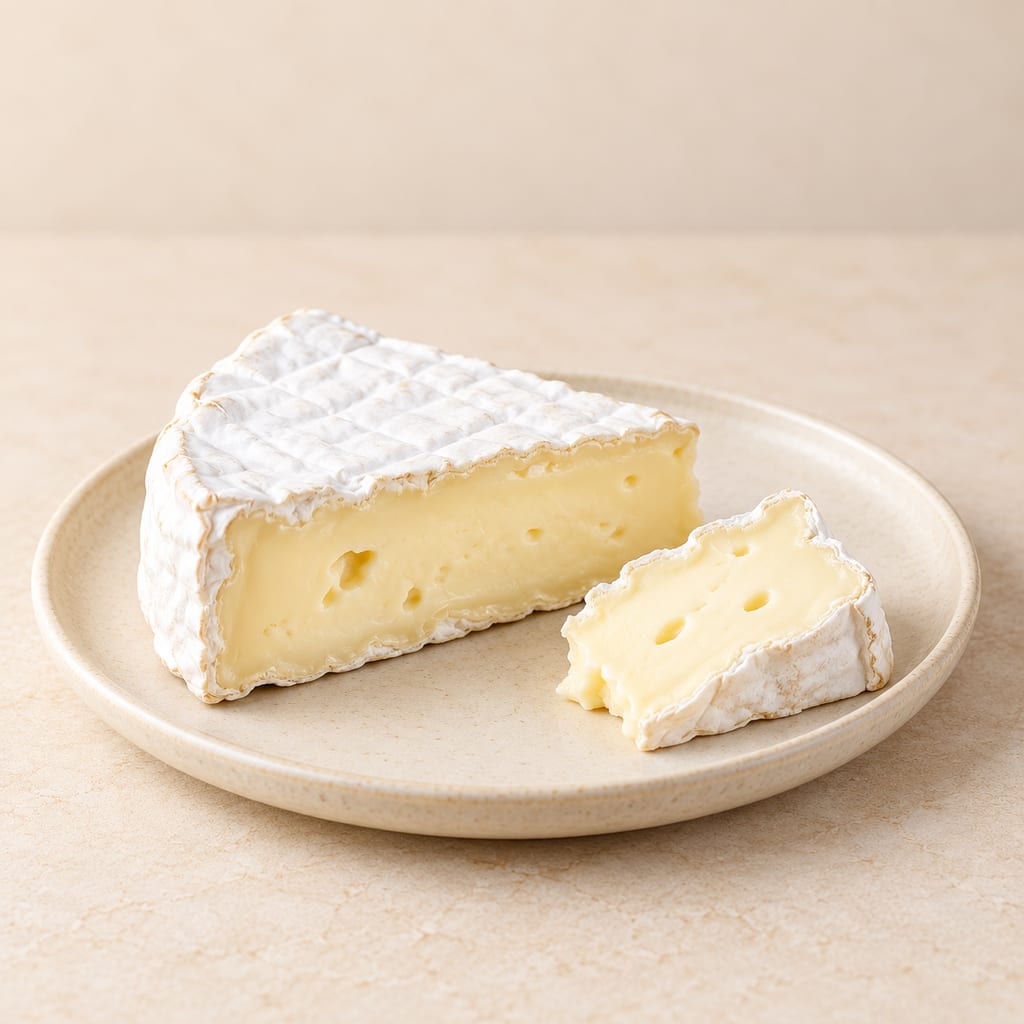
A cream-enriched Brie with a white bloomy rind and a softening center, made from pasteurized milk with lactic and surface cultures.
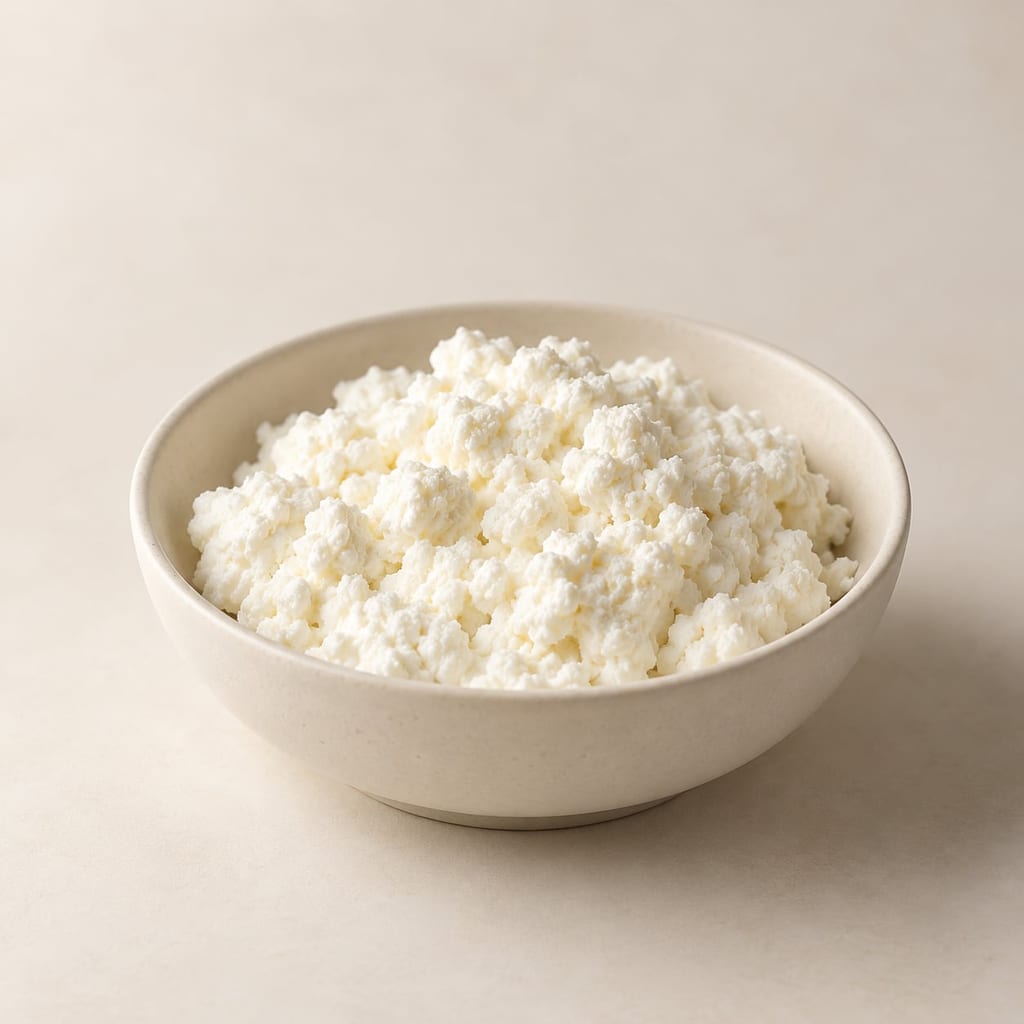
This 2 L whole-milk acid-set batch is labelled ricotta by the creator: heat below boiling, add acid and salt, rest and drain without pressing. It is separate from whey recovery; yield is unstated.
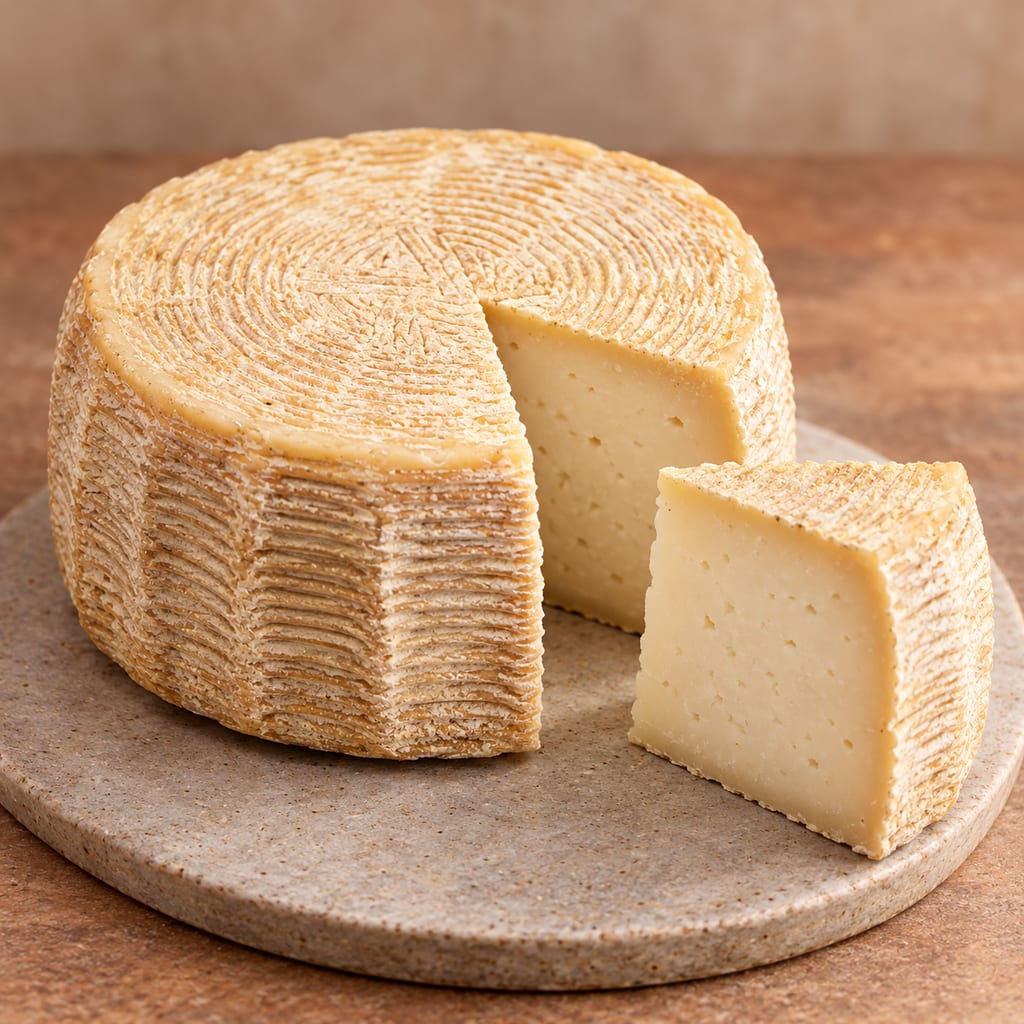
A scalded cheese moulded in baskets and re-cooked in its forms in hot whey, made alongside a ricotta from the same milk, then acidified, brined and aged for months.
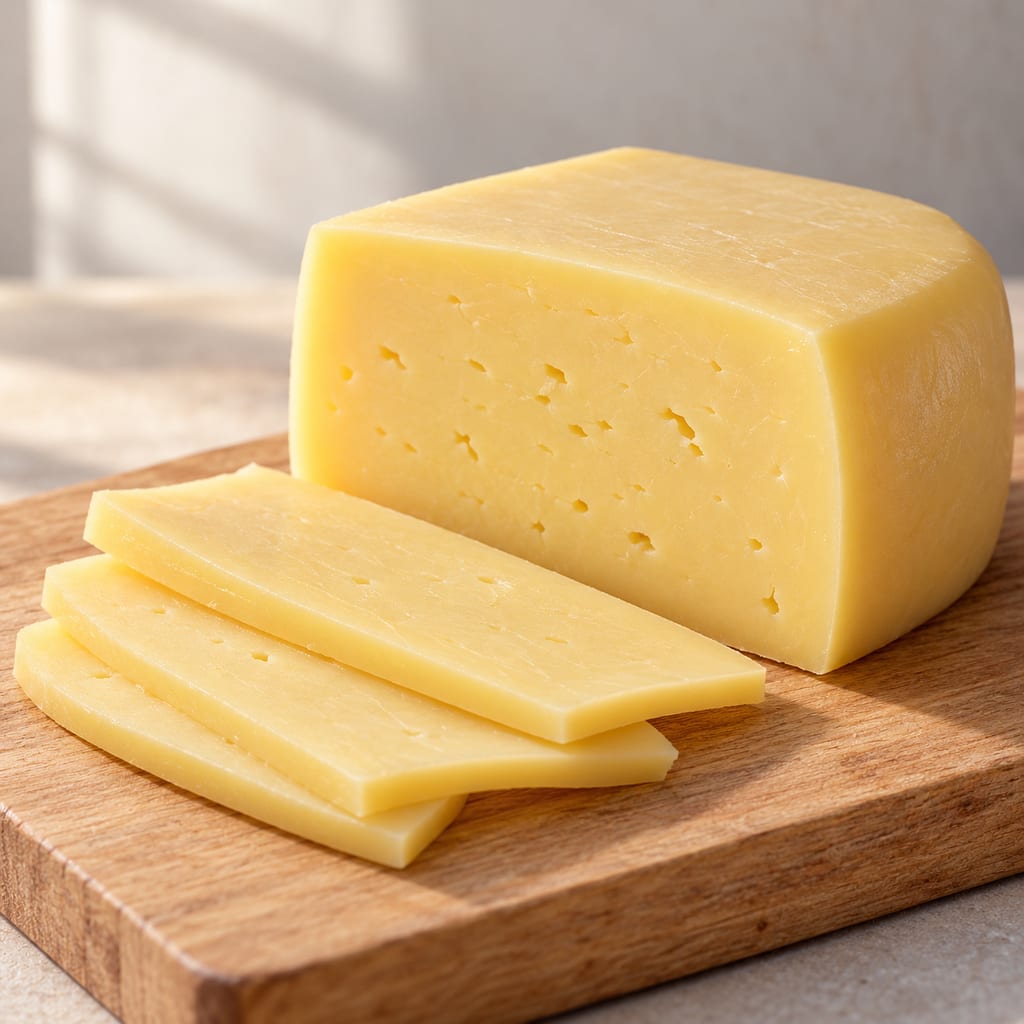
A yellow stretched-curd cheese made by acidifying, draining and kneading curd in hot brine. This small-batch kashkaval uses a commercial starter and a brine finish.
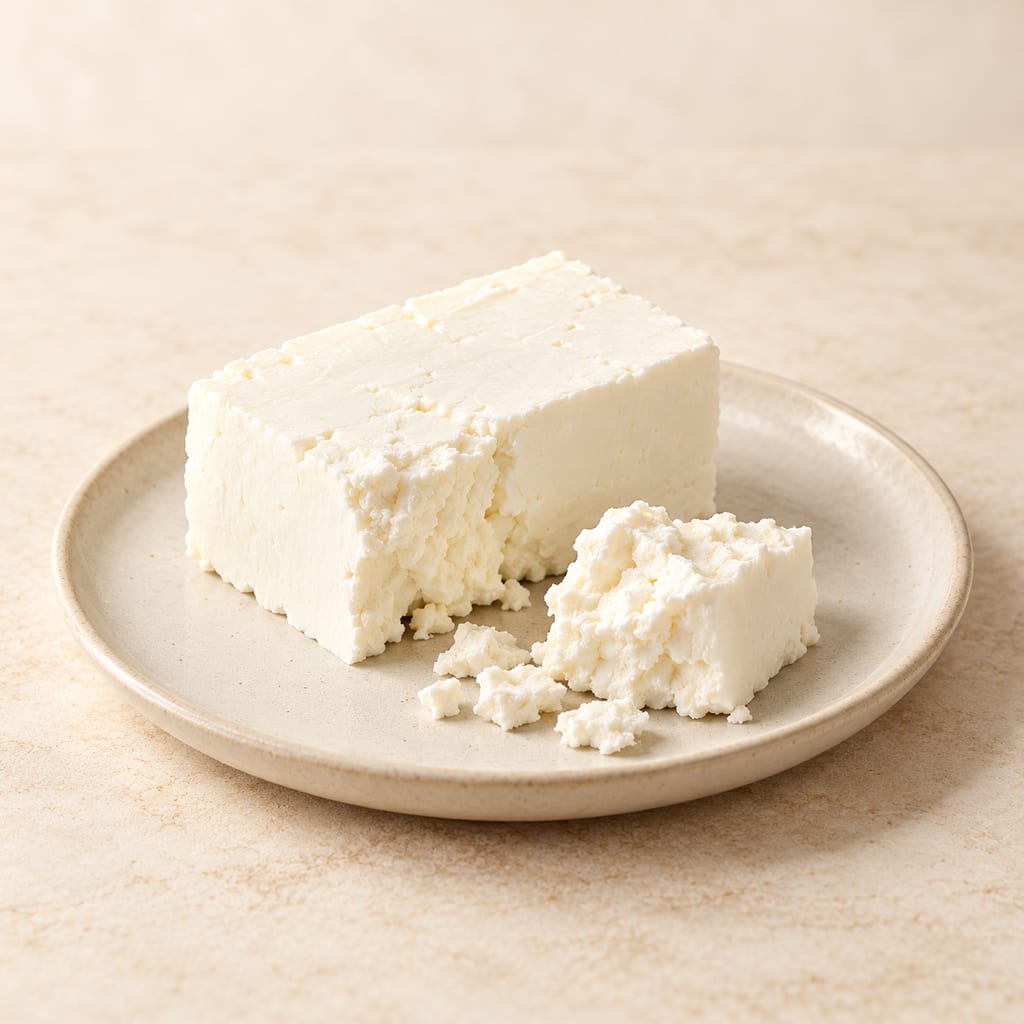
White cheese made with a lactic starter and rennet, drained without pressing, dry-salted and covered in brine. This home adaptation allows whole milk from different dairy animals.
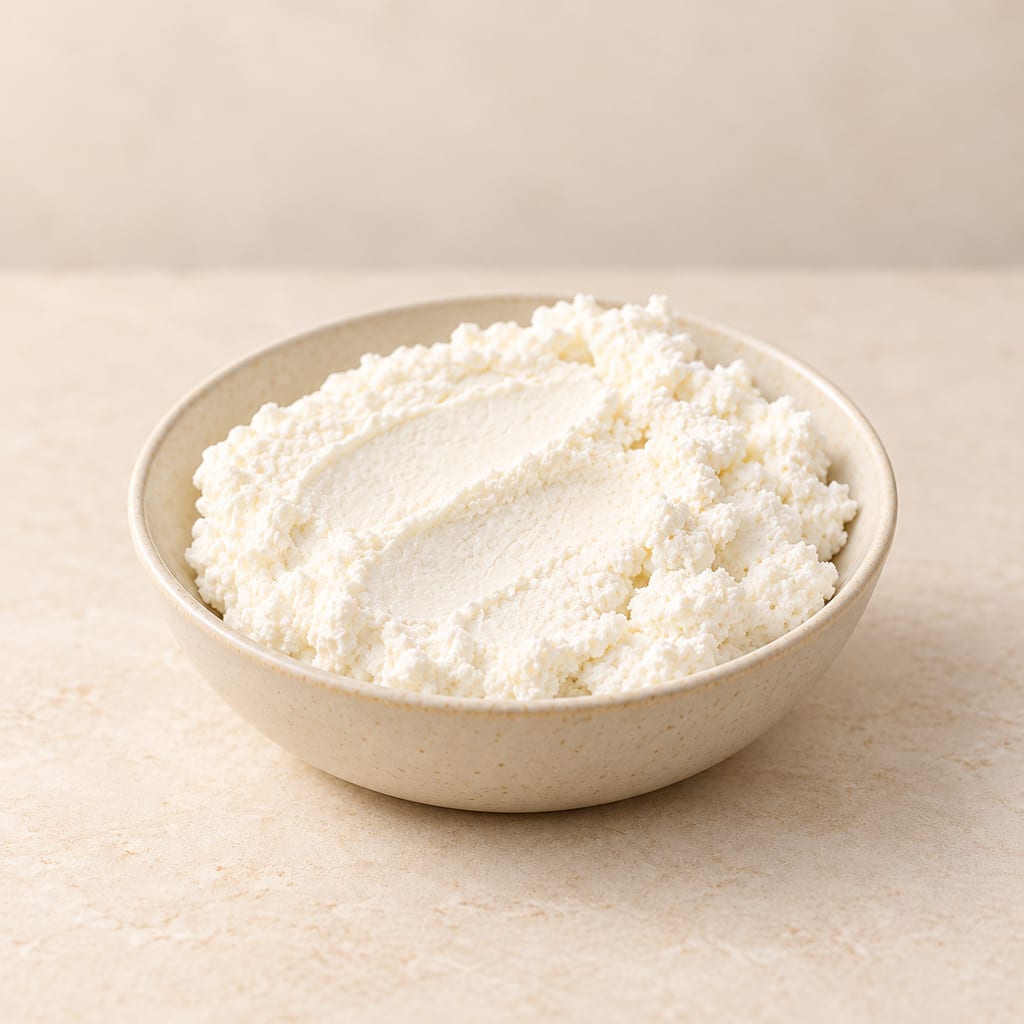
Fresh chèvre is a soft goat-milk cheese with a gently tangy flavour. This home method uses a combined lactic starter and coagulant, then drains the curd in cloth before salting and chilling.
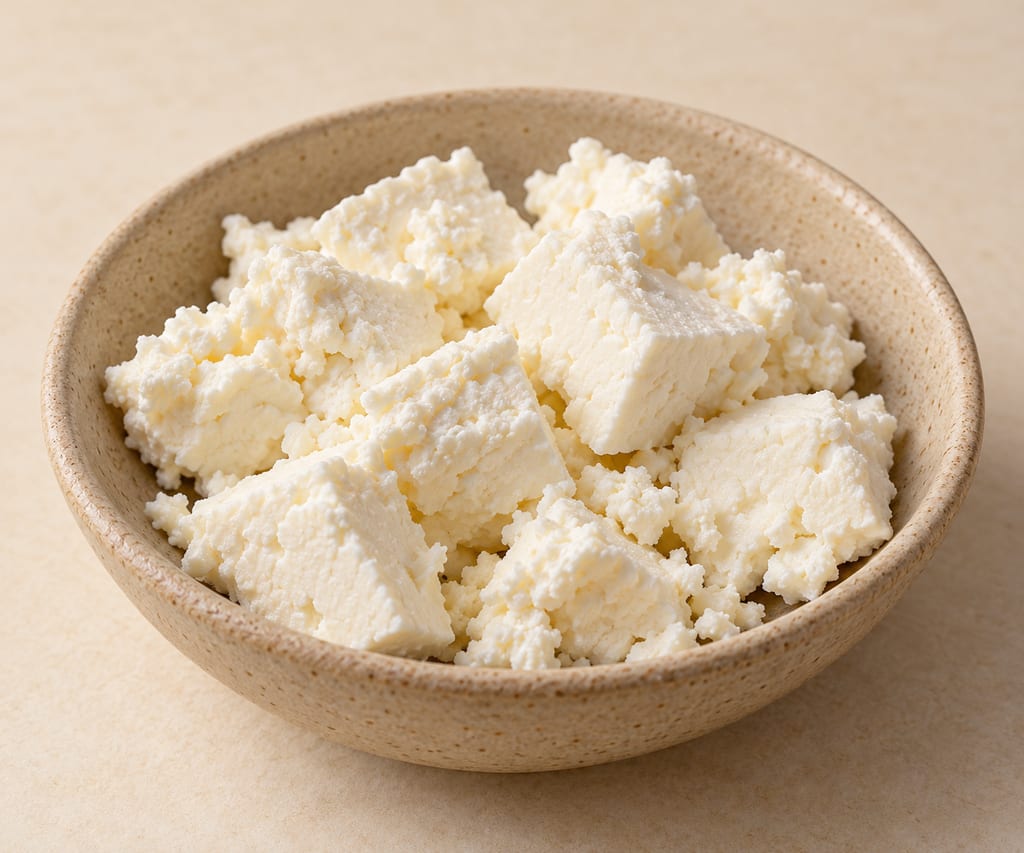
Whole milk set with a mesophilic starter and rennet makes a fresh, crumbly feta-style cheese. Its curds pass through hot salted whey before molding.
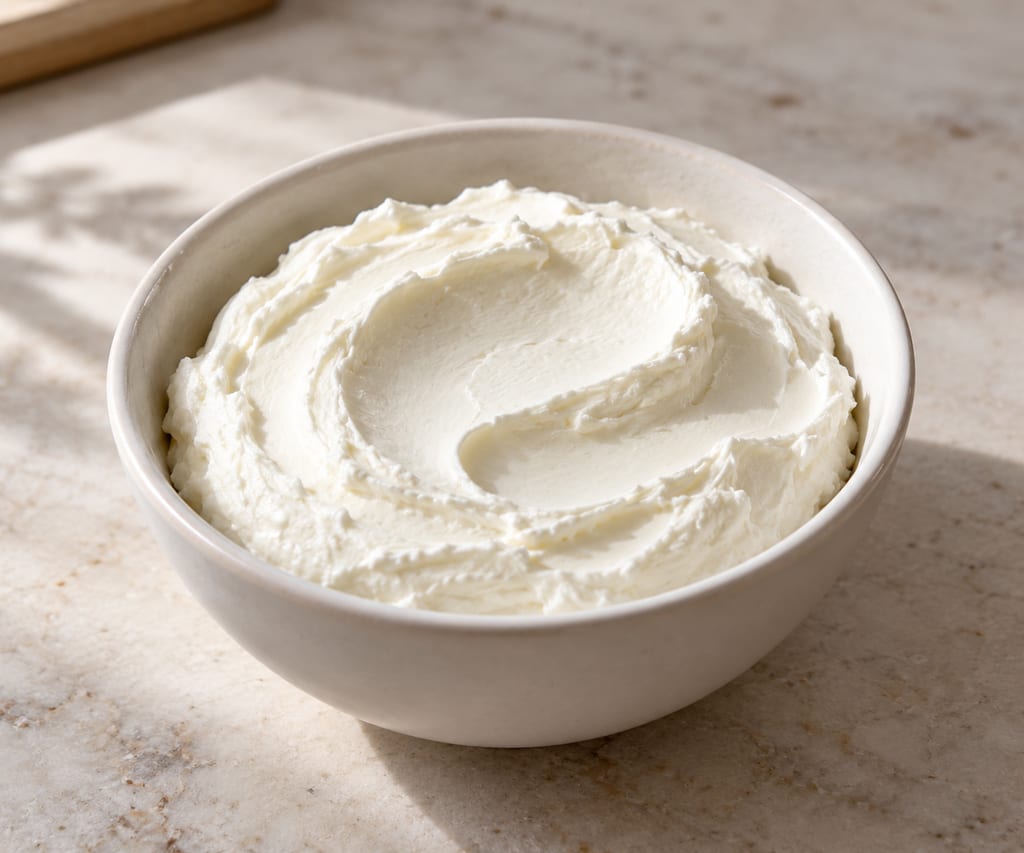
A cold-drained labneh method excerpted from the Soframiz cookbook: plain whole-milk Greek yogurt is lightly pressed in cheesecloth and refrigerated overnight, up to two days. This is distinct from Gavin Webber’s 2018 cupboard-drained batch.
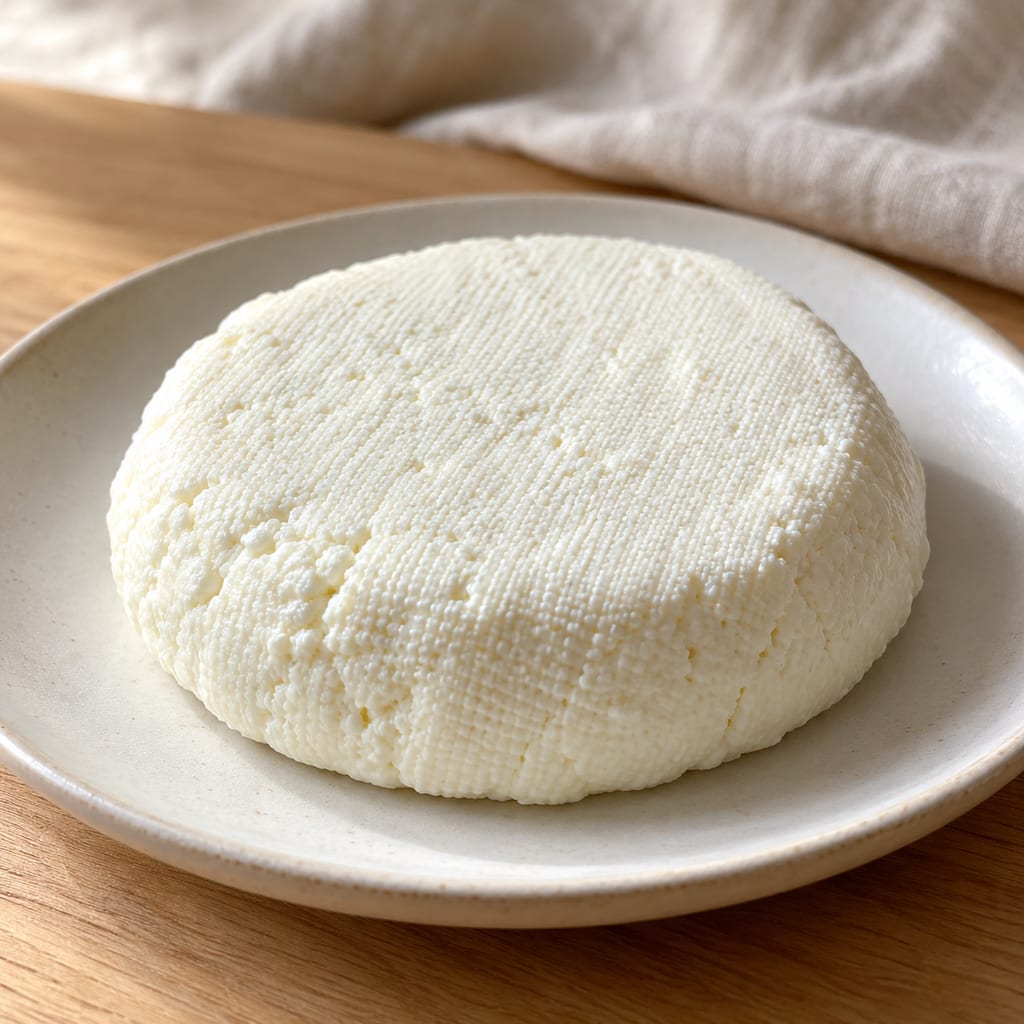
A half-gallon milk batch is coagulated with lemon juice, rinsed and pressed into fresh paneer for sweets or savoury dishes.
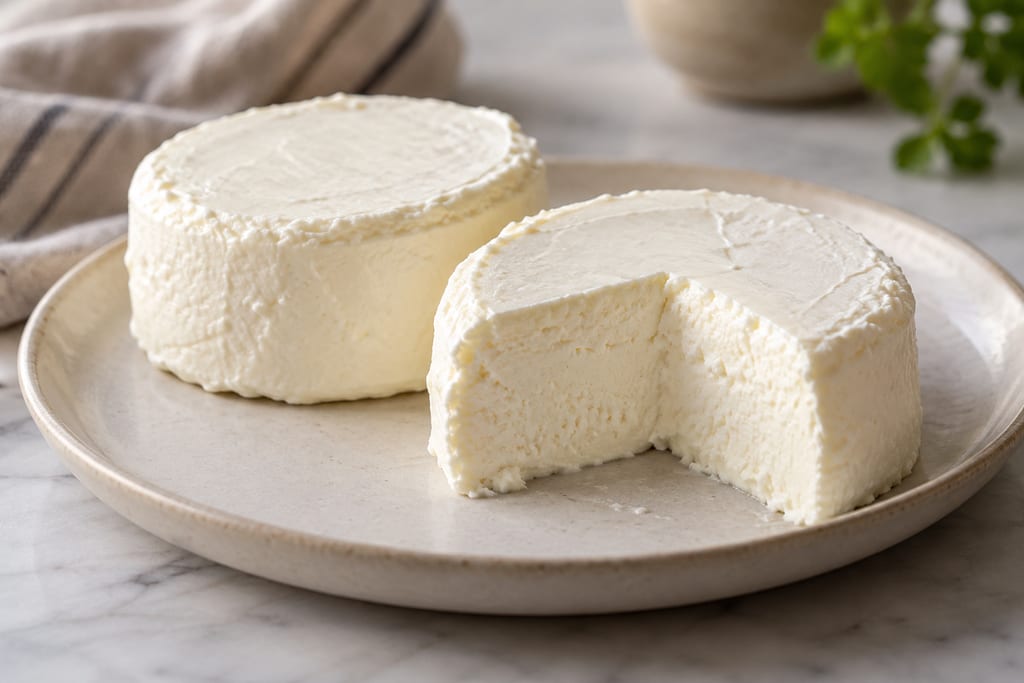
Pasteurized milk cultured with buttermilk or yogurt and set with rennet makes this soft, smooth Neufchâtel-style cheese, pressed into small forms and chilled.
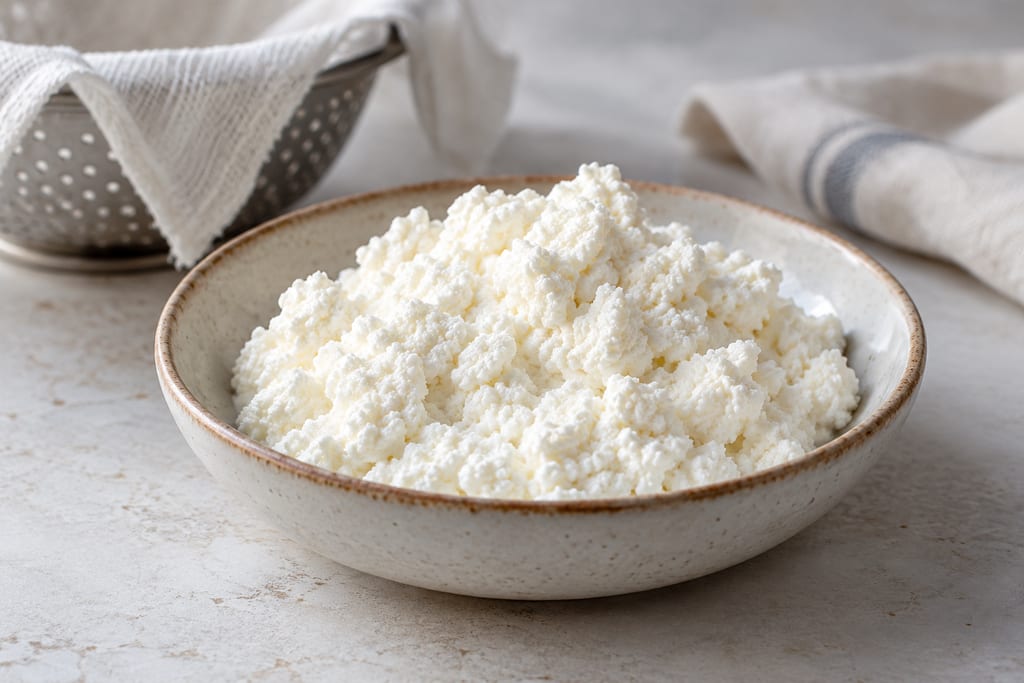
Cornell’s goat-dairy recipe combines fresh whey with whole goat milk, lemon juice and salt to recover a small amount of soft ricotta curd.
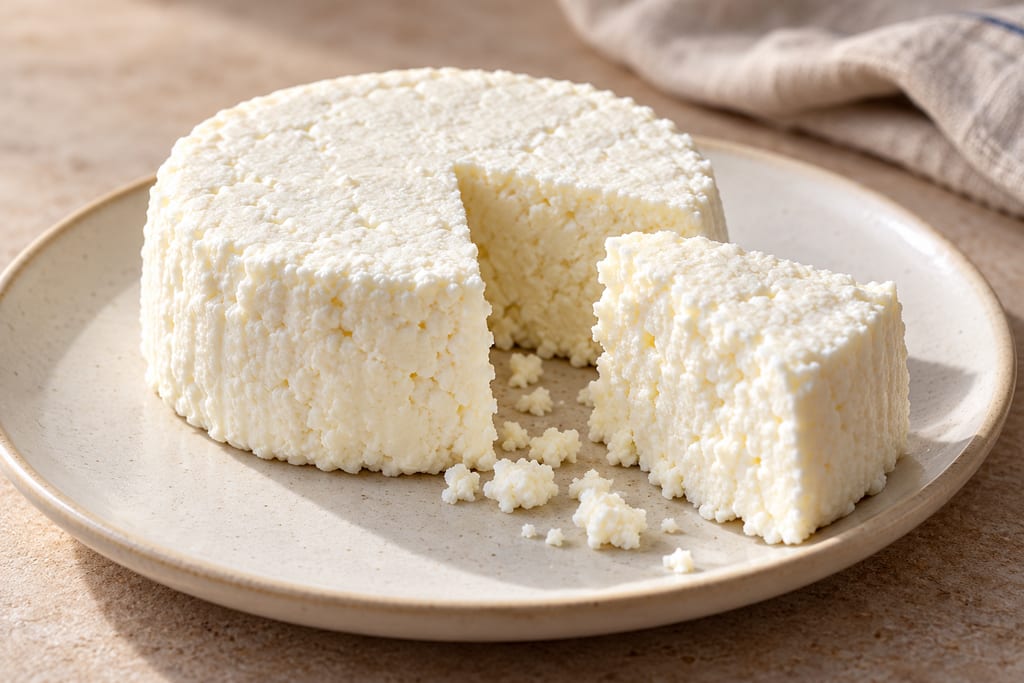
Cultured buttermilk, pasteurized milk, vinegar and rennet make this soft, crumbly queso fresco by a New Mexico home method adapted from Washington’s Abuela Project.
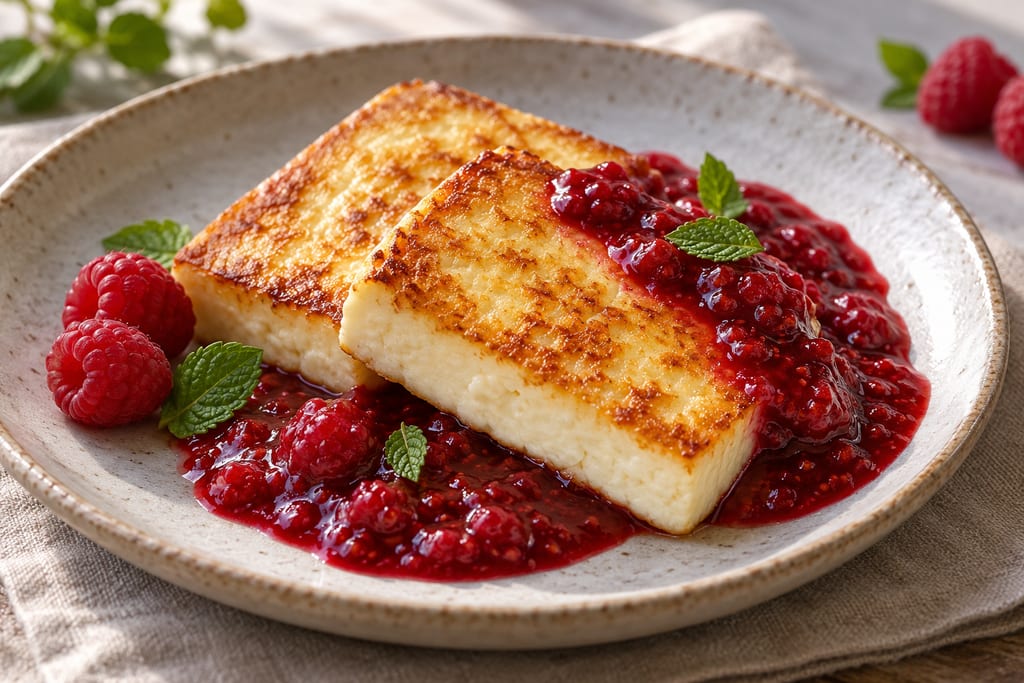
This Ukrainian caption batch uses 3 L milk, lemon, salt, sugar and mint, presses curds for 6–8 hours, then fries the cheese and serves raspberry sauce. Yield is unstated.
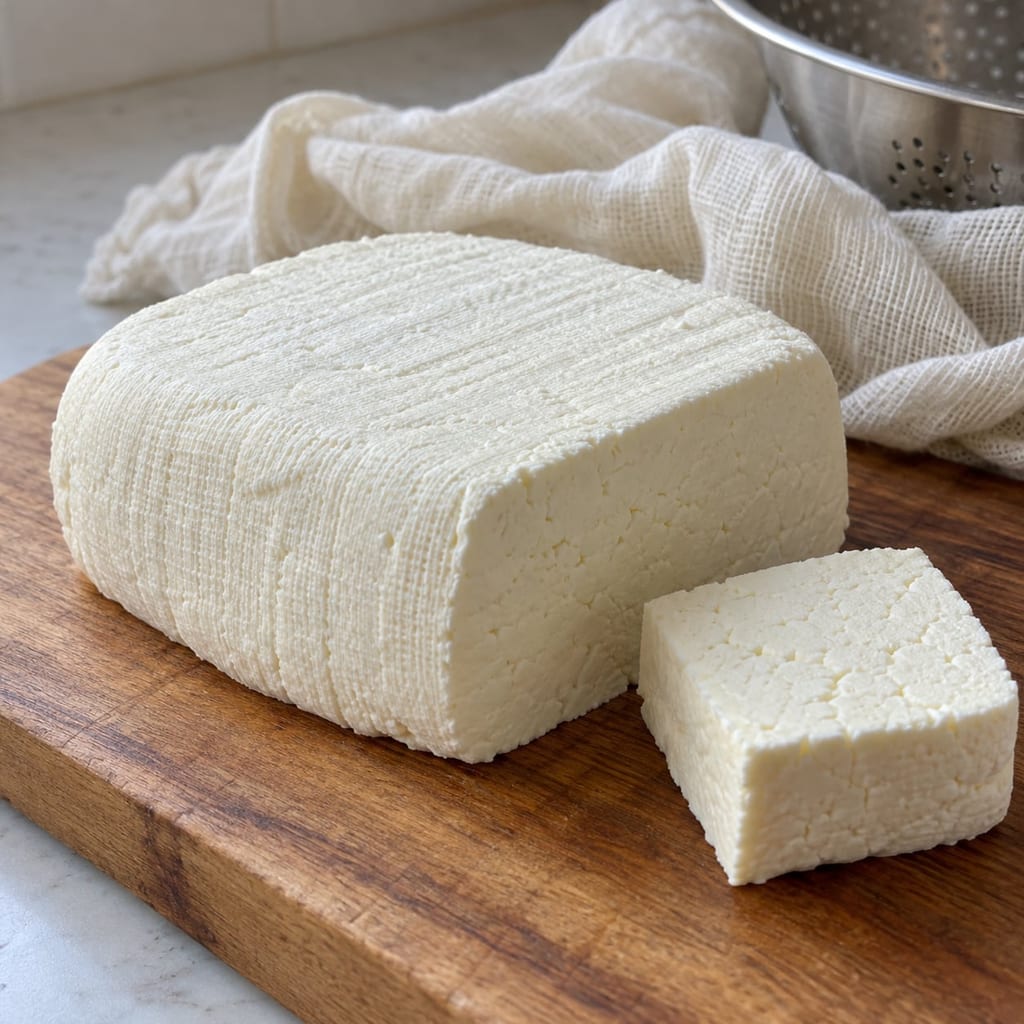
This Polish caption batch uses 5 L milk and about 12–13 tablespoons lemon juice, rests 10 minutes and presses beneath two 2 kg jars for at least two hours. Measured yield is unknown.
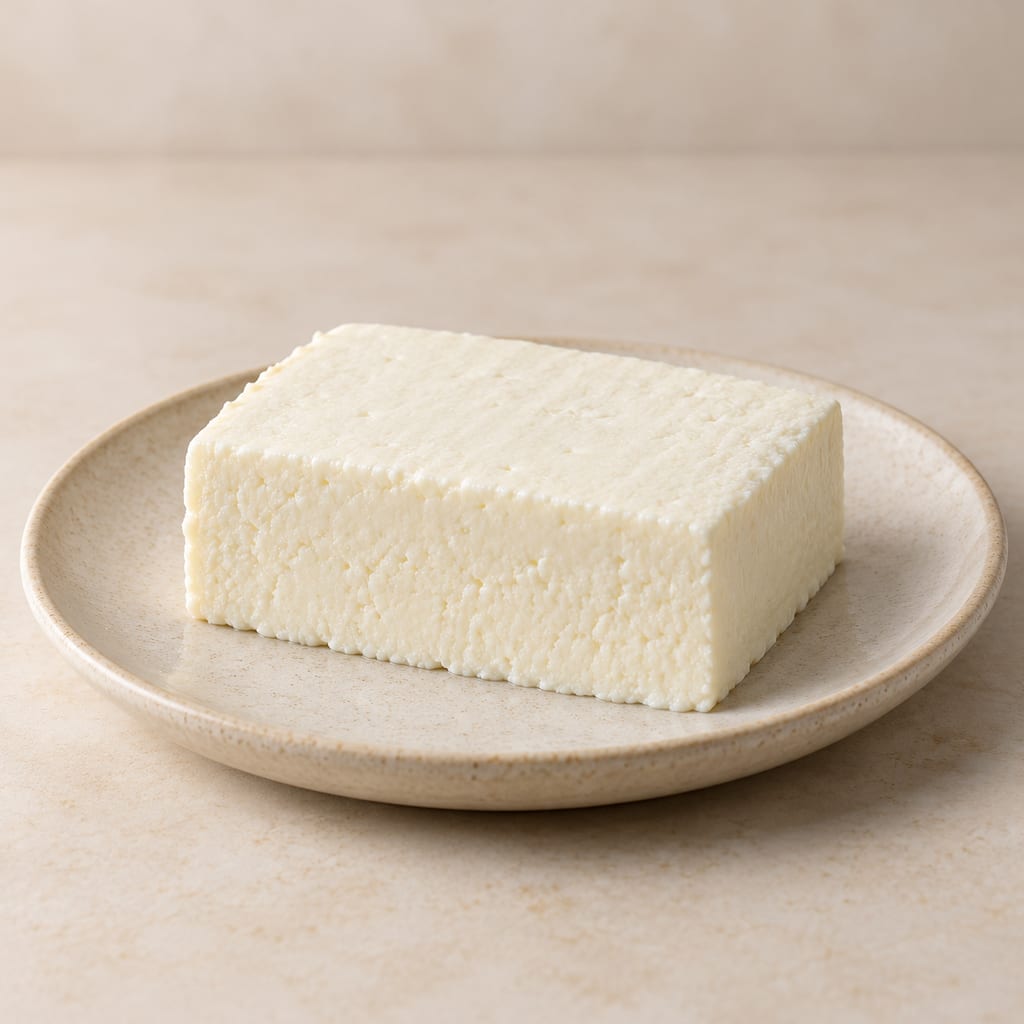
A source-specific 2 L paneer batch boils milk, adds lemon juice or vinegar gradually, then cold-rinses and presses curds for one to two hours. Yield and qualified process review are absent.
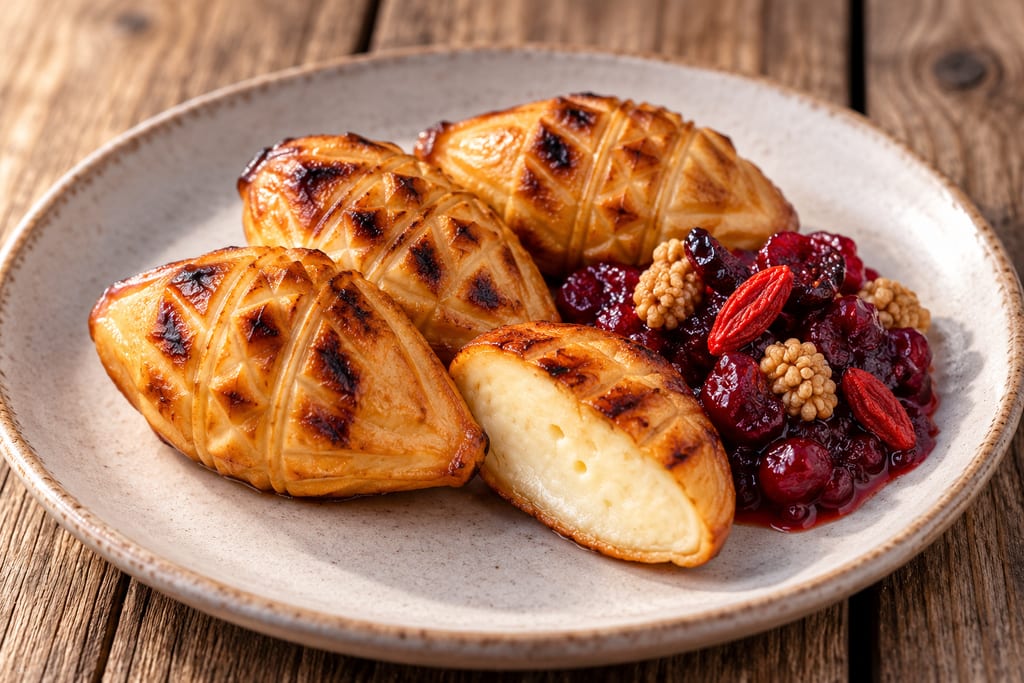
Small Oscypek are grilled until the exterior is crisp and the cheese softens, then served with cranberry, goji berries and mulberries.