






































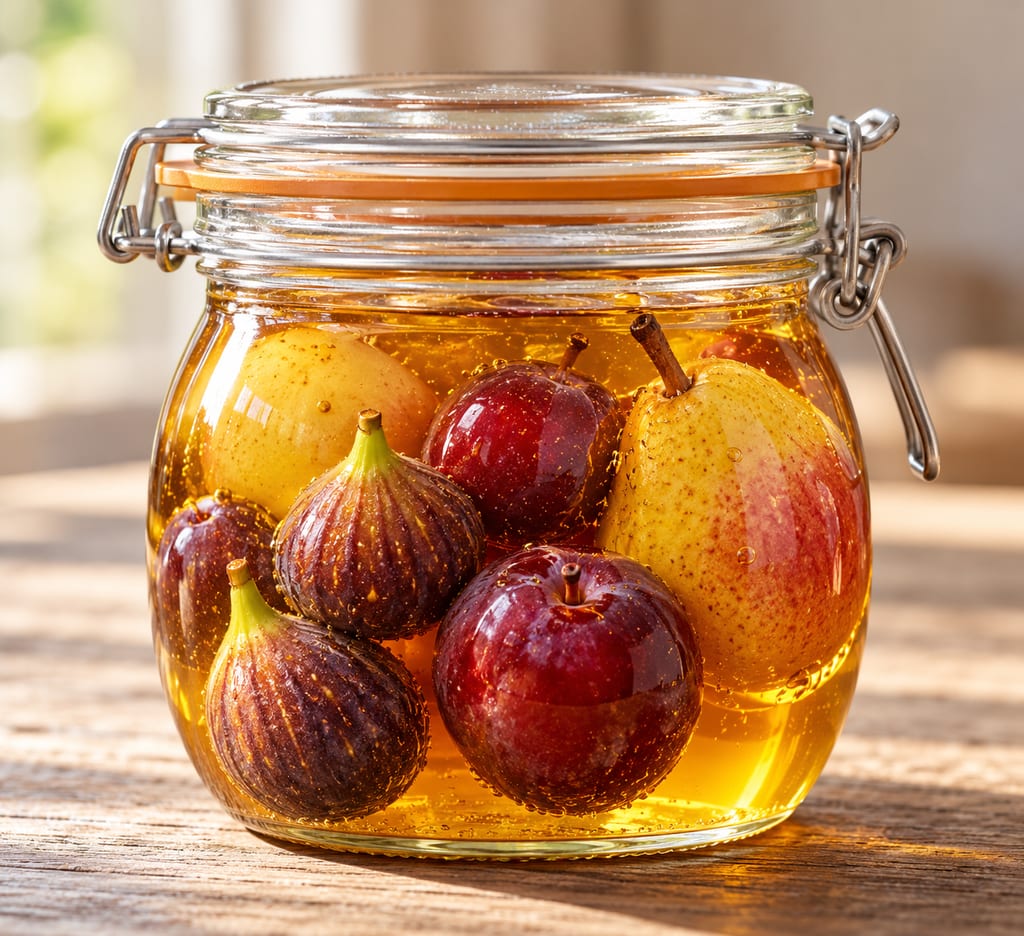
Fruit preserved in honey
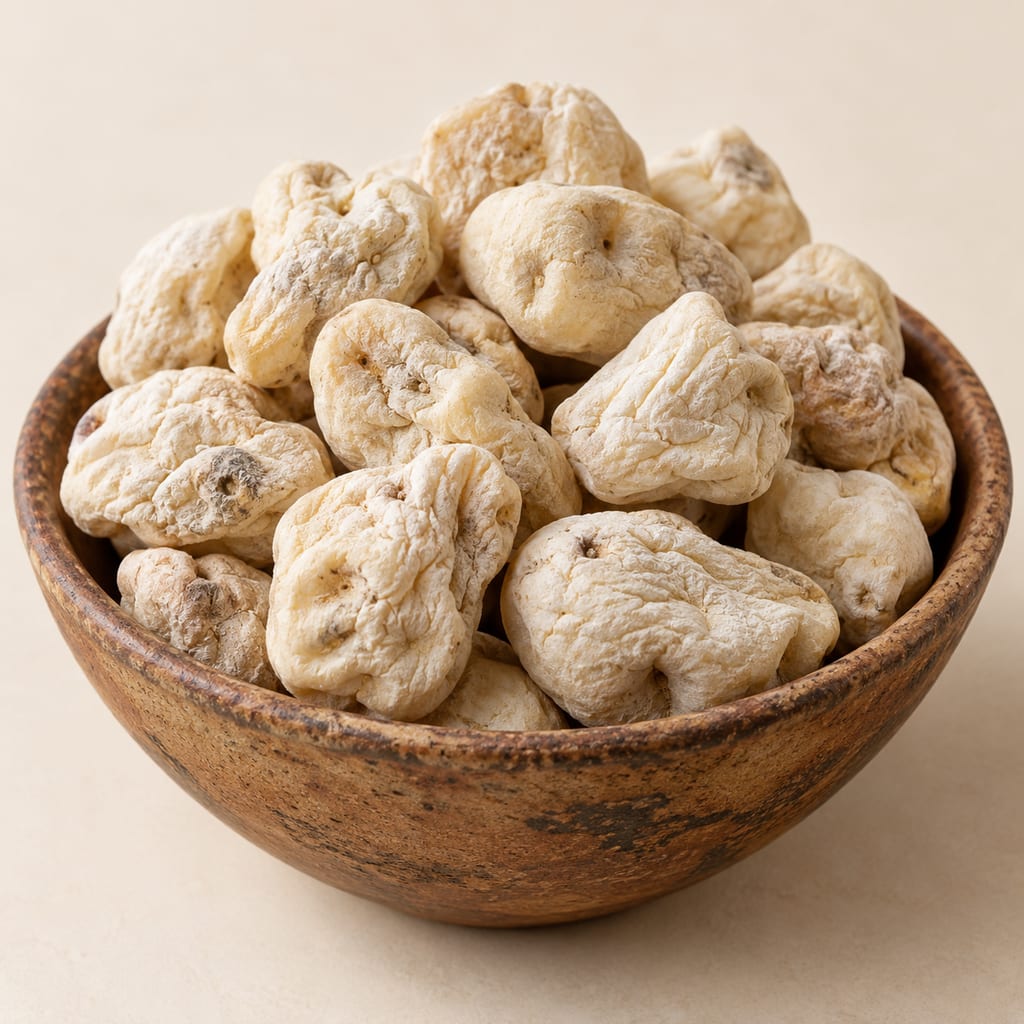
Fruit and some other foods were placed in honey in ancient Mediterranean kitchens. The honey's concentrated sugar does the preserving, and wet ingredients weaken it.
 FermenteaWhere food goes to change
1504 records with their sources, across 11 categories.
 Fermented, enzyme-ripened and mixed seasonings328
 Fruit preserves10
 Legume, seed and plant-protein ferments10
 Garum and fish sauces8
 Adjacent and excluded7
 Koji, mold starters and mold-ripened ferments4
 Acid and oil pickles3
 Fermented fruit and fruit-derived foods3
 Vegetable lactic3
 Dairy ferments2
 Smoked salted and dried foods2
 Cheese1
 Not yet classified1
 Fruit preserves37
 Fermented fruit and fruit-derived foods9
 Adjacent and excluded4
 Acid and oil pickles3
 Condiments and enzymatic seasonings3
 Grain and starch ferments2
 Vegetable lactic2
 Garum and fish sauces1
 Smoked salted and dried foods1
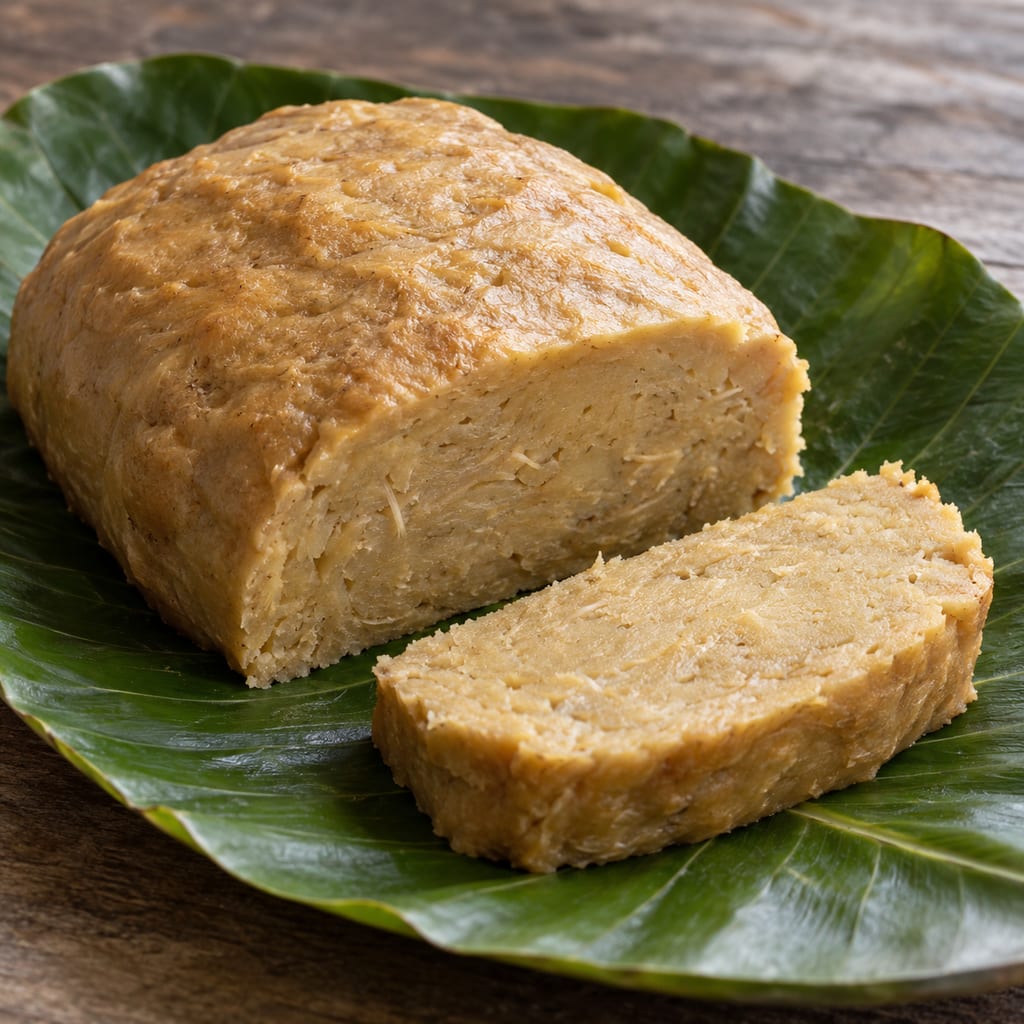 Tea cocoa and coffee ferments1
Fruit and some other foods were placed in honey in ancient Mediterranean kitchens. The honey's concentrated sugar does the preserving, and wet ingredients weaken it.
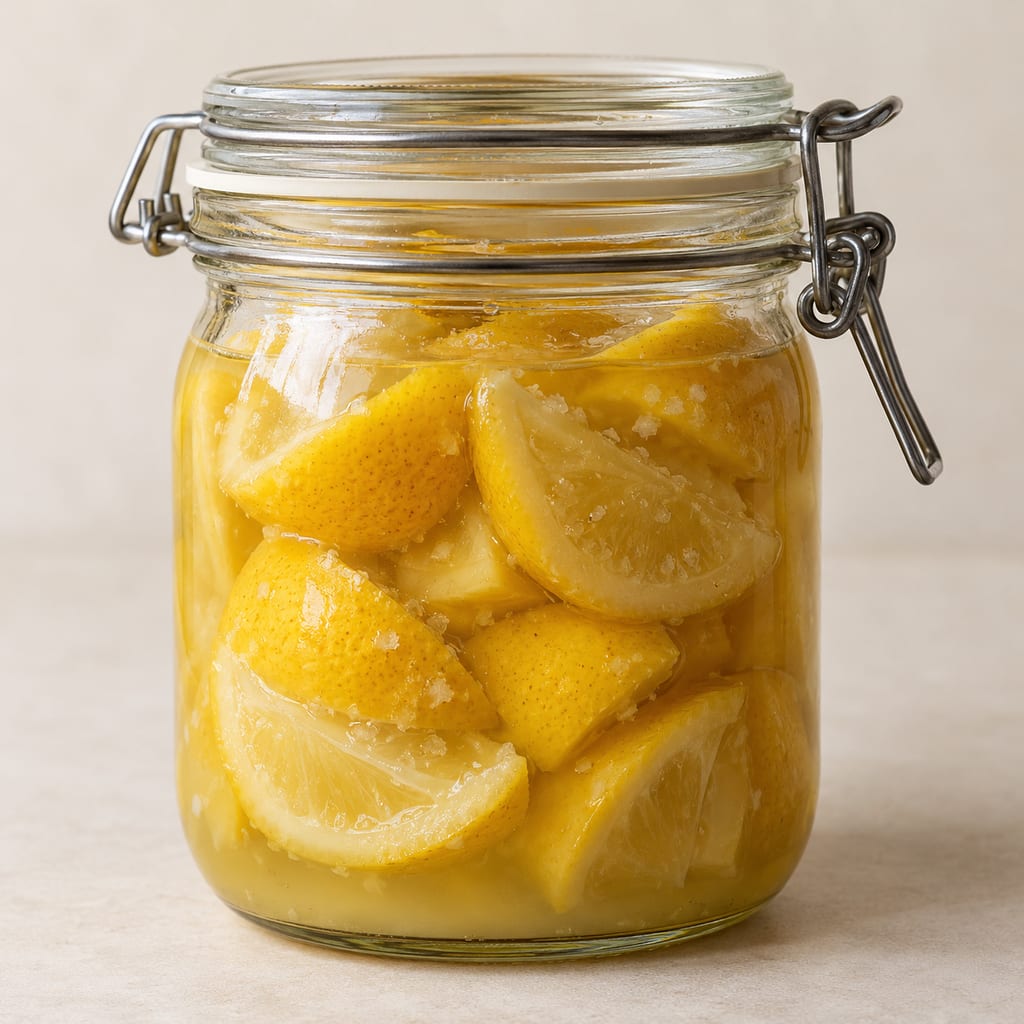
Lemon wedges are salt-cured under their own juice until the rind softens. Fermentation may begin, but the precise microbial process and safe storage limits for this formula are not established.
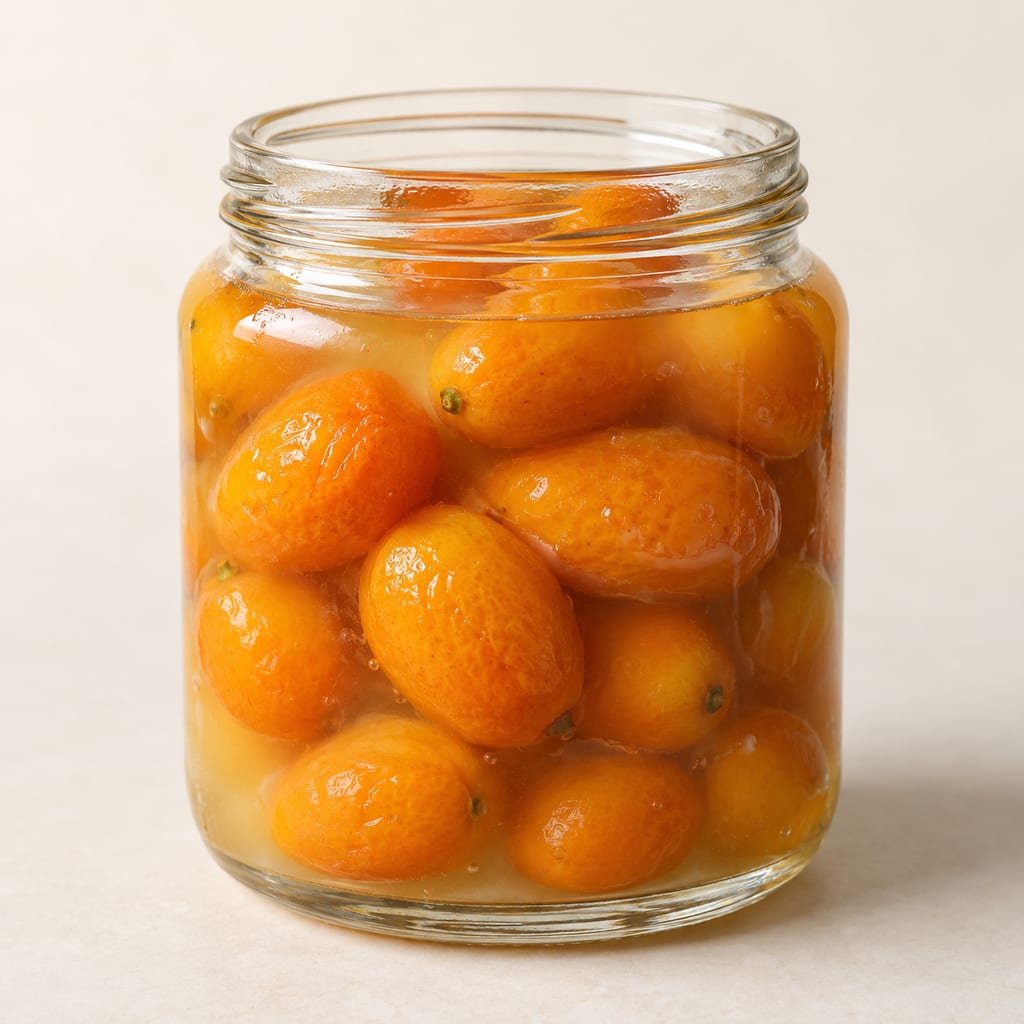
Whole kumquats are salted and covered with lemon juice, then refrigerated for two weeks. This distinct whole-fruit process is not a renamed lime pickle.
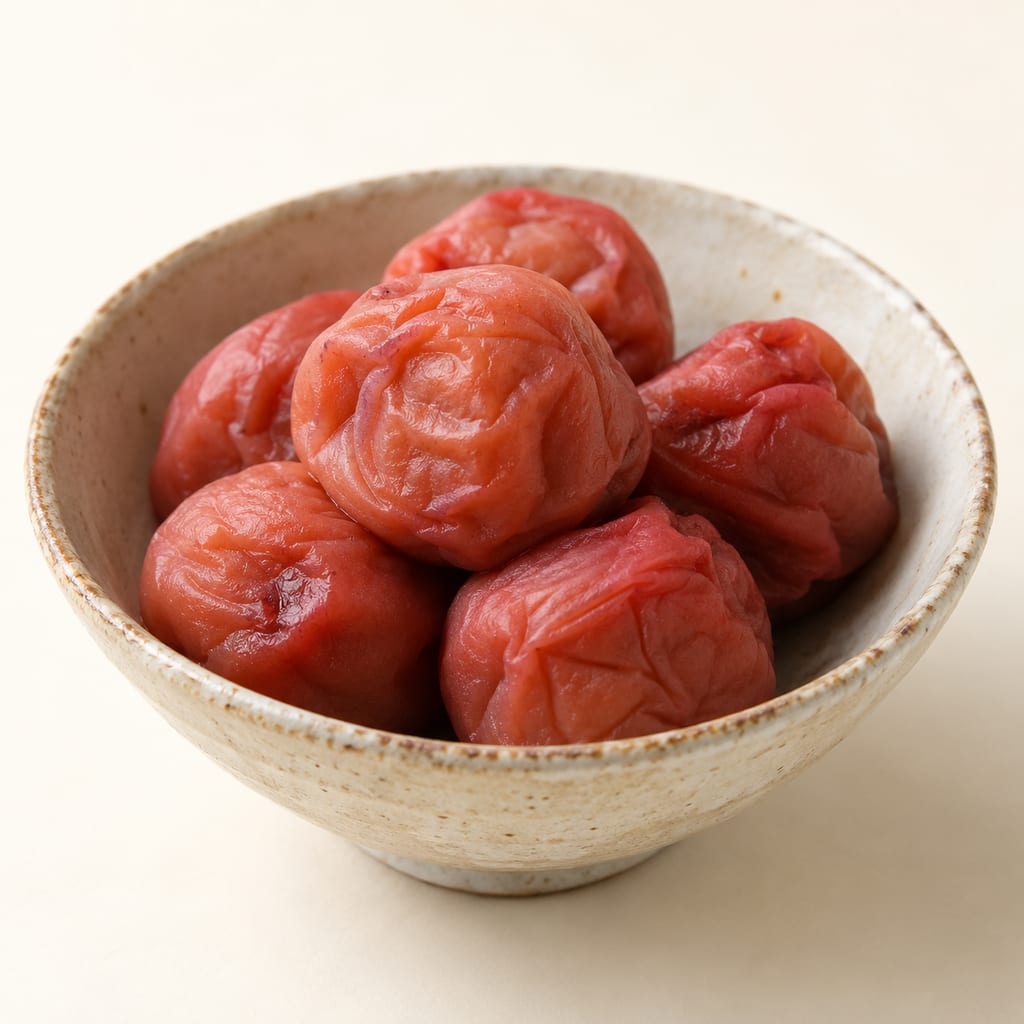
Naturally acidic ume fruit salted and sometimes dried in Japan; the salt, the fruit’s own acidity and the loss of moisture supply the preservation, and the preparation is not always fermented.
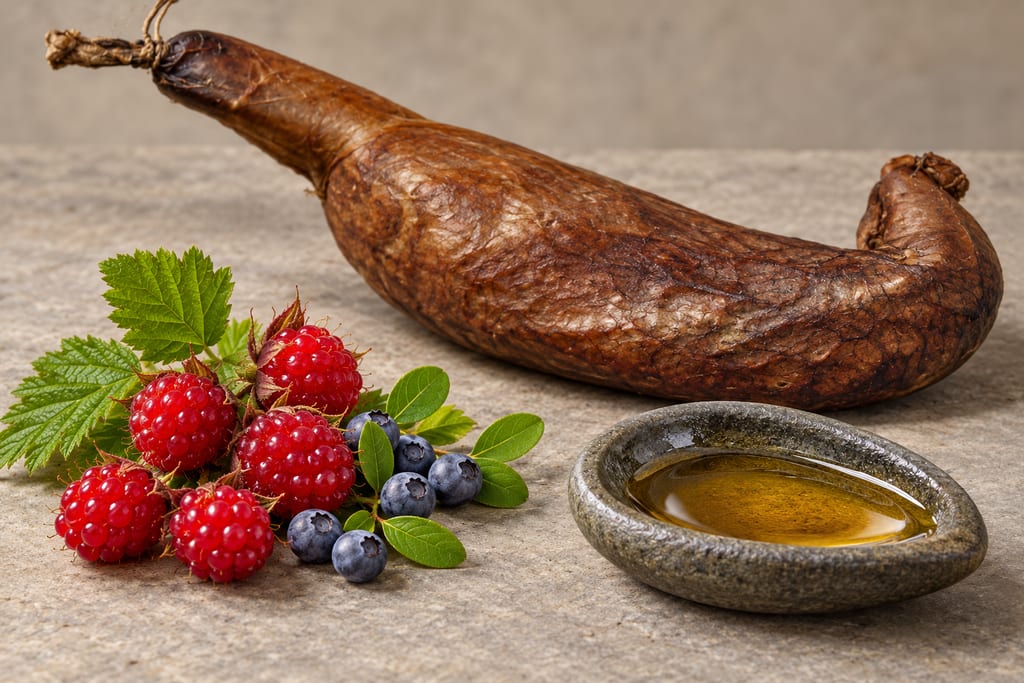
Berries, greens and fish eggs were kept in seal oil by Indigenous Alaskan communities. The oil seals the food from air, and the result depends on preparation and the surrounding conditions.