













































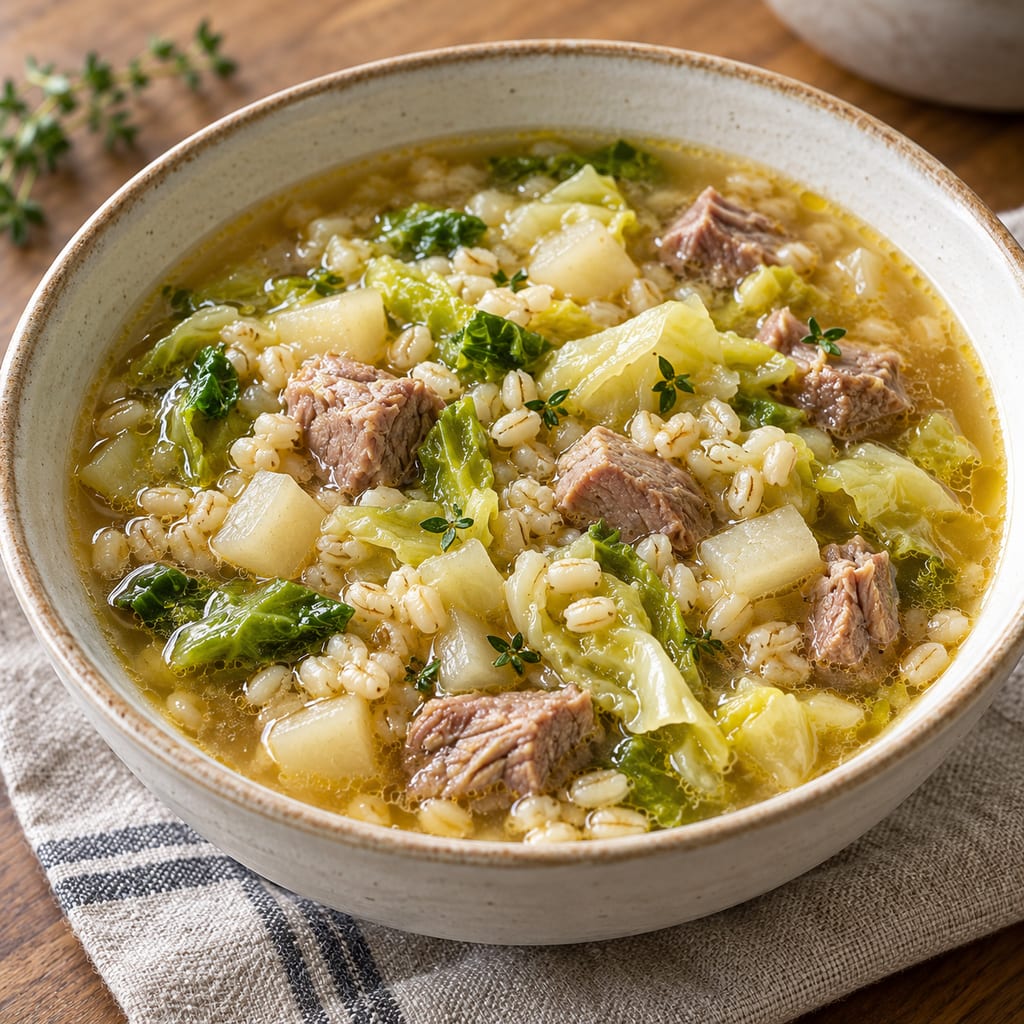
Lamb, barley and cabbage pottage (modern reconstruction)
Lamb shoulder simmered with pearl barley, turnip and leafy cabbage in one pot, a present-day reconstruction built from the animals, grains and vegetables of northern European farming.
 FermenteaWhere food goes to change
1504 records with their sources, across 11 categories.
 Fermented, enzyme-ripened and mixed seasonings328
 Fruit preserves10
 Legume, seed and plant-protein ferments10
 Garum and fish sauces8
 Adjacent and excluded7
 Koji, mold starters and mold-ripened ferments4
 Acid and oil pickles3
 Fermented fruit and fruit-derived foods3
 Vegetable lactic3
 Dairy ferments2
 Smoked salted and dried foods2
 Cheese1
 Not yet classified1
 Smoked salted and dried foods41
 Fermented sausage and meat17
 Adjacent and excluded14
 Condiments and enzymatic seasonings2
 Garum and fish sauces1
 Not yet classified1
 Vegetable lactic1
Lamb shoulder simmered with pearl barley, turnip and leafy cabbage in one pot, a present-day reconstruction built from the animals, grains and vegetables of northern European farming.
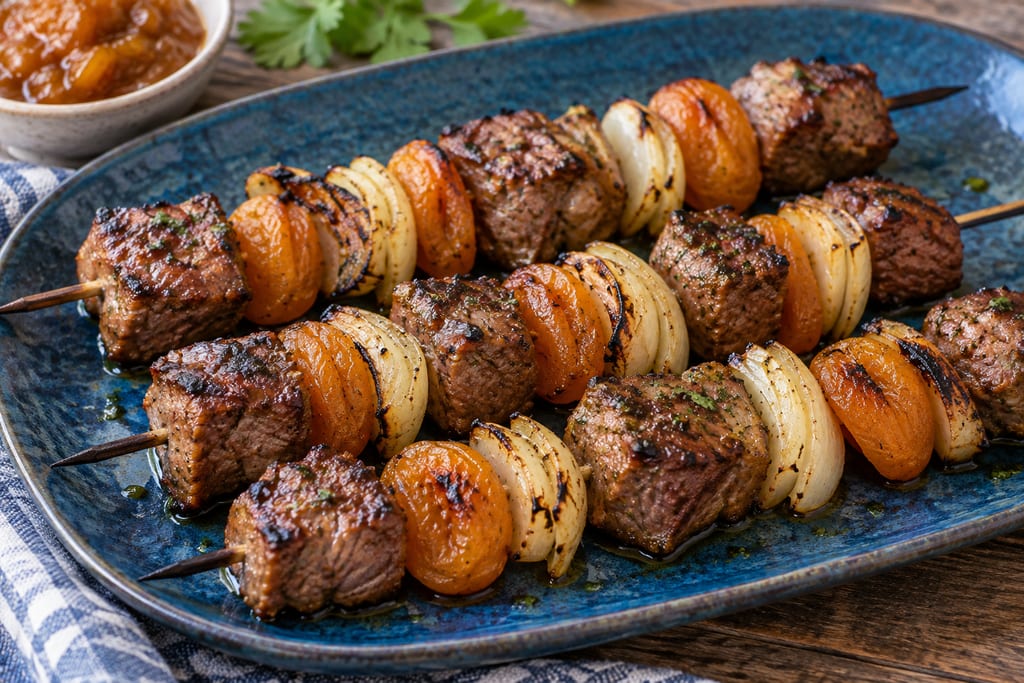
Cape skewers of marinated lamb or mutton threaded with onion, fat or dried fruit and grilled, their marinade balancing curry spice against vinegar or tamarind and something sweet.

A documentary account of a modern ventricina-style salami source and its Abruzzese context. This page provides no preparation directions or validated home process.
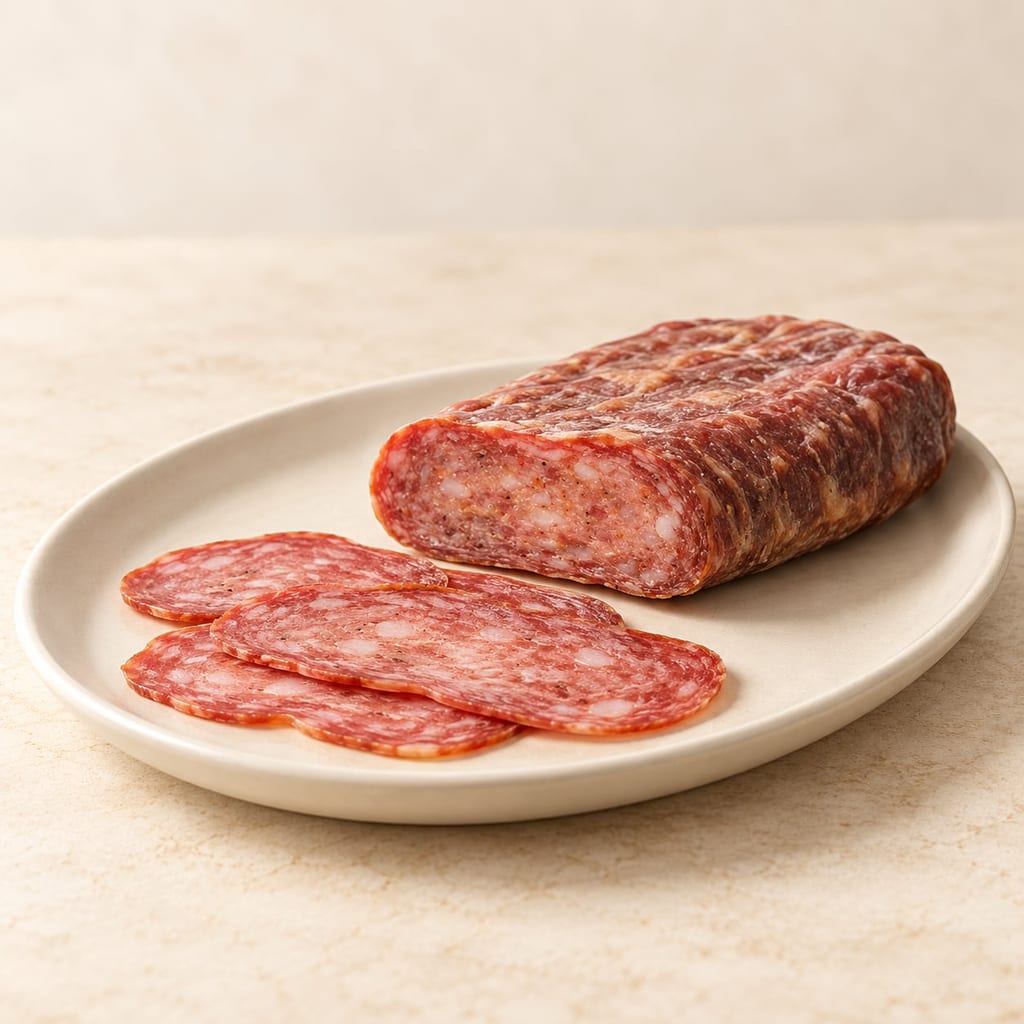
Calabrian soppressata is a flattened pork salami seasoned with pepper and wine. This entry documents a modern starter-cultured adaptation, not household instructions; the process lacks matched pathogen-reduction validation.
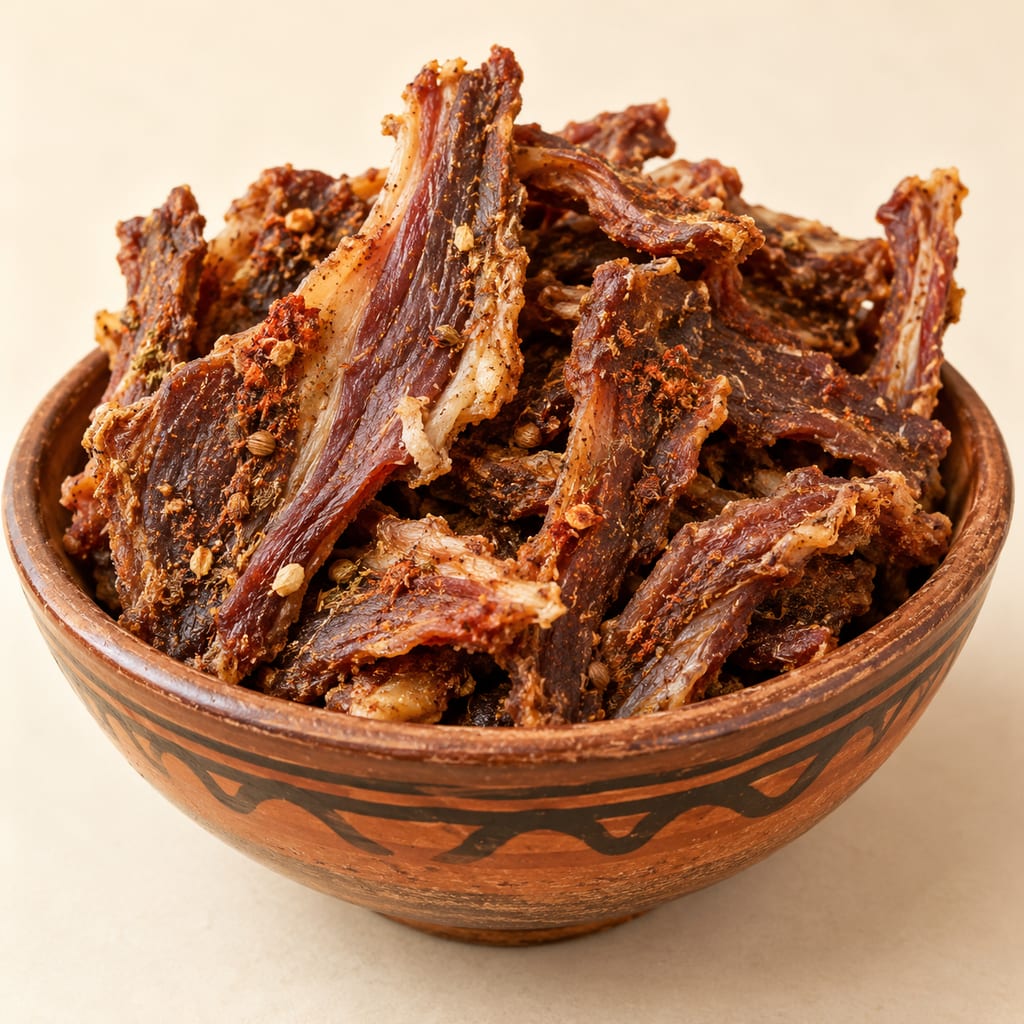
Moroccan kaddid is a traditional salted, dried meat. The measured batch here is from a 2023 Tunisian experiment and is included only as a non-instructional comparison.
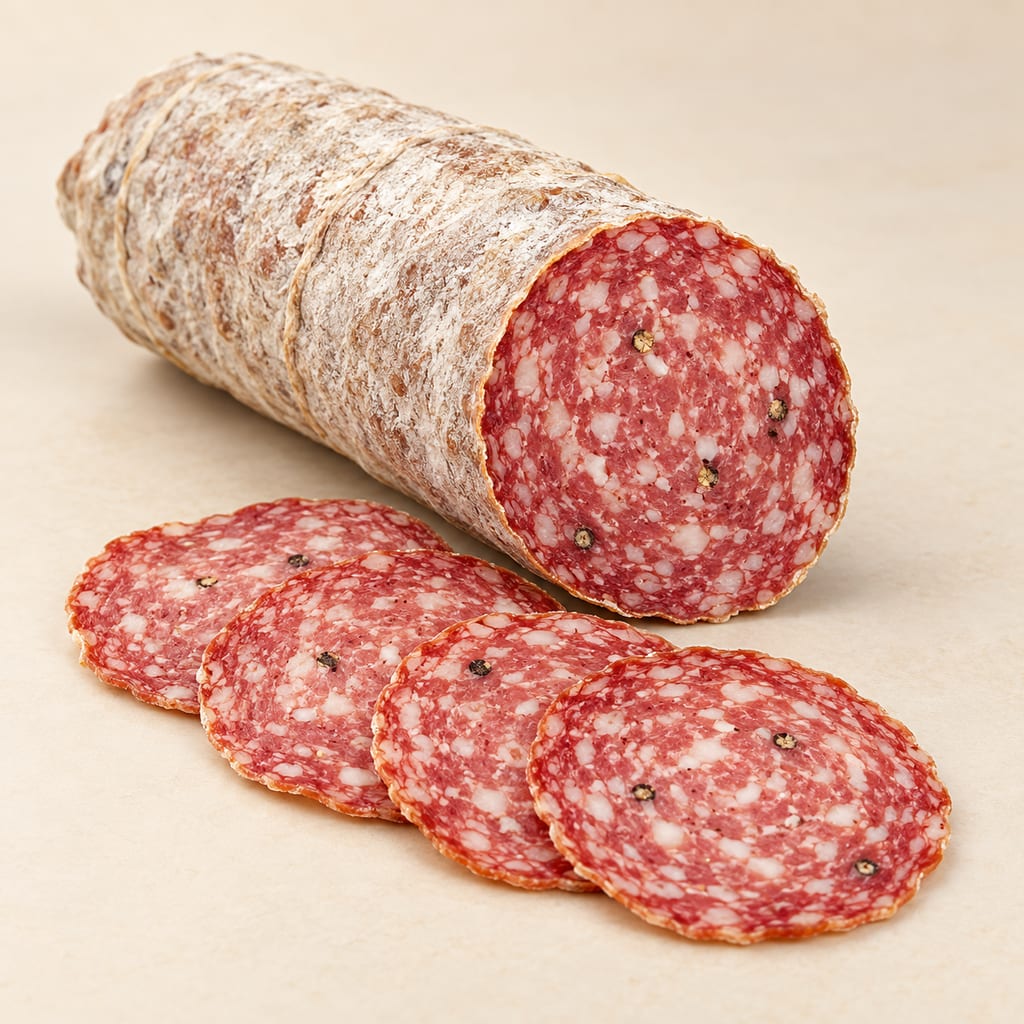
Pork, beef and back fat ferment with a named starter, cure and red wine before the sausages dry in casings. This contemporary formula uses no wood-smoke stage.
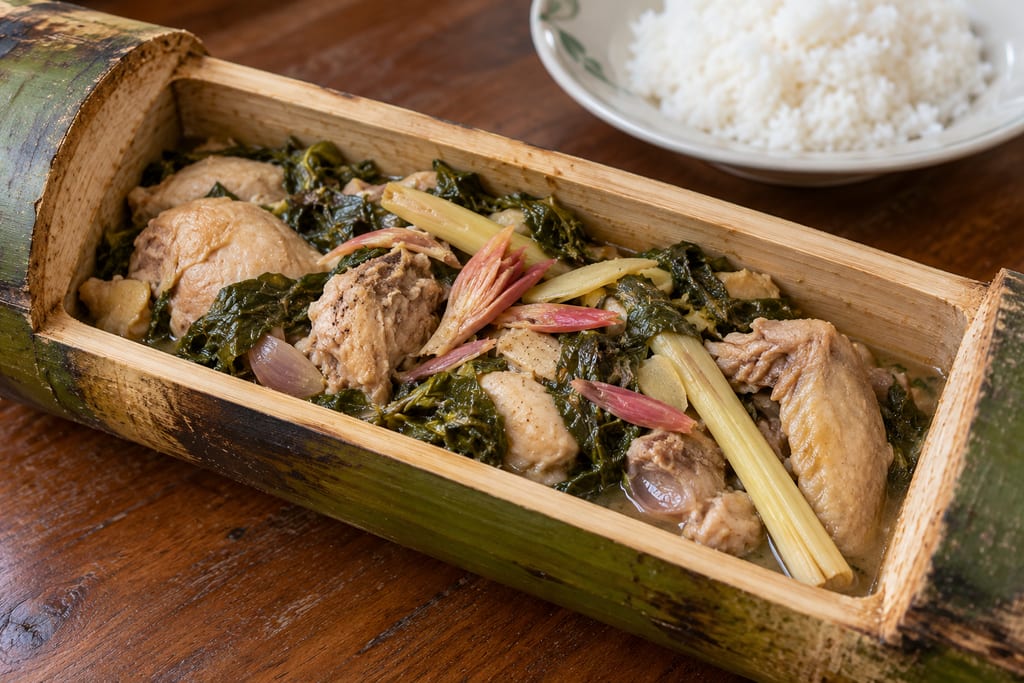
Manuk pansuh is Iban chicken cooked slowly inside a fresh bamboo tube with aromatics and leafy greens. The bamboo holds the food and shapes the steamy, fragrant cooking environment; recipes vary by household and locality.
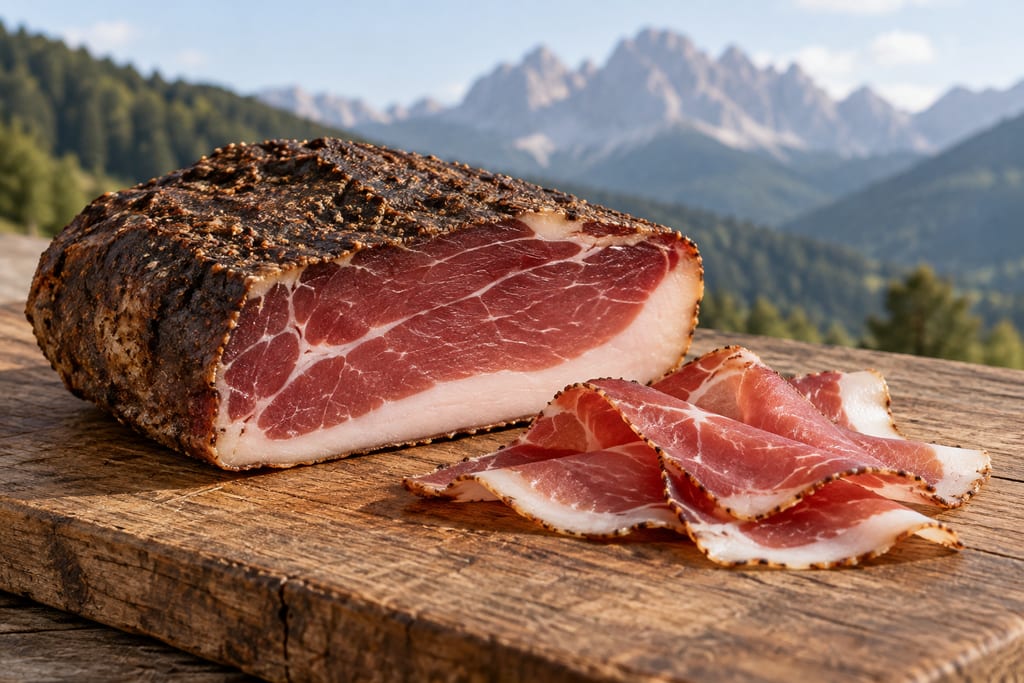
A documentary account of one modern home-video demonstration of Speck-style cured pork. It preserves the food and regional context without presenting the unvalidated cure, smoking and drying sequence as instructions.

A documentary account of Maltese zalzett and a contemporary starter-cultured adaptation. The cited raw-pork method lacks documented validation for pathogen reduction and is not offered as a preparation recipe.
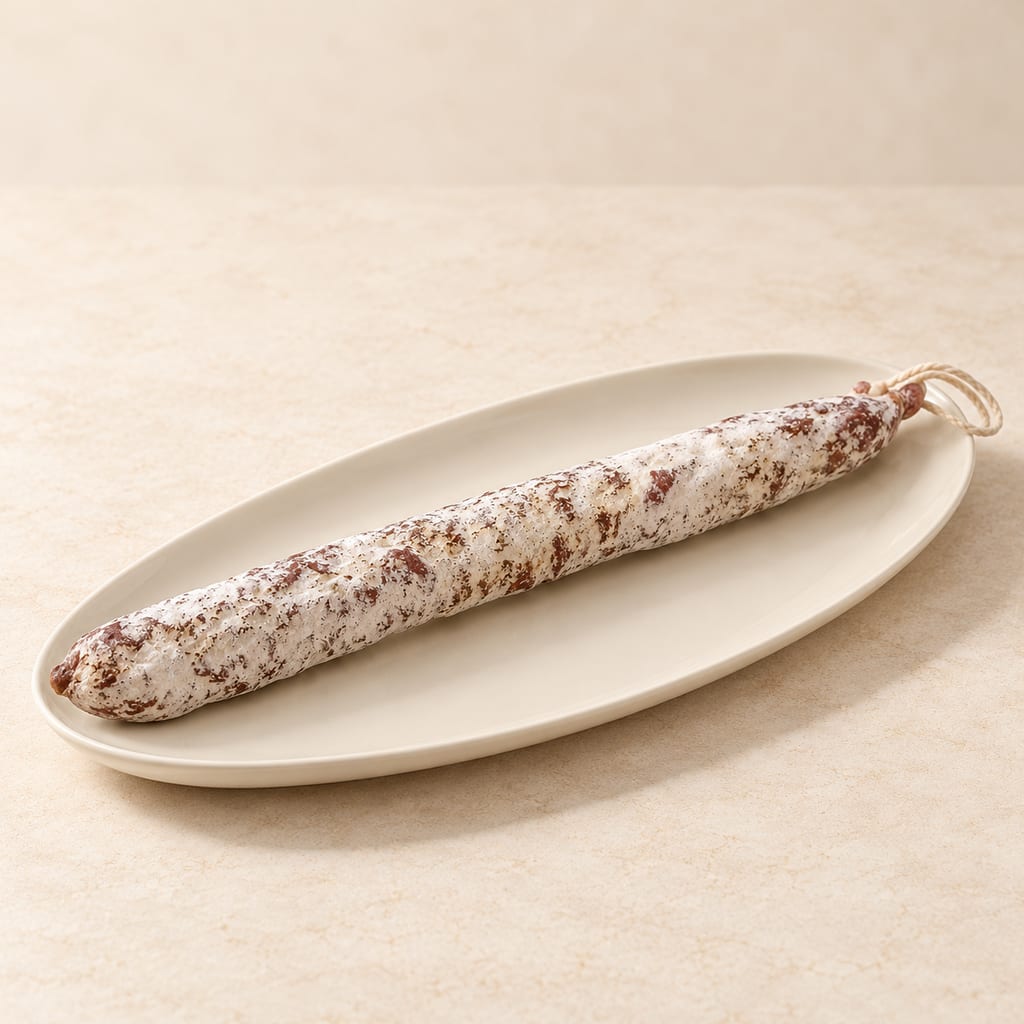
A documentary account of a modern starter-cultured Fuet formula and its place in Catalan sausage culture. The cited raw-pork process lacks matched safety validation, so this page does not present it as a household recipe.
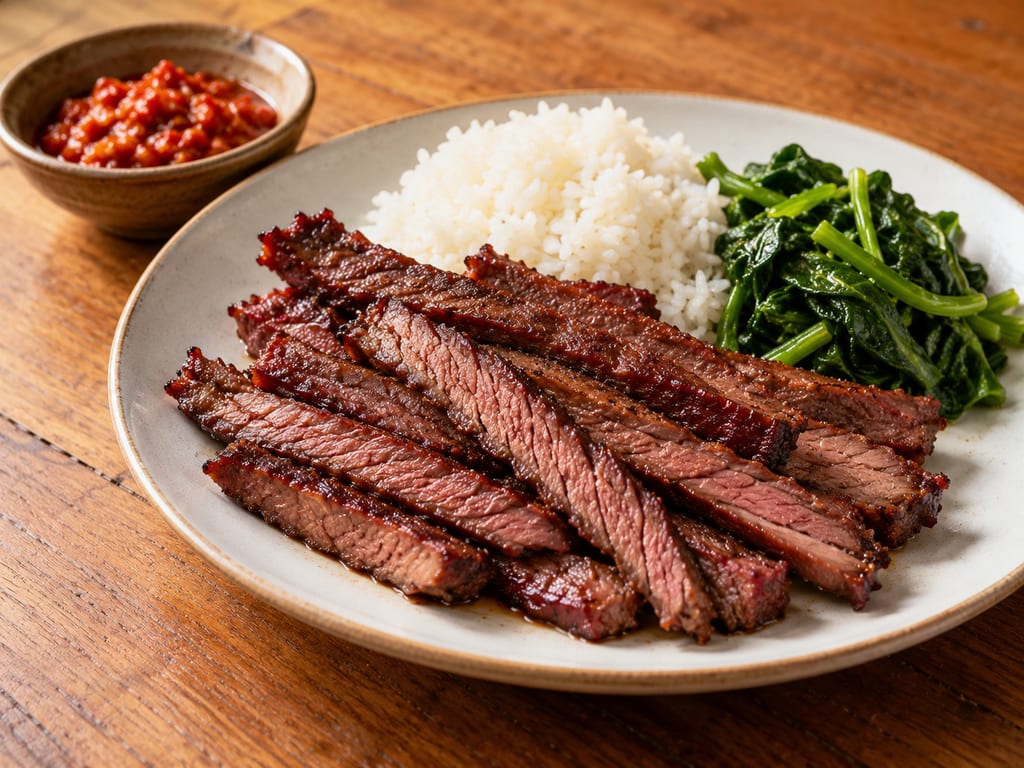
Smoked meat of Timor and Rote in eastern Indonesia: salted strips of beef or pork cooked over kosambi-wood embers under fresh kosambi leaves, served warm with rice, sambal lu'at and greens.

A family of salted minced-meat sausages fermented in casings, then dried and sometimes smoked. This description is not a validated household method; critical safety limits are not established.
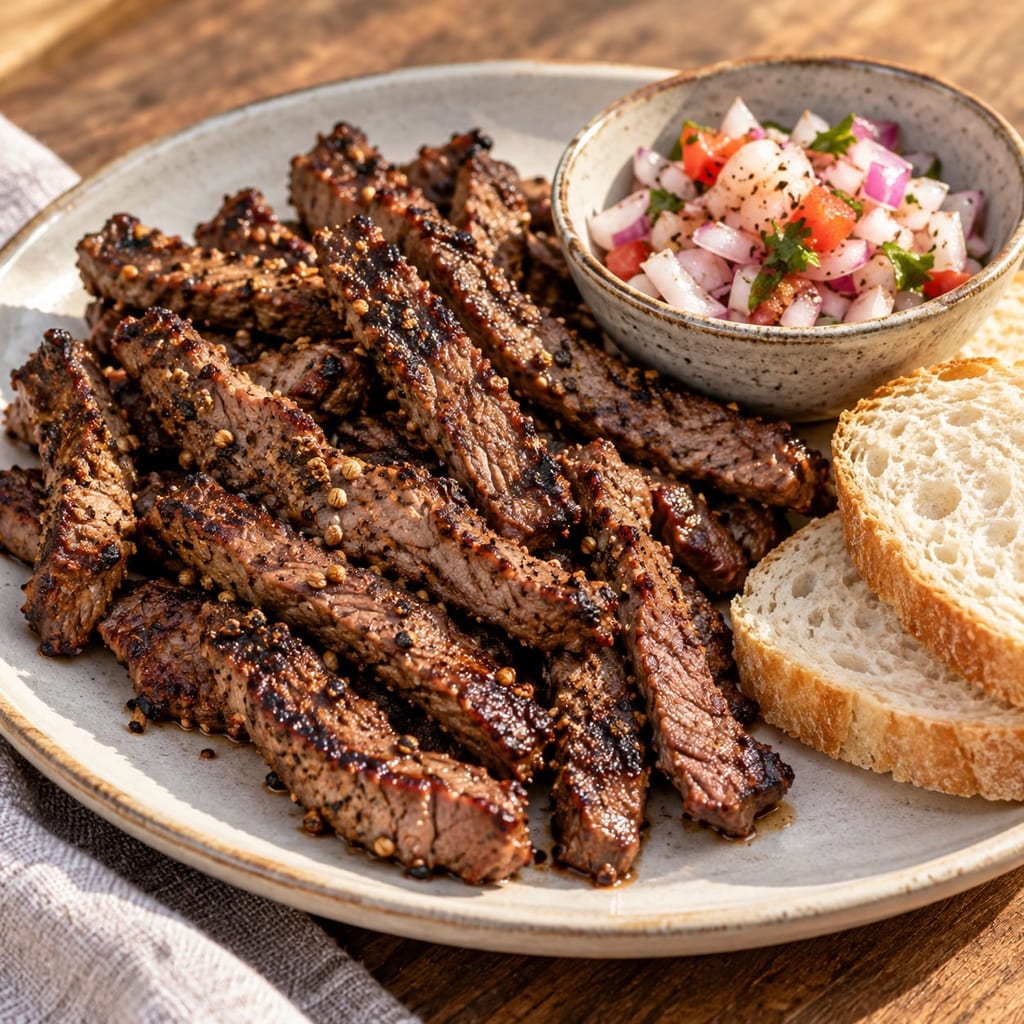
Beef rump takes vinegar, toasted coriander and pepper from the flavour family of tassal, then meets a thermometer-checked braai fire as a fresh-cooked meal.
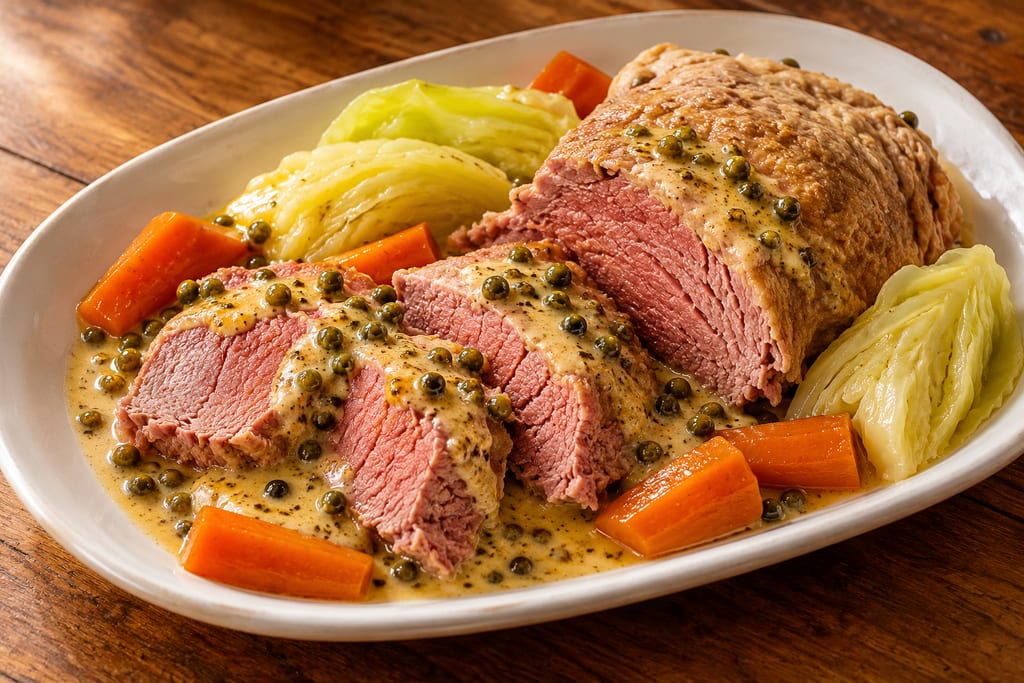
A Karoo-style festive dish of already cured salt beef simmered with vegetables and aromatics, served with a cream sauce of brined green peppercorns and wholegrain mustard.
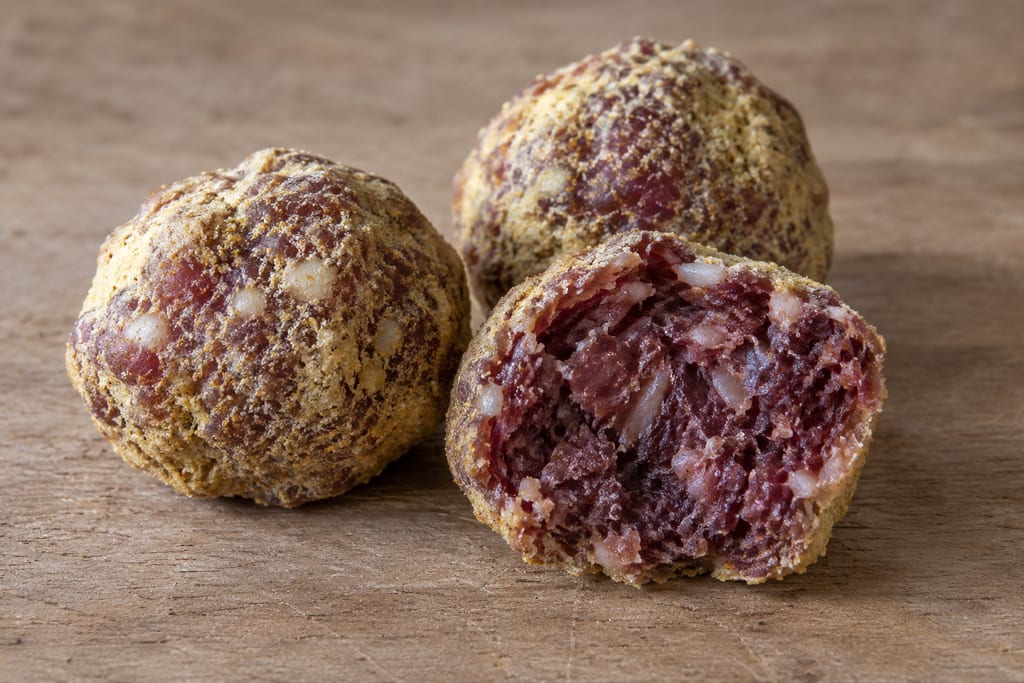
Small maize-coated meatballs in a modern pork-and-lamb variant associated with Pitina; this is a documentary account, not a validated method or a claim of Pitina IGP.
A Tujia sour pork preparation documented in southeastern Chongqing. Its rice-flour pork method is distinct from the wider suān ròu forms; a sixth-century pork-zha text is an earlier attestation, not proof of direct continuity.
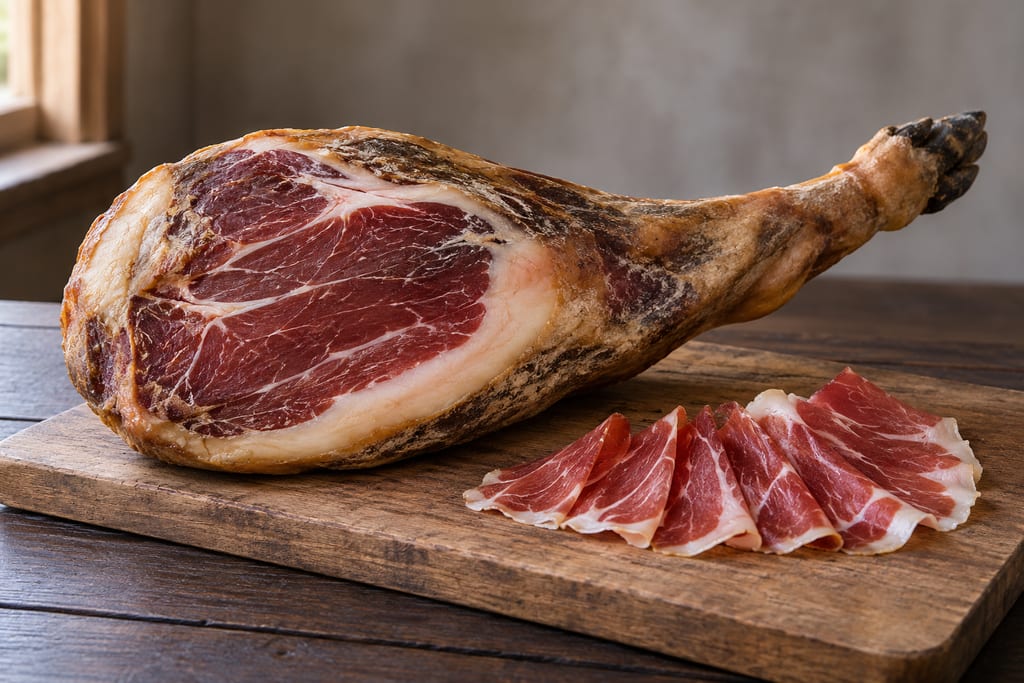
Smoked dry-cured pork ham of the Barroso highlands of northern Portugal: hand-salted, sometimes coated with olive oil and paprika, then smoked slowly over oak or broom in the cold mountain air.
Naem is a Thai sour pork preparation made with minced pork, rind or ear, glutinous rice, garlic and salt. Its documented room-temperature method has no validated food-safety endpoint.
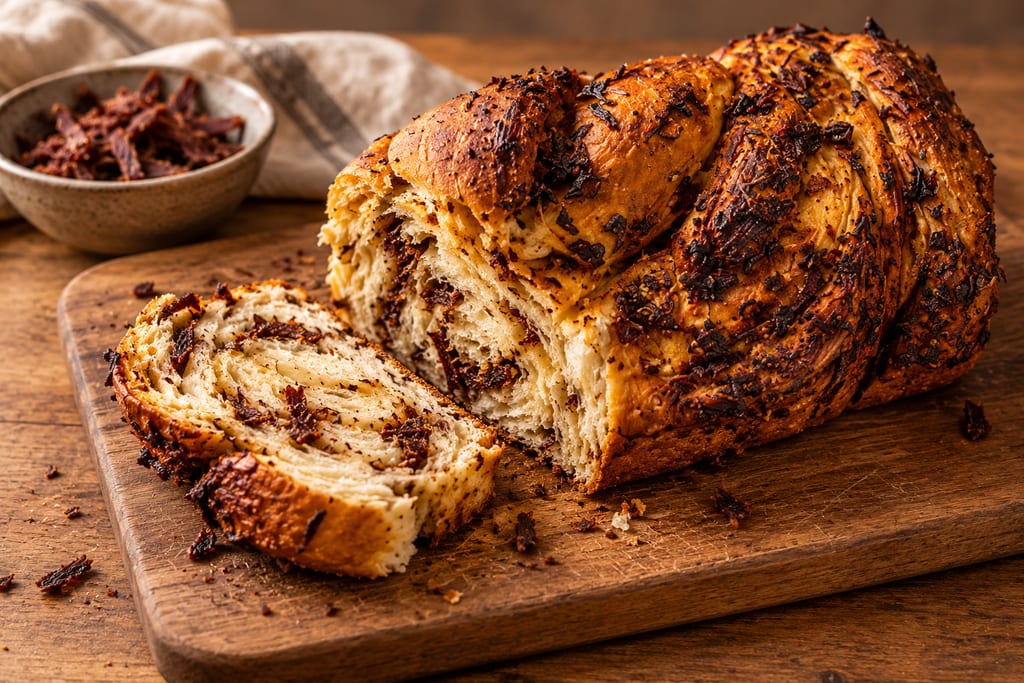
Yeasted bread wrapped around biltong, tomato pesto, Cheddar and feta, split lengthwise into a braid and baked; served with chilli-biltong butter.
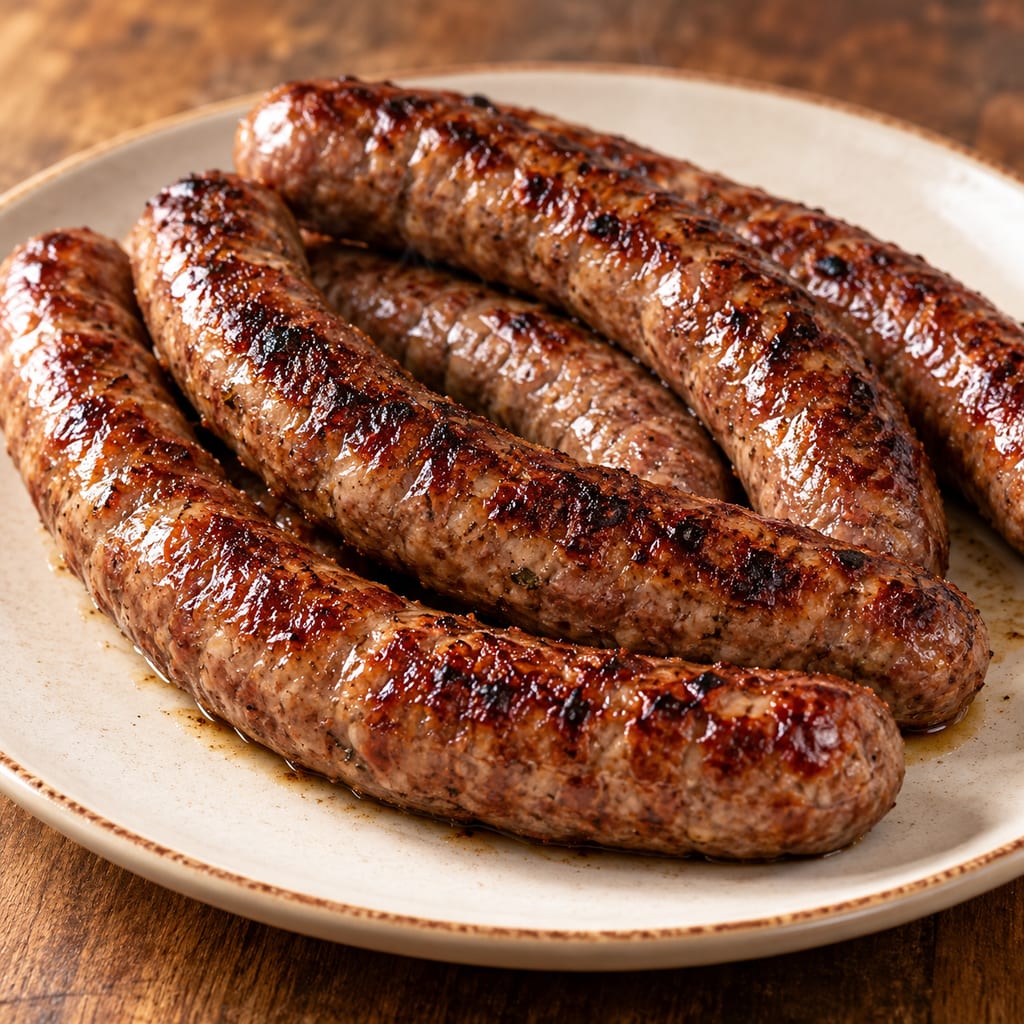
South Africa's regulated grilling-sausage class, looser than boerewors: a minimum of 40% meat, vegetable protein and mechanically recovered meat allowed, and sold raw.
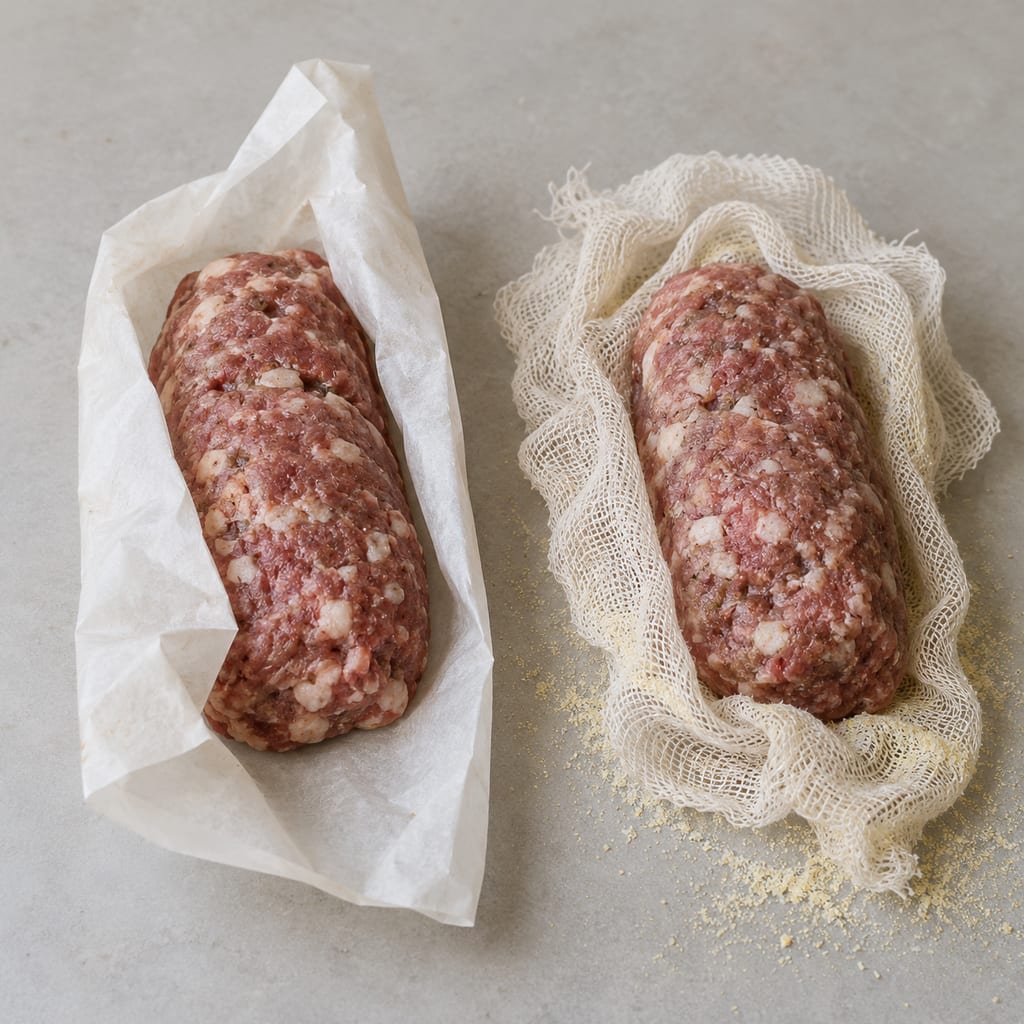
A documentary account of two modern Italian-language home-video experiments in salame without casings. Neither video establishes a safe preparation method or a ready-to-eat product.
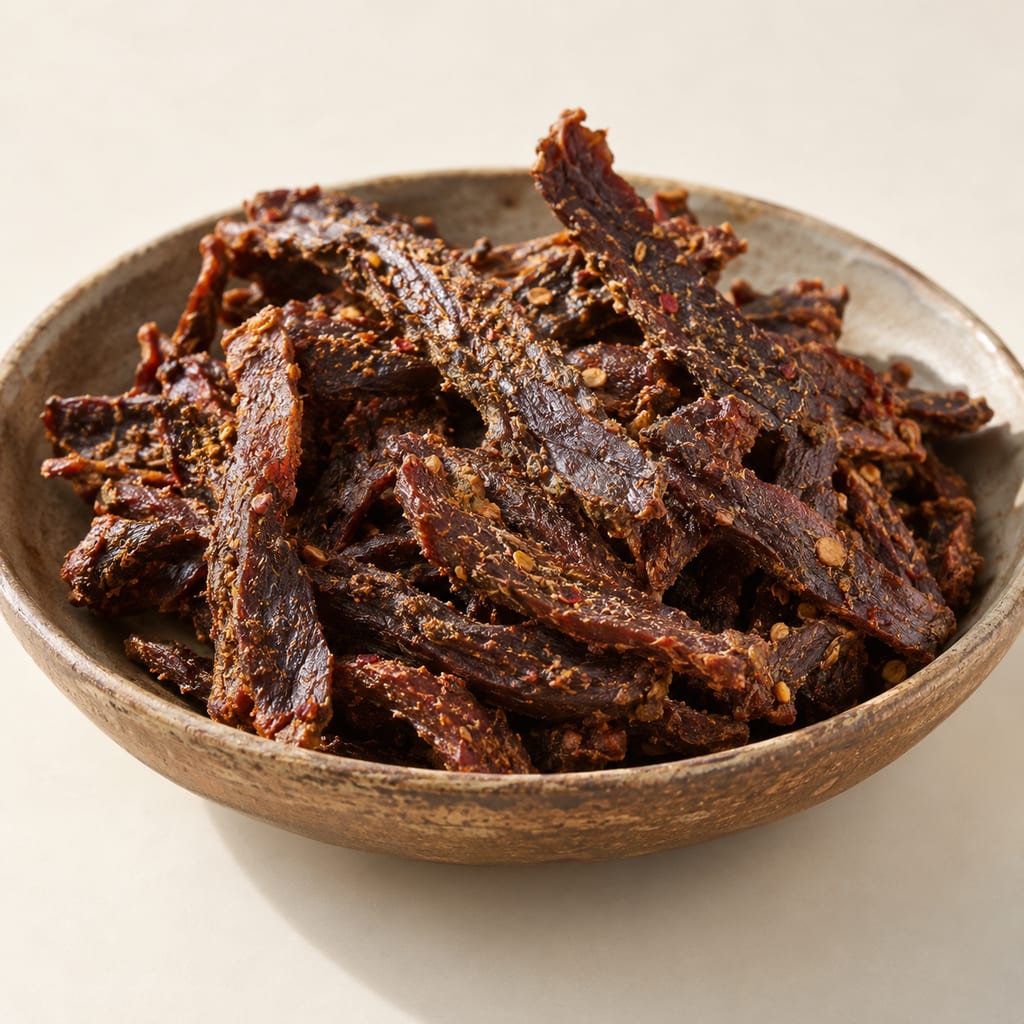
Sukuti is Nepali dried meat, most often buffalo, cut into thin strips, seasoned with spices, dried over smoke or in the sun, and later fried or roasted before eating.
A documentary account of dried meat strips and their historical uses. It does not provide an operational home method for making shelf-stable jerky at home.
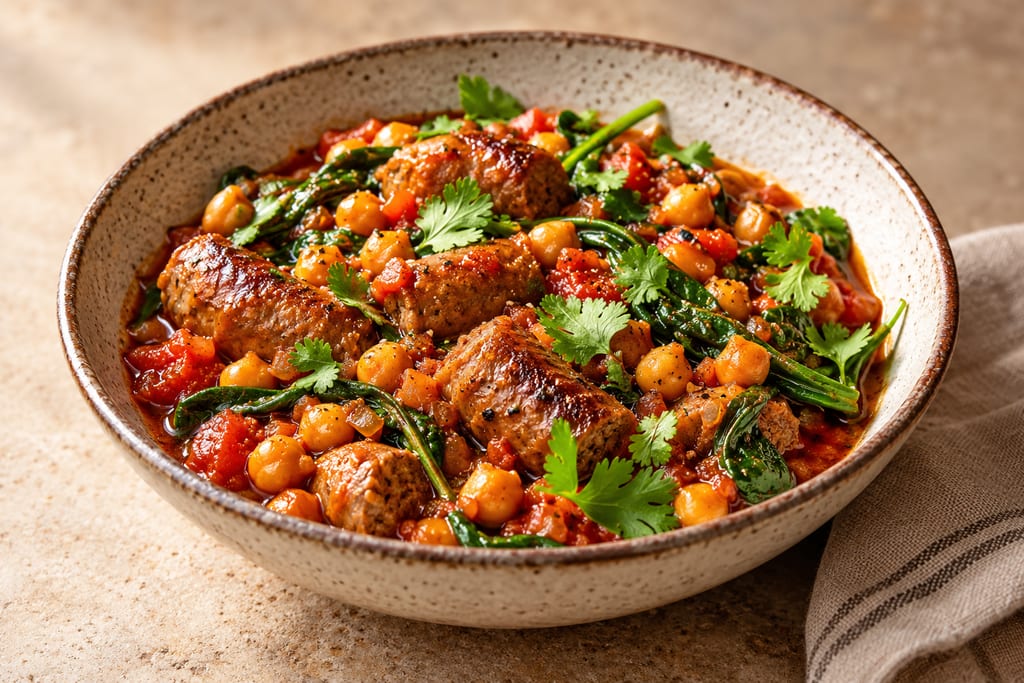
Lesego Semenya’s contemporary South African stew combines browned boerewors, chickpeas, tomato, spinach and warm spices.
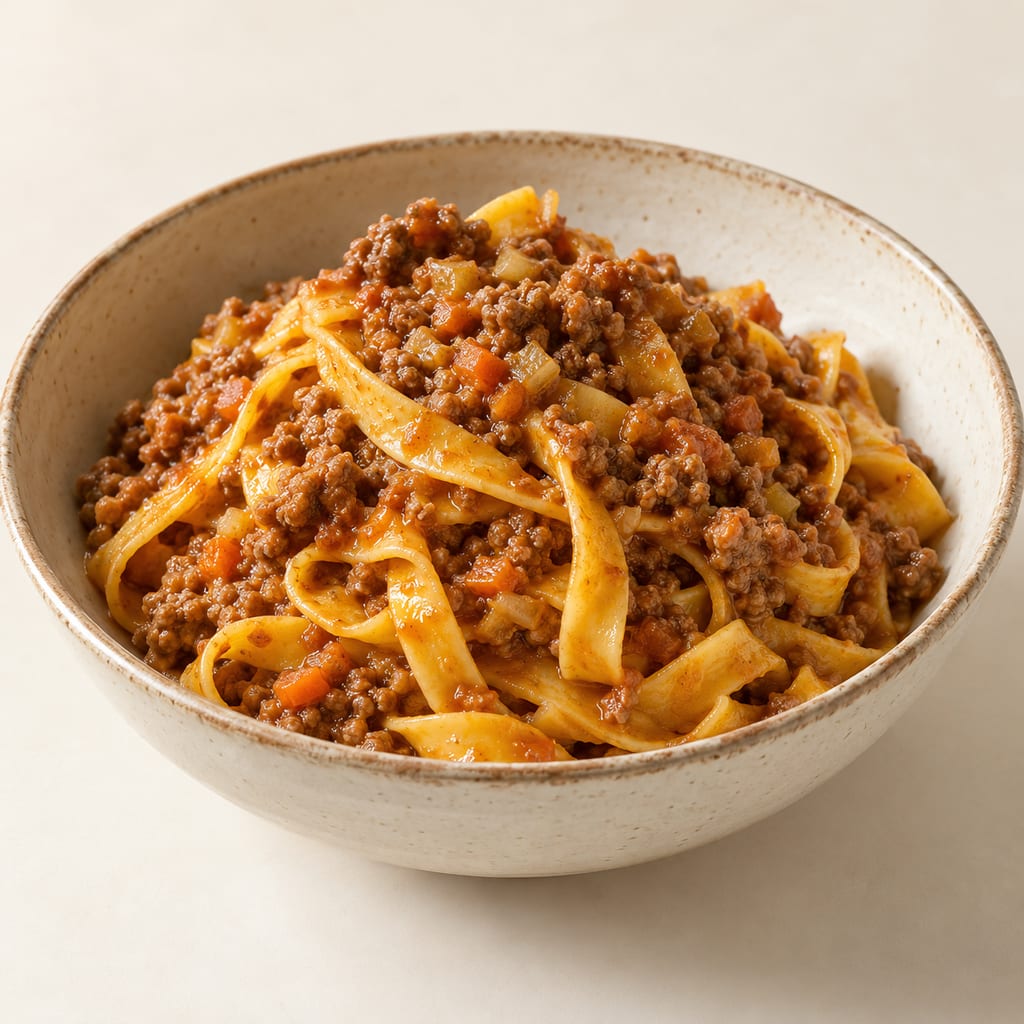
Ragu alla bolognese is a slow-cooked meat sauce of minced beef and a little pork, cooked with soffritto, white wine, milk and a little tomato, served with fresh tagliatelle in Bologna.
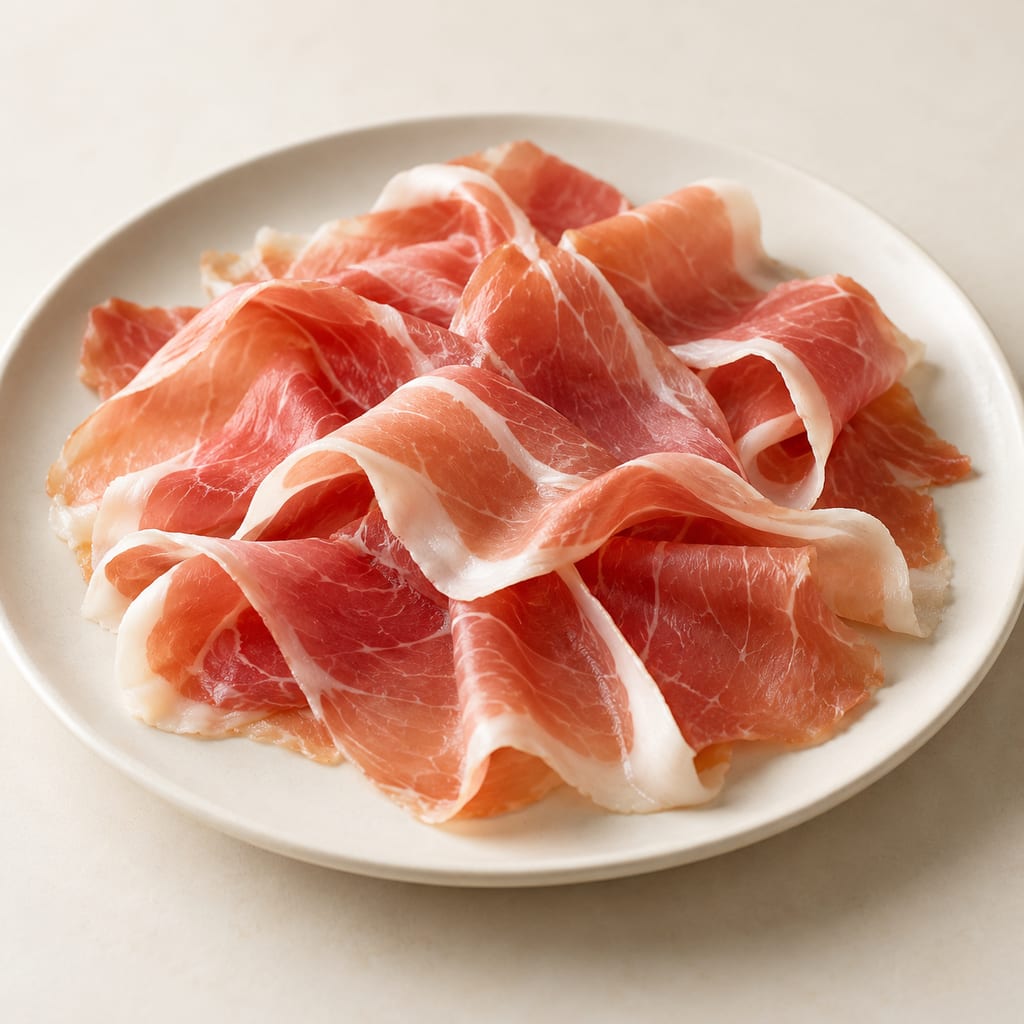
Prosciutto di Parma is a dry-cured, unsmoked ham from the Province of Parma, made from fresh pork legs salted with sea salt and matured for at least 14 months under the protected designation.
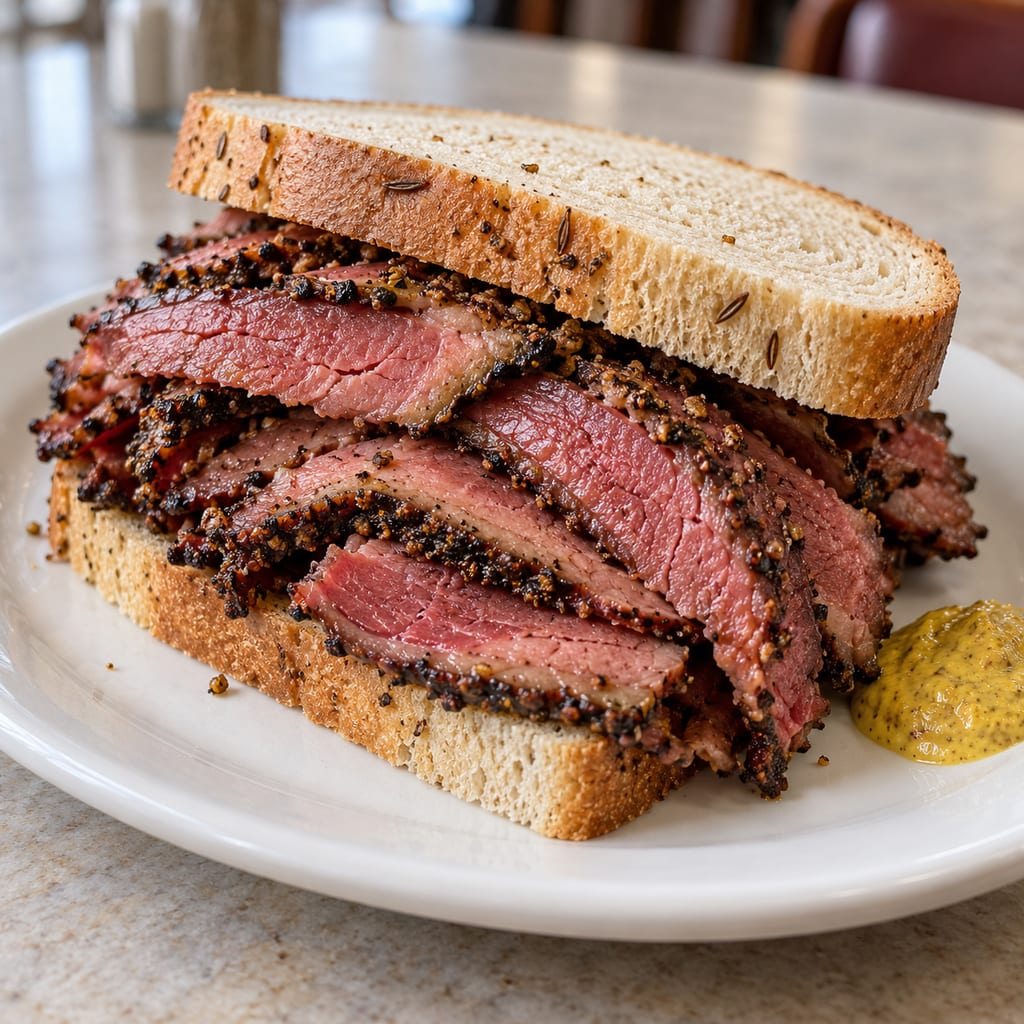
Pastrami is beef brined, rubbed with spices, smoked and steamed, the New York Jewish deli meat served hot and hand-carved on rye. Its origin is argued between competing accounts.
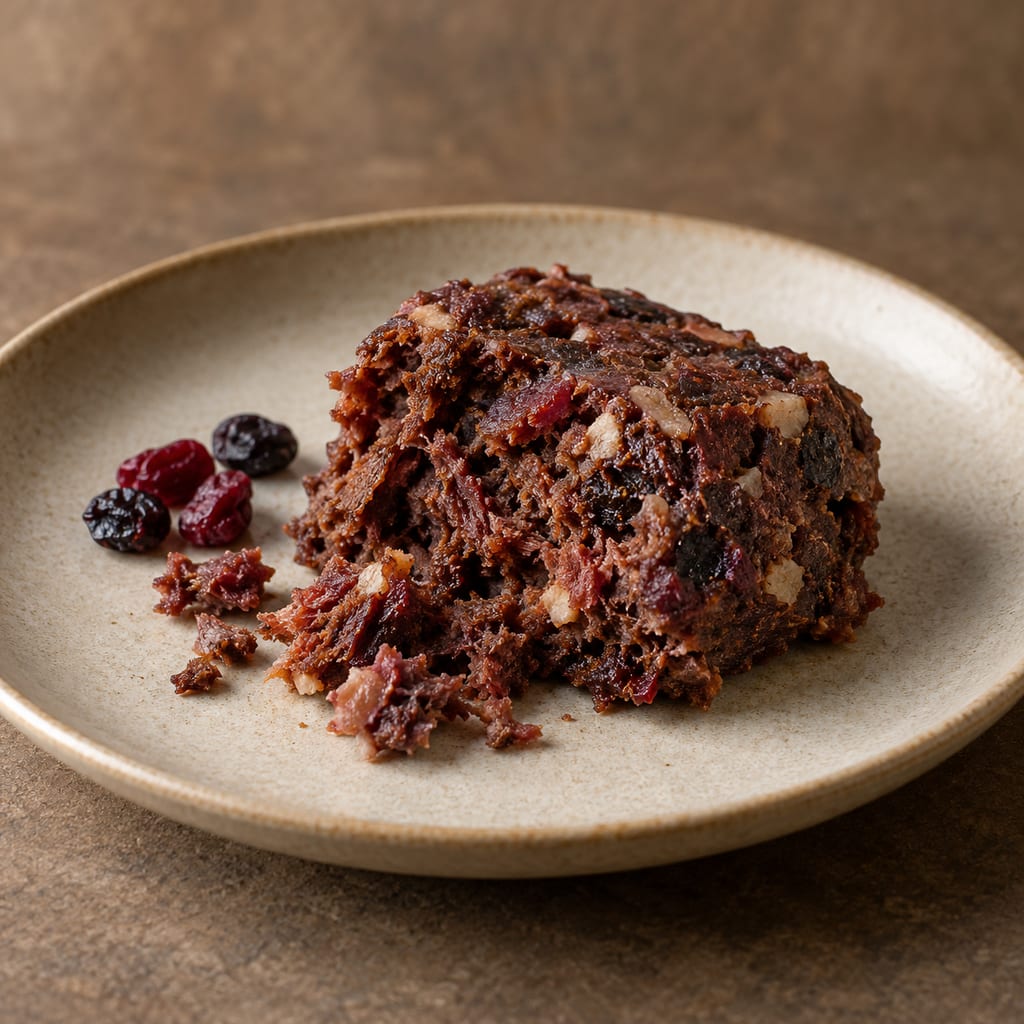
Pemmican is dried meat mixed with rendered animal fat, sometimes with berries. Sources link it to Indigenous North American food traditions and later fur-trade provisioning. This documentary entry gives no home preparation or storage method.
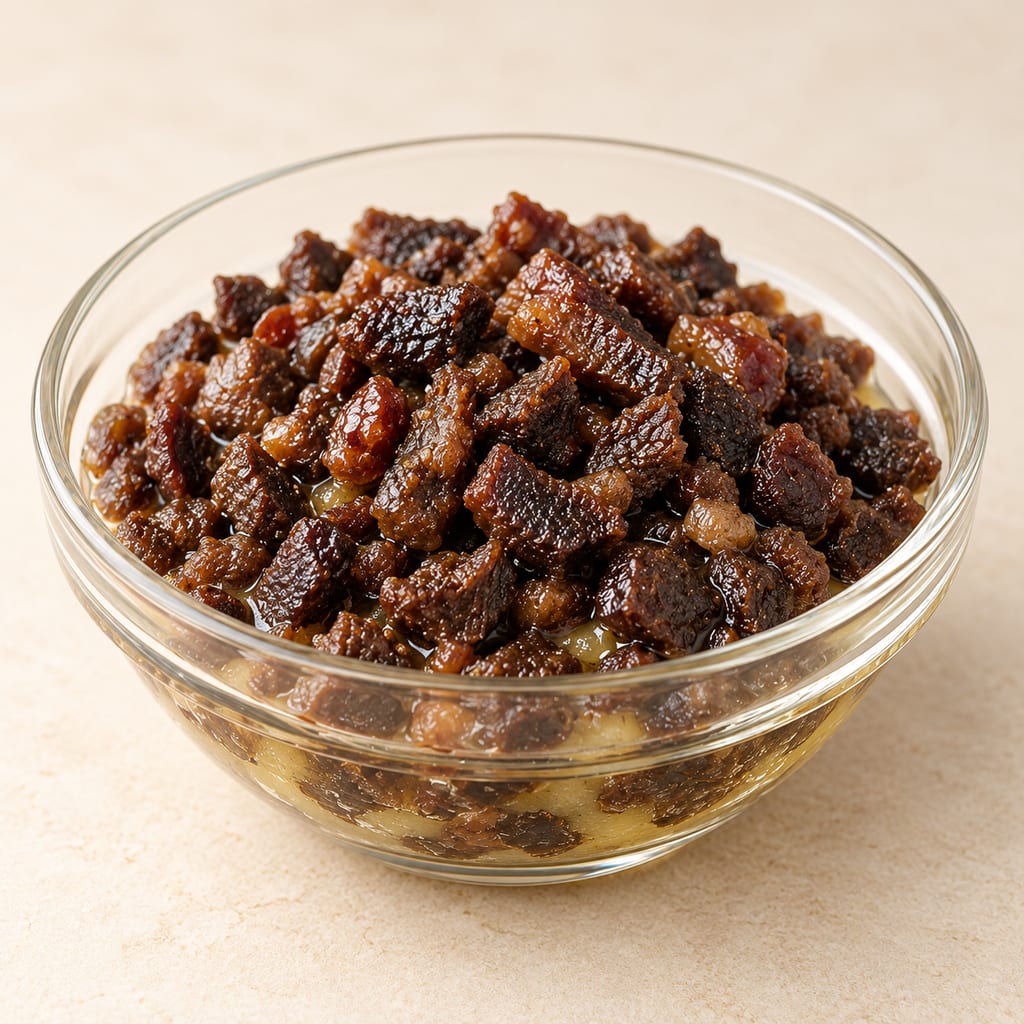
Odka, also called muqmad, is Somali meat that is dried, cut small, fried and kept under fat. It is a dried-meat preserve whose keeping depends on the whole sequence.
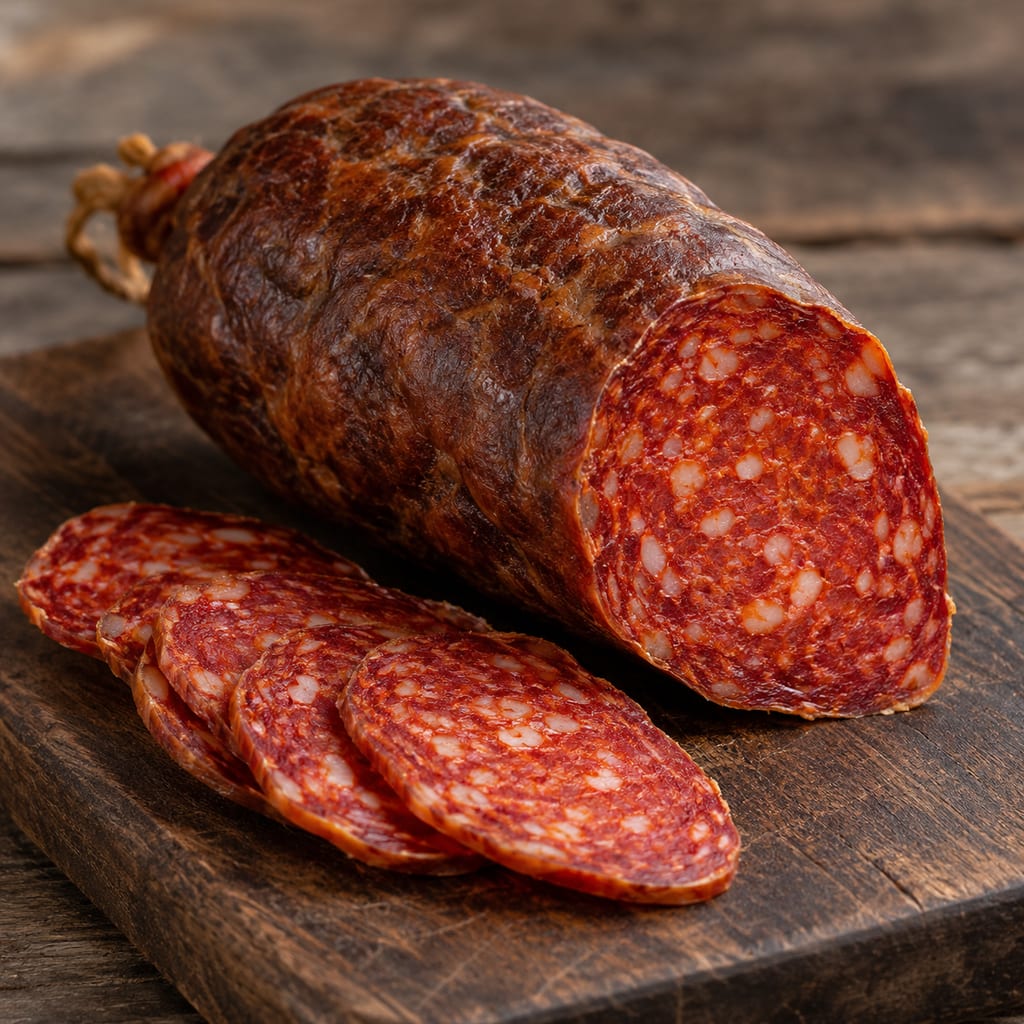
Baranjski kulen is a Croatian protected fermented pork sausage seasoned with sweet and hot paprika, garlic and white pepper, stuffed into a pig’s caecum called katica, cold-smoked and matured.

A refrigerated pork-belly brine combines beer and maple syrup with salt, garlic powder and measured Cure #1.
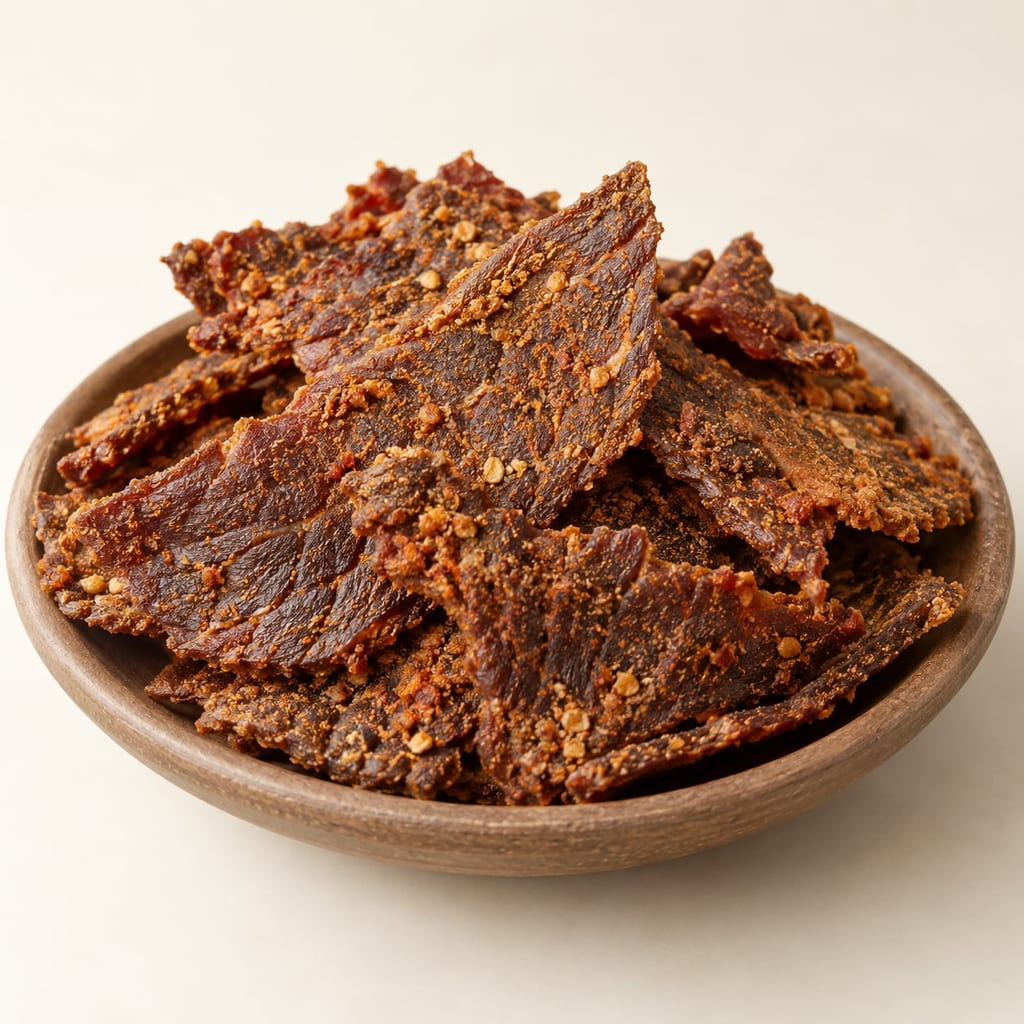
Kilishi is a Hausa-land dried meat from northern Nigeria and southern Niger: thin slices of beef or other meat, dried, coated in a spiced groundnut paste and dried again.
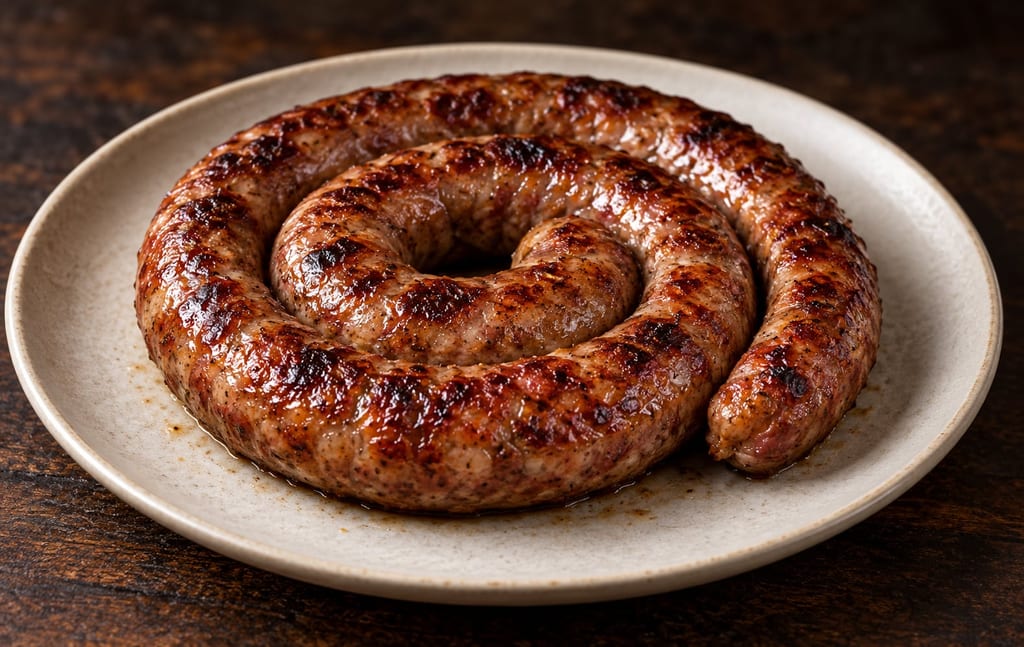
A coarse South African farmhouse sausage of beef with pork or mutton fat, defined by its coriander seasoning and cooked fresh over coals rather than preserved.
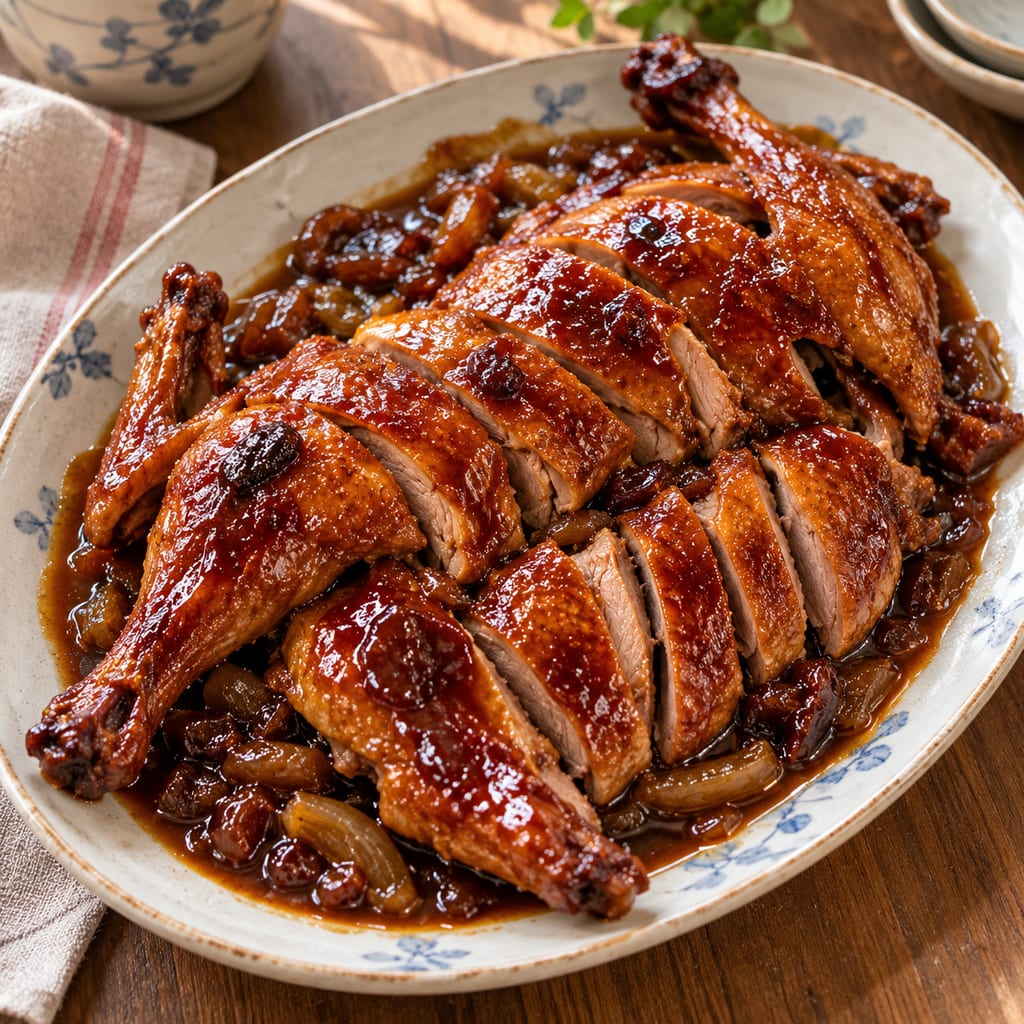
A whole duck braised on onions with pickled plums and Chinese plum sauce until the sauce turns into a thick onion marmalade, a Hakka family dish for Chinese New Year.

Pork belly receives a measured salt-and-sugar cure with coffee and spices, then is refrigerated before cooking or hot smoking.
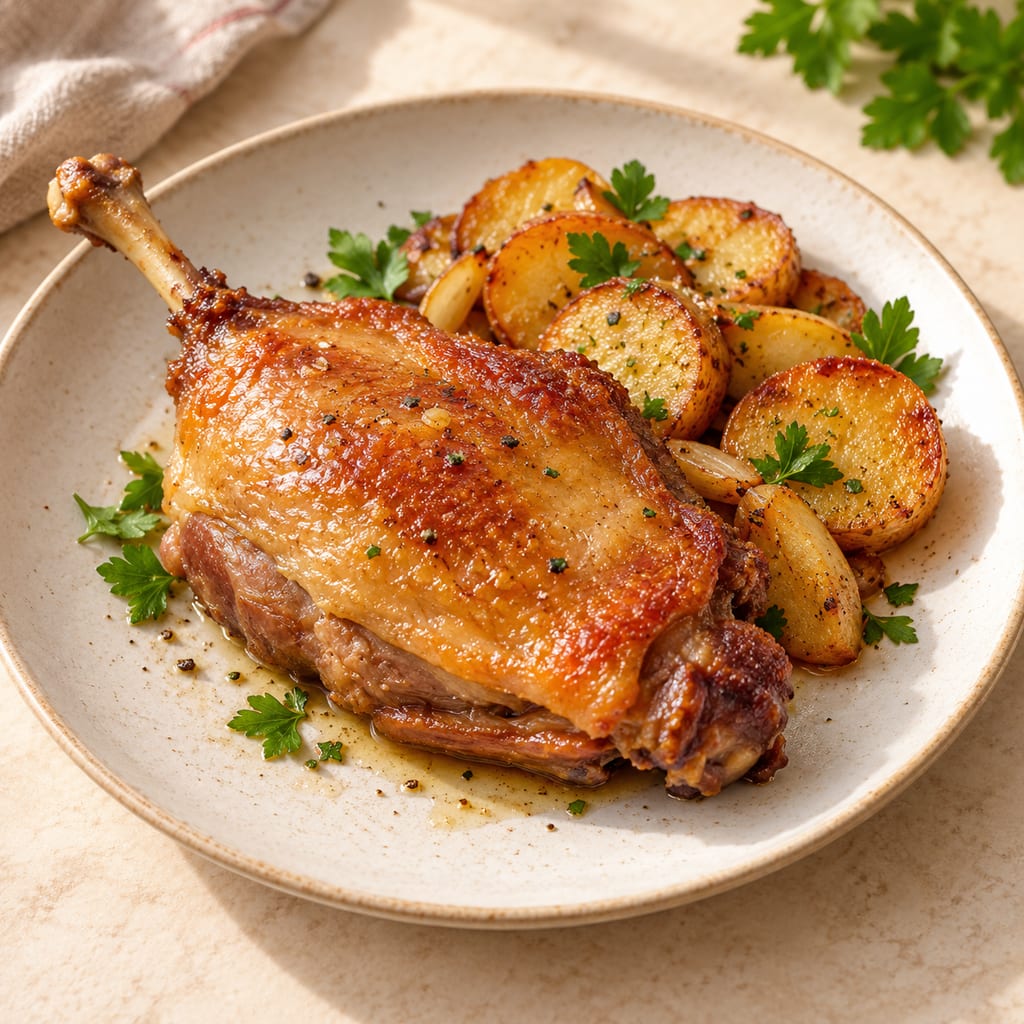
Meat salted, slowly cooked in its own fat and kept under a covering of that fat. The fat cap limits air but does not acidify or sterilise, so home confit needs refrigeration or freezing.
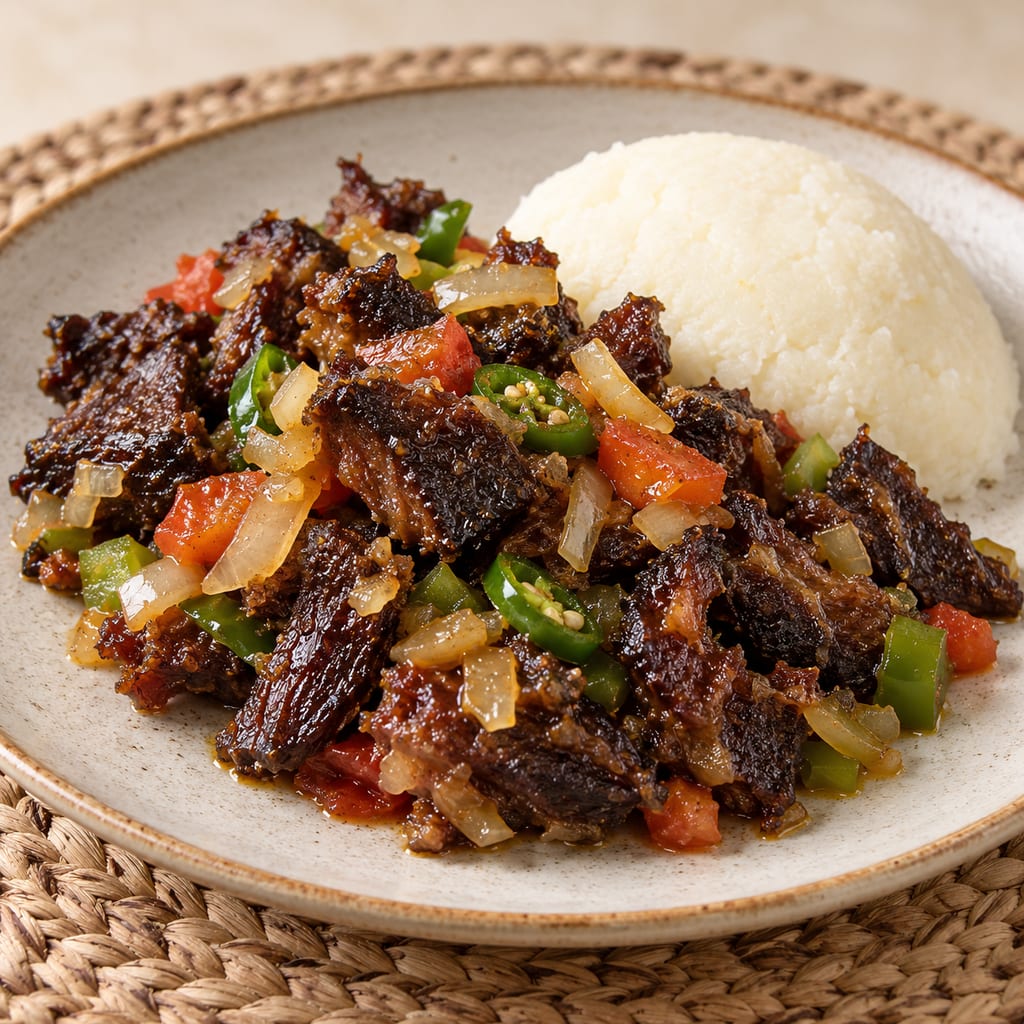
Alina Magano Johannes’s Oondhingu is a family dish from Onyaanya, Oshikoto, in northern Namibia: softened dried beef fried with vegetables and served with pap.
Omani celebration dish of spiced meat wrapped in leaves, sewn into palm-fibre bags and cooked in a sealed pit of embers for up to a day.
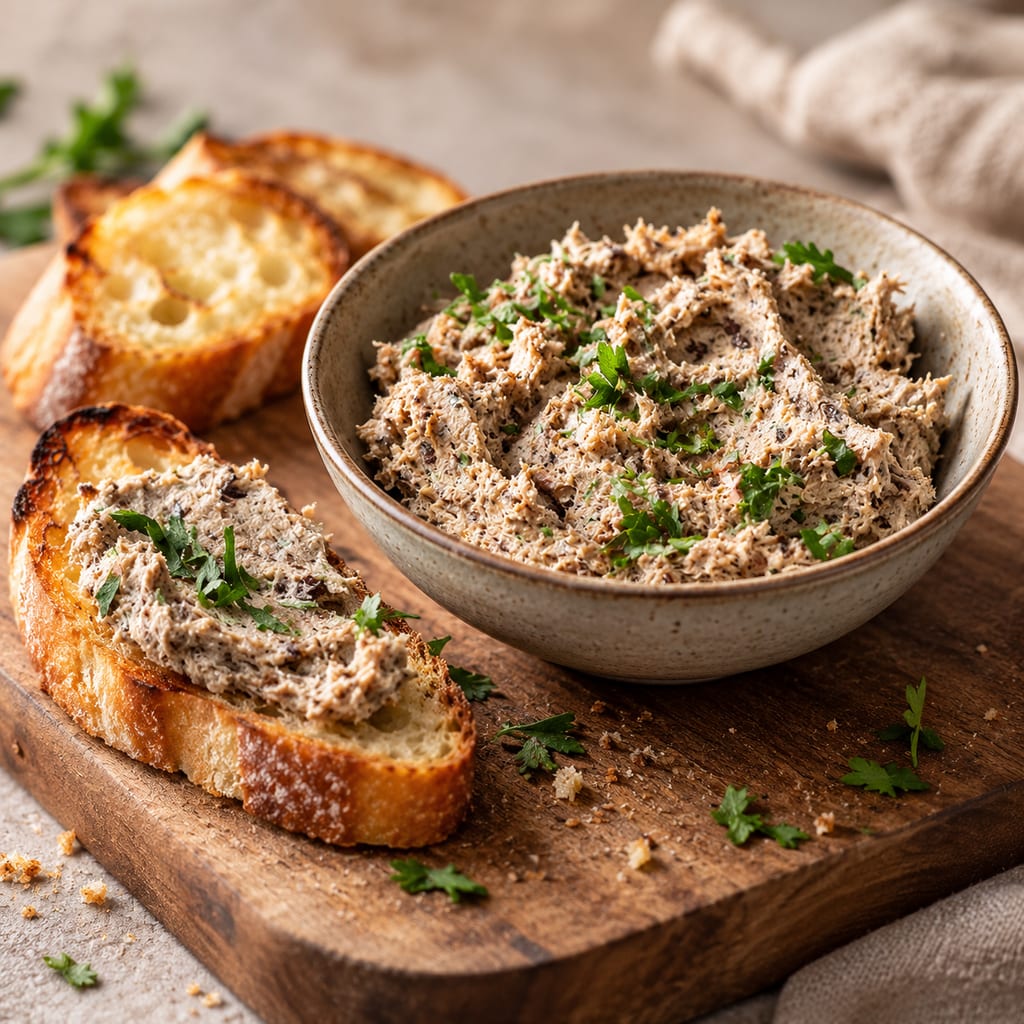
A cold biltong spread with sour cream, mayonnaise, mustard, lemon and herbs; serve it with crackers, crostini or bread.
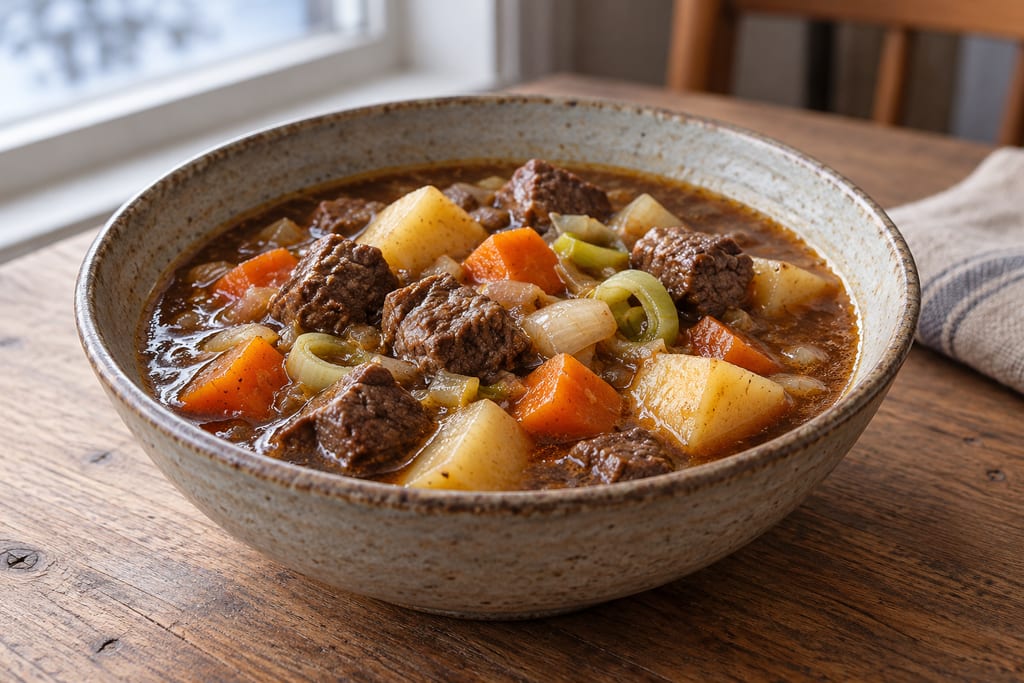
Ann-Kristine Bongo's four-serving bidus from Sami Siida in Alta is a contemporary, festive reindeer stew simmered with onion, carrots and potatoes.
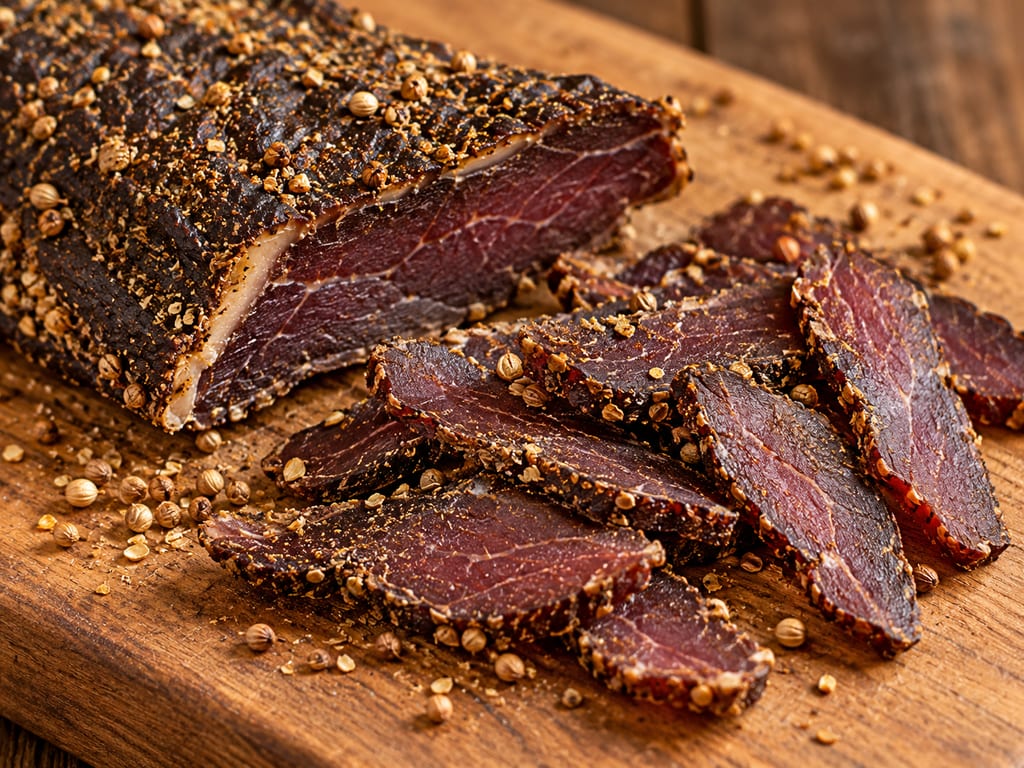
Strips of whole-muscle beef or game seasoned with salt, vinegar, roasted coriander and pepper and air-dried without cooking, sold anywhere from soft and moist to hard and very salty.
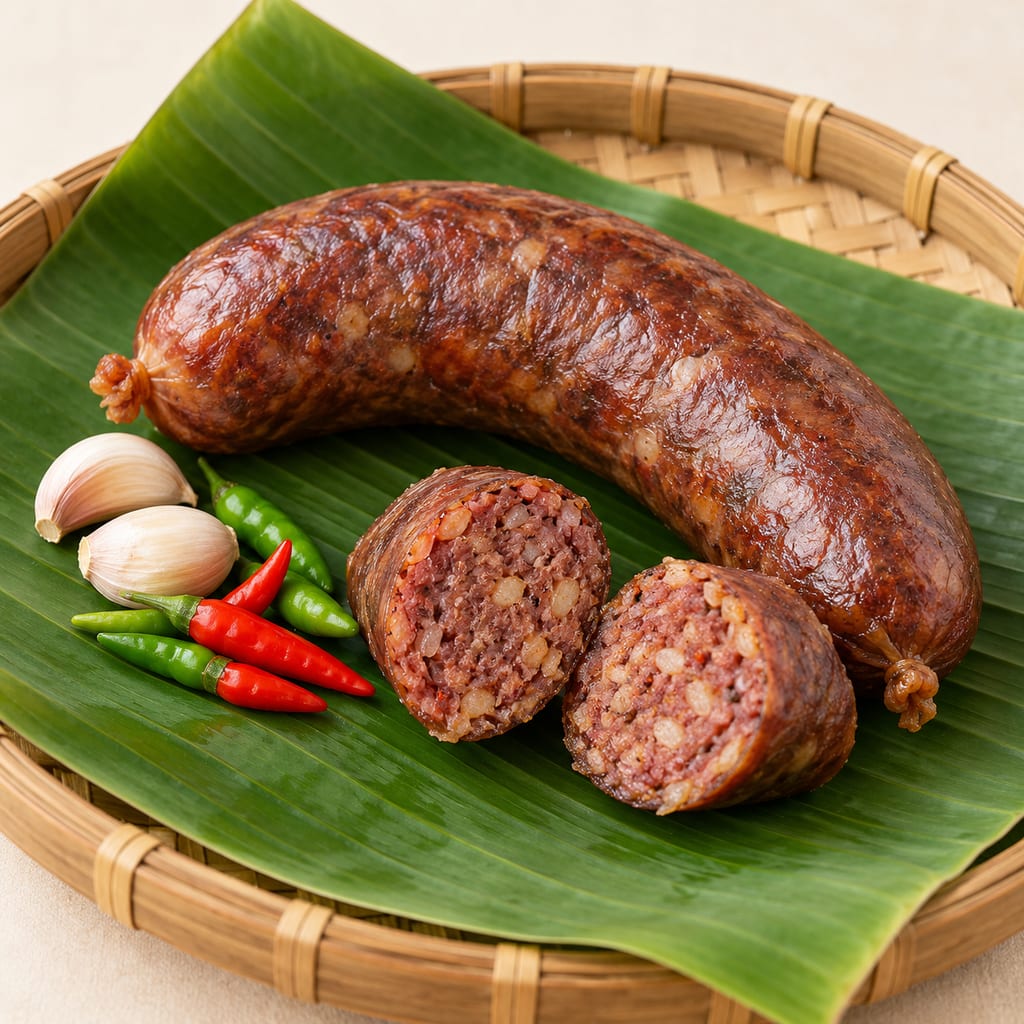
Mum is a Thai family of fermented meat preparations with distinct pork Mam-moo and beef Mam-neua forms. Sources document ingredients, casing and serving traditions, but not a validated home process.

A 2023–2025 proof-of-concept made separate fermented extracts from beef heart and lung with Staphylococcus xylosus and protease. It reports supervised pilot findings, not a validated household method or a blended heart-and-lung formula.
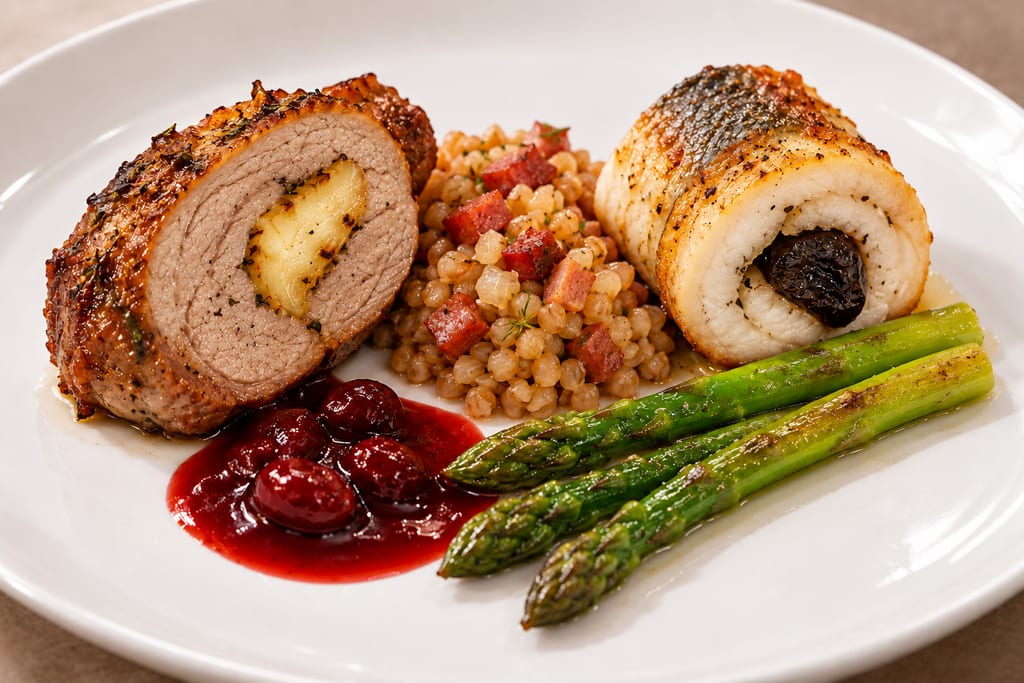
A student cookbook pairs lamb stuffed with Oscypek and zander with suska, then serves wheat groats with a small amount of kiełbasa lisiecka.
Meat stock simmered, strained and reduced until a gelatin-rich mass sets, then dried into solid cakes that dissolve in water; a concentrated provision of the early modern naval period.
Meat-trim koji garum is a savoury liquid seasoning made by holding meat scraps with rice koji, salt and water at steady warmth before straining the mash.
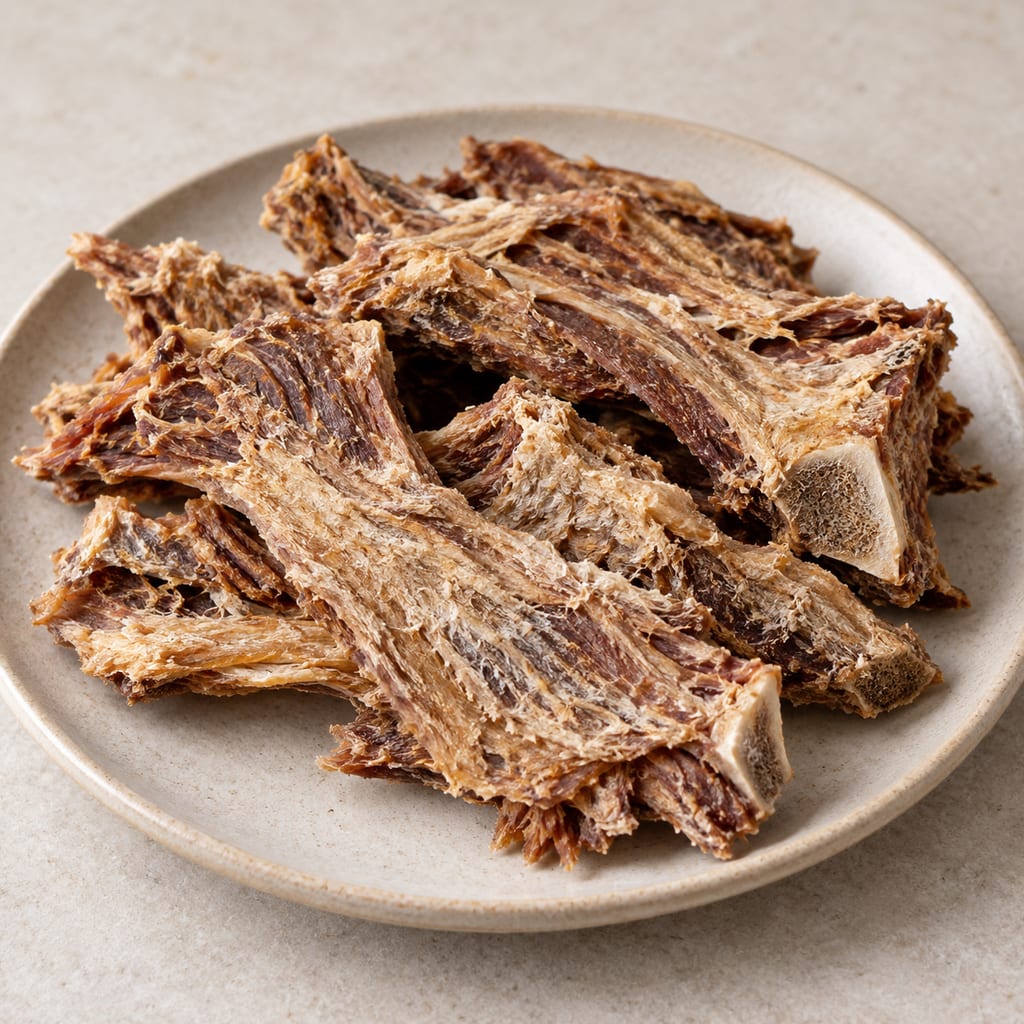
Alpaca charqui is Andean dried meat, made from camelid meat exposed to hot sun by day and frost by night at high altitude, the ancestor of the modern word jerky.
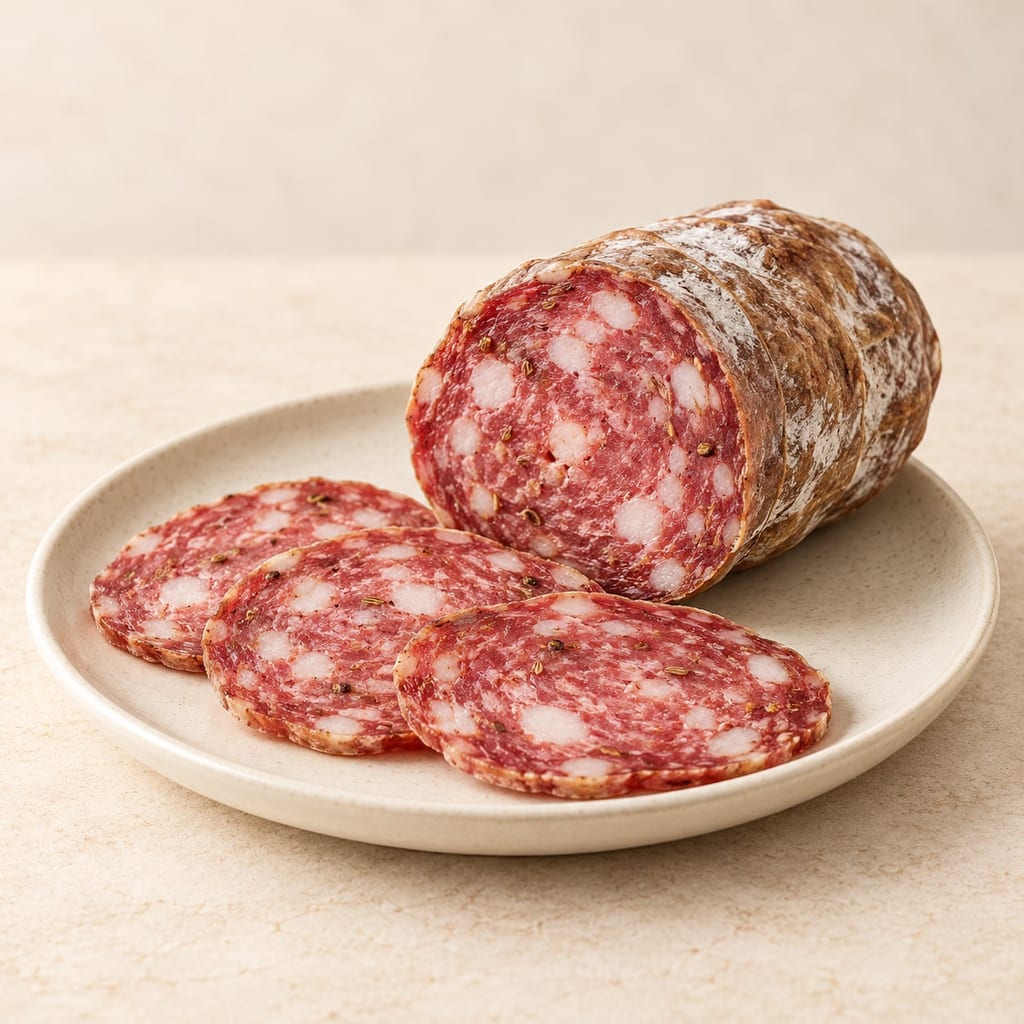
A Tuscan-style fennel salami made with pork and back fat. Toasted fennel, fennel pollen and Sambuca flavor this starter-cultured preparation.
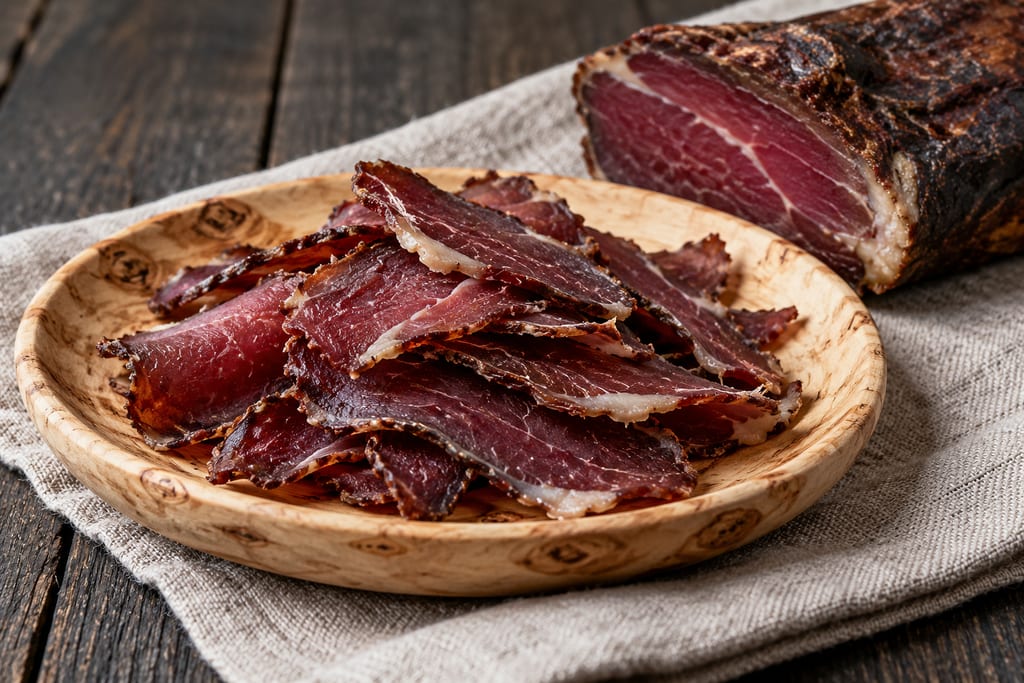
Salted reindeer meat hung in the smoke of a lávvu fire over willow, birch or juniper, then cooled and in some Sámi communities dried outdoors into travelling provisions.
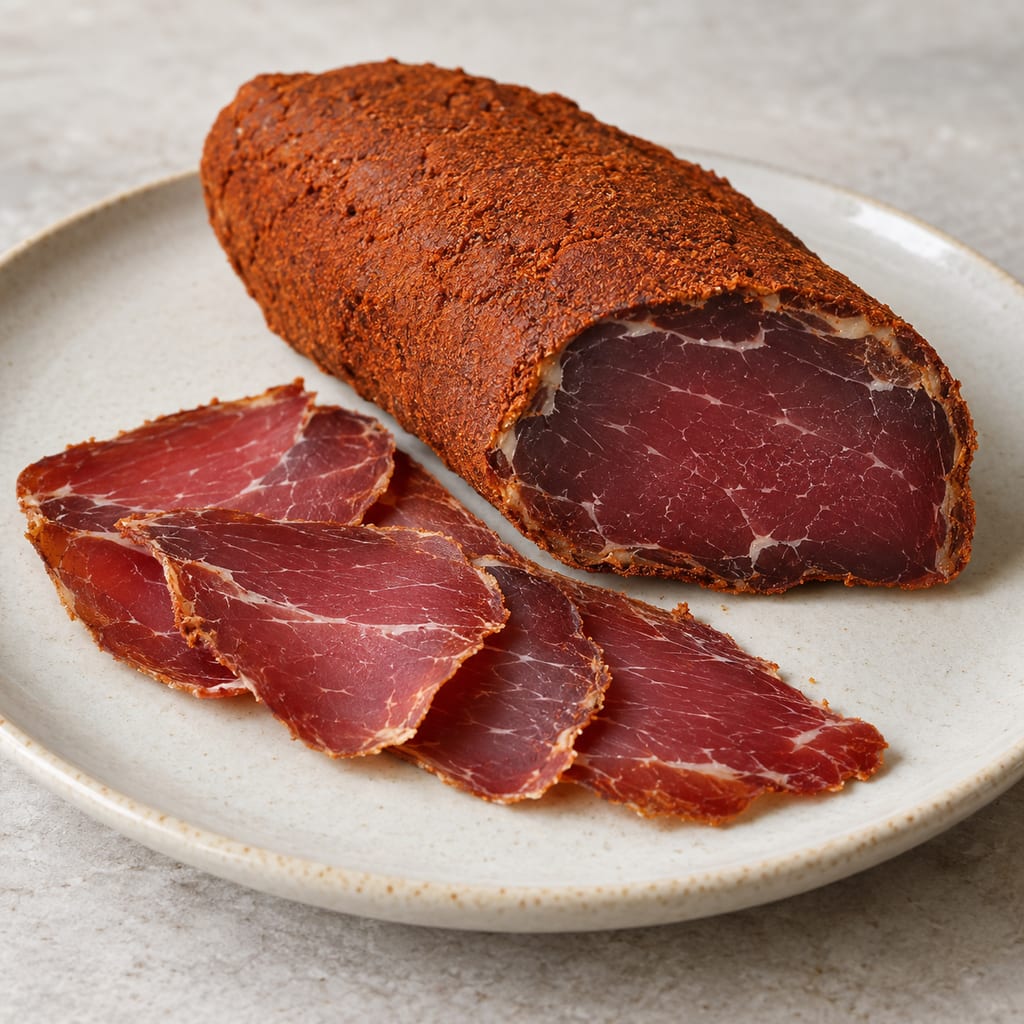
Dry-cured beef salted, air-dried and often coated with a spice paste called çemen before it is sold whole or sliced; a Turkish cured meat whose preservation rests on salting and drying.