


















































Elevated risk
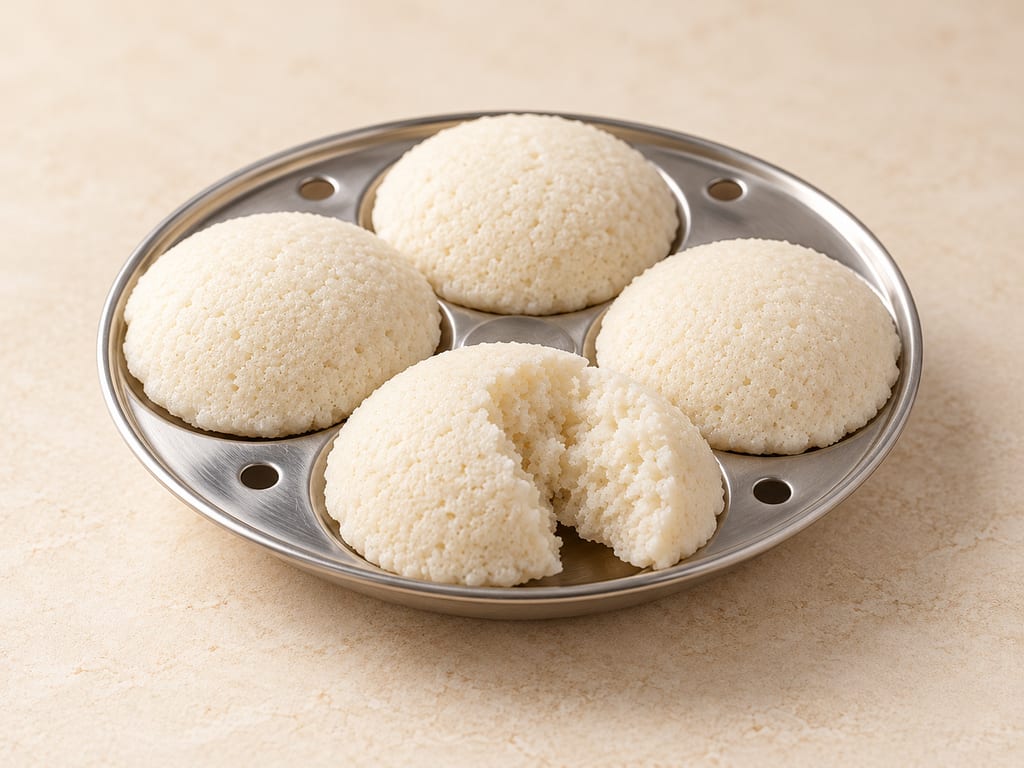
Idli batter
Rice and black gram are soaked separately, ground, salted and fermented into a thick batter for idli. The batter is portioned into moulds and steamed into soft savoury cakes.
 FermenteaWhere food goes to change
1504 records with their sources, across 11 categories.
 Fermented, enzyme-ripened and mixed seasonings328
 Fruit preserves10
 Legume, seed and plant-protein ferments10
 Garum and fish sauces8
 Adjacent and excluded7
 Koji, mold starters and mold-ripened ferments4
 Acid and oil pickles3
 Fermented fruit and fruit-derived foods3
 Vegetable lactic3
 Dairy ferments2
 Smoked salted and dried foods2
 Cheese1
 Not yet classified1
 Cereal, grain, root and starch fermentations275
 Unfermented breads105
 Koji, mold starters and mold-ripened ferments3
 Not yet classified3
 Adjacent and excluded1
 Beverages1
 Fruit preserves1
 Smoked salted and dried foods1
 Tea cocoa and coffee ferments1
Rice and black gram are soaked separately, ground, salted and fermented into a thick batter for idli. The batter is portioned into moulds and steamed into soft savoury cakes.
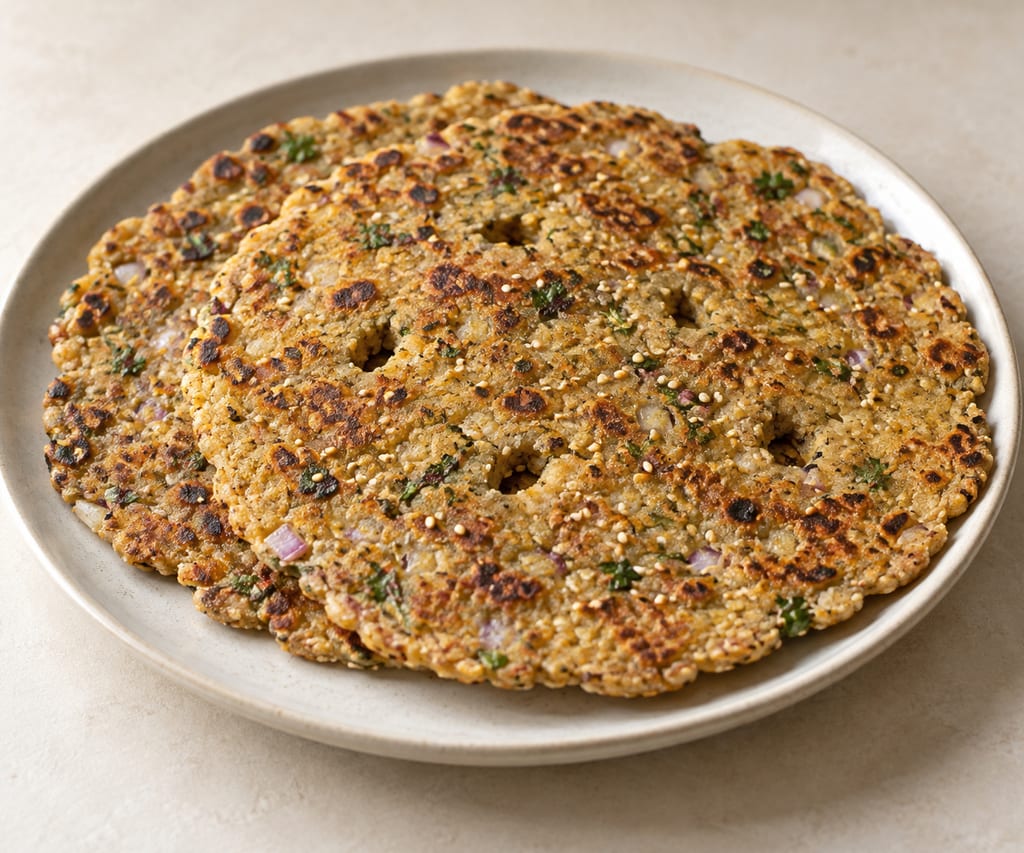
A Maharashtrian multigrain flatbread, patted by hand and cooked on a hot griddle. This home version mixes five flours with onion, sesame and spices.
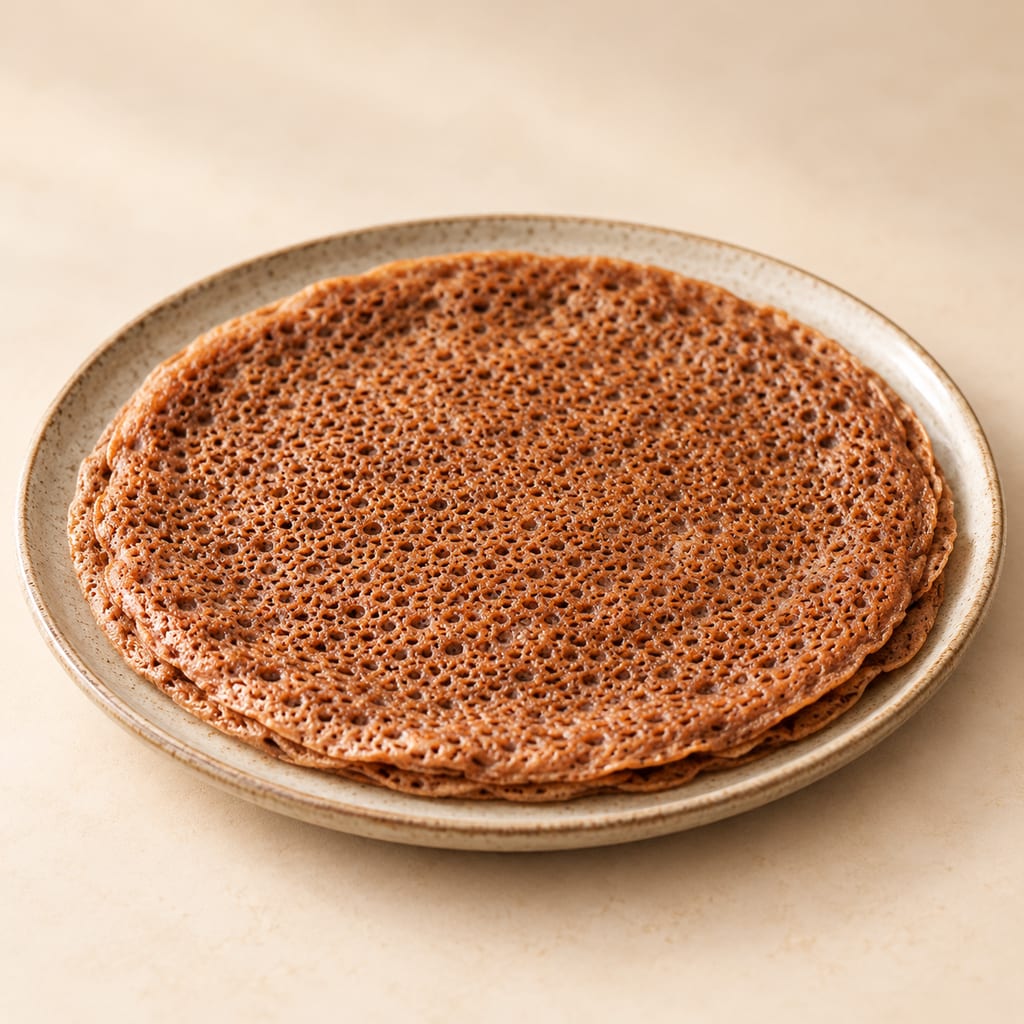
A modern home adaptation of Ethiopian injera using a 24-hour fermentation window. This method balances traditional souring with accessible ingredients like baking powder or starter cultures to achieve the characteristic porous texture.
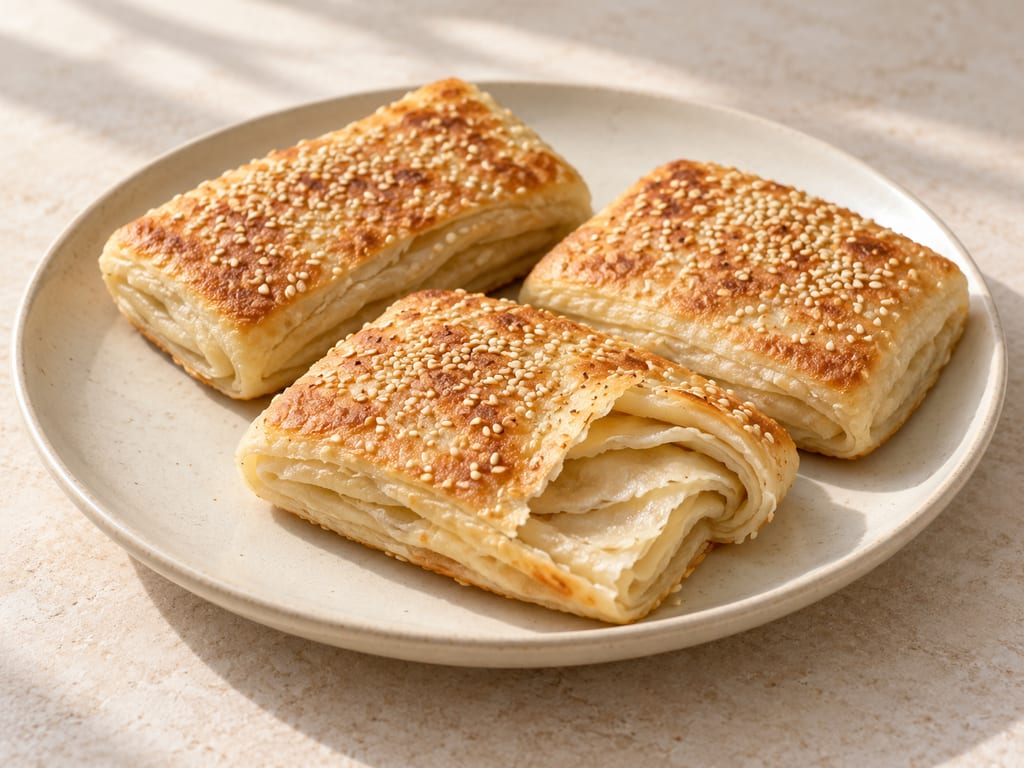
A Taichung family recipe uses a hot-and-cool water dough, vegetable-oil roux, repeated folds and sesame seeds for crisp, layered shaobing.
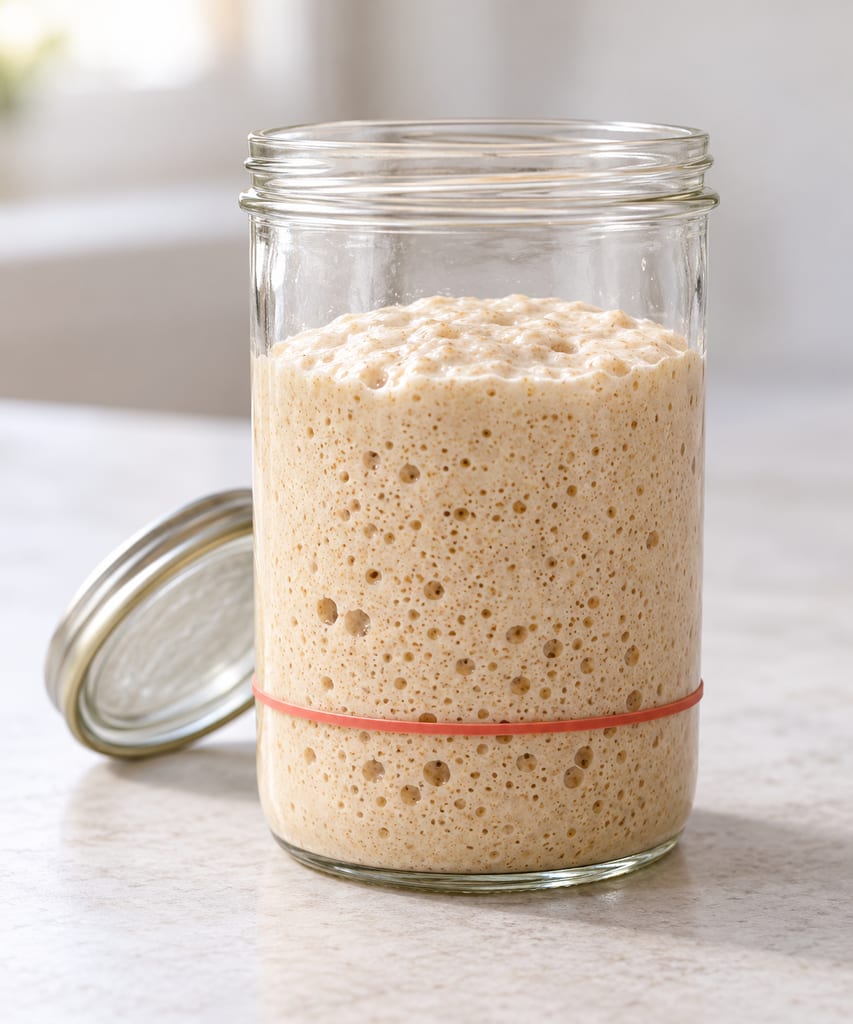
A flour-and-water starter begins with whole-wheat flour, then receives regular all-purpose flour feeds. Once established, this living culture can raise bread dough.
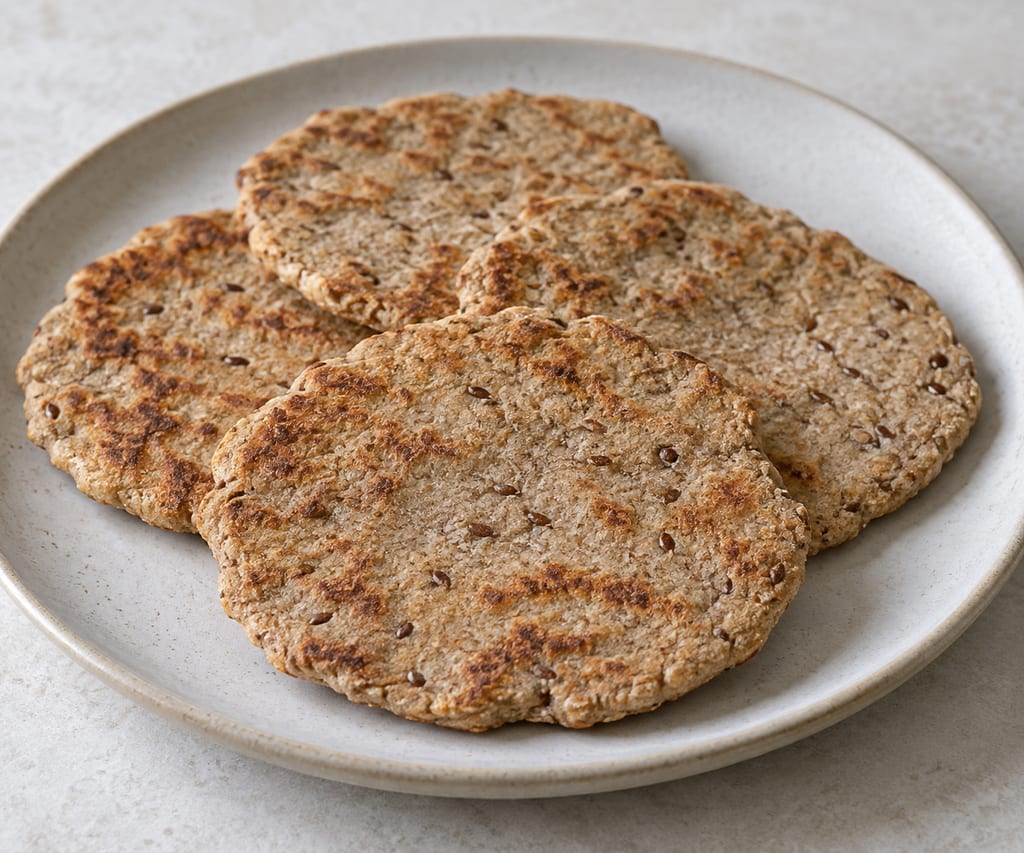
A small, dense cake of ground barley mixed with liquid and cooked against a hot surface, the form a low-gluten northern cereal takes when a household turns stored grain into bread.
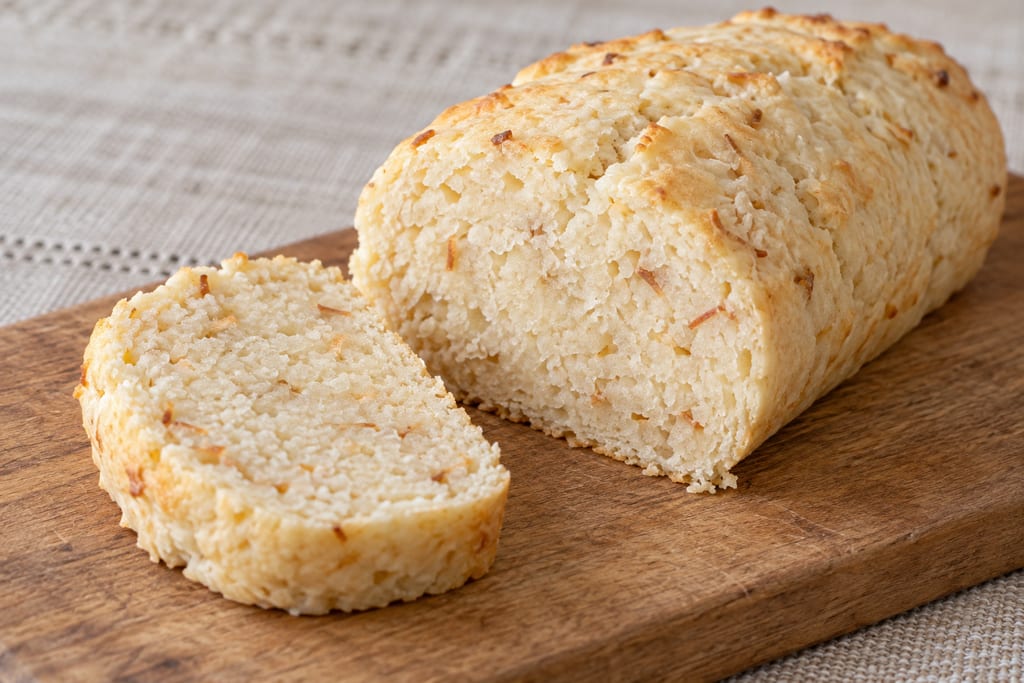
Sweet dough with grated coconut is divided into ten logs, wrapped in foil and baked slowly in this Polynesian Cultural Center version demonstrated by Gina Pasi.
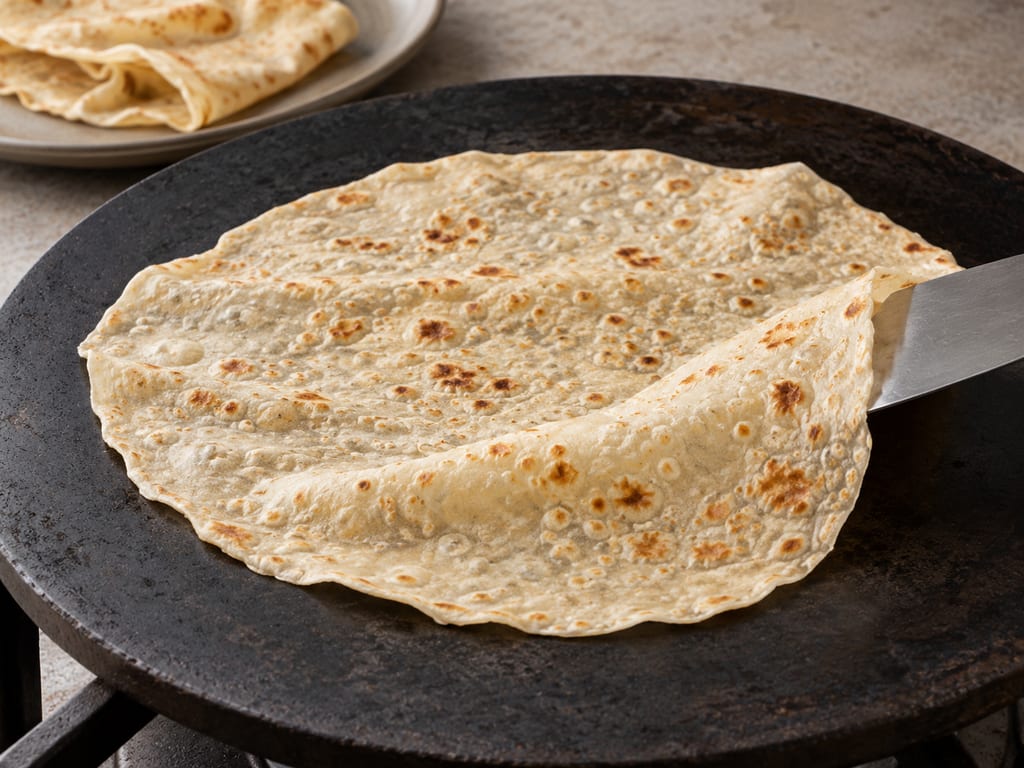
Regag is a thin Emirati wheat bread cooked on an ungreased pan. This measured home method uses a soft dough that rests covered, then gets spread thin with a palette knife or bench scraper.
Panrkhash is an Armenian bread-and-cheese dish associated with Gyumri and Shirak. One published oven-baked version layers lavash and string cheese with butter-sautéed onion and hot water; regional methods vary.
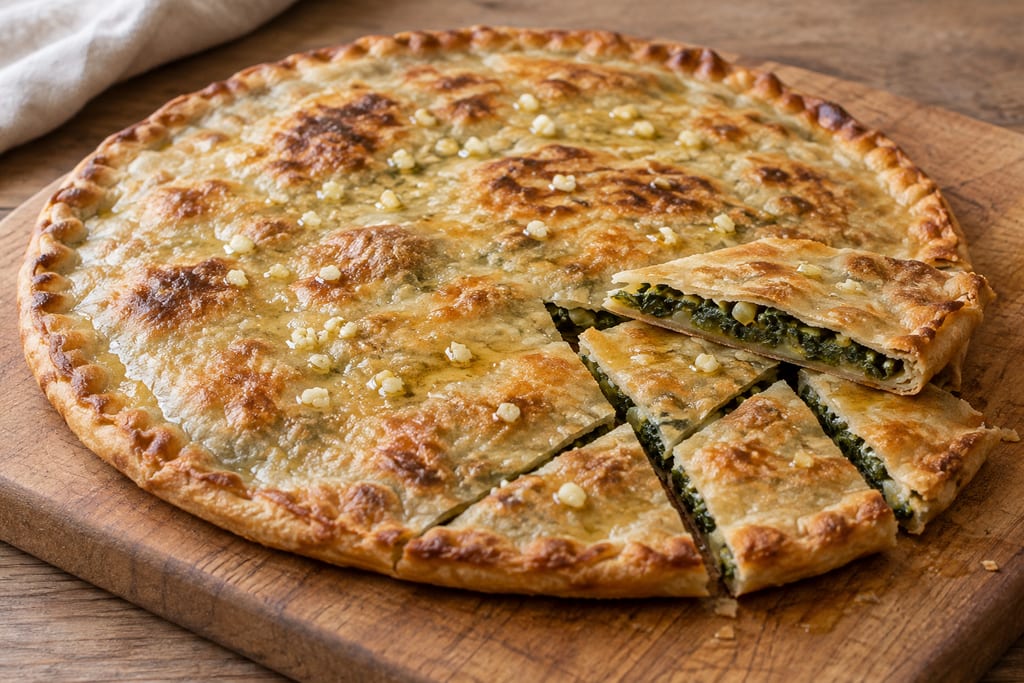
A Croatian chard-filled flatbread baked in a home oven and finished with garlic oil.
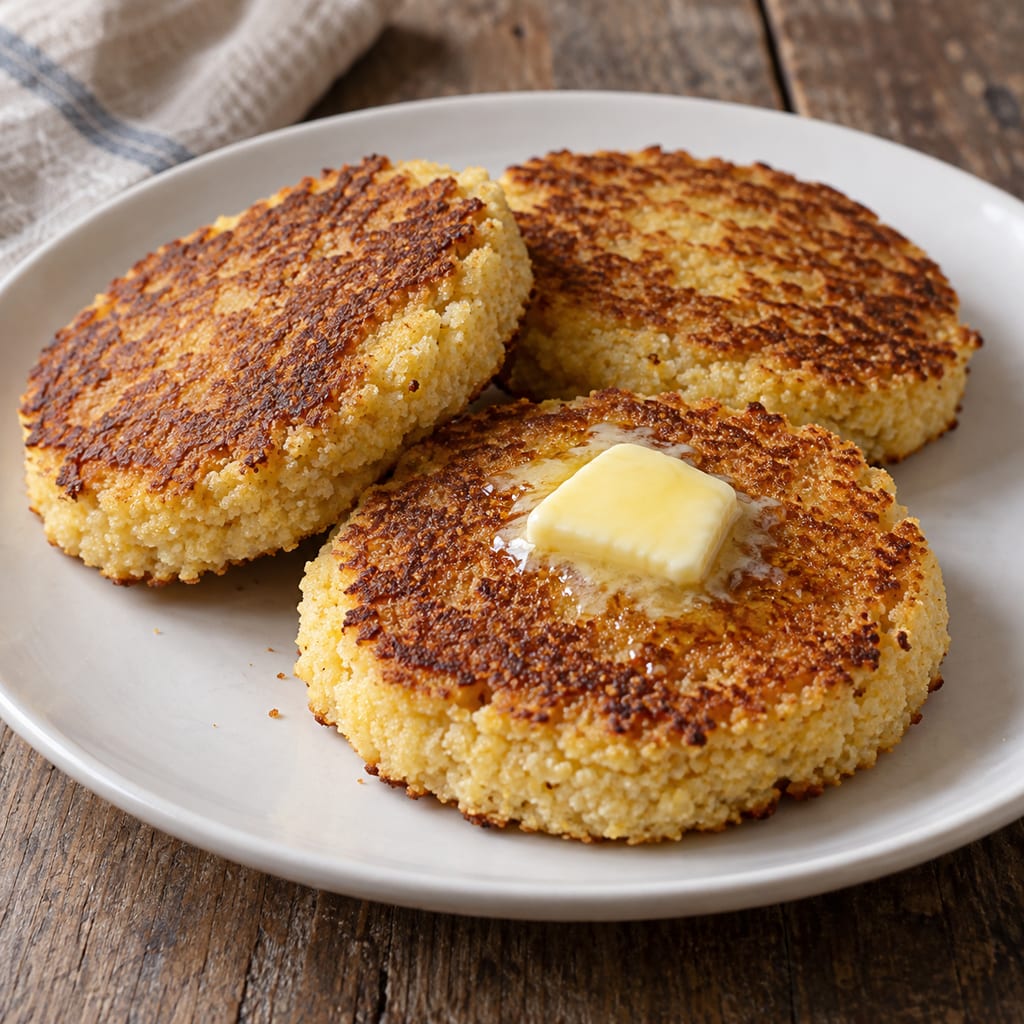
Thicker cornmeal cakes scalded with boiling water and cooked in butter. This South County formula is separate from thin Newport milk-batter cakes and Caribbean wheat breads.
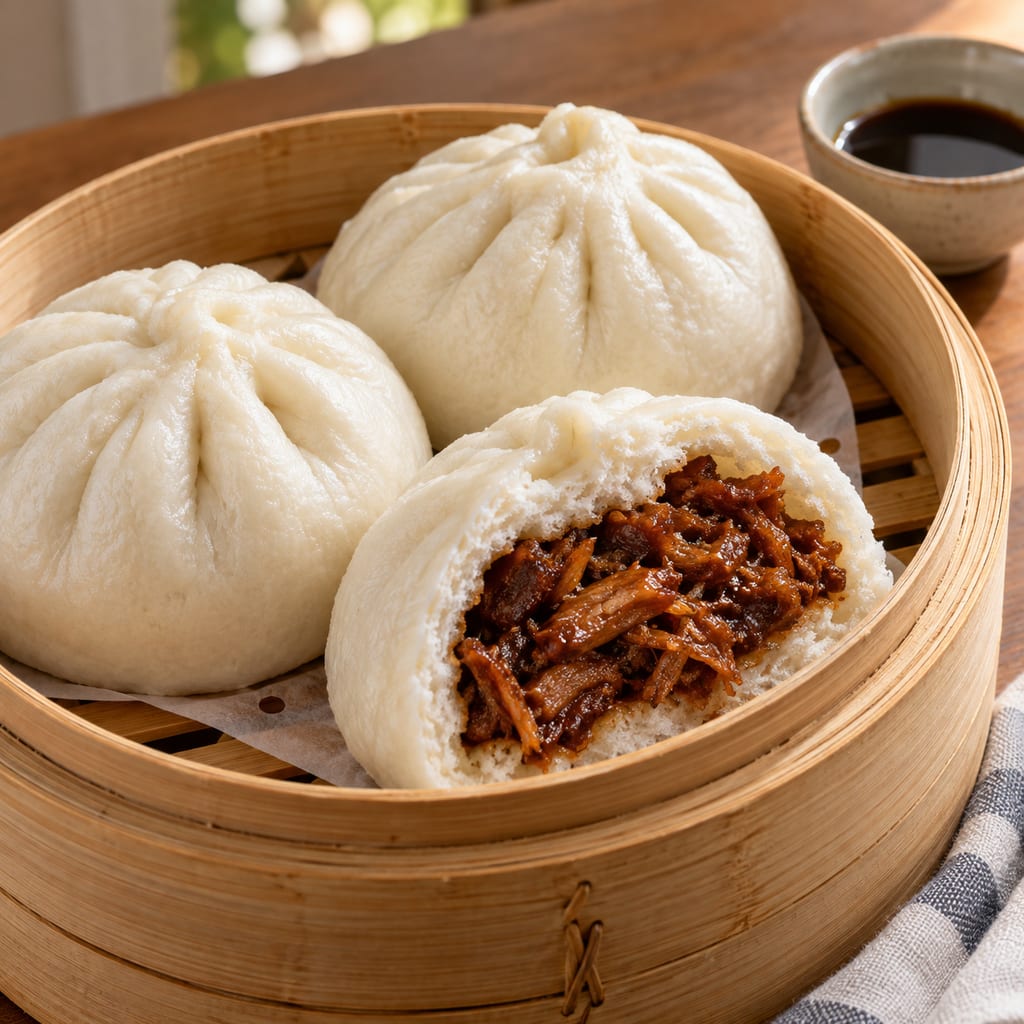
Filipino siopao pairs a soft steamed wheat bun with a sweet-savoury pork asado filling and a separate sauce made from its braising liquid.
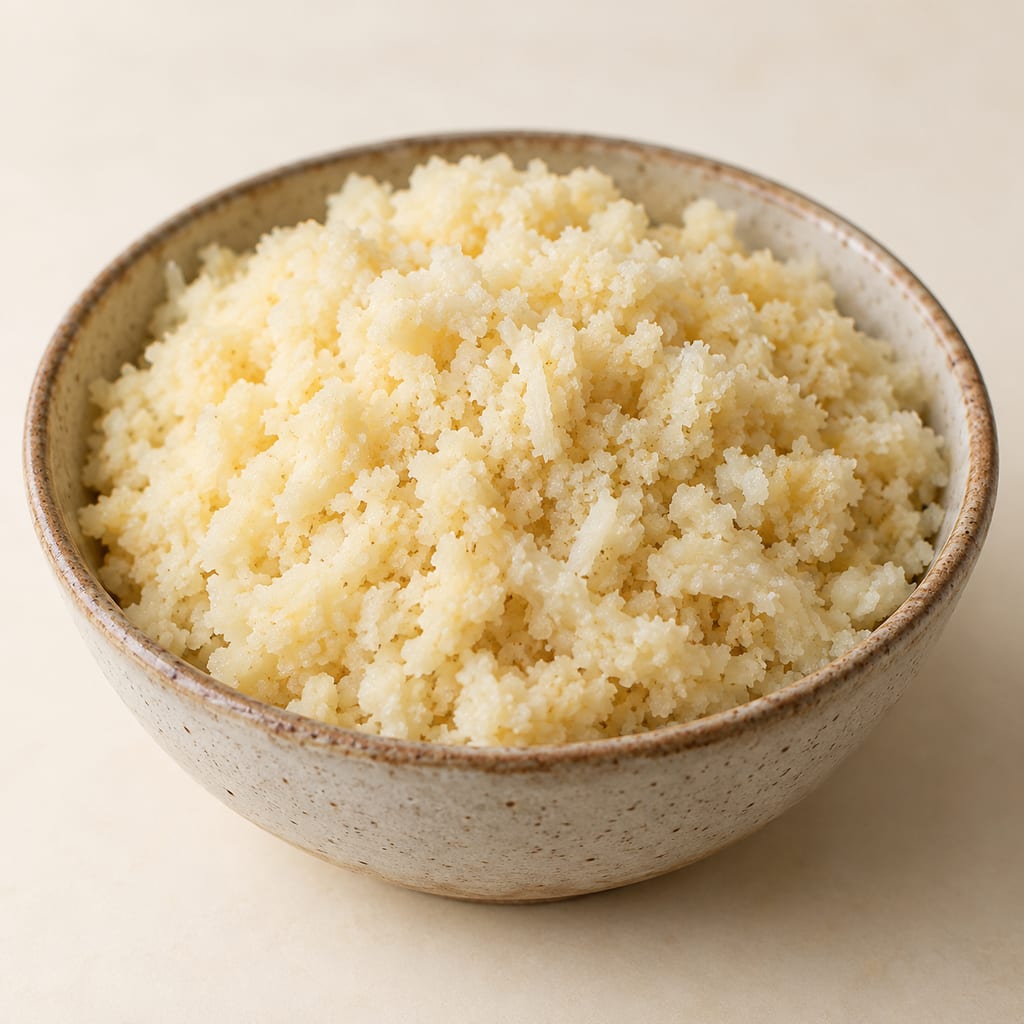
A documentary account of puba (carimã), a Brazilian fermented cassava pulp. It records one 1998 study batch and reported uses; it is not a household recipe or a validated cassava-safety method.
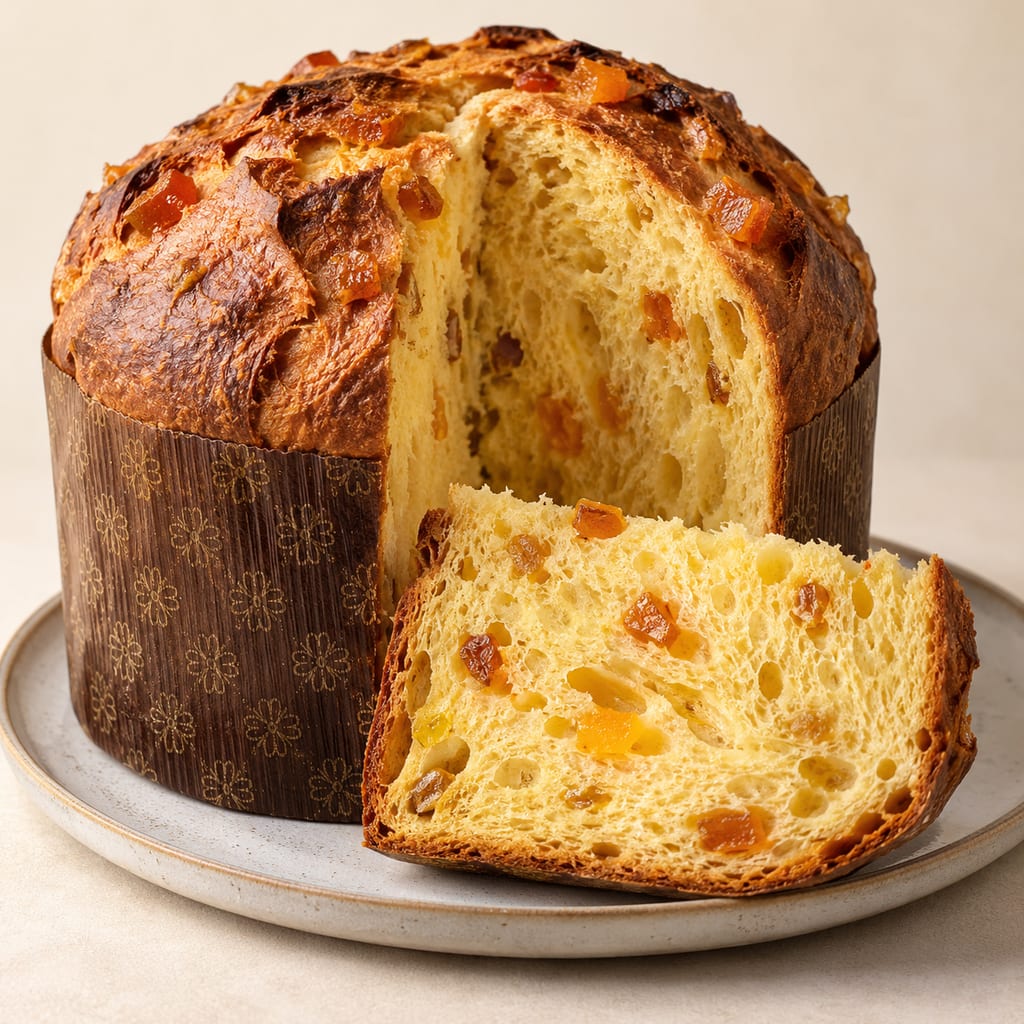
A tall Lombard Christmas bread enriched with butter, yolks and candied citrus, raised first with refreshed sourdough and then proofed in a paper mould.

Buttermilk, flour and sourdough discard rest overnight before eggs and baking soda turn the sponge into a griddle batter. The finished pancakes are tender and lightly tangy.
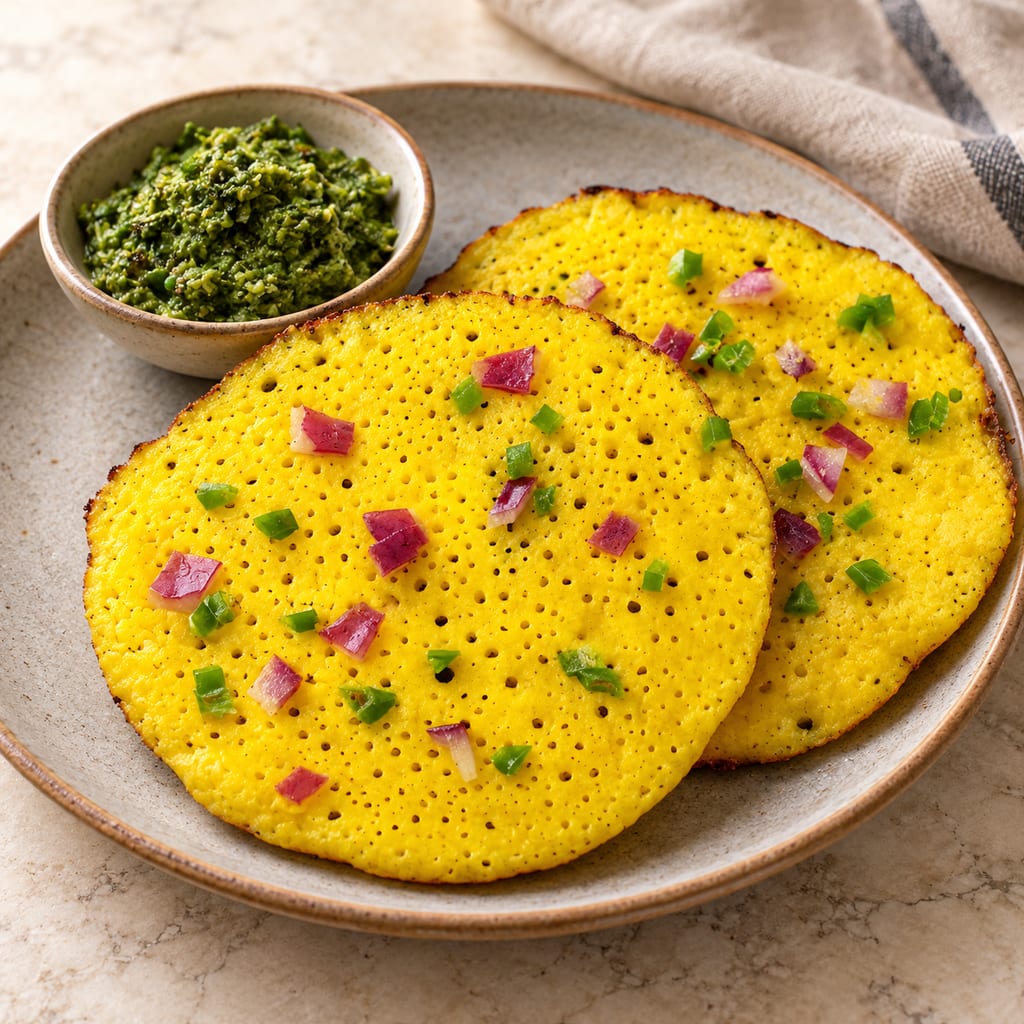
Spongy rice-and-coconut pancakes associated with Goa, cooked on one side from a batter that a multicooker's yogurt programme lets rise overnight.
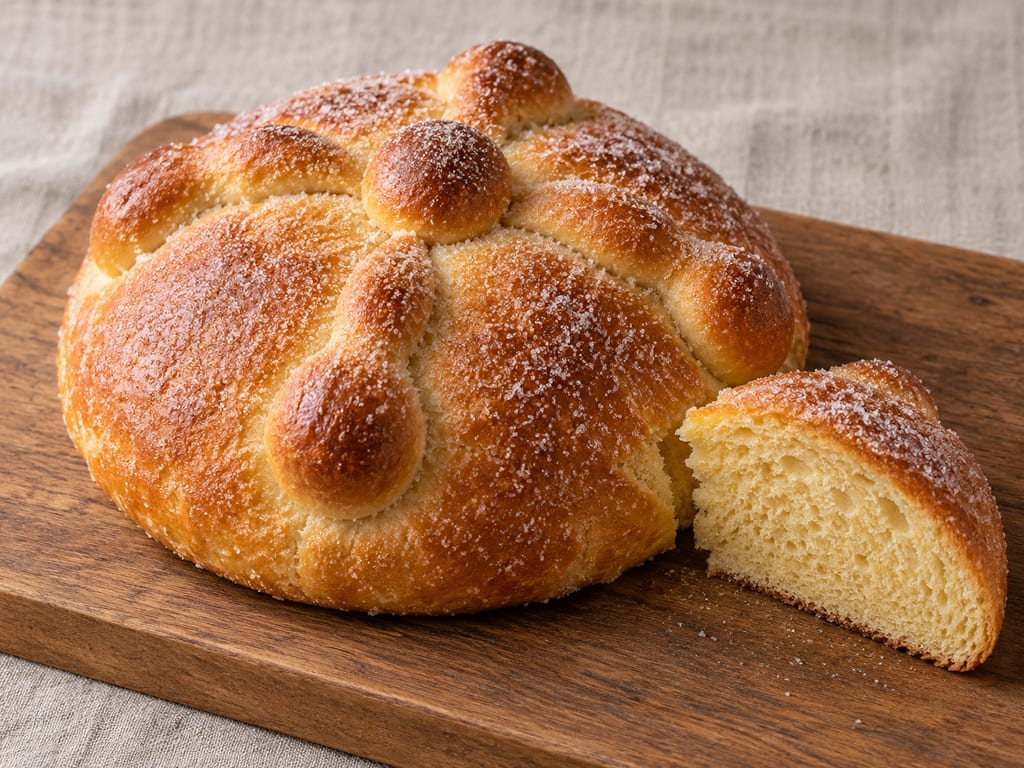
Two enriched, orange-anise loaves shaped with crossed dough bones and a central round, baked for Día de Muertos and finished with butter and sugar.
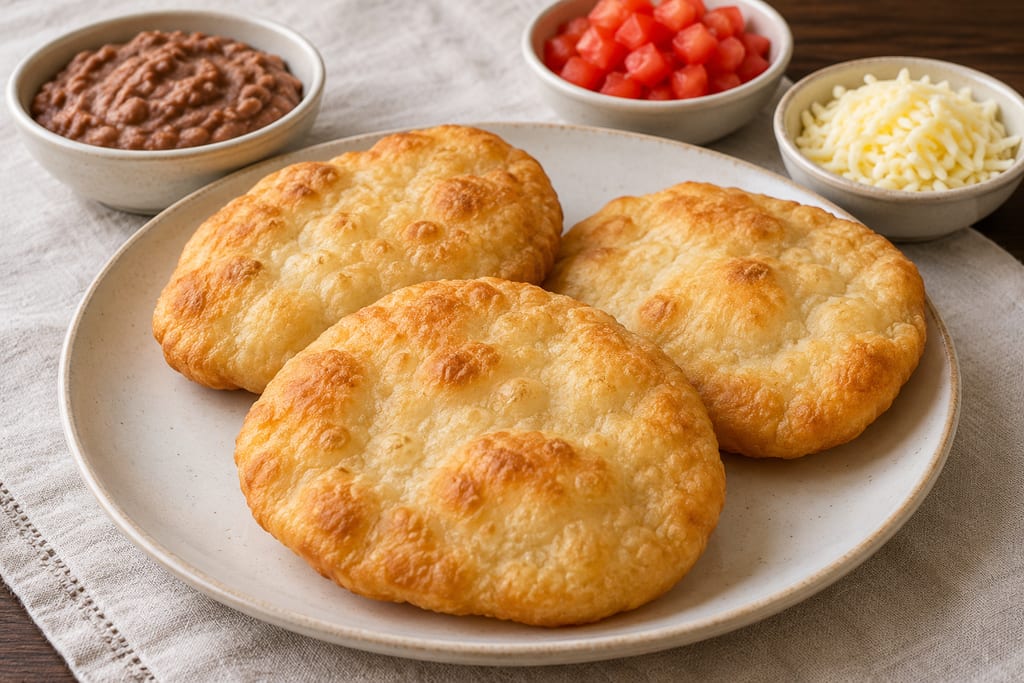
A Belizean fried breakfast bread made from baking-powder dough with evaporated milk, shaped into rounds and fried until golden.
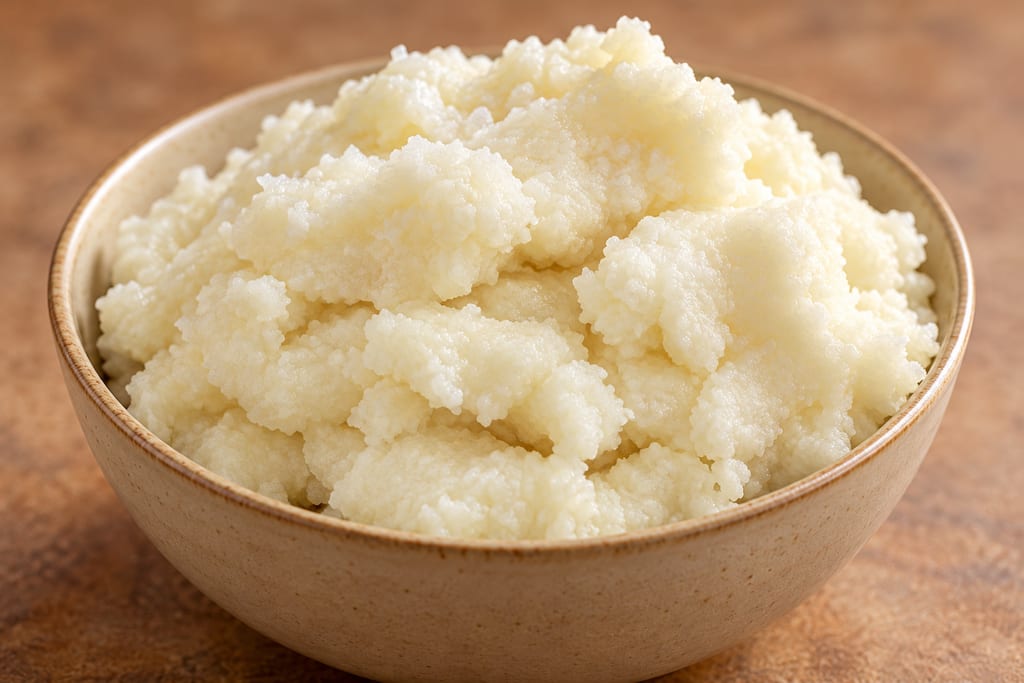
South Africa's maize-meal porridge, which the same white meal turns into a soft breakfast pap, a firm sliceable mound or the separate moist granules of phuthu depending only on water and handling.
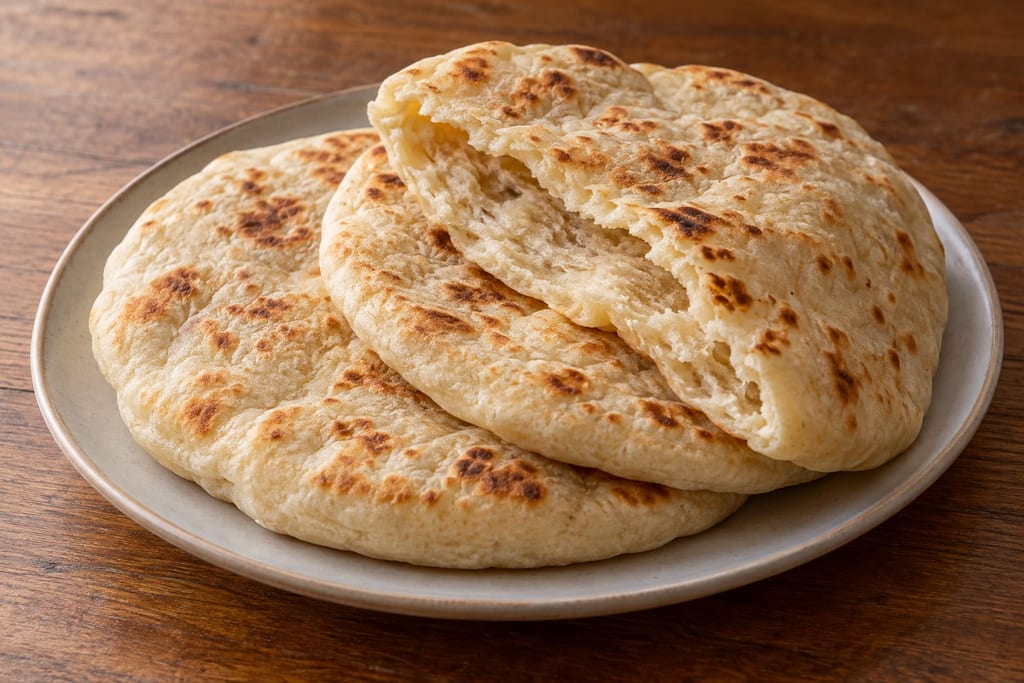
A Trinidad and Tobago baking-powder flatbread cooked on a hot stone, then briefly exposed to direct heat to puff.
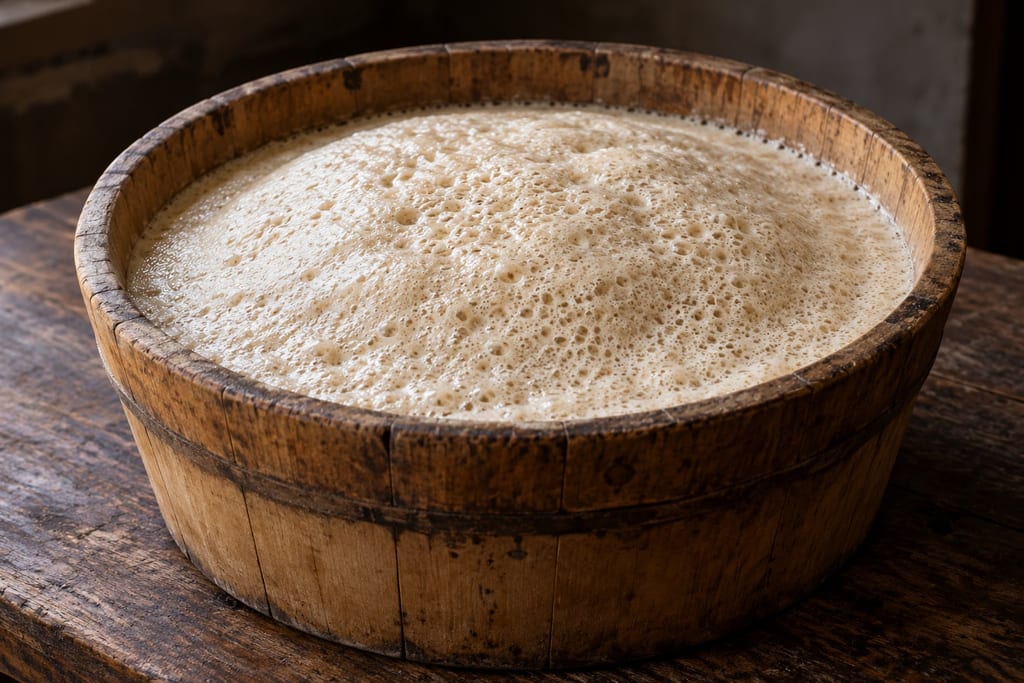
Scotch barm is a Scottish bakery ferment grown in a malt-and-scalded-flour medium and renewed with mature barm from the last batch to leaven successive bread sponges.

Hypeabis’s mini version shapes a sweet yeast dough into one crocodile, fills its body and feet with chocolate sprinkles, and bakes it at 150°C.
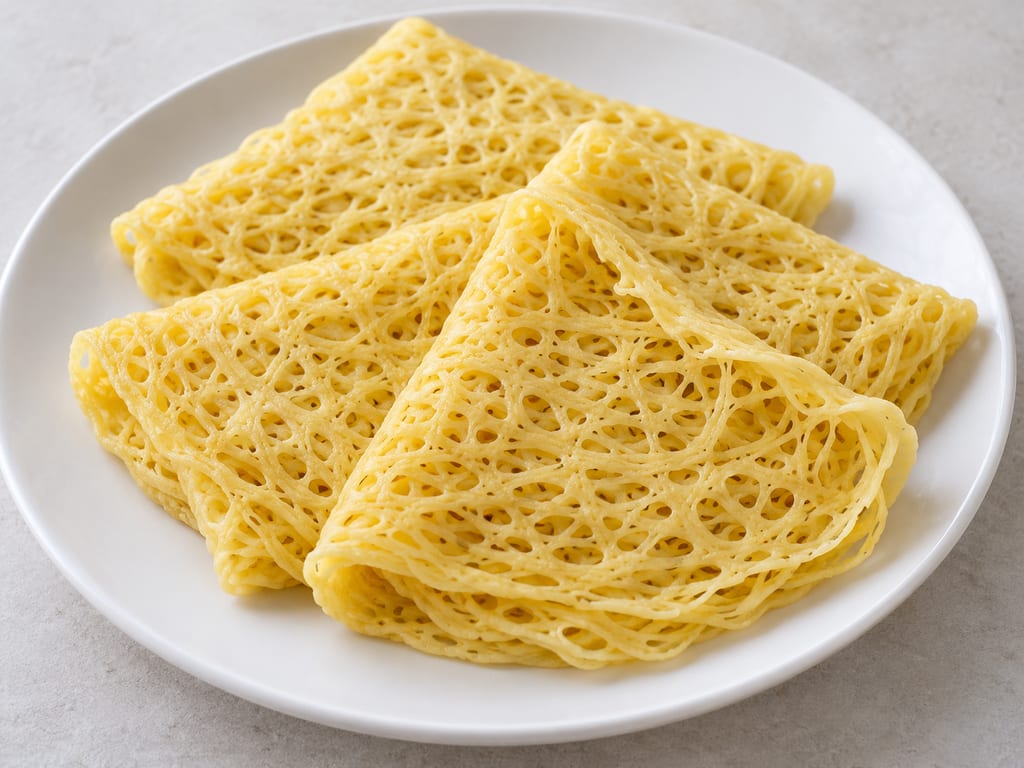
Malaysian lacy pancakes made by pouring coconut-milk batter in a net on a hot pan.
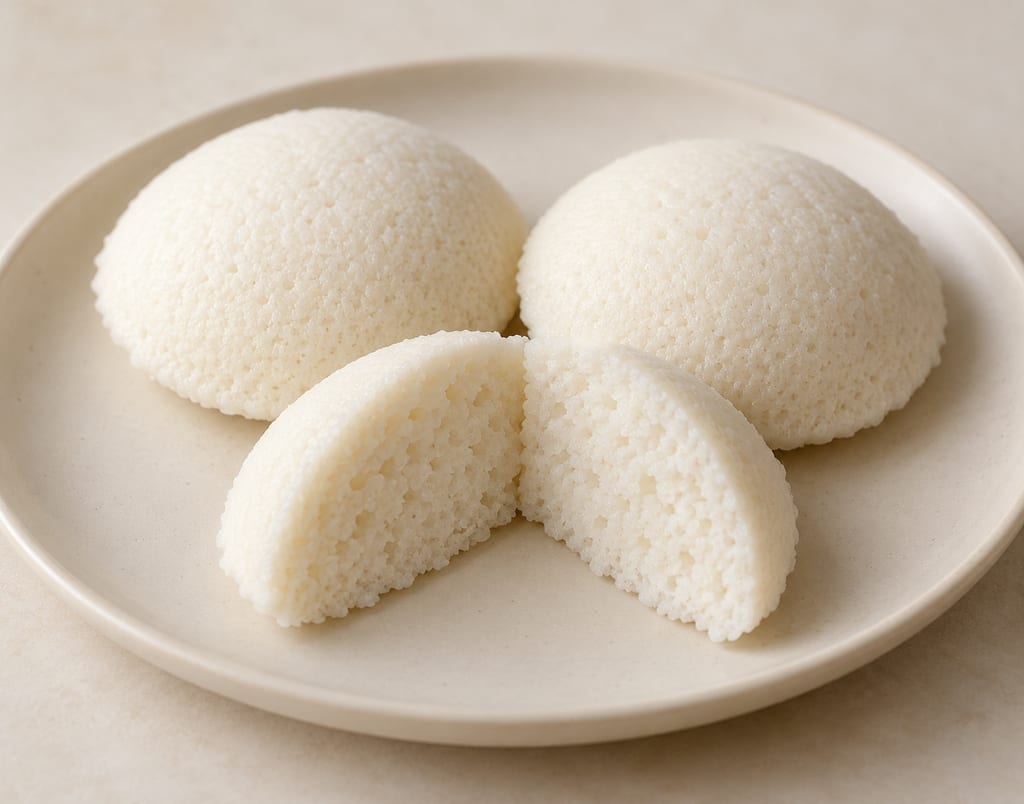
Rice and urad idli uses a source-specific naturally fermented grain and urad batter, then cooks it by steaming in moulds. The creator leaves some process measures unquantified.
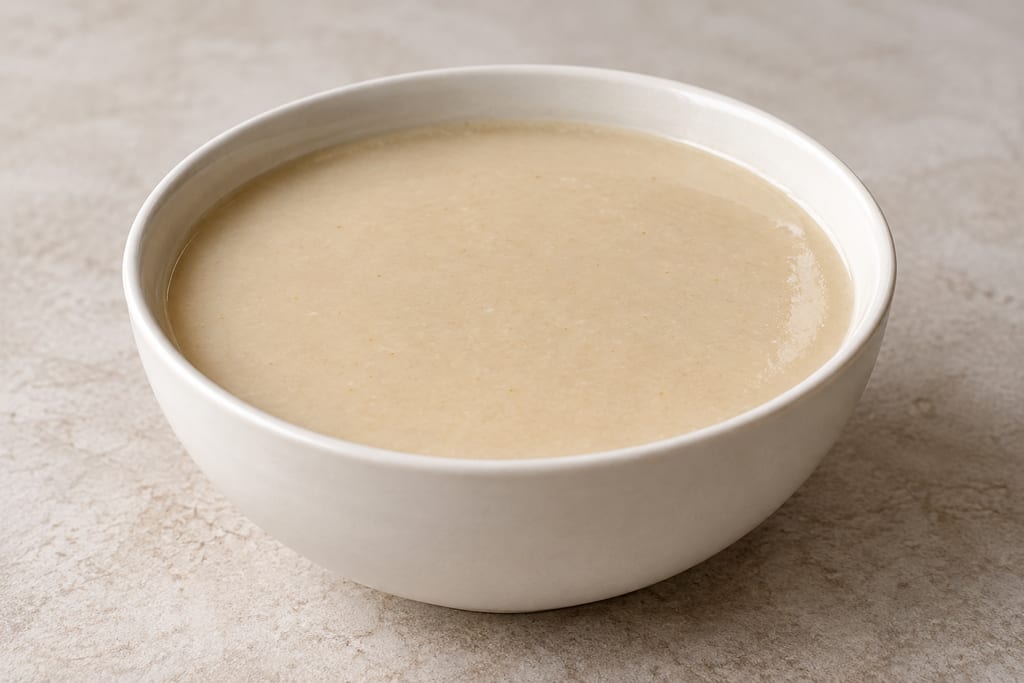
A fermented pearl-millet gruel documented in Ouagadougou, Burkina Faso. Whole grain is soaked, wet-milled and sieved; the settled paste ferments again before it is cooked with its liquid.
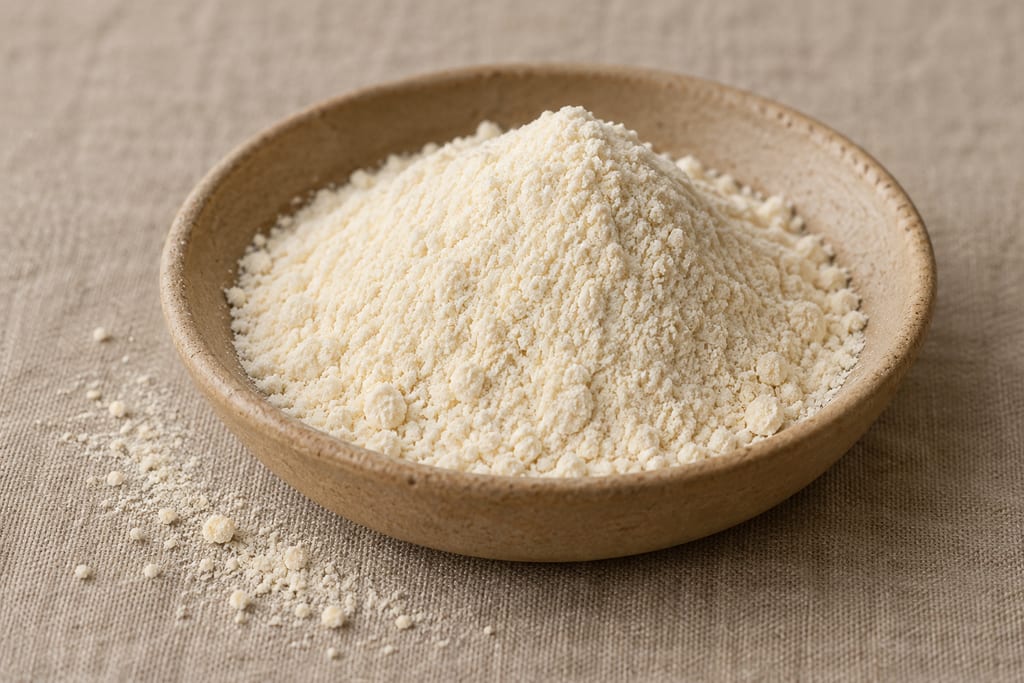
Fermented fuba is an Umbundu maize-flour preparation made by lactic fermentation of dehulled, degermed kernels before milling, sun-drying and sieving.
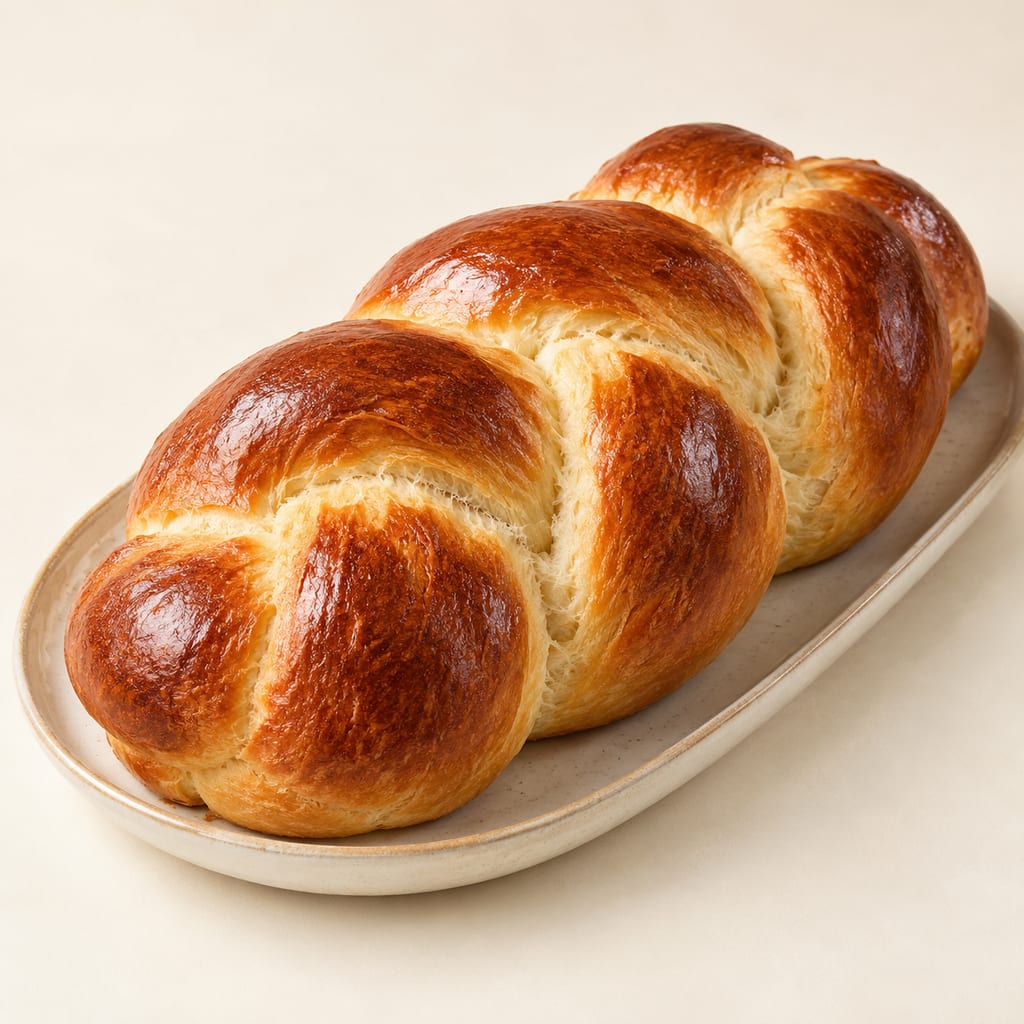
Zopf, also called Züpfe, is an enriched Swiss yeast loaf with butter and milk, shaped as a two-strand braid and brushed with egg before baking.
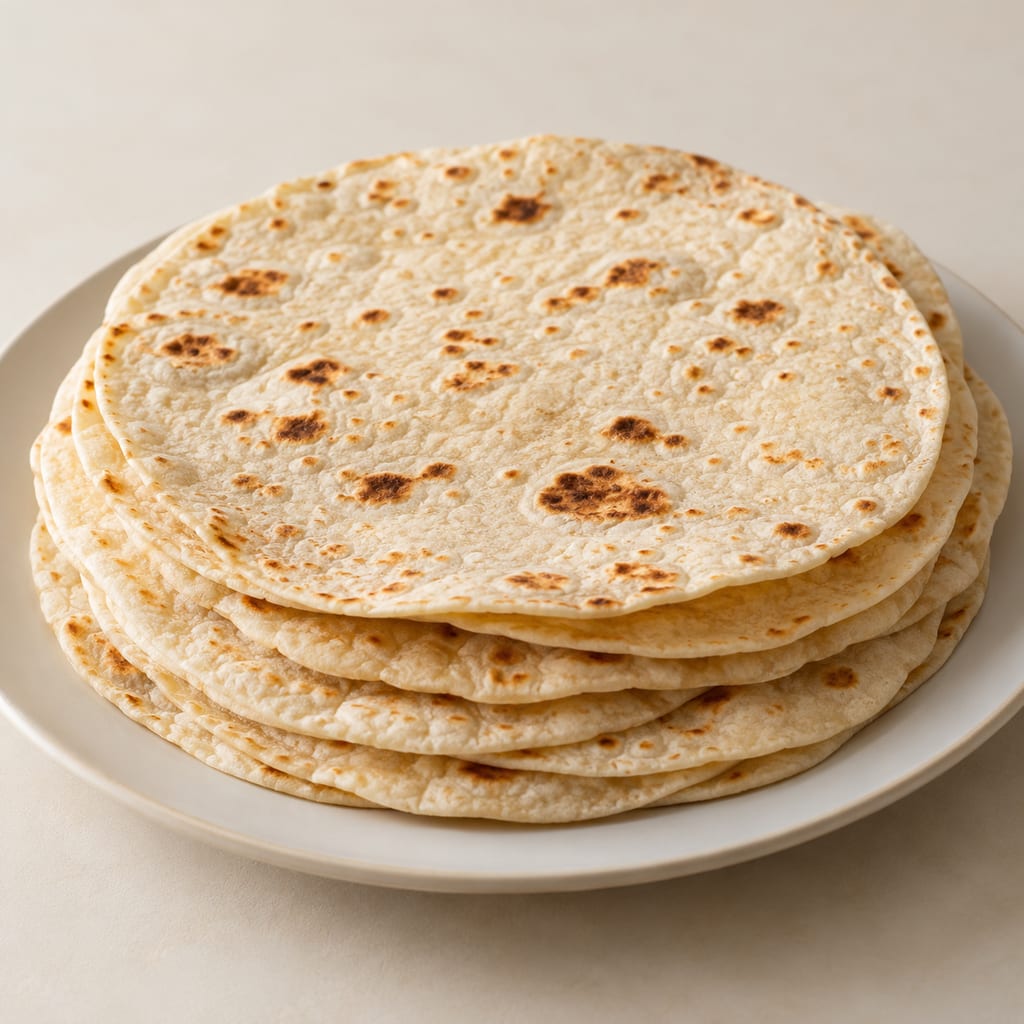
A soft wheat-flour tortilla made with baking powder and a fat, rolled and cooked dry on a hot griddle. The King Arthur version is contemporary and distinct from nixtamalized maize tortillas.
Potatoes frozen and thawed as for black chuño, then washed or soaked for a long time before drying, giving a pale highland tuber product with different bitterness and colour.
Tipak is a Kapingamarangi breadfruit product: cooked breadfruit mashed, spread into sheets, sun-dried, rolled and wrapped in pandanus leaves as provisions for later.
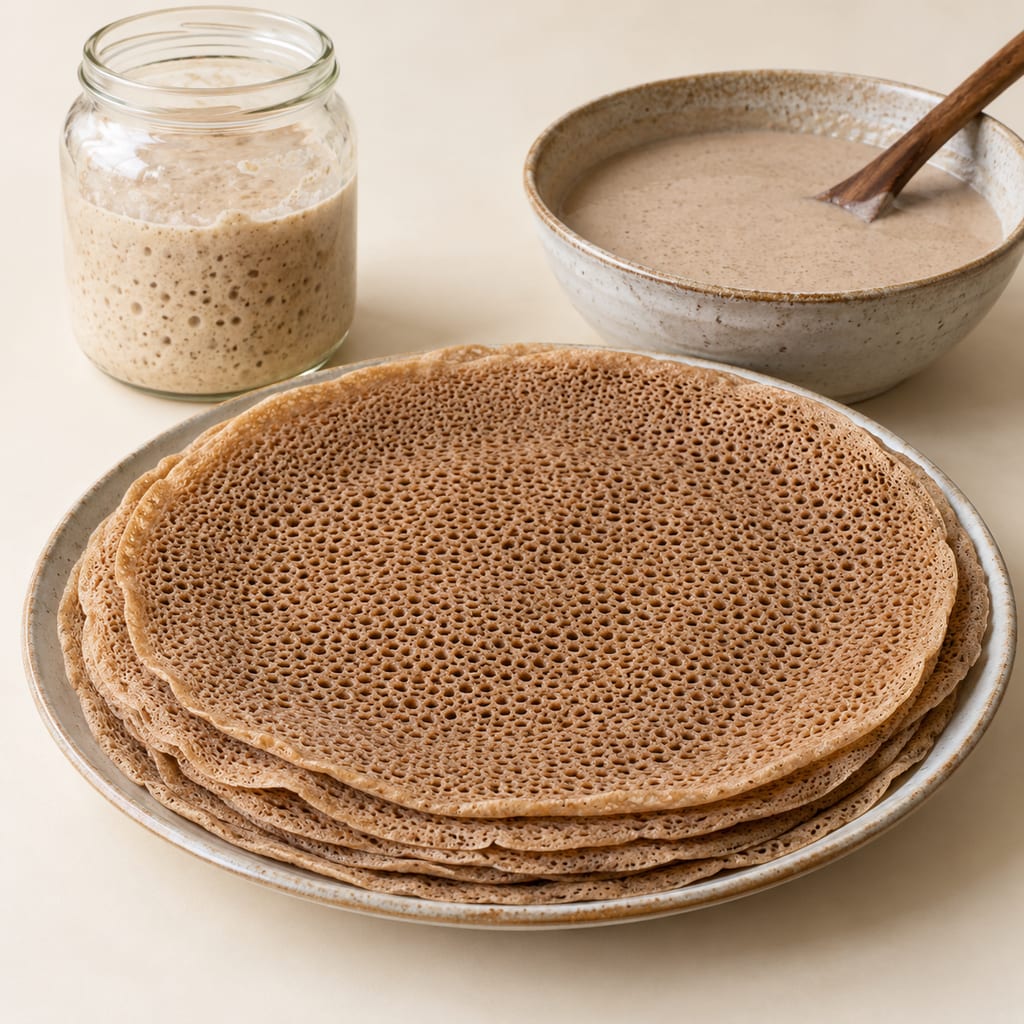
Teff injera made from a three-day teff starter, a three-day main dough fermented under water, and a cooked tempering of part of the batter before griddling.
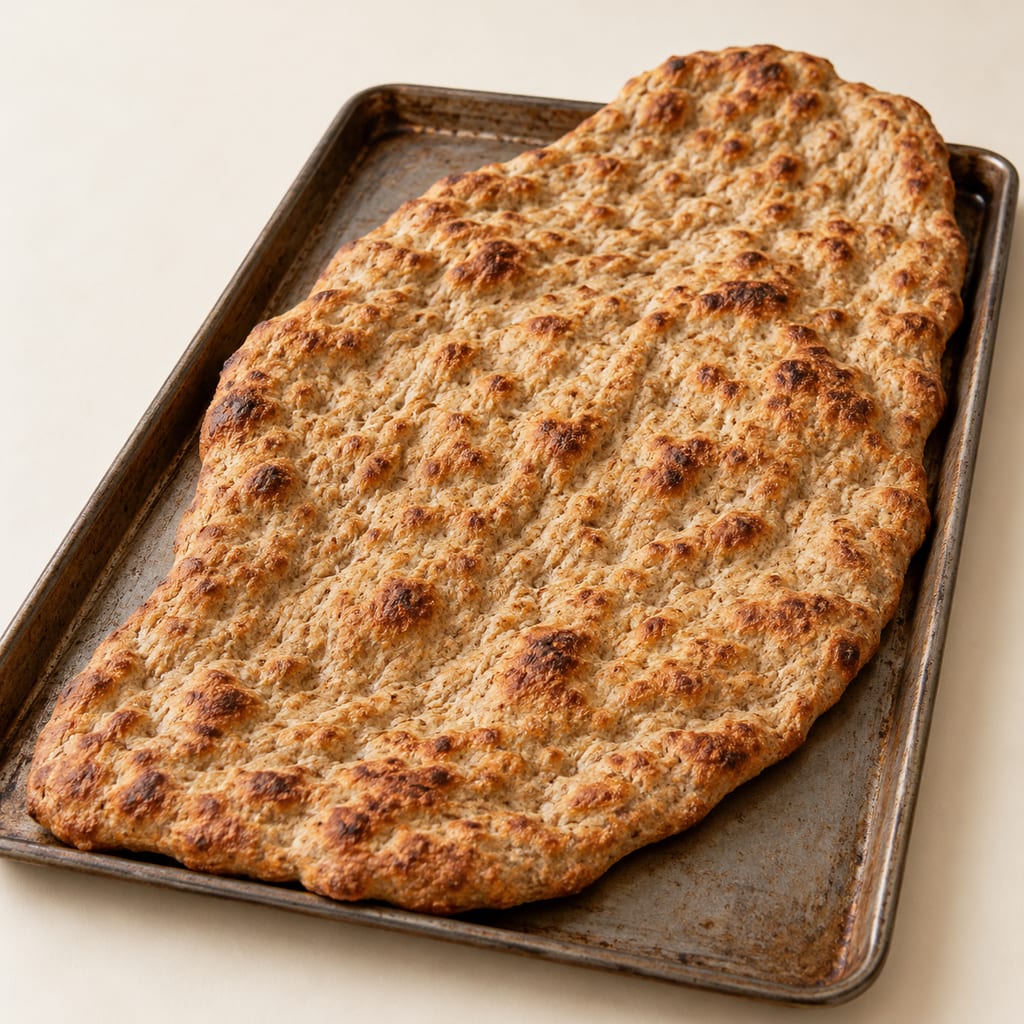
An Iranian whole-wheat sourdough flatbread adapted for a home oven and ordinary baking sheet. This method keeps the broad, dimpled hand-stretched shape but omits the traditional hot-pebble hearth and its imprint.
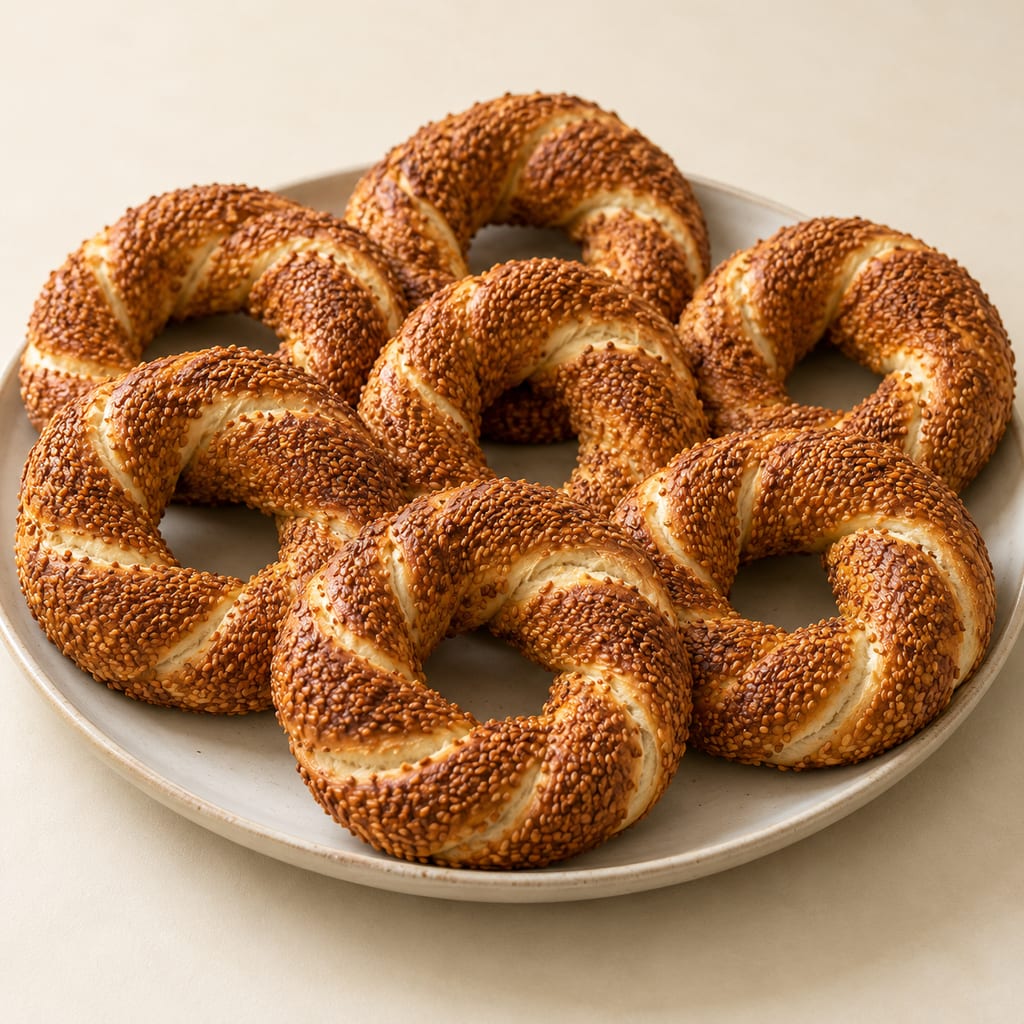
This Turkish street-food bread is shaped from twisted yeast dough into rings, dipped in a diluted molasses sauce and sesame, then baked. This home recipe makes seven rings and includes a clear sesame-allergen warning.
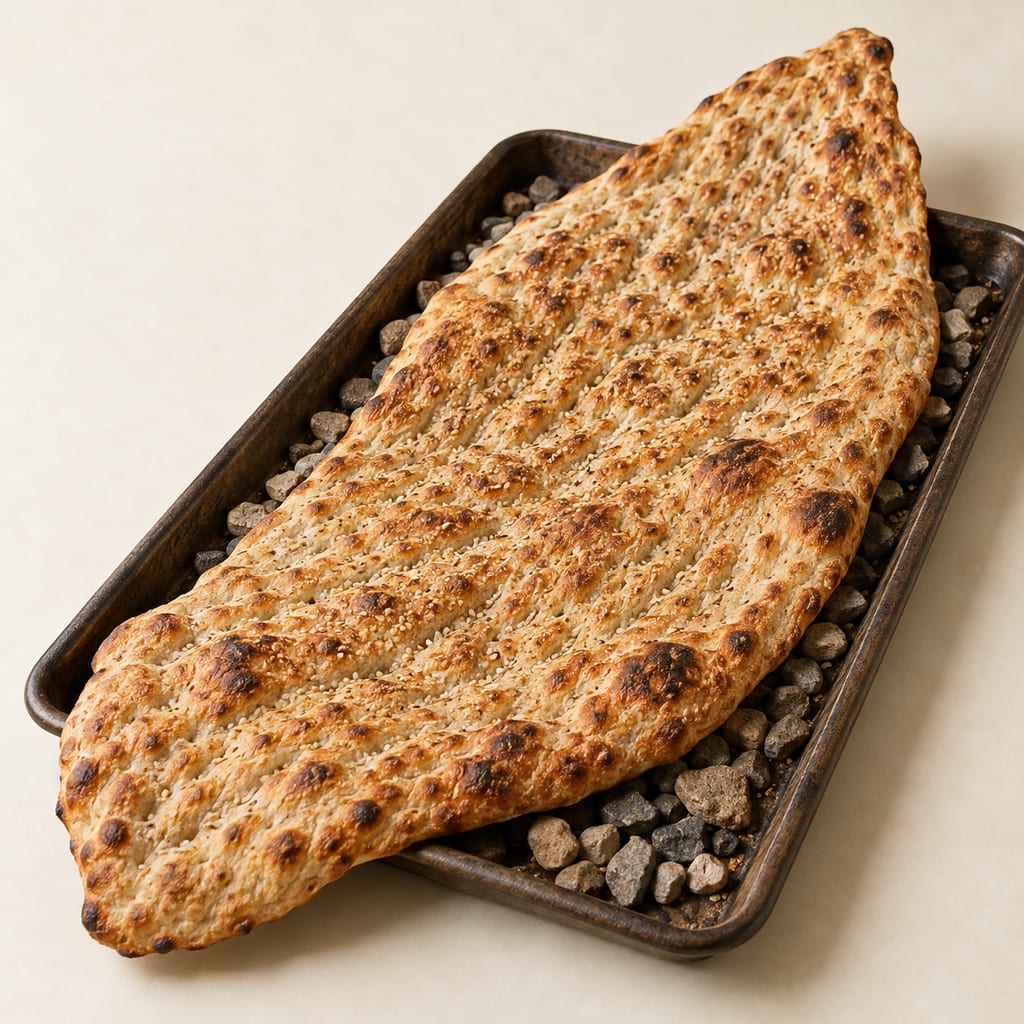
A long, irregular Persian bread baked on a tray of gravel-like stones in a hot oven. This home method uses dried yeast and a mix of wholemeal and bread flour, with an overnight rest.
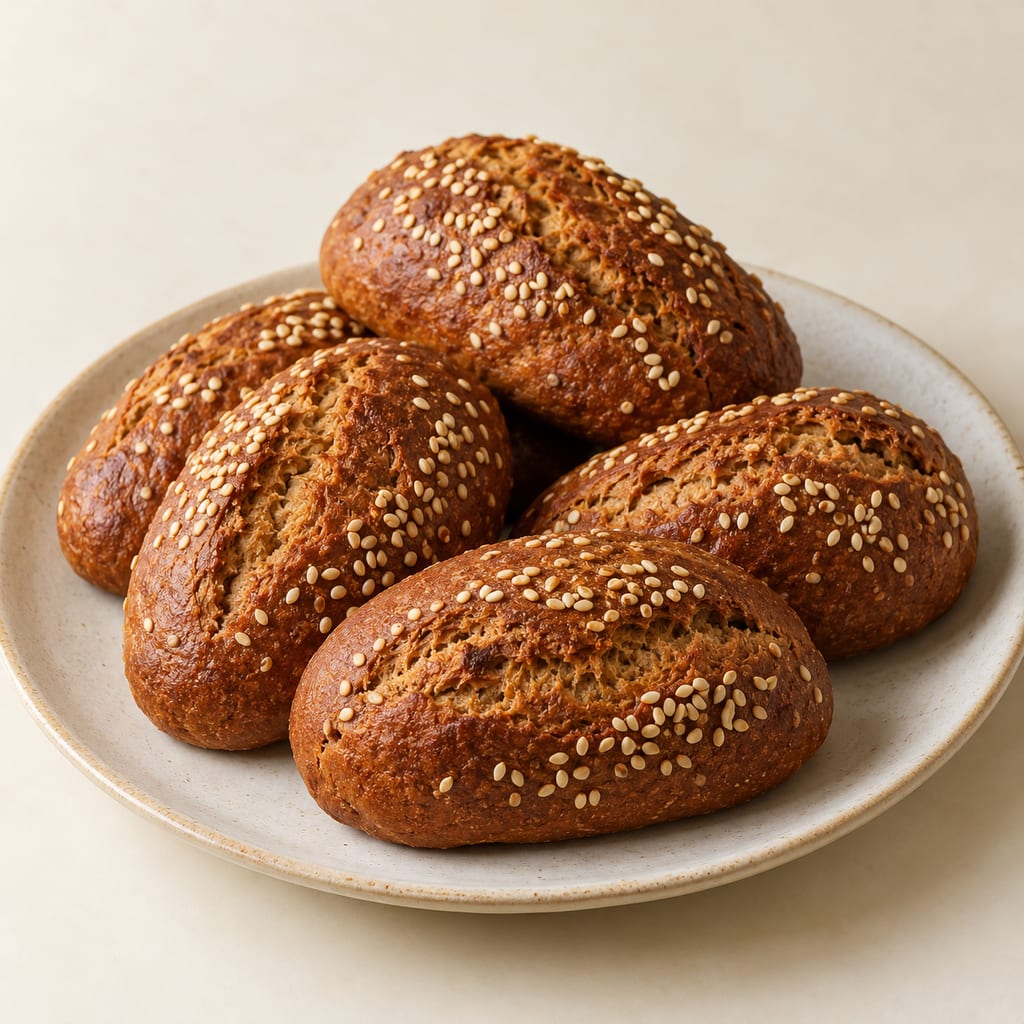
A spiced, breadcrumb-enriched Indonesian loaf raised with baking soda and baking powder, shaped into ovals and baked with sesame seeds.
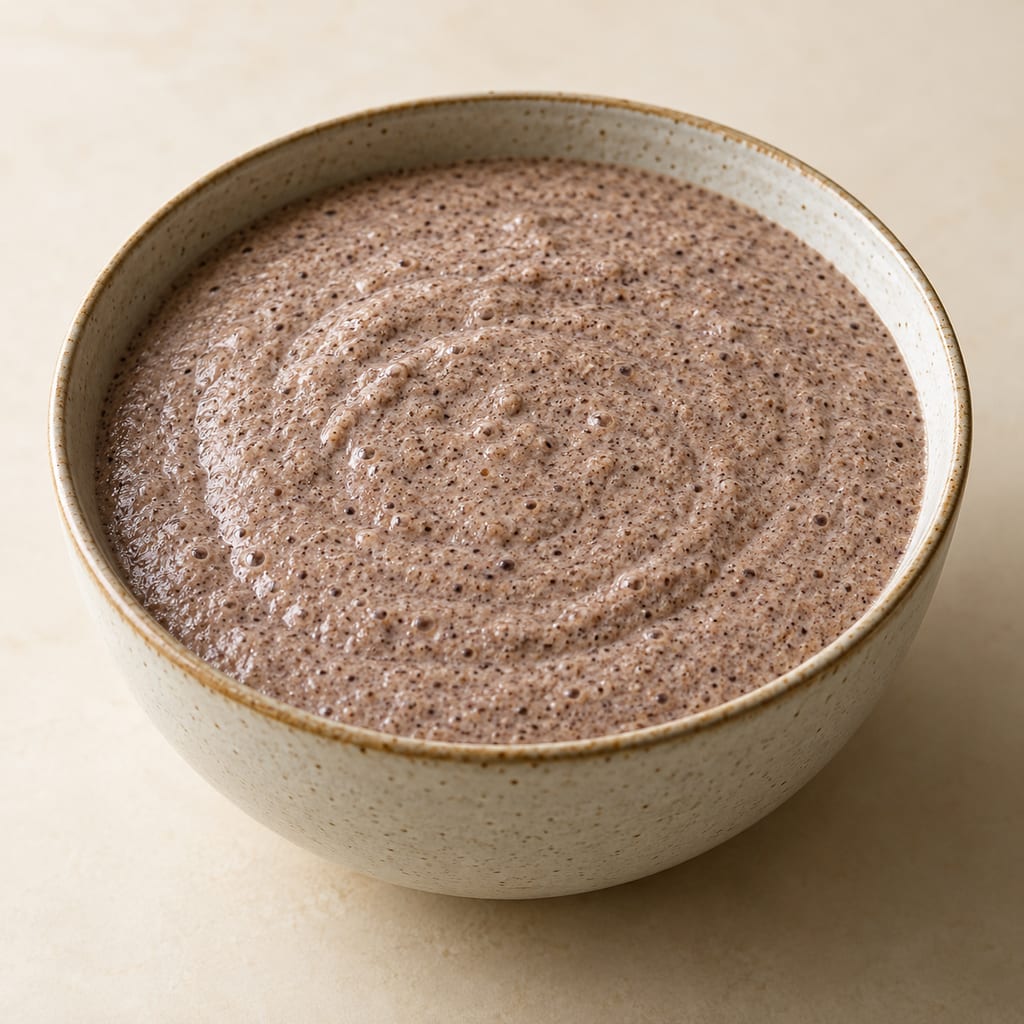
An idli batter made from whole ragi (finger millet) and urad with idli rava, each soaked and ground separately, combined, salted and left to ferment overnight.
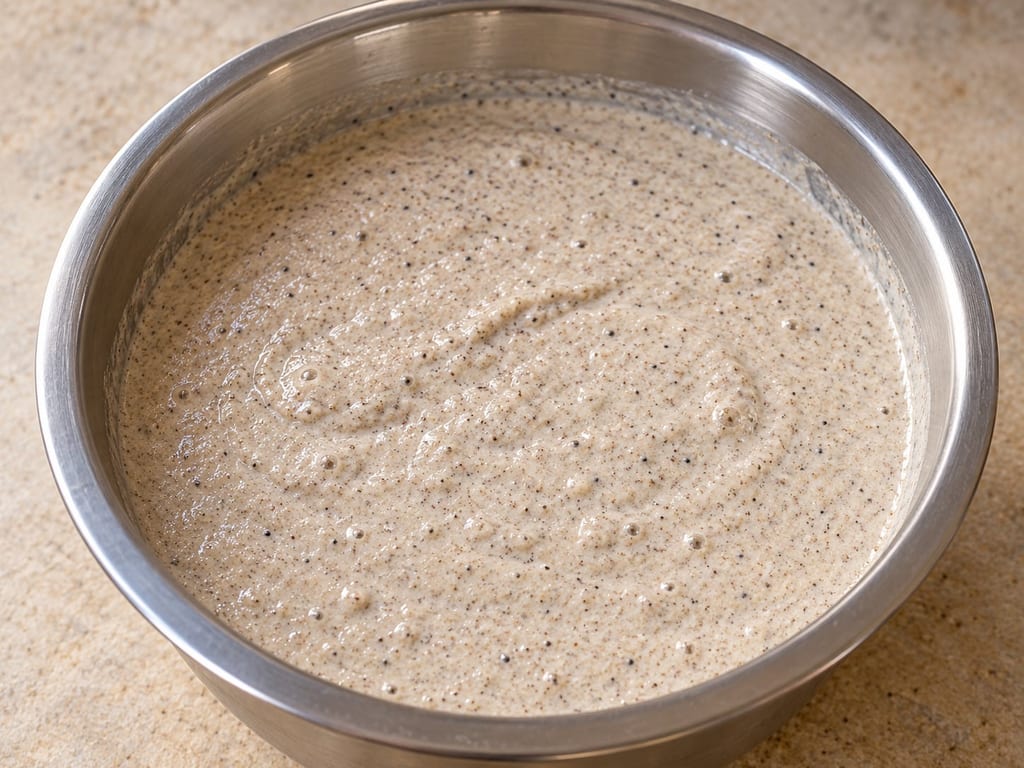
A multigrain idli batter from a stored blend of sorghum, millets, rice and black gram, with fenugreek kept apart, taken out by the glass and fermented warm.
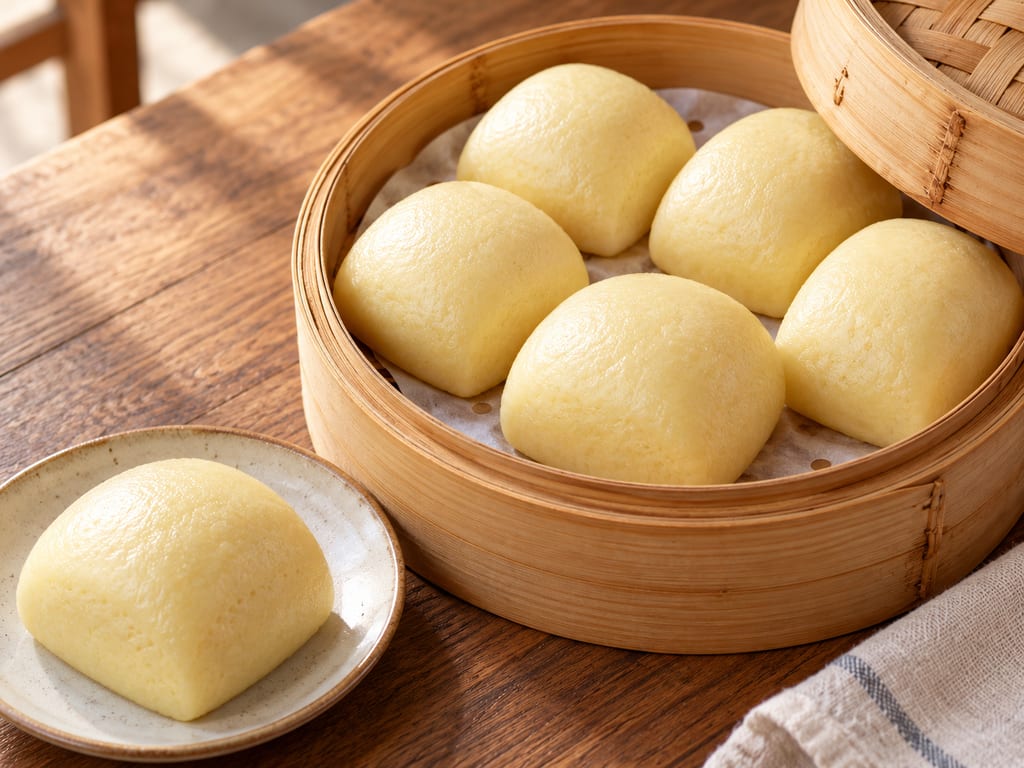
A yeast-raised mantou made with millet flour and wheat flour, hand-shaped and steamed. This measured home method uses a first rise to double, a second proof, and a covered rest after steaming.
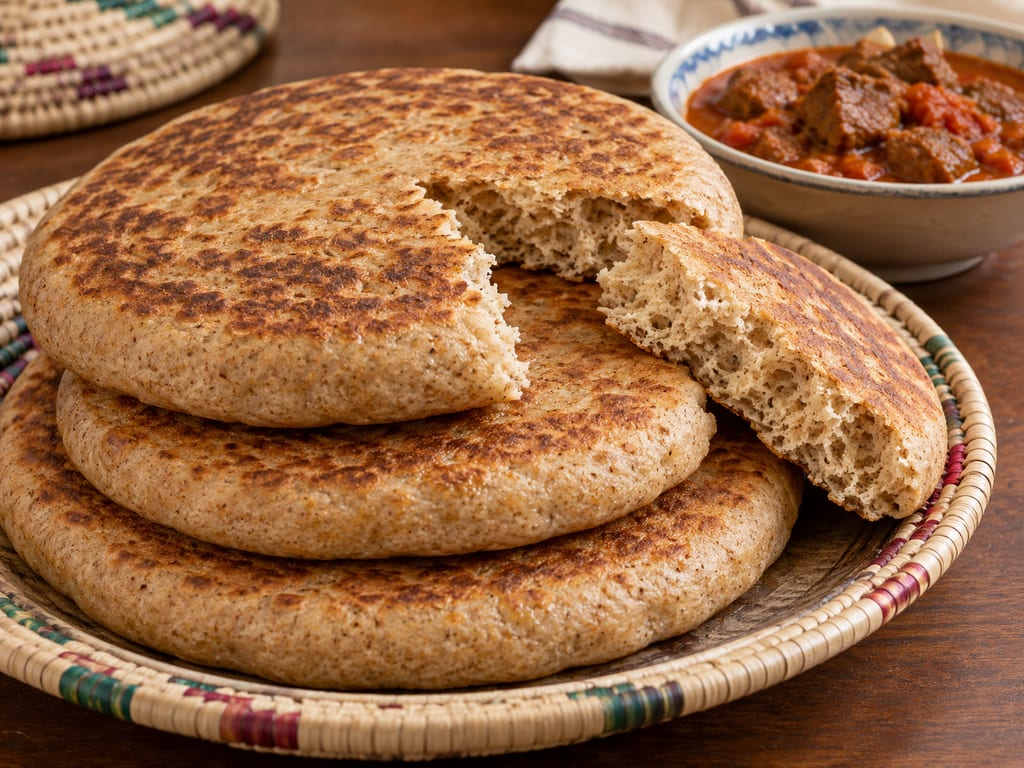
A northern Sudanese wholemeal wheat batter bread, rested with instant yeast and poured in thick rounds onto a lightly oiled pan or saaj.
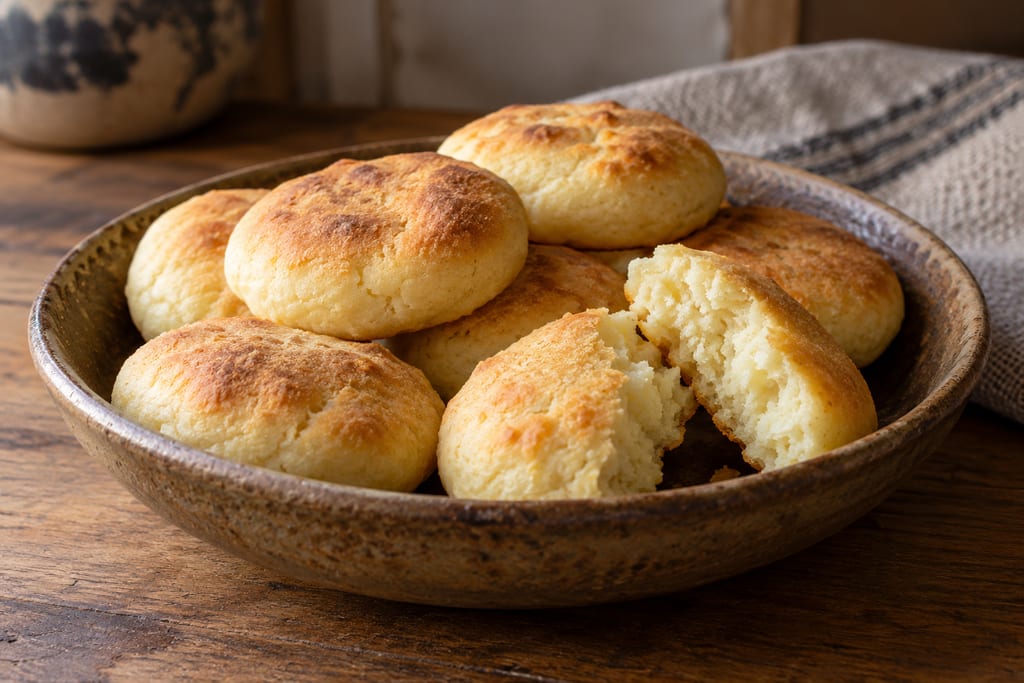
A baked Chiloé chapalele based on Gourmet's recipe: smooth cooked potato mixed with wheat flour, baking powder, sea salt and butter, shaped into 16 pieces.
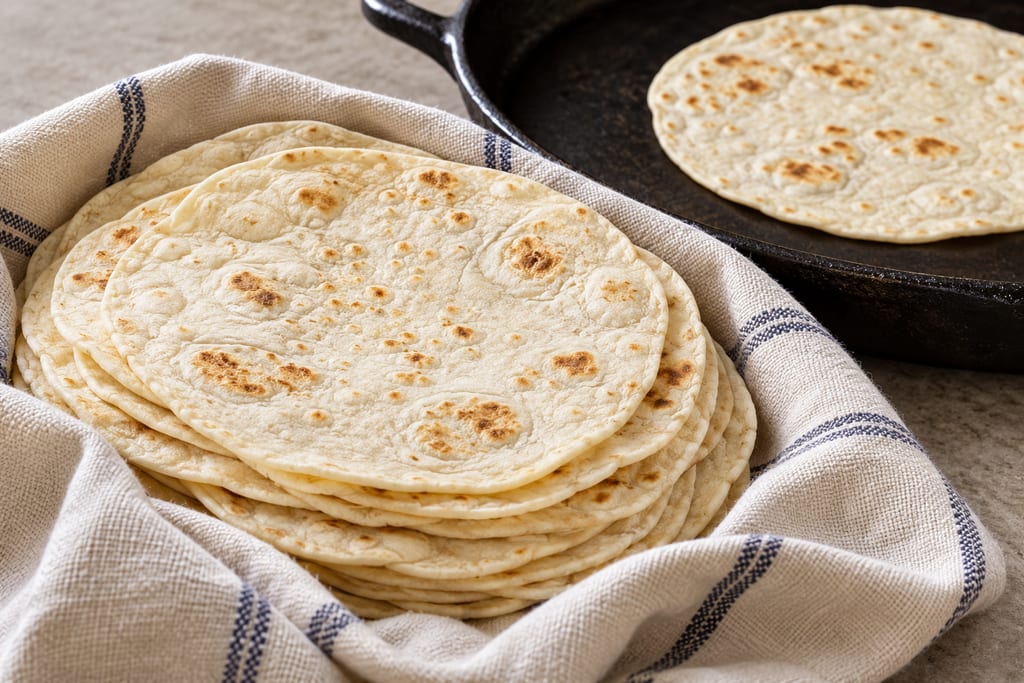
Soft wheat-flour rounds from an INCAP Honduran baleada recipe are rolled thin and cooked on a dry skillet; this record covers tortillas, not the filled dish.
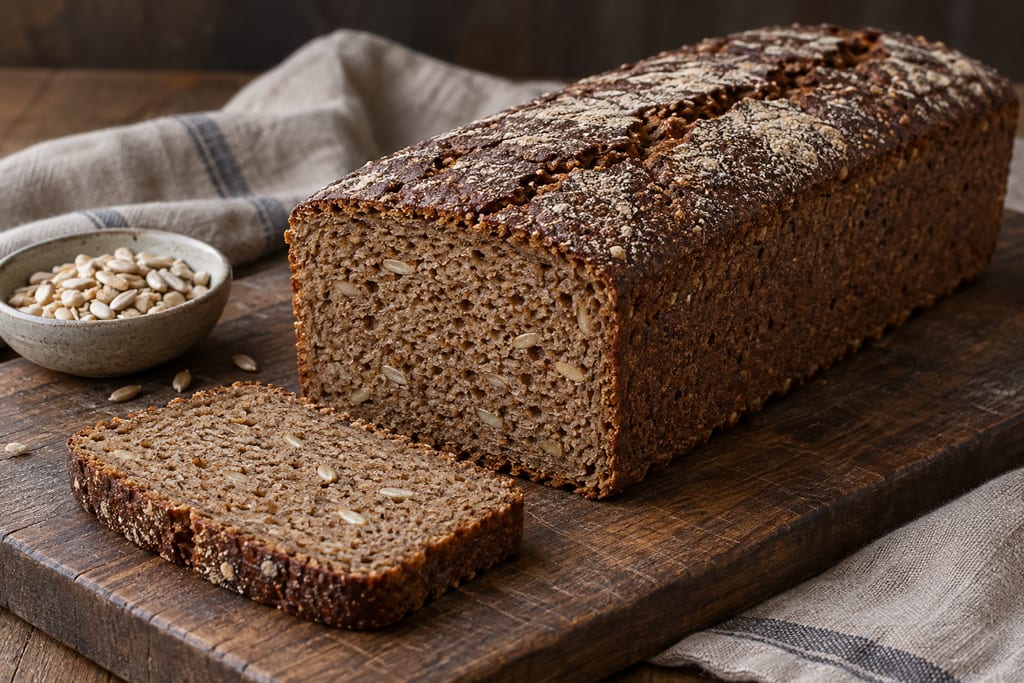
A dense whole-rye loaf with a sourdough preferment, soaked rye chops and sunflower seeds. It bakes in a long loaf pan and rests for 24–48 hours before slicing.
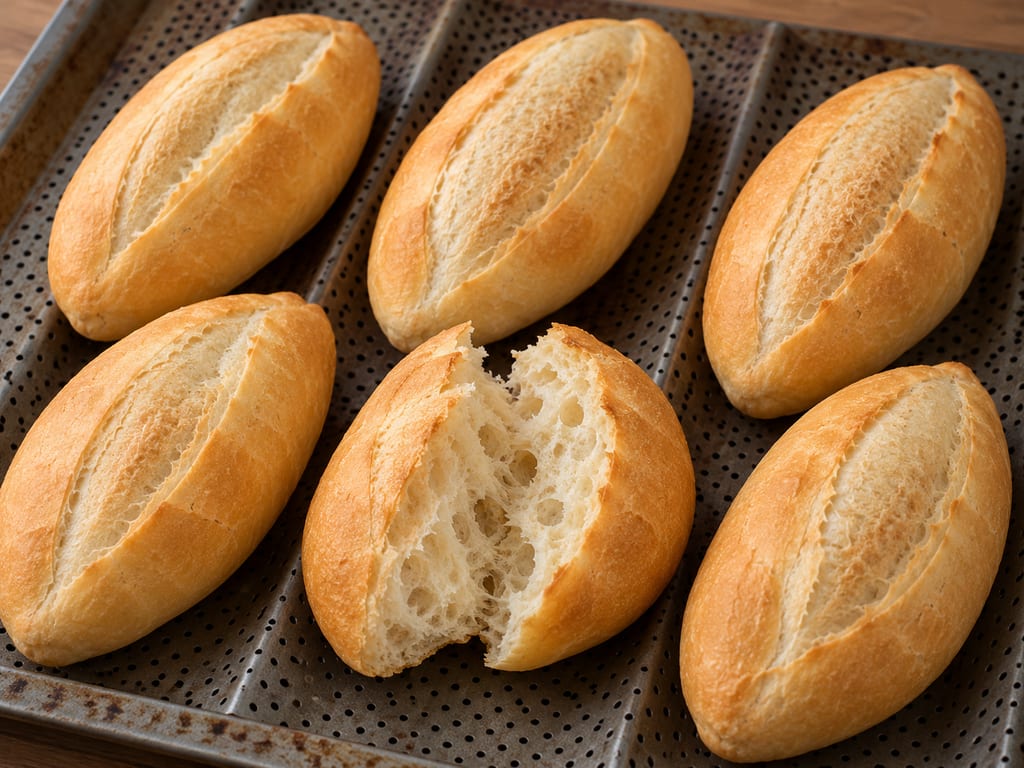
Six light baguettes with a thin crust and airy crumb, made from a Vietnamese home formula with bread flour, yeast, egg and butter.
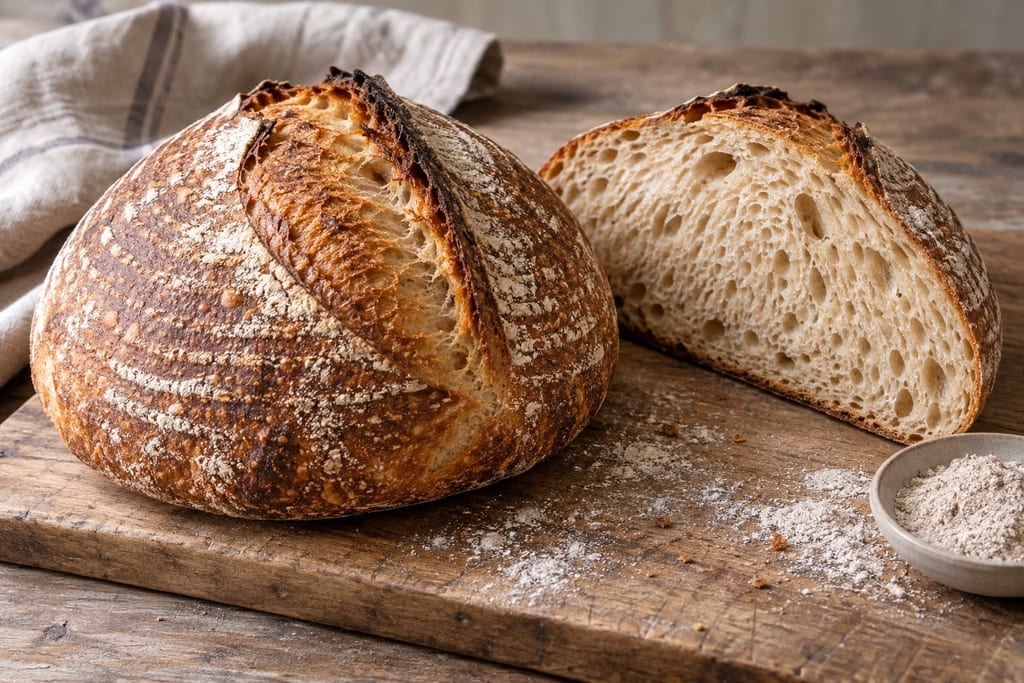
Jeffrey Hamelman's Vermont sourdough builds a liquid wheat levain before adding a modest measure of rye flour blend. The dough is folded, shaped and baked as two crusty loaves with a tender, open crumb.
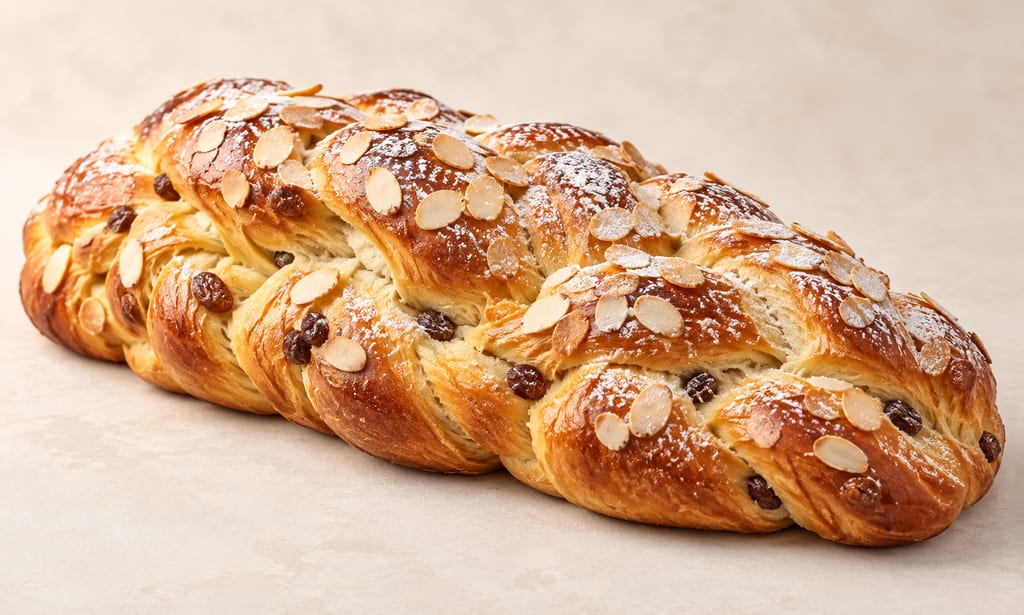
A Czech enriched yeast loaf with raisins, lemon zest and almonds, braided from six strands, proofed twice and baked in two oven stages.
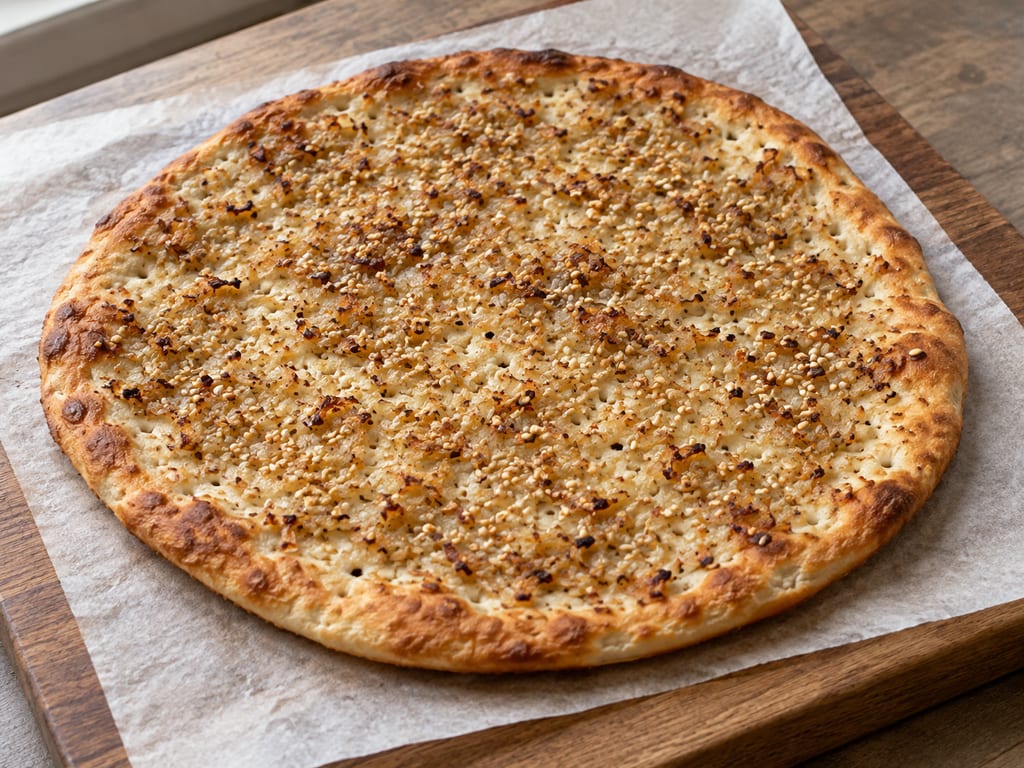
Two round Uyghur sesame-onion flatbreads, made with a yogurt-enriched yeast dough and baked on a preheated stone.
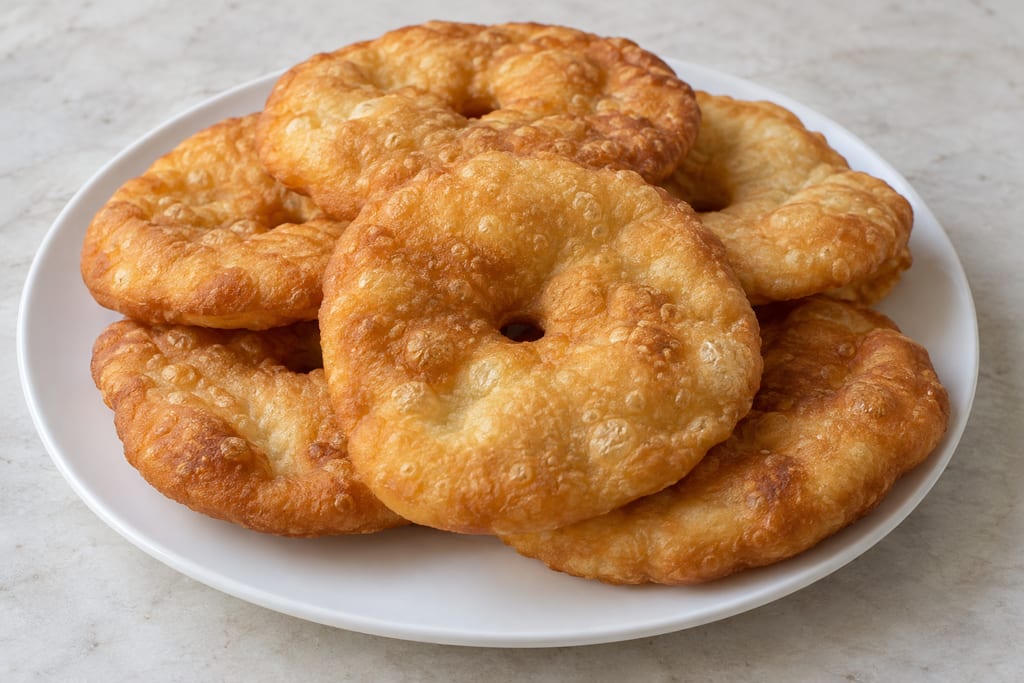
A University of the Republic of Uruguay recipe for ten yeast-raised tortas fritas. The dough rests for an hour, is divided into ten rounds with a hole in each, then fried in fat at 160°C and drained.
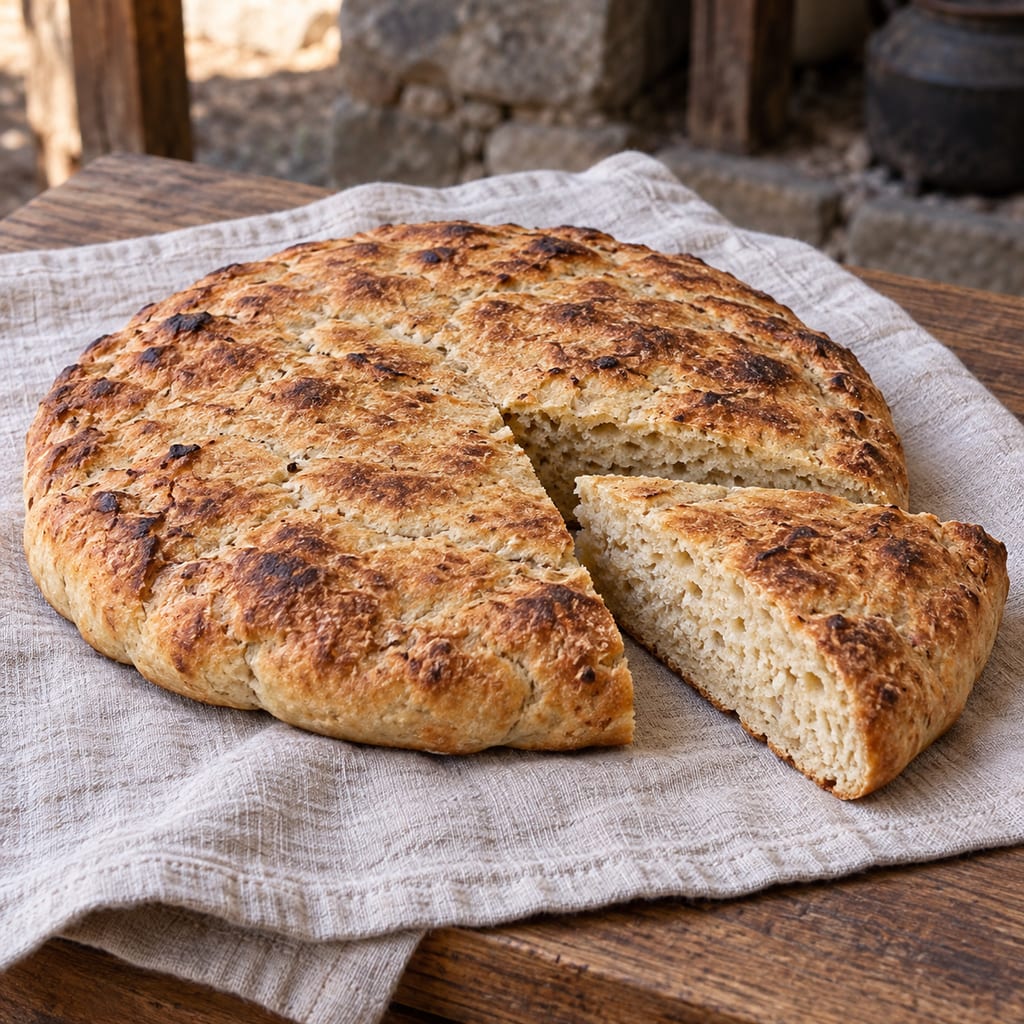
A Chilean hearth bread from Quilleco, leavened with instant yeast and bicarbonate, then cooked under hot ash in a traditional ember hearth.
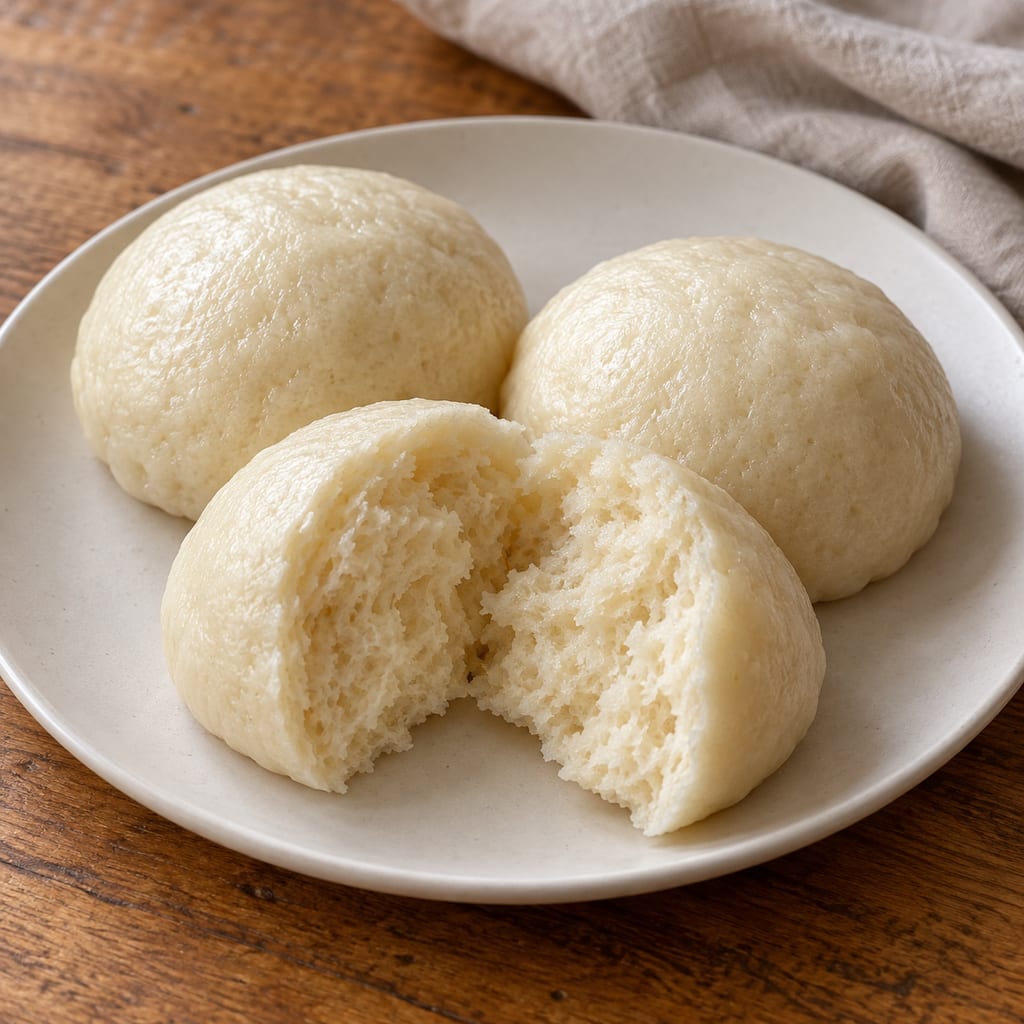
This tin-steamed South African dombolo uses yeast dough with bread flour and olive oil. It rises twice, steams for about an hour, and is checked with a clean skewer.
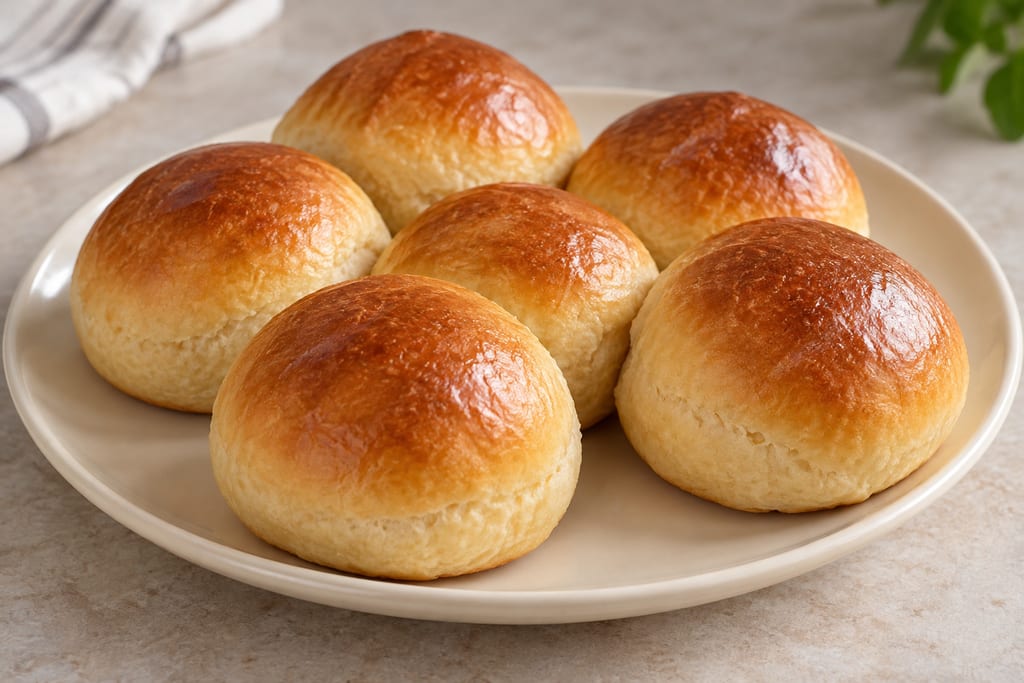
Guyanese tennis rolls are small, round, sweet yeasted breads flavoured with lemon and vanilla. They are often split and eaten with cheddar; this recipe is separate from Guyanese plait bread.