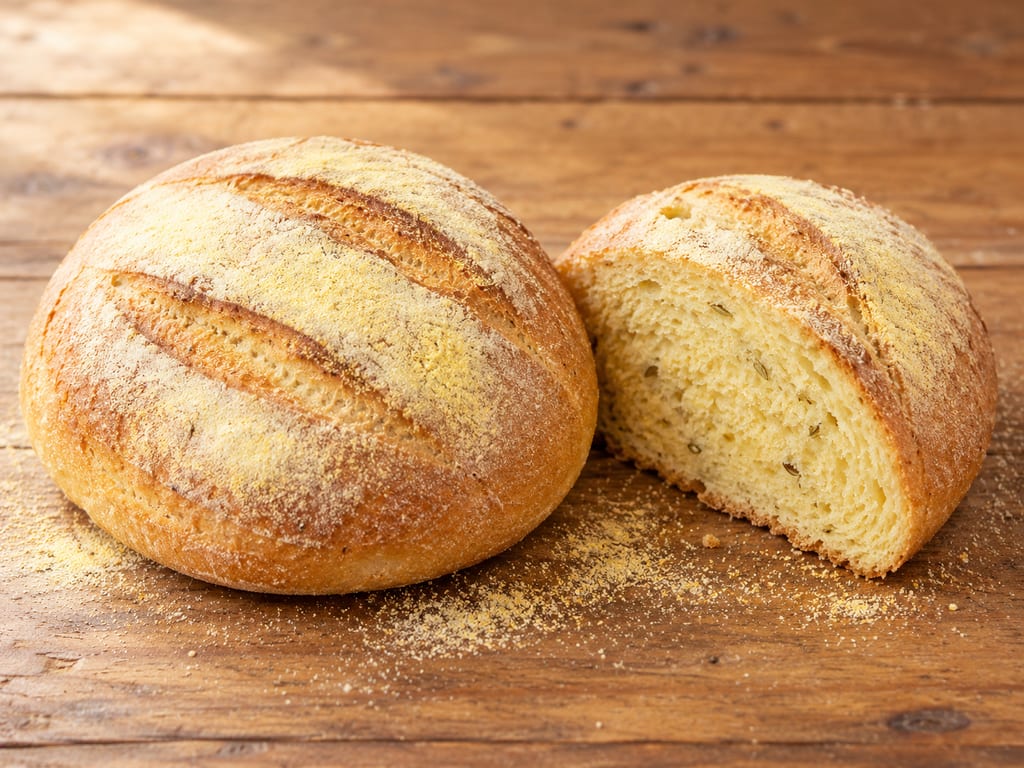
Brazilian broa de milho
Brazilian broa de milho is a lightly sweet wheat-and-fine-maize bread with fennel and dry yeast, shaped into two small loaves for a Festa Junina or coffee break.
 FermenteaWhere food goes to change
puba · carimã · massa puba · pubagem · Brazilian fermented cassava pulp
A documentary account of puba (carimã), a Brazilian fermented cassava pulp. It records one 1998 study batch and reported uses; it is not a household recipe or a validated cassava-safety method.
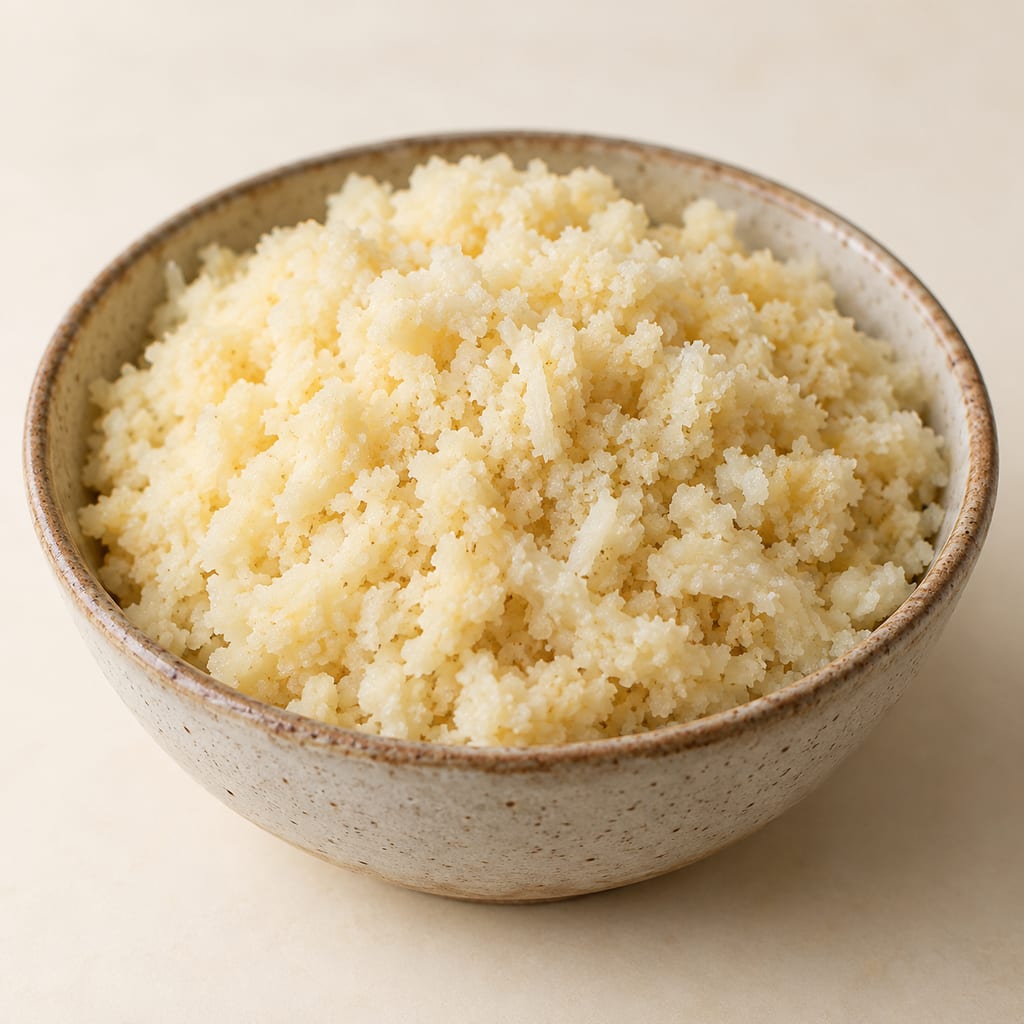
Puba, also called carimã, is made by fermenting cassava roots in water until they soften. The drained pulp is distinct from cassava flour, sour starch and other fermented cassava foods. A 2022 review describes the pulp being pressed and dried to make a separate product called puba seca.
A 1998 paper calls puba a common food in northeastern Brazil and notes that earlier authors had described the process. That statement records a regional association; the paper does not establish when or where the food originated.
The 1998 study describes spontaneous fermentation, with lactic fermentation and microbial softening of the roots. Its background reviews earlier microbiology research, so details about a universal microbial sequence cannot be inferred from this experiment.
A 2022 review reports puba used in savory dishes, cakes, cookies, sweets, porridges and mush. These are uses summarized by a secondary source; the sources reviewed here do not map individual dishes to particular regions or provide a tested serving recipe.
In the natural-fermentation control of the 1998 experiment, researchers used 3–4 kg of washed, peeled cassava roots with tap water at 2 litres per kilogram in plastic containers. The methods describe about seven days until the roots softened; the results give 7–8 days at 20–22 °C. Researchers drained and sieved the material, then dried it at 35 °C for about 48 hours. These are conditions from one research batch, not household instructions.
The paper also tested commercial enzyme preparations in separate treatments. Those treatments are not part of the natural-fermentation control described above.
The study does not report the batch’s cyanogen content, finished yield, validated home controls or storage life. Cassava contains cyanogenic glycosides that can release harmful hydrogen cyanide, but the general warning in FSANZ guidance does not validate this puba process. Fermentation, softening and drying in the study are not demonstrated safety endpoints.
The reviewed sources do not establish an executable household method, a universal duration or a safe storage period. This article describes the evidence and is not a recipe.
The earlier historical works cited by the 1998 article were not inspected, so an earliest attestation, origin date and seasonal history remain unresolved.
The study shows no cyanogen result, finished yield, household safety controls or storage evidence; its experimental batch cannot be used as a validated home procedure.
The 2022 review's dish list is secondary evidence and does not establish where each use is practiced.
The 1998 paper calls puba a common food here; it does not establish origin.
Brazilian broa de milho is a lightly sweet wheat-and-fine-maize bread with fennel and dry yeast, shaped into two small loaves for a Festa Junina or coffee break.
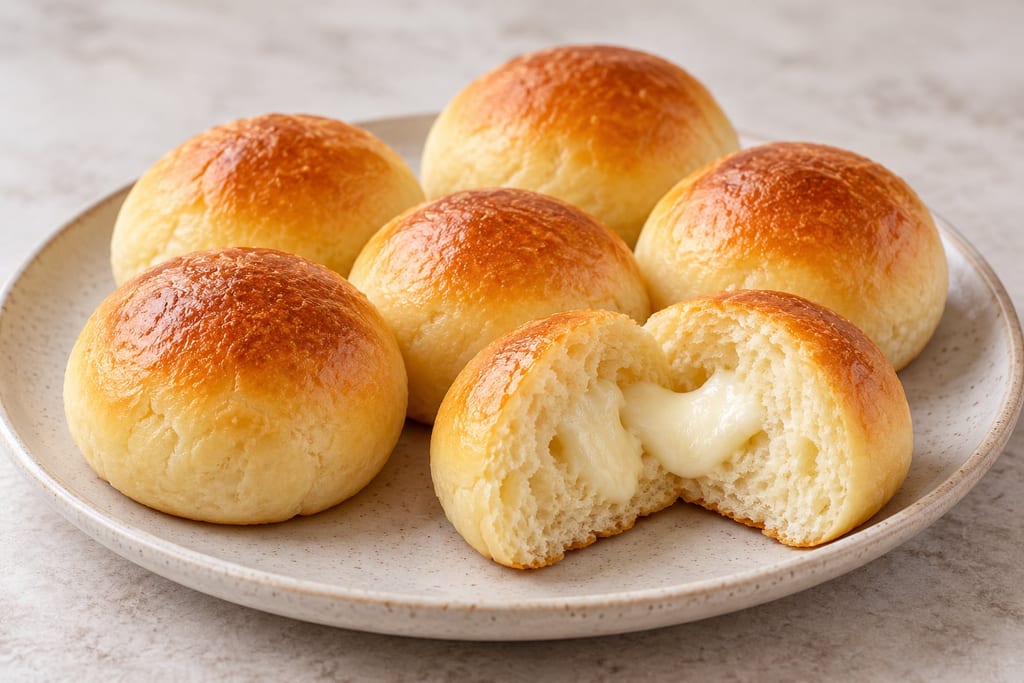
Soft Brazilian yeast rolls use cooked mashed potato in an enriched dough, with mozzarella cubes enclosed before baking.
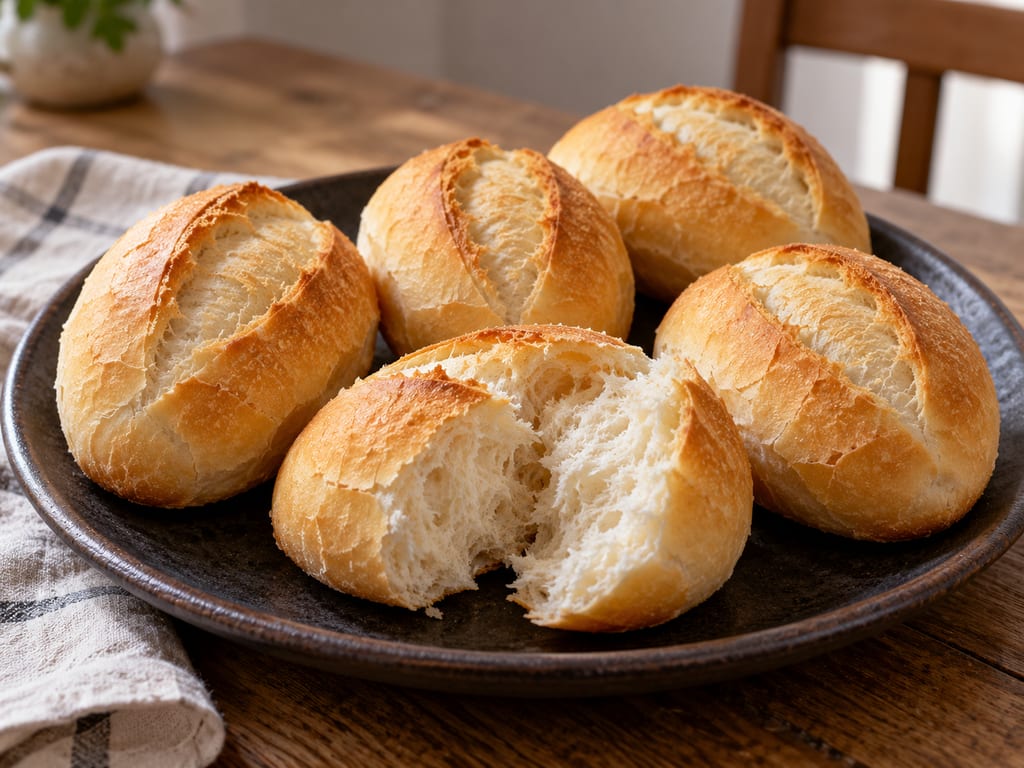
A Brazilian wheat roll with a crisp crust, this home batch uses dry baker’s yeast and a steam-assisted oven bake.
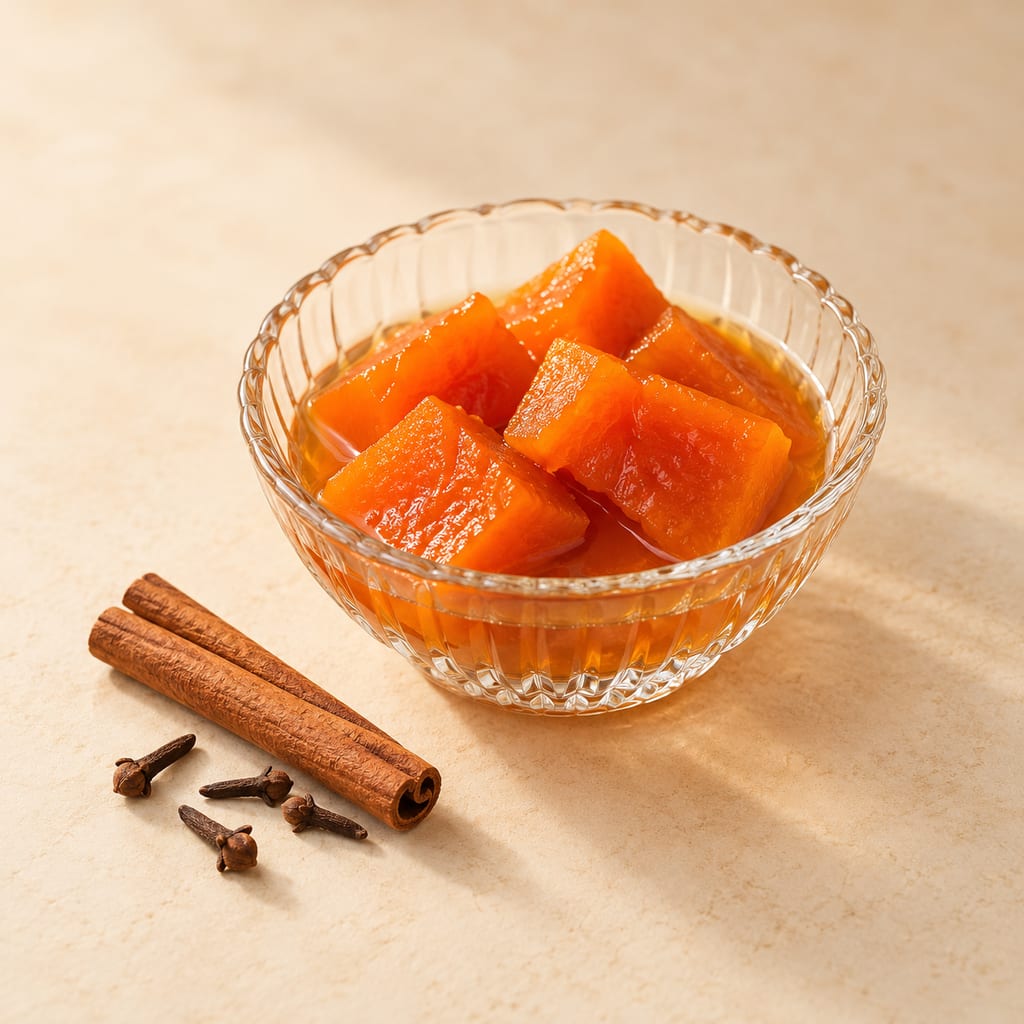
Brazilian doce de abóbora: Freeze for winter; small fresh portion refrigerated up to 48 hours.
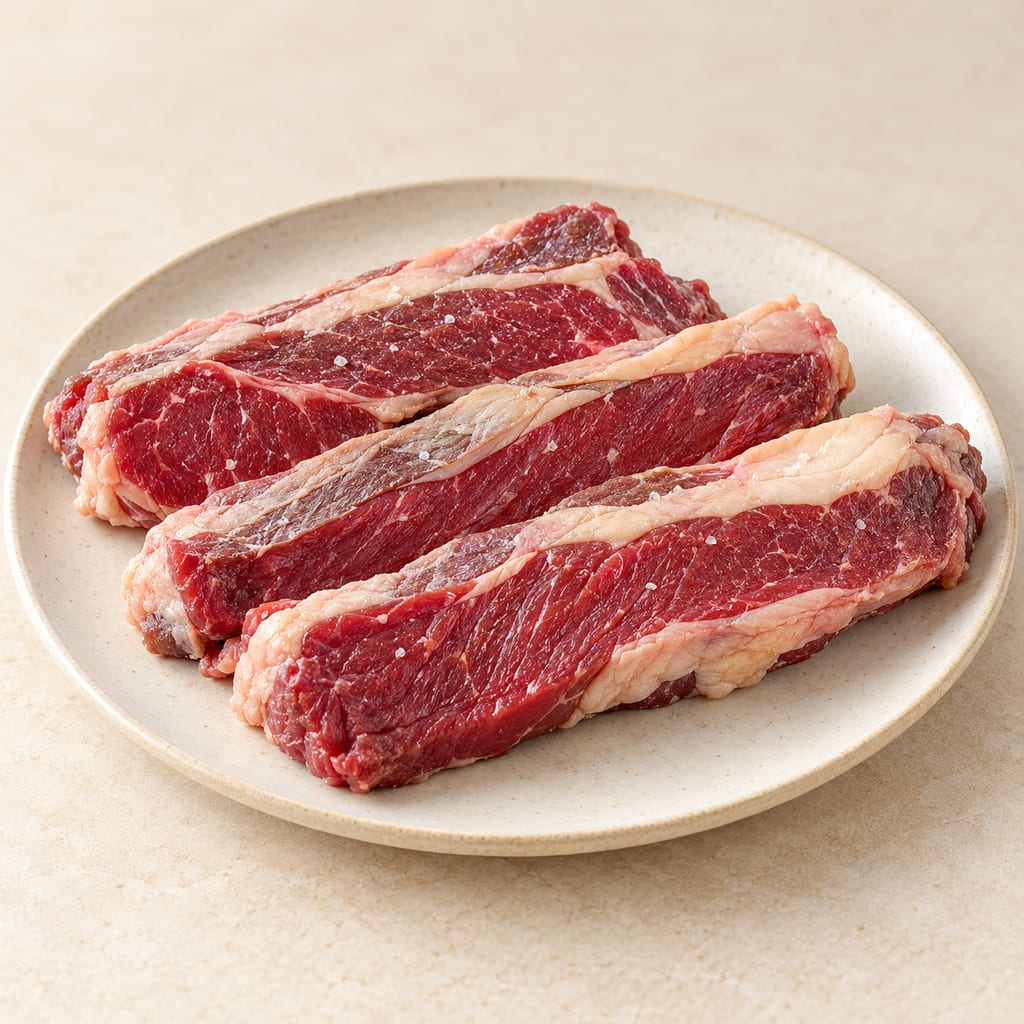
Beef given limited salt and partial surface drying, a short-keeping Brazilian meat that is much less durable than fully dried charque and is treated as a cold-chain product.
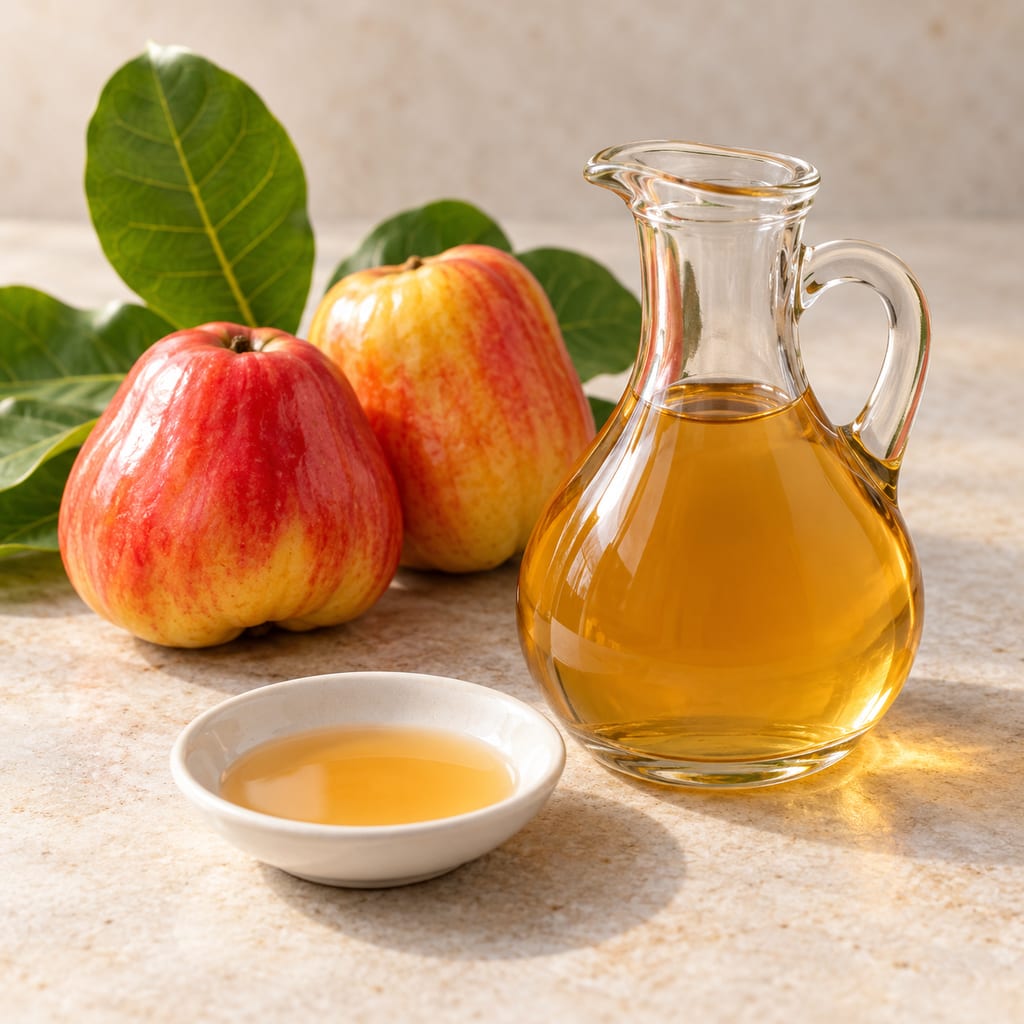
Vinagre de caju is made by fermenting cashew-apple juice into an alcoholic base, then aerating it so acetic bacteria can convert ethanol into acid. Brazilian guidance records the sequence, but not a complete home-scale formula.
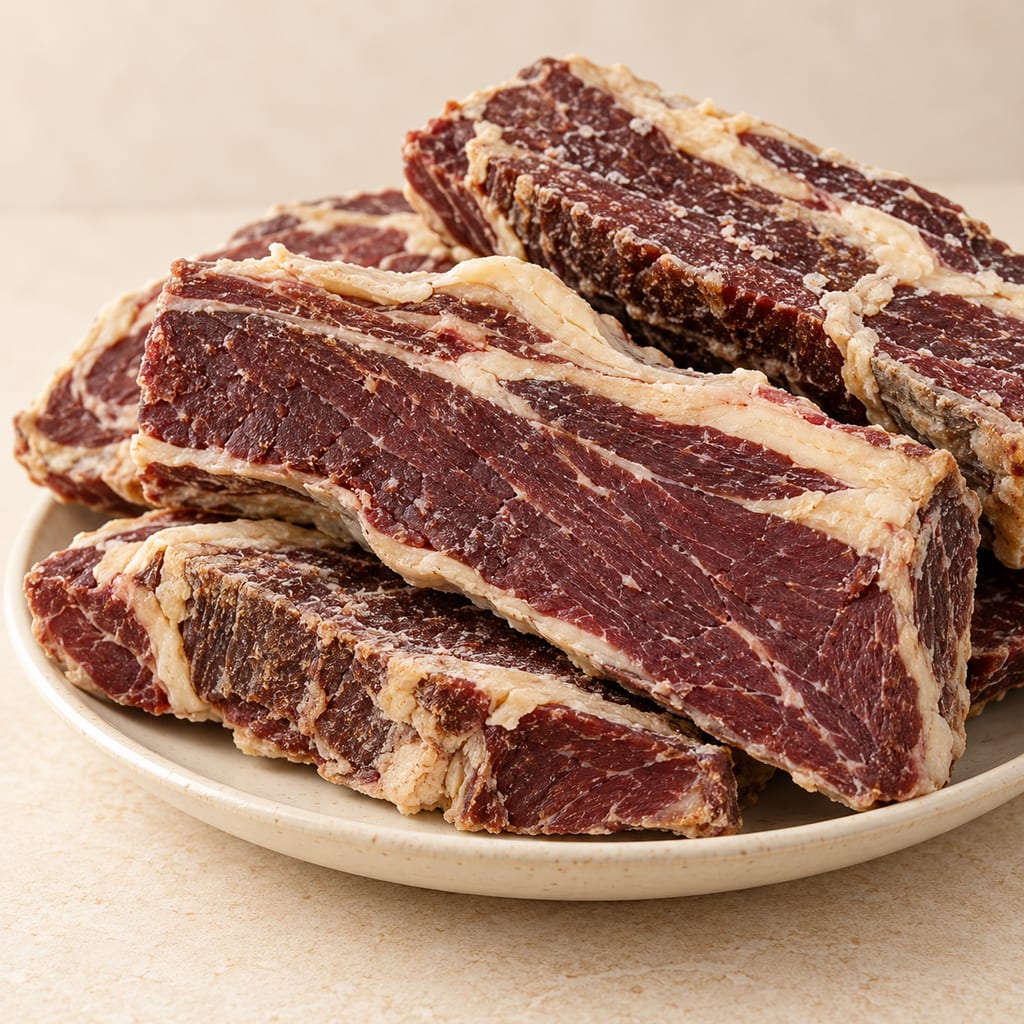
Beef salted heavily and dried into a strongly preserved ingredient that is desalted before it is cooked in stews; a Brazilian form of salt-dried meat that keeps far longer than the lightly salted carne-de-sol.
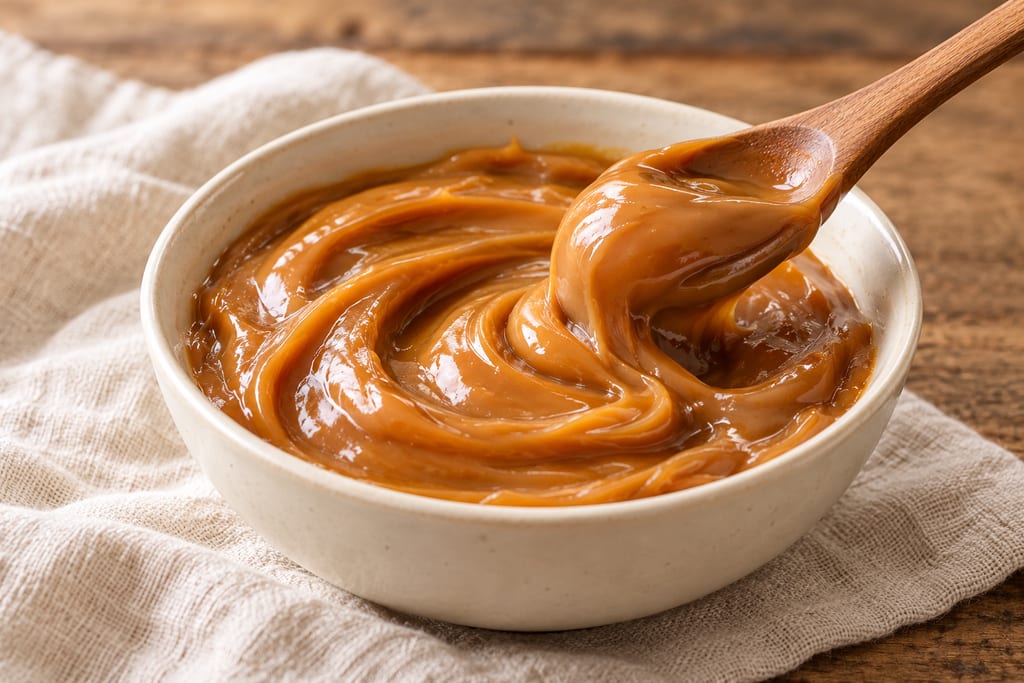
Dulce de leche and its relatives, including Mexican cajeta from goat's milk, are milk and sugar cooked slowly until thick and brown. The name changes across Latin America, and the browning gives each its character.
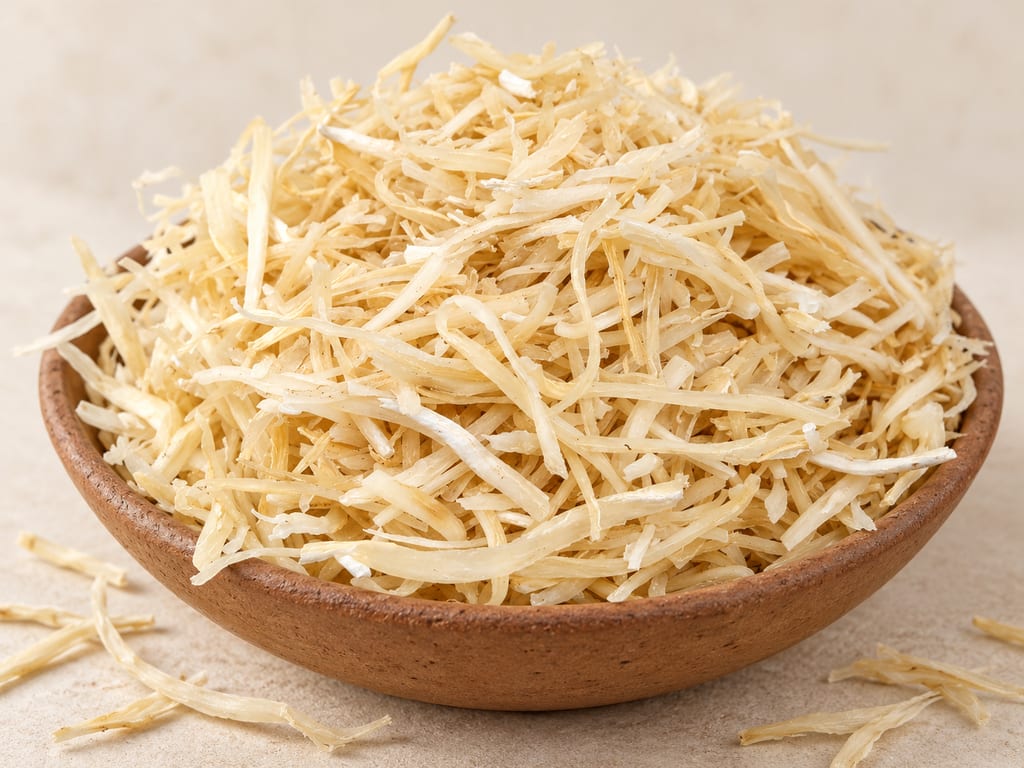
Abacha is a fermented cassava-strip preparation from southeastern Nigeria, sold wet or dried and later rehydrated for meals such as African salad.
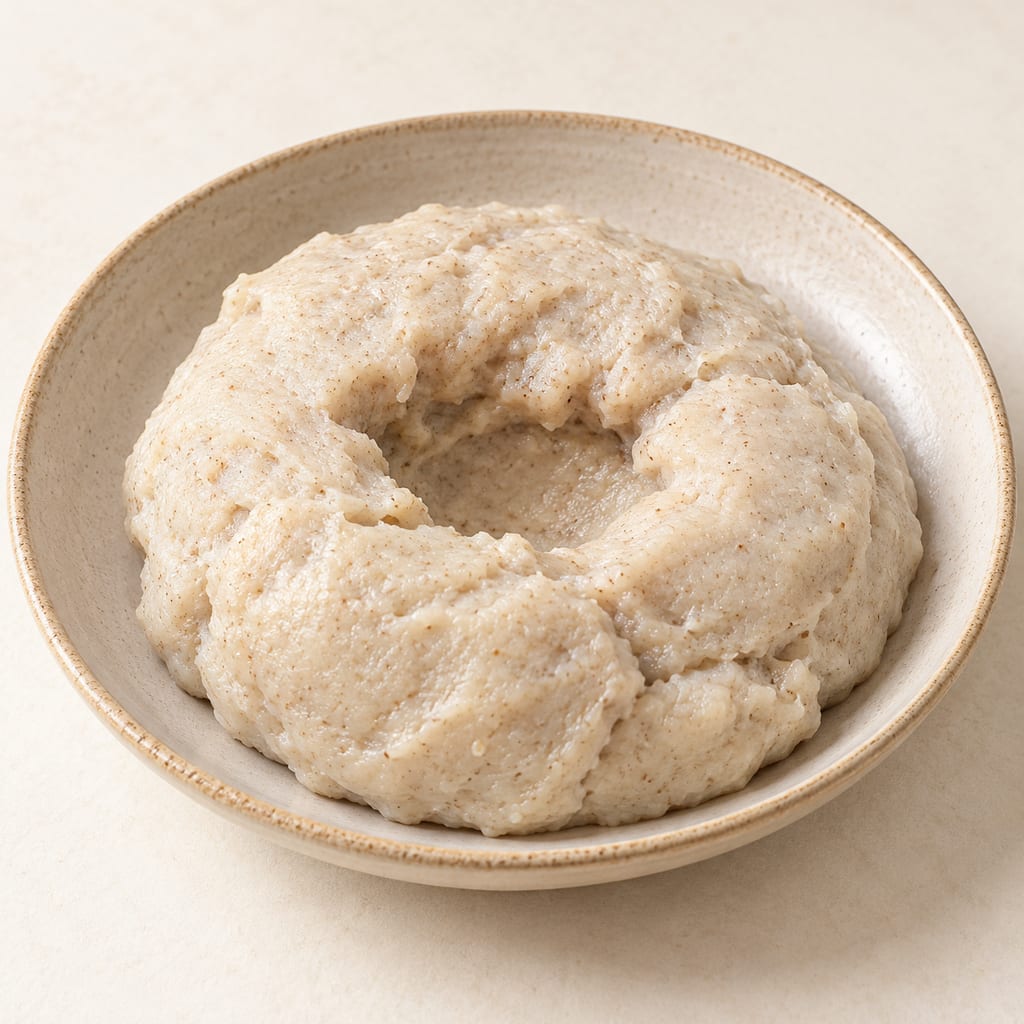
Aceda is Sudan’s firm cereal porridge, commonly made from sorghum and shaped into a smooth mound. Some versions use fermented dough; fermentation is not universal.
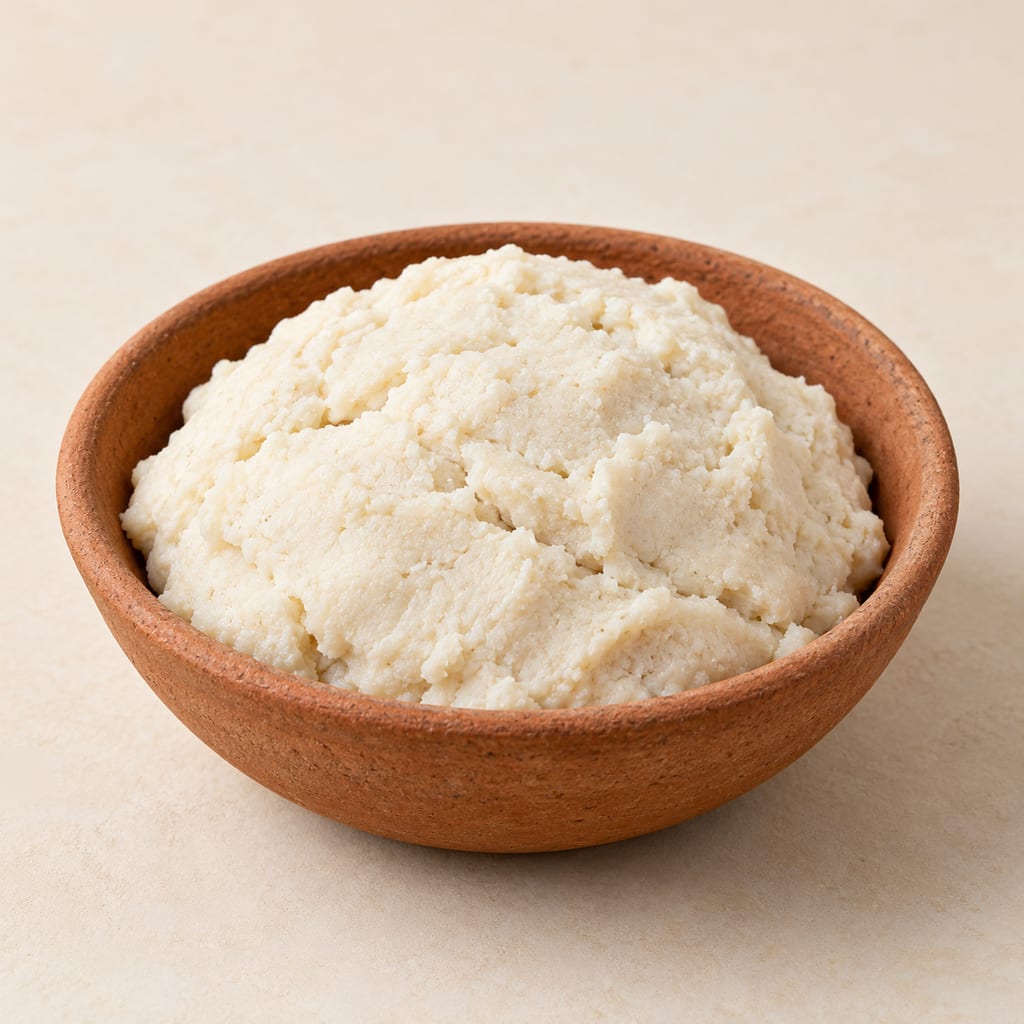
Ghanaian sour cassava dough fermented with traditional inoculum and drained during fermentation. It is used as a base for cooked foods such as banku and akple; process variants and safety outcomes differ.

Appam, or hoppers, are South Indian and Sri Lankan rice pancakes made from a fermented coconut-and-rice batter and cooked in a curved pan to a crisp lacy rim and a soft, spongy centre.
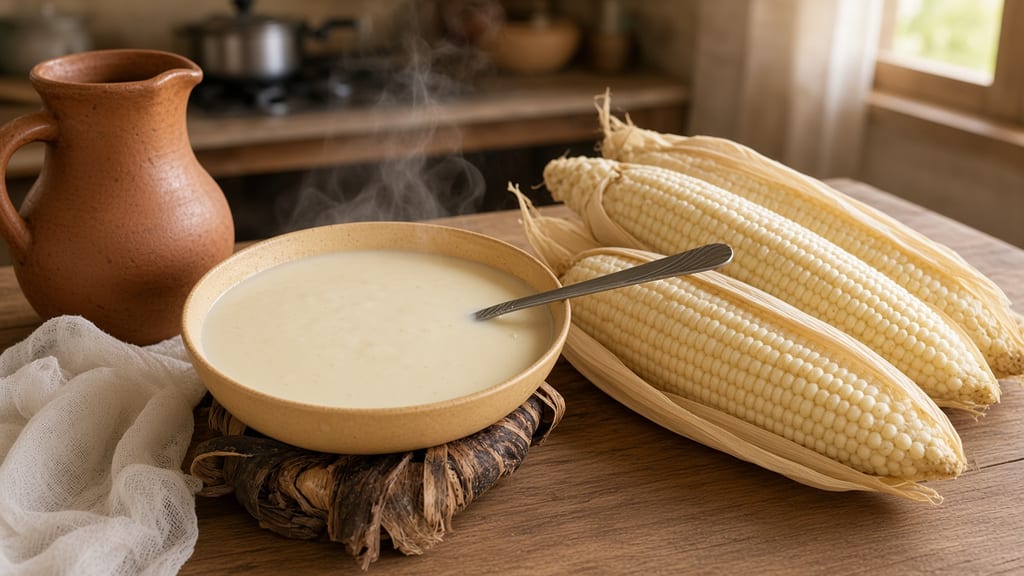
A hot, sour maize drink from Tabasco made from maize that is not lime-cooked. The ground grain sours for half a day, then makers strain it and boil it until thick.
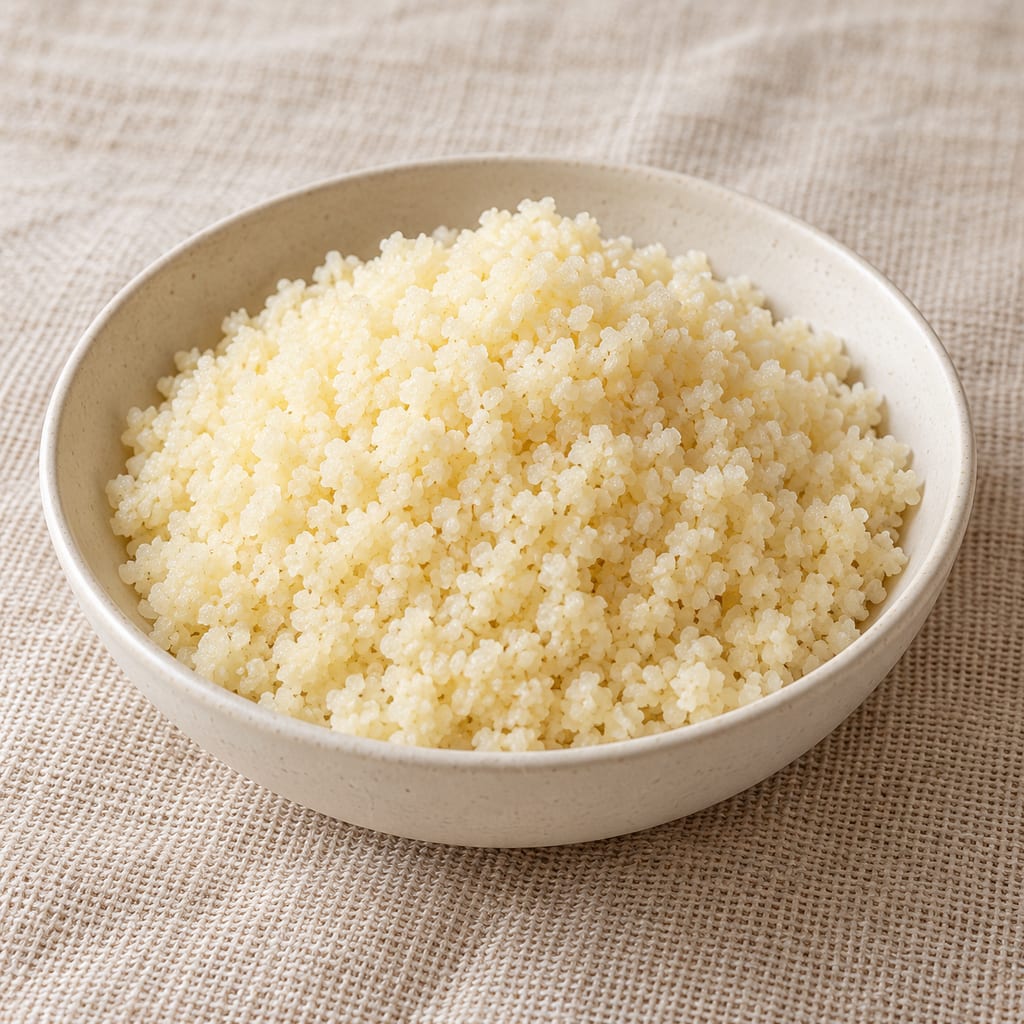
Ivorian cassava semolina: grated cassava is fermented overnight with a traditional inoculum, pressed, sieved into granules, dried and steamed. Documented in a 2006 field study; no sole original process is established.
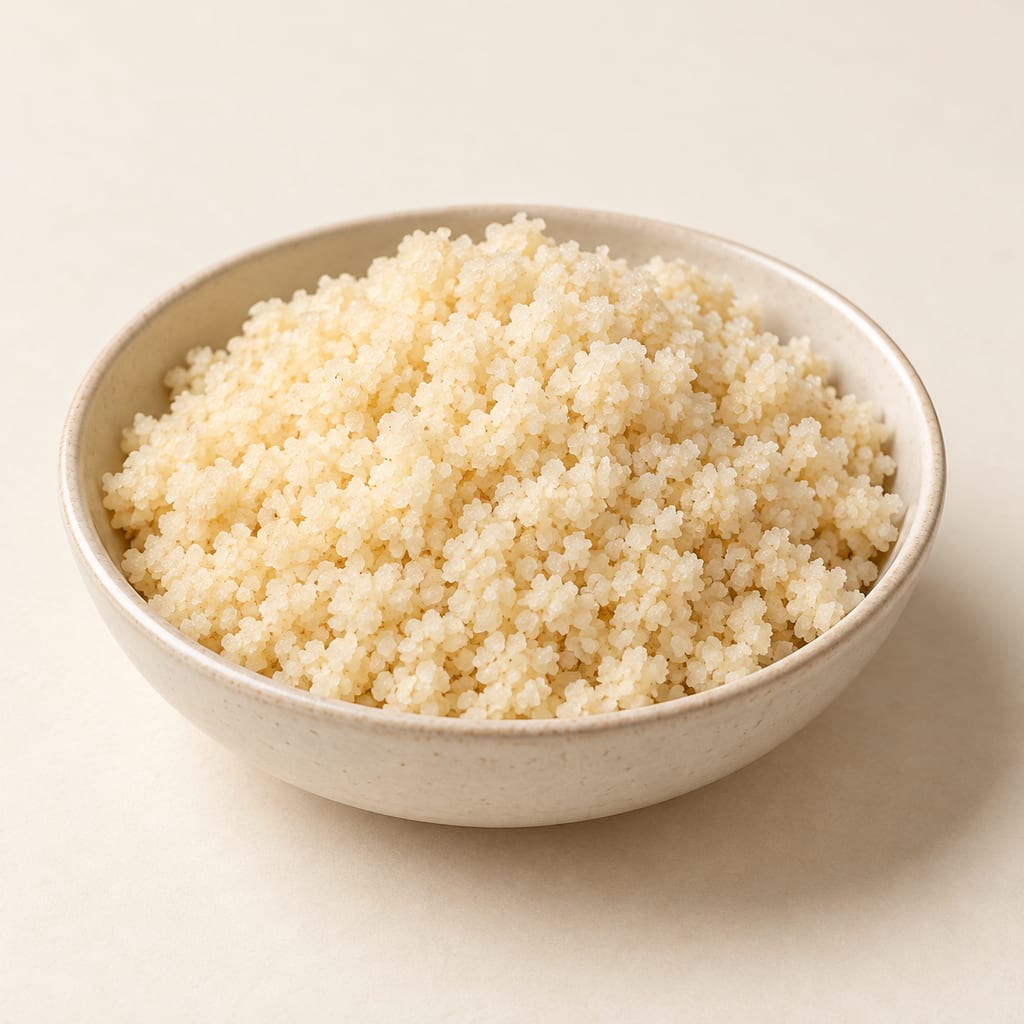
Attiéké is an Ivorian staple of grated cassava fermented with a traditional inoculum, then pressed, sieved, granulated, dried and steamed into fine couscous-like grains.

Crushed or milled barley cooked in water until the starch softens and the mixture thickens, the plainest way a northern household turned stored grain into a meal, here with apple and hazelnut.
No community contributions have been published for this entry yet.
Sign in to contribute. Published comments and photos are free to read.
Tobias José Barreto de Menezes, Silene Bruder Silveira Sarmento and Érica Regina Daiuto; Food Science and Technology 18(4), 386–390 (1998)Method
Influência de enzimas de maceração na produção de pubaCited in: A fermented cassava pulp; Fermentation and reported uses; What one study measured; Limits of the evidence; Open questions in the sources
Thamylles Thuany Mayrink Lima et al.; Journal of Ethnic Foods 9, article 35 (2022)Method
Traditional Brazilian fermented foods: cultural and technological aspectsCited in: A fermented cassava pulp; Fermentation and reported uses; Open questions in the sources
Food Standards Australia New ZealandMethod
Cassava and bamboo shootsCited in: Limits of the evidence; Open questions in the sources