









































Elevated risk
Hogweed barszcz
The original Polish barszcz: young hogweed leaves soured in warm water for a few days, then boiled into soup with egg, butter, cream or millet. Recorded from 1595, with warnings about the sap and lookalikes.
 FermenteaWhere food goes to change
1504 records with their sources, across 11 categories.
 Fermented, enzyme-ripened and mixed seasonings328
 Fruit preserves10
 Legume, seed and plant-protein ferments10
 Garum and fish sauces8
 Adjacent and excluded7
 Koji, mold starters and mold-ripened ferments4
 Acid and oil pickles3
 Fermented fruit and fruit-derived foods3
 Vegetable lactic3
 Dairy ferments2
 Smoked salted and dried foods2
 Cheese1
 Not yet classified1
 Lactic-fermented vegetables and shoots93
 Fruit preserves20
 Acid and oil pickles11
 Adjacent and excluded7
 Grain and starch ferments5
 Condiments and enzymatic seasonings4
 Smoked salted and dried foods2
 Not yet classified1
 Unfermented breads1
The original Polish barszcz: young hogweed leaves soured in warm water for a few days, then boiled into soup with egg, butter, cream or millet. Recorded from 1595, with warnings about the sap and lookalikes.
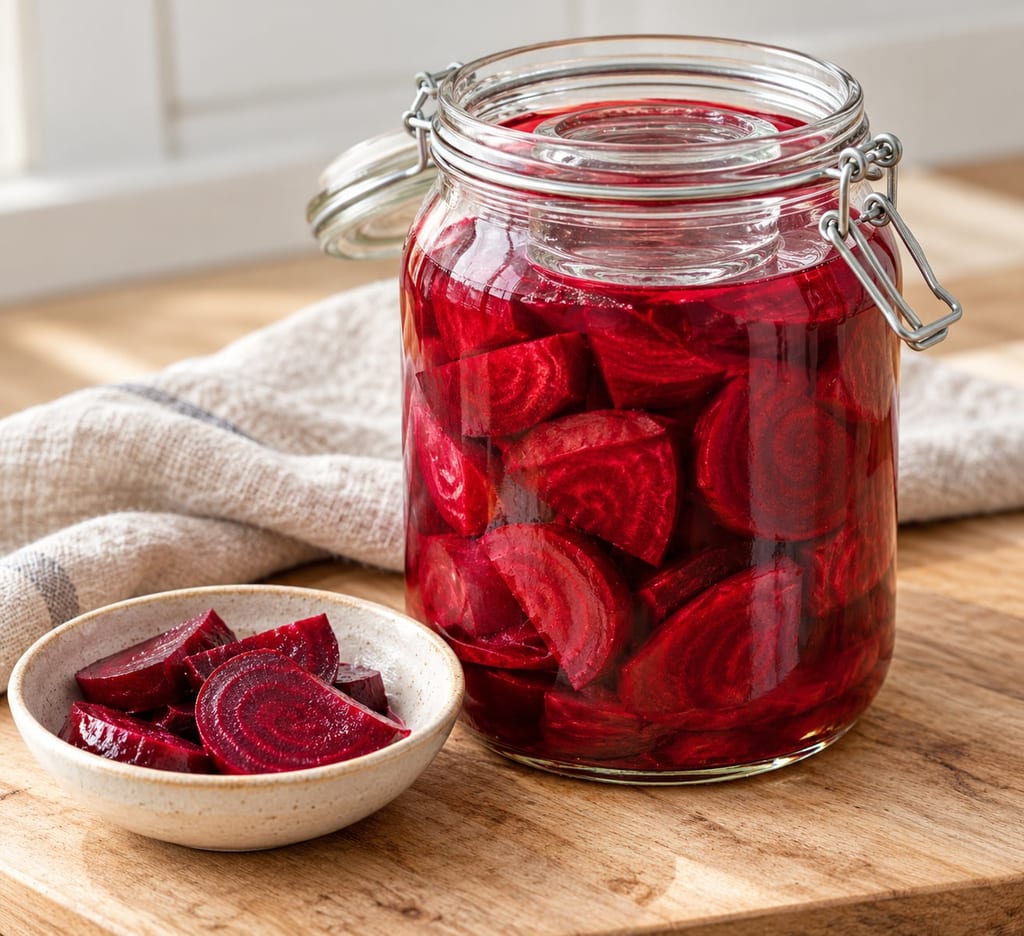
Raw beetroot cut and packed into a jar under a salt-water brine, fermented until sour and deeply coloured; the batch weight is not recorded.
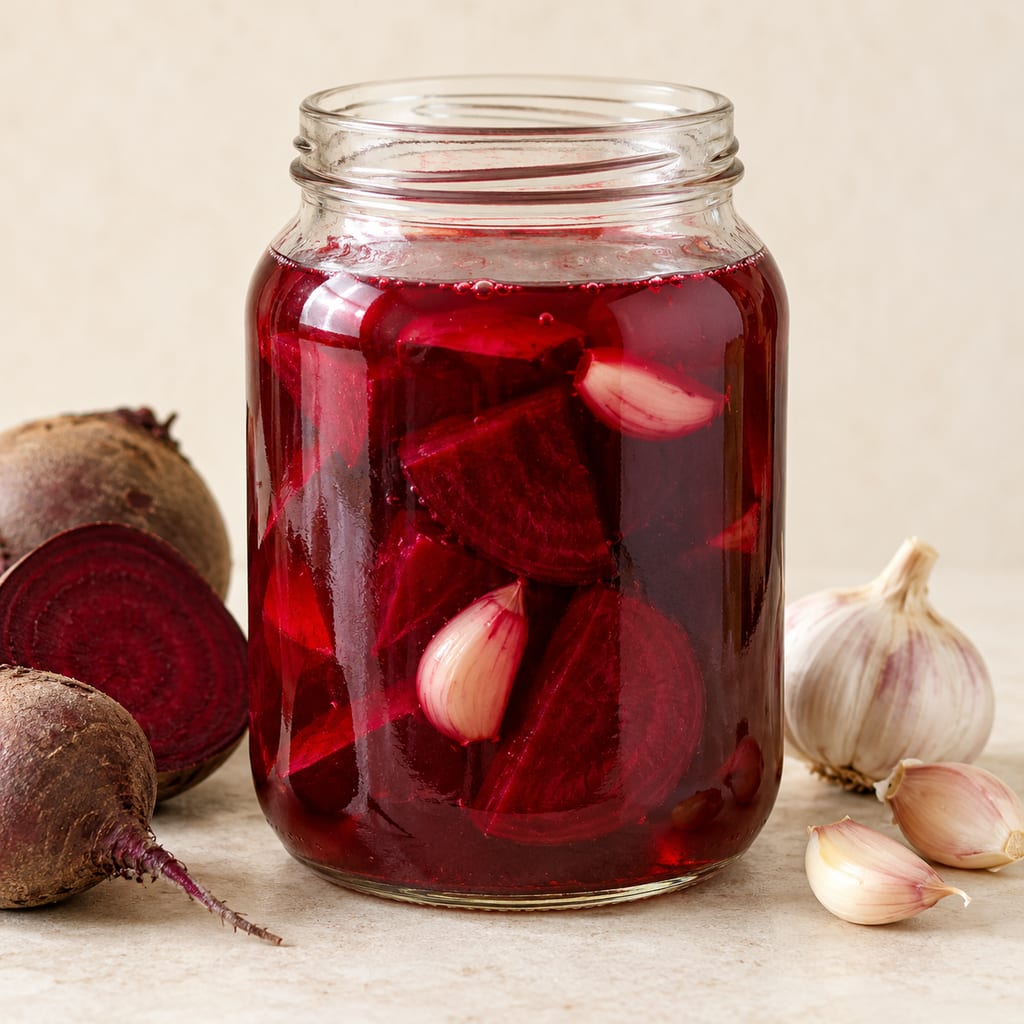
Zakwas buraczany is the fermented red-beet liquid used as the sour base for Polish beet barszcz. The liquid is made from beetroot, garlic, salt and water, and the official sources give no quantities.
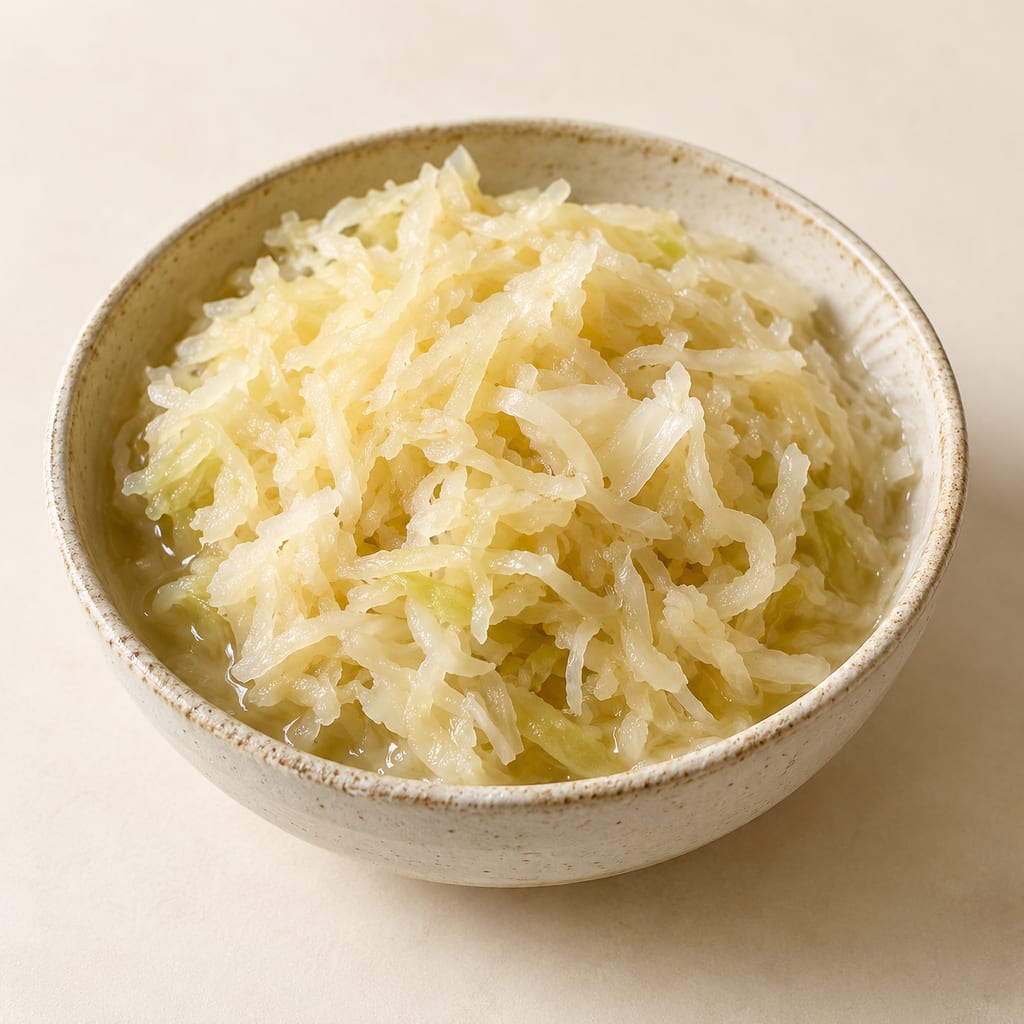
A Penn State Extension crock method mixes 5 lb of shredded cabbage with 3 tablespoons of canning or pickling salt, packs it under its own brine and ferments it in a covered container.
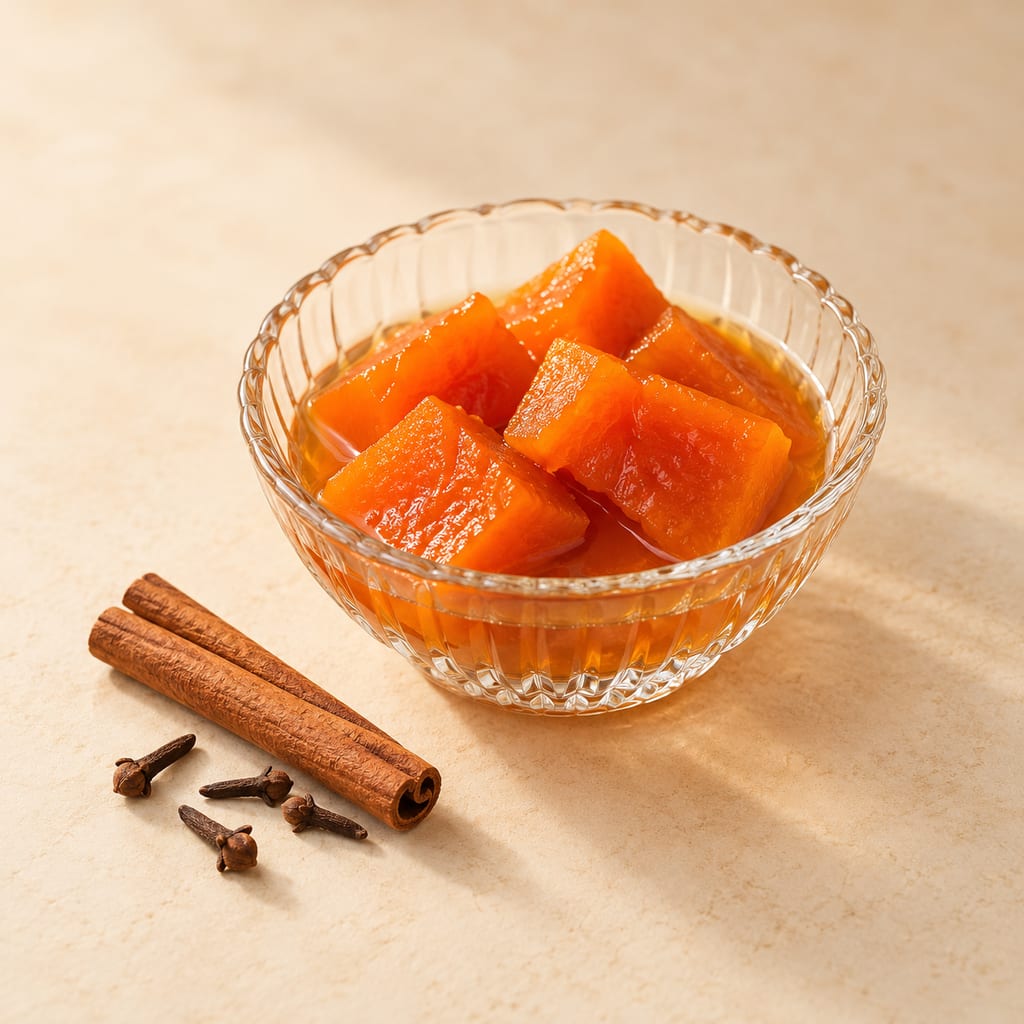
Brazilian doce de abóbora: Freeze for winter; small fresh portion refrigerated up to 48 hours.
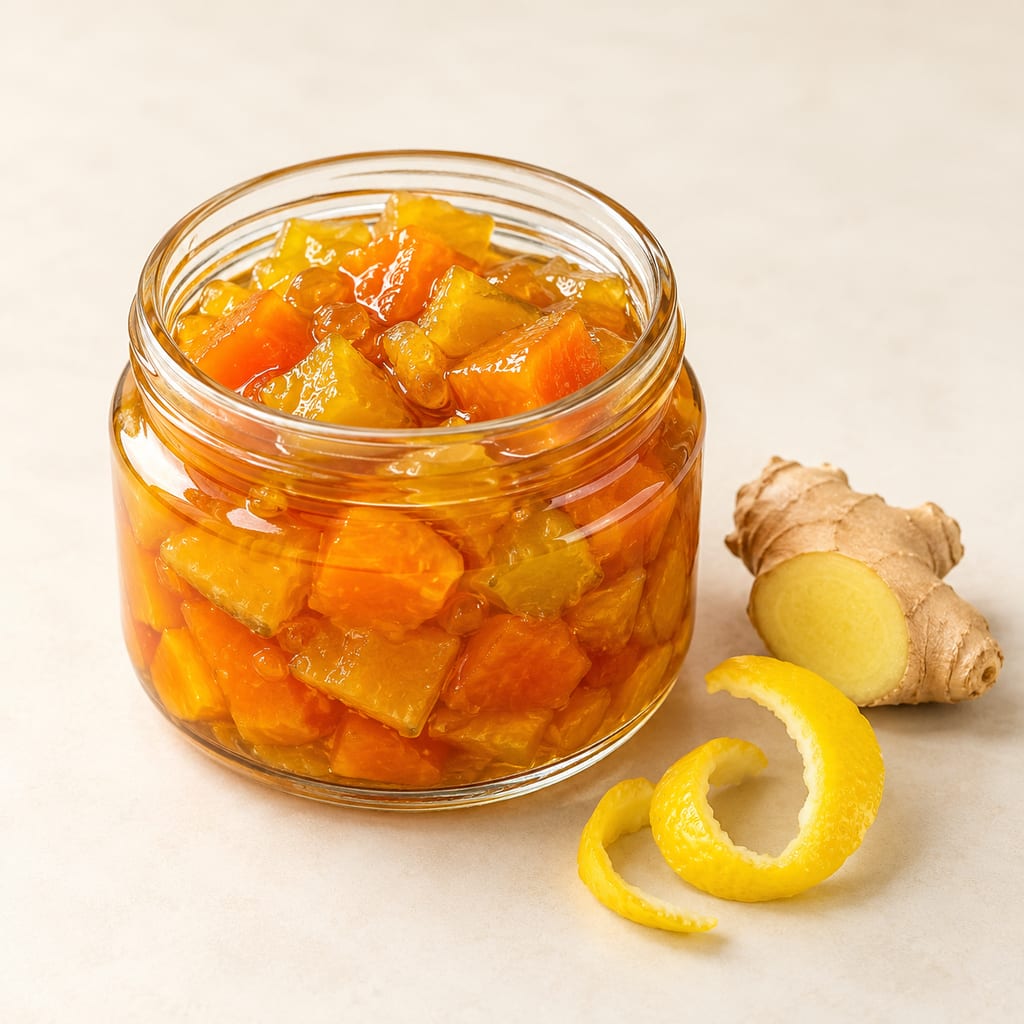
English lemon-and-ginger preserved pumpkin, after an 1861 recipe: Freeze for winter; small fresh portion refrigerated up to 48 hours.
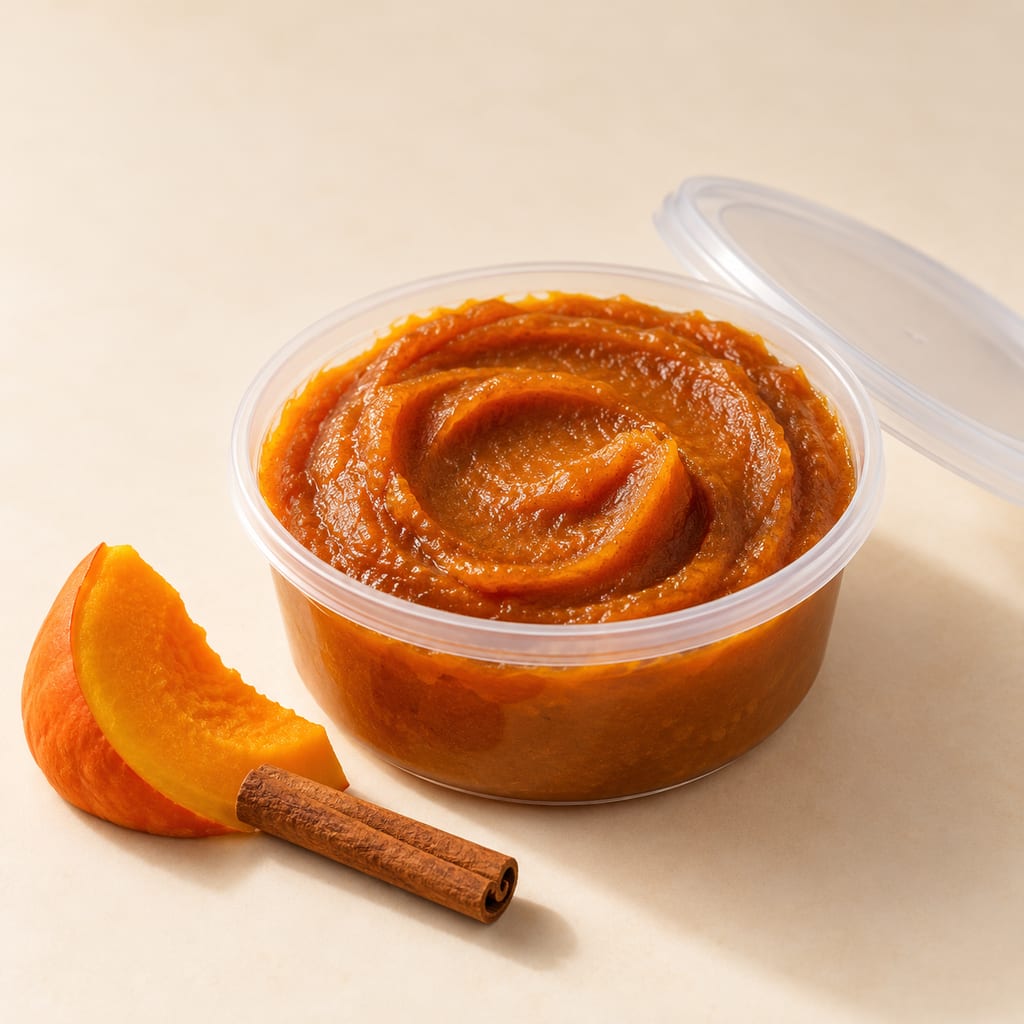
Spiced freezer pumpkin butter: Freeze for winter; small fresh portion refrigerated up to 48 hours.
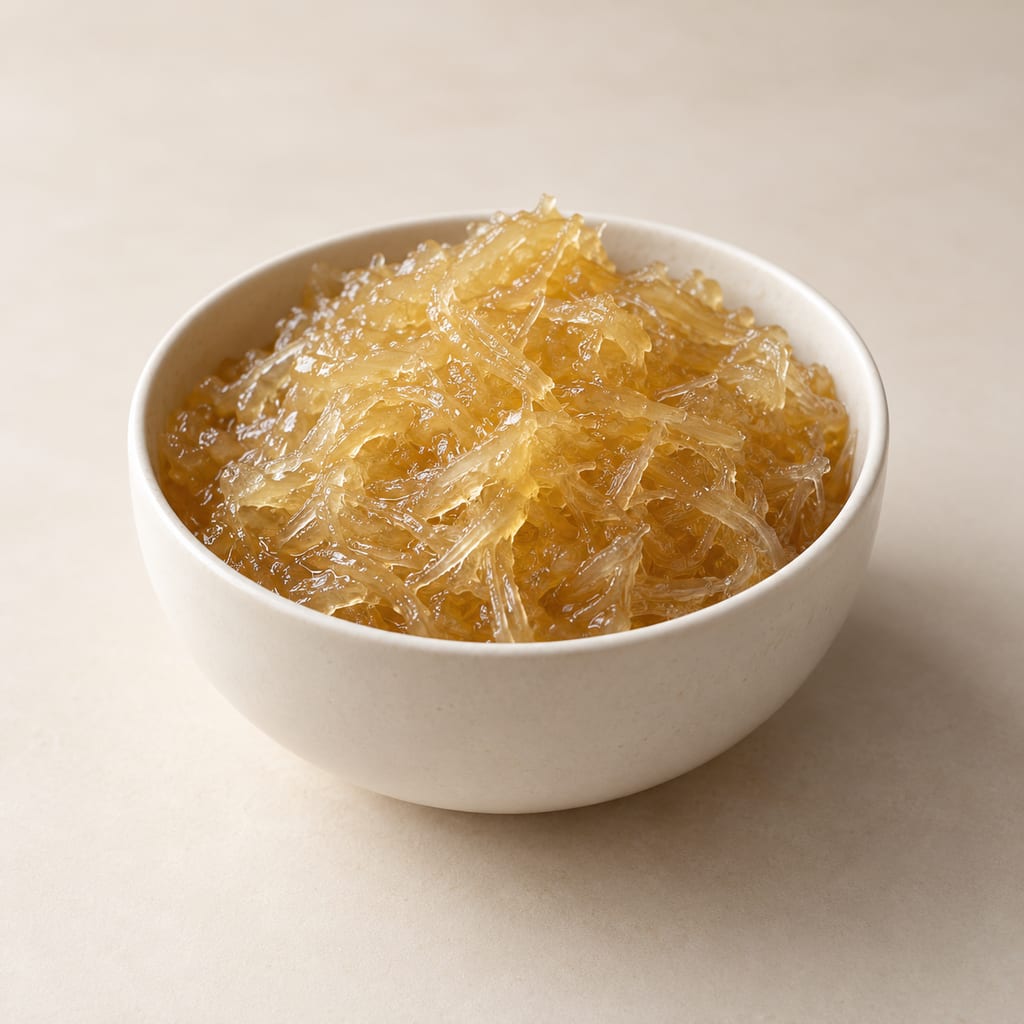
Fine strands of Cucurbita ficifolia cooked in an equal weight of sugar, then portioned for refrigerator or freezer storage. Ordinary orange pumpkin does not give the same fibres.
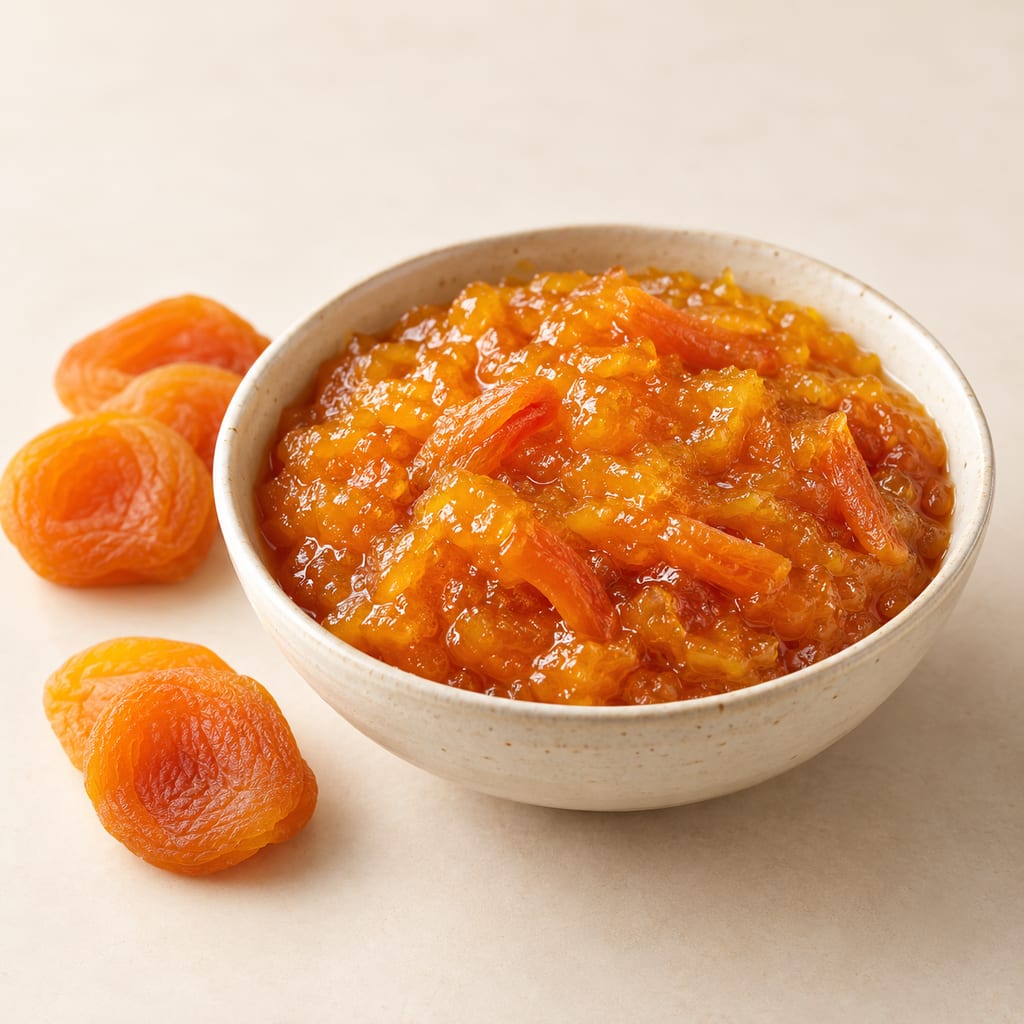
Pumpkin and dried-apricot jam: Freeze for winter; small fresh portion refrigerated up to 48 hours.
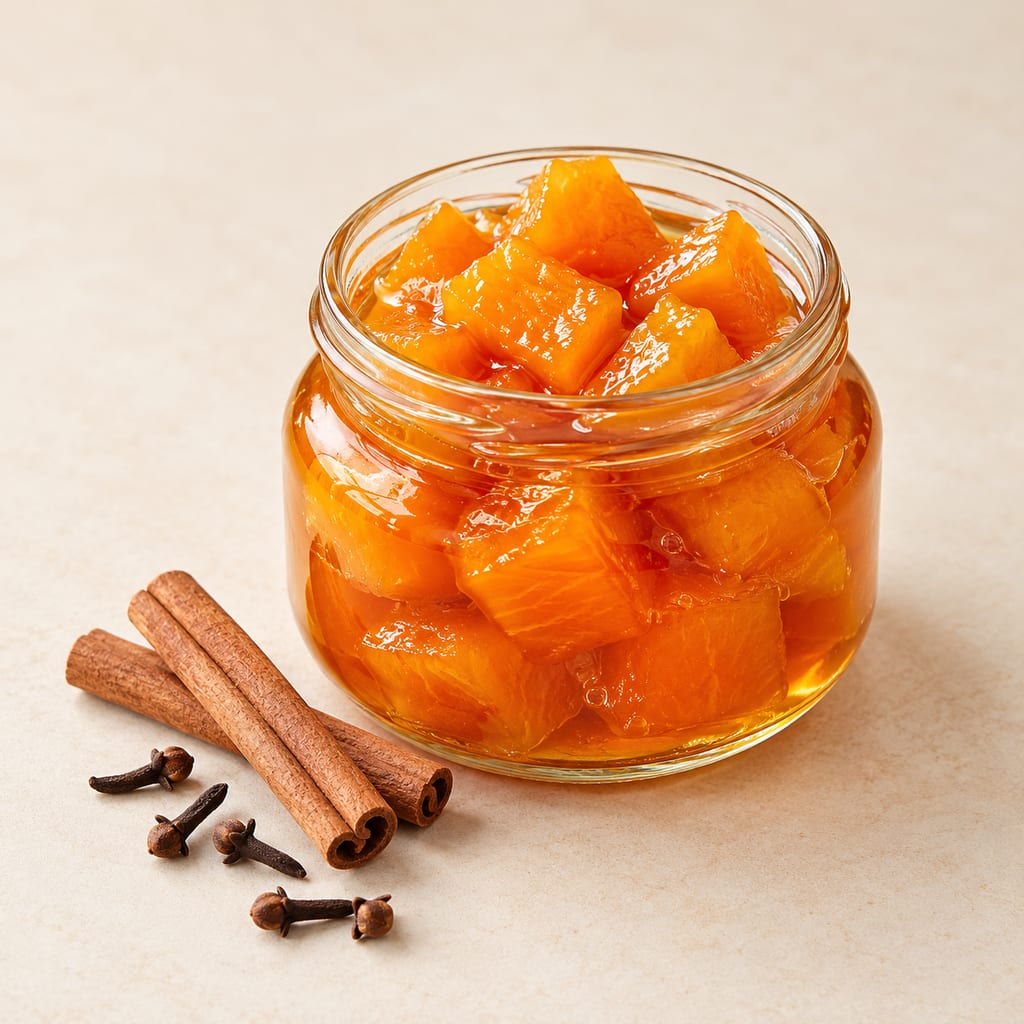
Turkish pumpkin jam without lime: Freeze for winter; small fresh portion refrigerated up to 48 hours.
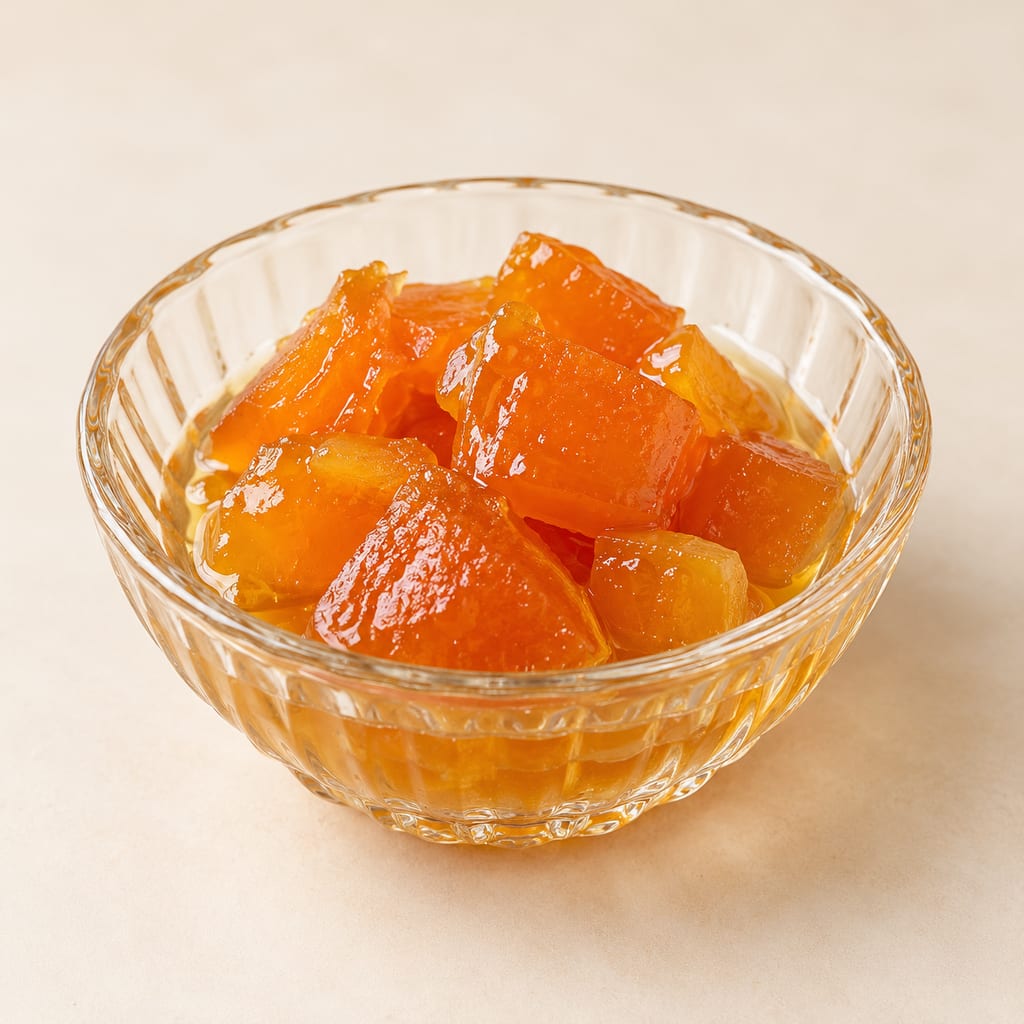
Greek pumpkin spoon sweet, with Cypriot context: Freeze for winter; small fresh portion refrigerated up to 48 hours.
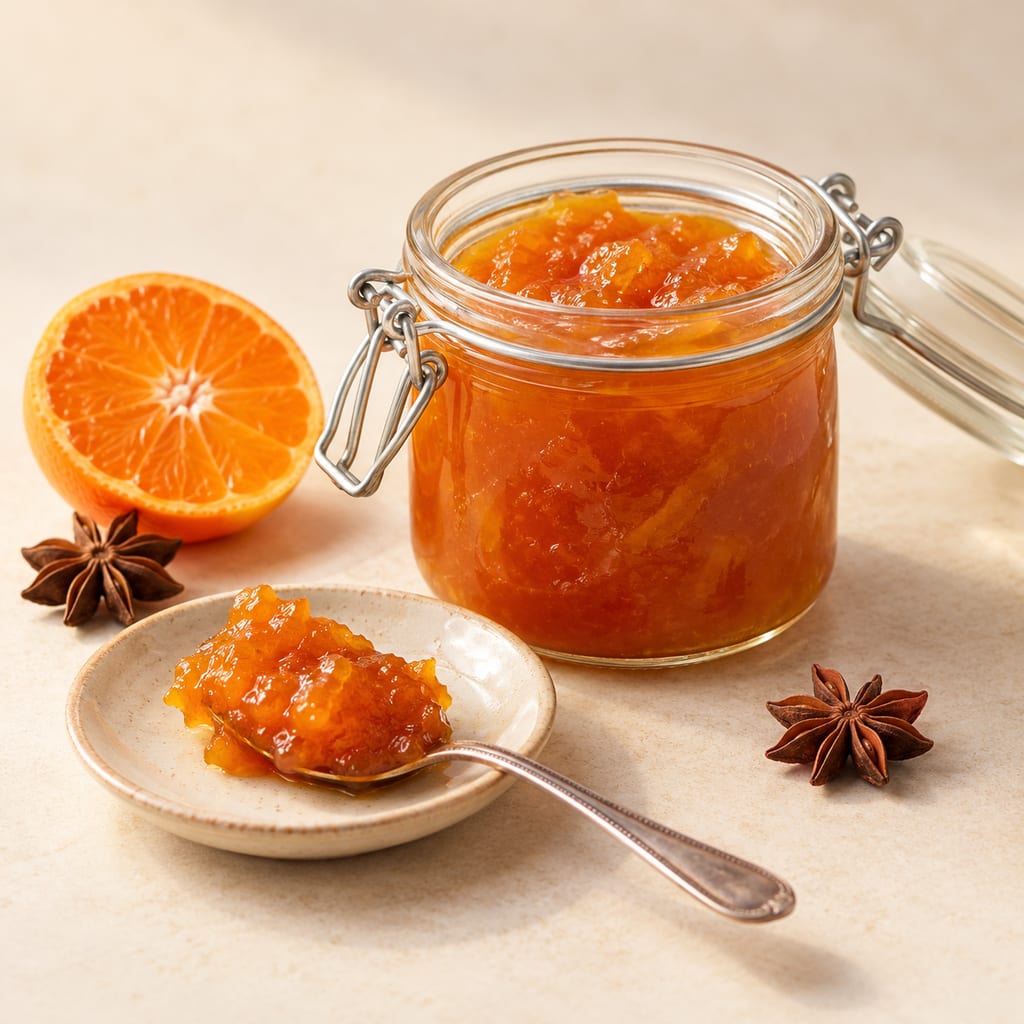
Portuguese pumpkin jam: Freeze for winter; small fresh portion refrigerated up to 48 hours.
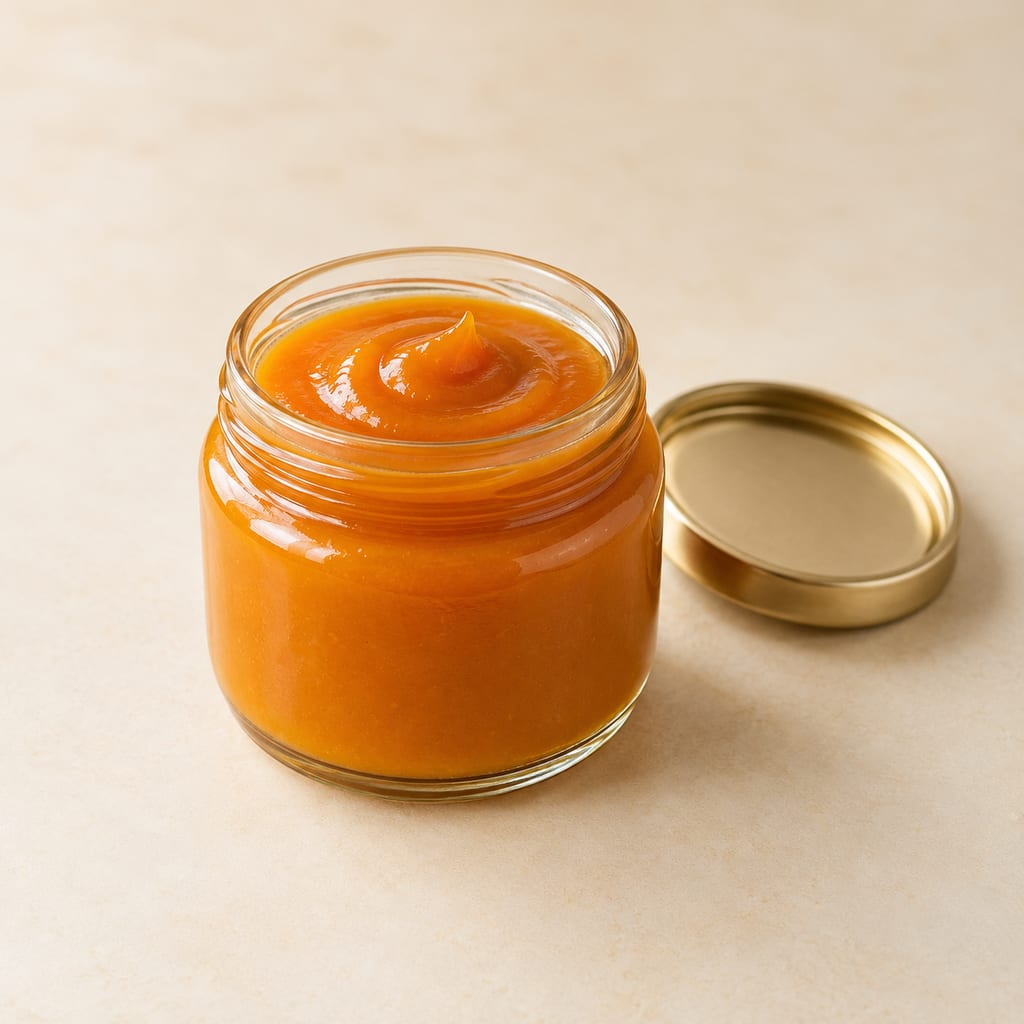
Kalabasa catsup: Freeze for winter; small fresh portion refrigerated up to 48 hours.
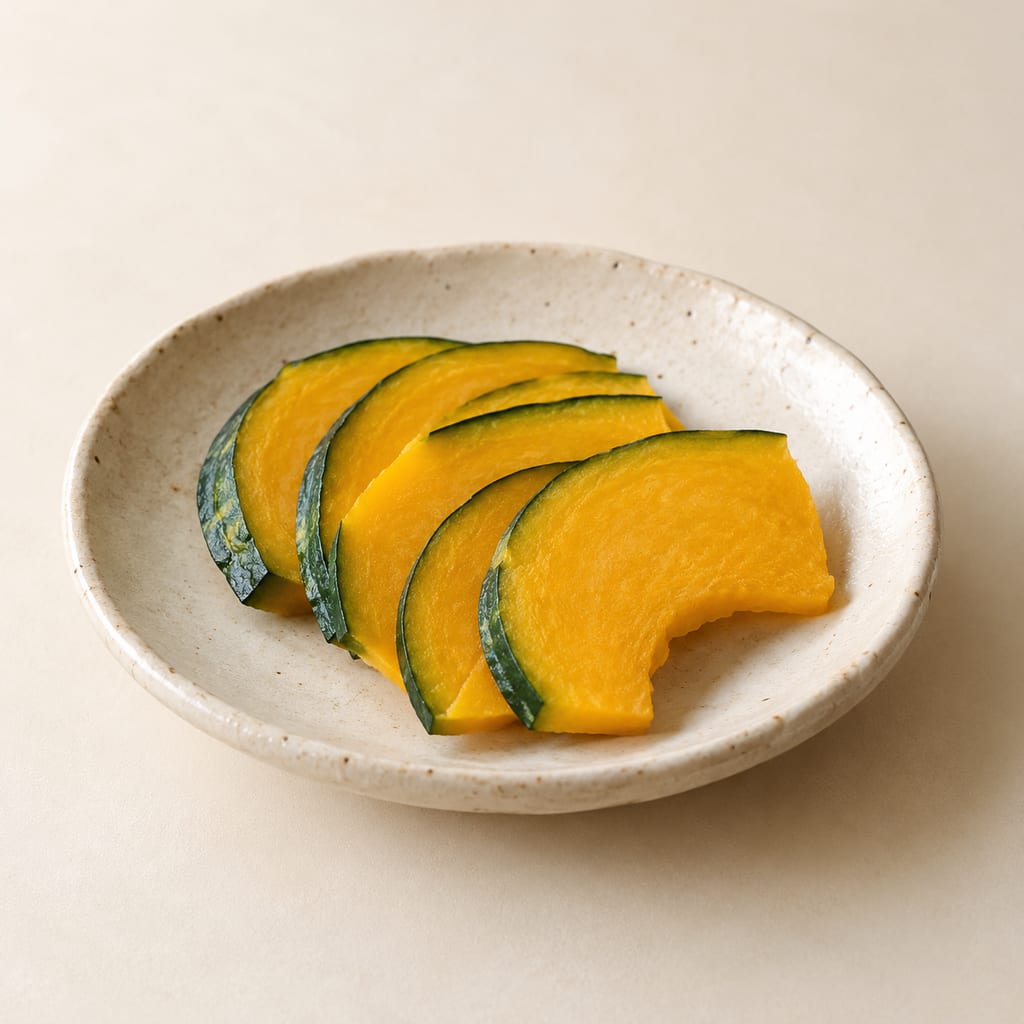
Kabocha no nukazuke: Refrigerated commercial fermented bed; use removed portions the same day.
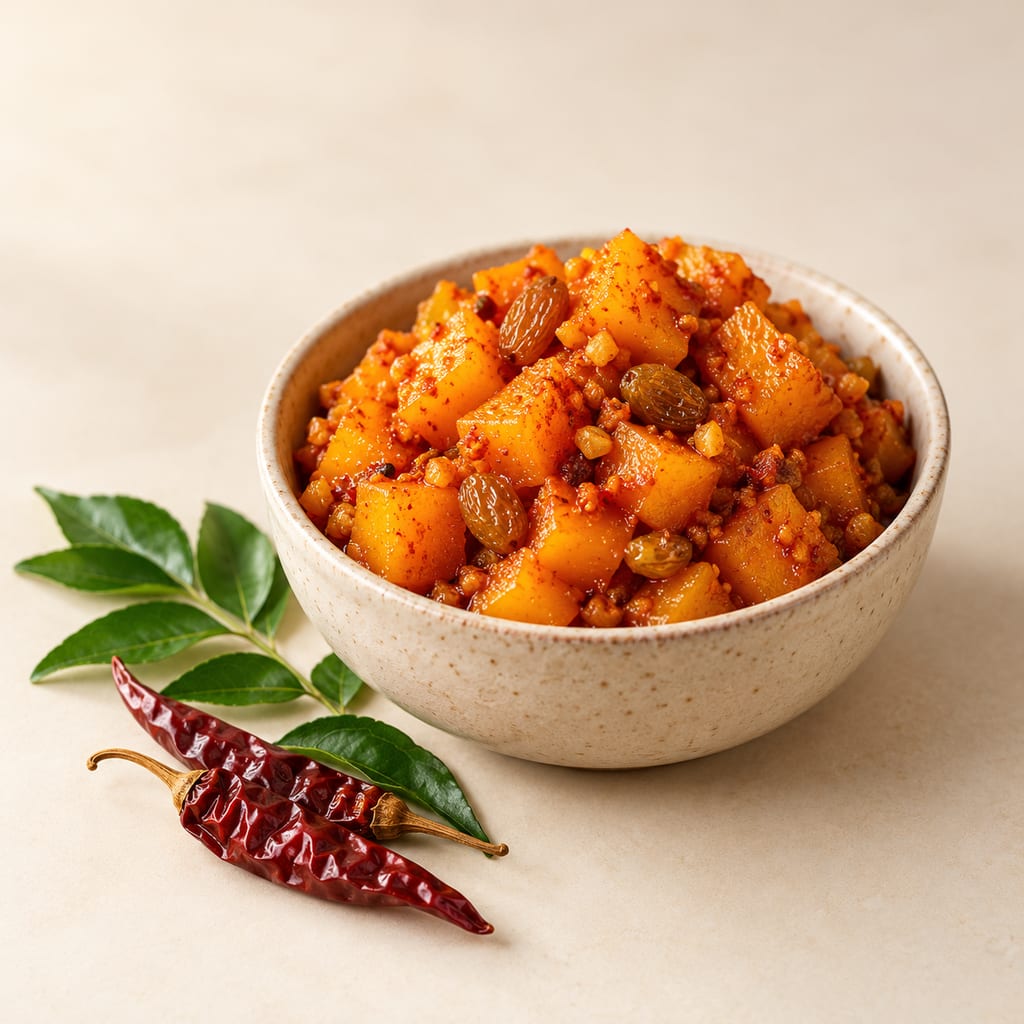
Mathanga achar: Freeze for winter; small fresh portion refrigerated up to 48 hours.
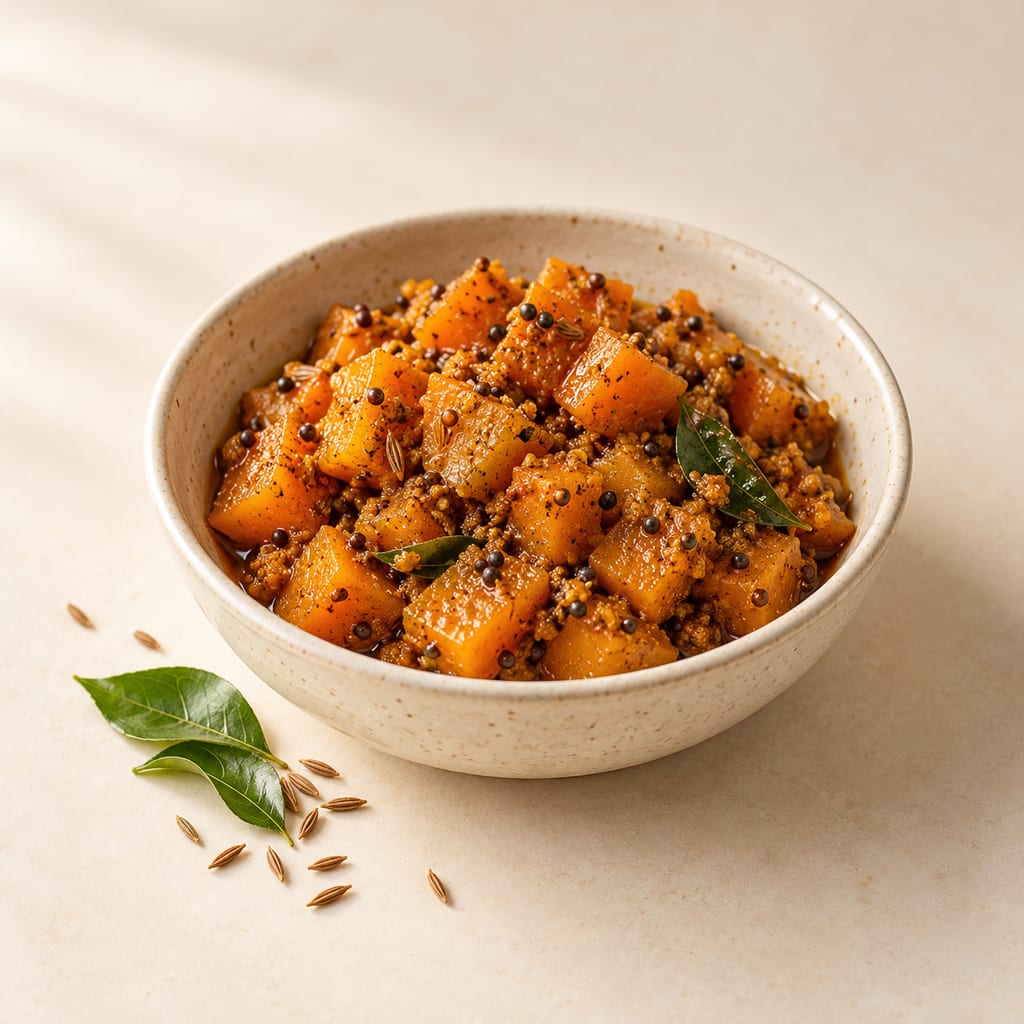
South African pumpkin atchar: Freeze for winter; refrigerated 48-hour limit includes overnight marination.
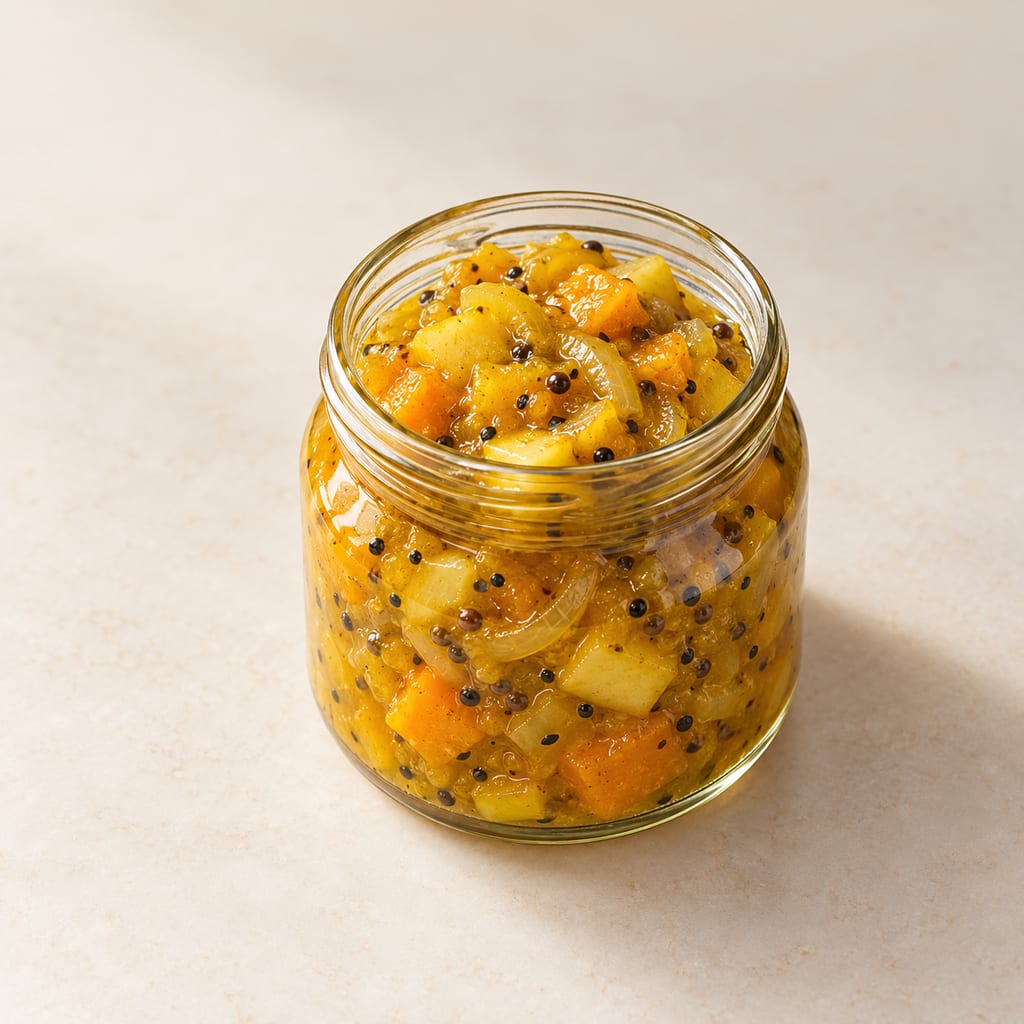
British pumpkin, apple and mustard pickle: Freeze for winter; small fresh portion refrigerated up to 48 hours.
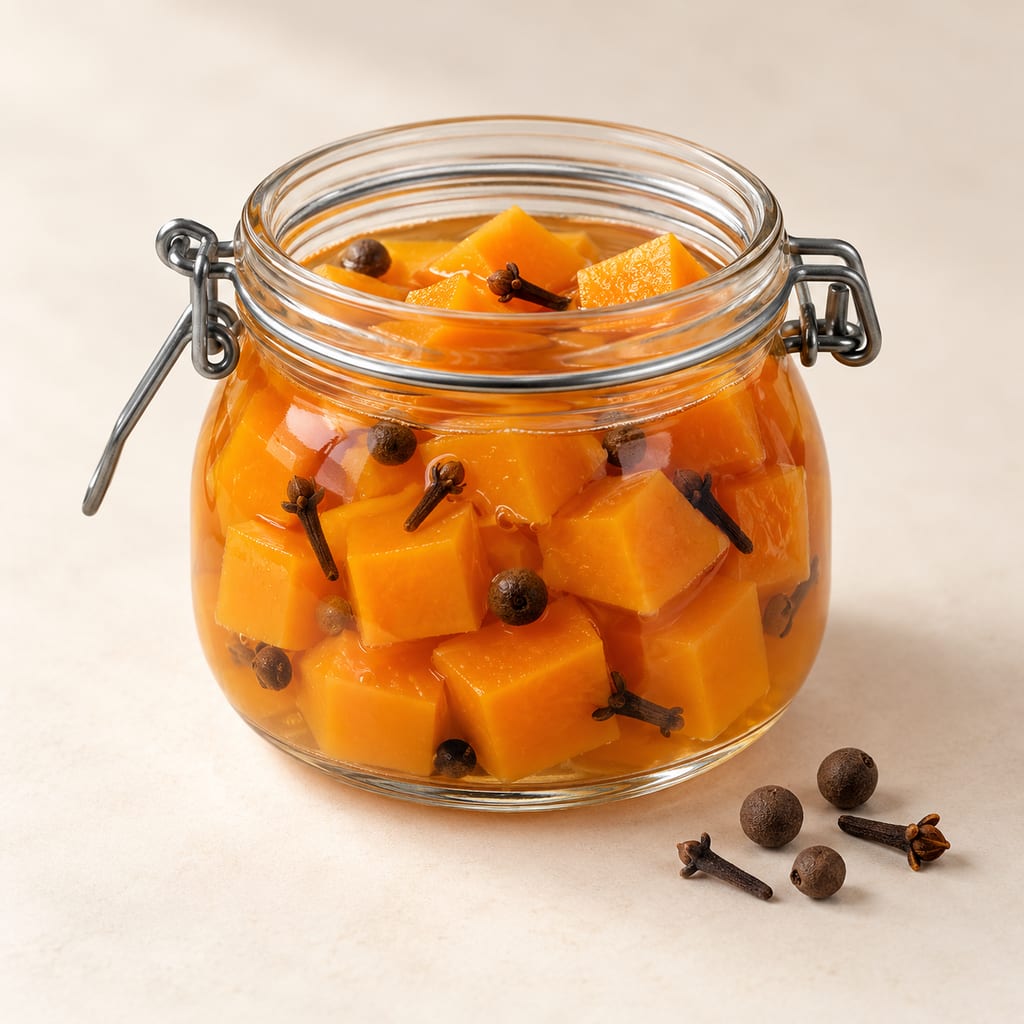
Dynia marynowana: Freeze for winter; small fresh portion refrigerated up to 48 hours.
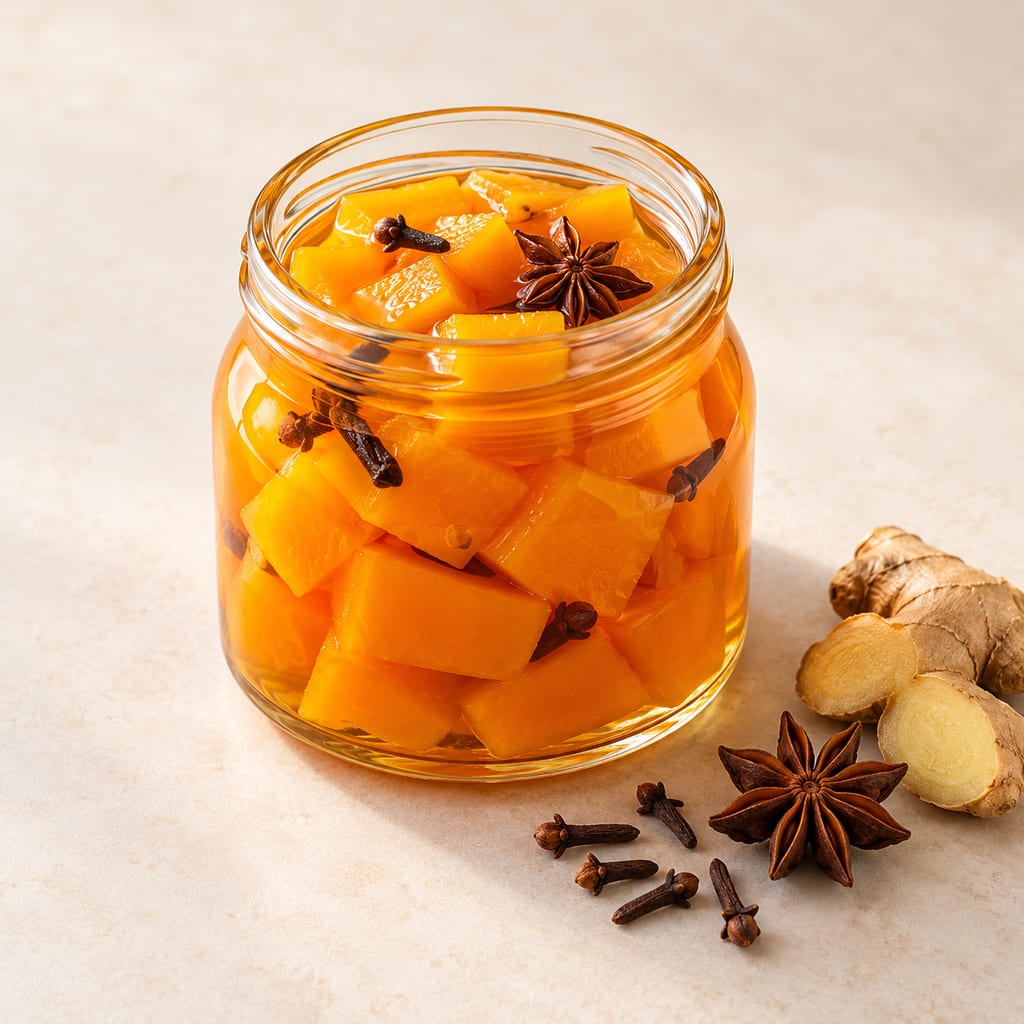
Marineeritud kõrvits: Freeze for winter; small fresh portion refrigerated up to 48 hours.
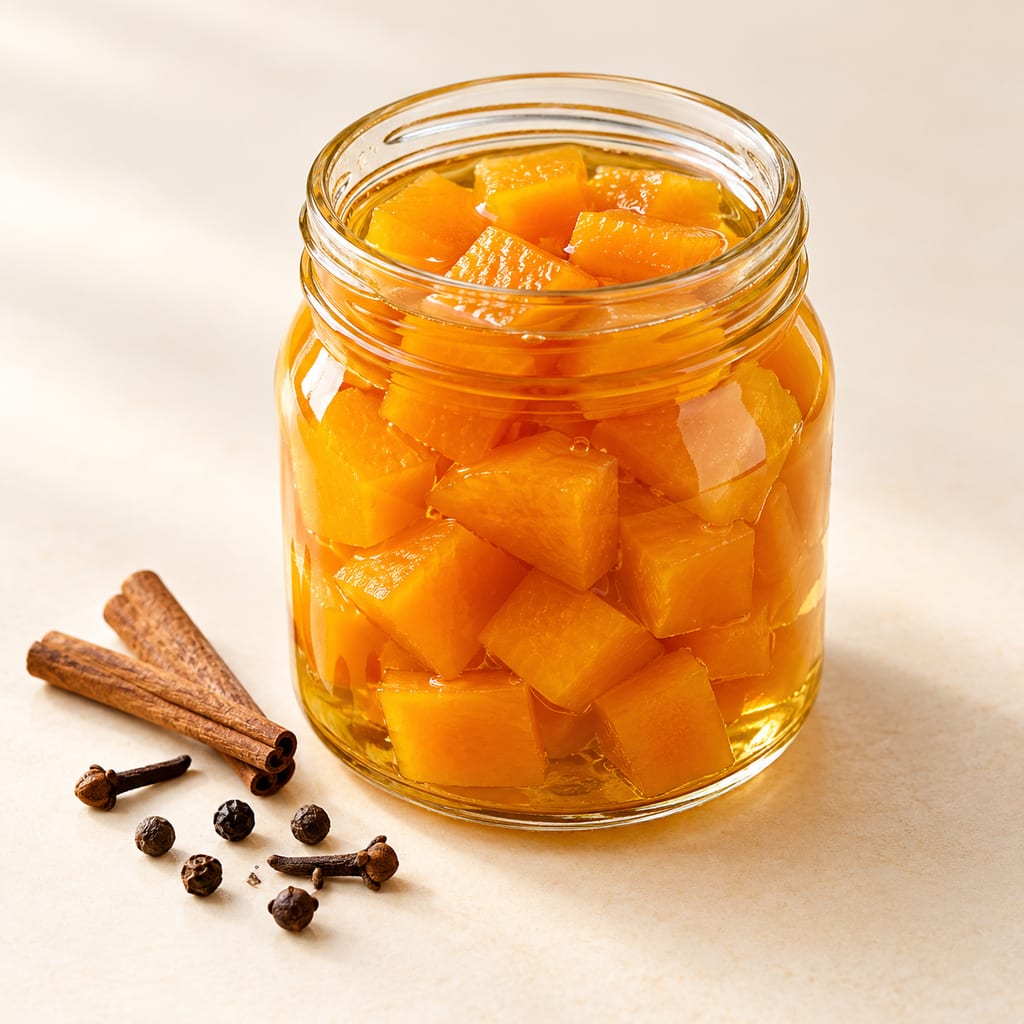
Ball sweet pumpkin pickles: Cupboard: exact published Ball formulation and water-bath process.
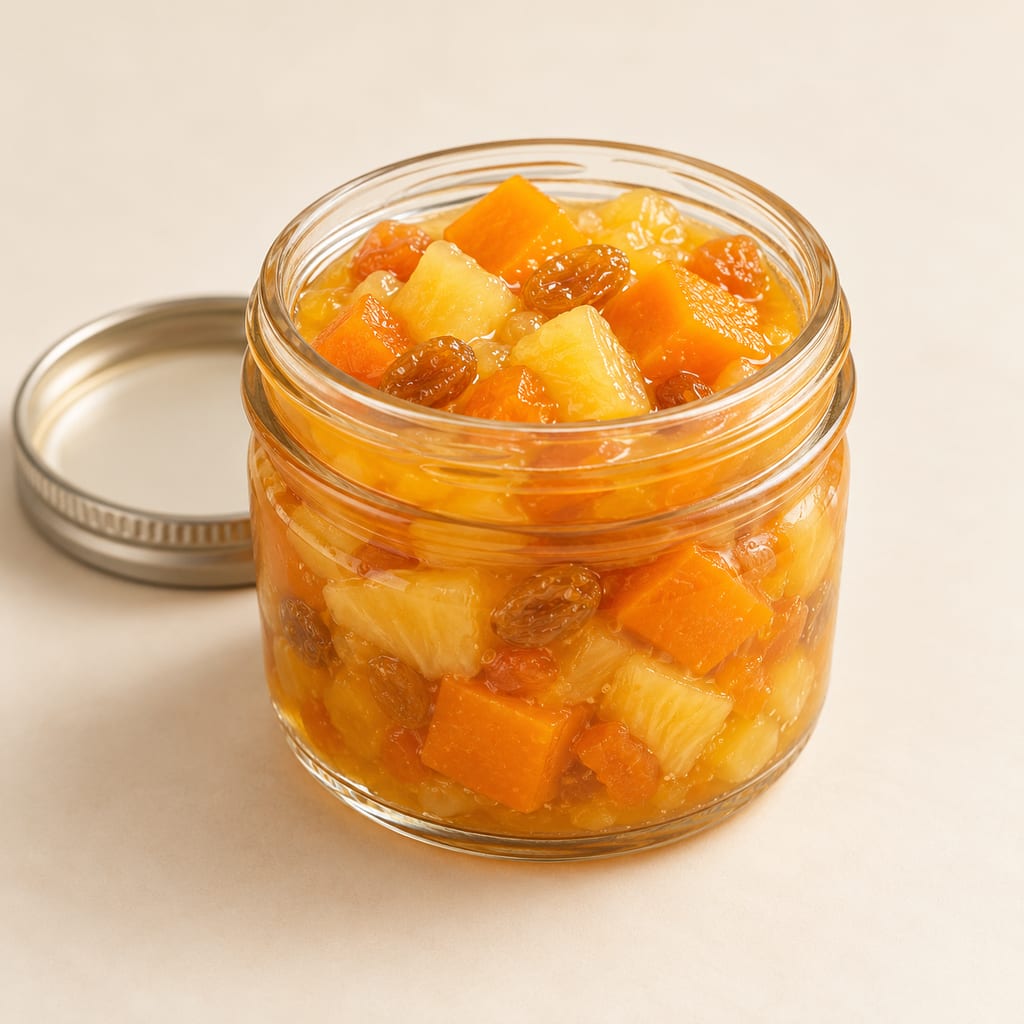
Pumpkin and pineapple Autumn Glory compote: Cupboard: exact Bernardin formulation and water-bath process.
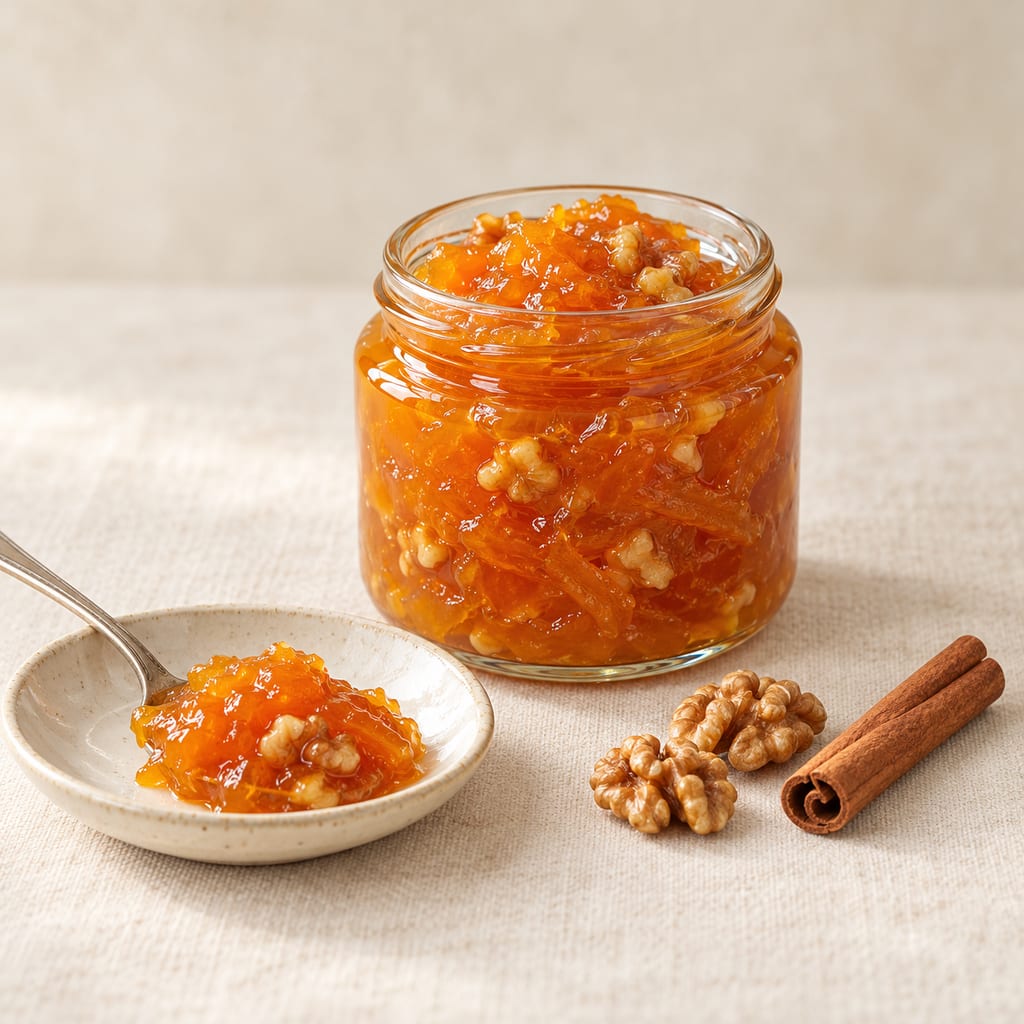
Portuguese pumpkin jam cooked with cinnamon and optional walnuts. A sweet spread to refrigerate or freeze, rather than a home-canned preserve.
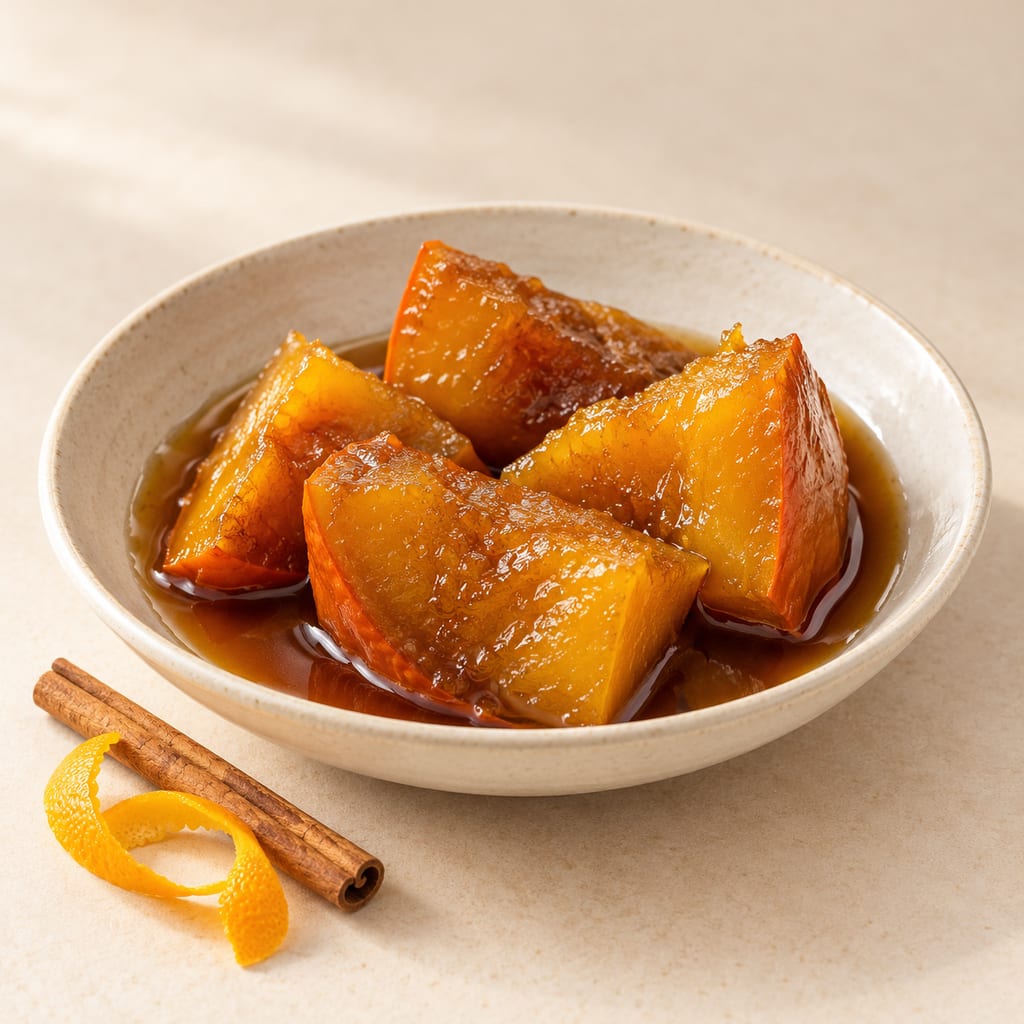
Rind-on pumpkin simmered with piloncillo, orange and cinnamon until glazed. This Mexican sweet keeps refrigerated for up to one week.
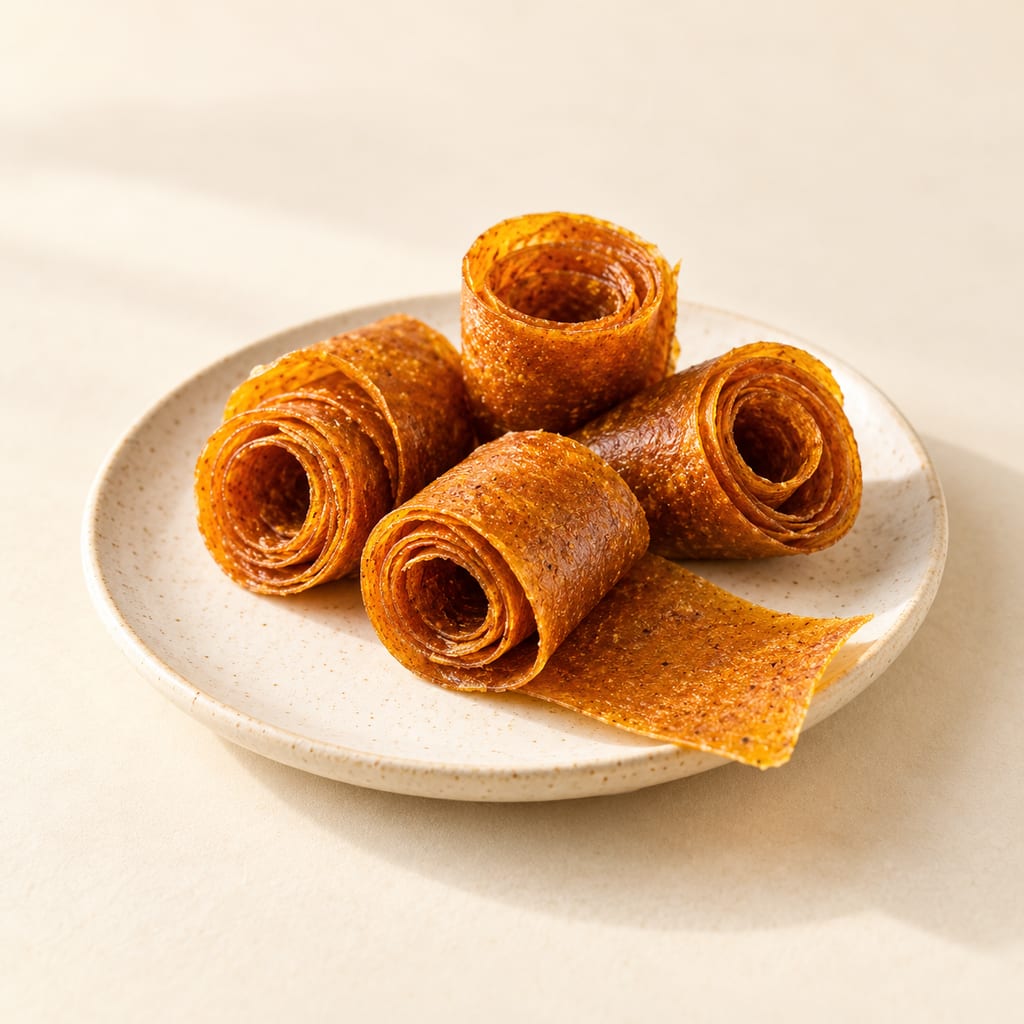
Cooked pumpkin blended with honey, cinnamon, nutmeg and cloves, spread thinly and dried into a rollable sheet.
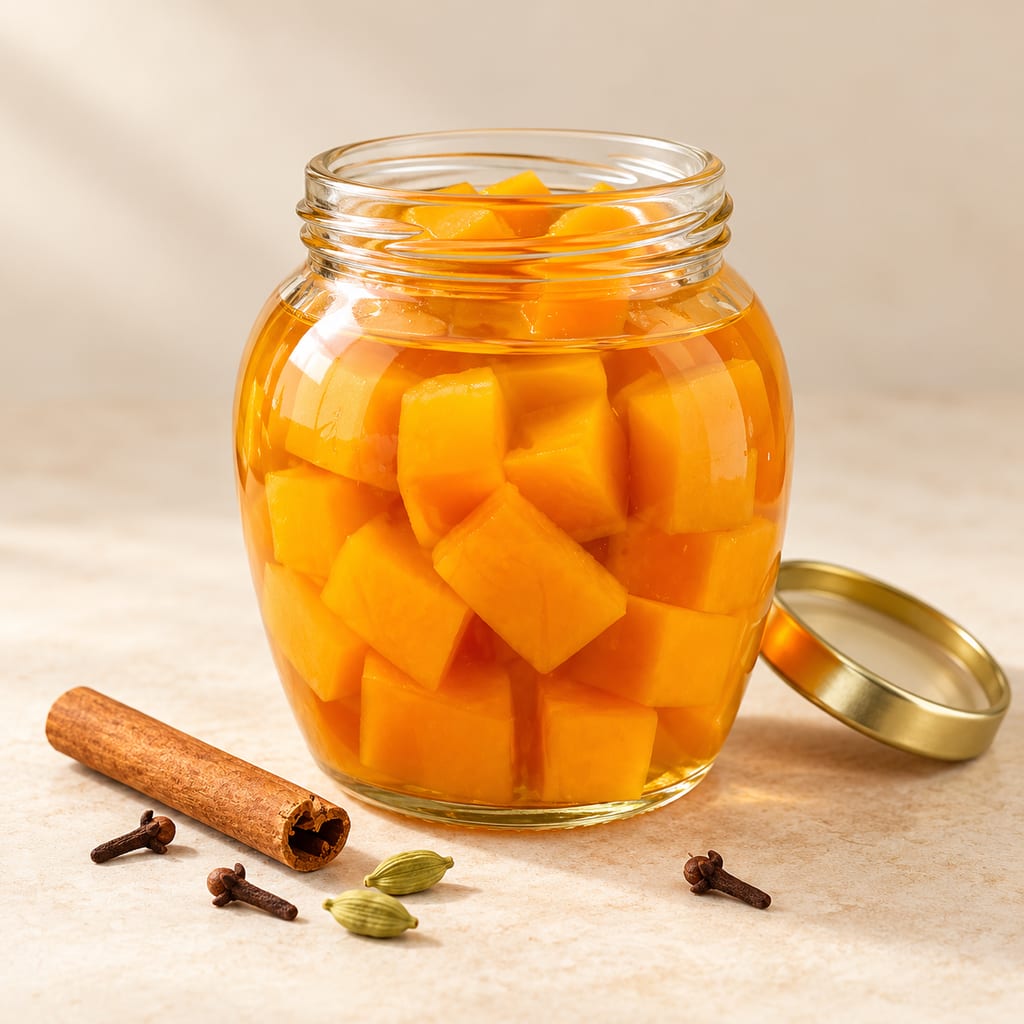
Pumpkin simmered with 5% vinegar, sugar, cinnamon, cardamom and cloves, then chilled. A sweet-sour pickle for the refrigerator.
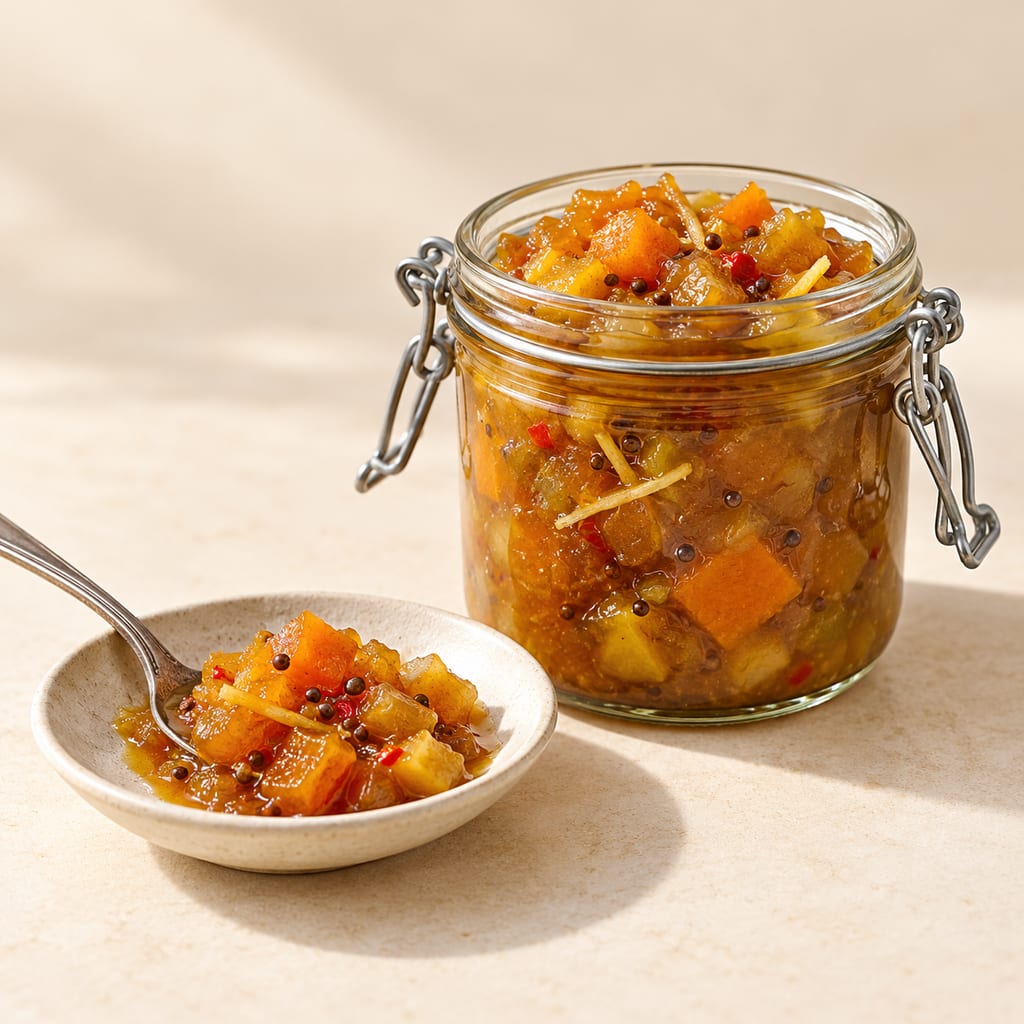
Pumpkin chunks and tart apples cooked with ginger, whole spices and cider vinegar. This version is for refrigeration or freezing, not cupboard storage.
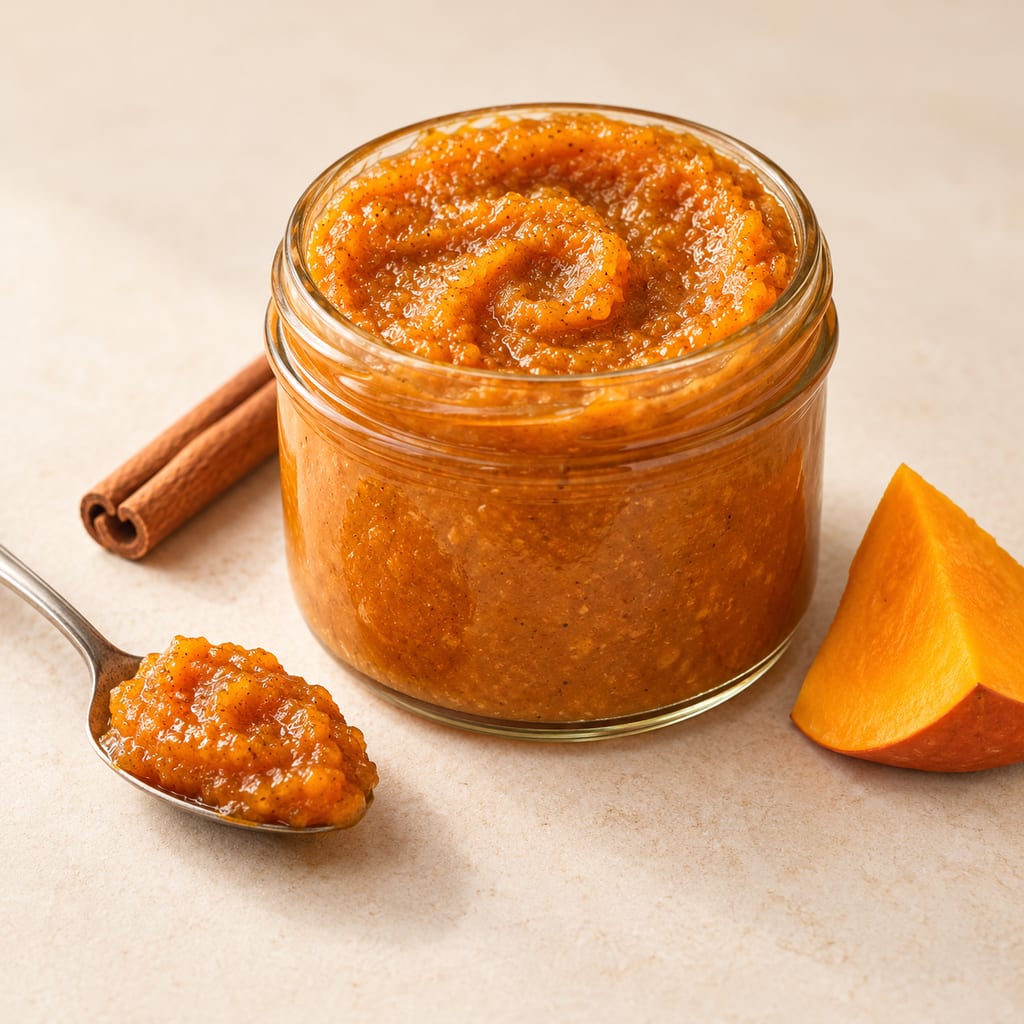
A smooth pumpkin spread cooked with apple juice, lemon and warm spices. Keep it refrigerated for up to seven days, or freeze for longer storage.
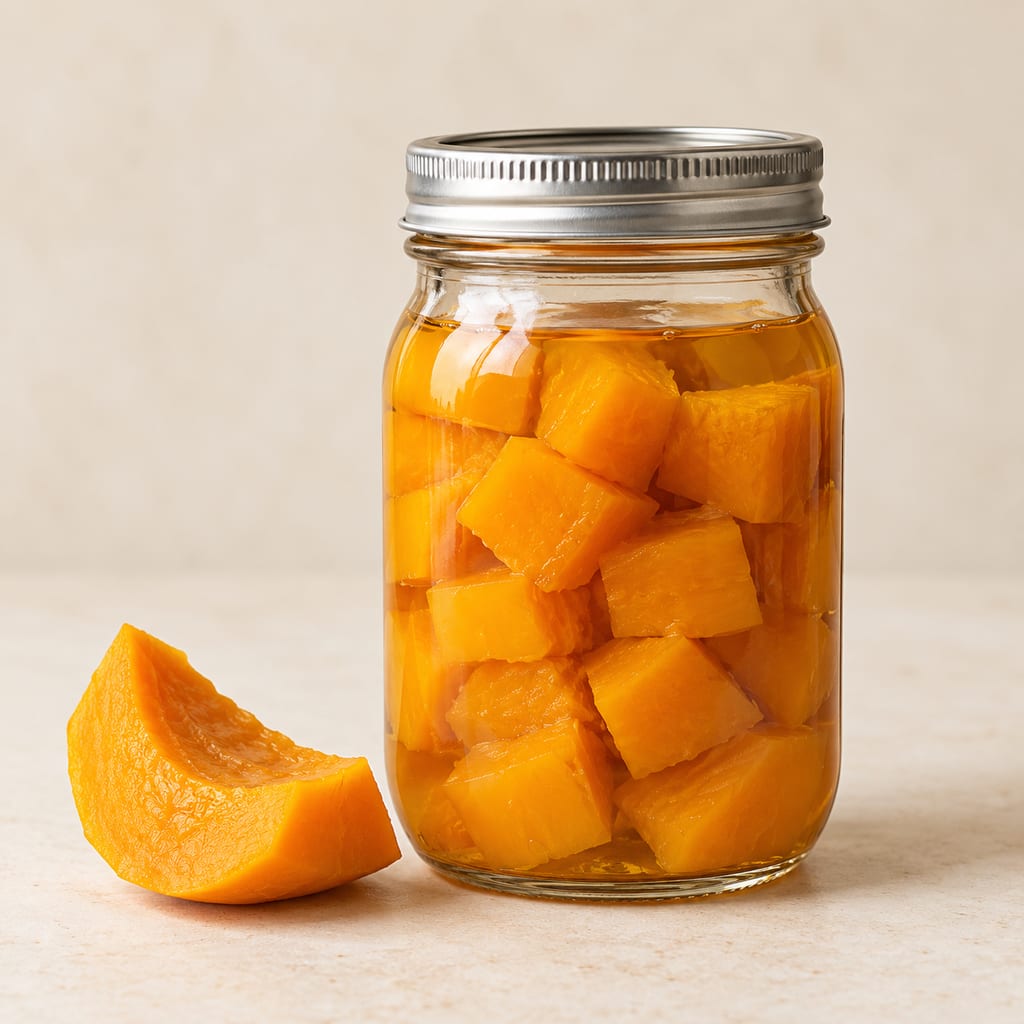
Plain pumpkin cubes hot-packed in water and pressure-canned for later cooking. The pieces stay intact during canning; mash them only after opening.
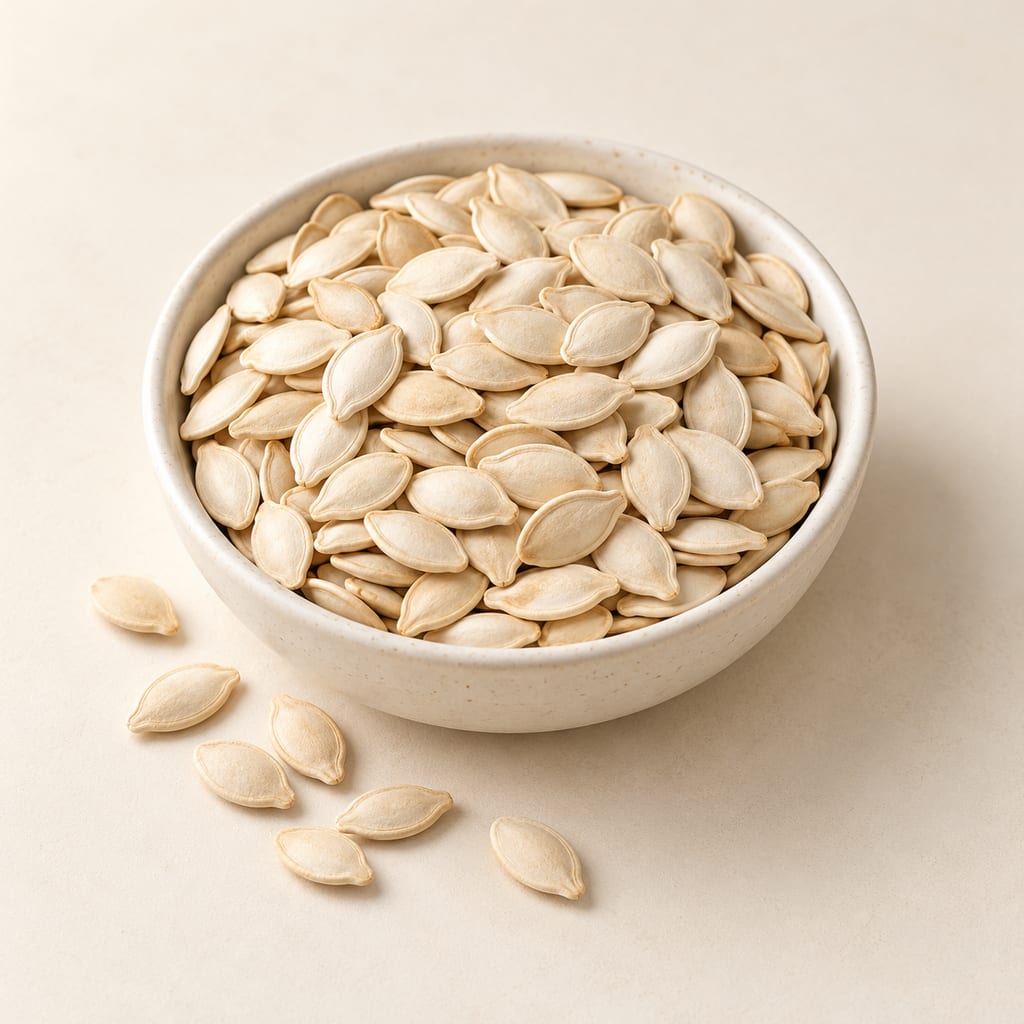
Washed pumpkin seeds dried gently for storage, with an optional roasting step before eating. Refrigerate or freeze the cooled seeds.
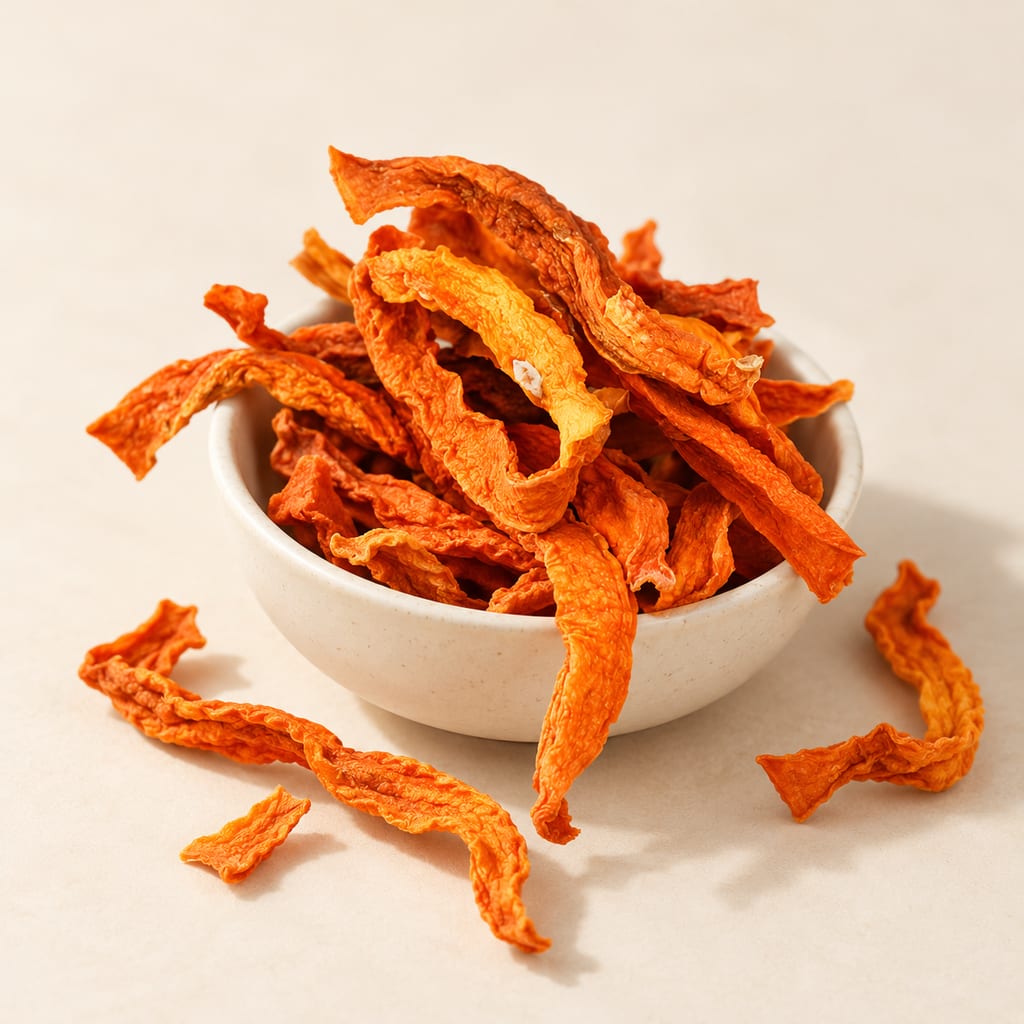
Steam-blanched pumpkin dried until brittle, kept as pieces or ground into powder, with pumpkin-specific packaging and quality guidance.
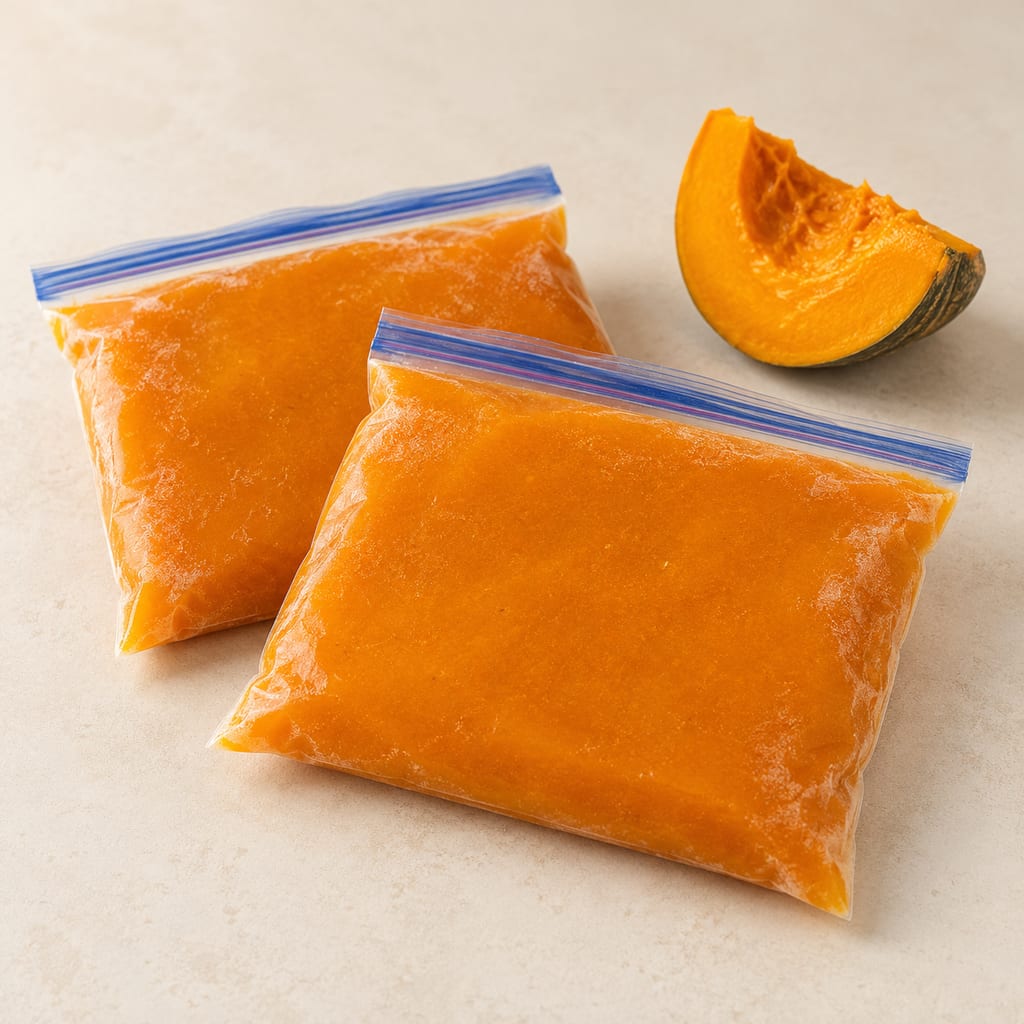
Cooked pumpkin mashed, cooled and frozen in portions: a plain base for pies, soups and baking without canning a dense purée.
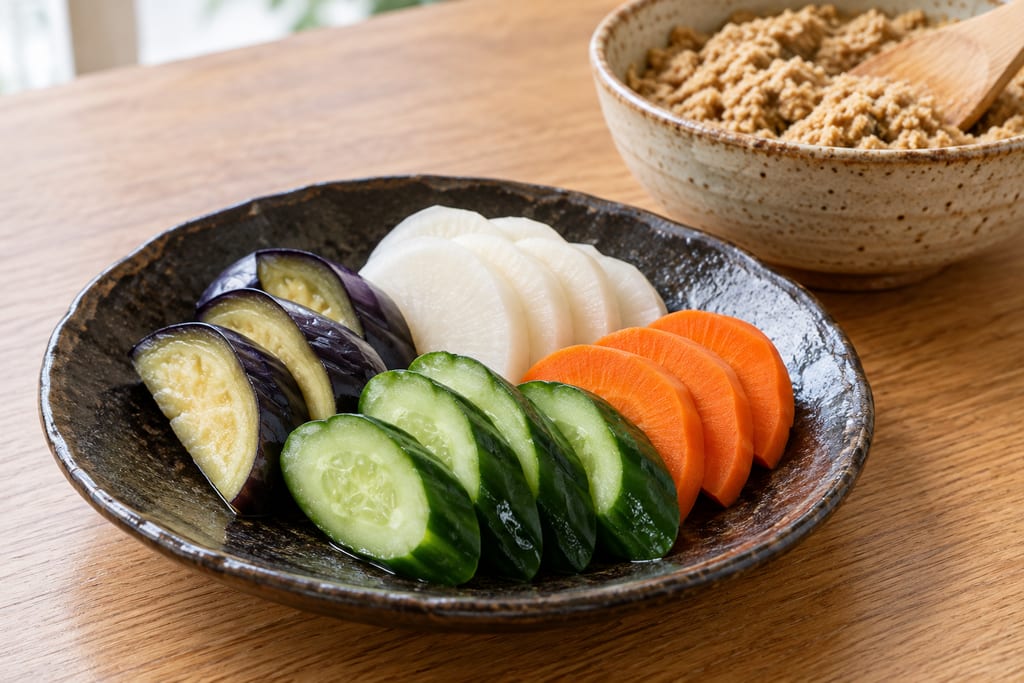
Japanese pickles made by burying vegetables in nukadoko, a reusable bed of rice bran, salt and water that is turned daily and ripened by lactic and yeast fermentation.
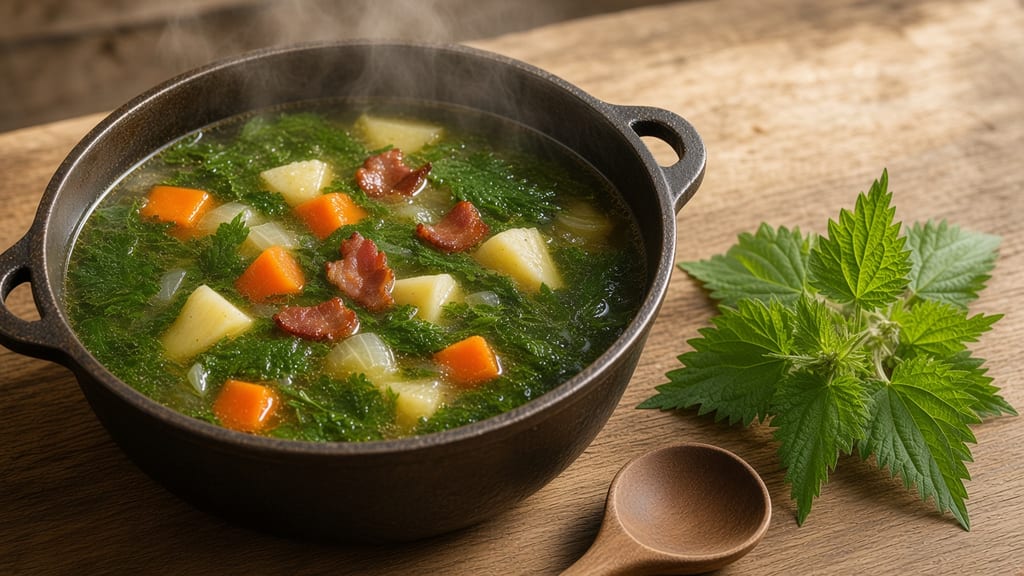
Young stinging nettle shoots cooked with bacon, onion, garlic and three roots into a thick spring soup, from a Danish Viking museum's recipe, with a meat-broth variation and ember-baked turnips.
A spicy South African vegetable relish of onion, carrot, pepper, tomato, curry seasoning and beans, cooked briefly and served warm or cold beside pap and grilled meat.
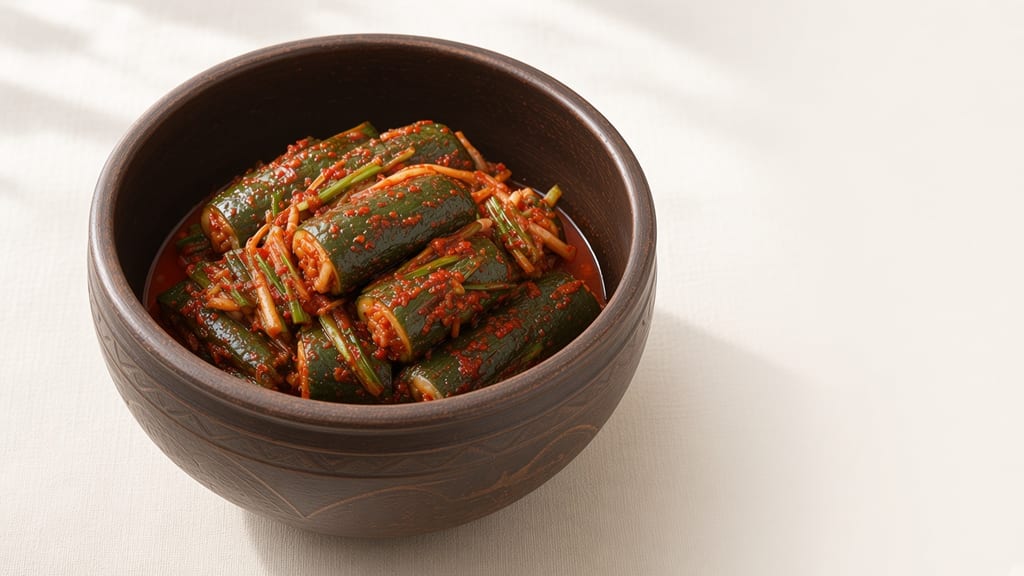
Hwanggwa damjeo is a cucumber kimchi from Yu Jung-rim's Jeungbo sallim gyeongje of 1766. Slit cucumbers are packed with chilli powder and garlic, scalded with hot salted water and sealed overnight.
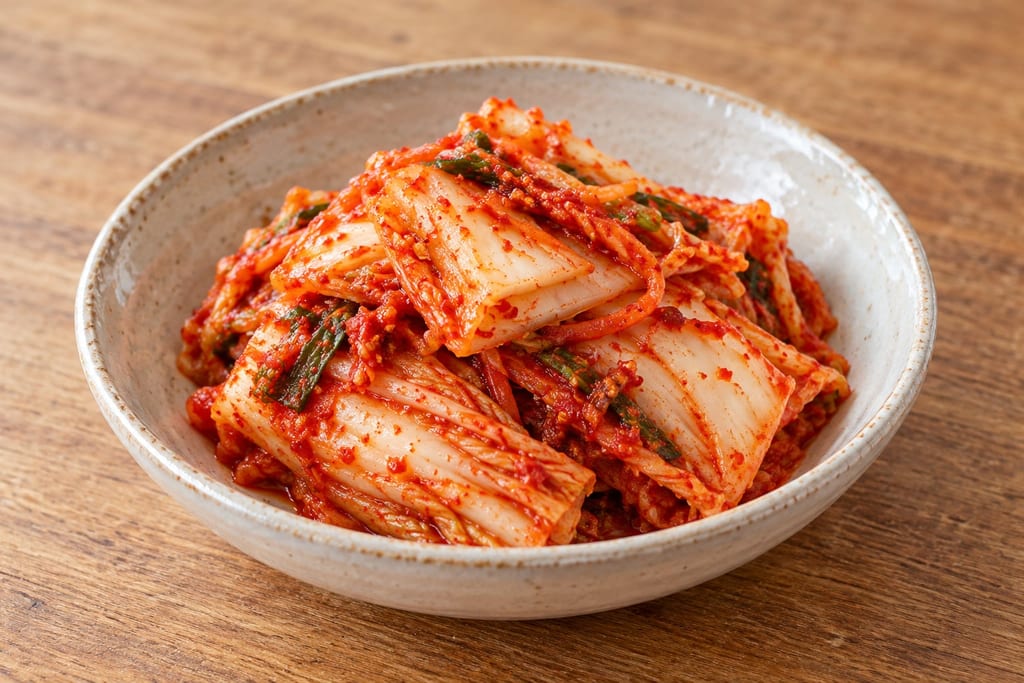
Kimchi is a Korean preserved vegetable food, most often cabbage, salted and seasoned, then fermented by the lactic acid bacteria that arrive with the vegetables. Some studies test added starter cultures, but a home jar is usually spontaneous.
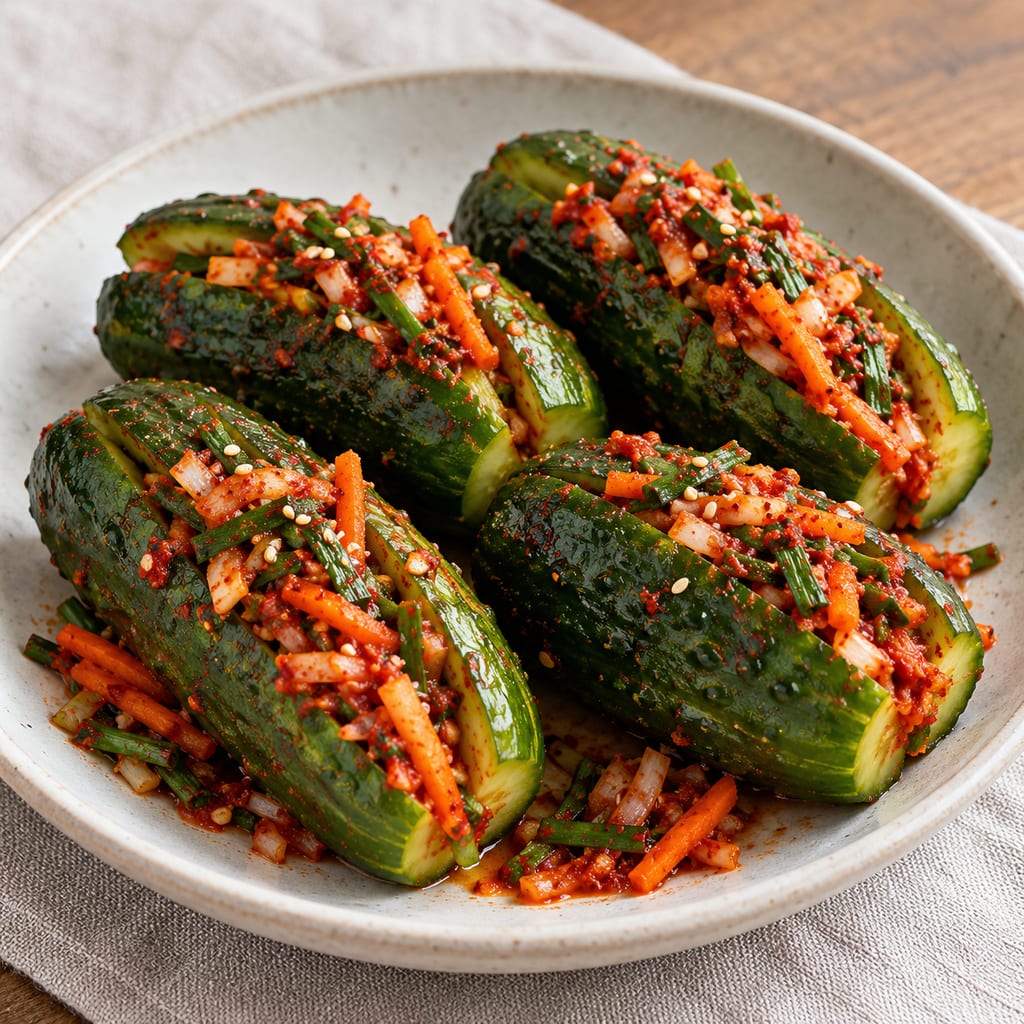
Oi-sobagi is a Korean stuffed cucumber kimchi: salted cucumbers slit and filled with a chive-and-chilli seasoning, eaten fresh or left to ferment.
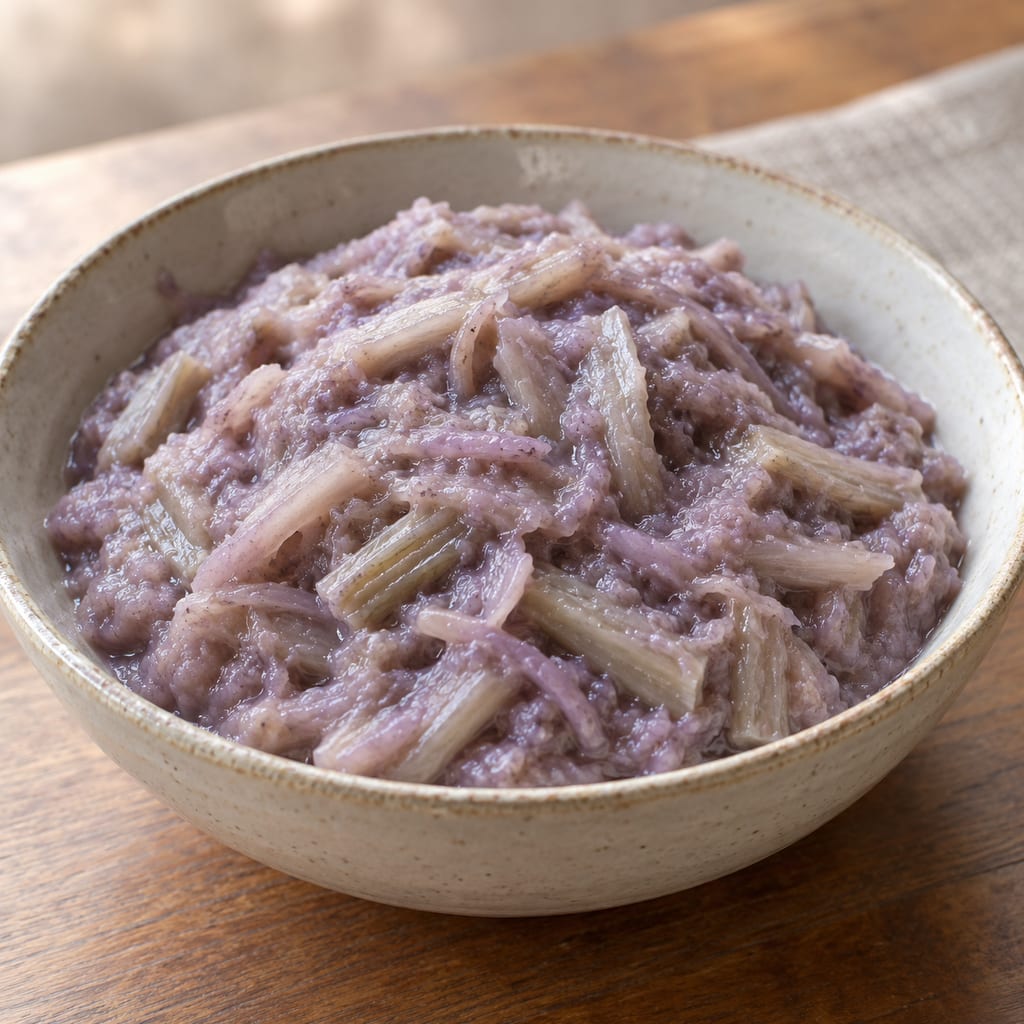
Thai pickle of young taro leaf stalks, salted, kneaded and held in rice-washing water in an earthen jar at room temperature. JIRCAS records it as a home-level product with no validated endpoint.
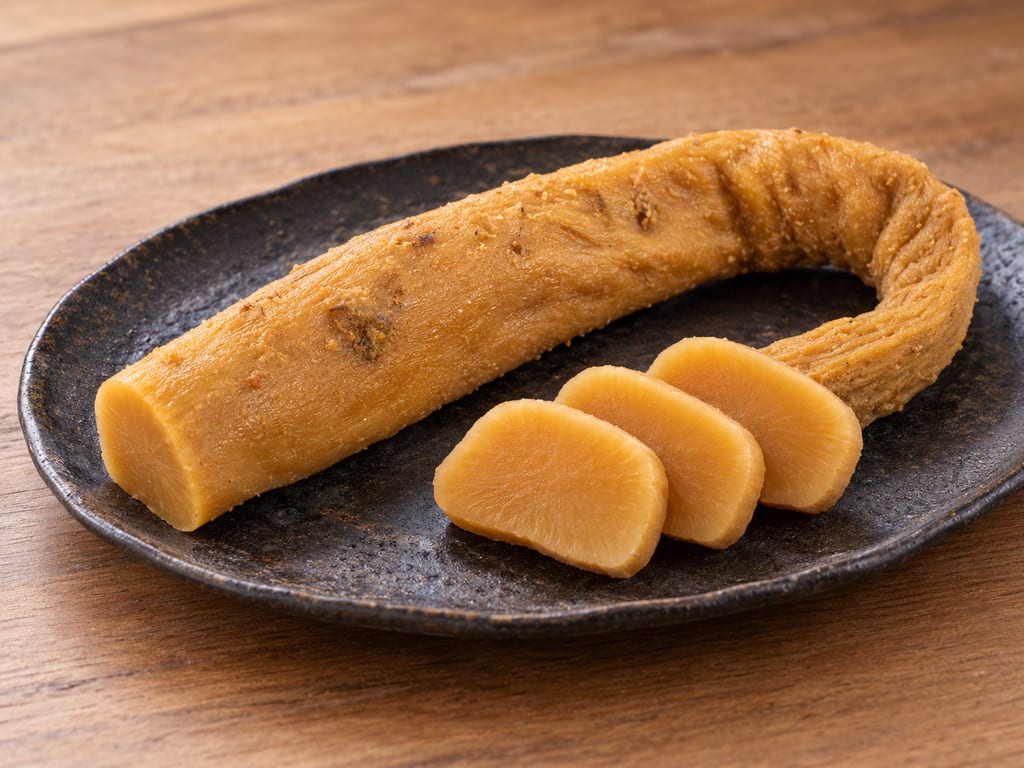
Regional takuan from Ise City, Mie, made with Misono daikon dried on a rack, then matured in a weighted barrel of rice bran and salt for months to years.
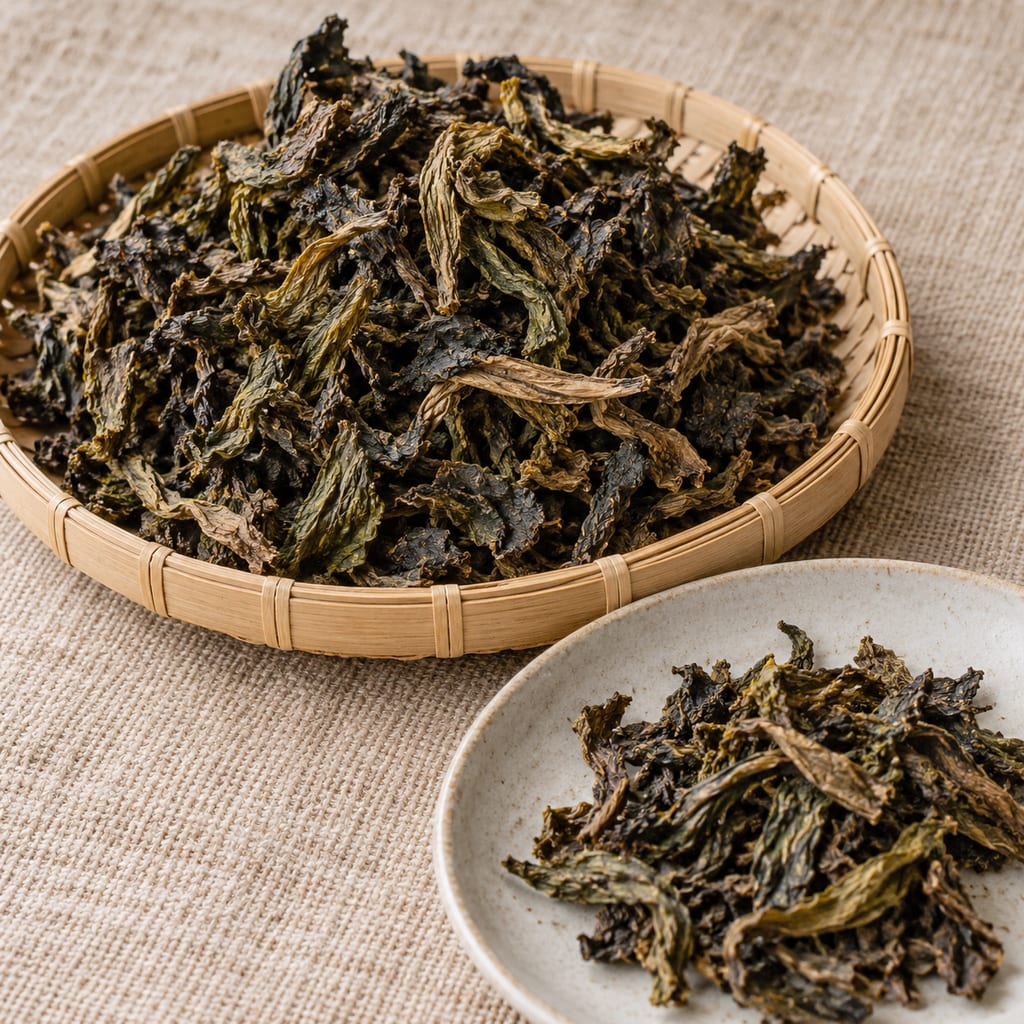
Inziangsang is a Naga fermented food of mustard leaves from Nagaland and Manipur. Crushed, soaked and squeezed leaves ferment for 7 to 10 days, then dry in the sun. A squeezed liquid can be boiled to a concentrate.
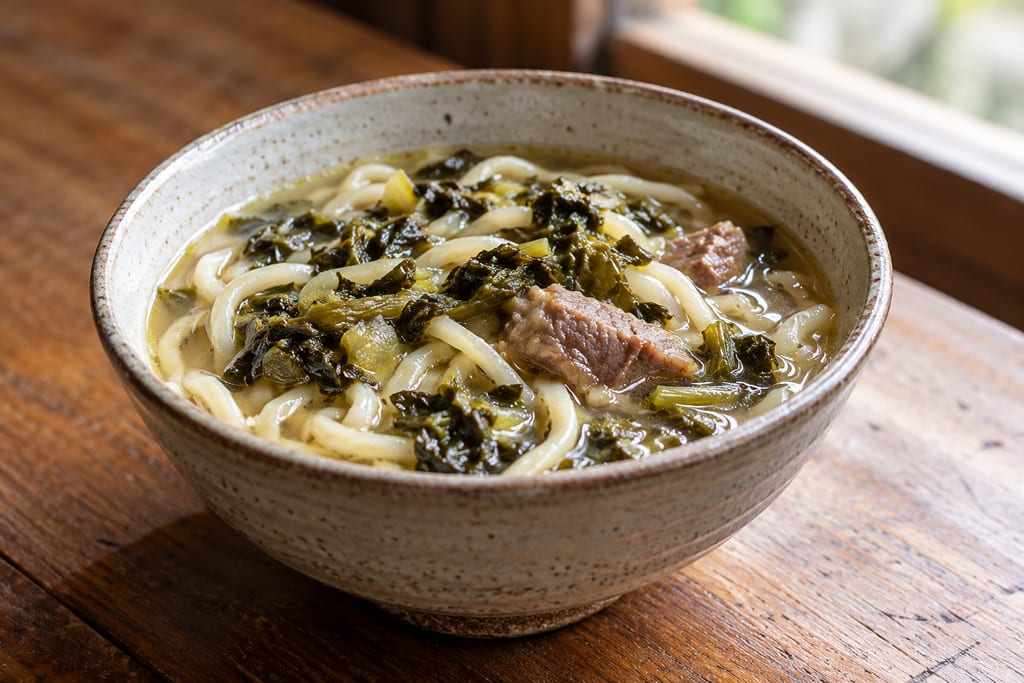
Goyang is a Sherpa fermented wild leafy food of the Darjeeling hills and Sikkim. Rainy-season magane-saag leaves are packed in a bamboo basket, held at room temperature for about a month, then eaten fresh or dried and used in soup.
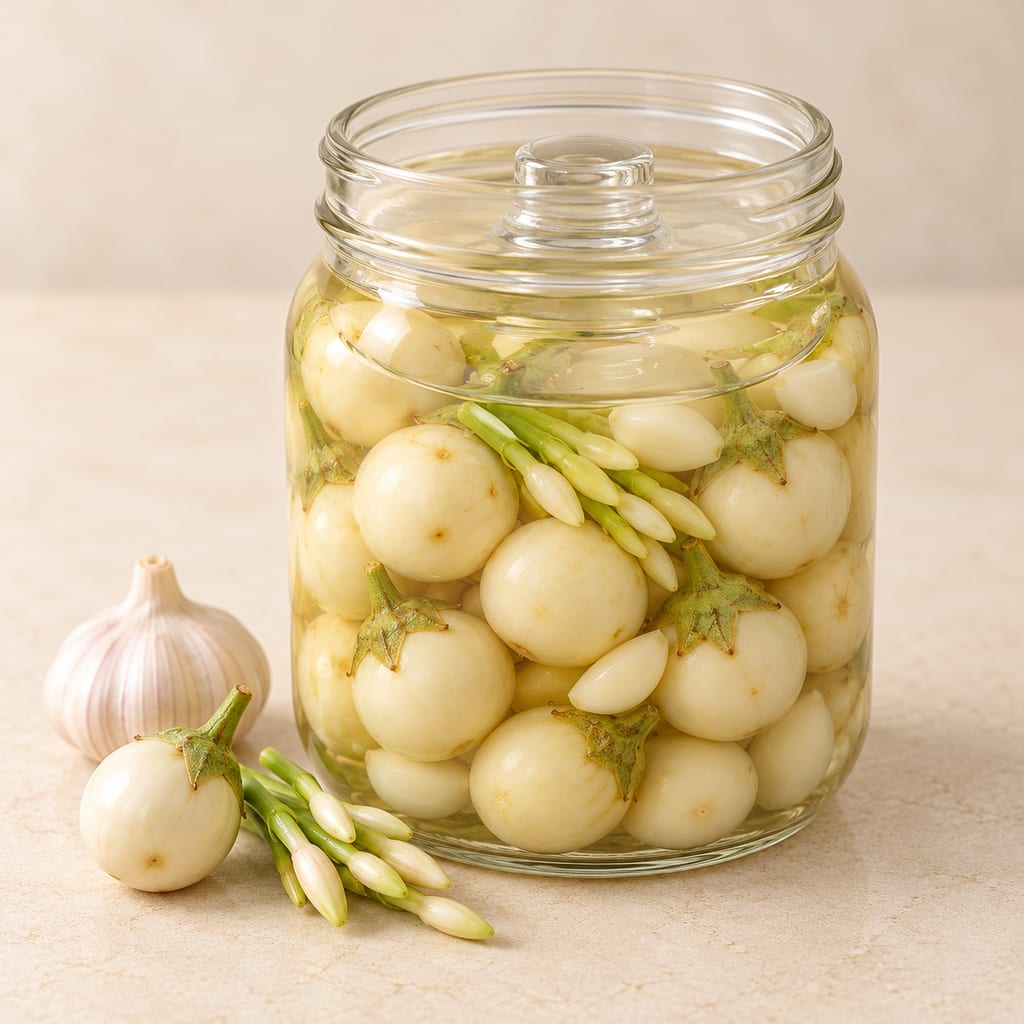
Vietnamese salted and fermented small eggplant, dried on the day of purchase, then held submerged in warm salty water with garlic and galingale flower for a week or longer.
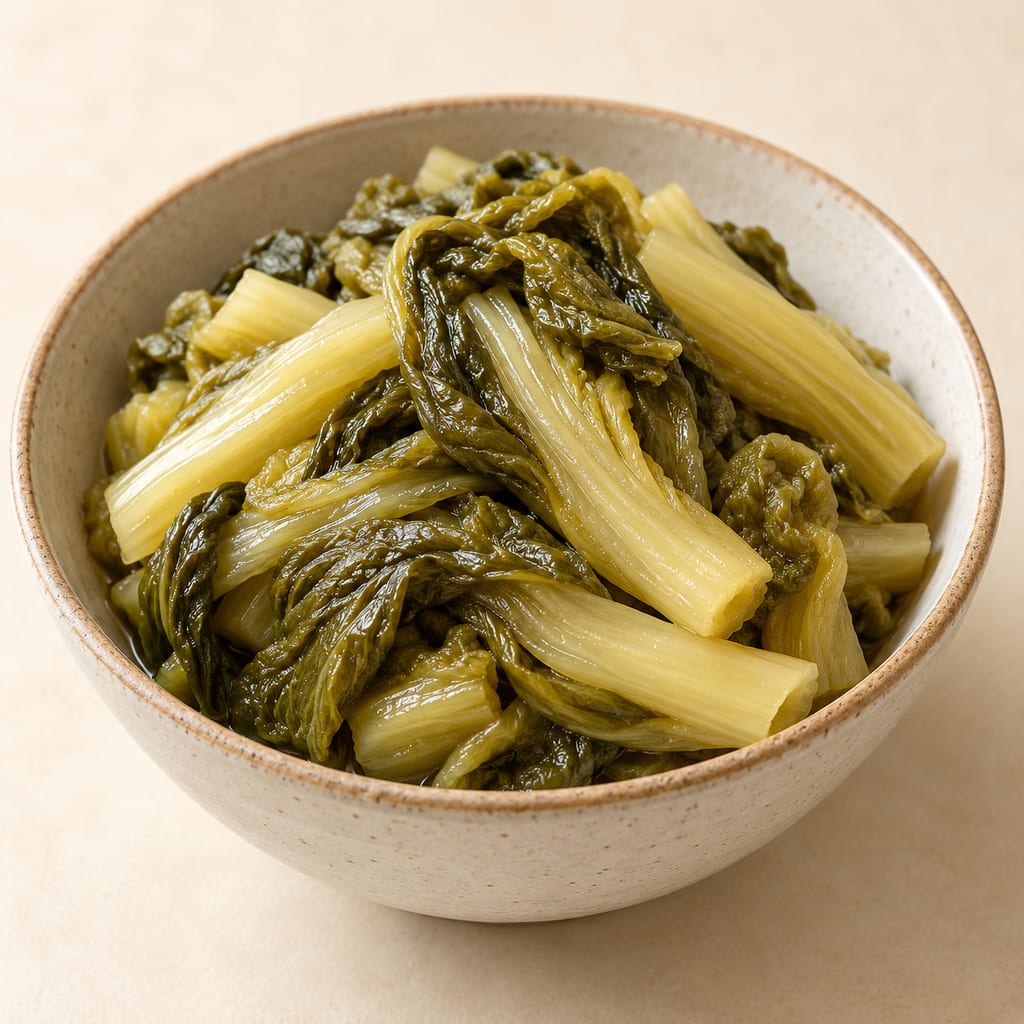
Cambodian pickle of blanched Chinese mustard greens, dried, then packed in a sweet-salt brine. Sold in Phnom Penh markets and made at home. The readiness times in the home recipe are not validated.
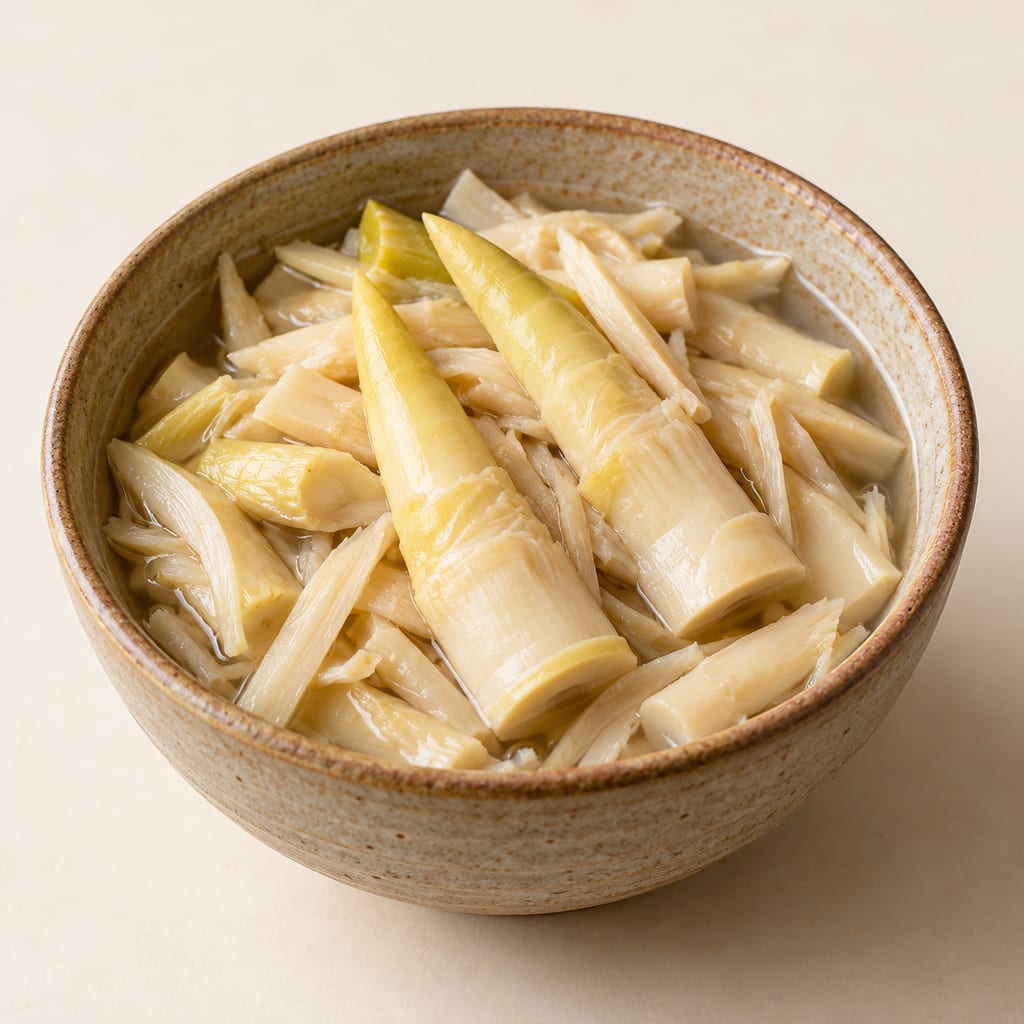
Fermented tender bamboo-shoot tips from Manipur, started with the sour liquid of an earlier batch and eaten in chutneys and curries.
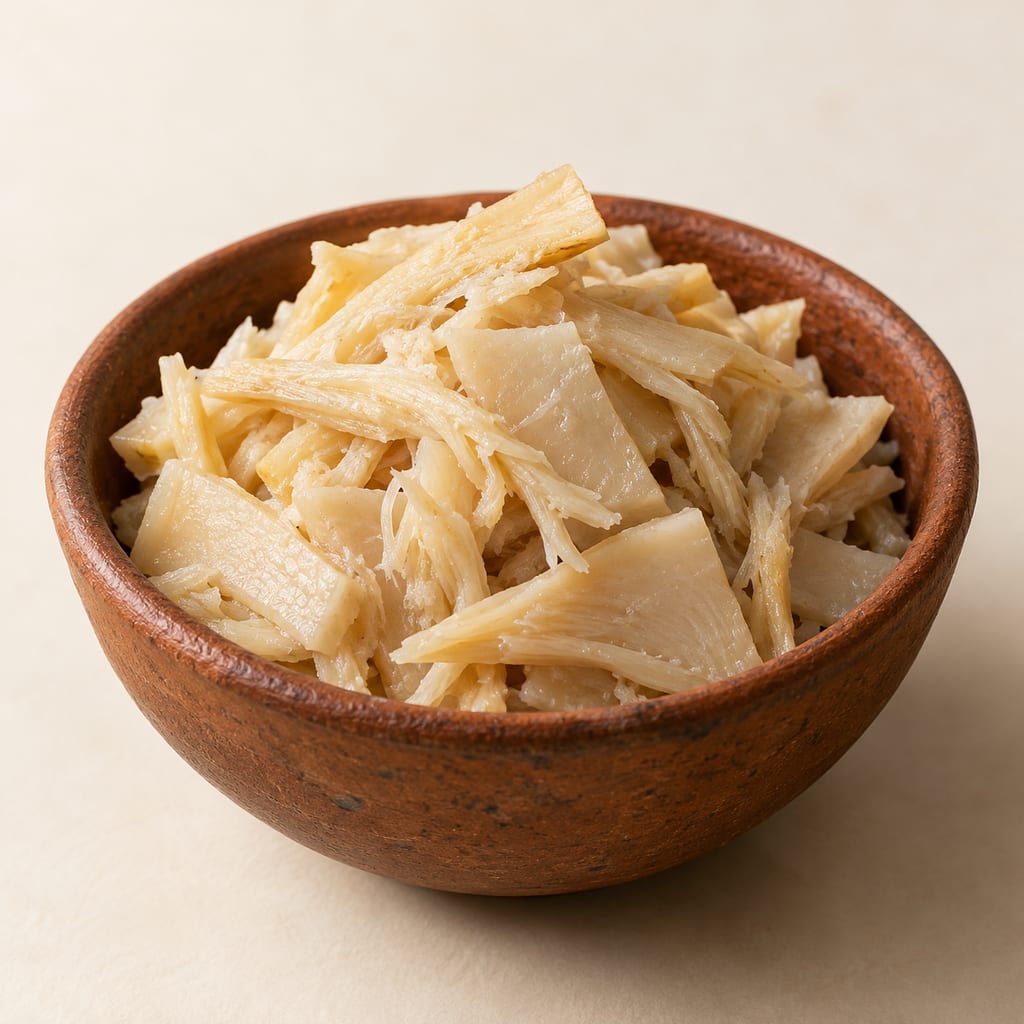
Thin slices of juvenile bamboo shoots fermented for six to twelve months in Manipur, eaten as a sour side dish with rice.
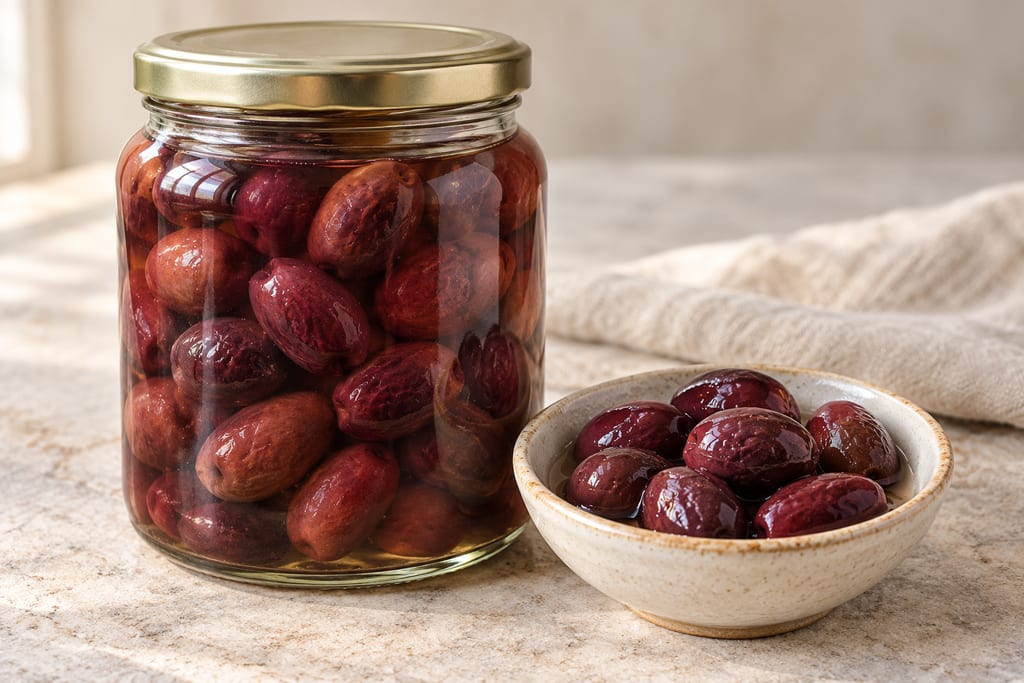
Ripe olives go straight into brine with no lye and cure for months, mostly by yeasts. The home method here is the University of California two-stage brine.
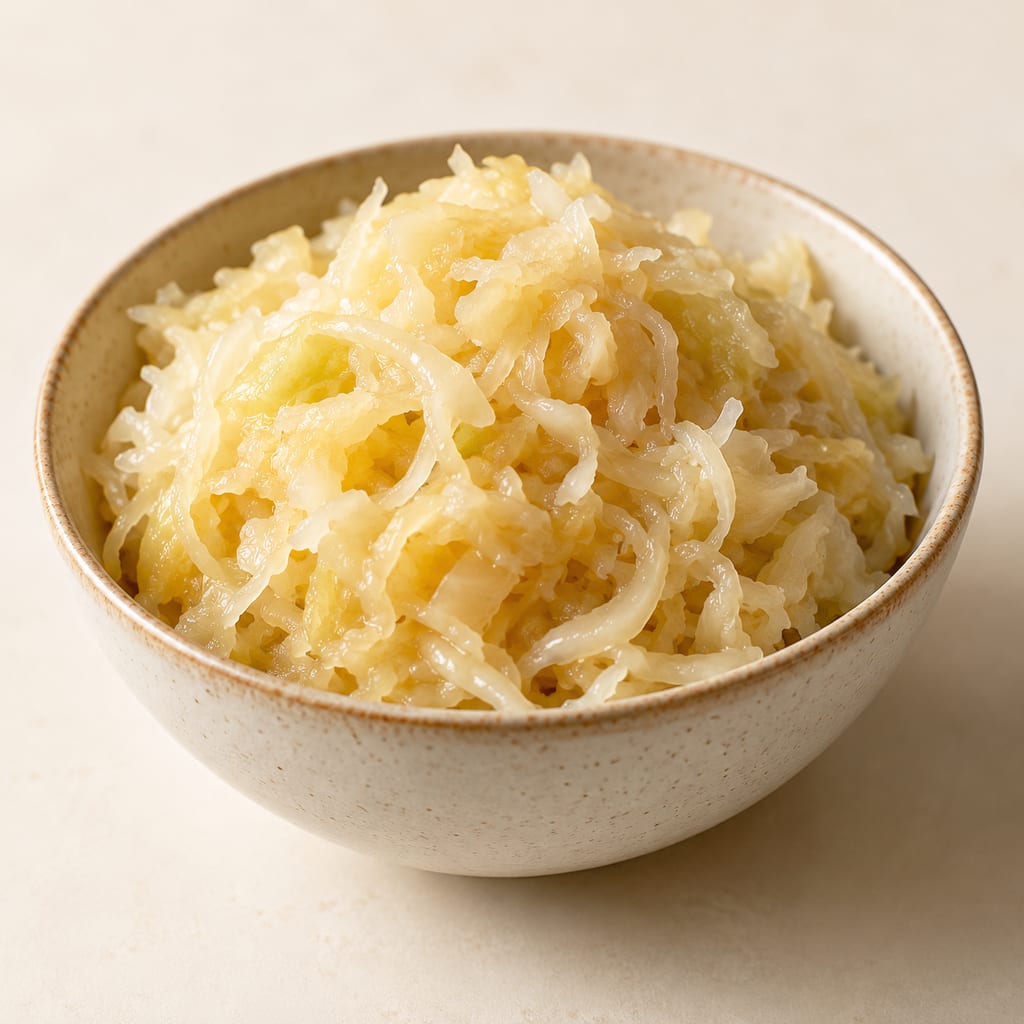
Dutch zuurkool is white cabbage salted and fermented in bulk. The only documented process in the available record is one North Holland producer’s commercial method from 2016.
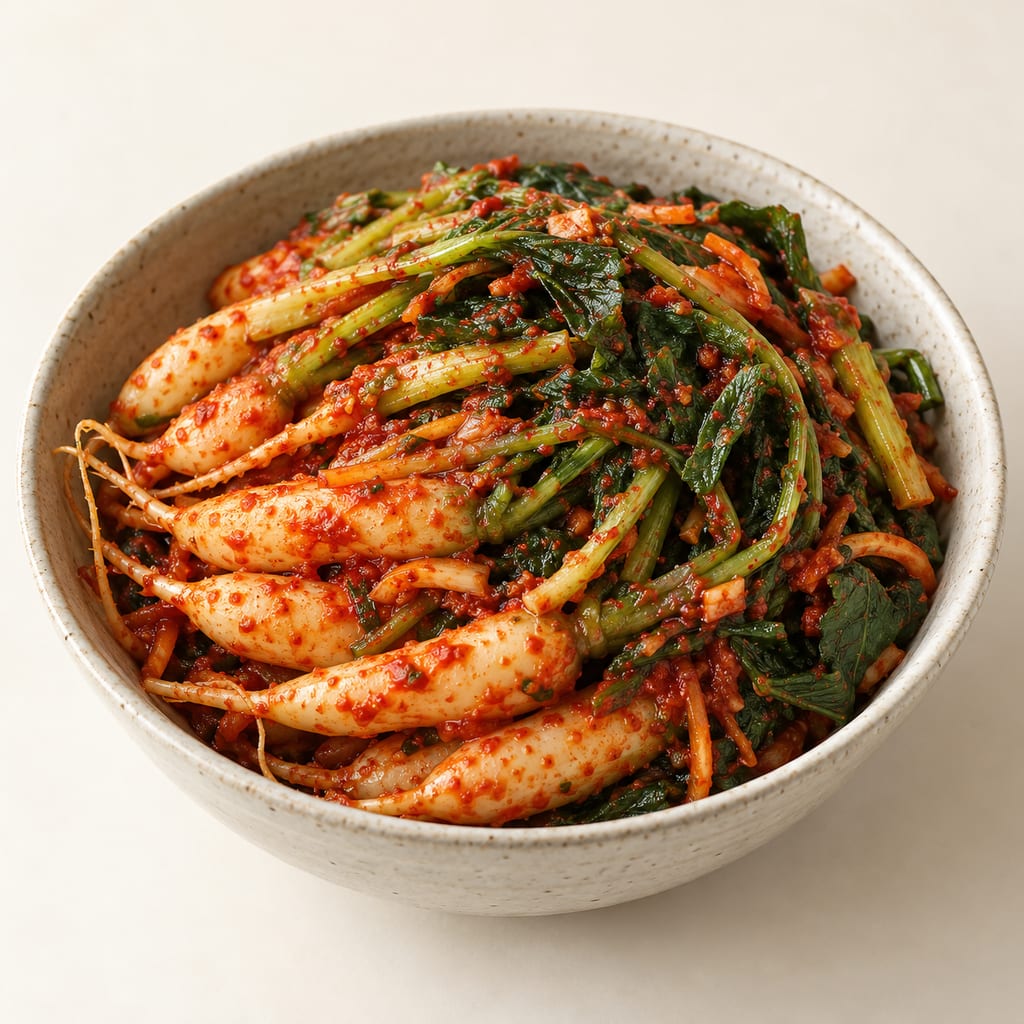
Korean kimchi of young summer radish and its tender leaves, salted, seasoned with chili and aromatics, and held in a container. Water kimchi is a separate form with its own page, veg-0011.
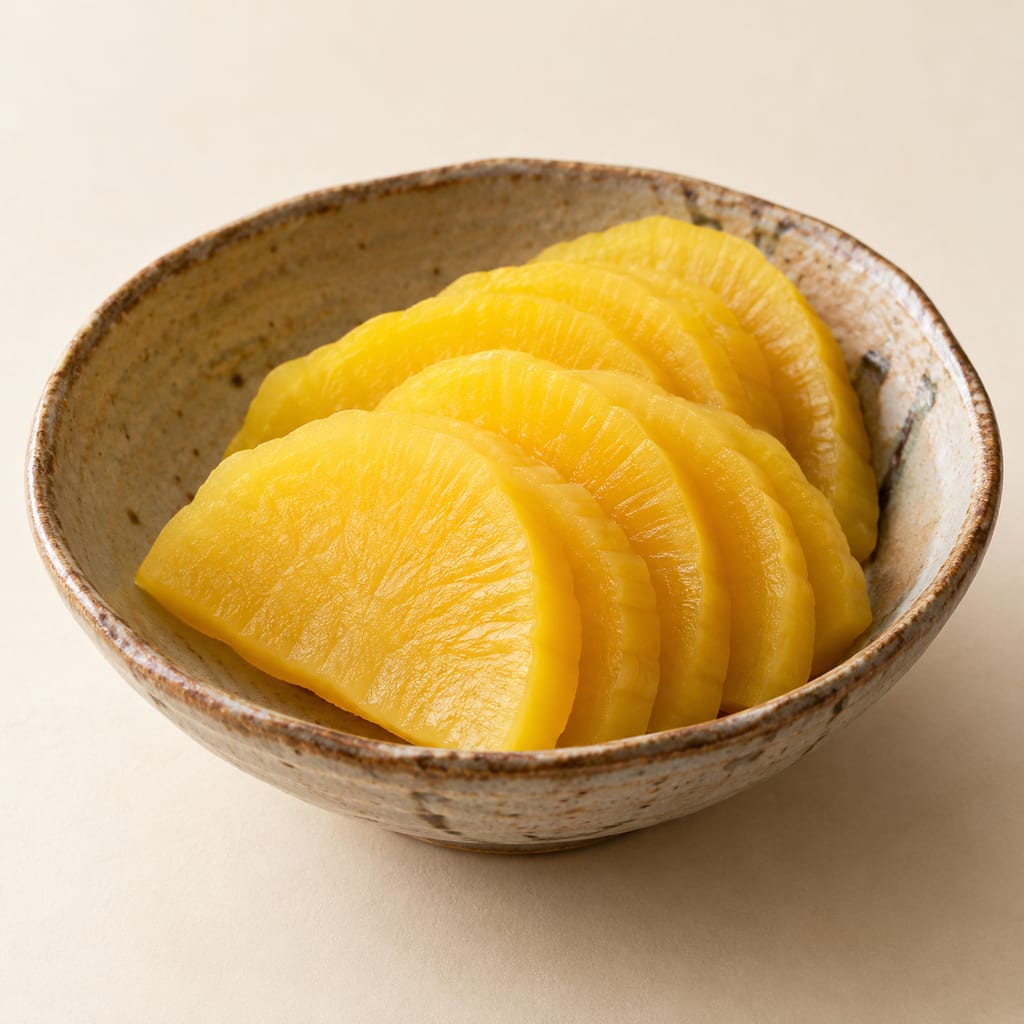
Japanese pickle of daikon roots dried for about two to three weeks, then matured for months in rice bran and salt under weight. Yamagata is its named association.
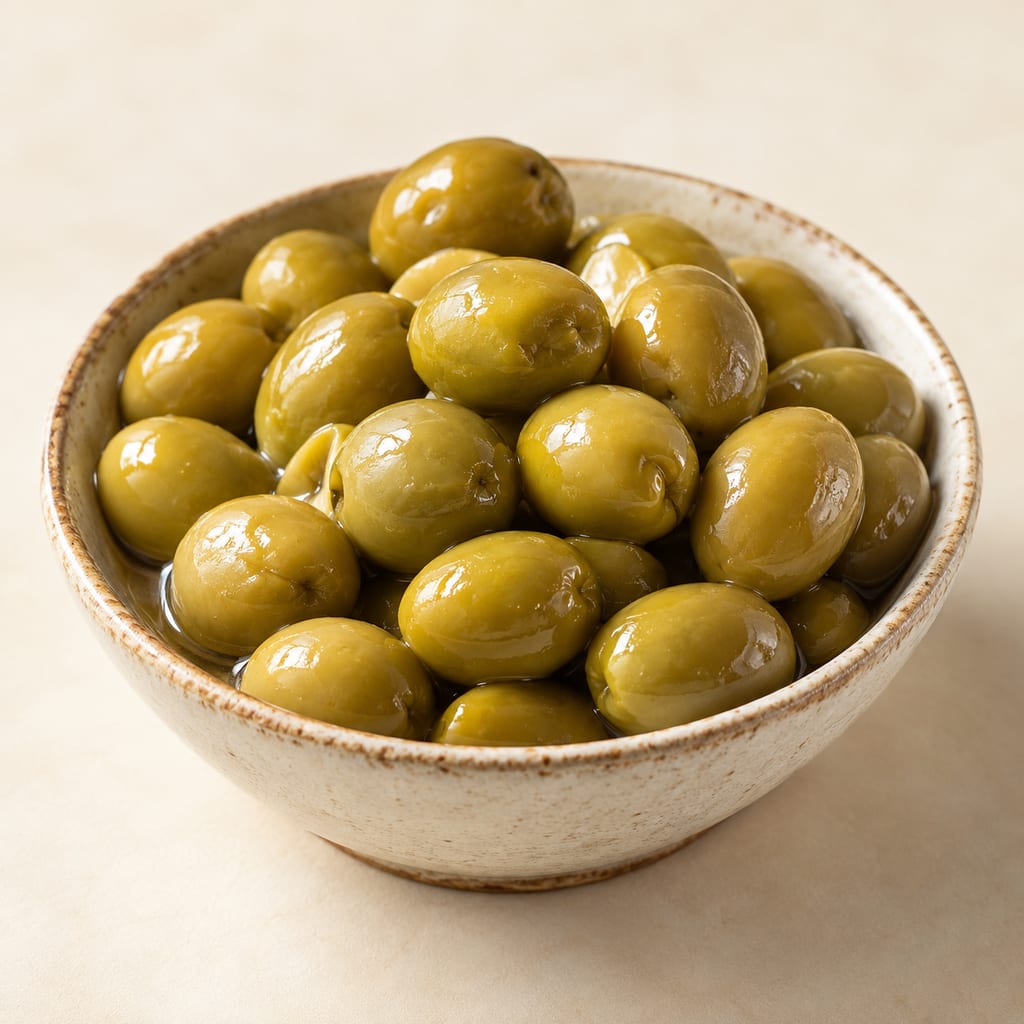
Spanish-style green olives, or Sevillian green olives, are green fruit treated with lye, rinsed, then fermented in brine for two to six months. The household batch here is a UC ANR method.