






















































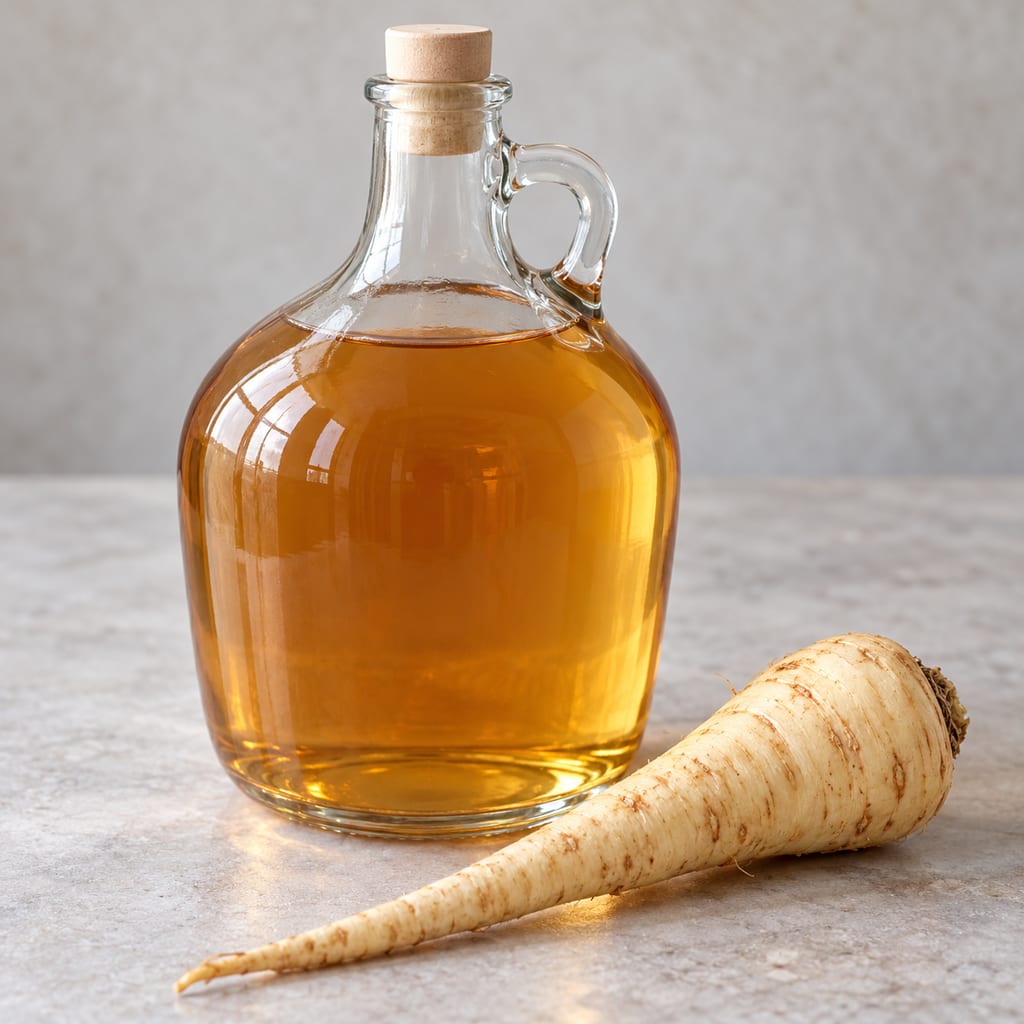
Parsnip wine with brandy
A root wine made from boiled parsnip liquor and lump sugar, fermented with yeast and finished with brandy before bottling.
 FermenteaWhere food goes to change
1504 records with their sources, across 11 categories.
 Fermented, enzyme-ripened and mixed seasonings328
 Fruit preserves10
 Legume, seed and plant-protein ferments10
 Garum and fish sauces8
 Adjacent and excluded7
 Koji, mold starters and mold-ripened ferments4
 Acid and oil pickles3
 Fermented fruit and fruit-derived foods3
 Vegetable lactic3
 Dairy ferments2
 Smoked salted and dried foods2
 Cheese1
 Not yet classified1
 Fermented beverages86
 Fermented fruit and fruit-derived foods6
 Fruit preserves3
 Cereal, grain, root and starch fermentations2
 Koji, mold starters and mold-ripened ferments2
A root wine made from boiled parsnip liquor and lump sugar, fermented with yeast and finished with brandy before bottling.
Kalou is Seychellois coconut-palm toddy: sap from an unopened flower stalk is collected and ferments naturally into an alcoholic drink. Sources document the identity and tapping tradition but no validated batch or alcohol endpoint.
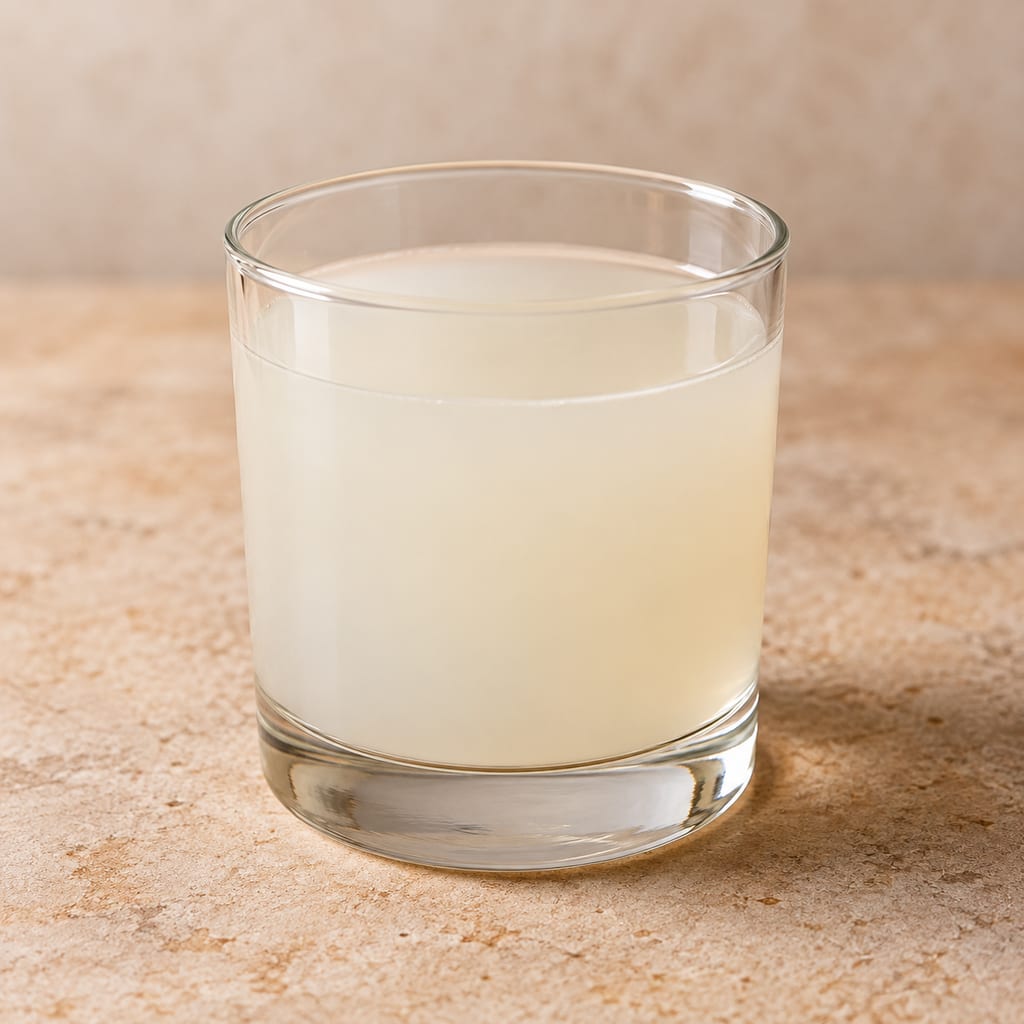
Utchema is a traditional palm wine made from Hyphaene petersiana sap in Mozambique’s Banhine National Park area. Available fieldwork identifies the drink and tapping economy but does not provide a complete controlled fermentation method.
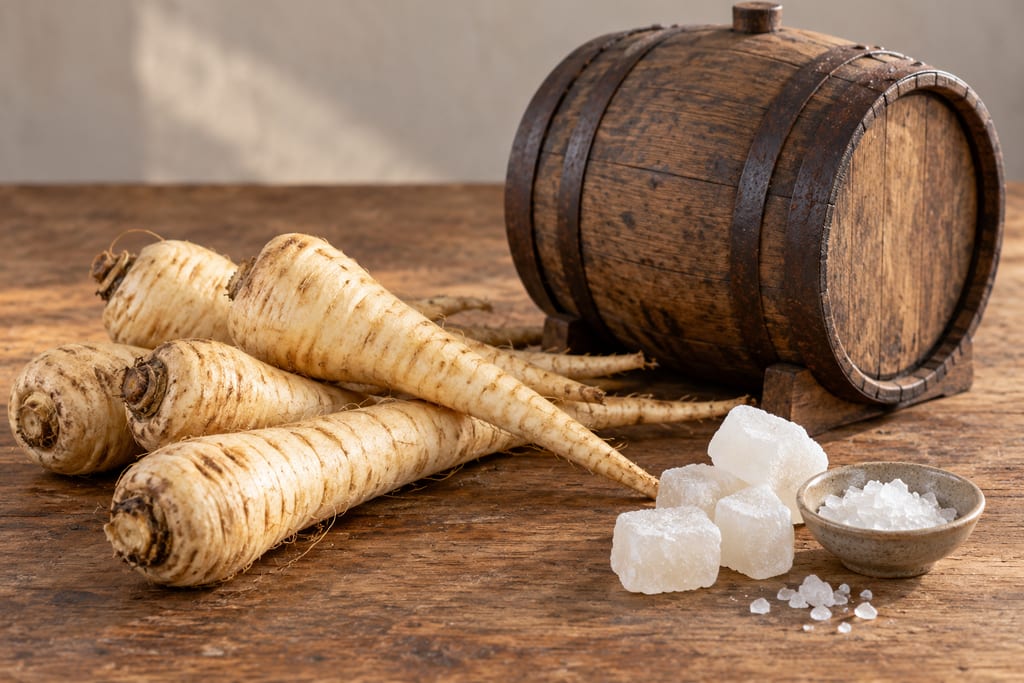
Parsnip liquor ferments with loaf sugar, crude tartar and fresh yeast, then matures in a cask for twelve months before bottling.
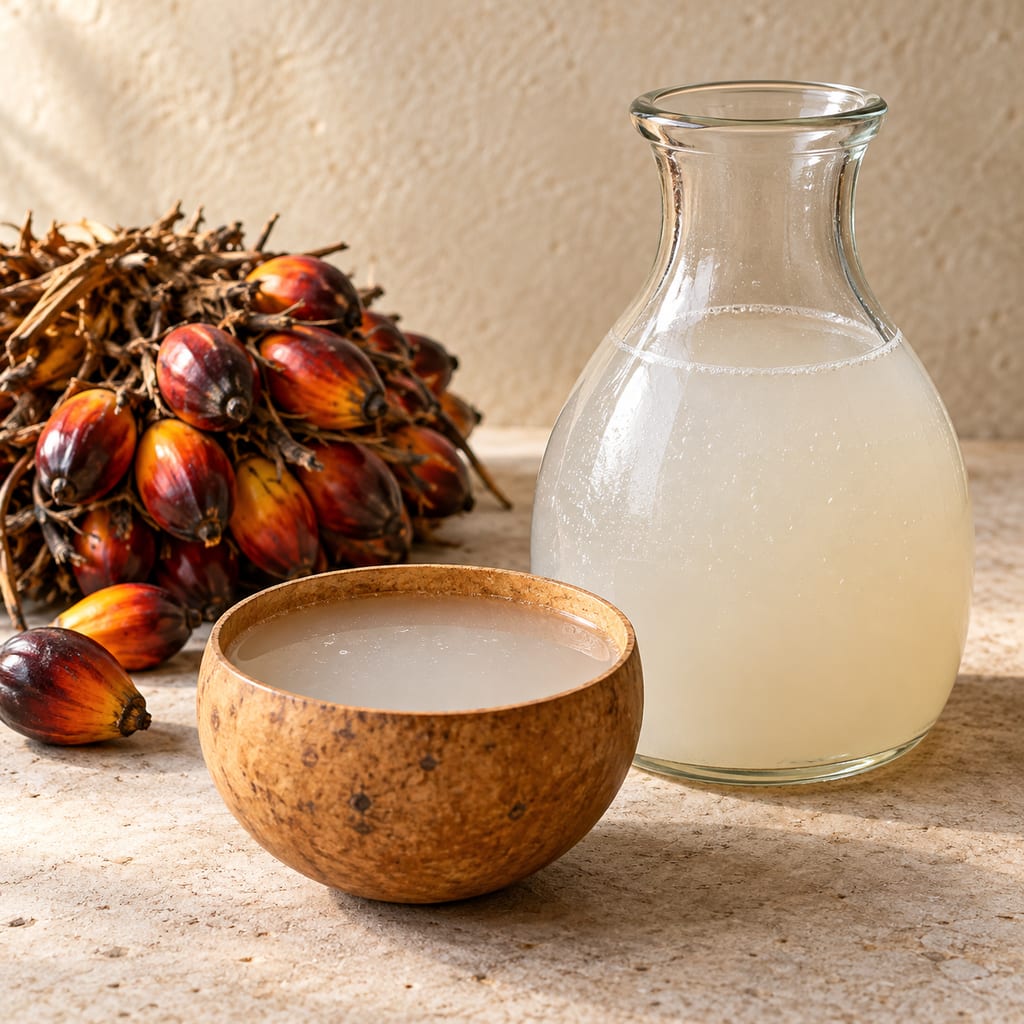
Palm wine is fermented sap from several palm species. West and Central African traditions differ in palm, tapping, vessel and serving stage; this page records shared principles without claiming one universal home-scale process.
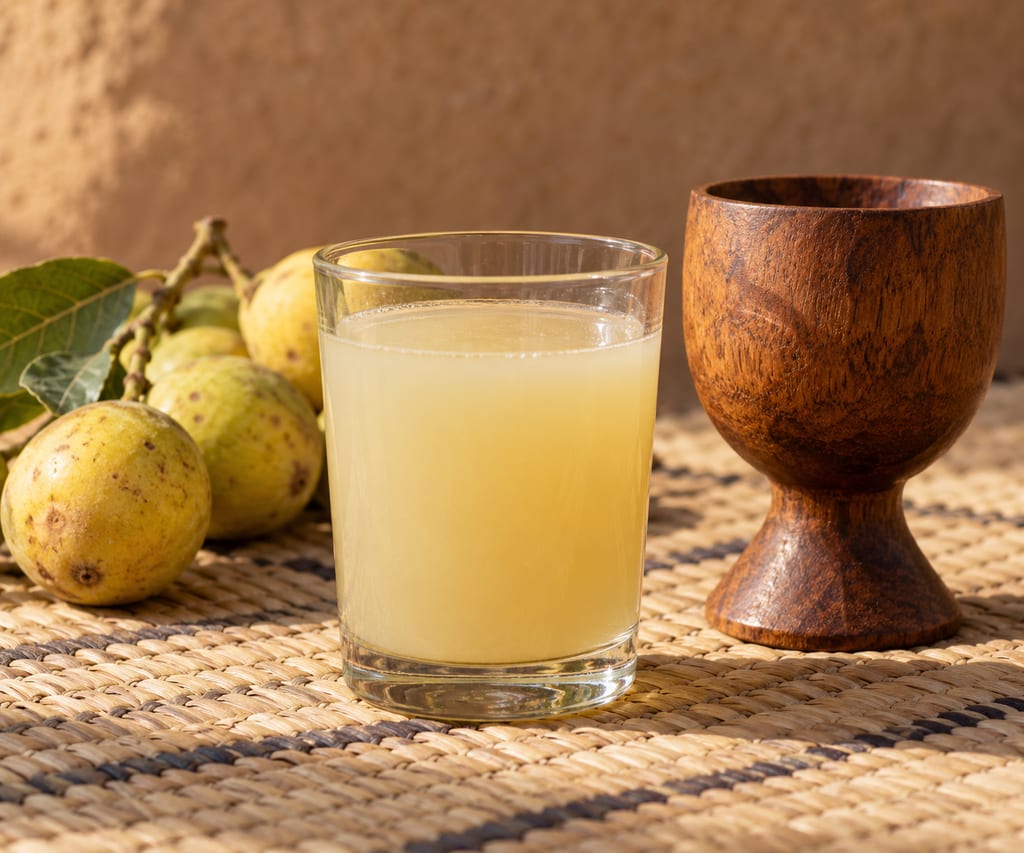
The fermented marula drink of northern Namibia's Aawambo communities, pressed from ripe Sclerocarya birrea fruit and left to the yeasts already on it, and drunk at the Oshituthi shomagongo festival.