












































Elevated risk
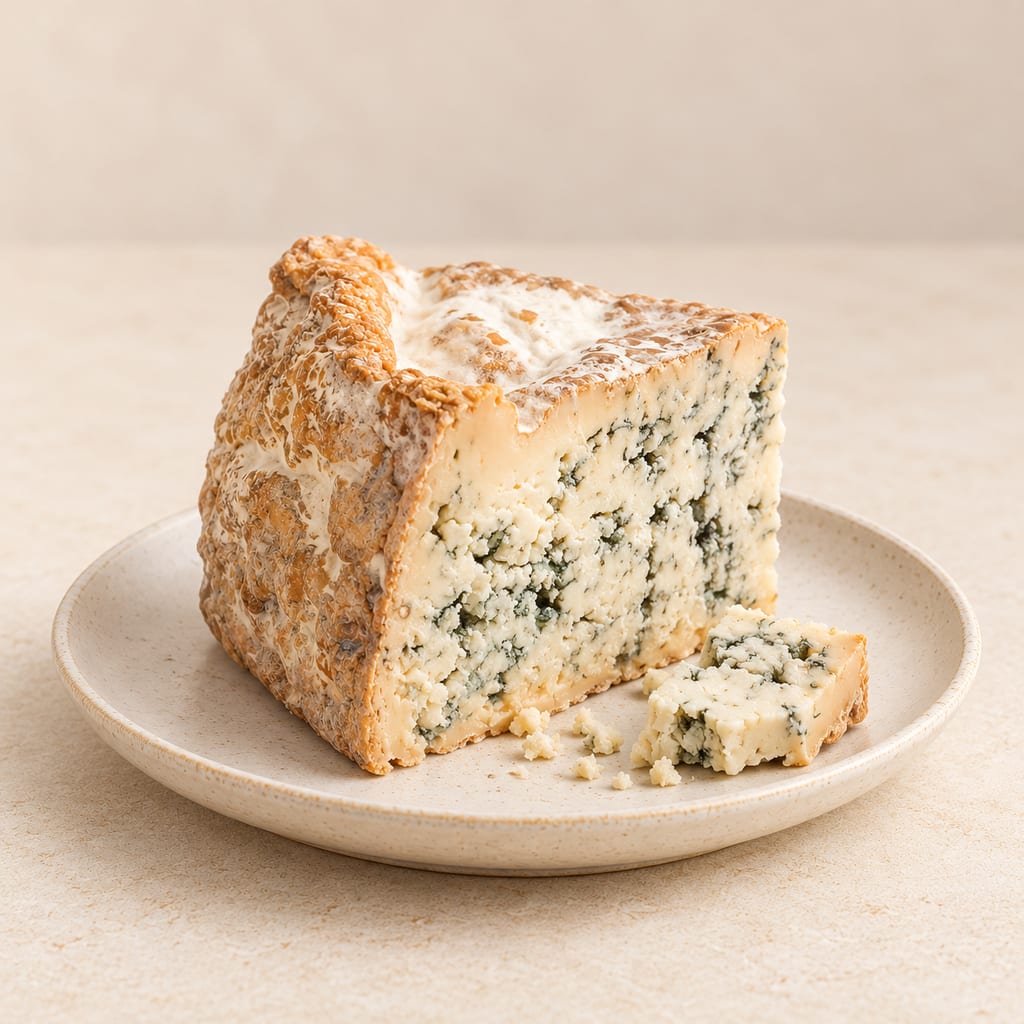
Spanish-style blue cheese
A moist blue cheese inspired by Cantabrian styles, made with pasteurized milk, a lactic starter and Penicillium roqueforti, then ripened in two stages.
 FermenteaWhere food goes to change
1504 records with their sources, across 11 categories.
 Fermented, enzyme-ripened and mixed seasonings328
 Fruit preserves10
 Legume, seed and plant-protein ferments10
 Garum and fish sauces8
 Adjacent and excluded7
 Koji, mold starters and mold-ripened ferments4
 Acid and oil pickles3
 Fermented fruit and fruit-derived foods3
 Vegetable lactic3
 Dairy ferments2
 Smoked salted and dried foods2
 Cheese1
 Not yet classified1
 Cheese51
 Cultured dairy40
 Adjacent and excluded3
 Condiments and enzymatic seasonings3
 Not yet classified1
A moist blue cheese inspired by Cantabrian styles, made with pasteurized milk, a lactic starter and Penicillium roqueforti, then ripened in two stages.
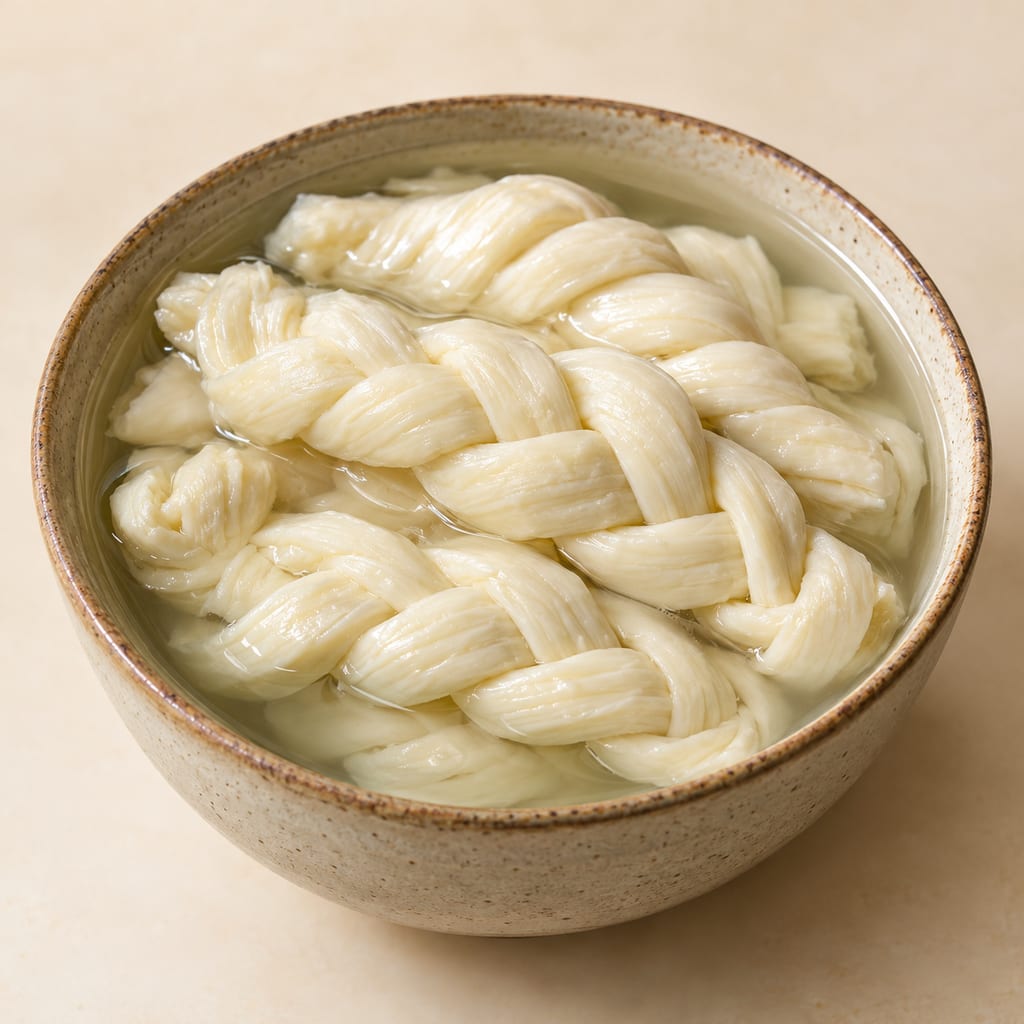
Sudanese braided cheese: curd ladled, salted, cut into strips and braided, then salted in brine and packed into tins filled with brine. A staple kept in brine rather than dried.
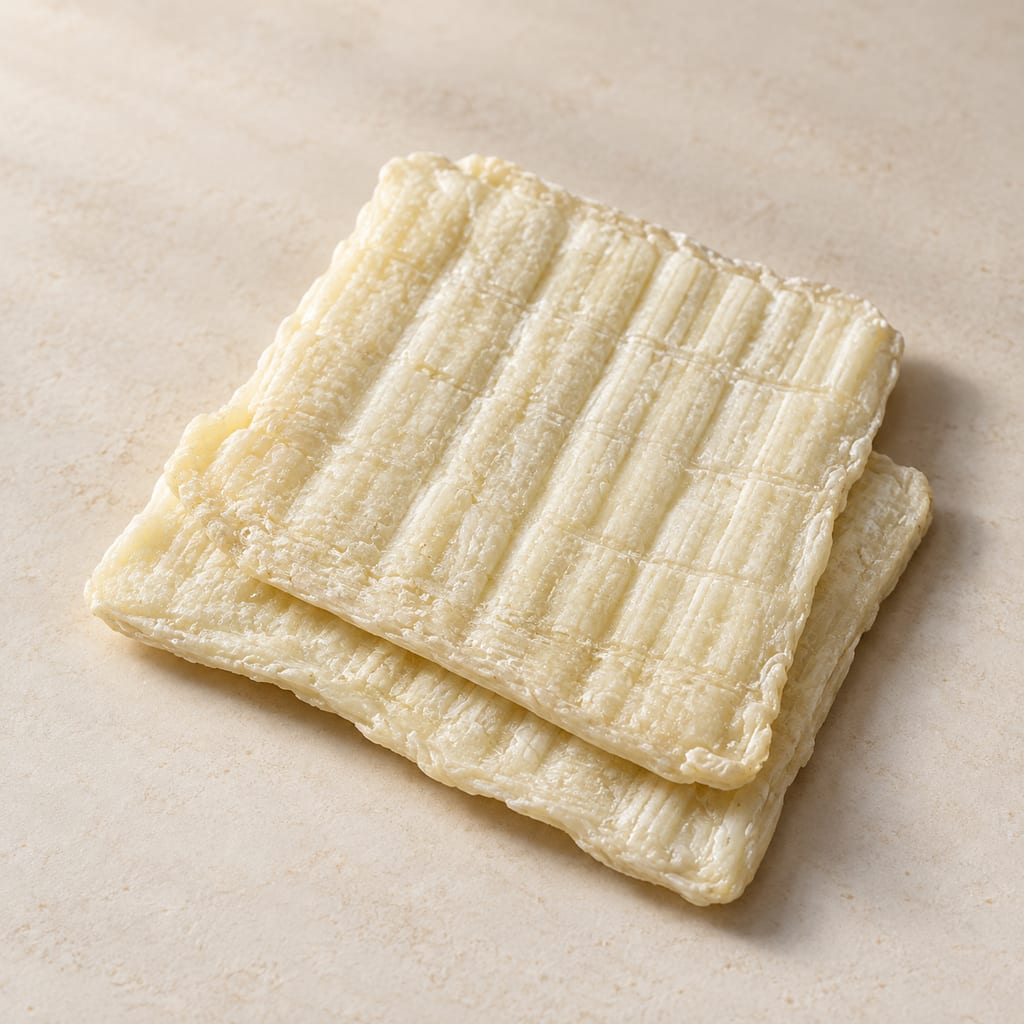
Tchoukou, also called Tikomart, is a thin, dry Nigerien cheese made to keep seasonal milk for later use. Documented methods use animal rennet, shape drained curd into sheets and dry it.
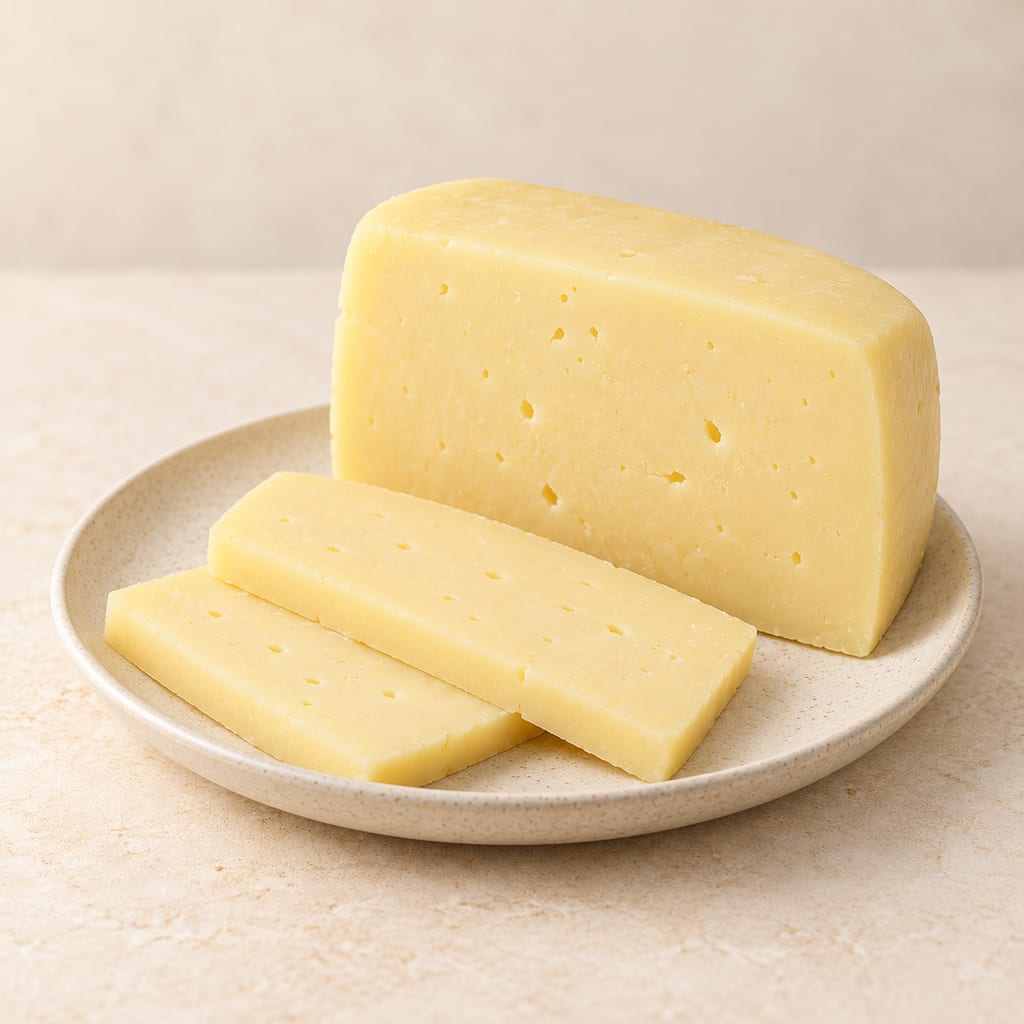
Kaşar peyniri is a Turkish stretched-curd cheese. This entry documents a traditional raw-milk process described by the FAO and its regional history; it is not a home cheesemaking recipe.
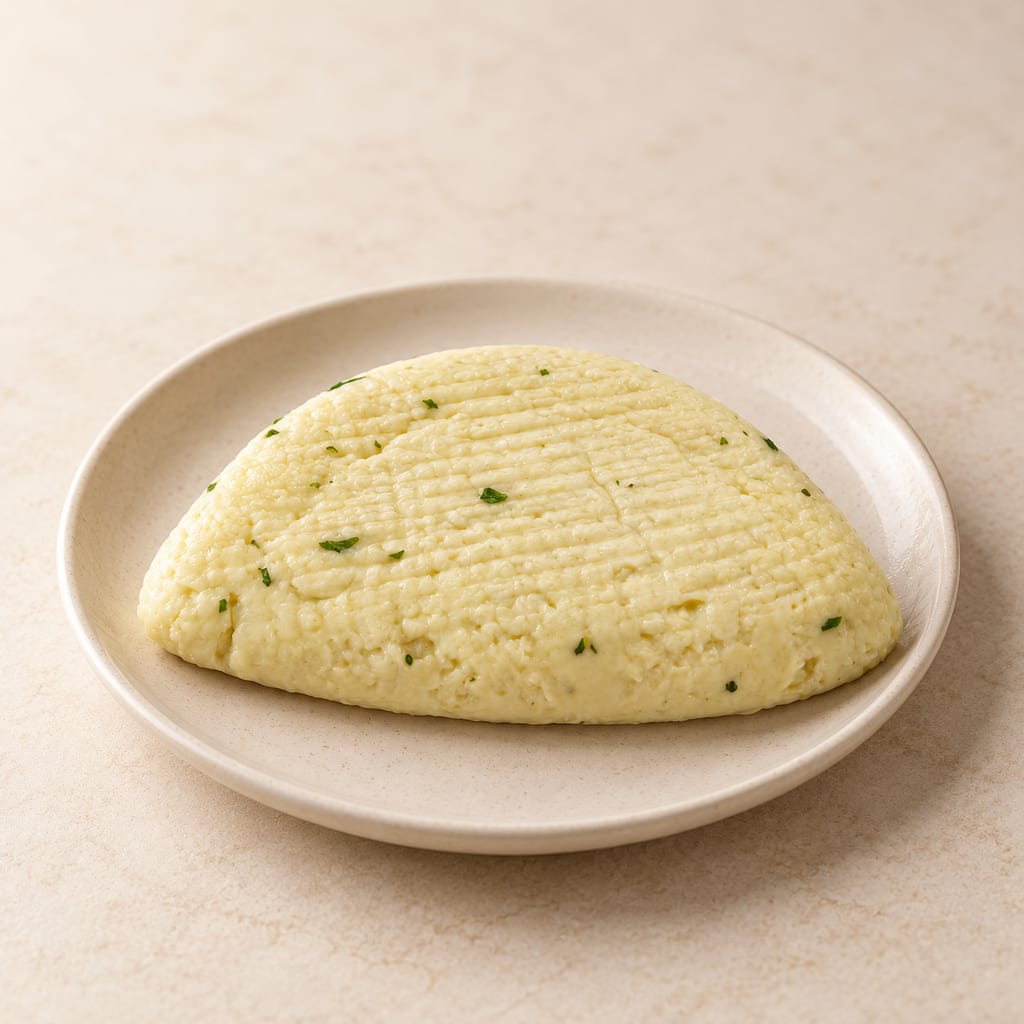
A firm cow-milk cheese cooked in hot whey, salted and folded with optional mint. This fresh halloumi keeps its shape when grilled or pan-fried.
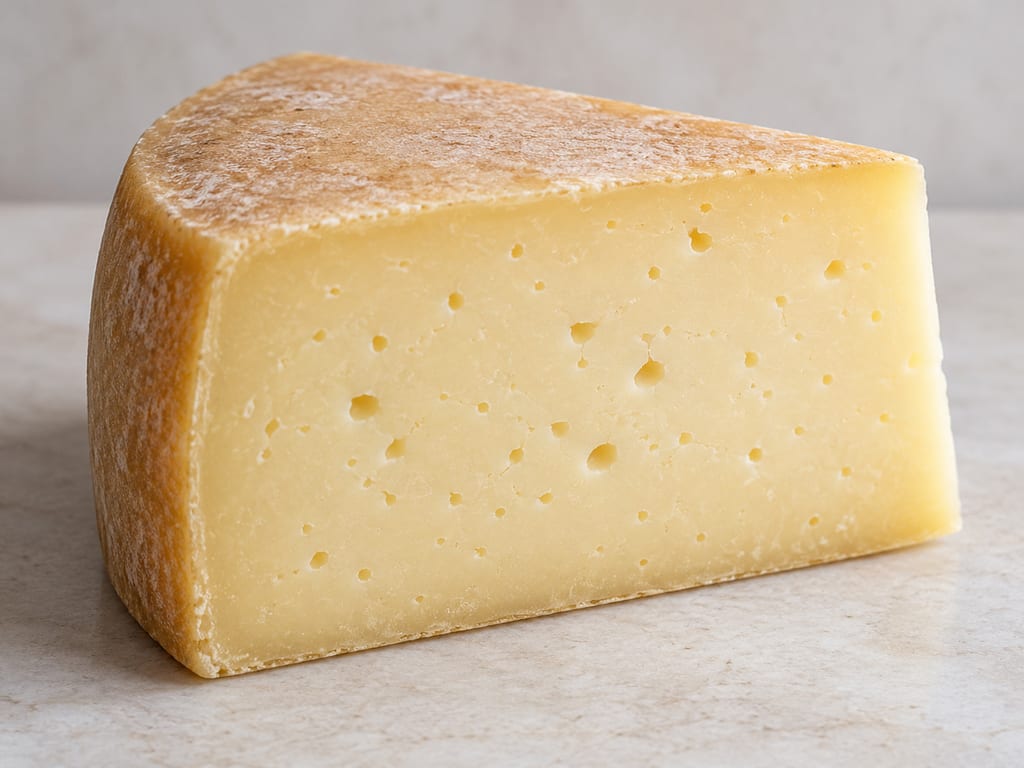
This Cypriot graviera is a hard sheep-milk cheese with a dry rind and round eyes. Its curd is heated, pressed and dry-salted before a long cool ripening.
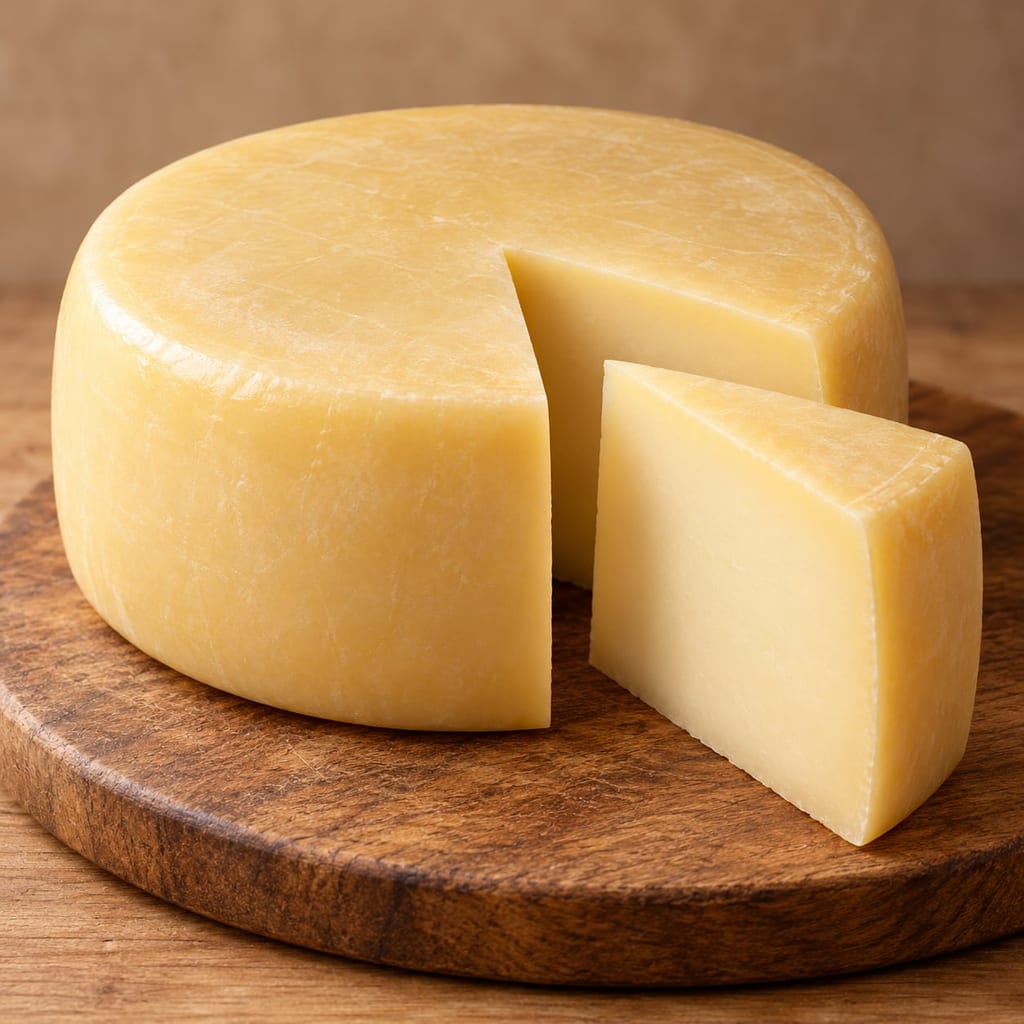
Kashkaval is a firm sheep-milk cheese whose acidified curd is worked in hot brine. This large-batch method finishes with repeated dry salting, wax coating and cool ripening.
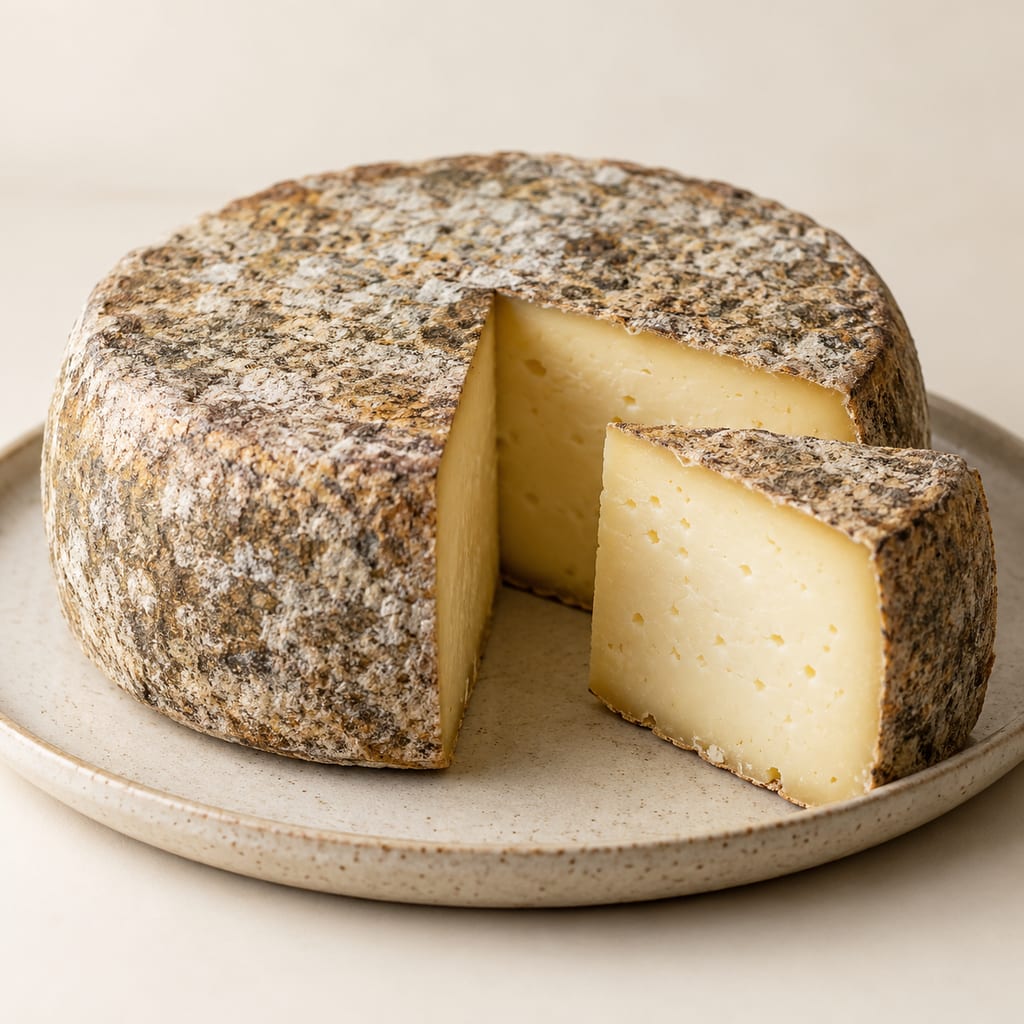
A rustic pressed cheese with a mixed mesophilic and thermophilic culture, whose curd is warmed by swapping whey for hot water before light pressing and cellar ageing.
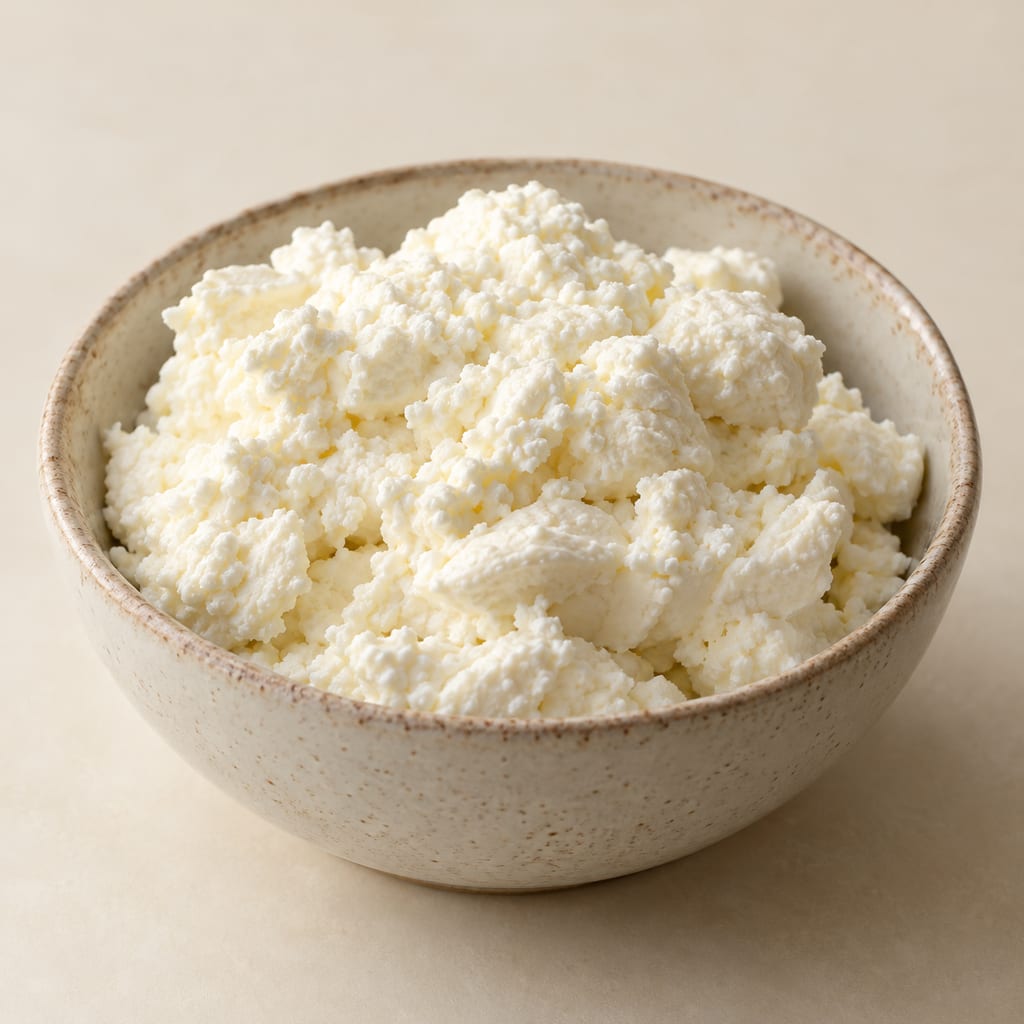
A soft fresh curd made by heating whole milk with acid; distinct from ricotta made by reheating the whey left after a cultured cheese.
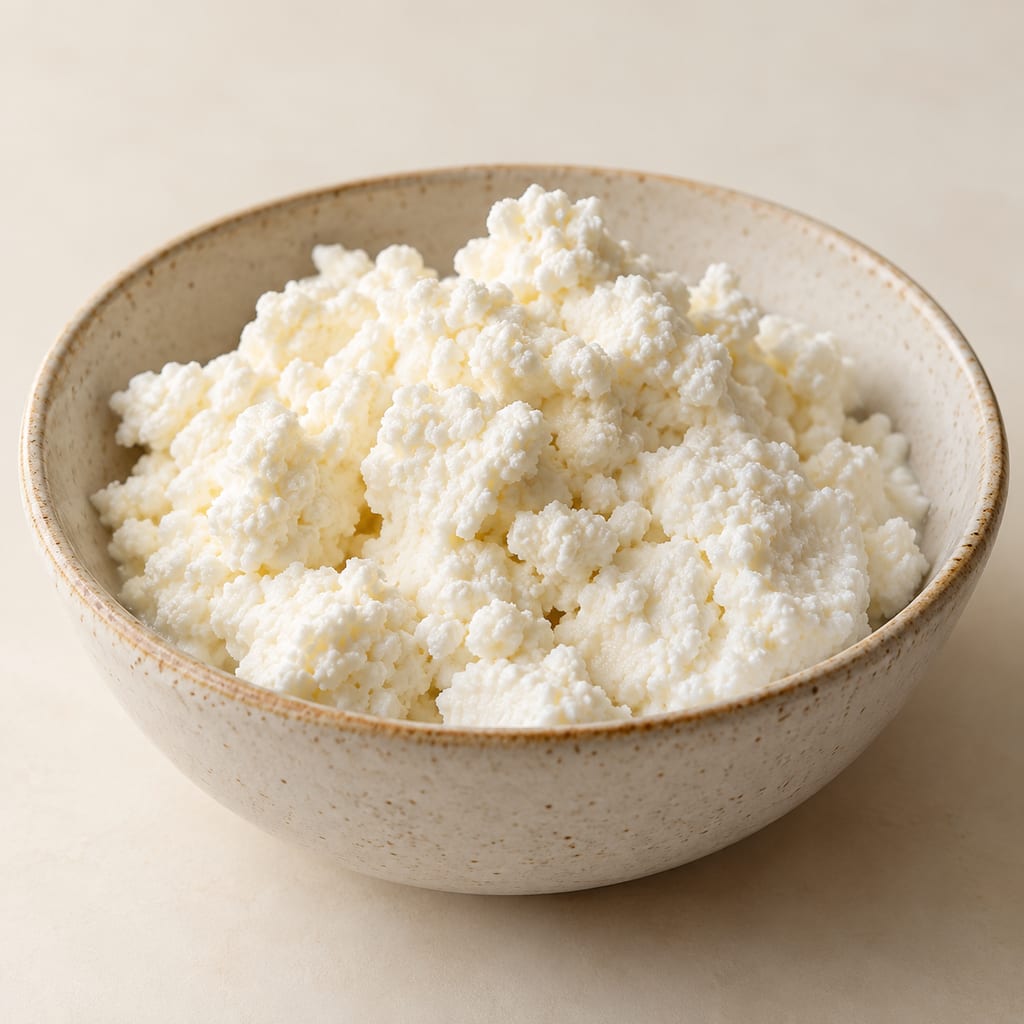
Whey ricotta recovers fine curds from leftover cheesemaking whey, often with added milk, by heating the whey and acidifying it until the curds separate.
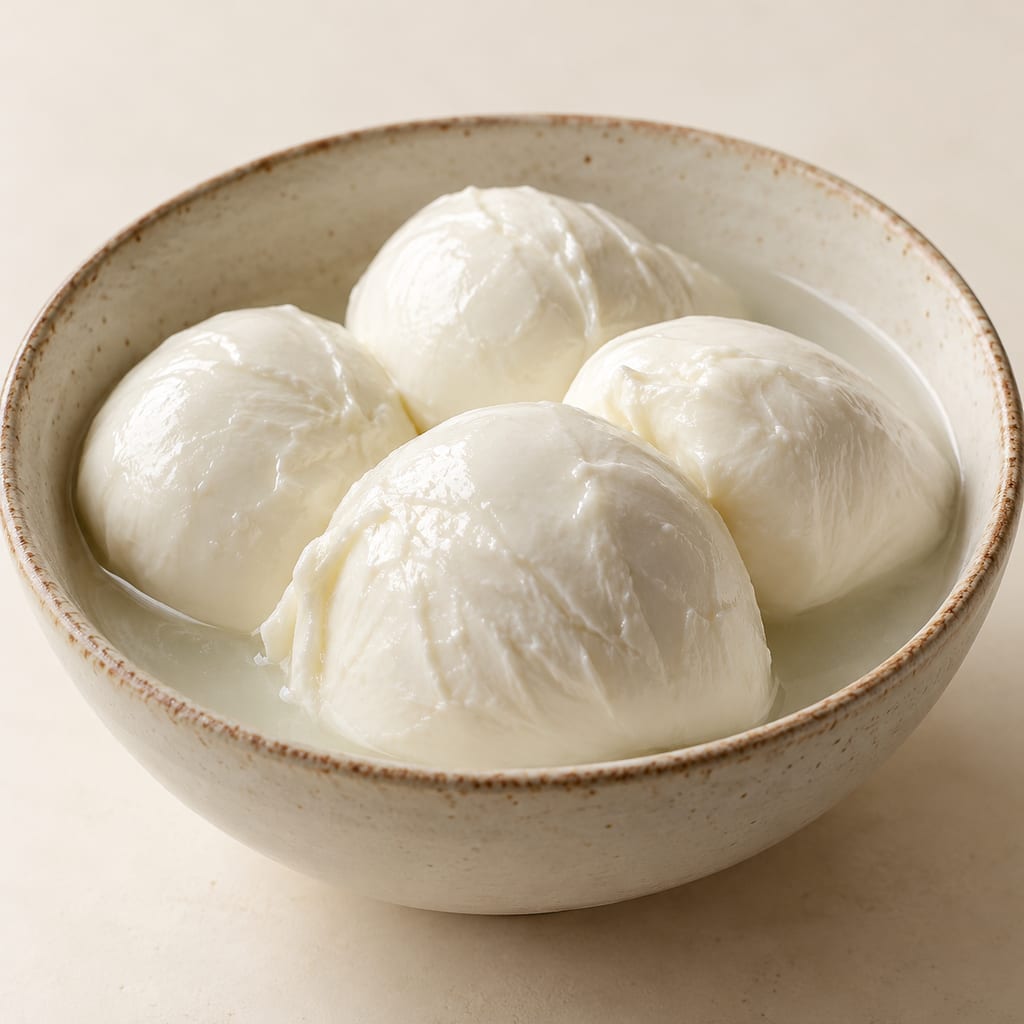
A stretched fresh curd made by acidifying cold milk with citric acid before adding rennet, so the curd can be stretched as soon as it has formed.
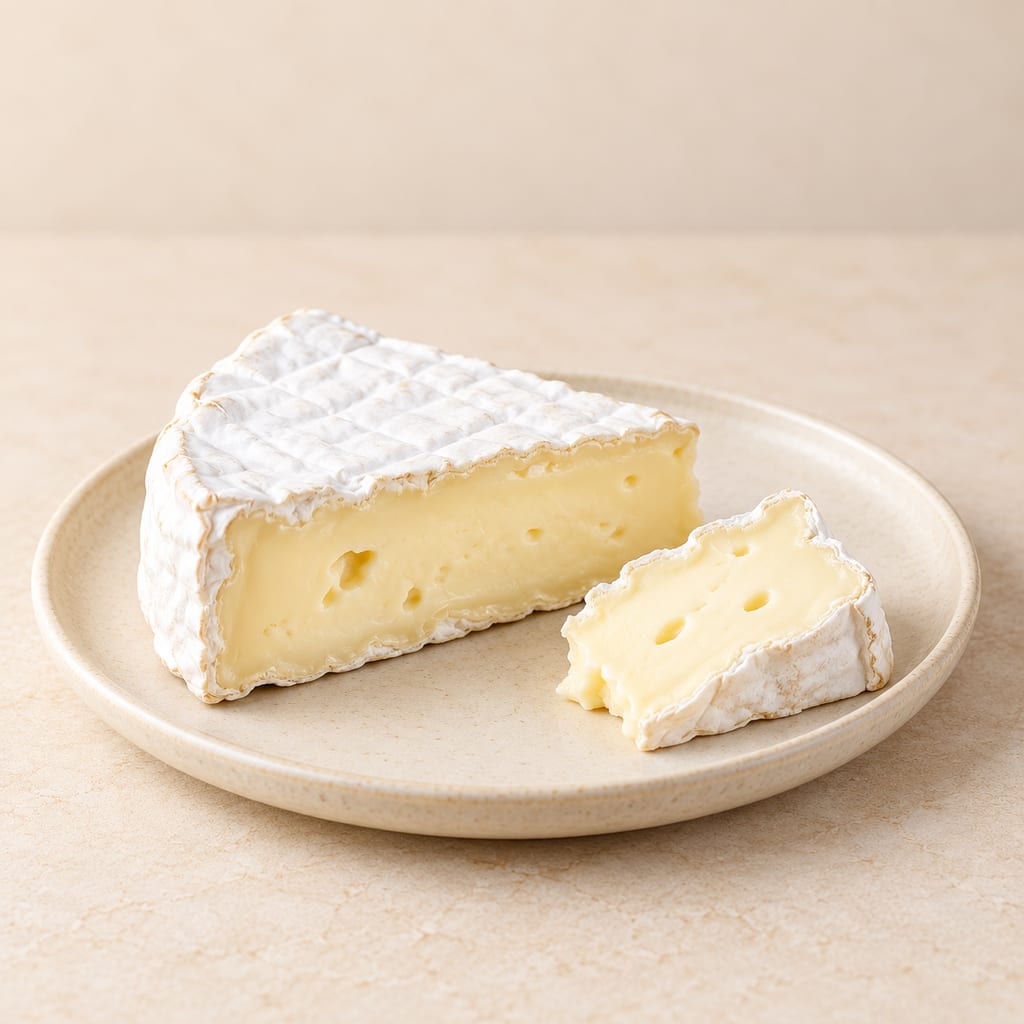
A cream-enriched Brie with a white bloomy rind and a softening center, made from pasteurized milk with lactic and surface cultures.
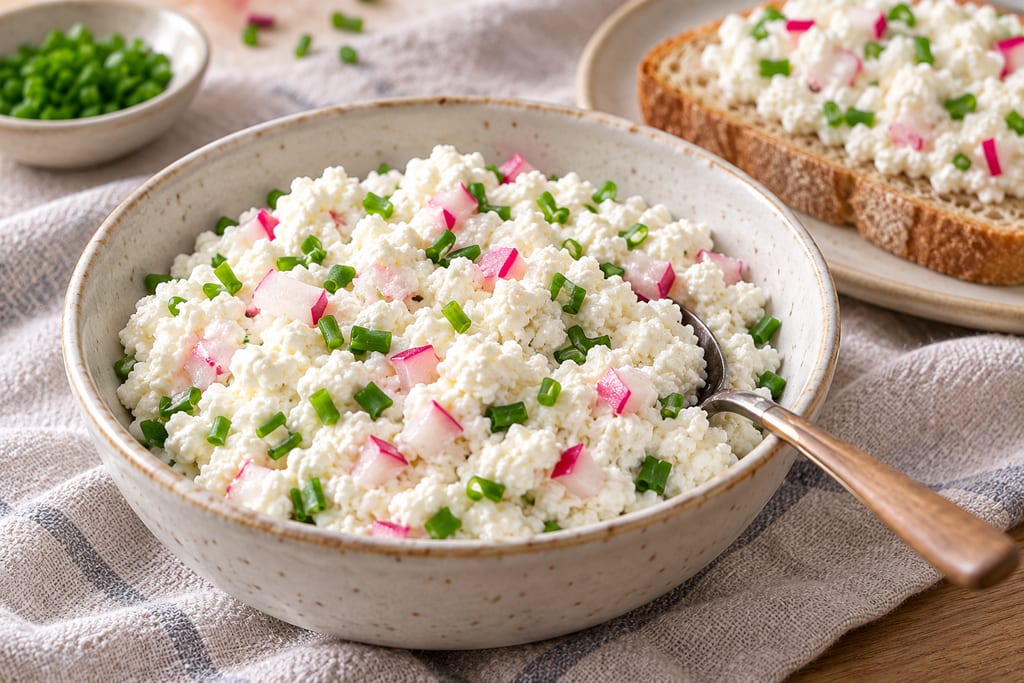
A fresh Polish curd cheese set by warming milk with lemon juice, then drained through a sieve. It is a different route from the sour-milk method used for cultured twaróg.
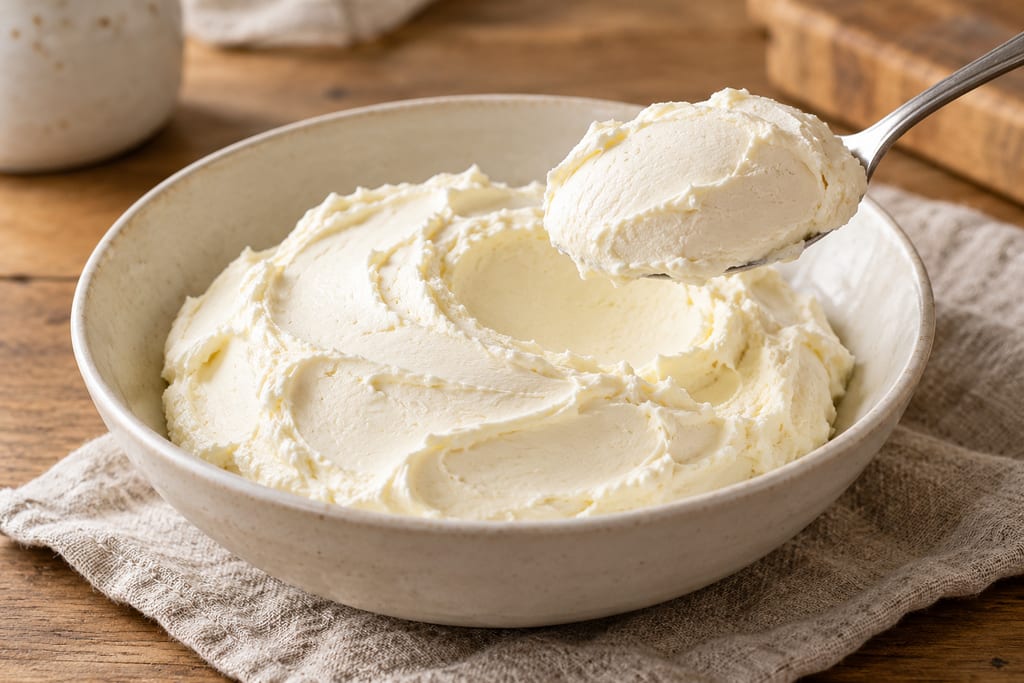
A rich fresh cheese made by heating milk and cream in a double boiler and setting them with tartaric acid, or by culturing them with a crème fraîche culture.
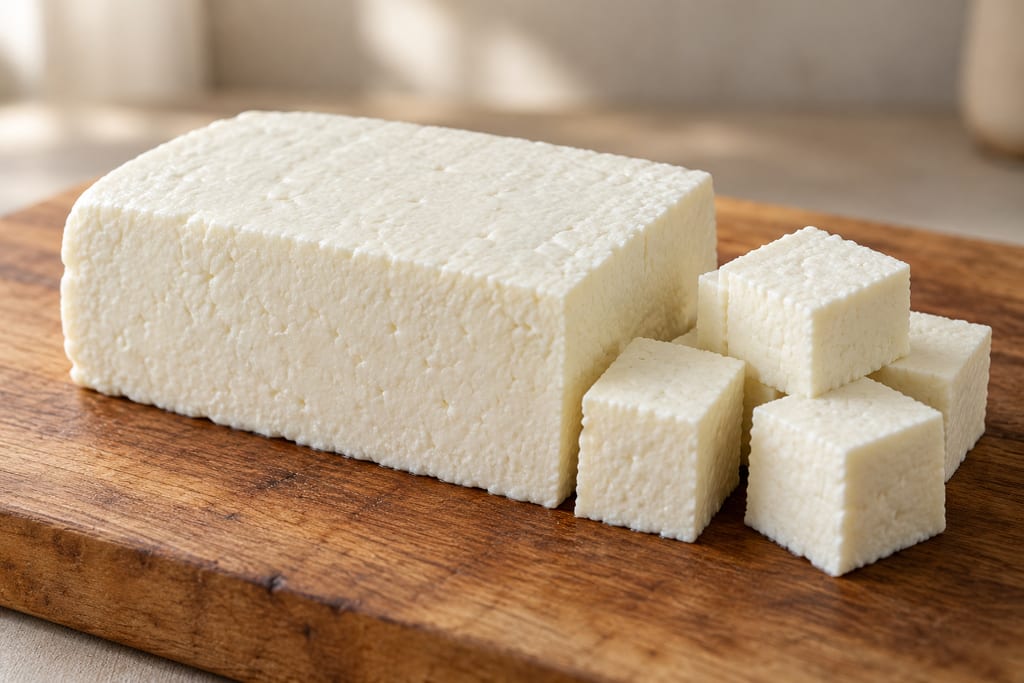
Paneer, a pressed fresh cheese, set by adding yogurt and then lemon juice a spoonful at a time to warm milk, strained, rinsed and lightly pressed.
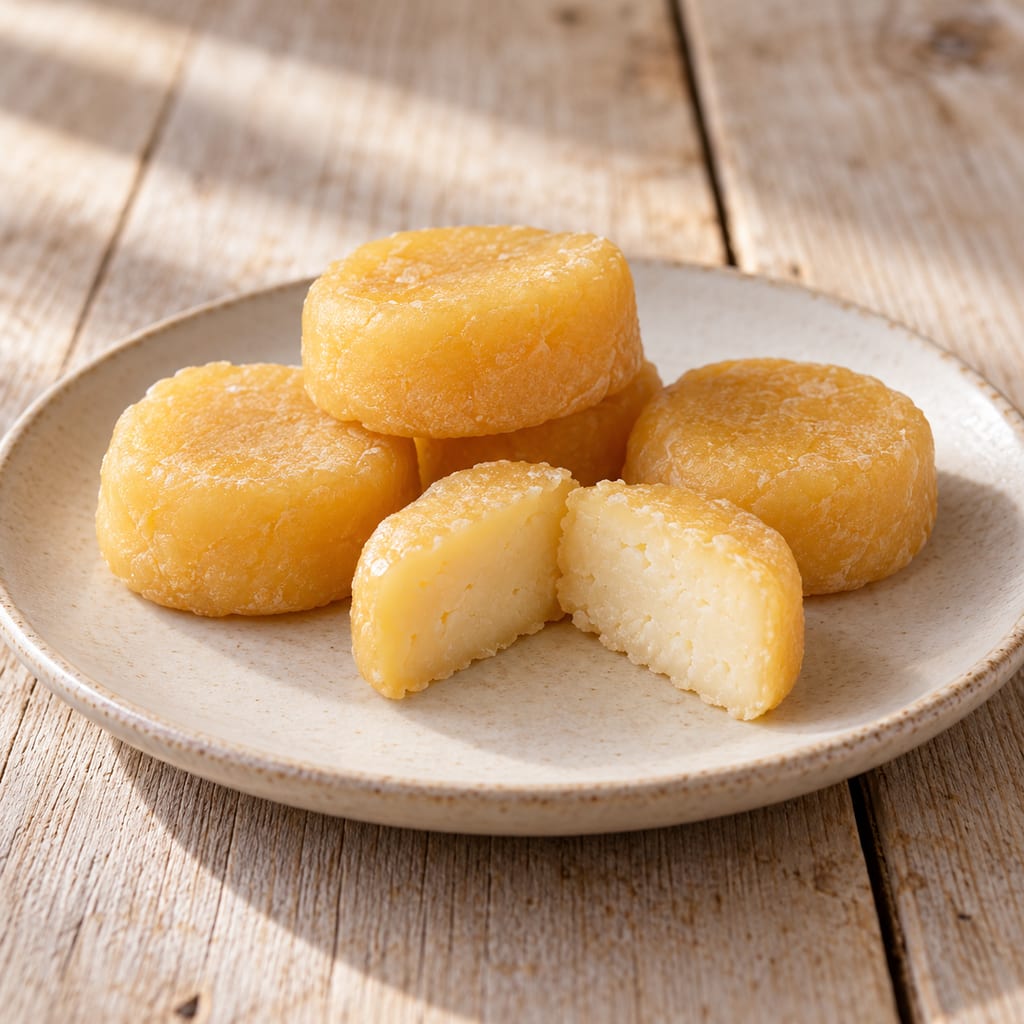
A ripened Czech table cheese made from skimmed acid-set curd, salted, cultured and ripened from the surface inward, with a golden smear and a paler centre.
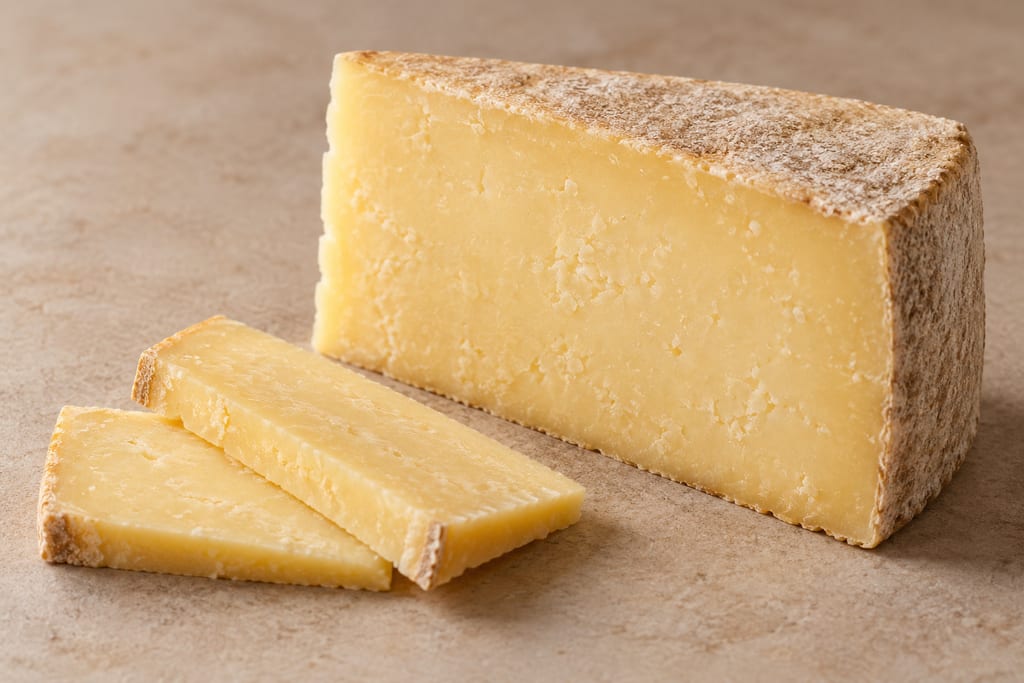
A pressed cheese whose curd is cooked slowly, then cheddared: kept warm in slabs that are turned and stacked for hours before milling, salting and pressing.
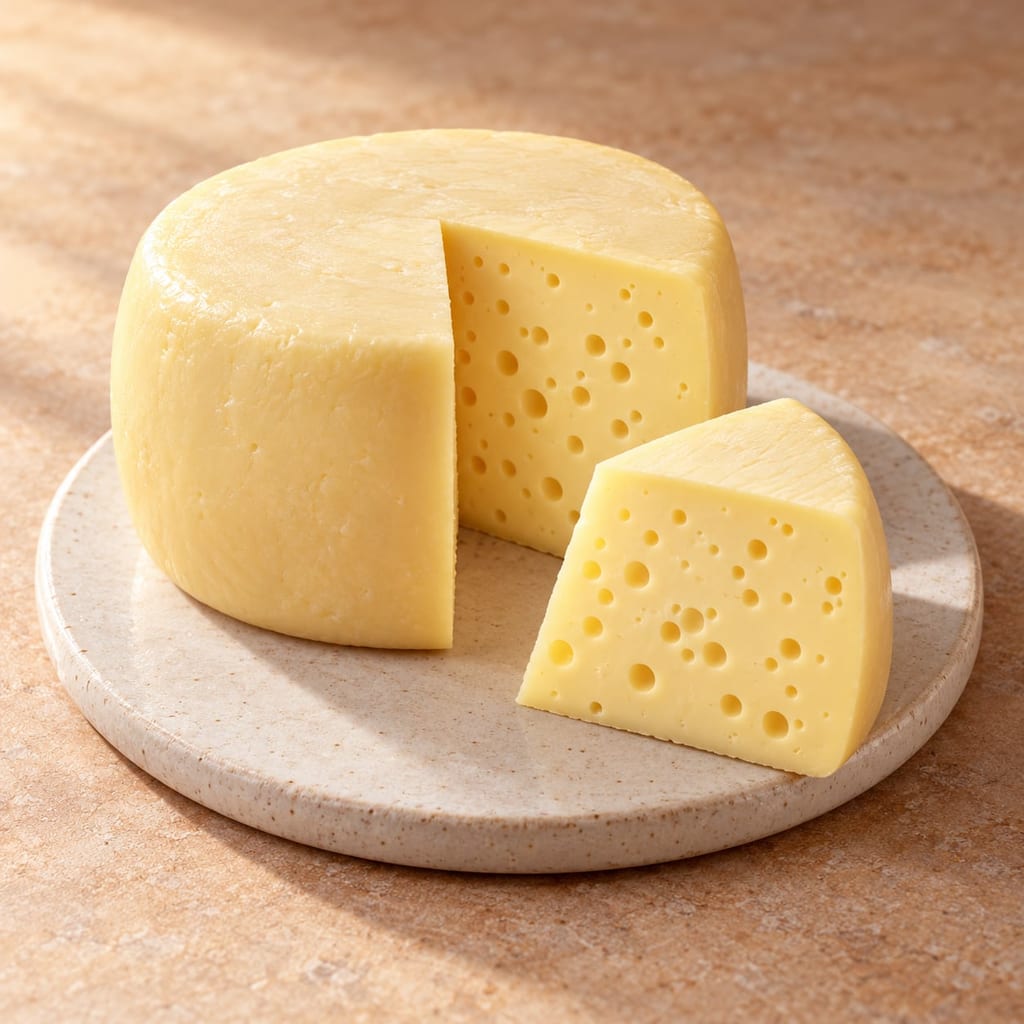
A washed-curd cheese with propionic bacteria, warmed by hot water in two steps and then held in a warm room for weeks so the bacteria can form its holes.
A documentary account of jameed, a traditional dried cultured-milk food. The cited sources do not provide a complete validated home process or a measurable endpoint for making it shelf-stable.
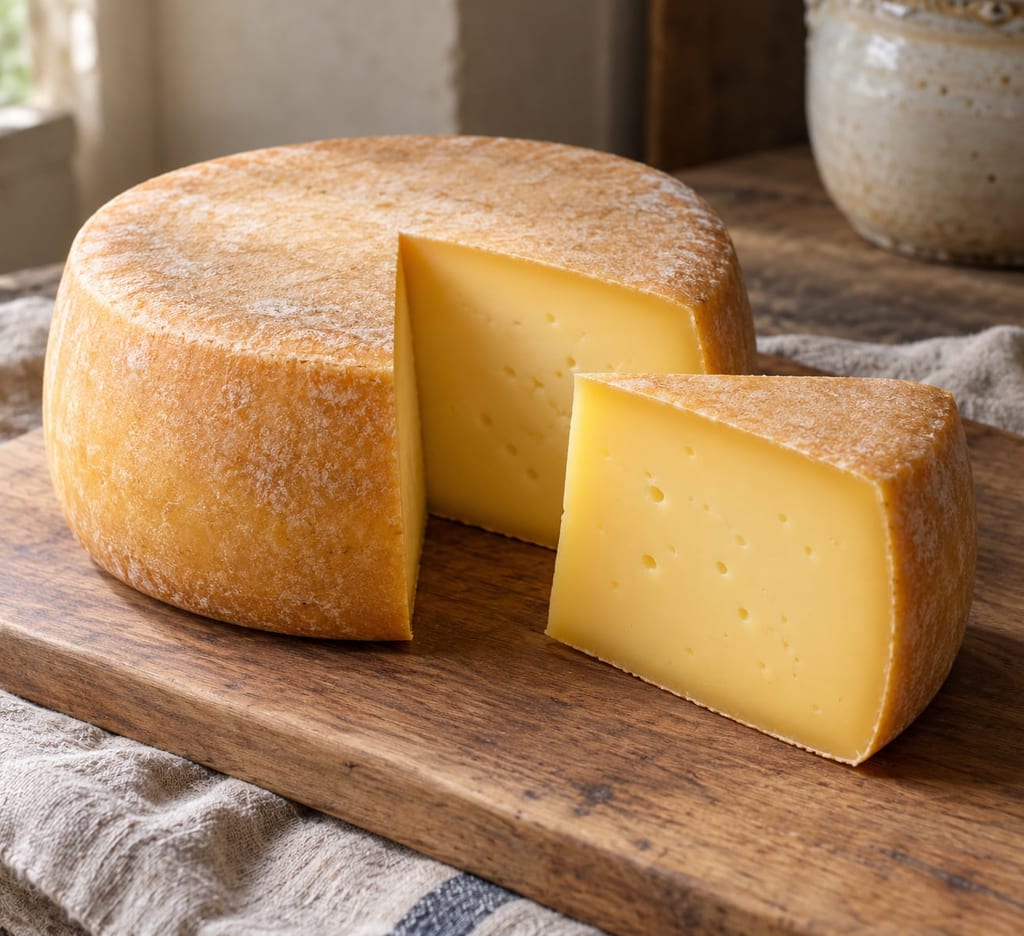
A pressed, brined cheese in which a third of the whey is replaced with hot water, washing out lactose so the cheese ends less acidic before months of ageing.
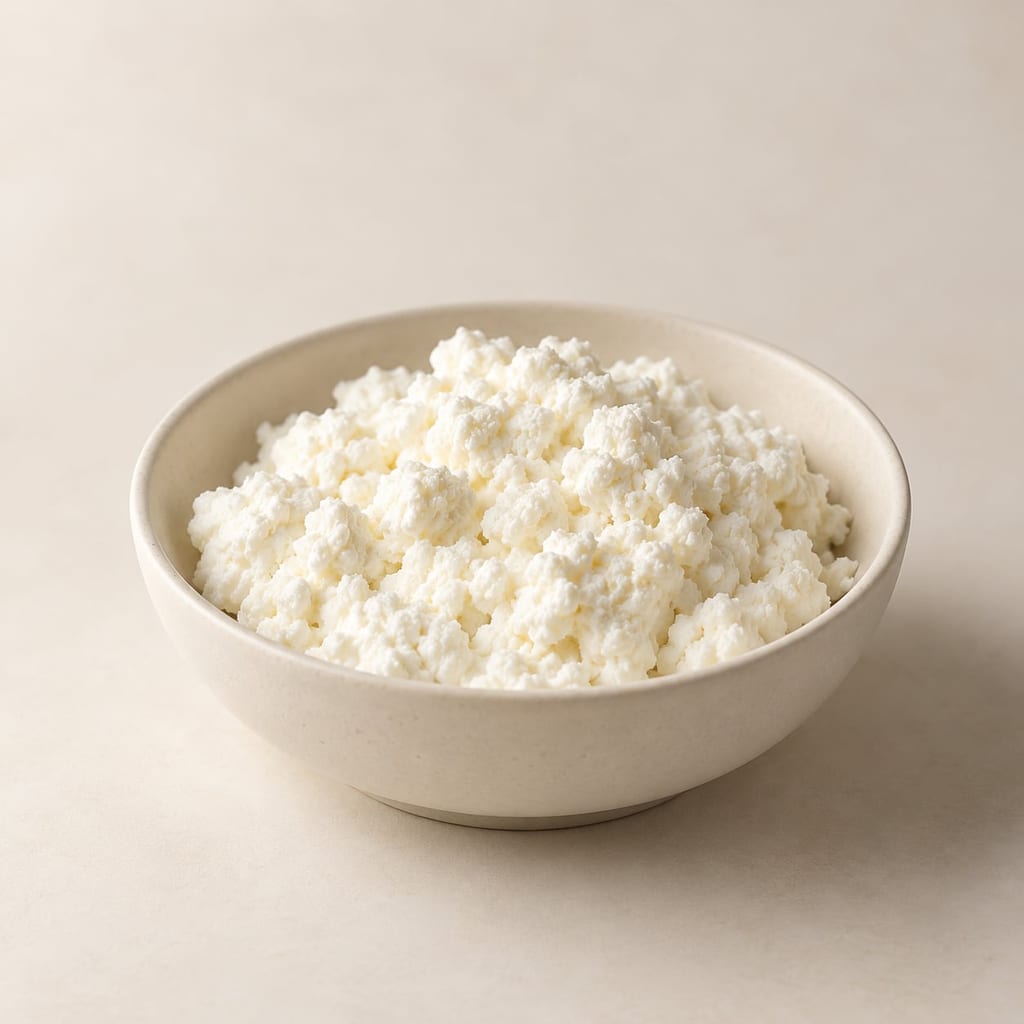
This 2 L whole-milk acid-set batch is labelled ricotta by the creator: heat below boiling, add acid and salt, rest and drain without pressing. It is separate from whey recovery; yield is unstated.
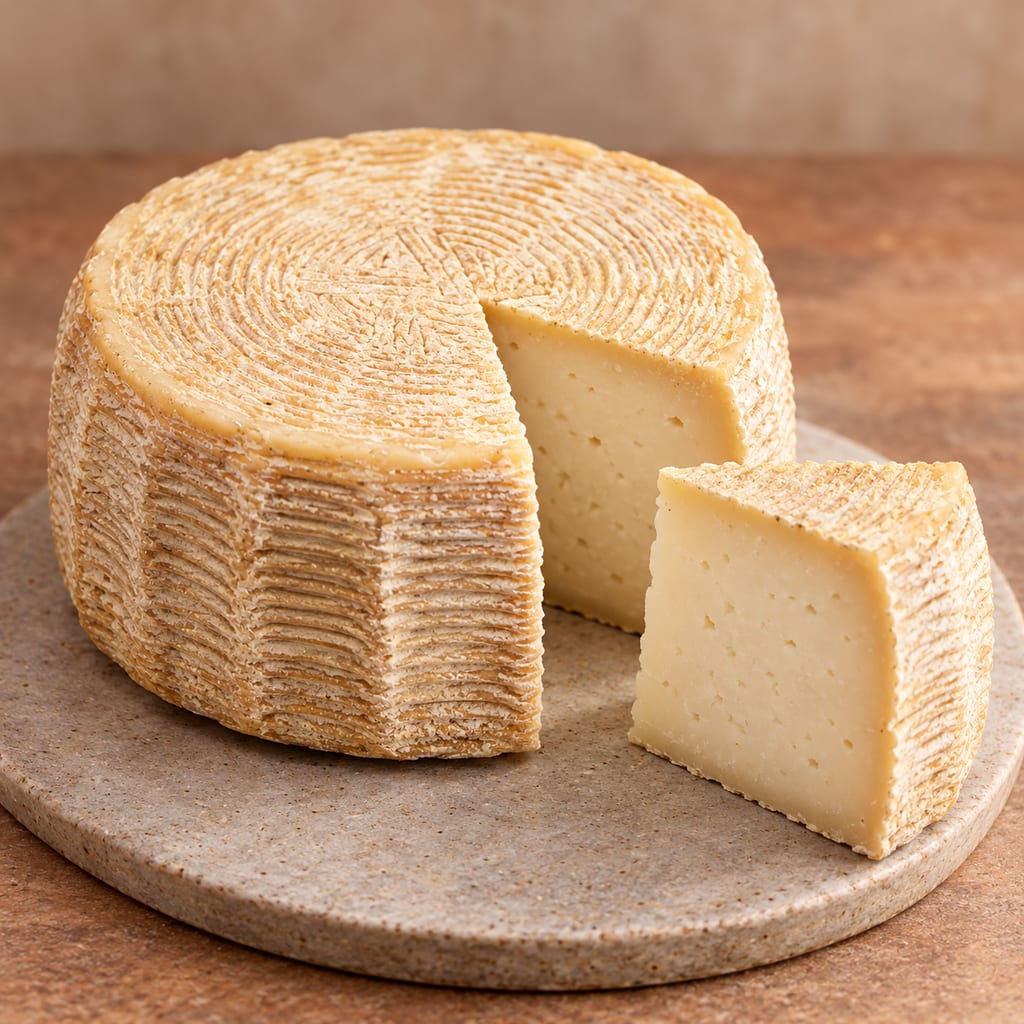
A scalded cheese moulded in baskets and re-cooked in its forms in hot whey, made alongside a ricotta from the same milk, then acidified, brined and aged for months.
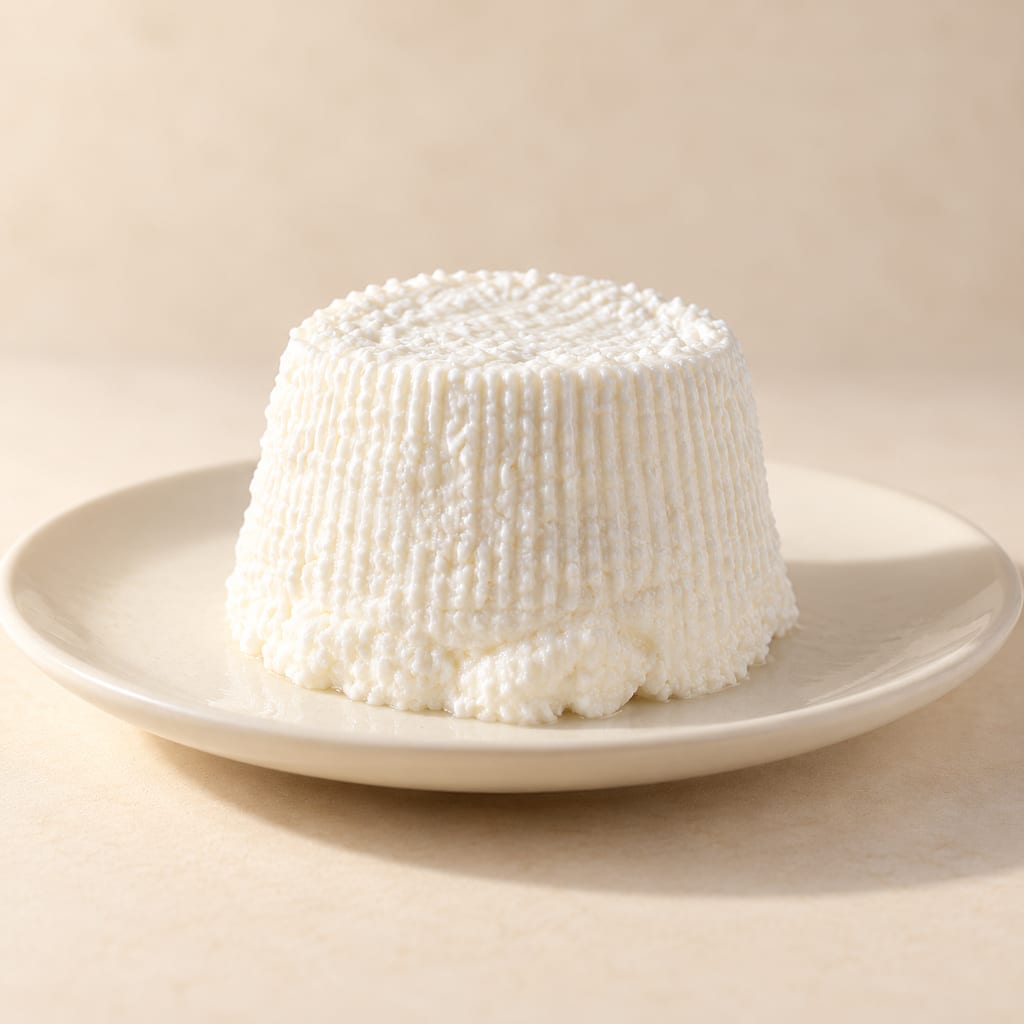
Corsican Brocciu is a whey cheese made by heating sheep's or goat's whey with whole milk and salt, then gently draining the flocculated curds. It is eaten fresh or salted and ripened as Brocciu passu.
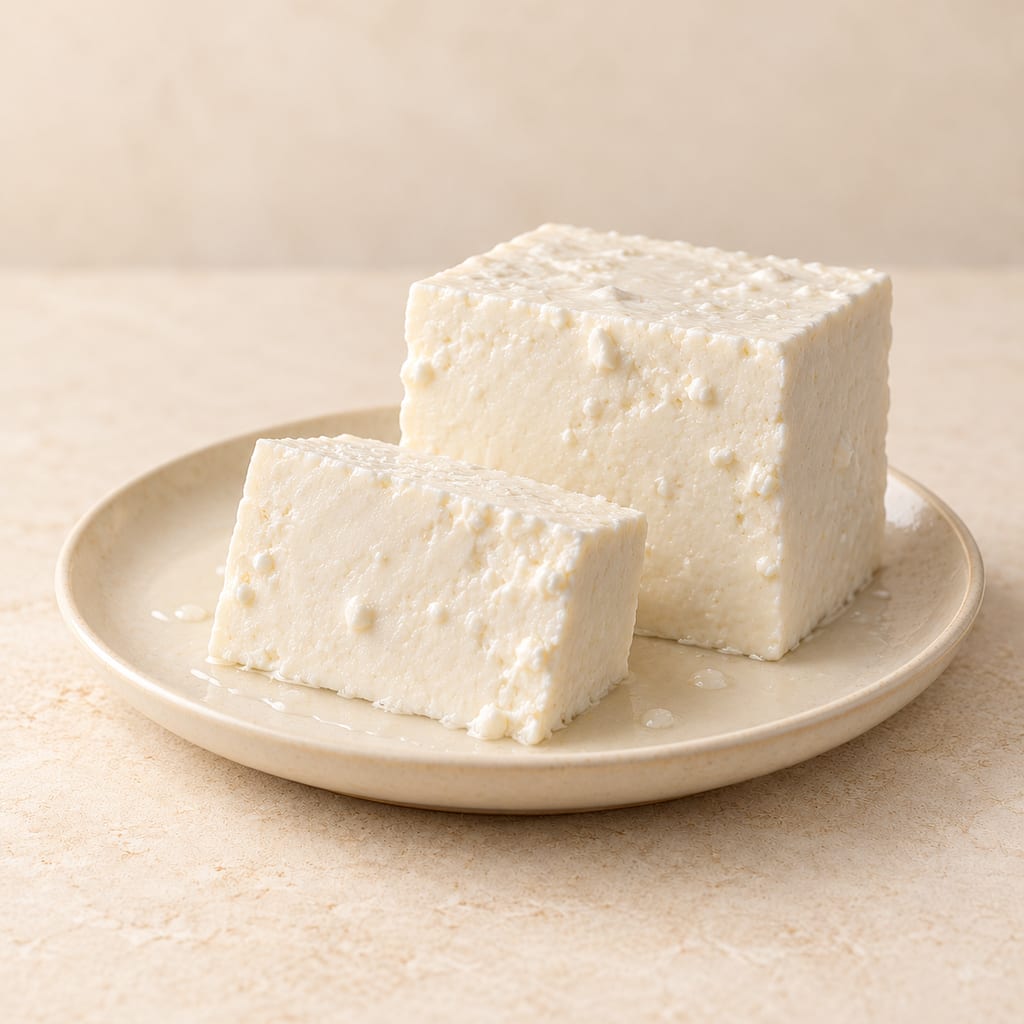
Beyaz peynir is a Turkish white cheese matured in brine. Sheep milk, alone or mixed with other milks, gives a close-textured cheese cut into blocks and packed in cans.
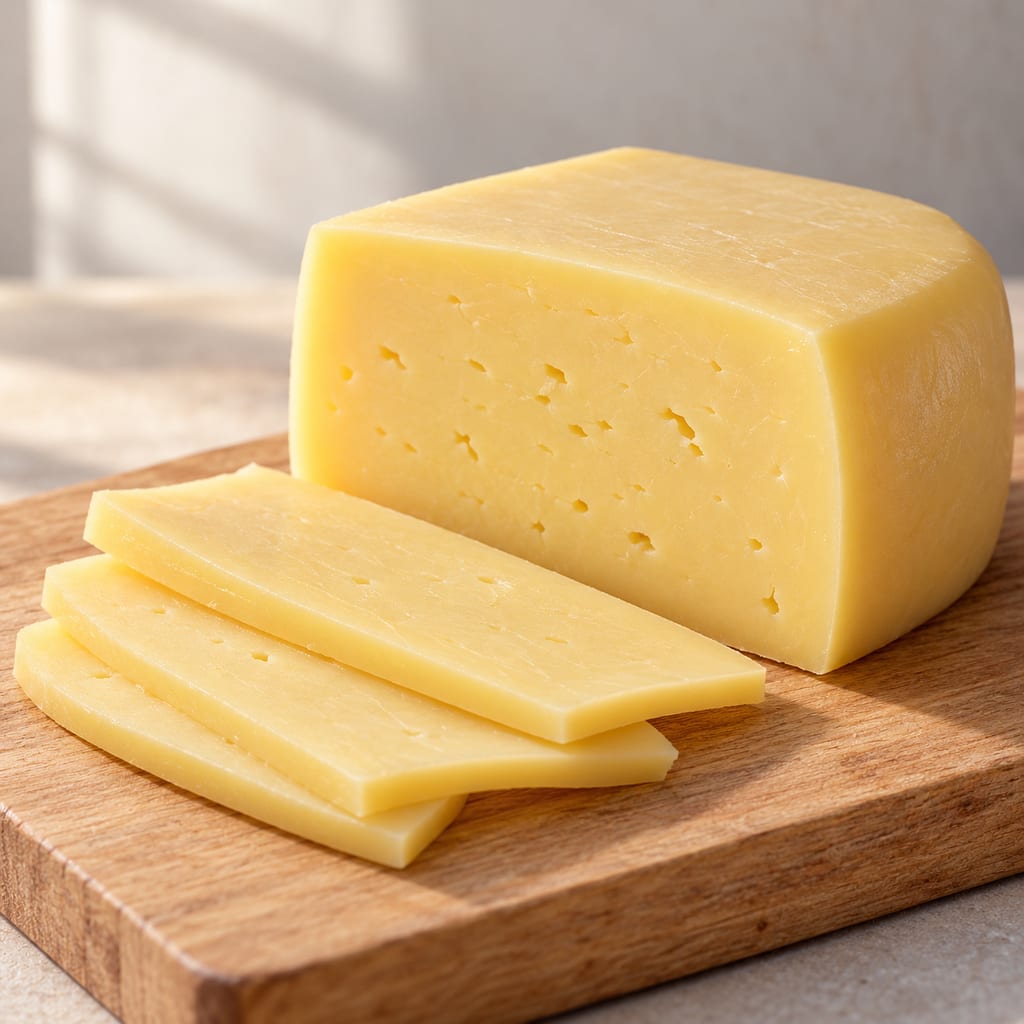
A yellow stretched-curd cheese made by acidifying, draining and kneading curd in hot brine. This small-batch kashkaval uses a commercial starter and a brine finish.
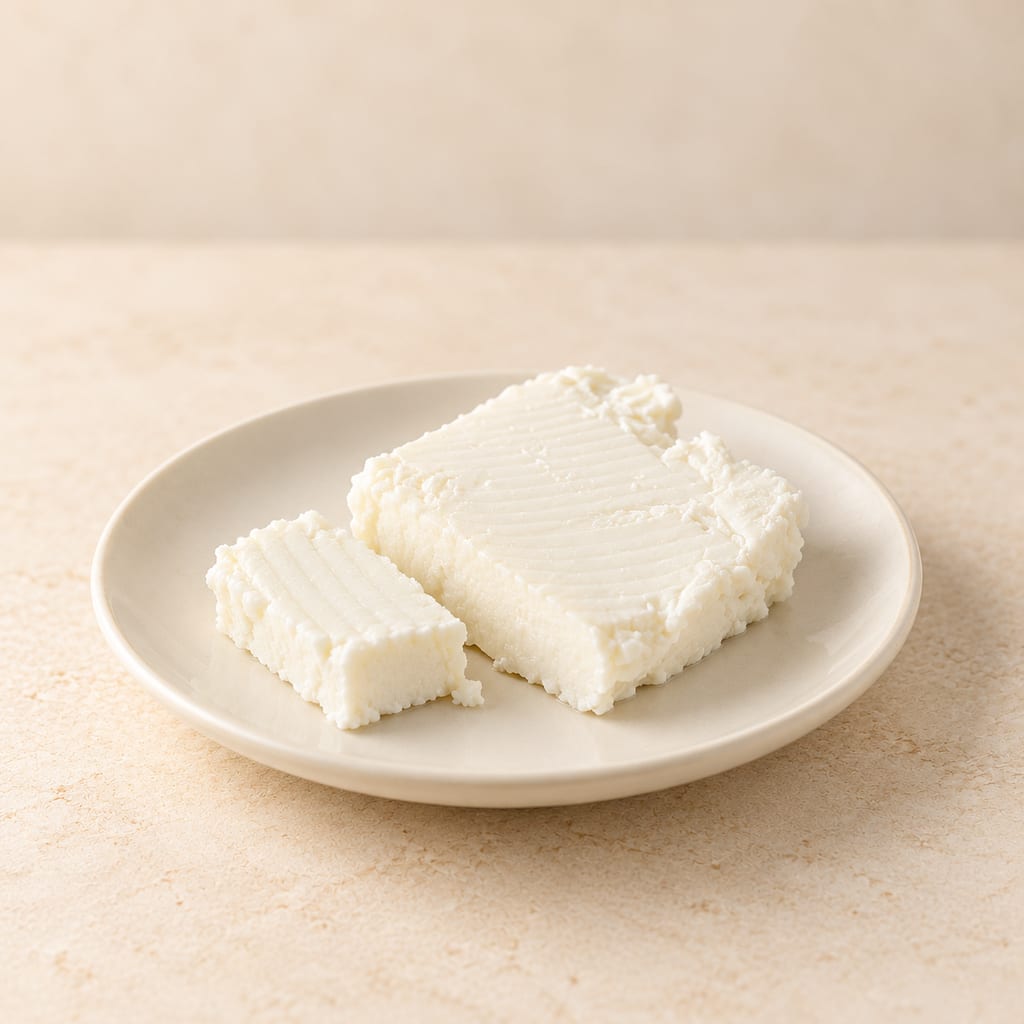
Domiati is a soft Egyptian white cheese made by salting milk before renneting. It is eaten fresh or ripened in brine, with cow and buffalo milk used in varying proportions.
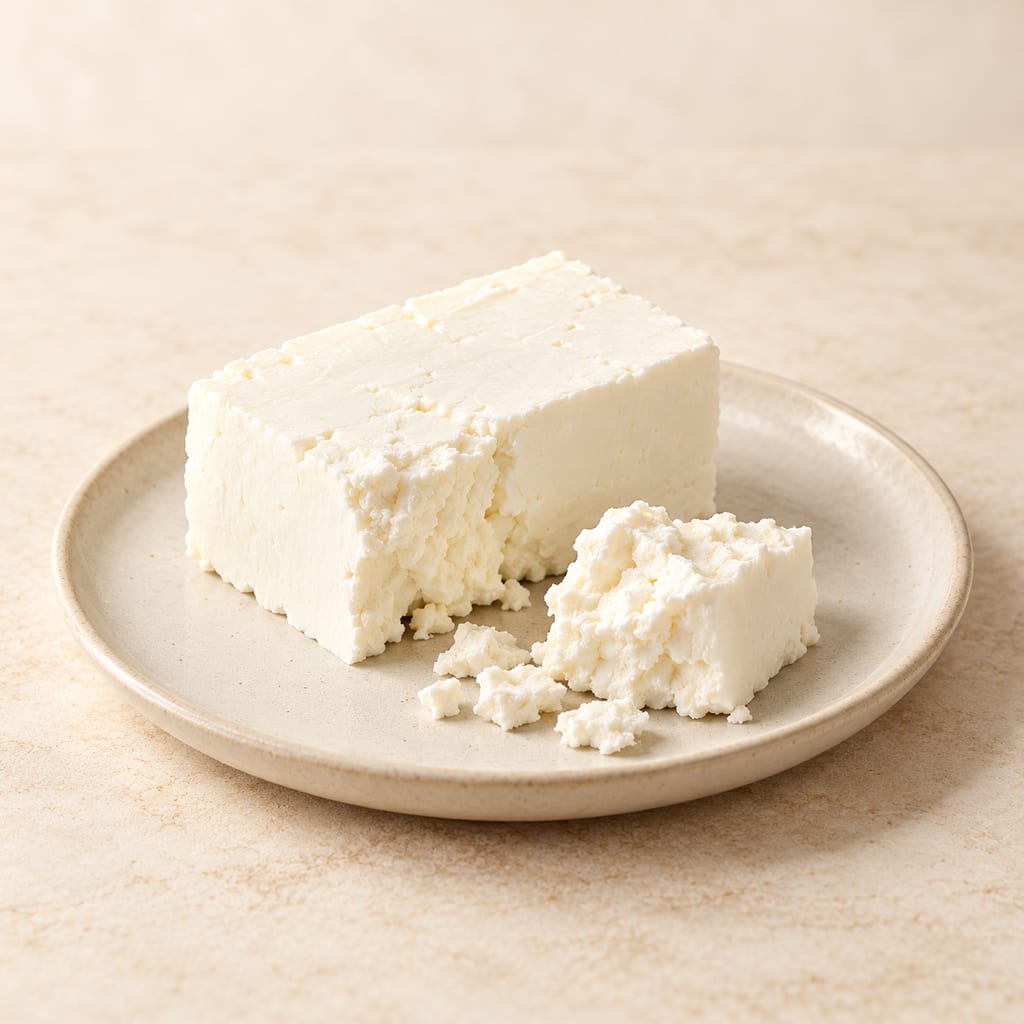
White cheese made with a lactic starter and rennet, drained without pressing, dry-salted and covered in brine. This home adaptation allows whole milk from different dairy animals.
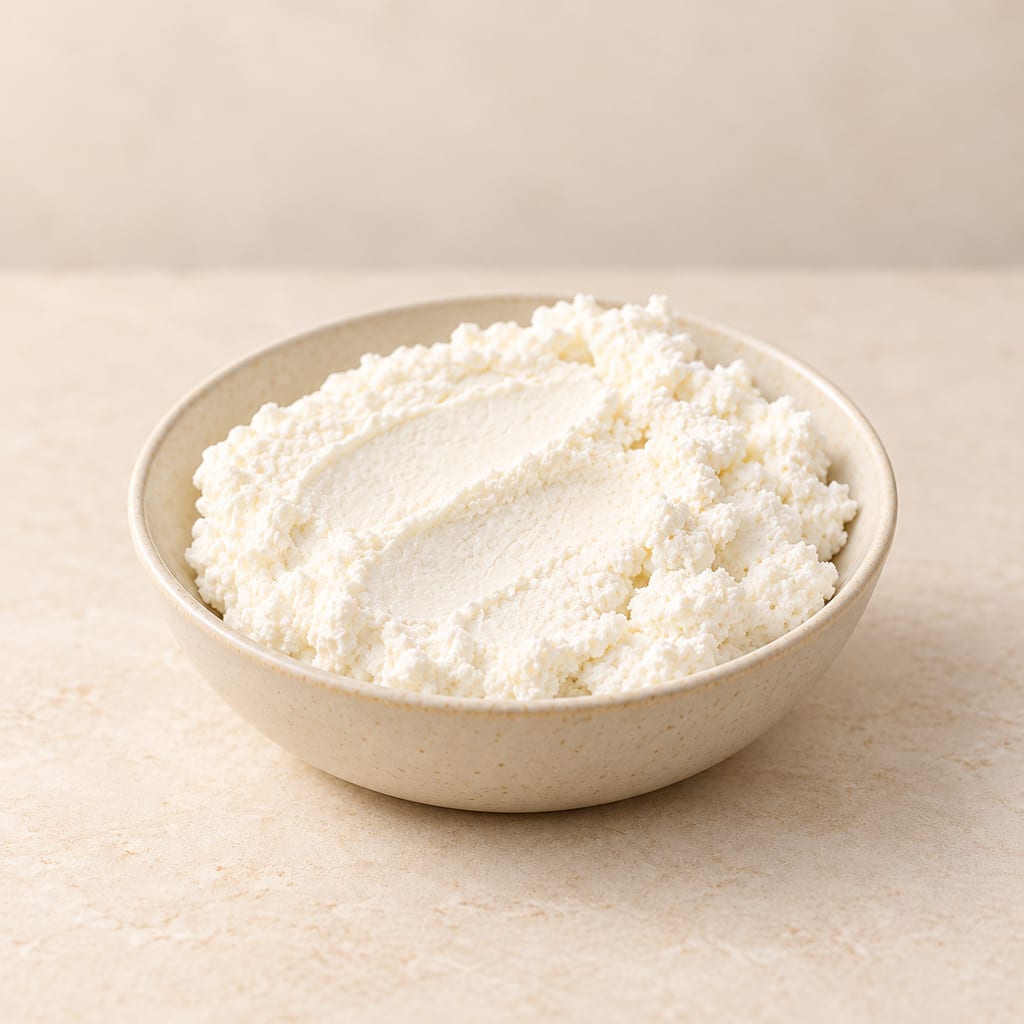
Fresh chèvre is a soft goat-milk cheese with a gently tangy flavour. This home method uses a combined lactic starter and coagulant, then drains the curd in cloth before salting and chilling.
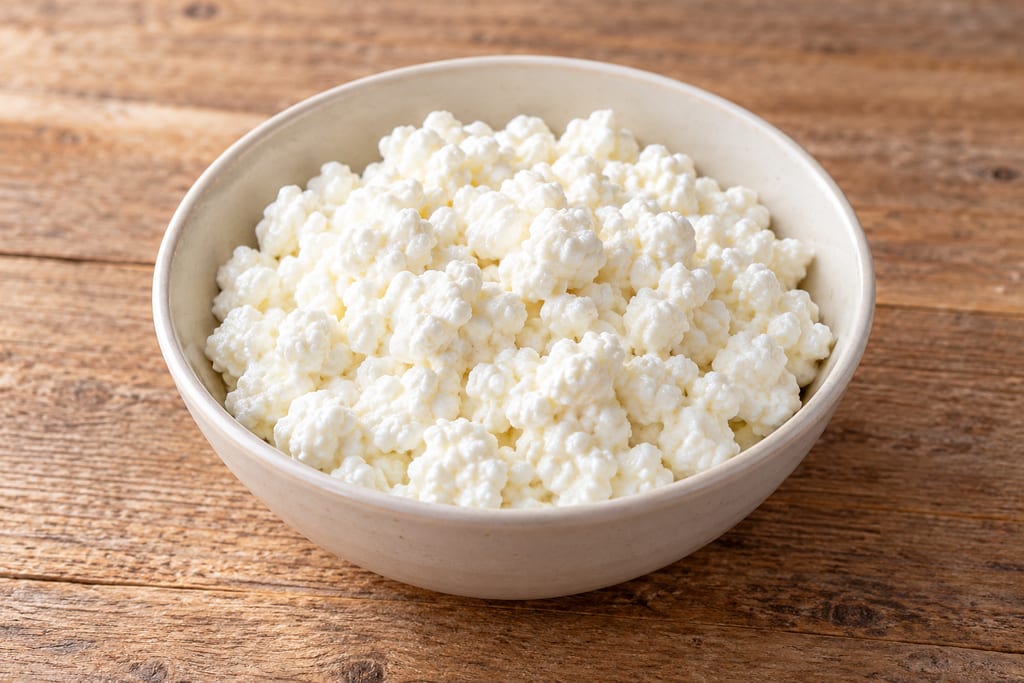
Skim milk is cultured slowly, cut into curds, warmed and drained to make fresh cottage cheese. Cold-water washing softens its flavour before cream and salt are added.
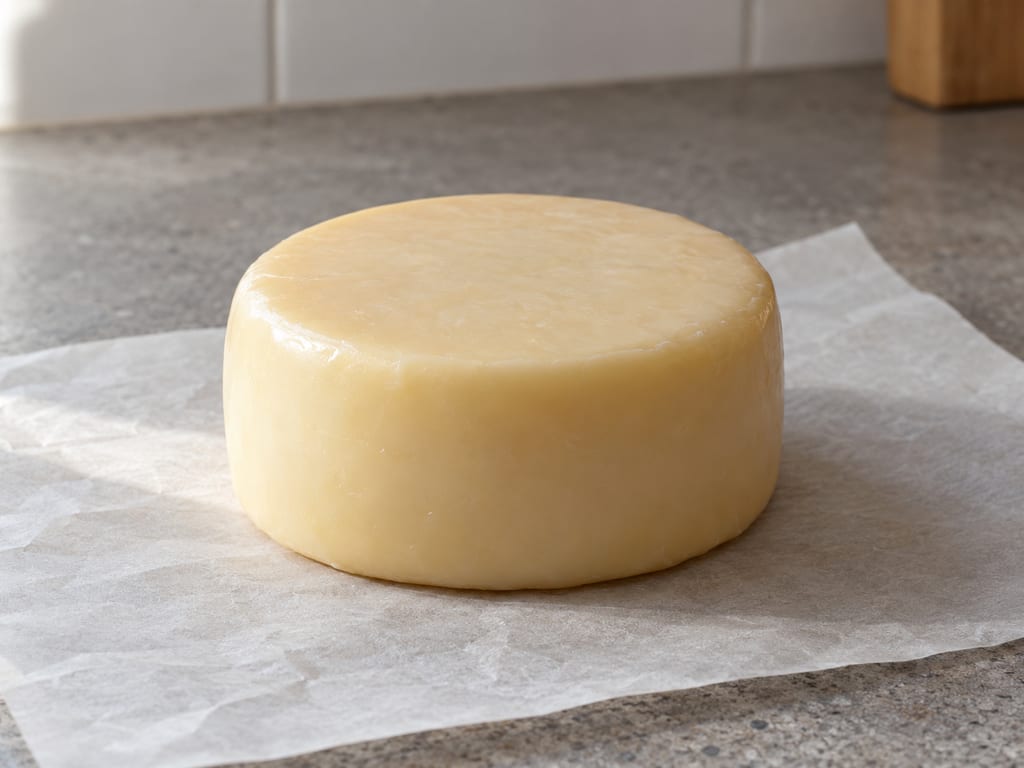
A mild whole-milk cheese set with starter and rennet, drained in a mould, dry-salted and ripened. This small-batch method appeared in Canadian home-dairy guidance.
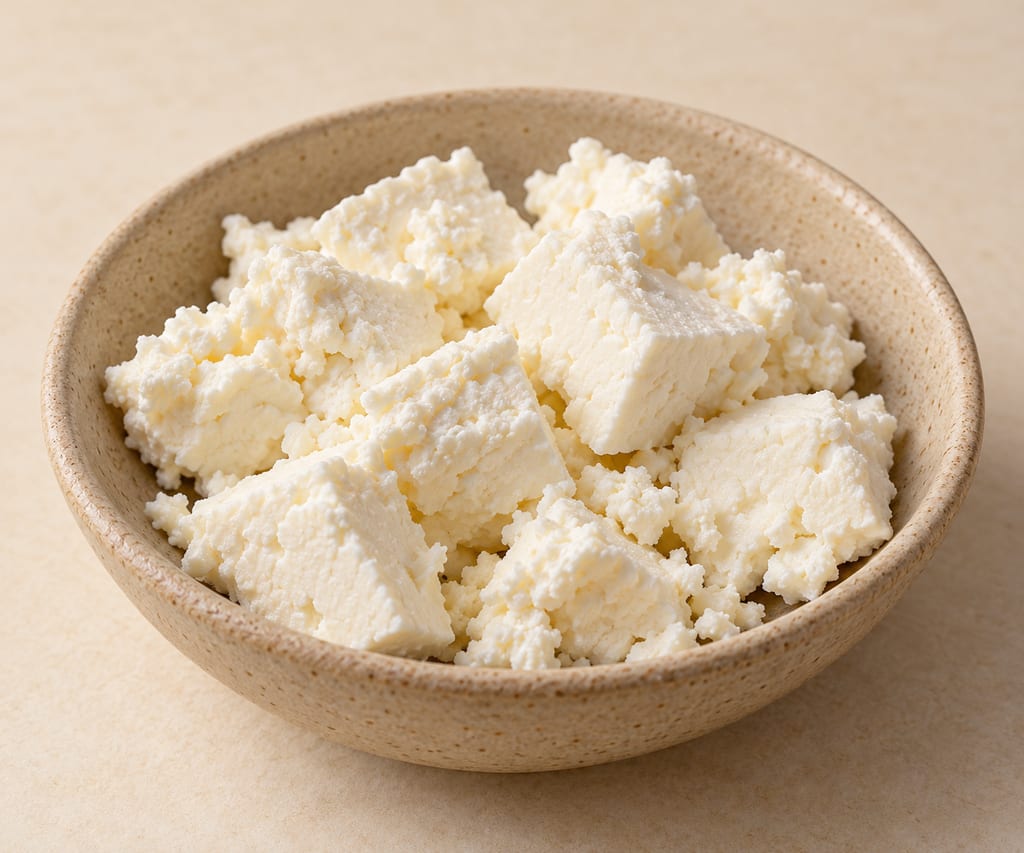
Whole milk set with a mesophilic starter and rennet makes a fresh, crumbly feta-style cheese. Its curds pass through hot salted whey before molding.
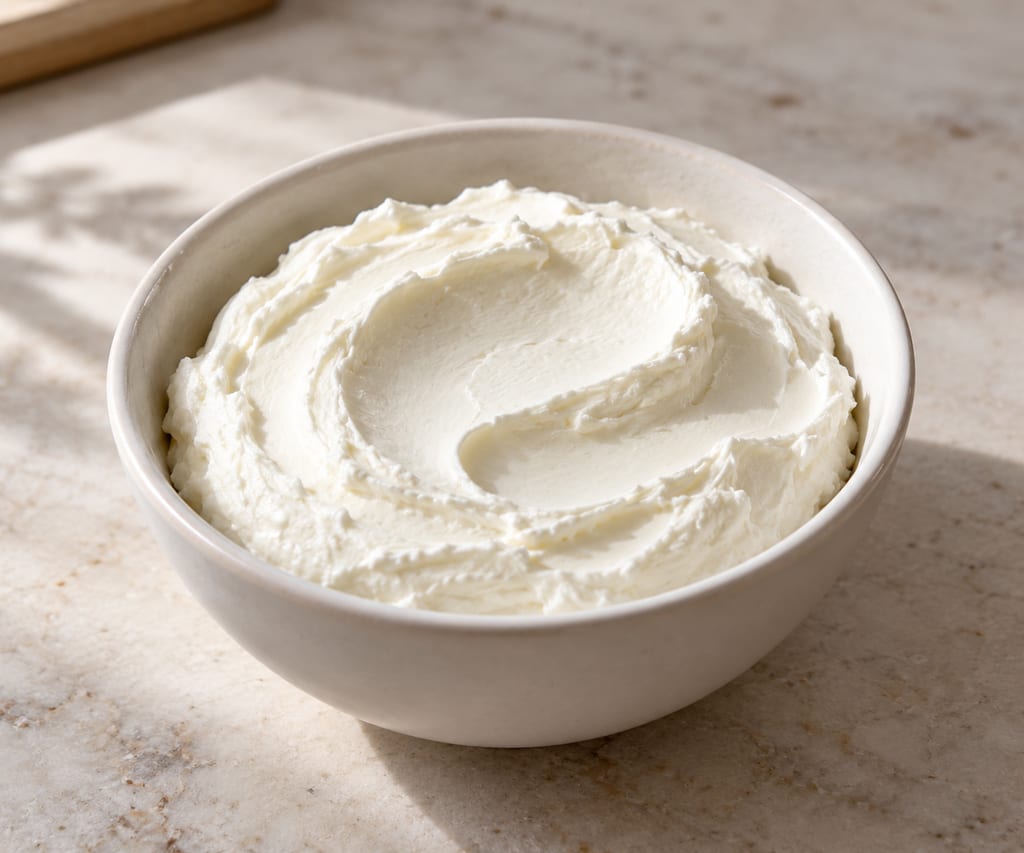
A cold-drained labneh method excerpted from the Soframiz cookbook: plain whole-milk Greek yogurt is lightly pressed in cheesecloth and refrigerated overnight, up to two days. This is distinct from Gavin Webber’s 2018 cupboard-drained batch.
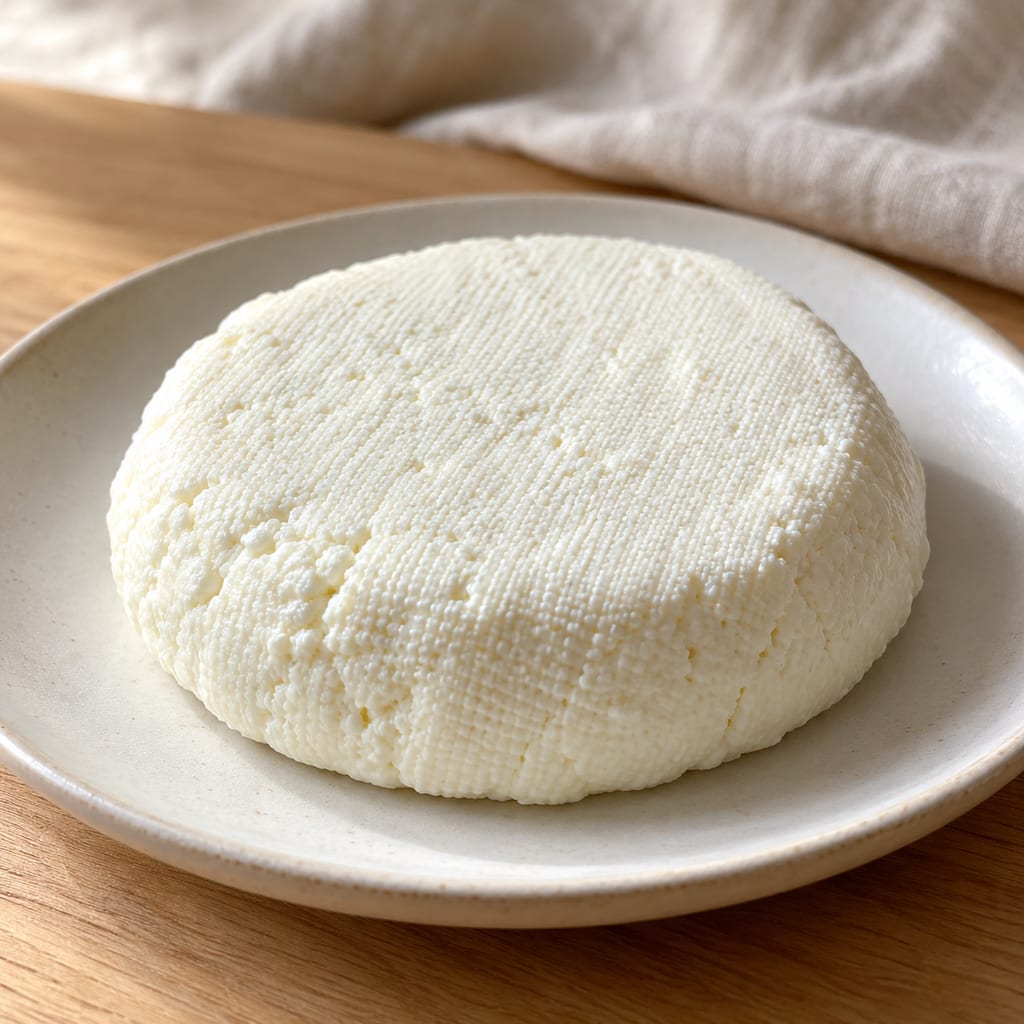
A half-gallon milk batch is coagulated with lemon juice, rinsed and pressed into fresh paneer for sweets or savoury dishes.
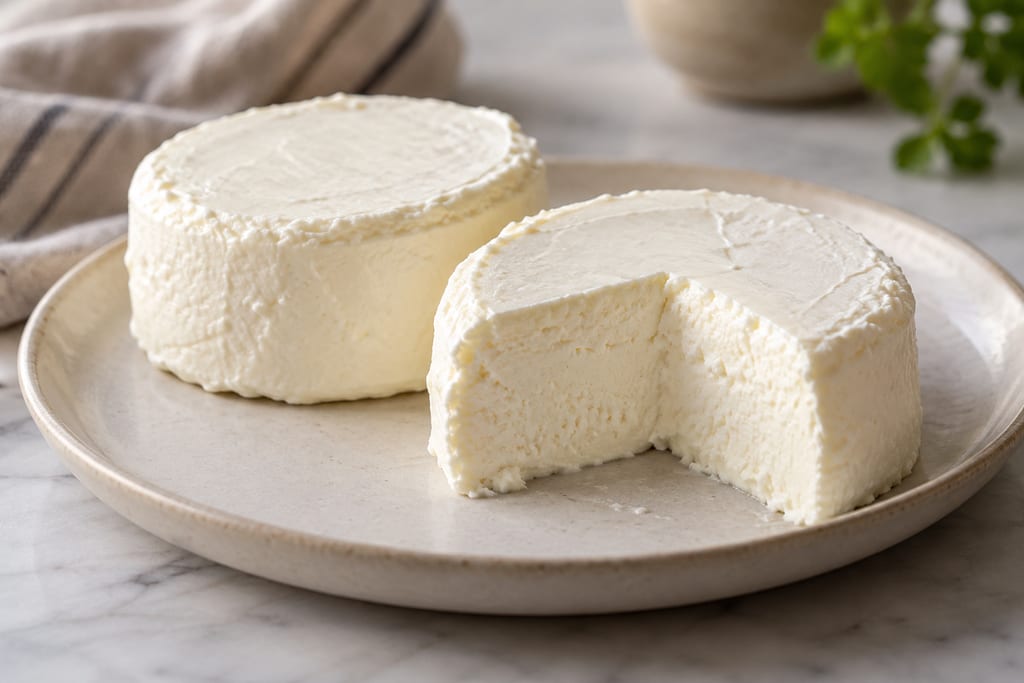
Pasteurized milk cultured with buttermilk or yogurt and set with rennet makes this soft, smooth Neufchâtel-style cheese, pressed into small forms and chilled.
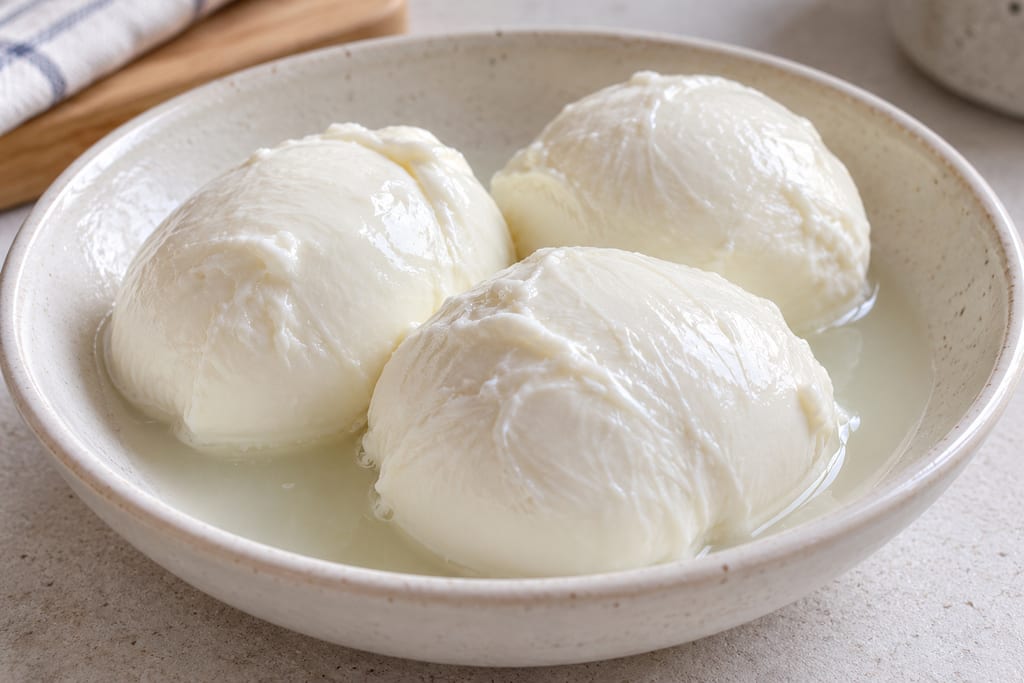
A quick fresh batch uses low-temperature-pasteurized whole milk, citric acid and rennet; the curd is warmed, drained and stretched in hot whey.
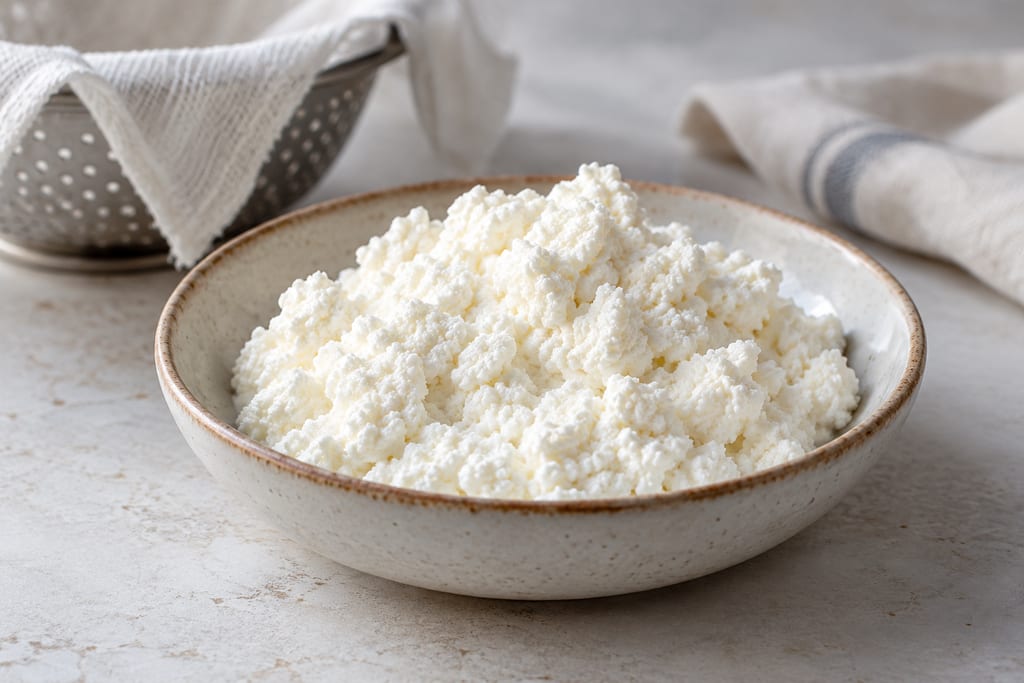
Cornell’s goat-dairy recipe combines fresh whey with whole goat milk, lemon juice and salt to recover a small amount of soft ricotta curd.
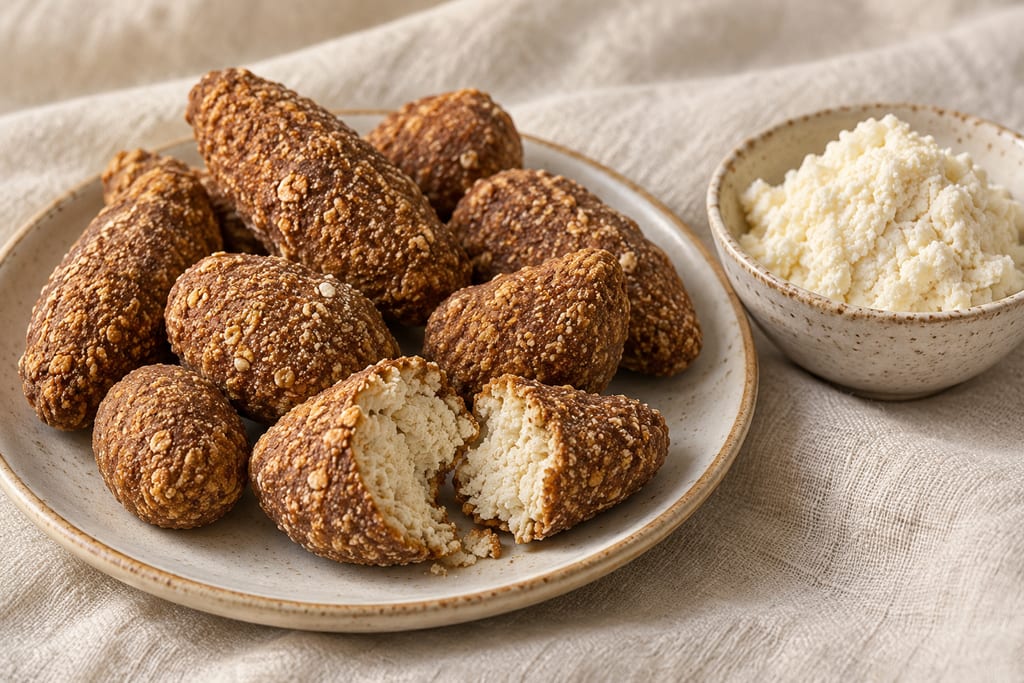
A two-stage Altai dairy preparation: sour chegen is heated into soft aarchi, then portions are drained, pressed and traditionally smoked into firm kurut.
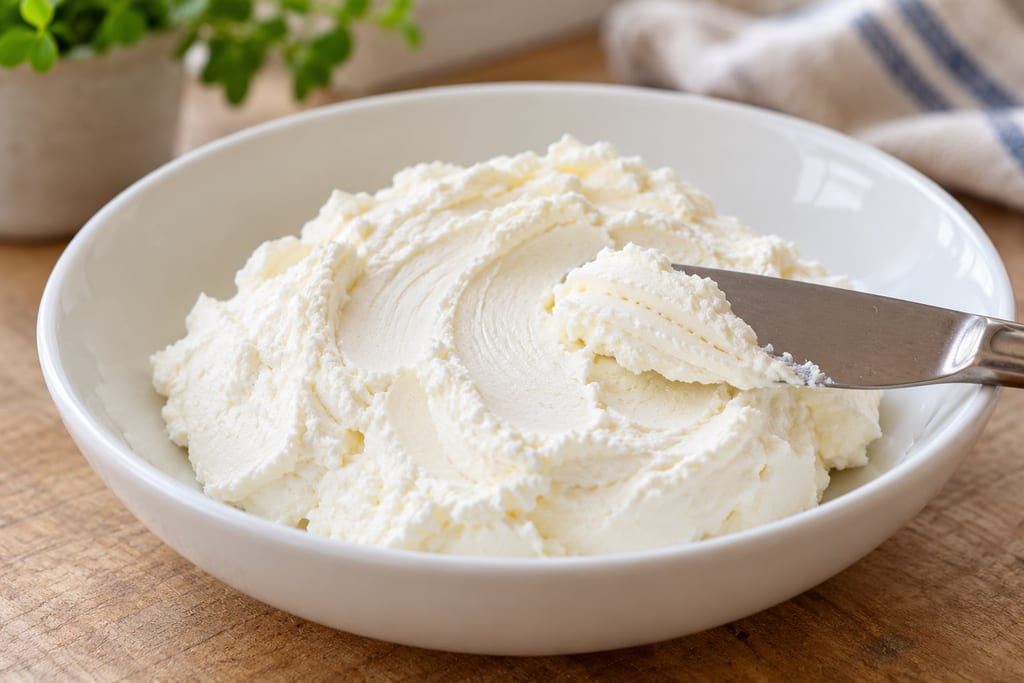
The creator’s written method strains 700 mL kefir through tight cloth for 24 hours in a refrigerator and reports 240 g finished cheese.
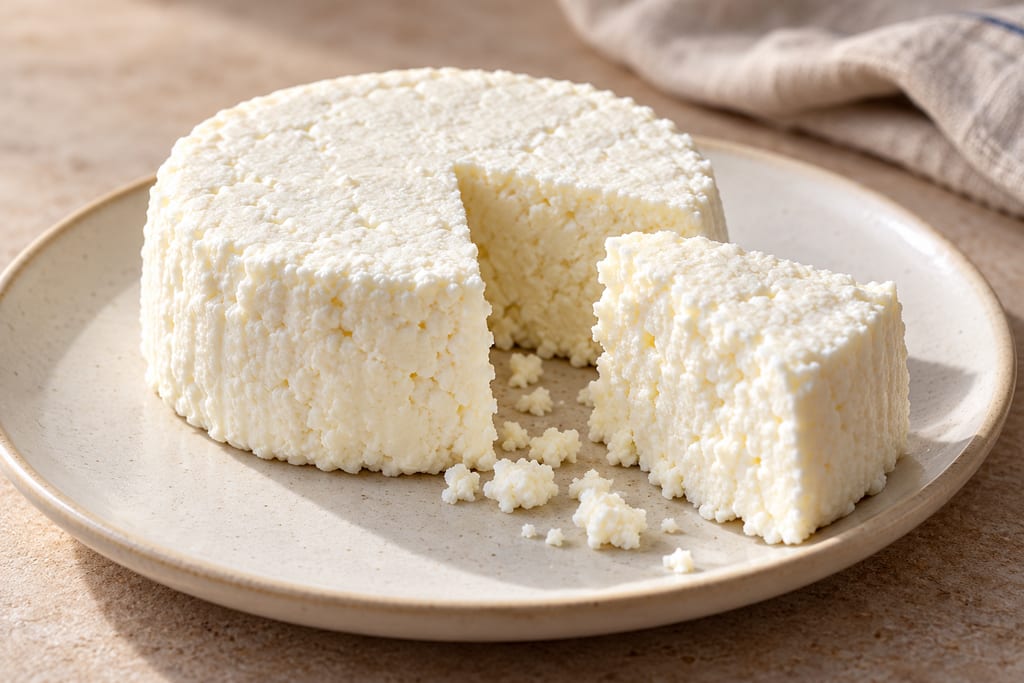
Cultured buttermilk, pasteurized milk, vinegar and rennet make this soft, crumbly queso fresco by a New Mexico home method adapted from Washington’s Abuela Project.
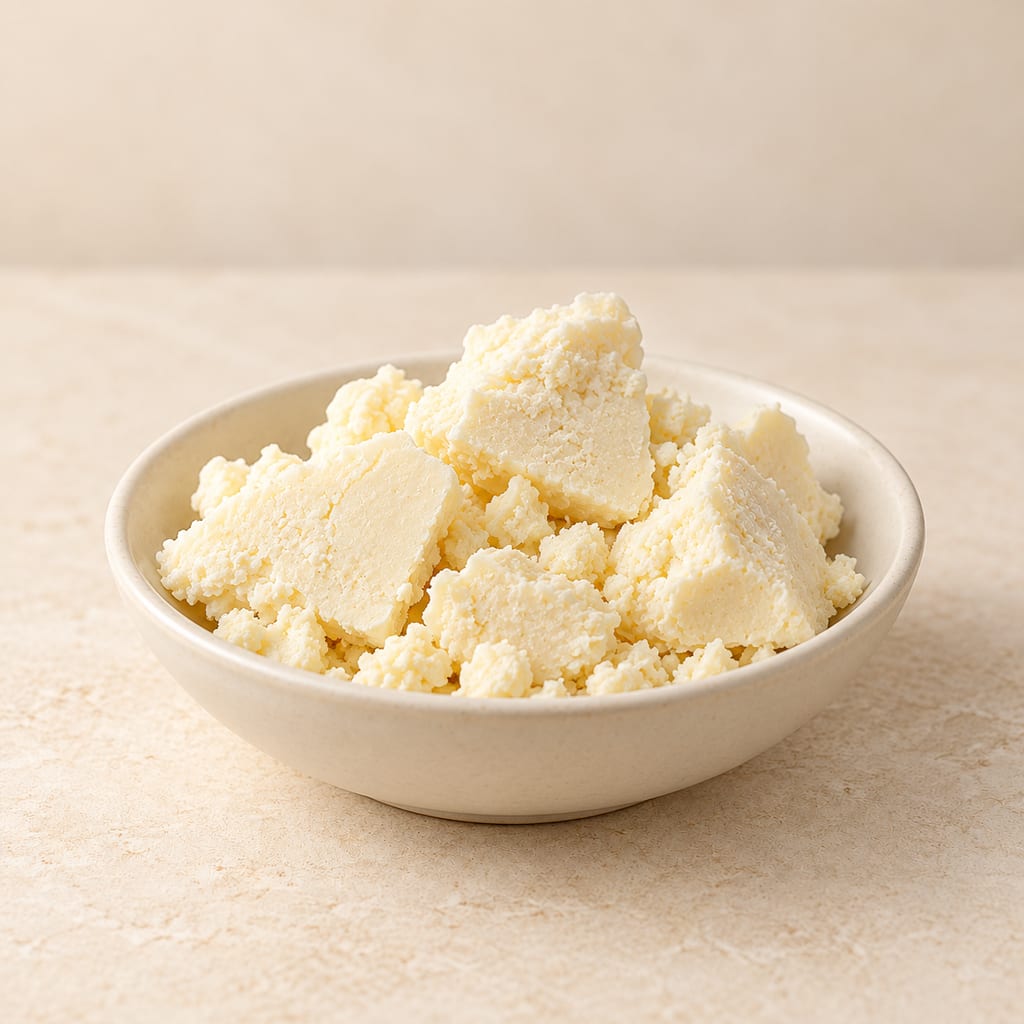
Tulum peyniri is a Turkish cheese traditionally packed into animal-skin bags to mature. This sheep-milk method adds a thermophilic yogurt culture before renneting, draining and dry salting.
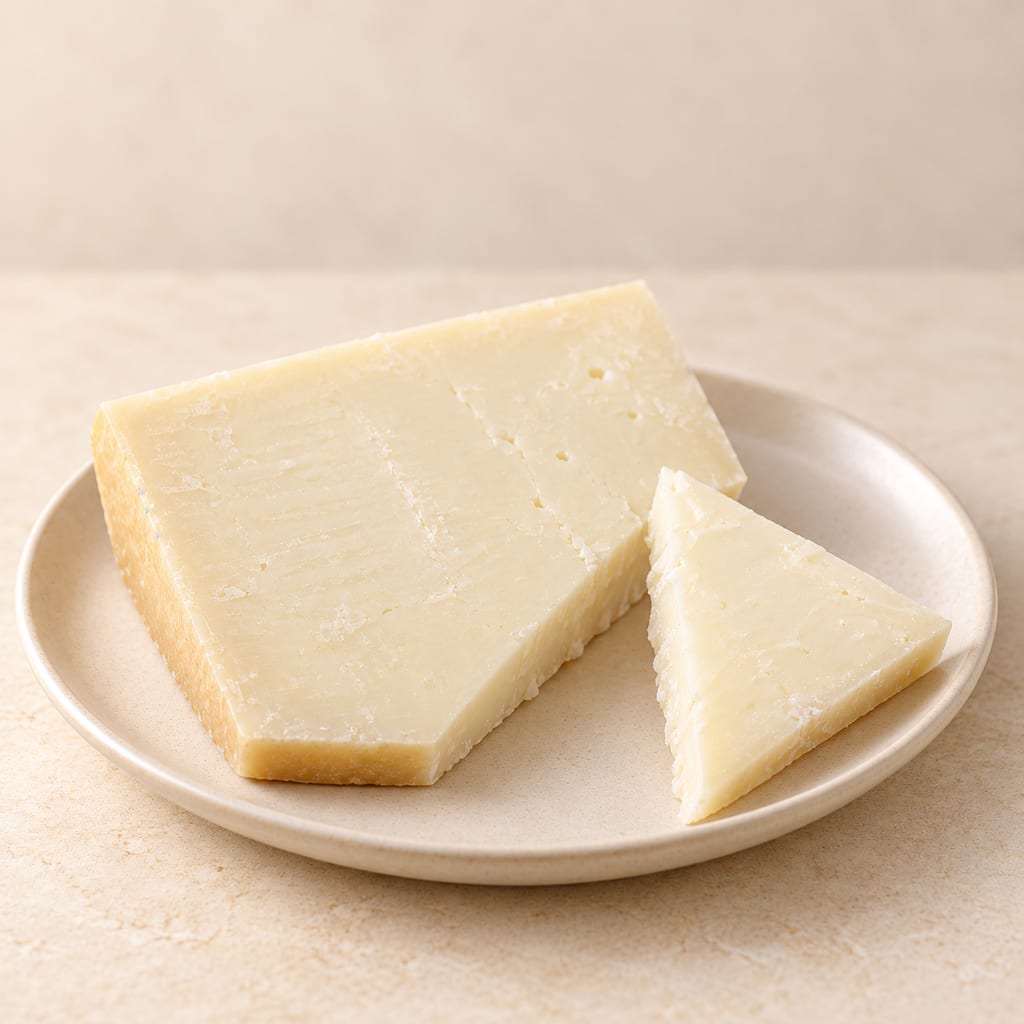
Kefalotyri is a hard sheep-and-goat-milk cheese made in Cyprus as well as Greece. This Cypriot method cooks and presses the curd, then brines, coats and matures the cheese.
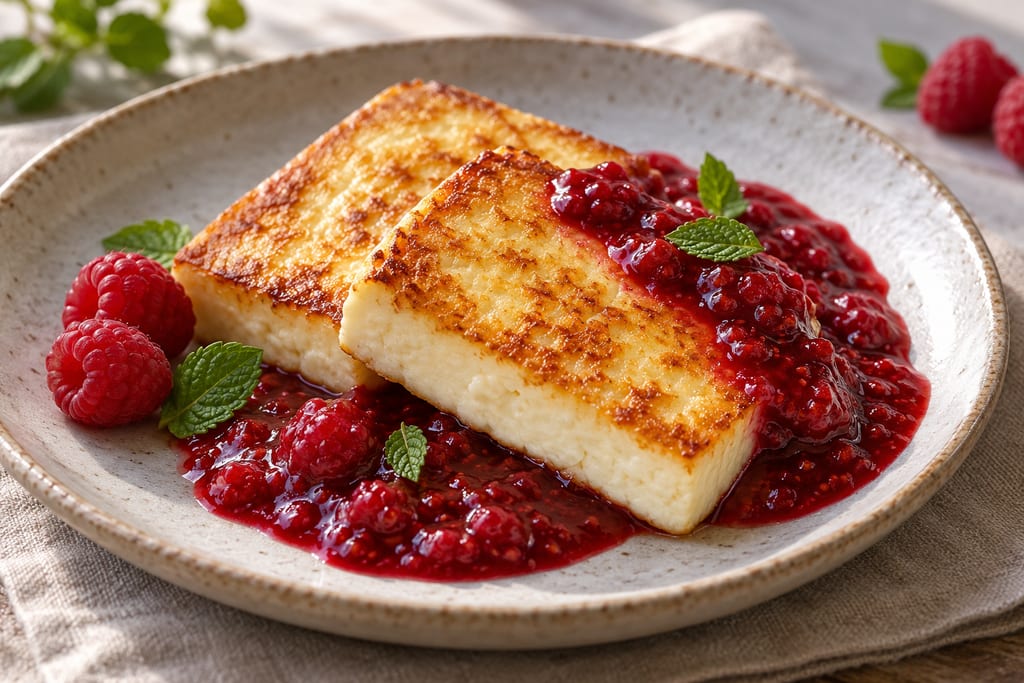
This Ukrainian caption batch uses 3 L milk, lemon, salt, sugar and mint, presses curds for 6–8 hours, then fries the cheese and serves raspberry sauce. Yield is unstated.
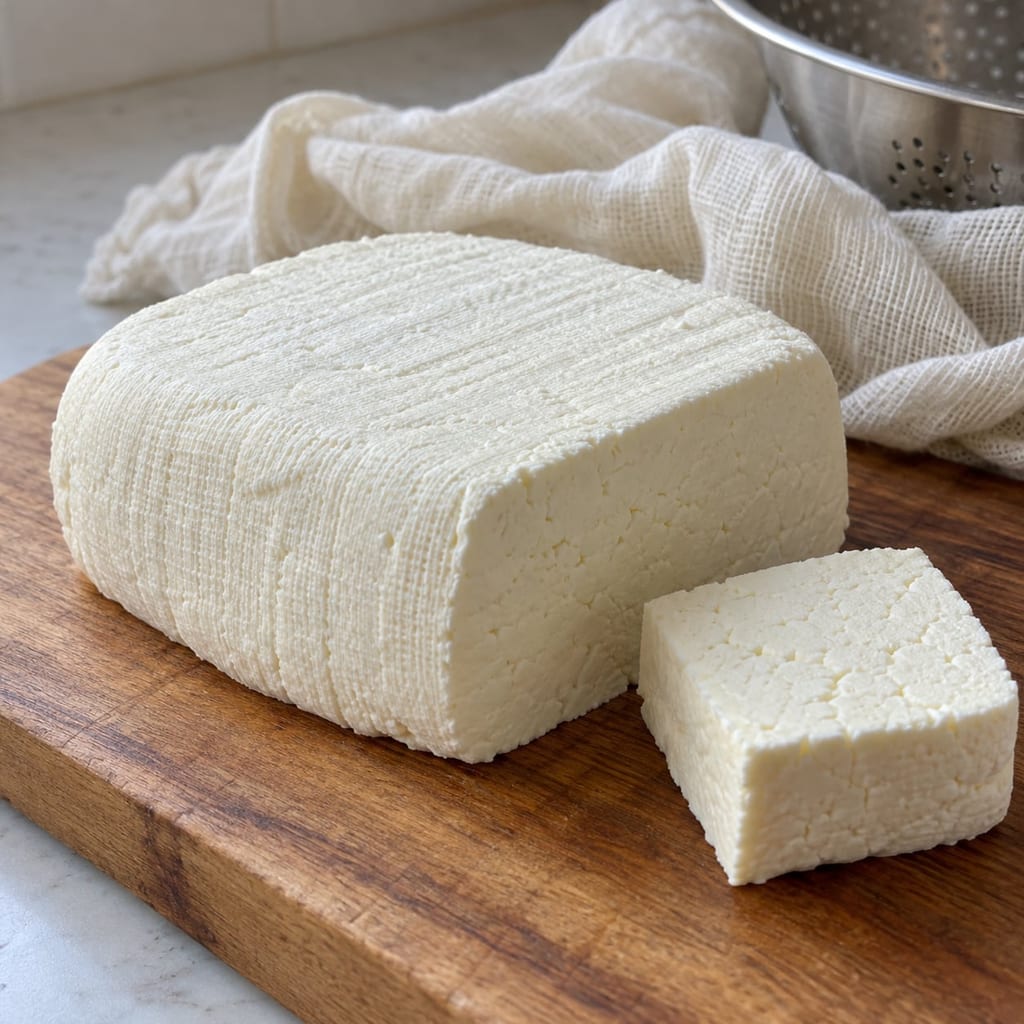
This Polish caption batch uses 5 L milk and about 12–13 tablespoons lemon juice, rests 10 minutes and presses beneath two 2 kg jars for at least two hours. Measured yield is unknown.
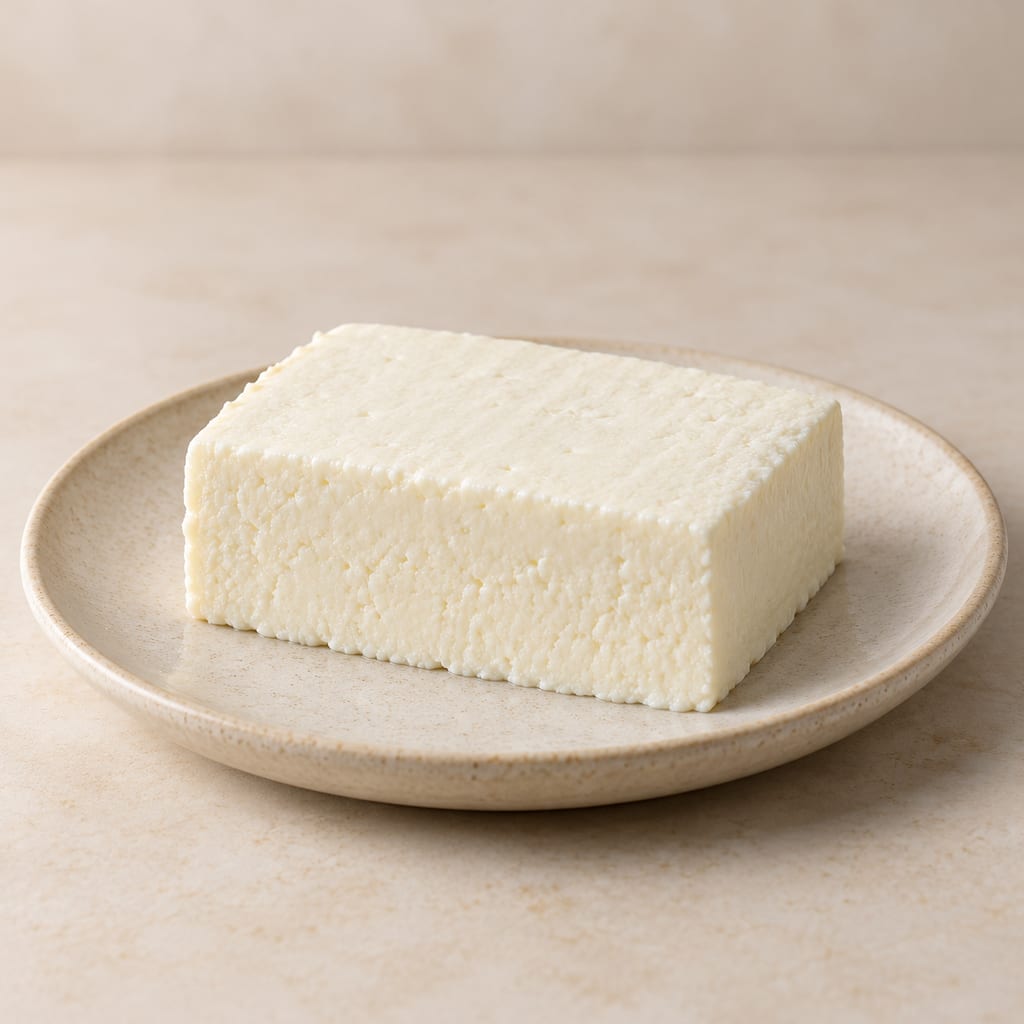
A source-specific 2 L paneer batch boils milk, adds lemon juice or vinegar gradually, then cold-rinses and presses curds for one to two hours. Yield and qualified process review are absent.
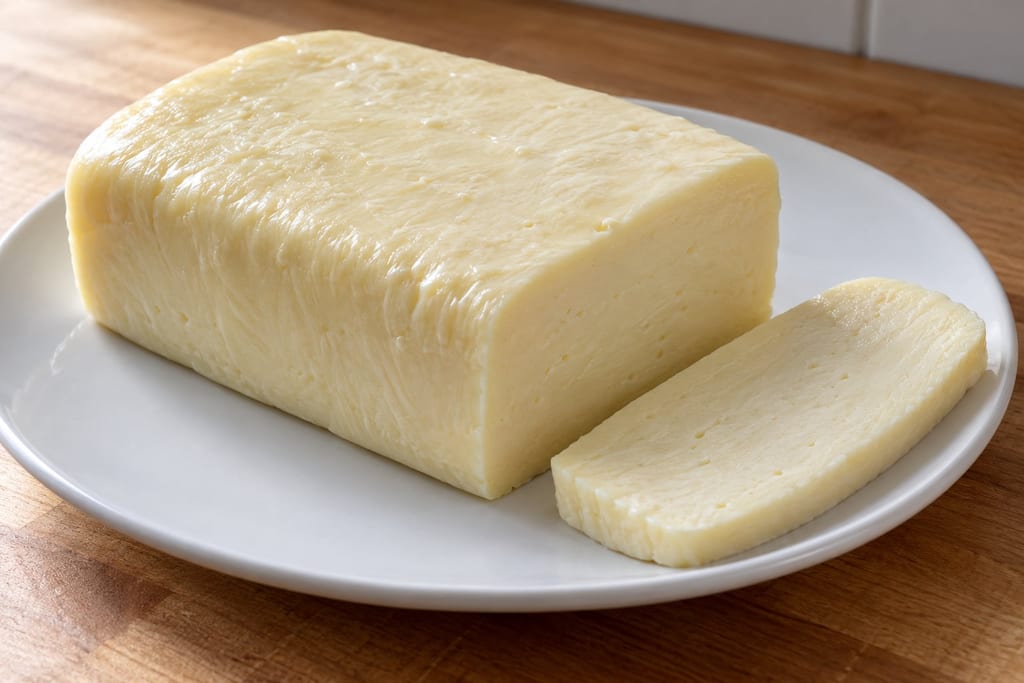
An eight-litre cow’s-milk batch uses thermophilic culture and rennet before controlled curd acidification, hot-water stretching and chilling for pizza cheese.
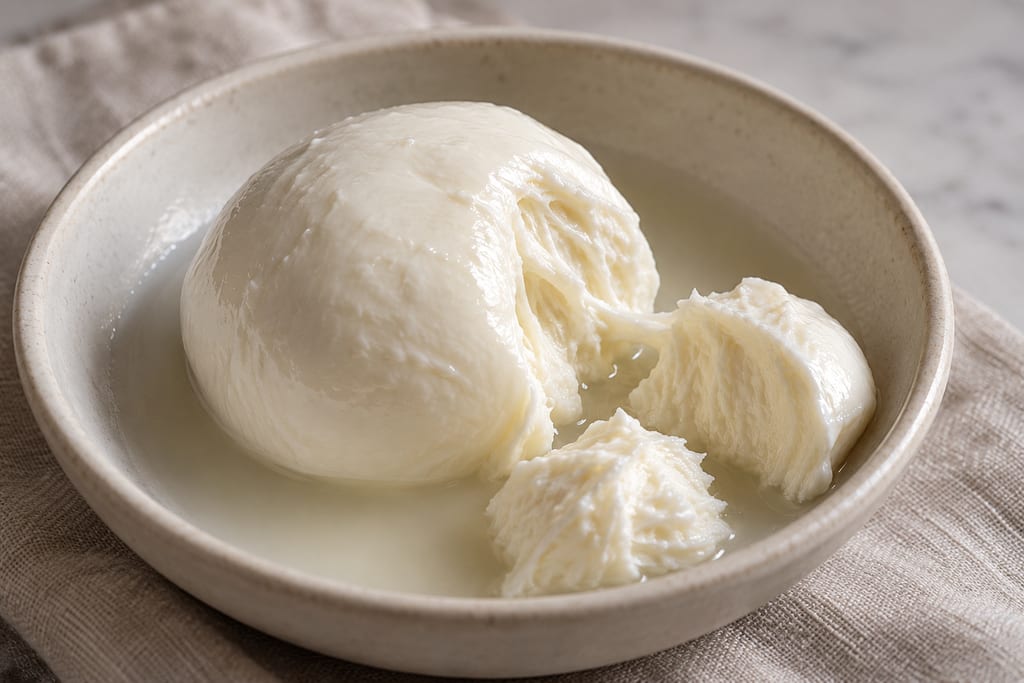
A creator sets raw cow’s milk with vinegar, presses the hot curd, warms it in short microwave intervals, then stretches it and cools it in water and ice.
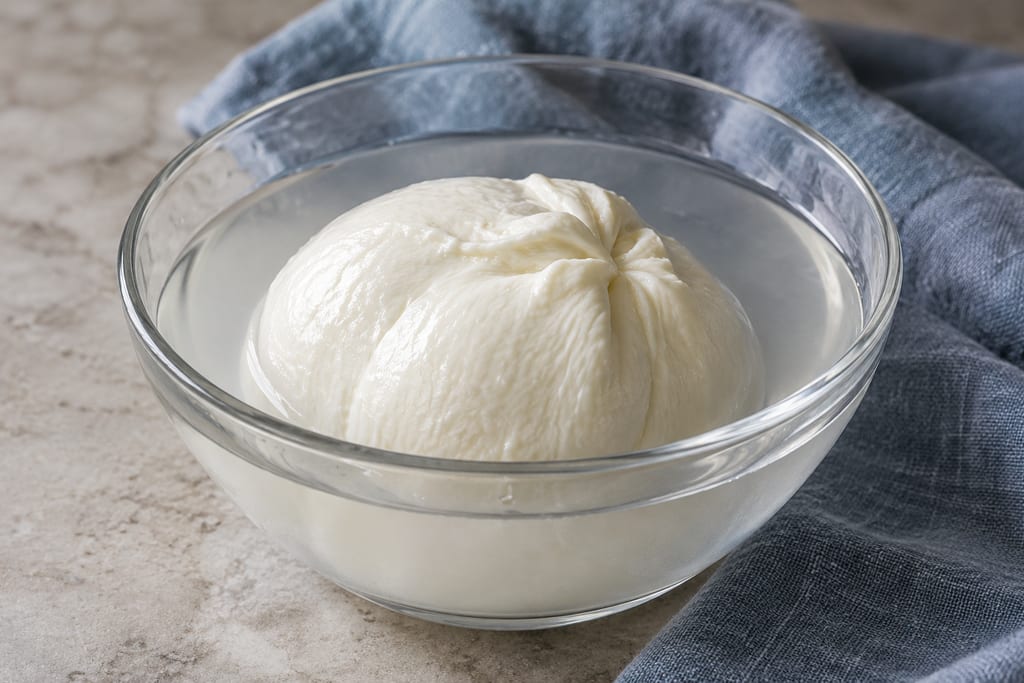
A Ukrainian creator sets fresh cow’s milk with vinegar, squeezes the curd, warms it in salted whey, then stretches it and cools it in water.
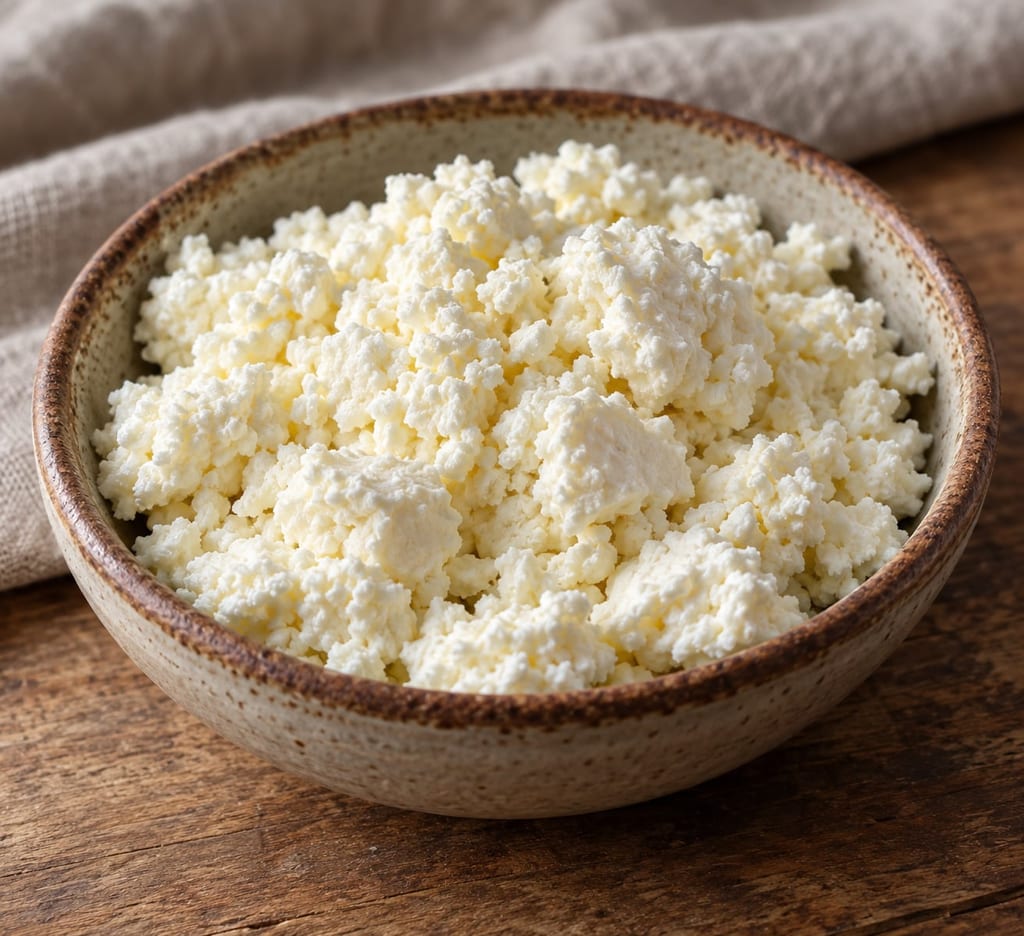
Vurda is a Hutsul whey cheese made by reheating the whey left after budz, often with fresh milk or sour whey, to recover soft pale curds that are lifted out and drained.
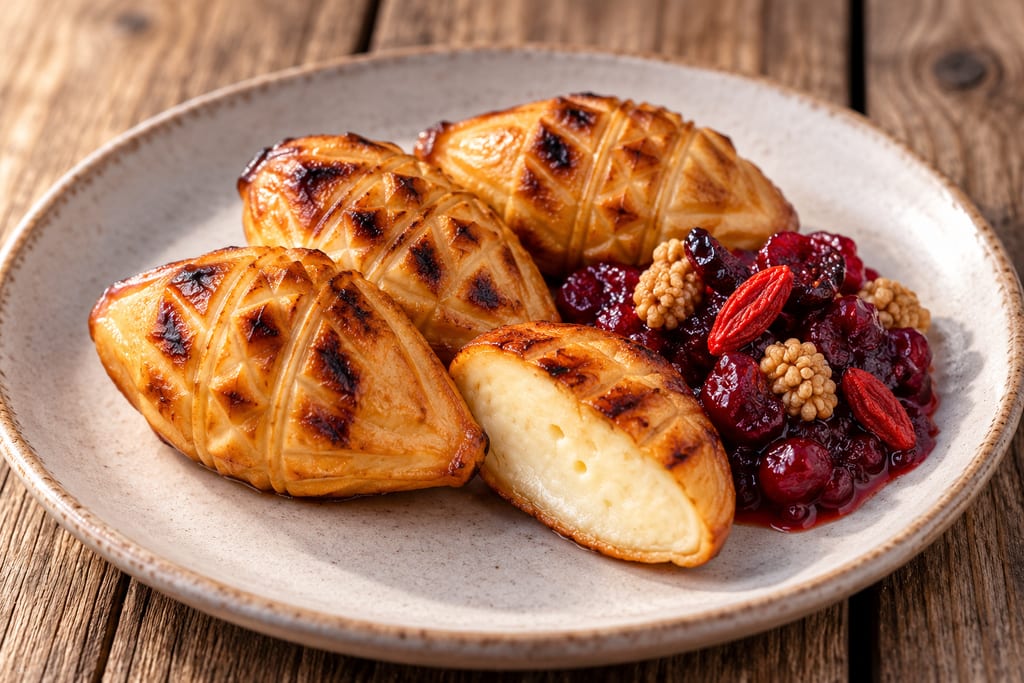
Small Oscypek are grilled until the exterior is crisp and the cheese softens, then served with cranberry, goji berries and mulberries.
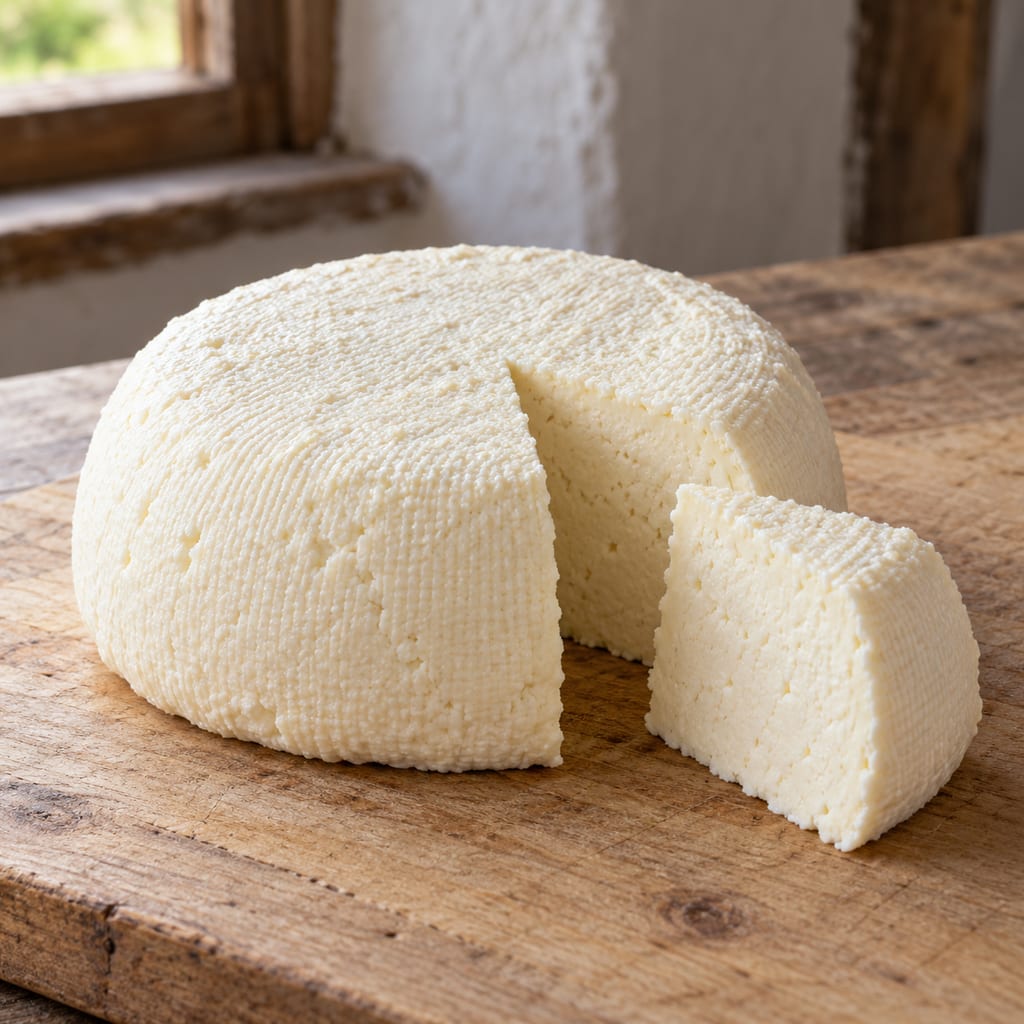
Budz is a traditional Hutsul rennet-set cheese made from sheep, cow or goat milk in the Ukrainian Carpathians, forming a fresh curd that can be eaten, smoked or processed into salted bryndza.