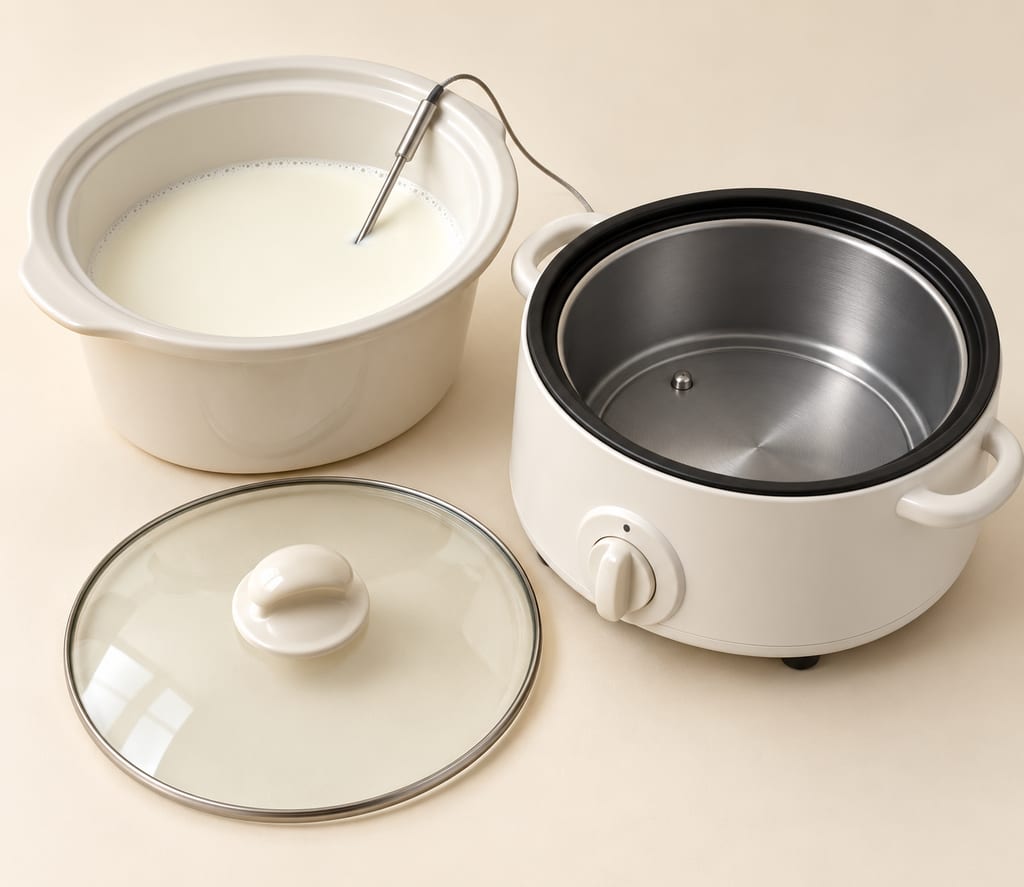
Slow cooker
An electric slow cooker warms a removable heavy crock under a lid. Stored heat aids gradual cooking, but its settings are not a universal fermentation thermostat.
 FermenteaWhere food goes to change
A rich fresh cheese made by heating milk and cream in a double boiler and setting them with tartaric acid, or by culturing them with a crème fraîche culture.
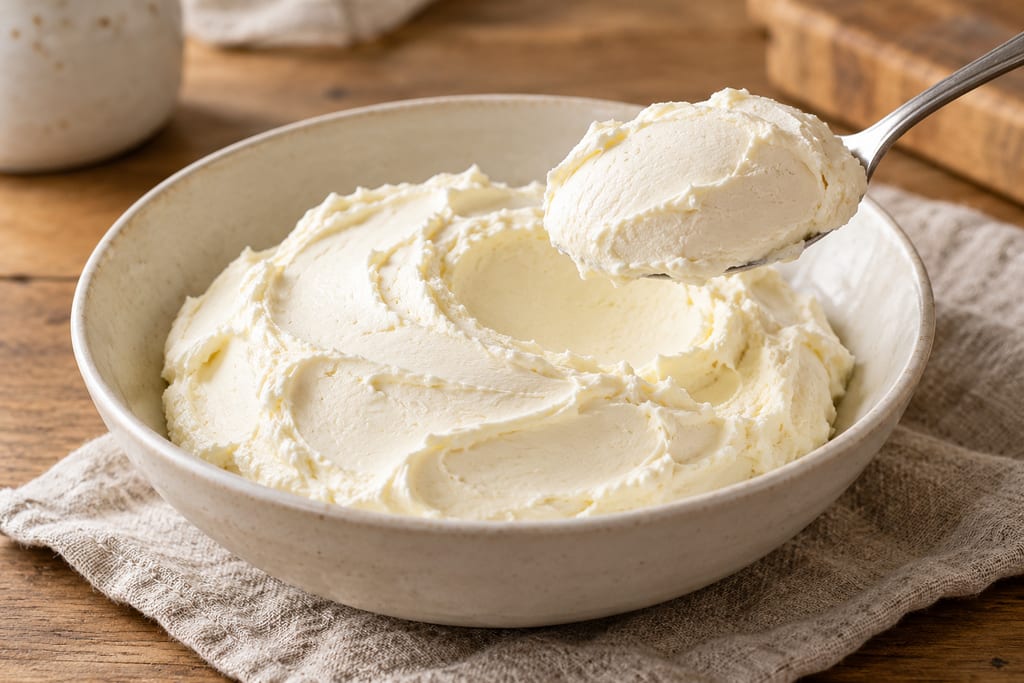
Mascarpone is a rich fresh cheese made by heating whole milk and cream together and setting them with tartaric acid. The method used here is Jim Wallace's documented recipe for New England Cheesemaking Supply. It uses a metal bowl over a pot of water, which works as a double boiler, so the cream never meets the heat directly.
The draft summary also names a culturing route with a crème fraîche culture. This page does not write that route up, because the sources read here give only the acid method.
The milk and cream are heated slowly to 185–190 °F (85–88 °C). Foaming begins at about 175 °F (79 °C), and the mixture is held at the target for 5 minutes. The source keeps this target in the cream itself, so the heat source has to be judged by the cream's temperature, not by the water.
Tartaric acid dissolved in 2–3 tablespoons of water is stirred in gently, and the curd forms almost at once. The mixture is then cooled for 20 to 30 minutes before draining, so the curd sets before it is handled.
The curd drains in a colander lined with butter muslin for 1–2 hours for the traditional texture, or for up to 12 hours in the refrigerator for a whipped texture. About 1 pint of whey drains off, as the source prints it.
The source gives the storage limit: refrigerate covered and use within 7–10 days.
Untested adaptation: an open inner bowl in a slow-cooker water jacket or a circulator bath, in place of the pot of simmering water. The bath must run above the 185–190 °F target in the cream, and no source sets the bath temperature that achieves it. The route is listed here for the reader's information and is not part of the documented method above.
Bath setpoint needed to reach 185–190 °F in the cream: untested.
The dossier (SV05, §3B) treats the double boiler as the documented traditional apparatus for mascarpone; a controlled water bath replaces its heat source. Associated with northern Italy.
Yield 1 lb · Scaling: source batch only
Refrigerate covered; use within 7–10 days
Control sourceThe water-jacket and circulator routes are untested.
dossier association (SV05), dossier-supplied; not a claim of exact origin
An electric slow cooker warms a removable heavy crock under a lid. Stored heat aids gradual cooking, but its settings are not a universal fermentation thermostat.

Water in the crock with a smaller stainless pot or heat-safe jar supported inside it, so the food never touches the hot ceramic and can be lifted out to stop heating.
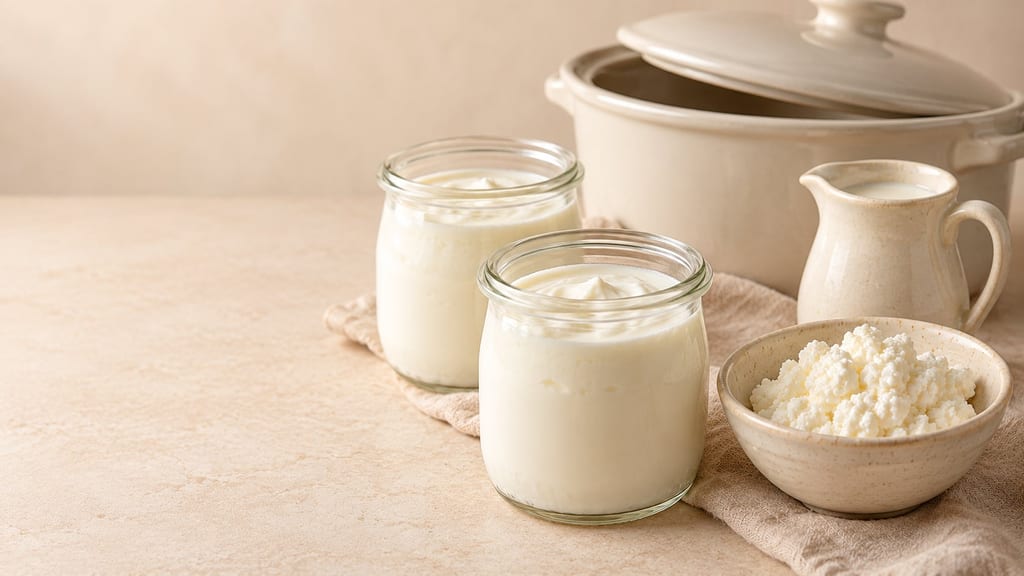
A slow cooker can heat milk for mozzarella, paneer, ricotta, mascarpone, quark and yogurt, but its heavy crock keeps heating after it is switched off. This is what each fresh cheese needs from it.
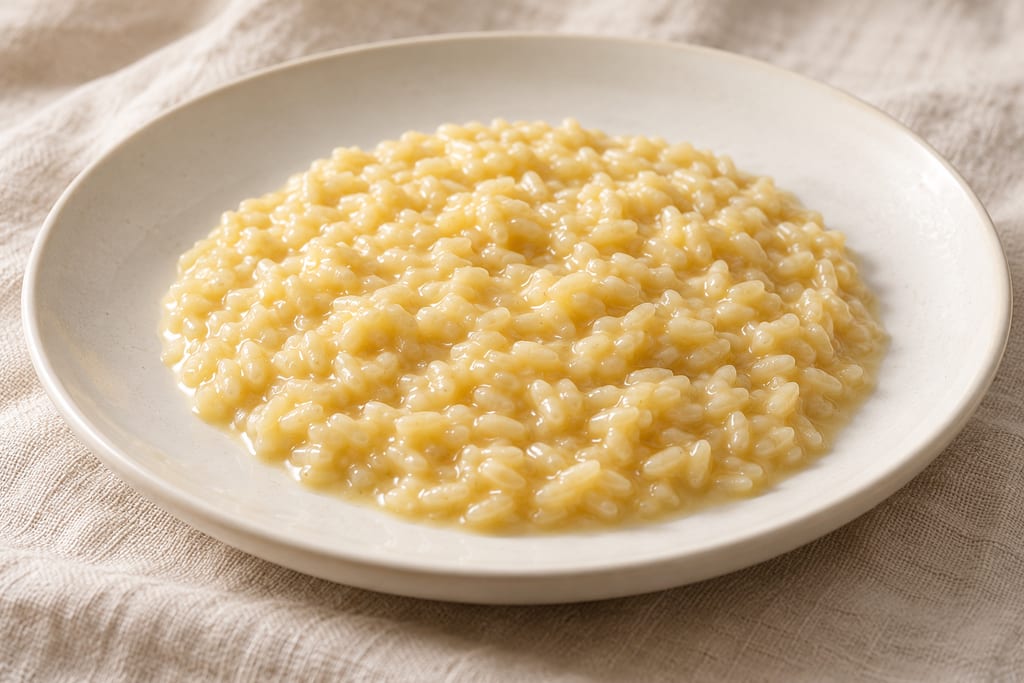
A northern Italian rice dish cooked by gradual additions of hot stock, then finished off the heat with butter and cheese for a loose, creamy sauce around distinct, tender grains.
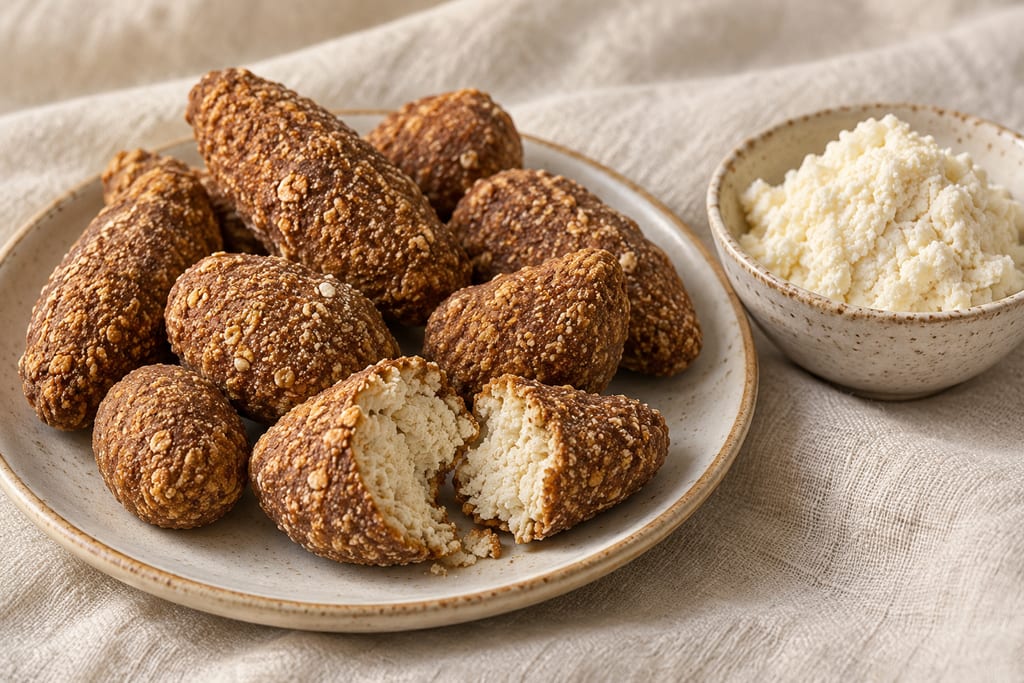
A two-stage Altai dairy preparation: sour chegen is heated into soft aarchi, then portions are drained, pressed and traditionally smoked into firm kurut.
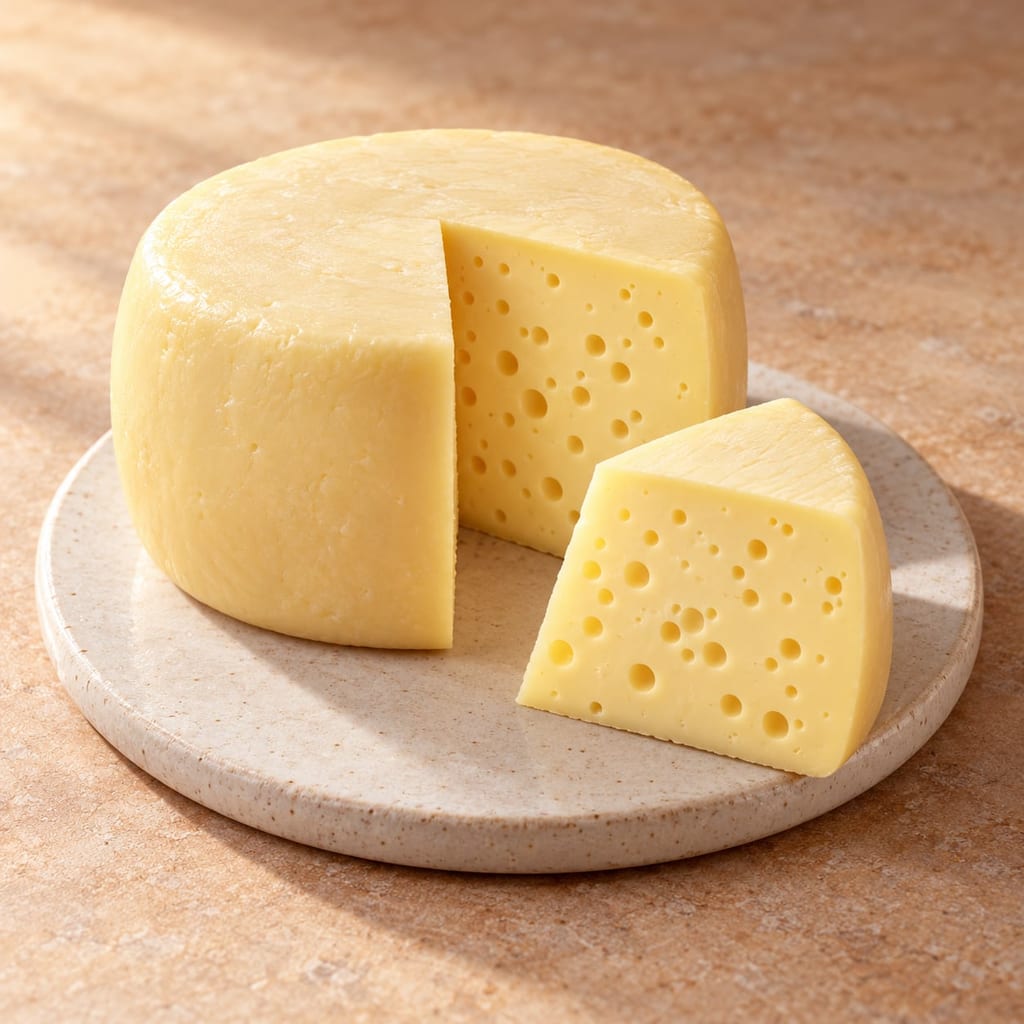
A washed-curd cheese with propionic bacteria, warmed by hot water in two steps and then held in a warm room for weeks so the bacteria can form its holes.
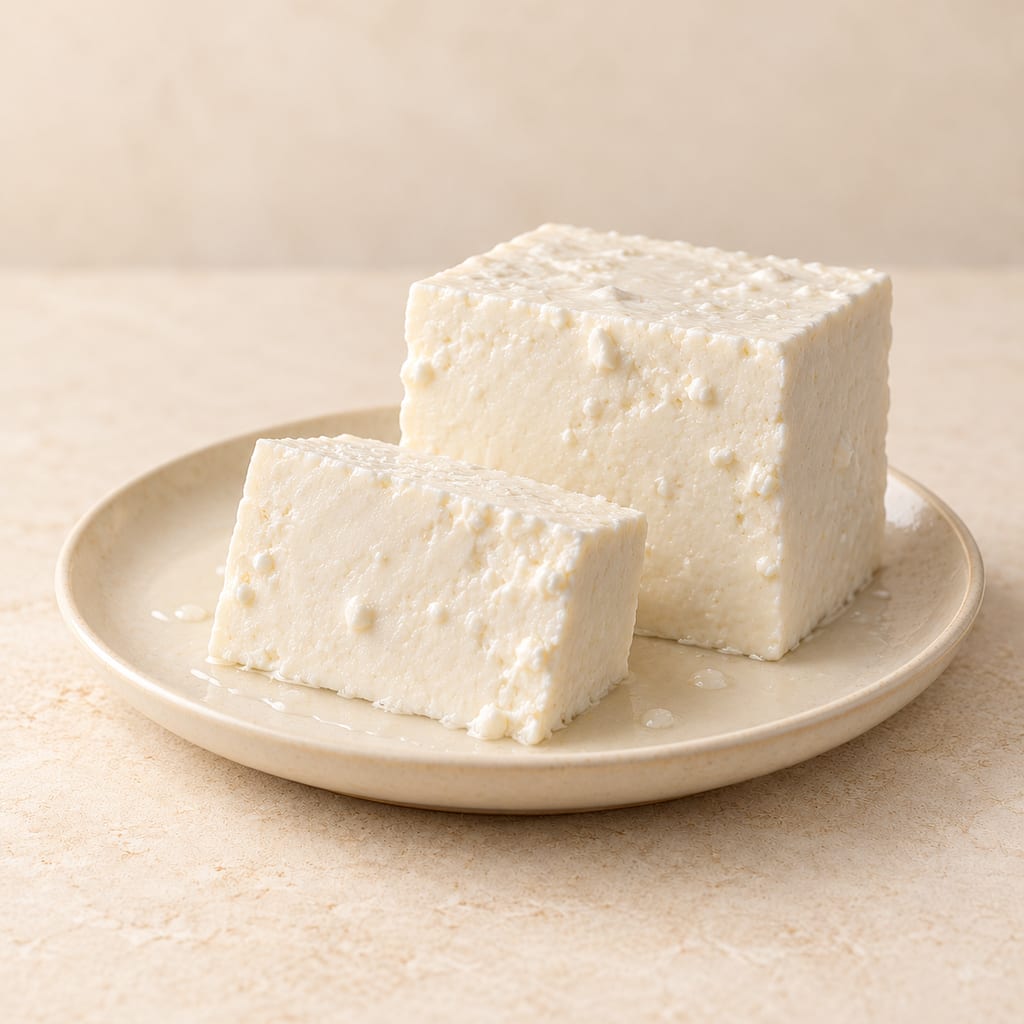
Beyaz peynir is a Turkish white cheese matured in brine. Sheep milk, alone or mixed with other milks, gives a close-textured cheese cut into blocks and packed in cans.
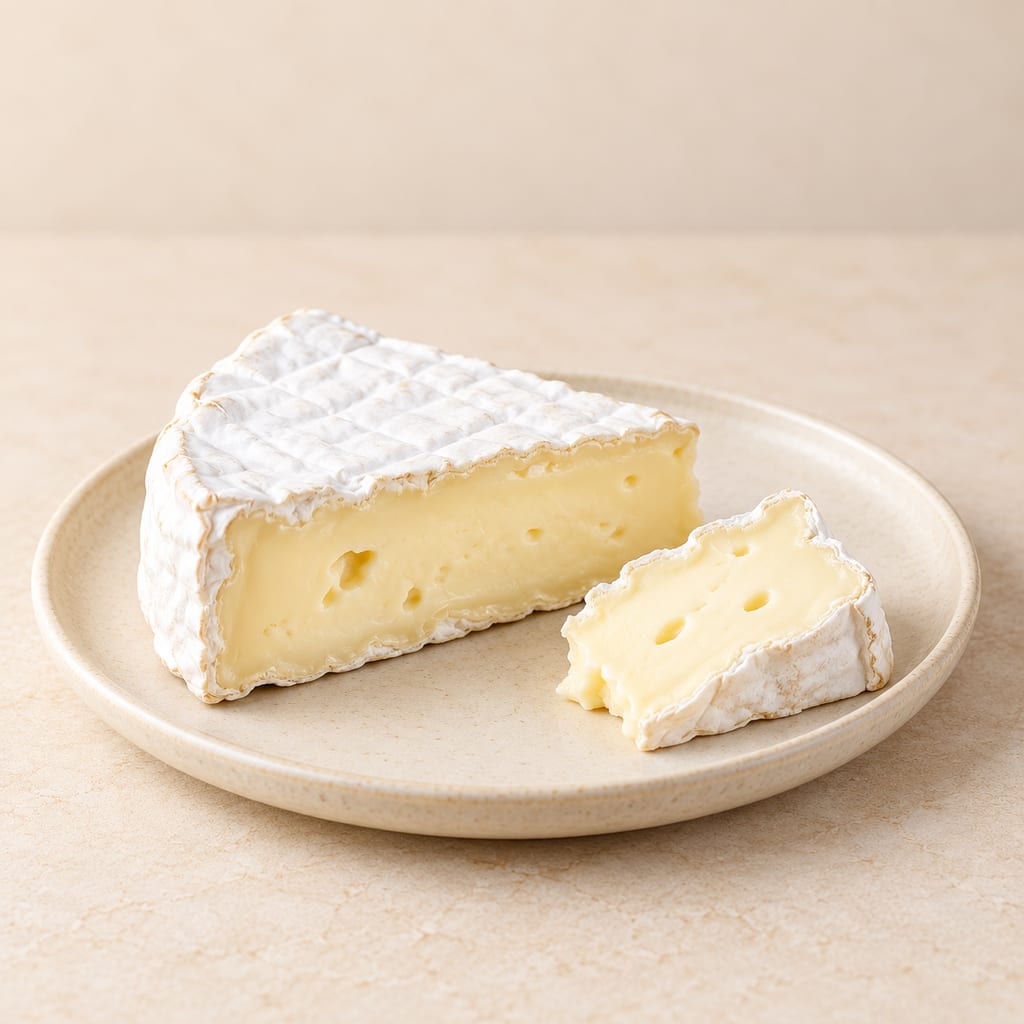
A cream-enriched Brie with a white bloomy rind and a softening center, made from pasteurized milk with lactic and surface cultures.
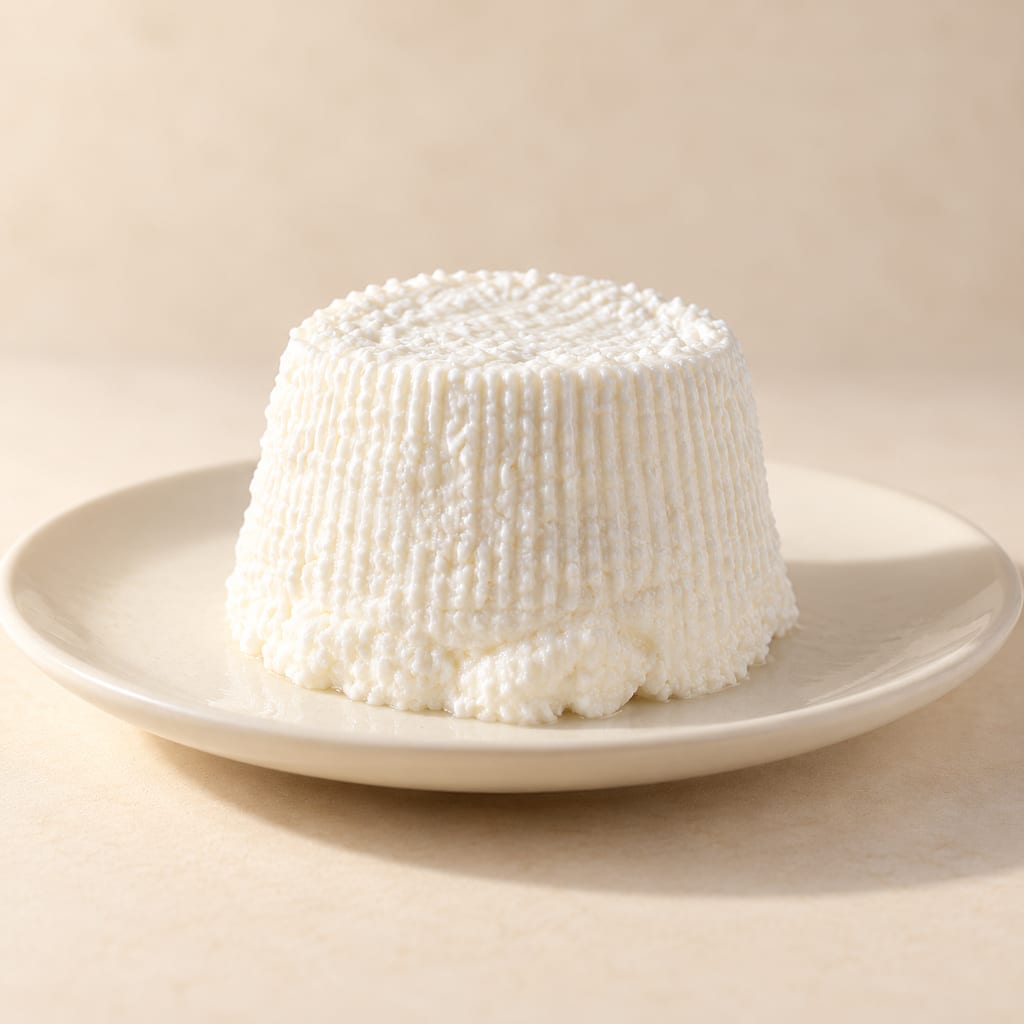
Corsican Brocciu is a whey cheese made by heating sheep's or goat's whey with whole milk and salt, then gently draining the flocculated curds. It is eaten fresh or salted and ripened as Brocciu passu.
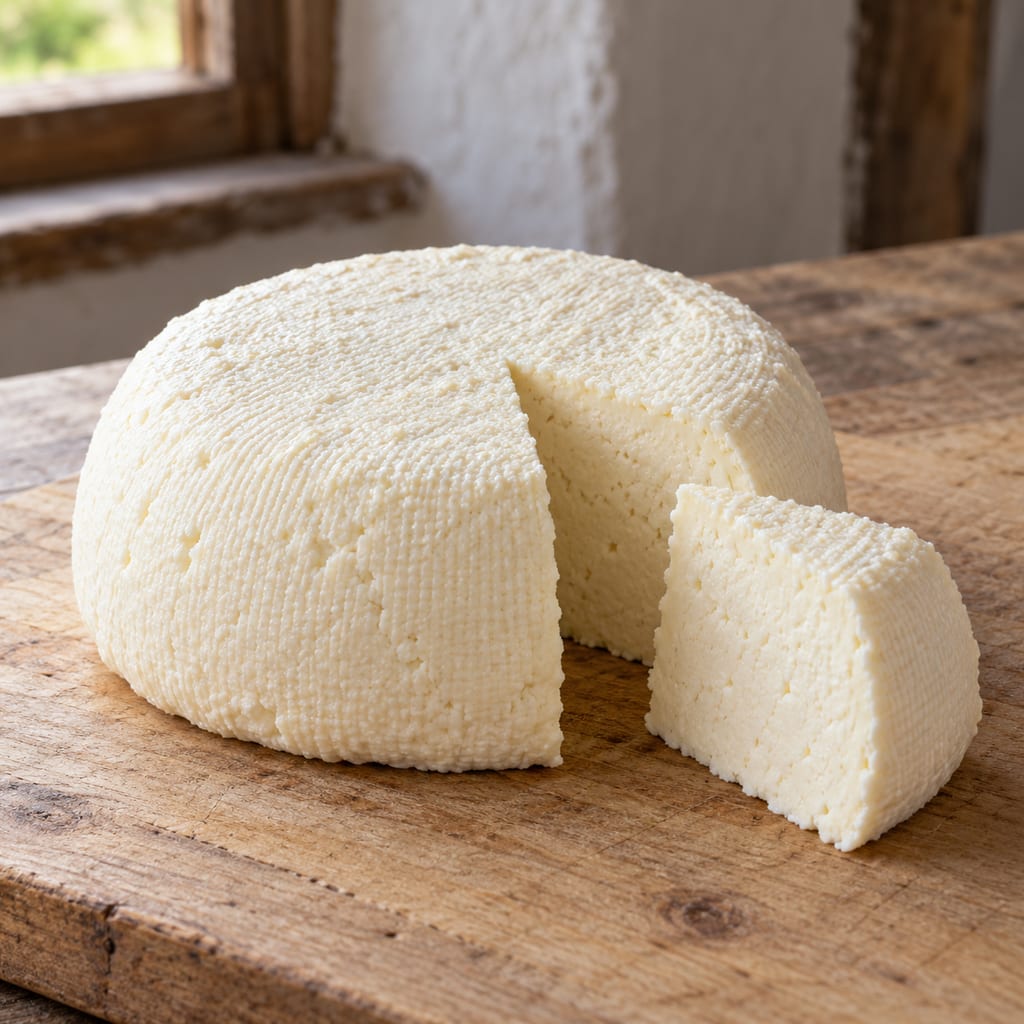
Budz is a traditional Hutsul rennet-set cheese made from sheep, cow or goat milk in the Ukrainian Carpathians, forming a fresh curd that can be eaten, smoked or processed into salted bryndza.
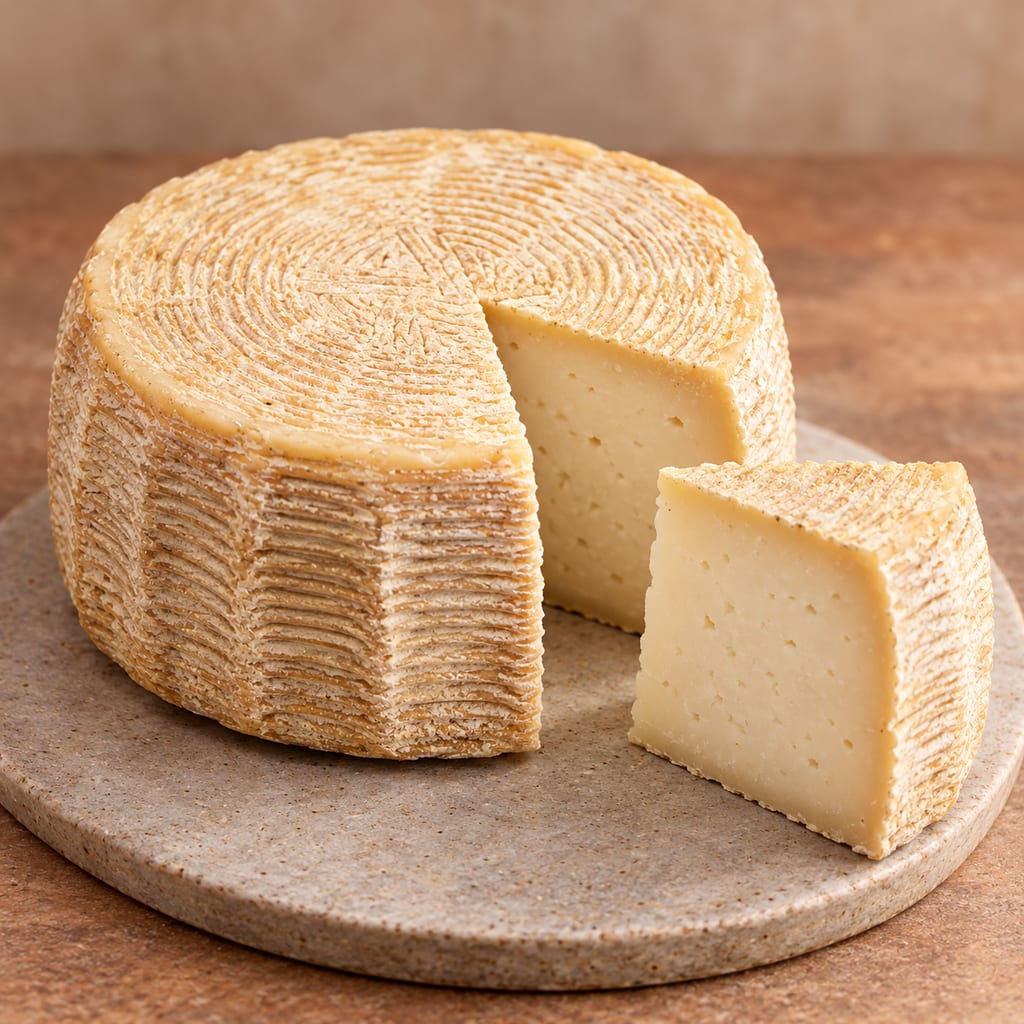
A scalded cheese moulded in baskets and re-cooked in its forms in hot whey, made alongside a ricotta from the same milk, then acidified, brined and aged for months.
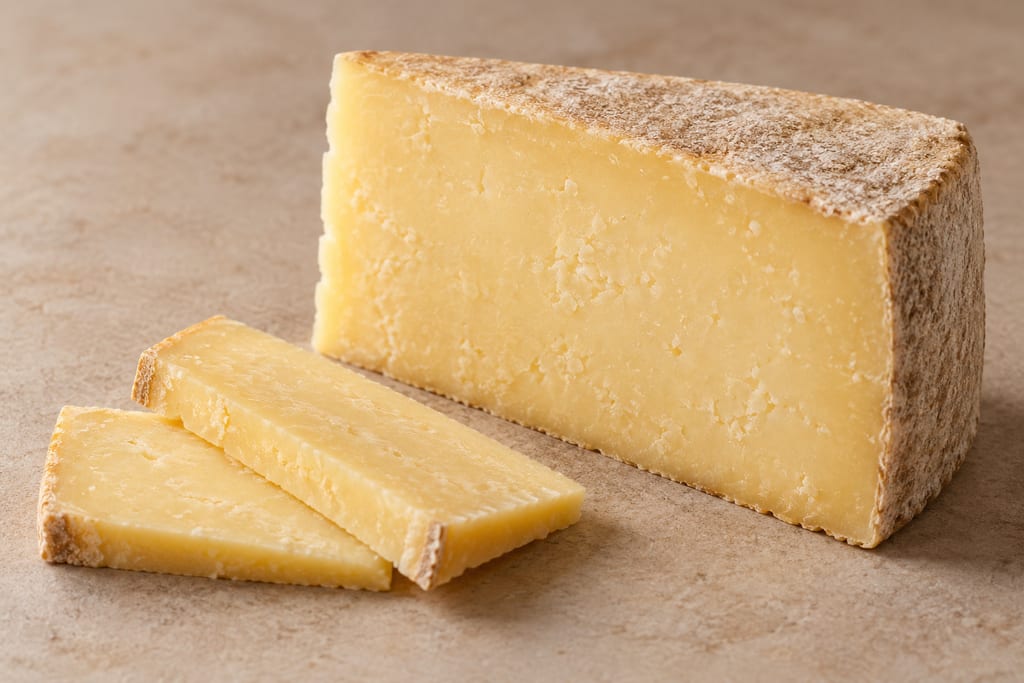
A pressed cheese whose curd is cooked slowly, then cheddared: kept warm in slabs that are turned and stacked for hours before milling, salting and pressing.
No community contributions have been published for this entry yet.
Sign in to contribute. Published comments and photos are free to read.
New England Cheesemaking Supply CompanyMethod · Storage
Mascarpone Cheese Making Recipeboth methods, all quantities, temperatures and times
milk and cream pasteurisation guidance
Cited in: A rich fresh cheese set with acid; Why the heat is held and the acid is added last; Draining, texture and keeping; Water-jacket and circulator routes (untested adaptation); What the sources leave open