



























































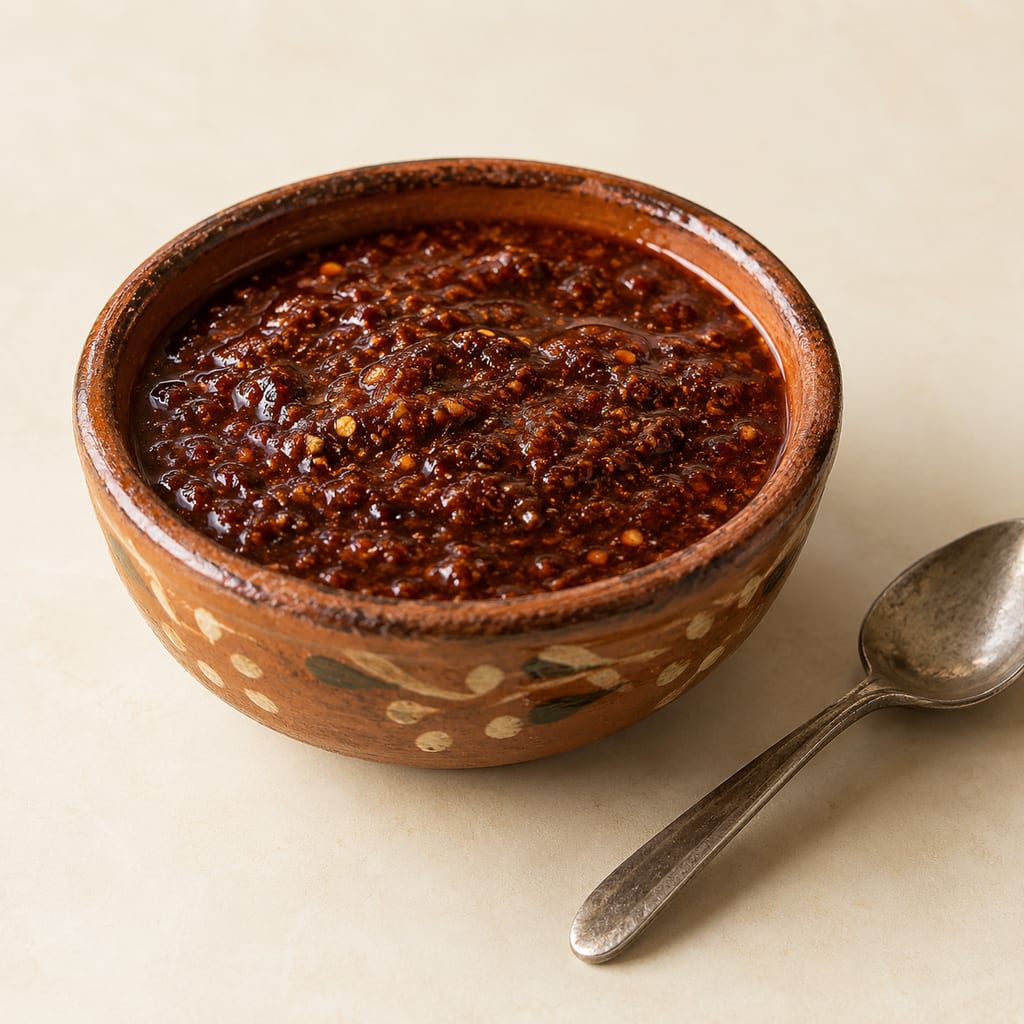
Salsa borracha
A chile sauce of dried pasilla peppers whose liquid is an alcoholic drink, pulque in the old form and beer where pulque is not available. It is served with barbacoa in Mexico City and the central states.
 FermenteaWhere food goes to change
1504 records with their sources, across 11 categories.
 Fermented, enzyme-ripened and mixed seasonings328
 Fruit preserves10
 Legume, seed and plant-protein ferments10
 Garum and fish sauces8
 Adjacent and excluded7
 Koji, mold starters and mold-ripened ferments4
 Acid and oil pickles3
 Fermented fruit and fruit-derived foods3
 Vegetable lactic3
 Dairy ferments2
 Smoked salted and dried foods2
 Cheese1
 Not yet classified1Fermented, enzyme-ripened and mixed seasonings328Fruit preserves10Legume, seed and plant-protein ferments10Garum and fish sauces8Adjacent and excluded7Koji, mold starters and mold-ripened ferments4Acid and oil pickles3Fermented fruit and fruit-derived foods3Vegetable lactic3Dairy ferments2Smoked salted and dried foods2Cheese1Not yet classified1
A chile sauce of dried pasilla peppers whose liquid is an alcoholic drink, pulque in the old form and beer where pulque is not available. It is served with barbacoa in Mexico City and the central states.
A clear, sharp vinegar made by acetifying alcohol. Its restrained color and aroma suit pickles, sauces and dressings where darker or more aromatic vinegars would change the result.
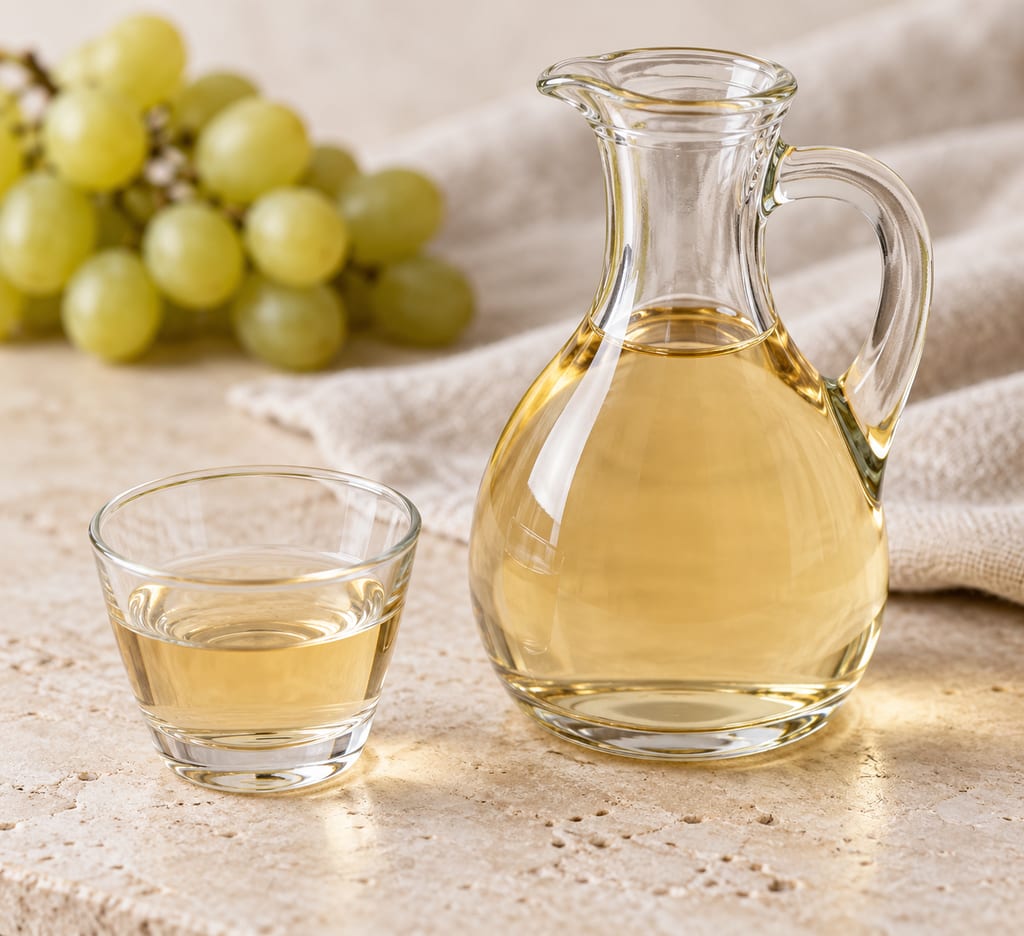
White-wine vinegar is made when acetic acid bacteria oxidise the alcohol in finished white grape wine, yielding a pale, wine-derived souring condiment for dressings, sauces and cooking.
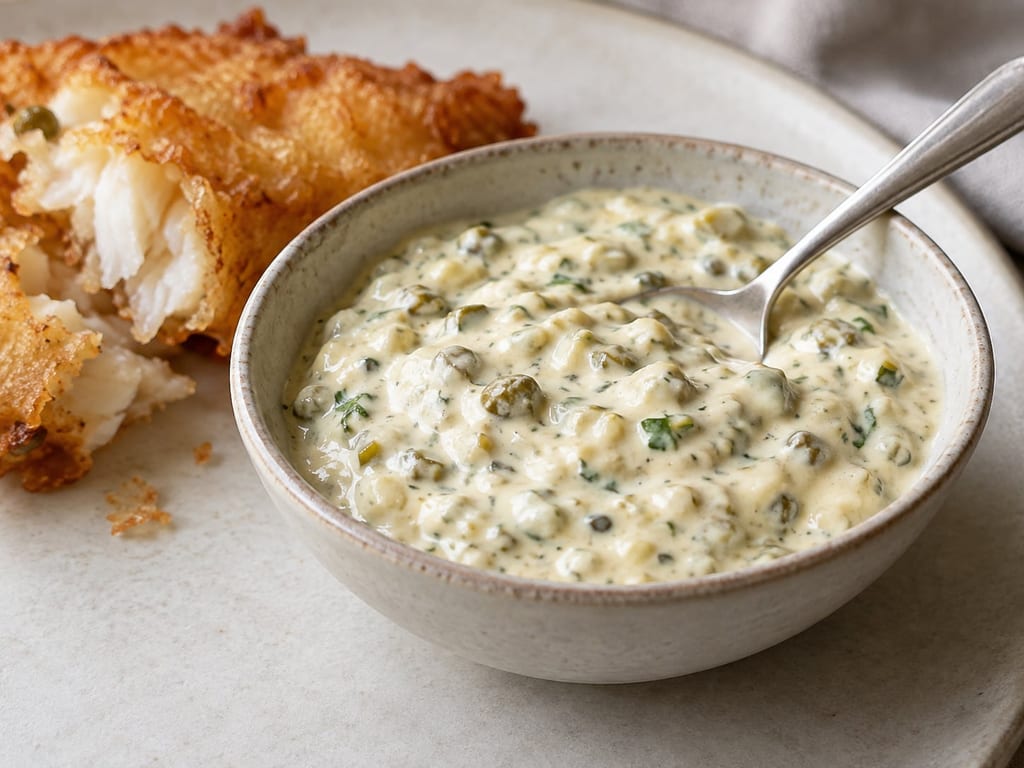
Drained pickled cucumber, capers and unspecified herbs turn finished mayonnaise into a fresh fish and seafood accompaniment; these archived amounts are untested starting points.
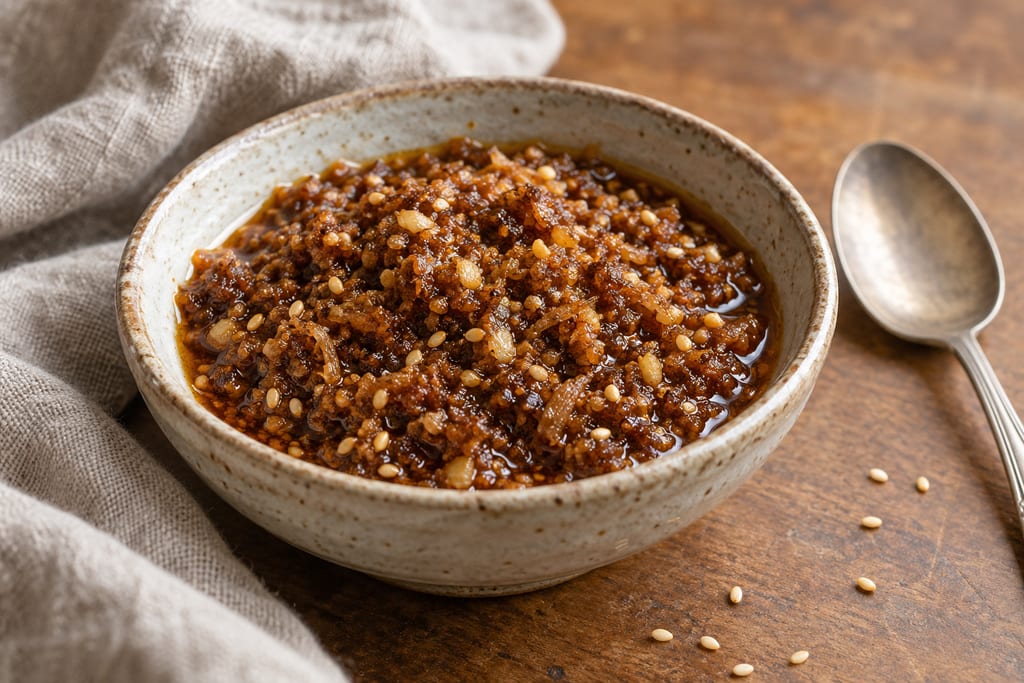
Shacha is a savoury, granular Fujian, Teochew and Taiwanese condiment of oil, garlic, shallot and dried seafood, often sold as Chinese barbecue sauce.
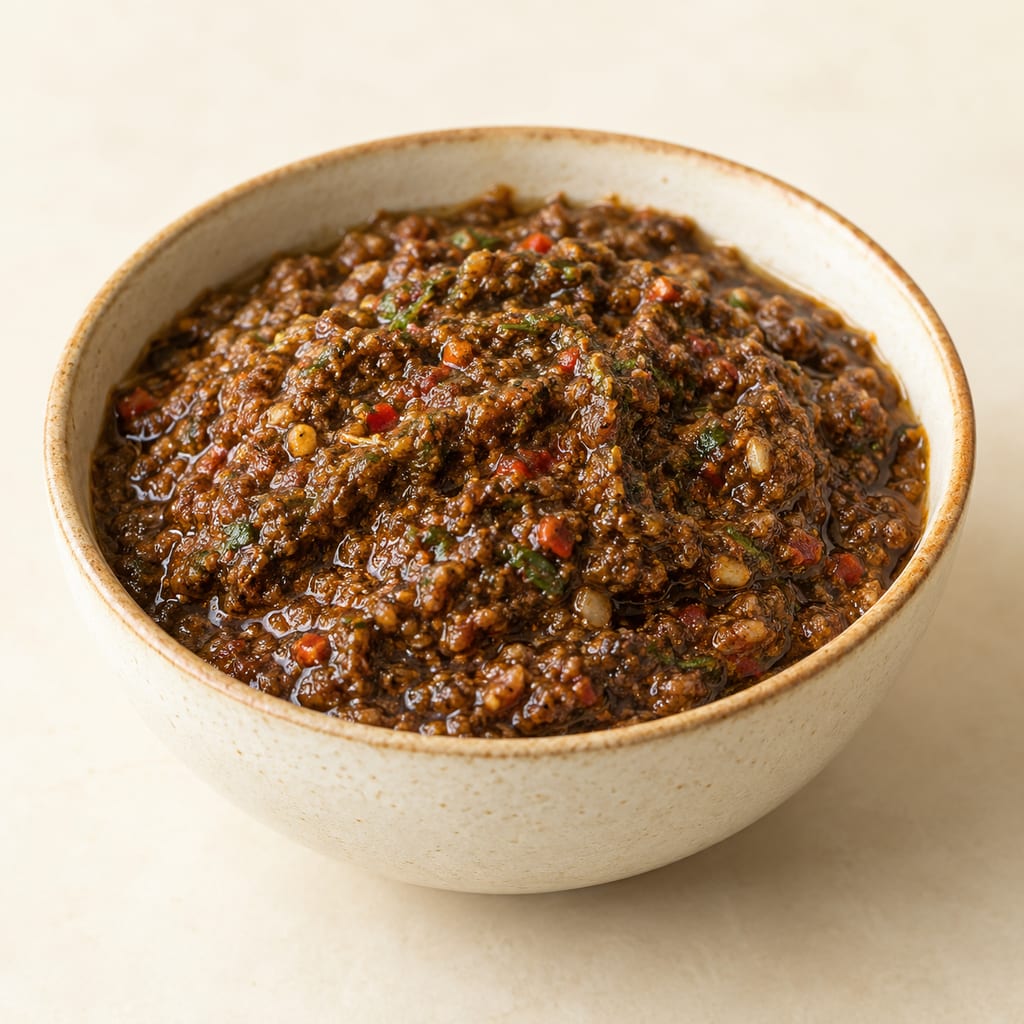
A Jamaican wet jerk paste of ground allspice, Scotch bonnet pepper, thyme, scallion, garlic, ginger and nutmeg, loosened with soy sauce, oil, vinegar and lime, used to marinate meat, fish or tofu before cooking.
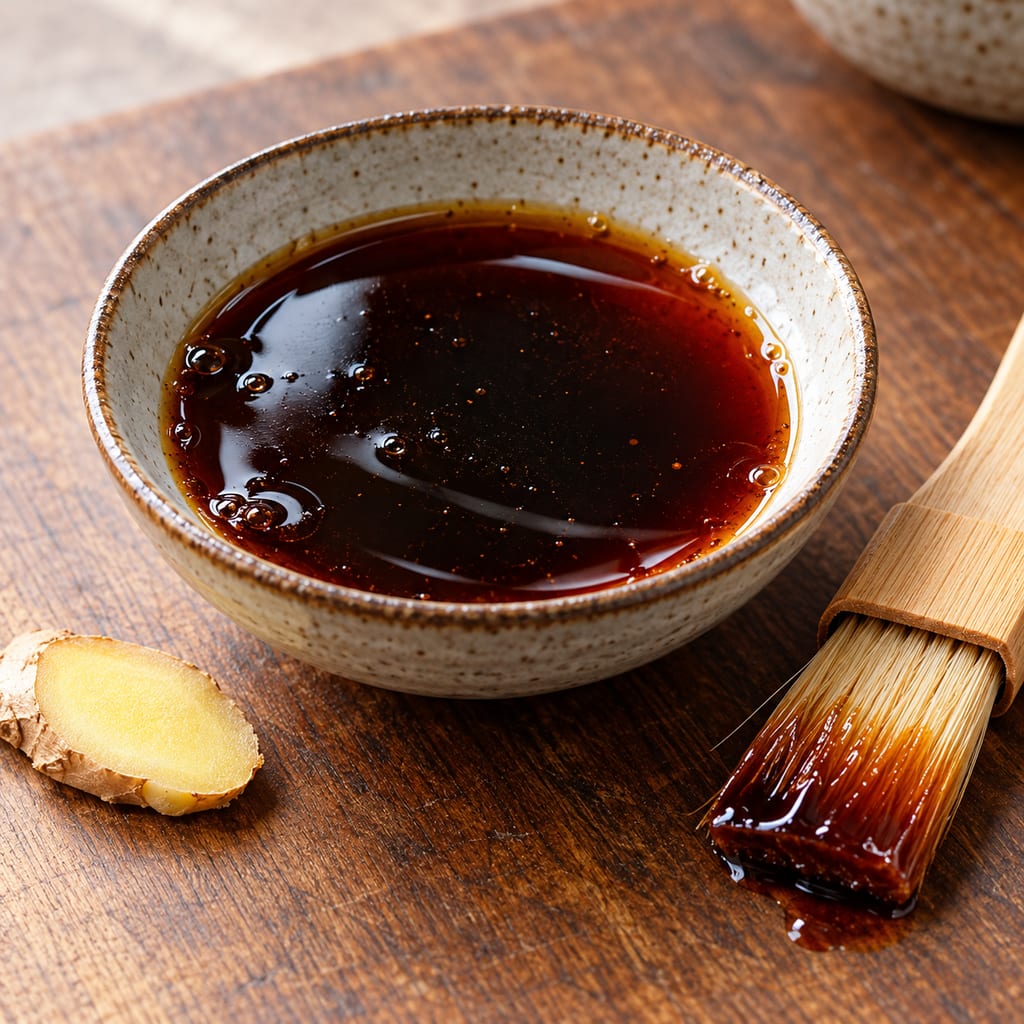
A modern tare-style glaze of koikuchi soy sauce, mirin, water, sugar and optional ginger, gently reduced and brushed onto food near the end of cooking.
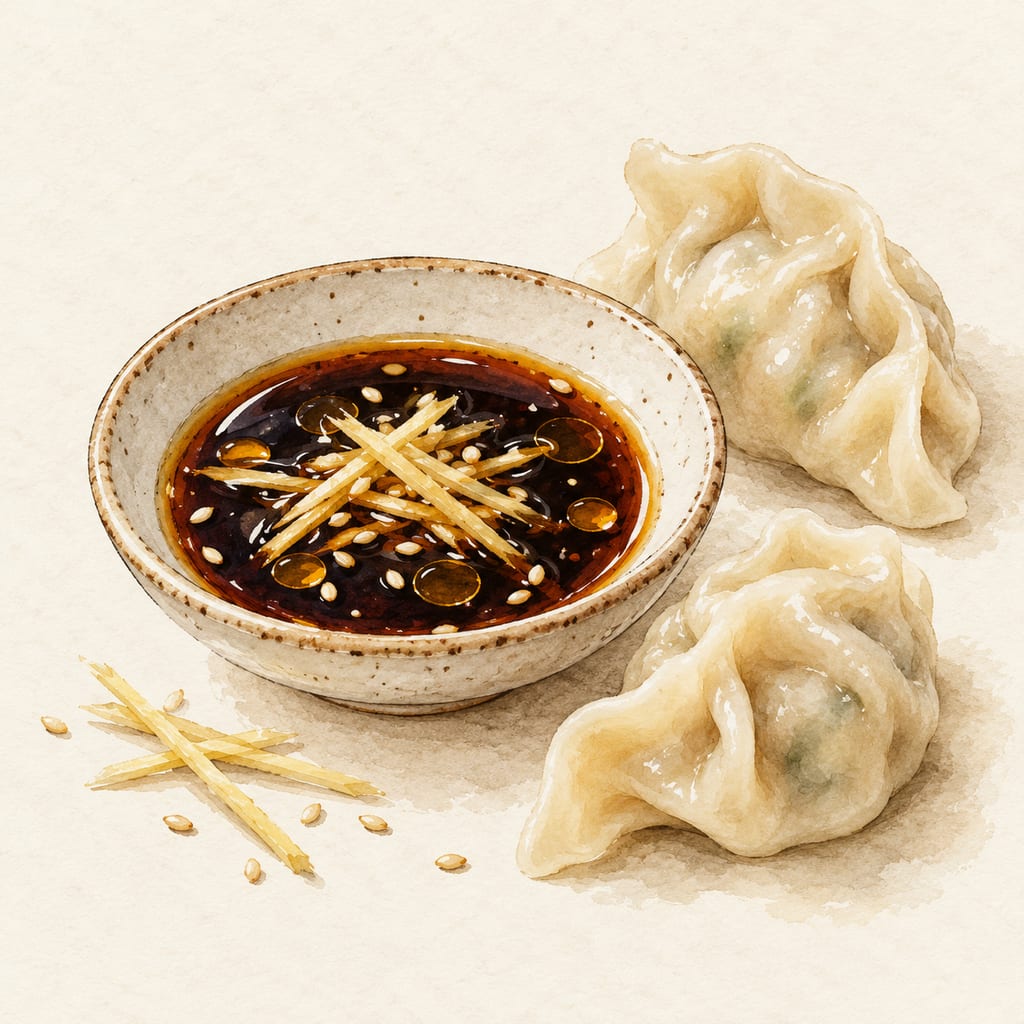
An untested small-batch soy and Zhenjiang black-vinegar dip with ginger and sesame oil, adapted as a modern accompaniment for dumplings or cooked vegetables.
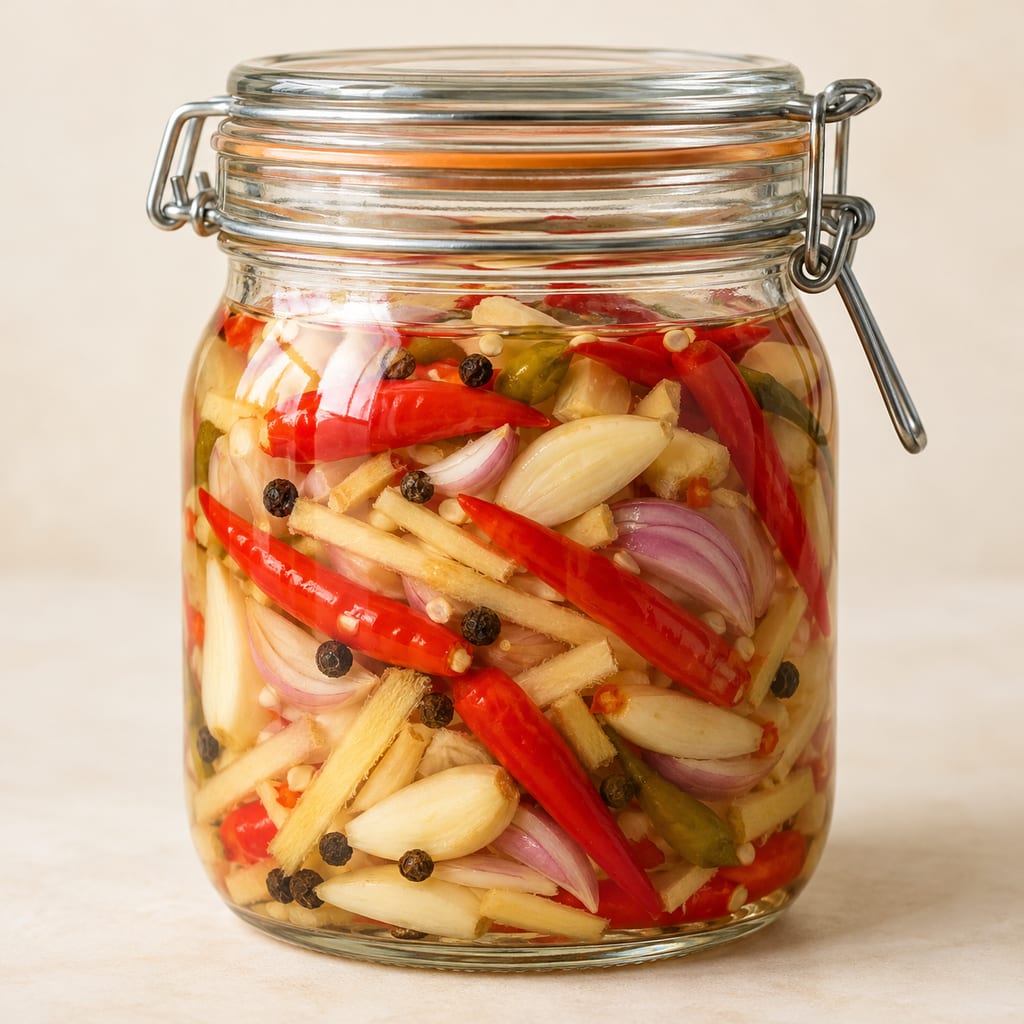
Sinamak is a Philippine spiced vinegar: white, cane or coconut vinegar steeped with chilies, ginger, garlic, onion and peppercorns for days or weeks until it is ready to use as a condiment.
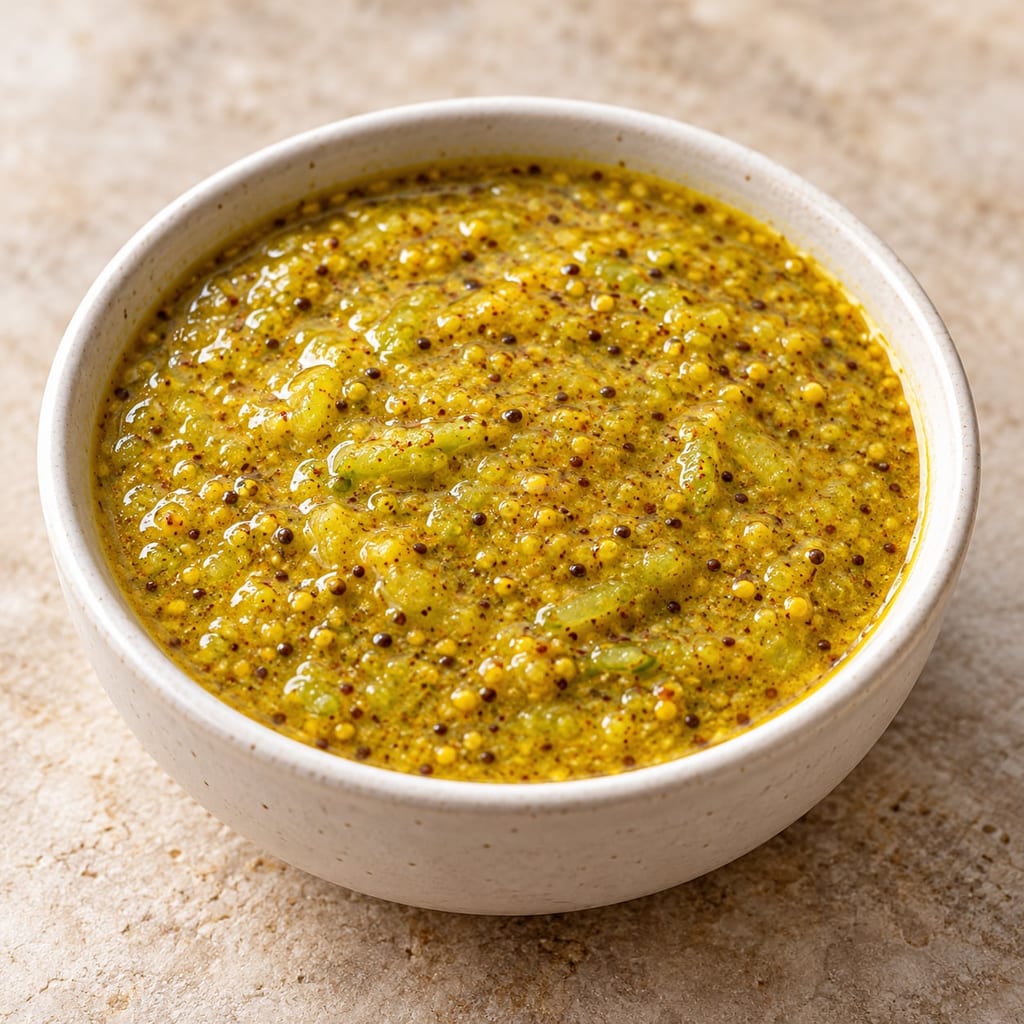
A short-cooked green-mango and mustard sauce with chilli, ginger and turmeric. It borrows a flavour direction associated with Bengali kasundi but is an untested, non-fermented fresh sauce, not traditional kasundi or a shelf-stable pickle.
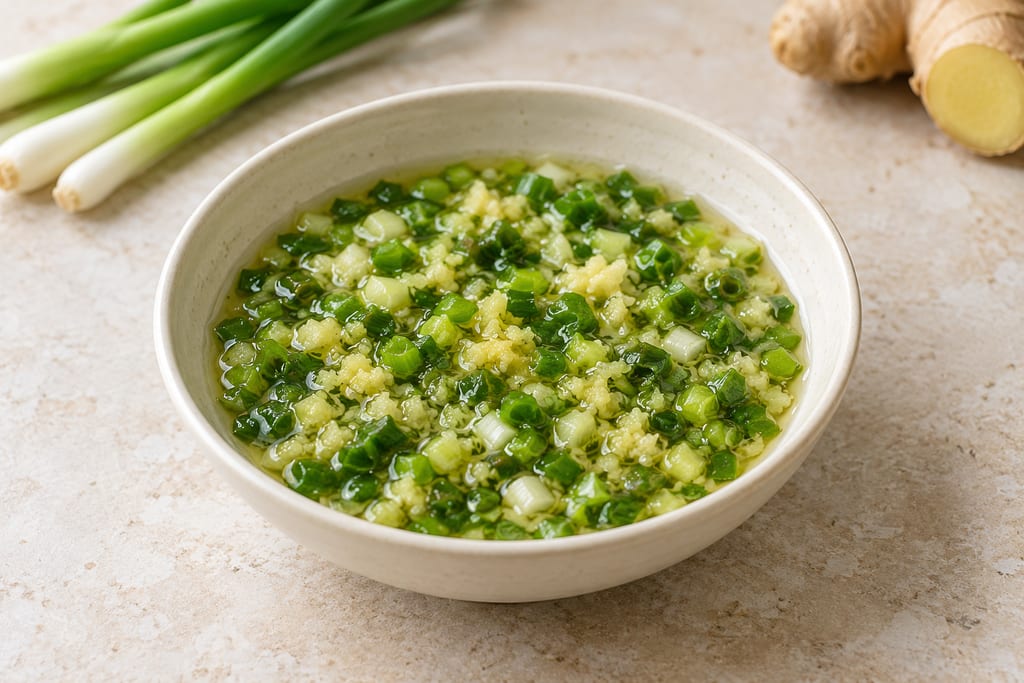
A raw Cantonese-style condiment of minced scallions, fresh ginger, vegetable oil and salt; it is mixed without heating and serves eight.
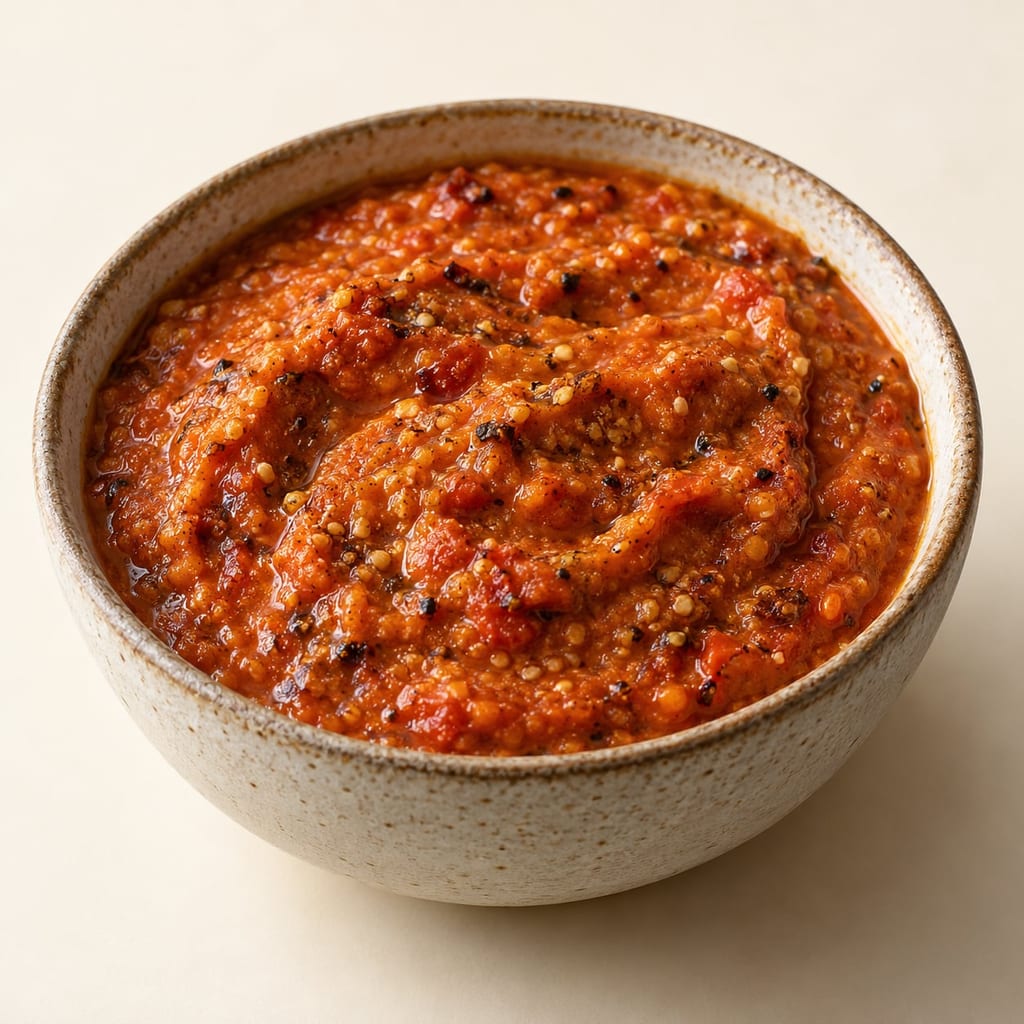
A roasted tomato dip thickened with toasted sesame and seasoned with dried chilli, cumin and timur. This measured version follows a contemporary published momo achar recipe; it is one documented formula, not a national standard.
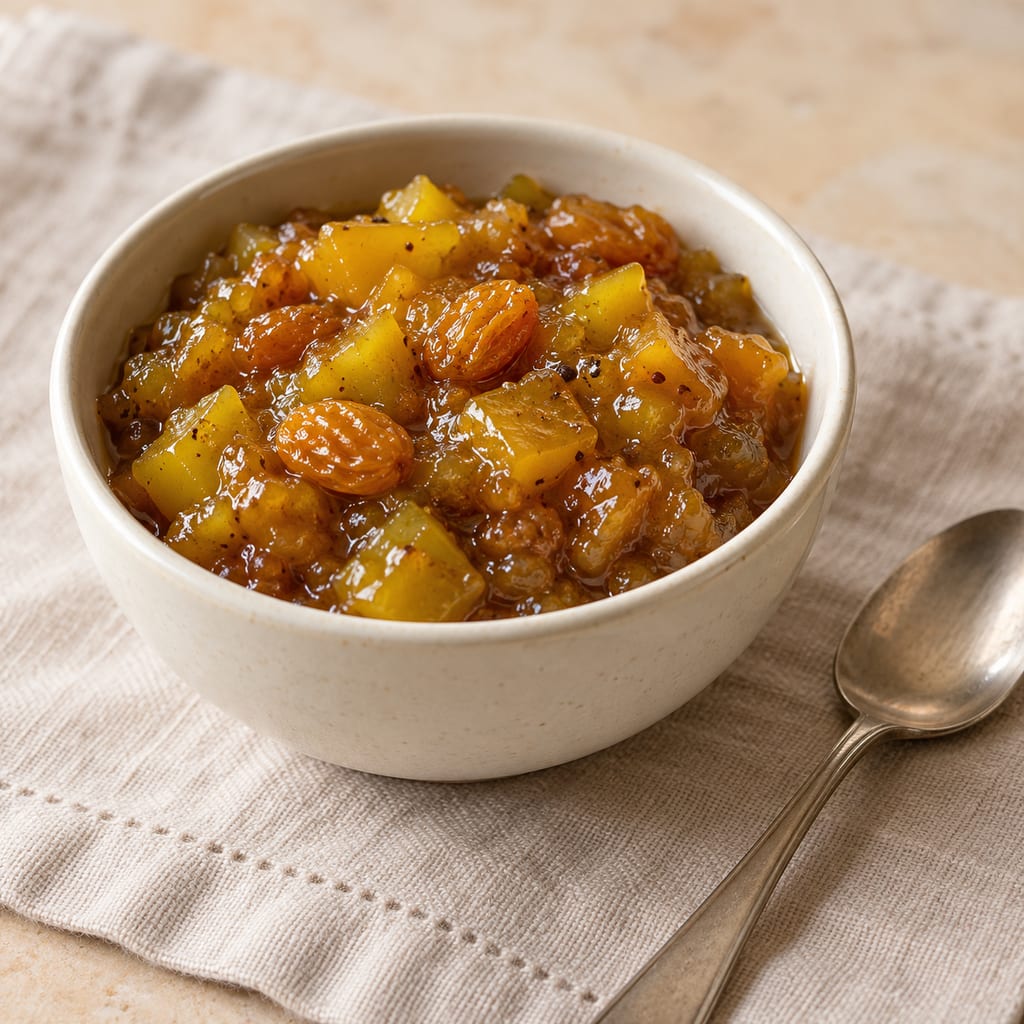
Hard green mango is cooked with vinegar, sugar, raisins, ginger, garlic and chilli in this tested US home-canning recipe.
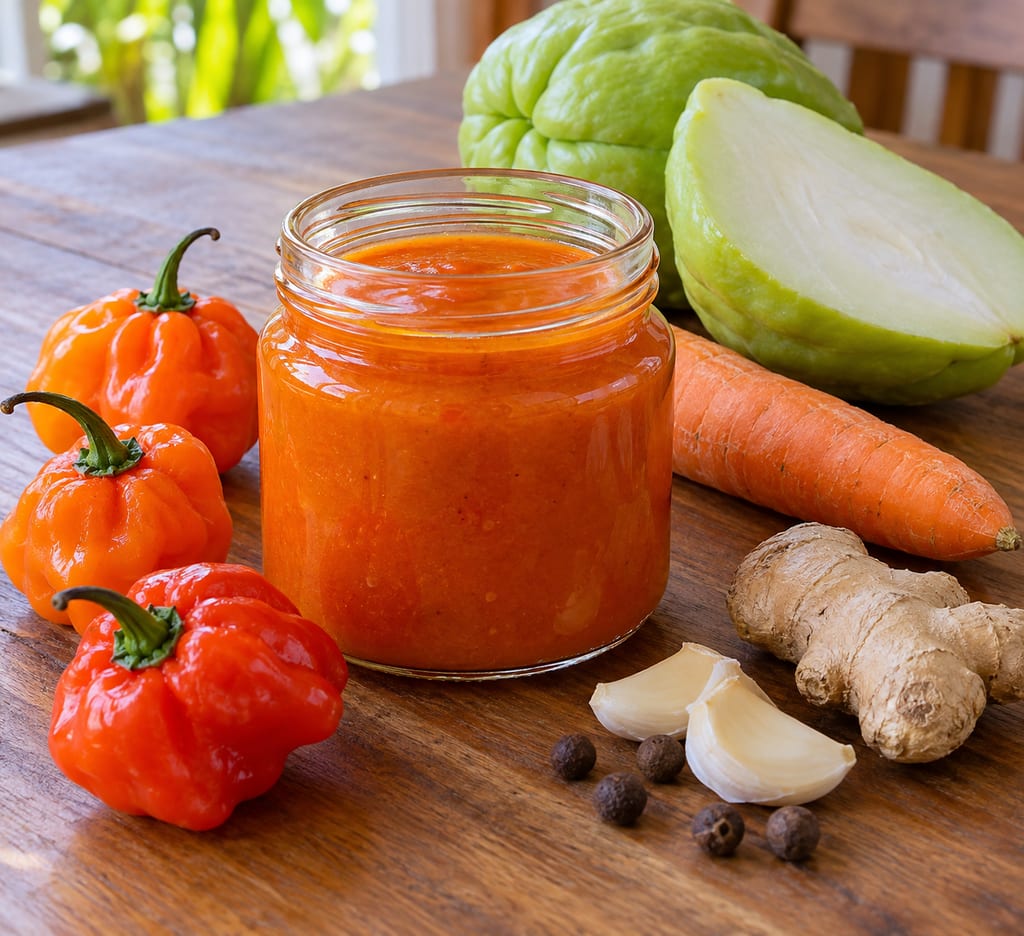
This Jamaican recipe cooks Scotch bonnet peppers with carrot, cho cho, onion, garlic, ginger, allspice and vinegar, then blends and strains the mixture.
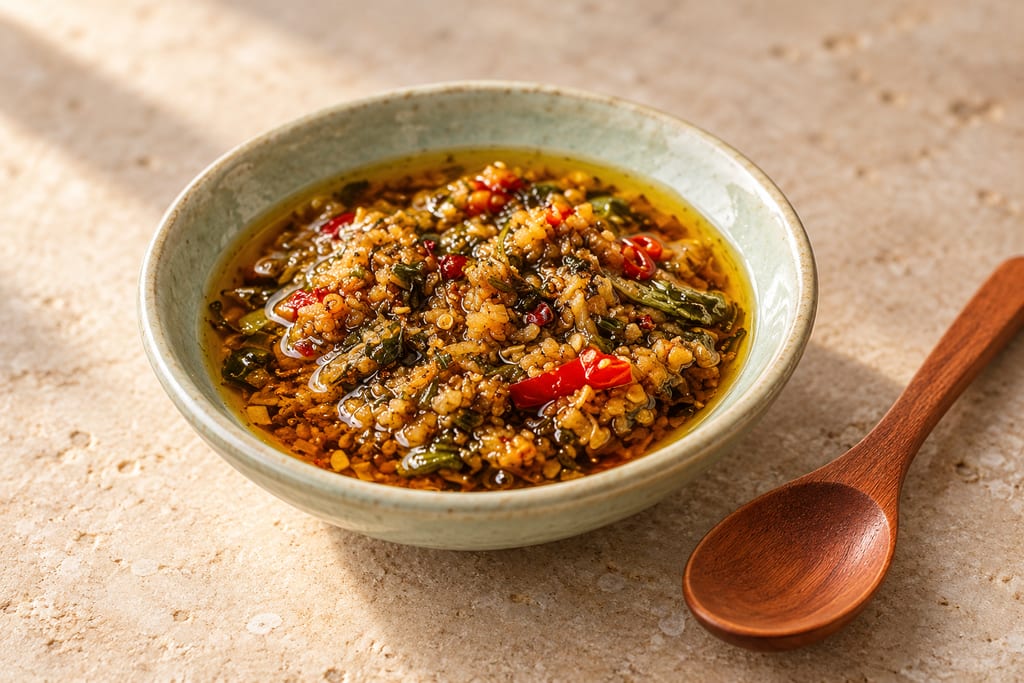
A Cantonese condiment of ginger, garlic, scallion and fresh chilli fried slowly in oil and seasoned with soy sauce, sugar, wine and salt, served over roast meats and poached chicken.
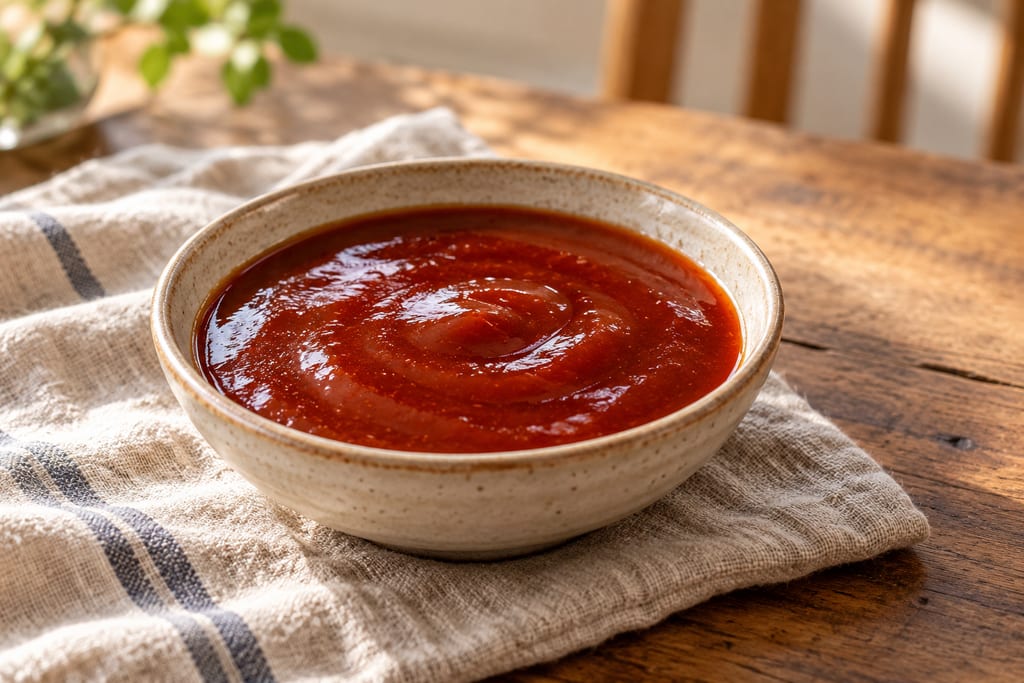
A smooth, tomato-based sweet-and-sour sauce of sugar, vinegar, tomato paste and soy sauce, thickened with starch for dipping or coating; it is not the sauce on Hangzhou's sweet-and-sour ribs.
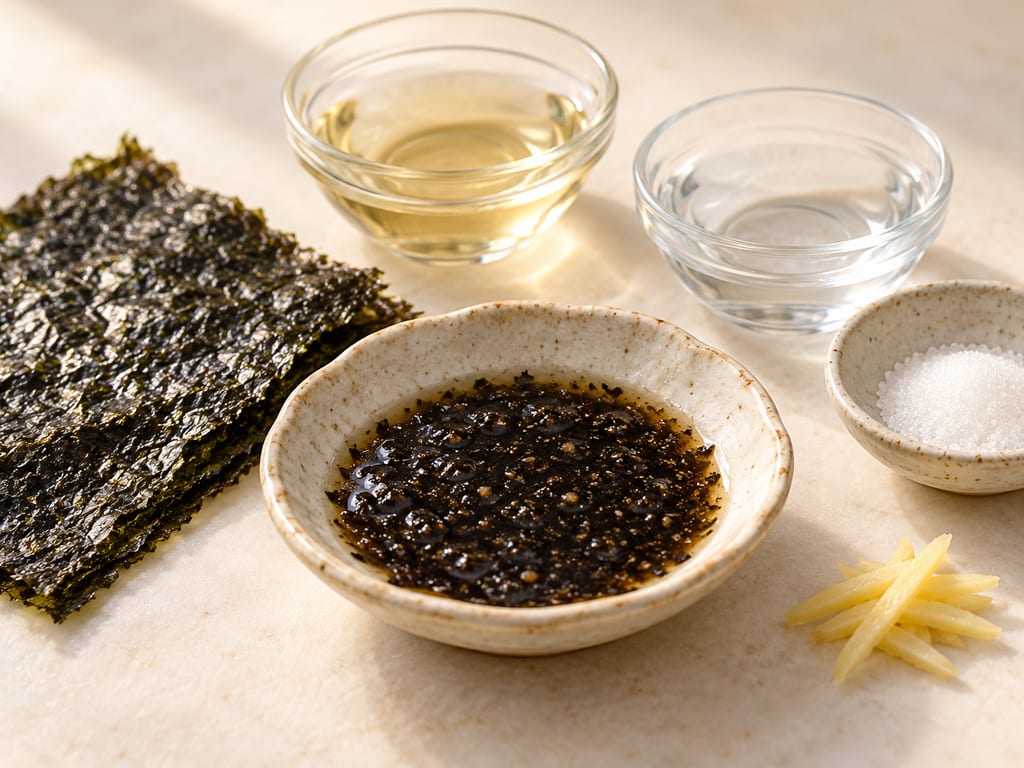
A fresh condiment in which crumbled nori softens in lightly sweetened vinegar and water. It is not vinegar fermented from seaweed.
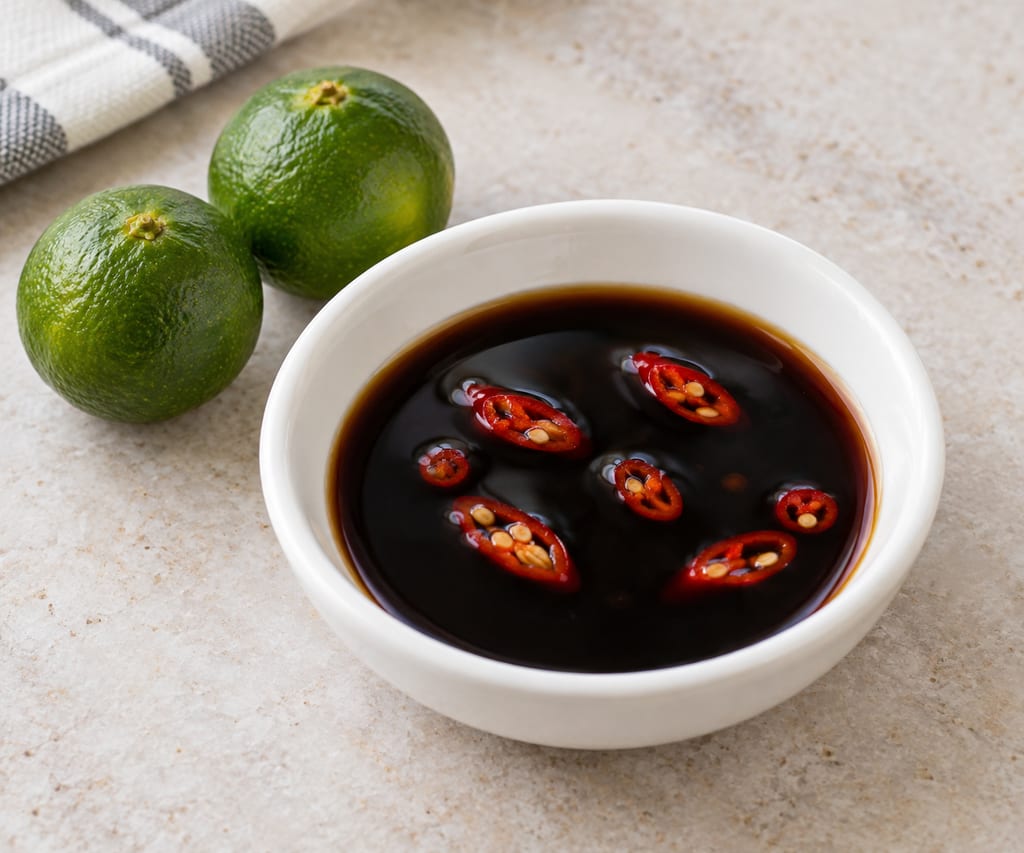
Toyomansi is a Filipino table dip of soy sauce and calamansi juice, served with grilled or fried foods; this version adds sliced chilli and optional sugar.
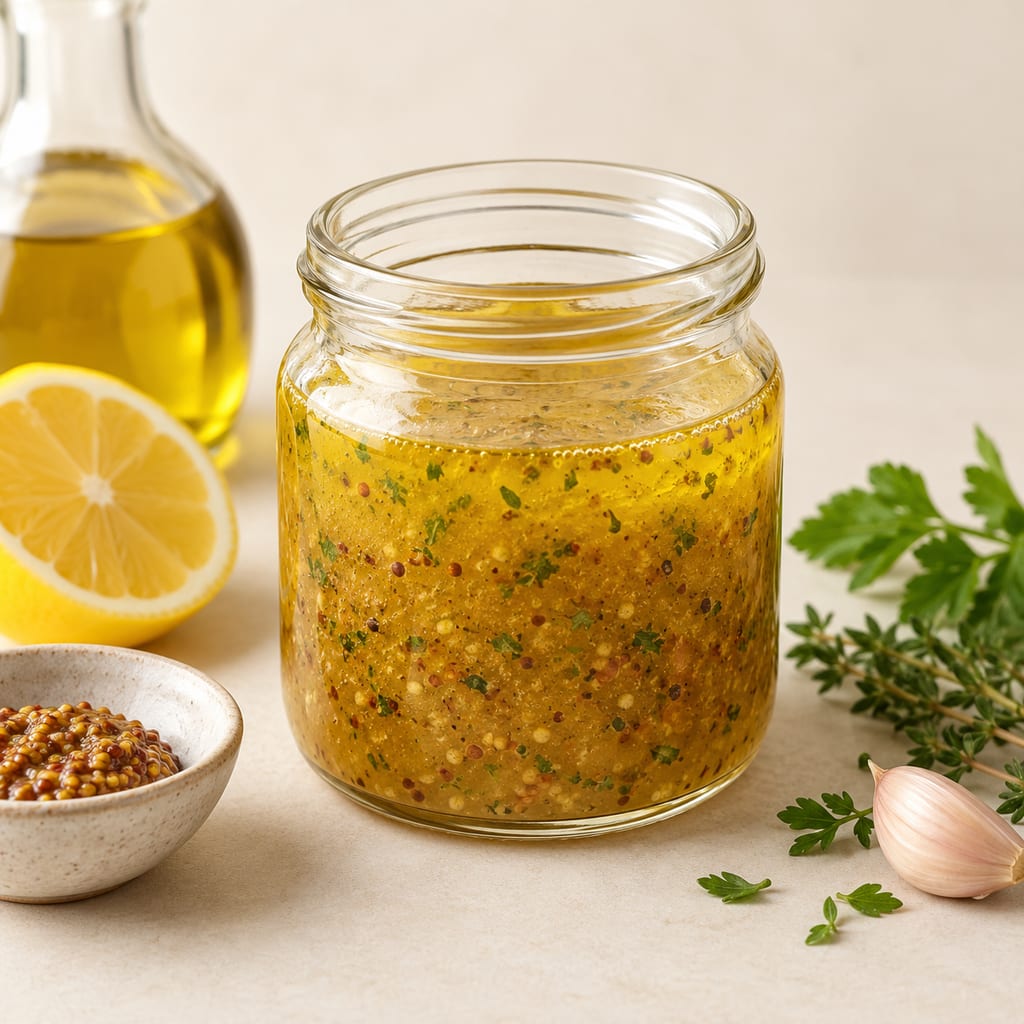
A dressing of edible oil whisked with a mild acid, usually vinegar or lemon juice, seasoned with salt, herbs and mustard, used on salads and as a marinade.
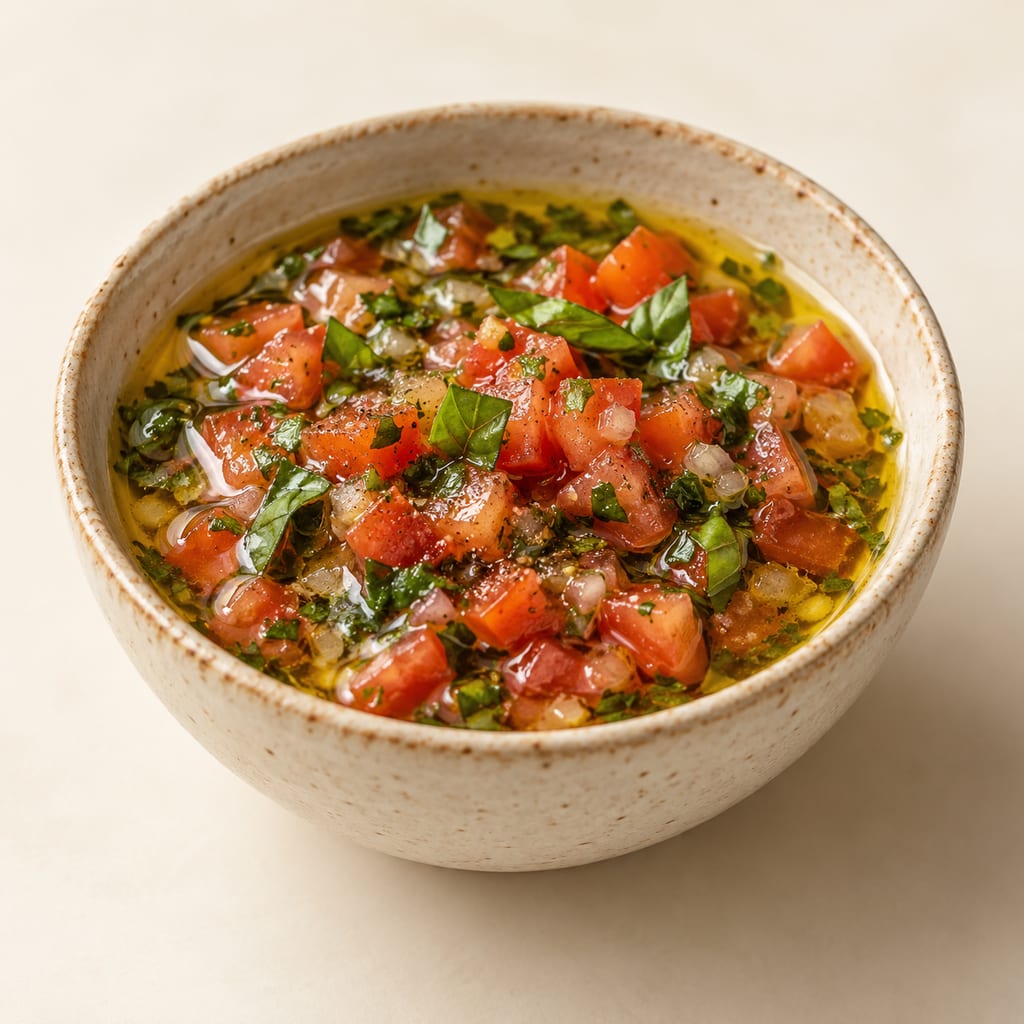
A raw French sauce of olive oil, lemon, chopped tomato and basil, with the herbs infused in the oil, served with fish, shellfish and vegetables.
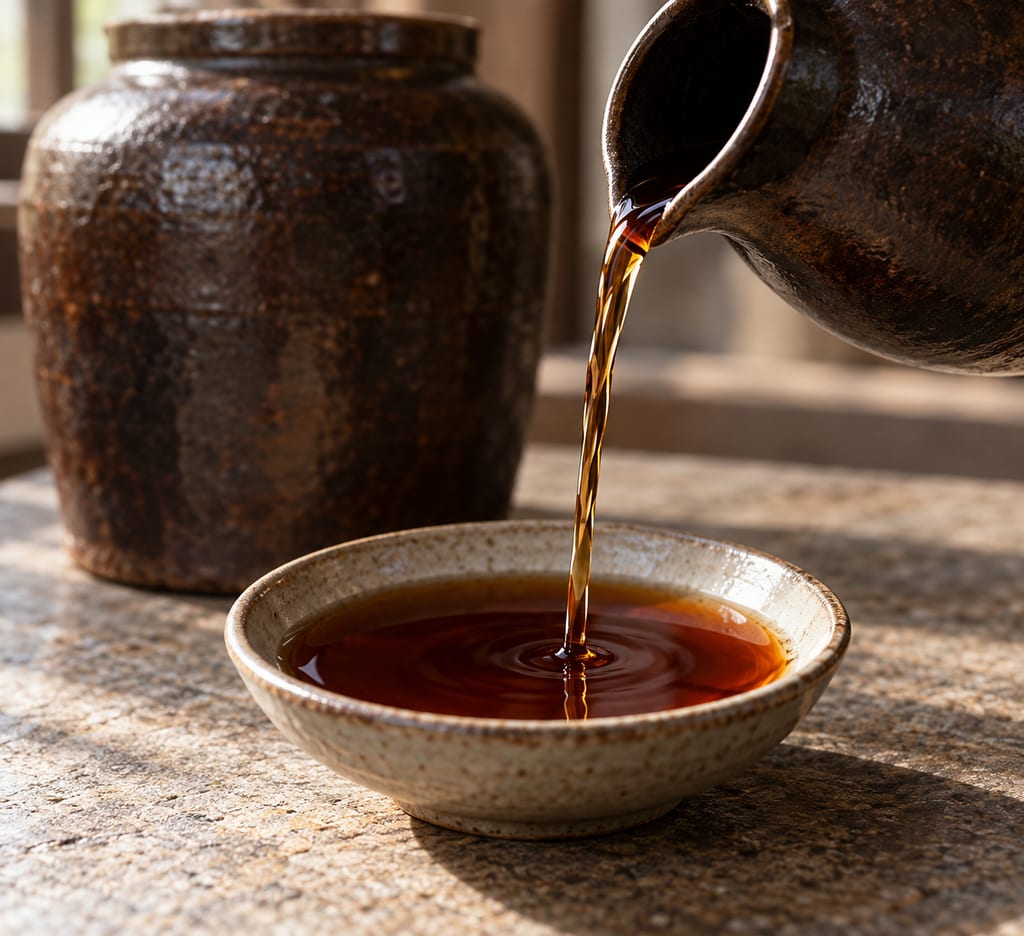
Dark Fujian rice vinegar: glutinous rice and red Monascus koji make a red rice wine, liquid acetification turns it to vinegar, and it ages at least three years.
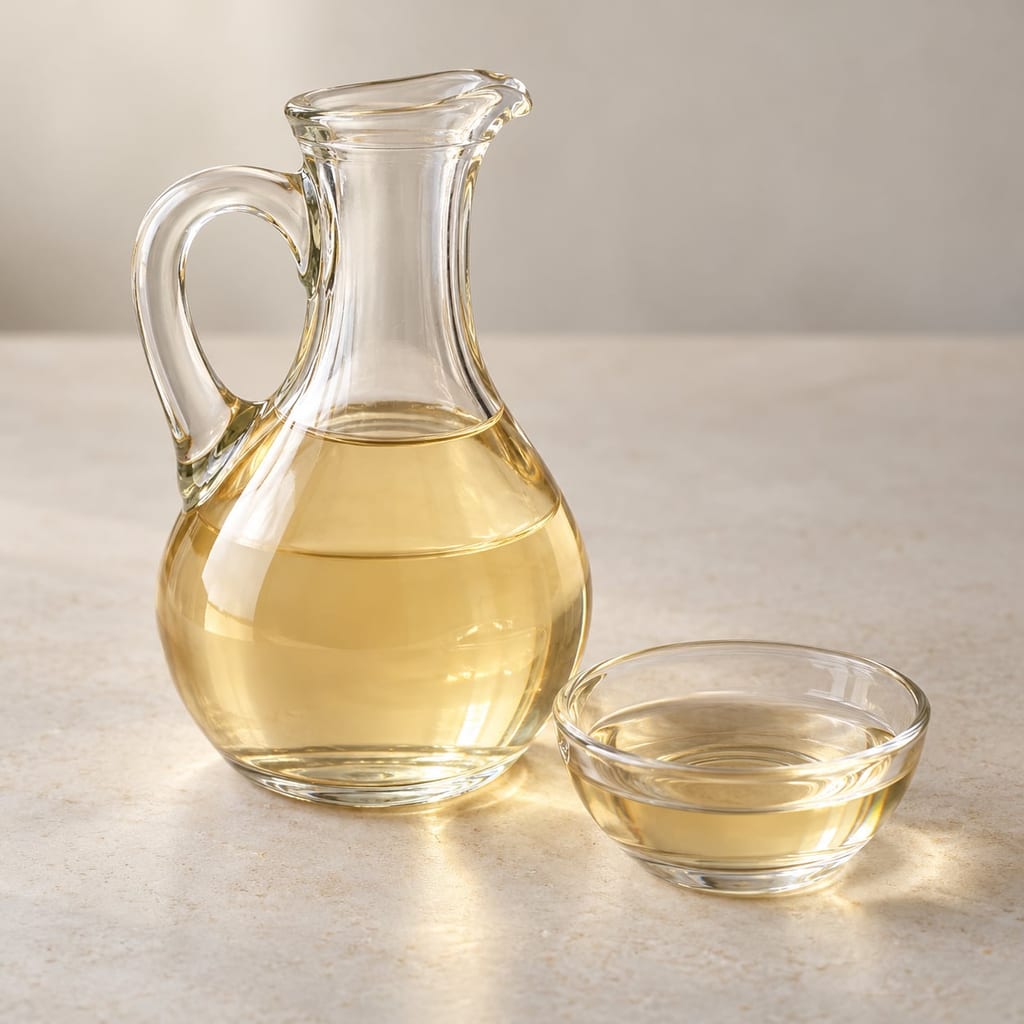
Vinegar made by fermenting the lactose of cheese whey to alcohol with a Kluyveromyces yeast and then to acetic acid; sold in Switzerland as Lactavinaigre from the 1950s.
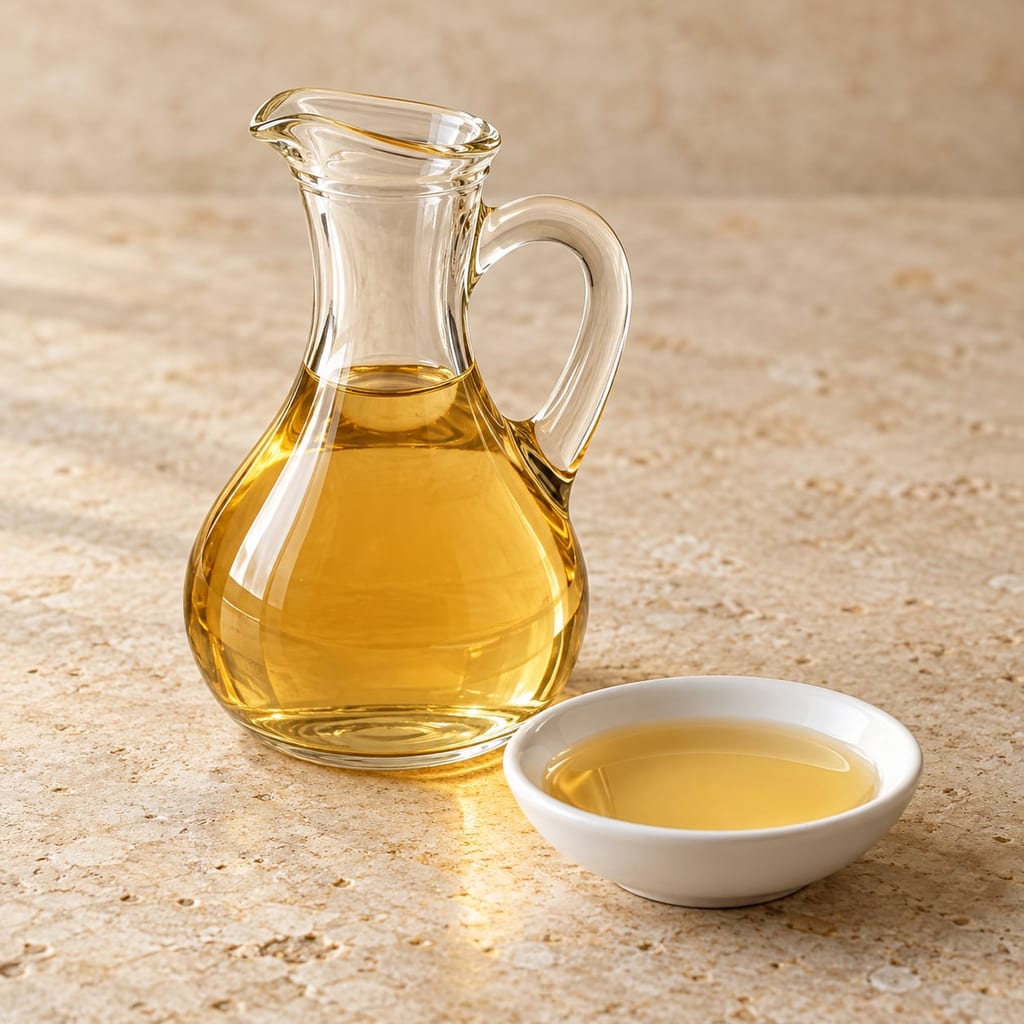
Protected Andalusian wine vinegar made by acetifying certified Montilla-Moriles wine, dry or sweetened with Pedro Ximénez or Moscatel must, and often aged in oak by solera or añada.
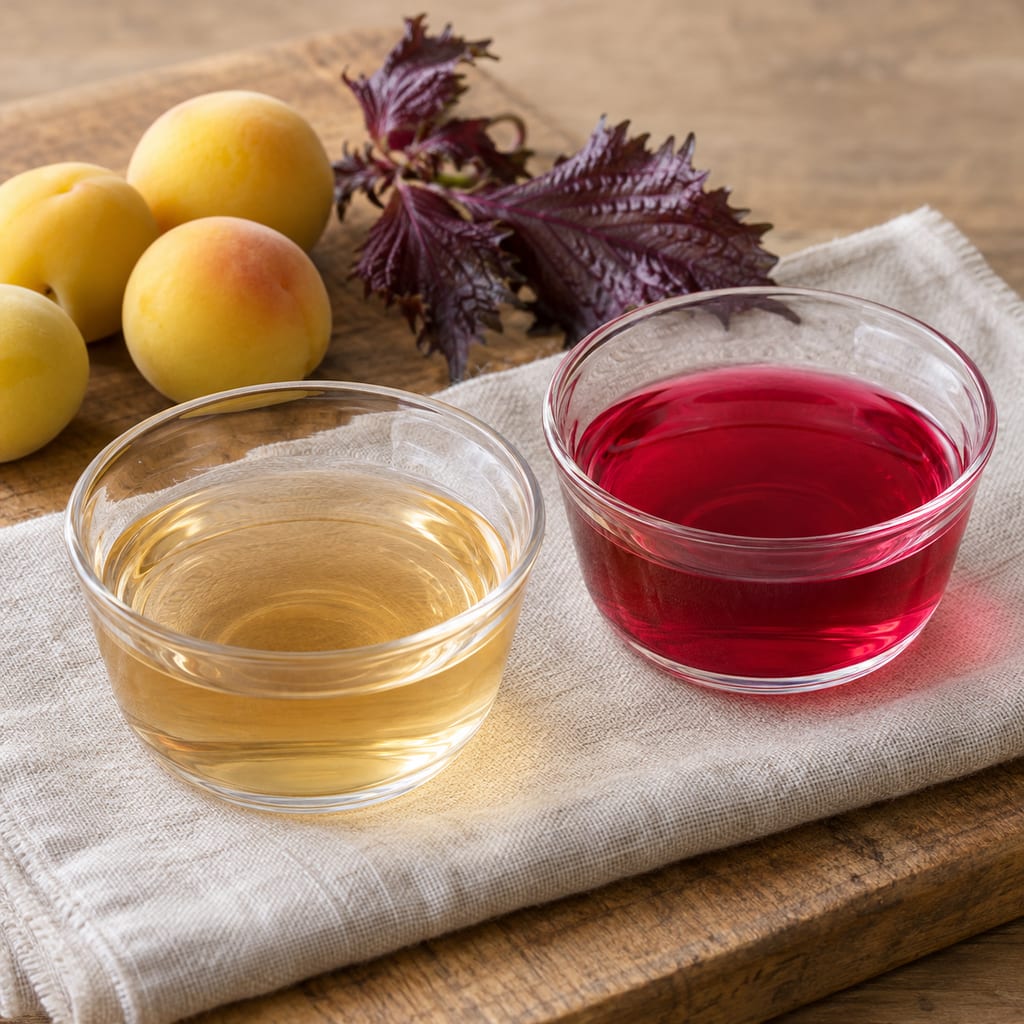
The very salty, sour liquid drawn out of Japanese ume fruit by salt during umeboshi making: acidity from the fruit's citric and malic acid, not from acetic fermentation; white, or red with shiso.
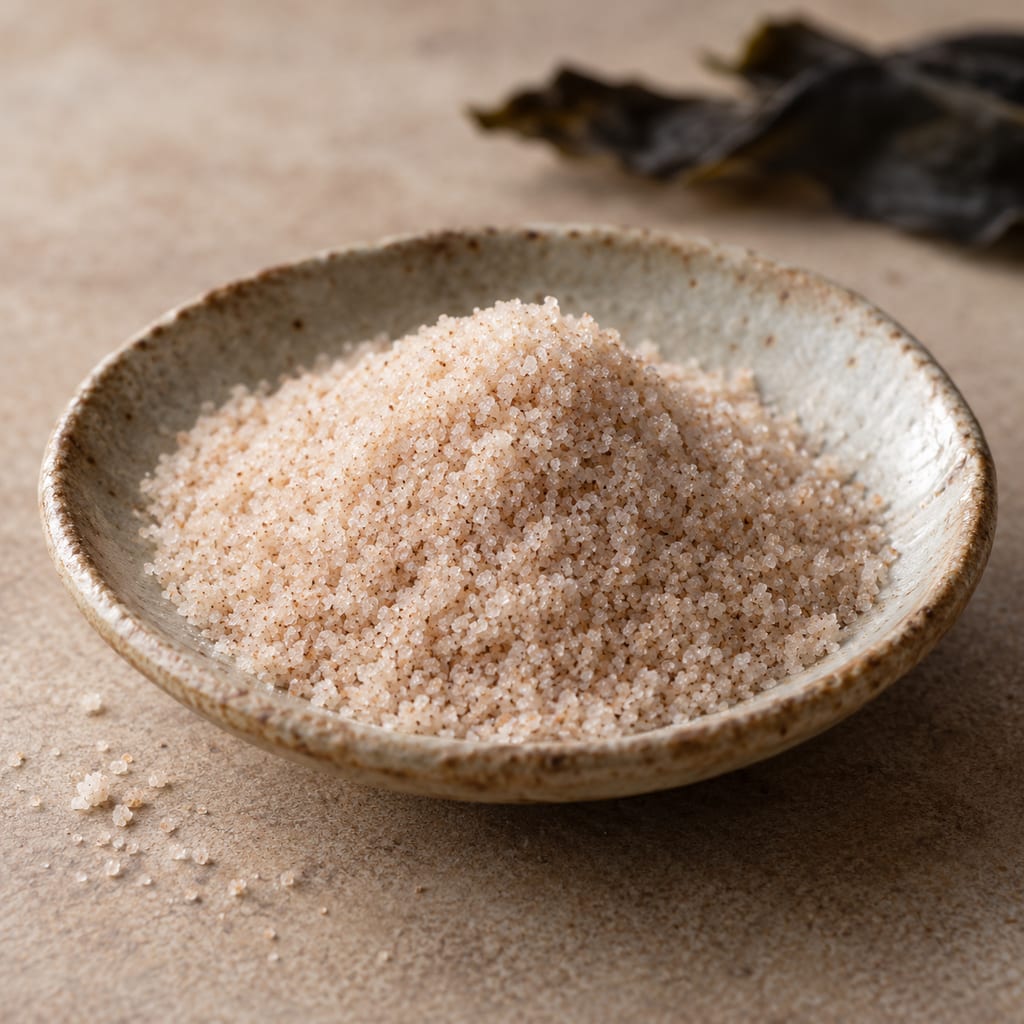
Awaji moshio is a modern Japanese seaweed salt made by TaDa PHILOSOPHY from Awaji Island seawater and seaweed. Its premium process concentrates brine, extracts seaweed flavor, then crystallizes, separates, dries and grades the salt.
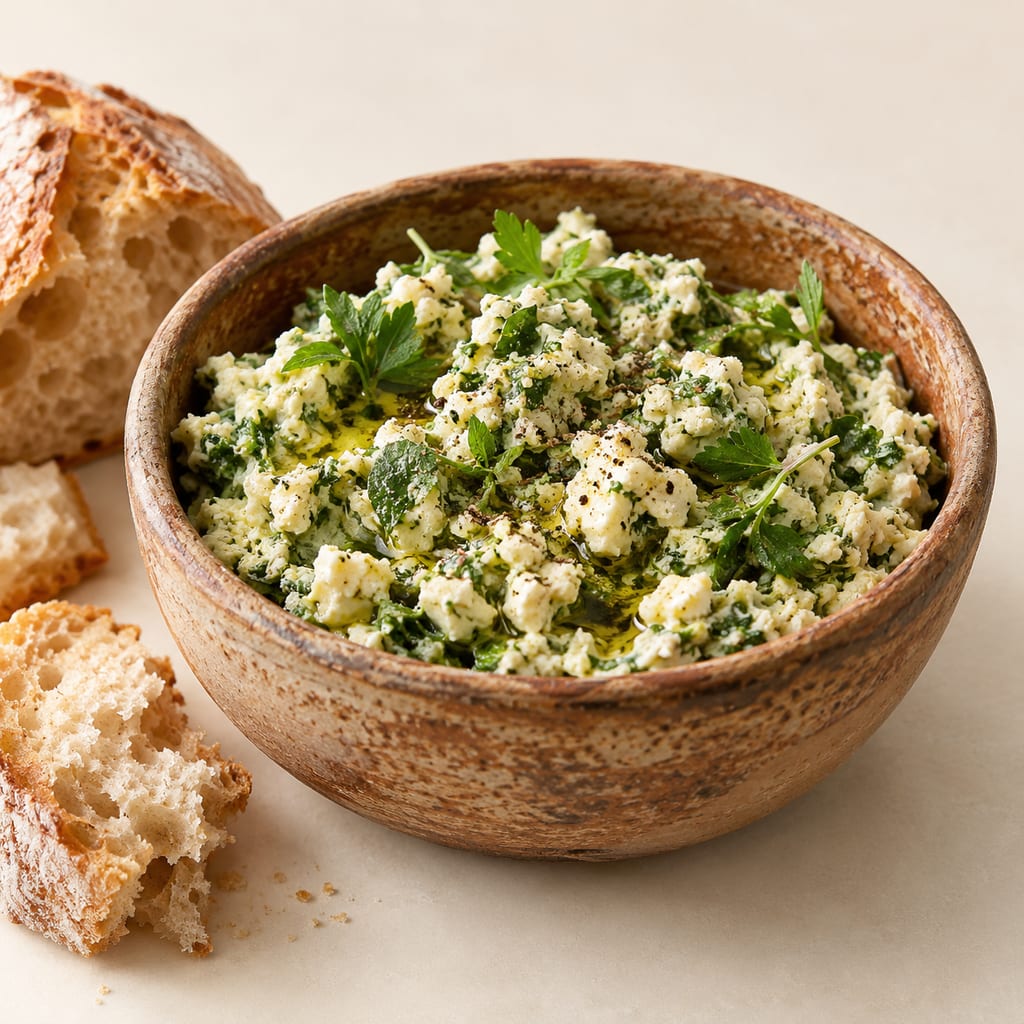
Moretum was a pounded herb and cheese spread of ancient Rome, eaten with bread and named for the mortar in which it was made.
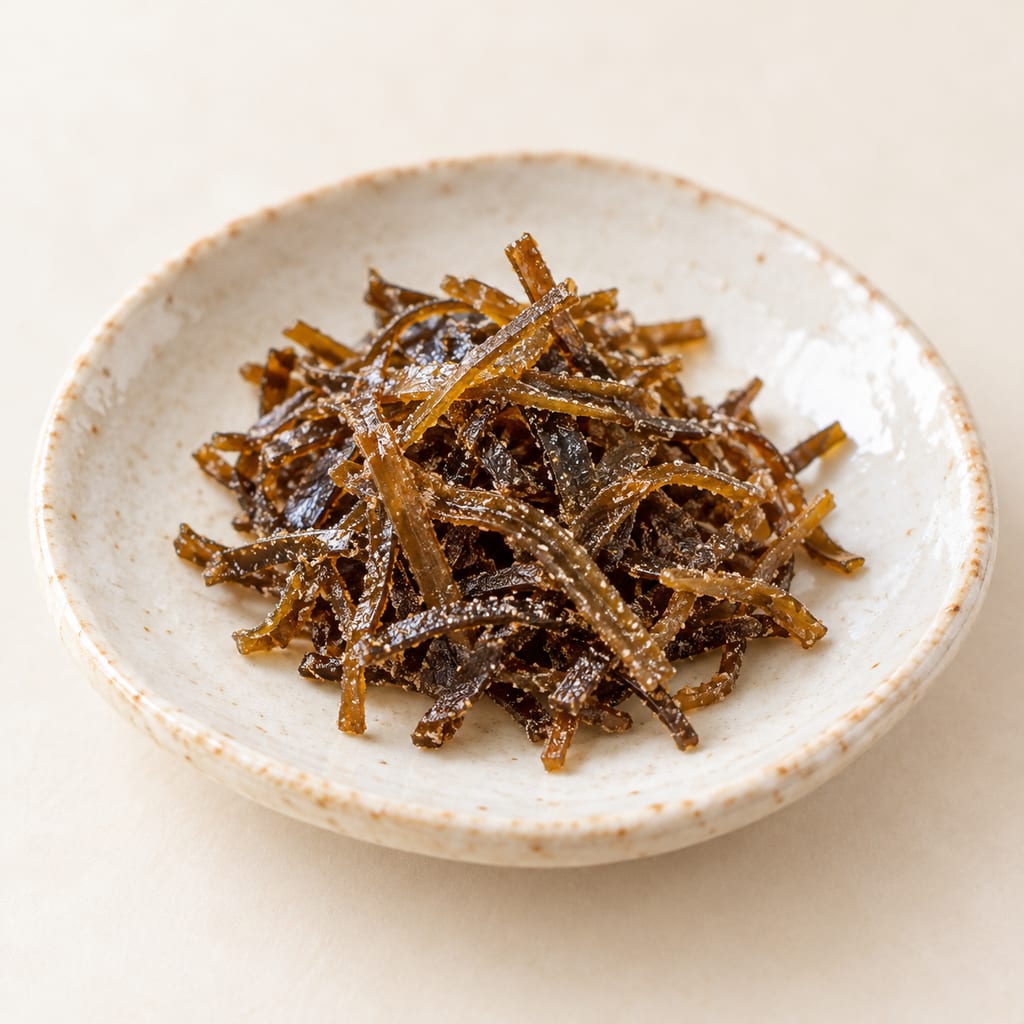
Japanese kelp simmered in soy sauce and seasonings, sometimes dried and salted, eaten with rice or used as an umami seasoning.
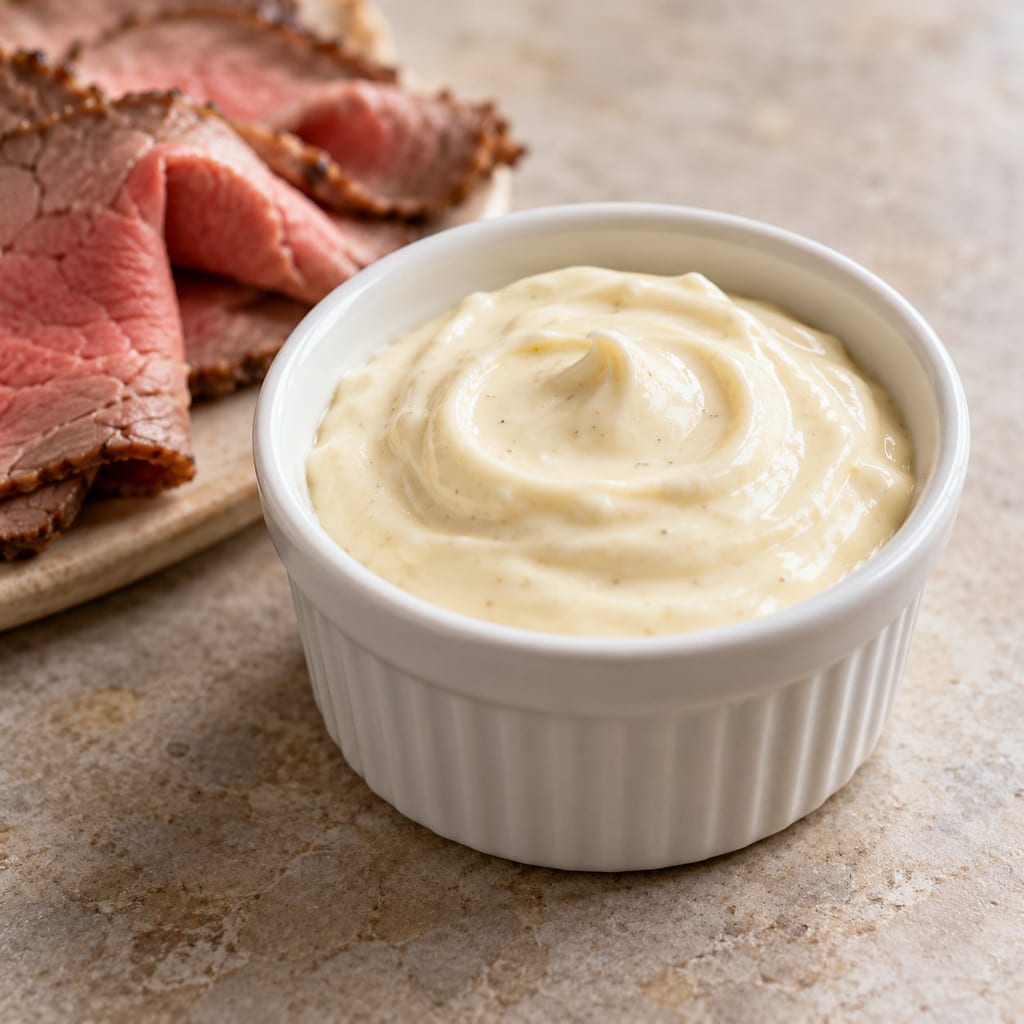
Prepared horseradish and lemon sharpen finished mayonnaise into a fresh accompaniment for roast meat or fish; the archived ratio has not been tested.
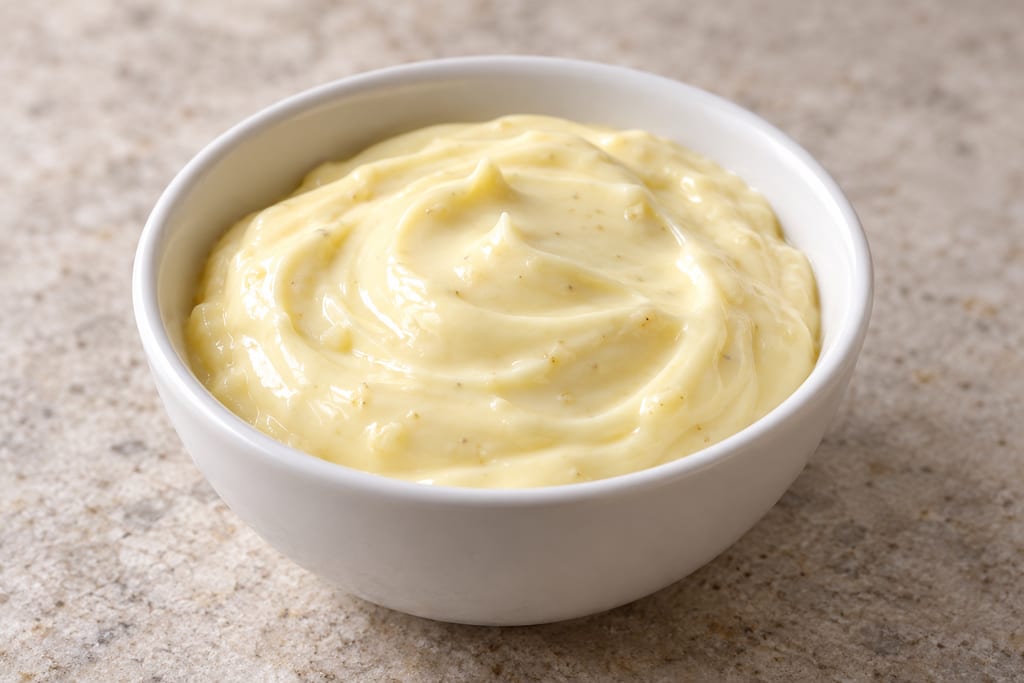
An untested 265 g garlic mayonnaise made by whisking pasteurised yolk with vinegar, water and Dijon, then slowly emulsifying neutral oil with mild extra-virgin olive oil.
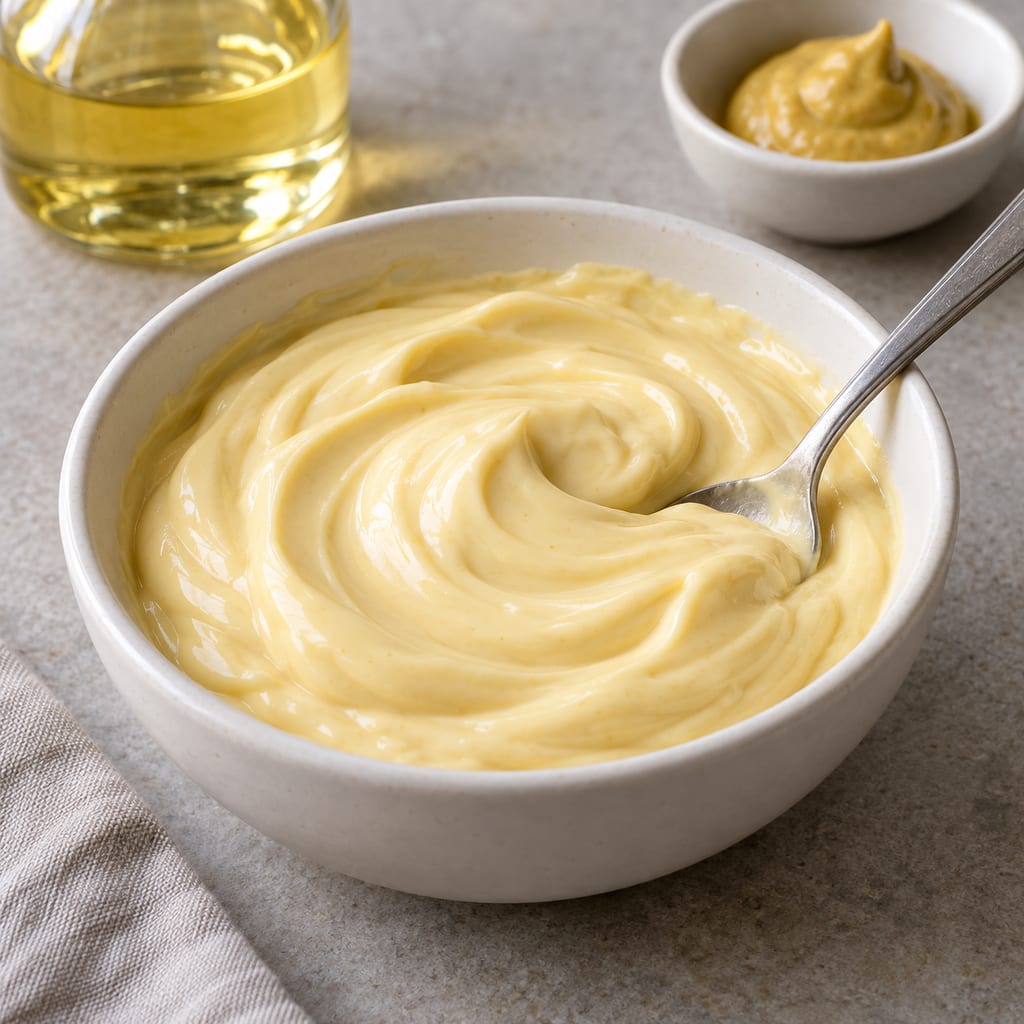
An untested mayonnaise variation made with refined sunflower oil and more Dijon mustard than a neutral base.
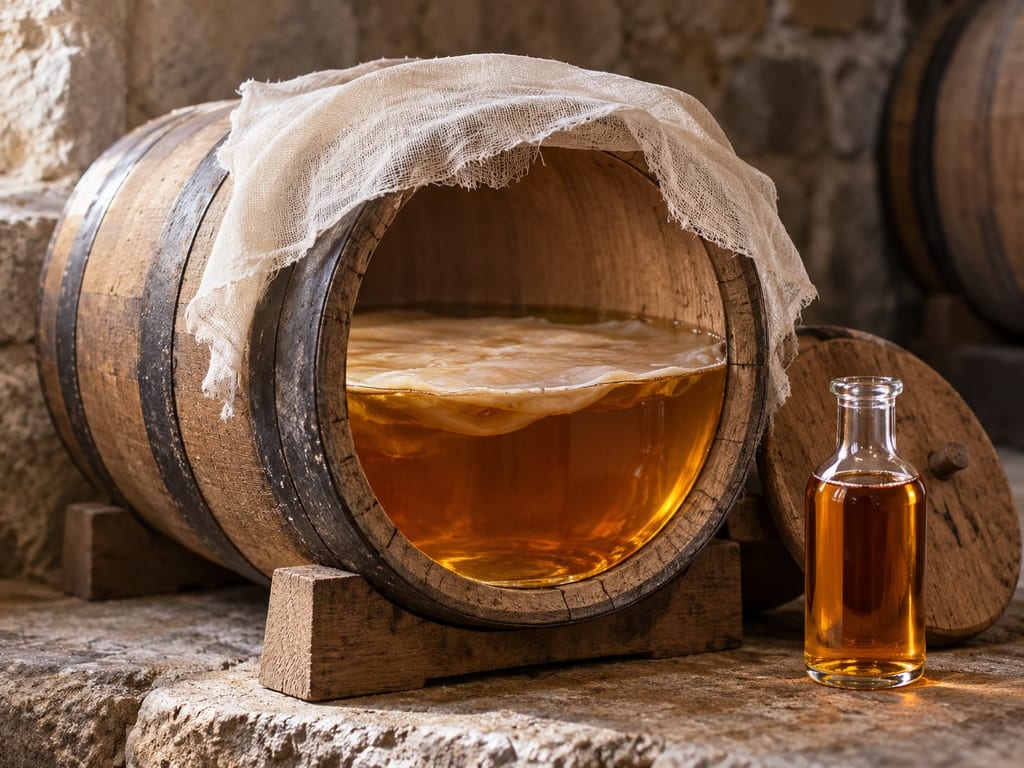
Fruit wine turned into vinegar by acetic acid bacteria at the surface of a half-filled, air-vented vessel. The Orleans method takes one to three months for a 9% wine.
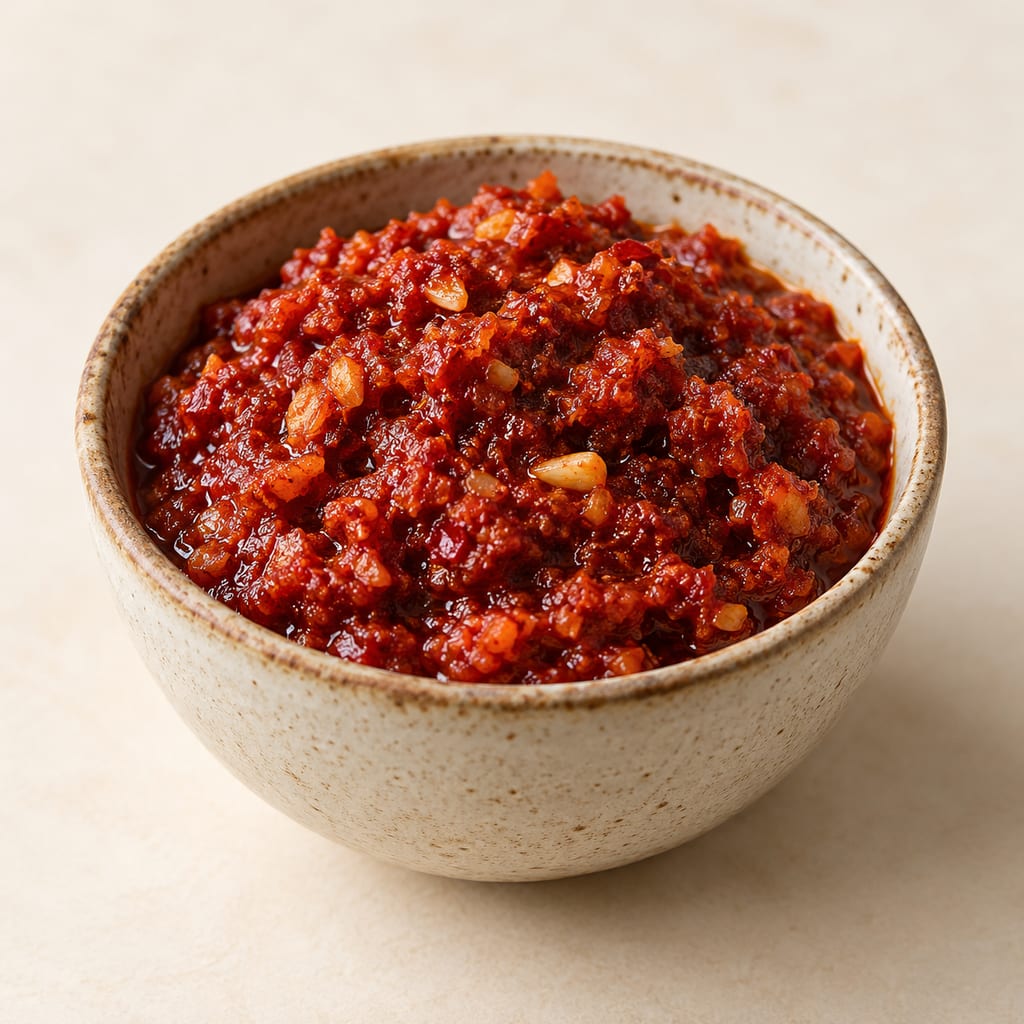
A chilli and garlic paste from the Libyan Jewish community, built on steamed dried peppers, garlic and cumin, now a common condiment in Israel.
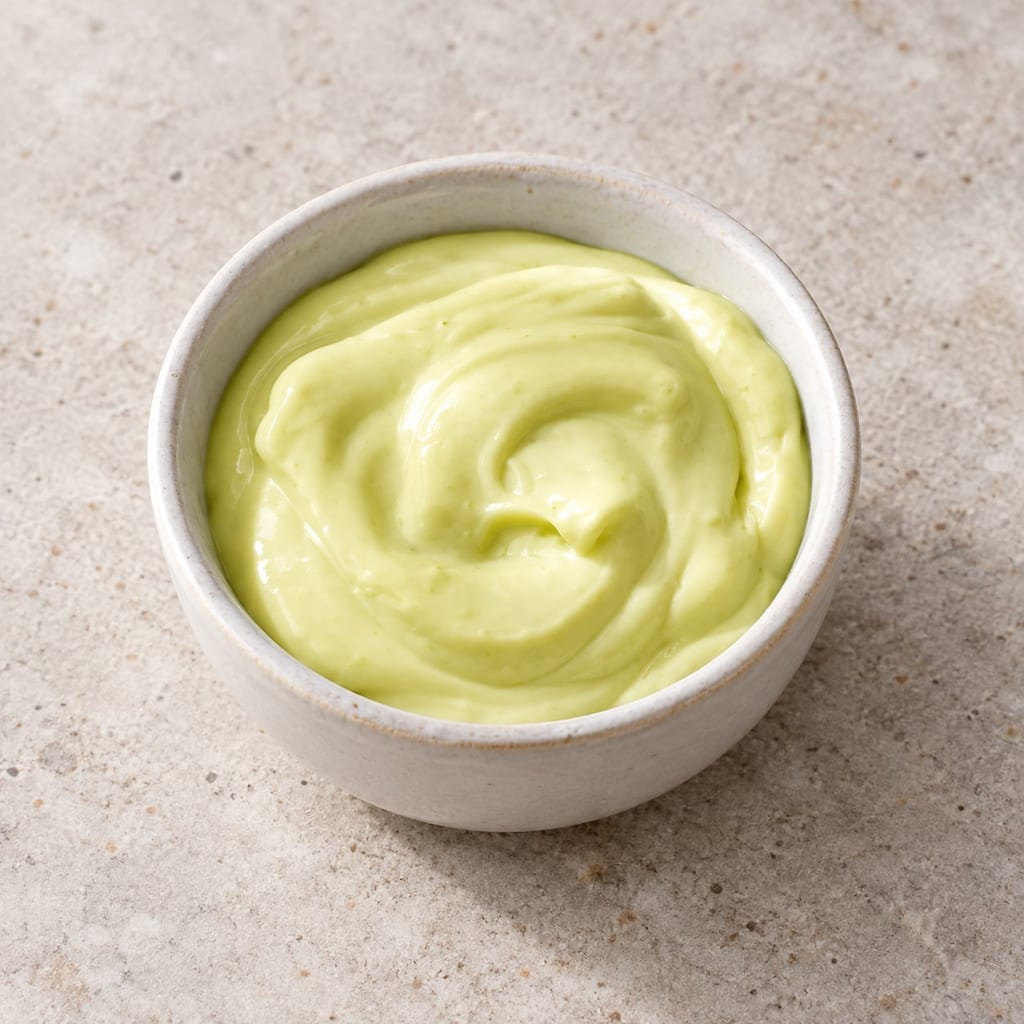
A contemporary, untested mix of finished mayonnaise and prepared wasabi paste, beginning within the archive's 2–4 g range per 100 g mayonnaise.
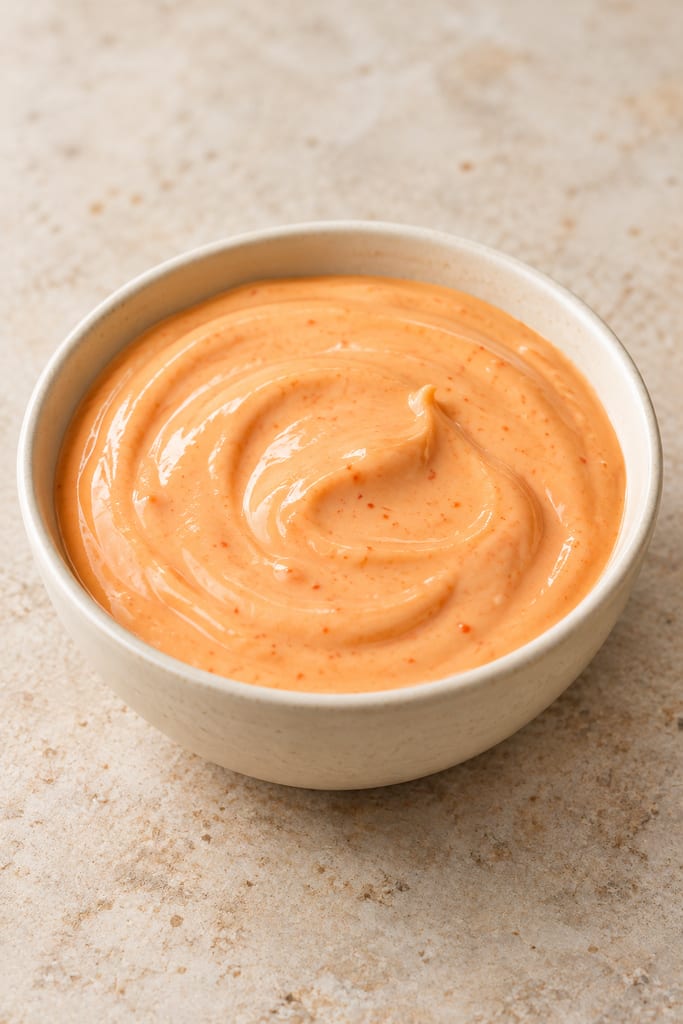
A contemporary, untested mix of finished mayonnaise, sriracha and lime juice, with starting amounts per 100 g mayonnaise.
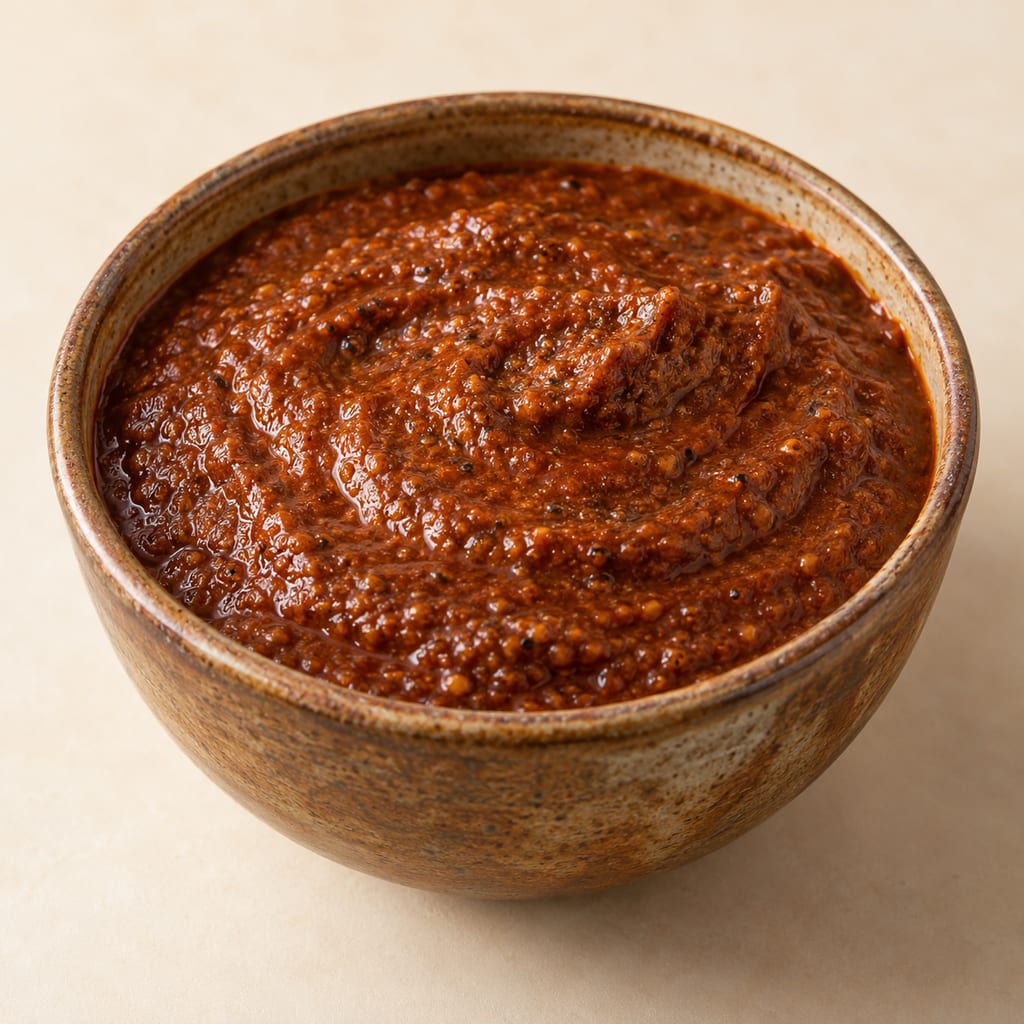
The roasted chile, seed and vegetable sauce that thickens and colours Guatemalan pepián stew.
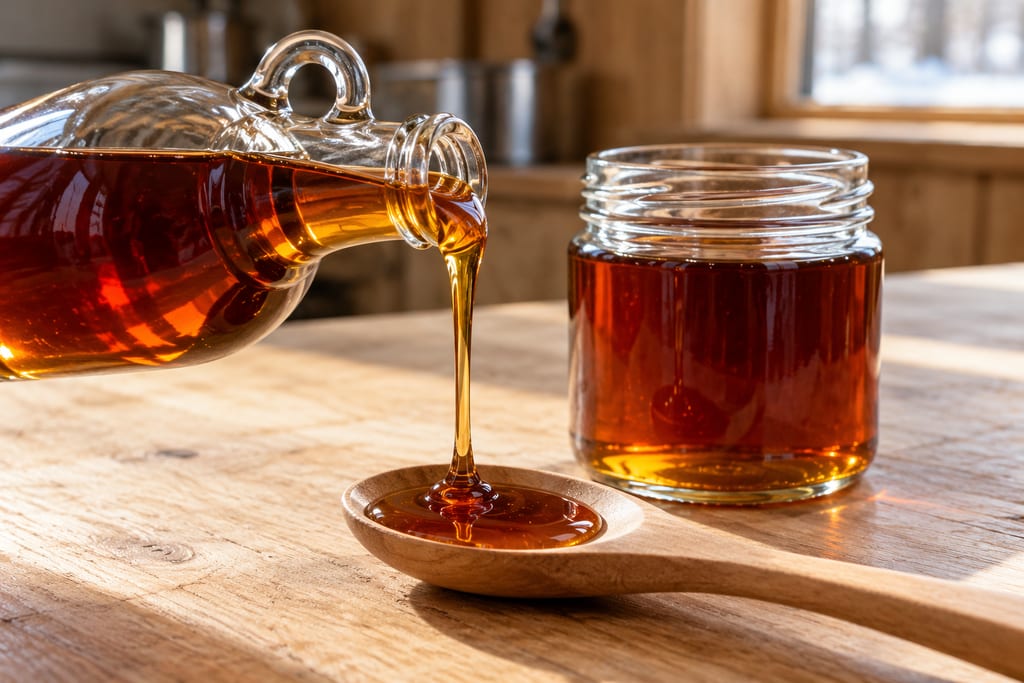
Maple sap of about two percent sugar boiled down in a shallow pan until it reaches syrup density, the sugar concentration the standard defines, then filtered hot and packed hot.
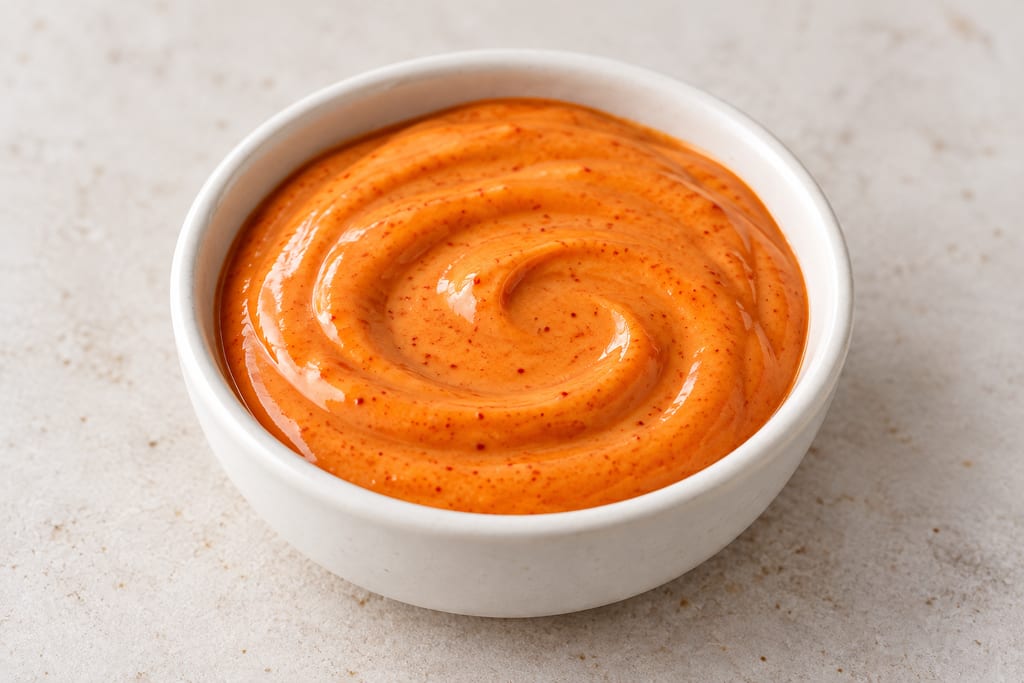
A contemporary, untested mix of finished mayonnaise, gochujang and rice vinegar, with starting amounts per 100 g mayonnaise.
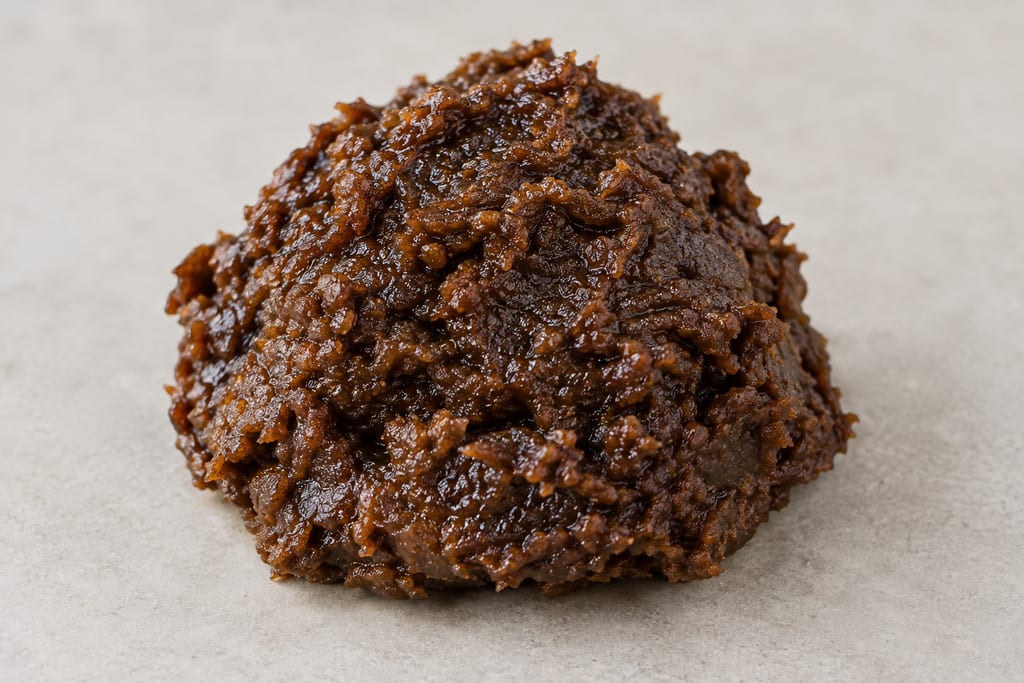
Maari is a Burkinabè baobab-seed condiment documented in producer studies. This is a non-instructional account, not a home recipe: sources vary, omit key process details and establish no validated safety control.
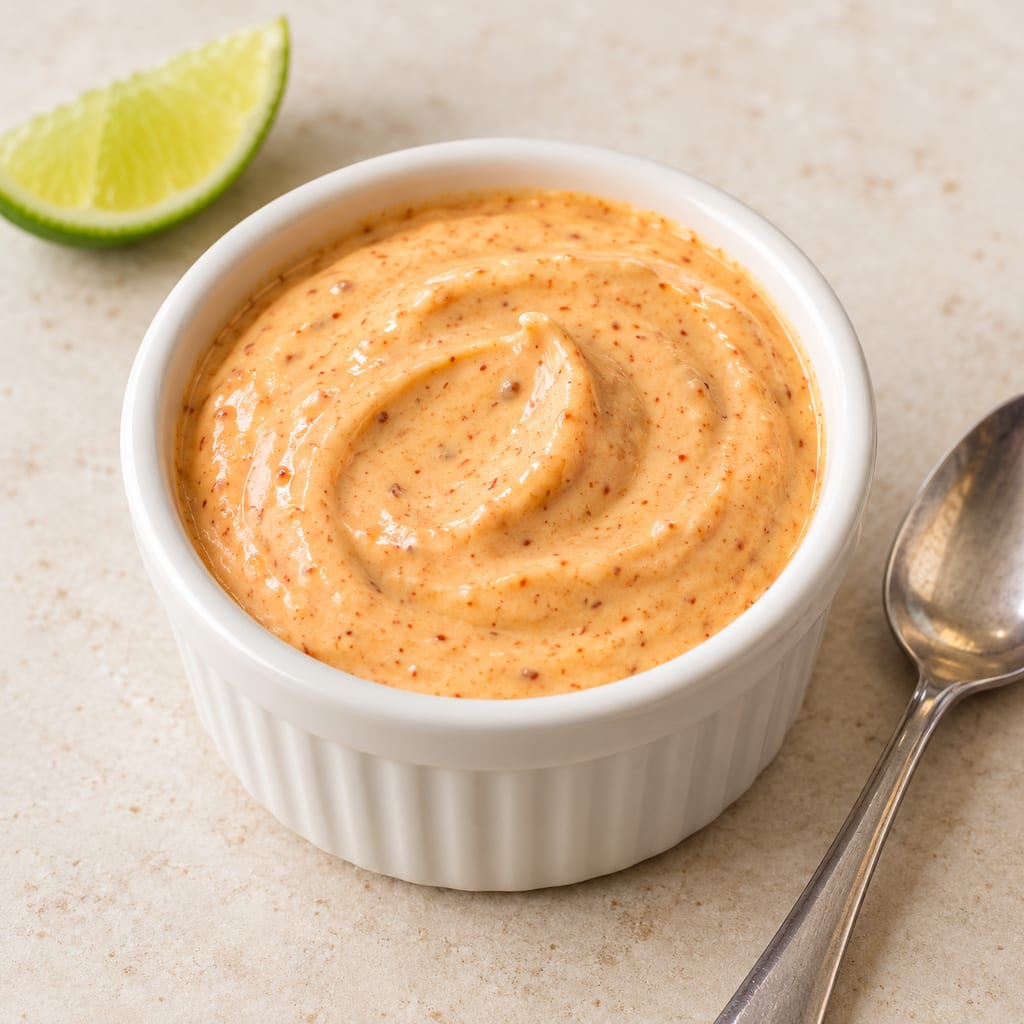
A contemporary, untested mix of finished mayonnaise, mashed canned chipotle in adobo and lime juice, given as starting amounts per 100 g mayonnaise.
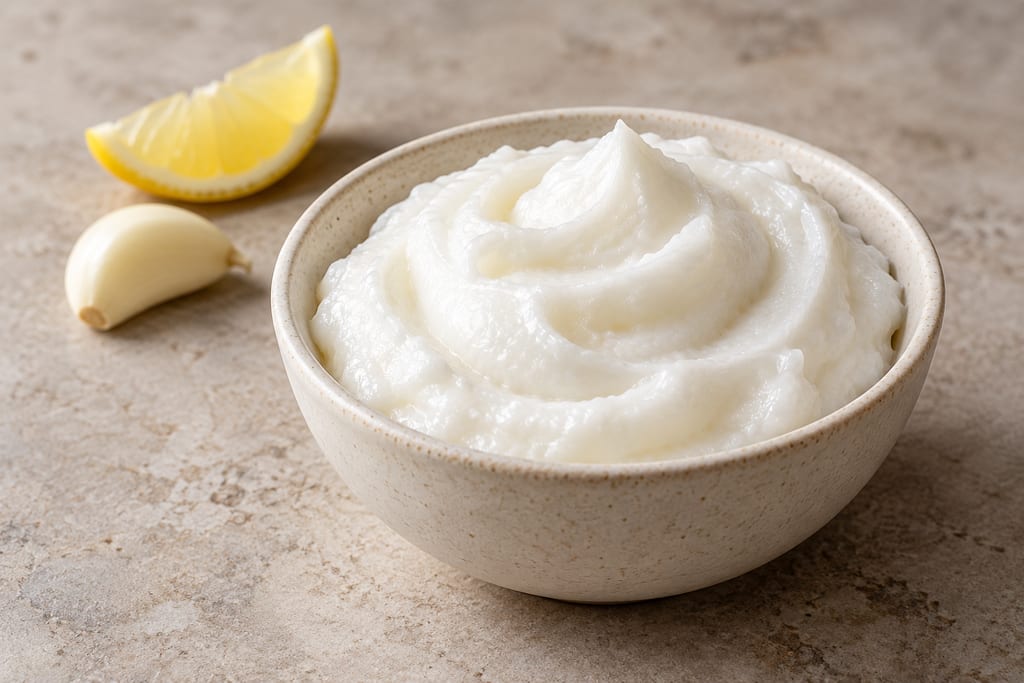
A home-developed garlic emulsion in a Lebanese toum style, with a separately developed ratio. Nominal yield 298 g.
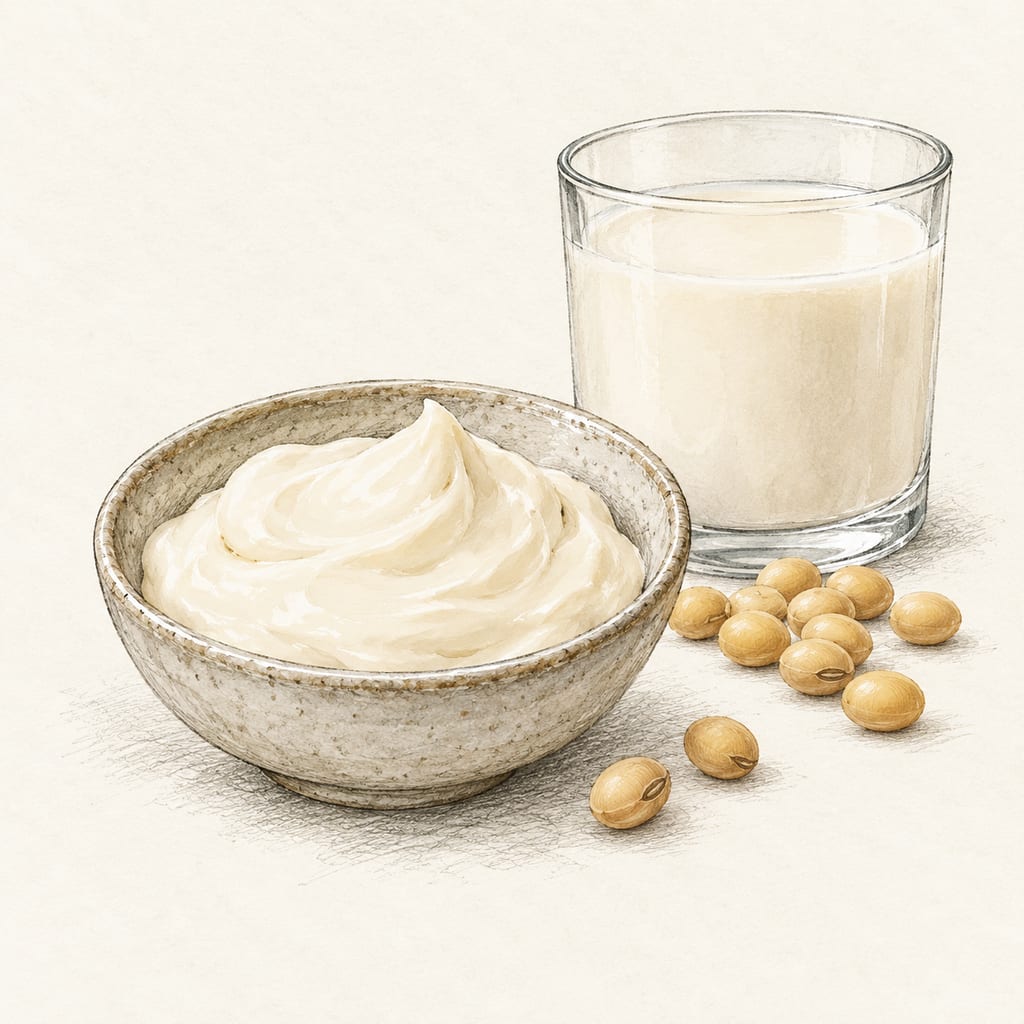
An untested eggless emulsion made by blending unsweetened soy milk with vinegar and Dijon, then slowly adding neutral oil. The 265 g formula has no validated shelf life.
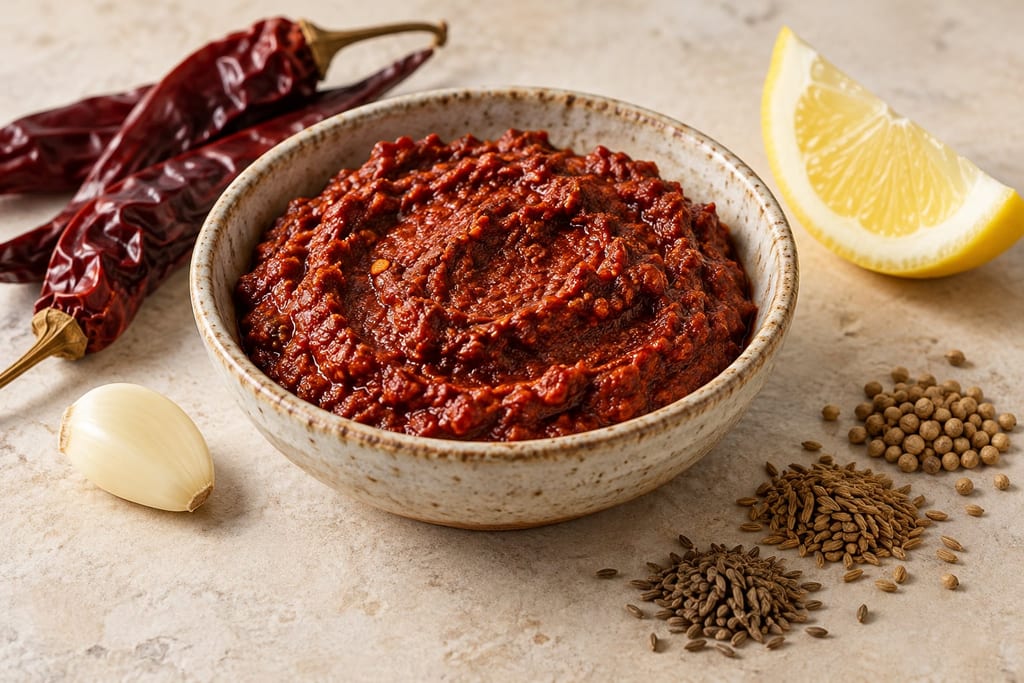
A fresh chilli paste made from rehydrated dried red peppers, garlic, olive oil, lemon and warm spices; this small-batch formula adapts the harissa family rather than reproducing a tested Tunisian method.
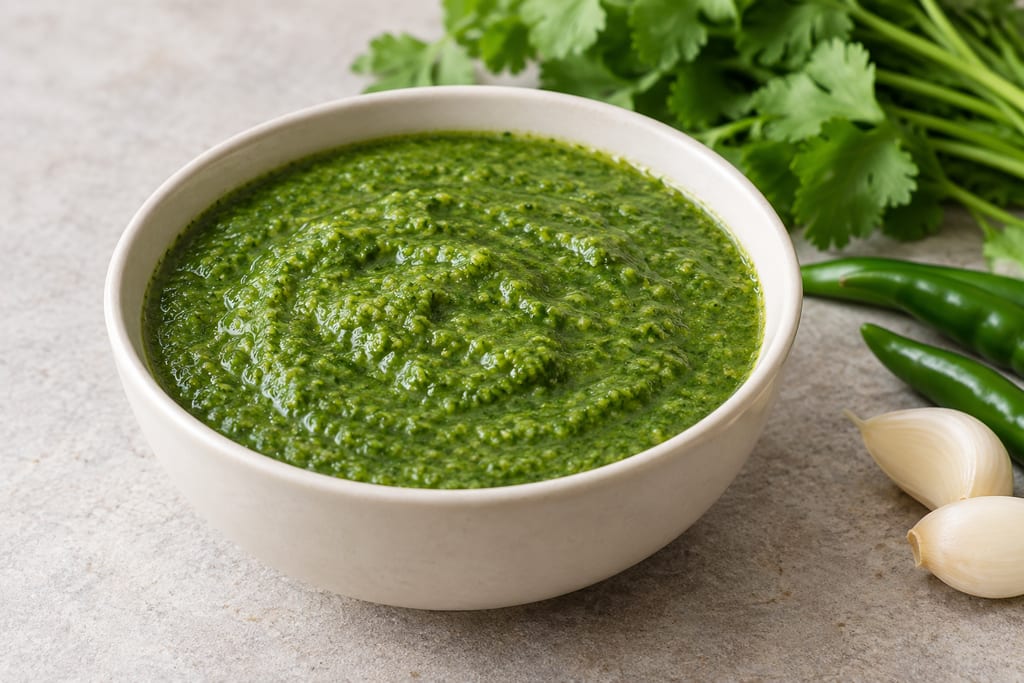
Afghan coriander chatni is a sharp, hot herb sauce with garlic and vinegar. A 2008 Afghanistan manual records green or red pepper and optional walnut; heat and household versions vary.
Tương Bần is a thick, sweet and salty northern Vietnamese soybean sauce made from soybean and sticky rice at Bần Yên Nhân in Hưng Yên, matured in ceramic jars for months.
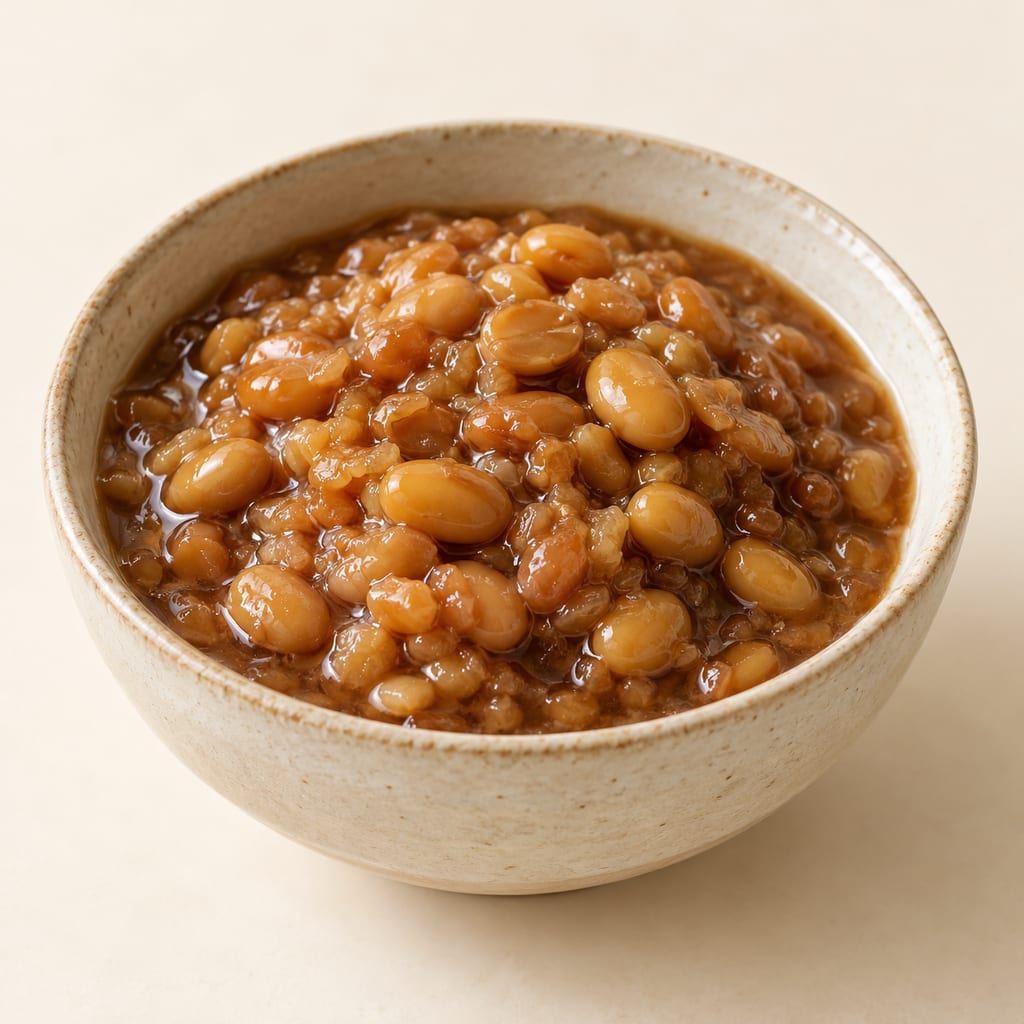
Tao-jiew is a salty, semi-solid soybean condiment from Thai cooking, made with koji and maturation in salt solution. The JIRCAS entry gives one method with key quantities left out.
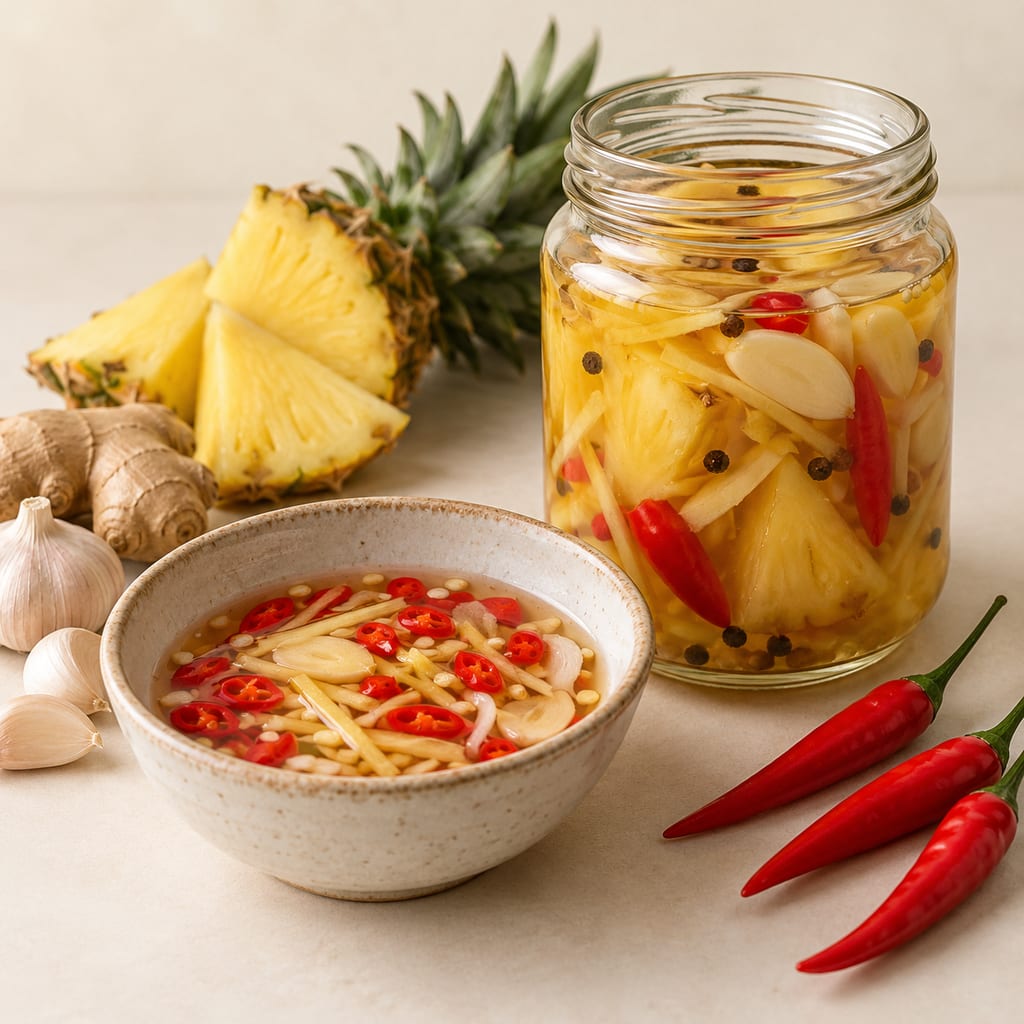
Filipino vinegar dips: vinegar steeped or mixed with chilli, garlic, ginger and other aromatics, from the pineapple sinamak of Iloilo to coconut-vinegar sawsawan. Not a single formula.
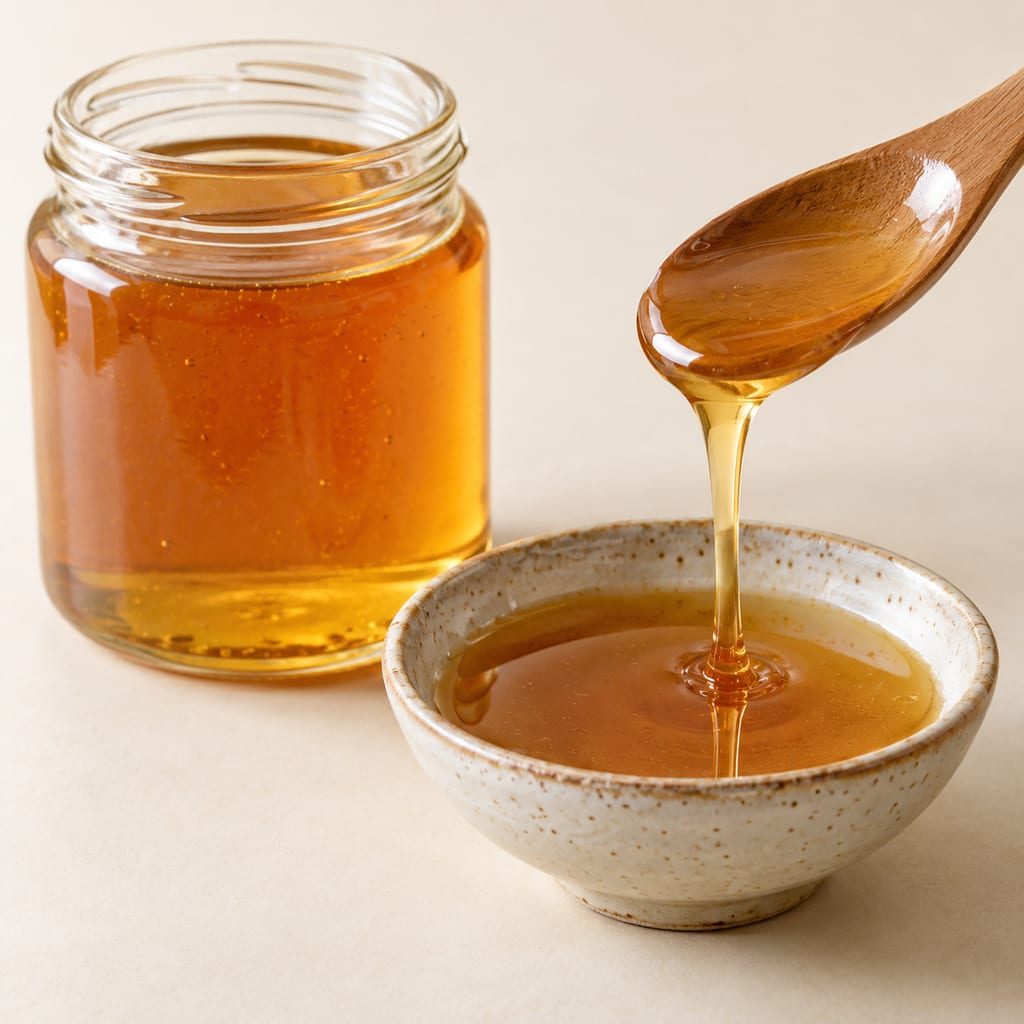
A Korean rice syrup: cooked rice is converted by barley malt in a long warm hold, strained, and the sweet liquid is boiled down until it pours like maple syrup.
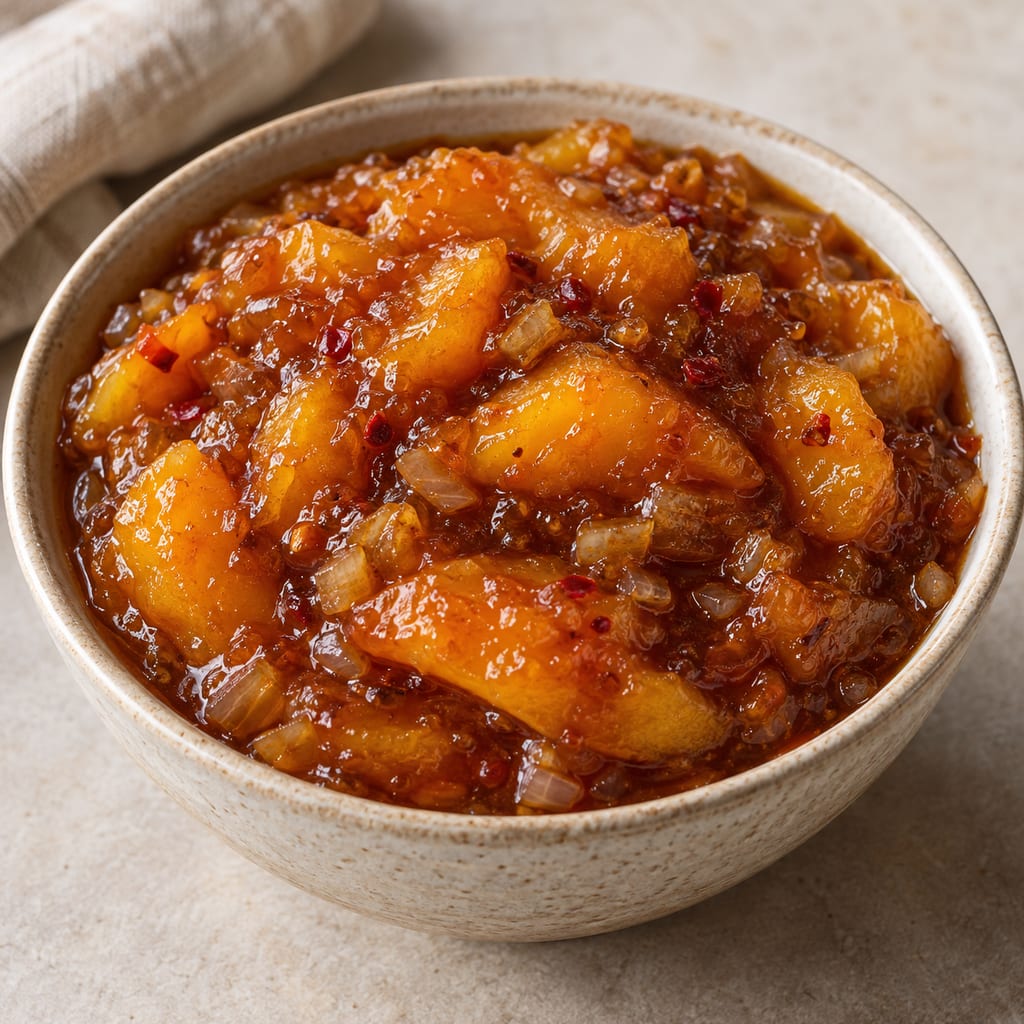
South African fruit chutney ranges from Cape-style sweet-sour fruit pastes to spiced dried-fruit versions; this page records a measured peach and apricot home recipe inspired by Mrs Ball’s.
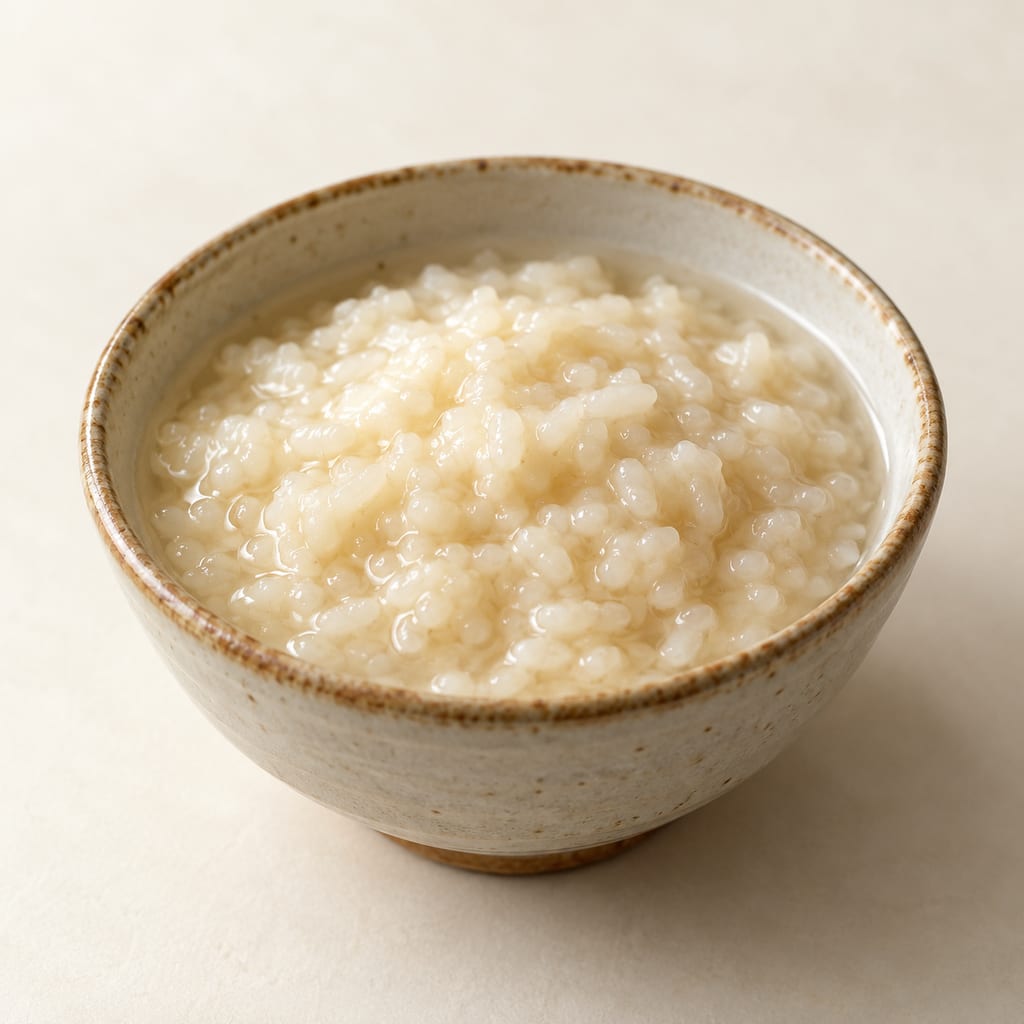
Shio-koji is a Japanese seasoning of rice koji, salt and water, left at room temperature until the grains soften and turn sweet and the mixture thickens.
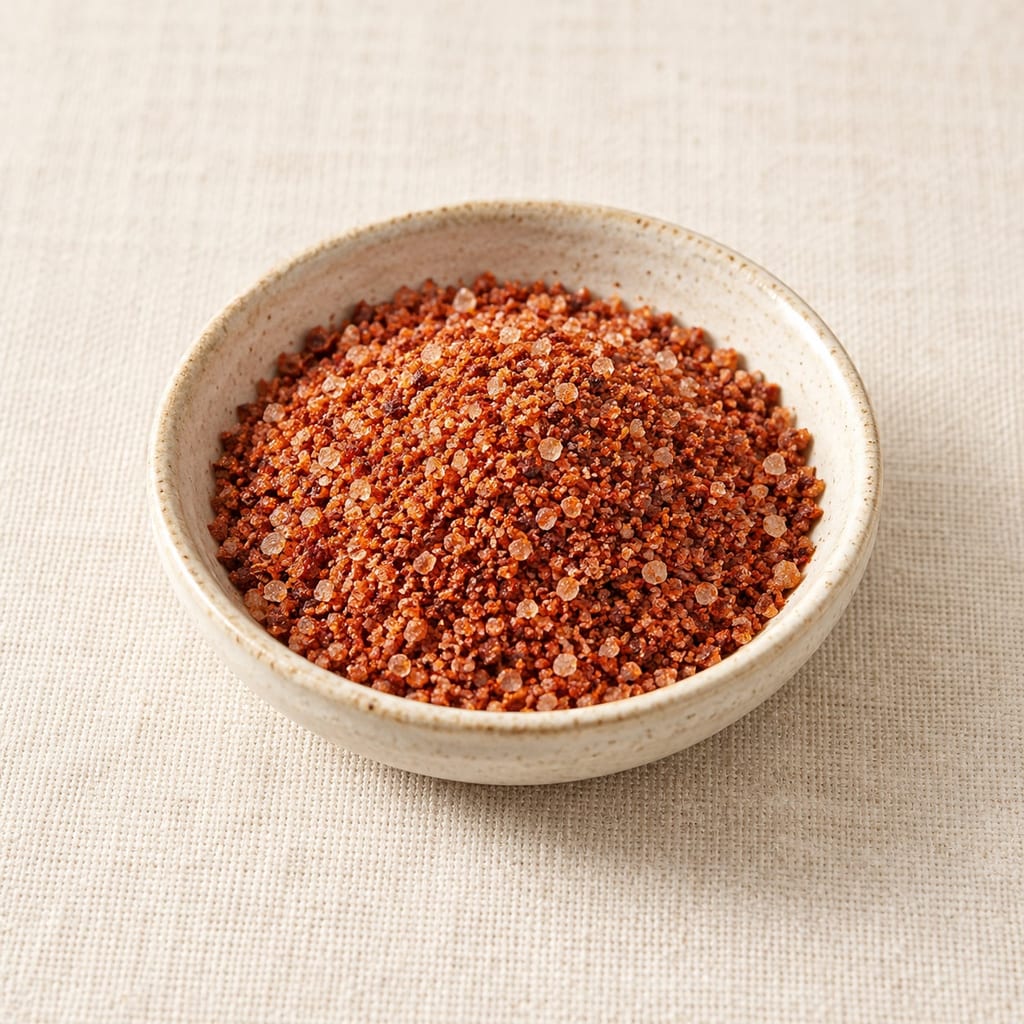
A dry Mexican seasoning of maguey worm, salt and chile, most closely associated in published accounts with Oaxaca and commonly served with mezcal, citrus and fruit.